• A new chapter for Natasha Bradley

    A new chapter for Natasha Bradley

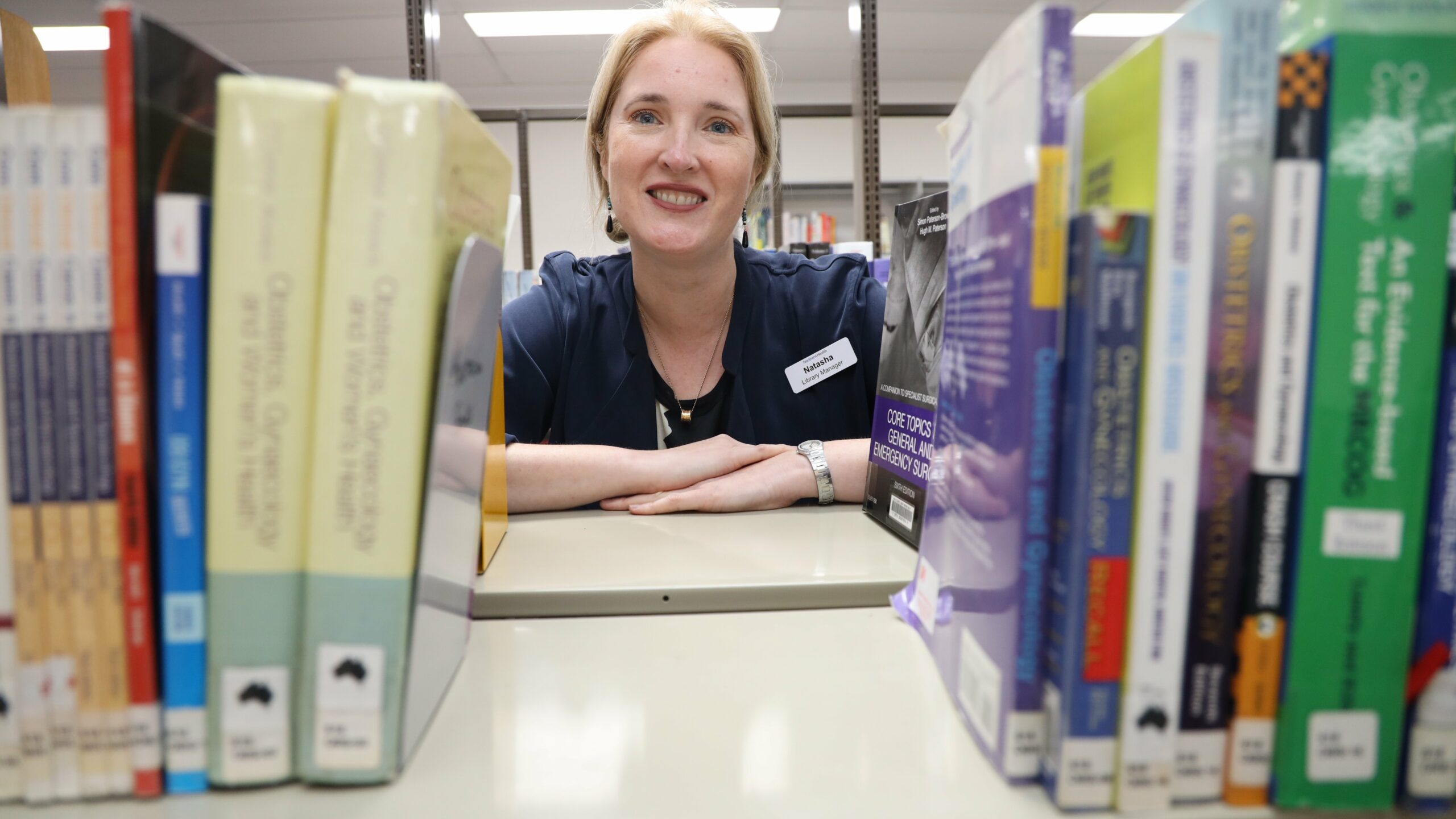
    We caught up with Northern Health’s new Library Manager, Natasha Bradley.

    What’s your coffee order?

    I don’t drink coffee, I drink tea, chai tea.

    Tell us about your Northern Health journey.

    I started at the very end of June last year, just before lockdown two. So it was a pretty interesting time to start at a hospital.

    How did COVID-19 impact the library?

    It had an impact on people’s ability to access the space because we do get people from all over the hospital come in together, so that was something that presented a risk. The library was closed as a physical space for about four months out of last year. However, as we were still loaning books to people, we developed an alternative process to that, and as about 80 per cent of the library activity is online and has been online for a number of years, that went on uninterrupted.

    What is your greatest achievement or favourite memory since you began working here?

    I feel really fortunate to have walked into a library that is really well regarded, with a fantastic team and a great supportive management as well. It’s been pretty memorable to start at a hospital during a pandemic so that is always going to stick with me. Every day in the library is an adventure, and it’s endlessly fascinating and it’s really hard to pick out a favourite memory.

    Tell us about your career before joining Northern Health.

    Libraries are a second career for me. I’ve been in libraries for eight years and predominately health libraries. Before that, I used to work in online, so developing websites and managing websites. I’ve always been around information management and organisation for the whole of my professional life.

    Are you a lover of books and reading?

    Libraries are more about connecting people with information. I do love reading, but that’s not what libraries are about. It’s really about understanding the needs of what the particular library is focused on and making sure that the information is organised and presented in a way that makes it easy for people to access.

    What does a typical day look like for you?

    I don’t think there are typical days. There’s always different things happening. Sometimes I am working on the products and services that the library has available and that involves a lot of analysis and talking to vendors and negotiating. Sometimes I am working on literature searches for clinical and non-clinical staff just to support and develop their information needs. Sometimes I am working on the bigger strategic goals for the library and how the library will support Northern Health. Sometimes I am doing reporting and sometimes I am doing what people consider classic librarian activities like cataloguing. There is not really a core set of activities that I have to do every day and that’s one of the things that I love about libraries.

    What would people be most surprised to know about you?

    I am an avid equestrian, so I ride horses. I don’t think I do it very well but I enjoy it.

    What do you like to do in your free time?

    I have a family, so that’s number one priority. I do spend a portion of my weekend riding and that’s really fascinating and enjoyable and relaxing. That’s a whole weekend so in between activities with family, before I know it, it’s Sunday.

    How would you describe Northern Health in one sentence?

    Those key words, safe, kind and together, actually sum up the organisation really well. I’ve found Northern Health a genuine pleasure in terms of an organisation and the individuals and I really enjoy working here.
  • Get to know the EMR team

    Get to know the EMR team

    The journey of Northern Health’s Electronic Medical Record (EMR) Program took off in February with nearly 40 staff members embarking on a two to three year project to implement EMR across Northern Health.

    The EMR will be a fully integrated digital patient record that will provide clinicians help to support high quality care for our patients.

    Over the next 18 months, staff across all our services will be involved in the design of the EMR and will bring a wealth of experience to the team.

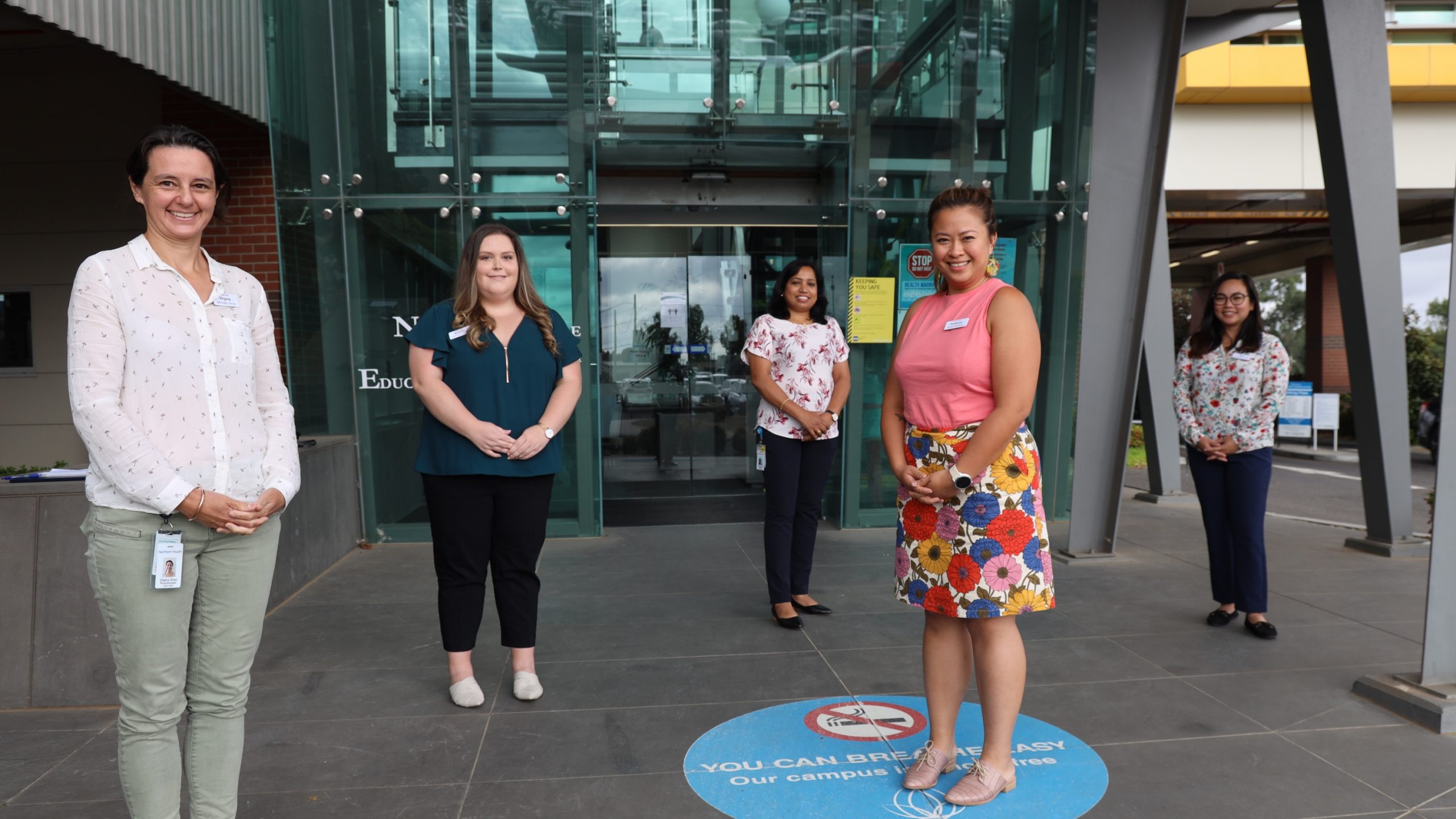
    Gladis Thomas is an EMR Analyst – Clinical Documentation and has been with Northern Health as an ICU Nurse and Acting NUM of Ward 5 Cardiology for 10 years.

    “My extensive managerial skills along with an understanding of Northern Health work flows will assist the build and configuration of evidence based documents,” she said.

    “It will enable the clinicians for a seamless transition to EMR, which will enhance patient safety and quality of care delivered to our community.”

    Prudence Poon has worked as a Health Information Manager (HIM) at Northern Health for more than 10 years. She was the HIM of CPF and Forms and facilitated CPF version four and Upgrade and Referrals Manager implementation in the last two years.

    Now, she is part of the EMR team as a Clinical Documentation Lead.

    “I will work with the EMR Clinical Documentation Analysts, EMR leaders and Northern Health stakeholders to build and configure clinical documents and implement an integrated EMR system to ensure best practice workflows are standardised, safe, usable, secure and robust,” Prudence said.

    Isah Rosal is also an EMR Analyst – Clinical Documentation. Before joining the Northern Health team, Isah worked as an EMR Analyst and Educator at Austin Health and Clinical Nurse and EMR Educator at Eastern Health.

    “My knowledge, skills and experiences as a clinician and as a part of our various eHealth implementations would greatly benefit the team in building an EMR for Northern Health that is clinically relevant and appropriate,” Isah said.

    Prior to joining Northern Health’s EMR team as an EMR Analyst – Clinical Documentation, Madeline Leone worked as a Clinical Nurse Specialist and Associate Nurse Unit Manager on Ward 16, specialising in Colorectal and Urology Nursing.

    “My goal as a Clinical Documentation Analyst is to utilise my skills, experience and workflow knowledge to ensure a smooth transition to an electronic system that best suits the needs of clinicians,” Madeline said.

    Virgina Grant’s EMR role is a Clinical Documentation Analyst.

    “As a Clinical Documentation Analyst, I will help standardise and streamline clinical workflows and ensure that the EMR meets the needs of clinical staff,” Virgina said.

    “I have worked as a physiotherapist for the last 20 years across different streams and services both in Australia and the UK.

    I have worked with Northern Health since 2014 as the Senior Clinician Physiotherapist on the rehabilitation ward at Broadmeadows Hospital. I specialise in neurological rehabilitation and support people to regain movement and function after a stroke or other neurological injury.”

    We look forward to their contribution to improving patient care at Northern Health.

  • Standard 5: What you need to know

    Standard 5: What you need to know

    In the lead up to organisation wide Accreditation from 24-28 May 2021, each week Northern Health will be focusing on a different Standard. You will hear from the Chairs of each Standard Committee on what you need to know.

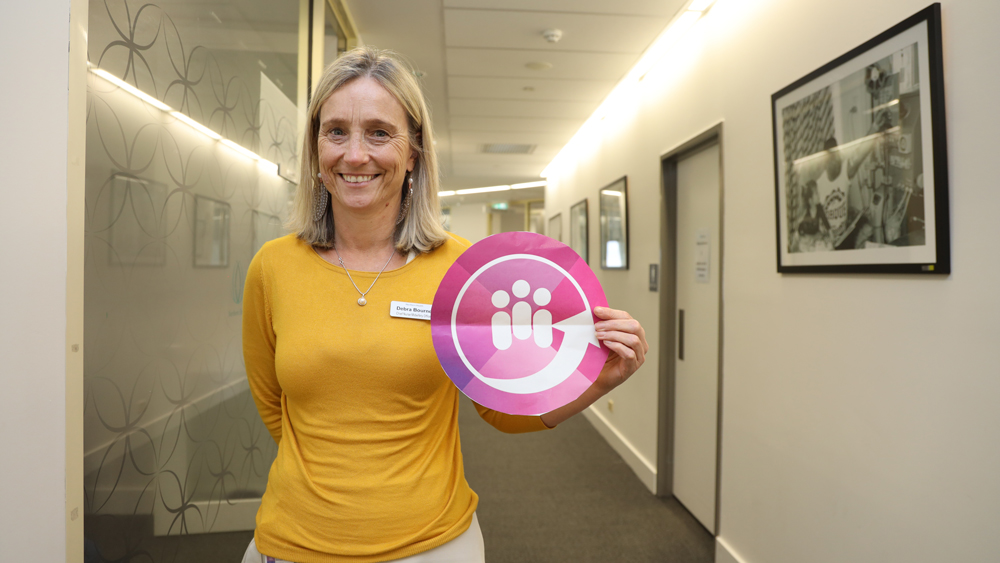
    This week we spoke to Debra Bourne, Chief Nursing and Midwifery Officer, about Standard 5: Comprehensive care.

    What is this standard about?

    Standard 5 is aimed at ensuring patients receive care that is based on their individual care needs and considers the whole person in that care. It also aims to ensure that each patient is assessed at the beginning and during their care for any risks of harm. These risks are then mitigated though interventions developed with the patient and family.

    At Northern Health, this standard covers seven key areas:

    • Preventing falls and harm from falls
    • Assessment and Developing a comprehensive care plan
    • Providing comprehensive care at end of life
    • Preventing and managing pressure injuries
    • Nutrition and hydration
    • Preventing delirium and managing cognitive impairment
    • Predicting, preventing and managing self-harm and suicide

    What are the top 5 ways staff can be prepared for Accreditation against this Standard?

    All patients on admission need to be assessed using the C.A.R.E record and then a care plan developed based on this initial assessment. It is important that all staff providing clinical care review the CARE plan each day to understand each patients risk and ensure strategies are in place to minimize patient harm. There are specific harms that are identified in this standard and they are:

    • Pressure injuries
    • Falls
    • Poor nutrition
    • Cognitive impairment
    • Unpredictable behavior

    The plan of care developed for each patients must consider these potential harms and ensure that patients are protected from harm. Most important the care plan needs to be developed with the patient and decisions made about their care must be shared.

    What are the top 5 questions staff needs to be able to answer about this Standard?

    • What matters to the patient you are providing care for?
    • What does the patient want to achieve by being in hospital?
    • What are your patients risk?
    • What interventions and plans do you have in place to minimize harm from these identified risks?
    • Does the patient and or their family understand their risks?

    To learn more about Standard 5, please see the Intranet.


  • ED Wellbeing Week starts

    ED Wellbeing Week starts

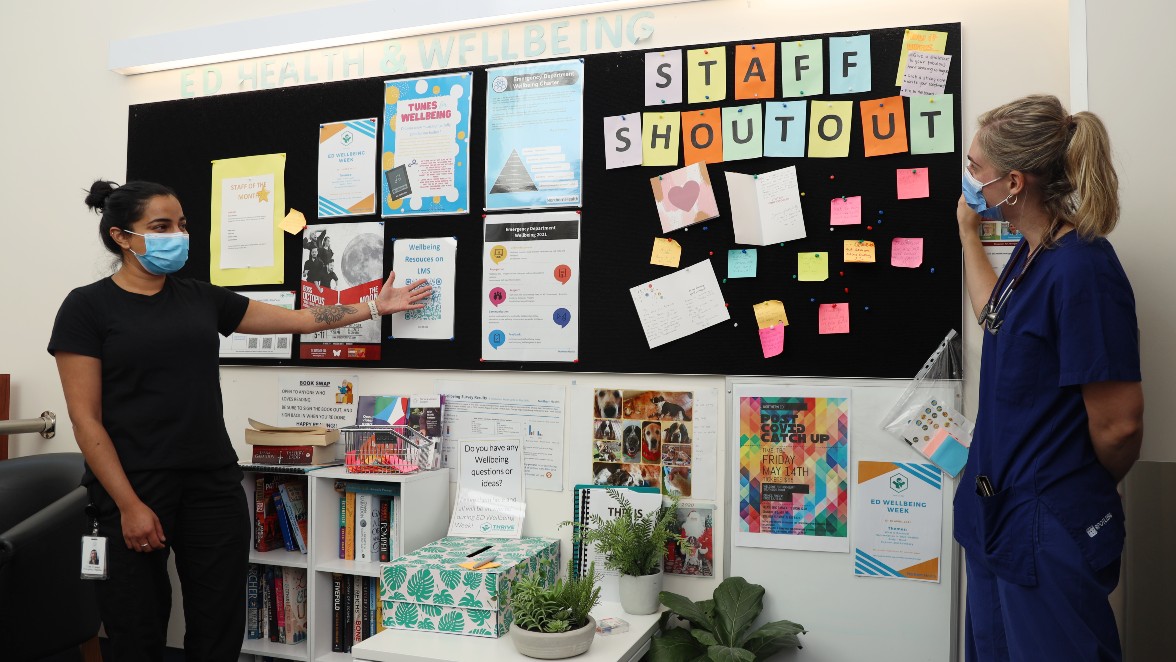
    This year will the third year that our Emergency Department is holding ED Wellbeing Week.

    Dr Kirin Channa, Emergency Physician and Quality Lead, said this year, wellbeing week is more important than ever.

    “We may have gone through the worst of COVID-19 last year, but this year we have ongoing challenges, such as the increasing number of presentations during the COVID- normal phase. Our staff really need a focus on wellbeing,” she said.

    Kirin is especially looking forward to learning more on what burnout is, as she feels it is important to acknowledge what the team is experiencing.

    “The staff will be provided with resources they can use to help recognise and understand the symptoms of burnout. There will also be a support and advocacy forum with the leadership team and executive. It’s important that they have the right tools and support to continue to work in this fast-paced environment,” she said.

    Dr Saada Malouf , ED Registrar says she is new to Northern and was really keen to get involved in the department.

    “It is really important to have these sessions in the ED, as we often feel like we need to be on all the time, and it is easy to forget to self-care. If you have nothing in the tank, you then have nothing to give to anyone else. Recognising that in ourselves and in our team is important. If someone is struggling, we need to take care of them,” she said.

    The ED Wellbeing Week, supported by the OHS&Wellbeing team, will focus on a range of information and resources around key themes including burnout, rejuvenation, healthy body and mind, recognition and support. Jo Gibbs from TREAT (Therapeutic Relaxation and Enhanced Awareness Training) will deliver her very popular Mental Fitness sessions.

    The week will also include a Mindful Morning Tea on Tuesday, and afternoon stretches with our Physiotherapy team.

    To see the full schedule of events, please head to the ED Wellbeing Week Intranet page.

    Featured image: Dr Kirin Channa and Dr Saada Malouf

  • New SPF Podcast: Our COVID-19 year

    New SPF Podcast: Our COVID-19 year

    Northern Health’s Safe Practice Forum is back, but with a twist. Because of the pandemic, the traditional forum had to be put on hold, but is now returning in the form of a podcast.

    Topics and guest are still relevant, timely and offer our staff a chance to share patient stories, and personal experiences. Together with host, Dr Bill Shearer, Executive Director Transformation, Quality and Safety, these conversations help us as an organisation provide a safer and better patient experience.

    “Since we can’t get together, we thought we’d come to you via a podcast. We’ll be coming to you each month to share a patient case, and look at the ‘system’ from a wide-lens. As part of our transformation towards a High Reliability Organisation (HRO), the SPF helps us focus our efforts on building a safety culture that is central to delivering a safe and positive patient experience,” said Dr Shearer.

    “The Safe Practice Forum (now our podcast) is actively applying HRO principles – importantly, action learning and the development of leadership capacity in small teams’, said Clare McCarthy, who works with Dr Shearer on our HRO transformation and who produces the podcast.

    “COVID-19 has demonstrated how important team work and communication are to our safety culture – our podcast is now central to that culture”, said Clare.

    The inaugural January podcast, featured James Ash, ED/ICU Clinical Lead Pharmacist, and Dr Joe Rotella, Emergency Physician and Clinical Toxicologist, sharing their experience caring for a patient with serotonin syndrome.

    Now, the second episode is up, with Dr Christian McGrath, Infectious Diseases Physician and COVID-19 Clinical Lead, and Madelaine Flynn Manager Infection prevention who share what has 2020 been like for them, and how they see 2021.

    “The last 12 months have challenged us mentally, emotionally, physically and even spiritually at times. Nobody expected to be in the pandemic in 2020. The biggest point for me was to see how well everybody has done, both inside and outside of the hospital. Everybody was kind to each other, even in stressful situations, and that has made me really proud to work at Northern,” Madelaine said.

    “I agree, it was pretty amazing and everybody put their hands up to help – that is the attitude that got us through. Now that the things are a bit calmer, it is important to acknowledge that people are tired and a bit burned out – that is the reality. It was the adrenaline kick that kept us going last year, so that is why it is now important to look after ourselves, so we can get through the next 12 months,” Christian said.

    Dr McGrath often gets asked how he sees 2021 and what people can expect and says he wished he had a crystal ball.

    “But, I don’t have one – unfortunately. But the reality is COVID-19 will be with us for some time. We are lucky in Australia to be where we are.”

    To hear the full podcast, please click here.

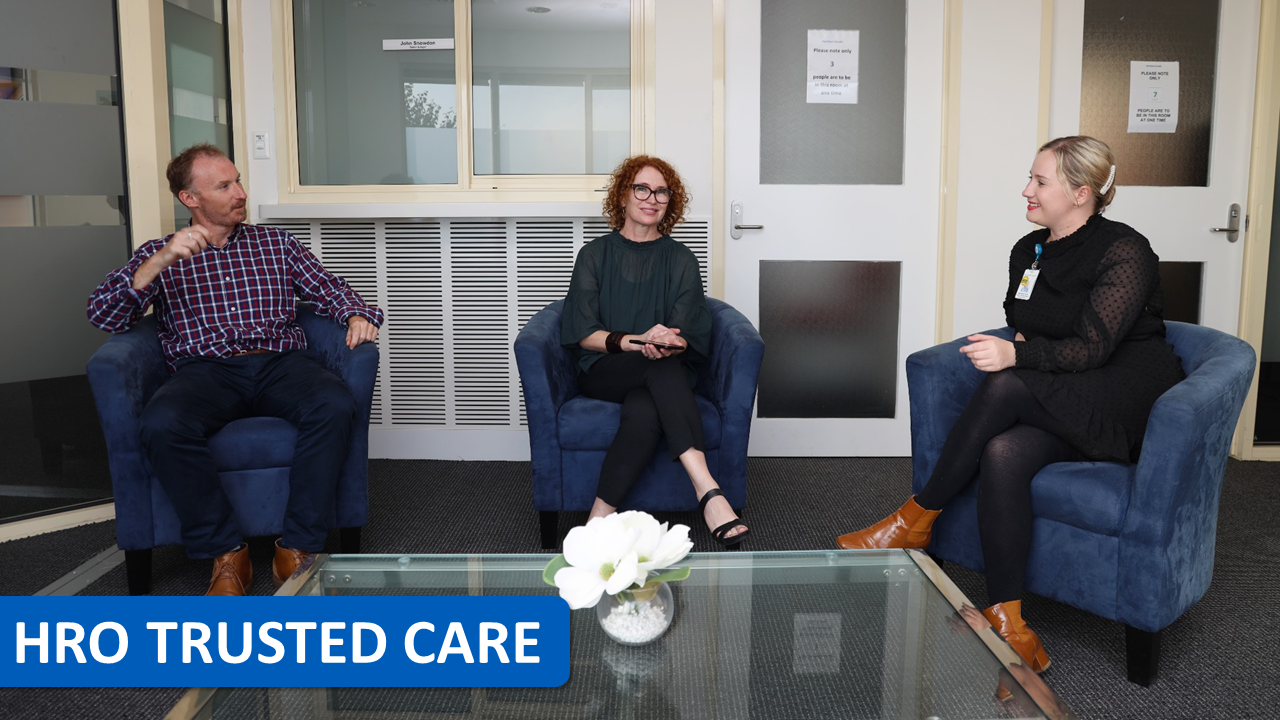
    Featured image (left to right): Dr Christian McGrath, Clare McCarthy, Madelaine Flynn.


  • Northern gets the Wellbeing Grant

    Northern gets the Wellbeing Grant

    Earlier this year, Northern Health applied for a ‘Healthcare Worker Wellbeing Grant’, from the Department of Health and is one of few Metro Health Services that received this grant.

    “When we were filling out the application, we were thinking how we can make most of the funding if we received it. What we wanted to do was to use the grant to build a new wellbeing team. Part of the grant will be hiring 2,5 EFT – a team leader, wellbeing team advisor and a project psychologist,” explained Jade Ralston, Director People and Culture.

    The main reason for Northern Health’s wellbeing team to adopt this approach was to avoid standard, off-the-shelf wellbeing initiatives, and to hire new wellbeing experts who will consult with our staff and design a tailored program.

    “Our workforce is also very diverse. Not everyone has access to emails, live Teams events, English is not everyone’s first language and we needed to ensure our wellbeing program incorporates that,” Jade explained.

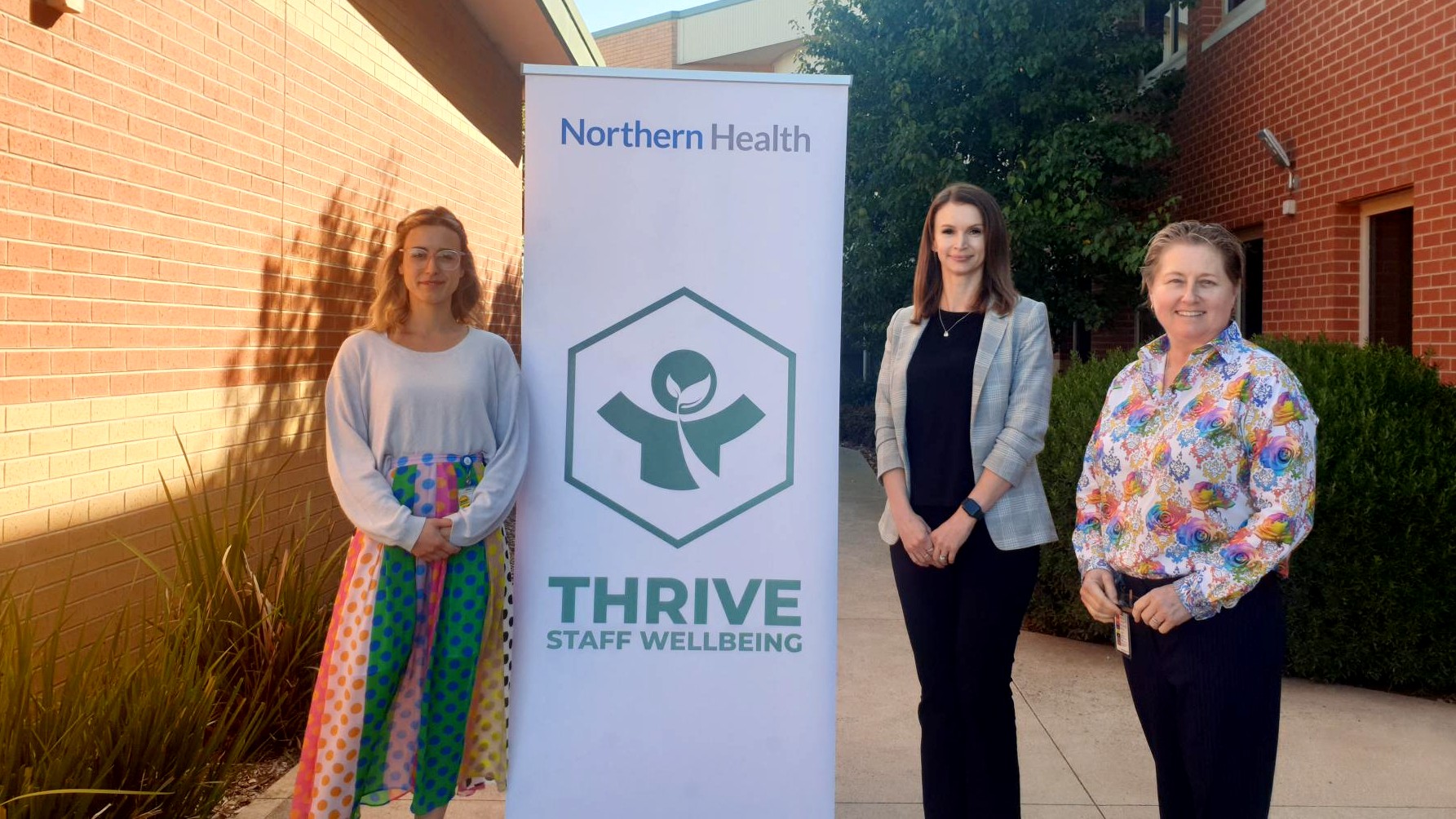
    “This grant to ensure ‘Our staff are enabled to thrive’ and allows us to implement and embed evidence-based Wellbeing program ‘THRIVE’ with the key elements of Protect, Promote and Intervene and implement peer support program and psychological safety education and Employee Assisted Program services”, said Michelle Fenwick Executive Director, People & Culture.

    The job ads for the new wellbeing team are currently being advertised, and Jade and the team are hoping the new team will be appointed over the few weeks.

    “In addition to getting funding for the new team members, we knew we needed a new ‘peer support program’, and the new team will be focused on developing that too, and we have already recommenced our TREAT offerings,” she added.

    Evelyne Kollaras, Workforce Wellbeing Advisor added the most successful wellbeing initiatives from last year are still on offer at Northern Health. “Offers like TREAT, Rest & Recovery sessions and yoga are available for our staff. Yoga will be held face to face, at Henry’s cafe upstairs, on Wednesdays, 7.30-8 am, while TREAT is on offer on Mondays, 9 – 9.15 am via MS Teams. Mindfulness club is also coming back this year. More information on dates, times, and links are available on our Intranet page,” she said.

    More initiatives will be available in 2021 like the mental health first aid and shared reflection sessions. “These sessions teach our staff how to de-brief after an incident and a psychologist will be running these,” Jade explained.

    Once the new team starts, the current initiatives are planned to stay, with the new ones rolling out, tailored to the Northern Health needs. “After COVID-19, looking after our staff wellbeing is more important than ever. We are so excited we have received this funding and looking forward to supporting the physical and mental wellbeing of our hard-working staff”.

    Current wellbeing offerings can be found on THRIVE Staff Wellbeing page. For more information and MS Team links, please email ohswb@nh.org.au

  • ED Registrars pass with flying colours

    ED Registrars pass with flying colours

    For seven ED Registrars, a lot was riding on the outcome of the Emergency Registrar Australasian College for Emergency Medicine (ACEM) Primary Exam.

    The exam tests student’s knowledge and understanding of the four basic sciences relating to emergency medicine – anatomy, pathology, physiology and pharmacology.

    There are two components to the exam, a written primary examination containing up to 360 questions made up of select choice, multiple choice and extending matching question, and an oral exam.

    Emergency Medicine Physician and Co-Director of Emergency Medicine Training Dr Raj Kathirgamanathan said students start studying and training nine months in advance.

    “It is not an easy exam, it requires commitment and 15 to 20 hours a week of study so that’s why it is so important,” he said.

    “We teach them every week with two hour teaching sessions for the written exam.”

    The Primary Exam was scheduled to take place in August last year. But like many events in 2020, it was rescheduled to October due to the COVID-19 pandemic.

    “Usually they study nine months in advance, but this class had more than a year due to COVID-19,”  said Raj.

    “It was a stressful period. It was a complete change for us all. We used to do face-to-face learning every week, but because of COVID-19, we had to change the way we teach so we were learning via Zoom or other ways and that requires a lot more preparation than face-to-face.

    “And as educators, we also had to prepare a lot more.”

    All students passed the primary and oral exams with flying colours and for more than four years, there has been a 100 per cent pass rate.

    Student Katherine Watson said it was a welcome relief to have passed the exam.

    “You always want everyone to succeed and with the protracted study time, most study cohorts don’t spend as much as time together so it makes it a bit different as well,” she said.

    “It’s just one of those hoops that you need to jump through.”

    Emergency Medicine Physician Phyllis Fu congratulated the students on passing the exam during the COVID-19 pandemic.

    “They are fantastic,” she said.

    “It’s a big journey. For the Primary Exam, the pass rate has been fantastic.”

    “Now that they have cleared the first hurdle, they will then go into four years of advanced training so it gives them the green light to move on to the next stage which will have a combination of trauma, pediatrics and critical care before sitting their last set of exams.

    “If they pass that, they have done all the exams and all the requirements to becoming Emergency Specialists.”

  • PreMETs coming to Medtasker

    PreMETs coming to Medtasker

    At Northern Health, Medtasker went live for inpatient routine clinical communication almost four years ago, and now the team is taking the next big step and adding the PreMET tasks, rolling out on April 13.

    “This is something coming in with high demand and a lot of people are quite excited about this. Staff will be now able to call a PreMET via their desktop, rather than having to call communications, saving valuable time. The staff will be able to call directly, with the right patient information,” explained Megan Farrell, ICT Support for Medtasker.

    Elise Sutton, Clinical Deterioration and Resuscitation Coordinator said currently, there are around 3,000 calls to communications via 444 each month, and half of those are PreMETs, so the new system will reduce the workflow on the switchboard.

    “Rather than going from clinical to non-clinical and then back to clinical, it will be clinical to clinical communication. It also cuts out that extra human error risk factor,” she added.

    When Medtasker first went live, the team received inquiries within the first six months to get PreMETs on MedTasker.

    Sandy Ayoub, Medtasker Project Officer explained PreMET calls are called for an urgent medical review.

    “If a staff member notices the patient is deteriorating, they will escalate a PreMET call which will activate the treating medical team to come and review the patient within 15 minutes. With Medtasker, if nobody shows up after 15 minutes, the task will be automatically re-escalated, which is another benefit,” she explained.

    “PreMETs are so important because proper responding to these call reduces the number of MET calls, which require a separate clinical team. Having PreMETS now on Medtasker will also introduce a more streamlined system people are already familiar with, making thing more efficient for clinical communication,” she added.

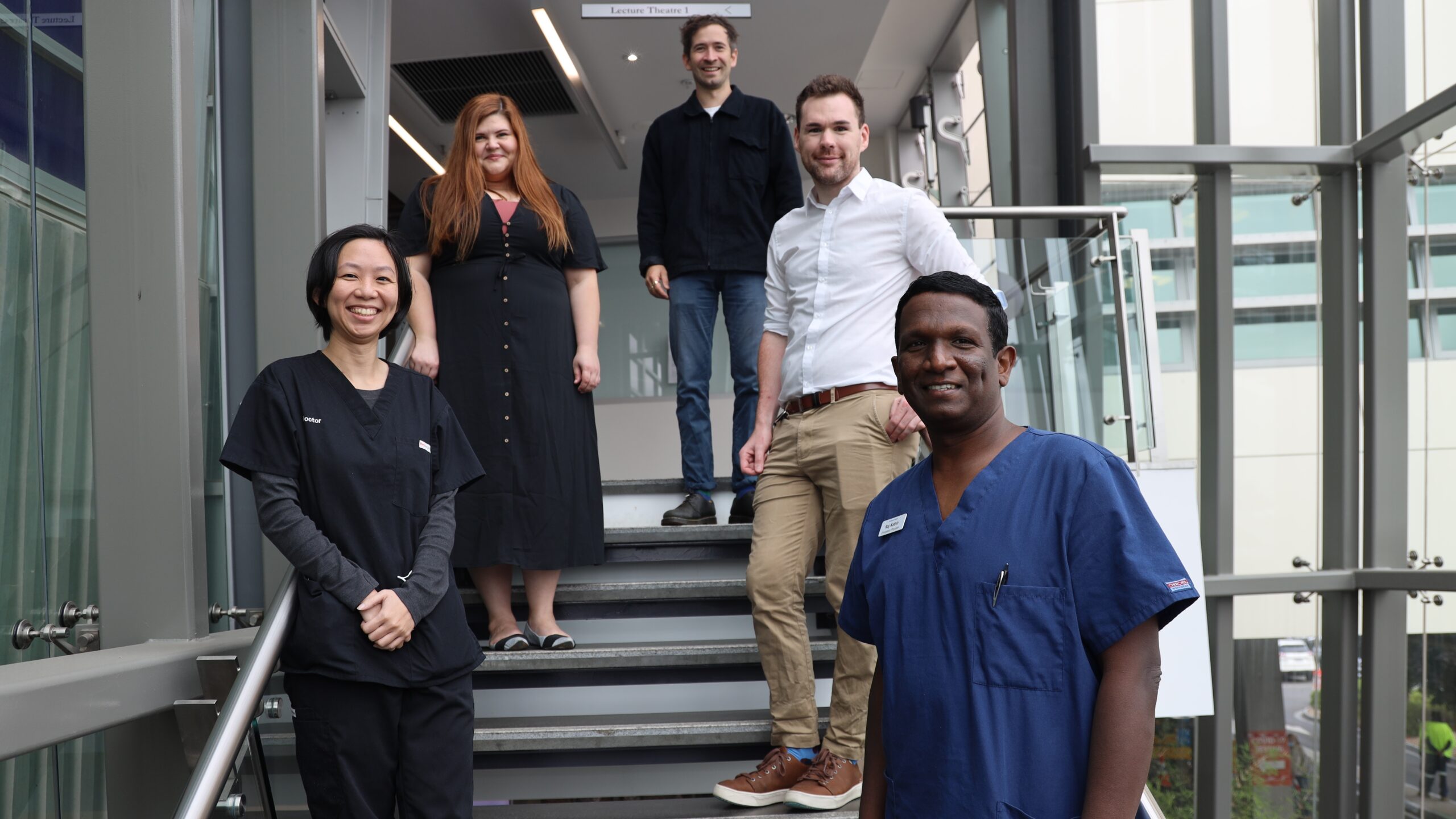
    Featured image (left to right): Elise Sutton, Lachlan Hayes (back), Sandy Ayoub (front), Megan Farrell.