• Clinical Documentation Integrity Program

    Clinical Documentation Integrity Program

    Clinical documentation in the healthcare record is vital in planning, resource consumption and improving patient outcomes. It is where our clinical coders abstract the information they need to classify diagnoses and interventions.

    Often, the language used for clinical purposes and that required by our clinical coders is different. Clinicians frequently use generalised clinical terms, signs, symbols, and abbreviations. While this is meaningful for communicating between treating healthcare professionals, these terms are not always able to be translated into codes required for reporting and funding or coded to the required specificity that reflects the complexity of the patient. This disconnect can significantly affect the quality of hospital casemix data. If the clinical coding does not fully capture the activity and level of service that was provided, it can result in an under-representation of patient complexity leading to sub-optimal hospital reimbursement and incomplete reporting to external agencies.

    Clinical Documentation Improvement (CDI) is the process of reducing the ‘disconnect’ between what clinicians write in the healthcare record and what clinical coders need to produce quality casemix data. It achieves this by placing a Clinical Documentation Specialist (CDS) on the ward to review clinical documentation in a timely manner while the patient is still admitted. CDSs help clinicians to document using a format that is clear, complete, and accurate, to aid with patient management and also to be readily acceptable for clinical coding.

    Northern Health implemented a Clinical Documentation Integrity Program in 2018 to facilitate the accurate representation of a patient’s clinical status.

    Mary Kouvas,  CDI Coordinator says, “When I graduated back in 1993, Victorian hospitals were transitioning from block funding to an activity-based funding model. My first job was to ensure the clinical documentation was complete and accurate to ensure correct reimbursement. Most of this was done retrospectively, that is, about two weeks post discharge,” says Mary.

    At Northern Hospital, Mary and the coding team played an important role in ensuring all patients receiving HiFlow Therapy (HFT) via nasal cannula or prongs were captured in our data to ensure  correct reporting. “By educating clinicians and improving forms, we were able to capture this information better which meant that our data was more reliable. This improvement was also the catalyst in establishing the Respiratory Care Unit at Northern Hospital where our patients are better managed whilst receiving HFT.”

    The CDI Team has grown in the past year and now consists of Saja Sammour, Health Information Manager and Diana Villalta, a newly appointed CDS with a background in dietetics and midwifery. “We are excited to welcome Diana to our CDI team as her clinical knowledge and ward experience will complement our knowledge in coding and casemix,” says Mary.

    Terri Fiorenza, Director Health Information Services, says Mary and the CDI team are to be congratulated in establishing a successful Clinical Documentation Integrity Program at Northern Health, which continues to grow and improve.

    Says Terri, “The team’s presence in clinical areas continues to strengthen the clinicians knowledge and importance of accurate clinical documentation in the healthcare record, not only from a funding reimbursement perspective, but from a qualitative perspective as well.”

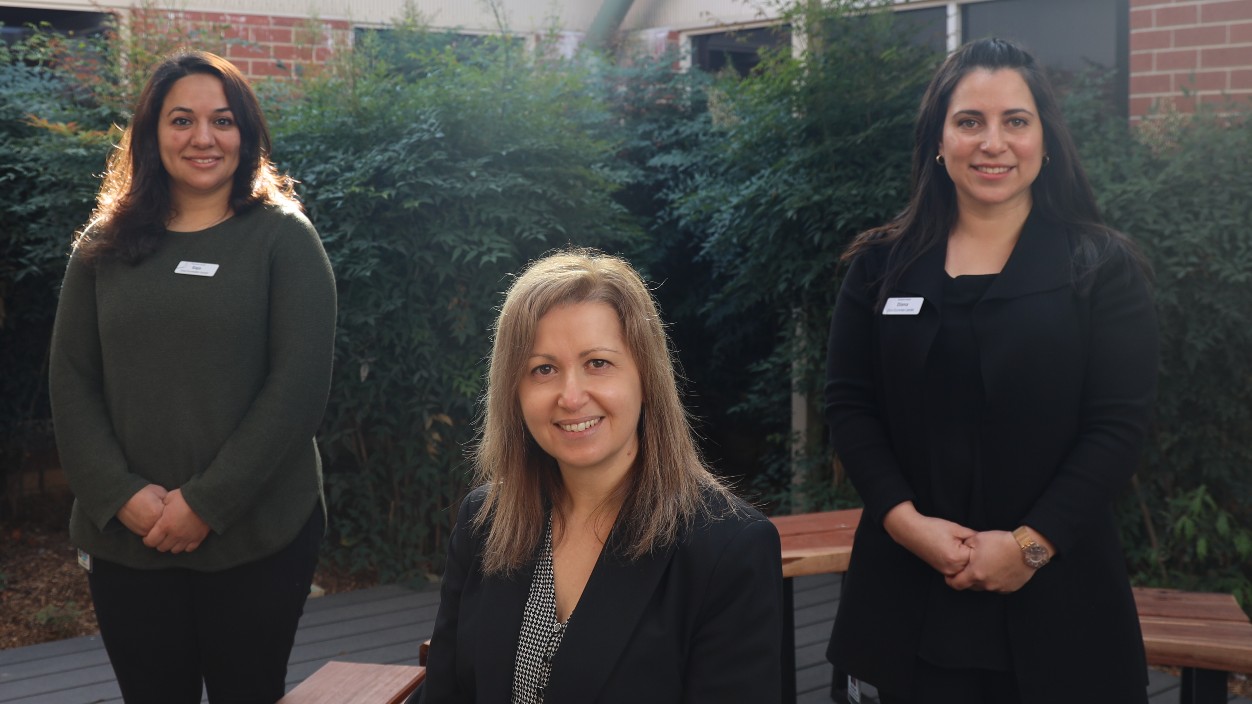
    Featured image shows from left to right:
    Saja Sammour, Health Information Manager; Mary Kouvas, Clinical Documentation Improvement Coordinator and Diana Villalta, Clinical Documentation Specialist.
  • Accreditation resumes from Tuesday

    Accreditation resumes from Tuesday

    Northern Health’s Accreditation resumes next week on Tuesday, 17 August, and will last until Thursday afternoon, 19 August 2021.

    Maree Glynn, Director of Clinical Practice Improvement, explained that, this time, we will have three Victorian surveyors onsite who were not part of the original survey team and two surveyors will conduct the assessment virtually, including our lead surveyor, Wendy Wood.

    “The campuses that will be visited in this round are Northern Hospital Epping, Broadmeadows Hospital and Craigieburn Centre. All of our clinical areas that were not visited in May will be visited and areas completed in May will not be re-visited. For example, they won’t be going to Bundoora Centre during this visit. The surveyors who were part of the original team in May have written up their report and they will share this information, so that the new surveyors can take over and complete the work,” she explained.

    A timetable has been distributed to the Senior Leadership and Nurse Unit Mangers, highlighting the areas the surveyors will visit in these three days. People who need to be present at the meetings and rounds will also receive a calendar invite for their area.

    “If a surveyor is visiting your area, it is important that you look at the Standard that the surveyor is surveying against. For example, one of the surveyors has Standard 2 and Standard 6, so those two Standards will be a strong focus of that visit. That is why it is essential to check the timetable,” she explained.

    Given the positive feedback received so far, Maree is optimistic about the upcoming assessment outcomes.

    “The feedback in May, after two days of surveying, was very positive, as we had meetings with the Executive at the end of each Accreditation day. The surveyors hadn’t found anything they had any concerns about or risks to raise with the Chief Executive,” Maree explained.

    “As long as we present as well as we can, engage and talk with the surveyors about the work we do every day, everything will go well. An assessment is really about our everyday work, what we do and how well we do it. This is an opportunity to showcase the really good things we are doing. If there is something you feel that should be highlighted, maybe make some notes on a piece of paper so you don’t forget to talk about that,” Maree advised.

    Dr Bill Shearer, Executive Director Quality, Safety and Transformation added: “We have all done the work necessary for a survey visit. Furthermore, we have ensured that the work is part of how we do business every day. This is our opportunity to show that we are really Accreditation ready any time.”

    After the visit is completed on Thursday afternoon, there will be a briefing to the Executive and then a Summation will be provided by the Survey team and will be communicated to all staff, before the surveyors leave Northern Health.

  • Family Planning Clinic team receives University of Melbourne Grant

    Family Planning Clinic team receives University of Melbourne Grant

    The Northern Health Family Planning Clinic team at Broadmeadows Hospital has received the University of Melbourne Department of Obstetrics and Gynaecology Innovation Grant to co-design women’s reproductive health services.

    The grant supports novel research ideas for early and mid-career researchers, and will allow the team to partner with women to improve reproductive health services in Melbourne’s northern suburbs.

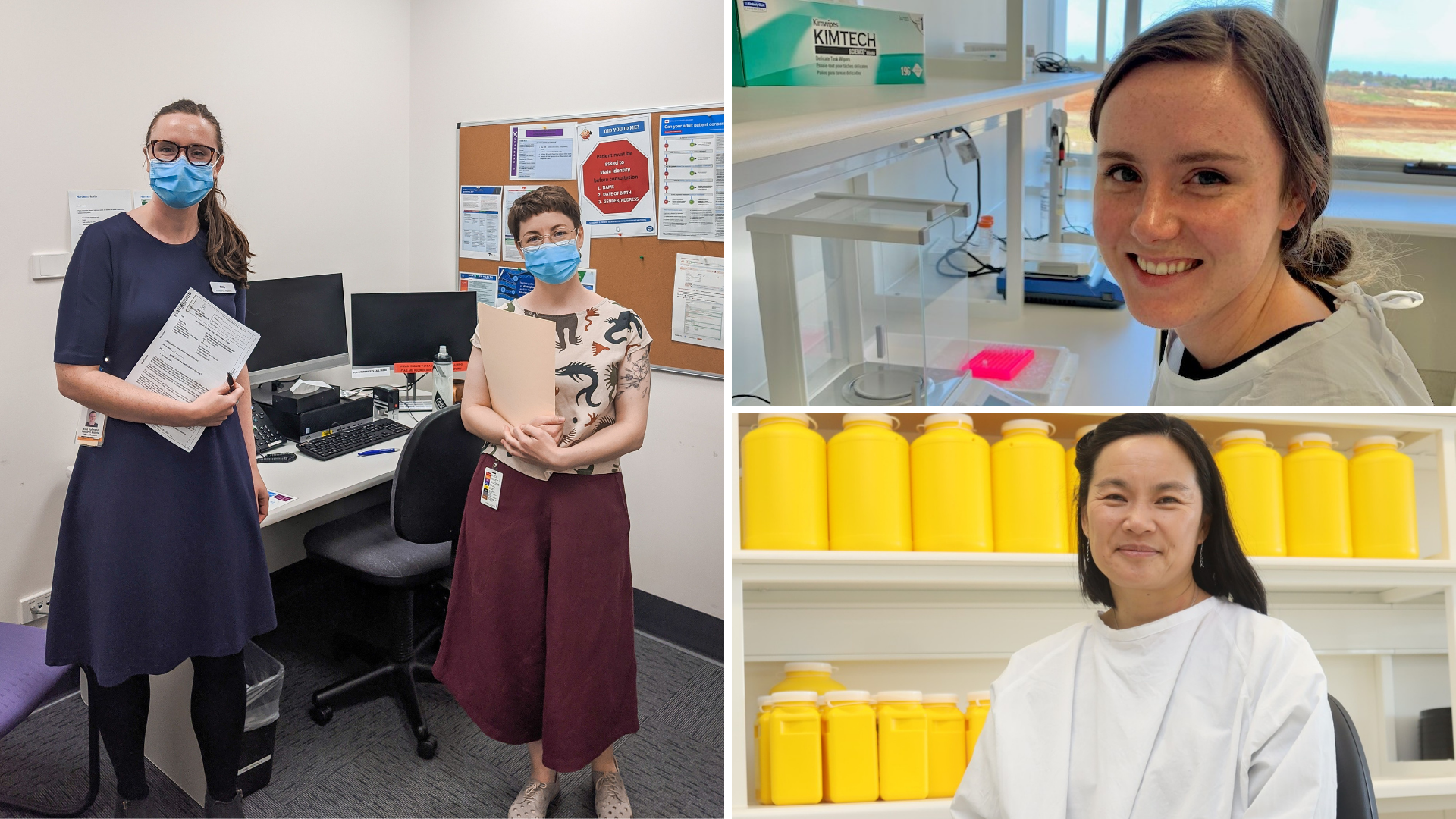
    The research team consists of Associate Professor Lisa Hui, Women’s and Children’s Research Lead and MFM Specialist; Dr Jeanie Henderson, Gynaecologist and Family Planning Clinic Medical Lead; Kate Chaouki, Family Planning Clinic Coordinator and Midwife; and Eleanor Johnson, Research Midwife. They are delighted to have been awarded $25,000 for their research proposal, ‘Partnering with the community to co-design a comprehensive sexual and reproductive health care service in Melbourne’s north (Phase 1)’.

    “There is very little research on women’s experiences of accessing abortion and contraception care in Australia, so we developed the idea to co-design a reproductive health service tailored to the needs of our consumers,” said Kate Chaouki.

    The Family Planning Clinic provides medical and surgical termination of pregnancy, contraception and sexual health services to more than 200 women per year. It is the only fully publicly-funded service of its kind in the northern metropolitan region, with some women travelling over two hours to access the clinic. These women come from a diverse range of social and cultural backgrounds, underscoring the need for an inclusive and accessible service that caters for all.

    Eleanor Johnson said Northern Health played an important role in meeting the reproductive health needs of the community.

    “Equitable access to contraception and abortion are fundamental components of sexual and reproductive health,” Eleanor said.

    “Until now, abortion care has been designed around the operational demands of the hospital, not the needs and preferences of the women themselves. This grant acknowledges the importance of addressing stigma, understanding women’s experiences and working towards offering sensitive, comprehensive and equitable abortion and sexual health care.”

    The team is currently in the process of auditing the Family Planning Clinic service, developing research surveys and materials, and planning the first phases of the research. A public call for consumer partners in the project will be forthcoming.

    Feedback is welcome – contact eleanor.johnson@nh.org.au.

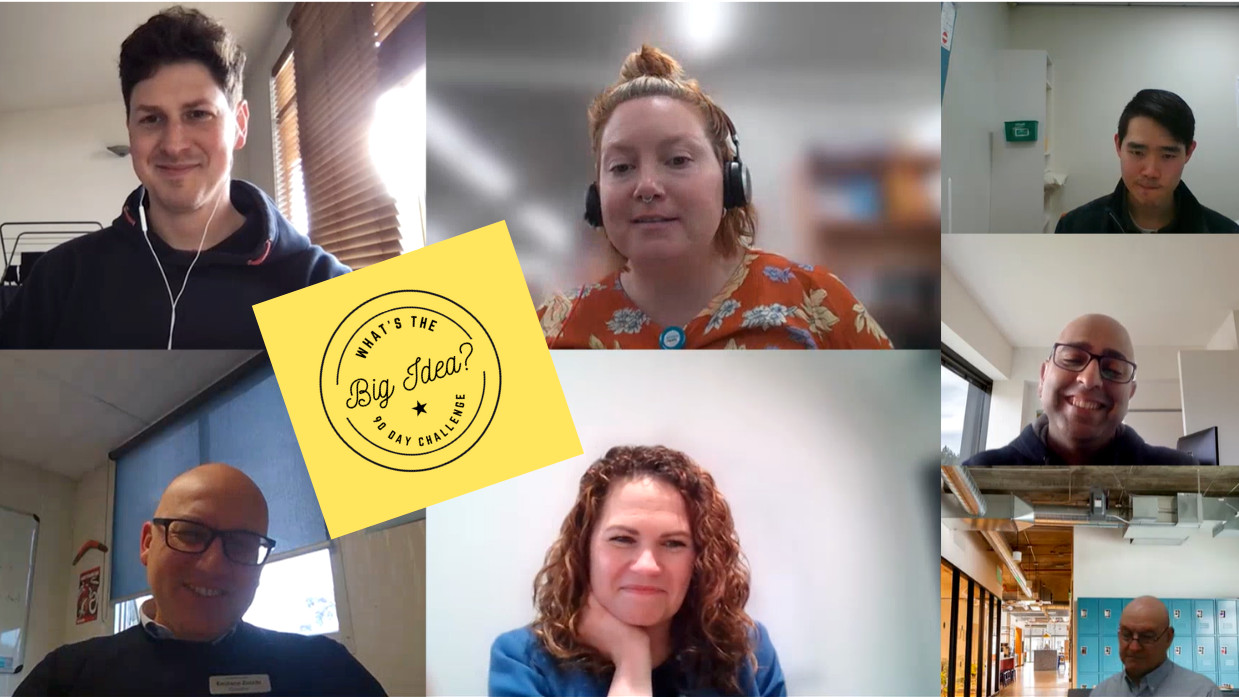
  • The Big Idea: The chosen seven

    The Big Idea: The chosen seven

    The Big Idea Campaign drew to a close on 22 July, with 66 ideas submitted from across the organisation. Ideas were received from a mix of clinical and non-clinical staff, across all Northern Health sites, and ranged in size from small clinical changes to large, organisation-wide initiatives.

    “The Innovation Assembly reviewed all submissions and 12 ideas progressed to the refinement stage. Seven applicants progressed to the final stage to present their ideas to Siva Sivarajah, Chief Executive,” explained Ariana Carrodus, Project Manager.

    At the presentation to the Chief Executive and Dr Bill Shearer, Executive Sponsor of the project, each presenter was given ten minutes for their pitch, including questions.

    “All the ideas were scored against different criteria, and these were the stand-outs in terms that they were not only innovative, but also have potential to be scaled up. These ideas have big impact on patients, but also on staff. Project leads for these ideas also share a high level of enthusiasm for their projects,” Ariana added.

    Cassie Bramston, Project Officer, explained the innovation team was looking for ideas that are a good mix of clinical and non-clinical, front facing and back of house, as transformation within a health service isn’t always patient facing.

    “It is important to highlight that transformation happens in every aspect of the organisation and you don’t need to be a clinician to do transformational work. The next step for the chosen seven ideas is going through an eight-week intensive program, which will help the applicants develop their ideas and fully scope what is required to turn the idea into the reality. They will understand what they need to go ahead and implement their idea. Congratulations to the seven chosen ones and thank you to all staff who submitted their ideas,” she said.

    The successful seven ideas are:

    1. Emiliano Zucchi, TALS Director – Video interpreting on demand – Improving access to interpreters through video interpreting and interpreter access on demand
    2. Elise Sutton, Resuscitation & Clinical Deterioration Coordinator – Simulating together for safety – developing an inter-professional resuscitation study day at Northern Health
    3. Dominic LaCaze, Senior Supply Manager – Northern Interactive Clinical Product Database – An interactive multifunctional database with clinical and product ordering information and location
    4. Paul Anis, Pharmacist – Post discharge pharmacy led telehealth – development of a pharmacist led telehealth program post discharge
    5. Ryan Hon, Physiotherapist – Improving Men’s Health Services at Northern Health – identification and referral process for men’s sexual health issues
    6. Jamie Mackay, Anaesthetist – Perioperative Patient Journey Postal/App – an electronic patient portal to improve communication between NH and our community leading up to admission/surgery
    7. Clara Walker, Clinical Nurse Consultant – Chronic Wound Service – Northern Health Leg Club – a compression bandaging clinic to reduce rate of venous leg ulceration and complications
  • Peripheral Parenteral Nutrition (PPN) rolled out at Northern Hospital

    Peripheral Parenteral Nutrition (PPN) rolled out at Northern Hospital

    Last week, Peripheral Parenteral Nutrition (PPN) was rolled out at Northern Hospital Epping, on Ward 16 and the Intensive Care Unit (ICU).

    Stella Mexias, Dietitian, explained the new service aims to reduce malnutrition in patients, and complications associated with it, such as increased length of stay.

    “We have rolled out Peripheral Parenteral Nutrition (PPN), which is different than Total Parenteral Nutrition (TPN). PPN is used for patients who may not be tolerating oral diet or enteral nutrition (e.g. NG feeds) or when there is a delay in TPN commencing. Patients can receive nutrition without delay or a top-up while their gut improves” she explained.

    “This is something to be used short-term only, five to seven days, because it is not nutritionally complete. After that period, patients would commence either TPN or their gut may improve so they can eat and drink,” she added.

    The new service also means patients will have a reduced risk of refeeding syndrome since they will receive some nutrition rather than remaining nil by mouth.

    “The new service has taken 18 months of planning and liaising with ICU, Dietetics and Pharmacy to get it up and running, and it’s not something every health service has. Tina Aboltins, ICU Dietitian, has been involved in coordinating different projects to bring it together and roll it out. The product comes from Pharmacy, as they will store and provide the PPN. ICU has updated our parenteral nutrition guidelines now include TPN and PPN,” she added.

    Stella and the team have provided education sessions for nursing staff around the administration and storage of the PPN. Surgeons were educated on this roll out at their Grand Round earlier this year and ICU doctors more recently. Posters about PPN including FAQs are on Ward 16 and ICU for staff to refer to.

    To use PPN, medical or surgical teams need to refer to ICU on 88228 to request PPN and refer to a dietitian for an assessment.

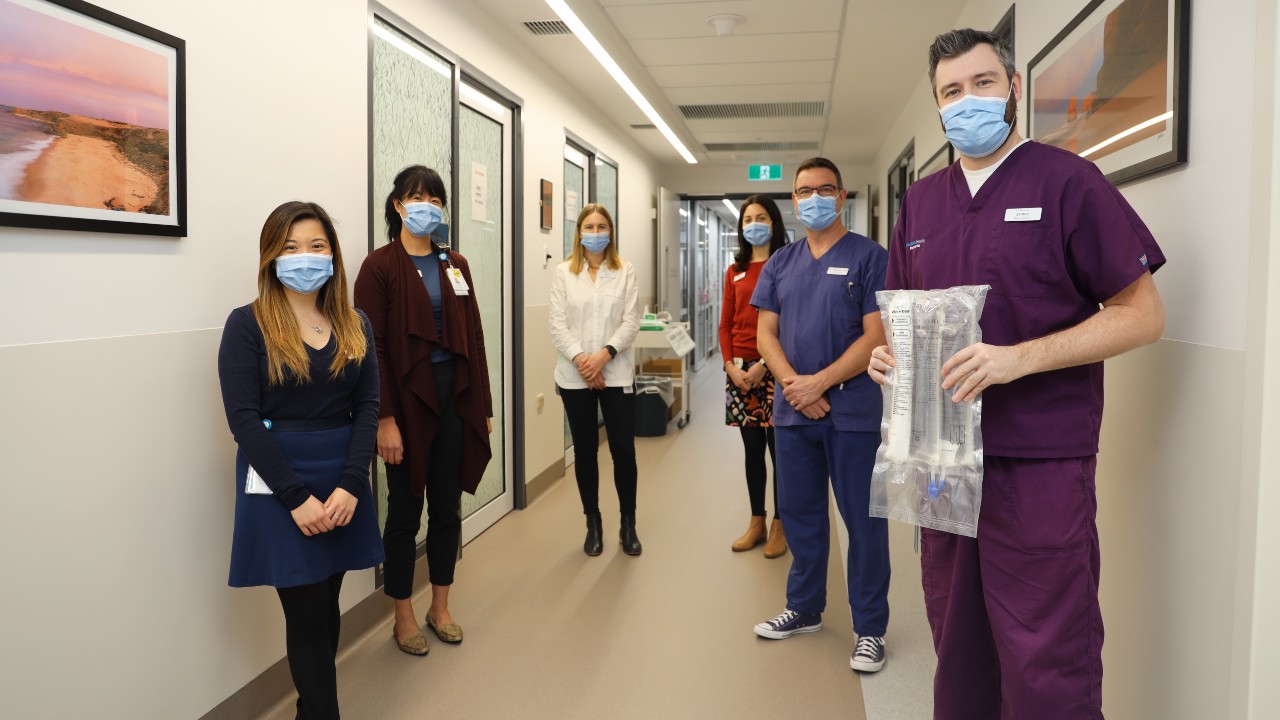
    Featured image (left to right): Vivian Tsang, Tina Aboltins, Hayley Collins, Stella Mexias, Dr Anthony Cross, James Ash

  • New FollowMe desktop is here

    New FollowMe desktop is here

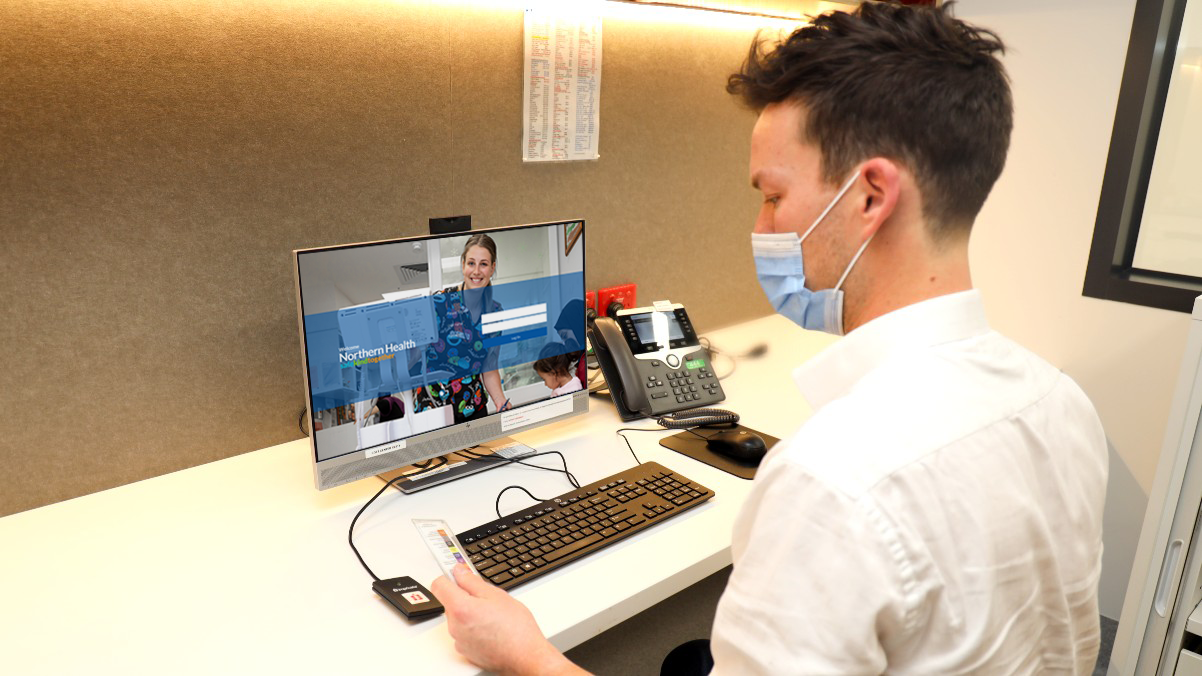
    A new, faster FollowMe desktop is coming to Northern Health staff, commencing from tonight at 6 pm (Friday).

    David Ryan, CIO, explained the new desktops will be based on Windows 10, compared to the current ones which are running Windows 7, and are expected to work faster, reduce any lagging and will also be able to run Microsoft Teams. The log-in page will also have a new look.

    “A better user experience is coming, along with up-to-date software and latest Office apps and integrated MS Teams. The new desktop will also be more compliant and more secure. The users that haven’t been migrated yet will see the familiar Windows 7 environment, while the ones migrated will go to Windows 10,” he said.

    The environment and some of the buttons will look different, but the applications that staff normally use will stay the same. The tap on – tap off feature in clinical areas will remain as it is currently operating.

    The change to the modernised FollowMe desktop will be gradual – with our testers and most frequent users being the first to transition.

    After that, rollout will continue by departments and wards like ICU, Allied Health, different wards etc. All users are expected to be transitioned to the Windows 10 FollowMe desktop in the next two to three weeks.

    Lawrence Buxton, ICT Project Manager, suggests that prior to transition, staff who have documents currently saved on their current FollowMe desktop, should save them into the ‘Documents’ folder within their H: drive to ensure they can be accessed once the transition is complete.

    “Let’s say you work from home one day, and at the office the next. If you save all the documents you are working on in the FollowMe Desktop ‘Documents’ folder, you will have access to them when you come to work and to your PC. With the new FollowMe Desktop, although you won’t be able to save big documents on the desktop, the experience will be fast and ensure access across devices. That way, if anything happens to your desktop, you haven’t lost your documents,” he added.

    Staff will be notified via email or SMS before they get switched to the new FollowMe desktop, including the transition date and the instructions.

    More information can be found on the FollowMe Intranet page.


  • New operating theatres now open at Northern Hospital

    New operating theatres now open at Northern Hospital

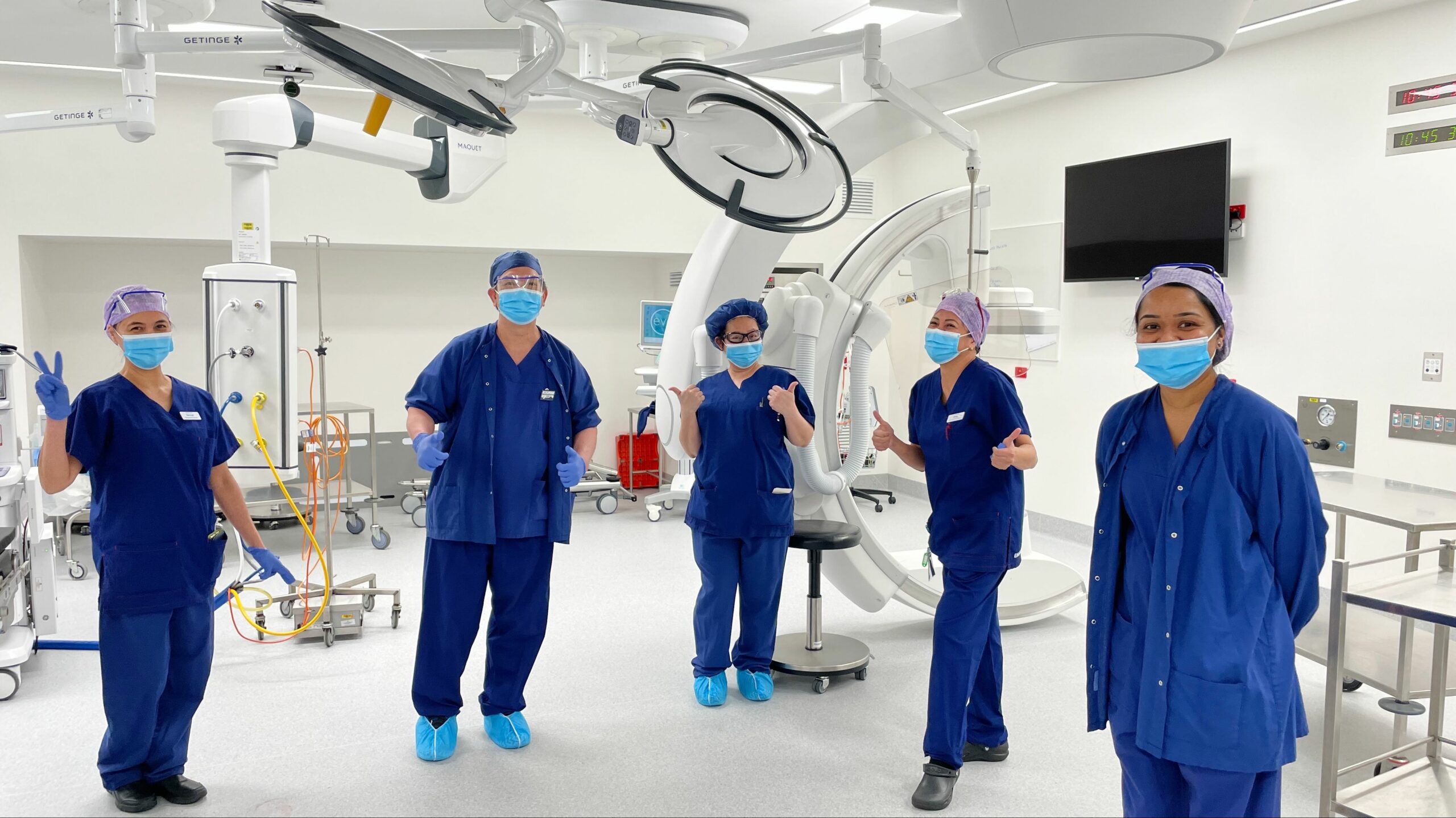
    Last week, three new operating theatres, including one hybrid theatre, became operational at Northern Hospital Epping.

    The new theatres and new recovery area, which was opened on 19 July, form part of the Stage 2 Northern Hospital Expansion Project.

    The new theatres are large, state of the art and are all set up for video conferencing for teaching purposes – equipped with the latest technology, including fluid warmers.

    Our brand new hybrid theatre is also state of the art, set up for continual radiology screening with C-arm and a control room.

    The new recovery area is now set up to receive 19 patients, including dedicated paediatric bays that are bright and colourful.

    “The opening of the new theatres will allow for reduced emergency and elective surgery wait times, as well as improve theatre flow,” explained Lana Dent, Operating Theatre Nurse Unit Manager.

    “Our staff have reacted positively to the new areas and are all very excited to use them and the features!” said Casey Muscat, Operating Theatre Nurse Unit Manager.

    “We would like to thank everyone involved for their tireless efforts and patience in preparing the new areas for our ‘go live’. Without all of the hard work and effort that went in behind the scenes, whilst construction was happening, the opening would not have gone go smooth. The efforts by all are greatly appreciated,” expressed Lana and Casey.

    “The new theatre spaces are beautiful and complement our work flows beautifully. I’m so happy for the team – they have been very resilient and their patience is commendable. Now, they will be able to get on and do what they do best in this shiny and new environment – care for our patients,” said Tracey Wyllie, Peri Operative Services Manager – Surgical Services.

    Left to right: Casey Muscat and Lana Dent, Operating Theatre Nurse Unit Managers
    New hybrid theatre with C-arm
    Theatre and control room
  • Our haematology in Top 5 Australian research

    Our haematology in Top 5 Australian research

    The 2021 Annual Scientific Meeting of the International Society on Thrombosis and Haemostasis brought together thousands of the world’s leading experts on thrombosis, haemostasis and vascular biology. Held online in mid-July, the conference saw presentations from all over the world, with two of Northern Health’s presentations recognised as “Top 5 Australian Research” by ‘The Limbic’.

    Dr Brandon Lui, a resident at Northern Health, was one of the participants at the conference. He started here as a student in 2017 and, in his final year, commenced research with the Haematology Department.

    “The conference we presented at one of the main conferences for haematologists around the world. My submission at the conference looks at the last ten years of patients with clots that have presented to Northern Hospital. It looks at pulmonary embolisms and deep vein thrombosis, and how they have been managed. The treatment of these clots has changed significantly over the years, especially since 2013, going from warfarin to DOAC, which are novel agents. I was looking at how management has changed, including the outcomes,” he explained.

    “A separate Australian body, called ‘The Limbic’, which is an editorial focusing on local scientific research, highlighted the submissions from Australia and recognised the hard work that has gone into the study and potentials of the research and outcomes. There is a small group of doctors and students who have been working on this, and we have put a lot of effort into it. There were over 3,000 entries and each one had over 100 data points. It was quite exciting for all this hard work to be recognised,” he said.

    Dr Yin Lim, Head of Diagnostic Haematology and Thrombosis Research Lead, said her research team submitted six abstracts and all six got accepted. Three were accepted with a presentation webinar, and one of them was her presentation on global coagulation assays.

    “This is a big accomplishment for an outer suburbs hospital like ours. Brandon has done an amazing job looking at ten years of experience with VTE management at Northern, which involves around 3,000 patients. The other chosen presentation was looking at global coagulation assays, which is part of my PhD project. We are one of the few laboratories in Australia that are able to perform a combination of different types of global coagulation assays,” she explained.

    “These assays allow us to look at a more holistic picture of clot assessment including clot formation and dissolution, which we can’t assess from other standard coagulation tests. I am planning to finish my PhD in the next couple of months and we are expanding our research and hoping to validate more assays by the end of the year,” she added.

    Both Brandon and Yin didn’t expect for their presentations to be recognised as “Top 5” and were pleasantly surprised to hear about the recognition.