• From South Africa to Melbourne

    From South Africa to Melbourne

    Last month, Northern Health welcomed Dr Marcelle Jagga and his wife Dr Charlotte Jagga from Cape Town, South Africa.

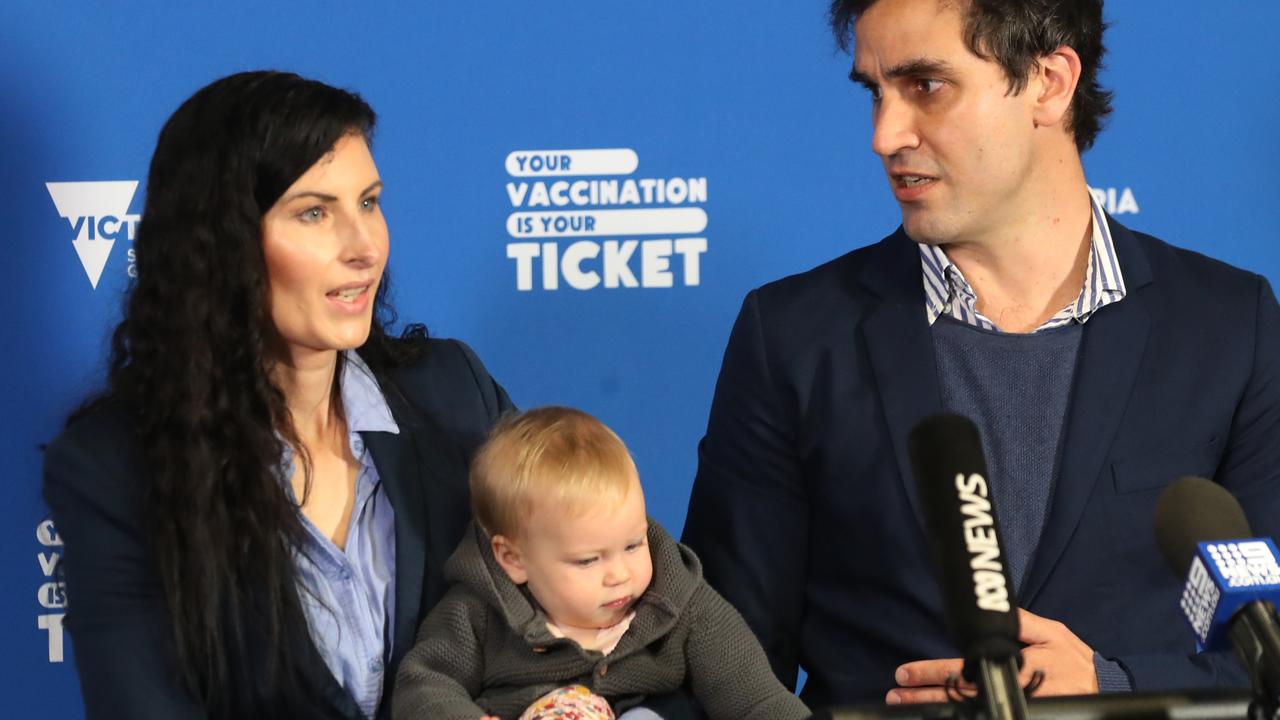
    They were recently invited to speak at the Victorian COVID-19 Press Conference about their move to Melbourne during the pandemic and how they can use their experience of Cape Town’s three COVID-19 waves to contribute to our current outbreak response.

    Marcelle is an anaesthetist and Charlotte is an emergency physician.

    “I think Australia is really lucky (in the sense) that they had a little bit of buffer and time to see what was going on in the rest of the world, and to learn from those experiences, and to see what mistakes were made and how to improve on that,” Charlotte said.

    Working as doctors in one of the continent’s hardest-hit countries, Charlotte said it was difficult experiencing the waves of COVID-19 in South Africa.

    “We’ve both lost our grandparents, we’ve lost uncles, we’ve lost colleagues, we have lots of friends who became ill,” Dr Jagga said.

    “We didn’t anticipate how diminished our actual workforce would become – either being in quarantine or being ill – so that, for us, was really hard emotionally do deal with.”

    The Jagga’s started planning to move to Australia in 2019 for various work opportunities. Marcelle was looking to complete a Cardiothoracic Anaesthesia Fellowship which he will undertake next year at the Royal Melbourne Hospital – a Fellowship that isn’t available in South Africa.

    Charlotte wanted to come and work at a busy hospital and experience emergency medicine in Melbourne – so she is pleased to be working in Victoria’s busiest Emergency Department.

    Marcelle and Charlotte both expressed how impressed they were with how Northern Health’s management and response to COVID-19.

    Marcelle explained that caring for patients during a pandemic is challenging but it’s important to continue ensuring individual health care is at the core of what we do.

    He also mentioned it’s been great to see how well staff are protected.

    “There’s a great drive to ensure staff are mentally well and physically protected,” he said.

    “We are also enjoying the diverse community here. It’s easy to get interpreters and wonderful how you can always find someone that speaks a different language. Everyone is happy to help here and show you the ropes,” Marcelle added.

    Charlotte and Marcelle are loving Melbourne. They say it’s very family friendly and the community has been very welcoming since their arrival.

    Marcelle and Charlotte with their three daughters

    Featured Image: Charlotte and Marcelle, with their youngest daughter, speaking at the Victorian COVID-19 Press Conference (Image: news.com.au) 
  • COVID Psychosocial Response Team

    COVID Psychosocial Response Team

    COVID-19 not only threatens the physical health of our COVID Ward inpatients, but also psychological health, with new research revealing varying degrees of post traumatic stress following infection. Family members of COVID inpatients are similarly at higher risk of psychological distress in association with isolation measures such as lockdowns and strict limitations on attending hospitals and funerals.

    Northern Health’s Allied Health social workers, psychologists and pastoral care workers have come together to establish the COVID Psychosocial Response Team to provide a range of psychosocial and bereavement supports for our COVID inpatients and family members.

    The team has assisted a significant number of inpatients, partners, children and grandchildren to manage high levels of stress, anxiety, bereavement and grief. Some family members have also required assistance with practical concerns such as a lack of food, accommodation or finances, causing them increased worry.

    The team offers one central point of internal referral through HealthPOWER (used for inpatient referrals and clinical data collection) for all COVID inpatients and family members, and self-referrals are also welcomed via phone or email.

    Dr Brooke Froud-Cummins, Clinical Leader of Psychology, commented that, “Our COVID Ward staff are already enormously stretched, besides the COVID Psychosocial Response Team supporting improved patient and family outcomes, it is also so important to take the added weight of responding to emotional distress off staff as much as possible and to make referral simple and stress-free.”

    Those involved with the COVID Psychosocial Response Team can receive up to three months of psychological therapy, social work supports and/or pastoral care. Linkages with relevant community supports on discharge will also be a key aspect of the care provided. DPV Health Head to Help services, which provide mental health and wellbeing support in the Northern Health catchment, will be a key partner in supporting those requiring longer-term assistance.

    Dr Froud-Cummins also said, “Private psychology and social work services are also strained owing to the pandemic, with wait times of up to 18 months to see a psychologist with a GP Mental Health Plan being reported to us. The COVID Psychosocial Response Team undertakes to bridge this gap for our COVID inpatients and their support networks with ongoing psychosocial concerns.”

    Ward staff can direct HealthPOWER referrals to PsychosocialResponse and will receive a triage worker response seven days per week. For further information, click here.

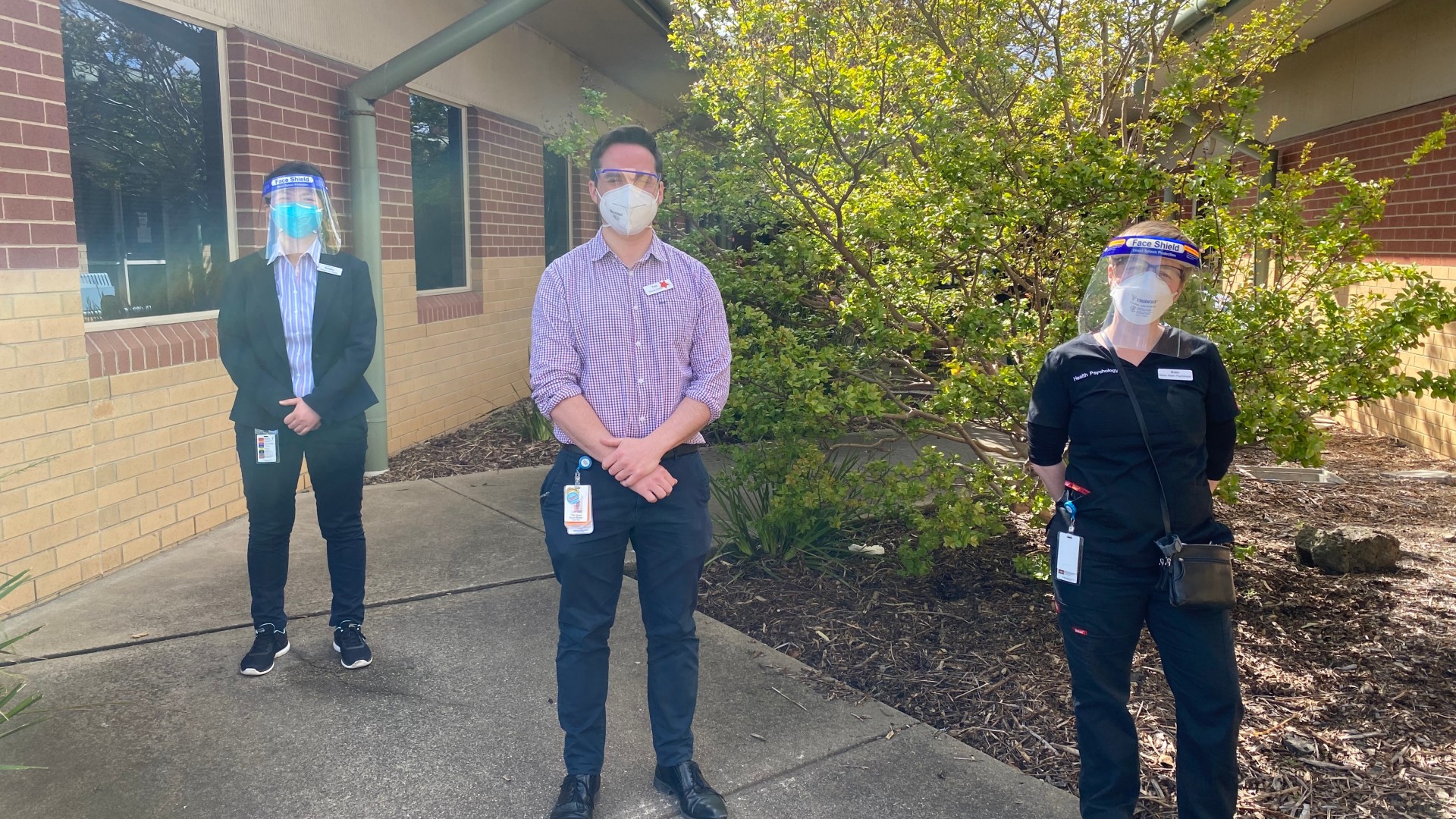
    Featured image: Dr Sian Cole (Psychology), Tim Gauci (Social Work) and Natalia Dewiyani (Pastoral Care) from the Allied Health COVID Psychosocial Response Team.

  • Thanking our PSAs and cleaners

    Thanking our PSAs and cleaners

    Today we are celebrating our wonderful PSAs (Patient Services Assistants) and cleaners as part of Thank Your Cleaner Day.

    During the COVID-19 pandemic, our PSAs and ISS cleaners have played such an important role, ensuring hygiene and safety is at the forefront of our health service. Our cleaners at Northern Health comprise of both our PSAs, who are responsible for a variety of tasks including cleaning on the wards, cleaning beds when a patient is discharged and transportation throughout the hospital, and ISS Facility Services cleaning staff, keeping all Northern Health common areas and Emergency Department cleaned.

    We spoke to staff across our health service who thanked our hardworking PSAs and ISS cleaning staff.

    Dr Zena Barakat, Medical Registrar, thanked Craig Field, PSA, and his team for an amazing job assisting on the COVID Wards at Northern Hospital Epping.

    “Their empathy, witty banter, strong work ethic and endless supply of cold cordial has been much appreciated by the nurses and doctors on the COVID Wards,” she said.

    “A big thanks for everything you are doing. You’re making a difficult situation more enjoyable for everyone.”

    Kirralee Jensen, Site Director and Director of Nursing, Bundoora Centre, said, “I would like to extend my thanks to all the PSAs for the work they do in keeping our wards clean. They are an important part of our team and their work is very much appreciated, thank you.”

    Lucia Bento, Site Director and Director of Nursing, Broadmeadows Hospital, acknowledged the PSA team for their continued friendliness.

    “PSAs at Broadmeadows Hospital work tremendously well as a team and are always happy to assist patients and staff. The PSA team is very efficient in keeping Broadmeadows Hospital wards tidy, clean and safe for patients and staff. The PSA team at Broadmeadows Hospital team are happy, friendly and approachable and we thank them for all the hard work they do,” she said.

    Adele Mavity, PSA, is based at Broadmeadows, but has recently assisted with the COVID-19 response at Northern Hospital Epping.

    “We work hard to keep the wards clean and to help the staff to provide great care for our patients,” Adele said.

    Snezana Velevski, Support Services Coordinator, said, “I am so proud of the PSA team and how dedicated they have been during such a busy time at Northern Health. I know I can rely on my team to do their very best.”

    Tonia Scuteri, also a PSA, said she loves the interaction with patients and staff, while Karen Ayres, PSA in charge at Bundoora Centre, said all PSAs have come together and worked so well to accommodate shift changes due to COVID-19.

    “Everyone has put the patient and residents needs first,” Karen said,

    ISS staff member, Yanti Kuntari, has been working as a high touch cleaner at Bundoora Centre, since the start of the pandemic.

    “My job is really important and I always get acknowledged from all staff at Bundoora. They are always happy to see me as I go around as they know we are making sure the place is disinfected and cleaned to keep everyone safe,” she said.

    ISS staff member Aktapreet Kaur, a cleaner, said she is proud to be part of Northern Health.

    “I have worked at Northern Hospital Epping as a cleaner since July 2020. I am proud to be part of a team that helps to protect our staff, patients, visitors, and the surrounding community during a pandemic that affects us all,” she said.

    ISS staff member Melanie Dias, a cleaner from Craigieburn Centre, said, “I thoroughly enjoy working. I am passionate about the Craigieburn Centre ISS team because most of the staff never forget to let me know how I make them feel. The respect, friendship and appreciation I get makes me want to push myself to keep them safe at Craigieburn Centre and make them proud of ISS.”

    Wendy Nicol, Operations Manager, PSA and Cleaning Service Contracts, said it had been a busy year for PSAs, with Accreditation and the health service’s COVID response.

    “The PSA teams have all worked tirelessly to ensure the hospital stays clean and the patient experience is positive. We want to show appreciation to the staff working in red zones, who never complain, spend all day in PPE and always come to work ready to assist,” she said.

    “There has been increased hours and tasks for those working in the COVID areas and they have stepped up without question. PSAs work as a team, and always look out for their colleagues.”

    “The CARPS team have taken on extra responsibilities this year which has led to a greatly increased workload and they have all increased capacity to get the job done.”

    Saj Amerasinghe, ISS Key Account Manager, said, “Let’s show cleaners the appreciation they deserve on Thank Your Cleaner Day, for all the vital work that they do, especially in COVID times. These often invisible heroes ensure that we all have safe and hygienic spaces to enjoy, work and live in. Thank you today and everyday!”

    L-R ISS staff members Yanti Kuntari and Aktapreet Kaur


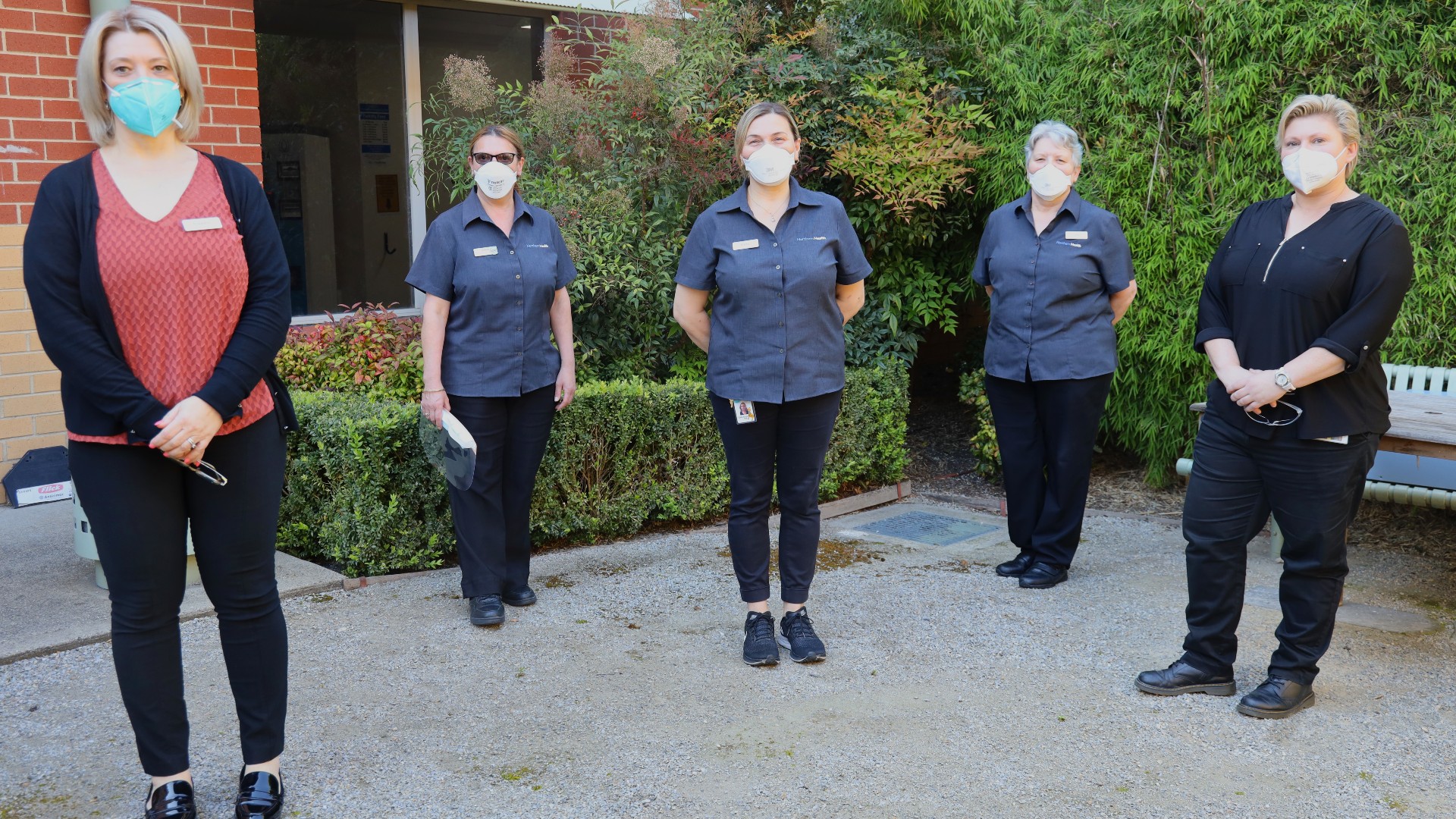
    Featured image: L-R Snezana Velevski, Support Services Coordinator, Adele Mavity, PSA, Zorka Stojanoska, PSA, Cindy Sherlock, PSA, and Sarah Rexhepi, Quality Coordinator, Support Services

  • Selective Internal Radiation Therapy: A first for Northern Health

    Selective Internal Radiation Therapy: A first for Northern Health

    One of the latest and highly specialised cancer treatment options available, known as SIRT (Selective Internal Radiation Therapy), was successfully performed at Northern Health on 13 October. Only a relatively small number of hospitals offer this treatment in Australia.

    Says Dr Terry Kok, Interventional Radiologist, “Our patient was diagnosed with liver cancer that was not suitable for surgical treatment and we were asked to provide minimally invasive treatment for his tumour. SIRT, also known as Y90 radioembolisation, was chosen to provide the best chance of curative treatment.”

    The complex procedure involved the combined Radiology and Nuclear Medicine teams including Nuclear Medicine Physician, Dr Anthony Hannah, supported by specialist nurses and technicians working closely together to plan and administer the treatment.

    It also involved expert input from specialist colleagues in Hepatobiliary Surgery, Gastroenterology-Hepatology and Oncology through our cancer multidisciplinary team.

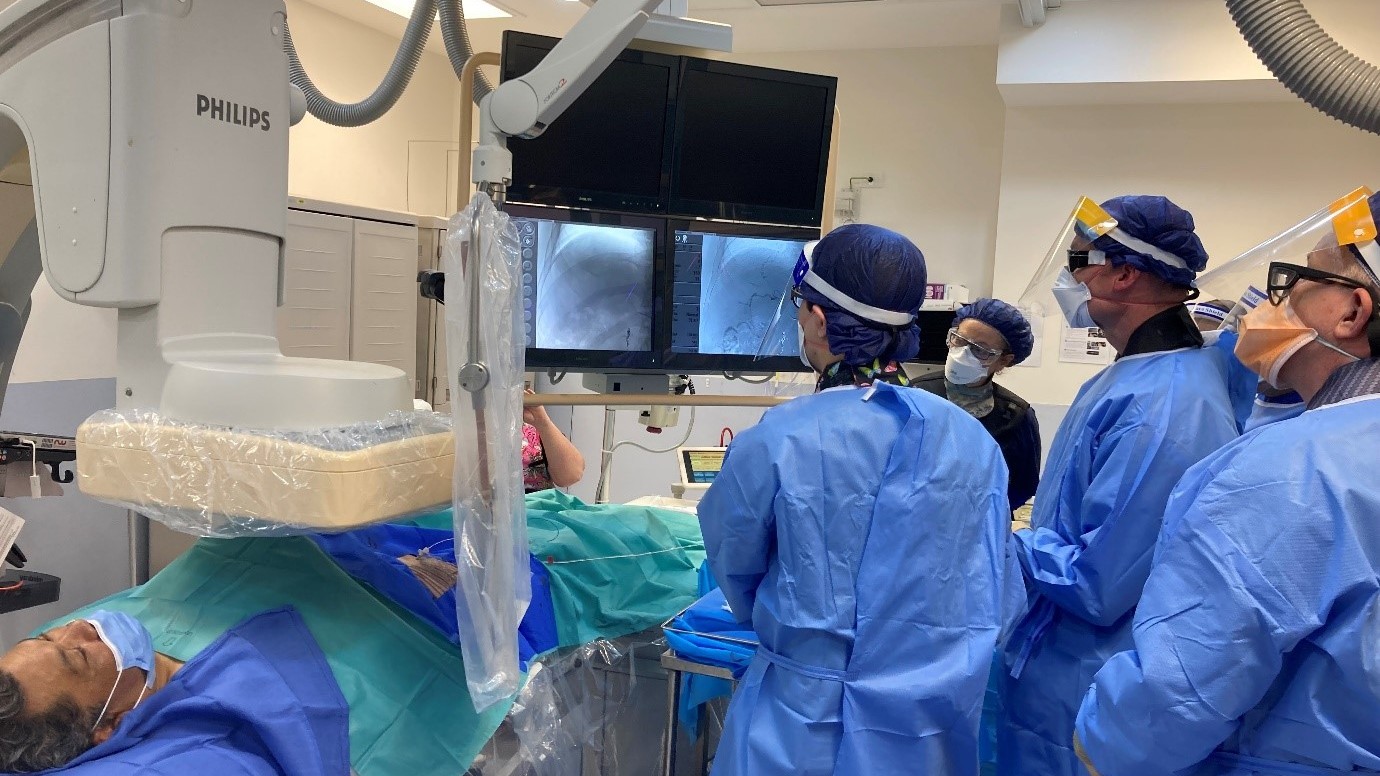
    Dr Terry Kok and Dr Mark Goodwin implanting the SIR-Spheres.

    “We were very grateful to have the support of two experts, Dr Mark Goodwin (Interventional Radiologist from Austin Health) and Dr Yung Kao (Nuclear Medicine Physician from Royal Melbourne Hospital) to guide us through the first SIRT procedure at Northern Health,” says Terry.

    SIR-Spheres are tiny radioactive ‘beads’, one-third the width of a human hair. The microspheres are injected directly to the liver tumours using the tumour’s own blood supply. The microspheres, light enough to be carried by the blood flow, yet too large to pass through the small blood vessels, become permanently trapped in the small blood vessels that are in and around the tumours.

    They then emit high doses of radiation to the tumour cells to destroy them. This targeted nature of the procedure, enables doctors to deliver up to 40 times more radiation to the liver tumours than would be possible using normal radiation therapy, while sparing the surrounding healthy liver tissue.

    “The procedure went very smoothly due to the meticulous planning put in by the IR and Nuclear Medicine teams and our patient made an uneventful recovery after a short overnight stay in hospital. The treatment will take effect over the coming weeks and he will be followed-up by his surgical team under the care of Mr Russell Hodgson, HPB Surgeon,” says Terry.

    A tender moment amidst the technology, as RN Maryann Chetcuti, checks in on the patient.

    “The establishment of a SIRT treatment program at Northern Health has been the product of over two years of hard work as part of a greater aim to establish an Interventional Oncology centre of excellence for our patients. We offer a comprehensive and holistic service to patients with cancer, covering a wide range of procedures from biopsies and vascular access for chemotherapy, to minimally invasive treatments such as tumour ablation, chemoembolisation and most recently, SIRT radioembolisation,” he explains.

    “Patients who would have previously had to be referred to other health services for some of these specialised treatments, are now able to benefit from comprehensive and ongoing care at Northern Health by their doctors, nurses and healthcare professionals who know them best.”

    “Associate Professor Wanda Stelmach and Dr John Ferguson (current and former Chief Medical Officers) have provided invaluable support over the years in our endeavours and this achievement is something that Northern Health can be proud of,” he adds.

    Chief Medical Officer, Wanda Stelmach, congratulated the team for their dedication and persistence to set up this service which supports the care of our community.

    “I have heard from a number of sources how well the procedure went and the collegiate atmosphere that allowed everyone to contribute to the success of the procedure – truly a multidisciplinary effort! Well done to everyone! I look forward working with you to support your to aim to establish an Interventional Oncology Centre, ” she said.

    Featured image shows Dr Terry Kok, Dr Mark Goodwin and Dr David Burrows, performing angiography before delivery of radioactive Y90 SIR-Spheres to the tumour. In the background is Maryann Chetcuti RN.

  • Our accreditation success

    Our accreditation success

    Northern Health has received formal notification from the Australian Council on Healthcare Standards (ACHS) that we have met all actions within the National Safety and Quality Health Service (NSQHS) Standards.

    Northern Health was acknowledged for the progress it has made since the last assessment and the commencement of its strategic journey towards a ‘High Reliability Organisation’.

    “This is a fantastic achievement and is a direct reflection on the quality of the care that our staff provide to our patients and our broader consumers every day. We can all be proud of this affirmation of the quality of services we provide to our community,” said Siva Sivarajah, Chief Executive.

    Northern Health was congratulated on the continued focus on collection and evaluation of key performance measures, throughout the pandemic-affected clinical and non-clinical operations of the health service. The assessors acknowledged that the previous 12 months have been particularly challenging for both the health service and staff individually.

    Assessors reported that staff were well informed and engaged on governance, their processes, and outcomes, and readily discussed their current improvement work.

    Maree Glynn, Director of Clinical Practice Improvement, said this is a fantastic achievement.

    “I would like to thank everyone for being so adaptable. Our staff were able to adapt to our ever-changing environment and were ready for parts of the Accreditation to be undertaken remotely,” she said.

    “To achieve an Accreditation result with no recommendations, nothing that we have to correct, is a wonderful achievement,” she added.

    “Some of the feedback from surveyors included compliments like ‘care is the best it can be at Northern Health’ or ‘can-do attitude comes across in everything that you do’ etc.”, which is great feedback we should all be proud of,” Maree added.

    The assessors were impressed that staff were consistently focused on patient and staff safety, quality of care, and experience. They also noted our commitment to a values-based culture, respecting choices, improving services and outcomes for all consumers, and acknowledged extensive positive feedback from consumers and volunteers.

    Dr Bill Shearer, Executive Director, Quality, Safety and Transformation, thanked Maree Glynn, Marisa Argetto, Standard Chairs and Clinical Improvement Committees, for the amazing effort they have put into preparing us for Accreditation.

    “You did so much work in the lead up to the Accreditation. This is probably the first hybrid survey that has been successfully completed. Thank you to all our staff and a huge congratulations to all,” he said.

    Jennifer Williams AM, Board Chair, said “On behalf of the board, I express my appreciation to all staff on this significant achievement.”

  • Breast Cancer Awareness Month: Get to know your lemons

    Breast Cancer Awareness Month: Get to know your lemons

    The statistics are sobering – 1 in 7 women are diagnosed with breast cancer in their lifetime.

    So far this year, over 3,000 Australians passed away from breast cancer including 36 males and 3,102 females. That’s nine Australians a day dying from the disease.

    What they also make clear, as Cheryl Murray, Breast Care Nurse Consultant (BCN) points out is, “breast cancer doesn’t stop for a pandemic.”

    Says Cheryl, “I want to acknowledge it’s been a tough year and taking care of yourself has never been more important.”

    October, Australia’s Breast Cancer Awareness Month, provides an opportunity for us all to focus on breast cancer and its impact on those affected by the disease in our community.

    Breast cancer remains the most common cancer among Australian women (excluding non-melanoma skin cancer). Survival rates continue to improve in Australia with 89 out of every 100 women diagnosed with invasive breast cancer now surviving five or more years beyond diagnosis.

    Take the time this month to find out what you need to know about breast awareness and share this important information with your family, friends and colleagues.

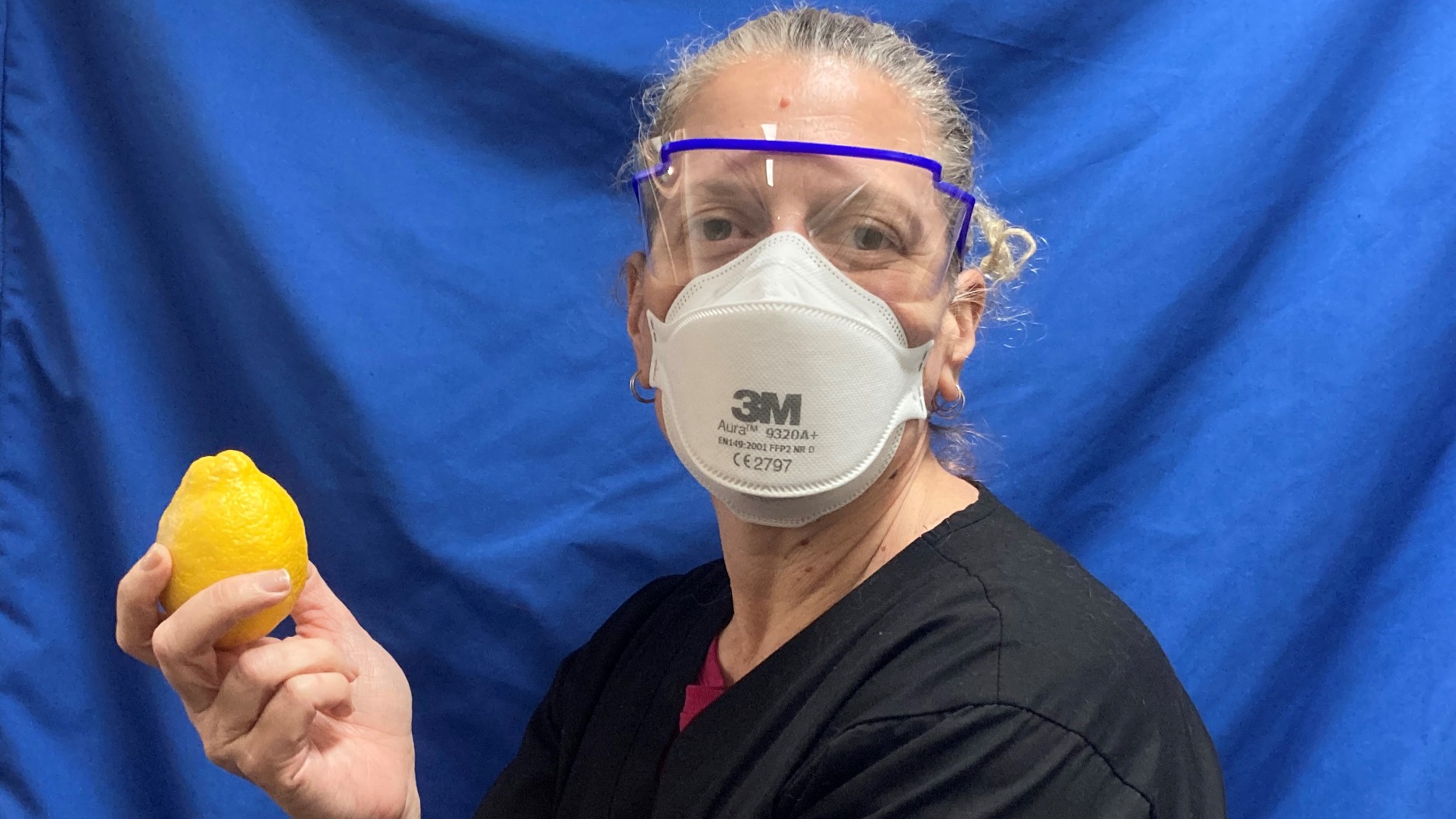
    As Cheryl eloquently puts it, “Get to know your lemons!”

    Featured image shows Cheryl Murray, Breast Care Nurse Consultant (BCN) .

  • Shoes for our COVID Ward nurses

    Shoes for our COVID Ward nurses

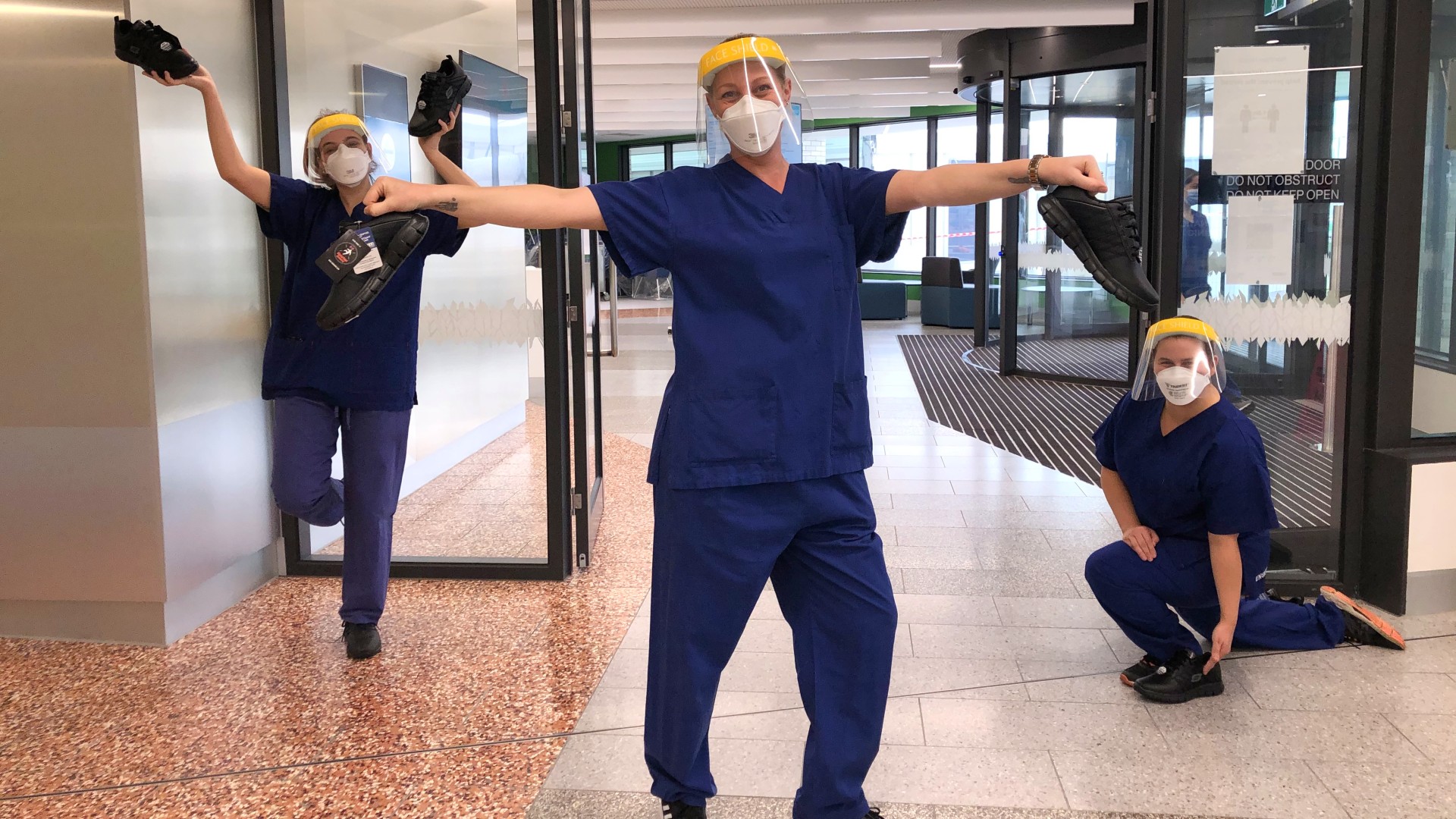
    Our COVID Ward nurses on Ward 22 have received a generous donation of work shoes from footwear company Skechers.

    As part of Skechers October campaign – ‘Skechers Supports Essential Workers’ – 48 shoes from their work range, were donated to nurses on Ward 22.

    Kaitlin Themistoklis, COVID Ward Registered Nurse, thanked Skechers for their new foot gear.

    “It feels great to receive the shoes, we really appreciate it. Thank you to Skechers for supporting our hard work and thank you for helping us to continue working hard,” she said.

    Rebecca Foggie, COVID Ward Registered Nurse, said, “We are very thankful for Skechers for providing us with the shoes. It is great to have some support on board and we really appreciate it.”

    Amy Wilson, COVID Ward Clerk, said it was great that nurses were being supported and recognised for their commitment to providing great patient care.

    “Thank you for supporting our feet. A big thanks to Skechers, we really appreciate it. It’s the small things that mean a lot,” she said.

    The Skechers work range is designed to support workers that are on their feet for long hours and feature slip resistant traction outsoles, water and stain resistant uppers and air-cooled memory foam insoles.

    Daniela Jovanovic, Head of Marketing Skechers ANZ, said the Skechers Supports Essential Workers campaign was to support nurses who are doing long shifts and are on their feet all day due to the impacts of COVID-19.

    “This is our way of saying thank you to the workers helping keep our communities safe during these unprecedented times,” she said.

    Featured image: Kaitlin Themistoklis, Registered Nurse; Amy Wilson, Ward Clerk and Rebecca Foggie, Registered Nurse

  • Internal emergency code number is changing

    Internal emergency code number is changing

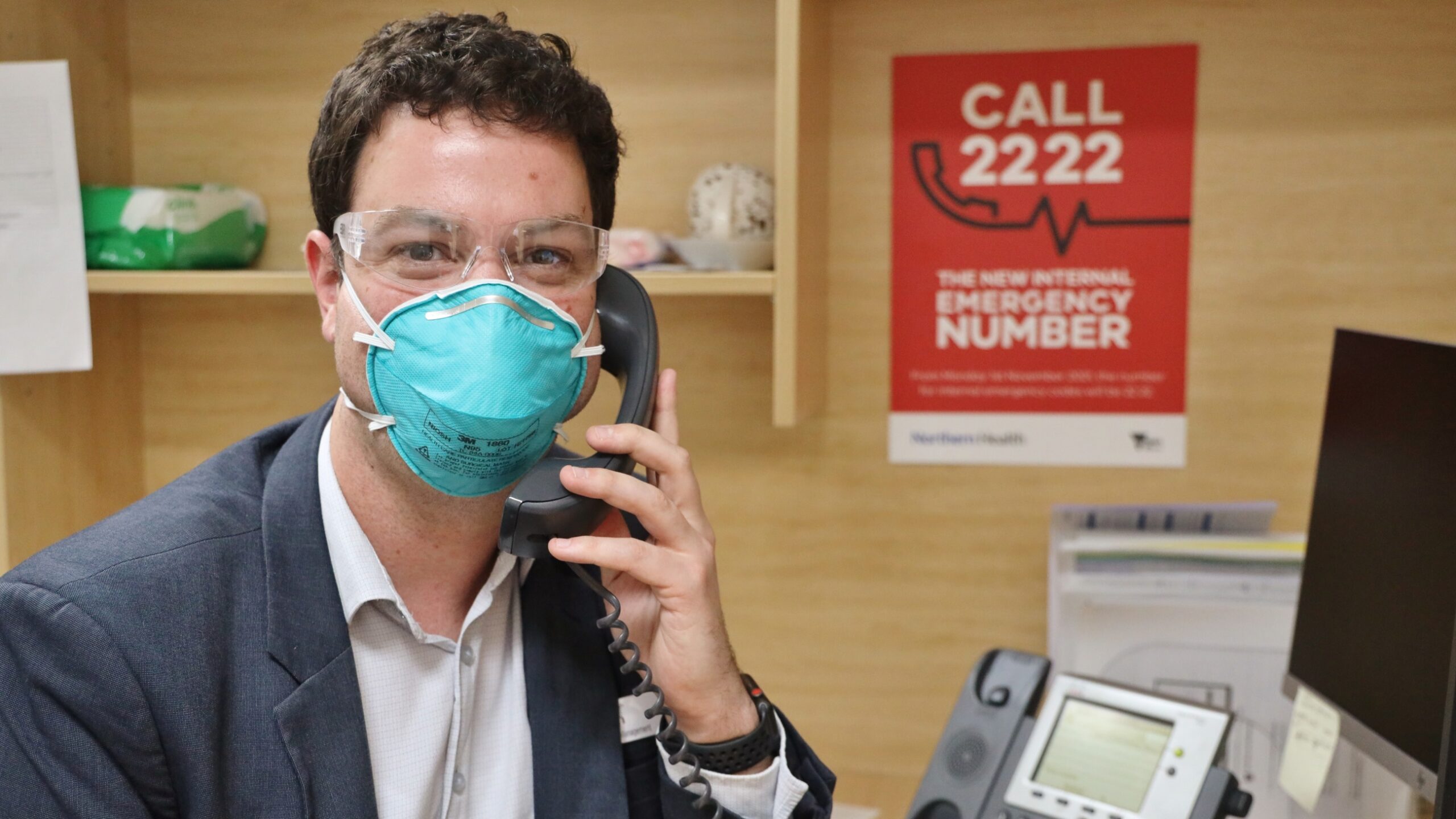
    As part of a Department of Health requirement, on 1 November 2021, Northern Hospital Epping, Broadmeadows Hospital, Bundoora Centre and Craigieburn Centre will be changing our internal Emergency Code phone number from 444 to the new number 2222.

    Across Australia, 51 different phone numbers are used to initiate an in-hospital emergency code across different health services. It is widely acknowledged that having one in-hospital emergency number improves staff awareness and reduces the likelihood of a time delay. Standardising the in-hospital emergency number to 2222 across all Victorian hospitals will enhance recall and improve patient safety.

    While Northern Health is transitioning on 1 November 2021, it is anticipated that all other health services will have transitioned by the end of 2021.

    At Northern Health, 2222 will replace the existing internal emergency number for all codes currently managed by calling 444. There will be no changes to other sites who currently contact 000 such as Palliative Care at Heritage Epping Gardens.

    “All Victorian hospitals are required to move to the new internal emergency code number 2222 by the end of 2021. For our staff that work across different health services, this change will mean that you will only have to remember one phone number regardless of what hospital you work at,” Jason Amos, Manager – Emergency Management explained.

    “This consistent approach will ultimately result in a reduction in delay of emergency code notifications to our Emergency Response Teams,” he added.

    The official Go-Live date of the new Emergency Code phone number is 1 November 2021. However, in August 2021, there was over 2,200 calls made to 444 at Northern Health – so, to ensure patient safety, as we become accustomed to the new 2222 number, the existing 444 number will remain operational for a minimum six month period ending May 2022.

    During October, staff will see the new emergency code phone number promoted on the Intranet and screensavers, within staff areas such as nursing stations, office spaces, staff huddles, LMS training packages and organisational procedures. A resource package will also be available, for all managers, to provide the basic steps and resource material, including posters, stickers and checklists.

    For further information, please click here or email Jason Amos, Manager – Emergency Management at jason.amos@nh.org.au.