• Kid’s vaccination begins today

    Kid’s vaccination begins today

    From today, our vaccination centre at Plenty Ranges Arts and Convention Centre (PRACC) at 35 Ferres Blvd, South Morang is open for children aged 5 to 11 years old.

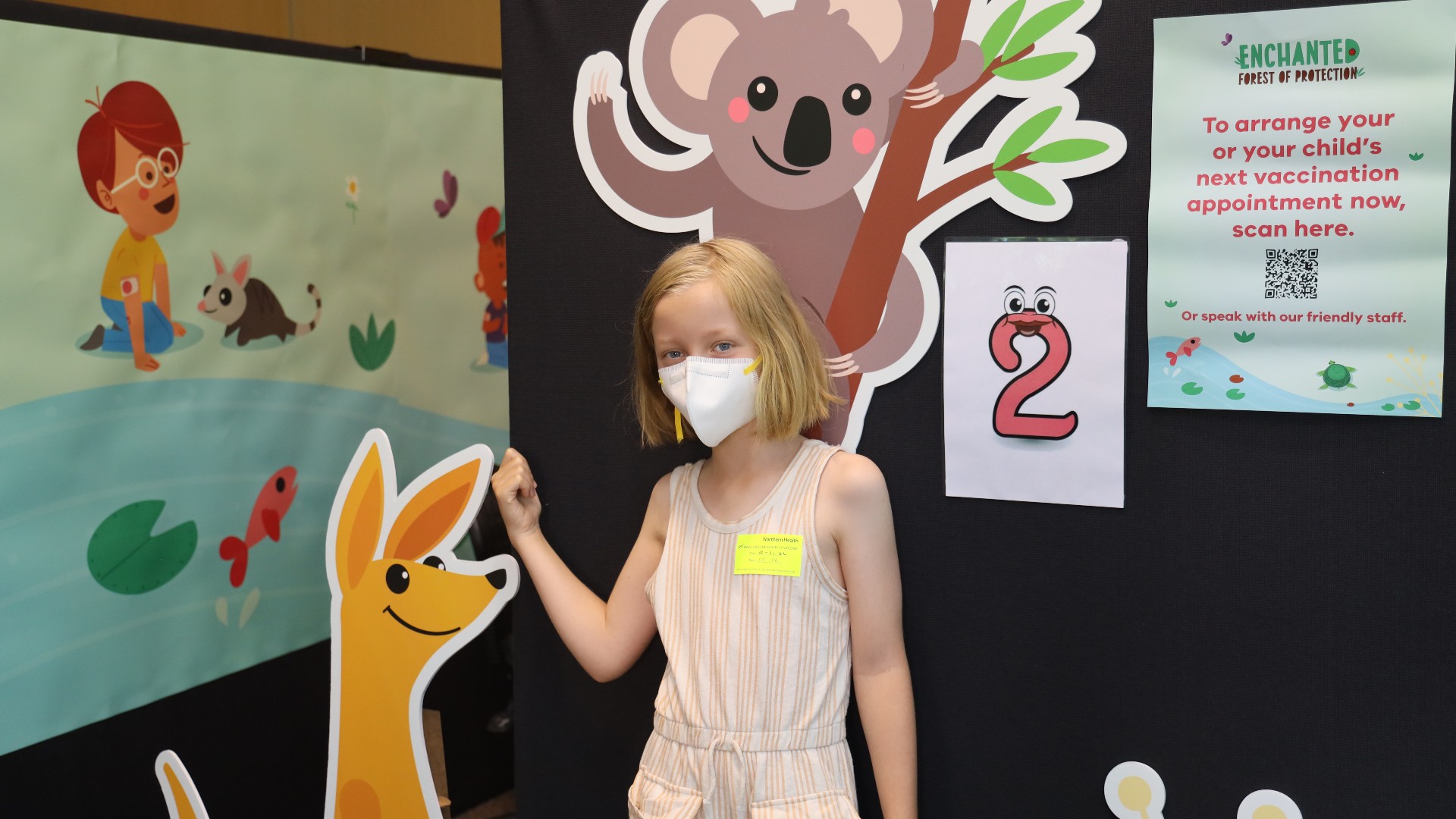
    The children’s vaccination clinic at PRACC is a dedicated child-friendly space with entertainment and activities to make the process less stressful for children.

    Lucy is 9 years old, and was one of the first to queue up this morning for her vaccine.  She is looking forward to starting Year 4 at school with her classmates. She understands that there might be delays, but after two big years she is keen to join her friends at school. She knows that getting the vaccine will help bring back, ‘some kind of normality,’ as her mum says.

    However, Lucy has another reason for getting vaccinated. In 2020 her grandmother got COVID -19 and spent five weeks in hospital.

    As Lucy says, “I got my vaccination to protect my grandma.”

    Hayley Grey, Nurse Unit Manager in charge of PRACC, informs us vaccination for children at the Civic Centre at PRACC is strictly bookings only.

    She says, “Adult vaccinations, from 12 years upwards, is open for both bookings and walk-ins, however bookings are recommended.”

    “Please bring your Medicare card (if you have one) to your appointment,” she adds.

    Craig Lloyd. CEO City of Whittlesea, says, “Getting children vaccinated before they return to school is an important part of protecting our whole community, along with other measures like masks, distancing and good ventilation.”

    “We are pleased to be partnering again with the City of Whittlesea in this program to keep both adults and kids safe in the community,” says Debra Bourne, Acting Chief Operating Officer, Northern Health.

    Featured image shows Lucy  showing the way.
  • Message from the Chief Executive

    Message from the Chief Executive

    Dear all,

    Northern Health is preparing for one of the greatest challenges we’ve faced in this pandemic – the growing demand for care at a time when our available workforce is decreasing due to the impacts of COVID-19.

    Even though Omicron is a milder variant, the projected hospitalisations for COVID cases in Victoria are expected to continue to grow and peak around the end of January 2022. This is a similar trajectory already being demonstrated by New South Wales.

    This week here at Northern Health, we have experienced approximately eight per cent of our workforce have either been confirmed COVID positive and many others have been furloughed due to close contact/household exposures. We have a high number of patients both presenting to the Emergency Department and requiring admissions for COVID.

    With the current wave expected to run for another six to eight weeks, we are expecting between 15 to 20 per cent of our staff will be unavailable to work at its absolute peak. Now more than ever we need to live our organisational values of Safe, Kind and Together.

    Our staff are essential to delivering the best quality of health care to all of our patients, and it is only because of the size of this challenge that I am asking all staff to please review their current approved annual leave over the coming six weeks and either (i) reduce their applied leave by 50 per cent (i.e. if you have two weeks planned, could you only take one week) or (ii) postpone your leave outright and reschedule for late March 2022 and beyond.

    I have given much consideration to this request, and it is not one I have taken lightly. However, over the next six weeks, we need as many of our staff, clinical and non-clinical, who can work to do so, supporting colleagues and patients through this wave.

     Therefore, I am asking you to please consider my  request and speak with your manager, colleagues and families over the coming days. Heads of Units, Nurse Managers and Directors will talk with teams about this at the local level. Of course, you can always seek more information through our People and Culture team.

    I know so many of you need time to rest and recuperate, and that would be my wish for you. However, maintaining sufficient staffing is our greatest current challenge. We must continue to meet the needs of our patients and share that workload as much as possible.

    As always, I am truly appreciative of the many sacrifices you have made and continue to make through this the pandemic to support each other and our community.

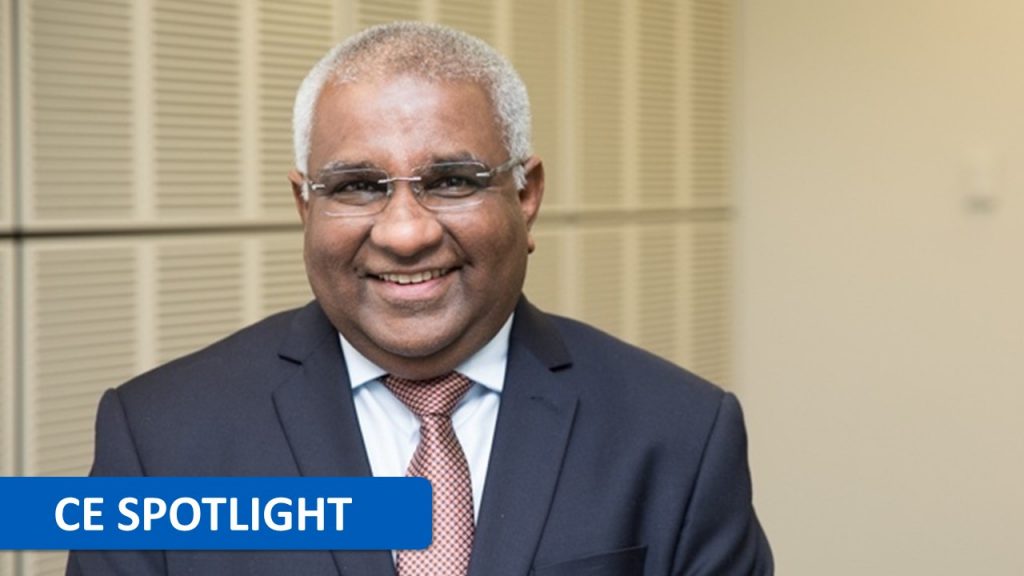
    Siva Sivarajah
    Chief Executive

  • Community Visitors Scheme: Connecting with the community

    Community Visitors Scheme: Connecting with the community

    “To see her smile when she sees me is all the thanks that I need.”

                                                                                                                                                                                                                                      Pauline Chua


    The Australian Government Community Visitors Scheme has been providing social companionship to residents in Aged Care facilities in the Northern Region for the past 30 years.

    The Community Visitors Scheme (CVS) provides friendship and companionship by matching volunteers with aged care residents who are isolated or at risk of social isolation or loneliness.

    CVS aims to improve quality of life for aged care residents by reducing their feelings of loneliness, improving their mental well-being, giving them a sense of purpose and connecting them with others in their community.

    Northern Health has seen approximately one hundred Community Volunteers engaging with the program over the past 30 years, with some visiting with one resident, and others finding that meeting a group of residents has proven to be beneficial to both residents and volunteers alike.

    Pauline Chua, is one volunteer who has spent the past 16 years visiting with a number of residents from Villa Maria and Grace Villa. Pauline enjoys spending time with residents and has visited a number of them during her time with the program.

    Pauline originally started visiting others when she was 12 years old in Singapore and has continued this throughout her life in Australia. She gets great joy out of offering her time to others, and feels that a simple chat with someone and listening to their story can really make an impact.

    Nancy Gionfriddo has also spent the past 16 years visiting with residents at Villa Maria. Domenica was one of these residents. Nancy enjoyed the weekly chats and developed a wonderful relationship over this time with her. Often they will sit together and talk about time spent in Italy or the similarities they both have. Although they were both of Italian origin, they spoke a different dialect which at times created great laughter as they tried to work out what the other was saying.

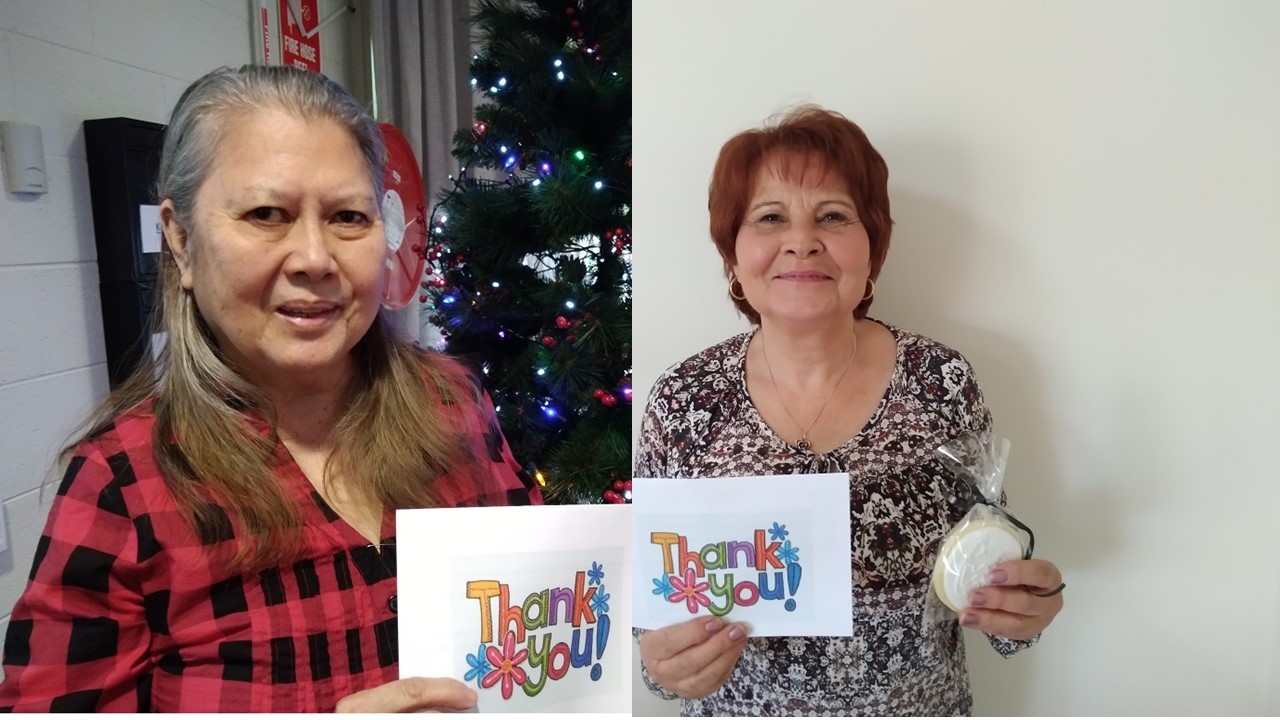
    In recent weeks, CVS Coordinator, Monica Polimeni, has been visiting the volunteers at their homes to present them with a thank you card and CVS branded cookie to celebrate the 30 year anniversary.

    Pictured here are Nancy Gionfriddo and Pauline Chua gratefully accepting their gifts.


  • Research grant for Northern Health Family Planning Clinic

    Research grant for Northern Health Family Planning Clinic

    After receiving the prestigious University of Melbourne Department of Obstetrics and Gynecology Innovation Grant earlier this year, the team at the Northern Health Family Planning Clinic have been selected for a further $50,000 research grant. This is from The Victorian Nursing and Midwifery Trust for their work on partnering with the community to co-design an improved model of care for the family planning clinic at Broadmeadows Hospital.

    This highly sought-after grant is awarded to health services to undertake research that aims to advance nursing and midwifery practice and improve patient outcomes. “Through this research we hope to demonstrate the value of midwives working to their full scope of practice in abortion and contraception care, and the positive impact this can have on outcomes and women’s experiences of care” said midwife and clinic coordinator Kate Chaouki.

    The team, which includes A/Prof Lisa Hui (Women’s & Children’s Research Lead and MFM Specialist), Dr Jeanie Henderson (Gynaecologist and the Family Planning Clinic Medical Lead), Kate Chaouki (Family Planning Clinic Coordinator and Midwife) and Eleanor Johnson (Research Midwife) have already begun the early stages of the project, with this additional grant, funding a series of workshops where an innovative model of care will be designed in partnership with consumers from the local community.

    “We are absolutely thrilled to be selected for this grant and what this means for working together with women in the community. The COVID-19 pandemic has altered the sexual and reproductive healthcare landscape in Australia, and the need to understand and address potential barriers to accessing affordable abortion care is more important than ever.” says Eleanor.

    The team are also thrilled to welcome Associate Professor Cathy Vaughan from the University of Melbourne who will be lending her expertise to the co-design workshop phase of the project. Cathy has over twenty years’ experience in community engagement and community development. Over the last ten years she has led a range of community-engaged research projects, including co-design health interventions, at the Melbourne School of Population and Global Health where she is Head of the Gender and Women’s Health Unit and Director of the WHO Collaborating Centre for Women’s Health.

    Chief Medical Officer, A/Prof. Wanda S Stelmach says,  “This is a great example of  women’s health at their most pro-active leading the way in innovative care of our community. This multi- organisational joint venture together with community, leads the way healthcare will be provided in the future in the north! Well done and congratulations to the team!”

    The co-design workshops will commence in late 2022. Any feedback or enquiries can be directed to Eleanor Johnson via eleanor.johnson@nh.org.au

    Featured image shows Eleanor Johnson (Research Midwife)  and Kate Chaouki (Family Planning Clinic Coordinator and Midwife) .

  • Check-Back: Learning to ask the right questions

    Check-Back: Learning to ask the right questions

    Good communication between consumers and their health professionals is fundamental to the provision of safe health care.

    ‘Teach-back’ is a communication method that health professionals sometimes use to check that they have been understood.

    The process involves breaking health information down into small parts and then delivering it in ‘chunks’ and then ‘checking’ that the consumer has understood the information by asking them to repeat it back. This allows health professionals to clarify information that has been misunderstood or to provide the information again if it cannot be recalled.

    “Teach-back is initiated by health professionals, yet consumers that worked with us on projects that aim to teach health professionals how to use teach-back told us that they wanted to be more actively involved in the communication process by initiating Teach-Back themselves,” explained Dr Rebecca Jessup, Allied Health Research Lead.

    “Consumers told us that initiating Teach-Back themselves would increase their ability to act on information and would promote equal partnerships with their health professionals through better two-way conversations. This is in line with the recent evidence that involvement in shared decision-making may be associated with better health.”

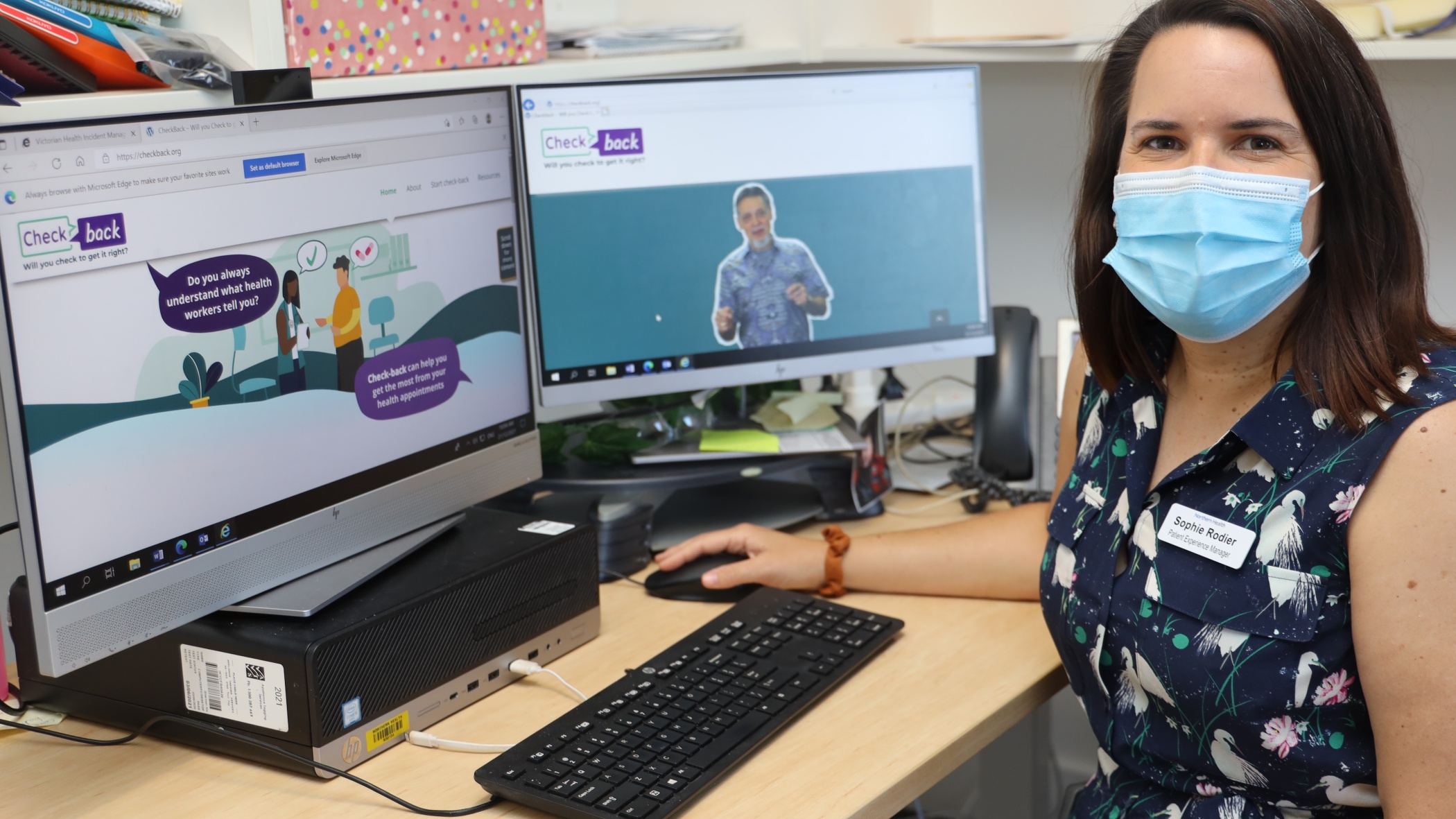
    In response to this feedback from consumers, Northern Health, in conjunction with Safer Care Victoria, Monash University, Monash Health and Ballarat Health Services, has developed a website that teaches consumers to initiate Teach-Back themselves. We are calling this new method of checking for understanding ‘Check-Back’.

    Staff, consumers and volunteers from Northern Health provided their feedback on the barriers to good communication, contributed to the content of the website and have even starred in the videos on the site. The module includes some information about ‘Check-Back’ and how to initiate it with your health professional and a number of videos demonstrating its use.

    “We are really proud of the website that has been created. The resource looks fantastic, is interactive and easy to navigate. We are excited to begin the next step of this project, sharing it with our patients and our community,” says Sophie Rodier, Manager Patient Experience and Consumer Participation.

    To learn more about Check-Back, visit the website at checkback.org.

    Staff can also learn more through the Teach-Back module on the LMS.

  • 2022: Giving the best of you

    2022: Giving the best of you

    As we step into 2022, it is understandable we do so with mixed feelings. Yes we made it through two tough years, yes we have a lot to be thankful for- and then came Omicron…

    Some suggest that instead of feeling guilty or pushed into making big lifestyle changes for the New Year, a healthy alternative is small, sustainable changes that can be more motivating and can act as a catalyst for bigger changes we want to see in ourselves.

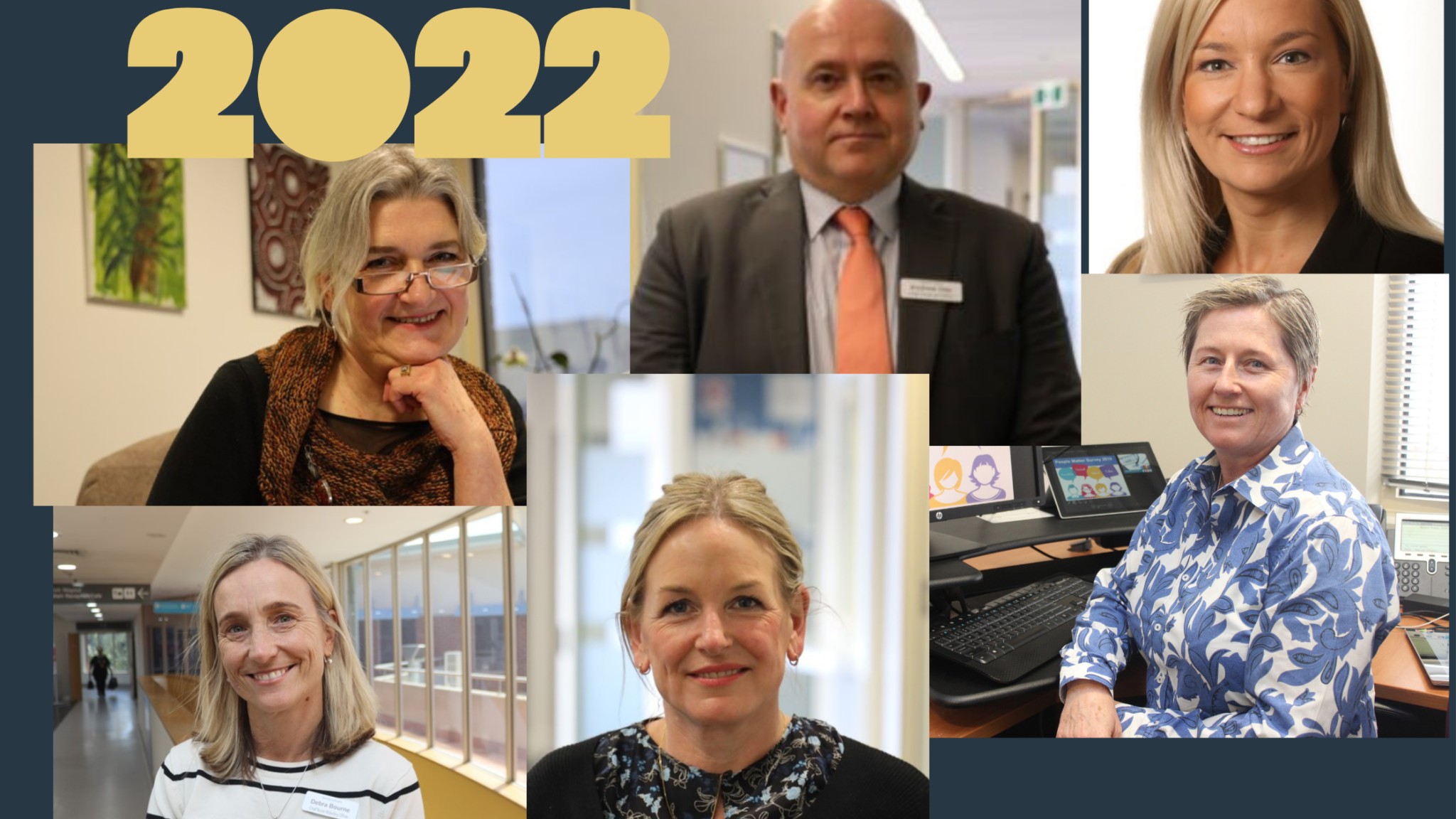
    Debra Bourne, our Chief Operating Officer agrees. This year she has, what she describes as her ‘go to self-talk’.

    In 2022, Debra says she would like to find, “strength and resilience sprinkled with a heavy layer of kindness to others”.

    Wanda Stelmach, Chief Medical Officer says her inspiration for the new year comes from our staff. She says that what they have taught her is, “to see the joyful in the hardest of times.”

    Lisa Cox, Acting Chief Nursing and Midwifery Officer also has our staff as her focus-specifically our nursing staff. This year she resolves to “take each day at a time, be kind and for all nurses to find their love in nursing again.”

    Michelle Fenwick, Executive Director, People and Culture plans to follow the advice that has kept her in good stead for the last two years. She says ‘taking  each day as it comes’, has served her well, allowing her to focus on the now and to only carry over ‘good stuff’ to the next day.

    Briana Bass, Chief Allied Health Officer would like to switch things up from setting ‘intentions’ to setting ‘commitments’.

    Says Briana, “Whilst I’ll still focus on kindness, I think it’s time for me to reenergise and set some firm commitments! I’m a big believer that good sleep habits are a critical starting point to achieving great things, so I’ll start by committing to getting to sleep before 10pm on at least 3 nights of the week!”

    Chief Finance Officer, Andrew Gay says that while it feels like “we take two steps forward, and two steps backwards”, he encourages staff to “recognise and celebrate something positive, regardless of how small it is on a regular basis.”

    Celebrating the small victories and being kind to oneself  is a recurring theme and good advice. Starting the new year off with a focus on what may be holding you back, can perhaps help you to start putting your wellbeing first.

    May 2022 be the year you focus on giving the world the best of you instead of what is left of you!


  • How to stay safe, kind – and cool

    How to stay safe, kind – and cool

    The heat is on! As we deal with another sweltering day, here are some tips on staying safe in this heat – some more imaginative than others.

    To start with, stay hydrated the right way. Too much alcohol or caffeine as we know tends to raise body temperature – yes, that includes iced coffee. So, stick to water and add mint, cucumber, or lemon to add a little flavour.

    Talking of flavour, did you know certain foods can raise your body temperature? Ginger, coconut oil, brown rice, garlic and cayenne pepper all contain properties that bring your body temperature up, so save those foods for the winter season.

    The reverse is also true – choose foods such as cucumbers, mango, watermelon, zucchini and pineapple that contain a lot of water and keep you hydrated.

    Here’s another tip – along with an anatomy lesson. Pulse points are the parts of your body where blood vessels are closest to the surface of your skin. Try running cold water over your wrists, right where you can feel your pulse. If you can cool your blood at these vulnerable points, it will recirculate into the central part of your body and cool you down.

    Even more effective, wrapping a cool towel or popping a chilled ice pack on your neck.

    Slightly more unconventional is to pour water into your hat and quickly invert it before you wear it. Potentially less dramatic than pouring an entire bucket of water over your head.

    More obvious advice is, if you have to be outside to get gardening finished or enjoy your daily jog, move your adventure to the early morning or evening hours. 

    Don’t forget to check in on others. Look after those most at risk in the heat – your neighbour living alone, the elderly, the young, people with a medical condition and your pets.

    However the best advice we can give you is – just relax. Muscle activity can produce a lot of body heat. Take a blisteringly hot day as nature’s way of telling you to put your feet up and relax.

    Lastly a reminder – be aware of any fire dangers around you. Please stay aware of the fire danger rating and know what to do at all times.

    For those of you taking a well-deserved break or travelling through Victoria, it is worth downloading the VicEmergencyapp or visiting www.emergency.vic.gov.au  beforehand.

    Stay safe, kind – and cool!


  • Erin Edwards: Allied Health Aboriginal Cadetship

    Erin Edwards: Allied Health Aboriginal Cadetship

    The Aboriginal Cadet program is an opportunity for allied health students who identify as Aboriginal to work with the allied health team to develop key clinical skills around patient interactions and to develop an understanding of working within the public health network.

    Kym Patterson, Associate Director, Allied Health says, “Cadetships are a valued way for Aboriginal students to gain exposure to a health service as an employee and to build their confidence and knowledge.”

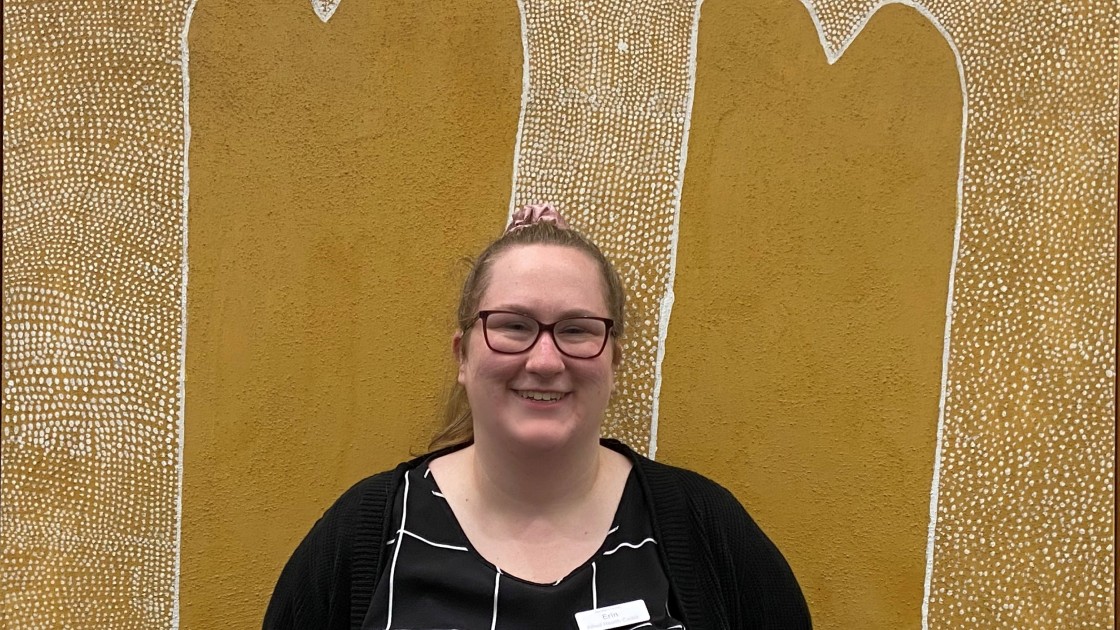
    One such student is Erin Edwards, a proud Gunditjmara woman. Here’s what she has to say:

    “Given COVID restrictions and everything, placements were limited so having another opportunity to get hands on experience was so valuable in improving my confidence and growth to hopefully become a better clinician and implement skills in my future practice of Audiology.”

    “I was lucky enough to get experience not only in Audiology at Northern Health but also experience in other areas of Allied Health within a hospital setting and observing how they all overlap and work together in a busy setting.”

    She believes that the program helped in, “increasing my confidence and communicating with clients, besides developing my professional teamwork skills.”

    “I was fortunate enough to spend most of my time at Northern Health with the Speech Pathology department, who have been so encouraging and supportive. Even though I wasn’t studying speech pathology, I was able to gain more experience by engaging with clients from all different backgrounds which is vital for Allied Health professions.”

    “Definitely working in such a great team has made this experience special,” she adds.

    As Kym explains, “Cadetships are a valued way for Aboriginal students to gain exposure to a health service as an employee and to build their confidence and knowledge. The Cadetship Program offers additional support to Aboriginal students undertaking their final years of undergraduate study and contributes to a culturally safe and respectful working environment. “

    “We hope this encourages the successful transition of Aboriginal cadets into a transition to practice program and provides a culturally safe workplace for Aboriginal students.”

    As for Erin, Kym says, “Erin has been a really keen and active learner during her time with us in Allied Health. Initially we wanted to provide Erin with quite a broad experience, across a number of professions. This was quite clunky, due to COVID-19 and restrictions on staff movement. We then offered Erin an opportunity to consolidate the AHA Cadetship to Speech Pathology and Audiology. This would allow Erin to complete competencies within speech pathology and provide consistent patient contact to enable her to see how her work effects the patient journey and to provide real tangible skills and the end of the cadetship.

    “Erin embraced this opportunity and really developed a great working relationship with the sub-acute speech pathology team and her patients. Her Audiology skills were able to translate to this communication setting, where she was able to see the importance of communication in a broader context.”

    Erin is clear, “I would definitely recommend this program to others. I was hesitant at the start as I had never worked in a hospital setting or considered the prospect but I am so glad I took a chance to explore this opportunity and determine which areas of work I want to do in the future.”