• Mental Health Service transition continues

    Mental Health Service transition continues

    Today, the Bundoora Aged Persons Mental Health Unit (APMHU) and Assessment and Treatment Services (APATT) transferred to Northern Health.

    From today, Northern Health will be providing the assessment of, and treatment for, all persons at the APMHU and APATT.

    The Royal Commission emphasised the importance of services being more closely aligned with their local major public hospital, and the communities in which they reside, including residential aged care facilities. For the APMHU and APATT, this is Northern Health.

    For consumers, there will be no change to the care they receive and the services they access. Northern Health and The Royal Melbourne Hospital are working together to ensure a seamless transfer process, with the aim of ensuring that the staffing arrangements remain unchanged.

    As Lynette Stephens, APATT Service Manager, said, “We are about to shift under a progressive network, and step out as Northern Health’s aged mental health service.” Read more here.

    Belinda Scott, Executive Director, Mental Health, is excited, “about the challenges and the opportunity to be involved in the reform of the service system for consumers experiencing mental ill health and their families and carers.”

    “I am also thrilled at the opportunity to lead an amazing team to improve outcomes for consumer, carers and families,” she adds.

    Join us in welcoming the teams from APMHU and APATT!


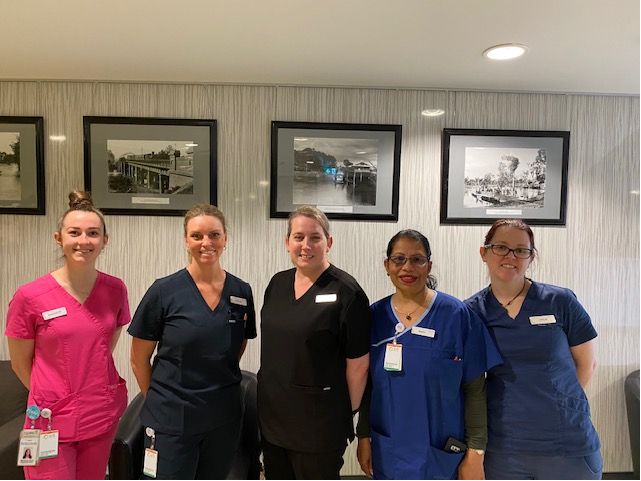
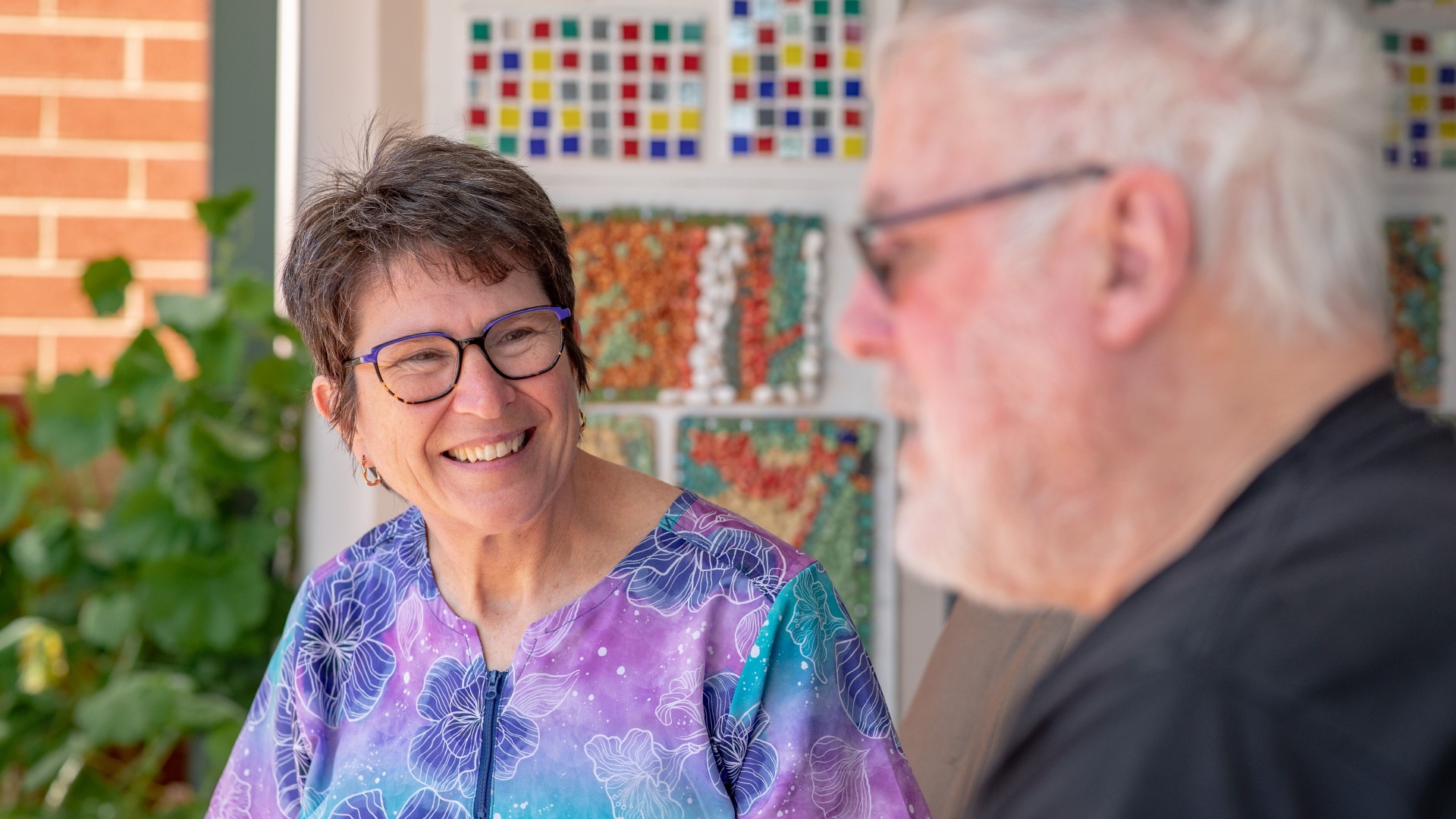
    Main image shows Karen, Mental Health Nurse, and patient.
  • Going above and beyond at Euroa and Echuca

    Going above and beyond at Euroa and Echuca

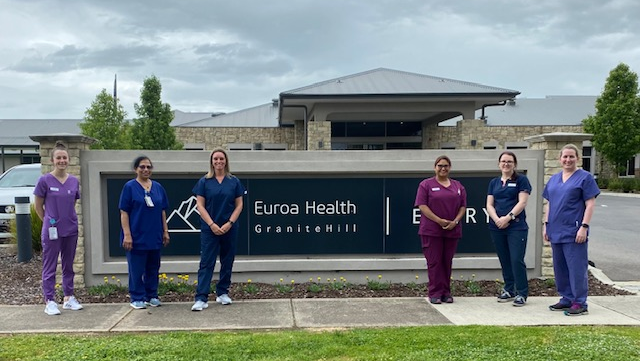
    Kirralee Jensen, Bundoora Centre Director of Nursing, has just returned from flood-affected Euroa and Echuca. She led a team of fourteen nurses across four different Melbourne metropolitan hospitals, to support our regional health services. Five of the fourteen staff, Crystal Devenish, Kylie Pratt, Maddison Ryan, Mary Palapathwala, and Shamini Ramananthan are nurses from Northern Health.

    “It was outstanding to see the response from Northern Health, Austin Health, St Vincent’s Hospital and Royal Melbourne Hospital,” said Kirralee.

    The nurses were first deployed to Euroa Health. Over 65 per cent of Euroa Health staff were impacted by floods and road closures, resulting in them being unable to attend work. The presence of metropolitan nursing staff meant that patients and residents at Euroa Health could safely be cared for.

    “Reflecting on our time in Euroa, we all felt honoured to be able to assist our regional colleagues during this time. From the first day of our arrival, we were warmly welcomed by the Euroa team, as well as the Euroa community, and we experienced country hospitality at its best.  It was a collaboration of city and country nurses, working towards the same goal of delivering safe care to the patients and residents at Euroa Health. It was a privilege to lead such an amazing and dedicated team of staff,” said Kirralee.

    Following ten days in Euroa, the Northern Heath team continued on to Echuca Regional Health, a town severely affected by the current flood crisis.

    “Although Echuca’s staffing was less acute by the time we arrived, it was a heart-warming experience to spend the time at a regional hospital with very dedicated staff. The devastation and destruction of flood waters was obvious as we drove through Rochester and arrived in Echuca. The loss people have experienced and endured during the crisis is immeasurable. It is just heartbreaking,” Kirralee said.

    “I feel both honoured and privileged to have been able to help both Euroa and Echuca during these times. To be able to contribute positively to affected communities and lead a team of compassionate and dedicated nurses willing to go above and beyond their usual roles can be listed as a highlight in my nursing career. I would like to thank ‘Team Northern’, Crystal, Maddison, Kylie, Mary and Shamini for their commitment and compassion, and the outstanding care they delivered during their time at Euroa and Echuca,” said Kirralee.

    “You all displayed the importance of our Northern Health values of safe, kind and together, each and every day, thank you!”

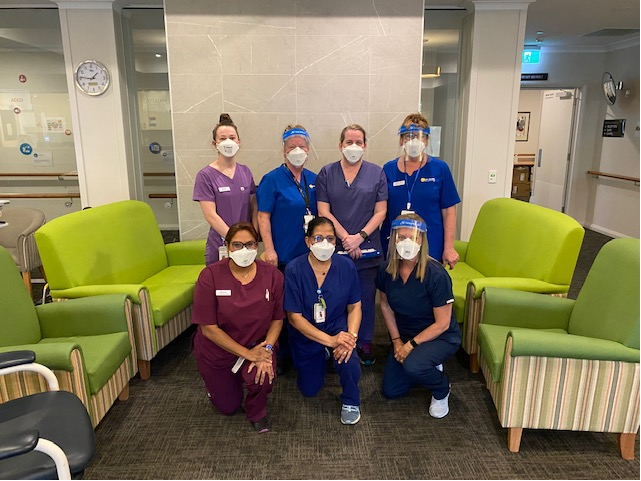
    Main image shows from left to right – Maddison Ryan, Mary Palapathwala, Kirralee Jensen, Shamini Ramananthan, Kylie Pratt and Crystal Devenish.


  • Stepping out as Northern Health’s own older persons specialised mental health service

    Stepping out as Northern Health’s own older persons specialised mental health service

    Next Monday, we officially welcome the staff of the Kath Atkinson Wing (KAW), Aged Persons Mental Health Unit and the Aged Psychiatry Assessment and Treatment Team (APATT).

    Today we speak to Stav Ropkas, Acting NUM, Aged Persons Mental Health Unit (APMHU) and  Lynette Stephens, APATT Service Manager on their role in the transition.

    Stav sees her role as manager as “providing leadership and ensuring high quality of care for consumers in our 15 bed aged person’s acute mental health unit”.  Lynette says that to be the APATT service manager is a privilege. She says, “My role is to support my team to ensure we continue to deliver the best care outcomes for our consumers and their carers.”

    It is not an easy role and Stav admits that, on occasions, it can be overwhelming. Lynette sees the challenge as “supporting and leading clinicians as we move though change.” She adds, “Despite the present staffing crisis across Victoria, we are a team committed to achieving the best outcomes for our consumers.”

    A typical day for Stav, starts with, “Meeting in the morning with a multidisciplinary team to discuss best plan of care for the consumer,”.  Lynette says it is “juggling a few hats” and “supporting colleagues clinically when required, so we can continue to deliver a great service.”

    What excites Stav the most about her role, is, “Working with a great team who work well together. I am learning something new every day.”

    For Lynette it is the fact that, “We are about to shift under a progressive network and step out as the Northern Health’s aged mental health service.”

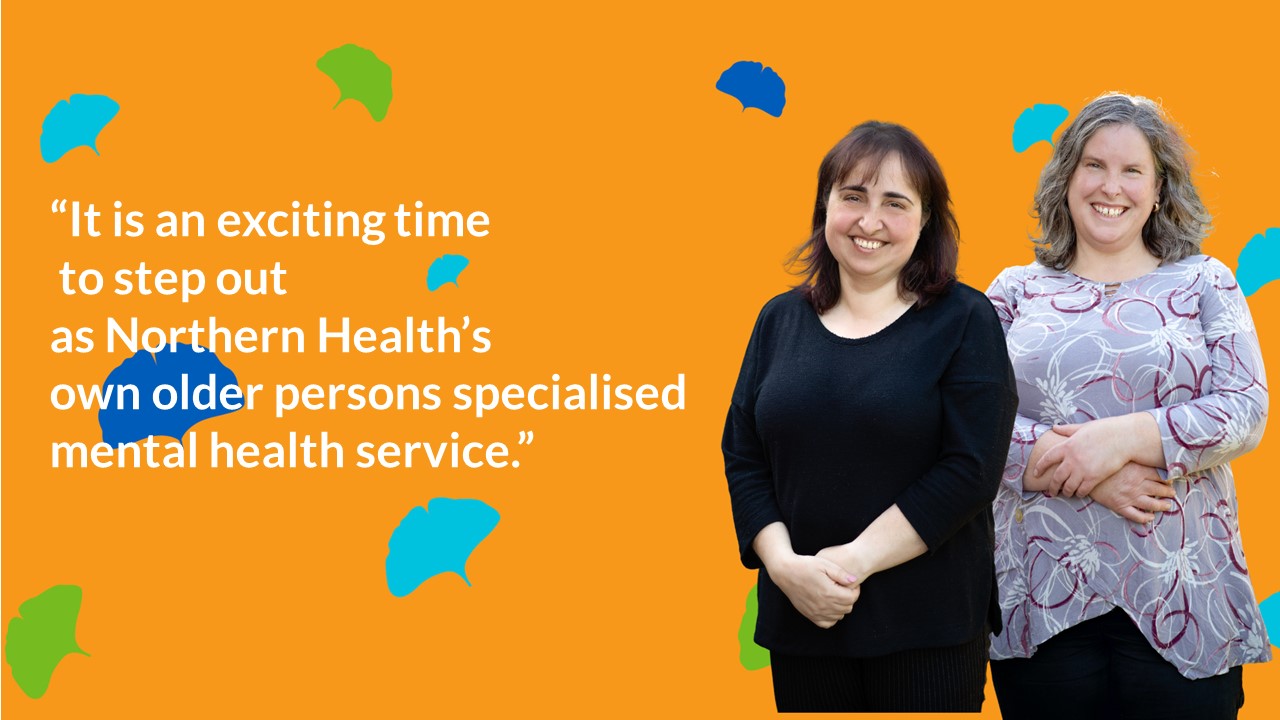
    “It is an exciting time to step out as Northern Health’s own older persons specialised mental health service based at Bundoora Centre,” says Lynette.

    A warm welcome to Stav, Lynette and the teams from Kath Atkinson Wing (KAW), Aged Mental Health Unit and the Aged Psychiatry Assessment and Treatment Team (APATT).

  • Get to know: Steve Manolas

    Get to know: Steve Manolas

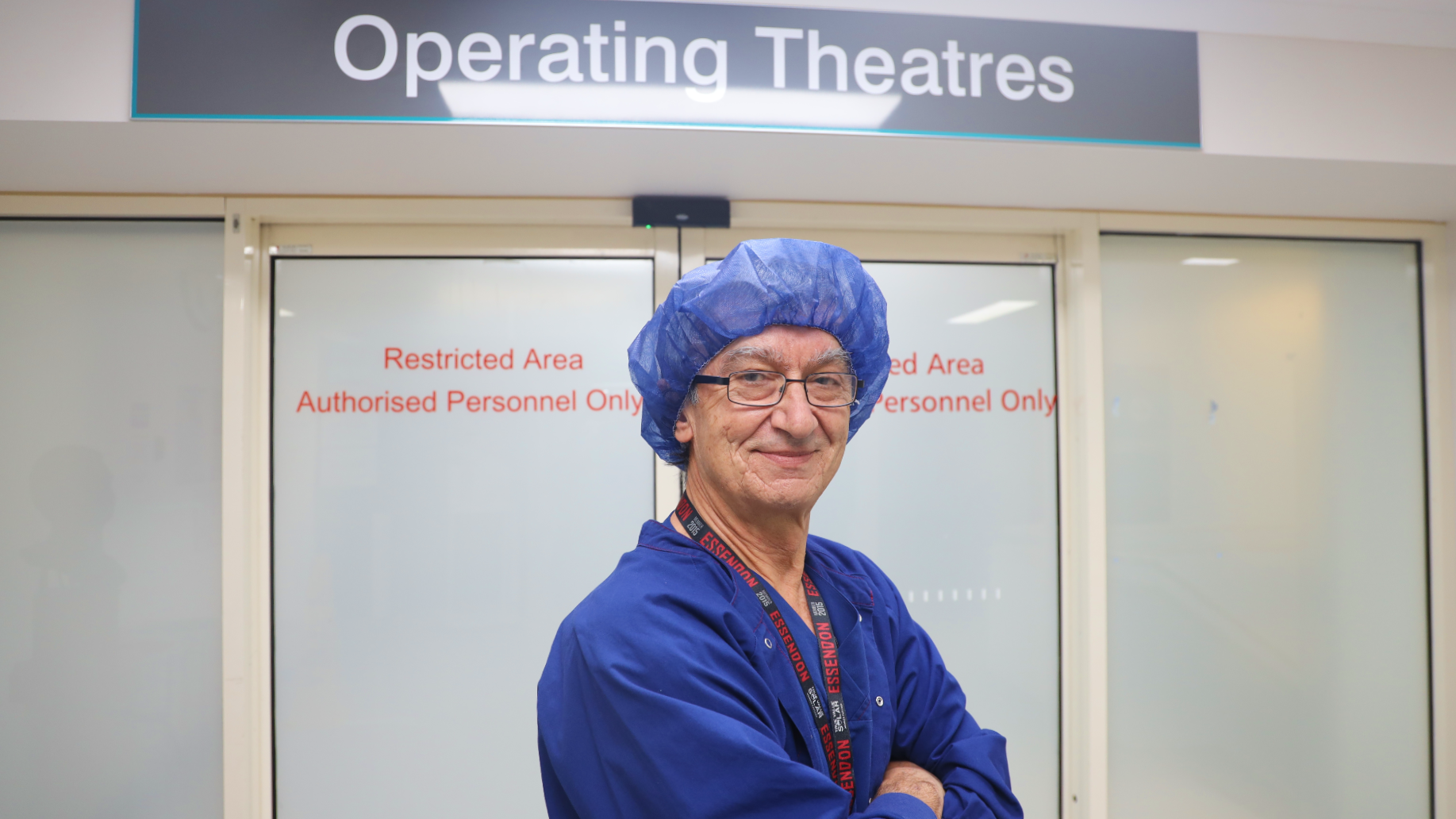
    For today’s ‘Get to know’ profile, we caught up with Steve Manolas, the new Director of General Surgery.

    What is your coffee order?

    I usually have a flat white.

    Tell us about your time/career so far at Northern Health?

    I have been part of Northern Health and PANCH’s history since 1991. Initially, I started as a senior Registrar/Fellow, and then went on to become a general surgeon.

    During this time, I started an endoscopic retrograde cholangiopancreatography (ERCP) service at PANCH, which continued at Northern Health from 1998.

    Although initially my work was very general, I had an interest in thyroid surgery. When I became Head of Unit for Surg 3, I developed this unit into the Endocrine Surgical Unit with Upper GI, under the same umbrella.

    As the Director of General Surgery, what does a working day look like for you?

    This role has very quickly expanded my understanding of the hospital processes behind the scenes. I have a new understanding of all the effort that goes in to supporting the clinical side that we sometimes take for granted.

    What are you looking forward to the most in this new role?

    I am very interested in helping General Surgery expand and build on the good work that has been done so far.

    What was your career before Northern Health?

    I spent my junior years in medicine at Western Hospital, then at Heidelberg Repatriation Hospital for all my surgical training.

    After my Fellowship, I spent about two years in Gloucester, England, developing my ERCP skills and progressing my endocrine interests.

    I then returned to PANCH in 1991, and subsequently Northern Health.

    If you could describe Northern Health in one sentence, what would it be?

    Northern Health has been a friendly and supportive place to work, and this is due to the people that we work with every day, from the front desk staff, cleaners, nurses, and colleagues – you enjoy coming into work.

  • Beat the bite

    Beat the bite

    The recent floods in Victoria pose a risk of increased mosquito breeding.

    Mosquitoes can carry a number of diseases that can make people very ill and, in severe cases, can even cause death.

    Simple precautions can help protect you and your loved ones against mosquitoes and the diseases they may carry.

    Cover up by wearing long, loose-fitting clothing as mosquitoes can bite through tight clothing. Use repellents that contain picaridin or DEET on all exposed skin. Use mosquito nets or insect screens. Use ‘knockdown’ fly spray, mosquito coils or plug-in repellent where you gather to sit or eat. Limit outdoor exposure and move indoor if possible. If you are on holidays, make sure your accommodation is fitted with mosquito netting or screens.

    Children are also vulnerable to mosquito bites. It is important they wear long, loose-fitting clothing when outdoors, and apply a thin even layer of mosquito repellent to all exposed skin, avoiding hands, eyes and mouth. Choose a lower strength repellent for young children and babies – no more than 20 per cent picaridin or DEET. Parents can drape a mosquito net over prams, stroller or infant carriers.

    Mosquitoes can breed in even the tiniest amount of stagnant water. It is best to stay away from these places. If you are in a place where this is stagnant water – taking part in recovery efforts for instance – make sure you wear long, loose-fitting clothes and use repellents.

    Elisha O’Dowd, Nurse Unit Manager, Infection Prevention and Surveillance, said, “Three years of La Nina weather patterns have triggered a rise in population of mosquitoes and vector-borne diseases. As we approach more rainy, warm weather, it is vitally important to protect ourselves and our families,” she said.

    Associate Professor Joe Rotella said, “Prevention is key. For families who enjoy the great outdoors, consider travelling to areas further removed from the floods to minimise exposure to mosquitoes and possible disease. Furthermore, be mindful that mosquitoes will be more prevalent around local streams and creeks that may have increased in size after heavy rainfall.”

    “Symptoms of diseases spread by mosquito include fever, headache, rash and sore/swollen joints. If you attend mosquito-prone areas and then develop these symptoms, please see your GP. Alternatively, you can speak to the Victorian Virtual ED here.”

    To learn more about how you can protect yourself and your family, click here.

  • Rino Minniti wins Victorian Senior of the Year Award

    Rino Minniti wins Victorian Senior of the Year Award

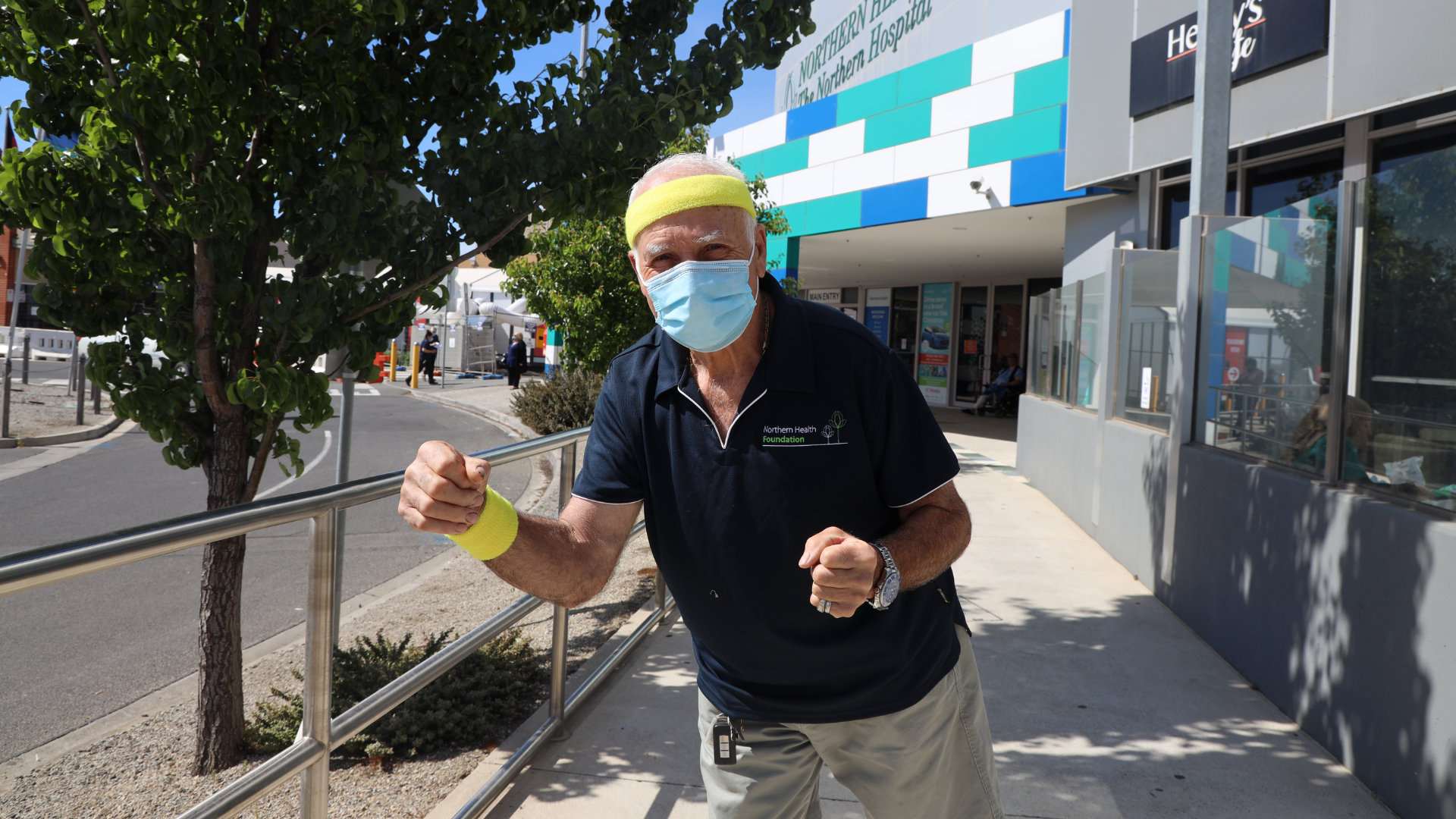
    Long-standing Northern Health Foundation supporter, Rino Minniti, was awarded the 2022 Victorian Senior of the Year Award at Government House on Wednesday, recognising his wonderful efforts to make a positive difference in our community.

    Rino migrated from Southern Italy to Australia in 1966, where he opened his first hair salon in Lalor, welcoming local and wider community members six days a week for over fifty years. Unsurprisingly, Rino also found the time to propagate plants to sell at markets to raise funds for cancer services, often laughing and chatting with the locals that helped to form an even deeper connection with his community.

    In addition to working long weeks, Rino continues to participate in many cancer fundraiser activities, for which he has been involved in for over 20 years. With his family having been touched by cancer many times, Rino’s support has been invaluable to Northern Health.

    In November 2020, Rino held a ‘Walk for Cancer’ fundraiser, where he took on the task of walking from Northern Hospital Epping to PANCH in Preston, an impressive distance of 11.3km. This was an incredible effort on Rino’s behalf, who was able to raise vital funds for Northern Health Cancer Services.

    His commitment and involvement with the community is nothing short of inspiring. Patients who undergo treatment at Northern Health often frequent charity events held by Rino and his wife Josie Minniti OAM, to show their support.

    Henni Wade, Volunteer Services Manager, Northern Hospital Epping, nominated Rino for the award, and was thrilled upon hearing he’d been accepted as the winner.

    “Rino has been such an amazing help not only to Northern Health, but the community as a whole. I think everyone really feels that. He’s fundraising efforts have helped raise money to purchase items that have held such great use for so many people, it’s just wonderful.”

    In 1999-2000, Rino’s hair salon was also awarded Whittlesea’s Business of the Year, and Rino received another award, winning Whittlesea’s Citizen of the Year. Together, Rino and Josie commenced their charity work together in 1999, and each have been a pillar of strength to one other, raising $750,000 for cancer services at both the Austin and Northern Hospital Epping throughout this time.

    Rino’s fundraising has enabled the purchase of a significant array of equipment for Northern Hospital Epping, including treatment chairs, a machine to detect breast cancer for the Emergency Department, a defibrillator, and many more important pieces of equipment to improve quality of life care and life-changing services.

    Thank you Rino for being an outstanding citizen, and a pillar in our community. We look forward to seeing the amazing things you will achieve in the future. On behalf of everyone at Northern Health, we extend our sincere congratulations and gratitude.

  • Why Research Week matters

    Why Research Week matters

    It is no coincidence that in the same month as Research Week 2022, we also celebrate two significant research grants.

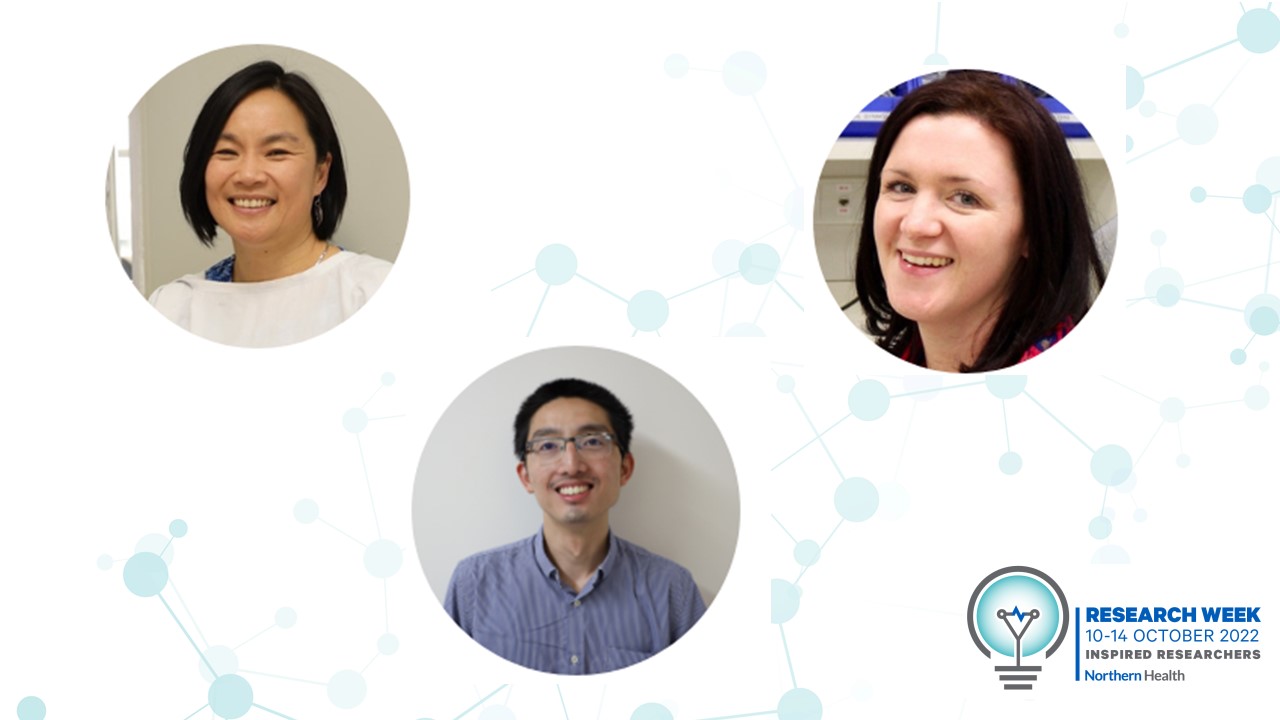
    Firstly, congratulations to Professor Natalie Hannan and Associate Professor Lisa Hui, co-founders of the Northern Centre for Health Education & Research (NCHER) Reproductive Health Biobank, on each being awarded a 2023 Dame Kate Campbell Fellowship.

    The Dame Kate Campbell Fellowship is awarded by the University of Melbourne Faculty of Medicine, Dentistry and Health Sciences through a highly competitive process. It is named after the noted Australian physician and paediatrician. This award recognises the immense contributions that Natalie and Lisa have already made and continue to make to the faculty and the northern precinct.

    “It is an incredible honour to receive a Dame Kate Campbell fellowship, and especially gratifying to have our efforts to establish research in Women’s and Children’s Health at the Northern Precinct recognised,” Lisa said.

    Natalie describes Dame Kate Campbell, as “an incredibly inspiring medical researcher.” The same could be said of Research Week, which serves to raise the bar and provide a benchmark of the high-quality research being undertaken at Northern Health.

    “I am so very humbled to have been awarded a Dame Kate Campbell Fellowship. This award means so much to us and will support us towards achieving our own research goals and impact. We are so grateful for the support from Northern Health,” Natalie said.

    Equally noteworthy is the Royal College of Pathologists of Australasia (RCPA) Research Grant to Dr Kay Weng Choy and his team from Northern Pathology Victoria – for the second consecutive year. Every year, the RCPA Foundation offers Quality Assurance Program (QAP) Research Grants (AUD$30,000) to ‘support a research project involving the development and interpretation of Quality Assurance Programs’.

    QAPs ensure that pathology results are fit for clinical purposes and are essential for ongoing laboratory accreditation.

    “In 2021, my colleagues and I here at Northern Pathology Victoria were awarded the grant to develop a QAP for urea breath tests. This year, we were successful in our application for the same grant to develop a QAP for plasma copeptin,” said Kay Weng.

    “For a relatively new laboratory this is a great achievement for the team,” he added.

    Faye Zaibak, Director, Research Operations, said, “Research Week allows us to come together as an organisation and celebrate the achievements of our researchers.”

    “Events such as this bring world best thought leaders together to share their experience and perspectives and challenge us to new heights,” Faye said.

    Associate Professor Wanda S Stelmach, Chief Medical Officer, said, “Research Week brought together a vibrant group of enthusiastic researchers and supporters – an amazing week! So it’s no surprise that Northern Health researchers are being recognised further afield. Congratulations, Natalie, Lisa and Kay Weng!”


  • Think pink for Breast Cancer Awareness Month

    Think pink for Breast Cancer Awareness Month

    “Get to know your lemons.” It’s a simple message that Cheryl Murray, Breast Care Nurse Consultant, encourages women to become familiar with.

    Breast cancer is the most common cancer among women in Australia, with one in seven women at risk of being diagnosed. Men can also be affected by breast cancer, with one in 555 men also at risk.

    To keep on top of breast health, Cheryl encourages women and men to, “get to know your breasts.”

    “Normal changes in our breasts happen over time,” she said.

    “Get to know your breasts, what is normal for you? Breasts are all different shapes and sizes, and breast health is important for all.”

    “You should get to know your breasts, because you need to know the normal look and feel of them, which will help you notice any new changes.”

    According to the Know Your Lemons Foundation, there are 12 symptoms of breast cancer to look out for. This includes new lumps or thickening in the breast, especially if in only one breast, nipple sores, change in shape of the nipple, discharge, changes in the size or shape of the breast, skin of the breast dimpling, discomfort or swelling in the armpit, rash or red swollen breasts or ongoing pain that is not related to your menstrual cycle that remains after your period and occurs in only one breast.

    But for some people, there are no symptoms, and the cancer is found during a mammogram or a physical examination by a doctor.

    “If breast cancer is found early, there are more treatment options and a better chance for survival. Women whose breast cancer is detected at an early stage have higher survival rates in the first five years,” Cheryl said.

    Women of all ages are encouraged to self-check their breasts, and women aged 50 to 74 should undergo breast screening every two years.

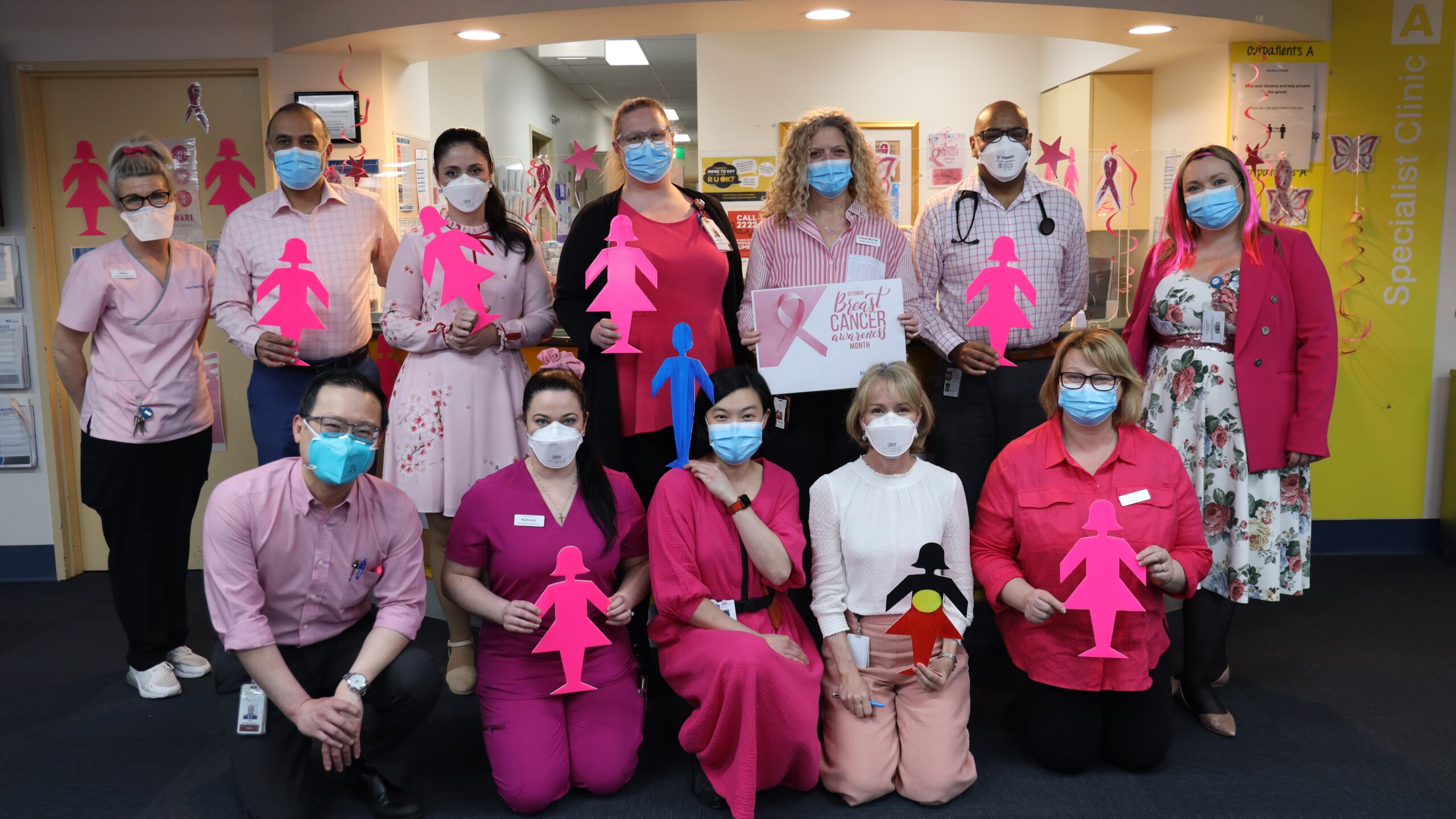
    Last week, our staff proudly donned pink scrubs and attire as part of Pink Ribbon Day. October also marks Breast Cancer Awareness month – a strong reminder to all women to put their health and wellbeing first.

    For information and resources on breast cancer, please visit Breast Cancer Network Australia.