
• Professor Hamish Ewing: Interesting times

    Professor Hamish Ewing: Interesting times

    When Professor Ewing was appointed as the inaugural Associate Professor of Surgery at PANCH, a storeroom was hastily converted into an office for him.

    It was thought that the small doorway would not be wide enough to accommodate the large oak desk he wished to bring, so it was enlarged to two full length glass doors. “Much to the hospital engineer’s dismay, my large oak desk arrived in ready to assemble pieces. I got an office though with a lovely view of the garden outside!”

    It marked the beginning of what Professor Ewing describes as “interesting times.”

    Professor Hamish Ewing has just retired after a chequered career. In thanking him, Chief Executive, Siva Sivarajah spoke of his dedication, “to clinical improvement and teaching since you began your career at PANCH as Associate Professor of Surgery in 1989.”

    “Your dedication has led to the establishment of academic programs and activities, computerised audits and a breast service, at a time when single speciality services were unknown in the health service. Your academic contributions to medical students, trainees and Fellows are well recognised by Northern Health staff who remain grateful for your significant contribution in establishing the Northern Health, University of Melbourne Medical School.”

    Hamish says the post of inaugural Associate Professor of Surgery was, “a personal challenge. I was young (41 years) and was not only replacing a much-loved and skilled senior surgeon, but also had the daunting prospect of being the first ‘University Man’ at the busy Preston hospital where all the consultant staff were senior in years to me.”

    He was delighted to discover that he had joined a team of surgeons, receptive to significant changes that could be made to improve education and service delivery.

    This role came at the time PANCH was to be closed and the new Northern Hospital was being designed. “This meant active input into our new hospital design and visiting the vacant building site on Cooper Street that was then covered with thistles and some remaining dry-stone walls.”

    The Director of Surgery role became a much more structured role when Northern Health was established. “I was a member of the hospital executive and could bring clinical issues to this forum. It also meant that I could bring the challenges of the executive directly to the surgical workforce ‘at the coalface’.  A bit of a balancing act at times,” he says.

    “Northern Hospital was inundated with work from day one. Specialty surgery services were developed with significant workforce increases at all levels for me to manage, both from a budget and human resources point of view. Quite different from PANCH days.”

    One such development was the formalisation of a breast service – one of the first health services in Melbourne to create a truly integrated program.

    “Yet another giant step forward at the time was the Breast Care Nurse position funded by a special grant. In addition to these multidisciplinary meetings, we also held a breast clinic which meant all the team would be in attendance at the ‘one – stop’ clinic. All very exciting,” says Hamish.

    Another was the enhancing of the surgical audit tool at Northern Health, originally developed at PANCH. This tool facilitated surgical quality care meetings and was designed to also comply with the surgical registrar trainees log-book requirements.

    In 2011, the University of Melbourne changed the six-year undergraduate degree, to a four-year graduate entry MD program. This change to the curriculum included an expanded GP experience to be delivered at only two new outer-metro clinical schools, Northern Health and Western Health. Professor Ewing was appointed as inaugural Director of Medical Student Education at Northern Health.

    “The MD program has three clinically based years, with students returning to central hospitals for Children’s and Women’s Health. At Northern Health, we had all of these specialist services at our hospital and our campaigning led to the whole of the three-year clinical program being delivered at Northern by our medical staff.”

    However, Northern Health did not have a space big enough to cater to the increased number of students.

    “The student quarters consisted of two small rooms near the library which were crammed with shared lockers. Limited university funding was made available and two purpose-built de-mountables were delivered to create our first real home as ‘The Northern Clinical School’ (now housing Hospital-in-the-Home).”

    The first home of the Northern Clinical School.

    Hamish says seeing “the evolution of a health service from a desperately busy (& tired old building) community hospital in Preston to the new multi-campus Northern Health of today has been amazing.”

    “The big and ongoing highlight for me is contact with people I have had across my 33 years of involvement at Northern: patients and their families, all manner of staff who make our service tick, nurses, students and doctors alike. My big reward, and affirmation of my career, is to meet these people years later in all manner of venues (even caring for my own health!) having progressed in their careers and life in general.”

    He believes the challenge, as the health service is constantly getting larger and more complex, is to “achieve a sense of community to make it a wholesome and friendly workplace.”

    “My thanks go to you all for being part of my journey. I am very proud of Northern Health and will be cheering from the sidelines into the future. Please say ‘hi’ should you ever spot me in the street, as it makes my day!”

    We join Mr Sivarajah in wishing Professor Ewing the very best in his retirement. As he said, “On behalf of Northern Health and the generations of students you have mentored – thank you!”

    Professor Ewing and students
    Teaching staff of the Northern Clinical School in 2013
    Professor Ewing and the Teacher of the Year 2012 A/Prof Doug Crompton
  • It’s Snakebite Season

    It’s Snakebite Season

    As the weather begins to warm up in Victoria, snakes are becoming increasingly active and putting both humans and pets at risk of snakebites.

    Knowing what to do if you or someone you are with is bitten, is critical. Most snakebites are treatable and can be managed effectively.

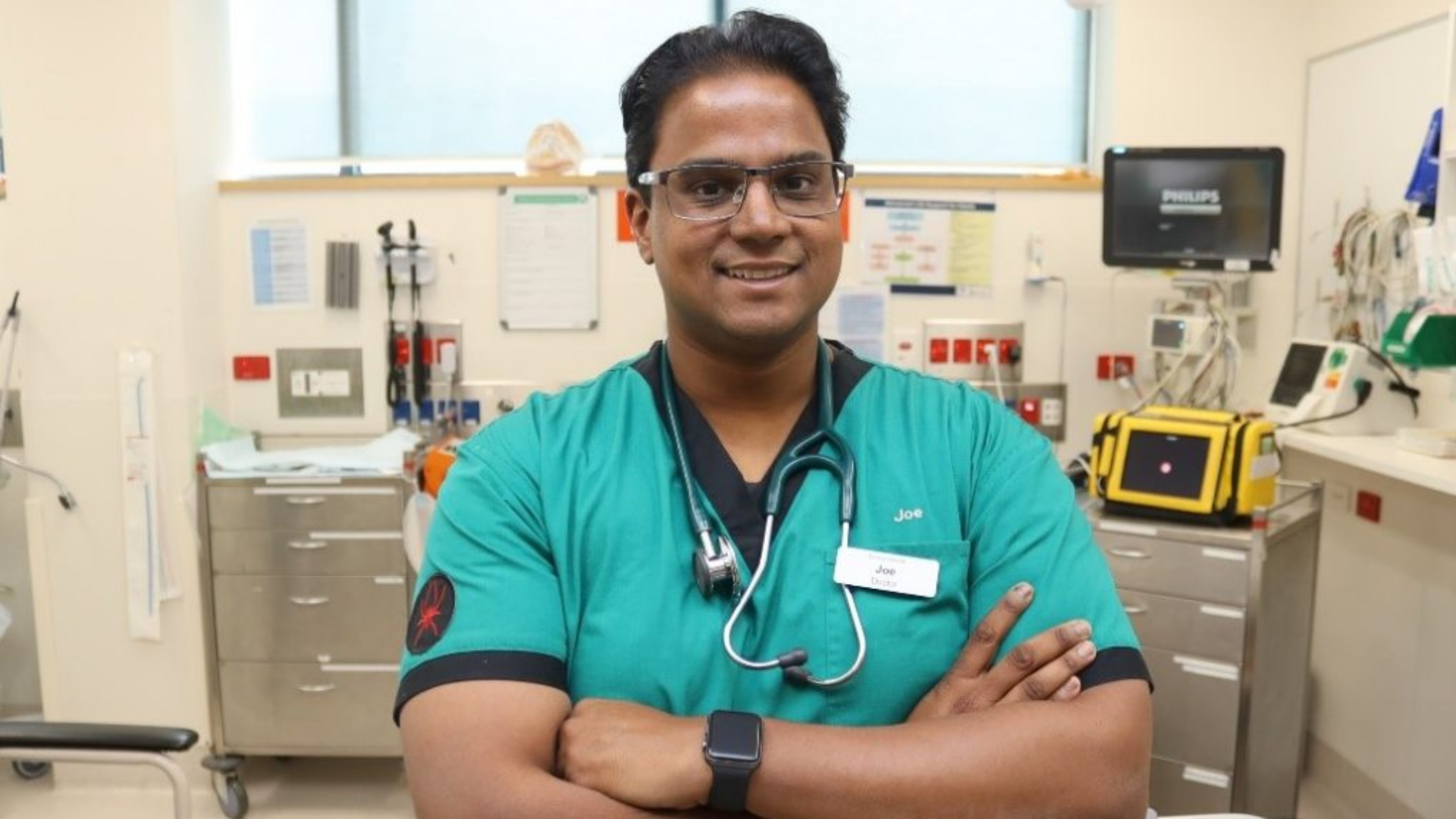
    Today, we sat down with Associate Professor Joe Rotella, Clinical Toxicologist at Northern Health, to talk all things snakebites.

    Why do we see so many bites around this time of the year?

    A common myth about snakes is that they hibernate, where in fact, they undergo a process called brumation, where they slow their body processes down and will move during winter, but very slowly as they are not running on ‘full power’. Before they enter this cycle, they build up their sugar stores so when the weather does warm up, they have the instant energy they need to move and catch prey. So as spring arrives, the weather is warmer and the snakes head out for a meal. This year, heavier rainfall has meant more insects and therefore more prey for snakes such as frogs, lizards etc.

    What are some of the things you can do to protect yourself from snakebites?

    The first thing to say is that snakes do not want to bite people. They only bite when they feel very threatened, so prevention is key. Try to avoid situations where you might encounter a snake, especially if there is signage suggesting they are around, but that isn’t always possible. Here are some thoughts:

    • If you are traveling around areas with long grass, wear closed toed shoes and make an effort to stomp a bit – snakes have poor hearing but the vibrations will let them know you are nearby.
    • If you have wood piles on your property, take care if needing to move them as these are often popular places for snakes to reside in.
    • If you own a dog, consider snake avoidance training or keep your dog on a lead if you are walking in the bush or tall grass. Snake venom is not great for humans but can be far more lethal for dogs. Please protect your pets – there are providers out there that can be found via a Google search.
    • If you see a snake, do not pick it up and please do not try to kill it. It is illegal and it is far more likely to result in a bite. Call a qualified snake catcher to assist and keep small children and pets away until they arrive.
    • Mow your lawns and keep clutter in the yard to a minimum. The less places to hide, the less likely a snake will call your yard home.

     What to do if you are bitten by a snake?

    1. Stay calm – movement spreads the venom. Lie down and do not move the affected limb.
    2. If you are on your own, call Triple Zero (000). Do not try to move on your own.
    3. If you have a pressure bandage (these can be bought from your local chemist) and someone to help, they can apply from above the suspected bite site down (with some extra layers around where the bite is). It needs to be tight enough that you can just get a finger in, but no tighter that that.
    4. You can tie a stick or a newspaper etc. to use as a splint but not necessary.
    5. Do not try to catch the snake. We don’t need to know which snake it was as we use a combination of antivenom to cover the main venomous snakes in Victoria.
    6. Check the time – this will help the ED staff to manage you accordingly.
    7. Prepare to be in hospital overnight at a minimum – even without signs of being envenomed, we need to do multiple sets of blood tests for 12 hours from the bite. It isn’t a short visit but it is for your safety.

    What are the symptoms of a venomous snakebite? 

    Most people will feel pretty scared and anxious when they have been bitten by a snake or they think they may have, but the symptoms we look for that suggest envenomation include:

    • Severe nausea and vomiting
    • Severe headache
    • Severe abdominal pain
    • Difficulty holding eyes open or difficulty moving your eyes as required
    • Bleeding from puncture sites (i.e. where blood tests taken) or from your nose or gums
    • Although rare, some people can collapse after a snakebite
    • Not having symptoms is reassuring but some people can be envenomed and have abnormal blood tests, so it is important you stay in hospital to be assessed properly.

    What key messages would you like to share with the community on snakebites?

    Snakes are not our enemies. Mutual respect and prevention is key to avoiding bites. Bites are rare, and bites where venom is injected are even rarer.

    If you think you may have been bitten, call for help urgently as symptoms can progress. The sooner you get to hospital, the better. It is better to be safe than sorry.

    We have a wonderful world to explore. Go out and see what’s out there but take care along the way. A bandage is inexpensive and light to carry and adds peace of mind.

  • Executive Patient Safety Walk Arounds

    Executive Patient Safety Walk Arounds

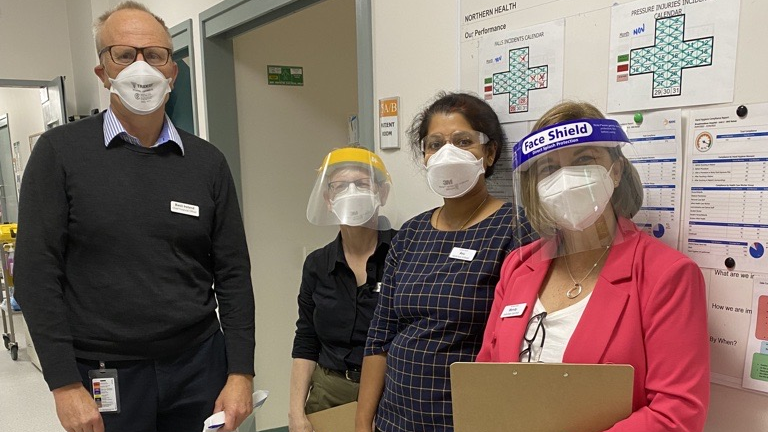
    Northern Health’s Executive Patient Safety Walk Arounds create opportunities for staff and patients to directly engage with members of the Northern Health Executive and discuss the quality of care being provided.

    The walks were paused during the height of COVID-19, but recommenced last week at Broadmeadows Hospital. As part of the visit to Broadmeadows, Executives also visited McLellan House Residential Care.

    Williams Akengbowa, Acting Nurse Unit Manager, McLellan House Extended Care, said the walk around was a really good exercise.

    “It created opportunities for the Executive to have a better knowledge about the facility, and to provide suggestions and advice on ways to make the residential facility as homely as possible for the residents,” he said.

    “Having members of the Executive around, we are able to tell them directly what our needs are, instead of sending them an email,” he said.

    “McLellan House is the resident’s home, we are the visitors. We are coming in to support them and meet their daily needs, so the environment is really important – how can we make it homelier and more attractive for the residents.”

    “Staff were able to voice their concern directly to the Executive without fear and the Executives received them with good hearts.”

    Lisa Carter, Director of Nursing and Operations, Aged Care and Mental Health, said the walk arounds help to boost staff morale, because immediate action can be taken to improve patient care and the environment in which staff work in.

    “Much to our pleasure, the very next day, contractors came and were cleaning up the gardens, cutting down and pruning trees,” she said.

    “There is a lot more to happen than just the garden, but the fact that staff saw instant action is a really good start.”

    The walk arounds also provide an opportunity for mental health and aged care staff to meet the Executive team.

    “I found it very beneficial as a new team member, because I met a number of people I wouldn’t normally get the opportunity to meet,” Lisa said.

    “Often, within healthcare organisations, when you have Executive involvement, staff might feel that they have to polish themselves up, put on their best face, and we almost learn to hide the things that aren’t good.”

    “But this experience was the total opposite. It was about telling the Executives what the problems are, how can they help, what needs to be done to rectify things, what would we like to see. As someone who is new to Northern Health, I found that it was such a flip compared to previous experiences.”

    Clare McCarthy, Director, Quality Safety and Patient Experience, said, “It was great to be able to run our Executive Patient Safety Walk Around, as it’s been quite some time,” she said.

    “Broadmeadows was so welcoming — Unit 2, Day Procedure and Endoscopy, and our new colleagues at McLellan House — were so engaged, identified safety problems and are committed to improvements.”

  • Northern Health partners with Black Dog Institute

    Northern Health partners with Black Dog Institute

    Northern Health has partnered with the Black Dog Institute as part of the health service’s commitment to prioritising staff wellbeing.

    The Black Dog Institute has a focus on normalising conversations around mental health, and striving to make Australian workplaces mentally healthier. The institute is also well versed in understanding the relationship between mental health and work, and designs programs that assist businesses to implement workplace policies and procedures to support staff wellbeing.

    Renee Camilleri, Wellbeing Partner at Northern Health, said connecting with a leading and reputable mental health organisation was a key piece of the wellbeing puzzle.

    “Being aligned with these progressive and well-researched programs tells our community that Northern Health is working continually to have a psychologically safe environment for staff. Having a mentally healthy workforce also ensures the best quality of patient care,” she said.

    The partnership will include training, presentation and deliverables, including access for all staff to innovative mental health e-learning modules on our LMS portal. They will also have access to a presentation by a Black Dog Institute accredited lived-experience speaker with a healthcare worker background, where employees will learn about the prevalence of mental health and how to access supports both internal to the workplace and external.

    Practically focused interactive workshops will also be available for managers and leaders across Northern Health. These workshops will focus on harnessing current skills to have more effective conversations around stress, mental health and wellbeing, as well as recognising and becoming more aware of signs and symptoms within themselves, and in their colleagues.

    In the coming weeks, leaders across our health service will be invited to participate in an education workshop about mental health wellbeing. This workshop will cover how to spot the early signs of mental health issues and how to keep yourself and your colleagues well at work.

    Northern Health is committed to building a positive and inclusive workplace culture where everyone feels safe and supported to talk about mental health, reach out for support early and, by doing so, improve their recovery.

    Click here to be directed to the LMS portal to access the modules and book in for your managers training.

  • Northern Health celebrates International Volunteer Day

    Northern Health celebrates International Volunteer Day

    Today, we are celebrating International Day of the Volunteer, and the 81st birthday of Alan Kew, a long-term volunteer at Northern Health.

    On this day, we aim to raise awareness of the important role volunteers play, and celebrate and promote volunteering. We take this opportunity to acknowledge, thank, and shine a light on the important work of volunteers.

    The 2022 theme is: Solidarity through Volunteering.

    Henni Wade, Manager of Volunteer Services, Northern Health, says that volunteers are an invaluable asset to the health service and its consumers, and that their work is always in line with Northern Health’s values of Safe, Kind, Together.

    Despite the many obstacles volunteers and volunteering have faced during COVID-19, which ultimately led to a significant decline in the total number of volunteers and services provided in the hospital, 2022 was considered to be a transitioning year.

    “We currently have 140 volunteers registered across our sites, and we are looking forward to 2023. We are positive that it will be a reinvigorating year and will enable us to provide new ways of supporting our local community and health services,” Henni said.

    Encouraging, recognising, and promoting volunteering is an important part of creating a more equal and inclusive future for our community.

    In light of this, the Volunteer Services team is organising a celebratory lunch on Wednesday, 14 December, at Bundoora Norris Banks Reserve.

    “Our volunteers here at Northern Health are both resilient and adaptable. Just by having their friendly, smiling faces around it makes a big difference,” Henni said.

    Stella Gibbons, Northern Health Volunteer, says, “I got involved at Northern Heath through my daughter working in the ED here, and I started off by baking cupcakes for the ED staff, back in 2018. Subsequently, life went on and COVID-19 happened, but now that I’m retired, I’m able to be here full-time.”

    “I find it rewarding, I enjoy the atmosphere in the foyer and helping people. I think, whatever moment of your time you put in volunteering, you find it immensely satisfying,” Stella said.

    “We are grateful every day to the volunteers who come in to support our health service. The energy, fun, empathy and enthusiasm they bring is contagious,” Henni said.

    Some of the programs currently being provided by our Volunteer Services are:

    COMMUNITY VISITORS SCHEME (CVS):

    This program matches lonely and isolated residents in aged care facilities with a volunteer who can either provide in person visits or Zoom calls. If you know someone that would like to be a volunteer with our Community Visitors Scheme, please direct them to register their interest here.

     HOW-R-U PROGRAM:

    If you would like to refer a patient into our How-R-U Program which is a telephone social support service, please contact Natalie Carrol at natalie.carrol@nh.org.au.

    CONTACT THE VOLUNTEER SERVICES TEAM:

    Phone: 8405 8971

    Email: volunteer@nh.org.au

    To all our wonderful volunteers, thank you for all that you do!

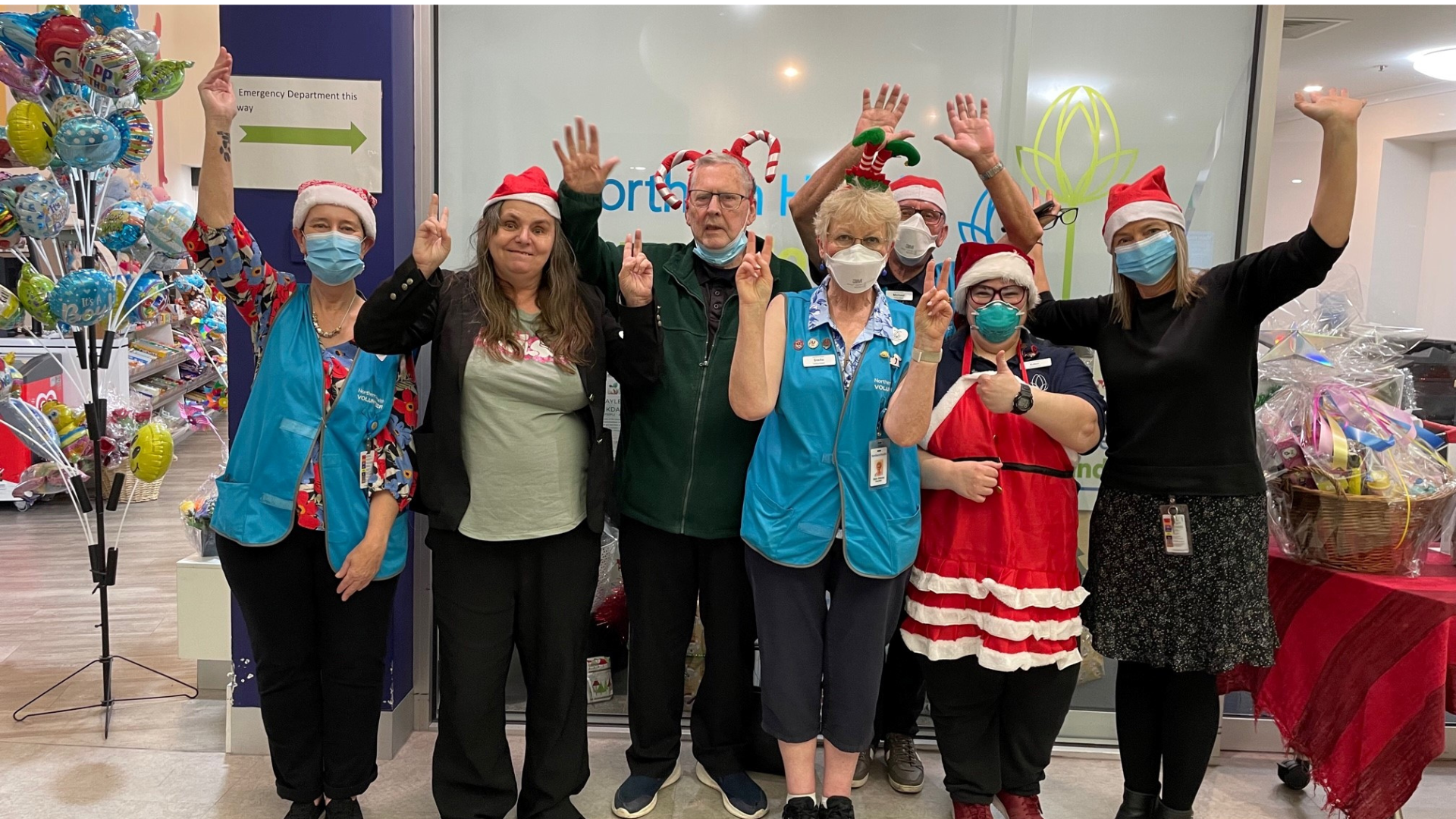
    Featured image: Northern Health volunteers with Henni Wade (far right).

  • International Day of People with Disability: The Story of Anaab Rooble

    International Day of People with Disability: The Story of Anaab Rooble

    3 December, is International Day of People with Disability (IDPWD) – a day aimed at increasing public awareness, understanding and acceptance of people with disability.

    This year’s UN theme is “Transformative solutions for inclusive development: the role of innovation in fuelling an accessible and equitable world”.

    There are many different types of disability. A disability may affect mobility, ability to learn things, or ability to communicate easily. Some people may have more than one (body and mind impairment). Disabilities may be visible or hidden, temporary or permanent and may have minimal or substantial impact on a person’s abilities to do certain activities and interact with the world around them.

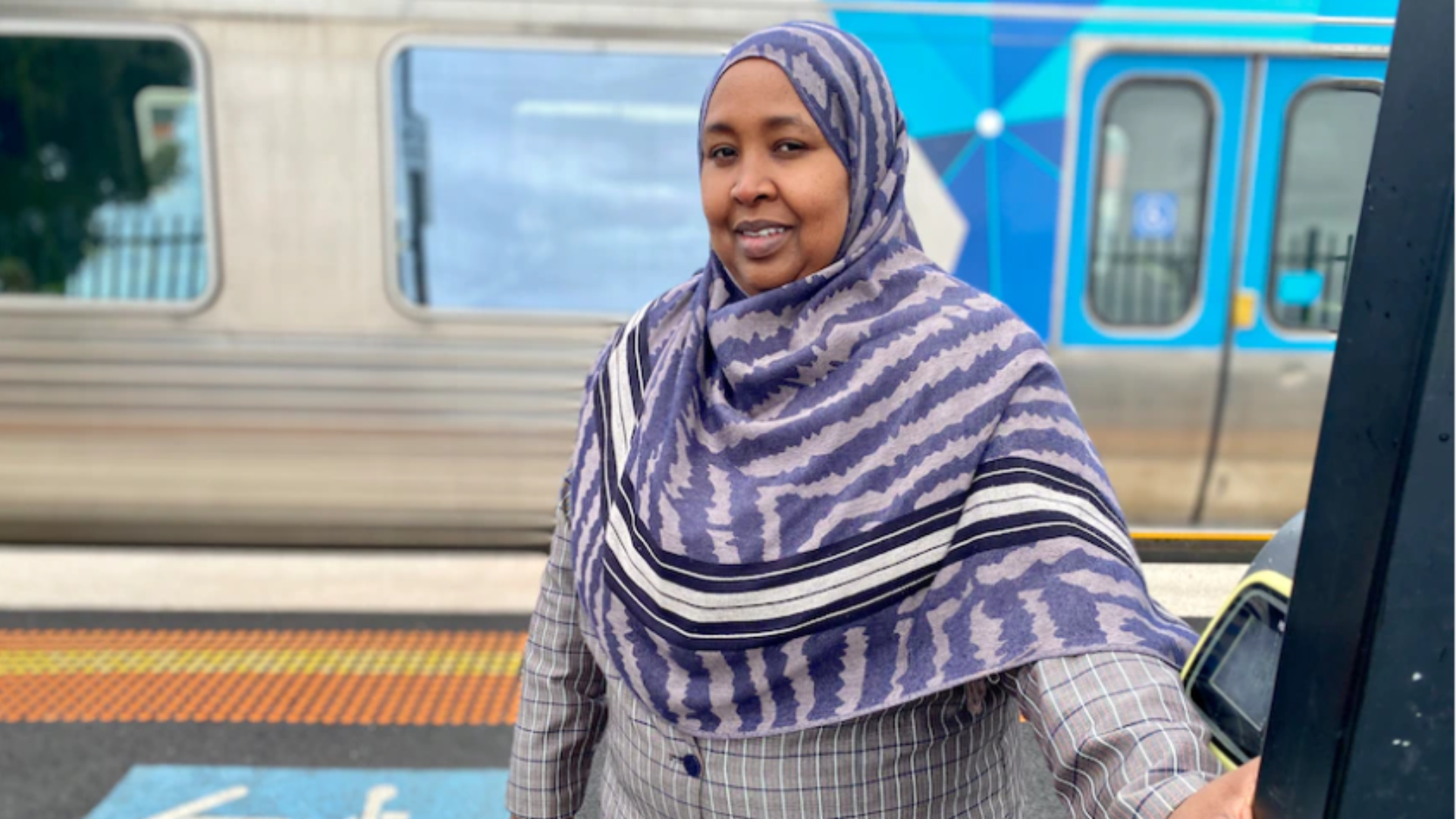
    Today, we share the story of Anaab Rooble, a consumer at Northern Health, and a busy woman making a difference.

    Anaab arrived in Australia in 1998.

    She is a mother of three primary school children and holds a Bachelor of Accounting and a Masters in Human Resources. She has almost 20 years of experience working in the public sector. She is also the Treasurer and Board Director of Women with Disabilities Victoria (WDV).

    When Anaab was a toddler, a medical mishap impaired her right leg. Unable to access prosthetics or orthotics in Somalia, she crawled until she was seven years of age.

    She explained that even in Australia, every single day refugees with disabilities face barriers in accessing education, healthcare and employment.

    “In general, women need to break the glass ceiling but when you add other diverse layers, such as refugees, migrants, persons of colour, and disability, the glass gets thicker,” Anaab said.

    “I faced many obstacles, but belonging to a society that had no respect for disabled people was the hardest, due to the stigma, attitude and ableism associated with disability. Nonetheless, I take pride in my disability and I see it as a blessing and not a burden. It is part of my intersectional identity and would not trade it for the world!”

    When asked what changes she would like to see in future for people with disabilities, Anaab said, “We all have a role to play in challenging bias as it can lead to stereotyping and discrimination, which then results in limited access to opportunities and poorer societal outcomes.”

    “We need to work towards expanding employment pathways for people with disabilities through alternative channels, fostering an all-inclusive workplace culture and implementing positive recruitment initiatives and practices.”

    Anaab was recently featured on ABC News. Click here to read the full story.

    Since 2020, Northern Health has two dedicated Disability Liaison Officers (DLO), who provide support to people with disability, their families and carers.

    “We are happy to support any person with disability. Please reach out to us at DisabilityLiaison@nh.org.au so we can ensure your hospital stay is as patient-centred as you need it to be. The program is within every Victorian hospital and together we are working on better service improvements for people with disability,” says Simone Ortiz, DLO.

    This also includes equitable access for those with disability from LGBTIQ, Aboriginal and/or Torres Strait Islander and from a CALD background.

    Our Disability Awareness and Communication Access training is ongoing and it is available on the Northern Health’s Learning Management System (LMS ‘Find Learning’ page).

    Chelsea Simpson, Chair of the Northern Health Disability Sub-Committee, says, “Today, we acknowledge the contributions of our staff and consumer representatives with a disability. We also thank our consumer representatives for their leadership and participation in planning for our future services and facilities.”

    Northern Health is currently developing a new Disability Action Plan (DAP) 2023-2026 to better understand the needs of the community.

  • Possum-skins bring cultural comfort to local Aboriginal and Torres Strait Islander community

    Possum-skins bring cultural comfort to local Aboriginal and Torres Strait Islander community

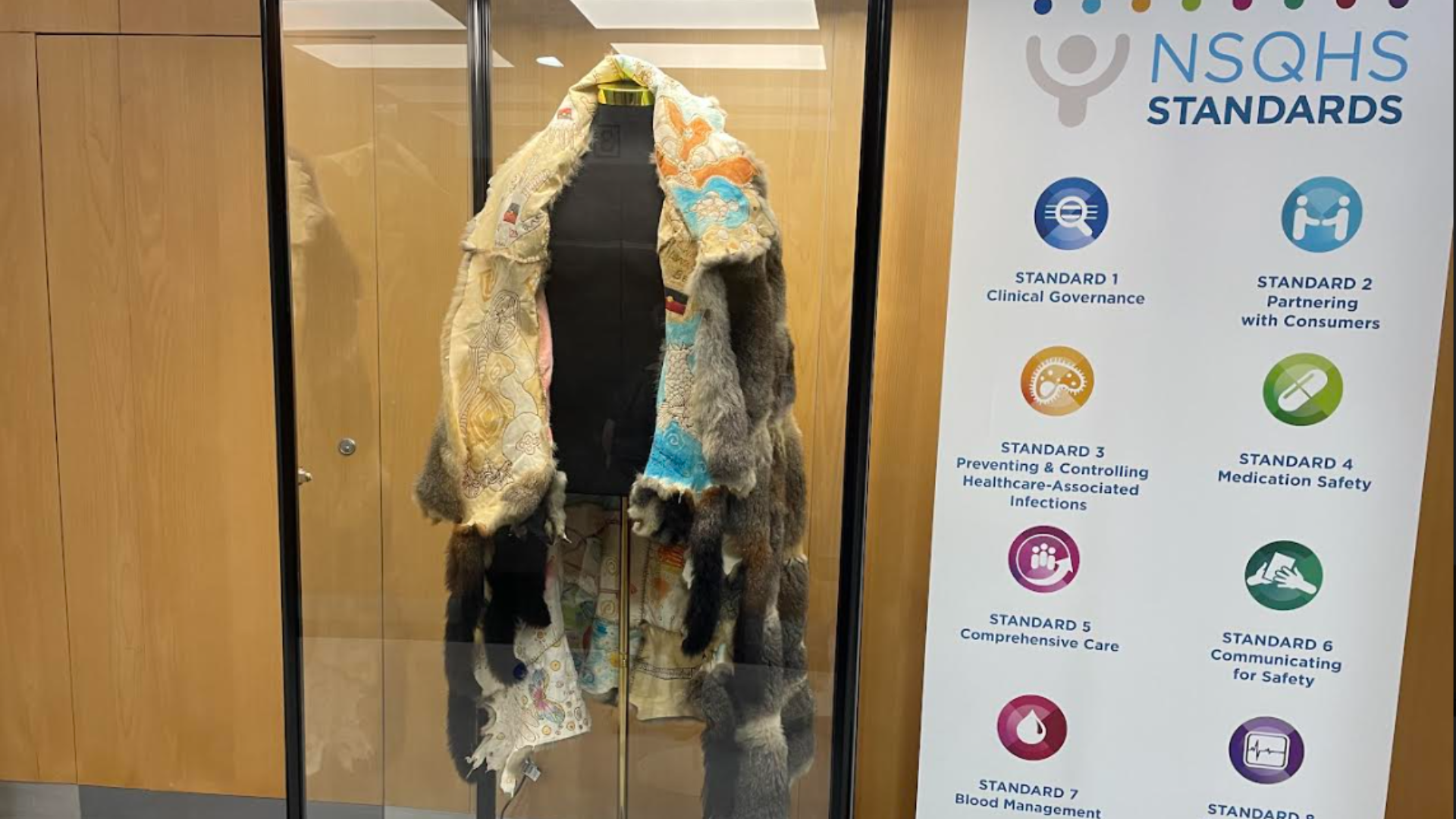
    A possum-skin cloak that was hand-crafted two years ago, at the first ever possum-skin cloak workshop at Northern Health, is now proudly on display at the Northern Hospital Epping main entrance.

    The 2020 workshop was open to staff and members of the public to participate in, and resulted in the creation of two items of great significance for our local Aboriginal and Torres Strait Islander community; a possum-skin cloak and a possum-skin baby wrap.

    Possum-skin items play an important role in connecting Aboriginal and Torres Strait Islander with their culture and are used for spiritual healing. Once an everyday item for Aboriginal and Torres Strait Islander people in south-eastern Australia, possum-skin cloaks were originally worn for warmth, used as baby carriers, coverings at night, drums in ceremony and for burial. Only a handful of possum skin cloaks made prior to 1900 still exist today, preserved in museum collections held across Australia and overseas.

    “We are looking forward to the Aboriginal community having the opportunity to wear this possum skin cloak, which will enable them to heal spiritually and connect to culture, community and country while they are a patient at Northern Health,” said Northern Health Koori Maternity Service’s Joanne Quinn.

    Belinda Austin was the first Indigenous patient at Northern Health to use the possum skin baby wrap, swaddling her newborn daughter, Emilie.

    Belinda said that this experience was an honour, as her family has a strong history of creating their own traditional possum-skin cloaks.

    “I wanted my daughter to feel protected and to know that her ancestors will always be watching over her. It was a beautiful way to connect her with our culture, so that she grows up feeling proud of her heritage and who she is,” said Ms Austin.

    Joanne says the possum-skin wrap has been embraced by families, as it allows them to connect to their culture and provides spiritual healing.

    “Our Koori Maternity Service families absolutely love the possum skin wrap; it allows them and their babies to connect to their culture and provides spiritual healing. We have had families so enriched by the experience they have purchased their own possum skins for when they take baby home,” she says.

    The possum-skin cloak and baby wrap are available for any Aboriginal or Torres Strait Islander inpatients at the Northern Hospital by emailing KMS@nh.org.au

    Belinda Austin with baby Emilie
    Baby Emilie

  • From students to Northern Health employees

    From students to Northern Health employees

    Each year, Northern Health offers students’ the opportunity to gain valuable experience in the workplace, via a program with Apprenticeship Groups Australia (AGA).

    Students are employed directly by AGA and matched to workplaces and organisations across Victoria. Students who join Northern Health as a business trainee can complete a Certificate III in Business Administration as a full-time trainee, working five days a week. Students also have the opportunity to complete three hours of onsite training each week.

    Since the partnership began six years ago, Northern Health has had great success from this program. Sanjali Das, Advisor, Organisational Capability with People and Culture, said most students start as a school-based trainee, completing a Certificate II in Business Administration, before going onto a Certificate III in Business Administration.

    “In total, Northern Health has had 49 students complete either a Certificate II or Certificate III in Business Administration,” she said.

    “Six of these students have gained ongoing full-time employment with Northern Health. It gives students the opportunity to gain exposure into the work field, as well as hands-on learning.”

    Students can work in different departments across Northern Health, including Transcultural and Language Services (TALS), Engineering, Health Information Services (HIS), Payroll, HRO, Wellbeing, People and Performance, Organisational Capability and Recruitment. In 2023, the program will expand to Pharmacy and ICT.

    “A highlight from 2022 is Olivia Martens, who is currently working in our Payroll department full-time. In 2021, Olivia commenced and completed a Certificate II in Business Administration. In 2022, she was offered a permanent position with Northern Health,” Sanjali said.

    “We currently have four students pursing a Certificate III in Business Administration who have been placed in various departments like TALS, HIS, Payroll and Recruitment. All students are going to continue their placement in the same departments in 2023.”

    Olivia said the support she received as a student at Northern Health was, “incredible.”

    “If I had never applied to be a part of the AGA program, I wouldn’t be where I am today. I am now a full-time Payroll Officer at Northern Health, working alongside such an amazing team. They taught me so much about Payroll and customer service, while also being very easy going when it came to my study times,” she said.

    “The program helped me find what I was meant to do, even though I had never thought of working in Payroll prior to this program.”

    “I would highly recommend this program to anyone who is feeling stuck and unsure on what to do. It opens up so many great opportunities, and also allows you to gain experience in a certain field while studying.”

    Odette Taylor, Director Health Information Services, said the AGA program is a fantastic opportunity for young people wanting to explore working in administrative roles across the health sector.

    “We have been very fortunate to have a very motivated and engaged student, Grace Eastick, working across the HIS administrative areas. As HIS oversees many different administrative areas from Emergency Department, Victorian Virtual Emergency Department, Ward Clerks and reception, the administrative exposure we can provide is quite extensive,” she said.

    “This program also benefits our team by having an enthusiastic student who is willing to undertake work in all different areas. It is also an investment for Northern Health as there is potential to hopefully retain students within our workforce, long-term.”

    Student April Murray worked with the TALS department. Yue Hue, Director, TALS, said it was a please to have April learn in a professional environment with a multicultural team.

    “She has been involved in each step of the way of the service, from booking allocations to conference call connections, which has greatly supported the language service for the whole organisation,” she said.

    Emily Dawson, Director, Organisation Capability and Recruitment, said the AGA program is a fantastic opportunity for individuals to have access to roles within Northern Health, that they night otherwise not have been exposed to.

    “We have a wonderful partnership with AGA, and have seen many students now flourish within the program and then move into permanent roles at Northern Health,” she said.

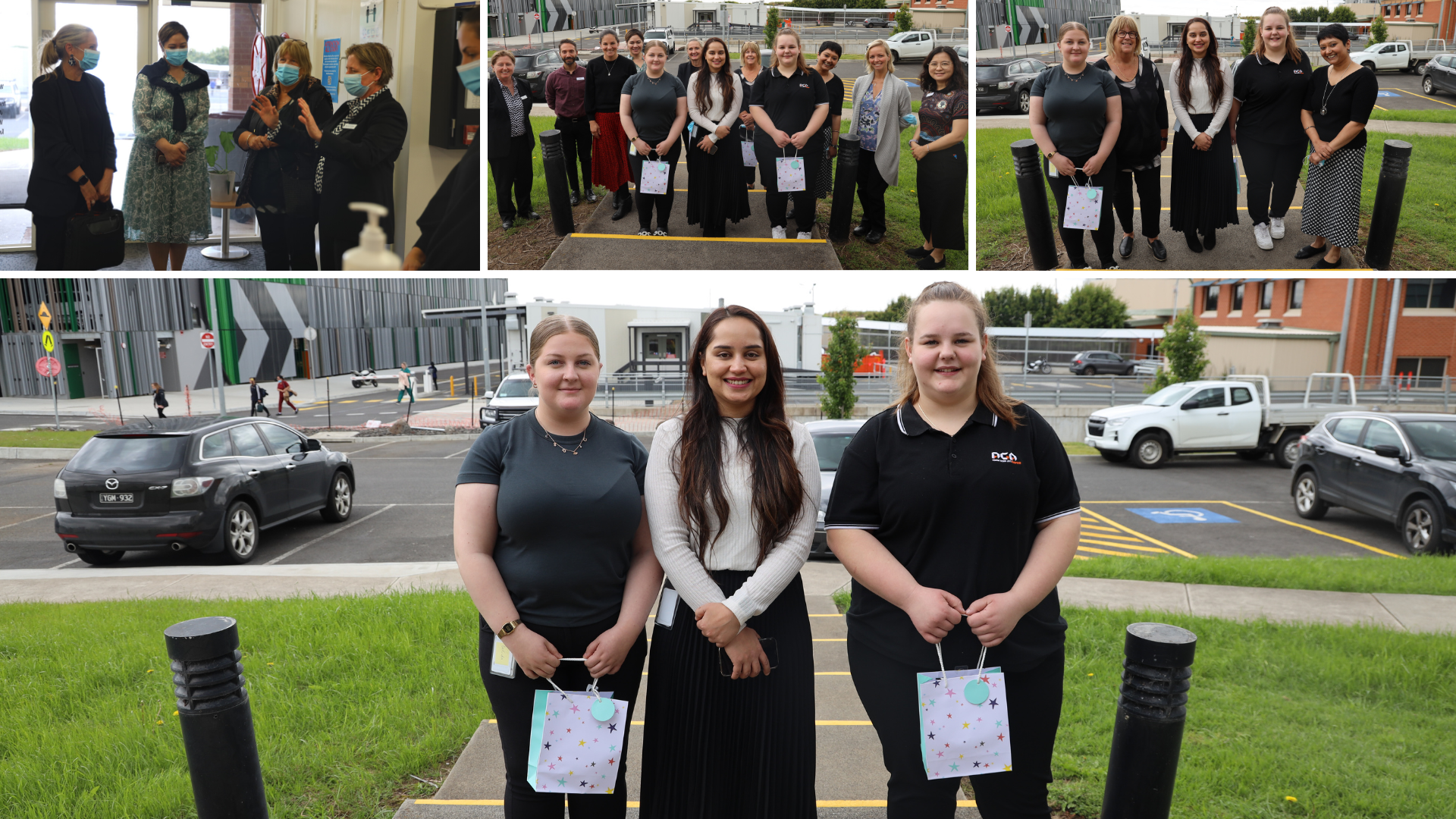
    The AGA students, along with AGA representatives and Northern Health staff, including Michelle Fenwick, Executive Director, People and Culture, gathered for an afternoon tea last week to celebrate their achievements, and to look forward to 2023.