• We Are Northern: This is the Koori Maternity Service team

    We Are Northern: This is the Koori Maternity Service team

    The Koori Maternity Service (KMS) at Northern Health provides culturally appropriate care for Aboriginal and Torres Strait Islander women and their families through pregnancy until six weeks after birth. The Aboriginal health workers and midwives aim to provide continuity of care and holistic care by connecting families with local Aboriginal community services.

    The KMS service includes:

    • Culturally sensitive care
    • Pregnancy care and advice
    • Support through labour and birth
    • Links and referrals to other services
    • Tours of the birthing suite, maternity and special care nursery including our Ngay Nga-Ango Aboriginal Birthing Room
    • Breastfeeding support
    • Information and advice after the birth of the baby
    • Advice on contraception
    • Home visits up to six weeks after birth
    • ‘Koori Cuddler’ volunteer program

    The KMS offers flexible, person-centred care, strengthened by Aboriginal culture and practice and built upon respectful trusting relationships between women, their families and Koori Maternity Service staff.

    There are currently three permanent staff members working at the KMS at Northern Health: Joanne Quinn, a Ngemba/Wiradjuri woman and Aboriginal Health Practitioner, Seneka Bowen, Palawa woman and midwife, and Alex Slade, midwife.

    All staff members at the KMS make invaluable contributions to the service, by offering outstanding clinical knowledge and cultural safety to Northern Health patients and their families.

    Aboriginal Health Practitioner, Joanne Quinn says that even though the KMS faced many challenges during the recent pandemic, the successes they achieved were far greater.

    “Our staff were unable to provide support and safety face-to-face due to the COVID-19 restrictions. This resulted in an influx of women needing to attend our clinic and a lack of clinic space at times for the midwives to see all of our patients in a timely manner,” she said.

    “However, despite these challenges and just prior to the pandemic, we managed to conduct a successful possum skin workshop and we were able to implement the use of the possum skin baby wrap for all newborn Aboriginal and Torres Strait Islander babies. And with the increased number of women attending our clinic, we had a record high of families attending and birthing at the Northern Hospital in 2021-22.”

    Since 2021, the KMS operates out of their own office spaces located in Ward 13 at Northern Hospital Epping and Craigieburn Centre.

    The KMS team was also recently asked to take part in an ABC documentary exploring health outcomes and hosted by Magda Szubanski, which aired in November 2022.

    In 2023, the team is looking forward to continuing to support all Aboriginal and Torres Strait Islander patients and their families and engage in further projects to ensure their patients continue to have access to culturally safe, holistic, patient centred and enjoyable antenatal care and birthing experience.

    All women who identify themselves, their partners or their babies as Aboriginal or Torres Strait Islander are eligible for the service.

    Thank you to the Koori Maternity Service team for your amazing work!
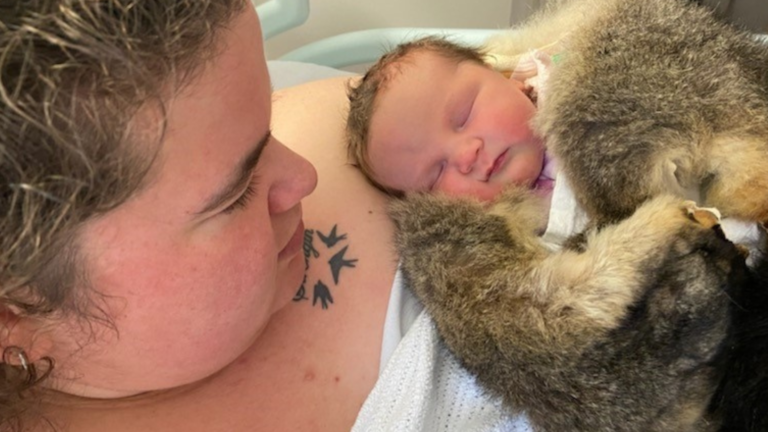
    Mum Belinda Austin and her newborn baby


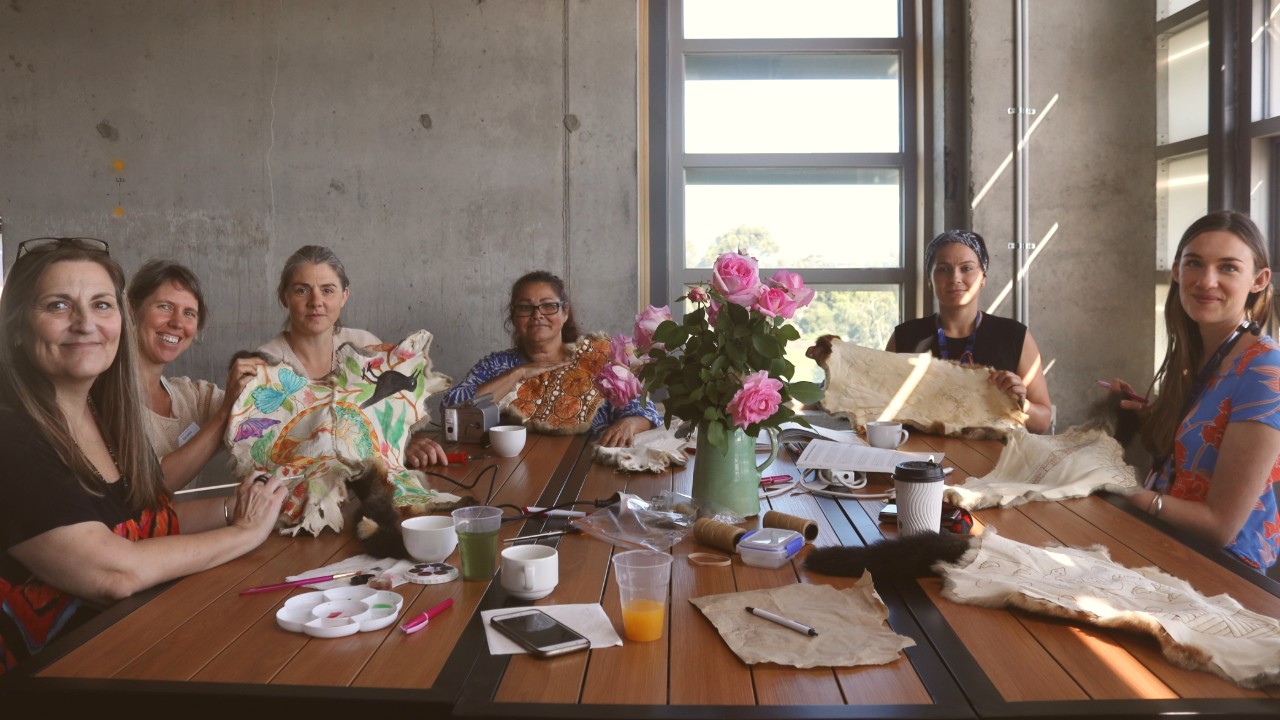
    Featured image of first possum skin cloak workshop (left to right): Joanne Quinn, Aboriginal Health Practitioner, Seneka Bowen, midwife, Kate Dawson, Gina Bundle (facilitator), Jakara Elian, Maja O’Connor.
  • Kilmore District Health and Northern Health – Strengthening the partnership

    Kilmore District Health and Northern Health – Strengthening the partnership

    Northern Health and Kilmore District Health have worked together for many decades to deliver healthcare and wellbeing services across the communities of Kilmore and the Northern Growth Corridor. We share a number of staff, volunteers and services, and are continually seeking ways to share resources and improve services.

    Over the last few months, we have started to explore ways of enhancing this partnership and improve access to specialist services in this region. This has been motivated by the changing needs of our patients and residents and community demographics, including an ageing population and significant population growth in the Northern corridor.

    As part of looking for further opportunities to build on our long and close history of cooperation and to strengthen the partnership, the Boards of Northern Health and Kilmore District Health have agreed to explore a voluntary amalgamation to better connect our services. The Boards have agreed to look at whether a voluntary amalgamation would be in the best interests of our workforce and the communities of Kilmore and the Northern Growth Corridor.

    Given our shared services and growing interdependence, a voluntary amalgamation may better serve our communities and provide more opportunities for professional development and the sharing of knowledge and resources.

    The process will follow a legislative framework that is explicit about any amalgamation of health services in Victoria being voluntary, agreed by participating Boards and can demonstrate community benefit.

    The process will be transparent and as timely as possible.  There will be opportunities to hear from all of you about what an amalgamation could look like.  To assist with this, a dedicated website has been created to help keep everyone updated on progress: www.betterconnectedcare.com.au.

    As part of the exploration process, a report will be presented to the Boards of both health services.  The report will include consideration of all services at Northern Health and Kilmore District Health.

    In the meantime, it is business as usual. It is important that services to our communities continue during the exploration process.

    If you have any questions or concerns, please contact your Manager in the first instance. Support for staff and regular communication will be maintained throughout the process.

    We are extremely proud of our health services and the work we do together.  We are grateful to work alongside each of you every day and commend you all for collaborating closely to improve services and provide care to our communities.


  • Respiratory Lab gains full accreditation

    Respiratory Lab gains full accreditation

    The Northern Health Respiratory Laboratory has become one of just 10 labs in the state to achieve full accreditation with the Thoracic Society of Australia and New Zealand (TSANZ).

    The Northern Health Respiratory Department opened in 2017 in response to limited respiratory services in the catchment area. Previously, there were long wait times, and for more urgent testing needs, patients had to travel to Austin Health or the Royal Melbourne Hospital.

    As part of the developing department, a Respiratory Laboratory was created to support all Northern Health services and primary care partners.

    The accreditation process defines uniform standards for respiratory function laboratory services in Australia and New Zealand. The process also considers a lab’s organisation and administration, staffing, policies and procedures, staff development and education, facilities and equipment and quality control/assurance programs.

    The final submission in becoming an accredited lab was completed in May 2020 during the COVID-19 pandemic. This was also when the respiratory lab began its involvement in the N95 Respiratory fit testing program.

    In assessing Northern Health lab’s application, the TSANZ accreditation panel was impressed with the high-standard application.

    “This was particularly so, given what Northern Health has faced over the past two years in dealing with the pandemic,” the panel said.

    “The Respiratory Function Laboratory has undergone significant reorganisation and currently also runs the face mask fitting service for COVID-19. The staff, led by Nicholas Romeo and Liam Hannan, displayed a high level of professionalism and competence.”

    As well as becoming one of only 10 labs in the state to receive full accreditation, the Northern Health lab is just one of 40 labs across Australia and New Zealand to achieve this.

    Nicholas Romeo, Head Respiratory Scientist, said this milestone reflected the high standard and quality of the services provided to the northern community.

    “This is a huge achievement, which few laboratories complete, and is a testament to everyone’s hard work,” he said.

    “Thank you to the scientists, doctors and administration team involved for their hard work and commitment. It gives us great confidence in the quality of the services we provide.”

    Dr Liam Hannan, Deputy Director of Respiratory Medicine and Medical Director of Laboratory, said the accreditation process was a huge undertaking for the lab.

    “Full credit should go to the tireless efforts of our respiratory scientists, who were brilliant, led by Nicholas,” he said.

    “The fact that the accreditation committee made special mention of the high standard of our application indicates the incredible standards that our laboratory has developed and upheld in just over four years of operation. This ensures we are positioned among the top performing respiratory laboratories in Victoria.”

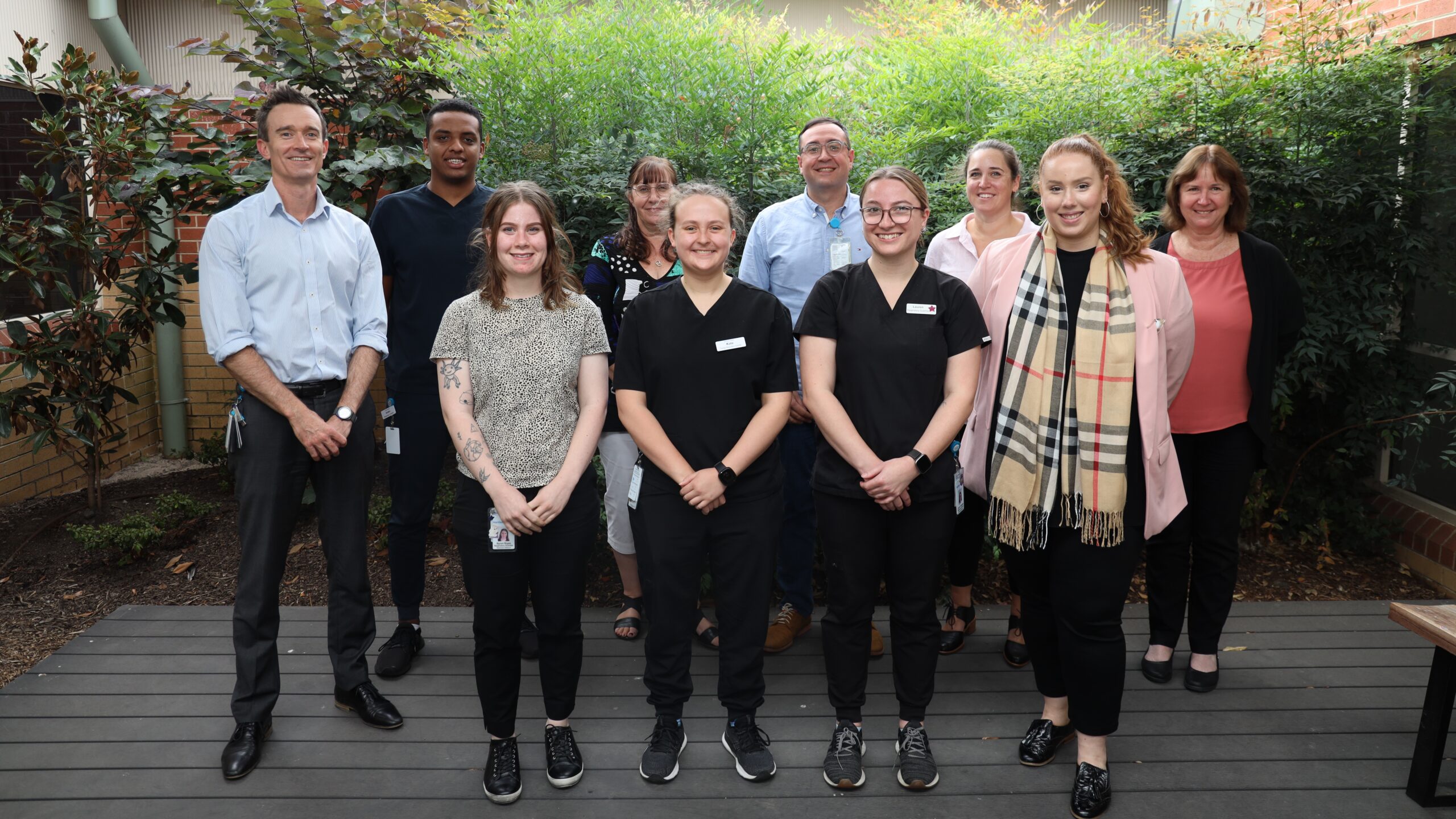
    Featured image: Respiratory Lab team.

  • Get to know: Nicola McKay

    Get to know: Nicola McKay

    #WeAreNothern

    Meet Nicola McKay, Community Development, Mental Health Support.

    Q: Firstly, what is your coffee order?

    A: Latte – no sugar, fat milk. And three for a Sunday brunch.

    Q: Tell us about your role at Northern Health?

    A: Community Development is an ideology built around our common humanity. There is a myriad of positive health benefits that the community bestows on us. Humans are social creatures and    Community Development is about enabling, encouraging and supporting ways that individuals can build their social connections. The other half of my work is as a Psychiatric Support. I support  clinicians by removing or mitigating the barriers our consumers experience that stop them from engaging wholeheartedly with their clinicians and their therapeutic journeys. Issues with      Centrelink, landlords, courts, banks, neighbours, or food poverty as well as systems like the law, insurance, compliance, or simply the receptionist (a formidable gatekeeper) – will suck out the  oxygen of your day, leaving you unable to see the bigger picture or how you can live your best life.

    Q: What is your typical day like?

    A: Wholehearted interaction, communication and collaboration with people. Organising events, writing grant proposals, standing at a customer service counter asking difficult questions,        listening to consumers, and being part of my fabulous team.

    Q: Describe Northern Health in three words?

    A: Diligent, purposeful, caring.

    Q: If you could live anywhere, where it would be?

    A: As a Kiwi the South Island is my spiritual home. After a month living in Edinburgh and performing at the Fringe Festival, this Scottish city resonated in my heart, but I love Melbourne – the arts capital of the southern hemisphere and my dear wee house, so my choice is here.

  • From students to employees: Northern Health welcomes six social workers

    From students to employees: Northern Health welcomes six social workers

    The social work team recently welcomed six La Trobe University social work students as new employees of Northern Health.

    Jessica Grgat, Megan Feain, Gloria Hernandez, Alia Sayegh, Sophie Eccles and Natalie El-Bazouni have completed their student placement and became Northern Health employees in the last 12 months.

    Northern Health is a proud teaching hospital, contributing to the future of health care and shaping the next generation of health professionals.

    Social work students have two placements during their studies both consisting of 70 days each (14 full-time weeks). Placements are lengthy to enable consolidation of core skills across learning areas such as values and ethics, organisational and community context, interpersonal skills, research and culturally sensitive practice.

    Tim Gauci is a Social Work Clinical Educator Lead who has one day per week dedicated to clinical education. His role includes interviewing prospective students, allocating supervisors, developing group learning student timetables and supporting students and staff during placement. Tim also acts as a conduit between the universities and the health service.

    “Northern Health takes social work students from La Trobe University and University of Melbourne. These placements are supervised by social workers across all campuses,” said Tim.

    “Social work supervisors go above and beyond to ensure our clinical placements are of high quality and that our students have a really positive learning experience here at Northern Health.”

    Students have access to self-directed learning opportunities across core areas of clinical social work practice including family violence, children at risk, elder abuse and family meetings.

    Northern Health social work students are mentored to develop their own identity as new clinicians and recognise the importance of social justice in their practice.

    “We see the link between this positive experience and students choosing Northern Health as their future employee. This example with our social work students really highlights the importance of student clinical placement experience and workforce attraction. Our current Grade 1 workforce includes multiple social work students who have completed a placement at Northern Health,” said Allied Health Clinical School Coordinator and Education Lead, Tameeka Robertson.

    In their final week of placement, students complete a case study presentation to the social work team. These presentations are a celebration of the completion of placement, and a positive way of highlighting the students’ growth and skill development.

    Gloria Hernandez is one of the six students, now employees of Northern Health, and says she decided to apply for a graduate social work position because she felt included and supported by like-minded mentors.

    “I completed my placement at Northern Health because it is one of the major hospitals in the metro area. I was placed as an outpatient social work student, and I loved it! I love working with women and especially patients from CALD backgrounds,” she said.

    Sophie Eccles, another student turned employee, speaks very fondly of her experience at the Broadmeadows Hospital.

    “Throughout my placement, I was able to gain significant knowledge and develop my skills. The team environment was very special, everyone was always so friendly and welcoming,” she said.

    Emeil Boddenberg, a former student and now a Grade 1 social worker said, “The team of social workers I had met through my placement, along with all the hospital staff, were a large contribution to my decision to stay. In addition, I enjoyed the stimulation and challenge of the role and loved the patients that I worked with here. Getting to work with such a diverse community from various backgrounds is something I consider to be a privilege.”

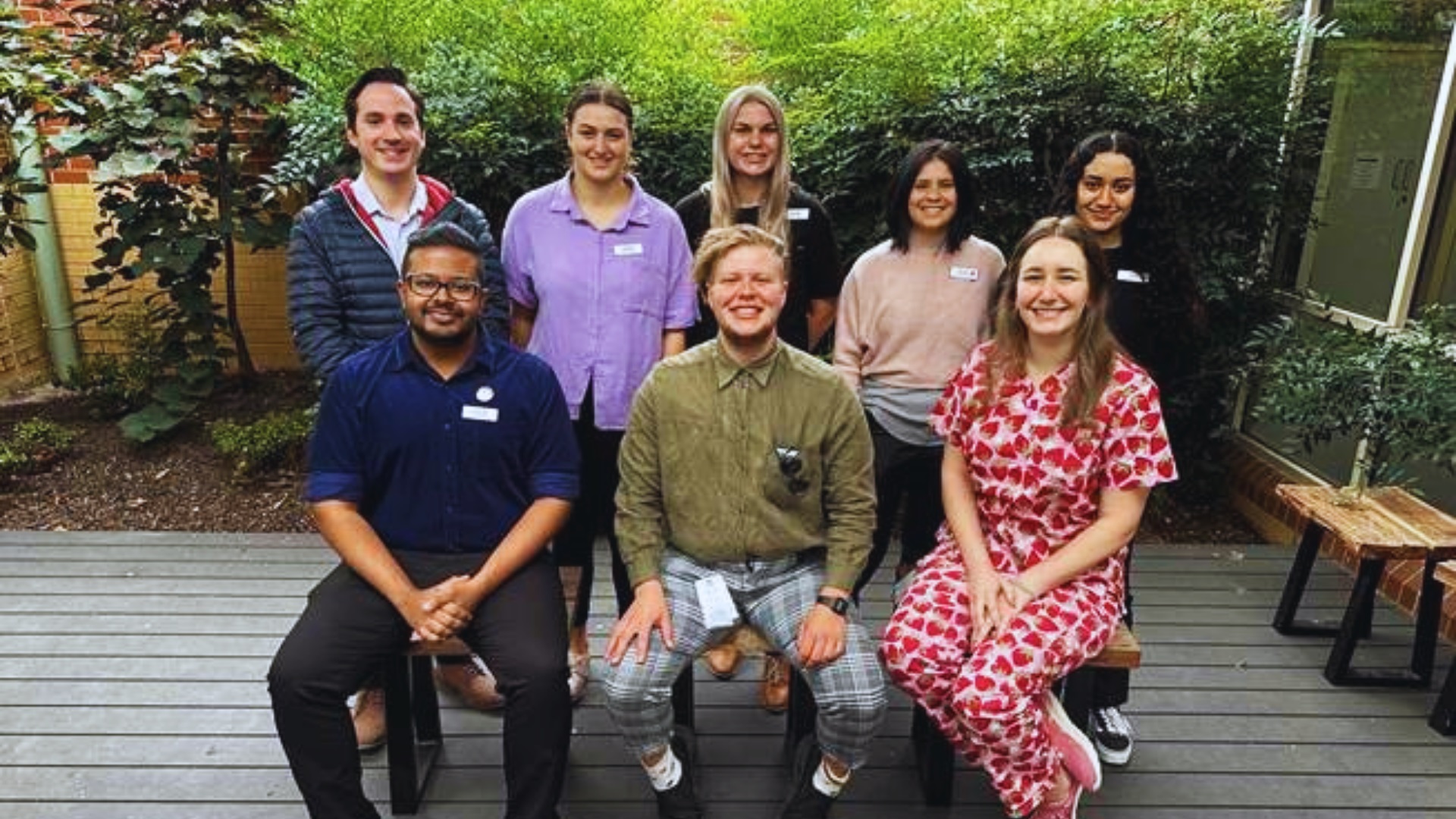
    Pictured standing (left to right): Tim Gauci Senior Social worker and Social Work Clinical Educator, Natalie El-Bazouni Grade 1 social worker, Sophie Eccles Grade 1 social worker, Gloria Hernandez Grade 1 social worker, Alia Sayegh Grade 1 social worker. 

    Sitting (left to right): Chaminda Dayasiri Grade 1 social worker, Emeil Boddenberg Grade 1 social worker, Jessica Grgat Grade 1 social worker.

  • EMR and Standard 5: Comprehensive Care

    EMR and Standard 5: Comprehensive Care

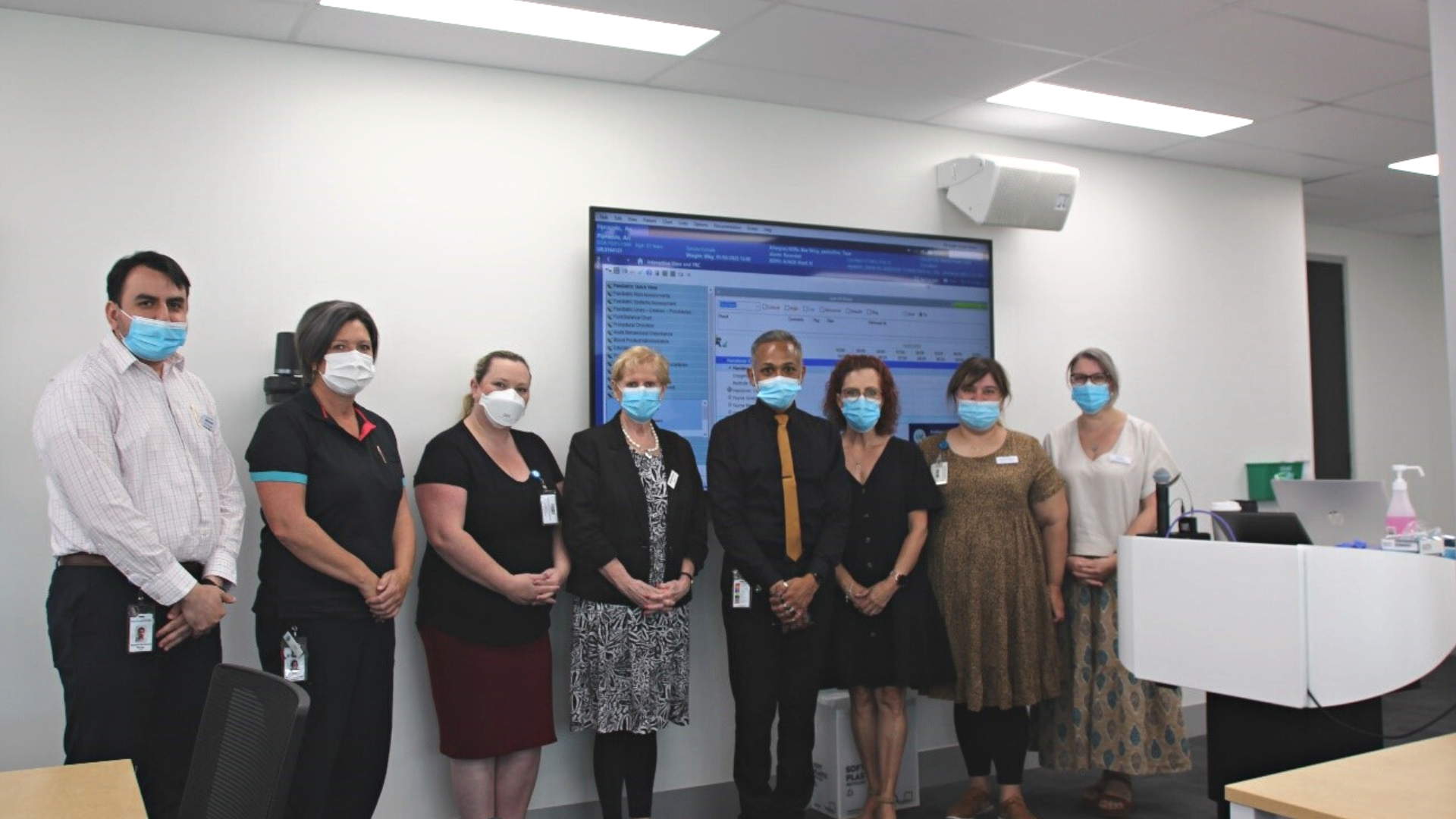
    On 16 February, the Electronic Medical Record (EMR) team presented on the Comprehensive Care Plan to the Assessment and Care Planning Sub Group Clinical Improvement Committee.

    Northern Health’s EMR, designed by our clinicians, aims to provide staff with better patient management and documentation, in turn delivering quality care to our patients and community. Current paper forms such as the CARE Record are built into the system where staff will be able to document information such as fall risk, patient’s expressed goals of care and healthcare needs, and will be visible to other clinicians on the care team. This reduces the time used to locate patient charts, as well as double documentation.

    Daniella Chapkoun, EMR Informatics Officer and Benefits Analyst, said this was a big step forward for Northern Health as a digital platform increases transparency and reduces duplication.

    “In the future, the digital equivalent of the Care Record will allow information to seamlessly flow from one area to another without double entering,” adds Daniella.

    When the EMR is implemented, nurses will be able to select if certain care plans are not met, and Nurse Unit Managers will be able to follow up on the next shift.

    During the presentation, we also had a consumer representative to see first-hand that the benefits of the system are appropriate from the perspective of patients and family members.

    Patient information such as name, date of birth, and allergies, will be documented in the EMR when they are admitted, and will be carried over should the patient require re-admission. Currently, our patients may have to repeat their health histories and we understand it could be frustrating. With the EMR in place, clinicians will be trained to confirm health histories with patients displayed in the EMR.

    “I believe EMR will be of great benefit to the patient as it will provide improved patient documentation and management of information. It will also provide quality care for the patient and community, by reducing the time to locate charts and have all information collated in a centralised place. It is very pleasing to see EMR being initiated at Northern Health and to have been a consumer representative on this project,” says Mary.

    Maree Glynn, Director of Clinical Practice and Improvement, was pleased with the new change moving forward.

    “It was very pleasing to see that all the hard work in developing the CARE record over the past five years has not been lost and it has been fully incorporated into the EMR. The EMR supports our accreditation requirements to develop a comprehensive plan of care for each patient that is developed and used by all of the clinical team involved in the patient’s care,” says Maree.


  • We Are Northern: This is the Falls and Balance Service team

    We Are Northern: This is the Falls and Balance Service team

    Northern Health’s Falls and Balance Service (FABS) is located in Bundoora Centre. It provides a comprehensive, multi-disciplinary assessment for people in the community who have experienced falls.

    The FABS clinic is a diagnostic service and aims to identify the intrinsic and extrinsic factors contributing to a person’s falls. The team advises of appropriate management to further reduce falls and or fear of falls. The clinic has an Allied Health stream of Physiotherapy (PT) and Occupational Therapy (OT), who provide falls assessment and interventions to those clients who do not meet the clinic criteria. The aim of this stream is to address any urgent issues and determine if the client requires follow up in the clinic.

    The FABS consists of a Geriatrician, Registrar, Physiotherapist Gd3, Physiotherapist Gd1 and Occupational therapist. On the initial FABS appointment, the patient is seen by the Dr, PT and OT in the one morning. Secondary referrals are often made to the Podiatrist and/or Psychologist.

    Patients who attend the clinic stream are provided with a patient-centred falls plan called a ‘Risk and Recommendation’ letter. The letter lists all the identified issues contributing to the patient’s risk of falls and strategies to manage these risks. From the clinic, clients might be referred on for further one-on-one therapy in a centre or home based.

    “We also run a ‘Balance Boost’ group which is based on the Kitchen Table Exercise program. During this program, the patient’s complete exercises close to benches, tables and chairs – simulating a home environment. The program is aimed at improving components of balance and strength and runs for eight weeks at both Bundoora Centre and Broadmeadows Hospital,” said Community Therapy Service, Clinical Coordinator, Nicky Tully.

    During the pandemic, the FABS team experienced challenges due to reduced number of staff and clinicians being allocated to other areas. As restrictions began to ease, the team started completing joint initial assessments over the phone. These assessments addressed any urgent issues patients might had and referrals to other services.

    Moving forward, the team is excited to fully implement and utilise the self-assessment form created for patients to complete prior to their clinic appointment. This form will gather information on patient’s falls history and identify risks, frailty assessment and falls efficacy scale. The team will be introducing a phone call prior to clinic to complete the form with the client and an Allied health assistant. The main purpose of this form will be to improve the patient’s experience within the clinic by reducing repetition of questions related to falls.

    As we approach April Falls Day on Monday, 3 April – a national initiative to raise awareness to the serious issue of falls and harm resulting from falls, the FABS team would like to remind staff of the important role we can all play to reduce falls with our patients.

    Associate Director Allied Health and Chair of Falls Committee, Uyen Phan, explained the importance of minimising falls.

    “Falls are everyone’s responsibility. Hospital falls and harm from falls is a serious issue facing all health services and can result in poorer health outcomes to patients and their carers, including pain, dysfunction, fear and anxiety of further falls. Falls can also increase hospital length of stay and greater health resource utilisation,” he said.

    “Northern Health is running the April Falls week campaign again this year to raise awareness and reinforce that we all have a role to play in reducing falls. Look out for our display stand in the front foyer at each site on Monday 3 April, daily ward huddle messages and a falls quiz with a $100 gift voucher to be won!”

    Thank you to our FABS team for keeping our patients safe and balanced!

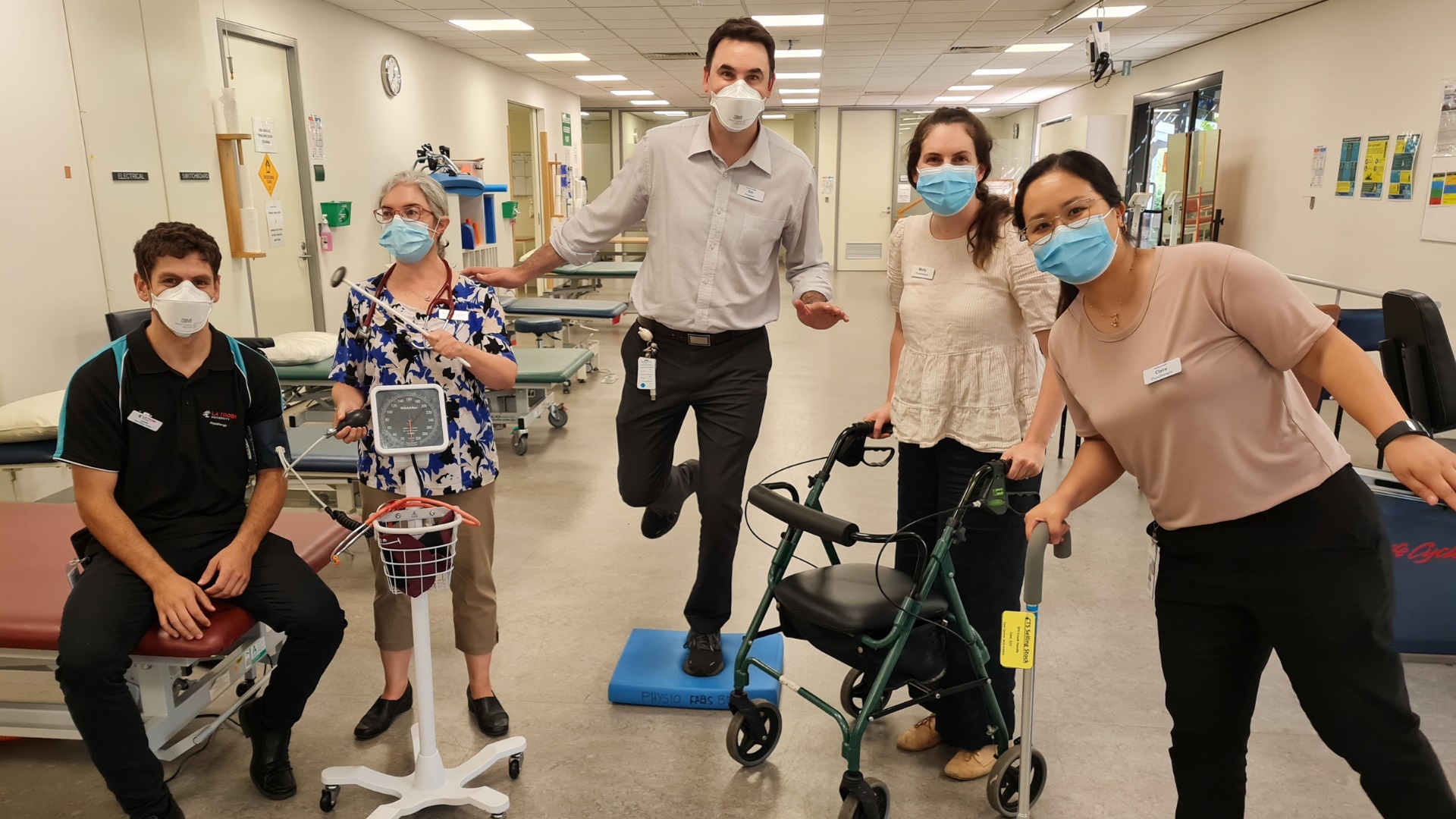
    Pictured: FABS team

  • Purple Day 2023: Living with Epilepsy

    Purple Day 2023: Living with Epilepsy

    Yesterday, 26 March was Purple Day – a global initiative dedicated to raising epilepsy awareness and shining a light on people living with epilepsy.

    Purple Day was founded in 2008 by nine-year-old Cassidy Megan of Nova Scotia, Canada. Her own struggle with epilepsy was her primary motivation to get people talking openly about the condition. Cassidy named the day ‘Purple Day’ after the internationally recognised colour for epilepsy, lavender.

    The 2023 Purple Day campaign theme is dare to be different”, and on this day, people are encouraged to wear purple to raise awareness for people living with epilepsy. The campaign aims to break down the barriers that may still exist in society for those living with epilepsy and dispel the myths surrounding the condition.

    “At Northern Health, one in five patients present as a person living with a disability. Some of these patients live with epilepsy. A person who has epilepsy tends to have spontaneous, recurrent seizures. Approximately one per cent of Australians are currently living with epilepsy and over 12,000 people a year are diagnosed with epilepsy,” said Northern Health Disability Liaison Officer, Maria Bowman.

    Rachel Powell is a young woman who has been living with epilepsy since she was a child. She’s been a volunteer with Northern Health since 2010 and she shares with us her inspiring story.

    “I was only 11-years-old when I was diagnosed with epilepsy. Following the first seizure, which happened at school, I was taken to hospital. The doctors ran some tests and scans and then told my mum I had epilepsy. It was scary for both of us because we didn’t know much about it then,” Rachel said.

    Despite the diagnosis and spontaneous seizures Rachel experiences, she embraces life through volunteering. Today, her condition is well controlled with medication, and she loves being able to help others.

    Rachel encourages everyone to use Purple Day as an annual opportunity to learn more about epilepsy and debunk many common myths about the condition.

    “Don’t be scared. It can be daunting at first, but educate yourself on epilepsy and get all the support you need. You can live a normal life and participate in society, despite the condition,” she said.

    Northern Health Head of Neurology, A/Prof Doug Crompton, says that this an exciting time for epilepsy diagnosis and care at Northern Health, with the new video EEG monitoring facilities on Ward 21, expected to come online in mid-2023.

    “Welcoming people to Ward 21 for several days and nights of EEG (brainwave) monitoring can be vital to clarify difficult diagnoses, as many other events can mimic epileptic seizures. There are very many different kinds of epilepsy, and our EEG monitoring will help to refine important details which help optimise medication choice and clarify which people could benefit from epilepsy surgery,” he said.

    The epilepsy team at Northern Health continues to grow and it currently includes four neurologists specialising in epilepsy and two EEG (brainwave) scientists.

    “Many exciting developments are underway in epilepsy care, including the increasing recognition that seizures tend to recur in cycles. An app and a smartwatch together can predict times of high and low seizure risk. This can help to give people with epilepsy greater confidence to plan their lives and removes some of the uncertainty about seizure timing,” said Dr Crompton.

    For more information and resources on epilepsy, please visit: www.epilepsy.org.au

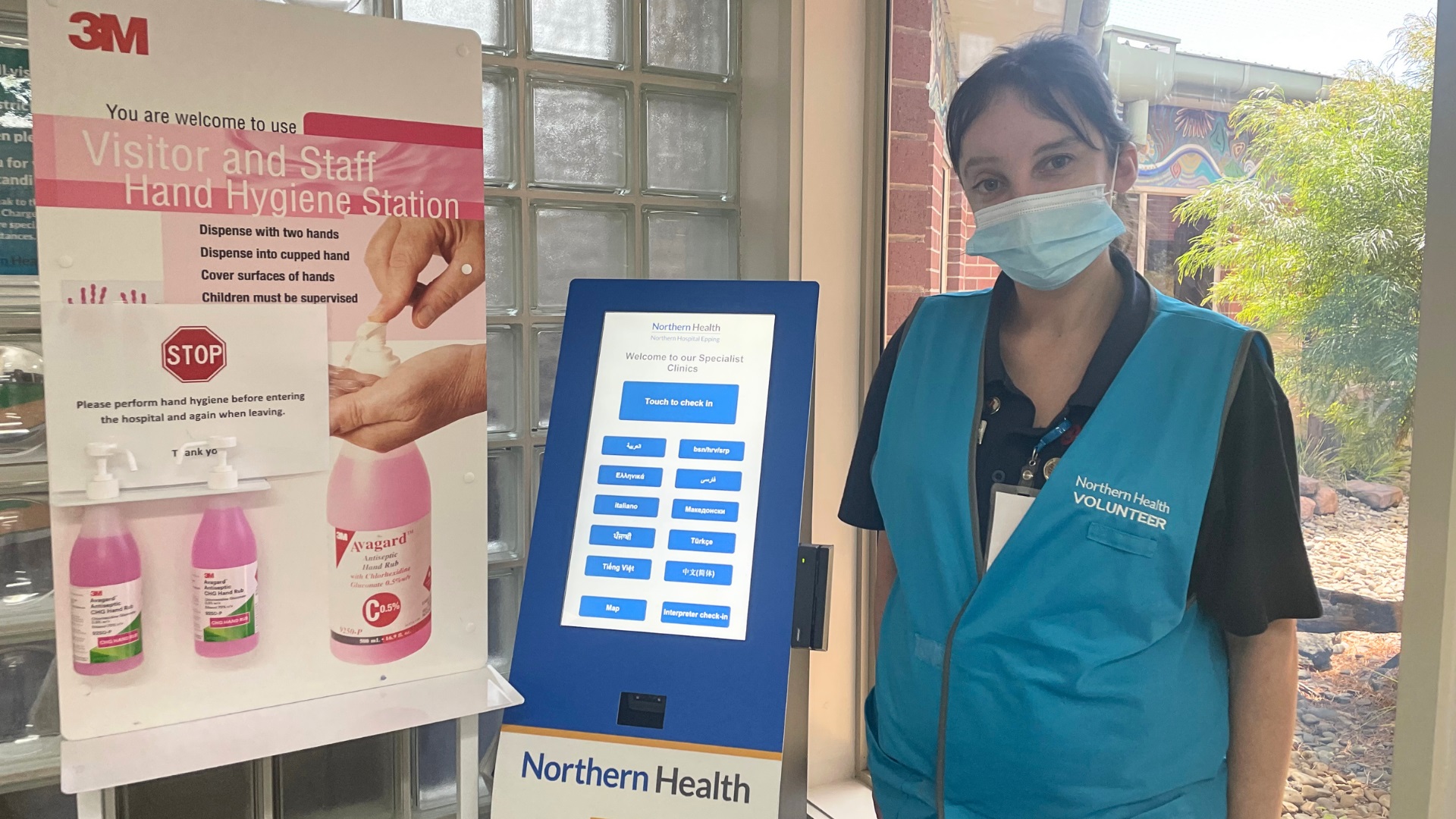
    Pictured: Rachel Powell.