• Get to know: Colin Bourke

    Get to know: Colin Bourke

    #WeAre Northern


    Meet Colin Bourke, a Senior Social Worker, marriage celebrant, marathon runner, and mentor to many. After 20 years of dedicated service, he is preparing to retire at the end of June.


    Q: First, let’s start with your coffee order?

    I much prefer an orange, tomato and carrots smoothie.

    Q: Tell us about your journey at Northern Health?

    It started in 2005 when I was 54; I’d been working with The Richmond Fellowship of Victoria at their Brunswick Psychosocial Resident Rehabilitation facility in Victoria Street for about three years. I crossed from this non-profit to Northwest Area Mental Health Service (NWAMH), working at Broadmeadows Inpatient Unit (BIPU), taking over from John Belanti.

    Some real game changers over the years has been the advent of NDIS community supports for consumers; and being able to fund the discharge of those on the ward who are homeless or at risk of homelessness.

    Q: Some highlights of your time at Northern Health? Any anecdotes to share?

    A highlight is having met and worked with so many young Social Workers in the Entry Level Program; every year for the last 16 years there has been a new Social Worker arrive and apply themselves to working on the ward; it has been a privilege to assist them in their development; their energy, ideas and enthusiasm has been renewing.

    Another highlight is being in a position to make a difference to people’s lives.

    In one particular case, a person arrived on the ward who had been sleeping rough, had no home, no income, no ID, no bank account,  no family, no friends, surviving because of the Salvo’s in Bourke Street; and to make a long story short, he left the ward with his fortunes reversed; with his wellbeing and hope restored, and with his family reaching out to him; it was a massive team effort, and deeply satisfying; a privilege to have helped facilitate a new beginning, and enable this person to become again a functioning member of society again.

    Q: The best part of your job?

    Coming to work each day is a privilege because you often have the opportunity to work with people who are (mostly) willing to open up and share with you their story, their vulnerability; its humbling, but important to see the person we are engaged with, i.e. they are not a ‘case’ to be managed. To treat them with the respect they deserve, to affirm their dignity, safeguard their pride, and to make it the motivation with which to act, to respond.

    Despite the speed with which things happen on the ward we do earnestly seek to connect with the person they are and work hard to achieve the best outcome for each one; we do the best we can with what we have.

    The best part of the job is being part of the Social Work Team at BIPU; what a unique set of individuals! We have each other’s backs, we support each other, confer with each other, especially when one of us is dealing with issues that are challenging and complex; and we know the need to get together, relax, have fun and let our hair down (if we have any!).

    The other members of the Multi-Disciplinary Team are fantastic as well; I have had the privilege to work with outstanding nurses, Occupational Therapists’, doctors as well as Peer Support Workers and Carer Support Workers. All of them have enriched my life in some way; it been a pleasure to work with such professionals.

    Q: Tell us one thing not many people know about you?

    I am a civil marriage celebrant; I have performed hundreds of weddings, and and for that matter funerals; I have been the marriage celebrant for different members of staff I got to know at BIPU over the years; that in itself is a privilege.

    I enjoy being involved in helping to celebrate such joyful and beautiful occasions. Celebrating weddings serves as a real contrast to the work I do on the ward.

    Another thing that not many people know is I’ll be hoping to complete my 12th Melbourne Marathon in October!

    Q: Anyone, you would like to give a shout out to?

    I like to mention the cleaners at BIPU; again, there are so many that have come and gone, but each one has left an impression on me for their dedicated service, their cheerfulness, and sense of fun; it can be a tough thankless gig, and we often take them for granted, but without them BIPU would grind to a stop.

    As an aside, at a staff function one night a cleaner showed us a side of her we did not suspect – she was a belly dancer and the entertainment for the night!

    Q: If you had to give one piece of advice to your juniors, what would it be?

    Believe in yourself; even when you mess things up, believe in yourself; know you have the skills and ability, that people believe in you; and believe the good things that people say about you – it’s true!


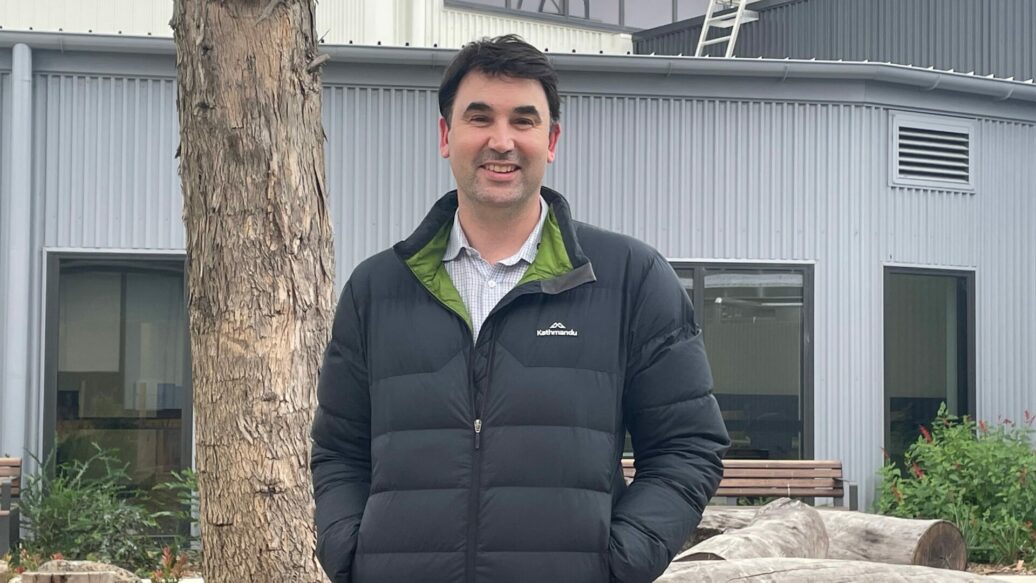
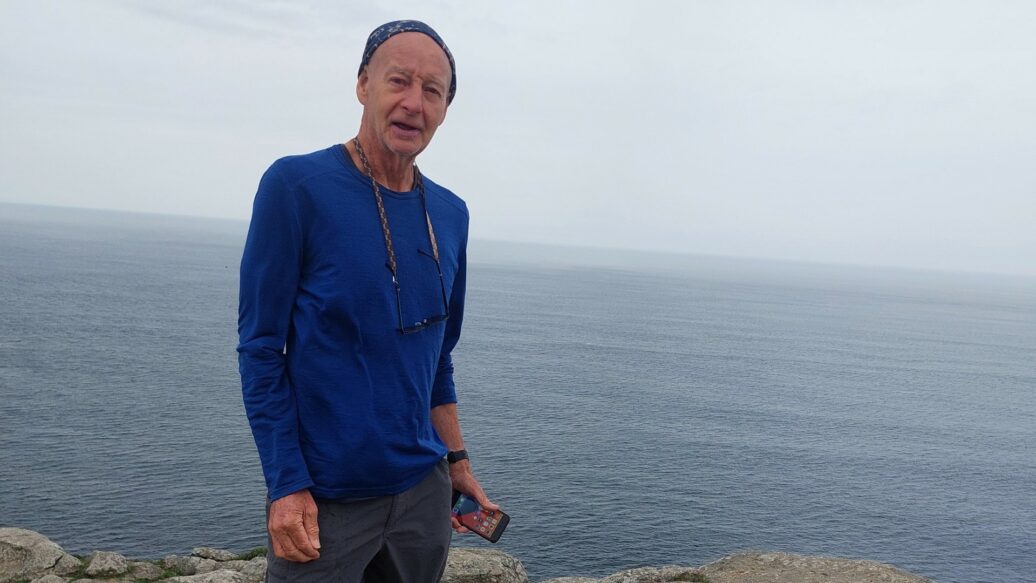
    Featured image shows Colin at the edge of the world — in Finisterre, Spain. Colin says, “After walking two Caminos de Santiago (also known as the Way of St. James, which leads to the Cathedral of Santiago de Compostela in northwestern Spain), I journeyed the final 90 km beyond Santiago to where the land meets the Atlantic.”

  • Healthy choices, healthier futures at Northern Health

    Healthy choices, healthier futures at Northern Health

    Northern Health’s continued commitment to align with the Victorian Government’s Healthy Choices Policy means staff and visitors have greater access to healthier food options.

    The Healthy Choices Policy Directive aims to improve health and wellbeing by supporting and promoting the availability of nutritious food and drink options in vending machines, staff catering, and in-house food outlets.

    Health services are required to meet specific targets around the proportion of healthy food and drink options offered. At least half of the food options available across catering services, vending machines, and in-house food outlets must be “green” foods. These include fresh fruits and vegetables, lean protein foods, healthy fats, nuts, and wholegrain cereals – all important components of a balanced and nutritious diet. Meeting these targets helps ensure that both staff and visitors can enjoy eating well when working at, or visiting, health services.

    Northern Health and Kilmore District Hospital (KDH) are keen to continue to their excellent track record of Healthy Choices compliance to make healthy food and drink options more accessible. The annual audit of vending machines, staff meals at KDH, and staff catering menus is currently underway.

    Rachael Evans, Associate Director of Dietetics at Northern Health, is working hard to promote a collaborative and organisation-wide effort to ensure healthier food and drinks are offered across all sites.

    “Implementing Healthy Choices demonstrates Northern Health’s commitment to the health and wellbeing of staff and visitors and also sets an example to our community of enjoyable and appealing fresh, healthy food and drinks,” she said.

    We continue to honour our partnerships with cafes, catering services, and vending machine providers to maintain both nutritional quality and quantity of food available for staff and visitors.

    As Northern Health continues to evolve, we look forward to expanding healthy choices to make it easier for everyone to eat well. Our number one priority remains the community’s wellbeing, as we strive to go above and beyond requirements.

    No matter what site you visit next, find comfort in knowing that we remain committed to making healthier choices, easier.

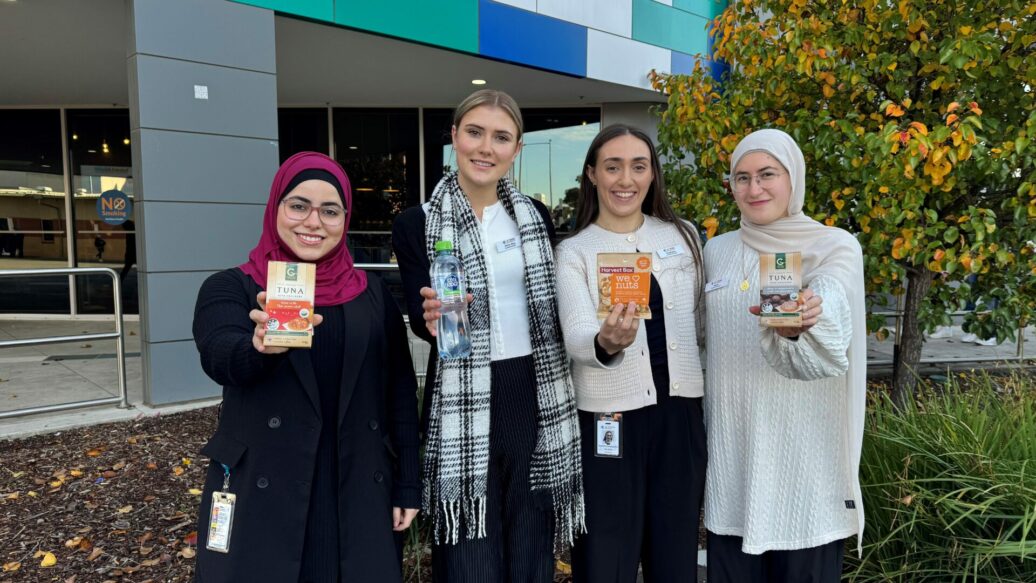
    Featured image: La Trobe Dietetics students Chaden Halujy Ammar, Molly-May Ramsay, Stephanie Chatziopoulos, and Reem El Daouk.

  • Refugee Week 2025: Finding Freedom and Belonging at Northern Health

    Refugee Week 2025: Finding Freedom and Belonging at Northern Health

    This week marks Refugee Week 2025, Australia’s annual opportunity to raise awareness of the experiences, challenges and contributions of refugees within our communities.

    Refugee Week is not only a time to reflect on global issues of displacement, but also to recognise the courage, determination, and strength shown by those who have sought safety and built new lives in Australia.

    This year’s theme, ‘Finding Freedom’, highlights the importance of welcome and belonging in the refugee journey. For many refugees, freedom is not just the absence of conflict or persecution, but the opportunity to rebuild their lives in a safe, supportive environment where their stories are heard, their skills are valued, and their families can thrive.

    The significance of this theme was powerfully brought to life at the Refugee Study Day held on Monday 16 June, where staff had the privilege of hearing a deeply moving lived experience presentation from Northern Health’s consumer S.J. Her personal story of displacement, resilience, and ultimately, hope, offers a powerful reminder of the real-life journeys behind the statistics, and the vital role health services like Northern Health play in supporting newly arrived families as they rebuild their lives.

    I’m a Refugee

    “The war in Syria began during my third year of university. Many innocent people lost their lives, including loved ones, and daily life became impossible. University studies stopped because it was too dangerous to leave the house, with constant threats of kidnapping or death. Access to basic needs like food, medicine, or medical care was incredibly difficult.

    I lived through eight years of war before moving to Erbil, in the Kurdistan region of Iraq. During those years, I lost what should have been the most beautiful time of my youth—my ambitions, dreams of a secure life, a career, and a hopeful future. I witnessed painful things I still prefer not to recall.

    In 2018, my husband and I decided to leave Syria. We had lost hope that the war would end, and our lives were under continuous threat. We sought refuge in Jordan and applied for Australia’s Special Humanitarian Visa. Leaving our home was the hardest decision—it meant years of separation from our families. And so began a new journey of unknowns and challenges.

    Life in Iraqi Kurdistan was not easy. We didn’t speak Kurdish, and language quickly became our biggest barrier. Finding housing, work, or even a doctor was overwhelming. I remember visiting an emergency room and being unable to communicate my condition because no one spoke Arabic or English.

    We spent three years in Erbil, and then COVID-19 arrived. Lockdowns made life even harder, and our dream of a safe future in Australia felt more distant than ever. I often asked myself, “Why wasn’t I born in a safe country? Why can’t I live a normal life?”

    The medical system in Syria and Iraq is very different from what we’ve experienced in Australia. You don’t need a referral – you rely on word of mouth, friends’ advice, or even social media to choose a doctor.

    In 2021, I had my first child with the help of a Syrian doctor in Erbil. I had a C-section and because of COVID-19, I was discharged on the same day. I informed the Australian embassy in Jordan about the birth, and they guided me in adding my newborn to our application. I informed the Australian embassy in Jordan about the birth, and they guided me in adding my newborn to our application.

    We finally arrived in Australia in March 2023. At Melbourne airport, AMES staff welcomed us and helped us settle into temporary accommodation. The very next day, my daughter developed a high fever. It was a public holiday, and I was told to call 000. I was so grateful they arranged for an Arabic interpreter and reassured me despite my English not being too bad.

    Since our arrival, we’ve received a lot of support – Centrelink, Medicare, a bank account, guidance on public transport, and referrals to community services. We enrolled in EAL (English as an Additional Language) classes to better understand the language and community.

    Now, I am a Master of Public Administration student, and I can’t wait to graduate and begin my career.

    As a mother, my daughter’s health has always been a concern. She has a dairy allergy and needs regular monitoring. Our GP referred us to a specialist at Northern Hospital in Epping. It was our first experience with Australia’s referral system, and it took time to understand how it works. We received a letter with all the appointment details, followed by reminder messages.

    What stood out was the availability of an interpreter, the kindness of the medical staff, and their understanding of our concerns. Pathology and test results were prompt, and the entire experience was supportive. My daughter now sees the specialist annually. The only challenge has been the long wait—sometimes over six months – for appointments after a referral.

    We’re still learning every day about life in Australia. We are truly thankful to this country for embracing us and giving us the opportunity to rebuild the life we once dreamed of – safe, stable, and full of possibility.”

    S. J’s story is a powerful reminder that for many refugee families, freedom is found not only in safety but in the kindness and support of the communities that welcome them, from housing and education to accessible healthcare, language services and compassionate care.

    At Northern Health, we take pride in being part of this journey, with many of our staff coming from refugee backgrounds. Their unique experiences and dedication enrich our workplace and strengthen our ability to provide culturally sensitive care to the diverse communities we serve.

    Throughout this week, the Northern Health Refugee and Asylum Seeker Sub-Committee, together with the Transcultural and Language Services (TALS) team, have organised a range of activities for staff and the community to deepen understanding and foster meaningful conversations about the refugee experience.

    We encourage all staff to take part, reflect on these stories of resilience, and celebrate the rich diversity that strengthens our health service and community.

    For more information on Refugee Week activities at NH – click here

  • Northern Health Allied Team shines at Australian Pain Society Annual Scientific Meeting

    Northern Health Allied Team shines at Australian Pain Society Annual Scientific Meeting

    Our very own Laura Prendergast, Health Psychologist with the Broadmeadows Persistent Pain Management Service, and Tom Collins, Advanced Practice Physiotherapist at Northern Hospital Epping, demonstrated exceptional organisational and public speaking skills at the recent Australian Pain Society Annual Scientific Meeting (APS ASM) held in Melbourne this April.

    Their involvement provided a strong conclusion to Northern Health’s impressive Allied Health contributions to the conference. These efforts complemented the valuable input from our medical, nursing, and pharmacy teams throughout the event.

    Laura played a pivotal role in organising the Psychology Pre-Conference Workshop: Navigating the Complexity of Neurodivergence and Pain. This thought-provoking session brought together a multidisciplinary panel and offered attendees critical insights into the assessment and management of pain in individuals with neurodivergent conditions.

    Later in the program, Tom Collins presented alongside colleagues from medicine and nursing on non-pharmacological approaches to acute pain management in the Emergency Department, further showcasing Northern Health’s commitment to innovation in pain care.

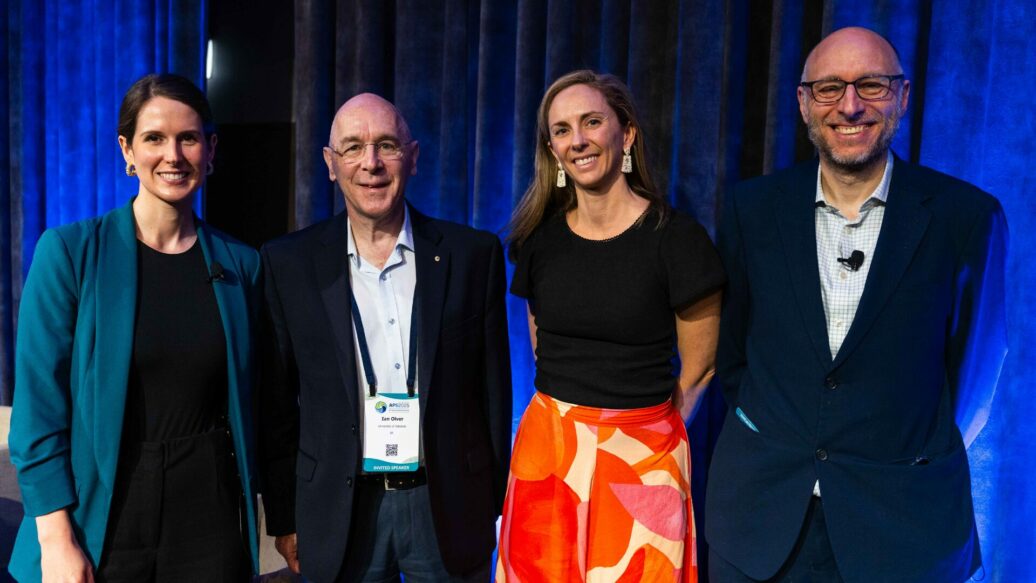
    Laura’s leadership within the Australian Pain Society was also on display when she hosted a plenary session in her role as President-Elect. The session featured esteemed speakers including Adjunct Professor Ian Olver, Dr Caitlin Jones, and Professor David Bennett. Discussions spanned a range of topics, from telemedicine in supporting cancer survivors with chronic pain, to emerging treatment targets for neuropathic pain. Laura’s thoughtful facilitation fostered a dynamic and engaging Q&A session.

    “As a Northern Health employee, it was so motivating to see colleagues contribute to the APS ASM program,” said Jessica Hill, Physiotherapist, Persistent Pain Management Service. “I’m already looking forward to seeing what Northern Health will bring to next year’s APS ASM in Adelaide.”

    Pictured in featured image (L-R): Dr Caitin Jones (APS Rising Star Award Winner, USyd), A/Prof Ian Olver (University of Adelaide), Dr Laura Prendergast (Northern Health), and Professor David Bennett (Nuffield Department of Clinical Neurosciences).

  • World Elder Abuse Awareness Day (WEAAD)

    World Elder Abuse Awareness Day (WEAAD)

    World Elder Abuse Awareness Day (WEAAD) occurs annually on June 15 and is celebrated globally to provide an opportunity for communities to stand together against the abuse, mistreatment and neglect of older people.

    Elder abuse is a recognised form of family violence and comes in many forms. It includes physical, sexual, emotional, psychological, financial and social abuse. Elder abuse can occur once or repeatedly and can vary in severity from subtle through to extreme. It can include one or a combination of the different types of abuse.  Elder abuse can also lead to serious physical injuries, long-term psychological consequences and even death.

    Elder abuse is most often perpetrated by someone known to the older person, with two-thirds of perpetrators being an adult child.  Elder abuse affects people of all genders and all walks of life but it disproportionately affects women.

    The World Health Organization describes elder abuse as a violation of human rights and the significant cause of illness, loss of productivity, isolation and despair.  Elder abuse is a serious and prevalent health issue that has a profound impact on the psychological and physical wellbeing of victim-survivors. Victim-survivors are among our community and frequently present to our health service.

    The health sector is a critical entry point for people affected by elder abuse which presents as an opportunity to provide medical care, support and pathways to specialist support.

    Tanya Ellis, Program Manager for Strengthening Hospital Response to Family Violence (SHRFV) Program, Northern Health, says, “Elder abuse is a health issue that exists in both developing and developed countries, yet it is significantly underreported.”

    “The incidence of abuse towards older people is predicted to increase as many countries experience rapidly aging populations. Elder abuse is a global issue which affects the health and human rights of millions of older people around the world. It is an issue which deserves the attention of the international community.”

    “The warning signs of elder abuse may include an older person seeming fearful, anxious or isolated, or they may have injuries or an absence of personal care. Unexplained changes to legal documents or finances are also of concern. Elder abuse mainly occurs behind closed doors, so it is important to notice the signs and risk factors and offer support,” she adds.

    To help prevent elder abuse, Tanya encourages older people to have their financial, medical, legal and other affairs in order.

    “It is crucial that older adults are empowered to recognise the signs of abuse and seek help when needed. WEAAD is an important opportunity for communities around the world to promote a better understanding of abuse and neglect of older people, by raising awareness of the cultural, social, economic and demographic issues affecting older people.”

    Tanya reminds staff to please ensure to use the Family Violence MARAM Screening & Identification Tool when working with a patient who is at risk of family violence/elder abuse. The Tool is best practice in identifying and responding to all forms of family violence and is located on EMR (AdHoc Forms Section) and PROMPT.

    The SHRFV Program is also available for specialist family violence consultation and to deliver family violence training. Please contact the SHRFV Program if you need to consult or to organise training in your area (8405 8519).

    Click here for more information on WEAAD.

     Support Services:

    • Safe Steps: (24/7) State-Wide Crisis Response Service Ph: 1800 015 188
    • Seniors Rights: Ph: 1300 368 821
    • 1800 RESPECT: (24/7) Sexual Assault & Family Violence Counselling Service Ph: 1800 737 732
    • Disclose to your health professional today to access support and safety

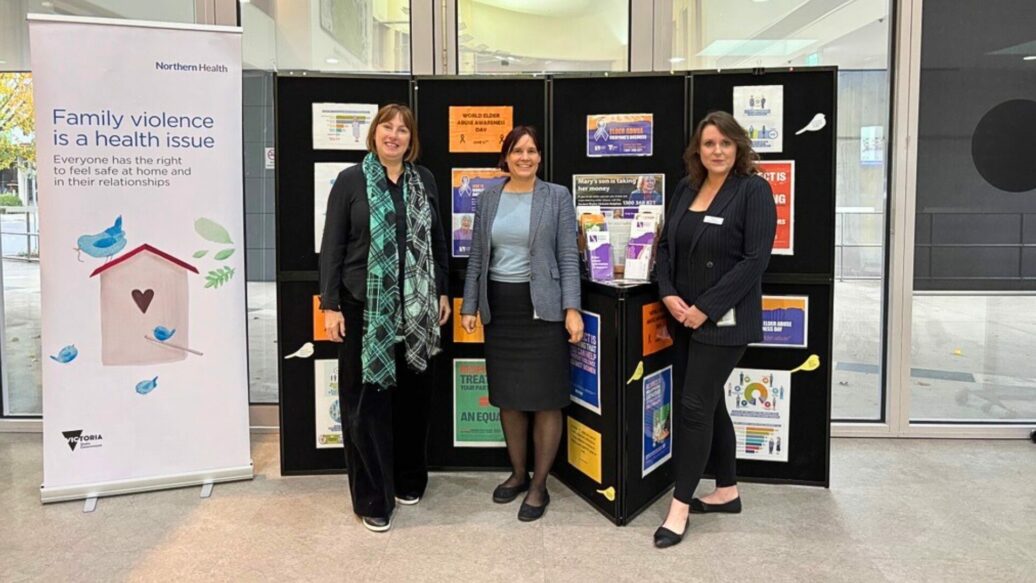
    Pictured in featured image (L-R): Dr Sandra Brown, Geriatrician and Divisional Director-Subacute Services, Dr Yana Sunderland, Geriatrician and Divisional Director-Medicine and Tanya Ellis, Program Manager for Strengthening Hospital Response to Family Violence (SHRFV) Program.

  • Get to know: Tim Butters

    Get to know: Tim Butters

    #WeAreNorthern

    Meet Tim Butters, Podiatrist, Foot Procedure Unit, Craigieburn Centre, Northern Health.

    Q. Tim, could I start with your coffee order, please?
    A: Latte with full cream milk, no sugar.

    Q. Tell us about your journey at Northern Health.
    A: I began my journey with Northern Health Podiatry in 2004, when we were a small team of just five clinicians based at Bundoora Centre, back when our office was located outside PCW (Percy Cleland Wing), in the area that is now home to the X-ray department and orthotics workshop.

    Over the past 21 years, I’ve had the privilege of watching our service grow and evolve across multiple sites and specialities. Throughout that time, I’ve worked across a wide range of settings, from GEM@Kilmore and home therapies to acute inpatient care at Northern Hospital Epping, and everything in between.

    Today, I am proud to be a Grade 3 Senior Clinician based at Craigieburn Centre, where I work across the Foot Procedure Unit, CTS SACS, and the VACS Paediatric/Musculoskeletal service.

    Q. What do you like most about your role?
    A: I would say helping the clients to achieve their goals and following their journey from what is possibly one of the hardest times of their lives, to healing their wounds and being able to walk again in regular footwear.

    Q. What are some things people don’t know about you?
    A: I am a mad keen Essendon supporter and just attended an event at the club to celebrate 30 years of being a member. I love my desserts and when I have time have been known to make lemon meringue pie, Portuguese tarts and macarons.  

    Q. Do you have a bucket list item? Something you would love to do.
    A: Looking to one day take a trip on the Ghan, I think that would be pretty spectacular.

    Q. If you were a superhero, who would you be and why?
    A: I would say Superman or anyone who has x-ray vision, as I find myself a lot recently telling my clients that I would love to have this power for when we are trying to offload different areas of the feet within footwear and CAM boots, for now the good old lipstick marking will have to do.

  • Simone Jervies awarded the BankVic Nursing Scholarship

    Simone Jervies awarded the BankVic Nursing Scholarship

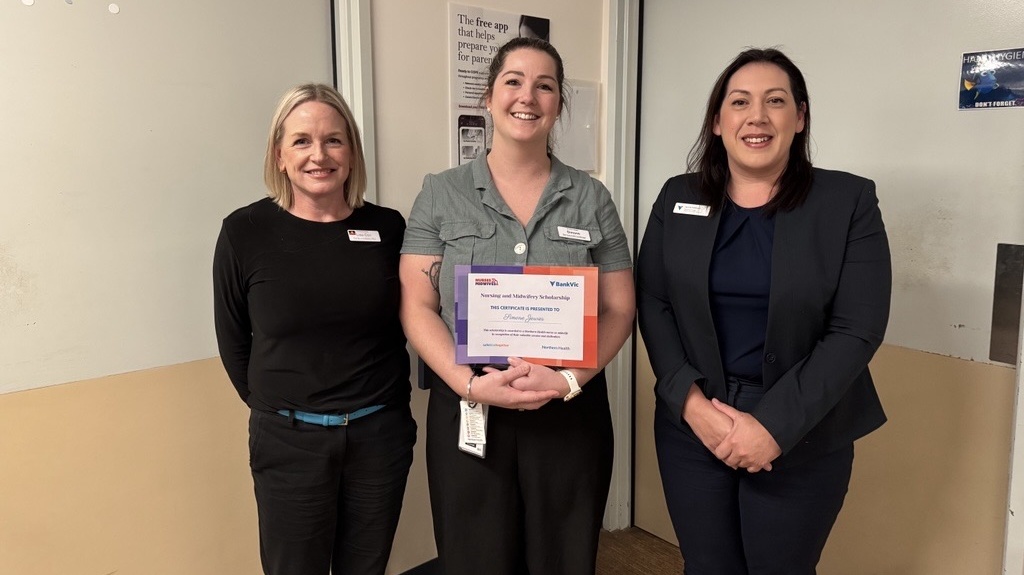
    Northern Health is excited to announce Simone Jervies, Acting Unit Manager for Birthing Suite and Maternity Assessment Care, as the winner of the BankVic Nursing Scholarship.

    To celebrate International Day of the Midwife (5 May) and International Nurses Day (12 May), Northern Health Foundation partnered with BankVic to provide a $5,000 scholarship to a Northern Health nurse or midwife. This scholarship was in recognition of valuable service and dedication to the role of a nurse or midwife.

    The scholarship could be used towards further education, attending a national based conference, or a professional development activity.

    Simone said she will use the scholarship to attend the Leadership Series for Midwives – a program that aligns with her passion for sustainable leadership in maternity care.

    “With this support, I will build on the work I have already led by designing a structured leadership development framework within our unit – one that cultivates leadership at every level,” she said.

    “This will include identifying and mentoring leaders, creating opportunities for them to lead projects, supporting formal clinical midwife consultant roles to guide innovation in care models, and embedding peer-led quality improvement initiatives.”

    Simone is also keen to create a mentorship program to nurture early-career midwives, with a focus on reflective practice, compassionate leadership, and confidence building.

    “This program will help cultivate a culture of care where midwives feel safe to grow, speak up, and lead,” she said.

    Simone knows the importance of empowering our nurses and midwives to lead with care in order to create a safer, more connected, and sustainable outcomes for staff and Northern Health patients.

    “I would place the power of care – relational, respectful, and person-centred, at the heart of every decision,” she said.

    “In the past two years, I have led key changes grounded in the values of care and collaboration. I have introduced midwifery standing orders to strengthen clinical autonomy, and developed a third trimester ultrasound screening procedure to support midwives.”

    “I have also led postpartum haemorrhage working groups to enhance emergency care, and restructured workflows to support burnout prevention in team cohesion.”

    This is the second year BankVic has partnered with Northern Health Foundation to provide the scholarship. A committee comprising Northern Health Executives and BankVic representatives chose the successful submission.

    Featured image: Lisa Cox, Chief Nursing and Midwifery Officer, Simone Jervies, and Jacinta Anderson, BankVic representative.

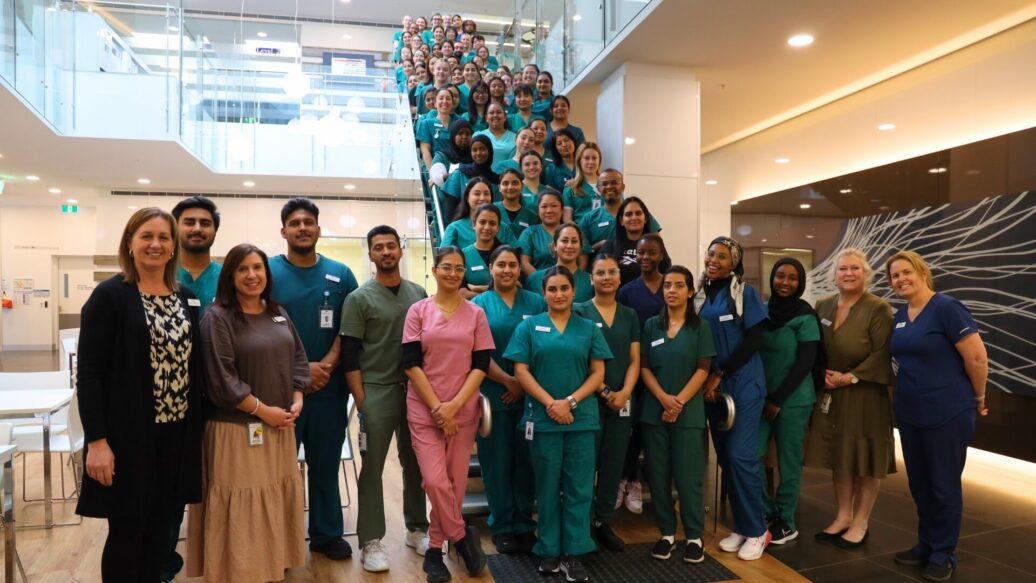
  • Northern Health Welcomes 149 New Graduate Nurses and Midwives in 2025

    Northern Health Welcomes 149 New Graduate Nurses and Midwives in 2025

    Northern Health was proud to welcome 76 new graduate nurses and midwives on 26 May, joining the 73 graduates who commenced in February – bringing the total to 149 for our 2025 Graduate Nurse and Midwifery Program.

    These fresh faces are spread across our campuses at Northern Hospital Epping, Broadmeadows Hospital, and Bundoora Centre, and are participating in one of four tailored program streams. While some are familiar with our health service, with five having previously worked at Northern Health, the vast majority are stepping into our organisation for the very first time – and we couldn’t be more excited to have them on board.

    The diversity and talent of this group are truly impressive. Our graduates hail from a wide range of universities, including Australian Catholic University, Federation University, RMIT, Victoria University, La Trobe, Deakin, Swinburne, University of Tasmania, Western Sydney University, Monash, Griffith, and Flinders. The midwifery graduates have completed a double degree in Nursing and Midwifery at either Victoria University or La Trobe University.

    Over the next 12 months, these programs will provide a structured and supportive transition from student to professional, helping these new nurses and midwives grow in confidence and capability. Their journey begins with a three-day orientation, specifically designed to equip them with the tools and knowledge needed to succeed. This is followed by time in the clinical environment in a supernumerary capacity, allowing them to observe and learn before stepping into their roles independently.

    “It’s a cohort rich in both youth and life experience, with graduates ranging in age from 21 to 50. Many are local to Melbourne’s northern suburbs – including Wollert, Epping, Thomastown, Reservoir, Mernda, and Preston – and one graduate was even born right here at Northern Hospital,” says Kate Duggan, Graduate Program Co-ordinator, Nursing and Midwifery, Northern Health.

    “As our newest health professionals embark on their careers, they bring fresh energy, curiosity and commitment to patient care. We are proud to be fully recruited for another year and look forward to supporting our graduates as they grow into confident, compassionate clinicians,” adds Annabel Milionas, Director of Education, Nursing and Midwifery at Northern Health.

    A warm welcome to Northern Health!