• Hacking for hope: Northern Health supports mental health innovation at RMIT-Apple Hackathon

    Hacking for hope: Northern Health supports mental health innovation at RMIT-Apple Hackathon

    How can we address mental health problems before they become a crisis? That was the powerful challenge posed to students at the Health iOS Hackathon.

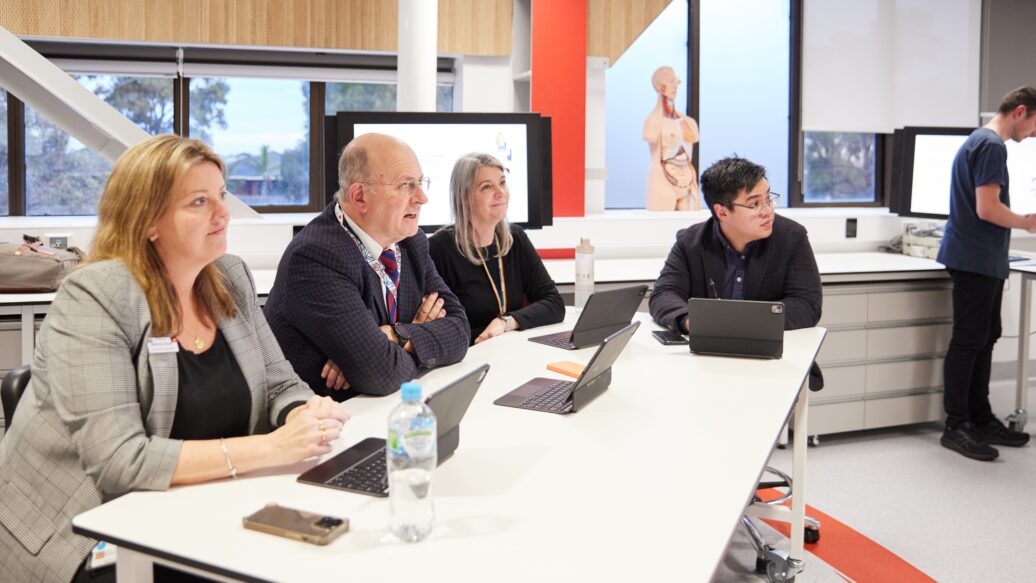
    The hackathon was a two-day innovation sprint hosted last week by RMIT School of Health and Biomedical Sciences in collaboration with Apple and strongly supported by Northern Health.

    Bringing together students from across RMIT’s STEM and health disciplines, the event invited participants to design prototype mobile apps using the Apple iOS ecosystem and Xcode platform.

    The goal was to empower people to manage their mental health earlier and more effectively.

    Northern Health played a key role in supporting the event’s success. Staff from the General Systems Design team, led by James Pownall, Aaron Woods, and Philip Vukovic, generously mentored teams and helped guide the development process.

    The final pitches were assessed by Anthony Gust, Executive Director, Digital Health, Belinda Scott, Executive Director, Mental Health, Don Campbell, Divisional Director, Design and Discovery, and Sing Tan Director, Clinical Digital Innovation.

    The winning team has been invited to collaborate further with our Digital Health team — a fantastic example of how events like this can spark lasting innovation.

    We’d also like to acknowledge and thank the following Northern Health mental health staff whose involvement and insights helped shape the event:

    • Jessica Hunter, Social Worker
    • Taylor Behnn, Social Worker
    • Pat Roe, Area Senior Nurse
    • Dan Stinson, Area Senior Nurse
    • Graeme Bryan, Lived Experience Worker
    • Prakash Kamath, Consultant Psychiatrist
    • Gary Ennis, Director of Nursing

    “It was inspiring to witness the hackathon presentations firsthand. The students should be commended not only for the energy, commitment and amazing ideas but for the teamwork displayed,”
    said Anthony Gust, Executive Director, Digital Health.

    A big thank you to our partners at RMIT University and Apple, and to everyone from Northern Health who helped make this initiative possible. Together, we’re not just imagining a better future for mental health care, we’re helping to build it.

  • Get to know: Mary De Gori

    Get to know: Mary De Gori

    #WeAreNorthern

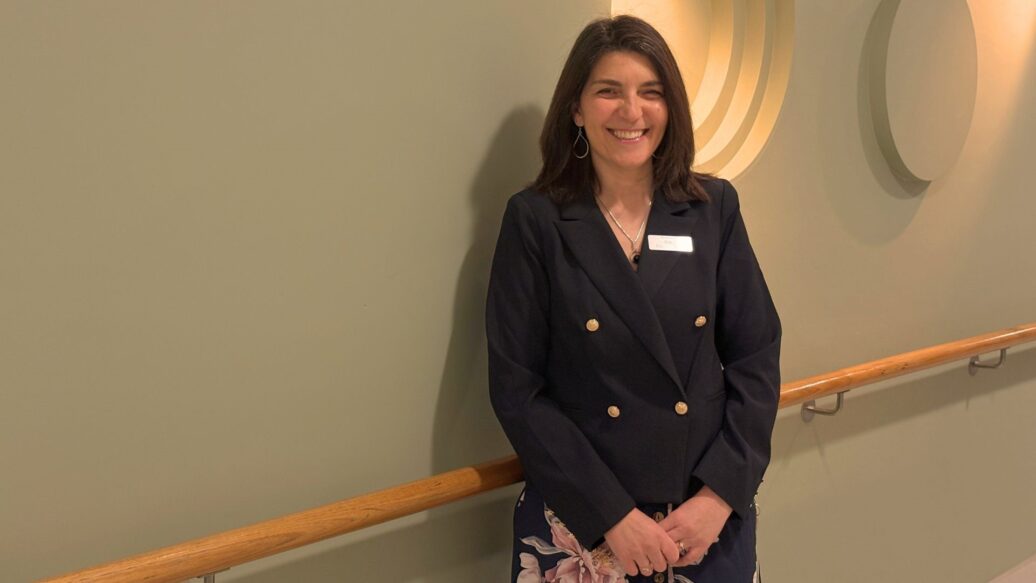
    Meet Mary De Gori, Allied Health Director. Mary rejoins Northern Health, having previously served as Interim Director of Allied Health and Director of Capital, Planning and Development from 2014 to 2019.

    Let’s start with your coffee order please Mary?

    Skinny, weak latte – even though many often comment, “Why even bother, that’s not a coffee!”

    What inspired you to return to Northern Health, and what excites you most about stepping into the Director of Allied Health role?

    It has been great to return to Northern Health to the welcome of many familiar faces, to meet new staff, and see the inspiring examples of how Northern Health is leading the way, especially in virtual care.

    As Director of Allied Health, I am excited to work with the teams to further look at opportunities for innovation in the way we provide care to our patients and to enhance the roles of Allied Health to assist the organisation to meet the needs of our diverse community.

    Any anecdotes from your last time here?

    In my previous role as Director of Capital Development, during the refurbishment of the Emergency Department a fire sprinkler was accidentally struck, causing significant flooding in the area. What stands out most is the image of the Executive Director—closely aligned with Capital Development at the time—grabbing a broom and joining the team in the clean-up effort. His leather shoes and suit pants didn’t survive the ordeal, but the moment perfectly captured Northern Health’s “roll up your sleeves, support one another” culture that makes it such a remarkable place to work!

    Having held leadership roles across both Northern and Western Health, how have these experiences shaped your vision for Allied Health services?

    My various roles at Northern and Western Health have provided me with a broad understanding of health leadership and management, the complexity of public health care and the flexibility and agility required to successfully lead teams in these environments. In recent times, my experiences have taught me the importance of nurturing and supporting the development of our workforce.

    My vision is to enhance the recruitment, retention and career pathways of Allied Health staff at Northern Health – with clinicians working at their top of scope, clinical experts in all disciplines providing  clinical leadership and expert knowledge, advanced practice clinicians in all disciplines providing innovative models of care and more timely access for our vulnerable community and a focus on interdisciplinary practice.

    As a physiotherapist and Fellow of the Australian College of Health Services Management, how do you see clinical expertise influencing strategic leadership?

    I think clinical expertise and leadership studies intersect to help the leader develop a strong understanding of both patient needs and the complex healthcare context in which we deliver care. In this way, the leader can develop strategies and implement improvements that are evidence-based, data driven, patient-centred and aligned with the goals of the organisation.

    You’ve been involved in research and evidence-based practice—how do you plan to strengthen Northern Health’s research culture within Allied Health?

    My vision for further strengthening research for Allied Health is to encourage and facilitate research at every level. It is important that research is embedded in every clinician’s work in some way – either through the implementation of evidence based practice, clinician researchers adding to the evidence base or translating it into practice.

    I hope to see increasing numbers of Allied Health clinicians undertaking research higher degrees, obtaining research grants and continuing to increase our research publications and presentations to demonstrate the great work we are doing at Northern Health.

    What do you see as the biggest opportunities for Allied Health in the next few years?

    I think there is a great opportunity for Allied Health clinicians in advanced practice roles to provide innovative, alternative models of care for a number of patient cohorts, reducing waitlists and providing more timely access to care, to assist in workforce shortages and also in the retention of highly skilled clinicians.

     Lastly, tell us something  about yourself that we wouldn’t find on your résumé?

    I am the master of many ‘grandma hobbies’– I bake and decorate cakes, crochet for charity, make candles and have recently started pottery classes.

    I have read that grandma hobbies help reduce stress, promote mindfulness, foster creativity and improve cognitive function – and when that doesn’t work, a nice glass of Heathcote Shiraz at the end of the work week does wonder.

  • Suspense, Sepsis, Sushi & Surgical Stars

    Suspense, Sepsis, Sushi & Surgical Stars

    Under a moonless sky, the stars weren’t just in the heavens—they were in our auditorium. Seven of our brightest surgical registrars took the stage for the mid-year Northern Surgical Registrars Prize Night, dazzling us with real-life medical mysteries, surgical showdowns, and a side of sushi (thanks to our generous sponsor, Bard).

    This tradition, started by Prof Hamish Ewing, gives registrars just 10 minutes to present a fascinating case. Our two judges, Dr Ben Keong and Dr Kim Jeffs, watched closely, as our timekeepers, Dr Azhar Auckloo and Dr Betty Lai, kept things sharp and snappy.

    Here’s how the night unfolded:

    • Dr Rumana Islam kicked things off with a twist: a patient thought to have a common bowel issue turned out to have endometriosis—a condition where tissue similar to the uterus lining grows elsewhere. Surprise diagnosis!
    • Dr Simon Bennet brought suspense with two back-to-back cases of rare stomach tumors (GISTs) that suddenly burst—on consecutive days!
    • Dr Khadijah Ahmed had us on edge with a post-surgery infection mystery. Her warning? If it happens again, the whole department gets swabbed (and not the gentle kind). Her dramatic flair earned her third place.
    • Dr Naya Masood shared a nerve-wracking case where a device meant for veins accidentally ended up in an artery—potentially dangerous. She showed how ultrasound can help avoid this mistake.
    • Dr Angus Hann wowed us with a breast surgery technique that preserves tissue using a clever flap of skin and fat. His artistic presentation and video demo earned him second place.
    • Dr Jordan Lee showcased a high-stakes liver and pancreas surgery for a rare tumor—like something out of a surgical thriller.
    • Dr Abid Khan wrapped up the night with a case that seemed simple—appendicitis in a young adult—but turned out to be another rare tumor. His interactive style and suspenseful storytelling won him the top prize.

    A huge congratulations to our seven stars, who shine every day in the Northern surgical team. Thank you to our judges, our sponsors (Sam Fawad from Beckton Dickinson), our time-keepers and our audience.

    The next Surgical Registrars Prize Night is on 18 December. Come for the cases, stay for the sushi—and maybe a few surprises.

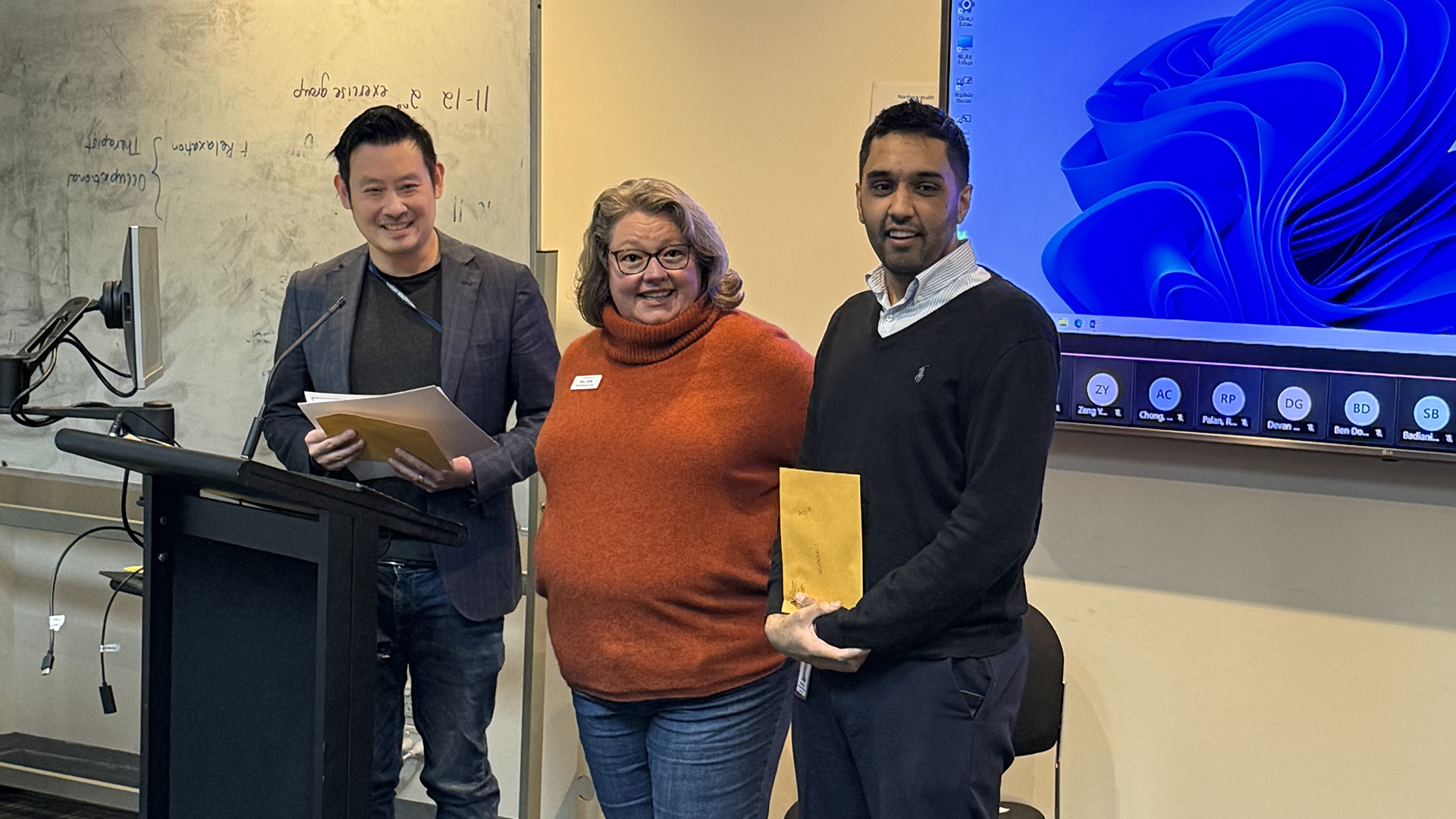
    Pictured above, Dr Abid Khan receiving his prize from the judges. 


  • Celebrating staff excellence at the Bi-Annual Awards

    Celebrating staff excellence at the Bi-Annual Awards

    This morning, Northern Health hosted the Bi-Annual Awards, virtually coming together to honour the exceptional contributions of our staff.

    The ceremony was hosted by Debra Bourne, Chief Executive, Northern Health, and Michelle Fenwick, Executive Director, People and Culture, who presented our award winners.

    “Northern Health has thousands of staff who work across a range of areas, departments and sites, dedicated to providing outstanding care to our community each and every day,” said Debra Bourne, Chief Executive.

    “Among our award winners today are staff who demonstrate a strong and positive workplace culture, live Northern Health’s values of safe, kind and together, and show a genuine commitment to their patients.”

    The ceremony celebrated winners from January 2025 – June 2025 in seven categories, with each award matched against Northern Health’s values and strategic priorities.

    “I am delighted to be here today to celebrate and award the staff who demonstrate excellence in their care and work at Northern Health,” said Michelle Fenwick, Executive Director, People and Culture.

    “I feel proud to work in an organisation where staff are collaborative and kind and turn up to work every day to provide such incredible care to our patients and community – we thank you all for your hard work.”

    Russell Hodgson, General Surgeon (Consultant), won the Innovation Award. Russell was nominated by Yuchen Luo.

    “Russell has been tremendously supportive and helpful for his unaccredited surgical registrars in achieving research goals in preparation for surgical training application,” Yuchen said in their nomination

    “He has now started an innovative project focusing on video-based assessment of laparoscopic surgery, in collaboration with the RMIT artificial intelligence lab aiming to automate assessment using the new technology of computer vision.”

    Ali Ghosn, HMO Intern, was awarded the Patient Experience and Rising Star awards. Ali received multiple nominations across the two categories, with many praising his kindness and compassion to patients, and his proactive attitude towards learning and continuous improvement.

    The Excellence in Leadership Award went to Max Lynch, Team Leader – Hume and Merribek Community Teams. Max received three nominations from his colleagues. Max was praised for being an outstanding team leader, listening to individual needs, having a ‘can do’ attitude and leading with inspiration and motivation.

    The winner of the Education Award was the Allied Health Early Career Program. The team was nominated by Erin Joubert.

    “Over the past 24 months, a dedicated team of allied health educators have demonstrated exceptional leadership and innovation in embedding and adapting an established education program to support early career clinicians within a tertiary public mental health service,” Erin said in her nomination.

    “Their efforts resulted in a record number of early career clinicians receiving structured support during their transition into the workforce. Their impact is evident in improved workforce capability, increased clinician retention, and enhanced care delivery for consumers.”

    Michelle Ferry, Relationship Manager at BankVic, presented the last two categories – Clinical Excellence and Excellence in Safety.

    The Pain Nursing Team was presented with the Clinical Excellence Award. The team was nominated by Jake Geertsema.

    “The team consistently go above and beyond their clinical duties. Their collaborative and patient-centred approach ensures that every patient receives empathetic, high-quality care. They are known for taking the time to listen, build trust, and tailor care plans to individual needs—transforming the experience of countless patients across the hospital,” Jake said in his nomination.

    Melina Puddicombe, Registered Nurse, Associate Nurse Unit Manager, won the Excellence in Safety Award. Melina was nominated by Sarah Donehue.

    “Melina makes a huge difference to the safety of staff, patients and visitors. For patients, she will take the time to get to know them, to better understand their needs.  For those with challenging behaviours, she has brought items in from home to help patients to feel more comfortable, such as farm related items for a patient who was a farmer,” Sarah said in her nomination.

    “Melina has put in countless hours of her own time to further staff safety. These are just some of the ways Melina has gone above and beyond for safety.”

    Congratulations to all the award winners.

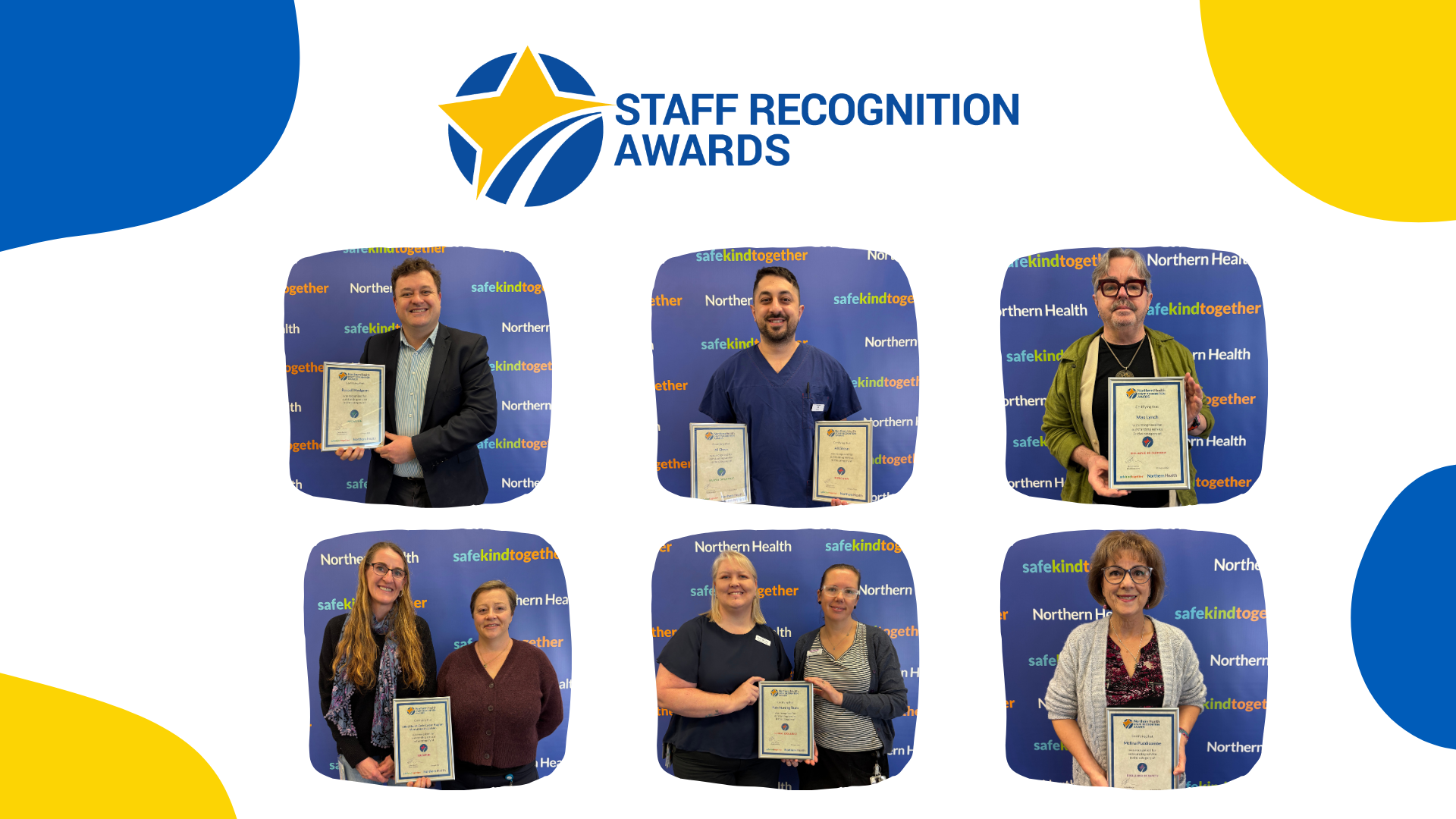
    Featured image top row: Russell Hodgson, Ali Ghosn and Max Lynch.

    Bottom row: Justine Solomano, Michelle Wines, Nicole Gauthier, Victoria Dale and Melina Puddicombe.

    Click here to watch the ceremony.

  • Northern Health leaders drive record-breaking IRSA 2025 Conference

    Northern Health leaders drive record-breaking IRSA 2025 Conference

    Northern Health is proud to celebrate the success of the Interventional Radiology Society of Australasia (IRSA) 2025 Annual Scientific Meeting (ASM), held at the Grand Hyatt Melbourne from 30 July to 1 August, with a dedicated Interventional Oncology Symposium on 29 July.

    This four-day program was dedicated to advancing the fields of Interventional Radiology (IR) and Interventional Oncology, uniting clinicians and emerging leaders from across Australasia and beyond. The event was convened by Northern Health’s own Dr Phil Chan and Dr Goran Mitreski and marked a record-breaking year in both attendance and engagement, with more than half of all Australian and New Zealand IRs in attendance.

    “This year’s theme, ‘Together’, focused on collaboration and teamwork. The program was designed to offer something for everyone, covering all aspects of Interventional Radiology,” said Dr Phil Chan.

    Event Highlights

    • Three International Keynote Speakers:

      • A/Professor Donna D’Souza (University of Minnesota)

      • Professor Michael Lee (Beaumont Hospital, Ireland)

      • Professor Simon Yu (CUHK, Hong Kong)

    • 18 Northern Health presenters across multiple specialties, including IR, Diagnostic Radiology, Haematology, Oncology, Radiation Oncology, Urology, Hepatobiliary, Thoracic Surgery and Intensive Care Medicine.

    • Two research prizes awarded to Northern Health staff:

      • Second prize – Radiographer/Nurse category

      • Second prize – Medical Student/Junior Medical Staff category

    • Fellows Day for IR fellows, early career consultants, and those seeking a refresher.

    • Dedicated nurse and radiographer sessions.

    • Grassroots Program introducing medical students to IR and its career pathways.

    Feedback from delegates and sponsors was overwhelmingly positive, with many praising the event’s open, inclusive, and practical approach.

    “We saw incredible engagement from all delegates — especially students, nurses and radiographers. It was fantastic to bring the whole team together like this,” said Dr Phil Chan.

    “This conference pushed the boundaries and reached new heights for our specialty. It set a new frontier for what we can achieve moving forward,” added Dr Goran Mitreski.

    Northern Health is proud of Dr Chan and Dr Mitreski’s leadership, and of everyone who represented our organisation so strongly at a national level.

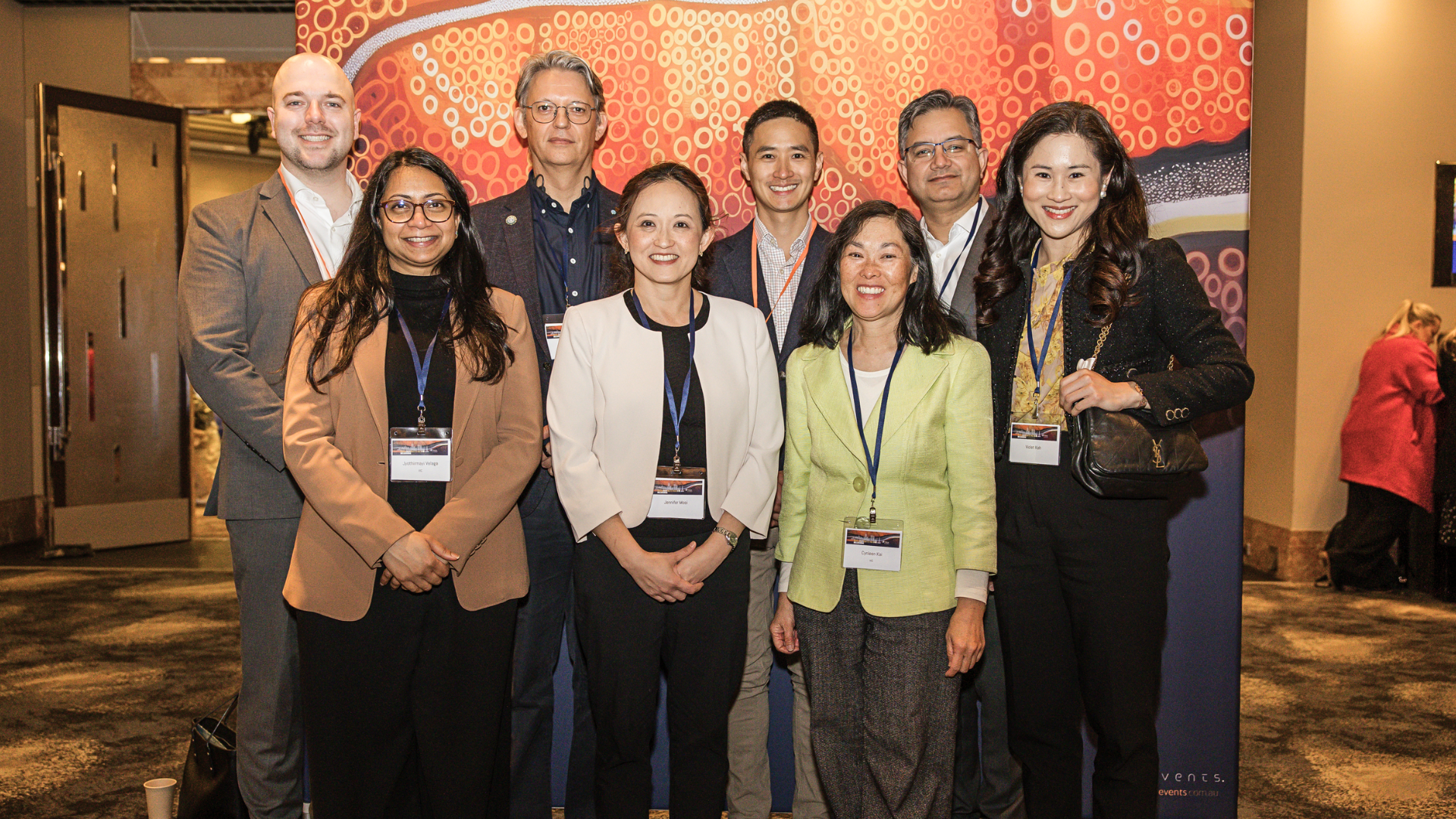
    Pictured in featured image:

    Rear left to right: Dr Goran Mitreski (Interventional Radiologist), Mr Dennis Gyomber (Urologist), Dr Phil Chan (Interventional Radiologist), Mr Bibushal Thapa (Thoracic surgeon), Dr Violet Koh (Radiation Oncologist)
    Front left to right: Dr Jyothirmayi Velaga (Diagnostic Radiologist), Dr Jennifer Mooi (Medical Oncologist), Dr Cynleen Kai (Radiation Oncologist)

    Other Nothern speakers from Northern Health, not imaged included: A/Prof Terry Kok (Interventional Radiologist), Dr Frances Barnett (Medical Oncologist), A/Prof Michael Ng (Radiation Oncologist), Prof. Prahlad Ho (Haematologist), A/Prof Yin (Haematologist), Dr David Crosbie (Intensivist), Mr Pras Satasivam (Urologist), Mr Tuck Yong (Hepatobiliary surgeon), Dr Georgina Van Der Vliet (Palliative care physician).

  • Get to know: Imad Hirmiz

    Get to know: Imad Hirmiz

    #WeAreNorthern

    Meet Imad Hirmiz, Arabic, Chaldean and Assyrian Interpreter and Translator, Transcultural and Language Services (TALS), Northern Health.

    Q: Firstly, let’s start with your coffee order.
    A: An extra hot almond milk latte.

    Q: Tell us about your role at Northern Health.
    A: I’m a NAATI-certified interpreter and translator in three languages: Arabic, Chaldean, and Assyrian. My role is to facilitate communication between clinicians and patients—verbally, through interpreting, and in writing, by translating materials. In a diverse community like Northern Health, engaging interpreters and translators is essential for delivering quality health services. I often describe Northern Health as a mini version of Victoria, reflecting its incredible cultural diversity.

    I joined the TALS team in 2009, and since then, the demand for interpreting services has grown significantly, especially with the increase in refugees settling in the area, many of whom speak Arabic.

    While the core of our role is bridging the communication gap between clinicians and patients with limited English proficiency, our responsibilities go far beyond that. We also translate patient information brochures and other materials into key languages, review documents for cultural appropriateness, and contribute to the production of Northern Health publications.

    At times, we act as cultural mediators, giving voice to patients from culturally and linguistically diverse (CALD) backgrounds. We’re also involved in research conducted by Northern Health clinicians – translating research documents, performing sight translations, interpreting for focus groups, or simply participating as cultural representatives.

    Q: What is the best part of working as an Interpreter?
    A: While we support both clinicians and patients, we often feel like the guiding light for patients from CALD communities as they navigate the Australian healthcare system. It’s a deeply rewarding job. Knowing that we’re making a difference and providing support to those in need brings immense personal satisfaction.

    It’s also incredibly fulfilling to see CALD patients participate in research and stay informed about the latest medical advancements—with our help. Knowing that we play a role in this makes us feel like we’ve truly served our purpose.

    Q: How do you resonate with Northern Health’s values of Safe, Kind and Together?
    A: When it comes to kindness, interpreters often go above and beyond. We might accompany patients to radiology or pathology, help them book outpatient appointments, or guide them around the hospital, all to make their experience a little easier.

    We also work closely with clinicians to ensure safe and effective communication that supports the best care possible. I’ve assisted many clinicians with their research and have participated in numerous projects at Northern Health, whether as a bilingual contributor or in my capacity as a translator/interpreter. These efforts help ensure people with limited English proficiency have the opportunity to contribute meaningfully to research and future healthcare innovations. Most recently, I was involved in a Cancer Clinical Trial, which was a rewarding experience.

    Q: If you weren’t an interpreter, what would you have been instead?
    A: A migration agent. I’ve always had an interest in law, and I would have loved helping refugees and migrants with their migration and settlement needs.

    Q: Favourite place to travel and why?
    A: California, USA. I love that the weather is similar to Melbourne’s, and I really enjoyed its stunning landscapes and vibrant entertainment.

    Locally, Cairns is a must-visit destination – it’s full of natural beauty and unique experiences.

    Q: Do you have any hidden talents?
    A: I initially studied electrical engineering before changing my career path to interpreting and translating, later completing a master’s degree in social sciences with a major in interpreting and translating. However, my true passion lies in writing.

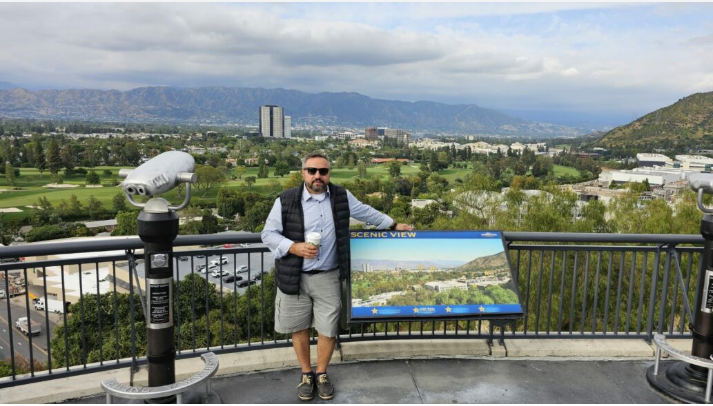
    Pictured: Imad at Universal Studios – Hollywood, California, USA. 

  • Thanks for caring: Aged Care Employee Day

    Thanks for caring: Aged Care Employee Day

    Aged Care Employee Day is an opportunity to recognise the compassionate and committed individuals working in aged care, who make a real difference in the lives of older Australians. At Northern Health, we are proud to acknowledge the work of our dedicated aged care staff who provide high-quality care, support, and advocacy every day.

    Northern Health provides care through five residential aged care services – Caladenia and Dianella Nursing Homes in Kilmore, Ian Brand Residential Care and Merv Irvine Nursing Home in Bundoora, and McLellan House Hostel in Broadmeadows. These facilities offer safe, supportive environments where older people can live with dignity and respect.

    In addition to our residential care, Northern Health delivers a number of home-based aged care services that support older people to live independently at home for as long as possible. Among these is the Home Care Packages (HCP), which currently supports around 300 consumers across our community.

    A key strength of the HCP program is its team of 16 experienced case managers, all of whom are registered nurses or allied health professionals. This clinical expertise allows the team to deliver high-quality, personalised care that meets each person’s unique needs.

    Julie Williams, Manager, Northern Health Support at Home, says, “We have been supporting older people to stay well and at home since 1988! A great team of caring health professionals and supportive admin all working towards the one goal. The program is transitioning to Support at Home in line with aged care reforms.”

    This Aged Care Employee Day, we encourage everyone to take a moment to say ‘thanks for caring’ to the many staff working in aged care, whose compassion and dedication help older people live well, safely and with dignity.

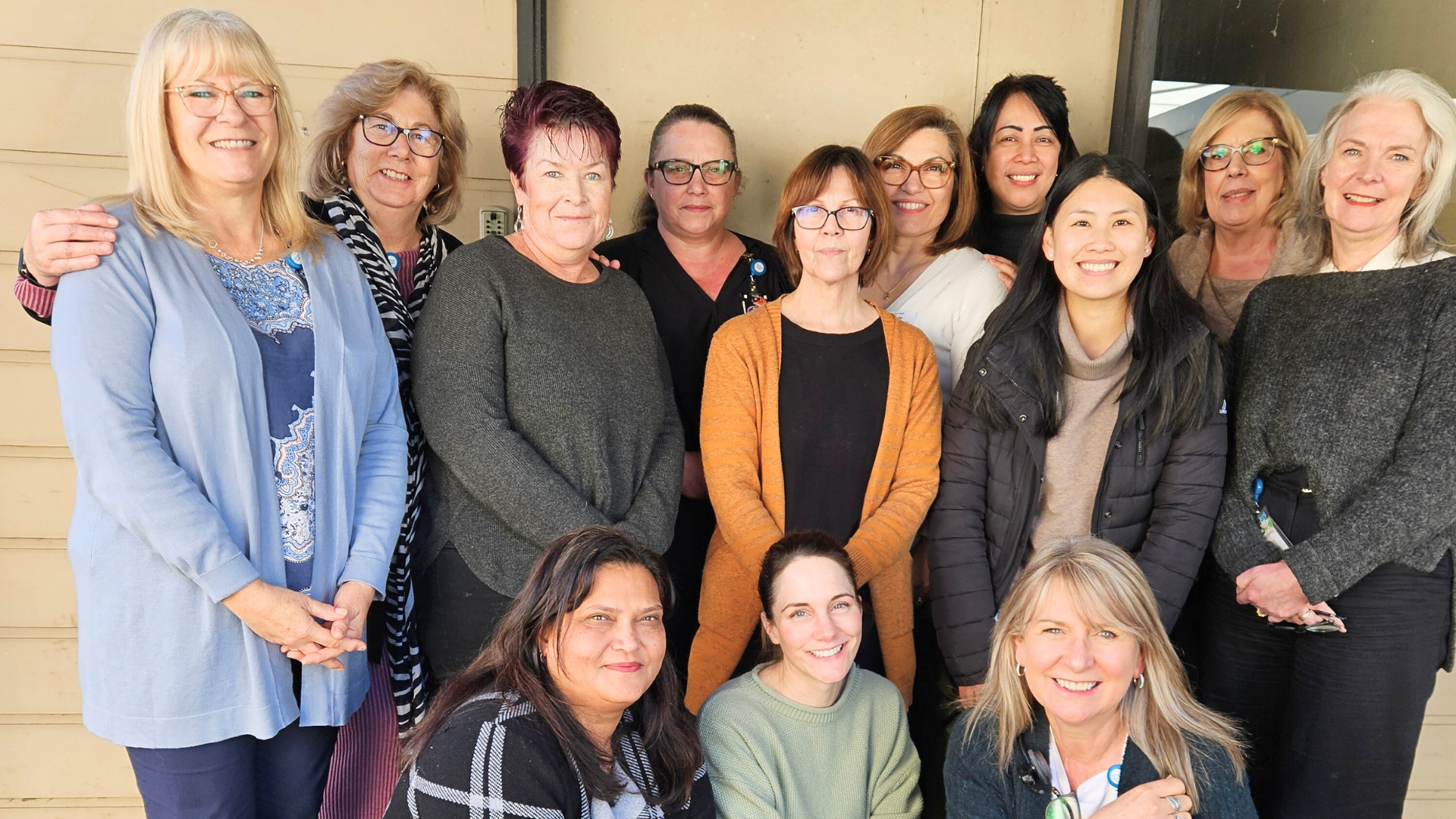
    Pictured in featured image: Northern Health Support at Home team. 

  • Stroke Week: We are Northern Stroke Nurses

    Stroke Week: We are Northern Stroke Nurses

    National Stroke Week is here again, and this year we’re viewing it through the lens of our dedicated Northern Stroke Nurses – the frontline champions who bring their expertise and compassion to stroke care every day.

    “Ensuring that our patients and their relatives know the FAST signs is a fundamental part of stroke nursing care,” says Bonnie Zhao (ANUM), one of five Ward 21 nurses currently undertaking postgraduate studies in neurology.

    “A stroke is always a medical emergency, and getting to hospital quickly gives people the best possible chance of accessing the right treatments and making a good recovery.”

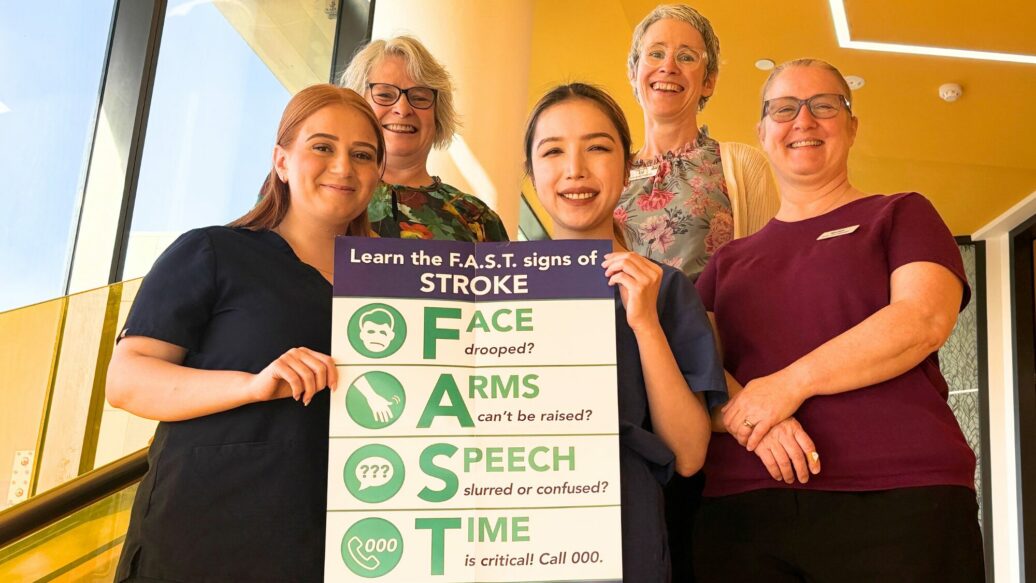
    The Stroke Foundation continues to raise awareness of the F.A.S.T. test – a simple way to remember the most common signs of stroke:

    • Face – Check their face. Has their mouth drooped?
    • Arms – Can they lift both arms?
    • Speech – Is their speech slurred? Do they understand you?
    • Time – Time is critical. If you see any of these signs, call 000 immediately.

    “Working on a stroke ward, I see first-hand the consequences of people taking too long to call 000,” says Ward 21 NUM Nadine Stowell. “I make sure all my family know the FAST signs and understand the urgency.”

    Stroke remains one of the leading causes of death and disability in Australia. The pillars of effective stroke care include rapid hospital access, multidisciplinary team assessments, and specialised stroke unit care—all of which are driven by the skill and dedication of our nursing team.

    “This Stroke Week is a great time to acknowledge the incredible enthusiasm and commitment of the Ward 21 nursing staff, led by NUMs Nadine Stowell and Erin Behan,” says Head of Neurology, Dr Doug Crompton.

    “Their work in developing stroke and neurology expertise has enabled the opening of our Neurology HDU, ensuring our patients receive the best possible care. We’re especially proud of the number of nurses pursuing postgraduate study—it’s a testament to their passion and the strength of our team.”

    The Stroke Foundation website offers brochures and videos in English and other languages to help people learn about stroke and the FAST message. This week, we encourage everyone to take a moment to learn the signs—and thank the nurses who make stroke care possible.

    Featured image shows:

    Front: Bonnie Zhao (ANUM), Helen Hirmiz (CNS), Nadine Stowell (NUM)

    Back: Anne Rodda (NP), Liz Mackey (NP)