• Think Pink in October

    Think Pink in October

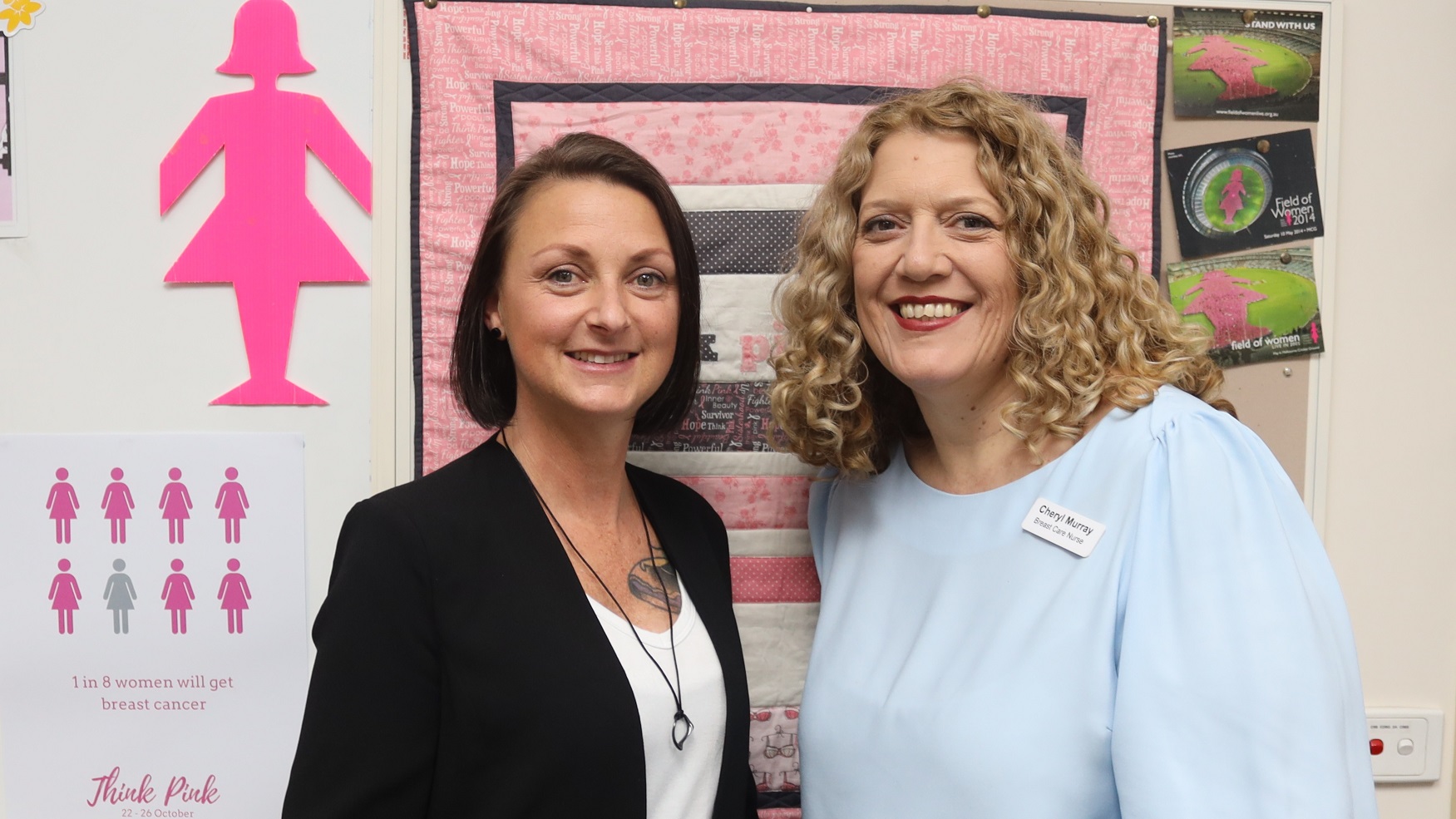
    Mother of two, Katrina Pirpinias, is one of many breast cancer survivors who is using the month of October to reflect on her experiences as part of Breast Cancer Awareness Month.

    Katrina was diagnosed in 2013 after noticing a lump in one of her breasts and biopsy results confirmed she had three cancerous lumps.

    “I must have had a blank look of my face. I was quiet and calm for about 40 seconds and then panic set in and I said, what are my kids going to do? My initial sadness was for my kids,” Katrina tell us.

    “After that I went straight off to Cheryl, the Northern Health Breast Care Nurse, and started my ‘journey’. That morning was spent discussing all the ways we could go with surgery and treatments,” she said.

    Katrina encourages women who have recently been diagnosed with breast cancer to just take a moment.

    “Don’t think of the worst case scenario straight away, just give yourself time to let it all sink in. Then listen to the advice and take it on board clearly and calmly,” she said.

    “Take a breath and slow down. Remember that everyone’s journey is different – someone else’s story is different to your story.”

    Breast Care Nurse, Cheryl Murray, said, “What you don’t usually hear are all the good stories – and the majority are the good stories. 91 per cent of women will survive breast cancer after five years.”

    “The moment you get diagnosed with cancer, you start to decondition but it’s important to keep routine – go to work if you are able, keep routine for the kids as that’s really important for them, keep busy and exercise,” Cheryl added.

    “I felt ordinary, but I still did normal things, I still went camping, still took the kids to school every day,” Katrina said.

    After losing her hair from chemotherapy treatment, Katrina said, “I was lucky because it was in winter so it didn’t really stand out but I didn’t like not having eyebrows or eyelashes – that made me look unwell.”

    “I remember my girlfriend cut my hair when the first clump came out and I wasn’t quite ready to let go of my hair,” she added.

    Six years later, following chemotherapy and a double mastectomy, Katrina has a new bill of health.

    Katrina’s story is one of many, as breast cancer remains the most common cancer among Australian women.

    The month of October is dedicated to focusing on the impact of those affected by breast cancer in our community, and raising awareness of early detection.

    “Breast cancer awareness is all about getting to know your breasts and what they feel like, and if there’s any changes, see your GP. While screening mammograms are primarily recommended for women aged 50-74, women aged 40-49 are welcome to have a free breast screening mammogram with BreastScreen Victoria every two years,” Cheryl said.

    “Early detection is such a massive factor for survival and Australia has one of the highest survival rates in the world, so we’re doing something right.”

    This Friday, in honour of Breast Cancer Awareness Month, we are holding a ‘Think Pink’ competition encouraging staff to wear pink in support. To enter, please take a photo of yourself in pink and email it to Northern Health Foundation for your chance to win a Hoyts gift card. The winner will be judged based on creativity, attention to detail and pink-ness!

    Northern Health Foundation are also currently fundraising for a new scalp cooling machine for our Craigieburn Oncology Unit. Scalp cooling machines help to preserve hair by cooling hair follicles so they are not as affected by chemotherapy, helping to retain hair and improve self esteem. Click here to donate today!

    For more information on breast health and awareness, click here.

    Featured Image (left to right): Katrina Pirpinias with Cheryl Murray 
  • Quarterly Staff Recognition Awards

    Quarterly Staff Recognition Awards

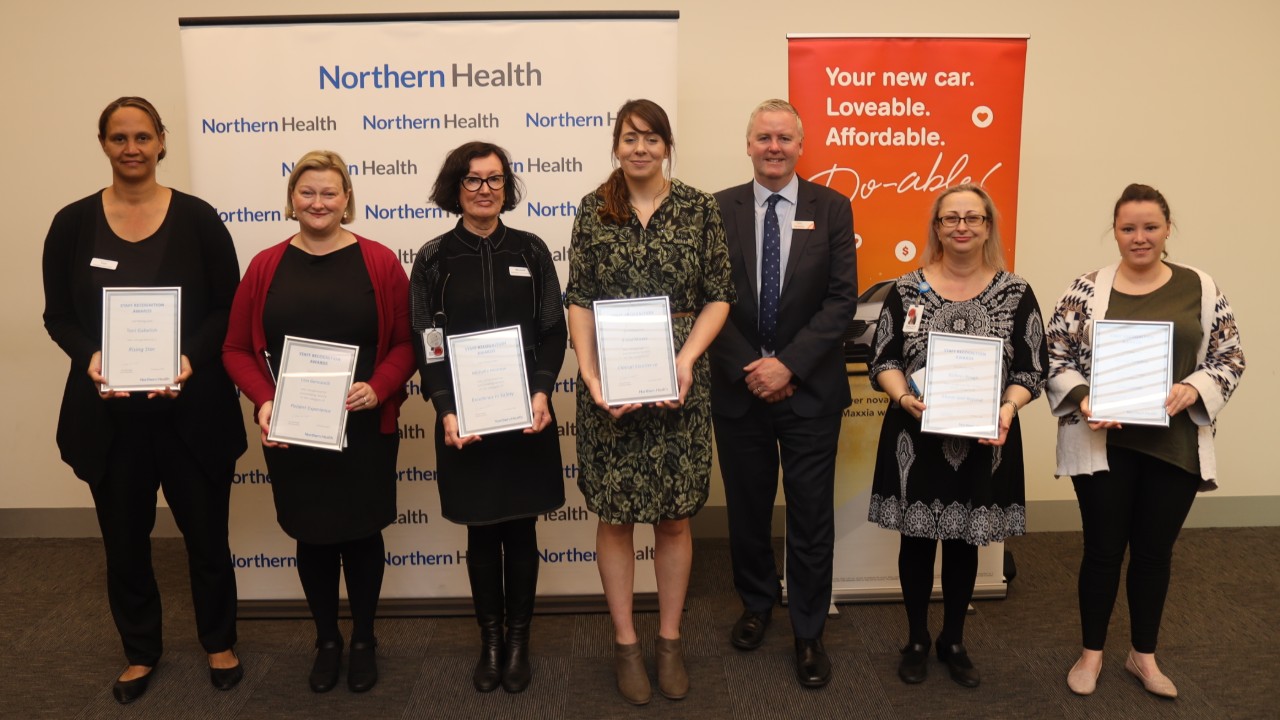
    The fourth and final ceremony for 2019 of our Staff Recognition Awards was held today, to formally recognise outstanding contributions by our employees and celebrate staff excellence.

    Siva Sivarajah, Northern Health Chief Executive, said we have over 5,000 staff who work across a wide range of areas and who are committed to providing great care.

    “We would like to recognise them for their hard work and dedication to our patients, staff and community. These are staff who exemplify a strong and positive workplace culture and commitment to our patients,” he said.

    The six categories and the winners are:

    Clinical Excellence: A clinician or clinical team generous with knowledge, who instils confidence in patients and colleagues, and achieves the best patient experience outcomes; And the winner is…Fiona Moate, Senior Clinician, Hand Therapy

    Patient Experience: An individual or team who has made a significant achievement in improving the care experience, including showing kindness and compassion towards a patient or their family; And the winner is…Lina Gencarelli, Specialist Clinics, Reception

    Excellence in Safety: An individual or team who has assisted in making Northern Health safer for patients, visitors or staff; And the winner is…Michelle Morrow, Nurse Unit Manager, Maternity

    Innovation: A team or individual who implemented a better way to deliver care or service through a new idea or initiative; And the winner is…Monica Dowling, ICU Liaison Nurse

    Above and Beyond: An individual who has gone above and beyond in providing care or support to a patient, family or work colleague; And the winner is… Kathryn Rough, Library Manager

    Rising Star: A staff member recognised as having great potential to grow and develop in their career at Northern Health; And the winner is… Toni Gabelish, Aboriginal Liaison Officer

    “Congratulations to all of our winners and thank you to our award sponsors – Maxxia and BankVic for your continued support,” Siva said.

    Sponsored by Maxxia and BankVic, our Quarterly Staff Recognition Awards have been designed to formally recognise outstanding contributions by our employees and celebrate staff excellence. To nominate a staff member, click here.

    Featured Image (left to right): Toni Gabelish; Lina Gencarelli; Michelle Morrow; Laurelle Bland (accepting the award on behalf of Fiona Moate); Tim Bond from Maxxia; Kathryn Rough; Bridget Walters (accepting the award on behalf of Monica Dowling).

  • Restart a Heart Day 2019

    Restart a Heart Day 2019

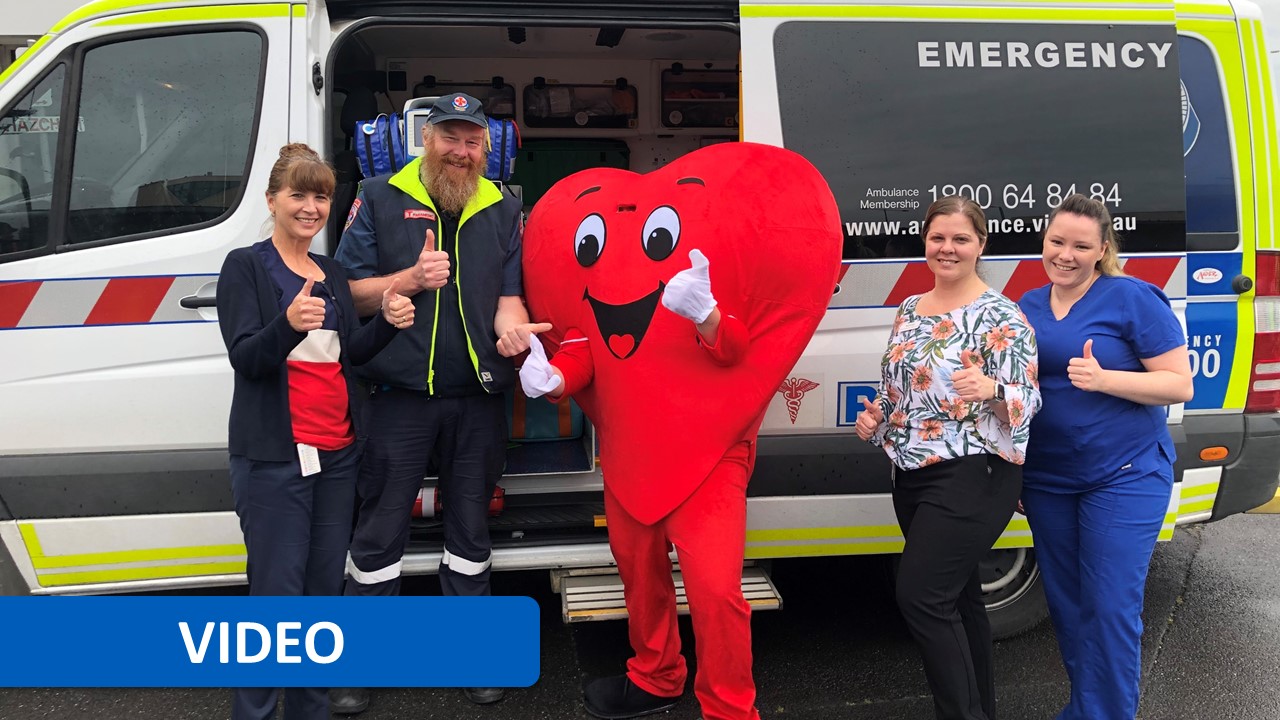
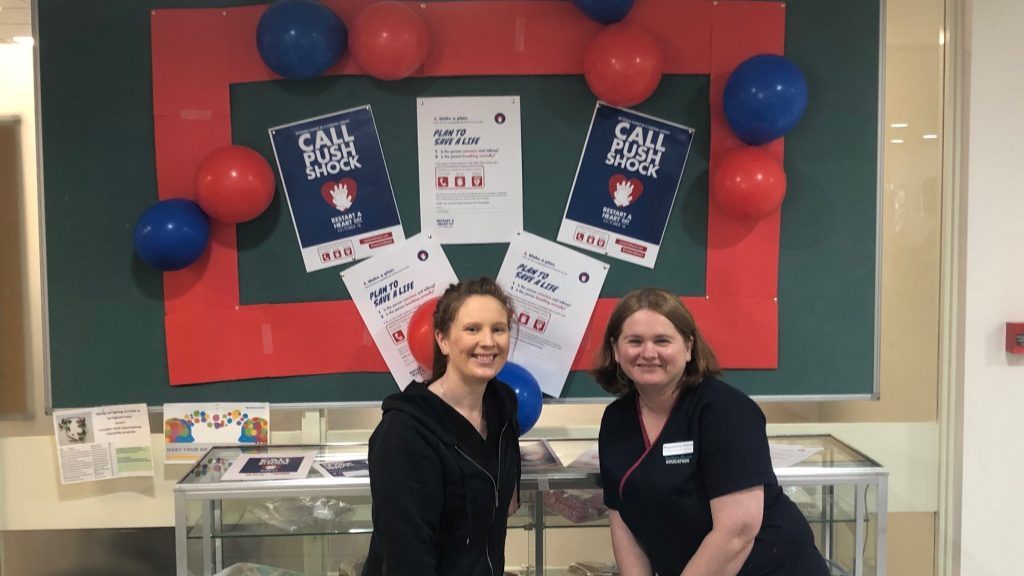
    On Wednesday, Northern Health celebrated World Restart a Heart Day and invited the community to get involved.

    Restart a Heart Day is a global initiative to raise awareness and education of CPR in the community to help save more lives.

    23,000 Australians suffer a cardiac arrest every year. That’s 63 people every day, but only one in 10 survive.

    Would you know what to do if someone you know suffers a cardiac arrest?

    As a bystander, if you know how to perform CPR, you can help to improve survival rates whilst waiting for emergency services to arrive.

    Clinical Deterioration and Resuscitation Coordinator, Narkitaa Van Ekeren said, “Families often express regret for not knowing how to perform effective CPR on a loved one following a cardiac arrest.”

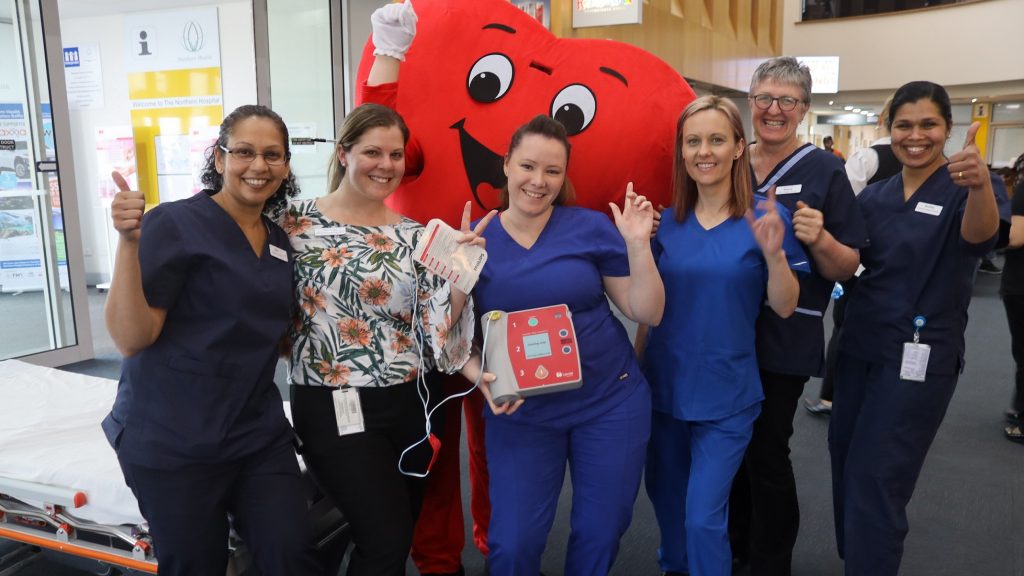
    To help empower the community, our staff provided hands on education and training to the general public at Northern Hospital, Broadmeadows Hospital and Bundoora Centre, teaching them how to perform CPR and how to use an AED (automated external defibrillator).

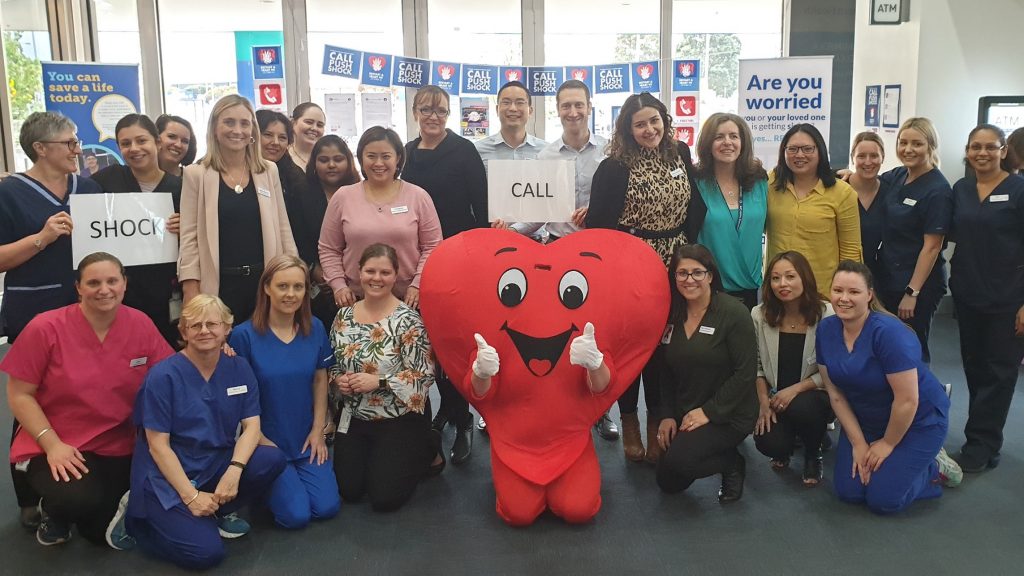
    A flash mob dance also thrilled patients, visitors and staff in the Northern Hospital foyer, which was performed to demonstrate the correct rhythm of CPR – using the beat of the music.

    The flash mob included an array of clinical and non clinical staff – nurses, doctors, administration and executive staff took part in the fun – as well as a giant dancing heart!

    Watch the flash mob video below!

    Learning to restart a heart through these three simple steps below could save the life of someone you know and love.

    1. Call 000

    If someone is unconscious and not breathing normally, call 000. The call taker will guide you through how to start CPR.

    1. Push – start CPR

    This is vital to provide circulating blood to the brain – anyone can perform CPR.

    1. Shock – connect a defibrillator (if available)

    Automated external defibrillator (AED) should be used if available. This checks the heart rhythm and will guide you through delivering a shock to restore the normal rhythm.

  • Debra Bourne: What were you doing in the 80’s?

    Debra Bourne: What were you doing in the 80’s?

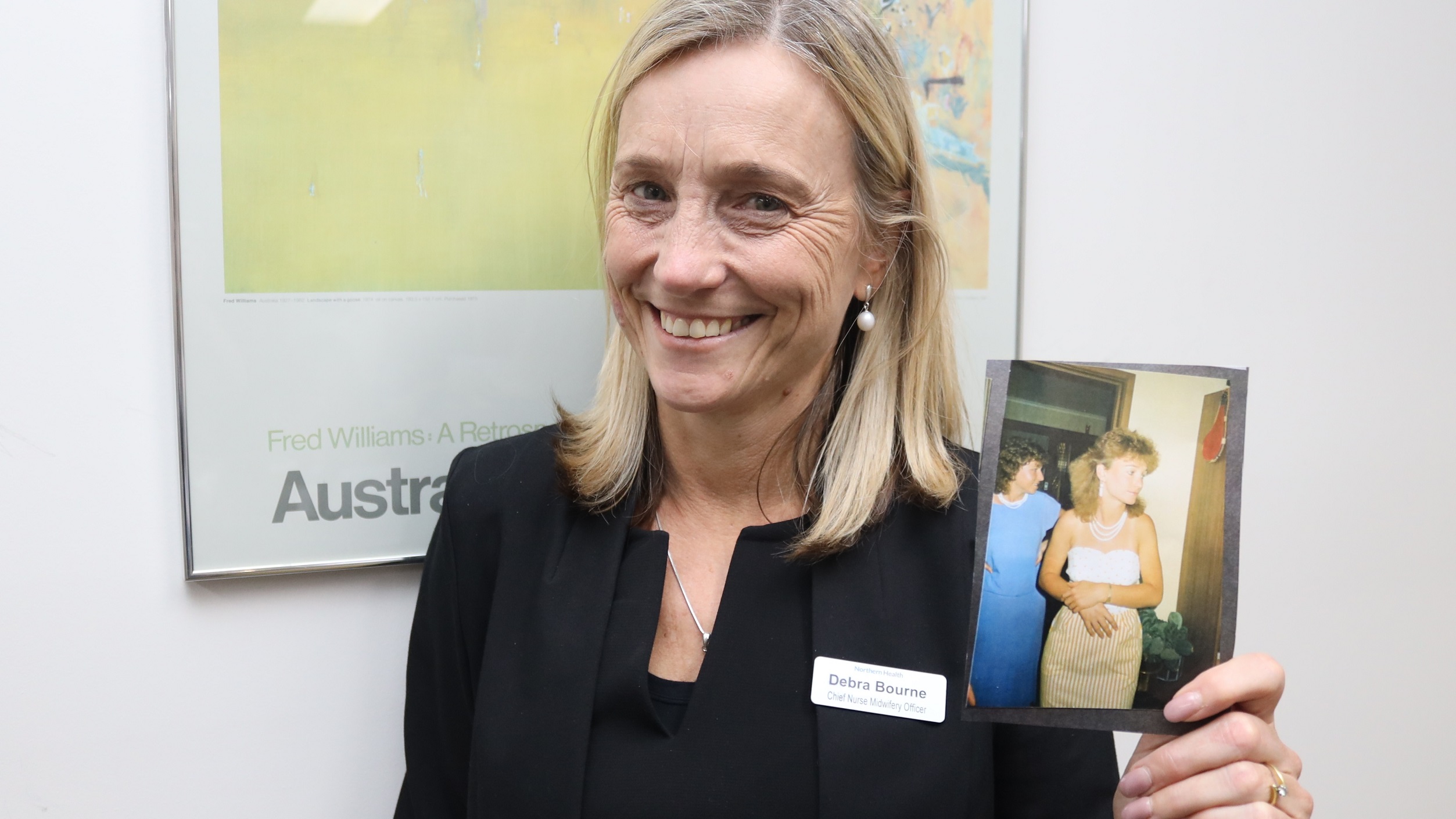
    In the lead up to this year’s 80’s themed Northern Health Foundation Dinner, we sat down with Chief Nursing and Midwifery Officer, Debra Bourne, to find out what she was doing in the 80’s! To purchase your tickets to the Dinner, please click here. 

    What were you doing in the 80’s?

    The 80’s was a time in which I was transitioning from high school to general nursing training at The Alfred Hospital – firstly as a student nurse then as a ‘Sister’ in the burns ward and then ICU. I remember my first day as a Sister…blue uniform and a big red cape…I was so proud to be wearing that cape. Moving into the nurses home in June 1984 was a significant event for me.

    At the age of 18 leaving home and moving into the nurses home with 50 other young women was momentous. Despite the midnight curfew at the nurses home, there was ample opportunity to enjoy new experiences that Prahran and inner city Melbourne brought.

    Tell us if you were travelling somewhere exciting. What made it so exciting?

    I went to Bali for the first time at the age of 19 with 20 other student nurses. This was my first trip ever overseas and Bali in the 80’s was very different to what Bali is like now. Too much sun, too little food and too much of the local drink taught me a very early lesson of the importance of looking after ones health. In 1988, I travelled around Europe for five months initially as part of a tour and then backpacking with little money and sleeping in parks when no cheap accommodation was found. My fondest memory of this time was renting a room in a small white washed house on Mykonos in Greece for three weeks at $10 a week.

    What’s your best memory from the 80’s? 

    My days in the nurses home. After 10 weeks of pre training school, we worked in the wards as a student nurse and would have up to 7 – 10 patients each. But after our shifts finished, the social life and the friendship with my nursing friends made for some great times.

    Did you go to any concerts or festivals? 

    Dire Straits came to Melbourne in the late 80’s….I had tickets for the stand-up area only and arrived 10 hours before the concert to get a place right down the front. I can clearly remember when they sang Romeo and Juliet and I think I shed a tear or two. Also, Australian Crawl at the Sidney Myer Music Bowl – we often went to the Myer Music Bowl for outdoor concerts.

    What were you listening to in the 80’s? 

    By far my favourite band was Crowded House…I had their first self-titled album which I played over and over again in the car. And weirdly my other favourite tape was the soundtrack to ‘The Man From Snowy River’.

    What was your favourite thing to do on a Friday/Saturday night?

    I was working shift work so Friday or Saturday was not often a set night…generally a night out was at one of the night clubs…the Chevron or the Butter Factory…or the local pub.

    What was the daggiest 80s outfit you wore? Do you have a photo?

    Yes…but I didn’t think I looked daggy at the time.

    Did you own a boom box?

    No, but had the cassette player with head phones which I thought was just so modern.

    Did you used to watch RAGE on Saturday mornings?

    Only occasionally…we had a shared TV room on each floor of the nurses home and therefore watched very little TV. What I  do remember was the wedding of Prince Charles and Lady Di…I was still at home then and our whole family sat around the TV to watch this.

    Was there anything that made your heart stop in the 80’s?

    I met my husband when I had just turned 19, I suppose we were both very young but he certainly made my heart stop.

  • Week Without Violence: Make a difference in the community

    Week Without Violence: Make a difference in the community

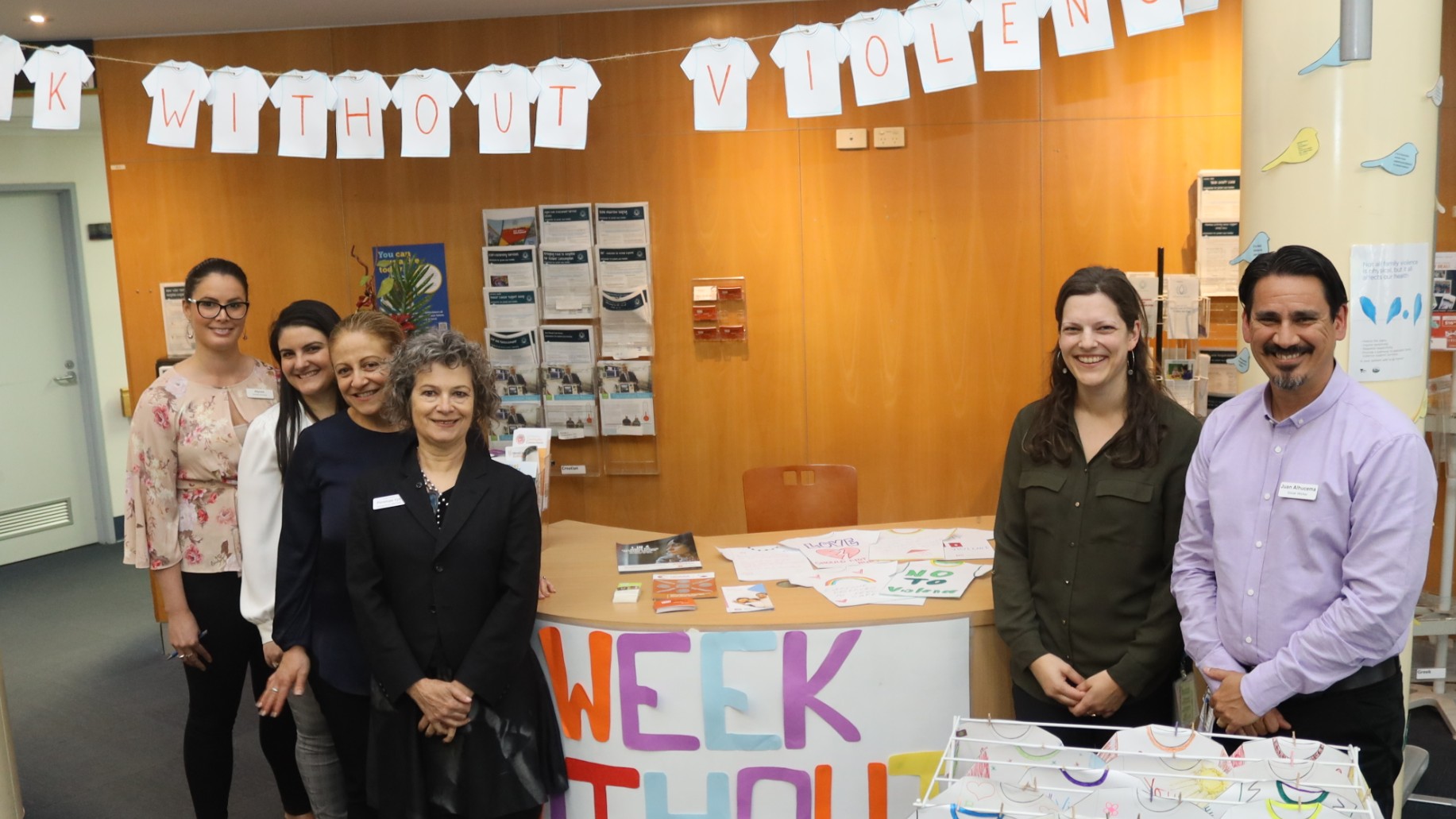
    This week at Northern Health we are marking Week Without Violence (WWV). WWV is a global campaign to end violence against women. WWV provides information on how to recognise and prevent violence, reach out to survivors, and make a difference in the community.

    Since 1999, the northern metropolitan region has had a proud history of participation in the WWV and this year marks the 20th Anniversary.

    Natasha Knapic, Project Officer Strengthening Hospital Response to Family Violence, says that almost 50 organisations in the northern metropolitan region are planning to run WWV activities this week, with the majority planning a Clothesline Project.

    The Clothesline Project is a popular WWV activity for women and their supporters to participate in.

    The Clothesline Project originated in Hyannis, Massachusetts in 1990 when members of Cape Cod’s Women’s Defense Agenda learned that during the same time 58,000 soldiers were killed in the Vietnam War, 51,000 U.S. women were killed by the men who claimed to love them.

    The mission of The Clothesline Project is to educate students and the community that violence is a problem everywhere, help is available and that there is hope and a path to healing.

    Natasha would like to remind us that one in six Australian women over the age of 15 has experienced physical or sexual violence and/or emotional abuse by an intimate partner and that family violence is serious, prevalent and preventable.

    The Clothesline Project is a stark reminder that domestic violence exists in our community – and gives voice to those who have been forcibly silenced.

    “Hopefully, it will also stir us to action,” adds Natasha.

    For more information on how you can support Week Without Violence click here.

  • Trudi’s High Tea at Mandalay Golf Course

    Trudi’s High Tea at Mandalay Golf Course

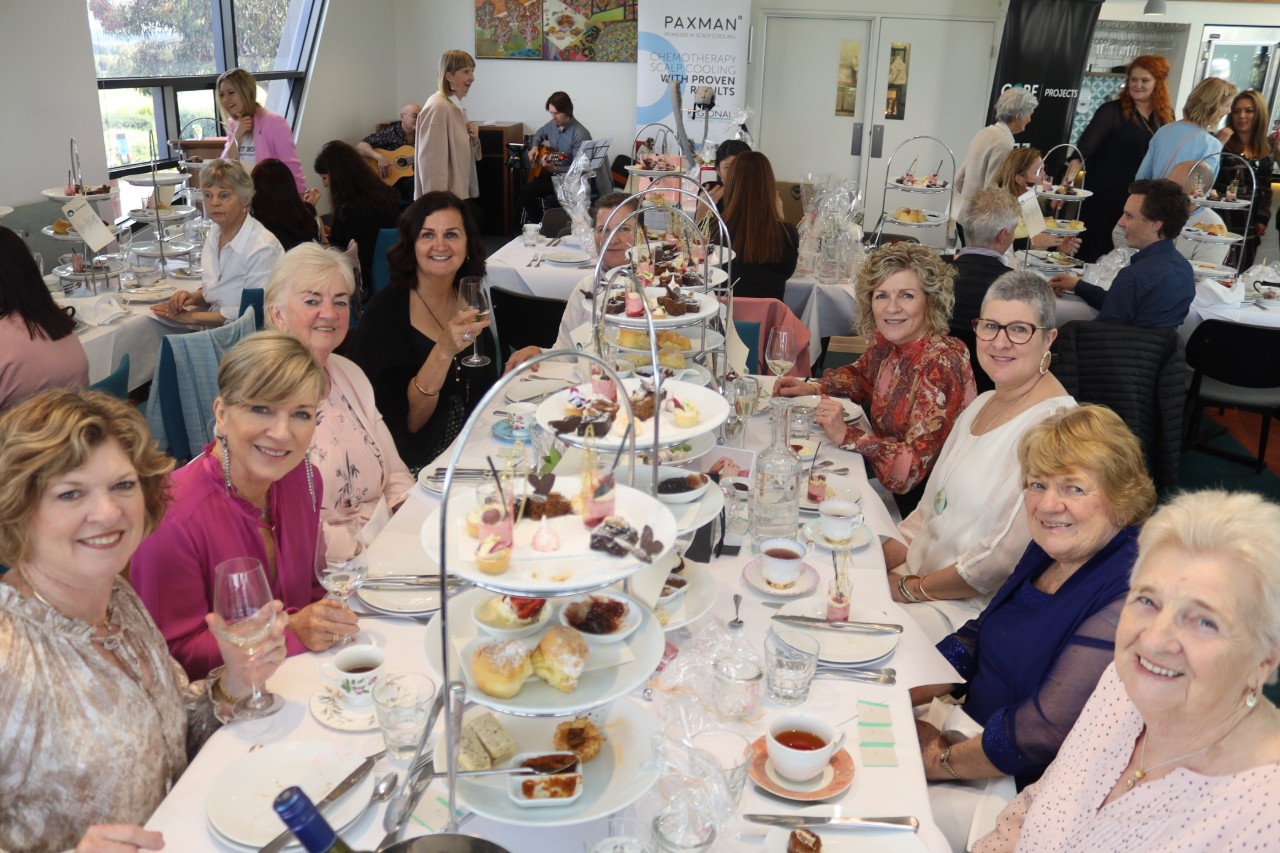
    It was a gorgeous sunny day at the green Mandalay Golf Club last Friday, where Trudi Hay held her Cancer High Tea, a fundraising event aimed to support the purchase of scalp cooling machines for Craigieburn Centre.

    Trudi is a Northern Health Foundation Board Member and has been a dedicated supporter of our cancer services for ten years.

    In an emotion-packed event, one of the guests, Shane Pope, shared a personal story of his wife’s breast cancer journey and how the scalp cooling machine helped her.

    “It was important for her not to lose all her hair, and it was then I realised how important these machines are for cancer patients,” he said.

    “Trudi is a wonderful supporter of Northern Health and, in particular, a champion in raising funds for our oncology services. We truly appreciate her energy and enthusiasm,” said Andrew Williamson, Executive Director Public Affairs and Foundation.

    Northern Hospital representatives, Linda Romano – Divisional Director Surgical Services, Ros Payne – Director of Nursing, Melissa Gwynne – Day Oncology Nurse Unit Manager and Samantha Soggee – Ward 3 Nurse Unit Manager, enjoyed the event and even won some prizes!

    “The afternoon was lovely. I was really humbled to be part of such a heartfelt cause, raising much needed funds to support our community during a very emotional and stressful time in many patients lives. The positive atmosphere within the room was wonderful and an event I am looking forward to attending again,” Linda said.

    Melissa added: “The High Tea was a great event as always – Trudi does an amazing job! The funds raised will be an incredible service improvement allowing us to purchase a scalp cooler for our Craigieburn patients receiving cancer treatment.”

    The High Tea sold out days in advance with more than 70 guests generously donating to the cause. The event, together with the generous donation from Core Projects, raised $10,000 for a new scalp cooling machine.

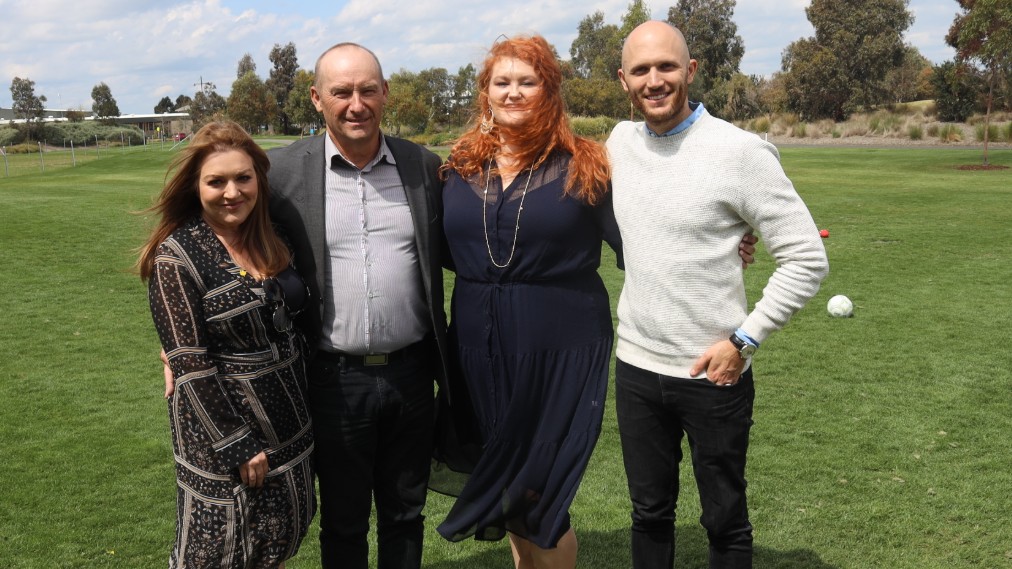
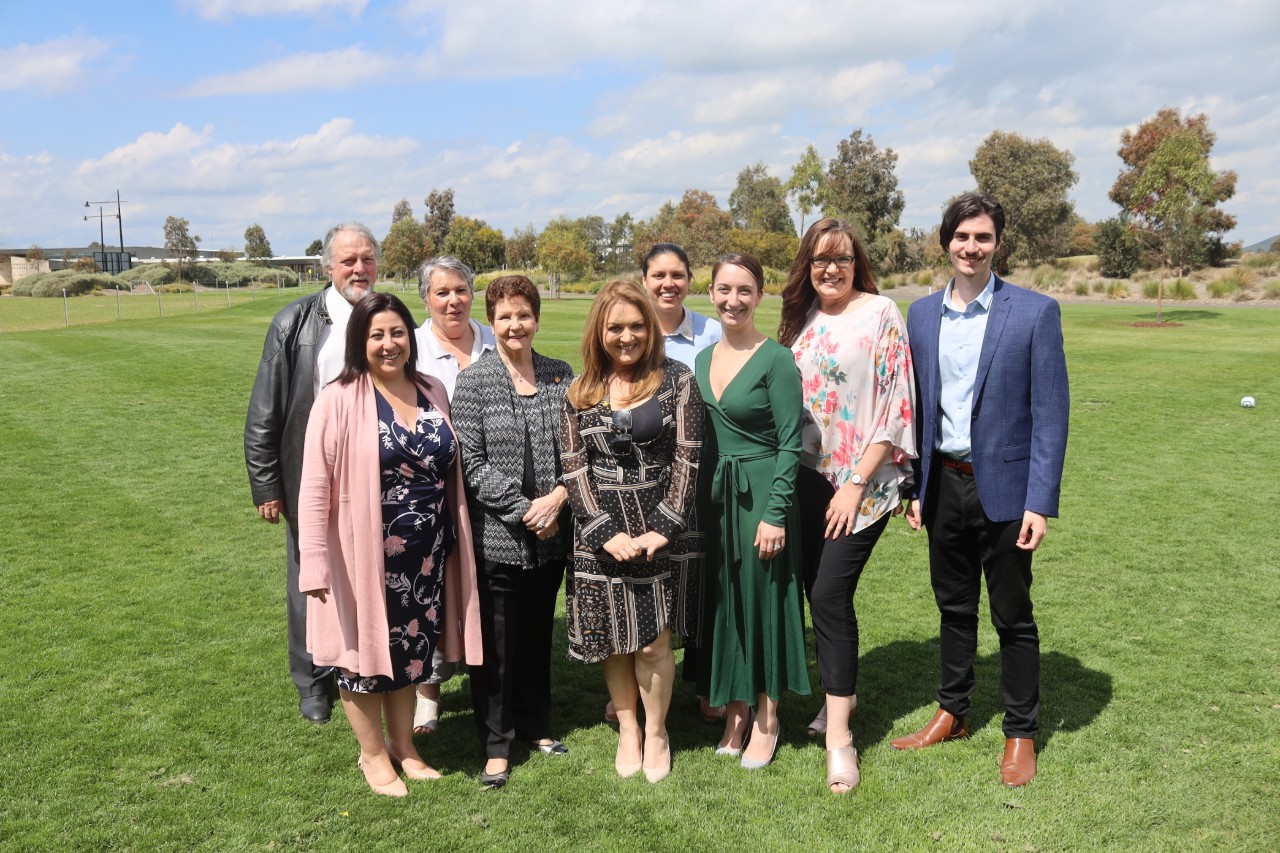
    Featured Image (left to right): Trudi Hay, Steve Hay, Nicki Hay and James Thomas from Core Projects

  • Happy International Allied Health Day

    Happy International Allied Health Day

    Today is the International Allied Health Professionals (AHP) Day, celebrated for the first time across Australia. This initiative started last year in the UK to celebrate the allied health professionals and the work they do.

    Kyrstie Worn, a young mother of four daughters, comes to Northern Health for allied health support and treatment for her youngest daughter, after she had a great experience with her second.

    Some of babies who present to Northern Health require ongoing support from the allied health team after they are discharged from the nursery. Northern Health provides allied health developmental follow up through our multidisciplinary feeding clinics (speech pathology and dietetics) and neurodevelopmental motor clinics (physiotherapy and occupational therapy). These clinics are also supported by our paediatric social worker who is able to provide psychosocial assessment and facilitate referral to community support services that can make the transition from hospital to home smoother.

    “Willow, my second daughter, was born at 28 weeks at Royal Women’s and then she came here, as that’s the hospital I wanted her to come to,” Kyrstie said.

    Willow was only 33 weeks old when she came to Northern Health with a feeding tube.

    Northern Hospital neonatal unit has a 20 cot Level V nursery that includes a team of dedicated allied health professionals who deliver multidisciplinary, developmentally supportive intervention.  The neonatal allied health team see all babies who are admitted to Northern Health’s neonatal unit born at less than or equal to 32 weeks gestation and/or born at less than or equal to 2000g.

    “She was an extremely premature infant and even though I could have gone to Sunshine Hospital which is closer to my home, I decided to bring her to Northern, because of my previous experience,” Kyrstie said.

    A couple of years later, Kyrstie gave birth to her fourth daughter.

    “I had my fourth girl, Sophia, at 24 weeks at Mercy. As soon as she was good enough to transfer, I brought her here.  The team here talked to me all the time and explained everything,” she said.

    Justine Slattery, Speech Pathologist says babies who are admitted to Neonatal Unit (NNU), particularly those who are born very premature, have an increased risk of difficulties across a range of developmental areas including feeding, growth, motor and communication skills.  Early input from neonatal trained allied health professionals can positively influence these babies developmental outcomes.

    “We have a developmental team here; a speech pathologist, dietitian, a physio and OT, and the team had worked with Kyrstie’s older daughter, Willow when she had feeding issues. Willow was discharged home with a feeding tube and attended the allied health feeding clinic for help with growth, nutrition and developing her feeding skills,” Justine said.

    Neonatal allied health professionals work together with families, medical and nursing staff to optimize each babies development while they are in the nursery through individualised cue based caregiving practices across feeding, positioning, sleep and handling.

    The developmental team also collaborate with nursing and medical teams to make sure that physical environment e.g. lighting, sound in the nursery promotes optimum neurodevelopment.

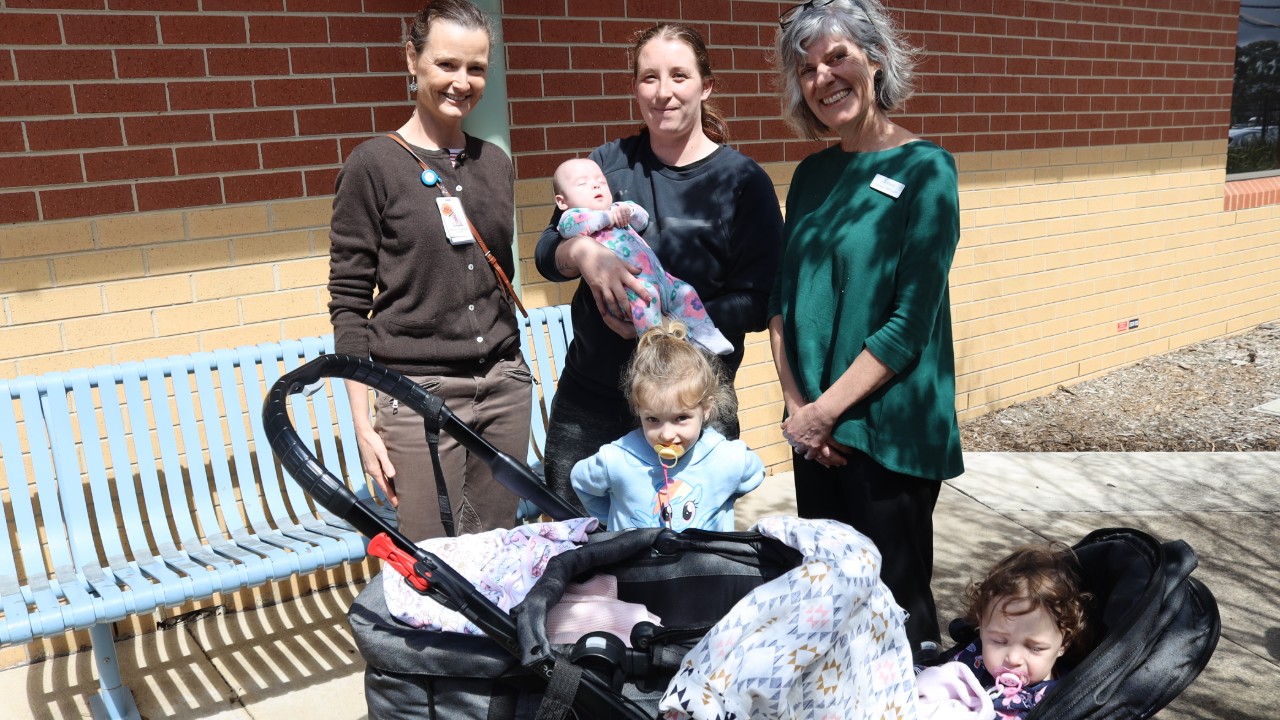
    Image: Kyrstie Worn, mother, with Willow (3.5 years old), Myah (18 months old), Sophia (2 months old) with our two members of our paediatric allied health team

  • Research Week 2019: It’s a wrap!

    Research Week 2019: It’s a wrap!

    Every year, Research Week at Northern Health showcases a range of local and innovative research projects and presentations from the best and the brightest of research leaders from around the world.

    Research Week underlines Northern Health’s commitment to support the creation and implementation of new knowledge that will improve the lives of people here in Melbourne’s north.

    Research Week 2019 ended today with a masterclass on ideation conducted by Johannes Mang, Chief Venture Officer from MedTech Actuator – Australia’s premier medtech commercialisation initiative. MedTech Actuator activates ideas from clinicians, researchers, staff and students through industry-led specialised entrepreneurship education and training programs.

    Dr John Ferguson, Chief Medical Officer at Northern Health, believes research provides an opportunity to progress current ‘best practice’ and to look to the future of health care and its evolution.

    “It helps in keeping us always looking at what can be done better and that inquisitiveness is vital to keep progressing,” says John.

    He saw Research Week as a great opportunity to showcase what is happening here at Northern and to educate, stimulate and invigorate our people.

    “It is due recognition of much hard work and individual and collective vision(s) on how we can improve our care and services,” adds John.

    Molly Galea, Allied Health Education Lead, who keenly followed Research Week 2019 said:

    “At each session I picked up a few tips that have had an immediate impact on my work. It was a great chance to put my head up from the day-to-day, look around and notice the inspiring work my colleagues are doing. It’s important that we never stop learning. Research Week makes me look at my work through a new lens.”

    Molly also had this to say about the following sessions:

    Ideas Lab: I attended a quick intro on design thinking and immediately started thinking about how I can incorporate user-led design into developing our internal education sessions. I took really specific strategies that I can implement straight away.

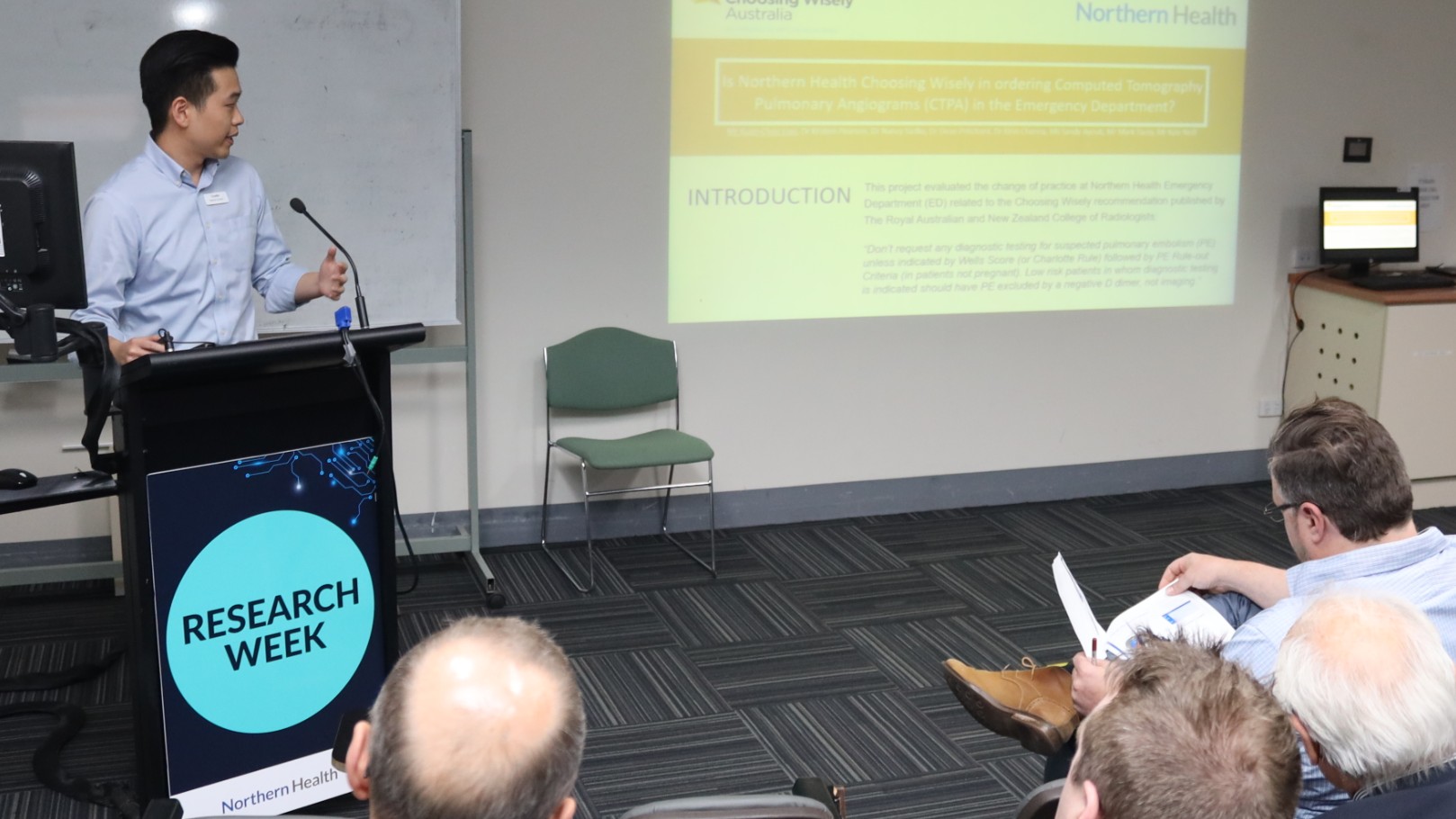
    Oral Presentations: I loved the breadth of these short papers. I felt privileged to be working with such a passionate bunch of health professionals who are working to improve our practice in so many areas.

    The Great Debate: A fun way to close the week. It hasn’t convinced me to give up being a vegetarian though, despite the popular vote!

    This year there were 44 poster and 18 oral presentations highlighting the quality of research activities occurring across the clinical spectrum.

    “The high calibre and quality of the posters demonstrated a real maturity and depth of knowledge from both nursing, medical and allied health staff,” says Chief Nursing and Midwifery Officer, Deb Bourne.

    She went on to say:

    “Research Week has again proven to be one of the highlights of the year for me. The guest speakers were all interesting and added value and knowledge to Northern Health. The research team needs to be congratulated for all the hard work and effort they put in to produce a truly worthwhile event for Northern Health.”