• Infection Prevention: Clean hands against the virus

    Infection Prevention: Clean hands against the virus

    With the COVID-19 pandemic, Northern Health’s Infection Prevention team is working overtime to keep the hospital clean and safe for both our patients and our staff.

    Infection prevention is also a key part of the the COVID-19 Incident Management team meeting.

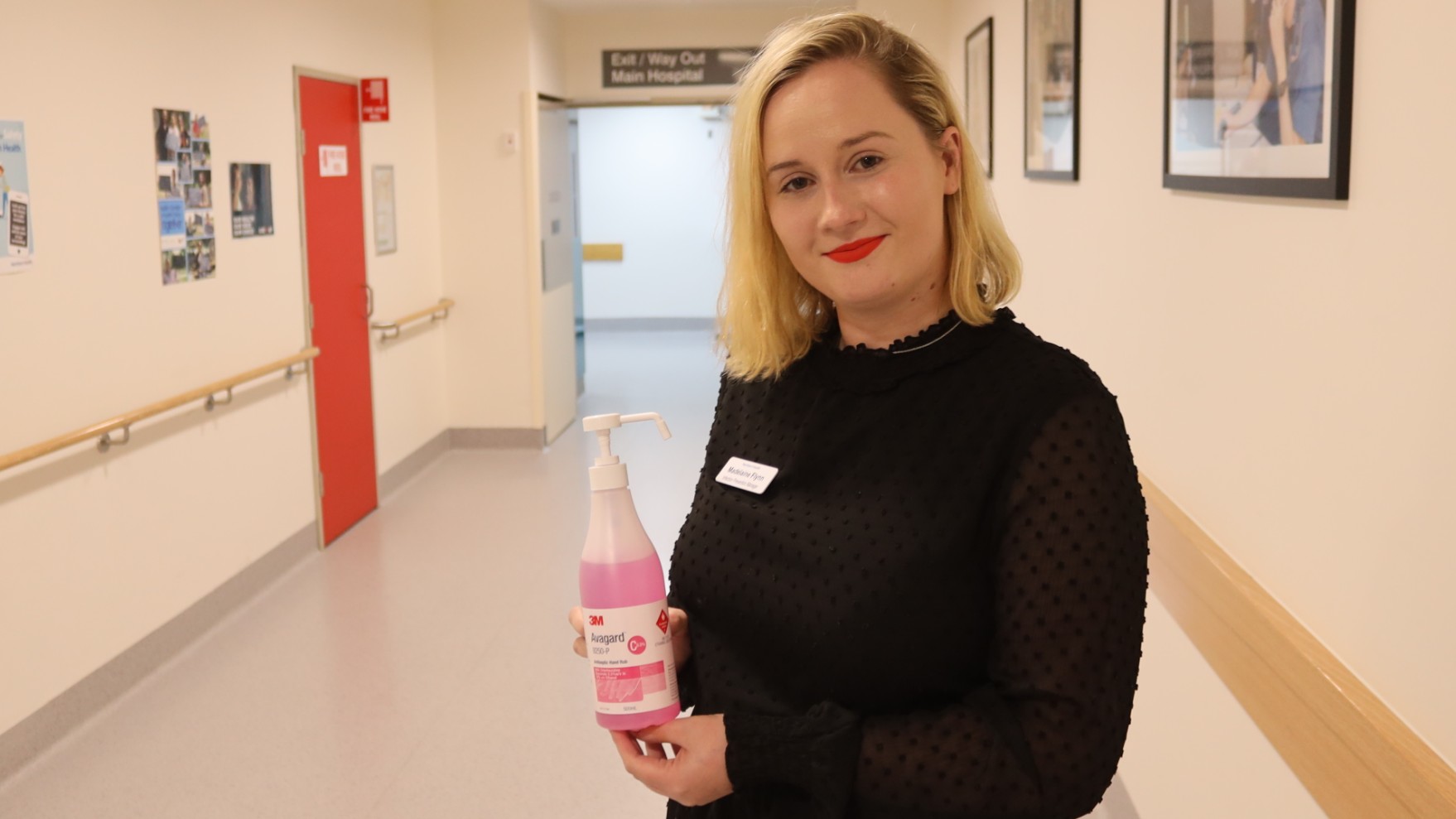
    “We catch up every morning – twice in the morning and once in the afternoon to keep up to date with the definitions, criteria and information from the news and the community”, said Madelaine Flynn, Infection Prevention Manager.

    The key role the team is playing is educating staff in infection prevention principles, PPE application and removal, hand hygiene, cough etiquette and providing support to staff at all levels and in all areas.

    “The situation is changing every day. When the outbreak began most of the questions from staff were around what the virus looks like from a clinical perspective. Now, it has moved towards PPE application and general uncertainty around what is going to happen in the next couple of days and months,” she explained.

    The message the infection prevention team has for our staff is that the hospital is doing everything we can to protect staff and patients during this time.

    “We do infection prevention every day, 365 days a year. Usually we do a lot more surveillance, proactive work around creating education packages and making sure we are meeting our KPIs for surgical site infections. At the moment, it’s more about being out there and reassuring staff about how to best prepare for COVID-19. We are busy on an average day, but we are extra busy at the moment,” Madelaine said.

    The team has dealt with major outbreaks before – such as SARS, MERS and Ebola. Those were world-wide pandemics, but not to the scale of this one.

    “COVID-19 is now affecting all countries, while SARS and MERS were in certain pockets of the world. Though there wasn’t a volume of patients affected that we are now seeing with COVID-19, we are confident in our team and we have the knowledge and experience to best advise on the infection prevention practices,” Madelaine said.

    In a high-stress environment, Madelaine recognises the importance of having a quiet moment to stop and reflect. She de-stresses by trying to get some fresh air, going to the rooftop and trying to breathe and meditate.

    “It’s helping and making me stop and live in the moment, and just allows to reflect on what happened during the day and what tomorrow will look like,” she said.

    If there is one thing staff need to know, Madelaine said that would be “hand hygiene – hand hygiene – hand hygiene!”

    “We do hand hygiene since health care started, but this is just reiterated that if we are cleaning our hands, we are keeping everybody safe. Effective and consistent hand hygiene in line with the five moments of hand hygiene is critical with any infection,” she added.

    “Make sure you do your hand hygiene, wear your PPE appropriately and even stop and take a second before you put your PPE on or take off and have a look at the process. Our priority is keeping you safe in this situation”.
  • Engineering and Security Services: Preparation is the key

    Engineering and Security Services: Preparation is the key

    When COVID-19 first started to hit overseas around five weeks ago, Colin Woodward, Director of Engineering, and his team were observant of it and started to do their planning.

    “There was just something in the back of my head that said – prepare,” said Colin.

    As soon as the numbers started rising and the virus began to impact Australia and Victoria, the team did some further planning and manipulation of the structures to ensure that the health service had fresh air intakes and air changes through the buildings.

    “When the Executive required these things to happen, they already were done. We are making sure our environment is well maintained and sustained,” Colin said.

    Earlier this week, with the rise of numbers and concerns, the Engineering team initiated the further plan, having team members at dedicated campuses stay at those campuses.

    “We have engineering team members across all campuses who now stay there and report daily on any issues, with Craigieburn Centre having an engineering team member present from Monday,” he explained.

    Additionally, the team has split into Team A and Team B, with Team A working from 8 am to 4.30 pm and Team B working from 3.30 pm until midnight.

    “This system gives us better coverage. Part of that master planning is that that the engineering team will now go into clinical spaces only if there is a major requirement. The team is now working hard to ensure everything in our environment is working – from lighting, power, air conditioning, medical air, gases and everything that supports the environment is maintained,” he said.

    The team also helped come up with a solution around having an external triage area in front of the Emergency Department (ED).

    “We have two containers which will be used in front of the ED as a dedicated triage space and that will help control the environment,” Colin explained.

    Colin and his team are used to solving urgent issues and dealing with crises, always staying mission focused.

    “It can be a burst water main inside a theatre complex or something similar, we always need to be prepared for the worst-case scenario, and multiple cases of these,” he said.

    “I would like our health service to know that our engineering teams across all campuses  are working hard and long hours to make sure their environment is the best it can be to overcome the crisis. Prior preparation prevents poor performance,” he added.

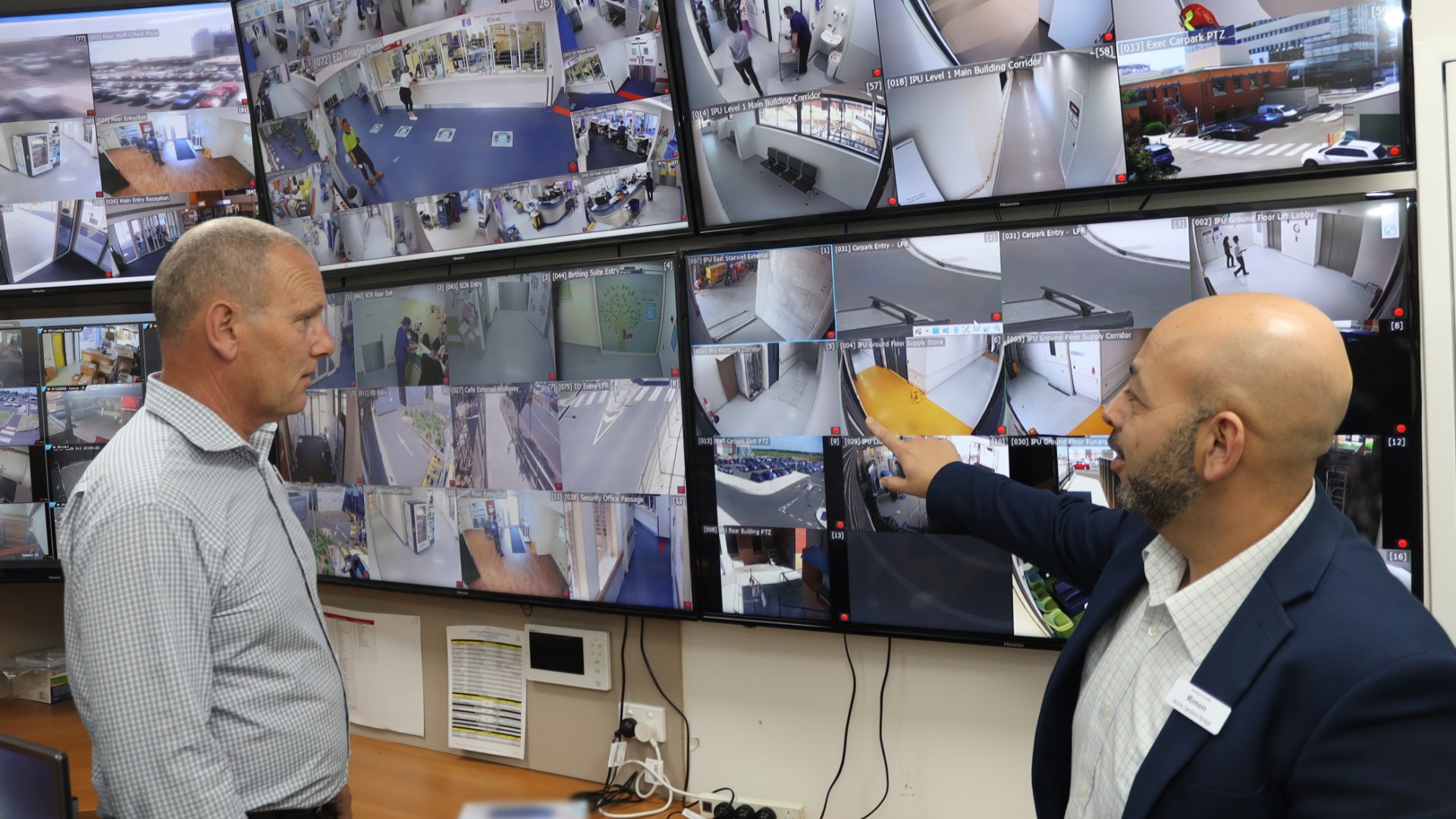
    Rimon Hannania, Security Operations Manager, said that the security team is dealing with increased workload, and their day-to-day challenges have changed.

    “Some things have changed – we are for example noticing incidents of aggression going down. The staff now have an additional role to oversee the Personal Protective Equipment (PPE) and other equipment, making sure nothing is missing from the sites,” he explained.

    The internal controls at the hospital have been increased to prevent these steps. Additional security staff in the afternoon have been deployed to manage the Fever Clinic and ED entrance.

    “Additionally, some doors have been locked to better manage the staff movement and access. Our number one priority at this stage is PPE theft prevention. I would like to encourage everyone to report any suspicious behaviour at the hospital for further investigation,” Rimon added.

  • Northern Hospital the right tune for Martin Cox

    Northern Hospital the right tune for Martin Cox

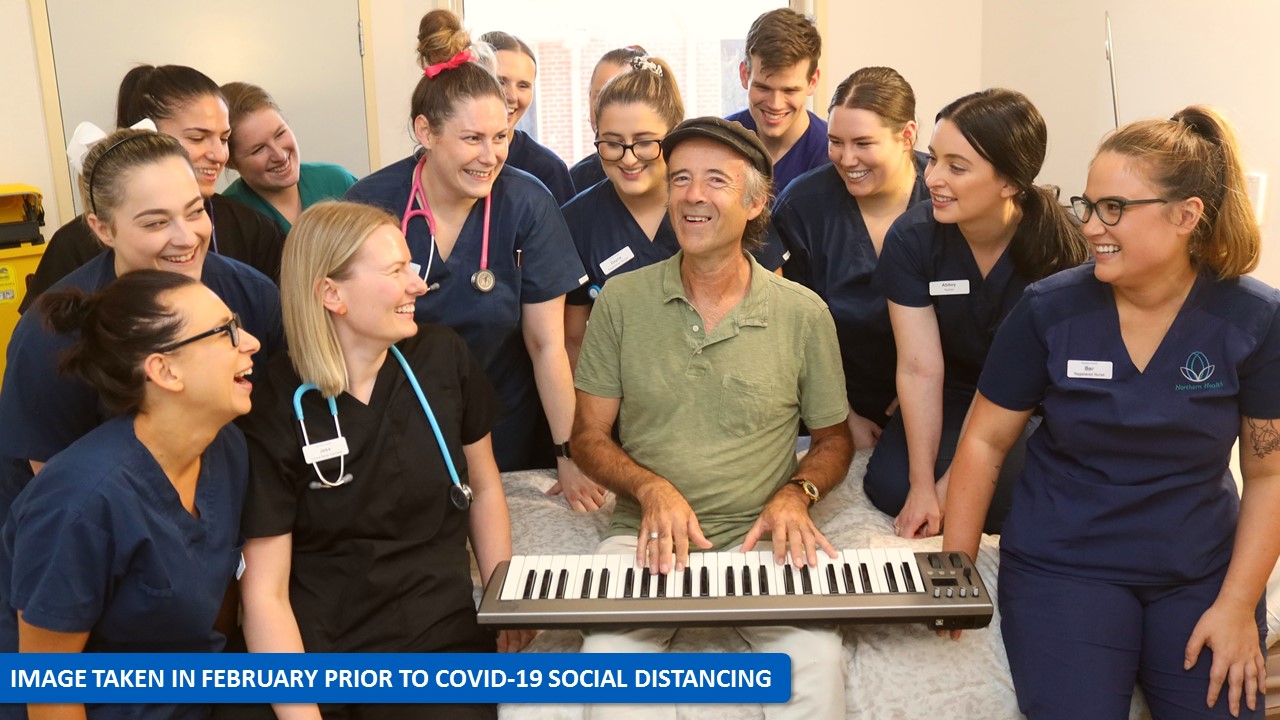
    Eltham local, Martin Cox, spent five weeks at Northern Hospital Epping and was so impressed by the amazing care he received that he decided to write a song about his experience.

    Martin arrived at Northern Hospital on 6 December 2019 following a ride-on mower accident where he had badly injured his foot and required surgery.

    Throughout his hospital stay, Martin was cared for by many staff members in different departments, but spent the majority of his time on Ward 13.

    “When I came into the Emergency Department they were fabulous. They sat there patiently getting all the grass and mud out of my wounds because I had fallen into a dam. I then had an operation to debride the bone and after that they very nicely gave me my own room, as they knew I was going to be in for quite a while. Then all the fun began as they tried to work out what to do,” he said.

    “Three teams – plastics, orthopaedics and infectious diseases – were all involved. The first major thing was getting the flap done, so they took a chunk of my hip and put it on my heel, so after that it was just a question of waiting for the heel (for the flap) to see if it’s going to take.”

    “Once the blood was going properly, it was just waiting until I was good enough to go home – so I was in for about another three weeks after the operation and then got to go home!”

    When asked what inspired him to write a song about Northern Hospital, Martin said, “Just to say thank you to all of them because I was amazed at how professional and wonderful they all were.”

    “I didn’t know anything about this hospital before. From where I live, I would normally go to Austin or Box Hill, but they were on bypass at the time so they brought me here. It’s not that much further – and actually it’s easier to get to and easier to park so it worked out well.”

    “All of the staff were really good, and really funny – Stephen especially. Julia was really kind. I tried to put everybody’s name in the song but I apologise to the Emergency Department for not putting them in there, because they were great too.”

    Martin says he started writing the song while he was still in hospital which proved difficult at times as he tried to keep it a surprise for staff.

    “I got sprung a few times by one of the doctors and he asked, what are you singing? and I just said ‘oh just making stuff up’ – it was quite funny.”

    Martin tells us he has played all different types of music his whole life. “I used to write songs and now I teach. I teach from home and I used to teach at a school in Fitzroy.”

    “I play and teach all woodwind instruments – saxophone, flute, clarinet, oboe and piano – a bit of guitar, bit of drums – all at very different levels,” he says.

    “I used to teach in country schools so I ended up learning a lot of different instruments, basically because you’re the only one there. So I play the guitar but not very well – just have a bit of fun with it. My main instrument is piano. So, now I just teach and write songs – silly songs about doctors! Stephen said it’s the best present he’s ever received!”

    “Again thanks so much for all you and the others did for me, I was simply amazed at the level of care, professionalism and amazing expertise involved in my treatment.”

    Listen below to hear the wonderful ‘Northern Hospital Song’.

    (Please note featured image was taken on 17 February 2020) 

  • Get to know…Robyn Johnson

    Get to know…Robyn Johnson

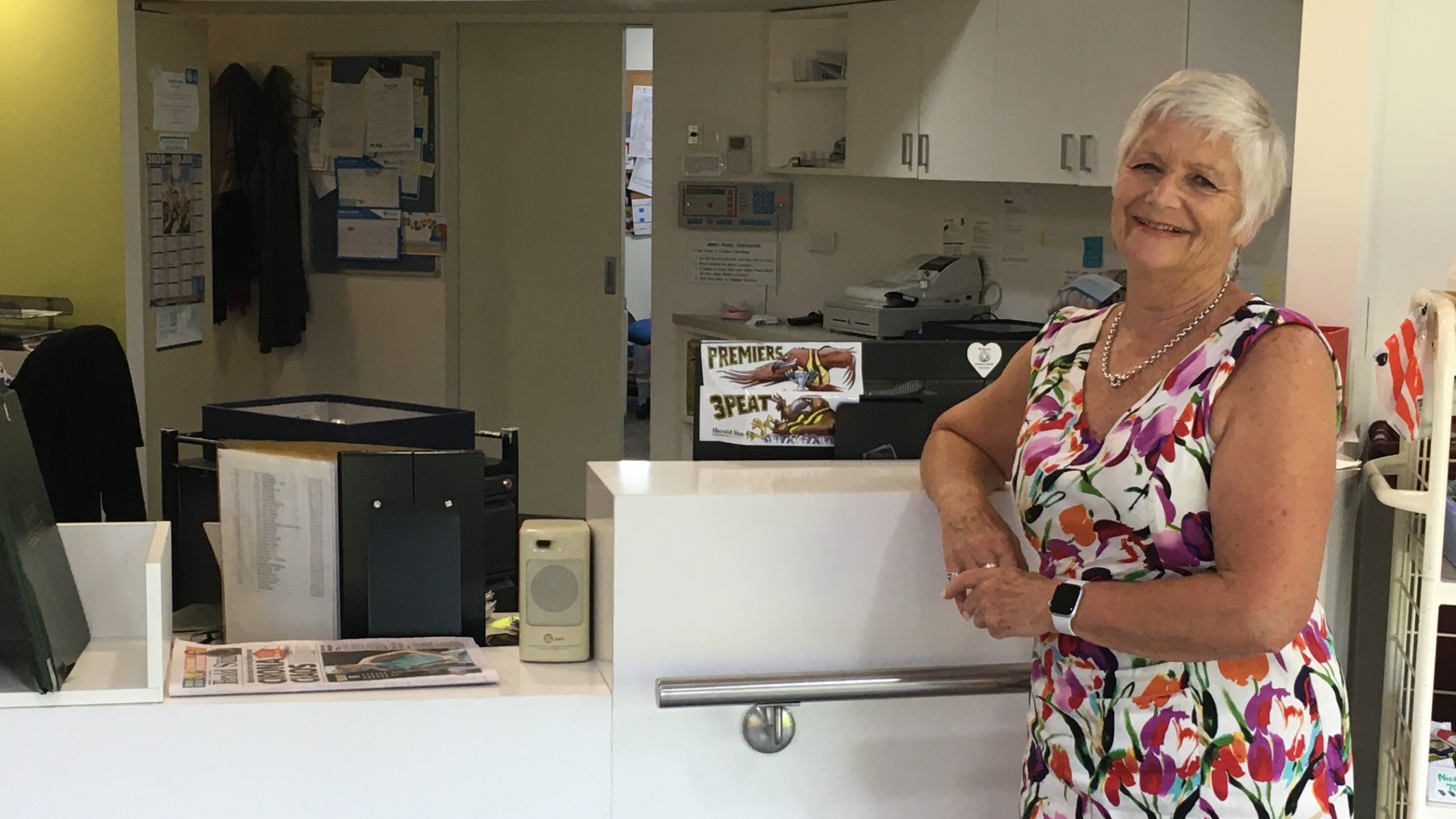
    In this month’s Get to know: Q&A with…we catch up with Robyn Johnson, Reception Services Manager at Bundoora Centre.

    • What is your coffee order?

    I very rarely buy coffee, but when I do it’s a skinny latte.

    • What does a typical work day look for you?

    I’m up with the birds early to start work at 7.30 am, and although my day is predictable with some tasks, working on the front desk always throws up curly questions and mysteries to solve.

    Although my primary responsibility is to answer the calls into the switchboard, this can often be like playing detective. As a lot of our callers often ring without knowing who they wish to speak to, or what program or service they require, it takes quite some time and a lot of patience to be able to actually direct the caller to the correct person or area.

    As a lot of our callers are older and have difficulty with technology, this can be a real challenge. The visitors also require lots of help, often only knowing a patient’s first name and where they live. I am always happy to see our patients get to the right person quickly and I am glad I can help the Bundoora community that way.

    The staff are also our customers, and I like to help them as much as possible in accessing cars to do home visits and generally just making life easier for them to provide their service to our patient’s and their families. When I finish my shift at 3 pm, I usually then head off to visit my Mum, go to the gym etc. and finish the day watching mindless TV or ABC/SBS on demand.

    • Tell us about your Northern Health journey.

    It started a while ago now, before Northern Health or any other network existed! I was a return to work single mum and through a ‘friend’ of a ‘friend’ was offered a casual position on the BECC switchboard/reception. I was terrified when I started as all I knew of switchboards was from the movies and it all looked a bit scary to me.

    But I survived and soon was offered the role of Manager, which I was very grateful for the regular wage. A couple of years after, I started helping the Admitting Officer and Geriatrician with bed management and eventually I was responsible for this with consultation with the doctors.

    I did this for about eight years and worked with some amazing Registrars who I saw ‘grow up’ and become wonderful Geriatricians, and as well  I built up good professional and social relationships with the discharge planning coordinators at Northern Hospital. From then my role has continued to change and grow, and I have had my finger in a few pies, including a stint covering DVA Liaison. Currently, I sit on the OH&S Committee, am a member of the Emergency Response Team and sit on the Emergency Management Committee and now I also assist with the day to day support services delivery.

    This year will be my 25th Anniversary of working at Bundoora Centre, which is amazing as when I started I couldn’t even see myself as reaching any long service leave.

    • Can you tell us a bit about your career before starting at Northern?

    I was a stay at home mum for quite some time surviving being a mother of four with a husband who worked long hours, and children who were very active after school and at weekends. Before that I worked at the Austin, mostly in the Spinal Unit, Paraquad Association and prior to that my graduate year at Bendigo Base Hospital.

    • What is your greatest achievement or favourite memory since working here?

    The fact that I’m still here is an achievement in many different ways , and also the team I work in still has original members and we are very supportive. Some of our BECC Christmas and retirement parties used to be good fun but unfortunately I started soon after the demise of the Friday afternoon happy hour!

    • What are some things people don’t know about you?

    In my previous life I was a Physio. I mostly worked at the Austin in the Spinal Unit Gym which I really enjoyed.

    • What do you like to do after work?

    After work I like going to the gym, I’m working very hard on postponing the effects of ageing! When patients younger than myself started arriving at Bundoora Centre for the Falls Clinic, Dementia Clinic etc, I decided I’d better start being very serious about staying strong and fit. I also like to read, garden, quilt, go to the movies, football and spend time with friends, my kids and grandchildren.

    • Do you have a bucket list item? Something you would love to do?

    I would like to do more travelling around Australia, particularly in the Outback and hopefully when I eventually retire I would like to think that I could disappear off into the horizon in a 4WD campervan. In the meantime I would also like to go to India, Myanmar and Morocco.

    • How would you describe Northern Health in one sentence?

    Northern Health reminds me of a fast growing teenager – as soon as you buy them a pair of shoes they have outgrown them! It’s evolving and changing all the time.

    • Who would you nominate next for a staff profile and why?

    I would like to nominate John Davies from the Pastoral Care Team. John has had a typical Northern Health journey, but also has an interesting life outside of work. To me, he always seems so serene and calming, until that sense of humour escapes!

  • Pathology at the time of COVID-19: Heroes from the background

    Pathology at the time of COVID-19: Heroes from the background

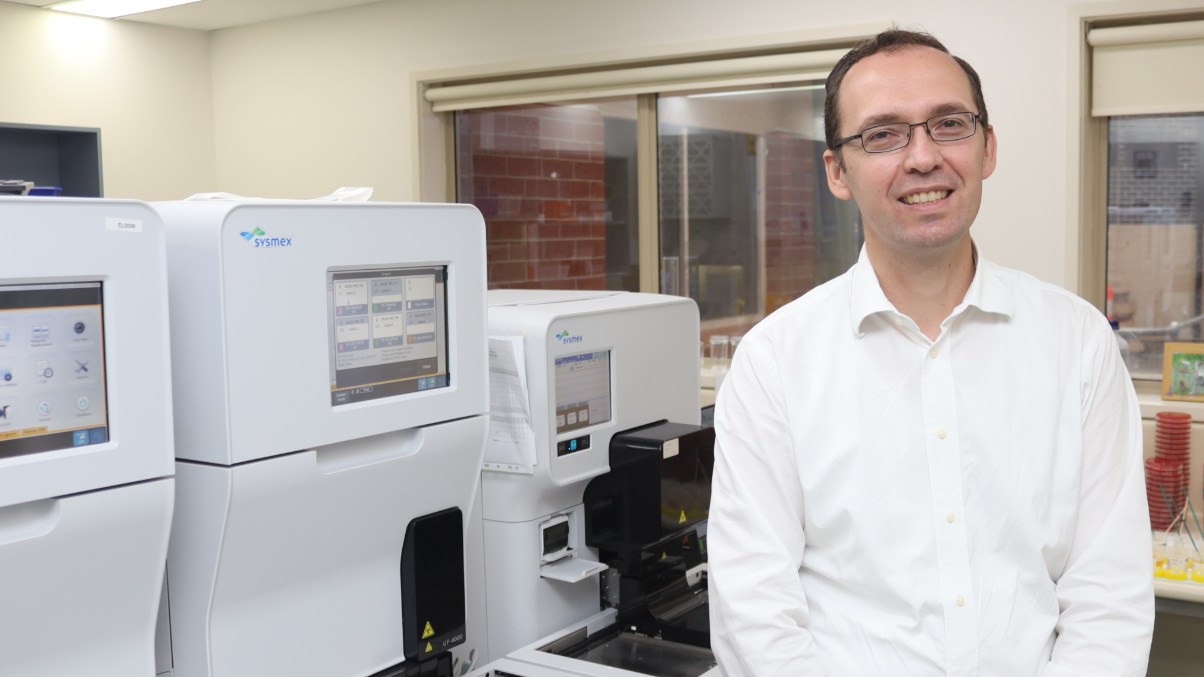
    Our Northern Pathology Victoria staff have been working hard since the COVID-19 outbreak, making sure all specimens are processed and delivered timely to the testing authorities.

    Sam Djukic, Pre-analytical Manager, explained that Pathology is picking up the specimens from the Fever Clinic, processing and forwarding to Victorian Infectious Diseases Reference Laboratory (VIDRL) for testing.

    “Then we have to send those samples away, which takes additional time. In between, we are wiping down the benches and that takes time as well for our staff,” he explained.

    Shiraz Lubke, Operations Manager, added on Sunday, we had 80 tests for COVID-19.

    “If you multiply that number by three minutes that it takes per test to do the data entry, it is clear how much of additional work has to be distributed among our current staff, as we don’t have any extra staff,” she said.

    Collection staff gather the samples Monday-Friday and, on the weekends, specimen collection picks up the specimens. That enables the Pathology team to get smaller batches through and get them to VIDRL quicker.

    “When it comes to COVID-19 testing, samples from health care workers and critically ill patients are coming back within 24 hours. It can be three days for other cases at this stage,” Shiraz said.

    The Pathology staff are also facing situations when they have to prioritise which tests to focus on first.

    “These specimens are a high priority. The pre-analytical staff have to prioritise what to do first. It’s putting extra pressure on the front-line staff,” she added.

    Both Shiraz and Sam see the role of Pathology as, “get the samples to VIDRL as quick as we can, get the results back as quick as we can, and stay calm”.

    “We are handling it well, we have risen to the challenge and our team at the front end is doing a magnificent job. We just need to stay calm, keep working together and realise that our bit is really important,” she added.

  • PSA’s on the frontline: Doing their bit

    PSA’s on the frontline: Doing their bit
    As Northern Health gears up to address COVID-19 (see our story here) the importance of team work has come into focus.

    As Dr Nancy Sadka, Emergency Physician said “The key thing staff can learn…is that we need to be prepared and to practice and communicate as a team.”

    The exercise highlighted some of the unsung heroes of our organisation, our Personal Service Assistants (PSA’s), and the key role they play as part of the front line team.

    The PSA’s play many roles, besides participating in emergency response teams. They also transfer patients, equipment, urgent bloods, mail, and medical records besides ensuring compliance to DHS Cleaning Standards for Victorian Public Health Facilities.

    Basil Ireland, Chief Financial Officer, said, “The PSA’s and cleaning workforce are critical to our day to day operations and in keeping the hospital clean and infection free for our patients, staff and families. This has never been more apparent than in the current circumstances.”

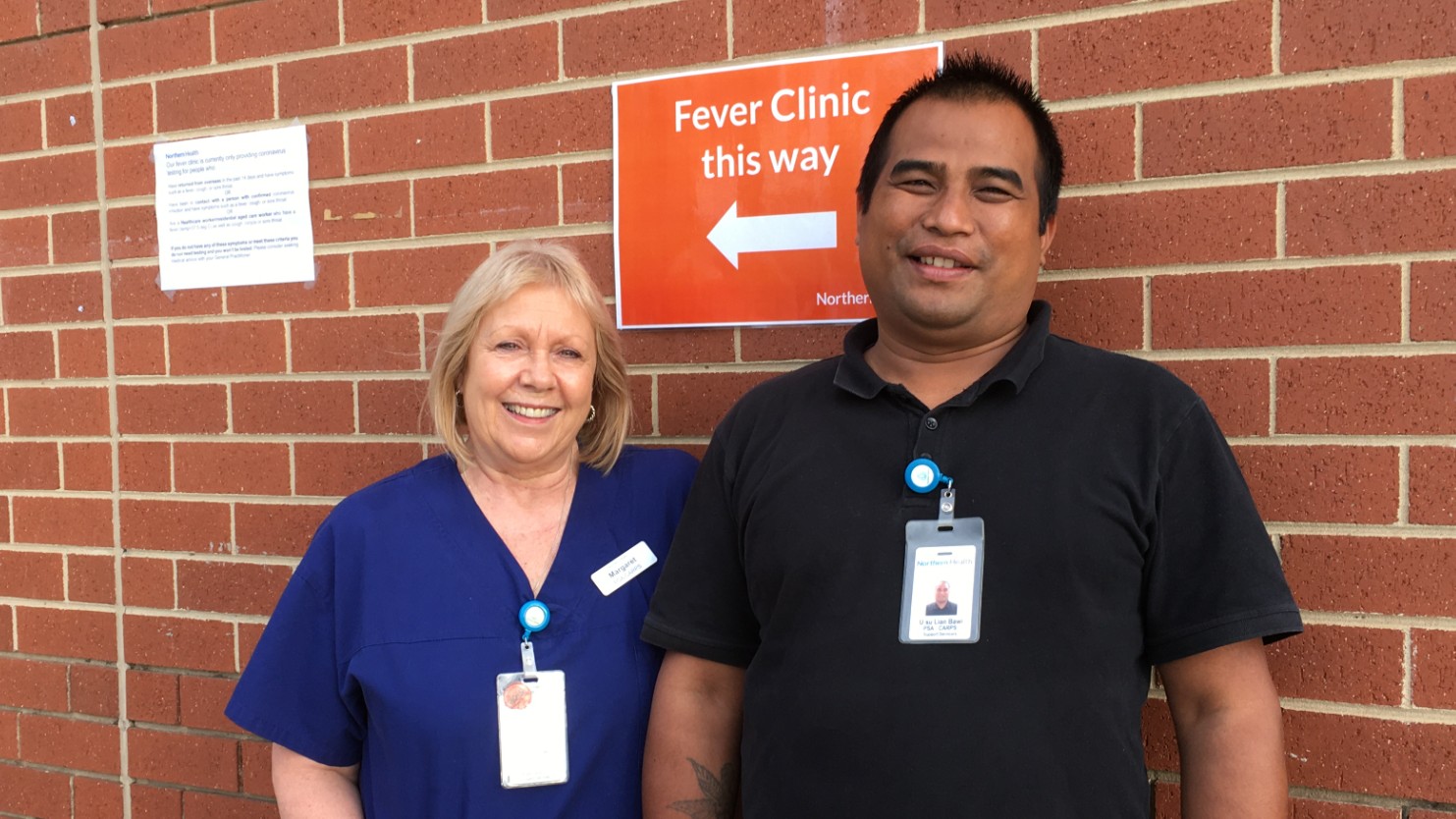
    Margaret Ash and Usu Lian Bawi are two PSA’s from vastly different backgrounds. The first was born in Melbourne, the second came as a refugee from Burma.  They both agree on the sense of family they get from working at the Northern.

    “I love the atmosphere here, you are a family, together in the hospital,” says Margaret. Usu agrees with a big grin that needs no translation.

    They both have worked at Northern Health for just under a year, working across the wards, theatre and public areas such as the foyer. They both recently got to work at the new Fever Clinic and spoke of their experience there.

    “Safety is a big consideration and I was provided with a mask and all the protective equipment (PPE),” says Usu, as he gets ready for his second shift at the Fever Clinic.

    Margaret says “I didn’t think anything of it,” when she was asked to work in the Fever Clinic, and adds, “I did my bit”.

    “We greatly admire the work our front line staff perform and the PSAs are a key part of the team,’ said Basil.

    He recalls Brendan Murphy, Chief Medical Officer, in his previous capacity as Chief Executive of Austin Health saying PSA’s are a critical part of the clinical team and ‘the legs the hospital stands on.’

    ‘Now is the time to show appreciation to our front line staff,” adds Basil.

    We join Basil in wishing our front line staff stay Safe, practice being Kind to each other in these challenging times, and know that we are in this Together.

    Featured Image (left to right): Margaret Ash and Usu Lian Bawi

  • COVID-19 simulation held today

    COVID-19 simulation held today

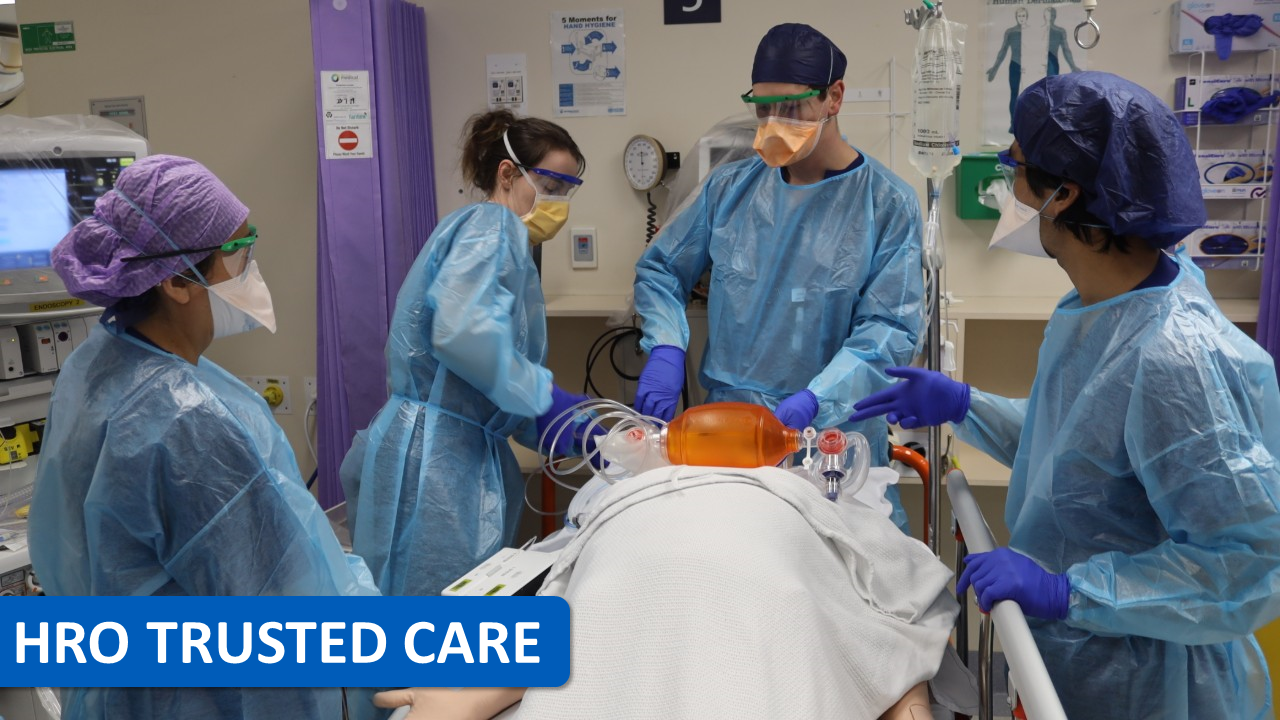
    Today, Northern Hospital held a multidisciplinary, hospital-wide in-situ simulation which included a patient who came in who had a suspected case of COVID-19. The simulation involved multiple departments and teams, including emergency, anaesthetics, ICU, recovery, High Reliability Organisation (HRO) and Patient Services Attendants (PSAs).

    Dr Nancy Sadka, Emergency Physician, explained that the aim of the simulation is to test our systems on how we would manage these patients. The simulation started with a call from Ambulance Victoria saying that they have a suspected COVID-19 patient with recent travel history and symptoms consistent with pneumonia.

    “The patient was in respiratory distress and needed to be intubated. With the patient’s symptoms, we couldn’t wait for the positive test to take precautions – we took precautions from the beginning to the end. We went to three areas of the hospital to test our systems and processes. The simulation started in the Emergency Department, then moved on to Recovery and ended in the Intensive Care Unit,” she said.

    Around 30-35 people were involved in today’s simulation, and Nancy feels this was an excellent test of our systems.

    “Different teams were working together. The infection control was evolved to see how we don and doff our PPE and all this has been done to help us prepare as an organisation. It has helped us feel confident to manage these patients,” she said.

    Dr Sadka added that in-situ simulations help create the culture where all our teams, together, build staff confidence for real-life scenarios.

    “The key things staff can learn from this simulation is that we need to be prepared and to practice and communicate together as a team. We also need to involve all team members in every phase so they can contribute. We need to make sure our teams are confident and comfortable using the PPE and precaution measures, so they can protect themselves on daily bases,” she said.

    Personal Services Assistants (PSAs) participated in the simulation for the first time. Cindy Sherlock, PSA on the Maternity Ward found the simulation very eye-opening.

    “I don’t usually do patient transfers, but it’s nice to know that if in an emergency I get a call, I would know exactly what to do. The key takeouts for me and the two other PSAs who participated is the new donning and doffing for PPE and the procedures around that.

    Brooke Williams, HRO Project Support Officer, has facilitated numerous simulations at Northern Health.

    “What I have learned through my ongoing simulation experience is that sometimes people can forget the things they know when they are under high pressure. That is why practising these high-intensity scenarios is so important. When a real patient comes, we are better equipped to handle the situation,” said Brooke.

    Patient in ED
    Patient in Recovery
    Patient transferred to ICU
    Patient in ICU
    Debrief after the simulation
  • First possum skin cloak workshop

    First possum skin cloak workshop

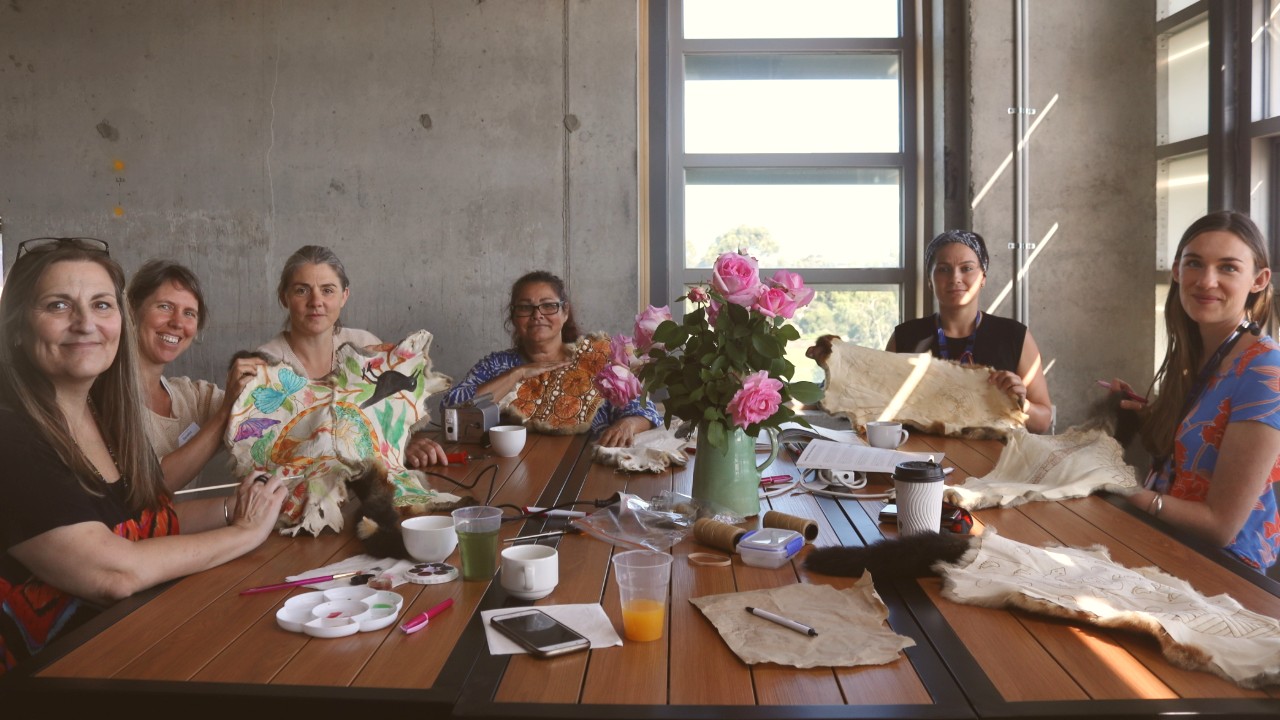
    Last week, Northern Health hosted the first possum skin workshop, open to both staff and the community.

    Once an everyday item for Aboriginal people in south-eastern Australia, possum skin cloaks were worn for warmth, used as baby carriers, coverings at night, drums in ceremony and for burial. Incised and painted with ochre, possum skin cloaks also mapped the identity of their owner, holding stories of clan and Country.

    Today, possum skin cloaks are of continuing importance to Aboriginal people across the south-east of Australia, with new uses and contemporary ways of making.

    Joanne Quinn from the Koori Maternity Service explained the idea for the workshop came because the team saw the Treaty Possum Skin Cloak that Gina, the workshop facilitator and artist helped create.

    “We knew the community out here would love to have a possum skin cloak and baby wrap. That is why we have invited the community to work on the skins with us,” she explained.

    Joanne and her team are looking at creating a healing cloak for patients and families to use and a baby wrap for all Aboriginal and Torres Strait Islander babies and families to use.

    “It’s not just for Koori Maternity Service patients, but for the whole hospital. People in palliative care will be able to use it and it’s very traditional for babies to have the possum skin wrap when they are born,” she explained.

    The artist and faciliator, Gina Bundle is a Yuin/Monaro woman and the Program Coordinator of Badjurr-Bulok Wilam – meaning ‘Home of many women’ in the Woiwurrung language of the Wurundjeri Peoples – at the Royal Women’s Hospital.

    She explained how back in 2006, her sister-in-law and mentor, Vicki Couzens, along with a group of women, revitalised the making of the traditional possum skin cloaks, sharing the craft and the story of cloak making.

    “Today is my very first solo possum skin cloak making workshop. It has been really wonderful and people and interested in the process. I use lots of colours, and the skins are full of imagery. It’s a mix of traditional and contemporary cloaks,” she said.

    Gina explained how the design part is the most important part of the cloak, as the the images tell the story.

    “That is why I like to do the images first and then sow the parts together. A lot of people say they can’t draw – but they can. Once all these cloaks are done, we will lay them on the table and put them together like a jigsaw, telling our story through the drawings and images,” she explained.

    These workshops are open for both Indigenous and non-Indigenous people.

    “It is though these workshops that we are learning about the beautiful culture we have here. Healing cloaks are different than personal or aesthetic cloaks and I am glad these be usable cloaks for patients, on display here at Northern Health,” she said.

    At the invitation of the Victorian Treaty Advancement Commission, Gina facilitated the Treaty Possum Skin Cloak. The cloak is a symbol for the First Peoples’ Assembly of Victoria and path to treaty and ushered in the historic first meeting of the Assembly at Victoria’s Parliament in December 2019.

    “It was 72 skins big, and had 288 artworks. We travelled all around Victoria and people drew images,” she added.

    Cloaks with drawings
    Jo holding her design


    Featured image (left to right): Joanne Quinn, Seneka Bowen, Kate Dawson, Gina Bundle (facilitator), Jakara Elian, Maja O’Connor.