• Conversations Week: TREAT yourself to rest and mindfulness

    Conversations Week: TREAT yourself to rest and mindfulness

    Northern Health is celebrating ‘Virtual Conversations on Mental Wellness Week’, starting today, with numerous online sessions to help staff focus on their wellbeing and mindfulness.

    Jo Gibbs is no stranger to Northern Health. During the first Conversations on Mental Wellness in 2018, she stepped into the lecture room barefoot, holding a spray of refreshing citrus notes, and in a few seconds transported the whole room straight into a summer afternoon somewhere in the Mediterranean.

    “Inhaling orange scent instantly improves our mood,” she started her talk on healthcare workers’ wellbeing.

    By profession a nurse, Jo now runs popular Therapeutic Relaxation And Enhanced Awareness Training (TREAT), which helps healthcare workers and their colleagues rest, recover and stay mindful. These sessions usually include gentle stretching, followed by relaxation and guided meditation practices on the floor. The carefully decorated session room is always filled with huge cushions, warm blankets, soft lighting, numerous crystals and essentials oils, supported by relaxing music, providing a safe haven and true sensory experience for everyone.
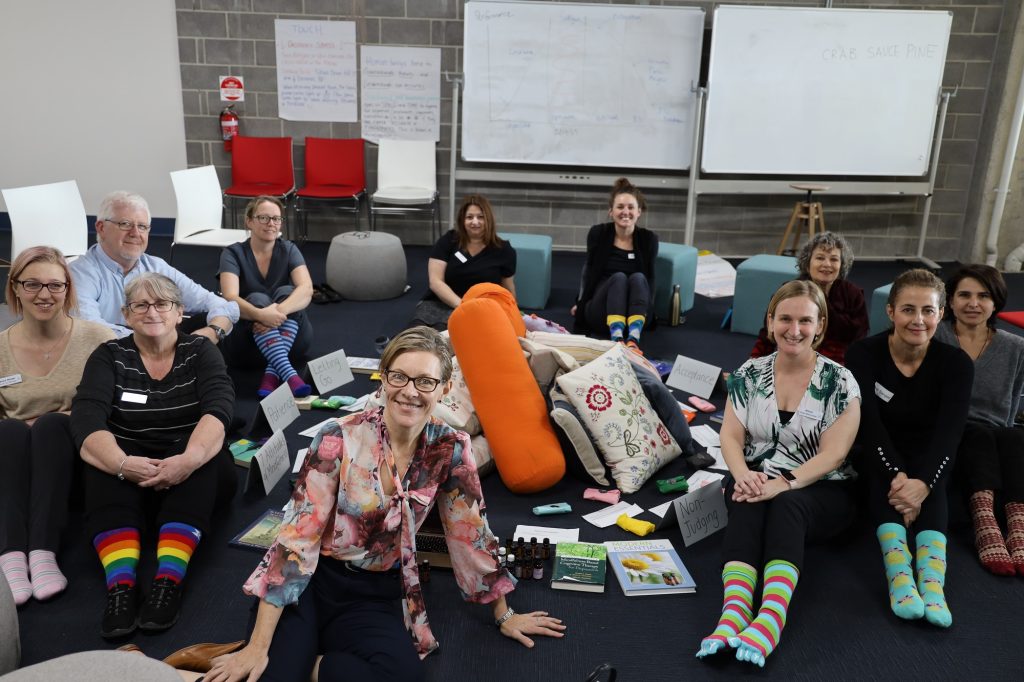
    Jo with our staff after a TREAT session at NCHER. Photo taken in 2019.

    TREAT started as a trial one-off session six years ago. Today, TREAT rest and recovery sessions are Jo’s full-time job, and regularly on offer for staff at Northern Health. They are also an important part of the ‘Virtual Conversations on Mental Wellness’ which starts today.

    “A couple of years ago, I went back to university to do my post-graduate studies, and while I was on placement in a busy public hospital I suddenly realised the stress and anxiety have started to ramp up. That is when I had the light bulb moment that I need to pull together everything I know about self-care and share with my colleagues,” she explained.

    Jo has always felt strongly about helping others and is currently doing her second study on how TREAT sessions are helping with mental health. Through her sessions, she helps participants restructure thoughts and focus on how their day begins, shifting their mindset from feeling flat and negative to warm feelings of hope and motivation.

    “I realised that how I start the day resonates throughout the whole of my day. If we can actually practice just 15 minutes of anchoring ourselves, and filling ourselves up, we are more likely to have steadiness for the rest of the day. Life, work and home bring a lot of curve balls and we need to fill ourselves, like we would fill up our car on the way to work. Let’s tell ourselves that today will be a good day and something great will happen,” she explained.

    In her surroundings, Jo observes how the current pandemic is increasing problems with anxiety, loneliness and the feeling of worry with many people.

    “There is a very subtle grieving process people are going through. Many of us aren’t even aware of it, it’s something the literature calls – ambiguous loss. We are not sure what we have lost, but there is a lot of feeling of loss. Because we can’t actually see the virus, it makes it even harder – it’s like being battle-weary, but we can’t see the war. We are aware we have lost our freedom, which has led to a huge feeling of collective heaviness and demotivation,” Jo explained.

    To get out of the spiralling thoughts of anxiety, Jo recommends finding something simple to look forward to. It can be walking with a loved one and looking at the moon and stars, making the whole experience extra sensory, or ordering take away and putting on a nice table setup.

    “There are findings that 59 per cent of people don’t make their bed in the morning. I would recommend everyone to make their beds. It takes 30 seconds. Once you make your bed, your room starts to look neater. By adding an extra cushions or flowers, you can make it like a luxurious hotel room. That can be the start of feeling good in the morning,” she explained.

    The famous line, “put your own oxygen mask first before putting it on to others,” often comes up when we talk about mindfulness, and Jo feels for healthcare workers, this translates to taking our own pulse first.

    “There is something deeper about that, as our pulse is telling us how we are doing, how are hearts are doing and if our minds are anxious. We need to take our own pulse first before we take someone else’s”.

    Northern Health’s Virtual Conversations on Mental Wellness 2020 start today, open to all staff. You can join Jo’s daily ’15 minutes of mental clarity’ morning sessions, 9 – 9.15 am by clicking here.

    A longer 45 minute complete rest and recovery TREAT session will be held on Thursday, 10 September 7 – 7.45 pm. Click here to join (MS Teams link).
  • Q&A with Dr Megan Robb, Director of Emergency

    Q&A with Dr Megan Robb, Director of Emergency

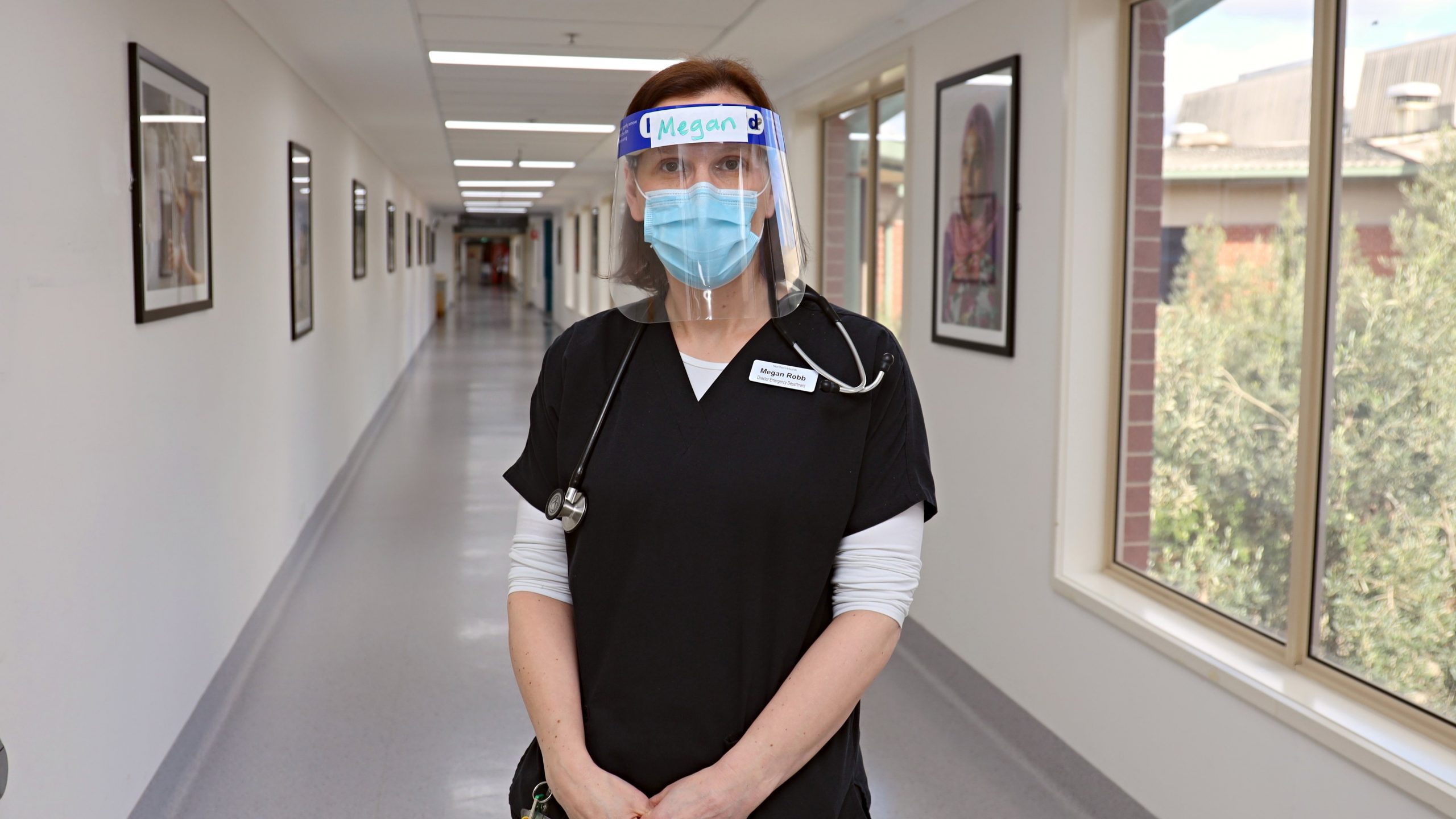
    Being the Director of an Emergency Department during a pandemic comes with many challenges. We sat down with Dr Megan Robb, Northern Health Director of Emergency, to talk about her and her dedicated team’s work during the COVID-19 pandemic.

    How has COVID-19 changed the work in your department? 

    It has been a challenging time over the past six months but I’m very proud of our staff and how they are responding and adapting to the rapidly changing situation. There have been a lot of changes and we have had to learn how to work differently due to COVID-19. This has included undertaking additional training and implementing new models of care in our department.

    We work in full PPE, which is hot and everything takes much longer to do. One of the biggest challenges wearing PPE is that it makes it harder to communicate and develop a personal connection with our patients. We all struggle with this aspect of our job at the moment.

    The pandemic has brought us closer as a team and shown how dedicated and adaptable our staff really are. We are supporting one another and working collaboratively with staff across the entire health service, to ensure we can continue to provide the best possible care to our patients and the community.

    How has your role as Director of Emergency changed? 

    COVID–19 changes the way you work both personally and professionally. There is a new level of responsibility ensuring the health and safety of staff, patients, colleagues and the community. Work life balance is not as good as it should be, but that’s the role of an Emergency Department (ED) Director during a pandemic. I have had increased interactions with staff and teams I normally wouldn’t, such as engineering. There has been increased collaboration between departments within our hospital and also across health services.

    We have developed and implemented multiple new models of care in a very short time frame. Often these changes are made with very short notice due to the rapidly changing nature of a pandemic. With every change, you need to immediately adapt. You then need to implement and explain these changes in a clear concise way. Communicating well, often and in multiple ways has been the key.

    What are you most proud of in the last six months? 

    I am incredibly proud of the way our team has responded to the pandemic. They continue to show up every day despite the uncertainty and continue to do their best for the patients and the community. The ED team has shown just how resilient, adaptable and dedicated they are. I am also very grateful for all the support ED has received from within Northern Health, especially during our Code Yellow. Having staff from other wards and disciplines working with us was amazing. I feel really privileged to be the Director of the Northern Hospital ED.

    What’s your message to the community?

    Our staff on the front line are working extremely hard to care for our patients and help protect our community. It’s crucial that everyone continues to maintain 1.5m distance and wears mandatory face coverings. It’s also important to maintain strict hand hygiene – wash your hands with soap and water for at least 20 seconds or use an alcohol-based hand sanitiser. And please be kind and support each other – we are in this together.

    What’s the one thing you would like the community to better understand about COVID-19?

    COVID-19 doesn’t discriminate. It can affect anyone and so we all need to be vigilant. Health care workers don’t consider themselves heroes. We are the last line of defence and need all to be involved in the fight against COVID-19.

  • Stroke Week: it can happen to anyone

    Stroke Week: it can happen to anyone

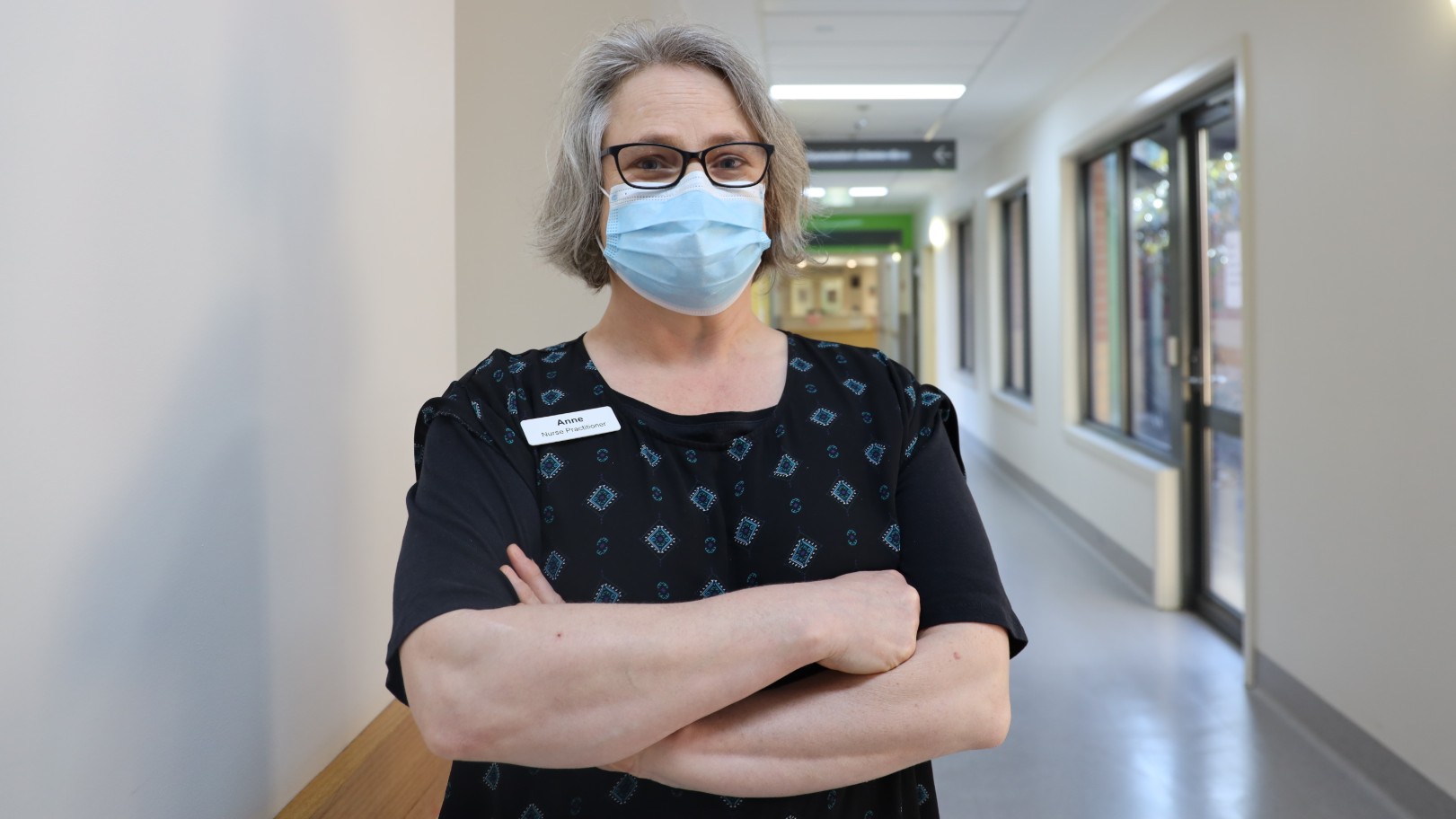
    Anne Rodda has worked at Northern Health for 18 years and has been a stroke nurse for over a decade. In her career, she has seen how a stroke can affect so many people, from children to older patients.

    “Twenty per cent of strokes happen to people under 55 years of age, and even children can have stroke, with the Stroke Foundation recently releasing guidelines on how to care for children with stroke,” she said.

    Anne explained one of the biggest concerns in Victoria, when it comes to stroke patients, is that people are not coming to hospital, and waiting, even though they are experiencing signs of stroke.

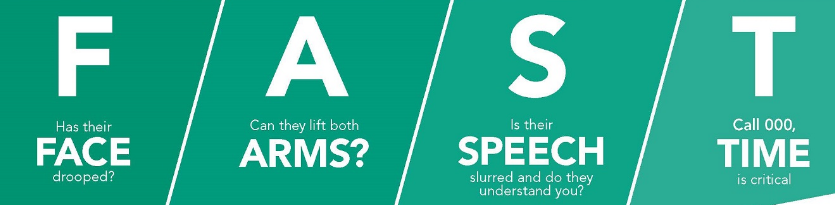
    “Some of the signs people shouldn’t be ignoring are FASTFace, Arm, Speech, Time. These include change in facial expressions on one side, weakness in one side of the body, change in their speech. We have treatments if people get into hospital quickly, so that is why they need to come straight away,” she said.

    Stroke occurs as a result of a problem with the blood vessels, which can break or bleed. Blood pressure can have a significant impact on this and Anne always encourages people to monitor and know their numbers.

    “Make sure you recognise the FAST symptoms and do something immediately, even if the symptoms are very mild, like your hand not working. Sometimes, patients are feeling well while having a stroke. Preventing stroke is about a healthy lifestyle – we all know we should keep on eye on our diet and exercise regularly. It can happen to anyone, men and women. All the risk factors make a difference,” she explained.

    Caring for patients after stroke takes a multidisciplinary effort across the organisation, as care extends beyond the hospital, to recovery and patient support.

    “Stroke unit care is the main point of care, where patients get seen by people who are trained and are experts in managing a stroke, and the multidisciplinary team is the core of that. Patient recovery depends on how big the stroke is and where it is. Some people can be back to normal in a few days, while others have a long term disability. Out of all people that survive a stroke, a third of them will have a long term disability,” Anne said.

    “The main message we have for the community is that people need to come to hospital and get the treatment they need, as soon as possible,” she said.

    National Stroke Week runs from 31 August – 6 September, with great resources and information available from The Stroke Foundation.

  • TALS team: interpreting during a pandemic

    TALS team: interpreting during a pandemic

    Northern Health has a very broad culturally and linguistically diverse patient population. Many of our patients have Limited English Proficiency (LEP) in the health context, and our excellent Transcultural & Language Services (TALS) department, with 37 in-house interpreters, covers our most in-demand languages.

    Northern Health’s TALS team is the biggest in-house hospital language service team in Victoria. In these pandemic times, they are one of many non-clinical teams at Northern Health that had to quickly adapt to changes in their everyday work, while maintaining high levels of professional service to patients and clinicians.

    Yue Hu, Manager, Transcultural & Language Services, explained the major change for the TALS team was the shift from face to face appointments to telehealth and phone and video appointments.

    “When it all began in March, our team quickly responded by creating a work flow plan and sending it out to all clinical leads, as a guide on how to use TALS as a contact centre for patients when they wish to access the interpreting service,” she said.

    The team soon realised they needed to upgrade the phone systems and become a genuine call centre. Clinicians who are now calling for their services are put in the queue and, every day, the team has at least three staff members answering the phone calls.

    “The feedback has been great, and has reduced the stress of our staff members in coping with such a large amount of phone calls. As all the clinics are still running, the team is still very busy. Since the beginning of COVID-19, 63 per cent of the interpreting requests have been completed over the phone,” Yue explained.

    The phone interpreting has allowed the team members to be able to easily work from home, and manage the workload.

    David Le, Vietnamese Interpreter, added the team is also accepting video interpreting requests.

    “We are slowly rolling out video interpreting across the health service. Our interpreters are still doing additional training on video interpreting, so that they are comfortable with using the system and booking appointments. We are still doing face to face appointments, when needed. It can happen that in one day we do face to face, phone and video,” he explained.

    TALS staff are continuously rotating to ensure there is enough coverage on site for face to face appointments and areas like ED and ICU.

    “The change has had some challenges, as interpreters find phone appointments very convenient when working from home, but still miss the face to face conversations, and actually seeing the patient and clinician, as the communication isn’t just verbal, there are a lot of visual cues that help with our job,” David explained.

    “Our staff learned a lot of new skills very quickly – we’ve never been a call centre and we had to learn how to handle the increased amount of calls, along with the video training. PPE training is another skill that staff had to pick up quickly and become confident in donning and doffing PPE,” he added.

    Stefania Zen, Manager, Transcultural & Language Services, added that besides interpreting, the team has also been working on translating COVID-19 related documents, completing a lot of urgent translations into different languages, especially when it comes to COVID-19 patient screening, as well as working on lengthy documents like the new Welcome Pack for patients.

    “There are always new requests for translation coming in and often they need to be completed within a very short time frame,” she said.

    The team has responded promptly to the increase in demand for translations, and are also contributing to several quality improvement projects during this time.

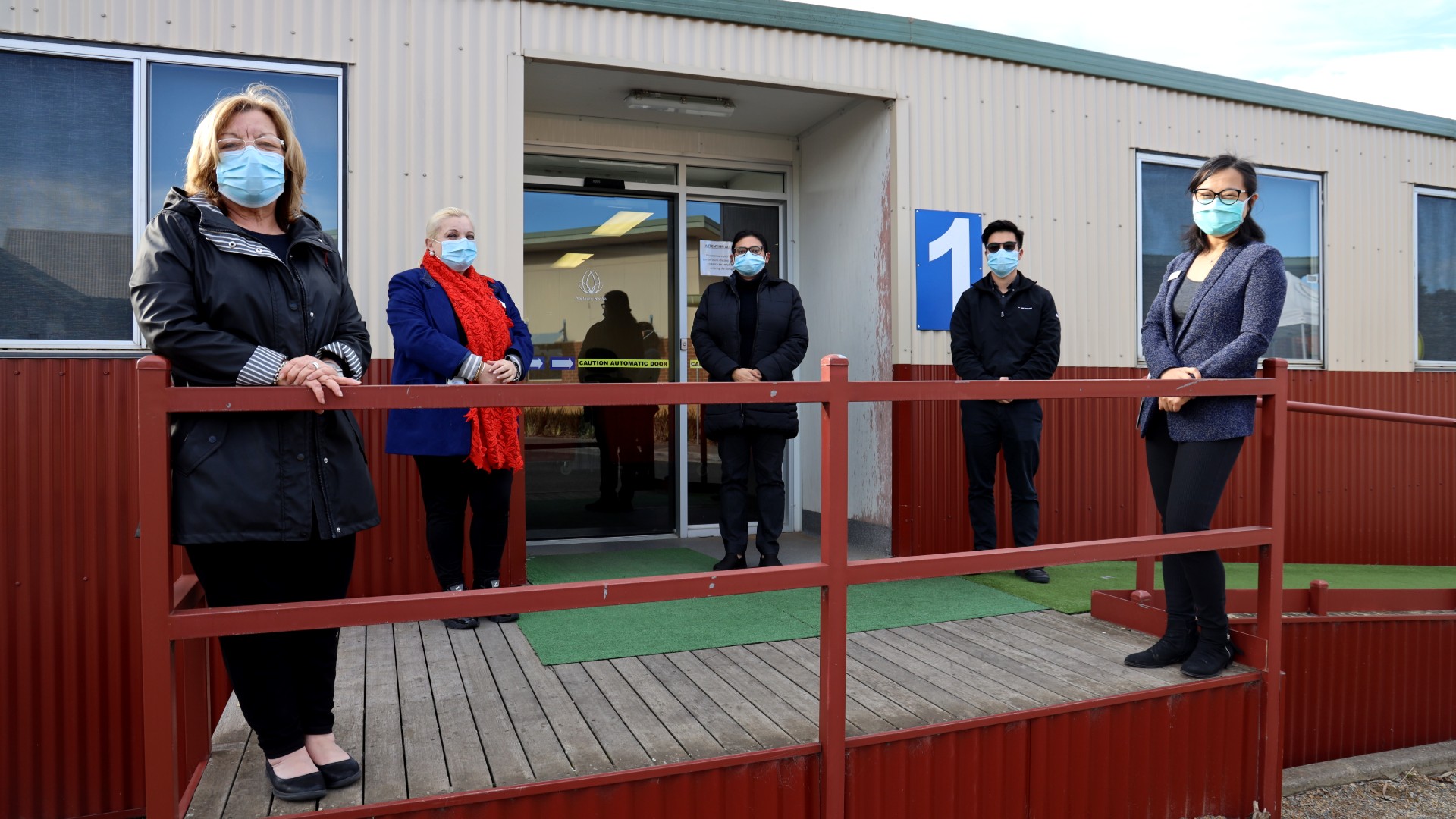
    Featured image (left to right): Aygul Olcer, Lambrine Maniatis, Navneet Gill, David Le and Yue Hu.

  • Join the conversation and let’s talk about mental wellness

    Join the conversation and let’s talk about mental wellness

    As an organisation, we started the ‘Conversations on Mental Wellness Week’ in 2018 and will be continuing those conversations this year too.

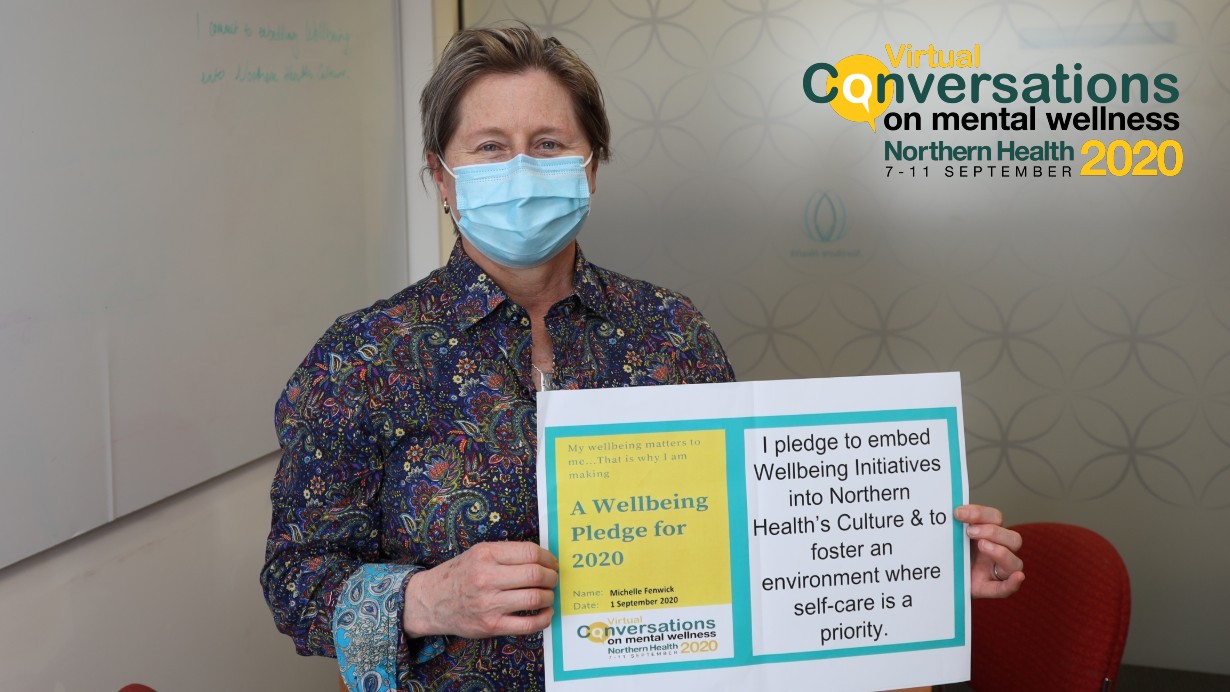
    Michelle Fenwick, Executive Director People and Culture, explained this year, due to COVID-19, all events will be held via MS Teams, offering our staff a chance to join numerous sessions from the comfort of their home or work space.

    “I would like to invite staff to participate in Northern Health’s ‘Virtual Conversations on Mental Wellness’ commencing Monday, 7 September through to Friday, 11 September 2020. This year, we are focusing on bringing mindfulness, yoga, nutrition and TREAT rest and recovery sessions at different times during the week, so you can join during your coffee or lunch break or from home,” she said.

    “Northern Health’s ongoing commitment to the safety and wellbeing of our staff is on display during all of next week. There are lots of opportunities to participate in a variety of sessions including yoga and TREAT rest and recovery, education, discussion panels, and a very topical Grand Round that I’m sure will be thought provoking. Sessions are on offer across time slots and we’re encouraging staff across all areas to participate” added Will Halpin, Director OHS and Wellbeing.

    With 2020 proving to be a very challenging year for everyone, the wellbeing team is encouraging everyone to make a ‘Wellbeing pledge for 2020’ and write or draw a few things they would like to focus on to improve their mental health this year.

    “Please download the pledge cards (click here), and set yourself a goal of improving your wellbeing by the end of 2020. Those can be even small things like reading a new book every month or cutting down on TV time,” Michelle added.

    “We look forward to staff attending these events during the week and  ‘continuing the conversation’ on mental wellness, while focusing on their wellbeing the whole year,” Will added.

    Northern Health’s psychologists agree that as health care workers we are often busy looking after the health and wellbeing of others and overlook our own self-care.

    Dr Brooke Froud-Cummins, Clinical Leader, Psychology, said, “We simply can’t afford this mindset in the times of COVID-19 as the increased physical and psychological demands will eventually affect each and every one of us. Self-care is about making a plan to stay healthy in mind and body to get through this pandemic; we won’t be looking after anyone otherwise. Self care is vital.”

    Some program highlights include:

    • ’15 minutes of Mental Clarity ‘at 9 am every morning – start your day with a clear mind with Jo Gibbs from TREAT
    • Grand Round – ‘Kindness in Healthcare’ with Dr Jane Munro, Head of Rheumatology at the Royal Children’s Hospital  – Thursday, 10 September, 8 am – 9 am
    • Nutrition and Mental health session – with Emma Inglish, Dietitian, Wednesday, 9 September, 2 – 2.30 pm.
    • Complete TREAT rest and recovery – 45 minute session to relax after a busy day – Thursday, 10 September, 7 pm – 7.45 pm.

    Please click here to see the timetable of events, speaker bios and MS Teams links to all the sessions.

  • Dry July team raise over $12,500 for Northern Health cancer services

    Dry July team raise over $12,500 for Northern Health cancer services

    This July, staff and community members joined together to take part in Dry July in support of cancer services at Northern Health, a national fundraiser that encourages participants to go alcohol-free during the month of July.

    Congratulations to the amazing team for their efforts, who raised over $12,500 for our cancer patients. All funds raised by Northern Health will go towards purchasing vital signs monitors and patient treatment chairs for our oncology units. The team proved that no matter how uncertain and challenging times can be, our staff and community continue to work together to support our patients. Eighteen Northern Health staff members joined the team, along with two community members who are extremely grateful for the care provided by our dedicated cancer services team.

    One community member, Bianca, joined the team in honour of her father who lost his battle with cancer last month. “I joined the Northern Health team as the staff in both the oncology and palliative care teams provided outstanding care for my father, doing their jobs in a way that was accurate, gracious and empowered my family to feel relevant in the health care process.”

    “From the bottom of my heart, I thank all health care staff who dedicate their careers to the fight against this insidious disease,” she said.

    Bianca raised over $1,000, which will be contributed to the total of the Northern Health team.

    Michelle Fenwick, Executive Director, People and Culture (pictured below) raised an impressive $2,823 from 22 individual donations. “I decided to participate in Dry July this year because I’ve been affected directly by either family or friends – some who are still here and some that I have lost,” Michelle said.

    “So many people are going through struggles such as surgeries, visiting oncology and undertaking extensive treatment protocols – so 31 days is a small sacrifice from my part for what they actually have to endure.”

    In 2019, Northern Health received support from the Dry July Foundation for part funding of a scalp cooling machine and blanket warmer for our Day Oncology Unit at Craigieburn Centre, to provide care and comfort to patients undergoing treatment. Throughout our Dry July campaign, over 240 donations from individuals were made to the Northern Health team. In total, Dry July raised in excess of $10.7m. Over 100 teams registered, and Northern Health came 22nd on the leader board – a massive effort for our first year participating, so congratulations to everyone involved!

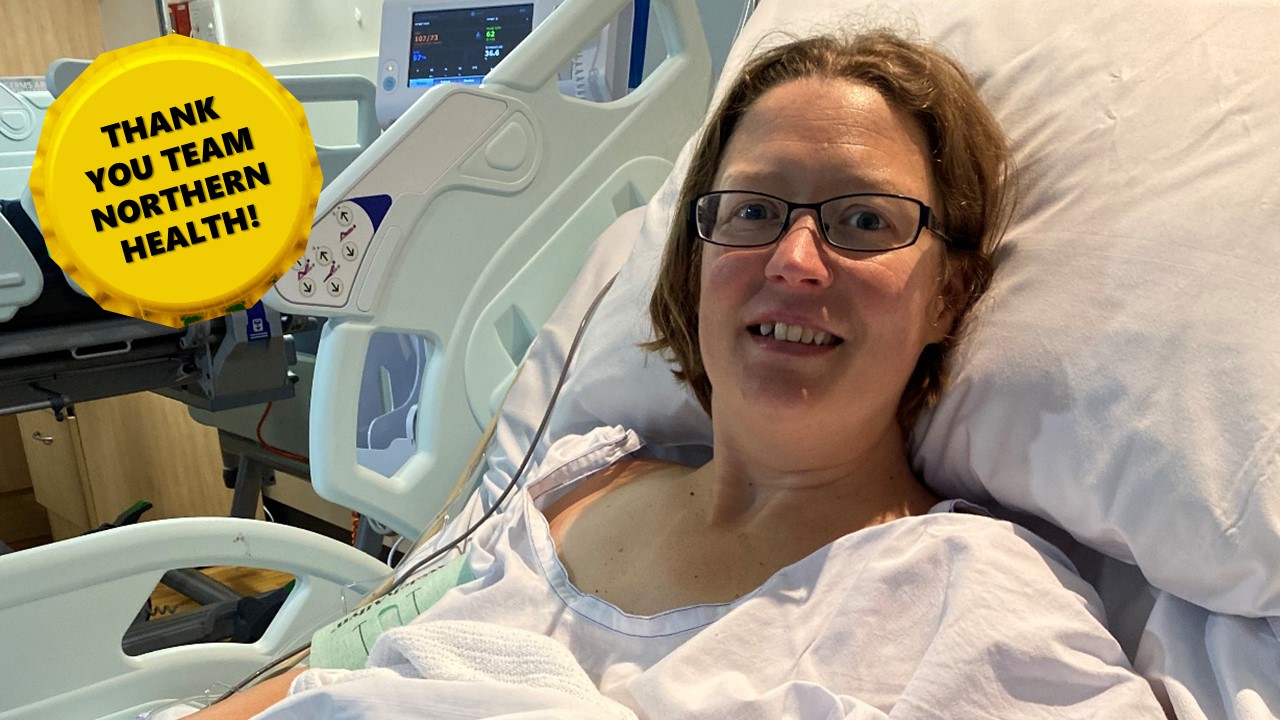
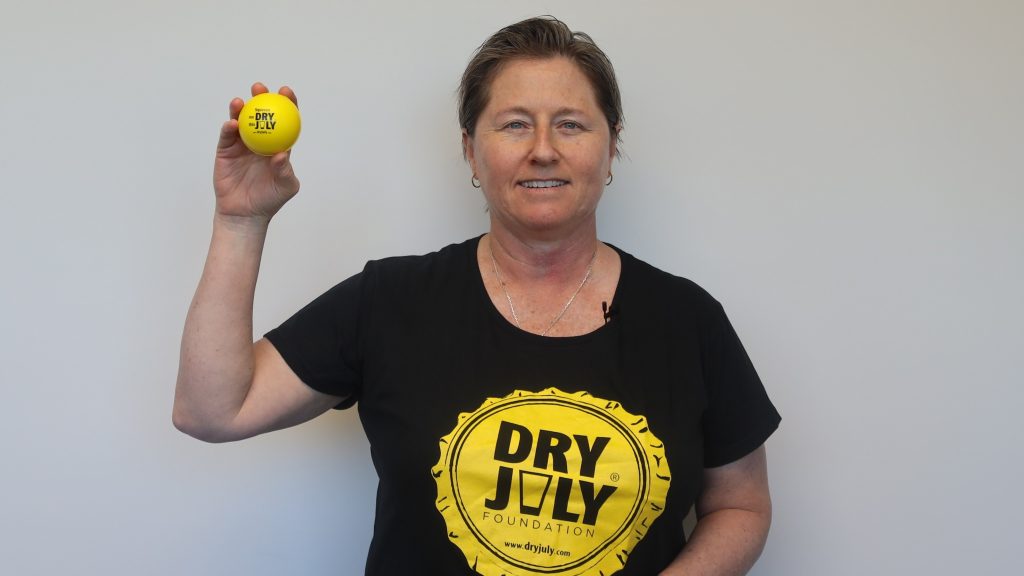
    Featured Image: Northern Health patient, Kirsty, who participated in Dry July 

  • Staff wellbeing matters in ED

    Staff wellbeing matters in ED

    Our Emergency Department (ED) is taking staff wellbeing seriously, with a number of creative and fun initiatives rolling out to ease the everyday challenges.

    Dr Kirin Channa, Emergency Physician and ED Quality Lead, explained the ED Wellbeing Committee was formed in 2019, after a staff survey showed what the team would like to do to improve their mental and physical state.

    “We started TREAT Rest and Recovery sessions, therapy dogs coming into ED, exercise classes, fruit platters and similar. However, with COVID-19 measures, we had to find some new ways of keeping well,” she said.

    The strict COVID-19 measures and the pandemic environment meant coming up with fresh ideas to keep spirits and team morale high.

    “Three of the main things we are doing in these pandemic times are providing resistance bands to staff to help them exercise at home, online TREAT sessions and the staff wellbeing wall, Julia Fotiadis has organised ” she said.

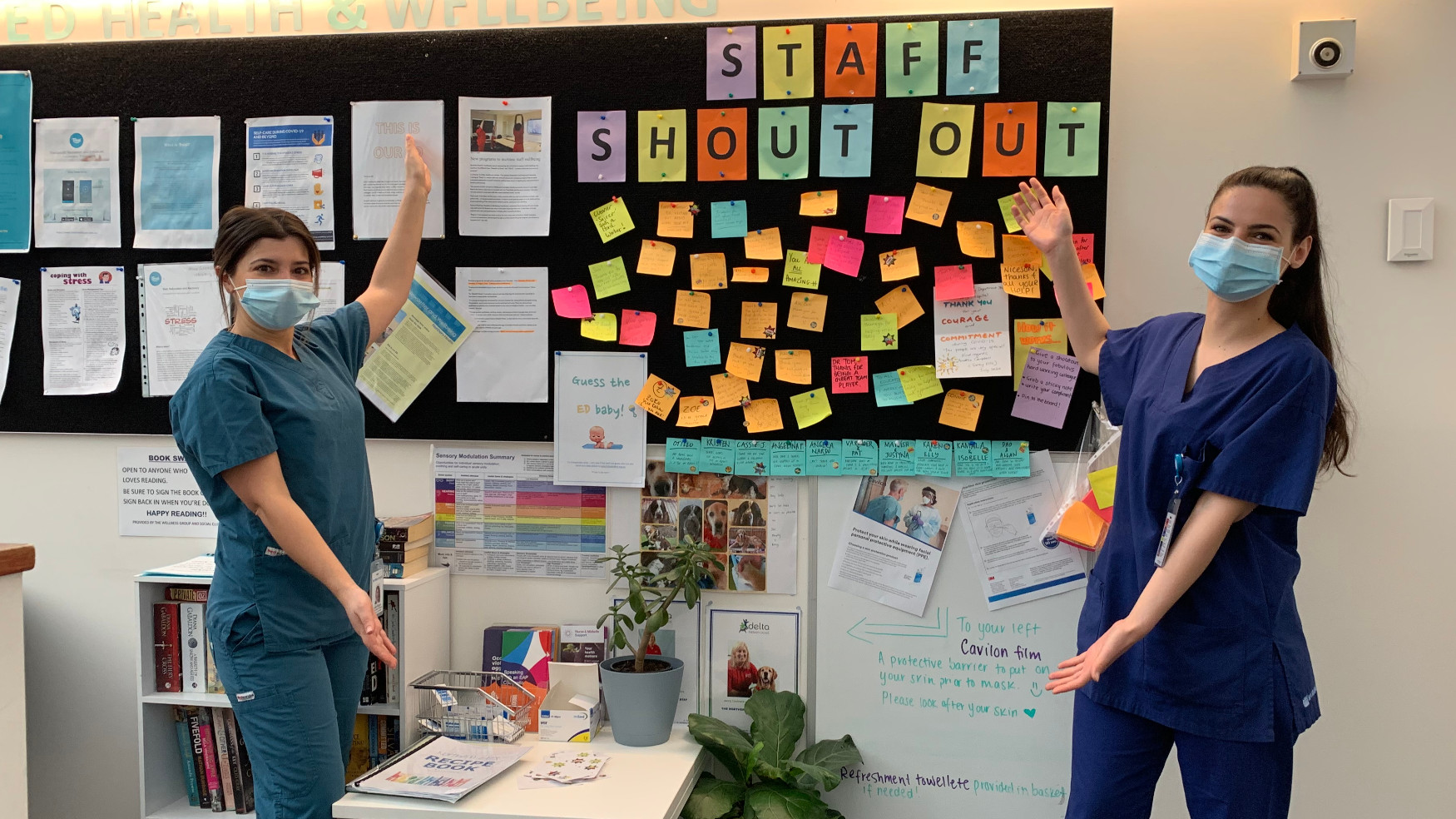
    The ED wellbeing wall is a place where staff can give a shout out to their colleagues. This has had great feedback so far, with staff coming to the wall at the end of the shift to see the bright and colourful messages from their colleagues.

    “Recognition goes a long way and it really helps staff feel motivated. People love reading something new every day about a different staff member,” Dr Channa said.

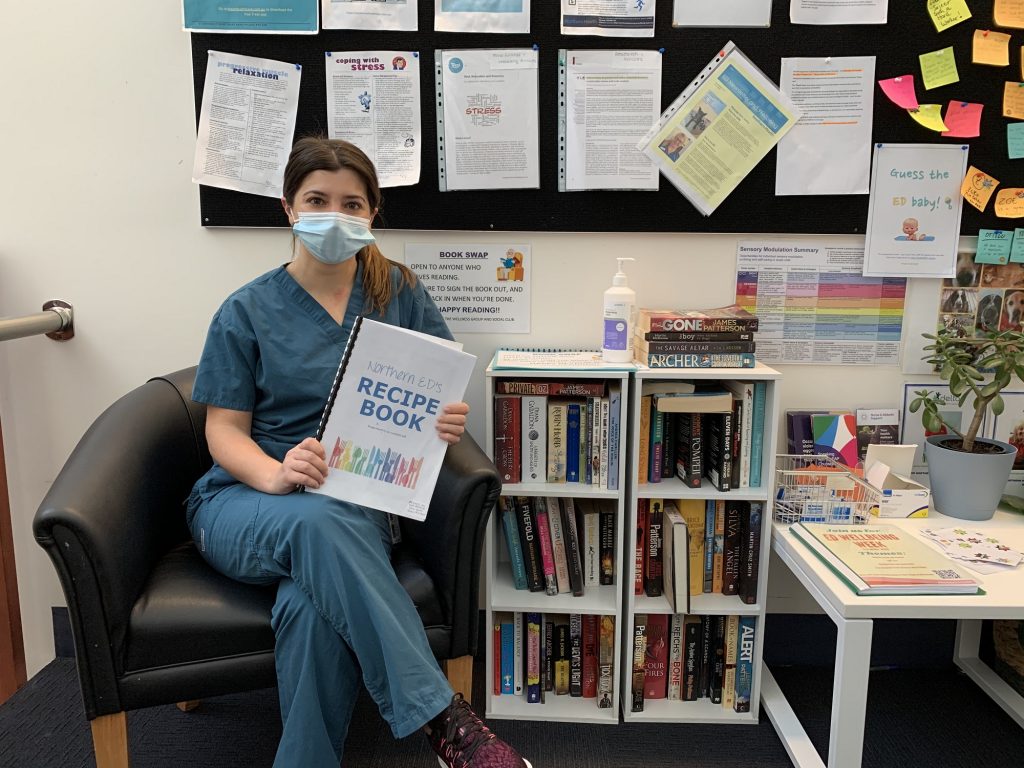
    Julia who is an Associate Nurse Unit Manager and the wellbeing lead in the team, has also developed a recipe book.

    “Along with the shout out wall, we also have our ED recipe book. I asked everyone to send me a recipe they love and have compiled it into one book of comfort food and healthy recipes. It’s been a couple of difficult weeks, and keeping on top of our wellbeing is imperative at these times,” she said.

    Seham Shahin, Emergency Physiotherapist, added exercise is crucial, and everyone is affected with these lockdown changes.

    “For shift workers, the curfew does affect the ability to be outdoors and do what you would usually do. It’s important to find ways we can exercise and get those endorphins and serotonins up. We are linking staff with apps and Youtube videos that show how to use the resistance bands and keep exercising. It’s about giving people different options, as we are all feeling a bit sluggish and run down at this stage,” she said.

    To increase social interaction, the team is also implementing “Guess the ED baby” project, where staff are sending a photo of themselves as a baby and the team has to guess who is who, along with the upcoming trivia quiz night for the nursing staff.

    Alison O’Sullivan, Workplace Wellbeing Coordinator, is working closely with ED staff to identify and develop the initiatives.

    “It has been great to work with the ED team. The ED working group ensures all our approaches are aligned with the strategic direction of the organisation. Some great events and actions have been developed, including regular inclusion of TREAT sessions, now offered virtually, ED Wellbeing Week, and the work the team has done in the reward and recognition space,” she said.

    “We look forward to continuing to support the staff in ED and indeed the whole of Northern Health in ‘Conversations on Mental Wellness Week’ which is being held from 7 – 11 September. This will include many of our regular wellbeing offerings and guest speakers, and is available to all staff,” she said.

    Please click here to see the ‘Virtual Conversations on Mental Wellness Week’ schedule and join the online sessions.

    Julia with the recipe book

    Featured image (left to right): Julia Fotiadis and Seham Shahin

  • Northern Health launches virtual childbirth education classes

    Northern Health launches virtual childbirth education classes

    Northern Health has recently launched virtual childbirth education classes to support expecting mothers and families in our community during this time.

    The pandemic has changed the way we work and we have had to implement new and creative ways to ensure we continue to provide the best possible care to our community.

    Nicole Carlon, Director of Operations, Women’s and Children’s Services, is proud of her team and the way they have quickly adapted to the constantly changing situation and been able to respond to the needs of families.

    “Unfortunately due to COVID-19, we aren’t able to run face to face classes anymore. To begin with, we had an option where families could access external content, however, we received feedback that they would have enjoyed being able to ask questions and be involved in a live situation, rather than watching a recording,” Nicole said.

    “The childbirth education team took this feedback on board and, from this, started offering virtual live classes to better support patients and families,” Nicole added.  

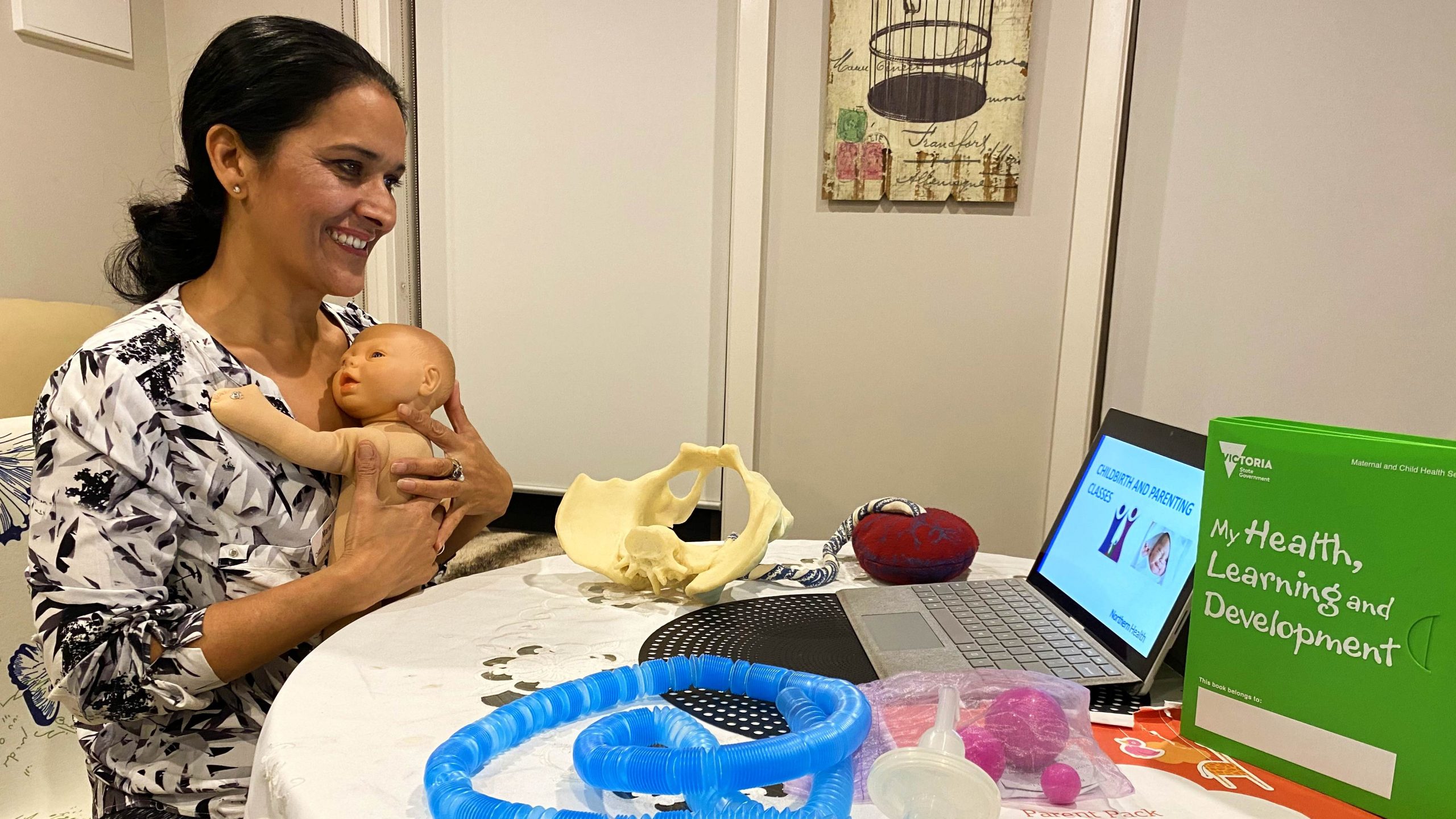
    The virtual classes include the same content as would be in the face to face classes, with our very experienced childbirth educator, Marie Treloar, running them.

    “Preparing new parents for their birth and parenting journey has been challenging during the COVID-19 crisis due to the cessation of face to face childbirth and parenting classes. However, thanks to technology, providing education via live sessions has been very effective and rewarding. Families have felt empowered, equipped and supported during this time and feel more confident for the journey ahead,” Marie said.

    The online classes have been running for just over three weeks and have already proved to be an outstanding success, with the team receiving “fantastic” feedback from patients and families.

    One patient wrote, “Marie is a great presenter and you can tell she is very passionate about the topics discussed and helping women to have a calm and empowering birth experience.”

    Other comments included:

    “Really informative and gave us a better idea of things to include in our birth plan and different options available during labour.”

    “Loved the class and the teacher was so helpful and knowledgeable – would definitely recommend this and so glad we did it!”

    Along with these classes, the team are also running their Happy Mother’s, Happy Baby’s Group Sessions in the same format for Assyrian and Chaldean women in the community.

    Nicole says expecting mothers are finding these particularly helpful as may be feeling isolated in the current situation.

    “We understand how important it is for families to feel educated and empowered before they have their baby, and it’s great that we’ve found a platform where we can still achieve this,” Nicole said.

    Currently, the virtual classes are running once a week, however, more classes will be offered should the demand increase.

    Featured Image: Marie Treloar hosting a class