• Medical Education on MS Teams

    Medical Education on MS Teams

    Orientations are important to anyone entering a new job. This is true also of our new interns, JMOs and HMOs. It is of utmost importance to provide them with information about our ways of working, values and what they need to know in order to provide safe, quality care to our patients.

    This year, our orientation for over 200 HMOs and registrars was done completely virtually via MS Teams.

    “These groups are very large and it is not possible to provide them with face to face orientation and socially distance at the same time. MS Teams was critical to deliver the sessions,” says Dr Rachael Coutts, Associate Director Medical Education Unit.

    “We also used MS Teams to pre-record a number of the sessions so that they are accessible in the future, and have created an orientation showcase that can be used for any new JMO who comes in during the year.”

    “It was really important to have the interns on site as this is their very first job. It is counter intuitive that MS Teams and the new technology in the rooms actually enabled this,” adds Rachael.

    Tessa Low, one of our junior doctors and the co-president of the Junior Medical Staff Association (JMSA), says, “I would say that attending HMO Orientation virtually probably allowed more of us to attend the session than we otherwise could, because we were able to tune in whether we were at home or working at one of the other campuses.”

    “Attending virtual HMO Orientation was as easy as it could be in the current environment, where congregating in large groups is not possible. The orientation through MS Teams was focused and relevant, and allowed us to ask questions and interact through the online chat. The online chat also allowed us to access and save key information like important email addresses and numbers for future reference. Finally, it was nice to be able to attend from any location and enjoy my morning coffee whilst at induction!” says Saras Mane, another of our junior doctors.

    “MS Teams has resolved a number of long standing issues related to delivering education that is not related to COVID-19. By streaming across sites, we can cater for those who are not on site and wish to attend, those who record the session to watch it later and presenters who are not on site, which are some of the issues MS Teams has resolved. It is a huge increase in flexibility for us,” points out Rachael.

    “We also had a nice surprise on our first intern education session. We had 100 per cent attendance for the first time ever. It was a hybrid session where we had a cohort in the lecture theatre, some in a conference room and some online. It showed us what is possible in terms of accessibility for the interns,” she adds.

    Facilitating all of this was “the creation of a Medical Education Team, which helped centralise communication and allows us to broadcast information to targeted groups/teams,” says Brooke Williams, Project Manager MS Teams.

    She adds, “Organisationally, we are experiencing increased attendance at meetings. Feedback from clinicians who work across multiple health services, is that as they can now attend meetings virtually from multiple devices. They can attend from the car whilst in transit if required.”

    Looking to the future, Rachael says, “We are piloting the next phase of MS teams with the intern and JMO group. We have set up a Medical Education Team and are using it to provide education and training requirements. This is being steadily expanded.”

    “We intend to extend our super user network, provide them with intensive MS Teams training to enable us to progressively offer MS Teams and channels for collaboration to more departments and divisions in coming months,” adds Brooke.

    Philip Nesci, ICT Advisor, who worked closely with Brooke and the MS Teams team said, “The staff who rolled out MS Teams did an amazing job and Northern Health has enthusiastically embraced the new collaboration platform.”

    Featured image shows from left to right, Brooke Williams and Dr Rachael Coutts.
  • Our EMR journey begins…

    Our EMR journey begins…

    This week marks the beginning of our Electronic Medical Record (EMR) program journey, following the recruitment of approximately 40 staff members to join the EMR project team.

    The majority of the new team members started working with the EMR team this week, as we gear up for a two-year project to successfully implement an EMR at Northern Health. You will see and hear more about the team soon.

    Approximately half of the team are from Northern Health, and together bring a wealth of experience.

    The EMR will transform the way in which we provide care. Over the coming months, you will see the project team out and about across the health service. We will be working closely with staff from various different departments across Northern Health throughout the implementation.

    Trish Aldridge, EMR Program Director, warmly welcomed her new team.

    “I am really excited to be at this point, as I have been on the EMR journey for some time, and now we are launching the program with an amazing team of approximately 40. We are a great mix of Northern Health staff and people from varied backgrounds, all of whom are passionate about implementing the EMR for our staff and patients across all our sites,” said Trish.

    The EMR project is a project led by clinicians for clinicians. With this in mind, the project requires a team of diverse working backgrounds.

    The EMR project will be one of Northern Health’s most significant projects over the next two years. The EMR will replace some of our clinical systems and paper, and will become the new source of truth for patient information when it’s live.

    We encourage staff to get involved in the program, share ideas and ask questions. The team want to hear from you, so we can work together to implement the EMR across Northern Health – to ensure our patients receive safe and timely care into the future.

    If you would like further information about the project or have any queries or suggestions, please email Daniella Chapkoun, Nursing Informatics Officer and Benefits Analyst, EMR Program.

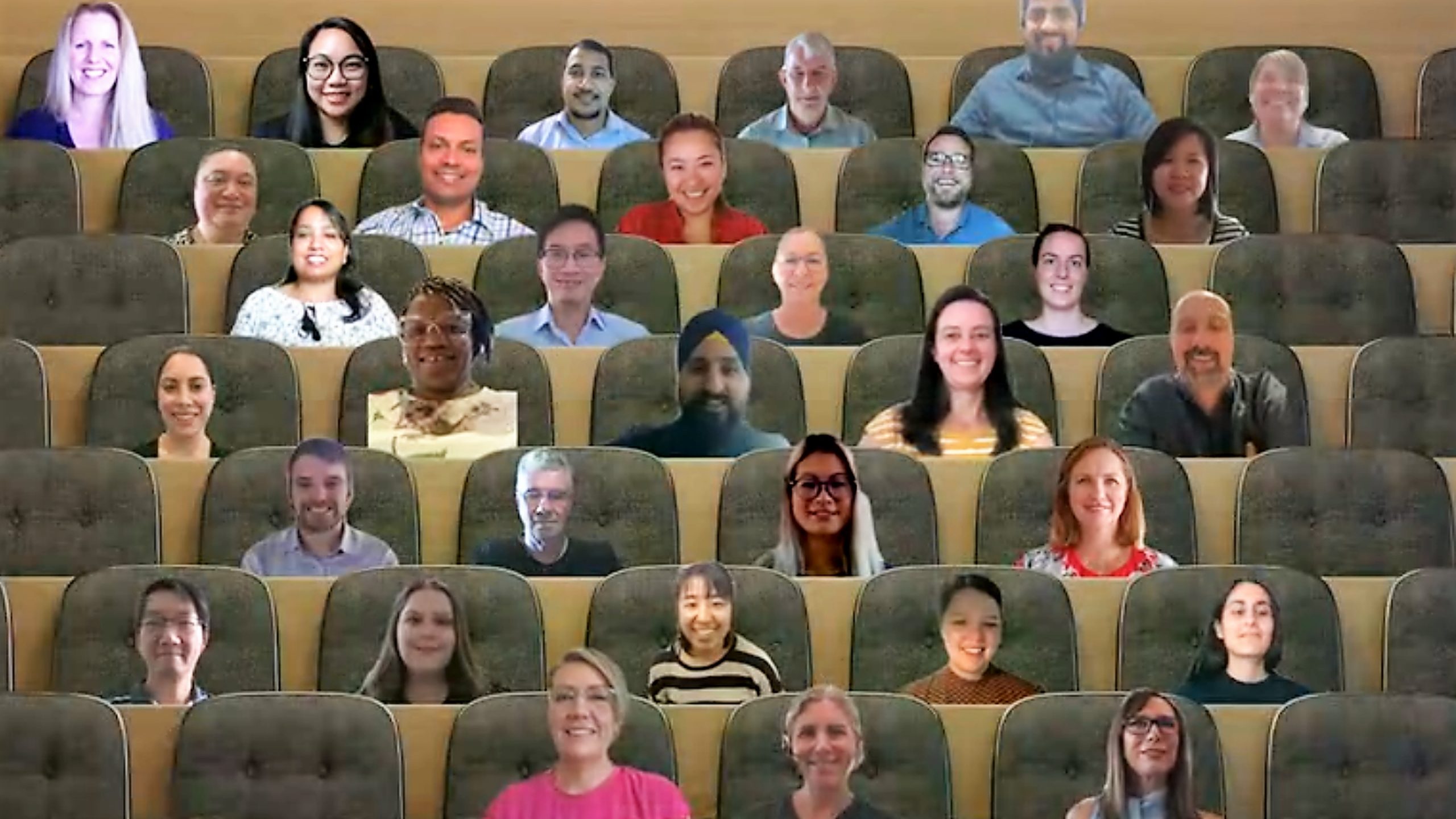
    Featured Image shows the EMR team (left to right):
    Top row: Nicole Hood, Isah Rosal, Mohammed Rahman, Duncan Wellington, Khail Kazi, Daniella Chapkoun. Second row (from the top): Sarai Abel, Ashish Gaidhankar, Prue Poon, Leigh Patterson, Joanne Chia. Third row: Gladys Thomas, Thomas Ko, Stacey Williamson, Catherine Ryder. Fourth row: Leila Massih, Fey Bakar, Harpinder Khalsa, Virginia Grant, Lachie Hayes. Fifth row: Thomas Sheils, Rodney Reader, Lauren Lee, Jeramie Carson. Sixth row: Kenneth Wong, Maddie Leone, Kim Hoo, Jess Hart, Devika Bhaita Bottom row: Vanessa Reid, Elspeth Fink-Jensen, Trish Aldridge

  • EVE App now live

    EVE App now live

    Last year, the maternity team at Northern Health was looking for innovative digital solutions that will enable pregnant women and new mothers to have access to information and assistance when they need it.

    Today, we are pleased to announce the launch of Eve, a mobile application designed to enhance the pregnancy and parenting experience for mums in the north by providing them with access to evidence based information relating to pregnancy, birthing and early parenting.

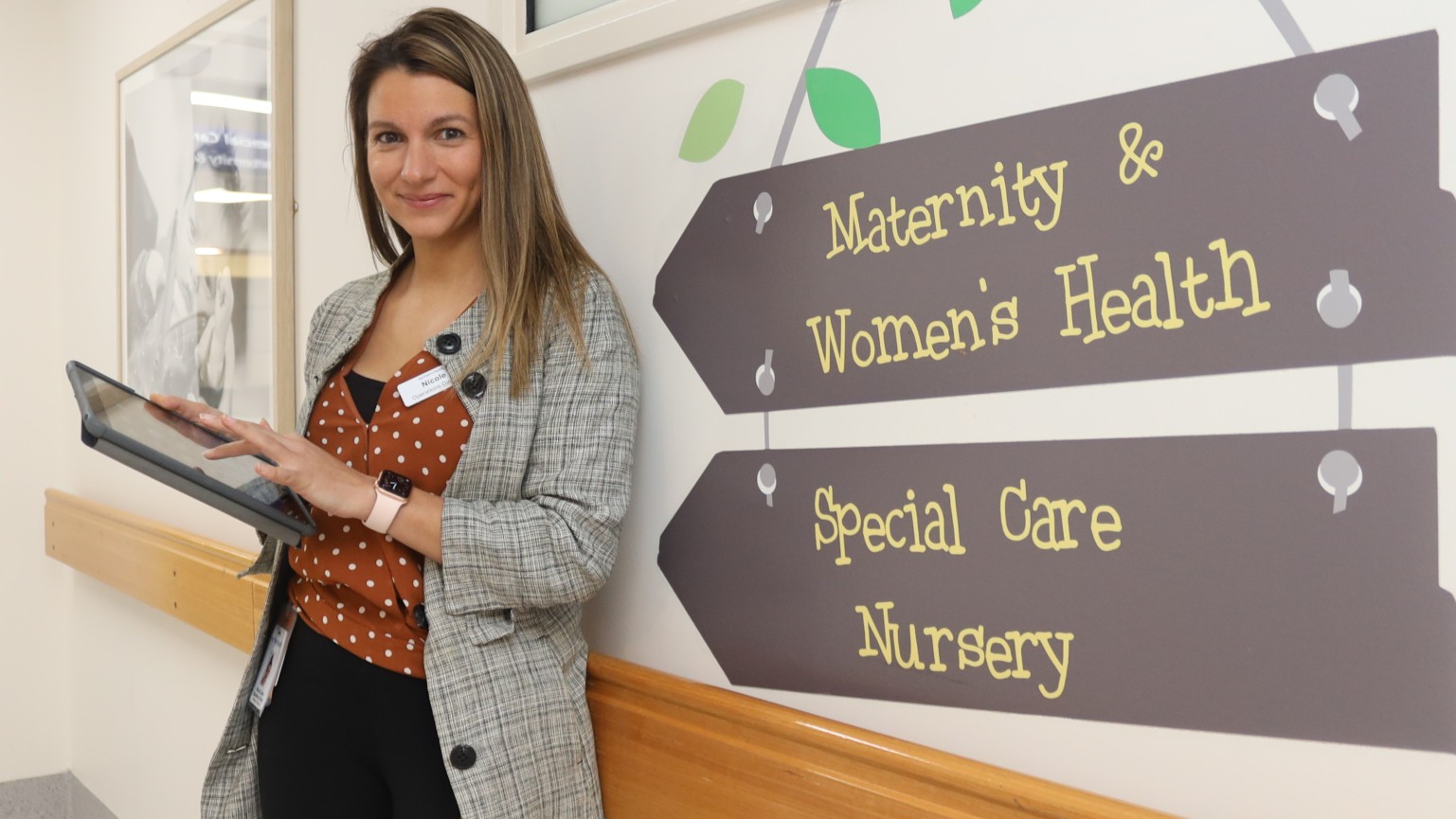
    Nicole Carlon, Director of Operations, Women’s and Children’s Services, says Eve came about as a result of, “looking at ways to improve women’s involvement in their own care and improve the quality and timeliness of the information they were seeking regarding pregnancy, birthing and early parenting.”

    “This issue became even more apparent when the COVID-19 pandemic hit and we needed another way for women to engage with us, given delayed face to face antenatal care,” says Nicole.

    Nicole says there was a need for the service as, “Many women use Google and commercially available apps or ask on forums when they are seeking information. They don’t want to bother the midwives by calling for information and with almost everyone having a smartphone, this is the easiest way for them to get accurate answers.”

    “Unfortunately, this often results in misinformation, scaremongering and even sometimes online bullying. Furthermore, commercial applications are often driven by commercial interests and this creates a bias with the information provided.”

    Nicole goes onto say that as a midwife, having three young children of her own and having used all of the above methods for information seeking, she was dismayed at the misinformation that was rife. “I also saw on many social media groups that I was part of, women who didn’t want to bother their care providers with questions that were medical in nature that could result in a poor outcome due to the wrong information being provided,” she says.

    “When women book in to have their baby at Northern Health, they will receive an SMS inviting them to download the application. This will be linked to their specific booking and their own medical record and will have bank-level encryption to ensure privacy is maintained. Women will receive weekly updates about how their body and baby is growing and have new articles that are relevant to their stage of pregnancy/parenting. They can also search for specific articles or topics that they are interested in.”

    “Unlike other pregnancy applications, women will also be able to see their own pregnancy information by accessing their antenatal visit notes and test results within the application. They will also be able to ask questions through the app (to a midwife); have access to a moderated forum; be able to input medical data like blood sugar levels and blood pressure readings for their doctor to see and have access to a variety of tools like a contraction monitor (that we can see in Birth Suite) and baby feeding/nappy changing trackers,” she adds.

    The Eve app has practical content such as, ‘Serious pregnancy symptoms you should never ignore’, ‘What is fetal monitoring?’, ‘Tired cues’, ‘Expressing breast milk’, ‘Babies first 24 hours’ and ‘Alcohol, smoking, drugs and medications when breastfeeding’.

    Nicole says that, while at the moment Eve is available only in English (aside from some educational content that is also available in other languages), they will continue to build both written and video content in languages other than English to continuously add to and improve the application.

    “We are also looking to build content for specific cultural groups that will take in to account their specific cultural practices and beliefs. In addition, we will be collecting feedback from women on what they would like added,” she says.

    Featured image shows Nicole Carlon, Director of Operations Women’s and Children’s Services.

  • Toxicologist Dr Joe Rotella on snakebites

    Toxicologist Dr Joe Rotella on snakebites

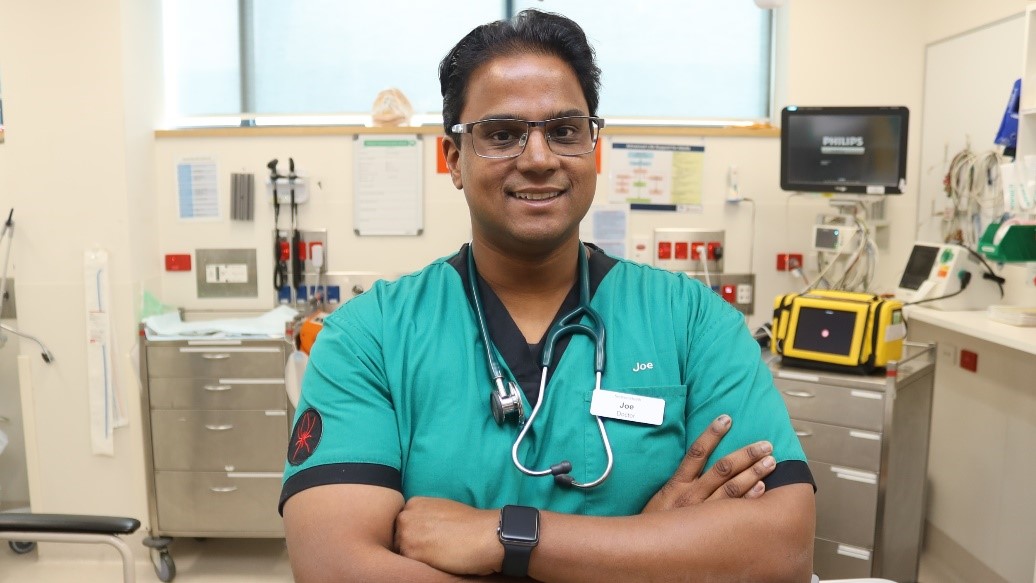
    We sat down with Dr Joe Rotella, Northern Health Clinical Toxicologist, to talk all things snakebites. Joe explains how to stay safe during snake season and what to do if you or someone you’re with is bitten.

    Why is snakebite management important for the community to learn about? 

    It’s important for a few reasons. Firstly, snakebites are treatable. We have a safe treatment and a hospital that can manage snakebites effectively. It’s also important to note that snakebites are avoidable, so educating your children about what not to do is very helpful, as well as training pet dogs so they don’t approach snakes. One of the ways people can get bitten is if their dog goes up to a snake. Some snake handlers run snake-avoidance classes to teach dogs to avoid rather than pursue snakes.

    It’s also good for the community to know where snakes are more likely to be, so they can best avoid them. For example, long grass, under piles of wood. Parents should teach their kids to stomp their feet if walking through long grass – and most importantly, leave snakes alone if you see them!

    When are people most at risk of snakebites?

    Usually when spring starts to warm up, that’s when we see bites start to occur because they become more active and in summertime, they are out and about. Snakes like long grass and anywhere it’s relatively warm – so beaches and scrubland, and where there’s lots of wildlife like parks.

    The most common risk group to be bitten by snakes are males who are intoxicated who find a snake in its normal setting and they try and pick it up. So one of the key things to remember is that, if you see a snake, it’s not your prerogative to kill it or try and pick it up – that’s when you’re most likely to be bitten because, from their perspective, it’s an attack.

    What should you do if you see a snake? 

    Definitely do not try and pick it up! It depends on where you see it – if it’s near a playground or a park, then you should give your local council a call.

    For people who live further out in places like Kinglake, Wollert and Wallan, it’s important to be aware of the places snakes like to go to, for example big wood piles and bales of hay. Be careful and mindful around these places. If you do have areas of long grass or you’ve seen snakes in the area, I would recommend wearing boots and not letting your children run around barefoot in long grass – and supervise your pets and children when around these areas.

    Generally snakes will try whatever they can to get away from you – it’s only if you back them into a corner they would typically strike. They’re not aggressive by nature towards humans because we’re bigger. So if you see one, just take a few steps back and take your dog and your kids away. Don’t try to move them and don’t try to kill them.

    What does one do when they or someone they are with is bitten by a snake?

    Firstly, don’t panic. Secondly, lie down and call 000. We encourage people to lie down as the venom circulates through your lymphatics (little vessels that run alongside your veins). So, if you run, the muscles will squeeze the lymphatics and push the venom up and circulate it around your body.

    If you have a bandage, we recommend putting one on. We don’t recommend tourniqueting limbs as you can compromise the blood supply too much but a simple bandage will be fine. If you don’t have anything else, just lie still and call 000 as they have all the necessary equipment and they manage snakebites very well.

    So if a snakebite does occur, it’s important to know that they are treatable. If you do the right thing when you are bitten, like lying down and staying still, you’re likely to have a better outcome.

    How common are snakebites?

    According to The Australian Snakebite Project, in over 10 years, approximately 1,500 people were bitten by snakes – with approximately 87 people a year being envenomed.

    Brown snakes are the most common, followed by tiger snakes. In Victoria, we’re lucky we only have three overall snake species that are endemic – brown, tiger and red-bellied black. There’s been about two deaths per year on average. Usually the people who don’t do well, are people who have immediate effects. Brown snakes can cause sudden cardiac arrest or collapse – so if you are unable to get immediate medical attention, that can lead to a worse outcome.

    There are also a group of people who we class as ‘suspected snakebites’ – so people who have been out in the grass, they feel a sharp pain and they see a scratch on their leg or a puncture wound but they haven’t seen a snake. We treat these as snakebites, put bandages on and complete blood tests over 12 hours to test for envenomation. From an Australian snakebite point of view, the rule is we treat everyone the same way.

    Tiger snakes are the only snake in Victoria that cause neurotoxicity so we usually look to see if the patient has signs of this. Brown snakes affect your blood clotting but generally don’t cause any neurological symptoms, but are associated with people collapsing. Red-bellied black snakes are probably the most mild – they can affect your clotting a little bit but their bites tend to be a lot more painful, and they can sometimes get complications around the bite site.

    Do you have anything else to add?

    If people have questions or concerns, they can always call the Victorian Poison Centre on 13 11 26 but ultimately if they think that they or someone they’re with has been bitten by a snake, then they need to call an ambulance and come to hospital. Even if we don’t find any evidence of envenomation, the safest option is to still go to hospital.

    Gaboon Viper (the largest fangs in the world) taken by Joe
  • Northern Hospital Expansion Project: Operational Simulation

    Northern Hospital Expansion Project: Operational Simulation

    As Stage 2 of the Northern Hospital Expansion Project approaches completion, Dr Nancy Sadka, and the hospital in-situ simulation team have been busy testing the facility and training and providing orientation to staff prior to the go–live date.

    The operational simulation project, a quality and safety initiative and part of our trusted care transformation, began on 1 February and will run for six weeks, and has already conducted over ten simulations. Nancy says they plan to conduct one a day over the coming weeks.

    The project involves a multidisciplinary team and will include simulations of Code Blue, Code Grey, Code Pink, and evacuation of theatre. There will also be a Code Black simulation and a Code Red simulation jointly conducted with the Police and Fire Department.

    Says Nancy, “It’s the perfect opportunity to train and simulate a practice in this space that doesn’t have patients in it yet.”

    She explains, “It is really key for many reasons. Obviously first from a safety aspect and the opportunity to identify latent risks and address them. It allows us to proactively prevent risk events from happening and address those areas.”

    It is also important as Nancy points out from a staff training point of view – evacuating theater and fire drills are examples of this.

    As Nancy says, “One of the things about moving to a new space, is the concerns you have when you arrive, to a new and unfamiliar space.”

    A key component, hence, of the operational simulation project, is what Nancy describes as the experiential orientation, it provides staff.

    “Staff will learn about this space and become familiar with this space through practice and through facing the same scenarios they will face when they are working with patients – but in a safe way because there are no patients involved.”

    A case in point are the High Dependency Units in the new building.

    As Nancy explains, “For instance the doors open differently, the emergency buzzer is in a different place – and these are all really important for day to day work.”

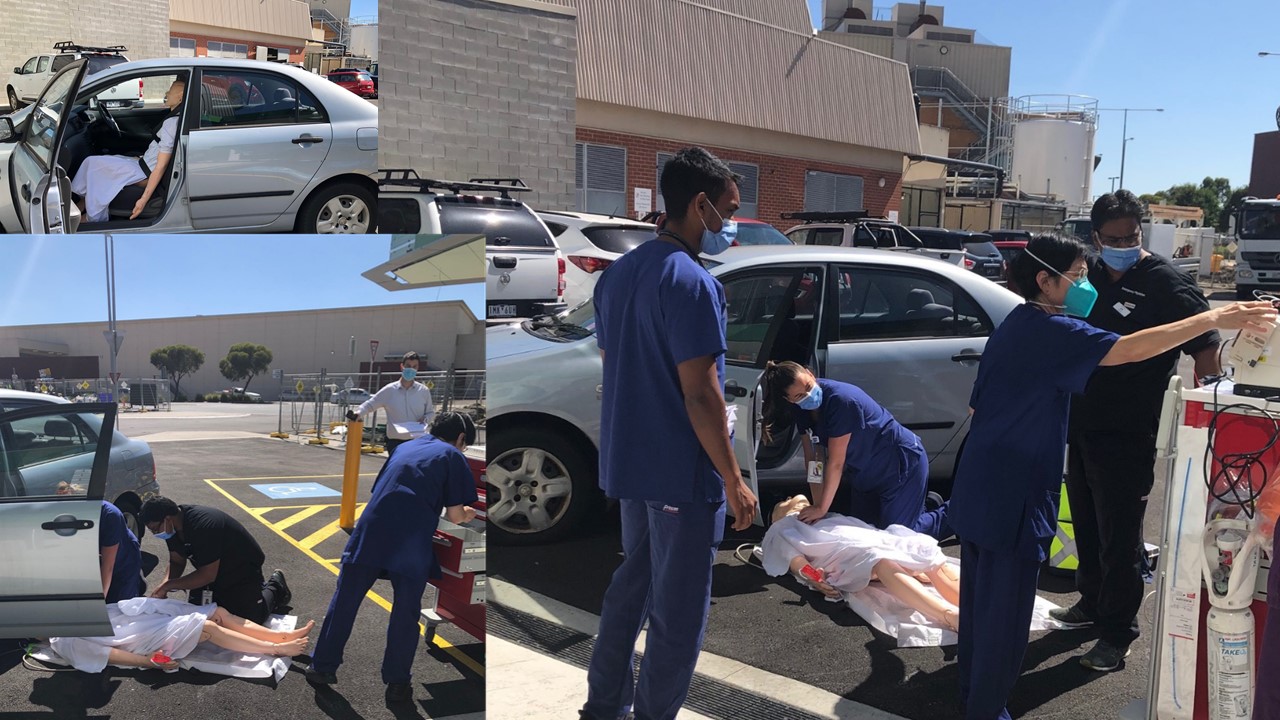
    On the day, we caught up with Nancy and the team had just concluded a simulation of a scenario that happens once or twice a year here (see main image).

    As she explains, it was a simulation of a patient who was in cardiac arrest presenting in their car to the front of the new building and a family member running in for help. As part of the simulation, the reception staff activated a Code Blue and Emergency Department (ED) staff had to retrieve the patient from the car whilst performing advanced life support and CPR. The ED team then had to figure out how to move the patient onto a trolley and back to ED.

    As Nancy explains, it allowed staff to test the space, have a response to an emergency in it and then be able to reflect on it. It raised questions as to, “What equipment and staff might we need?”, “Do we need to do anything differently in our response?” and “what were the barriers and dangers?”

    Says Nancy, “It is really important for our staff to go into that space, be familiar with it and comfortable in it. It’s their voice that gets heard.”

    “It’s about us asking staff from reception to sit at the reception desk and to have to call a code and to tell us what are the areas they are concerned about. It’s about ED staff figuring out the best way to bring a patient back to ED from the wards.”

    Says Ms Bianca Grey from the communications team at reception, who was involved in the simulations, “It was a fascinating experience to see how the different code teams responded.”

    Dr Joe Rotella from the ED team was also part of the multidisciplinary team involved in the operational simulation project.

    Says Joe, “The best aspect of simulation at Northern Health is that these procedures that might not happen every day, have been tested vigorously. As a clinician, we have an opportunity to contribute to its development and its improvement and refinement of processes.”

    Feature image shows a simulation at the entrance of the new building.

  • Dedicated Twins Clinic launches

    Dedicated Twins Clinic launches

    Someone once said, “So many good things come in pairs, like ears, socks and panda bears. But, best of all are the set of twins, with extra laughter, double grins.”

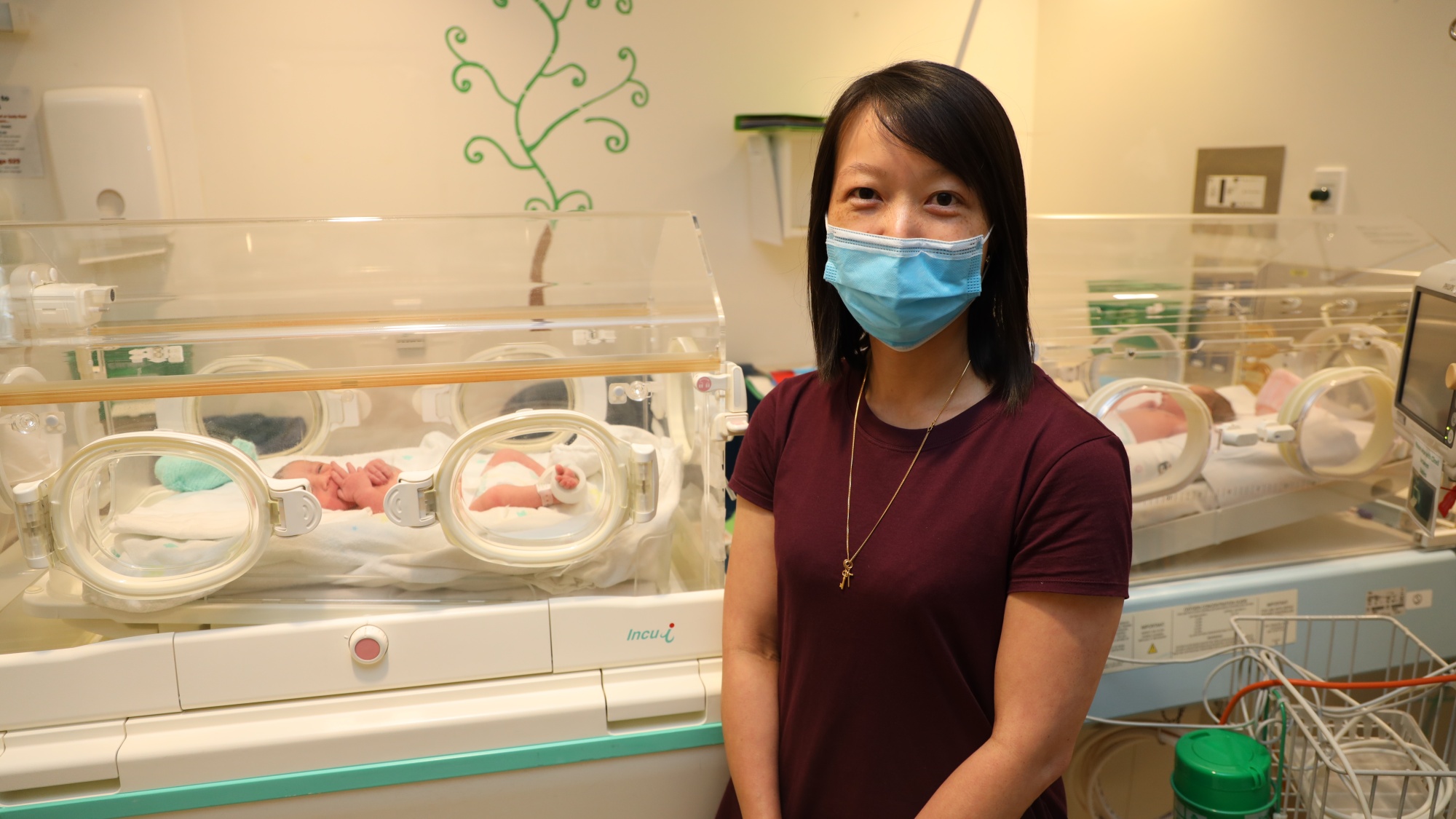
    Today, Northern Health launched a new antenatal clinic led by Obstetrician Dr Allison Choong, dedicated specifically to caring for twins pregnancies.

    “When we look back at it, in a quiet year we have 19 sets of twins and a busy year of 25 sets of twins. I hadn’t even properly started the twin clinic and I already managed eight sets of twins in the last two months.”

    The new antenatal twins clinic aims to provide individualised care to make the journey of twins mothers safe.

    The specialised clinic will allow patients to receive consistent care from the same clinician during their pregnancy, ultimately leading to favourable outcomes for both mother and babies.

    Allison has recently finished her Diploma of Diagnostic Ultrasound, which will allow her to do ultrasound during the antenatal visit and provide reports instantly.

    Dr Paul Howat, Divisional Director – Women’s and Children’s Services, congratulating Allison says, “Now Allison has the expertise for patient ultrasounds and a greater ability to look after high risk pregnancies and complex gynaecology cases.”

    “The ultrasound is one of the most important imaging modalities in obstetrics and gynaecology. As I am now able to interpret and report on ultrasounds, I’m able to understand the clinical situation more accurately and provide better care – that was the main reason for undertaking the diploma,” said Allison.

    There are plans underway to streamline the Early Pregnancy Assessment Service (EPAS) we provide.

    Currently, patients are required to have their ultrasounds completed at a community imaging facility and then return to Northern Hospital to receive their care. With a full EPAS, everything is done in-house, with a sonologist performing the scan here and providing a diagnosis on the spot.

    Early Pregnancy Assessment is in high demand. When Allison first came to Northern Health, an EPAS clinic was not available to patients. Initially operating only twice a week, it now operates every day due to increase in demand.

    “If there is an in-house sonologist providing scans and giving the diagnosis, and then guiding the HMOs along the way, we will be able to provide a more efficient, accurate service. It’s more convenient for the patient and more efficient which will improve the whole patient experience,” says Allison.

    Featured Image: Dr Allison Choong with newborn twins

  • How innovation happens

    How innovation happens

    With our Virtual Emergency Department the first of its kind in Australia, Northern Health is leading digital transformation in health care. Hospitals across the state are now expressing interest to implement our model, with our staff actively sharing expertise and experience.

    The innovation space is booming, accelerated by the pandemic and supported by hard work and fresh ideas that come from clinicians and the project management team.

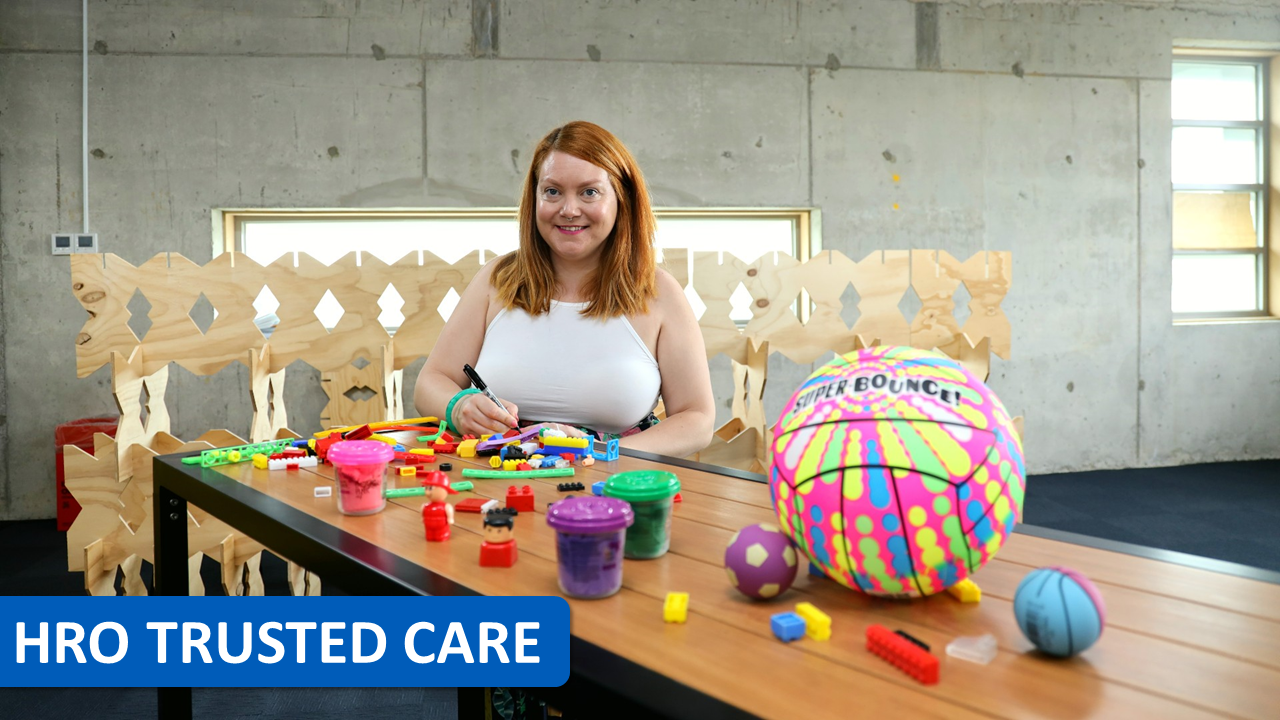
    Ariana Carrodus, Project Manager, has been making ideas happen and is happy to share the Ideas Lab is now back up and running.

    “Since 2017, Northern has had physical Ideas Lab space, which we are really lucky to have. I think we are the only health service with a creative space like this. We are also lucky to have the Chief Executive and the Executive team that think differently and encourage staff to do so. When we were building the Ideas Lab, I was lucky enough to get to run this space and make ideas come to life. We had to stop the sessions in 2020, but we are now back,” Ariana explains.

    Sessions at the Ideas Lab have brought many creative ideas out in the open. The idea itself is just the starting point, it’s the dedication of numerous teams that brings it all together, and ultimately improves the quality of our care. Along with the workshops in this space, there is an IdeasScale portal, open to all staff to engage with a project or an idea and contribute.

    Last year, in line with COVID-19, the team realised there was a lot of change being done really quickly.

    “Health care historically is slow-moving, so we wanted to harness that momentum and keep things moving. That is how we launched ‘Sprints’ – a number of projects with a quick turnaround time. We pitched ideas to the Chief Executive and Executive around how to digitalise models of care or provide care in the home,” she explained.

    One of these ‘Sprints’ ideas was the successful Virtual Emergency Department (ED). From idea to go-live, the team had 12 weeks to make it all happen. The ‘Sprints’ are run by clinicians, while the project management team coaches and supports the project.

    “Virtual ED was a clinician’s idea and the best projects are the ones that come from frontline staff. When they are living and breathing a problem every day, they are the ones to suggest how we do things differently. We need the subject matter experts on the floor to be coming up with ideas. The project management team can facilitate, coach, enable and support, but the work and idea has to come form our staff,” she added.

    A number of ‘Sprints’ projects are currently being developed, including Eve – the maternity app launching in February, Chemo at Home project, and the Muscular-Skeletal Wellness project.

    To bring these digital solutions into one place, the team are now working on a Northern Health app, which will help patients find our digital services easily.

    “If you are a maternity patient and using Eve, you might also need to visit ED for some reason, and patients would be able to find both Eve and the Virtual ED on the Northern Health app,” she explained.

    Ariana enjoys working on innovation projects and seeing transformation happen – “people sometimes think change means more work, but we are actually trying to make the lives of our patients better and it should never be more work for our staff. It should be around making workflows more efficient. We have engaged and savvy staff – and that is why innovation thrives at Northern,” Ariana said.

    This year, Ariana hopes to bring guest speakers back to Ideas Lab, which is now open for creative sessions and workshops. If you would like to get involved in innovation, have an idea, or would like to chat to Ariana on using the space for your next creative session, please email her here.

  • Telehealth Hub launched

    Telehealth Hub launched

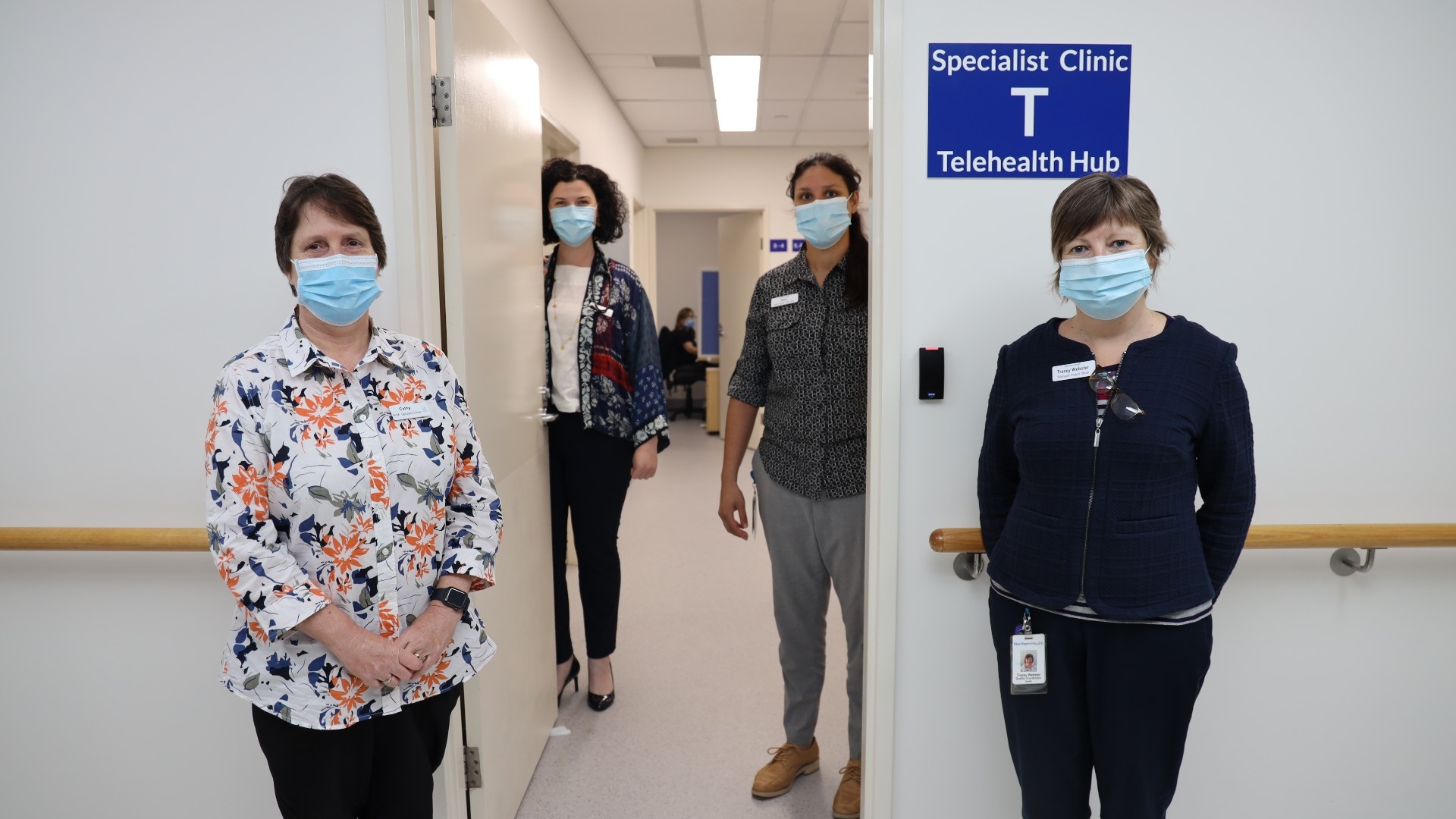
    Northern Health’s Telehealth Hub is now in operation. The hub is a new, redesigned and dedicated space where clinicians can use a video call or phone to have appointments with patients, if they don’t need to see them face to face. The telehealth clinic hours will be morning and afternoon, 8.30 am – 12.30 pm and 1 pm – 5 pm, Monday to Friday.

    Tracey Webster, Telehealth Project Officer, explained having a dedicated hub reduces the need for clinicians to use a whole clinical room, and hubs have been found to be efficient and effective, while being in line with Northern Health’s digital transformation and our COVID-19 response.

    “The new hub is OHS compliant and has purpose built acoustics, meeting industry standards. For patients, it is a private space and they will get that sense of privacy that they are alone with the doctor. We have state of the art noise-cancelling headsets and every part of patient experience has been taken into account. The OHS&Wellbeing team, as well as Infection Prevention have been involved to ensure proper ventilation, seating and COVID-Safe plans. For clinicians, we have accommodated the environment to be quiet, well-equipped and supported with a dedicated administration staff member. A water cooler is available for clinicians to maintain hydration while conducting their clinics,” she explained.

    Samantha Soggee, Director of Operations Cancer Services and Specialist Clinics, explained there are 12 desks for clinicians in the hub and one for admin support.

    “It took us six weeks to build the Telehealth Hub and included a lot of planning to make it COVID-Safe, like separating sections of desk spaces, having a free-flow air conditioner and similar. The space allows us to adjust the room, depending on the current COVID situation,” she said.

    Cathy Fletcher, Nurse Unit Manager Specialist Clinics added: “Specialist Clinics will be forever changed due to impacts of COVID-19. This is a positive outcome, and the change is long-term, as many people can now have their appointments wherever they are.”

    “Patients like that they don’t have to come to hospital, and we have also noticed that, with the introduction of telehealth, the fail to attend rate has dropped. A lot of people said they liked that they can actually be at work and still attend their appointments, without taking days off. It was also beneficial to parents who were schooling and it was easier to see a paediatrician this way,” she said.

    Telehealth is delivered via Health Direct, Government’s official platform for video consultations. It allows up to five participants in a call, which means interpreters, Aboriginal Liaison Officers or family members are able to join. Additionally, AUSLAN interpreting is available.

    “With the virtual appointments, Northern Health is reducing our carbon footprint, contributing to the environmental benefits, as there are less people in cars going for their doctors’ appointments. Northern Health is on a path to digital transformation, and this is one aspect of it,” Tracey added.

    Featured image (left to right): Cathy Fletcher, Dr Katharine See, Samantha Soggee, Tracey Webster