• New endoscopy rooms now open at Northern Hospital Epping

    New endoscopy rooms now open at Northern Hospital Epping

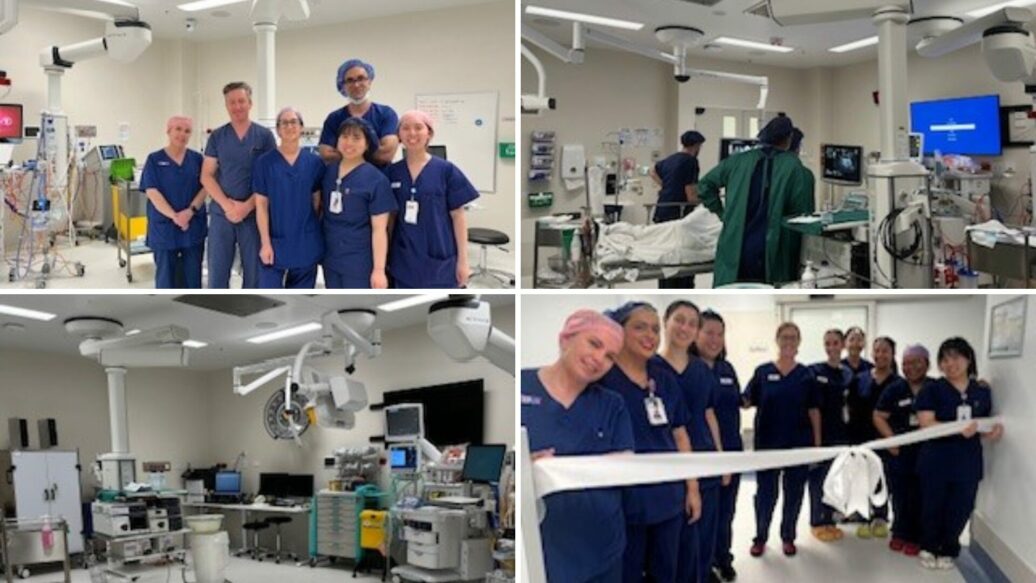
    Last month, two new Endoscopy rooms and reprocessing areas opened at Northern Hospital Epping.

    The Ward 9 team moved into the new rooms that boast larger spaces set up with the latest technology to enable our staff to deliver quality care to patients.

    The journey to last month’s go-live had been a long one, commencing about seven years ago. After identifying that the old rooms were non-compliant with Australian standards, submissions were made to build two new rooms within the existing footprint of what was the old theatre recovery room.

    “It’s a very exciting time for the Ward9/Endoscopy Team that have watched all other perioperative departments refurbish and redevelop. I’m really pleased that this team finally get their beautiful new spaces,” said Tracey Wyllie, Director of Operations – Surgical Services.

    Phase One of the redevelopment included the washing and reprocessing of rooms. Phase Two will add a Step Down (low acuity) Theatre, two new consulting rooms and plenty of additional storage, which will open later in the year.

    “The Ward 9 team have been resilient and very patient, working in cramped difficult spaces over the last few months during the build, but they can now be excited and proud to work in our new spaces,” said Sue Van Meeuwen, Nurse Unit Manager, Ward 9.

    “I would like to thank everyone involved for their efforts and patience in preparing the new Endoscopy rooms for go-live. Without the teams support and hard work behind the scenes during construction, setup and education, the opening would not have been as smooth.”

    “The staff were excited to show off the new Endoscopy rooms to our Peri Op and Gastroenterology colleagues, and to deliver quality care to our patients in a professional bright environment.”

  • We are Northern: Meet the Termination of Pregnancy team at Broadmeadows Hospital

    We are Northern: Meet the Termination of Pregnancy team at Broadmeadows Hospital

    For the past six years, the Abortion Service at Broadmeadows Hospital has been providing an essential service to the community in Melbourne’s north. As part of Northern Health’s commitment to delivering comprehensive healthcare, the service offers both early medication and surgical abortion in a pro-choice, safe, and supportive environment.

    Operating on Thursdays and Fridays, the clinic is staffed by a multidisciplinary team of highly skilled professionals including clinical midwives, doctors, a counsellor/social worker, and a research midwife. Together they ensure that patients receive the highest level of care and support throughout their journey.

    The abortion service at Broadmeadows Hospital is an integral part of Northern Health’s ongoing efforts to provide accessible reproductive healthcare services for women in the region.

    “Access to safe abortion is an essential part of reproductive health care. We are proud to offer this service at Northern Health and enjoy working collaboratively with primary health care providers and other major health services to ensure ongoing provision of high-quality abortion care to our community,says Kate Chaouki, Clinical Midwife Consultant/Clinic Coordinator, Northern Health.

    Sarah Wotherspoon, Counsellor/Social Worker, joined the Abortion Service in June 2023. The addition of social work has broadened the scope of the clinic and allows access to non-directive pregnancy counselling, family violence support and other vital assistance to patients who need it.

    We knew that social work was important in this space, but had not quite anticipated the high level of demand for Sarah’s skills in the clinic. We recently celebrated Sarah’s 200th referral for abortion counselling/social work and could not provide this level of comprehensive care without her,” says Ms Chaouki.

    Sarah enjoys working in this space and consistently receives positive feedback from patients whose experience of abortion care is enhanced by her support.

    “I am proud to work with this highly skilled, supportive and kind team, providing an essential health service to our patients,” says Ms Wotherspoon.

    Recently, several team members had the opportunity to attend the Children by Choice Conference in Brisbane, where they engaged with abortion providers, advocates, and academics from across Australia and New Zealand. The team was privileged to present both a poster and an oral presentation on their ongoing research titled “Co-designing Abortion Care in Melbourne’s North.” Follow this link for further information.

    How to refer?

    If you have a patient who is pregnant and seeking pregnancy options counselling, you can refer them to 1800 My Options, a pro-choice abortion and contraception information and telephone service. 1800 My Options is available Monday to Friday, 9 am – 5 pm, via www.1800myoptions.org.au or by calling 1800 696 784.

    If you would like to refer a patient to the Abortion Service at Northern Health, you can submit an internal referral via CPF. Please follow this link for referral guidelines on the Intranet.

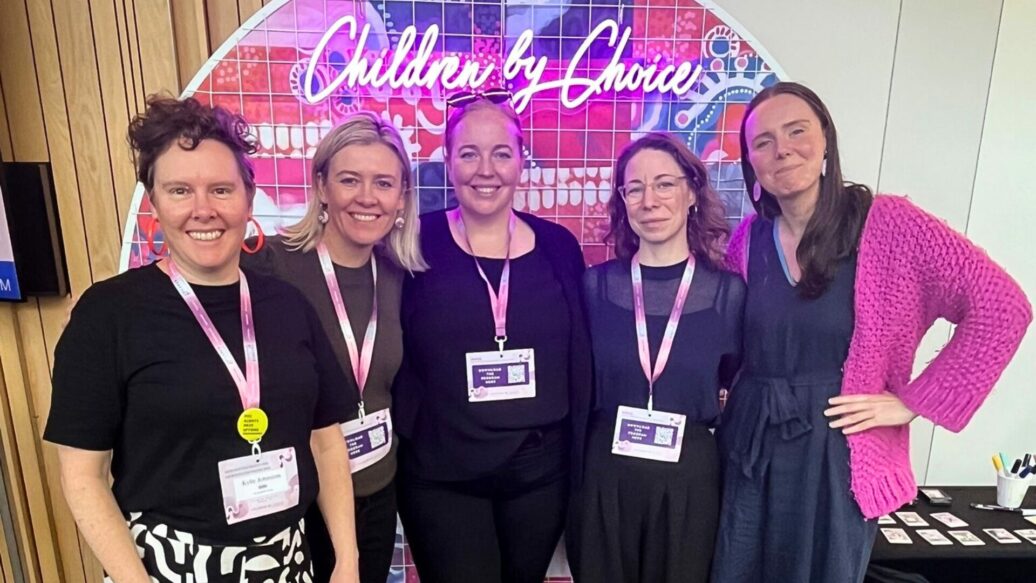
    Pictured in featured image (L-R): Kylie Johnston, Midwife, Sarah Wotherspoon, Counsellor and Social Worker, Dr Eliza Robinson, Kate Chaouki, Clinical Midwife Consultant and Eleanor Johnson, Research Midwife at the Children’s by Choice Conference.

  • Get to know: Amanda Byrne

    Get to know: Amanda Byrne

    #WeAreNorthern

    As we mark a milestone of one year since the amalgamation of Northern Health and Kilmore District Hospital, we sat down with Amanda Byrne, Clinical Education Coordinator at Kilmore, to discuss her journey, her passion for education, and what keeps her motivated.

    Q. Could I start with your coffee order, please?
    Cappuccino  – but I’m not too fussed, any coffee will do.

    Q. You are the Clinical Education Coordinator at Kilmore – what does the job entail?
    As the Clinical Education Coordinator at Kilmore, I plan and manage undergraduate student placements, and work with the education team to provide a supportive environment with appropriate learning opportunities for our students.

    We also manage the postgraduate, graduate, refresher and re-entry nurses across the organisation and facilitate the in-service education program for both clinical and non-clinical team members. My job also offers the opportunity to be involved in some amazing quality improvement projects too, which is a part of the job I love!

    Q. What is your favourite memory since working here?
    My favourite memories come from the incredible people I’ve had the privilege to work with and the patients and families I’ve cared for over the years. I started in the Emergency Department at Northern Hospital shortly after it opened, later moving to Kilmore District Health’s Urgent Care Centre and then to the Education team. I have had the pleasure of meeting and working with some amazing people. I enjoy being part of the Education team at present, we work very well together. I’ve also sort of come full circle to be part of Northern Health again!

    Q. How do you relax after a long shift?
    Going for a walk with a friend and my dog is a favourite, generally debriefing and talking about the week while getting some fresh air and sunshine is great (I don’t do it enough!)

    Q. What is something that most people would not know about you?
    I grew up in the Kilmore/Broadford area, my first job was working in my family’s shop, the corner milk bar in Broadford.

    Q. What is your favourite destination to travel?
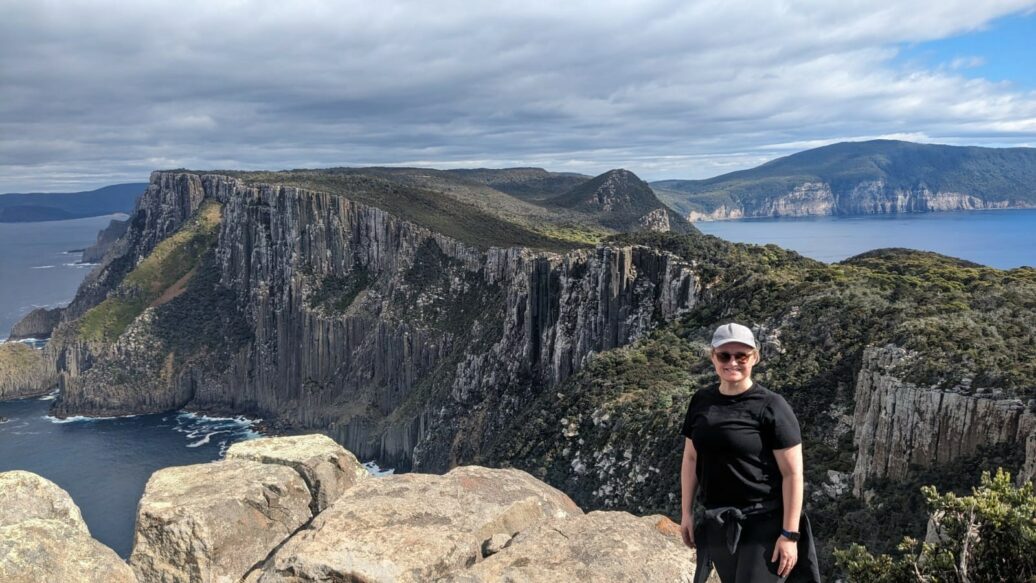
    I love to travel and have recently started exploring more of Australia instead of heading overseas at any opportunity! The Sunshine Coast is a favourite, but I’m excited to discover more of South Australia and Western Australia.

  • PErforM safety together

    PErforM safety together

    Manual handling accounts for almost half of all Work Cover claims at Northern Health. For each Work Cover claim made, there are approximately another four to five manual handling injuries that do not progress to a Work Cover claim.

    Hazardous manual handling is often the cause of musculoskeletal injuries (MSIs) and is defined as work requiring the use of force exerted by a person to lift, lower, push, pull, carry or otherwise move, hold or restrain an object or person.

    Both physical and psychosocial hazards can increase the risk of workers developing MSIs in the workplace. At Northern Health, many of our tasks involve hazardous manual handling that results in a higher risk of MSIs. These tasks may include:

    • Patient manual handling
    • Pushing trolleys/beds/equipment
    • Carrying awkward, heavy items
    • Repetitive tasks (e.g. picking, packing)
    • Maintenance tasks
    • Extended use of workstation

    The Participative Ergonomics for Manual Tasks (PErforM) program tool was recently introduced to facilitate more effective management of hazardous manual handling tasks. The PErforM program is based on a participative ergonomics approach which is a validated approach for reducing the risk of musculoskeletal injury through worker participation.

    Consultation is an important process to create a safe work environment. The idea of PErforM is to speak with staff about the safest way to perform a task as they are the expert in performing their work tasks.

    This approach enables Northern Health to identify and assess problems more effectively as well as develop ideas about how to fix them. These valuable learnings can be incorporated into the SOP to make the task safer.

    The advantages to this method include:

    • Developing effective controls that will target the key risk factors and be designed for the work requirements to suit the staff
    • Giving staff a greater sense of ownership and commitment to use the controls once they are implemented
    • Assisting in meeting legislative requirements, specifically; hazardous manual handling tasks risk management, duty to consult and providing information and training to workers

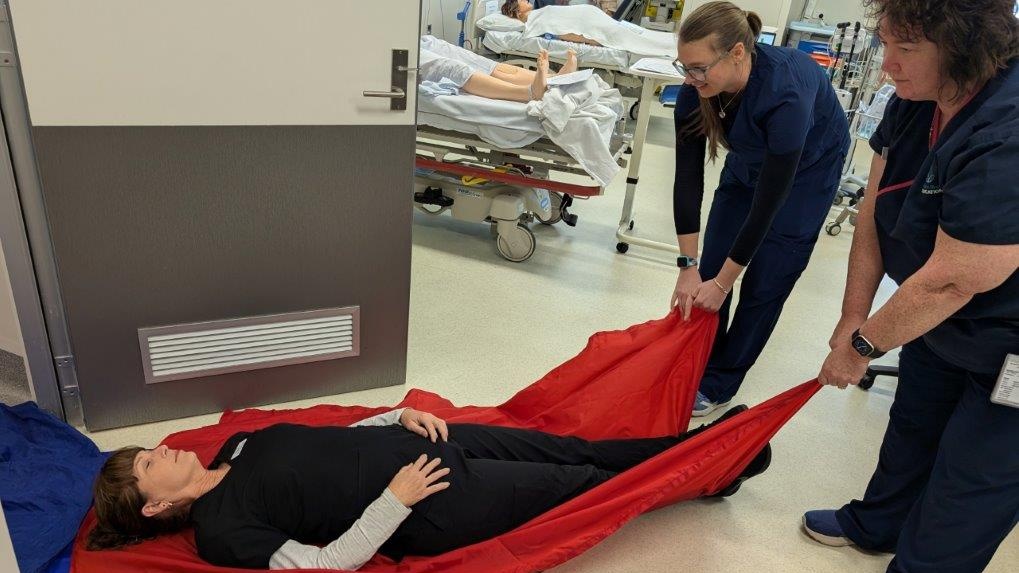
    OHS recently facilitated a workshop to review the SOP ­- Moving a patient out of a small space.” Due to the restricted environment, staff have to assume awkward postures and forceful muscular exertion for part of the task. Participants performed the tasks and assessed the impact of the task on their body.

    One example was when moving the patient on the floor using three slide sheets. Participants indicated they felt awkward posture and exertion in lower back, arms and legs. The participants then determined a safer method would be, where possible – staff working in unison to take three steps at a time, stop to check position and rest posture and then recommence moving the patient. This valuable finding along with many others were incorporated into the SOP.

    One of the participants, Natalie Koegler, who is a Lead Manual Handling/No Lift Trainer, said “It was great to include staff in the process. We physically tried different options to see the safest way to do the task. This was incorporated into the SOP to make it a safer process and I feel this means we are less likely to make mistakes and hurt ourselves. I really liked thinking about which part of my body was being used when doing the task and if any impact can be reduced. Moving forward I think consulting with staff is a great way to review and update SOPs.”

    The final SOP can be found: OHS – Manual Handling – Patient Handling.

    The OHS & Wellbeing team are currently reviewing and updating the Patient Manual Handling/No Lift SOPs. If you are interested in coming to a Participative Review Session, please email us at ohswb@nh.org.au.

    Safety is my business, your business, our business.

    Featured image: Manual handling lead trainers that participated with the SOP review of: “Moving a patient out of a small space.”

  • In the vein of international excellence – ANZ Venous Forum Workshop

    In the vein of international excellence – ANZ Venous Forum Workshop

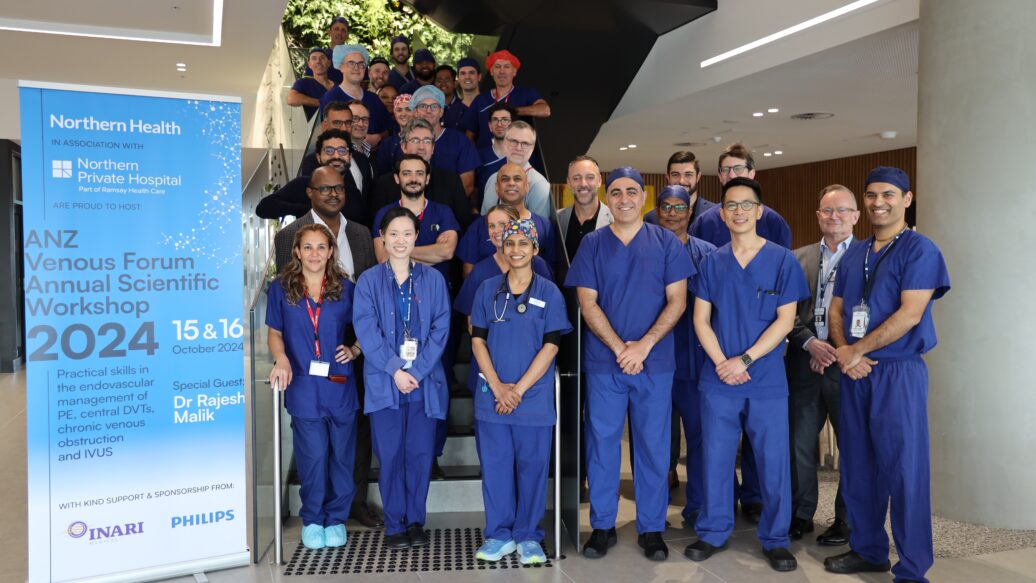
    In October, vascular experts from across the globe gathered in Melbourne’s north to share knowledge and learn about new techniques focused on the complexities of deep venous disease.

    The sixth annual ANZ Venous Forum Workshop was hosted by Northern Health on 15 and 16 October 2024, across both Northern Hospital Epping and Northern Private Hospital. The packed agenda focused on the management of deep venous disease, in particular deep vein thrombosis (DVT), iliofemoral DVT, iliofemoral obstruction, Paget-Schroetter syndrome, and the medical and surgical management of pulmonary embolism (PE).

    Over the course of the two-day workshop, participants engaged with a series of compelling case studies. These cases focused on the surgical treatment of iliofemoral DVT and its sequelae, Paget-Schroetter management, pelvic venous congestion syndrome, and non-thrombotic iliac venous lesions.

    It served not just as a platform for discussion but as a critical learning experience focused on deep venous diagnosis and management, and more importantly, the principles of PE diagnosis, treatment, and management from key ICU, physician, and surgical speakers. There were also robust discussions and training provided around the surgical management of PE and the importance of developing a multidisciplinary PE response team (PERT).

    Mr Iman Bayat, Clinical Lead for Complex Venous Service, said that they have been very blessed at Northern Health to have had a deep venous workshop almost every year since 2017.

    “As time has gone by, we realised that there is a growing need for collaboration in Australia and New Zealand. And so, we had to go bigger. We’ve had people from New Zealand, we’ve had people from Perth, from Adelaide, from Sydney, from Wollongong. We’re all here with a shared passion for deep venous disease. It’s a forum where we can all learn from each other,” said Mr Bayat.

    “Not only can we help train the next generation of surgeons, but we are creating a platform for research. We’ve learned a lot, and we’ve also shared many experiences with others. We already have a plan for future meetings where the group can get together on a more regular basis and share their cases to ensure this learning and collaboration continues.”

    Dr Rajesh Malik, a vascular surgeon from New York Presbyterian Brooklyn Methodist Hospital, said it was a privilege and an honour to attend this workshop.

    “There’s been a lot of collaboration in discussing cases. I’m sure that all the physicians here have learned a lot, and I’ve learned a lot from the physicians and the staff. I think it helps all of us take our patient care to the next level, especially in venous disease, which is not well talked about or done by many people,” said Dr Malik.

    “For us to be able to collaborate and come up with treatment options, I think it really helps different communities, and I think it’s a fantastic idea to continue this going forward. I picked up a couple of things here regarding venous testing, which is not what we typically do.”

    Dr Philip Puckridge, a vascular surgeon from Flinders Medical Centre in South Australia, emphasised the importance of these workshops and shared learning for improved patient care.

    “This is really important because venous disease, even though it’s part of what we do as vascular surgeons, is not necessarily well established in the processes of how we can treat it,” said Dr Puckridge.

    “What we’re doing here is actually bringing together a group of people with interest and enthusiasm in this area to meet with experts and discuss how this disease process is treated. What we take back from this, and hopefully what everyone else takes back, is a better understanding of why we should treat these patients with interest.”

    Dr Laurencia Villalba, a vascular surgeon from Wollongong Hospital, New South Wales, travelled south to “experience the prowess of the vascular surgeons from the North.”

    “I think it’s a fantastic opportunity to collaborate and learn from each other. This is all about elevating our level of knowledge and understanding of venous disease, which is relatively new for Australia,” Dr Villalba said.

    “We’re forming a very good group of people with the same kind of interest in promoting knowledge and awareness of this disease and what we can do to help our patients, so it’s been a fantastic opportunity to network and learn from each other.”

    “Northern has put on a fantastic show, with very good cases; these surgeons are extremely skilled, and it’s just a pleasure to watch them operate.”

    Mr David Goh, Head of the Vascular Surgery Unit at Northern Health, said that the workshop was a great opportunity to collaborate, educate, and learn.

    “The workshop brought together a whole host of experts from around the world. We’re always trying to push the boundaries of venous disease, and we certainly have great world experts attending, showing us how things are done in different parts of the world,” said Mr Goh.

    “It is evident that this event is more than just an educational experience; it is a testament to the strides Northern Health continues to make toward advocating for the importance of venous disease and establishing itself as a centre of excellence, and  certainly puts us on the world map.”

  • Research Week 2024 – It’s a wrap!

    Research Week 2024 – It’s a wrap!

    Research Week 2024 has come and gone in what feels like a flash for myself and the team in the Research Development and Governance Unit. While I only have one other Northern Health Research Week to compare it to, the event this year felt BIG…. Excitingly ambitious, with a different and more extensive format compared to 2023. But this was entirely appropriate, given the overall aim this year was to be inspired to think big about the future of research at Northern Health.

    We started the week off on Monday with a Grand Opening and Keynote session. Following a heart-felt Acknowledgement of Country from Stephanie Thompson, our Interim Chief Executive, Debra Bourne, welcomed all to the week, and articulated the importance of research for innovating and improving patient care at Northern Health. She particularly mentioned her desire to see the development of more nurse-led research in our organisation. I then highlighted the many exciting developments in research since Research Week 2023, including our successful first assessment against the new National Clinical Trials Governance Framework, university partnerships coming online, and involvement of our researchers in multiple successful research grants. We then had the absolute pleasure of listening to an inspiring presentation by Professor Paul Monagle from The Melbourne Children’s Campus, in which he described his career in paediatric haematology research and the genuine joy he derives from collaborating with great people to make a difference to patients. My favourite quote: “Everything is truly a learning opportunity”.

    On Monday afternoon, we kicked off the first of four research poster sessions. This year, researchers had the choice to either print their posters for display in the NHE foyer, or post a digital version in a poster gallery online. While all posters had the opportunity to vie for the People Choice Poster Award, those who displayed their printed poster outside Henry’s Cafe were also in the running for daily Best Poster Awards. This sparked lively debate between presenters, judges, and audience, and made clear to our community that research is thriving at our organisation.

    On Tuesday we held two big lecture events. The first showcased the amazing Translational Research being undertaken by both Northern Health and our university academic partner RMIT. We were grateful that RMIT supported our Research Week in many ways, including through research presentation, session co-chairing, and sponsorship, and this Translational Research session really illustrated the power of academic and clinical collaboration. The second Tuesday event was our Research Grand Round, where we were lucky to have health economist Professor Jon Karnon visit us from Flinders University to discuss his collaborative work with the VVED to understand the economic impact of virtual emergency departments. There are so many elements to consider, and I am sure that all who attended have a much greater understanding of the complexities of this form of very important research.

    On Wednesday, we held the first of two Best Abstract Oral Presentation sessions. The authors of the top 12 abstracts were invited to present their work. In this, and the second session held on Friday, the terrific breadth and depth of research happening at Northern Health was highlighted. The oral presentations were judged by three senior researchers in order to award prizes to the top three, with the ‘best of the best’ to be awarded the Peter Brooks Research Award for 2024. One judge was heard to say “They are all so good – it’s really hard to separate them!”

    On Thursday morning, Research Week temporarily adopted the monthly Medical Grand Rounds, hosting Professor Elif Ekinci from the University of Melbourne. Prof Ekinci told us about her aim to improved diabetes care through collaborative research and innovation. She reiterated a common theme this year – finding the right collaborative partners who share your passion is crucial for success. Thursday evening saw our surgical researchers showcasing the amazing array of projects being undertaken across the surgical units, orthopaedics and anaesthetics. Thanks to Russell Hodgson for coordinating and chairing this session.

    The week culminated in a half-day event on Friday, including the Northern Health Foundation Research Breakfast, Best Abstract Oral session B, a quiz, and the Awards Ceremony. At the breakfast, we were delighted to welcome Professor Richard Saffery from Murdoch Children’s Research Institute. Prof Saffery told us about the history and progress with the Generation Victoria (GenV) research program, which aims to “transform the health and wellbeing of an entire generation”.  GenV has recruited newborn babies and their parents from all 58 birthing hospitals across Victoria over two years, including over 4,000 participants from Northern Health. It has created a unique research resource that all researchers can use to understand the childhood origins of later disease. A true example of thinking big! Our own researchers then took the stage to take up the challenge of describing their own newly government-funded research projects in just five minutes, with topics ranging from biosensors to reducing falls.

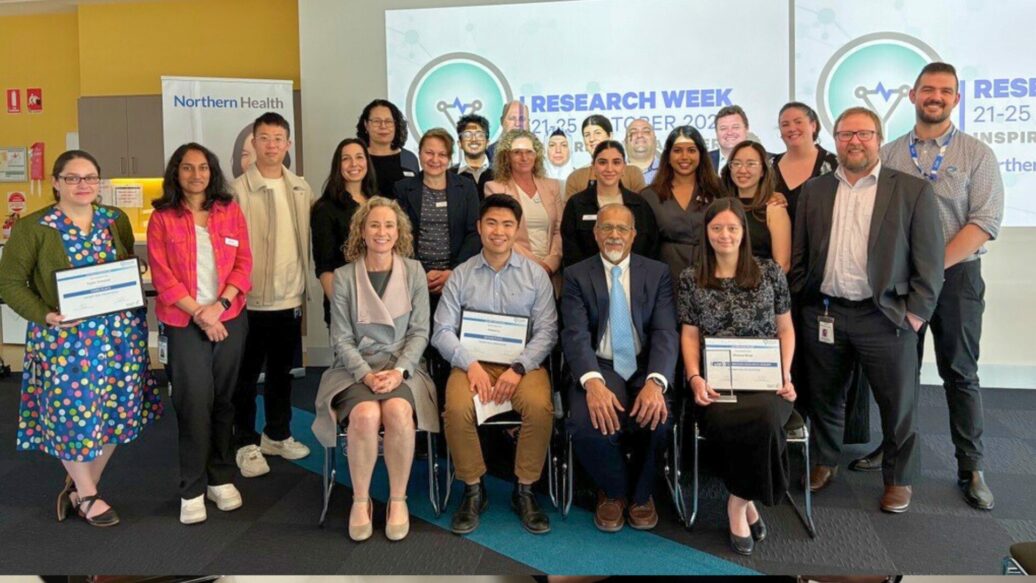
    Following a lively and fun quiz (congratulations to the winner Natali Cvetanovska!), we moved to the Awards Ceremony. We thank Dr Andrea Kattula, member of the Northern Health Board of Directors, for joining us to present the awards. We are pleased to announce the following winners:

    Posters:

    • Best Printed Poster Day 1: Claire Schofield | Abstract title: Implementation of an Advanced Practice Physiotherapy model substantially reduces the need for Gynaecologist assessment.
    • Best Printed Poster Day 2: Rebecca Turnbull | Abstract title: Safety, efficacy, and implementation of home-based high-intensity interval training for patients with cardiac disease: a systematic review.
    • Best Printed Poster Day 3: Nicholas McCabe | Abstract title: Northern Health Operating Theatres: an environmental sustainability audit.
    • Best Printed Poster Day 4:  Ahthavan Narendren | Abstract title: Impact of a Virtual Heart Failure Unit on mortality rates.
    • People’s Choice Poster Award: Ruth Wilson & Natalie Wong | Abstract title: Artificial Intelligence Image Reconstruction in Computed Tomography.

    Oral Presentations:

    • Third Place: Taylor Corocher | Abstract title: A comparison of traditional health care professional-collected FLOQSwab and self-collected binasal Rhinoswab for SARS-CoV-2 PCR testing.
    • Second Place: Vincent Lu | Abstract title: Assessment of plasmin generation in patients with diabetes mellitus.

    And finally (drumroll please!):

    • First Place – Peter Brooks Research Award: Rowena Brook | Abstract title: Multimodal cardiovascular risk prediction model in diabetes outperforms HbA1c and Framingham Risk Score.

    Congratulations to all!

    And a huge thankyou to our sponsors, Northern Health Foundation, RMIT University, La Trobe University, The University of Melbourne and JR Medical Books, speakers, chairs, participating researchers, abstract reviewers, and the Research Week Working Group.

    Last, but definitely not least, a personal thankyou from me to the whole Research Development and Governance Unit team, and especially Brittany Szabo, Tilini Gunatillake and Belinda De Poi, without whom Research Week 2024 would not have been possible. Full stop.

    Best Research Week Ever?? You decide! If you participated in Research Week 2024 in any way, please complete our feedback survey so that we can make 2025 even better! We have a $50 eftpos gift card to give away as a thankyou.

    Until next year!

    Dr Justine Ellis
    Research Operations Manager
    Research Development & Governance Unit
    Northern Health

    Click here to watch the Research Week video.

  • Dr. Zena Barakat: Celebrating excellence in Nephrology

    Dr. Zena Barakat: Celebrating excellence in Nephrology

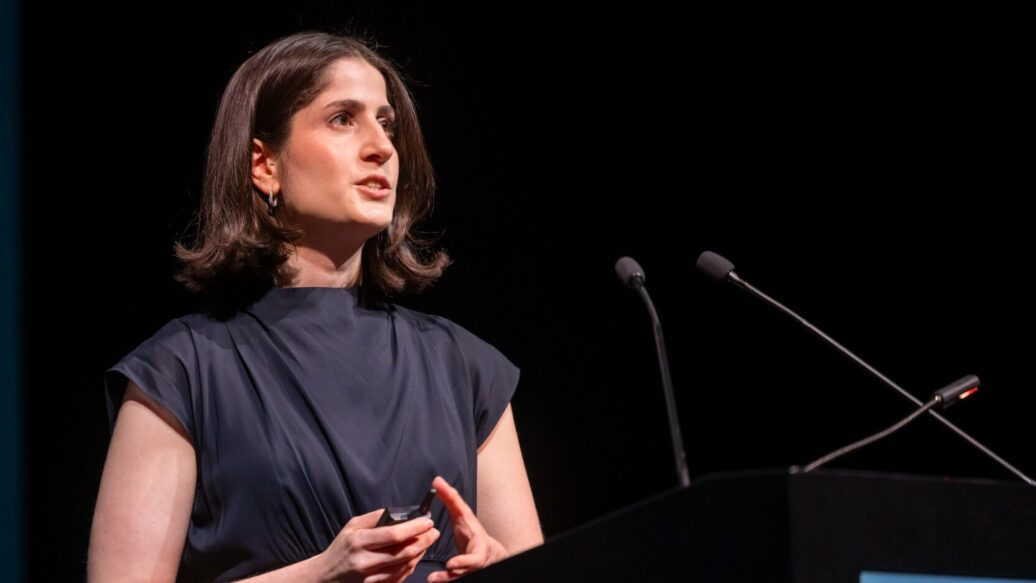
    Dr Zena Barakat has been honoured with the prestigious Shaun Summers Clinical Trainee Award at the 2024 Australian and New Zealand Society of Nephrology (ANZSN) Annual Scientific Meeting in Adelaide. This award celebrates outstanding research contributions by ANZSN members working as clinical or advanced nephrology trainees.

    The ANZSN Annual Scientific Meeting is the pinnacle event for kidney health in Australia and New Zealand, bringing together leading minds in nephrology. Under the mentorship of Dr Tim Pianta from Northern Health’s Department of Renal Medicine and the University of Melbourne’s Department of Medical Education, Dr Barakat’s research was deemed the most outstanding by a
    Nephrology Advanced Trainee across Australia and New Zealand.

    Her presentation was titled ‘Readmission & Mortality After an Admission with Acute Kidney Injury: A Victorian-wide Data-linkage Analysis’.

    Acute kidney injury (AKI) strikes when the kidneys abruptly lose function, leading to a dangerous buildup of waste products and an inability to balance electrolytes, acids, and water. This condition can arise from various causes, most commonly a disruption in blood supply or severe inflammation. It’s a stealthy affliction, especially prevalent among older adults and those with high blood pressure, diabetes, and pre-existing kidney disease. AKI is on the rise globally and often flies under the radar, yet it’s strongly linked to increased short- and long- term health complications and mortality.

    Historically, Australian understanding of AKI was limited to data from a handful of hospitals, including earlier work by Dr Zena Barakat and Dr Tim Pianta at Northern Health. These studies couldn’t track individual patient outcomes comprehensively. Dr Barakat’s recent research breaks new ground as the first of its kind in Australia and among a select few globally. Her study examined 2.8 million hospital admissions across Victoria over 12 months, identifying approximately 200,000 AKI cases.

    Among her findings, Dr Barakat discovered:

    1. While AKI is often under-recognised, 11 per cent of patients admitted to Victorian hospitals are diagnosed with AKI.
    2. Over two-fifths of these patients experienced a recurrence of AKI within 12 months.
    3. New diagnoses of cardiovascular disease, chronic kidney disease, or cancer occurred in more than two-thirds of these patients within three years.
    4. Approximately 70 per cent of AKI patients were readmitted to the hospital within a year.
    5. Sadly, over a quarter of the patients had passed away within 12 months, and more than a third (37 per cent) by the three-year mark.
    6. A previously unrecognised link between AKI and subsequent cancer-related deaths was identified.

    Dr Barakat’s study has already garnered attention from the scientific community: Read more.

    Now, Dr Barakat is channeling her expertise into her Masters of Philosophy (Research) at the University of Melbourne. Her journey began as a research student at the Northern Clinical School, progressed through a Basic Physician Trainee role at Northern Health, and continues with her Advanced Training in Nephrology at Alfred Health. She is a recipient of the Northern Health Foundation Research Small Grant in 2021.

    Chief Medical Officer and Chair of the Research Executive Committee, Professor Prahlad Ho, said, “My congratulations to both Dr Zena Barakat and Dr Tim Pianta. This is a significant achievement that underscores their dedication to advancing medical research and improving patient outcomes.”

  • Get to know: Tanya Goodison

    Get to know: Tanya Goodison

    #WeAreNorthern

    As we conclude Occupational Therapy Week, we speak to Tanya Goodison, Program Manager – Hume and Merri-bek Community Teams, from the Mental Health Division at Northern Health.

    Q: What is your coffee order?

    A: I have never been a coffee drinker, but I do love a hot chocolate.

    Q: What is the role of an Occupational Therapist (OT) in mental health?

    A: Occupational Therapists (OTs) in mental health work in a variety of inpatient, rehab and community settings supporting consumers to engage in meaningful activity and promote participation in everyday life activities. We have many areas of focus including ADL Assessment, sensory modulation, group work, driving education and assessment. In relation to sensory modulation, our OTs have introduced sensory resources including glider chairs, weighted items, fidget tools, sensory gardens and visual tools which assist consumers in our community and inpatient settings.

    Many of our OTs work in case management roles, meaning they will be providing specialist mental health assessment and intervention and care and co-ordination with an occupational lens, alongside their discipline specific expertise in the work they do with consumers.

    We also have OTs in leadership roles such as team leaders, management roles (which is what I do), mental health tribunal co-ordinator, clinical educators and our OT professional leads.

    Q: Why is your role important? What satisfaction does it give you?

    A: I oversee the community mental health teams in Northwest Area Mental Health Service to support consumers in the Hume and Merri-bek areas to access specialist mental health support. I really enjoy working with a team of wonderful and dedicated staff from a variety of disciplines and backgrounds and continuing to learn from others. In my role, I’m able to support the implementation of many great initiatives not only from our OTs, but also programs led by other disciplines such as our therapy stream, family work, exercise physiology, lived experience, dietetics, physical health and many more, which makes this role really meaningful. Knowing that our team is making a difference in the lives of consumers accessing our service is definitely the most satisfying part of this role.

    Q: What are some of the challenges?

    A: Each day in community, mental health can bring unexpected challenges and situations. Supporting consumers in achieving their goals is a great part of this work but we also work with a number of consumers who have not chosen to receive mental health care and balancing their voice and our obligations under the mental health act requires constant review and consideration. Occupational Violence and Aggression is always on our radar in our settings.

    Q: What are the best things about working at Northern Health?

    A: Working with such amazing and supportive colleagues across our teams and the wider service.

    Q: What is something not many people know about you?

    A: I love to read and won’t go a single day without spending at least some time reading a novel!