• Pride in the North

    Pride in the North

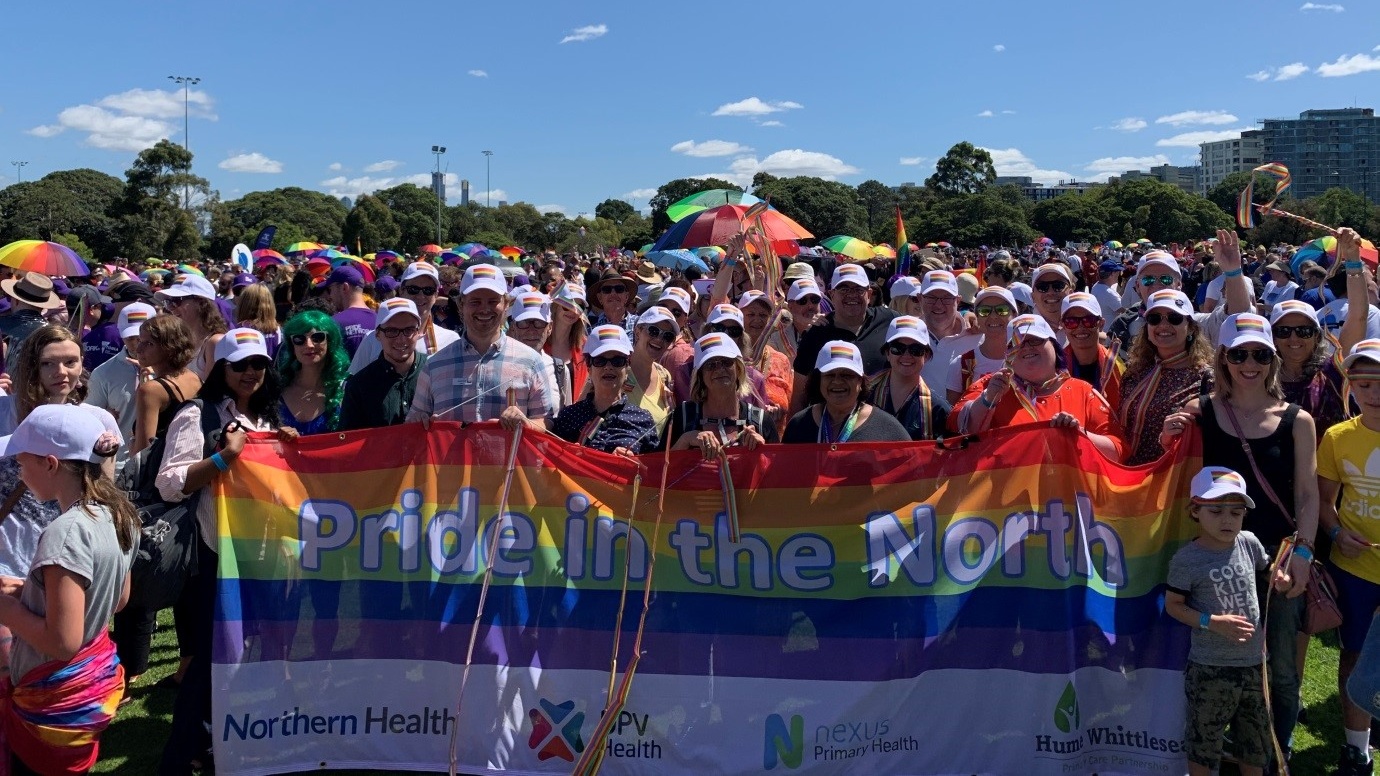
    Northern Health was proud to march with partners in the north at the 25th Anniversary Midsumma Pride March on 2 February – in recognition of our support for the LGBTQIA+ community.

    As a collaboration between Northern Health, DPV Health, Nexus Health and Hume-Whittlesea Primary Care Partnership, staff and their family and friends marched with the banner ‘Pride in the North’ to a crowd of over 45,000 people lining the streets of St Kilda.

    “Amongst the bright colours and rainbows, marching as a health service sends a strong message to our community. It says we are willing to change our practice to be more inclusive and create a safer space for the LGBTQIA+ community and staff,” said Electra Ulrich, Senior Dietitian and Co-chair of the Northern Health LGBTQIA+ Working Group.

    “The day was fun, colourful and a great way to connect with others – from colleagues and other health services.” Electra added.

    “I really enjoyed the day – it had such a warm vibe all over and it was great to be a part of it!”

    Northern Health will be marching again next year with staff and the northern community – and it will be bigger and better! For more information or to share photos from the day, please email PrideintheNorth@nh.org.au.

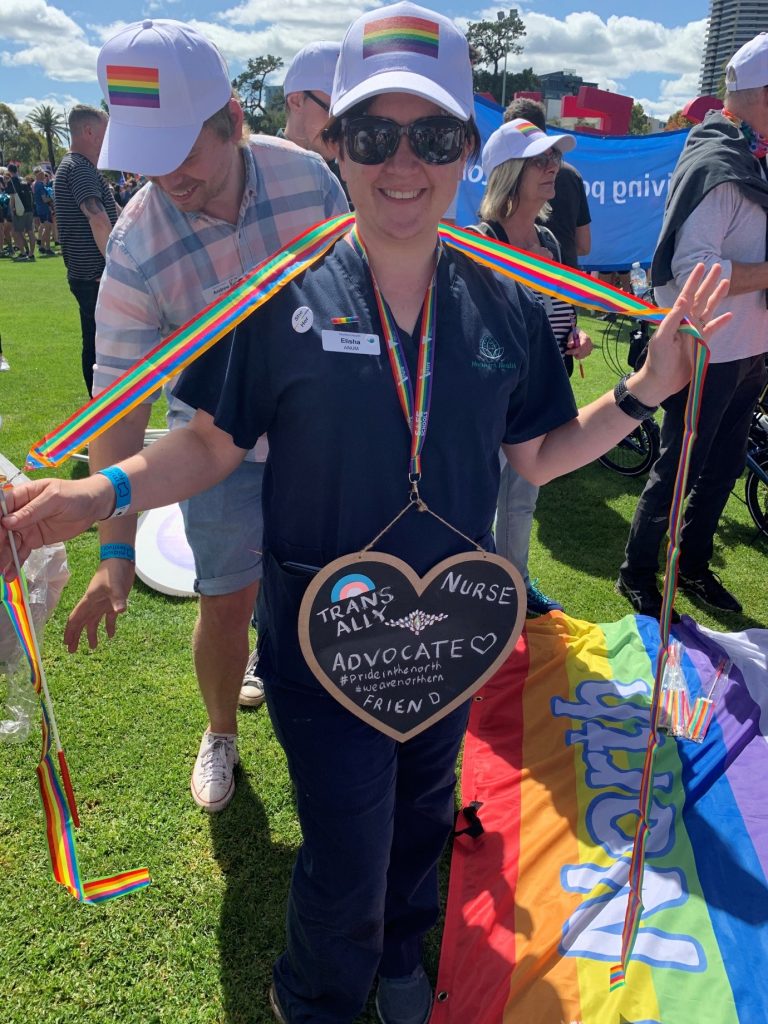
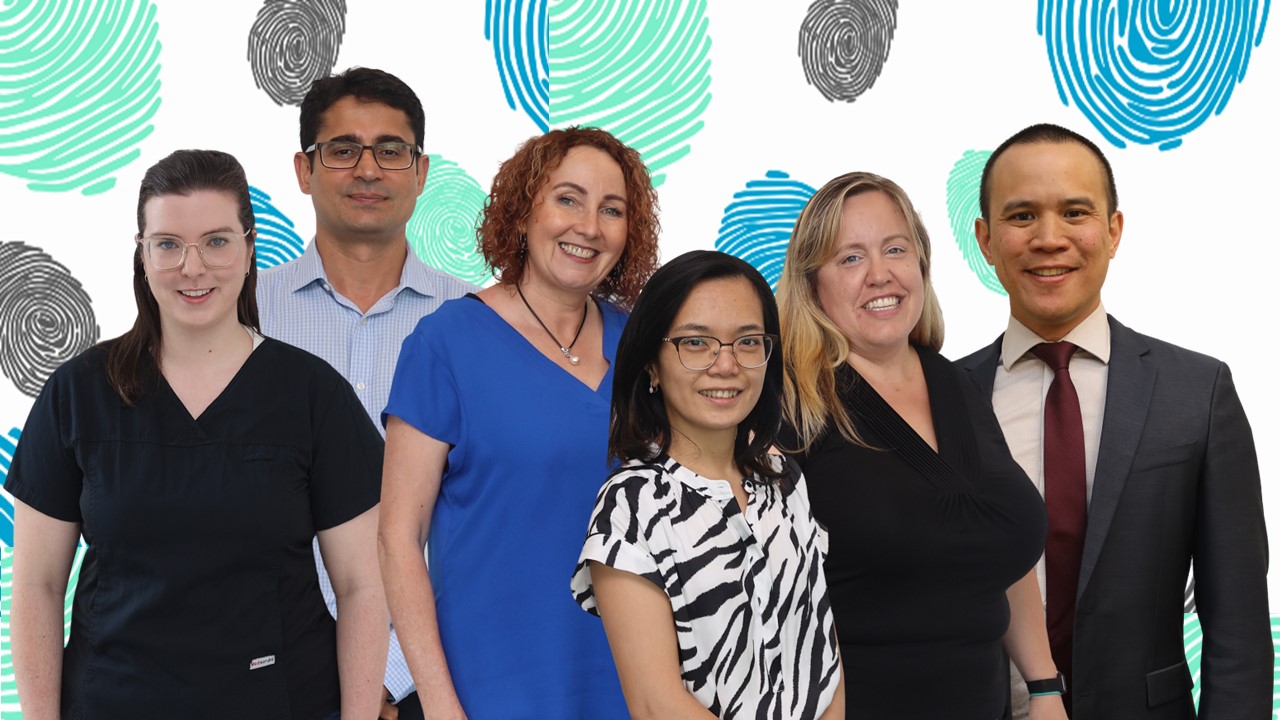
    Emergency Department Associate Nurse Unit Manager, Elisha O’Dowd
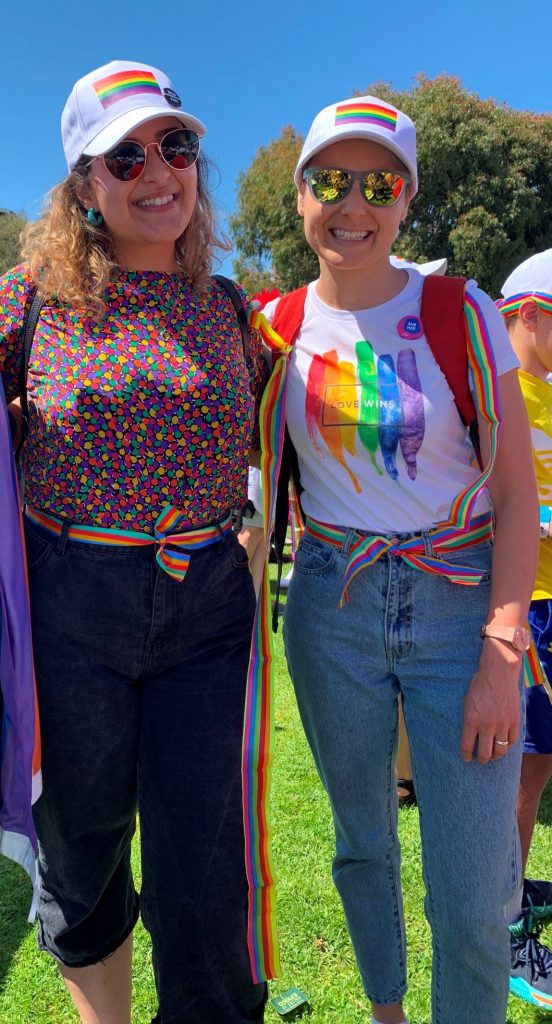
    Co-chairs of the Northern Health LGBTQIA+ Working Group, Chrissy Nicolaidis and Electra Ulrich
  • From Patient to Broadmeadows Hospital Volunteer

    From Patient to Broadmeadows Hospital Volunteer

    Michael Fedyshyn has been a volunteer at Northern Health for six years, but has been a patient of Northern Health for over 15 years.

    Michael credits his experience as a patient for his journey to becoming a volunteer.

    In 2004, Michael suffered a blood clot in the brain and a stroke. The stroke meant Michael had to start again and learn how to speak and walk – something a lot of us take for granted – we never expect to have to learn these skills again later in life.

    Through the support of his doctors at Northern Health, Michael’s outlook on life changed. He realised he was better off seeing the bright side of life, to be positive, active and happy. It was thanks to this new found attitude that Michael was able to return back to work, improve his speaking ability, obtain his driving licence and continue to improve his life. Michael was later diagnosed with epilepsy, leading to multiple stays at Northern Hospital over the next few years.

    Once Michael retired from work, he wanted to remain active and productive, and it was then that he realised he could help others in similar situations to himself. He became a volunteer at Northern Health and has now clocked up six years of service.

    Michael has volunteered at Craigieburn Centre, Bundoora Centre, Northern Centre for Health Education & Research (NCHER) and Broadmeadows Hospital.

    The volunteering role Michael finds most rewarding is at the Rehabilitation Department of Broadmeadows Hospital. It is here where Michael is able to speak to patients like him, who have also had to deal with the after effects of having a stroke. His experience is invaluable as he is able to empathise with exactly what they are feeling and is able to show them how, with a positive and determined outlook, they too can get their lives back on track – for he is a living example of what can be achieved.

    Michael had this to say about his time volunteering – “I became a volunteer to help patients as much as I can, to help start their lives again. There have been times where I have been in the hospital, at the shopping centre or even on the street, where I have had patients come up to me to thank me for helping them walk and talk again and to continue on prospering with their lives. I’m so happy that I have been able to help so many people and I will always continue to do so.”

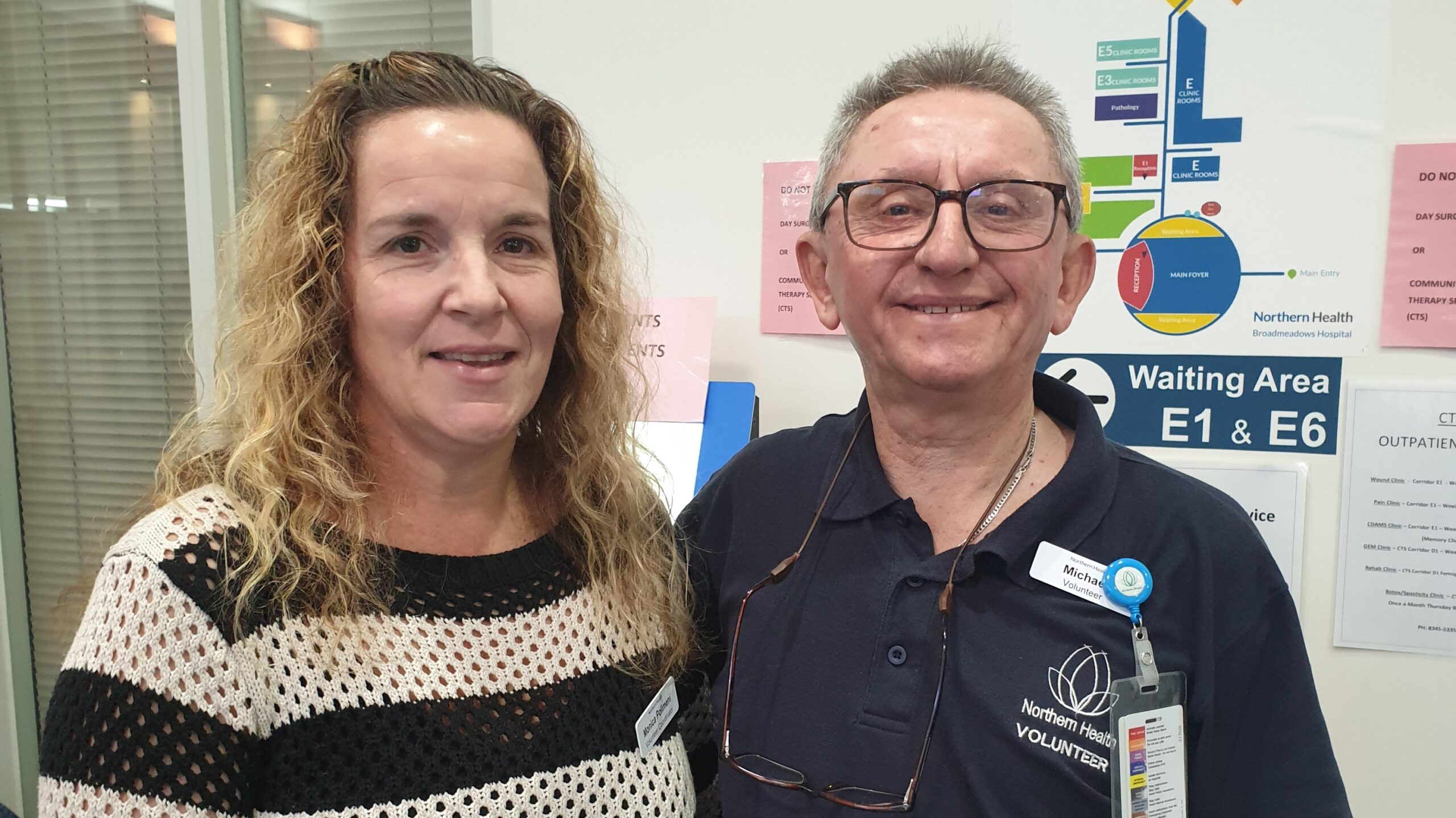
    Featured Image: Engagement Advisor, Monica Polimeni and Volunteer, Michael Fedyshyn

  • Small Research Grants: Asking big questions

    Small Research Grants: Asking big questions

    The Small Research Grant (SRG) recipients of Round 23 are asking big questions.

    Justin Wong, Orthopaedic Surgeon, wants to know if, “there’s a better way to reconstruct the anterior cruciate ligament (ACL)?”

    Shannon Smith, Clinical Nurse Specialist ICU, would like to know if, ‘alarm fatigue’ is affecting patient care.

    Jenny Huynh, General Surgery Fellow, is asking, “Can a ‘one-stop’ Benign Breast Clinic further improve outcomes for women in the north?”

    “How much oxygen is good for you?” asks Maureen Goodwin, Clinical Nurse Consultant Respiratory Medicine.

    The SRG Recipients are hoping to find the answers to these and other research questions, which can develop and strengthen our research culture  and potentially benefit Northern Health’s community. Read about the big questions they are posing and join us in congratulating them:
     

    Name: Dr David Liu, Dr Betty Lai and Dr Krinal Mori
    Role: Senior General Surgery Registrar, Head of Acute General Surgery Unit and General Surgeon
    Big Question: Can we use more thromboprophylaxis to reduce the risk of Venous thromboembolism (VTE)?

    Venous thromboembolism (VTE), which refers to the development of blood clots within the deep veins of the body and arteries of the lungs, is a major hospital-acquired complication. The use of calf compression devices which promote blood flow, and pharmacological agents which inhibit blood from clotting, together termed thromboprophylaxis, have proven efficacy in reducing VTE risk.

    This grant will fund the establishment and evaluation of a dedicated interdisciplinary thromboprophylaxis review team, embedded within the Acute General Surgery Unit (AGSU).


    Name: Mr Justin Wong
    Role: Orthopaedic Surgeon
    Big Question: Is there a better way to reconstruct the anterior cruciate ligament (ACL)?

    The (ACL) is a commonly injured structure in competitive athletes. In order to overcome the instability and return to sport, the ACL is commonly reconstructed using a hamstrings tendon graft.

    Orthopaedic surgeons do not have a standard instrument to pull the graft through the knee. Instead, improvised instruments are utilised.

    The aim of this project is to measure the force required to shuttle an ACL graft through the knee using standard instruments and compare that to the force measured when using a specially made ACL graft shuttling device.


    Name: Ms Shannon Smith
    Role: Clinical Nurse Specialist ICU
    Big Question: Is ‘alarm fatigue’ affecting patient care?

    High ‘false’ alarm rates in Intensive Care have been hypothesised to increase the likelihood of an alarm that is related to a severe deterioration (‘true’ alarms) being missed. The aim of this project is to investigate the number of alarms per day that staff and patients are exposed to. This project will investigate the impact that alarms have in an Australian Intensive Care Unit and develop strategies to minimise the rate of ‘false’ alarms.


    Name Ms Caitlin Farmer
    Role: Advanced Musculoskeletal Physiotherapist (ED)
    Big Question: Do patient beliefs, influence presentations to Emergency Department (ED)?

    Low back pain is extremely common, accounting for over three per cent of all emergency visits.

    In the absence of signs of serious or specific disease (present in less than two per cent of patients), back pain is not an emergency situation, and is best manage by primary care practitioners in the community such as General Practitioners (GPs) and physiotherapists.

    This study will identify whether low health literacy and back pain beliefs impact on whether an individual presents to the Emergency Department. This will in turn allow for the development of interventions tailored to improving the understanding of back pain and reducing unnecessary use of emergency departments.


    Name: Ms Maureen Goodwin
    Role: Clinical Nurse Consultant Respiratory Medicine
    Big Question: How much oxygen is good for you?

    Because oxygen is so easy to administer it is commonly used inappropriately. Overuse or underuse of oxygen could potentially cause harm or delay hospital discharge. There is very little information from Australian hospitals on how oxygen is used here. This study will examine oxygen use at Northern Health and determine how often it is consistent with local and international guidelines. The results will help to improve the use of oxygen therapy which will in turn improve outcomes for patients.


    Name: Dr Jenny Huynh
    Role: General Surgery Unit 2 Fellow
    Big Question: Can a ‘one-stop’ Benign Breast Disease Clinic further improve outcomes for women in the north?

    The majority of new referrals to Northern Breast Clinic are for benign breast disease (BBD), with numbers exponentially increasing yearly. Access to clinic is compromised with risk of delayed diagnosis for new breast cancers.

    Current practice involves referral to breast surgeons with multiple imaging investigations and repeat review appointments. The proposed project will analysis current practice and patient satisfaction of services and implement a BBD ‘one-stop’ clinic for low risk patients, followed by an analysis of implementation and patient satisfaction.


    The objective of the Small Research Grants is to support work that benefits Northern Health’s community and support projects that will lead to applications for external grants or funding. The grants will also develop and strengthen the research culture at Northern Health, support capacity building and staff development, support pilot projects or projects where traditional funding sources are difficult to attract and increase research productivity. Follow the journey of the Small Research Grant recipients Round 23 at https://bit.ly/31PyDOF

    The Small Research Grants are powered by Northern Health Foundation, which also funds PhD research scholarships. These grants and scholarships  develop and strengthen research undertaken at Northern Health and benefit patients within the northern community. 

  • Jenefer Williams on how consumers can make a change

    Jenefer Williams on how consumers can make a change

    Five years ago, Jenefer Williams’ mother had a stroke and was treated at a Melbourne hospital. Jenefer’s personal experience of trying to access quality care for her mother, across various levels of health care, was her main motivation to get involved in health care as a consumer.

    “Having ageing parents within the Victorian public health care system, I initially found it an intricate and often confusing place. It was frequently difficult and impossible to navigate and my family experienced many system failures that ultimately contributed to poor health outcomes,” she said.

    “This was when I had a light bulb moment, and I thought that if I am struggling within a complicated system, how many more people are experiencing exactly the same thing and what can be done?” she added.

    For Jenefer, the obvious answer was to work with health services to improve opportunities for consumers and community representatives to participate in quality and safety improvement activities.

    When her mother received future care at Northern Health on several occasions, the ward nurse who looked after her mother was exactly how Jenefer imagined a nurse would be – caring, efficient and she seemed like a beacon of hope in trying times.

    “If hospitals were football teams, this nurse would be the whole offence and defence. Vital to good patient care,” she added.

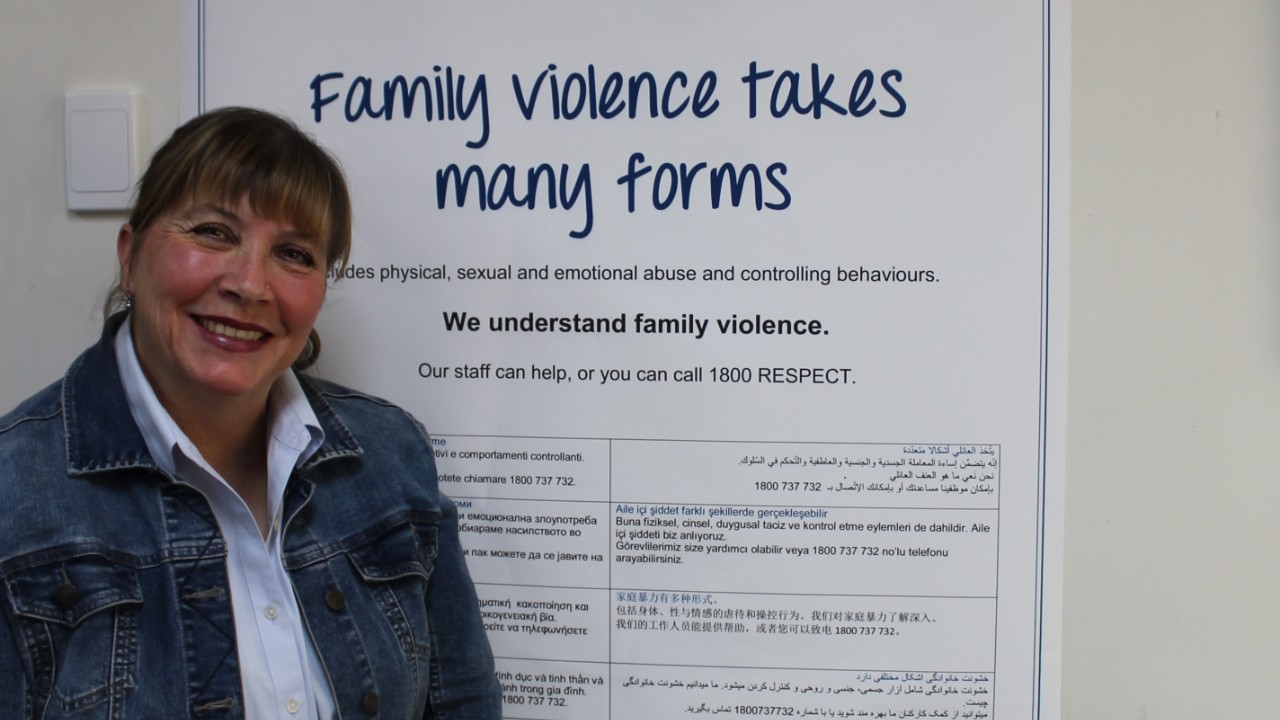
    Jenefer became involved to make a change. She understands the importance of clinical knowledge, however, feels combining this with lived experience, or having the capacity or interest to take a humanistic approach to care will bring the best possible health outcomes. Now, she is involved with the PECAC (Patient Experience Consumer Advisory Committee) as well as the Family Violence Committee.

    “The committees that I am privileged to sit on are platforms to provide and drive targeted change, for patients, carers and family members,” she said.

    Jenefer sees health as a partnership between physical and psychological care, both needing attention for people to become and stay well.

    “It is the holistic approach – the person and their condition – a person is not just their condition. I am advocating to build stronger and consistent partnerships with shared decision making. This is critical for the improvement in long term healthcare outcomes,” she said.

    She loves that on the Family Violence Committee, Northern Health partners with Kilmore and District Hospital and they are an invaluable voice at the table to strengthen our overall response with the Whittlesea, Hume and Kilmore catchments.

    “I was involved when Northern Health held its second family violence forum ‘Breaking through the Barriers’ which had excellent attendance from clinicians, stakeholders and the community. I am also proud to see Northern Hospital as the first Victorian hospital to install the Pink Box Dignity Vending Machine,” she said.

    As a consumer, she is prepared to ask the hard questions and provide an alternate voice.

    “Northern Health can do better, but we do better together, with consumers,” she said.

  • Foundation Chair John Molnar receives Order of Australia Medal

    Foundation Chair John Molnar receives Order of Australia Medal

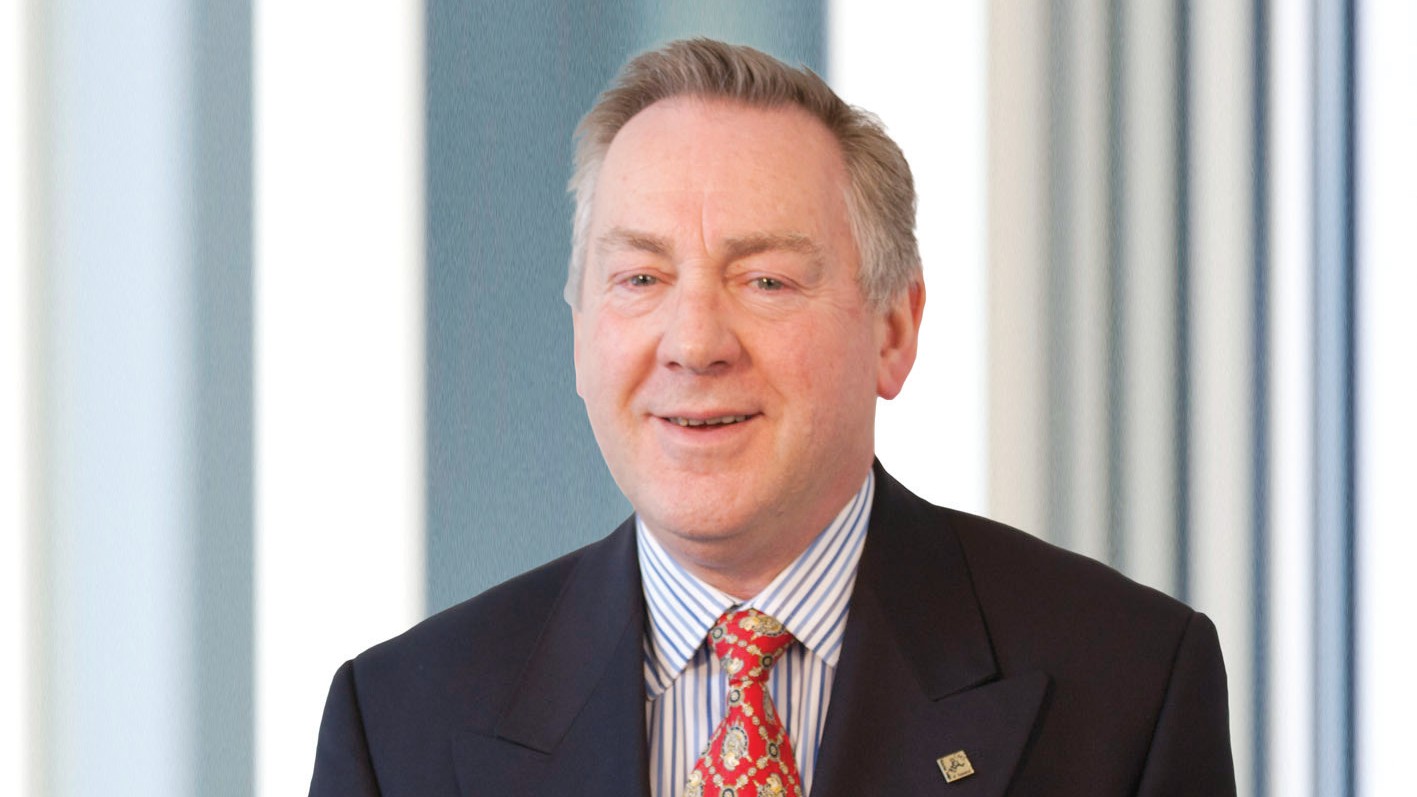
    Northern Health Foundation Chair John Molnar was awarded an Order of Australia Medal in the recent Australian Honours announced on Australia Day.

    John received the award in recognition of his support and services to charitable organisations, including Northern Health Foundation. He is Director of Freemasons Victoria and Master of the Victorian Naval and Military Lodge 49.

    “We congratulate John for your great support of Northern Health’s patients and services through the Northern Health Foundation over many years,” said Siva Sivarajah, Chief Executive Northern Health.

    “Your dedication and support is truly appreciated by Northern Health’s Board and Executive”.

    Jennifer Williams Chair Northern Health Board of Directors said, “The award is a significant recognition of your contribution which is so much appreciated by us all at Northern Health.”

    “I’m proud to have received this award,” John Molnar said.

    “Many of my family came from around the northern suburbs and its been important for me to continue to be involved by supporting Northern Health in continually improving the health services for the northern community.”

    “This honour actually reflects less on my efforts and more on the hard work of others involved with the charitable organisations I have tried to support – my thanks in particular to those patrons, supporters and staff who have worked so hard for the Northern Health Foundation,” John Molnar said.

    “In a real sense I accept the award as representing the work you have done”.

    John Molnar has practiced law for thirty-five years and during that time, became heavily involved in the field of law relating to health service providers and hospitals. He has also served on the Boards of a number of public and private hospitals, including Northern Health and the Nurses Board of Victoria.

    Recognising the need for the additional support for Northern Health to meet its commitment to the rapidly growing northern community and establish itself as a major teaching and research centre, John was instrumental in the establishment of the Northern Health Foundation. He remains a passionate advocate of the Northern Health and the dedicated medical clinicians who work within it.

  • Ideas Lab: Space for thinking differently

    Ideas Lab: Space for thinking differently

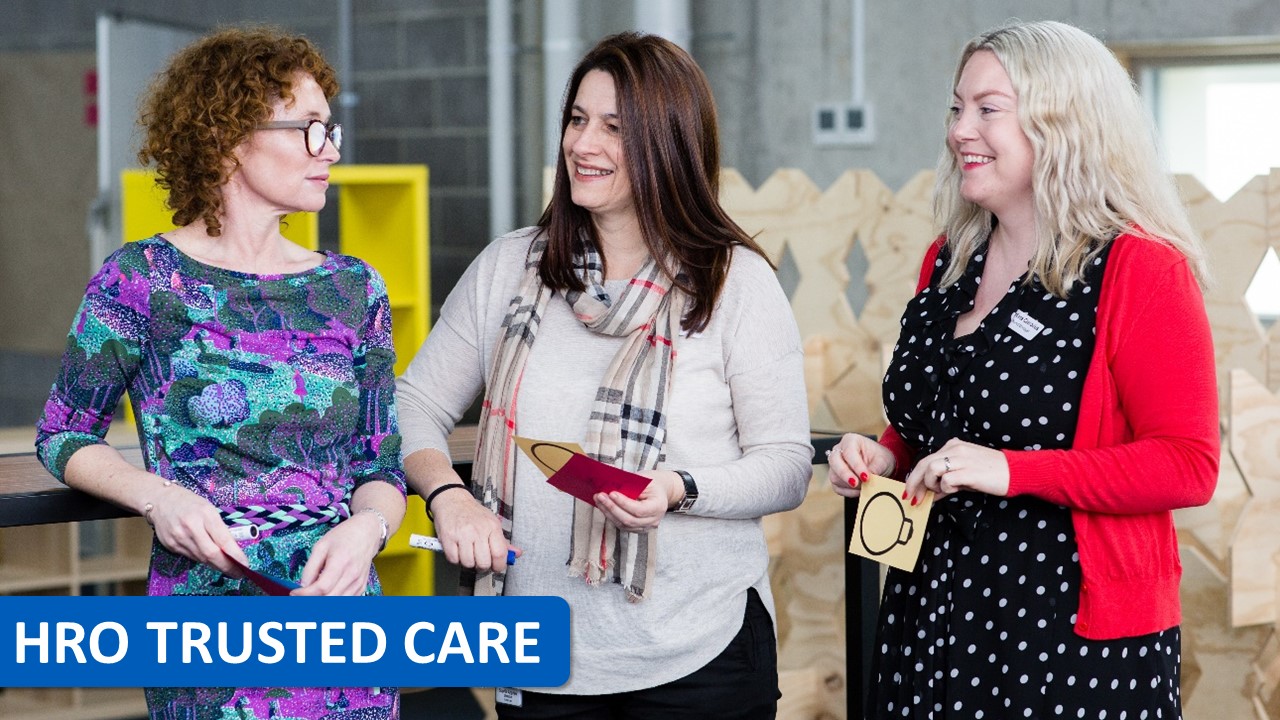
    Northern Health’s Ideas Lab is a creative and fun monthly workshop, open to all staff who wish to contribute to problem-solving with their ideas. Every month, the Chief Executive led Ideas Lab features a different topic and staff are encouraged to thing innovatively, brainstorm in teams and present on creative solutions.

    Ariana Carrodus, Project Manager, who hosts the Ideas Lab, says we are the only public health service in Victoria that has an Ideas Lab.

    “While Ideas Labs are common in the private sector, they are very rare in public sectors. It is a purposefully designed space, away from the main hospital, and open to all staff. During the Ideas Lab, we are seeking out of the box inspiration and thinking, and learning from each other. It’s a space for innovation in health care and we often have guests from other health services or health organisations who brainstorm with us,” she said.

    The idea for an Ideas Lab came from Canterbury Hospital in New Zealand, which has whole wards built from cardboard before they are actually built in hospitals.

    Our Ideas Lab is on Level 3 at the NCHER building, which makes it additionally unique. When people walk into the room, they often think they’ve stepped into a kindergarten or that it’s an unfinished space. All of these factors contribute to thinking differently.

    Since the first workshop in March 2018, Ariana has hosted over 80 sessions and discussed various topics, including focuses on staff wellbeing and a simulation of a cyber attack.

    The creativity doesn’t stop once the workshop is over. All the ideas from these sessions are noted in the Ideas Scale software, accessible to all staff and completely anonymous. This means that staff can continue to share ideas, comment on other ideas, engage in the creative process and monitor the progress of the projects.

    The Ideas Lab at Northern Health is part of an organisation-wide strategy to achieve high reliability. Together, with numerous initiatives across the organisation focused on improving quality and safety, it contributes to our vision of providing trusted care and creating a healthier community.

    If you have a problem to solve in your ward or department and you think the Ideas Lab can help, please email Ariana and her team at ideaslab@nh.org.au.

    Next Ideas Lab session: Tuesday, 11 February, 12.30 pm – 2 pm, NCHER, Level 3. 

    Topic: Reducing waste and increasing trust
    All staff welcome – just drop in!

    Featured image (left to right): Clare McCarthy, Project Manager (HRO); Sophie Argiriou, Director (HRO); Ariana Carrodus, Project Manager (HRO).

  • Salvation Army support safe sleep for babies

    Salvation Army support safe sleep for babies

    When Michelle Morrow, Nurse Unit Manager, Maternity, identified that introducing a Pepi-Pod safe sleep space program at Northern Hospital could prevent infant falls due to co-sleeping, she approached the Northern Health Foundation to seek funding.

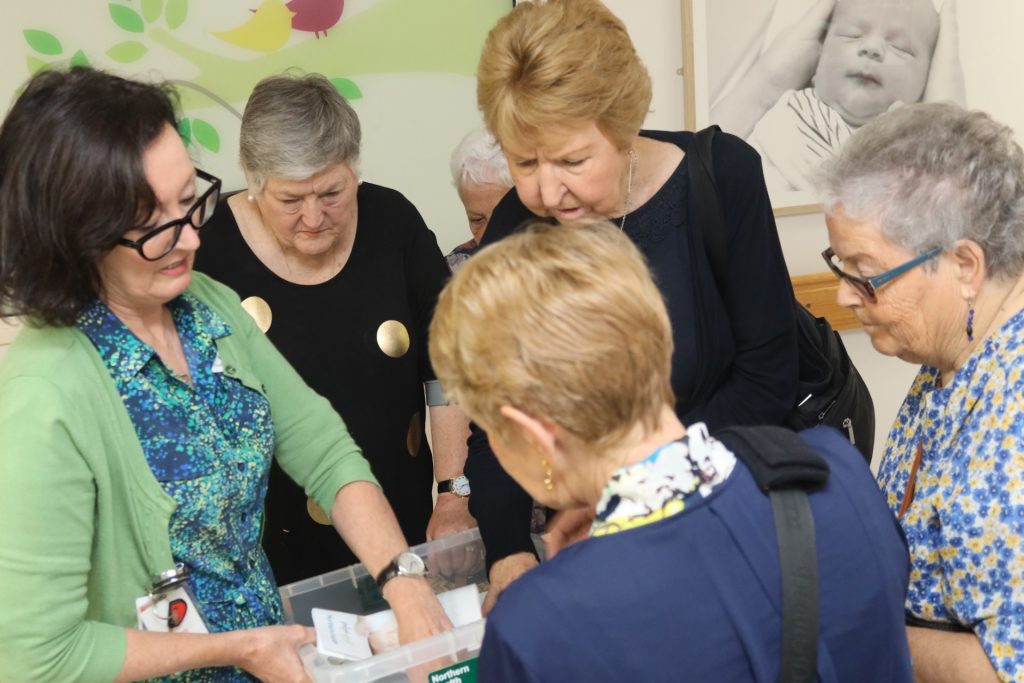
    The Pepi-Pod is designed to sit on a bed alongside a new mother, with safety rail up, so mothers can attend to baby’s needs in those important first hours or days of life. Pepi-Pods are especially important if a new mother has had a caesarean section and her mobility is decreased.

    Michelle explains how the Pepi-Pod works

    “From a midwife’s perspective, we encourage mothers to take as much care of their infants as they can, as the time from having a baby to going home can be a very small window,” explained Michelle.

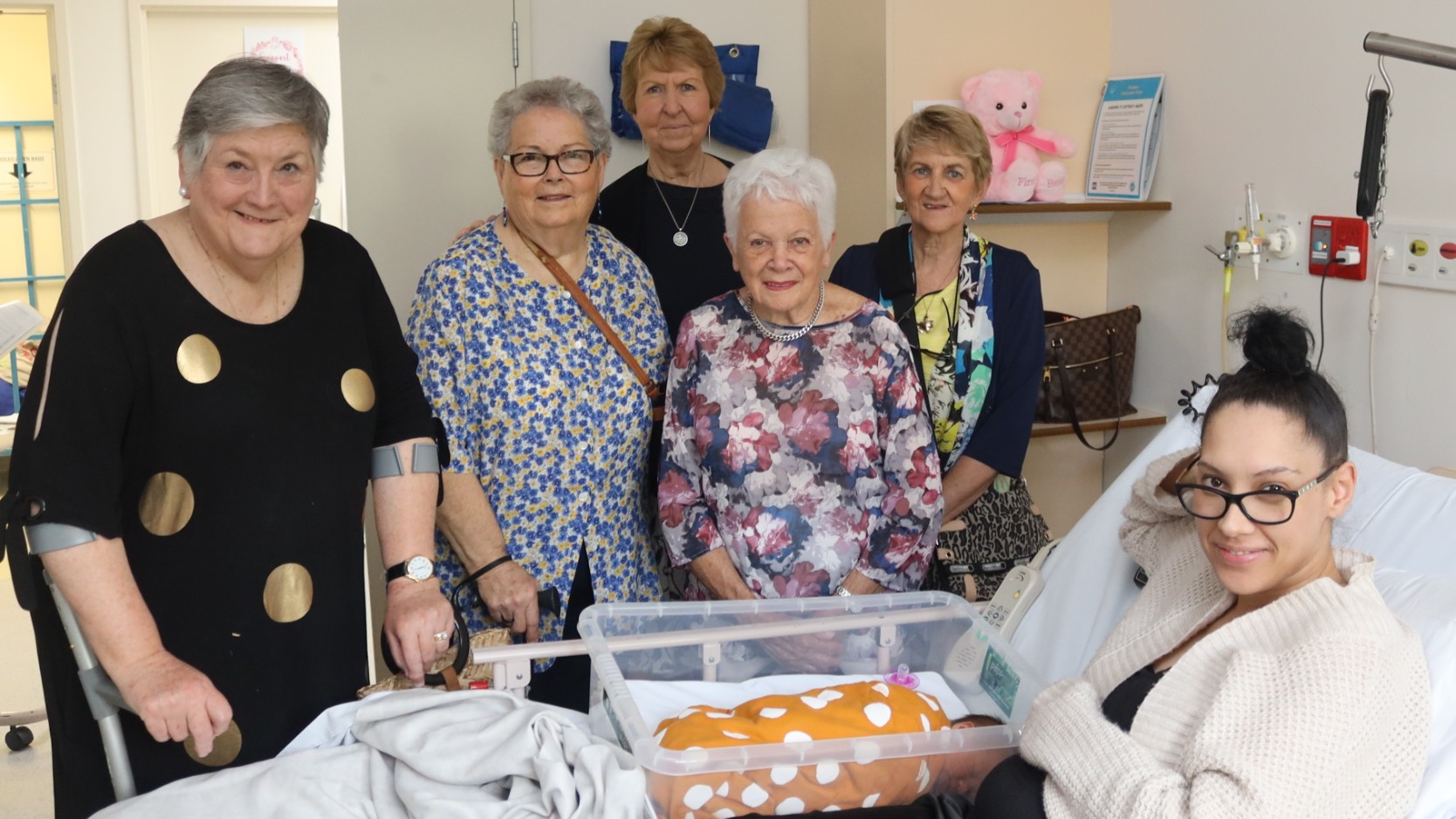
    Recently, Michelle welcomed The Salvation Army ‘Sew Beautiful’ Craft Group to the Maternity Ward along with Josie Verga, Fundraising and Engagement Manager, Northern Health Foundation.

    Joan Mathews, Co-ordinator of the Craft Group learnt about the Pepi-Pod project from Josie and together with her members agreed it was a worthwhile project to support.

    “We already support Northern Hospital and this is a continuation of what we do,” Joan said.

    Michelle was thrilled to welcome the group and be able to thank them personally for their support. At the time of their visit, there were six mums using the Pepi-Pods. The ladies met a new mum Heidi and were ‘blown away’ to see first-hand, the Pepi-Pod in use.

    As they explained: “I think the practicality of the pods for new mums is great and to hear a young mum say that she got some sleep with her baby, thanks to the Pepi-Pod is very heartening. It is good to see them in use, because all we knew was that they were containers and now we can see they are so much more than that!”

    Joan said that, “The craft group come together to share in fellowship, connect with others and undertake craft projects to raise vital funds to support their local community, including projects like the Pepi-Pod safe sleep space program at Northern Hospital”.

    Yvonne Amos, Northern Health Foundation Director, informed Michelle, “The Salvation Army Whittlesea Craft Group left the ward very impressed with the Maternity Wards support and work with new mothers and will be wonderful community advocates for our service.”

  • Welcome Certificate III students!

    Welcome Certificate III students!

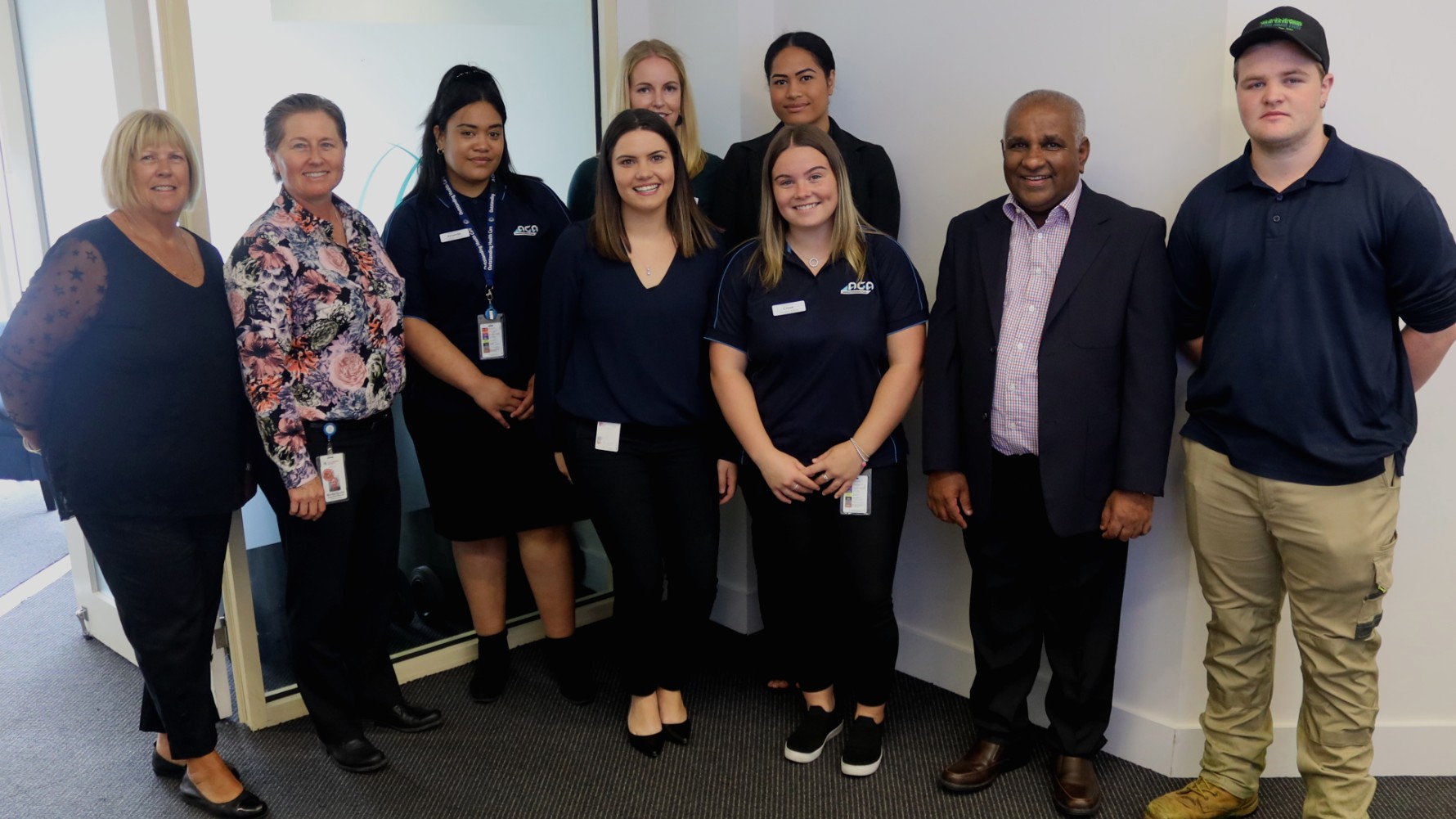
    This week, we welcomed six Certificate III Students to Northern Health for 2020.

    The students will be working across many different departments, including pathology, finance, HRO, allied health and engineering/gardening services.

    Alysha Spencer, Advisor, People and Culture, explained this program provides our students with business administration experience, recognised business experience and qualifications through our partnership with Apprenticeships Group Australia (AGA).

    “These students have joined us from various high schools in the northern catchment area. A highlight for Northern Health this year is welcoming our first Engineering student, Blake Dennehy. Blake is currently completing a Certificate III in Parks and Gardens, and he will work across all four sites to ensure our grounds are kept well maintained,” she said.

    Penelope Grellet, Director, Organisational Capability, explained how partnering with AGA has proven highly successful for Northern Health in previous years.

    “A number of former AGA students are now full-time team members at Northern Health, and we are genuinely pleased to be able to continue this opportunity in 2020. We look forward to supporting our students, who are mostly successful graduates of our Certificate II program, in achieving their goals and setting them up for future success,” she said.

    Michelle Fenwick, Executive Director, People and Culture, said over the last four years, the program has not just been developed at Northern Health to include nurses, clinicians and allied health, but to also ensure that we have succession planning for the non clinical workforce.

    “This is certainly a valuable group within the administrative and support services side. This is our next crop of Northern Health employees who I am sure will have 10, 15 or 20 years of service at Northern Health,” she said.

    One of the students completing their Certificate III, Amanda Samuela, said, “I am really excited to start working in Pathology and learning a lot in administration.”

    If you see any of the students around Northern Health, please say hello and make them feel welcome!

    Featured image (left to right): Dawn Comerford, AGA Field Officer; Michelle Fenwick, Executive Director; Amanda Samuela, student; Penelope Grellet Director; Alysha Spencer Advisor; Vesna Amituanai Tafili, student; Chloe Moorcroft, student; Siva Sivarajah, Chief Executive; Blake Dennehy, student.  Absent: Alexandra Price, student.