• Get to know: Michael Farber

    Get to know: Michael Farber

    #WeAreNorthern

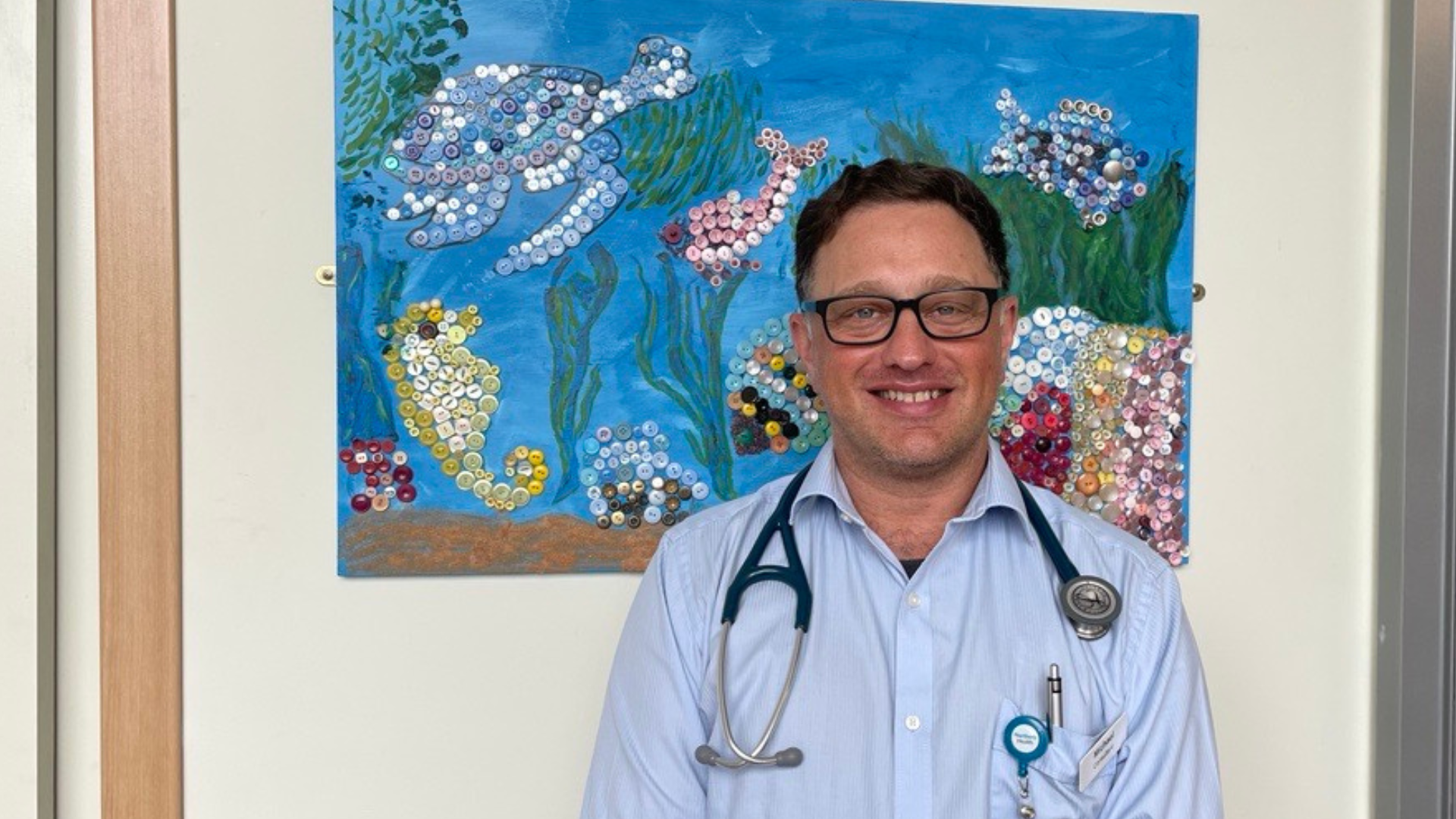
    Meet Dr Michael Farber, Geriatrician

    Q: Tell us about your current role at Northern Health?

    A: I am a Geriatrician. I look after Acute, Subacute, Community and Outpatient services. I work in the Continence Clinic, Cognitive, Dementia and Memory Service (CDAMS) and General Medical Outpatients. I am a clinical lead for Broadmeadows Hospital and a supervisor for junior medical staff.  I have been an employee of Northern Health since 2010.

    Q: What is your favourite thing about your career?

    A: I work in different settings and see patients during acute and subacute stages of their care. I receive tremendous satisfaction from providing support to the patient but also to the organisation in providing holistic care.

    Q: Where do you see yourself in 10 years?

    A: Continuing in my current role, just older and wiser.

    Q: If you could go back in time, what year would you travel to?

    A: 2010 and 2012, to see my children as babies again, they grow up very quickly.

    Q: What is the best gift you have been given?

    A: My family.

  • Northern Health wholeheartedly supports the ‘Uluru Statement from the Heart’

    Northern Health wholeheartedly supports the ‘Uluru Statement from the Heart’

    Later this year, the Australian people will be asked to vote YES or NO to a single referendum question to enshrine an Aboriginal and Torres Strait Islander Voice to Parliament in the Constitution.

    This change was called for in the ‘Uluru Statement from the Heart’, a statement endorsed by 250 Aboriginal and Torres Strait Islander people at the First Nations National Constitutional Convention at Uluru on 26 May 2017.

    Northern Health wholeheartedly supports the ‘Uluru Statement from the Heart’.

    We acknowledge the traditional owners of the land on which our health service is built, the Wurundjeri people, and we acknowledge their continuing connection to land, waters and community. We pay our respects to the people, the cultures and the Elders past and present.

    Through our Reconciliation Action Plan and Aboriginal Cultural Safety Plan, we commit to continuing our work towards closing the gap, improving Aboriginal cultural safety, and improving the health and wellbeing of our Aboriginal and Torres Strait Islander staff and community.

    Northern Health encourages its staff to engage in healthy and respectful research and consultation, in line with our organisational values of safe, kind, together, to inform their personal position on the referendum vote.

    Northern Health will continue to monitor community response to the referendum and may realign its position accordingly.

    Suggested Resources:

    https://voice.gov.au/

    https://www.reconciliation.org.au/reconciliation/support-a-voice-to-parliament/

    https://www.vacca.org/content/Document/VACCA_Submission_IndigenousVoice_30Apr21.pdf


  • Lalor Running Club supports Northern Health Foundation

    Lalor Running Club supports Northern Health Foundation

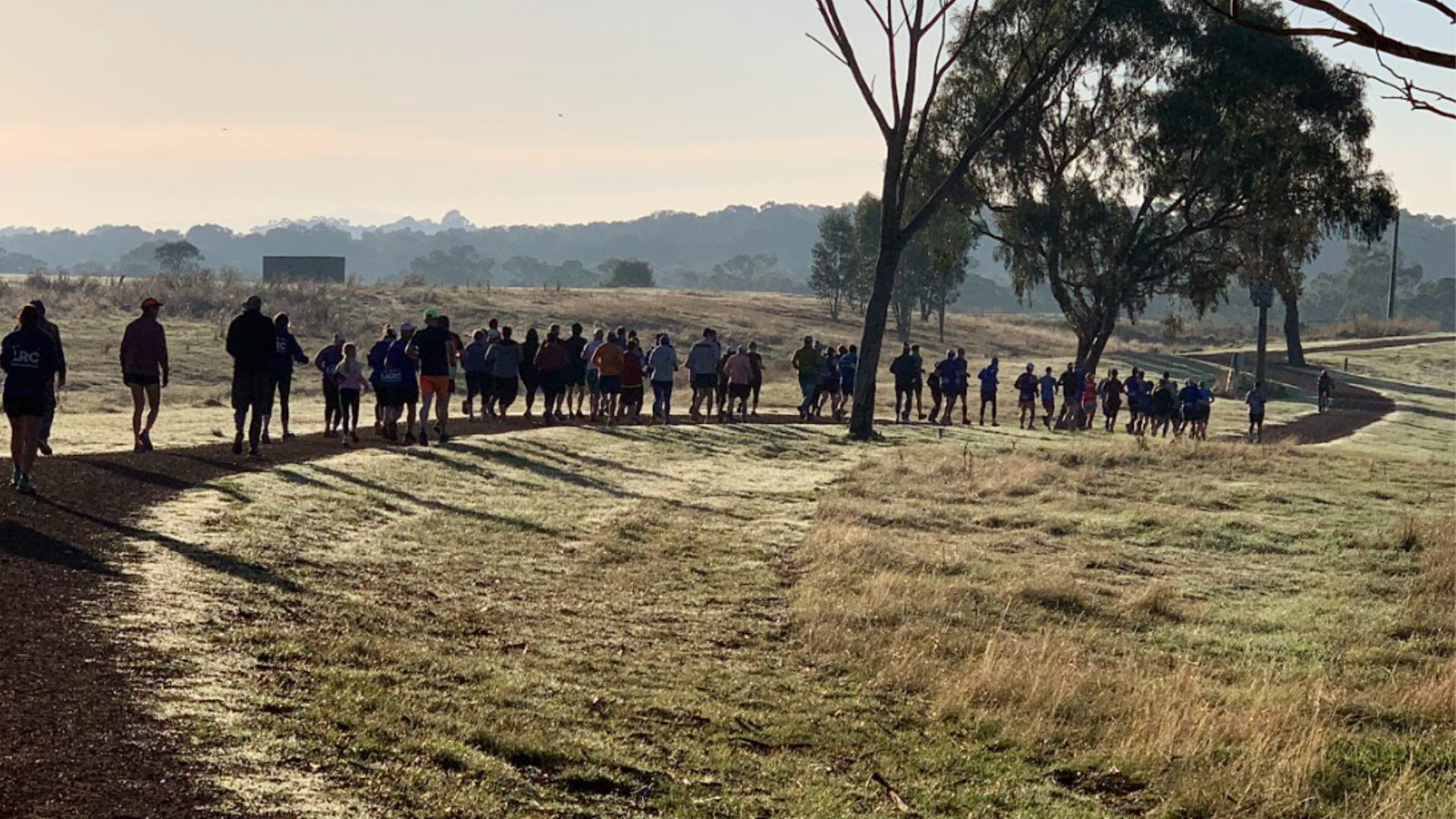
    On Sunday, 30 April 2023, Lalor Running Club (LRC) completed yet another successful running event, raising over $4,000 for Northern Health Foundation. All funds will be directed to Northern Health Cancer Services, to continue supporting our patients and ensuring comfortability throughout their treatments.

    Kirsty Branagan, LRC committee member and coach, has been organising these fundraising efforts for Northern Health for the last few years. In January 2020, Kirsty was diagnosed with Stage 3 Rectal Cancer, undergoing her own treatment right here at Northern Health. She was cared for by a wonderful medical team, and supported by her club mates, throughout her treatments and surgeries.

    The club has been supporting Northern Health Foundation since 2020, and in 2021, they decided to make this a formalised annual running event due to its success and ongoing support from the local community.

    “Lalor Running Club believes strongly in the importance of community, and the value of a community working together. When I was diagnosed with cancer back in 2020, the club stepped up and made a commitment to fundraise for Northern Health Foundation as we could see the direct benefit of the research and support which was being funded by the foundation,” said Kirsty.

    “As the years have gone on, we have had two more members diagnosed, treated and in remission for cancer, all thanks to the amazing work of the Northern Health Cancer Services team.”

    With an amazing turnout of 67 runners, with the last runner completing 35 laps, totalling an incredible 56km distance, the event finally came to a finish in the afternoon. The funds raised for this event will not only help cancer patients at Northern Health, but will support their families, knowing their loved one is getting the best possible treatment.

    “We are looking forward to our 2024 event and can’t wait to see how far our entrants can run, and how much money we can raise for Northern Health Foundation.”

    To keep updated on latest news and community events, follow Northern Health Foundation on social media or join the 2024 LRC DNF Ultra event to help raise funds for a valuable cause.


    Kirsty Branagan, LRC committee member and coach (middle)

  • Northern Health’s own McGrath Breast Care Nurse

    Northern Health’s own McGrath Breast Care Nurse

    The McGrath Foundation has reached the pivotal milestone of funding 200 McGrath Breast Care Nurses across the country, following the appointment of six new nurses in Victoria.

    McGrath Breast Care Nurses are experts in breast cancer care and help people with breast cancer navigate complex medical systems, from diagnosis and throughout treatment.

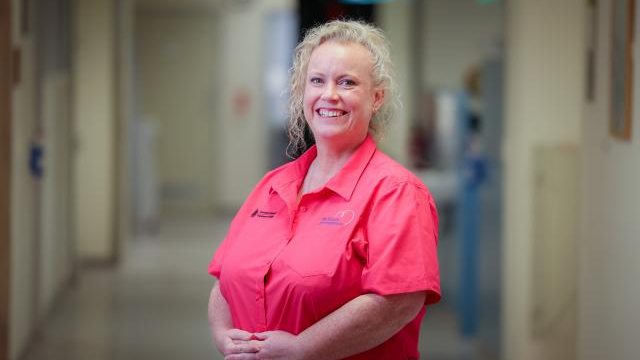
    Among these six new nurses is Melanie Bullock, McGrath Metastatic Breast Care Nurse Consultant (MBCN) who is based at Northern Hospital Epping.

    “My role as a McGrath Metastatic Breast Care Nurse at Northern Health is to support women, and men, as well as their families, from the time of their diagnosis and through the course of treatment ongoing,” said Ms Bullock.

    “Metastatic breast cancer refers to when the cancer has spread beyond the initial tumour site of the breast and into other parts of the body. Our focus is therefore on prolonging life and ensuring quality of life is maximised.”

    Every year, over 4,700 people in Victoria are diagnosed with breast cancer, and one in seven women in Australia will be diagnosed in their lifetime.

    “I support patients, and their loved ones, through this stage of their treatment offering clinical care, medical expertise and psychosocial support,” Ms Bullock said.

    “To have one point of call for patients at this time is fantastic, as through speaking to patients we realise how important it can be to have someone there to help them navigate the medical system.”

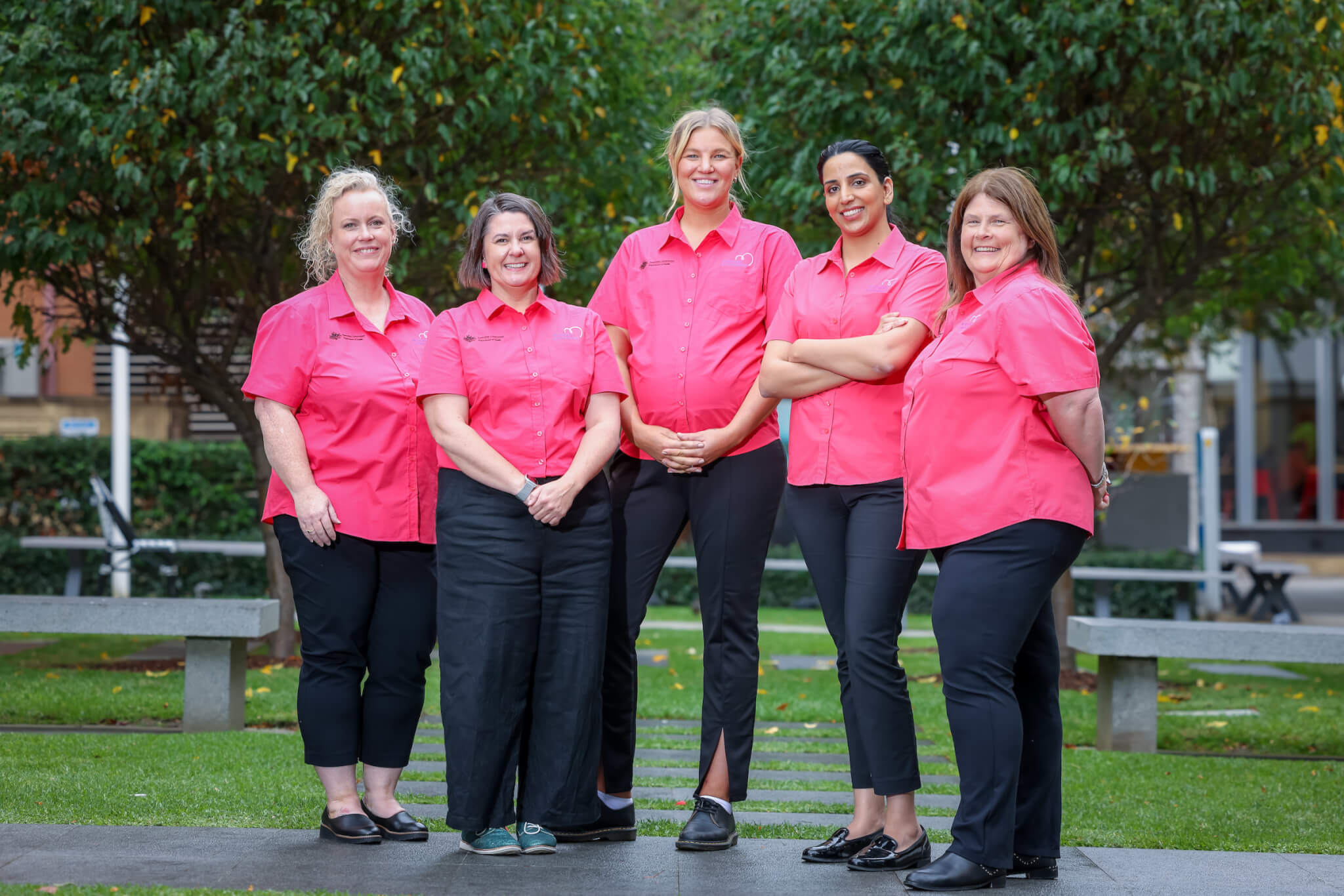
    Melanie Bullock, far left, with some of her McGrath Foundation counterparts.

  • We Are Northern: This is the Disability Liaison Officer Program

    We Are Northern: This is the Disability Liaison Officer Program

    The Disability Liaison Officer (DLO) program was established in 2020 to improve health care accessibility for people with disabilities, with DLOs working at every hospital within Victoria.

    At Northern Health, there are two DLOs, Simone Ortiz and Maria Bowman, who have both worked for Northern Health for several years, and have backgrounds in social work.

    During the peak of the pandemic, the DLO program became a primary contact for people with disabilities wanting access to COVID-19 vaccination. The program received approximately 1,000 referrals during this period, from people living within the Northern Health catchment, but not necessarily all Northern Health patients or clients.

    Many patients with disabilities struggled to access vaccinations during this time, often due to a multitude of challenges in leaving their homes. A home-based vaccination program was established, along with other, more accessible and creative means of supporting those wanting vaccination. These initiatives resulted in the program achieving great success and a high vaccination rate for this vulnerable group.

    Over the past 12 months, the DLOs have returned to providing support to patients with disabilities within Northern Health, aged between five and 65 years. On average, Northern Health has one in five patients presenting with disability.

    The team recently supported a patient with a disability requiring surgery. The patient was non-verbal and fearful of hospitals, which resulted in her refusing to attend or absconding appointments several times. The DLOs were able to support the patient and her family prior to the admission, provided a quiet room and comfort items and liaised with treating staff at every point of care, thus making the whole experience easier for both the patient and the hospital staff. This resulted in a successfully completed surgery.

    The DLOs at Northern Health work closely with other DLOs across the state to keep abreast of initiatives and improvements. This collaboration allows them to improve practices and tackle challenges for Northern Health patients.

    In 2023, the DLOs are excited to roll out their new Disability Action Plan (DAP) 2023-26. The new DAP was completed in consultation with a planning team member, as well as with the help of consumers with lived experience of disability. The overall purpose is to continue to improve access, inclusion and participation of all patients and employees with disability across Northern Health.

    For referrals and further information, please click here.

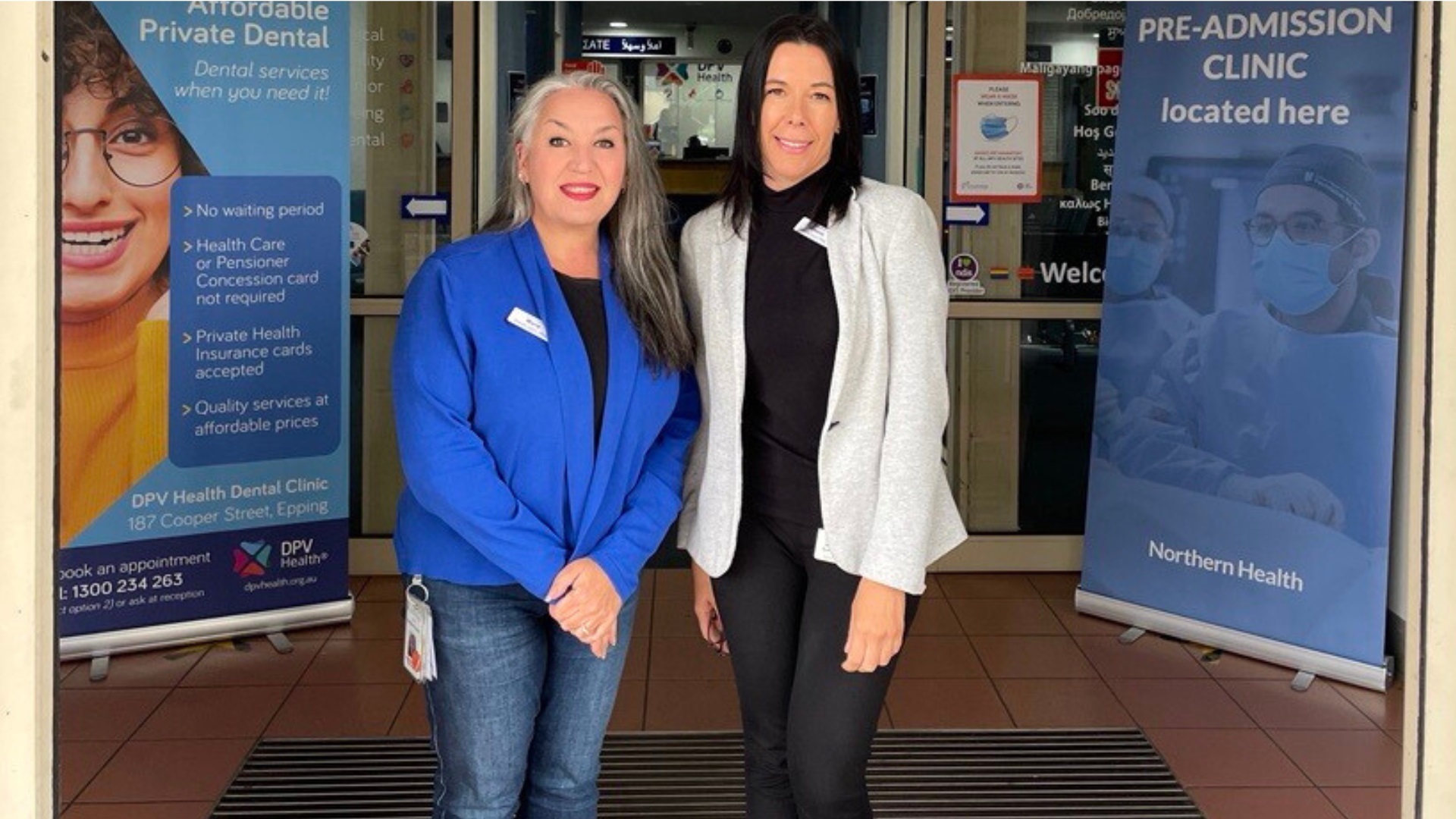
    Pictured: Maria Bowman and Simone Ortiz

  • Patient Activation Measure provides valuable insights

    Patient Activation Measure provides valuable insights

    The Northern Health Oncology Department and Cancer Survivorship Surveillance Clinic have implemented an evidence-based assessment tool to measure individuals activation levels, helping clinicians provide more specialised care to their patients.

    The Patient Activation Measure (PAM) is a valuable questionnaire tool used to assess an individuals’ knowledge, skill and confidence (referred to as ‘patient activation’) for managing their own health and healthcare.

    Patient activation can be increased by offering support and providing opportunities to develop general health knowledge and specific condition knowledge like cancer and skills. Clinicians can proactively align resources and tailor support depending on a patient’s level of activation. Higher activation levels equate to patients with healthy behaviours, overall better outcomes, and fewer episodes of unplanned and emergency care.

    Patients with high levels of activation also understand their role when a diagnosis of cancer or other conditions have been made. Individuals with long-term or chronic conditions, who are more highly activated, are more likely to engage in positive health behaviours to manage their health conditions more effectively. People who have low levels of activation are less likely to play an active role in staying healthy and seeking help when they may need it. They may also find it hard to follow advice given by healthcare professionals.

    The PAM is a great screening tool for identifying those most at risk for future health issues. Through measuring a patient’s activation level, clinicians are provided with an opportunity to explore concerns of patients that attain a low level, and open discussions that perhaps would not have normally occurred. It also provides valuable insights into patient’s lifestyle risks, quality of life and any long-term effects that can help doctors tailor their strategies to guide patient’s post cancer treatment and transition into their new life.  

    The Clinical Leadership, Effectiveness and Outcomes (CLEO) team has facilitated the implementation of the PAM into Oncology and the Cancer Survivorship Surveillance Clinic here at Northern Health.

    Patients are asked to complete a short 10-question survey before an initial visit to clinic, and then again, every three months. The survey asks patients to indicate how much they agree or disagree with statements and combines answers to determine a patient’s activation level.

    Three core functions or uses for the PAM include its predicative power in risk identification, tailoring support based off a patient’s activation level, and measuring impact over time using the scoring system.

    “When I first heard about the PAM, it was a ‘light bulb’ moment for me as a nurse,” said Tracey Webster, Director, CLEO.

    “I can now really understand why some patients find it difficult to engage with managing their long-term conditions or may not show interest in their condition. It has been wonderful to be part of the digital health implementation to know that clinicians can now tailor what they are teaching patients or discussing about their condition, and it can be more meaningful for the patient.”

    “Clinicians can help patients to develop the confidence and understanding to allow them to participate more fully in the management of their health and care. This will assist patients to improve their health-related behaviours, and result in better outcomes, better experiences of care.”

    The Northern Health Cancer Survivorship Surveillance Clinic (CSSC) is a new service developed to improve and support the wellbeing of patients of survived haematology cancers.

    Through establishing the survivorship surveillance clinic, clinicians can monitor, follow up and discuss the ongoing importance of surveillance to improve patients physical, psychological and general wellbeing. The clinic screens patients who are at higher risk of developing secondary cancers and provides the opportunity for early interventions. Patients receive a comprehensive care plan that is developed and shared with their GP, whilst also offering patients direct contact for support within the hospital.  

    Unlike other cancer survivorship clinics, Northern Health focuses on both surveillance/maintenance while undergoing oral treatment, and survivorship, whilst other programs generally only focus on survivorship.  Northern Health offers patients the opportunity to be seen as early as four weeks post treatment in comparison to many survivorship clinics, where patients are often not seen until one year post-treatment.   

    The CSSC is one of the first Northern Health patient cohorts to implement the PAM into its program. Despite being early in its implementation, clinicians are already seeing the value of how the PAM can positively change a patient’s level of activation. 

    Clinicians can engage with their patients to generate different types of conversations that would not perhaps have occurred previously. As a survey, patients see the value in being honest with their answers, without having to hide how they are feeling. Having the opportunity to answer truthfully, allows for certain issues to be addressed as patient’s can identify what matters most to them and their lifestyle.   

    Associate Professor Wanda Stelmach, Chief Medical Officer, said improving cancer services and the support of cancer patients had always been a career-long aspiration for herself.

    “I am delighted to see that our patient’s voices can be heard through this tool. For Northern Health and our clinicians to understand our patient’s struggles and challenges and then to be able to support our patients in their capability to take charge of their lives is an extremely privileged position to be in,” she said.

    “I encourage everyone to support this project which will, without doubt, support patients to improve their health-related behaviours and experience better outcomes – and a better survivorship journey.”

    The PAM is licensed by Insignia Health and implemented by the CLEO team. For more information, please visit the CLEO Intranet page. If you would like to implement the PAM into your patient cohort, please complete the Expression of Interest form.

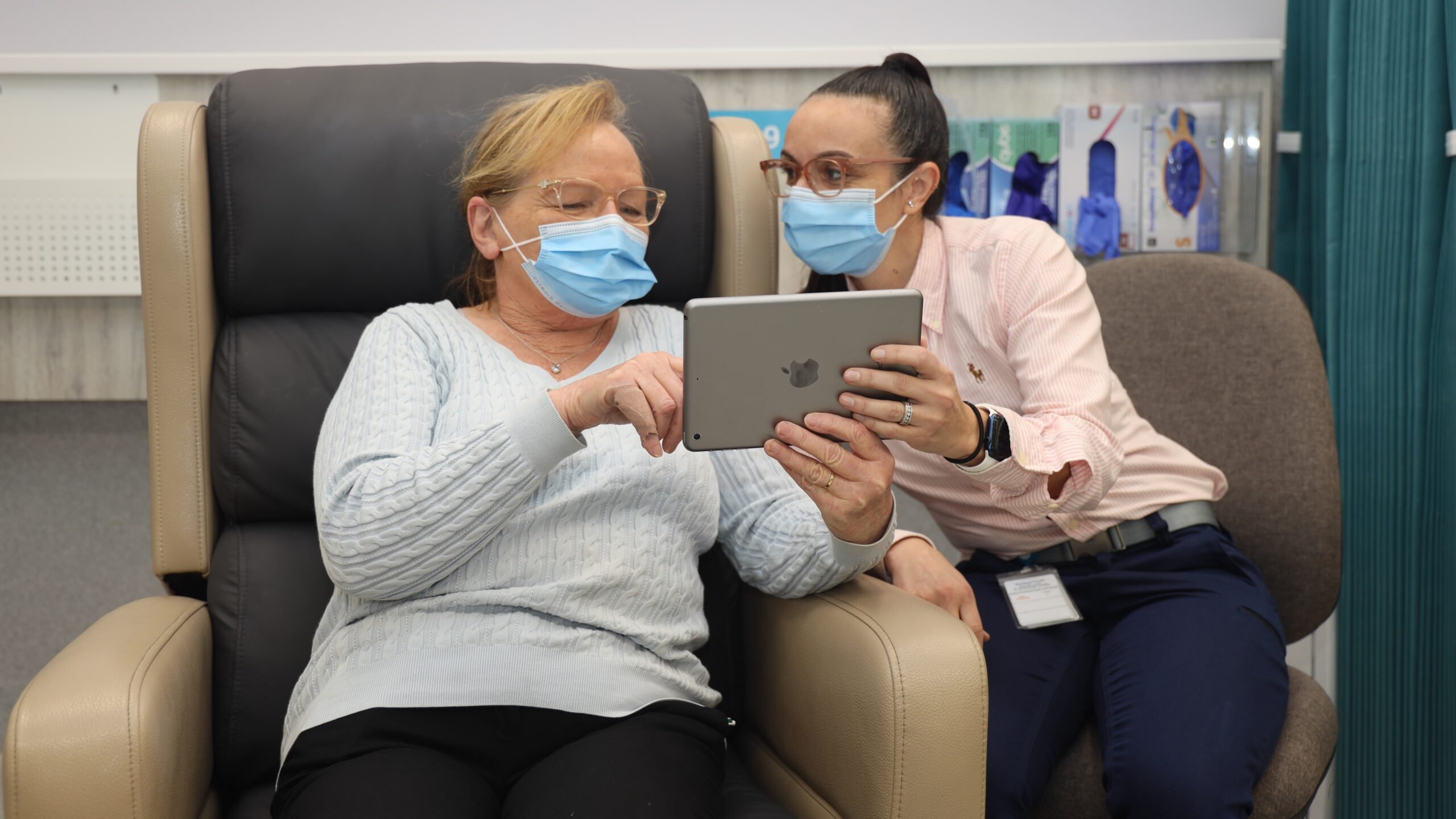
    Featured image: Karen Matoga, Research Nurse Coordinator and Louise Scolieri, Haematology Nurse Practitioner Candidate.


  • Get to know: Lyndall Fleming

    Get to know: Lyndall Fleming

    #WeAreNorthern

    Meet Lyndall Fleming, Receptionist and Switchboard Operator, Northern Hospital Epping.

    Q: What was your first job?

    A: My first job was as a Girl Friday with John Brown Knitwear in Collingwood, relieving switchboard and filing. It was my first job where I had to travel on the train to and from Collingwood from Reservoir. I remember everyone talking on the train and making many conversations. On one of those train trips, l met my husband. We’ve been married for 48 years.

     Q: Who made a difference in your life as a child?

    A: My father made a difference in my life with his great work ethic. He was a builder and a property developer and has built many houses around Keon Park, Thomastown, Epping and Lalor.

    Q: What do you love most about your job?

    A: I work as a Receptionist and a Switchboard Operator and l love the people l work with. My colleagues are like my second family, and I love the problem-solving element of my job for patients and visitors. I sometimes feel like a detective on my job.

     Q: Tell us about a goal you have set for yourself and how you worked towards achieving it?

    A: When l was a young girl, I wanted to be a builder, just like my father. Back in the days and being a female, it wasn’t a profession that my mother recommended I pursue. The second choice was to become a receptionist and I made it.

     Q: Beach or mountain?

    A: Beach definitely! I have spent many years at our family beach house swimming, surfing, walking and I hope to retire soon to a house by the ocean.

  • Executive Yarning Circle empowers Aboriginal staff

    Executive Yarning Circle empowers Aboriginal staff

    This week is National Reconciliation Week. A time for all Australians to learn about our shared histories, cultures and achievements.

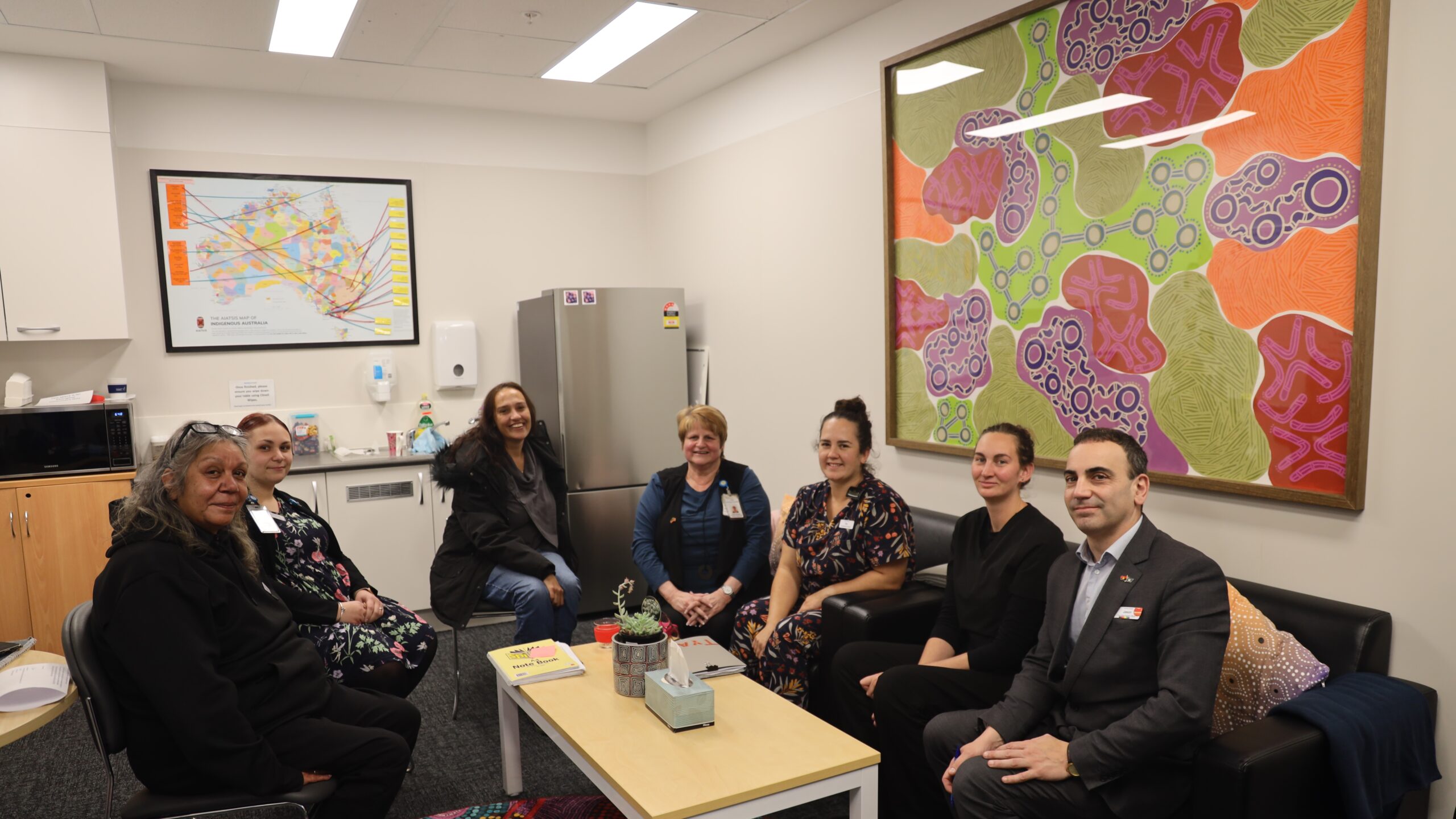
    Northern Health has recently established an Executive Yarning Circle, specifically designed to support and empower Aboriginal staff members, in a newly refurbished Aboriginal Cultural Space.

    This initiative aims to create a safe and culturally sensitive space where Aboriginal employees can come together, share their experiences and contribute to decision-making processes.

    The Executive Yarning Circle serves as a valuable platform for fostering meaningful connections, promoting cultural awareness and driving positive change within the organisation. It also provides a unique opportunity for Aboriginal staff to build strong connections and form a supportive network. By coming together in this safe and respectful environment, participants can engage in open dialogue, share their stories and discuss their challenges and successes.

    Moira Rayner, Emergency Department Aboriginal Liaison Officer, said, “the Yarning Circle here at Northern Health with our Executive Director has created a new and unique way of addressing Aboriginal health and wellbeing in this space. This is the true spirit of reconciliation.”

    Cultural awareness and understanding are vital elements in creating an inclusive and culturally competent healthcare organisation. The Executive Yarning Circle plays a significant role in promoting cultural awareness among Northern Health’s leadership team and decision-makers.

    Through active listening and engaging in yarning circles, the Executive team can gain deeper insights into the unique perspectives, cultural practices and needs of Aboriginal staff. This knowledge helps inform policies, practices and strategies that are more aligned with the cultural values and aspirations of the Aboriginal community.

    Jason Cirone, Chief Allied Health Officer, said, “the Executive Yarning Circle provides a regular, culturally safe opportunity for Aboriginal staff and leaders to share important information, without the formalities of a standard meeting. It’s a privilege to sit together and reflect differently on what’s important, what is working and what needs attention.”

    The Executive Yarning Circle also serves as a powerful mechanism for Aboriginal staff to influence decision-making processes within Northern Health. The circle provides an avenue for employees to voice their opinions, contribute ideas and provide valuable input on matters that impact their work environment.

    Furthermore, the circle is a platform for mentoring and the sharing of knowledge and expertise, creating a nurturing environment for both personal and professional development. The circle will be a catalyst for positive change, driving initiatives that foster cultural safety, strengthen relationships and enhance the overall wellbeing of Aboriginal employees.

    The establishment of the Northern Health Executive Yarning Circle for Aboriginal staff marks a significant step forward in the organisation’s journey toward Aboriginal cultural safety. This initiative not only provides a supportive network for Aboriginal employees but also empowers them to contribute to decision-making processes and influence positive change within Northern Health, ultimately benefiting both staff and the community.

    Featured image left to right shows Moira Rayner, Emergency Department Aboriginal Liaison Officer, Stephanie Thompson, Aboriginal Liaison Officer, Toni Gabelish, Aboriginal Liaison Officer, Karen Byrant, Senior Aboriginal Liaison Officer, Tya Fry, Occupational Therapist, Natalie Bloomfield, Aboriginal Clinical Support Nurse, and Jason Cirone, Chief Allied Health Officer, in the Aboriginal Cultural Space.