• Northern Imaging Victoria – Coming soon!

    Northern Imaging Victoria – Coming soon!

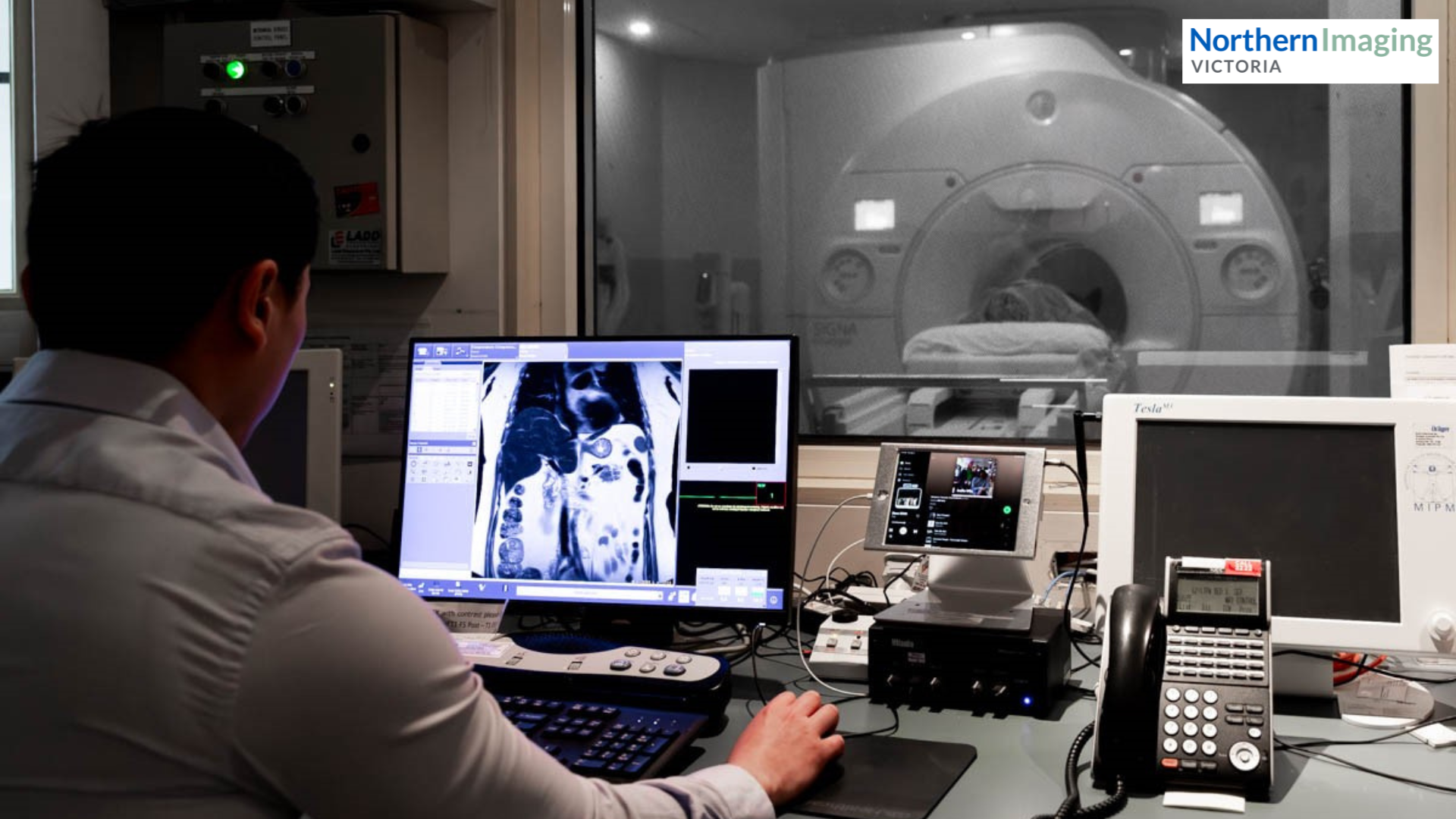
    Medical Imaging, encompassing diagnostic radiology, interventional radiology and nuclear medicine, will become an inhouse service under the banner of Northern Imaging Victoria (NIV) from 5 October, 2023.

    Radiology services are currently provided at three Northern Health campuses; Northern Hospital Epping, Broadmeadows Hospital and Bundoora Centre, and will all transition to NIV on this date.

    “Since early 2022, our project team has worked tirelessly to build the foundation of NIV,” said A/Prof Terry Kok, Director of Imaging Services, Northern Health.

    “This includes the introduction of new imaging IT systems (Agfa PACS and Kestral RIS) to physical expansion of our footprint across the Northern Health campuses. This is the first phase of NIV development with new expanded services in Broadmeadows featuring a new 3T MRI and regular ultrasound service as well as an in-house PET-CT service at the Northern Hospital coming online in December 2023 and mid 2024 respectively.”

    “We will also be welcoming over 170 imaging staff including new team members who are excited to join Northern Health on this journey.”

    When it comes to requesting imaging studies, radiology and Nuclear Medicine workflows will remain unchanged. Hybrid printed EMR requests will be used for emergency department and inpatient imaging referrals, and paper-based request forms for outpatient imaging referrals. Interventional Radiology and procedural referrals will also remain unchanged. Both NIV and Lumus Imaging referral forms (or any valid imaging request form) will be accepted.

    There will be a temporary reduction in outpatient imaging capacity during the transition phase due to reconfiguration of services. Lumus Imaging will provide overflow outpatient (e.g. outpatient CT, MRI and US scans) and PET-CT imaging support during this time.

    “Our aim is to further enhance safety, quality and efficiency in Medical Imaging to enhance patient and clinician experiences at Northern Health”, said Sophie Dodson, Operations Manager, Northern Imaging Victoria.

    “We have an incredible team of over 170 highly trained and experienced staff with a commitment to clinical excellence, education and research, and we are excited for this next step in the inception of Northern Imaging Victoria.”

    The Northern Imaging Victoria team look forward to providing staff with further updates as we undergo this transition.
  • Dementia Action Week: Act now for a dementia-friendly future

    Dementia Action Week: Act now for a dementia-friendly future

    Dementia Action Week (18 – 24 September) encourages everyone to take a few simple actions to create a dementia-friendly future for all Australians.

    Dementia is the umbrella term for a number of neurological conditions, of which the major symptom is a decline in brain function. Dementia is a disease symptom and is not a normal part of ageing, with more than 100 diseases that may cause dementia. The most common causes of dementia include Alzheimer’s disease, vascular dementia and dementia with Lewy bodies.

    According to Dementia Australia, around two-thirds of people with dementia live in the community. A lack of knowledge and understanding of dementia may lead people living with dementia experiencing stigma and discrimination in the community.

    At Northern Health, the Cognitive Dementia and Memory Service (CDAMS) is a specialist diagnostic clinic which aims to assist people with memory loss, or changes to their thinking, and those who support them. Early diagnosis is important to determine appropriate treatment needs and to plan for the future.

    The CDAMS provides:

    • Expert clinical diagnosis
    • Information on appropriate treatments
    • Education, support and information
    • Direction in planning for the future
    • Information on dealing with day-to-day issues
    • Links and information for clients and their family regarding other service providers or community supports.

    CDAMS operates across Bundoora Centre, Broadmeadows Hospital and Craigieburn Centre, with clinics running over four days of the week depending on the site.

    The program is focused on a multidisciplinary approach including geriatrician, psychogeriatrician, geriatric registrar, neuropsychologist, occupational therapist, social worker and dementia nurse consultant.

    The team provides holistic management for many older clients who have dementia and for their carers. With the changing demographic of the Northern Health population, this team manages clients with increasingly complex social needs.

    Since commencing at Bundoora Extended Care in 1997 with two geriatricians and a nurse working one session a week, the services have expanded and grown to meet the needs of the community. Today, there are up to 12 geriatrician sessions a week with full multidisciplinary support.

    Dr Michael Farber has worked in the team for 13 years. He says, “CDAMS is a challenging but rewarding environment to work in with a very supportive and collegiate team of staff.”

    Danielle Courtney, Neuropsychologist, said it was great to work in a team where neuropsychology input into the diagnostic process was valued.

    “I really enjoy working with our patients who are from such diverse backgrounds, it’s a privilege to hear them share stories from their lives, during a particularly vulnerable time,” she said.

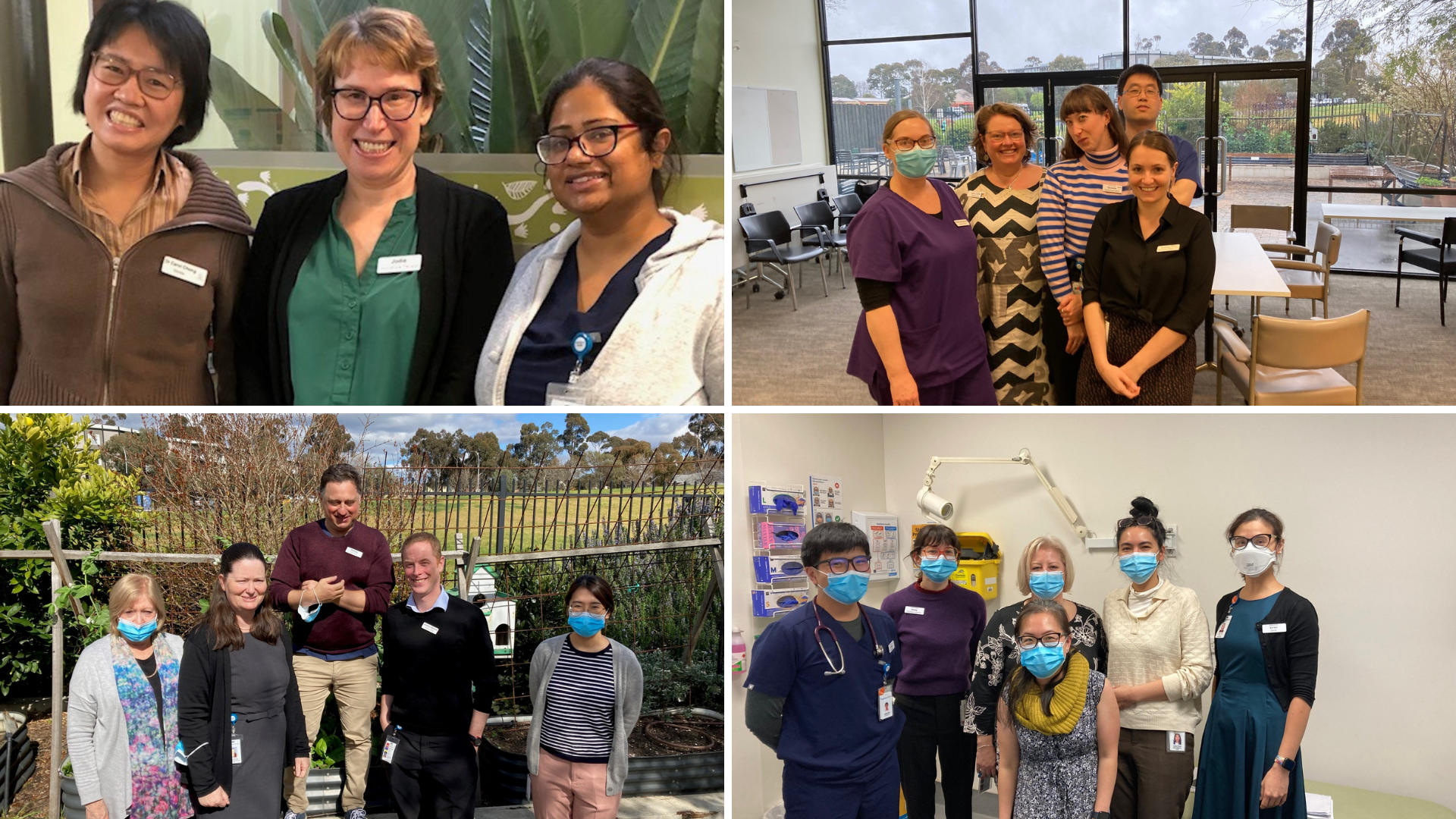
    Featured image: CDAMS clinic teams across Northern Health.

  • We are Northern: This is the Pain Management Service

    We are Northern: This is the Pain Management Service

    The Northern Health Pain Management Service runs across Bundoora Centre and Broadmeadows Hospital.

    It provides diagnosis, management, and review of persistent pain conditions for patients in the north. It is a lifeline for individuals who continue to experience debilitating pain, despite seeking conventional medical and community care. The program works assist clients in managing their pain through an active service model.

    Most clients referred to the program will be required to complete a pain questionnaire. This information assists with triaging patients into their initial point of entry into the program and provides baseline information regarding the patient’s status.

    The team consists of three part-time Pain Physicians, Grade 3 Physiotherapists, Grade 3 Psychologists, an Occupational Therapist, an Exercise Physiologist, and a Pain Service Coordinator. Supported by a diligent admin team, each member plays a crucial role in delivering high-quality care.

    Persistent pain can lead to a reduced level of functioning and quality of life for the clients. Therefore, the service team adopts a multidisciplinary approach to address these challenges:

    • Expert Assessment – pain specialists, physiotherapists, and psychologists conduct thorough assessments and provide expert guidance.
    • Education – they offer both group and one-on-one education sessions, alongside pre-recorded videos, to equip clients with evidence-based strategies for self-management.
    • Holistic Care – they collaborate with other disciplines, such as occupational therapy, exercise physiology, social work, and more, to ensure a holistic and patient-centred approach.

    Amid the pandemic, the pain management service faced a significant challenge in initiating patients into the program. Previously, this process involved large group sessions for patient introduction and an educational session. To adapt, they transitioned this content online and introduced the TelePEP (Telehealth Pain Education Program).

    “To overcome this challenge, we adapted this content to go online and the idea of the TelePEP was born. We started to use an online version of the initial entry questionnaire and recorded an introduction to the service which we then distributed as a closed YouTube link to a consumer via email,” said Sarah Slater, CTS Pain Service Coordinator.

    Now, patients complete an initial entry questionnaire along with an introductory video online. Subsequently, a one-on-one telephone triage interview with a team member guides them forward. The TelePEP has been translated into Arabic and Turkish.

    As we step into 2024, the psychology team will lead a quality project that explores the efficacy of brief Eye Movement Desensitisation and Reprocessing (EMDR) therapy for patients with persistent pain. This innovative approach is backed by increasing evidence, suggesting that it can help clients process emotional stress related to their pain experiences, potentially reducing the intensity of physical pain symptoms.

    “This is part of a wider quality project by the Northern Health Psychology Allied Health team in which the feasibility of EMDR therapy with clients within the community rehab services will be explored,” she said.

    At Northern Health, our pain management service stands as a testament to our dedication to improving the lives of those living with persistent pain. We thank our exceptional team for their unwavering commitment, and we look forward to continued growth and excellence in 2023 and beyond.

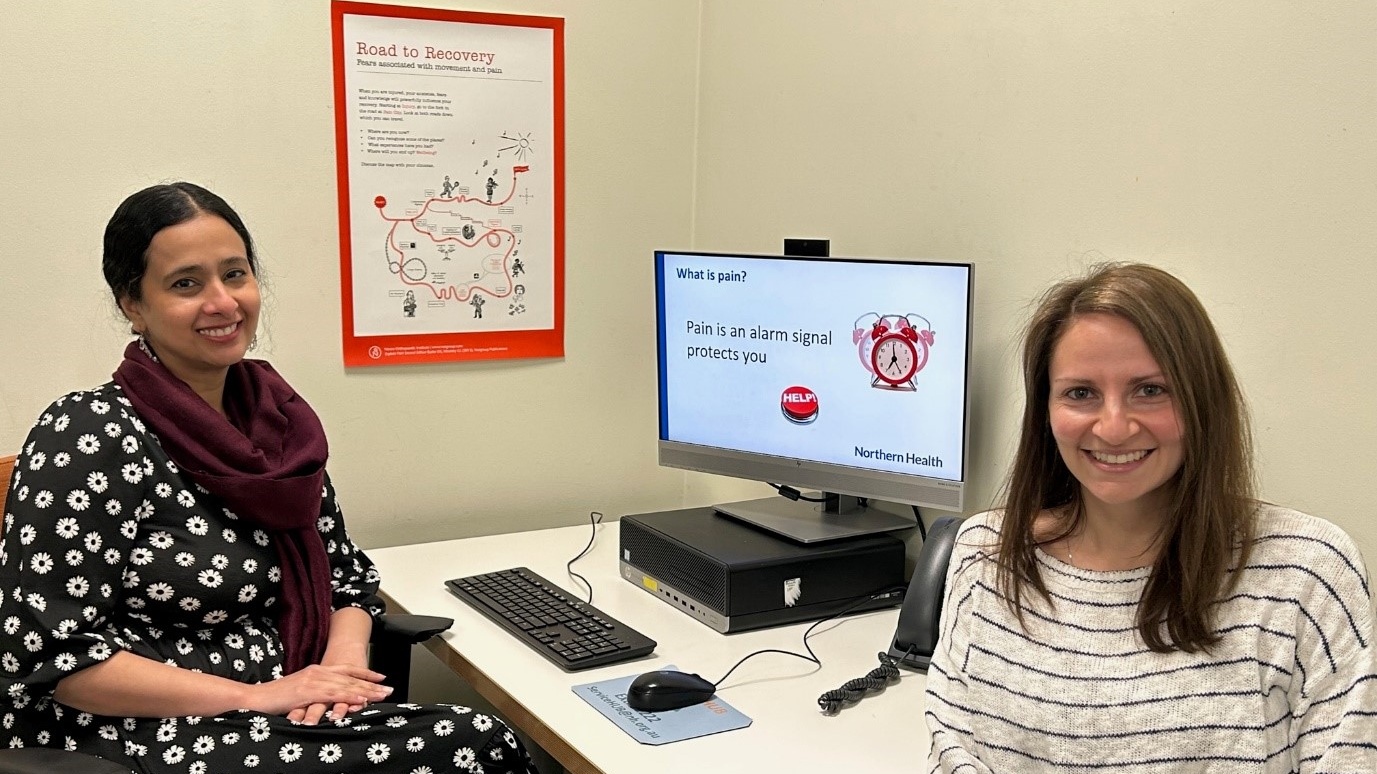
    Featured image: Mahwish Chaudry, Psychologist and Anthea Manioudakis, Physiotherapist.

  • R.E.A.C.H. out for patient safety

    R.E.A.C.H. out for patient safety

    World Patient Safety Day (WPSD), observed annually on 17 September, aims to raise global awareness about patient safety and calls for solidarity and united action by all countries and international partners to reduce patient harm.

    The day is one of the World Health Organization’s (WHO) global public health days, and brings together patients, families, carers, communities, health workers and leaders to show their commitment to patient safety.

    The theme for this year is ‘engaging patients for patient safety’ with the slogan ‘elevate the voice of patients.’ Through this slogan, the WHO calls on all stakeholders to take necessary action to ensure that patients are involved in policy formulation, are represented in governance structures, are engaged in co-designing safety strategies and are active partners in their own care.

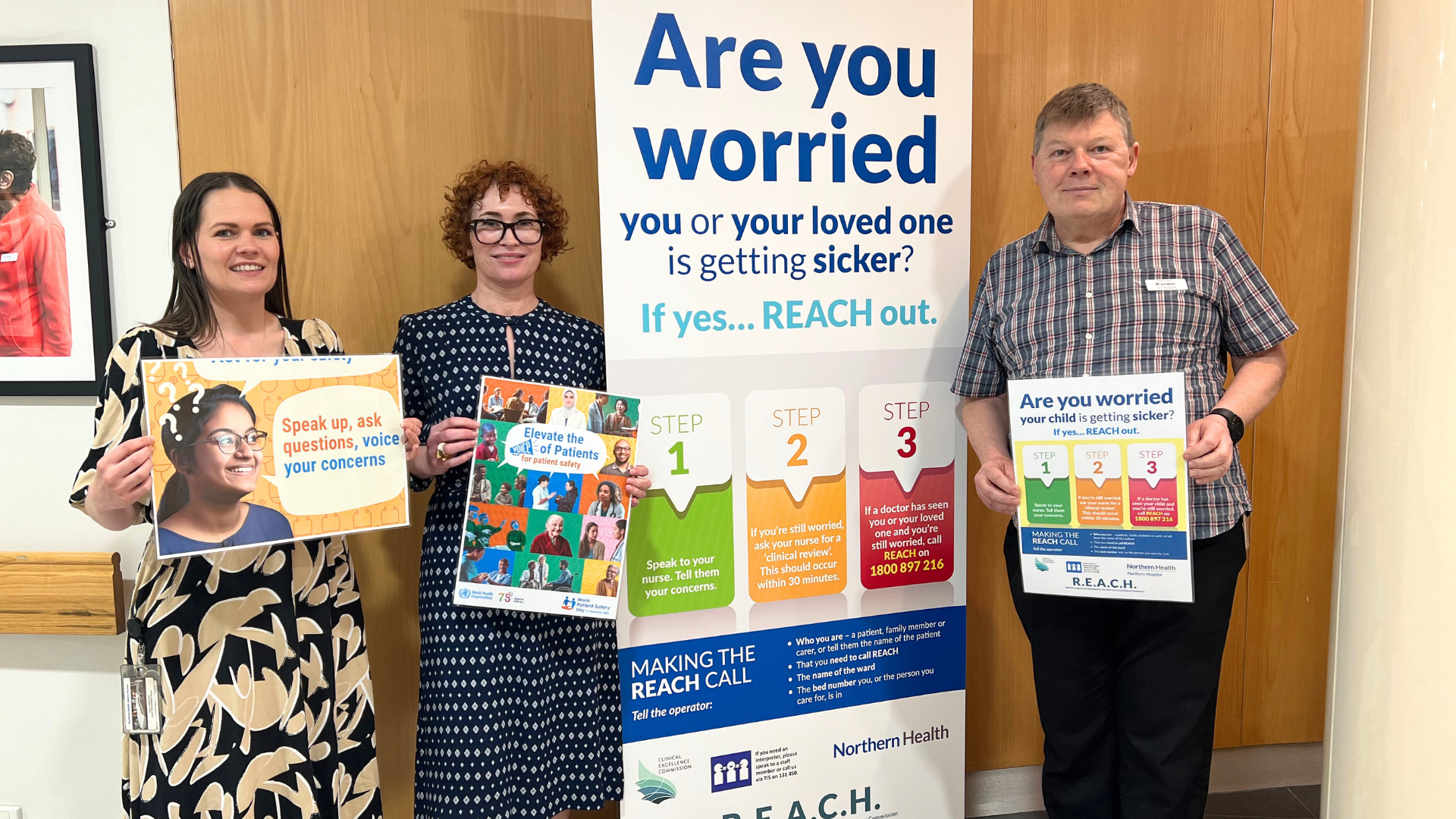
    To encourage patients elevating their voice, Northern Health has an escalation process in place for when patients, families and carers are worried about the clinical deterioration of the patient or loved one. This process is known as R.E.A.C.H. (Recognise, Engage, Act, Call, Help is on its way).

    R.E.A.C.H. encourages patients, carers and family members to escalate their concerns with staff about worrying changes in a patient’s condition. When implementing R.E.A.C.H., patients and families are advised to follow the following process:

    • Step 1: Speak to your nurse. Tell them your concerns.
    • Step 2: If you’re still worried, ask your nurse for a “clinical review”. This should occur within 30 minutes.
    • Step 3: If a doctor has seen you or your loved one and you’re still worried, call R.E.A.C.H. on:
      • Broadmeadows Hospital: 1800 897 205
      • Bundoora Centre: 1800 892 126
      • Northern Hospital Epping: 1800 897 216

    When making the call, it is important to identify:

    • The bed number you, or the person you care for, is in.
    • Who you are – a patient, family member or carer, or tell them the name of the patient.
    • That you need to call R.E.A.C.H.
    • The name of the ward.

    Elise Sutton, Resuscitation and Clinical Deterioration Coordinator, said patients and family members can become aware of the process from a number of avenues throughout the health service.

    “Patients and family members can become aware of the process from the posters around the hospital, the number on most patient journey boards and it is provided to them as part of their welcome pack,” she said.

    “Staff should also brief the patient on this as part of their admission when providing them with the welcome pack.”

    Feedback reports after using the R.E.A.C.H program include:

    “R.E.A.C.H. call provided a very good service, and the response was excellent, with an outcome straight away.”

    “R.E.A.C.H. call was very good, made us feel heard and put our mind at rest.”

     “Family was very happy with service and immediate response. It changed care for their mother.”

    Staff are encouraged to tune in to ‘The Window’ today at 12 noon today to hear a family’s story, where they may have benefitted from the R.E.A.C.H program.

    ‘‘You’ll hear about a recent family experience from a colleague of ours, who generously reflects on ‘his voice’ on WPSD’’, says Clare McCarthy, Director, Quality Safety and Patient Experience.

    “R.E.A.C.H. is like the surf life-saving scenario – where our families and/or caregivers can ‘put their hands in the air’ to signal – or voice. they need help. This voice is so critical to our patient safety efforts.”

    Featured image: Elise Sutton, Resuscitation and Clinical Deterioration Coordinator, Clare McCarthy, Director Quality Safety and Patient Experience and Brendon O’Connor, IT Support.

  • Northern Hospital Epping is fully live with the EMR!

    Northern Hospital Epping is fully live with the EMR!

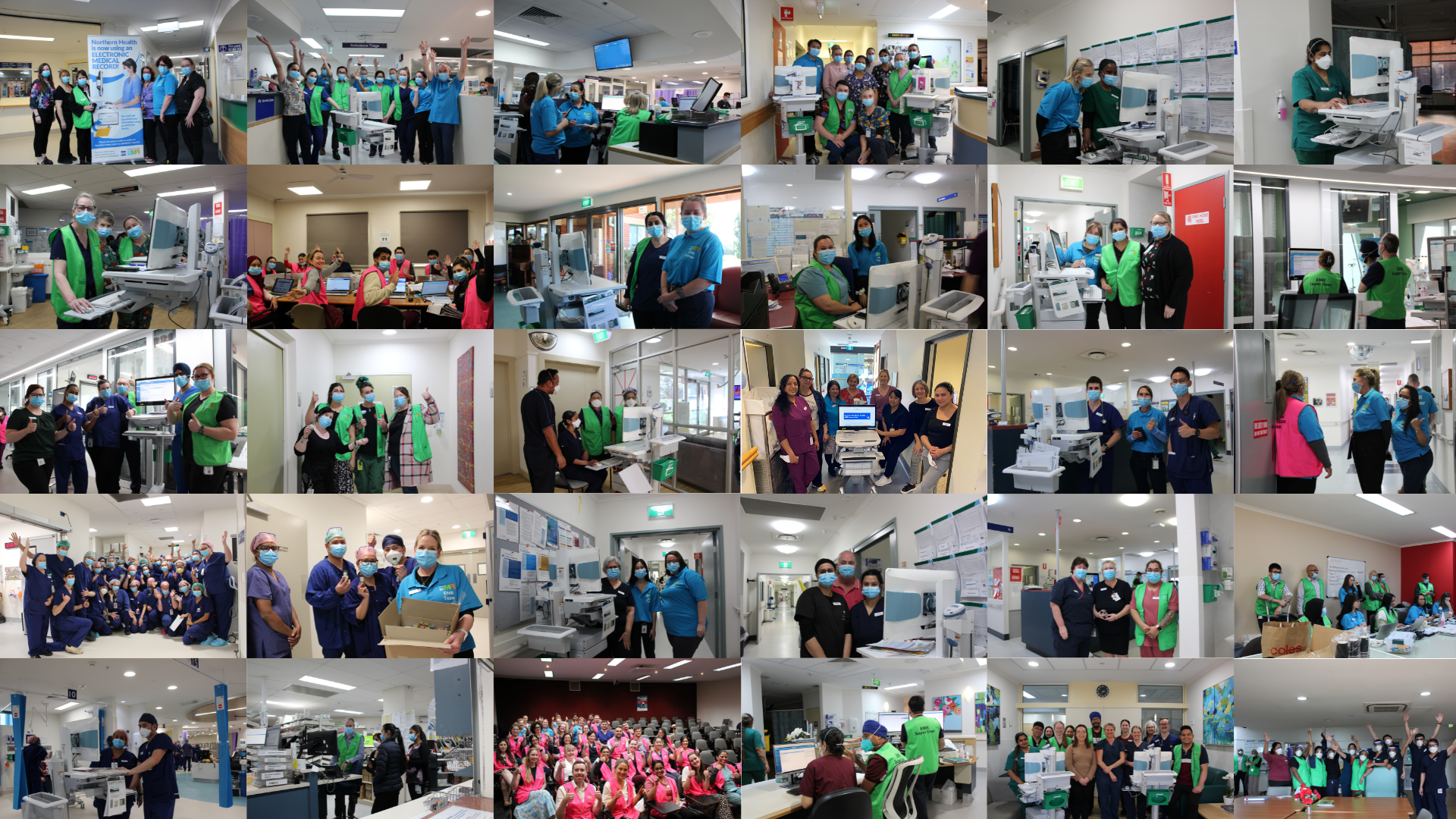
    Today marks the last day of Northern Health’s official EMR go live. The last wards to go live at Northern Hospital Epping were Wards 3, 8, 22, and 23. Dialysis at Epping, Broadmeadows and Craigieburn also went live with the EMR today.

    Thanks to the EMR super users and clinical transition team, we had a relatively smooth go live in the past two weeks.

    Post go live support will continue during hypercare, meaning the EMR team, help desk and super user will be available 24/7 next week. The team will continue monitoring and deploying resources to areas needing extra help.

    As we are now fully live with the EMR, the EMR team might be slower in responding to queries. Please continue using Quick Reference Guides and contact your super users if you have questions.

  • Get to know: Sophie Dodson

    Get to know: Sophie Dodson

    #WeAreNorthern

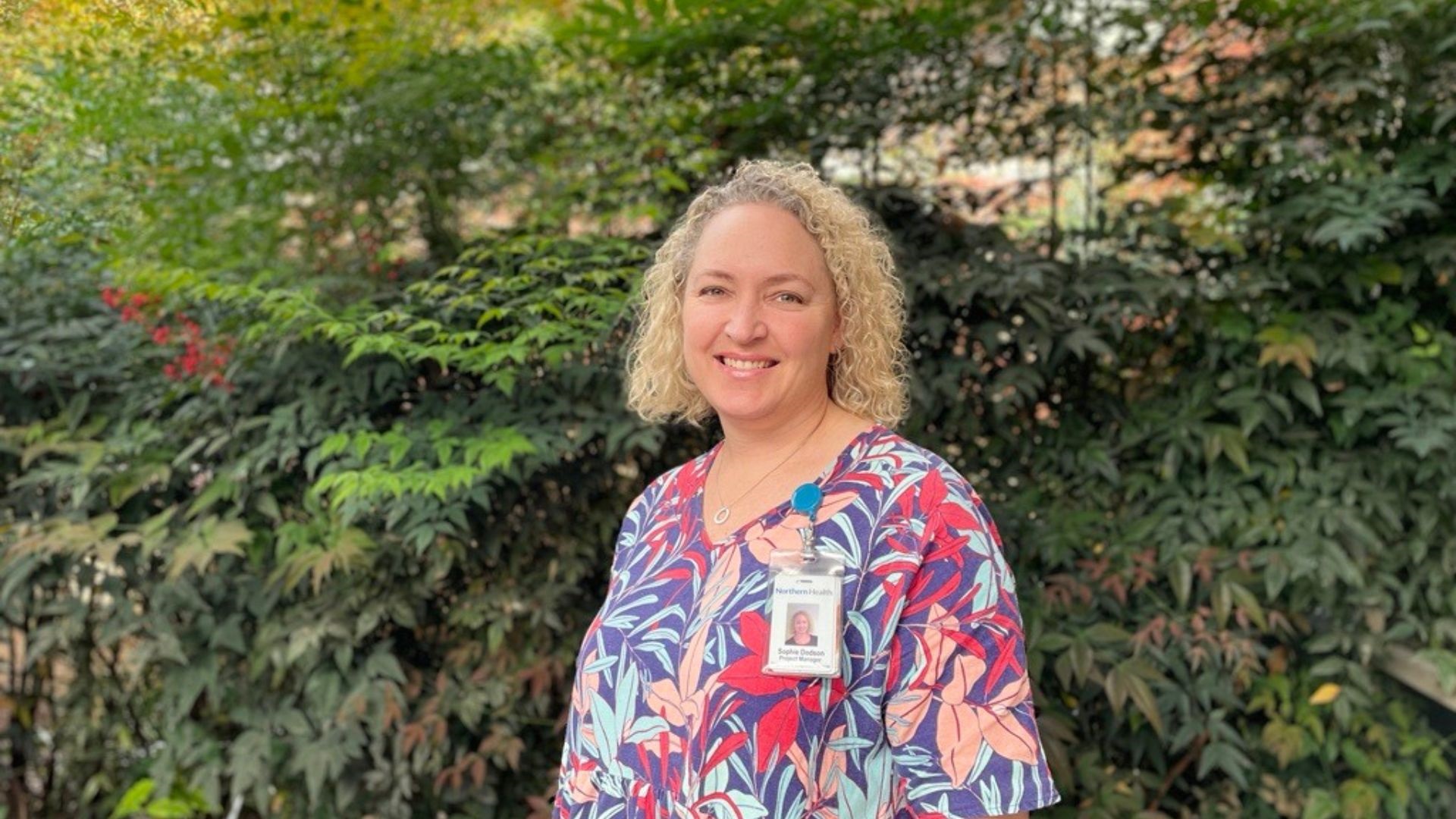
    Meet Sophie Dodson, Operations Manager, Northern Imaging Victoria.

    Q: Firstly, what is your coffee order?

    A: Strong skinny latte – one coffee a day, so it needs to do the job.

    Q: Tell us about your role at Northern Health.

    A: Initially, I came across from radiology to Northern Health as a project manager to work on the Northern Imaging Victoria (NIV) project to bring radiology in-house. After our go live in three weeks, I will be the Operations Manager for NIV.

    Q: What does a typical day at work look like for you?

    A: Currently, as we are still in the project phase, my day consists of a lot of Teams meetings, trying to keep on top of emails and juggling a multitude of competing priorities. We are bringing across over 100 staff from Lumus, introducing an entirely new radiology IT system, both Radiology Information System (RIS) and image storage system (PACS), conducting department expansion at both Northern Health (PET department) and Broadmeadows Hospital (Ultrasound expansion and introduction of MRI) with capital projects, building a NIV website and transitioning services, all with the support of our fantastic NIV project team.

    Q: What has been the highlight of your career at Northern Health?

    A: I’ve only been a staff member at Northern Health for 18 months, despite working at Northern Health for the majority of the past 25 years in the radiology department, where I’ve worked alongside my Northern Health colleagues. But my highlight of the last 18 months has been getting out the NIV project to three weeks from go live and keeping it on track for a successful go live without delay.

    Q: What are your superpowers?

    A: Juggling being a mum to my two cheeky boys whilst putting 100 per cent into my project role. My boys are my everything, and I love my job. So, it’s a win-win!

  • Northern Health welcomes our first EMR baby!

    Northern Health welcomes our first EMR baby!

    Today, Wards 4, 5, 10, 11, 12, 13 MAC, MITH, NITH, Oncology Medical Day Unit, NOAH, MOAH, Maternity Specialty Clinics in Epping, Broadmeadows, and Craigieburn are going live with the EMR.

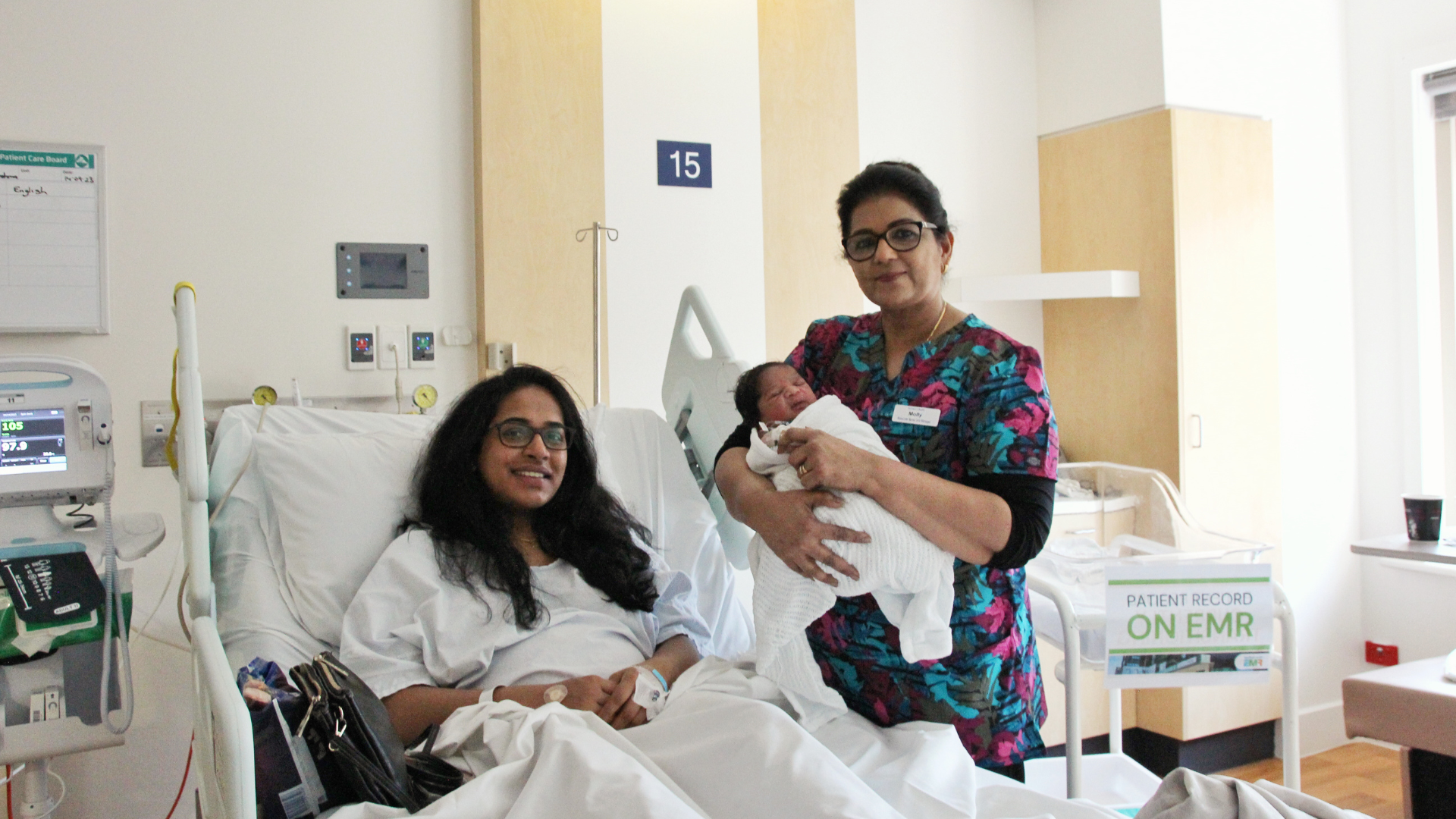
    We also welcomed our first EMR baby, Noah Kochatt, at 11.45 pm last night. Mother, Reshma Kochatt, is a Mental Health Social Worker at Broadmeadows Hospital.

    “I think EMR will be a better system for Northern Health’s mums and bubs moving forward, as our record will be in one place,” said Reshma.

    Molly Mathew, Nurse Unit Manager of Ward 12, is thrilled to welcome the EMR.

    “It has been a busy day for the ward, however, we are well supported and the transition to the EMR has been running smoothly,” said Ms Matthew.

    “This is a very exciting time and I believe having the EMR in place will reduce stress for our fellow midwives as they can spend more at the bedside caring for our bubs.”

    Congratulations to Reshma!

  • We’re here to hear: R U OK? Day

    We’re here to hear: R U OK? Day

    On R U OK? Day, and every day, Northern Health is committed to supporting the psychological health and wellbeing of all our staff.

    Today is R U OK? Day, a national day of action to remind everyone that every day is the day to ask ‘R U OK?’ and to start a meaningful conversations whenever they spot the signs that someone might be struggling.

    The theme of ‘I’m here to hear’ encourages us all to not only ask ‘R U OK?’ but to genuinely listen and to make sure you are giving your mate, colleague, family member or loved one the right environment to open up when times may get tough.

    Michelle Fenwick, Executive Director, People and Culture, expressed the importance of being here to hear.

    “This year, R U OK? Day is a really special day, especially given the last three to four years we have had, not just here at Northern Health, but across the country, and the world,” she said.

    “We are actually here to hear for this R U OK? Day. We are not just going to say the words, we are actually going to hear the response.”

    “So take the time to ask the question and sit down with either family, colleagues and alike, to really be here to hear the response.”

    Casey O’Brien, Senior Psychologist, People and Culture, said supportive conversations were important in maintaining the wellbeing of the people around us.

    “Remember that there are many ways we can support each other. You don’t need to have counselling skills or training to have a powerful impact on someone’s day,” she said.

    “Kindness and support can come from a corridor check-in, sitting in silence together after a difficult event, or checking in on a colleague who has been having a hard time at home.”

    Here at Northern Health, multiple support systems, programs and initiatives are in place to support our staff and community.

    The Northern Health Peer Support Program was established in July 2022. The program is celebrating its first successful year of staff supporting staff with brief, practical and emotional support.

    Trained and compassionate Northern Health peer supporters work alongside staff in need of a chat, guidance or support. Our peer supporters have assisted staff with a range of concerns including ongoing stress, career and family concerns and work-life balance.

    Staff can also access the Northern Health Employee Assistance Program (EAP) – a professional, counselling service that offers free and confidential, short-term support for a variety of work-related and personal concerns that may be affecting staff at work or home. The EAP provides access to qualified professionals, including psychologists, social workers and management coaches.

    “The Peer Support Program is driven by our values of safe, kind and together,” Casey said.

    “Along with our EAP Program, the Peer Support Program provides another avenue of confidential support for staff with work or personal concerns, and connection to resources. Our peer supporters come from diverse backgrounds, are easy to access, and understand what it is like to work at Northern Health. They are here to hear when you need them.”

    Beyond the Peer Support Program and EAP, there are many staff who are like-minded and passionate about mental health. This year, we had over 100 staff, including Executives and senior leaders, participate in Mental Health First Aid training.

    This accreditation provides staff with more confidence in creating those supportive R U OK? conversations, and providing safe pathways for intervention. These skills also help us to support our friends and family members who are going through difficult times or crises – these are lifelong skills that also help us reflect on our own wellbeing.

    If today is a difficult day for you, or you are needing support, we encourage you to reach out to one of our Northern Health Peer Supporters or Northern Health’s free Employee Assistance Program.

    To find out more about R U OK? Day and resources available to staff, please visit the Intranet. Click here to watch Northern Health staff talk about the importance of R U OK? Day and being here to hear.

    Remember, every day is the day ask, ‘are you OK?’.

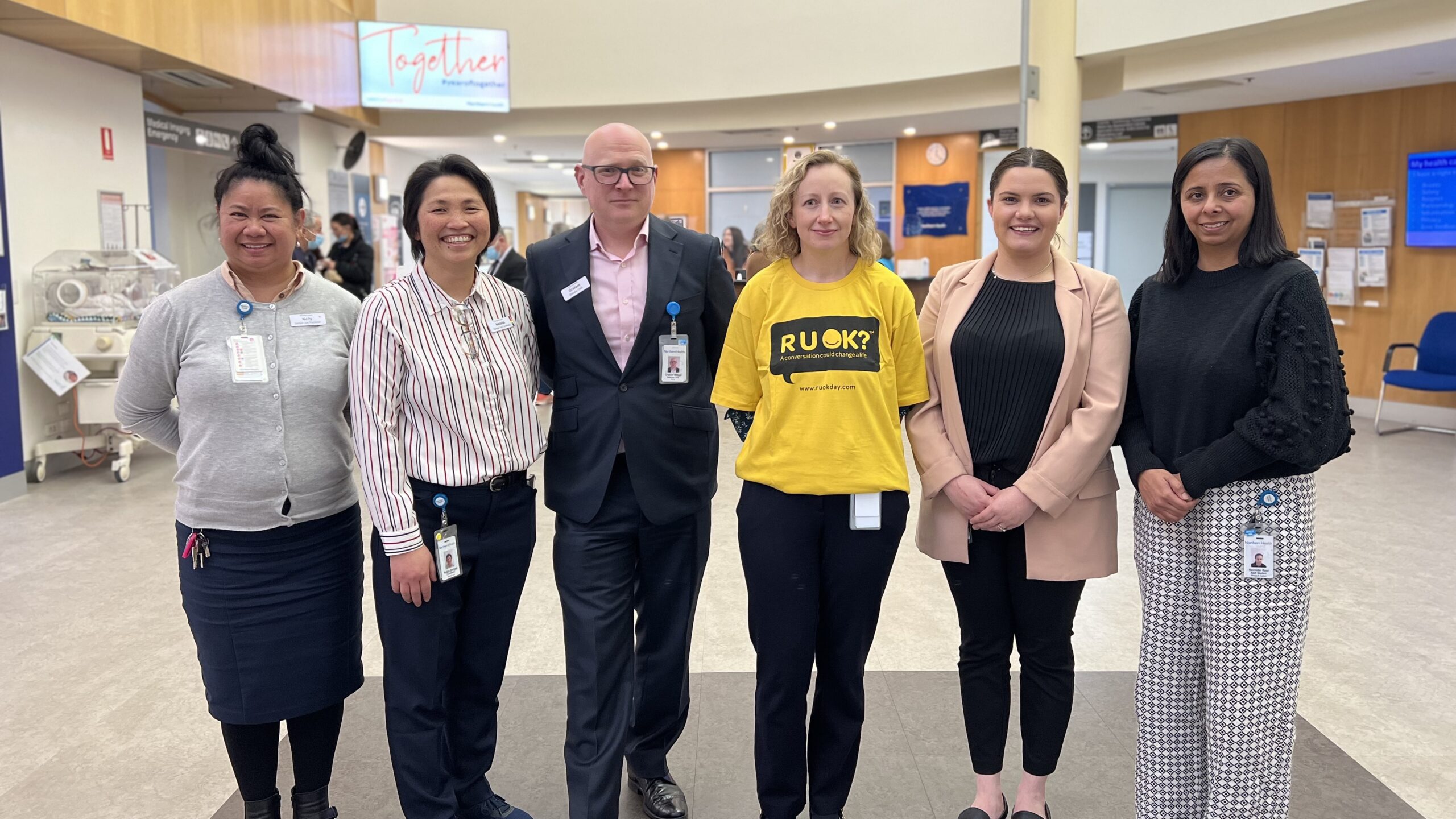
    Featured image: Kelly Pinto, Spiritual Carer, Natalia Dewiyani, Spiritual Care Coordinator, Graham Wilson, OHS Director, Casey O’Brien, Senior Psychologist, People and Culture, Alysha Hooper, People Experience Business Partner, People & Culture and Ravinder Kaur, AGA Student, People and Culture.