• Think Pink: Breast Cancer Awareness Week

    Think Pink: Breast Cancer Awareness Week

    This week we are encouraging staff to ‘Think Pink’, focus on breast cancer, and its impact on those affected in our community.

    Breast cancer remains the most common type of cancer among Australian women (excluding non-melanoma skin cancer).

    On average, 8 people die of breast cancer every day. The risk of being diagnosed with cancer by age 85 is 1 in 8 for women.

    However survival rates continue to improve, with 89 out of every 100 women diagnosed with invasive breast cancer now surviving five or more years beyond diagnosis.

    Northern Health Breast Care Nurse, Cheryl Murray, would like staff to take time this week to be breast aware.

    “If you haven’t started breast screening – start it now!” she said.

    Cheryl encourages all departments to participate in the ‘Pink Up Your Door’ competition and get creative:

    “The most creative door will win a $100 Coles Myer Gift Card!”

    For more resource material and additional information on how you can support breast cancer awareness, visit the ‘Pink up your door’ page on Northern Health’s intranet.

    Cheryl left us with this thought -“1 in 8 women in Australia will get breast cancer. That’s something to pink about!”

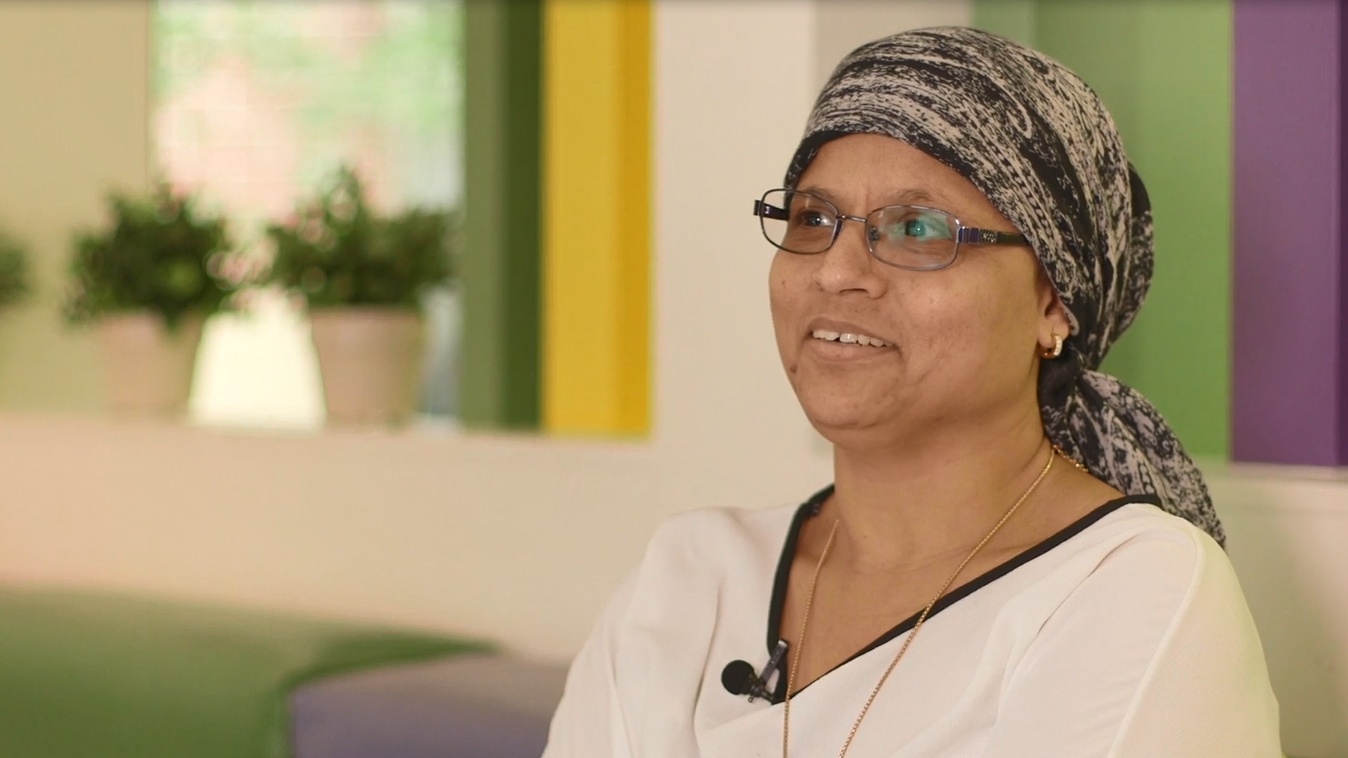
    Look Good Feel Better is a workshop run by the Cancer Patients Foundation, helping to improve the wellbeing and confidence of people undergoing treatment for cancer. Over the ten years the workshop has been running at Northern Health, it has supported over 350 patients with cancer. Watch below to discover one patient’s story.

  • Emergo: Critical Incident Management

    Emergo: Critical Incident Management

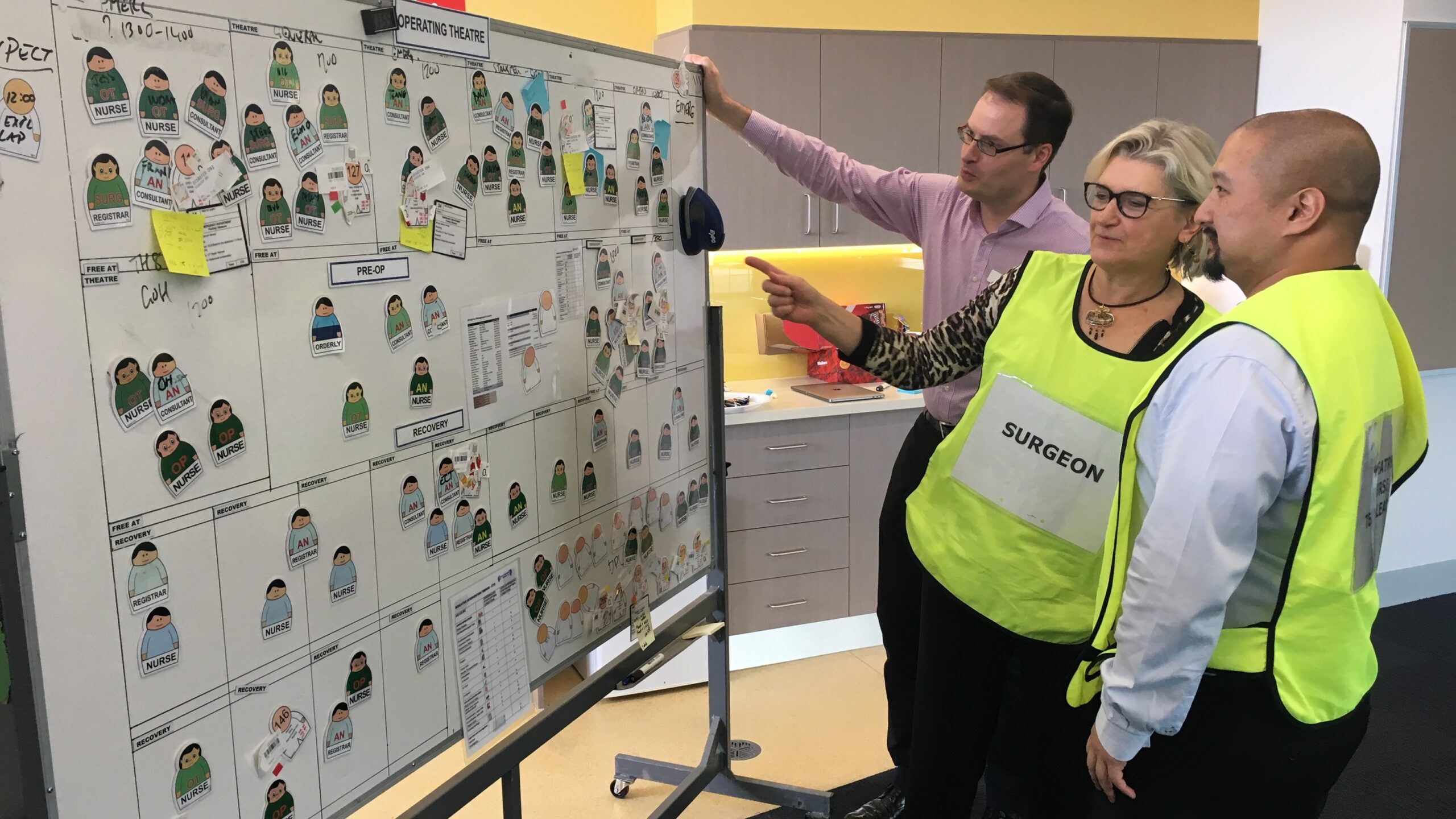
    This week, Northern Health hosted an Emergo exercise.

    Emergo is a mass casualty simulation exercise facilitated by the Department of Health and Human Services and Ambulance Victoria to evaluate an organisation’s incident management systems, disaster preparedness and resilience.

    The simulated ‘code brown’ disaster was a train crash on the Epping line, including a fire and suspected terrorist involvement.

    Over the duration of the exercise, Northern Health received 121 casualties into the emergency department, with some managed in emergency, others referred to ICU and theatre, and some being transferred to other health services.

    The simulation included complexities involving resources, such as running out of ventilators and blood.

    A full Incident Management Team was formed, and functioned throughout the entire exercise.

    Clinical staff and support services were based on the third floor of Northern Centre for Health Education and Research (NCHER) and worked through the triage, transfers, admission, care and discharge for each of the ‘patients’ which were presented relentlessly by Ambulance Victoria.

    The exercise also involved the preparation and provision of media releases and a press conference, with Chief Medical Officer, Dr Alison Dwyer, as the spokesperson.

    The simulation was followed by a formal debrief session with staff and Emergo facilitators.

    The Northern Health facilitator of the event, Jason Cirone, said we received very positive feedback on our performance, and expressed his appreciation to all staff who were involved.

    “The Emergency Planning Committee would like to thank everyone involved in the planning and all those who participated on the day.”

    “The exercise has reinforced our critical incident management systems and processes, and our confidence in managing a real external disaster,” he said.

    Debriefing session at NCHER

  • First Staff Recognition Awards

    First Staff Recognition Awards

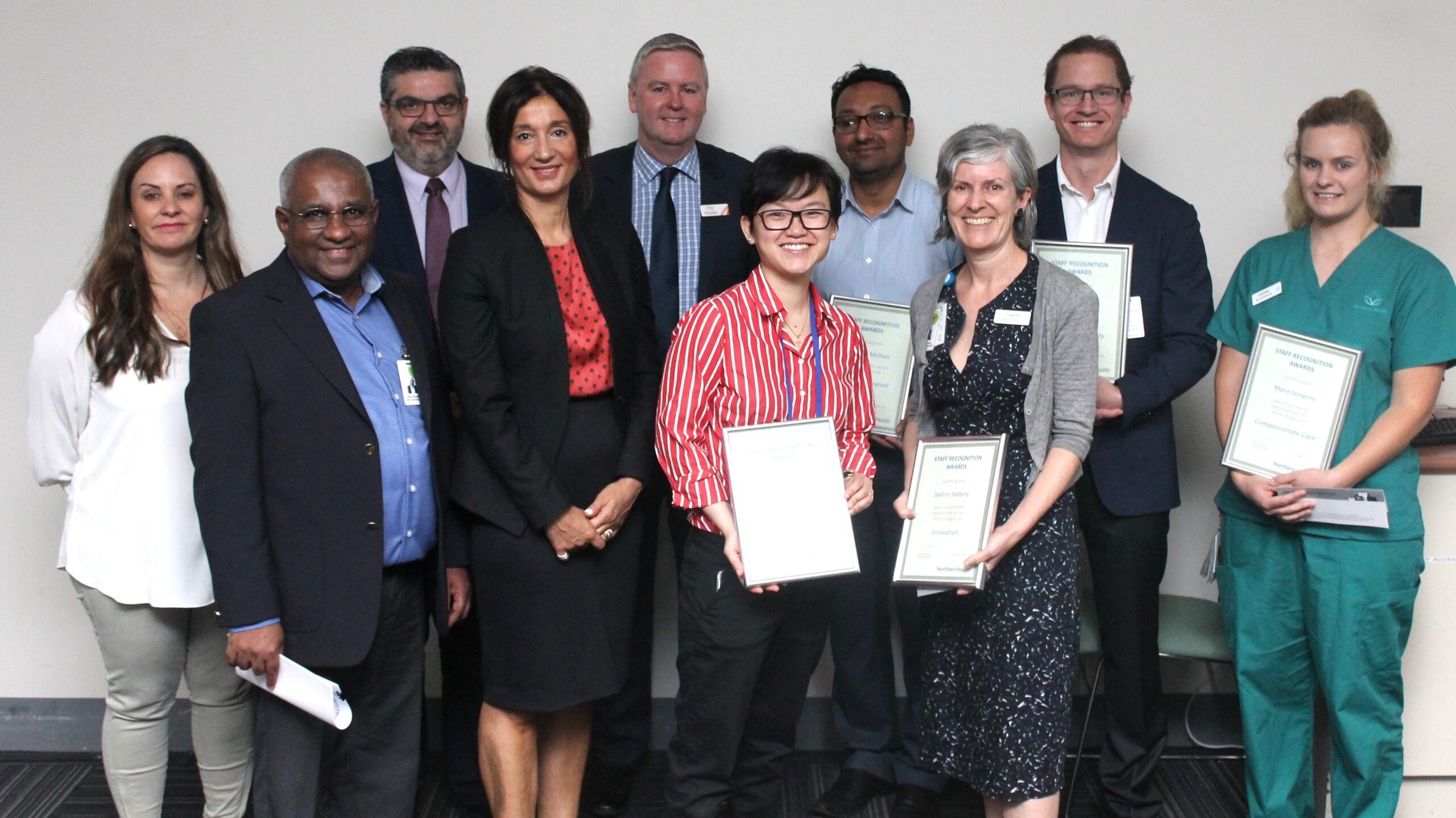
    This week Northern Health held the inaugural Staff Recognition Awards, acknowledging teams and individuals in a wide range of areas who have demonstrated commitment to high quality outcomes.

    The six categories and their winners were presented by our Chief Executive Siva Sivarajah, who said that staff recognised at these Awards are exemplars in a positive culture of respect, integrity and care for our patients and each other.

    “We know that our staff are key to Northern Health providing excellent care for our patients. Every day, I see examples of how our staff strive to improve care and the experience of patients and families,” he said.

    We are delighted to present the six categories and their winners:

    1.       Patient Experience – recognising an individual or team who made a significant achievement in improving the care experience.

    Winner: Jessica Permezel

    2.       Compassionate care – recognising an individual or team who has shown kindness and compassion towards a patient, family or work colleague.

    Winner: Marie Iacopino

    3.       Excellence in Safety – recognising a team or individual who has assisted in making Northern Health safer for patients, visitors or staff.

    Winner: Dean Pritchard

    4.       Innovation – recognising a team or individual who implemented a better way to deliver care or service through a new idea or initiative.

    Winner: Justine Slattery

    5.       Above and Beyond – an individual who has gone above and beyond in providing care or support to a patient, family or work colleague.

    Winner: Vikramjit Multani

    6.       Rising Star – a staff member recognised as having great potential to grow and develop in their career at Northern Health.

    Winner: Lauren Rogers

    Northern Health would like congratulate all the winners and thank our nominators, their teams, and our generous sponsors BankVic and Maxxia.


  • Briana Baass: Staying Well

    Briana Baass: Staying Well

    On a recent humid Darwin day, I sat in a room full of people passionate about health service management, waiting for the final speaker of the Australasian College of Health Service Management (ACHSM) Congress.

    It had been a huge week, jam-packed with inspirational presentations, sharing of ideas and the forming of new connections.

    The closing keynote was to be delivered by iconic journalist and TV personality, Ray Martin, whose status may have been lost somewhat on the international delegates and those too young to remember his dominance in lounge rooms across Australia.

    From the minute Ray commenced talking, he drew his audience into the story of his life and his experience of Aboriginal people in his past and up to the current day.

    In much more eloquent phrasing, Ray implored us to simply do better for our Indigenous people.

    Ray posed the provocative conclusion that to date, our efforts in truly closing the gap have been shameful. With so many examples across the country of good ideas and passionate well-meaning groups working tirelessly, it was confronting to hear his absolute position on the topic. A position that is quite possibly justified.

    When thinking about the diverse and integrated solutions Ray suggested are necessary to really make a difference in this area, it reminded me of our own challenge here at Northern Health, in embarking on a greater focus on ‘Staying Well’.

    It may well be a similar list of diverse, yet integrated solutions that we need to consider for our community. A list that is equally unachievable without numerous groups working in partnership towards a shared purpose.

    To commence this exciting and indeed worthy endeavour, we ran an ‘Ideas Lab’ session on 4 October 2018 to explore what the concept of ‘staying well’ means to us. A broad range of external people were included in the discussions to help inject fresh ideas and shift the lens through which we view this challenge.

    After setting the scene with the common process steps of ‘coming in, getting better, going home, and staying well’, the group of about 50 heard thought-provoking presentations including:

    1. Trevor Read, Lightfoot Solutions, talking about the Canterbury NZ experience and forming effective alliance arrangements with a commitment to shared purpose and objectives.

    2. Rebecca Jessup, Monash University, breaking down the components of health literacy, including the necessary attributes of health organisations to support health literacy.

    3. David Platt, Philips Healthcare, describing virtual models of care already in use across the globe.

    4. Daniel Witherington, EY, explored the concept of engaged aging, including how we might engage in creative partnerships and how disruptive technologies could support sustainable aging.

    5. Matiu Bush, Bolton Clark and One Good Street, finished the session by grounding us with examples of making significant improvements to people’s lives through social connectedness and simple community initiatives.

    As we continue to tackle this pursuit and narrow down the possible strategic directions we might work towards to support our community in ‘staying well’, I encourage you to contribute to the conversation and join in on setting the direction for what might be possible. If you’re keen to join in, contact myself (Briana.Baass@nh.org.au) or the HRO team (HRO@nh.org.au).

    Briana Baass, Chief Allied Health Officer


  • Annual Dinner: Wrap up

    Annual Dinner: Wrap up

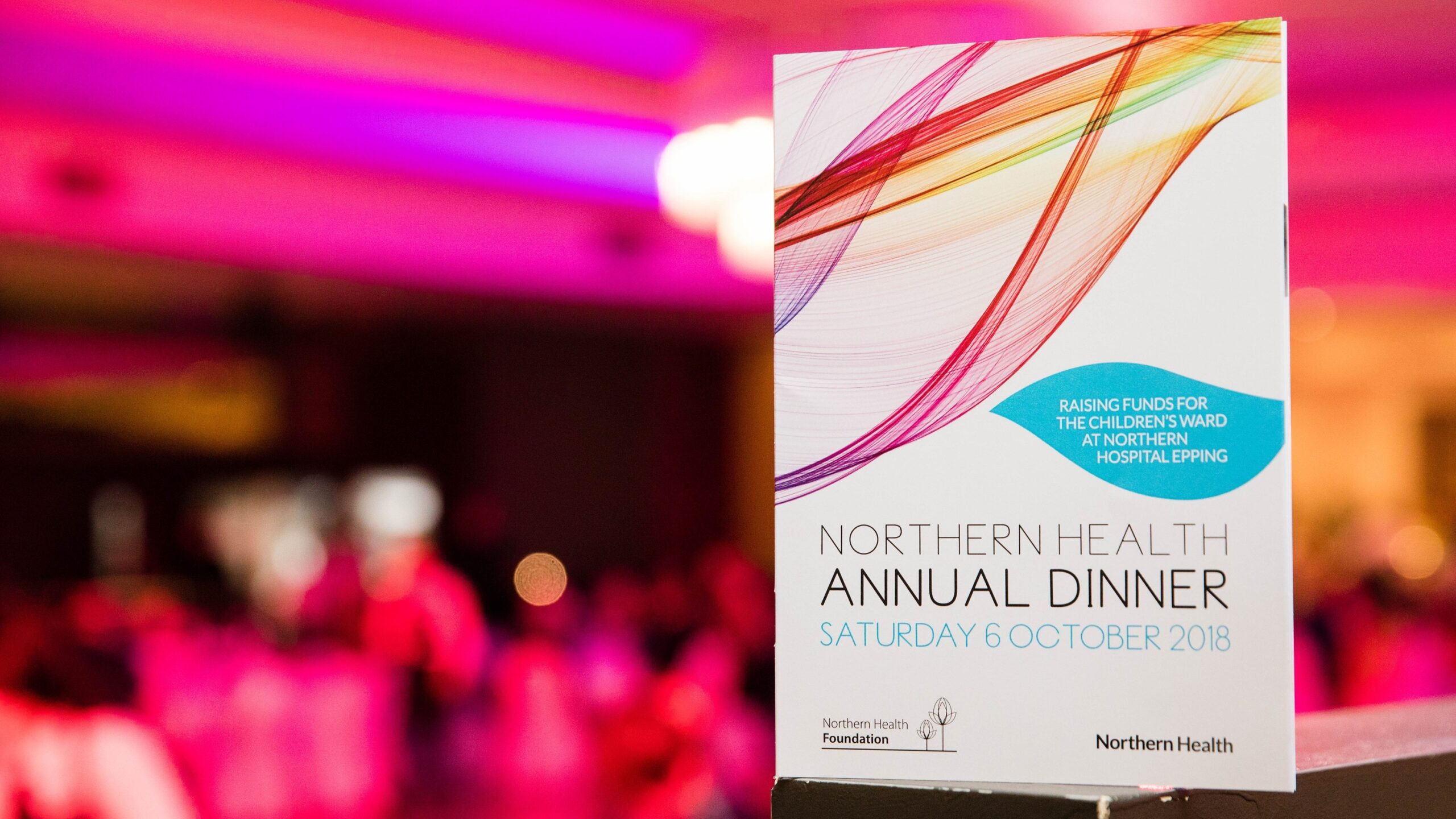
    What an enjoyable night it was at Northern Health’s Annual Dinner.

    It was a night filled with great entertainment, laughter, good food and numerous prizes, as well as support from everyone involved.

    Yvonne Amos, Northern Health Foundation Director, expressed her gratitude to all that attended.

    “Thank you to our sponsors, supporters, volunteers and Northern Health staff for getting behind our 2018 Annual Dinner in support of the Children’s Ward at Northern Hospital Epping,” she said.

    By joining forces, the Northern Health Annual Dinner raised just over $80,000 to support the purchase of medical equipment and upgrading of our Children’s Ward and play area.

    “We’ve all been working together to raise these funds and make a difference in the care we provide to our youngest patients and the support available for their families,” Yvonne said.

  • Week Without Violence

    Week Without Violence

    One in three Australian women over the age of 15 has experienced physical or sexual violence and/or emotional abuse by an intimate partner. One in four women has experienced emotional abuse by a current or former partner. One in five women has experienced sexual violence since the age of 15. On average, one woman a week is murdered by her current or former partner.

    Family violence is a crime that is overwhelmingly perpetrated by men against women and children. It is both a cause and consequence of gender inequality. It is serious, prevalent and preventable.

    Northern Health recognises that family violence is a health issue and is committed to improving response to family violence for our patients and our staff. Northern Health is only the second health service in Victoria to be awarded White Ribbon Accreditation.

    This week is Week Without Violence (WWV), a global campaign to end violence against women.  Join the movement by visiting our foyer at Northern Hospital Epping and participating in our Clothesline Project.

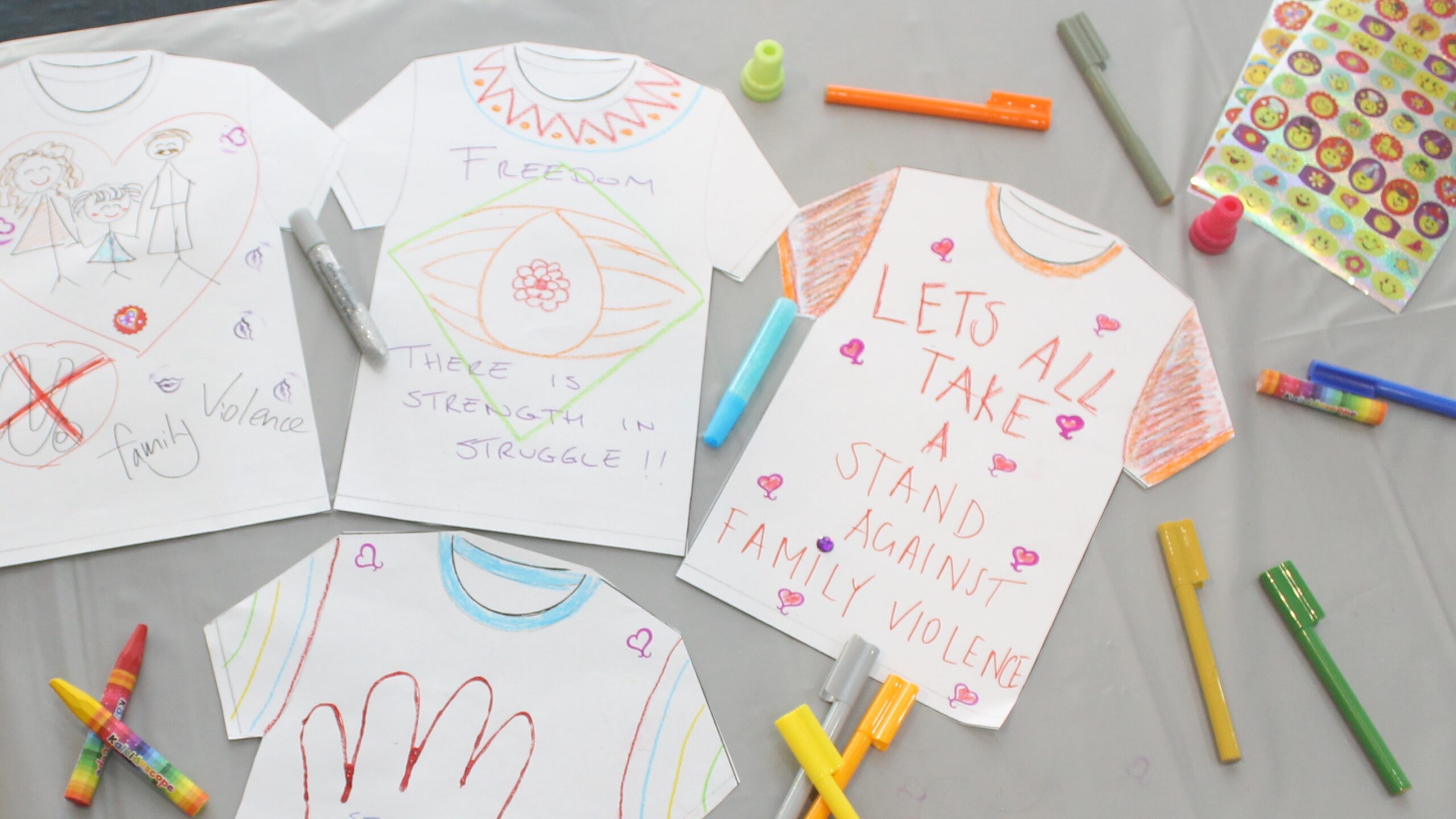
    The Clothesline Project is a popular WWV activity for women and their supporters to participate in. The concept is simple – each participant expresses their feelings of support or commitment to end family violence, using words and artwork to paint on a t-shirt. Once finished, the participant hangs the t-shirt on a clothesline – in this case, in our foyer.

    Natasha Knapic, Project Officer, Strengthening Hospital Response to Family Violence, said, “I am proud to report that last week at the 2018 Victorian Public Healthcare Awards, Northern Health won the award for ‘Whole-of-hospital model for responding to family violence’.

    “A Week Without Violence builds on this message. You can join the team by decorating a t-shirt with a message of hope and donating toiletry items to assist our community experiencing family violence. Visit our page, Week Without Violence, on the intranet for more details.”

  • Our researchers part of the LaunchVic’s funded Actuator

    Our researchers part of the LaunchVic’s funded Actuator

    The Melbourne-based ‘Actuator’ is one of Australia’s premier MedTech commercialisation initiatives.

    The Actuator has partnered with hospitals across Victoria to drive clinically-led innovations and provide a pathway for hospital entrepreneurs and startups to access the Actuator accelerator and MedTech’s Got Talent programs.

    Northern Health Research Lead Peter Brooks, said this will be a very exciting program for NH Researchers.

    “Our researchers will be able to learn ‘worlds best practice’ in innovation, entrepreneurship, commercialisation and be able to be involved in educational and start up funding programs offered by Actuator over the next 2 years,” he said.

    The project consists of three programs: educational workshops, commercialisation bootcamps and hackathons for up to 450 hospital students, clinicians and staff; a pre-seed accelerator program for up-to 35 entrepreneurs; and the Actuator accelerator program for up to 40 startups. Other hospitals involved in the program are Peter Mac, Epworth, Ballarat Health Service, St. Vincent’s Hospital, Centre for Eye Research Australia (CERA) and Western Health.

    The Actuator will also provide a gateway for clinical professionals to become integrated into a healthcare-focused angel network.

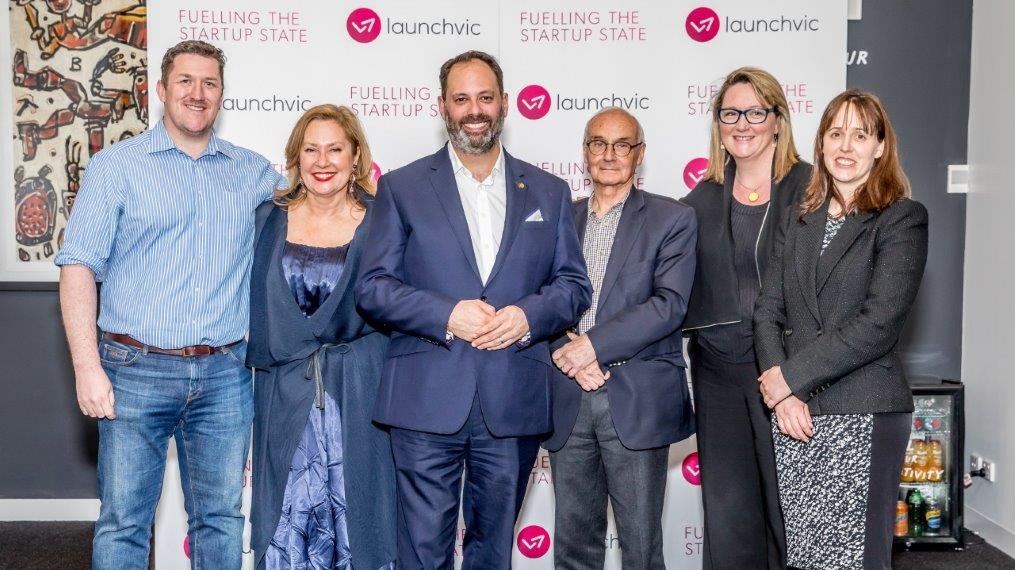
    Featured image, from left to right: Prof Buzz Palmer CEO Actuator/  Laura Anderson Chair Launch VIC / Minister Innovation and Digital Economy Philip Dalidakis  / Peter Brooks NH Research Lead / Michelle Gallaher Social Science CEO / and Dr Kate Cornick Launch Vic CEO


  • Responding to Family Violence

    Responding to Family Violence

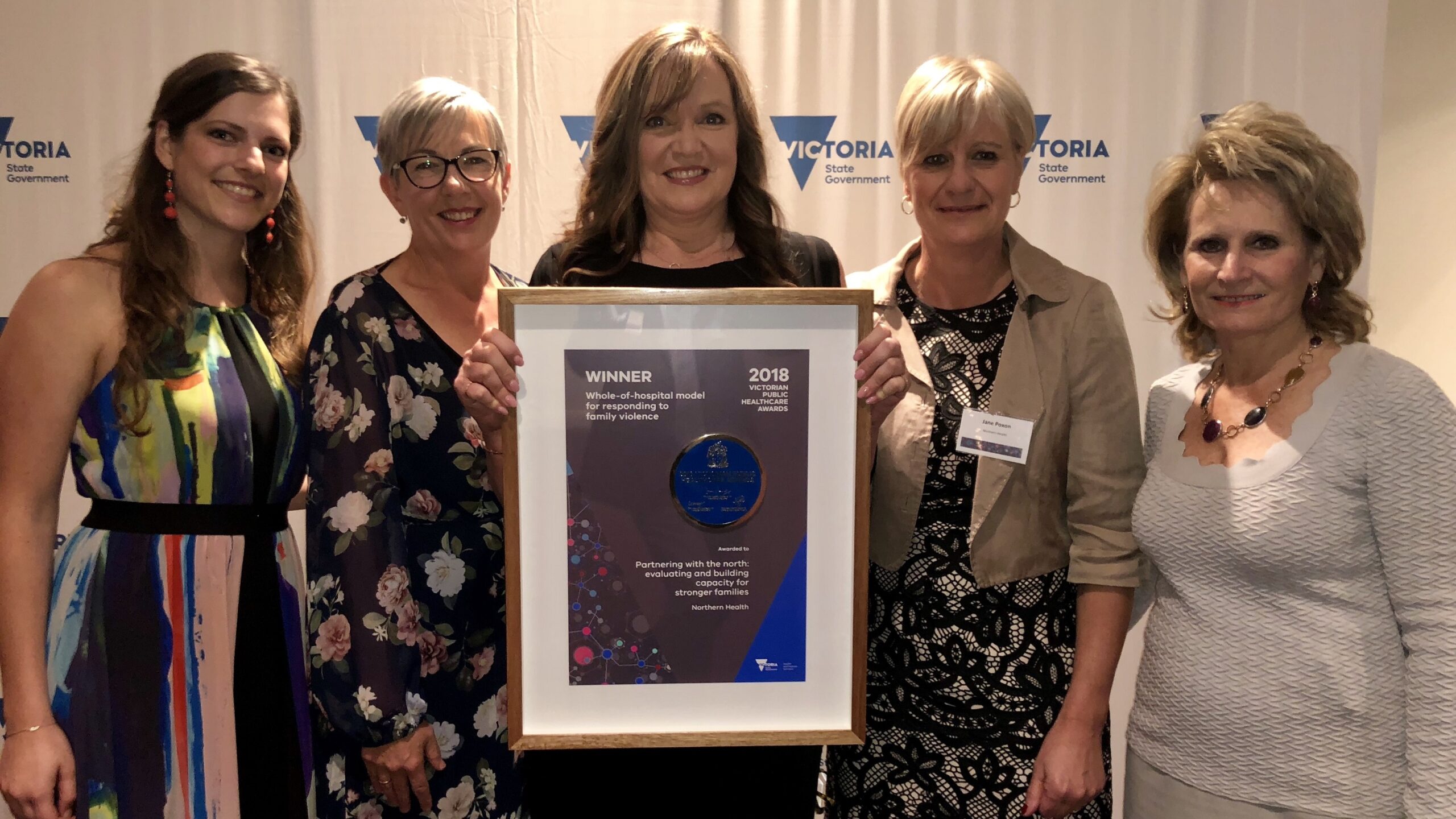
    Last night at the 2018 Victorian Public Healthcare Awards, Northern Health won the award for ‘Whole-of-hospital model for responding to family violence’  for the initiative, ‘Partnering with the north: evaluating and building capacities for strong families’.

    Northern Health partnered with Kilmore District Hospital to tackle family violence in Melbourne’s northern suburbs, including the local government areas of Hume, Whittlesea and Mitchell, which experience significantly higher rates of family violence than the state’s average.

    The project involved supporting staff through a major cross-organisation cultural change process, as well as policies of zero tolerance to family violence, and upskilling of managers to lead change.

    A newly recruited multidisciplinary project team supports partnerships between hospitals and specialty agencies to drive the change, with partners including Berry Street, Victoria Police, local councils, mental health, and Aboriginal and legal services.

    The project has increased the confidence and skill of staff to enable sensitive enquiry, as well as creating an environment where patients feel safe to disclose family violence, and to ensure that all victim survivors of family violence receive appropriate care and referral.

    The results show that new family violence alerts and secondary referrals have grown, as well as staff disclosures and access of family violence leave. This demonstrates the effectiveness of this whole-of-organisation approach to addressing family violence and reducing harm.

    Northern Health also gained White Ribbon accreditation in March 2018, and is only the second hospital in the state to achieve this status.

    “We are very proud of Ros Payne and the team and delighted with their vision and commitment in responding to family violence,” Northern Health Chief Operating Officer, Jane Poxon said.