• Dr Joshua Butt introduces new flavours to Victoria

    Dr Joshua Butt introduces new flavours to Victoria

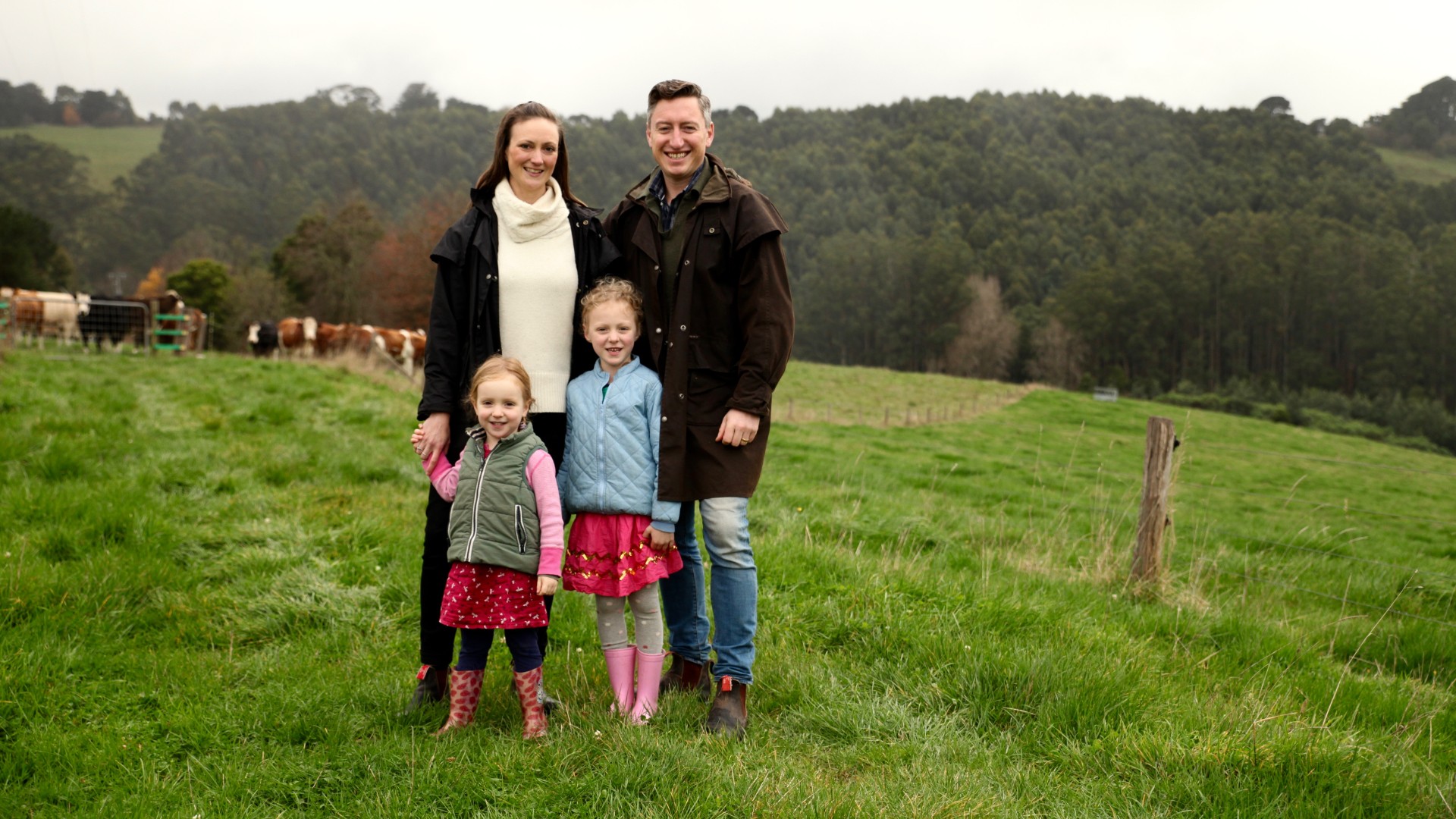
    Dr Joshua Butt, a gastroenterologist and Head of Endoscopy Service at Northern Health is also a farm owner and the state winner of the prestigious “delicious. Produce Awards”. He has been working at Northern Health for five years, and has been a farmer for only three.

    “The land where my small South Gipsland farm is on actually used to belong to my wife’s grandparents. They sold it in 1990 to another family and I just happened to just come across the farm for sale, not knowing it used to be in her family, until she looked at the photos,” he explained.

    It was a twist of fate that the first week Joshua ever looked for his farm property that he came across this land. That was a sign some great things are about to happen there.

    The forty acre farm now gives new life to dairy cows that have finished their milking days and is home to the prestigious food award. While uncommon in Australia, beef from older cattle, called txuleta beef, is a delicacy and a gourmet products in Basque region of Spain.

    “After a lot of research, I came across the information that meat of older cattle is especially popular in Spain, due to the depth of flavour and increased natural fat and I decided to give it a go and introduce new flavours to Victoria,” he explained.

    Joshua and his wife Dr Jyoti Blencowe embarked on this adventure together, while still working at their day jobs.

    “It was kind of a project of hours and labour of love. We only started selling our meat to the butchers about a year ago and soon after we were invited to submit our produce for the “delicious. produce” award.

    They submitted a few steaks for the award and won. Their product “Txuleta 1882 beef” was one of almost 20 Victorian products named state winners in this year’s awards.

    “We are actually still learning about farming and about this business. Especially about marketing, as this was a new product on the market. It has been a bit of a learning process of how to process the meat and how to cook the meat. This type of meat is traditionally cooked on charcoal or a wood grill, 3-5 minutes a side. Outside needs to be salty and crispy, with the middle raw. Now we are selling a small amount in Sydney as well,” he said.

    Since starting the small farming business, life has been very busy for Joshua and Jyoti.

    “We go there every weekend or every second weekend. We have some help from our farm caretaker, but there is a lot of work on the farm. It’s been good to remind me that life is not all about work and the farm helps me balance the work with my personal interests. That has been the biggest benefit – and the extra space we have there to get away from the city life,” he said.

    A moment on the farm.


  • Malnutrition project receives a grant

    Malnutrition project receives a grant

    The Dietetics team were successful in getting funding from Northern Health to complete a Malnutrition Project for three months, which is currently under way.

    Malnutrition can be as high as forty per cent in an acute hospital setting. Patients may be malnourished on admission or develop malnutrition while in hospital.

    Nadia Obeid, Senior Dietitian explained,  “Part of this malnutrition project includes undertaking a malnutrition point prevalence study in which we are identifying how many of our patients in the acute beds at Northern Hospital Epping and Broadmeadows Hospital are malnourished”.

    Patients can become malnourished from a prolonged poor diet or inability to absorb nutrients. This can often be due to illness or surgery. Malnutrition can slow recovery time and lead to longer length of hospital stay, delay wound healing, increase the risk of infection and lead to muscle wasting.

    National Standard 5 outlines actions that are relevant to the prevention and management of malnutrition, including having a process in place to screen for malnutrition risk, implement management plans for patients with malnutrition and undertake quality-improvement strategies to reduce the frequency and harm from malnutrition.

    “Timely identification and management of malnutrition is essential to ensure we are providing high quality and safe care for our patients and decreasing the risk of further complications. Nutrition intervention and support can significantly improve patient outcomes including reducing recovery time, improving wellbeing and preventing further complications such as decreasing the risk of falls, delirium and infection,” added Nadia.

    The project is auditing the current process for screening inpatients for malnutrition risk, identifying the prevalence of malnutrition amongst acute inpatients and ensuring those identified as malnourished are provided with personalised nutrition management plans.

    The project will also collaborate with nursing staff to identify strategies that can be initiated to help support nursing staff to ensure malnutrition risk screening and weighing of patients is completed on every admission and weekly thereafter, and that referrals to the dietetic team are completed in a timely manner when nutrition risk is identified.

    Nadia is planning to present the findings at the Northern Health Research week.

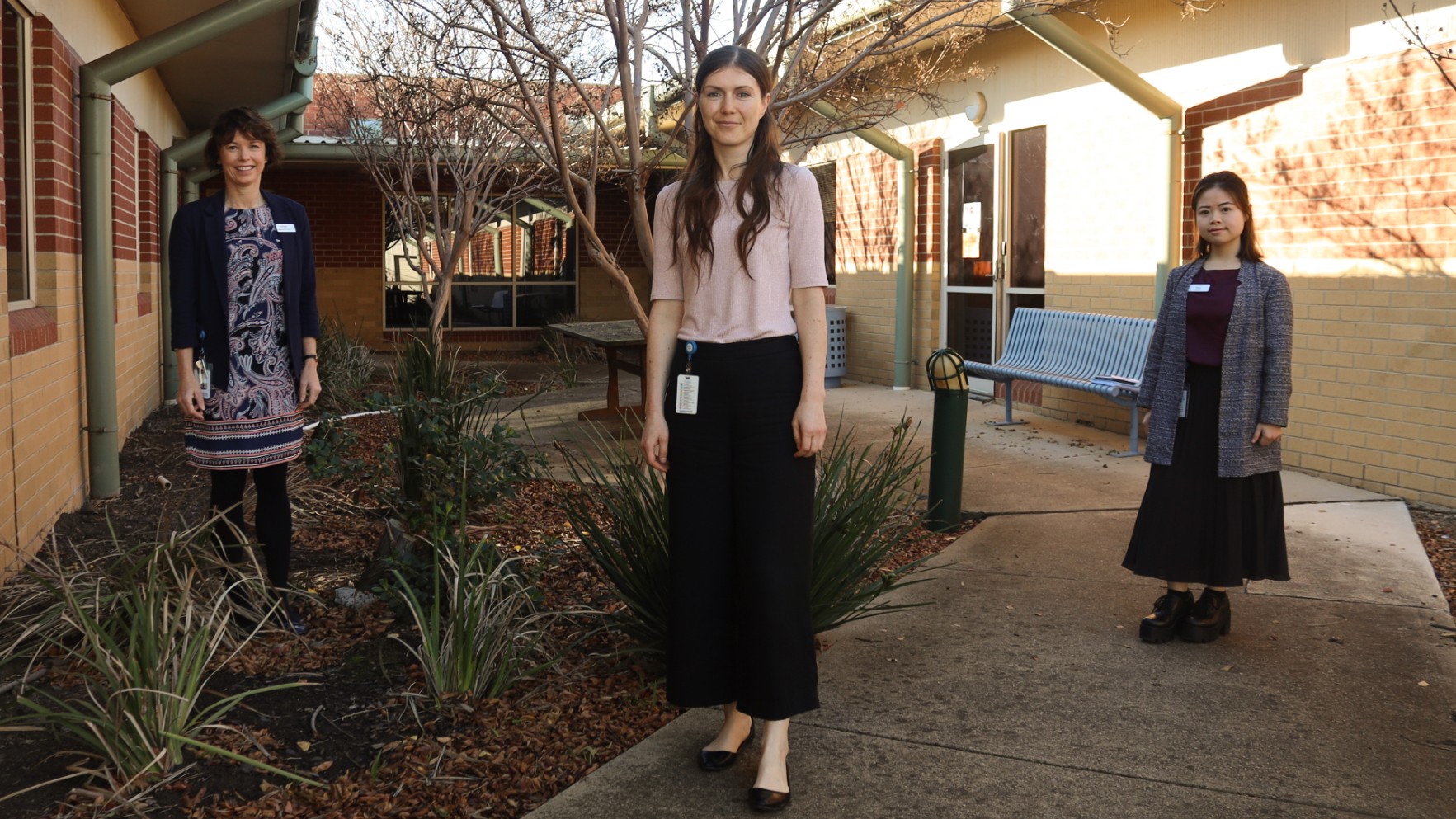
    Featured image (left to right): Rachael Evans, Associate Director – Dietetics; Nadia Obeid, Senior Dietitian; Dian Sari, Dietitian.

  • Northern Health goes Dry this July!

    Northern Health goes Dry this July!

    Why is getting involved in Dry July so important?

    Since 2008, Dry July has inspired more than 200,000 Aussies to go dry, raising $49 million for people affected by cancer. They have funded over 80 cancer organisations across Australia, including Northern Health, helping to purchase a scalp cooling machine and Blanket Warmer for Craigieburn Centre in 2019.

    This year, Northern Health is going Dry in July to raise funds to provide care and comfort for our cancer patients at Northern Hospital Epping and Craigieburn Centre.

    Kirsty’s Cancer Journey

    Kirsty’s cancer journey started at Northern Health in January this year when she was diagnosed with Stage 3 cancer after a routine colonoscopy.

    She had just celebrated her 40th birthday with a trip to Hawaii and completed her first marathon there!  She was enjoying life and taking on new challenges so when she was diagnosed with cancer she was in total shock and disbelief.

    The first step in Kirsty’s fight against cancer began with surgery here at Northern Hospital Epping where she remained an inpatient for eight days.

    Kirsty said, “The care I received from the nursing and medical teams during this time was amazing and I can’t thank them enough for the support I received when I needed it the most”.

    Kirsty has now been diagnosed with stage 3 cancer.  With her surgeon confident he has now removed all the tumors, the next step is a six month cycle of chemotherapy treatment.

    Due to COVID-19, Northern Health Cancer Services are able to provide her chemotherapy treatment at home, minimising any further risk to her health and wellbeing.

    Kirsty is extremely grateful for the support and care she has received from her family and friends as well as the dedicated team who are caring for her at Northern Health.

    So much so, Kirsty wants to give back by joining the Northern Health Dry July Team to help raise funds to support others affected by cancer here in the North.  Together with Kirsty, we want to raise $30,000 to invest in improving the care and comfort of our cancer patients.

    Together, we can make a difference!

    Click here to donate now or join our team here.

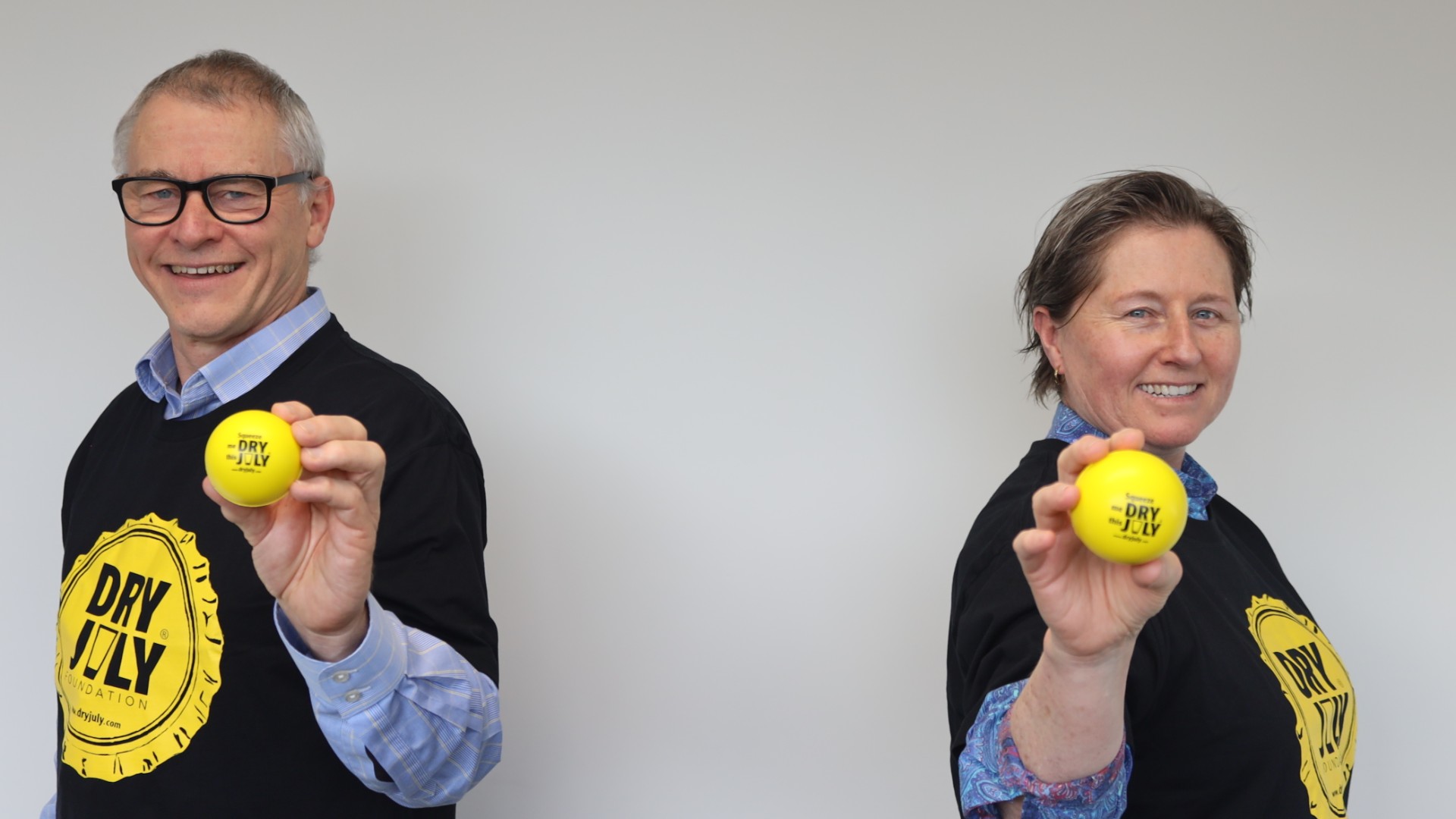
    Featured picture shows Northern Health Dry July team members, Andrew Williamson, Executive Director Public Affairs and Foundation and Michelle Fenwick, Executive Director People and Culture

    Kirsty and best friend Laura after the marathon in Hawaii, just prior to her cancer diagnosis.


    Michelle Fenwick, Executive Director People and Culture joins Dry July:

  • Lisa Hui wants answers

    Lisa Hui wants answers

    Northern Health maternal fetal medicine specialist, Associate Professor Lisa Hui, has recently been awarded an investigator grant in the highly-competitive Medical Research Future Fund (MRFF) clinician researchers initiative, as ‘the next generation of talented Australians having the capacity to make and progress great medical discoveries.’

    Lisa completed her clinical training in obstetrics and gynaecology in Sydney and conducted her PhD research at the Mother Infant Research Institute in Boston. She has clinical appointments at both the Mercy Hospital for Women and Northern Hospital and is Associate Professor in the Department of Obstetrics and Gynaecology at the University of Melbourne.

    Lisa says the grant recognises that, “It is very challenging to be both a doctor and a researcher at the same time.”

    Yet clinician researchers are very valuable because they are at the coalface of health care: “You are seeing patients all the time, you are generating the right research questions, you know where the knowledge gaps are, and your research is much more translatable into improving outcomes,” says Lisa.

    Lisa’s investigator grant responds to the MRFF Genomics Health Future Mission by closing ‘the critical knowledge gaps in perinatal genomics’.

    Lisa believes genomics is one of the most exciting fields in medicine and has created new powerful tools that tell us how the body works. The study of Genomic Medicine has had several nick names including “personalized” and “ precision” medicine because it allows us to understand the individual’s situation specifically and manage accordingly. Genomic technology now allows researchers to conduct non-invasive prenatal testing that allows  the DNA of the fetus to be examined, without increasing the risk of miscarriage.

    “My research program is about how we harness the power of new genomic technologies to improve outcomes for mothers and babies,” says Lisa.

    Lisa picked this field of research because, “I feel very strongly that the significant health benefits and ethical implications of genomics in pregnancy care means it deserves a lot more attention than it currently receives.”

    Lisa is working on a few fronts to get answers.

    One of them is looking at the childhood outcomes for children diagnosed in pregnancy with a genomic change of uncertain significance. She received an NHMRC grant to conduct the PrenatAL Microarray (PALM) cohort study, which has just commenced this year.

    “When we do invasive tests, we are sampling cells from the pregnancy to check the baby’s chromosomes. About five per cent of the time we find these genomic changes of ‘uncertain’ or ‘unknown’ significance. We don’t have enough information to know if they have implications for future health or not. This means we can’t give a couple accurate information about the expected health and development of their future child.”

    “In this cohort study at the Murdoch Children’s Research Institute, we will be following up with children who had one of these diagnoses before they were born and looking at their development and health outcomes at 2-7 years of age. We aim to follow up several hundred children, which will make it the largest study of its kind in the world,” says Lisa.

    She is also part of a research team that will examine the bioethical and regulatory implications of advances in prenatal screening. This Australian Research Council-funded linkage project is led by Prof. Catherine Mills from Monash University and includes industry partners, medical, legal and bioethics researchers.

    This is in addition to Lisa’s research work at Northern Health, where she is building up the NCHER Reproductive Health Biobank. She just received philanthropic funding to purchase new equipment for the lab that will greatly expand the range of experiments that can be performed. Work in progress at the biobank include laboratory projects to understand the biology of placental cell-free DNA, and to understand the changes in maternal immune cell memory during pregnancy.

    Lisa believes doing research in the Northern community is extremely important.

    “The demographics of our population here is very different to Parkville or Heidelberg. There are many pregnancy complications that are influenced by social determinants and that’s why it is important to have research done with our patients to make the results applicable to our population.”

    She reports that “Over 25 per cent of our research participants come from culturally and linguistically diverse background, which is in line with our general antenatal population.”

    “This is very reassuring, because it tells us that our women are very keen to support research and that we are trusted!”

    Lisa would like to see research and women’s health grow at the Northern. “Integrating research with clinical practice, improves the way we care for women. It teaches our clinicians to ask questions, examine evidence, and think about what knowledge we need to generate to improve care.”

    “We want to provide opportunities for our trainees and medical students to do research at Northern and be inspired!”

    Lisa believes research is a different way to contribute to the wellbeing of our population.

    “Generally when people decide to become a doctor it is because they want to help people. Research can make a difference on a completely different scale. You can change practice and potentially reach more people, besides keeping you intellectually stimulated.”

    John Ferguson, Chief Medical Officer says,  “We are both proud and excited with  Lisa’s work in perinatal genomics. The sheer diversity of our catchment population means we have a wide variety of genetic variability based on ethnicity and this recognizes that specific genetic conditions are more prevalent in certain nationalities. Lisa is an inspiration to both current and future generations of clinical researchers.”




  • World Cleaners Day

    World Cleaners Day

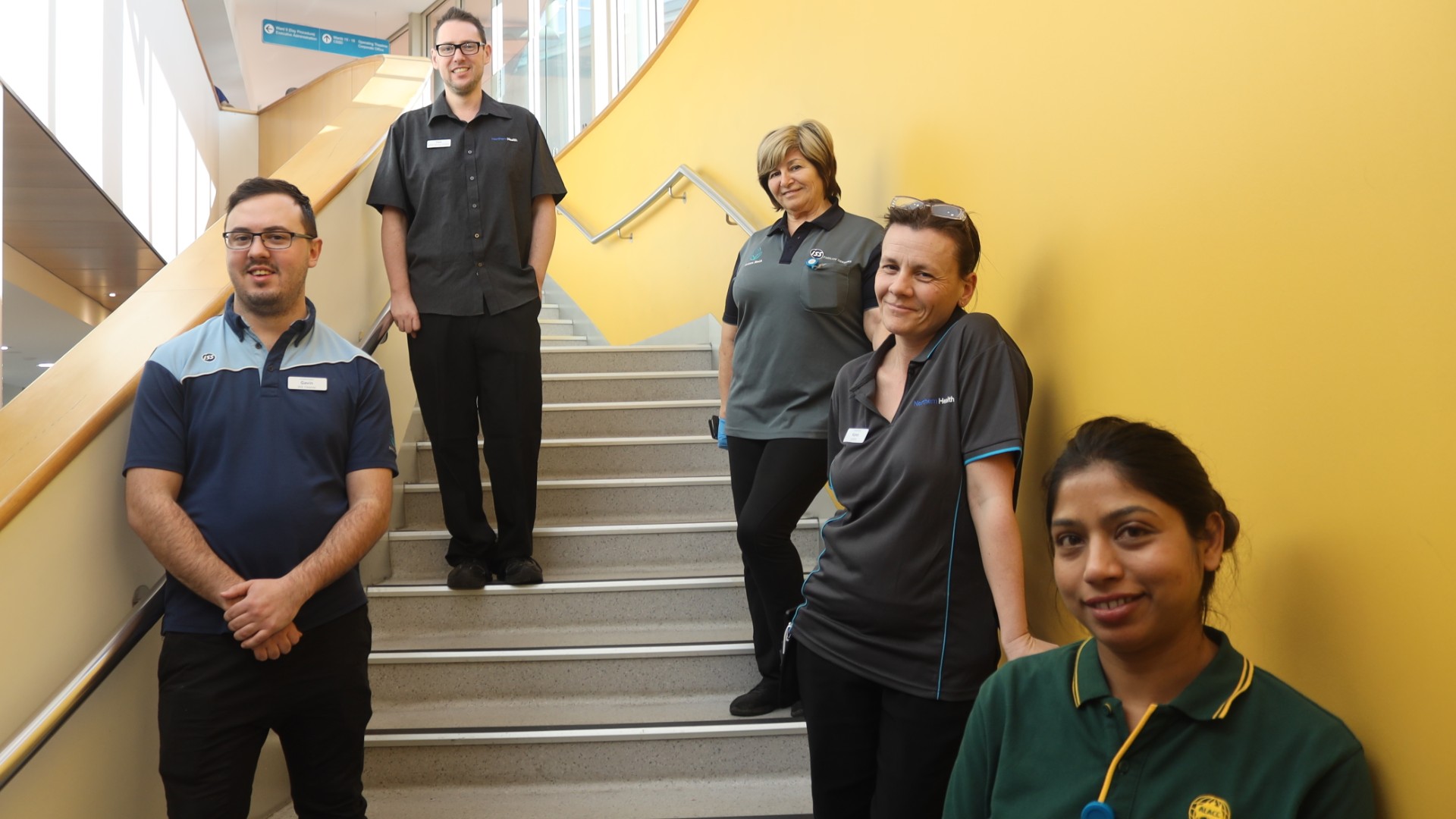
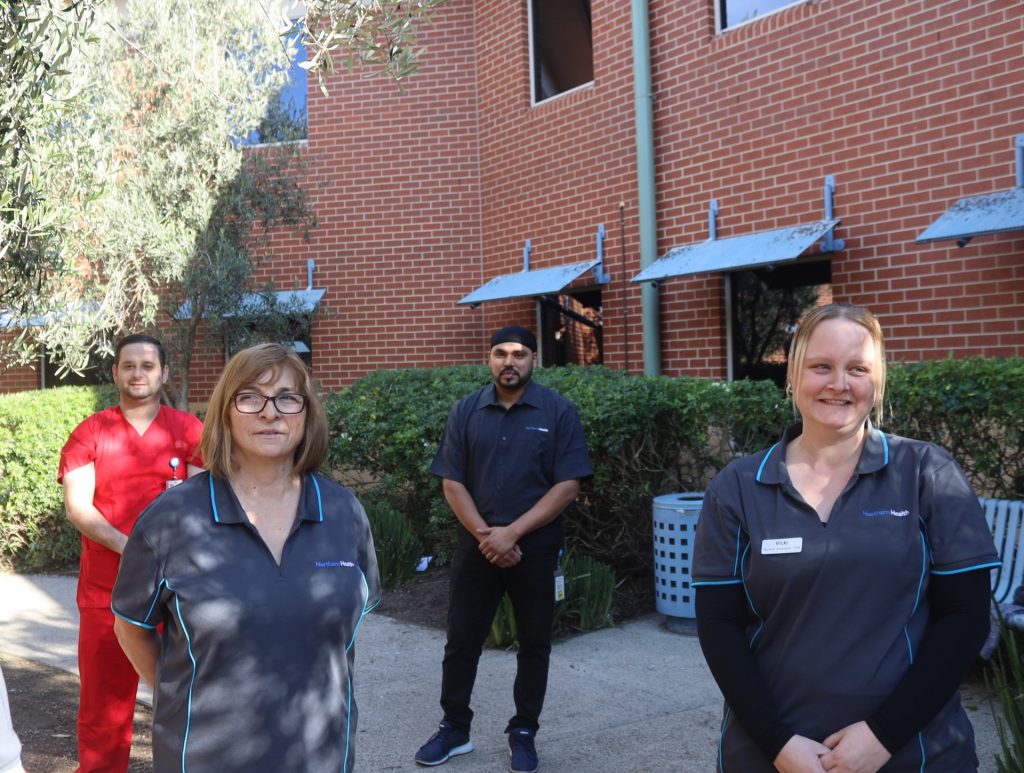
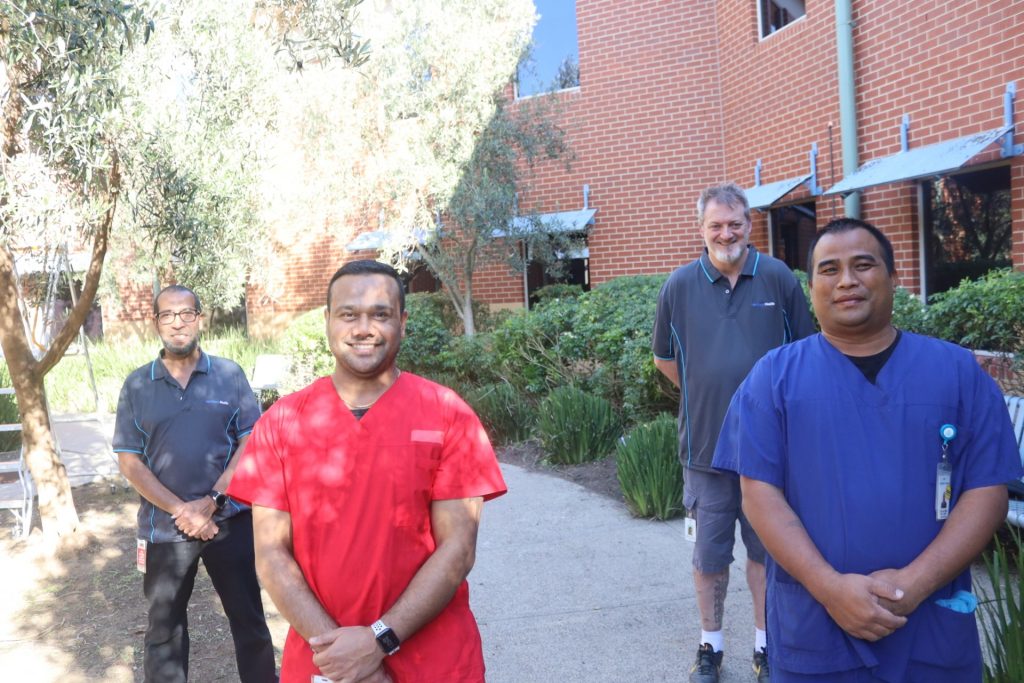
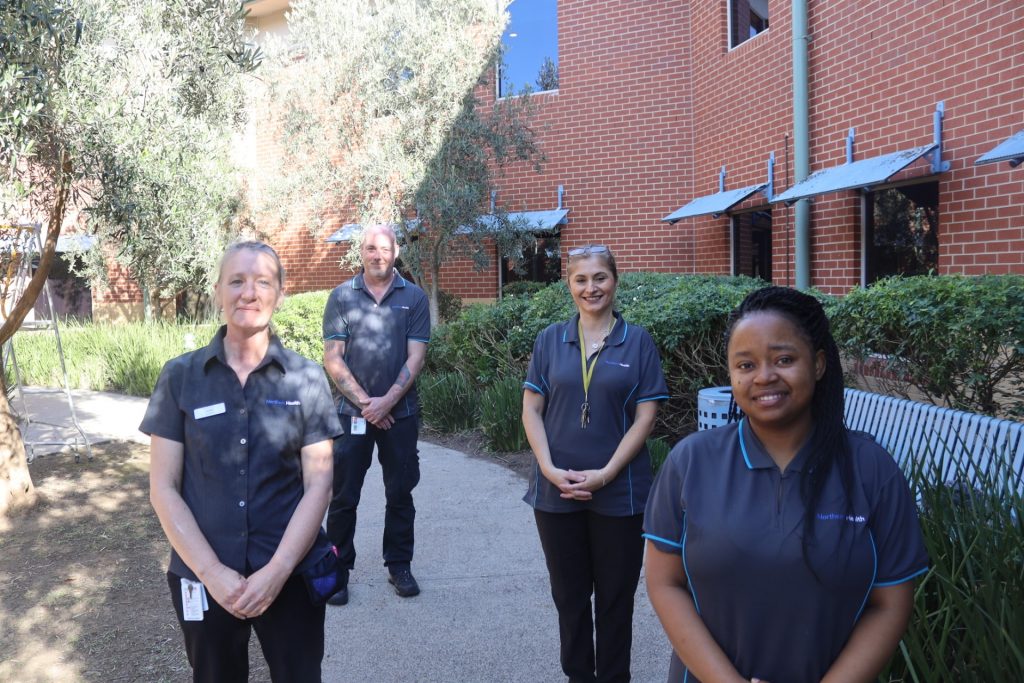
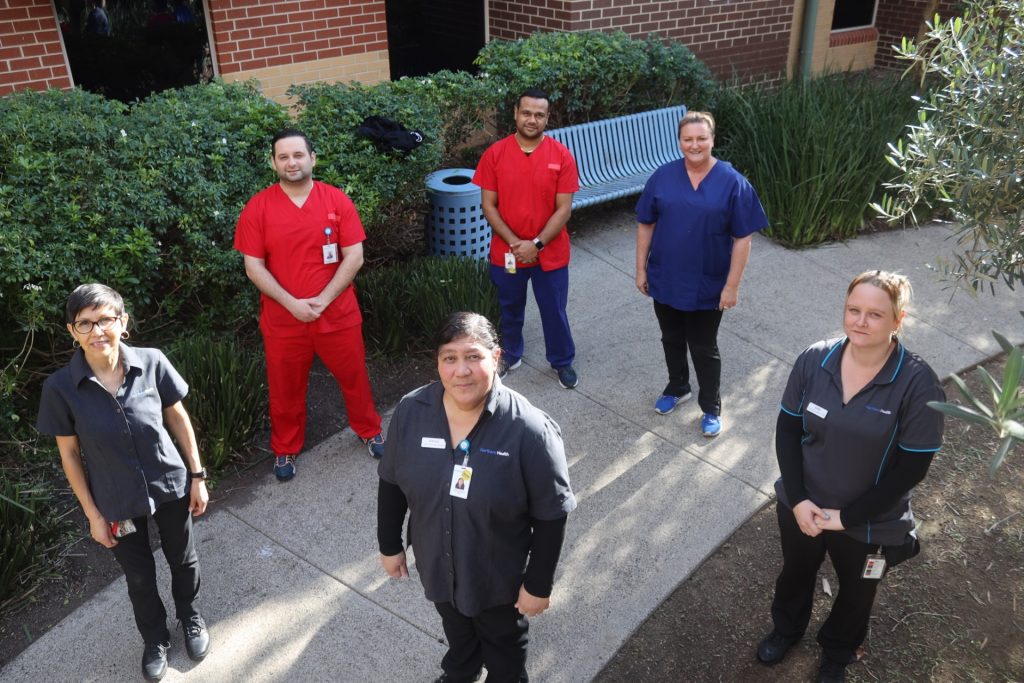
    Today we celebrate the unsung heroes of our health service – our cleaners! Today is World Cleaners Day, and is an opportunity to recognise the important role our cleaners play at Northern Health, protecting both staff and public.

    It is no exaggeration to say that in these challenging times of COVID-19, our cleaners play an important role in keeping us safe and healthy, for which we are very grateful.

    As the Minister for Health, Jenny Mikakos said,  “I want to give a big shout out to all the cleaners working across our public health services, in retail, public transport, schools, offices and other public buildings. Hygiene has never been so important so thank you for the important work you’re all doing keeping us all safe.”

    Our cleaners at Northern Health comprise of both our Personal Service Assistants (PSA) and ISS Facility Services, with each team complementing the other.

    Says Basil Ireland, Chief Financial Officer, “Our cleaners have shown terrific work ethics and modelling how to behave in a crisis – and get on with the job!”

    Speaking of ISS staff, Basil say,s “I would like to commend the tremendous work that ISS staff are doing at Northern Health during the pandemic.  In particular the Emergency Department staff have been terrific. At the height of the pandemic in early April, the staff would rightly have been concerned about their own health yet they bravely performed their duties and kept our staff and patients safe from infections with their diligence.”

    As for our PSA’s, today we will be launching our new recognition program for our PSA workforce, and will also announce the recipients of the Hardworking Health Service Worker Scholarships.

    The Hardworking Health Services Staff Scholarship Training Fund was established to support the careers of our frontline health service workers and delivers on the 2018 Victorian Government election commitment and 2019-20 Victorian State Budget announcement.

    Following a highly competitive process, Northern Health received funding to provide eight scholarships to staff to complete either a Certificate V in Business or a Certificate in Numeracy and Literacy Studies. Six of our PSAs have been awarded a Certificate IV in Business scholarship and two PSAs have been awarded a Certificate in Numeracy and Literacy scholarship.

    In addition, this week our PSA’s are being invited to attend a Therapeutic Relaxation And Enhanced Awareness Training or ‘Treat’®, a self care and self awareness workplace program, giving our PSA’s a well- deserved time to rest and recover.

    Join us today on World Cleaners Day in cheering our cleaners, our heroes.


    Featured main picture shows from bottom left Gavin Steele,  Paul Trevana, Sonja Stamatovska, Karen Luchetta and Sue (Student).

  • A workplace culture based on equity, inclusion and diversity

    A workplace culture based on equity, inclusion and diversity

    Northern Health is committed to a workplace culture that fosters diversity and equality. To help support our vision of a healthier community, our staff and volunteers reflect the community that we serve, and are supported by a workplace which is inclusive and empowers everyone to contribute their best.

    “When we talk about diversity at Northern Health, we recognise and celebrate the many people who use and deliver our services. Their different characteristics, backgrounds, abilities, beliefs and needs create unique opportunities and challenges,” said Michelle Fenwick, Executive Director, People and Culture.

    “However, it is not enough to acknowledge and celebrate diversity. When we talk about inclusion, we are committing to work with this diversity, creating an open, respectful culture and directly involving people at all stages of their health care.”

    “Our goal at Northern Health is to reflect the diverse community we serve and create a workplace where everyone feels included. We will embrace the individual skills, experiences and perspectives that our staff bring and harness these to deliver an improved patient experience and service delivery,” Michelle said.

    Emiliano Zucchi, Director, Transcultural and Language Services, said, “To me, diversity is synonymous with human being because we are all diverse in one or many ways. Some types of diversity  are overt, others less so, but they are all deserving of the deepest respect. Diversity makes us unique, the more diverse we are as a society, the more familiar with the ‘other’ we become, the richer human beings we become.”

    “Often racism, sexism or any kind of prejudice is triggered by lack of education, lack of exposure to different cultures, to different ways of doing things,” Emilano said.

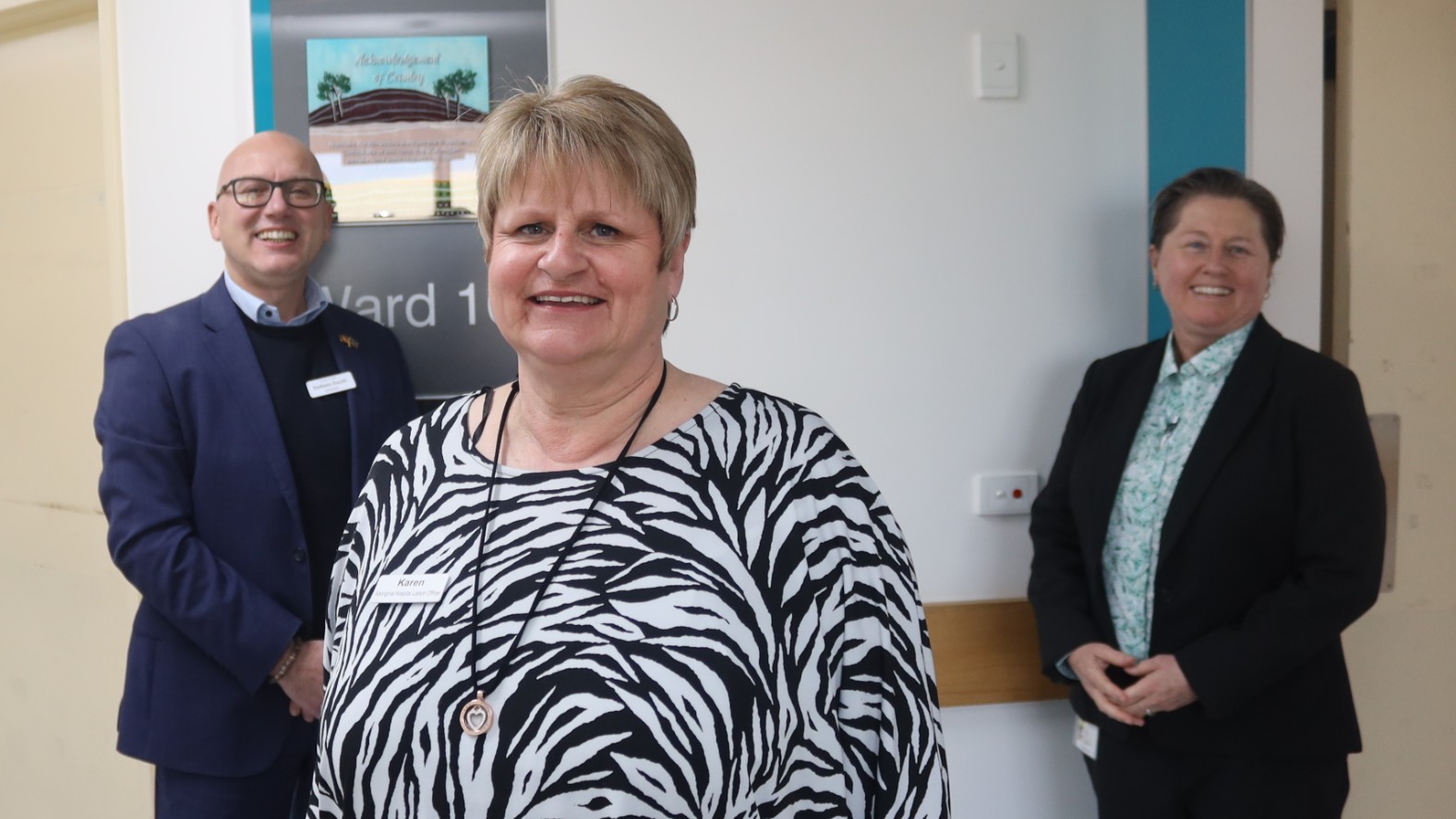
    Karen Bryant, Senior Aboriginal Liaison Officer, said Narrun Wilip-giin is saddened by the racial injustices highlighted recently across the world and in Aboriginal Australians daily lives.

    “Australia is a very multi-cultural country, people’s differences and the colour of their skin should be irrelevant and everyone should be treated with respect, irrespective of culture or religion,” said Karen.

    “The colour of your skin should not be a crime! It’s time to make the change. If you get this right for Aboriginal people, then you get it right for everyone!”

  • Northern Health’s Volunteer Raffle

    Northern Health’s Volunteer Raffle

    Northern Health’s Volunteer Raffle is on once again! Funds raised will go towards helping our most precious and vulnerable babies through the purchase of a special medication fridge for our Maternity and Special Care Units to store breast milk.

    Michelle Morrow, Nurse Unit Manager for Maternity, says, “Northern Health is committed to supporting women with achieving breastfeeding for their infants. Our dedicated staff assist following the birth of every baby at Northern Health, and in the event problems arise, our specialist lactation consultants are here to advise. The importance of expressed breast milk has been well researched and we encourage women to express and utilise our storage facilities where possible. Our new breastfeeding fridge will ensure that the milk is stored safely and securely for future feeds.”

    Ticket purchases for the raffle are a little different due to COVID-19, and while you would normally see our smiling volunteers selling tickets in our foyers, this year raffle ticket purchases have moved online.

    “As our volunteers cannot be here in person to sell raffle tickets, they would be chuffed to know that their fundraising raffles are being supported by staff.  We can’t wait to have our volunteers back on site to do all the great things they do that make a huge difference to our health service,” said Henni Wade, Manager, Volunteers Services.

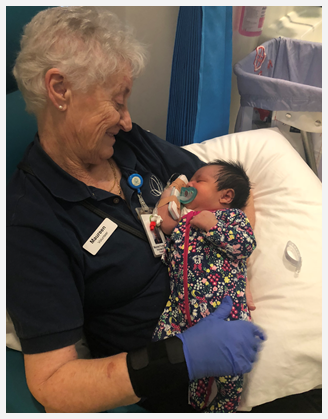
    Maureen Fairbrother is one of the volunteers who helps out in the Special Care Nursery. One of her roles is to cuddle babies when they are unsettled. Volunteer Cuddlers are there to assist in providing essential touch, sensory stimulation and to help soothe babies. Most of the time Maureen is called upon to provide a comforting cuddle when parents are unable to be there. Maureen is our baby whisperer!. This photo was taken in 2019.

    There are some great prizes –with the first prize being a Mother and Baby gift basket proudly donated by Coolkidz, valued at $575.

    We encourage our staff and community to support our volunteers and our health service by purchasing a ticket for their current raffle!

    Tickets are just $5 each, and you can purchase tickets here: https://www.rafflelink.com.au/northernhealthraffle.

    Adds Michelle, “Our maternity unit staff are passionate about providing the best patient experience for each of our new and returning families. We look forward to our new breastfeeding fridge and are very grateful to our volunteers and Northern Health Foundation for this initiative.”

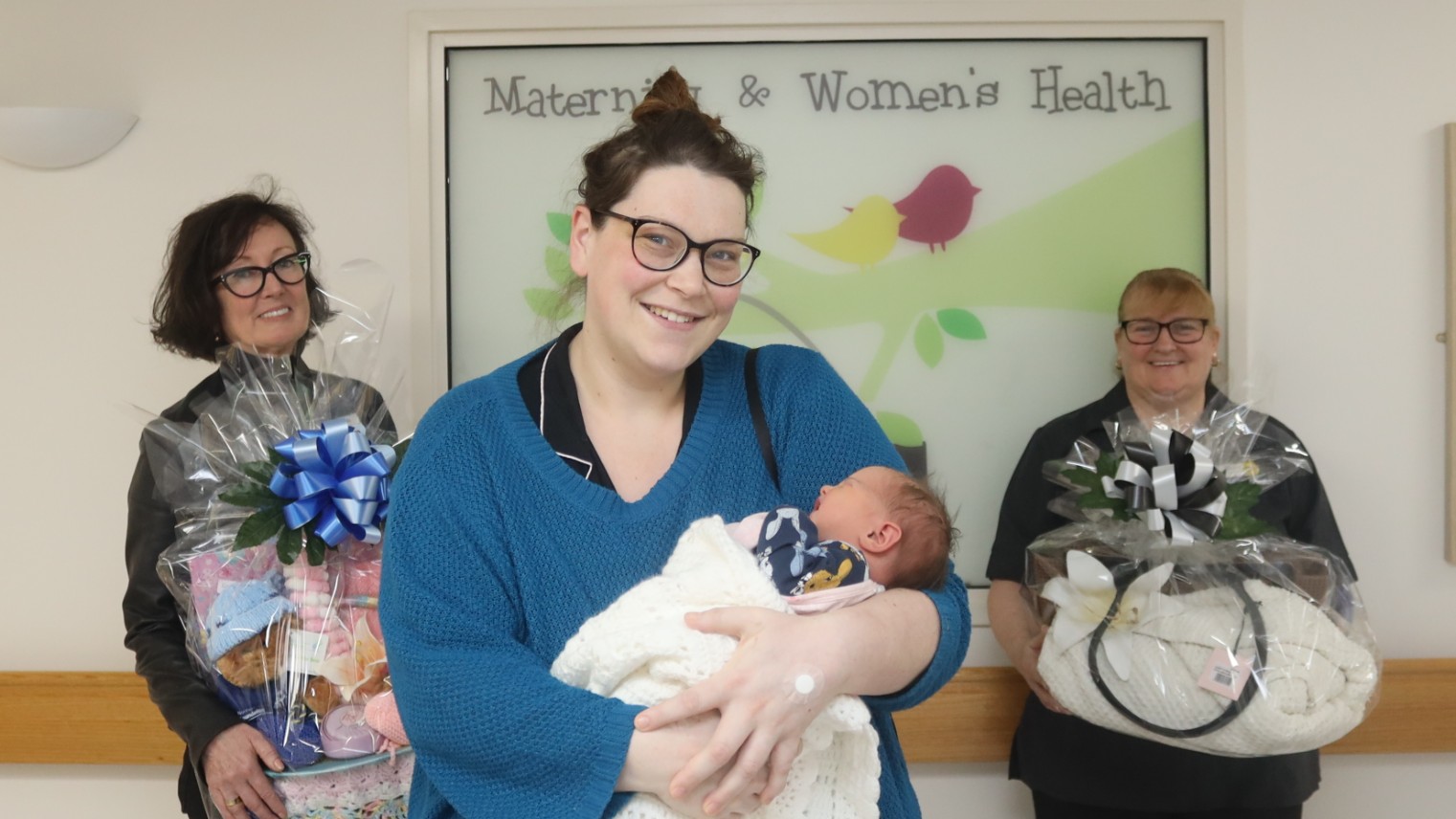
    Featured picture shows (from L to R): Michelle Morrow, Nurse Unit Manager for Maternity, with mum Natalie Rule and baby Emma and Debra, PSA.

  • Thrive launches today

    Thrive launches today

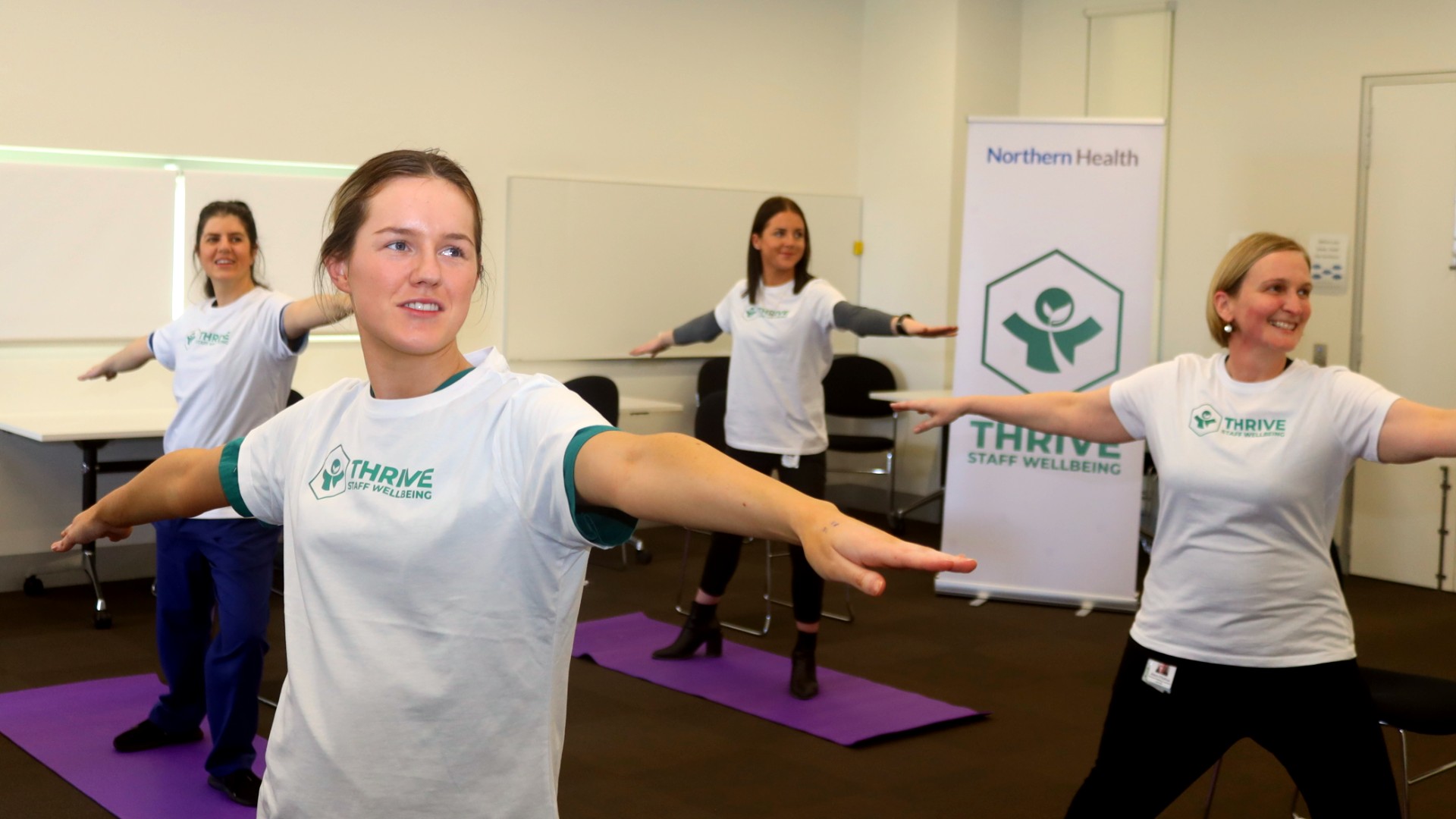
    Thrive – Staff Wellbeing, the new name for Northern Health’s wellbeing program launches today.

    Northern Health’s wellbeing program has been running for nearly three years, and over that period the OHS and Wellbeing team have been able to implement some great offerings for staff.

    “What we felt was that we really wanted to brand those offerings, and did a survey with staff around what they would like to call our wellbeing program – and Thrive was selected,” said Alison O’Sullivan, Wellbeing Coordinator.

    Thrive is a familiar, very positive word and is often used in positive psychology. It encourages people to be the best version of themselves, which aligns with what this wellbeing program is about.

    Current offerings through Thrive include TREAT rest and recovery sessions and yoga sessions (currently online via MS Teams). Thrive also coordinate a number of annual wellness events, including ED Wellbeing Week, Conversations on Mental Wellness Week in September, and the team supports CrazySocks4Docs day.

    Staff can view all the current offerings on the Thrive intranet page and book into available sessions.

    This new intranet page aims to be a resource that staff can regularly access to book into sessions and will continue to grow over time.  It also has numerous links, resources and information on mental health support programs – including a Wellbeing Toolkit.

    “There is also a 15-minute exercise challenge, starting on 22 June. I’d like to encourage all staff to participate. All you need to do is register here and log your progress online.  Physical wellbeing is an important part of maintaining your overall health.  You can form teams and there are prizes throughout,” Alison explained.

    The OHS& Wellbeing team is open to suggestions around improvements and offerings in the staff wellbeing area. If you have an idea, feel free to email ohswb@nh.org.au.