• Inspired Researchers: Leading the way to the new normal

    Inspired Researchers: Leading the way to the new normal

    At the beginning of Research Week 2020, Professor Peter Brooks AM, Research Lead – Northern Health, said, “while new treatments and a potential vaccine will likely dominate headlines, it is the new ways of doing many of the things we have taken for granted that is already advancing health care, delivery and consumer-led experience.”

    “It will be our inspired researchers who will lead the way on our journey to a ‘new normal’,” said Prof Brooks.

    Over Research Week 2020, we have been treated to some fascinating guest speakers and presentations from Prof Sir John Savill, Prof Paul Glasziou, Prof Brian Oldenburg, Dr Dominika Kwasnicka, Dr Tilman Dingler and A/Prof Jo-Anne Nankervis.

    Yet, just as impressive, are the research questions our own researchers are pursuing here at Northern Health that we got to hear about, albeit virtually.

    In one of the best attended sessions – a virtual breakfast, Professor Don Campbell, Director of our Staying Well Program, and Dr Rebecca Jessup, Allied Health Research Lead, spoke of how they see ‘Patient care in the community: COVID-19 & beyond’.

    We also heard our PhD candidates and Small Research Grant recipients, sponsored by Northern Health Foundation, speak about their studies; from the ‘effectiveness of Fitness Trackers in changing the physical activity of breast cancer survivors’ to ‘how do health consumers interpret and apply health information during a pandemic?’

    Their studies emphasise the breadth of research-  from the quantitative to the qualitative – done at Northern Health.

    In the last session for Research Week 2020 on Women’s and Children’s research, among the presenters were our own maternal fetal medicine specialist, A/Prof Lisa Hui, Dr David Tran, Clinical Director of Paediatrics and A/Prof Wei Qi Fan, head of our Neonatal Unit.

    Their studies include monitoring the impact of lockdown restrictions on maternal and newborn outcomes in Melbourne, and how a lactation consultant-led telephone program could provide early and regular support for new mothers.

    Clearly, the issues under discussion were topical, as three times the number attended Research Week as they did last year. They joined virtual presentations and workshops, viewed and voted for posters and quizzed the guest speakers online.

    As in years past, the poster and oral presentations generated much interest, with The People’s Choice of Poster awarded to Simone Collins, Dr Paul Viray receiving the People’s Choice for Oral Presentations and Dr Rebecca Jessup awarded the Best Oral Presentation.

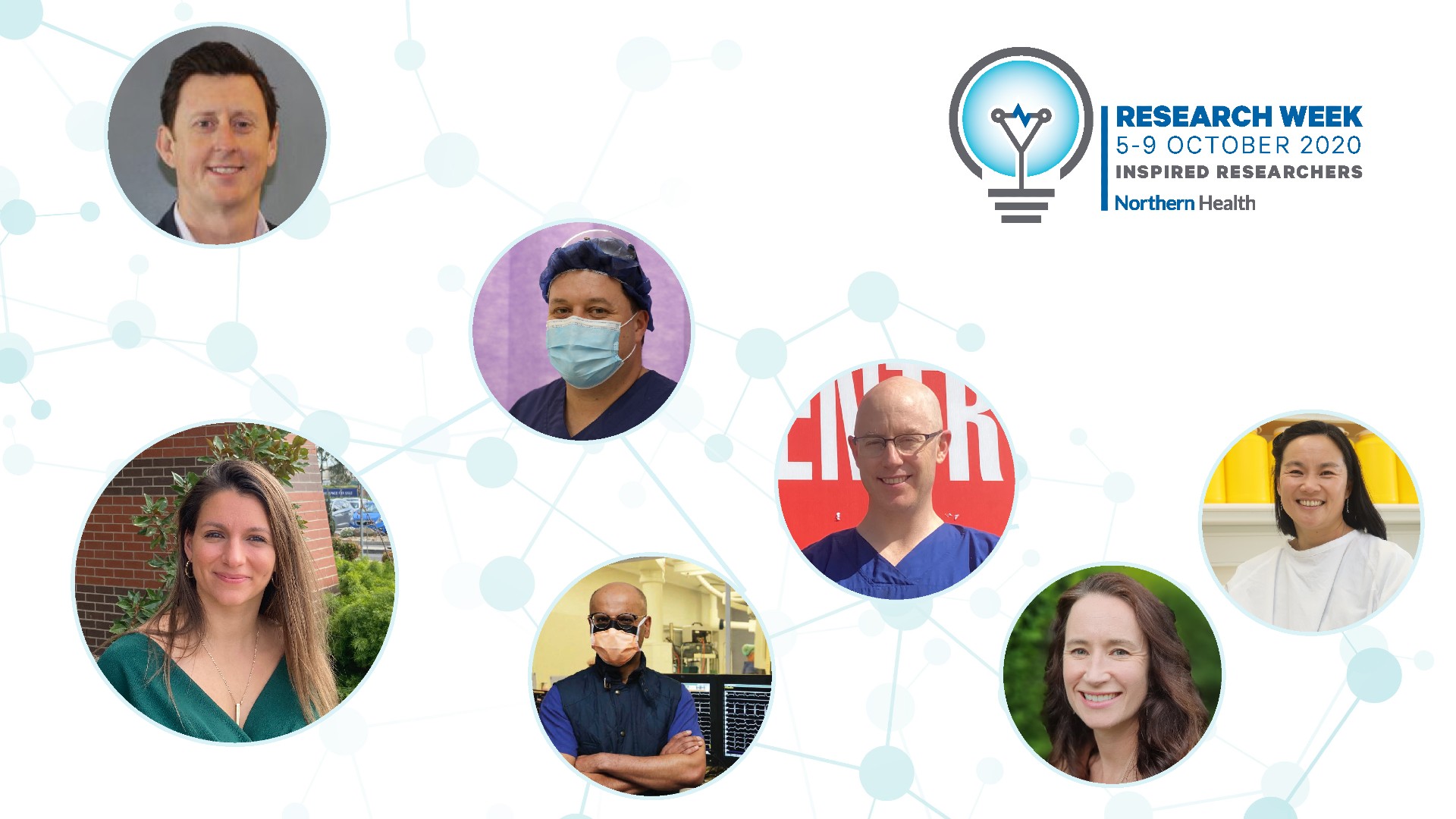
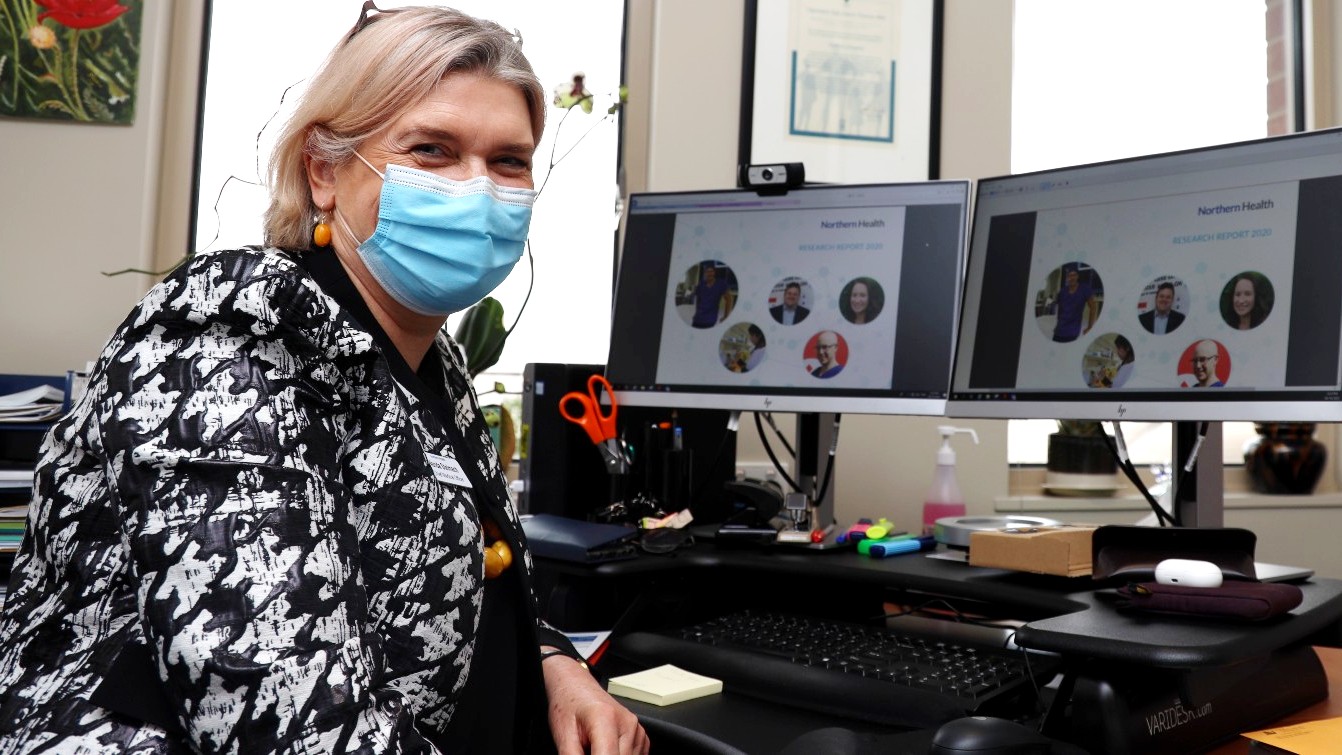
    Ms Wanda Stelmach, Chief Medical Officer, featured above says, “I am proud of the research we are doing at Northern Health, as this ultimately contributes to better health outcomes for our northern community.”

    As Prof Brooks says, “The future is unknown but by reviewing and evaluating what we do, and how we do it, we will have the opportunity to change things for the better, and to continue to deliver trusted care in partnership with our community.”

    The Small Grants program plays a vital role in supporting staff to generate preliminary data which will allow them to apply for larger grants. The PhD Scholarships supports young graduates to be our future research leaders. Since the first Small Research Grant program in 2007, Northern Health Foundation has expended almost $400,000 and, with the PhD Scholarships program, has contributed over $1,100,000 to directly supporting research activities at Northern Health. 

    The Northern Health Research Report 2020 is now available here. The annual research report is an opportunity to celebrate Northern Health’s research achievements and the hard work and dedication of our inspired researchers.
  • Inspired Researchers: Small Research Grant (SRG) Recipients, Round 24

    Inspired Researchers: Small Research Grant (SRG) Recipients, Round 24

    The objective of the Small Research Grants is to support work that benefits Northern Health’s community and support projects that will lead to applications for external grants or funding. The grants will develop and strengthen the research culture at Northern Health, support capacity building and staff development, support pilot projects or projects where traditional funding sources are difficult to attract and increase research productivity.

    Below are the five recipients and their projects that the Northern Health Research Grant and Scholarship Committee have selected for funding in Round 24.

    They have been picked for asking well-defined research questions, their level of innovativeness and originality, the evidence of justification and understanding the literature.

    Name: Associate Professor Uwais Mohamed

    Role: Director of Electrophysiology

    Title: Body Surface Electrical Mapping: A Study of Electrical Synchrony in His-­bundle Pacing and Left Septal Pacing

    His-bundle Pacing (HBP) and left septal pacing (LSP) are relatively novel pacing techniques compared to conventional right ventricular (RV) pacing systems, in that the pacing lead is implanted into the His-bundle, or left septum/left-bundle branch itself, rather than the RV.

    This study presents a unique opportunity to map and compare electrical activation in these different pacing techniques.

    Name: Dr Matthew Cotchett

    Role: Advanced Practicing Podiatrist

    Title: The experience of living with hallux valgus: a qualitative exploration of treatment beliefs, needs and expectations

    Hallux valgus (also called a bunion) is one of the most common conditions treated by podiatrists and orthopaedic surgeons and has a large economic burden on the community. However, no previous work has identified, far less evaluated, the experience and needs required for optimal care for people with hallux valgus.

    Data from this project will be analysed to look for key themes that reflect the voice of the participant.

    Name Angela McLoughlan

    Role: Clinical Leader Occupational Therapy

    Title: Embedding eHealth into routine practice: Investigating the technology readiness (TR) and eHealth literacy of the health professional workforce

    Technology readiness (TR) and eHealth literacy are two variables which pose barriers to an individual’s acceptance and utilisation of eHealth in routine practice.

    The TR and eHealth literacy of Northern Health’s professional workforce is currently unknown. This project proposes to undertake a workforce survey to determine baseline levels of these two variables.

    Name Dr Rebecca Jessup

    Role: Allied Health Research Lead

    Title: How do health consumers interpret and apply health information during a pandemic?

    The coronavirus pandemic (COVID-19) has required individuals to find and apply health and behaviour information rapidly.

    This project aims to understand how patients who attend Northern Health – specifically those who have frequent admissions – are accessing and using health information during COVID-19, and how this might be impacting on their decision making about managing their health.

    Name Belinda Baines

    Role: Grade 2 Renal Podiatrist

    Title: The association between toe-brachia! indices and haemodialysis in patients with chronic kidney disease

    There are around 10,000 hospital admissions in Australia each year for diabetes­ related foot ulcers. In many cases, these admissions results in amputations. Over five years, a single amputation cost is estimated to be around $50,000, not including social costs. Around 85 per cent of amputations are avoidable if attended to in a timely manner and managed properly.

    This project will aim to determine if there is a relationship between changes in the results of lower limb blood pressure assessments and being on dialysis. The results of this study are important to determine whether current clinical practices are appropriate and will guide clinician process around these assessments in the future.


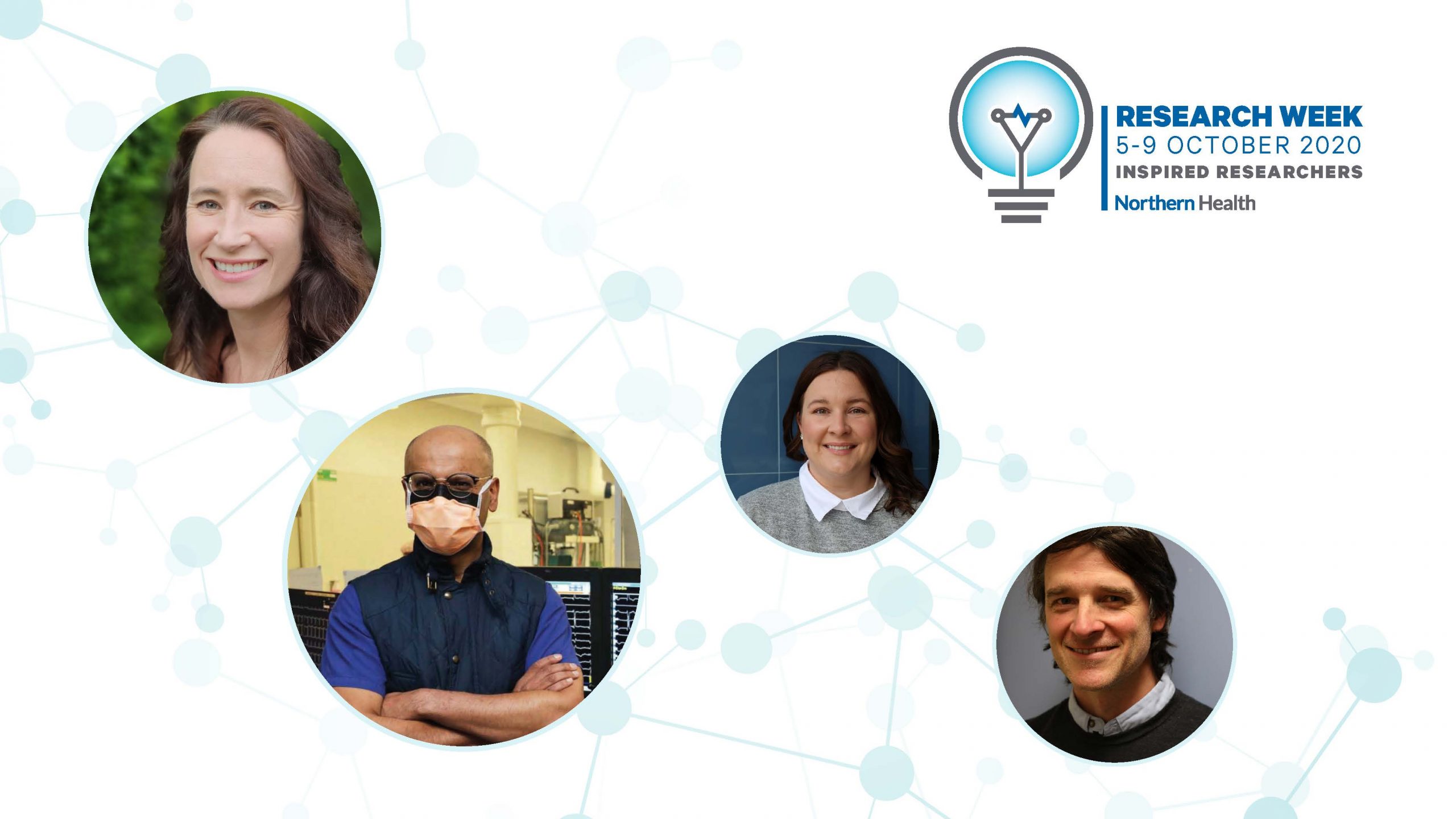
    Featured are L to R: Dr Rebecca Jessup, A/Prof Uwais Mohamed, Belinda Baines and Dr Matthew Cotchett

    Absent: Angela McLoughlan

    The Small Research Grants are powered by Northern Health Foundation, which also funds PhD research scholarships. These grants and scholarships  develop and strengthen research undertaken at Northern Health and benefit patients within the northern community. 

  • Inspired Researchers: PhD Candidates Natali Cvetanovska and Julie Wang

    Inspired Researchers: PhD Candidates Natali Cvetanovska and Julie Wang

    This week, we mark Research Week 2020, and celebrate our inspired researchers.

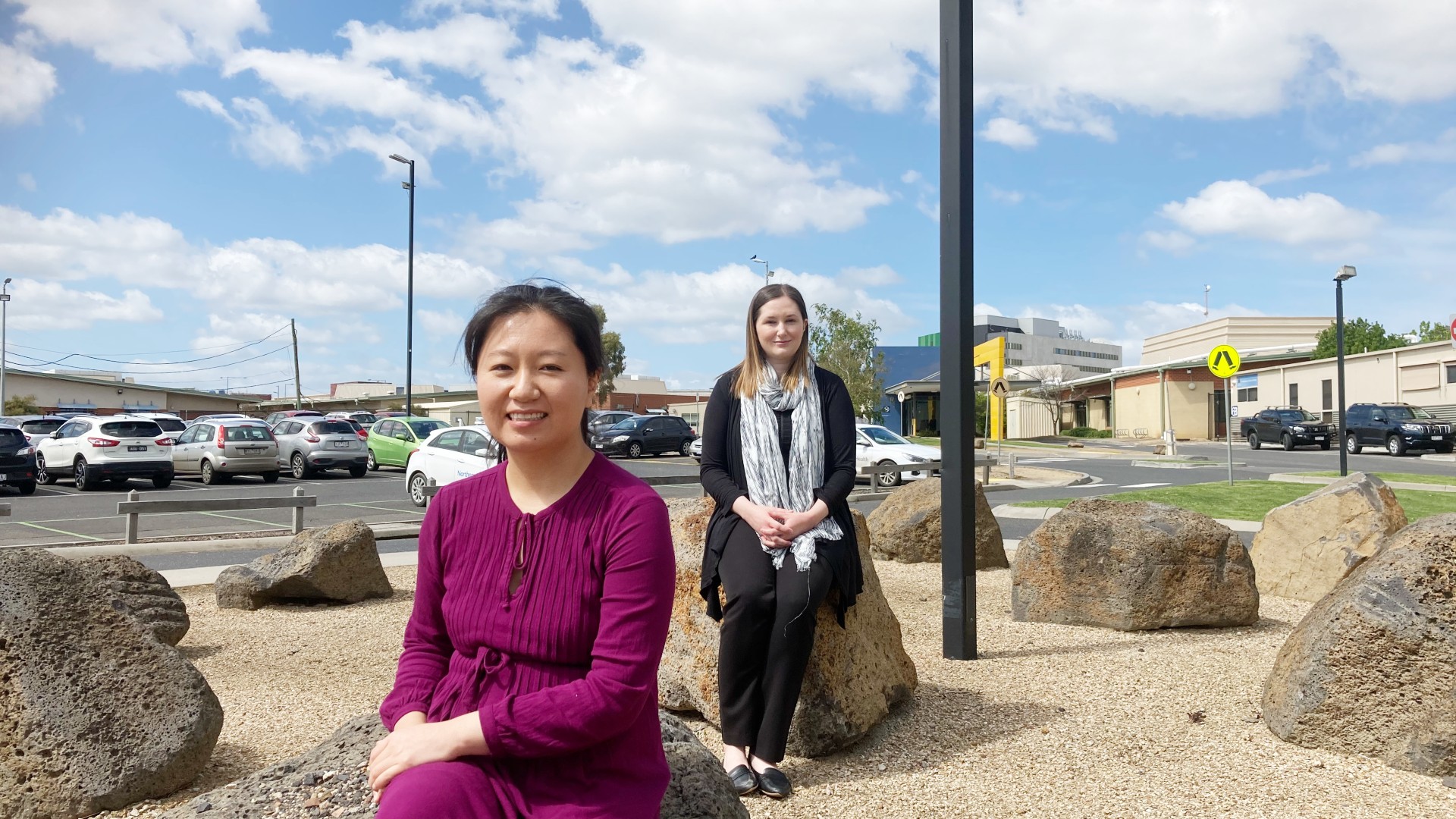
    Today, we profile our PhD research candidates, Natali Cvetanovska and Julie Wang. Natali has worked in Education and Research as a Manager for the last five and a half years and Julie is a haematologist at Northern Health.

    Thanks to Northern Health Foundation, they have been both awarded PhD scholarships that will support the Foundation’s vision of helping improve the health outcomes of our northern community.

    Natali’s research will focus on helping patients at Northern Health to improve their understanding of health information and improve their health literacy.

    The title of Julie’s PhD study is, ‘Prospective serial evaluation of new bio-markers of Thrombosis in patients with newly diagnosed venous thromboembolism.’

    Natali, who lives locally, says, “Our population has lower levels of education and lower English proficiency rates compared to Victorian averages, which leads to increased challenges with understanding health information. This can lead to poorer health outcomes. Improving health literacy in our population may lead to improved health outcomes.”

    Says Julie of her research, “One of the challenges of Venous Thromboembolism (VTE) management is preventing VTE recurrence after the initial event, which has been reported to be approximately five per cent per year after first VTE, and up to 30 per cent after five years. Locally, our audit of 1,200 VTE patients found a VTE recurrence rate of 3.2/100 patient years.”

    Julie says what inspired her research is, “A desire to find an easy, cheap and accessible way to detect individuals at high risk of VTE recurrence. Being part of a group of active and enthusiastic researchers at Northern Health has really motivated and inspired me to embark on this task.”

    Natali says, “Engaging with my research colleagues, learning about their work and getting to contribute to some of their research, really got me interested in doing my own.”

    Natali is hoping her research can “contribute to better health outcomes for the community that I live and work in.”

    According to Julie, previous studies have mostly examined a single time point following anticoagulation cessation. In her study, investigational assays will be utilised including thrombin and fibrin generation assays, with the possibility of other novel biomarkers including PAI-1, TFPI and proteonomics.

    She says, “To the best of our knowledge, we are the only institution in Victoria which currently has the capacity to evaluate all of these assays.”

    Julie hopes that the “expansion of our research capabilities, in addition to our growing comprehensive clinical service, will allow us, at Northern Health, achieve our vision of being a centre of excellence for thrombosis.”

    Dr Rebecca Jessup, Allied Health Research Lead and Natali’s PhD Supervisor, had this to say, “Natali is an asset to Northern Health and her research will make a real difference. I can’t wait to see her grow as a researcher over the next three years. We know that the northern community is growing at a rapid rate, and the outcomes of Natali’s research will play an important part in building a healthier community in Melbourne’s north.”

    Dr Prahlad Ho, Julie’s PhD Supervisor, says, “Julie has had a long history with Northern Health, doing her thrombosis fellowship here, and a valuable member to our NECTAR research team. Her PhD will help us understand Venous Thrombosis better, as well as develop new risk assessment models to prevent recurrence, and will no doubt allow her to continue the pursuit of one of her passions – research.”

    The PhD research scholarships are powered by Northern Health Foundation, which also funds Small Research Grants . These grants and scholarships  develop and strengthen research undertaken at Northern Health and benefit patients within the northern community. 

  • Happy Perioperative Nurses Week!

    Happy Perioperative Nurses Week!

    This week Northern Health celebrates Perioperative Nurses Week!

    Here at Northern Health, we have over 220 dedicated perioperative nurses who work behind the closed doors of our operating suites, providing exceptional care to patients and their families.

    Our perioperative nurses work at both Northern Hospital Epping and Broadmeadows Hospital, caring for surgical patients from the time they are admitted through to after their procedure. They have a specialised skillset and work together with the surgical team to provide safe, trusted care.

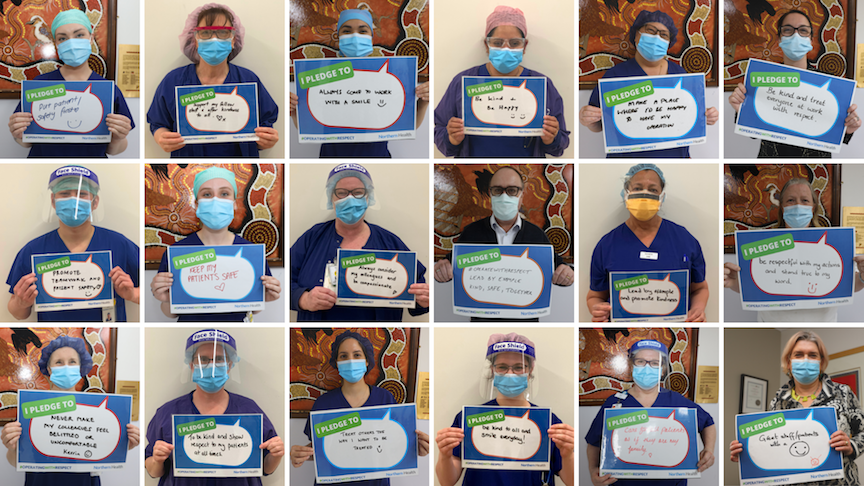
    To acknowledge their work over the past year, the team have organised a number of activities, including receiving certificates of appreciation and a gift of gratitude, virtual trivia and lucky dip prizes. During the week, staff from different areas will also have the opportunity to write a pledge (pictured above) to show their commitment to #operatingwithrespect – a campaign created by the Royal Australasian College of Surgeons to tackles the issues of bullying, harassment and unacceptable behaviours in the workplace.

    Northern Health commits to the principles of #operatingwithrespect and will be actively promoting and supporting respectful communication between, not only staff in the operating theatre complex, but to all staff involved in the care and management of surgical patients.

    Brylie Wilson, Broadmeadows Surgical Centre Nurse Unit Manager, expressed her admiration for her team of dedicated perioperative nurses – especially during the COVID-19 pandemic.

    “The Broadmeadows Surgical Centre team have been adaptive, dedicated, resilient and caring throughout this pandemic. It has been truly humbling to work alongside so many nurses who were willing to do whatever it takes to help during this challenging time,” she said.

    “Thank you to all the Northern Health periop nurses! You are amazing each and every day, making a tremendous contribution to the surgical services division. I am proud to say I am a part of such an amazing team,” she added.

    Linda Romano, Divisional Director Nursing, Surgical Services, equally expressed her appreciation for the team.

    “At Northern Health, we certainly do appreciate our perioperative nurses! Perioperative Nurses Week is a way we can celebrate the hard work and role all perioperative nurses play in caring for Northern Health patients throughout their entire surgical journey,” Linda said.

    “I really value all their work and express my heartfelt appreciation and gratitude for the greater impact they have on our Northern community. It’s amazing how our perioperative nurses have found ways to work together and overcome any obstacle, especially during our recent challenges, and continue to provide excellent care for our patients,” Linda added.

    Yesterday, Tracey Wyllie was announced as the Perioperative Services Manager. She said, “I am proud and humbled to be able to lead the wonderful teams at Northern Health.”

    “I have worked with most of you through my career at Northern and I am always so proud of the dedication and professionalism demonstrated day in and day out. You are all truly remarkable,” Tracey added.

    This week, Northern Health is also celebrating Research Week 2020 and one of our inspiring researchers is Zahra Nasr, PhD Scholarship Recipient from Northern Health Foundation. Zahra is undertaking research in the perioperative space, investigating ‘engaging patients in the prevention and management of postoperative nausea and vomiting’. For more information about Northern Health Research Week, please click here.

  • Inspired Researchers: Research Week 2020 launches

    Inspired Researchers: Research Week 2020 launches

    This week, we mark Research Week 2020 and celebrate our inspired researchers.

    The video below tells you more about what inspires our researchers at Northern Health:

    Today, we also highlight some of the COVID-19 research we are doing here and the Northern Health researchers seeking urgent answers of COVID-19. Answers that will frame how we provide better care today and in the post-COVID world.

    Associate Professor Craig Aboltins, Director of Infectious Diseases, is Northern Health’s Principal Investigator for the Australasian COVID-19 Trial (ASCOT), an international, multi-centre randomised clinical trial to assess the clinical, virological and immunological outcomes in patients diagnosed with SARS-CoV-2 infection (COVID-19).

    Dr Rebecca Jessup, Allied Health Research Lead, is leading a study seeking to answer how health consumers interpret and apply health information during a pandemic. This is already providing insights into how our community, one of the most diverse in Australia, has been getting their information regarding COVID-19.

    Mr Russell Hodgson, Research Lead from the Division of Surgery, is Northern Health’s Principal Investigator on two COVID-19 studies. COVID Elective Surgery is contributing data to a national study to determine the underlying risk of asymptomatic COVID-19 positive patients about to undergo elective surgery. This information is being used to inform guidelines regarding elective surgery during this second wave. COVIDSurg is aiming to determine the optimal timing that elective surgery should occur following COVID-19 infection.

    Looking after the wellbeing of our staff and community has never been more important. Nicole Carlon, Operations Director of Women’s and Children’s, is evaluating the effectiveness of a telephone-based, peer support group (mother to mother) aimed at supporting women identified as high risk of postnatal depression during the pandemic. Dr Jaclyn Yoong, Palliative Care Physician and Medical Oncologist, is assessing the impact of stress encountered by our staff during the pandemic on mental wellbeing.

    Dr Darren Lowen from the Department of Anaesthetics, is Northern Health’s Principal Investigator for intubateCOVID, an international data registry for tracking COVID-19 airway procedures in association with Alfred Health and Monash University and initiated by the NHS Foundation Trust in the United Kingdom.

    Associate Professor Lisa Hui, Maternal Fetal Medicine Specialist and recent recipient of a NHMRC Medical Research Future Fund Investigator Grant, is leading two studies at Northern. The first is a project prospectively collecting data from pregnant women with suspected or confirmed COVID-19 infection. Lisa is also Principal Investigator for CoMaND, a multi-centre collaborative maternity and newborn dashboard to create a timely, powerful, adaptive monitoring system for use during the COVID-19 pandemic.

    Our cardiology team has a couple of COVID-19 studies underway. Professor William van Gaal is overseeing a registry aiming to estimate the incidence of in-hospital cardiovascular complications, and Dr Om Narayan is studying the impact of the pandemic on acute coronary syndrome presentations and management.

    Vascular Surgeon, Mr Leonard Shan, has initiated two research projects. One on the ‘effect of elective vascular surgery and clinic deferral due to the coronavirus pandemic’ and the other on the ‘impact of COVID-19 on outcomes of elective and urgent vascular surgery’.

    Intensivist, Dr David Crosbie, is Northern Health’s Principal Investigator for a Short Period Incidence Study of Severe Acute Respiratory Infection (SPRINT-SARI). SPRINT-SARI is providing valuable data on patients being cared for within Intensive Care Units, and continues to help shape Australia’s response to the pandemic.

    “Despite the challenges that COVID-19 presents, we continue to expand our research portfolio thanks to our extraordinarily dedicated team of inspired researchers,” says Dr Michael Kirk, Director of Medical Services.

    “What is most striking about the research occurring at Northern Health is how we are fighting this battle on so many fronts. I am proud of how all our staff at Northern Health continue to devote themselves towards providing outstanding care that is underpinned by research and evaluation”.

    For more information on Research Week 2020 please click here.

    For the event schedule for Research Week 2020, please click here.

  • Malnutrition Week

    Malnutrition Week

    This year, Malnutrition Week has been launched across Australia and New Zealand to promote the importance of malnutrition screening and management in our health care settings.

    It is running from 6 – 9 October with the theme, ‘Have we missed a diagnosis?’, aiming to promote awareness and to put a spotlight on patients appearing physically healthy, only to show several signs and symptoms of malnutrition once further investigating is done.

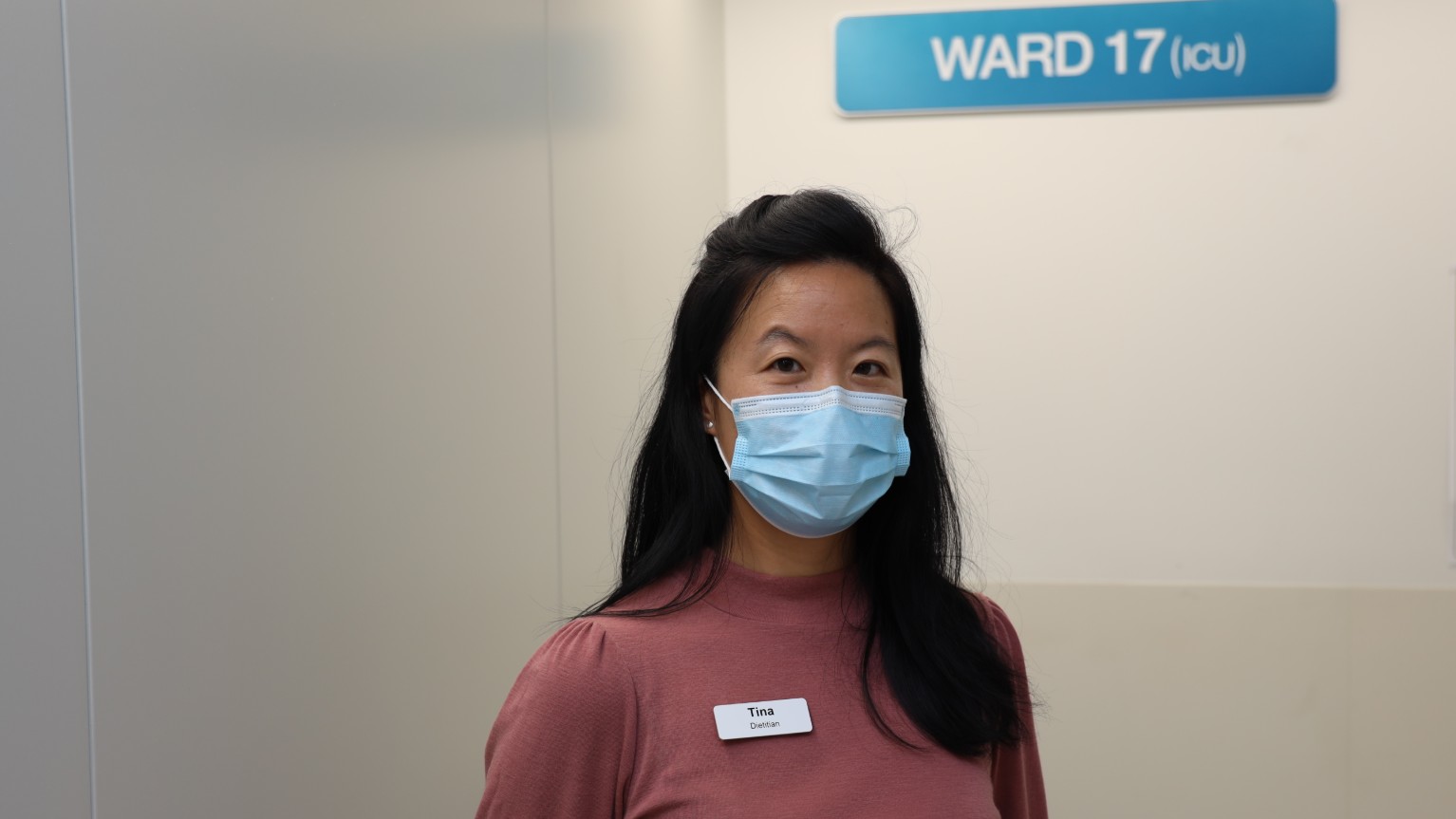
    Tina Aboltins, ICU Dietitian, explained her goal in nutrition management with critically ill patients is to treat malnutrition or to prevent it. Given the potential of malnutrition is a challenge in hospitals, having dedicated time to talk about it is extremely important.

    “We want to prevent patients losing weight, because malnutrition can mean a longer length of stay and a higher risk of complications. When a patient is critically unwell, their body uses a lot of energy and protein due to the stress response in the body and the demand of therapies used in ICU. For example, patients who require ventilation support for more than five days, have energy needs that can be up to 40 per cent more than a healthy individual,” she said.

    “In terms of protein, a patient on dialysis has protein needs that are at a minimum 50 per cent more than what they would usually be,” she said.

    “When patients don’t get enough nutrition, the body will use its own stores of energy and protein. It will start to use the lean body mass stores, and as Dietitians, we are interested in stopping this loss because some studies have shown that if we can preserve lean body mass, the patient has higher chance of surviving, and a better chance of recovery and rehabilitation,” she added.

    Critically ill patients in ICU are often intubated and are not conscious to eat and drink on their own. A part of Tina’s role is looking after these patients and working out a nutrition support plan.

    “We work out the best way to give them nutrition, usually through a nasogastric tube and using special enteral nutrition formulations. We always want to feed through the gastrointestinal tract where possible. If this is not possible, they are fed through the vein with specialised intravenous solutions called Total Parenteral Nutrition (TPN). The Dietitian looks at all patients who come to ICU, especially the ones who are a high risk of malnutrition,” she explained.

    Ensuring malnutrition is screened for and treated is exceptionally important. An undiagnosed and untreated condition can slow the healing of wounds, weaken the immune system, cause muscle loss and decondition, and can result in a longer hospital stay and increase the risk of mortality.

    At Northern Health, patients are screened for malnutrition risk and weighed on admission and weekly thereafter. There are also working groups such as the Nutrition & Hydration Sub-Clinical Improvement Committee, which sits under Standard 5, and the Dietetics Malnutrition Working Group, which drive improvement and quality work around malnutrition awareness, screening and management at Northern Health.

  • Australian-first virtual ED triage launches

    Australian-first virtual ED triage launches

    Patients living in Northern Health’s catchment area, as well as local general practitioners (GPs), will be able to use our new ‘Virtual ED Triage’ service from today. This Australian-first service will be available every day, including weekends from 1 pm to 9.30 pm.

    Dr Loren Sher, Emergency Physician, explained this service will enable patients to talk to our emergency department (ED) nurses and doctors from their home, work or even their car.

    “If a patient has a non-life threatening emergency, they can connect virtually with our ED staff, who will be able to provide medical advice. Patients will need to have a valid Medicare card and be comfortable speaking in English, as interpreting isn’t currently available for this particular service,” she explained.

    By clicking on the link or using the QR code, patients will be directed to the registration page. Once registered, the patient will be placed in a virtual waiting room and when it’s their turn, the nurse will have an online consultation with the patient and advise on the best course of action.

    “As a public hospital, we are the first in Australia to offer the model for patients to self-present to ED virtually,” Dr Sher explained.

    The new service will also benefit local GPs and acute care centres, helping general practitioners manage patients in the community, and keep people closer to home.

    “The program works with GPs and community health care providers to identify patients that traditionally would have been referred to ED, but may be suitable for ongoing management in the community, with ED consultation. We are hoping to establish a mutual relationship where GPs can have consultations with us regarding complicated patients, and we are hoping also to refer virtual triage patients to their practices for follow-up,” Dr Sher said.

    The idea for the virtual ED triage model came from Northern Health staff, at one of our innovation forums, to help address the issues of physical distancing in waiting rooms and provide an alternative for patients who do not need to present to the ED for non-life threatening emergencies. It took the team 12 weeks from the idea to full realisation, with help from various departments across the hospital.

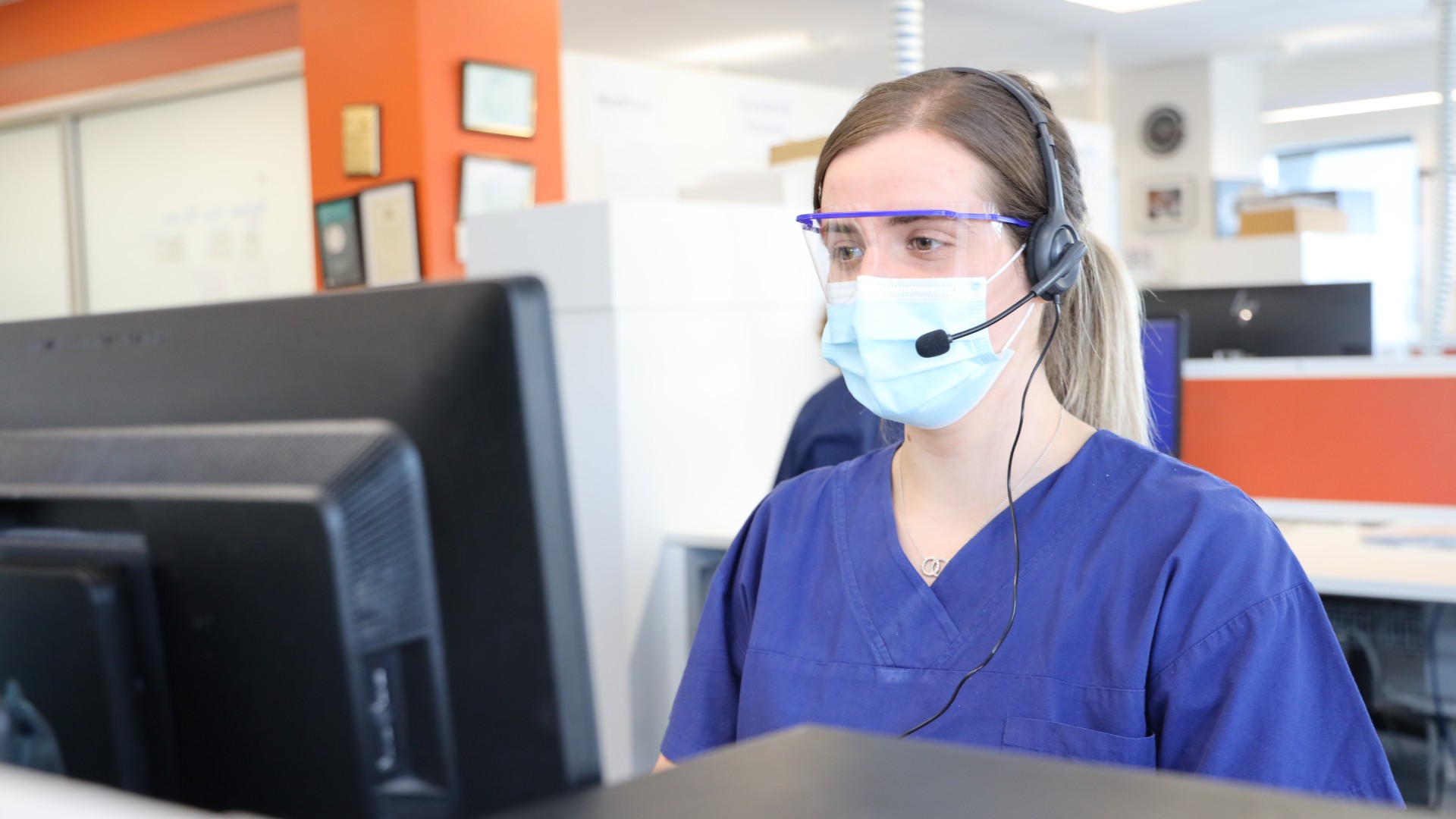
    Janice Fernandes, Emergency Department Nurse Unit Manager, said our triage nurses are postgraduate trained and have unique skills to make time-sensitive clinical decisions, think critically and identify patient problems, ensuring our patients get the right care, at the right time. Stella James, ED nurse, who has been first trained to use the virtual triage system, is looking forward to continuing the training across the ED staff.

    “As front line health care workers, we were exploring and looking for innovative ways to deliver timely care to our patients within the community. Northern Hospital has the busiest emergency department in Victoria and the third busiest in the country. The hospital is in a growth corridor and is expected to see continuing increases in presentations over the coming years. A successful virtual triage and medical management will help our patients get the care they need, without coming to hospital,” Janice said.

    Please click here for more information and the access link.

  • Inspired Researcher: Dr Rebecca Jessup

    Inspired Researcher: Dr Rebecca Jessup

    As we prepare to kick off Research Week 2020 from 5 to 9 October on the theme ‘Inspired Researcher’, we profile today, Dr Rebecca Jessup, our Allied Health Research Lead.

    Rebecca describes her role at Northern Health as, “building research capacity and capability within Allied Health, and to help embed a culture of innovation and evidence-based practice.”

    To this end, Rebecca works with Professor Adam Semciw and Research Officer, Cassandra Bramston, to support Allied Health staff across every component of research. This includes providing guidance around how to write a research question or how to do a systematic review, through to what type of study design or methodology would best answer a question.

    Her own research, focuses on health literacy and communication, and on alternative models of service delivery to improve health system sustainability.

    Says Rebecca, “During the COVID-19 pandemic, our work has had a necessary focus on COVID-19 in our community. We have just completed a study on how high hospital resources users have accessed, interpreted and applied information during COVID-19 and how this has impacted on their health seeking behaviours.”

    Rebecca has also worked on an evaluation of the COVID-19 Community Monitoring Program with the community services team.

    “With a number of staff across the organisation, we are currently working on a project evaluating the impact of COVID-19 on hospital acquired complications, and, along with Dr Cilla Haywood, we are also leading a Melbourne-wide study evaluating the experience of hospital staff who provided an inreach response into Residential Aged Care Facilities during the pandemic,” says Rebecca.

    She says what inspires her research is, “all the unanswered questions and the problems to be solved, and by the possibility that answering these, may change the way we provide care and lead to better outcomes for our northern community.”

    The biggest challenge Rebecca faces is, “managing all the competing demands of the role. There is so much good work to do and I’m not very good at saying no!”

    The rewards, “are always seeing how the research informs changes to our clinical practice or even changes to policy, that lead to better outcomes for patients.”

    Rebecca says, “In terms of the actual research, COVID-19 is a disruptive event that has resulted in monumental changes in both the way we deliver care, and in the way our community engages with the health system.”

    “While there needs to be some focus on the longer-term impacts of COVID-19 on individual health, there is also a need for longitudinal studies that measure how the changed funding models and models of care (e.g. Telehealth) impact on the health and health seeking behaviours of individuals, and on the financial sustainability of the health system,” she adds.

    Hear Dr Jessup along with Professor Don Campbell speak on ‘Patient care in the community: COVID-19 & beyond’ at the Northern Health Foundation & NORTHLink Business Breakfast on Tuesday 6 October from 8 am – 9 am.

    To register for this virtual breakfast, please click here.
    Click here to download the session flyer