
• Funding for health navigation training

    Funding for health navigation training

    In 2022, Northern Health, in partnership with Swinburne University and Medibank, were successful in obtaining a Workforce Training and Innovation Fund (WTIF) grant from the Department of Jobs, Skills, Industry and Regions for close to $2.4 million to create a new Certificate III in Community Services (Health Navigation).

    In a 2022 policy brief on patient navigators, the World Health Organisation (WHO) highlighted key programs globally where peer health navigators have not only overcome barriers to care for vulnerable and disadvantaged groups, but have increased prevention and health promotion within hard-to-reach communities. However, the policy brief also highlighted that existing programs varied in terms of context and setting, overall aims, practical implementation, the role itself, and the skills and training required.

    The WTIF grant has provided Northern Health an opportunity to position itself as a leader in a field that is fast becoming recommended practice. The 2023-2033 Australian Cancer Plan identified health navigation as a priority area for action. At the same time, Northern Health was developing a similar initiative with colleagues from Peter Mac. In December 2023, the final report of the Independent Review of the National Disability Insurance Scheme (NDIS) also identified the need for all people with disability to have access to a health navigator.

    Dr Rebecca Jessup, Director of Research and Evaluation of the Staying Well Program and Principal Investigator on these projects, says, “Integration and cooperation within the health system and employment within health care services have been identified as one of the most important enablers for these roles. Positioning this work within a health care organisation is critical to ensuring adoption of the roles into practice.”

    Peer health navigator roles may include providing patients and communities with information about their conditions to support self-management, providing more holistic patient-centred care, identification and resolution of barriers to health care, and linking individuals and communities into health and social services. Peer health navigators may work in disease-specific e.g. cancer, HIV, cardiovascular disease, mental health, setting-specific e.g. emergency departments, primary health care, or more general navigation roles.

    Internationally, health navigator roles have been found to reduce emergency department presentations by 23–51 per cent and hospitalisations by 21–50 per cent.  Studies in migrant communities have found that peer health navigators improve adherence to chronic disease care, increase cancer screening up to 24 per cent, and result in significant improvements in exercise and dietary habits.  Shared experience, culture and language are key contributors to the impact of peer health navigators on health care engagement and improved patient outcomes for migrant communities.

    “In line with the 2022 WHO policy brief, there is a need for an agreed level of capability and competency in the Australian context to develop appropriate training curriculums and vocational programs for these roles, in conjunction with delegation and supervision frameworks” says Dr. Jessup.

    “In association with Swinburne University and Medibank, I am excited that we are addressing this gap in Australia and doing work that will genuinely benefit our community.”

    The WTIF is a targeted, Skills First funding stream. WTIF creates opportunities for the joint exploration of new ideas and solutions to enhance workplace productivity and employment growth in priority industries identified by the Victorian Government, in collaboration with industry partners and Skills First training providers.

    Pictured clockwise from top left: Northern Health peer health navigators for Pasifika and Arabic speaking communities; at the Victorian Arabic Social Services, Broadmeadows; celebrating Pacific Island Women’s Health Equity Day.  

  • Mental Health Allied Health Early Careers Program

    Mental Health Allied Health Early Careers Program

    On 29 January 2024, The Mental Health Division officially launched its inaugural Allied Health Early Careers Program.

    Belinda Scott, Executive Director, Mental Health welcomed the graduates, saying, “This program is committed to the development of our workforce by ensuring that students and early careers clinicians are provided with the required learning opportunities in a supported and structured manner.”

    The program, which is inclusive of the disciplines of Dietetics, Exercise Physiology, Occupational Therapy, Social Work and Speech Pathology, will actively promote a pathway from student placement through to continued employment. The purpose of this program is to support the learning and development of early career clinicians including;

    • students on clinical placements
    • pre-qualification positions
    • new graduate clinicians
    • transition to practice clinicians

    “The Allied Health Education Team are excited to welcome a large and robust group of allied health graduates into the first year of the Mental Health Division Early Careers Program,” said Michelle Wines, Co-ordinator Early Careers Program.

    “The team has been working hard for the last few months to ensure we are recruiting quality graduates into our teams, as well as designing and developing an education program to ensure our early career clinicians are well supported throughout the program. Our overall aim is to contribute to the development of a resilient and highly skilled mental health workforce.”

    The Early Careers Program is a structured two-year program with most positions including two 12-month rotations, ideally from two different clinical areas to optimise the learning opportunities and development of the early career clinician. It features a structured professional development training calendar which includes a focus on both discipline specific and interdisciplinary learning.

    It has a strong focus on wellbeing and support for early career clinicians through:

    • intensive discipline specific supervision
    • support from a discipline specific clinical educator
    • monthly multi-disciplinary facilitated peer support sessions
    • individualised learning plan linked to Department of Health, discipline specific key competency framework
    • supernumerary days designed to facilitate orientation to other practice areas and programs
    • support for early career supervisors including peer support sessions and individual support from clinical educators
    • structured reviews at four, 12 and 18 months
    • an electronic learning passport to support early career clinicians.

    John Belanti, Director of Allied Health, Mental Health, said, “Fostering growth and providing our staff with diverse learning opportunities and pathways for career progression is an integral part our program. Thank you to all involved.”

    Featured image shows Belinda Scott, Executive Director, Mental Health.

  • This is Kilmore District Hospital Urgent Care Centre

    This is Kilmore District Hospital Urgent Care Centre

    The Kilmore District Hospital Urgent Care Centre (KDH UCC) is a 24-hour a day facility that is available for all urgent care type presentations. Medical coverage is provided between the hours of 10 am to 10 pm, weekdays and weekends. All patients who present at the centre are triaged by one of their experienced registered nurses and assigned a triage assessment. The presentation numbers average 30 presentations per day.

    KDH UCC treats patients with a range of medical conditions and is supported by Medical Officers seven days a week, with medical telehealth services available via the Victorian Virtual Emergency Department (VVED).

    In November 2024, Northern Health and Kilmore District Health joined forces to become a stronger health service, caring together for the growing and diverse needs of the northern catchment. The amalgamation enabled both services to improve access to care for patients in the Northern Growth Corridor – one of Victoria’s fastest growing regions.

    “We have already started to see the effects of the amalgamation. Future plans are in place for an increase in services, such as radiology, and there are additional opportunities for professional development through in service education, training session and courses” said Lisa Carlyon, UCC Nurse Unit Manager.

    This is also a great opportunity to go across to the Northern Emergency Department, to experience exposure to the acuity and specialty areas such as paediatrics.”

    Throughout the pandemic, the UCC took on the crucial task of COVID-19 testing for community members within their catchment area. Despite operating from a small department with only four bays, they navigated the challenge of managing a high volume of patients while upholding stringent infection control measures. To address the surge in demand for testing, they introduced a drive-through Covid testing area, providing efficient testing solutions during both regular periods and outbreaks.

    Recently, following a generous $25,000 donation from the Lions Club, the UCC team upgraded their equipment with ECG printout capability, enhancing timely care for patients, particularly those with chest pain. They also established an infusion clinic, addressing community needs for procedures like iron infusions locally, reducing the necessity for patients to travel to the city.

    Moving forward into 2024, the team aims to expand their on-site medical coverage and further develop the infusion clinic. This will bolster their capability to provide comprehensive care to patients within the community and close to home where possible. Kilmore UCC has a dedicated team of experienced nursing and medical staff who strive every day to deliver the best care to our community.

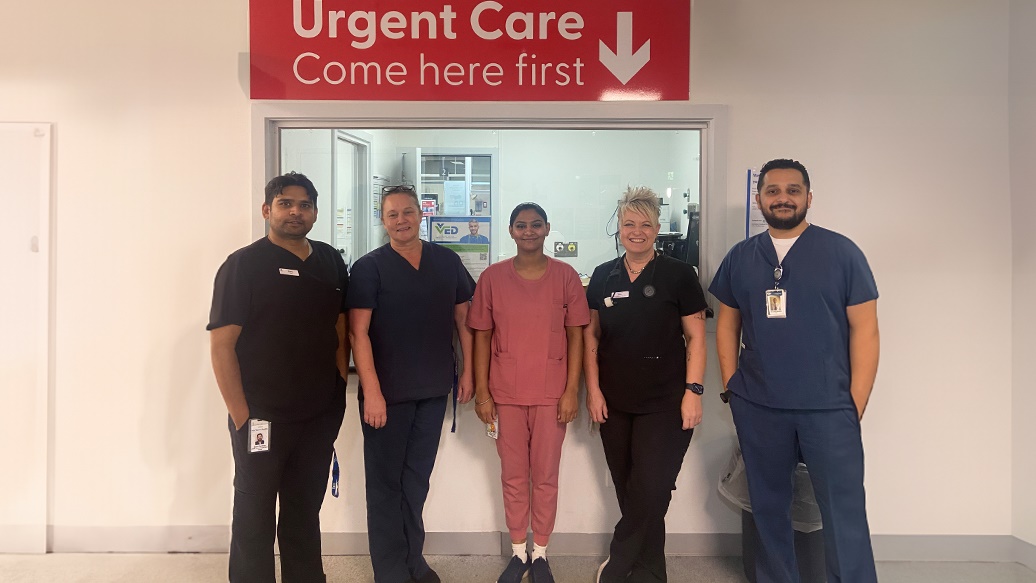
    Pictured in featured image (L-R): Edric (ANUM), Lisa (Acting NUM), Simone (RN), Gurdie (CNS) and Dr Ahmed Memon (VMO).

  • Tiny warriors: Baby Jaxx’s Neonatal journey

    Tiny warriors: Baby Jaxx’s Neonatal journey

    The Neonatal Unit at Northern Hospital Epping is a haven for tiny warriors – a place where every breath is a victory and every heartbeat a testament to resilience. For baby Jaxx, born prematurely at 30 weeks, this was where he spent the first 52 days of his life, to ensure he was growing and developing healthily. Without round-the-clock care, babies like Jaxx may not have a fighting chance.

    In January 2023, Jaxx’s mother, Brianna Pitt, was rushed into the hospital via ambulance, where Jaxx was born just six minutes after its arrival, weighing only 1800 grams.

    “On the Saturday he was born, I was in quite a bit of pain. I took some Panadol and headed off to work but realised something wasn’t right. He was delivered in just six minutes once I arrived to the hospital via ambulance,” said Brianna.

    This is where Jaxx began his long journey in the Neonatal Unit.

    “He was on oxygen and had a feeding tube the whole time. You can imagine how scary this is for some parents,” she added.

    At that time, Brianna and her family went through a very stressful and traumatic experience.

    “There were times when I felt like I couldn’t walk back inside the hospital. I don’t know how I did it, but I knew I just had to push through.”

    Despite Brianna’s appreciation for the exceptional care in the NICU, she couldn’t escape the lingering dread of potential setbacks looming at every turn. The discomfort of prolonged hospital stays, compounded by uncertainty about the future, weighed heavily on her mind.

    Inspired by her journey with Jaxx, she has taken the initiative to launch a fundraising campaign for The Northern Hospital Epping. The goal is to procure cot cams – miniature cameras installed inside isolettes. These cams enable parents to monitor their baby remotely, even when they must be away from the hospital overnight or for extended periods. Through a dedicated app on their phones, parents can check in on their child anytime, facilitating much-needed rest while ensuring their baby receives attentive care. This endeavour aims to ease the burden on families and provide them with peace of mind, knowing their little ones are well looked after.

    “I remember seeing these cameras at Monash Children’s Hospital,” said Brianna, “and thinking to myself, wow, I wish I had one. You’re putting your complete trust in the healthcare workers and just hoping for the best.”

    A year after discharge, both Baby Jaxx and his mum are thriving, with Jaxx looking significantly healthier and stronger.

    “Everyone was amazing. The nurses in the NICU are so beautiful, we couldn’t have asked for anything more.”

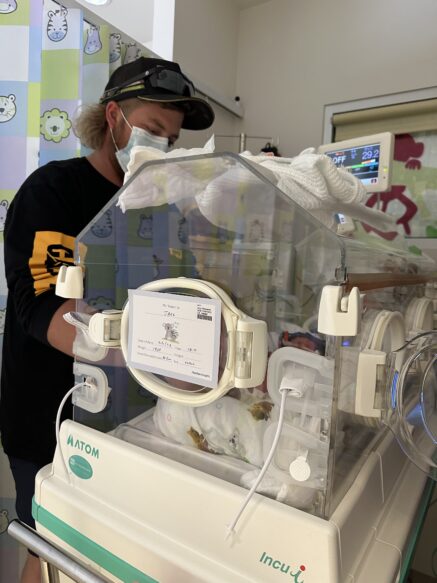
    Baby Jaxx with his father Dillon

    Thank you to Brianna Pitt, her partner Dillon Paul and their family for their tremendous and ongoing support. If you would like to donate towards Brianna and Jaxx’s fundraising cause, please click here.

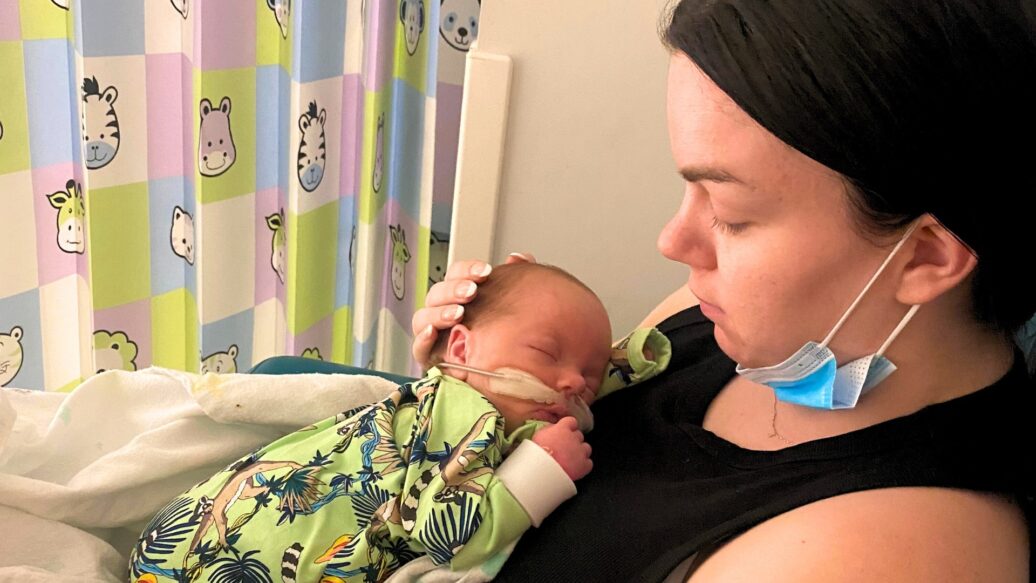
    Pictured in featured image: Baby Jaxx and his mother Brianna Pitt. 

  • Early Careers Mentoring Programme: benefitting mentor

    Early Careers Mentoring Programme: benefitting mentor

    The Early Careers Mentoring Program has been running over 10 years now.  The mentor program involves each of the interns being matched to a consultant as a mentor, to help support the intern throughout their first year as a doctor. This year, the session was a hybrid session i.e. in person and online, run by the Medical Education Unit.

    Dr Carol Chong, Supervisor of Interns, said, “We had 116 consultants volunteer for the program to our 61 interns this year – which showed how well received the mentoring program is!”

    She adds, “Some of the mentors that attended today were previous interns that started their journey at Northern and have returned as mentors which is really inspiring and special for us.”

    Dr Richard Sia, GP Liaison Officer, Northern Health is one such consultant.  He started as an intern followed by two years as Hospital Medical Officer and then General Practice training in the local area. He returned to work at Northern Health in the Fever Clinic, Vaccine Hub and now in his current role as GP Liaison officer.

    He says, “My time as an intern greatly influenced my decision to be a mentor. There were many people who have helped me along the way and being a mentor is a way I can give back and help those starting their medical training.”

    “Being a mentor has allowed me to reflect on my own journey, now ten years since medical school with our first reunion coming up. I’ve been able to go back and thank those who helped me along the way,” says Richard.

    “I’m excited to continue working as Northern Health’s GP Liaison Officer, with the same wonderful staff that continue to foster a caring and supportive workplace since internship.”

    Reflecting on her time as an intern, Dr Amrita Simadri, Geriatrician and General Physician, remembers, “The supportive and generous environment that existed at Northern allowed my group of interns to learn, ask questions and adapt to the busy hospital workplace.”

    “The senior doctors I encountered as an intern, including residents, registrars and consultants, modelled a way of working which was collaborative, empathetic and respectful. In addition, they highlighted the importance of having support and mentors throughout our careers, beyond internship. “

    She says, “The importance of this role did not go unnoticed and being a mentor to junior doctors helped provided a benefit to both of us, mentor and mentee alike.”


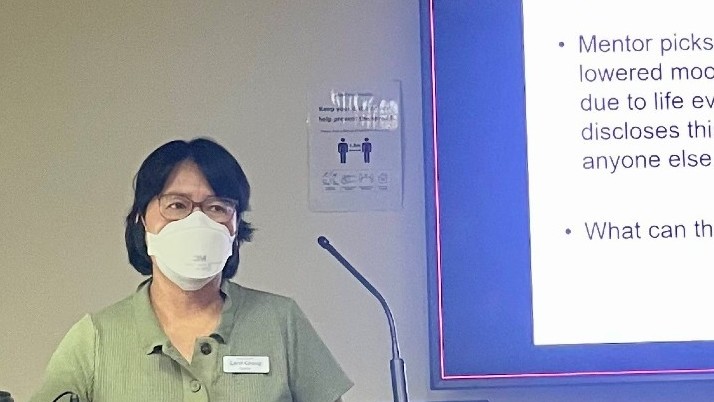
    Featured image shows Dr Carol Chong, addressing the interns.

  • Introducing the new Interventional Radiology service!

    Introducing the new Interventional Radiology service!

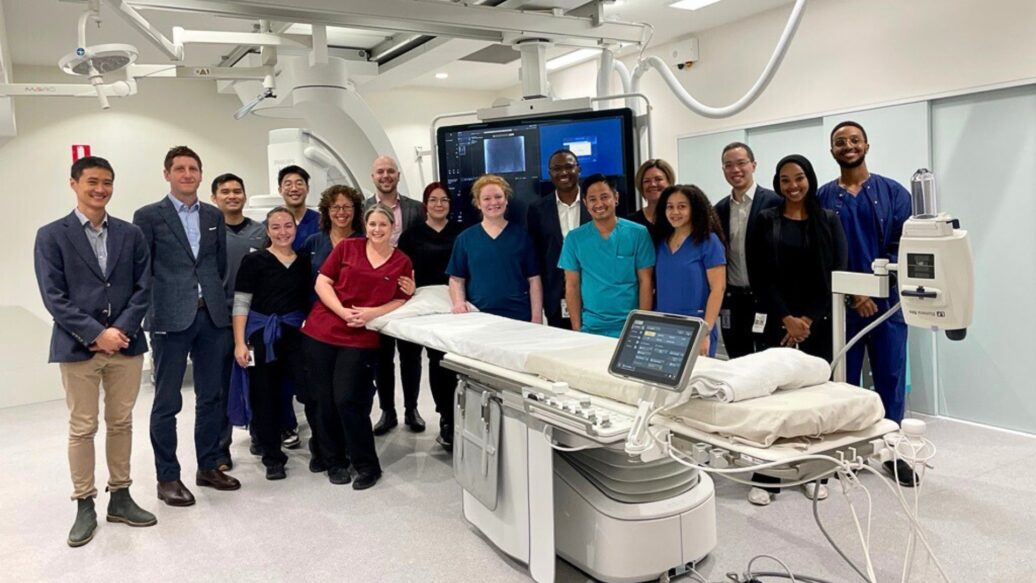
    Since the launch of Northern Health’s in-house medical imaging service Northern Imaging Victoria (NIV) in October last year, we have expanded the scope and capacity of services provided. One of the key constituent services of NIV is our clinical arm – Interventional Radiology (IR). This has grown into a full clinical service delivered by a dedicated team of specialist medical, nursing and radiography staff.

    The Interventional Radiology service is staffed by five Interventional Radiology consultants and a dedicated team of IR nurses and radiographers who are available 24/7 to manage acute emergencies, in addition to providing a comprehensive IR service during business hours.

    “The IR team have expertise in managing a wide range of conditions including minimally invasive treatments for acute bleeding, cancer, vascular, liver and renal and neurovascular diseases. We are also unique in having expertise to treat both an adult and paediatric population,” said A/Prof Terry Kok, Director of Imaging Services and Head of Interventional Radiology, Northern Health.

    The IR service development also includes recent refurbishment of the angiography suite in the Radiology department with a new state-of-the-art Philips Azurion angiography system, and plans for installation of a second angiography suite later in 2024. Recent highlights have included the availability of tumour ablation and radioembolization (SIRT- Selective internal radiation therapy) for cancers and TIPS (Transjugular intrahepatic portosystemic shunt) insertion for portal hypertension in chronic liver disease.

    Regular IR clinics have already commenced, offering the convenience of a one-stop-shop for patients encompassing consultation with a specialist, on-site imaging, as well as treatment and follow-up discussions. The IR team are also available daily for consults on the ward, as well as imaging review, and are always happy to assist and provide advice to all Northern Health clinicians.

    The team are located in the main Radiology department and contactable in person or via the IR on-call service (after hours via switchboard).

    Pictured in the featured image: The Interventional Radiology team. 

  • Timely Emergency Care Collaborative Project

    Timely Emergency Care Collaborative Project

    Throughout the duration of the Northern Health Timely Emergency Care Collaborative (TECC) project, robust consumer engagement has been a cornerstone.

    Led by the Department of Health, this two-year initiative has involved collaboration with 14 health services and Ambulance Victoria, all aimed at enhancing access to timely care. Significant strides have been made across various fronts on the project, focusing on key access indicators including prompt patient handover upon ambulance arrival, reduced Emergency Department (ED) lengths of stay and minimised wait times for accessing sub-acute services.

    The TECC project began in late 2022 and is scheduled to conclude by the end of June 2024. Throughout its duration, two consumers, Karyn Findlay and Evan Bichara, have played active roles in contributing to its success.

    Every four months, large learning sessions are held, gathering staff from all health services to share progress and plan the upcoming phases of work. These sessions serve as crucial checkpoints for consumers like Karyn and Evan to offer feedback on ongoing efforts and collaborate on designing new ideas for trailing. Their involvement has been instrumental in tasks such as reviewing brochures, conducting ED walkthroughs, and developing processes for early morning discharge communication.

    During the February Learning Session, the team engaged with Karyn, a primary school teacher deeply involved in her local community, who shared her invaluable insights into the project based on her extensive experience with Northern Health services. Karyn has consistently offered pragmatic and logical perspectives, particularly emphasising her passionate support for ED initiatives. She expressed admiration for “the collective dedication of Northern Health personnel to serve the entire northern region”. Furthermore, Karyn highlighted her appreciation for the commitment of senior staff members to enhance services, noting their genuine consideration of community feedback in all decision-making processes.

    Laura Hughes, Transformation Unit and TECC project lead, commented, “Both Karyn and Evan have contributed significantly to the TECC project and have constantly given us valuable feedback on complex access problems. Active consumer engagement can be done via patient surveys and feedback; however, we find consumer participation in the actual process to be most helpful”.

    The project team will continue to work with consumers until the end of the project, and are looking forward to continuing the partnership following the end of June 2024.

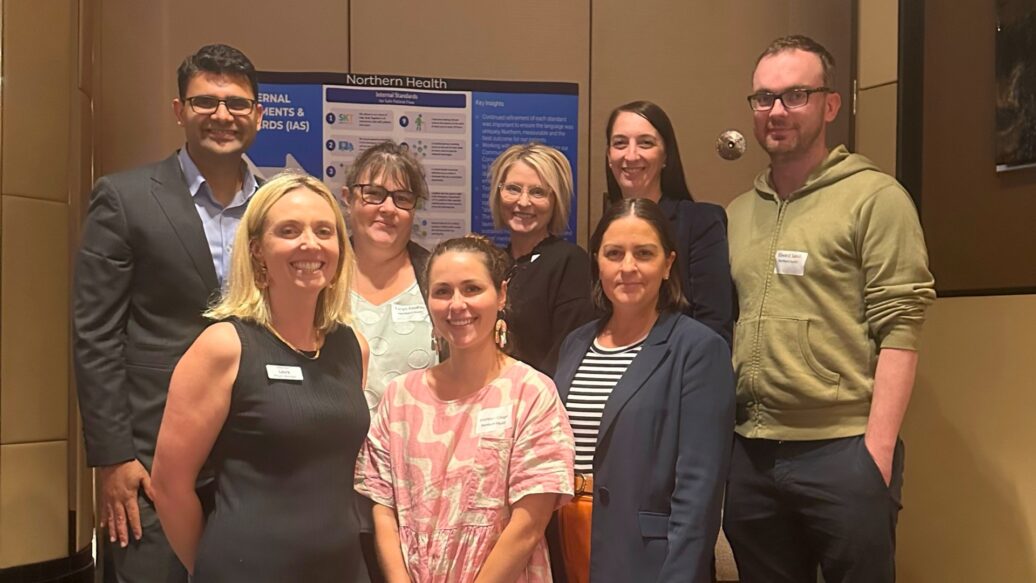
    Pictured in featured image top row (L-R): Sandeep Sharma, Consultant Physician, Karyn Findlay consumer, Lora Davies, Divisional Director, Access and Subacute Services, Linda Romano, Divisional Director, Emergency Services, Edward Savill, Divisional Director, Medicine and Cancer Services.

    Bottom row (L-R): Laura Hughes, TECC project lead, Rhiannon Cooper, NUM Ward 20, Simone Motton, Director Allied Health. 

  • Standard 8 – What you need to know

    Standard 8 – What you need to know

    Each week in the lead up to Accreditation, Northern Health will focus on a different Standard. You will hear from the Chairs of each Standard Committee on what you need to know.

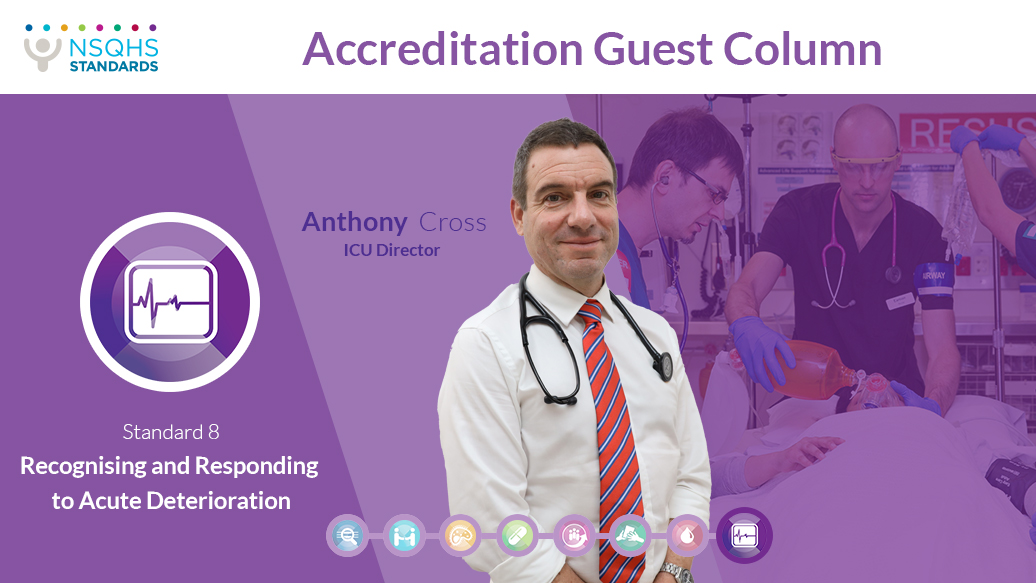
    This week we spoke to Dr Anthony Cross, Head of ICU, about Standard 8: Recognising and Responding to Acute Deterioration.

    What is this Standard about?

    Standard 8 aims to ensure that a person’s acute deterioration is recognised quickly and appropriate action and response occurs. Acute deterioration could be physiological changes or changes in cognition and mental state. Recognition of deterioration could be by a clinician, family member, carer, or the patient.

    At Northern Health, this standard looks like….

    • Observation and response charts with a track and trigger systems are utilised to prompt staff of acute deterioration.
    • Processes are in place to ensure correct escalation.
    • Resuscitation training for staff with direct patient care is mandated to promote patient safety.
    • Medical Emergency Teams respond to escalation of acute deterioration.
    • Cardiac arrest HAC, MET and Code Blue data is monitored and reported on.

    What are the top 5 ways staff can be prepared for Accreditation against this Standard?

    1. Know the process for escalating acute deterioration and where to locate the procedure.
    2. Ensure you and your patients are familiar with the REACH escalation process.
    3. Know where your resuscitation equipment is kept, how to know it has stocked and equipment is working.
    4. Complete the Observation and Response Chart audit and ensure your departments compliance with questions.
    5. Ensure you have completed your mandatory online resuscitation module and successfully completed the online assessment.

    What are the top 5 questions staff needs to be able to answer about this Standard?

    1. How do you know when to escalate acute deterioration and how do you do this?
    2. If you do not have a response after you have activated an emergency call due to acute deterioration, what is the process to escalate this and ensure timely care is delivered?
    3. What is the process for patients, carers or families to escalate care?
    4. Where is your resuscitation equipment located and how do you know it is available and stocked?
    5. How do you access the resuscitation training?

    Is there anything else you would like staff to know about this Standard?

    Standard 8 is part of your daily work when caring for patients. Ensure you escalate care if your patient falls into PreMET or MET criteria and if you have no response or there is no one logged on to Medtasker, escalate as per the Deteriorating Patient procedure. Always remember to engage your patient and their families in their care, even in an emergency situation and ensure they are aware of the REACH process.

    To learn more about Standard 8, please see the Intranet.