• Code Brown preparedness

    Code Brown preparedness

    In response to changes within the organisation, Northern Health has completed a comprehensive review of its Code Brown procedures, forms, and action cards.

    This overhaul is aimed at enhancing the health service’s readiness for major incidents and disasters, with a specific focus on improving the support provided by each department during emergencies.

    The review process incorporated extensive feedback from various sources, including:

    • Code brown simulations conducted by the Simulation and Safety Team

    • Major Incident Medical Management and Support (MIMMS) training course

    • Emergency Department Disaster Working Group

    • Departmental changes and feedback

    • Benchmarking with a number of major health services across Victoria.

    With the review now complete, focus has shifted to the redevelopment of the Code Brown Department Action Cards. In addition, Northern Health has also redeveloped its preparedness arrangements as part of the Victorian Medical Assistance Team (VMAT).

    This involved 26 Emergency Department, Urgent Care Centre and ICU medical and nursing staff undertaking VMAT/MIMMS training delivered by the Department of Health in September 2024.

    Our VMAT Kits located in the ED have also been updated by our Pharmacy and ED nursing and equipment staff who undertook the review and procurement of equipment and new medication kits.

    Jason Amos, Director of Emergency Management, said the updated procedures and preparedness arrangements ensured Northern Health was supported to prepare for major external disasters.

    “Further enhancements will continue into the future, including expanding on the role of Northern Health Urgent Care Centres,” he said.

    “We are also moving onto the review of individual Department Code Brown Action Cards which provide further support and direction on actions individual teams across Northern Health are required to undertake to support the organisational response. We will be seeking the support of departments to review their Action Cards over the next couple of months.”

    “Throughout the year we will continue to work with departments including our Emergency Department and Urgent Care Centres on Code Brown education programs and simulations with support of our Education, Simulation and Safety and Emergency Management teams.

    Katie Smith, Emergency Department Deputy Director and Disaster Lead, said disaster preparedness was a critical part of Emergency Medicine.

    “The hard work of Jason and the whole team in updating our procedure ensures Northern Health can respond effectively if a major incident were to befall our community,” she said.

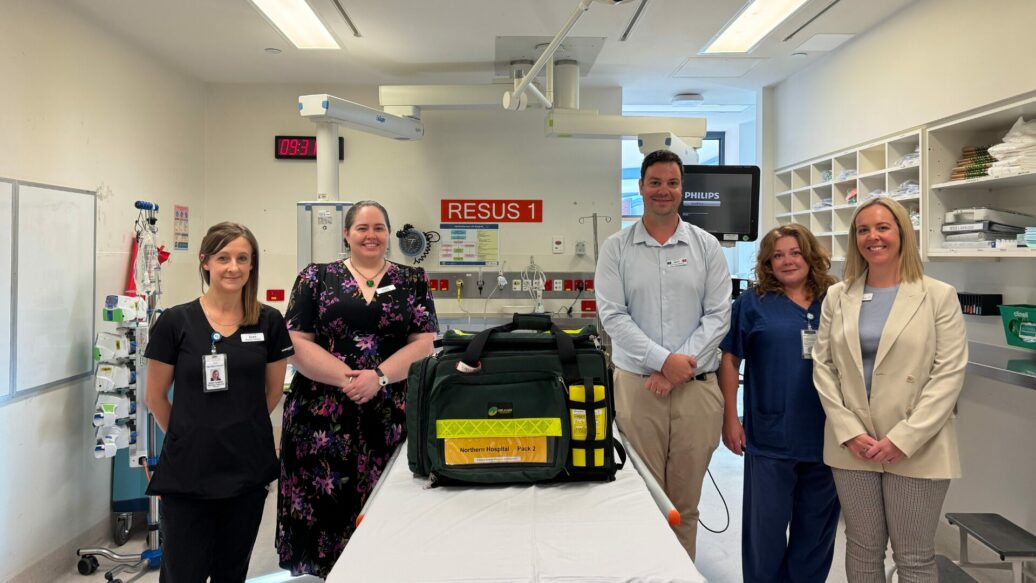
    Featured image L-R: Emma Condelo, Pharmacy Technician, Angela Given, Deputy Director of Pharmacy – Clinical, Jason Amos, Director, Emergency Management, Katie Smith, ED Deputy Director, Kate Gazzo, ED ANUM – Equipment.
  • Get to know: Mary Stojanoski

    Get to know: Mary Stojanoski

    #WeAreNorthern

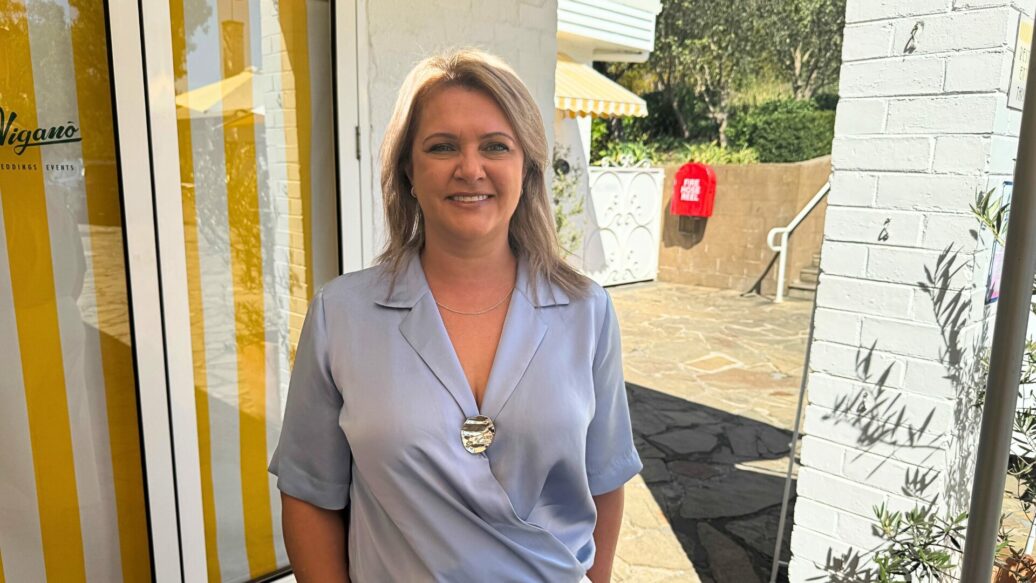
    Meet Mary Stojanoski, Director, Human Resources & Talent Acquisition, Northern Health.

    Q: First, let’s start with your coffee order?

    A: Almond latte, and I also love a Turkish coffee when I’m at home.

    Q: Tell us about your journey at Northern Health?

    A: I started at Northern Health on a part-time fixed term contract in a project role and 10 years later I’m still here! My current position is the Director Human Resources & Talent Acquisition. The Talent team work with hiring managers to find, identify, attract, and hire qualified candidates, ensuring Northern Health continue its growth trajectory with the right people in the right roles. The Human Resources team work with leadership at Northern Health through strategic planning and alignment, industrial and employee relations, performance management, change management and compliance and risk management.

    Q: What is the best part of working at Northern Health?

    A: I genuinely love the people I work with, the commitment they show supporting each other and those they provide care to. For me personally, it’s the ability to make positive contributions to the community I live in.

    Q: If you weren’t in your current role, what would you have been instead?

    A: I would have loved to have been a Primary School teacher!

    Q: Tell us one thing not many people know about you?

    A: I can hold my breath under water for a long time! I can swim the width of a pool in one breath and the length of a 50-meter pool in two! Next time you see me, ask me why I trained myself to be able to do this.

    Q: What is your favourite book/movie character and why?

    A: I love reading, so many books to choose from! I love reading crime and suspense and the good old romance! At the moment, I’m really enjoying Liane Moriarty’s books. I especially enjoy that once I finish reading the book, there is limited series on the book I can watch!

    Q: Sweet or savoury?

    A: I love cooking and eating both!

  • Physiotherapy students build confidence with interpreters and NESB patients

    Physiotherapy students build confidence with interpreters and NESB patients

    A collaboration between the Physiotherapy Clinical Educator, Allied Health Education, and the Transcultural & Language Services (TALS) team provided La Trobe University Physiotherapy students with a valuable opportunity to enhance their confidence and develop essential skills in working with interpreters and non-English-speaking background (NESB) patients through a simulated learning scenario.

    Designed to deepen students’ understanding of effective communication with patients with limited English proficiency, the simulation offered hands-on experience working with interpreters in a healthcare setting. This innovative learning experience allowed students to practice cultural competence in a controlled environment, helping to prepare them for real-world patient interactions. The session was developed in response to feedback from the Allied Health Clinical School in 2024, which highlighted challenges students faced when working with NESB patients and interpreters.

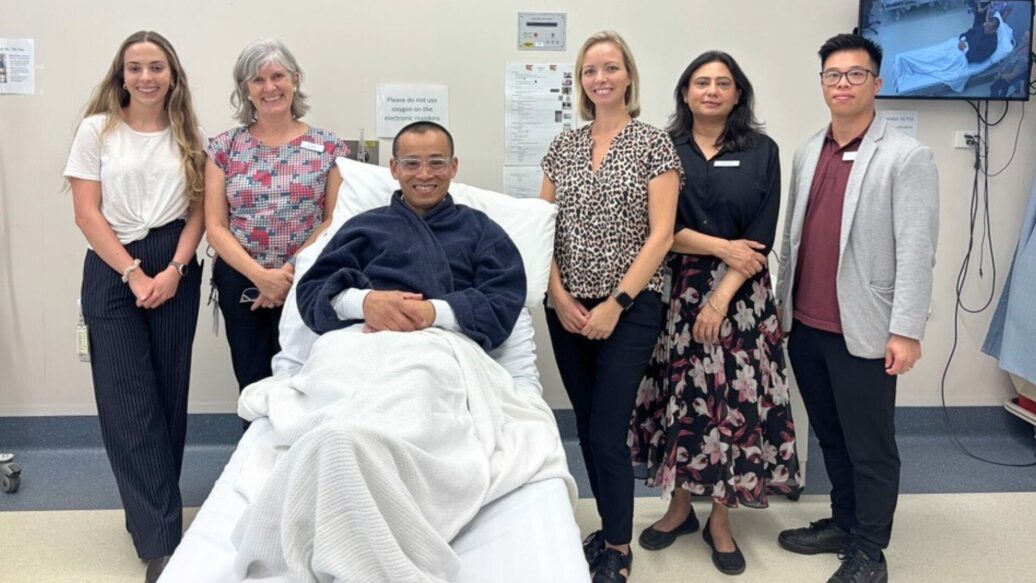
    Senior Physiotherapy Clinical Educator, Julia Layer, played a pivotal role in developing and establishing the simulation, collaborating closely with Justine Slattery, Allied Health Education Lead, and TALS team members David Le, Stefania Zen, and Navneet Gill. To create an authentic experience, a bilingual actor was required to play the role of a patient. Uyen Phan, Associate Director of Allied Health – Physiotherapy & Exercise Physiology, stepped in and delivered a highly convincing performance.

    “It’s been so valuable and a lot of fun to be involved with our students from the perspective of our patients. Being proficient in working with NESB patients and the TALS team are key skills for clinicians in our culturally diverse society, especially at Northern Health,” said Mr Phan.

    The simulation session was structured with 30 minutes of preparation, followed by a 30-minute subjective assessment with a Vietnamese-speaking mock patient – first without an interpreter and then with one. The session concluded with a 30-minute debrief and educational discussion led by the TALS team, where students reflected on their experiences and key learnings. The simulation was conducted in the NCHER Simulation Lab, replicating a hospital ward environment for added realism.

    “Leading this session allowed me to witness firsthand the powerful impact of hands-on simulated learning in developing student skills. It was truly rewarding to see students reflect, gain confidence, and enhance their competence in a short amount of time. The involvement of multiple Northern Health teams was invaluable, as each team member brought their expertise to support and guide student growth,” said Ms Layer.

    TALS Education and Engagement Manager, Stefania Zen, emphasised the importance of culturally responsive care.

    “Collaborating with the physiotherapy education team on this simulation training was a fantastic opportunity for TALS to reinforce the significance of culturally responsive care. By immersing students in realistic scenarios, the simulation provided a safe and impactful way to develop essential skills for working effectively with interpreters and NESB patients. I commend the physiotherapy team for recognising this need, and I hope to see more disciplines adopt this approach to better prepare future healthcare professionals.”

    Allied Health Education Lead, Justine Slattery, also highlighted the value of the simulation experience.

    “Simulations provide a great opportunity for allied health students to develop their professional skills and confidence in a safe and supported learning environment. The physiotherapy students fully embraced this experience and gained valuable insights into the critical role of interpreters in delivering high-quality care for culturally and linguistically diverse patients, as well as the broader importance of patient-centered communication.”

    The first session, held in early March 2025, welcomed eight Physiotherapy students who participated in the 90-minute simulation at the NCHER Simulation Labs. Preliminary feedback has been overwhelmingly positive, with students rating the session an impressive 4.7/5 overall.

    “The simulation gave us a great opportunity to practice communicating with patients through an interpreter in a controlled setting. Working with interpreters currently employed at Northern Health provided us with valuable insights into navigating language barriers while ensuring our patients feel safe, understood, and supported. The skills and knowledge gained from this session will shape how I approach patient communication in my future practice,” shared James Parry, a fourth year La Trobe University Physiotherapy student.

    This initiative marks an important step in enhancing cultural competence within the Physiotherapy student program, ensuring future healthcare professionals are equipped to communicate effectively with Northern Health’s diverse patient population. It also demonstrates the benefits of interdisciplinary teamwork and education, paving the way for further collaborations between Northern Health education teams.

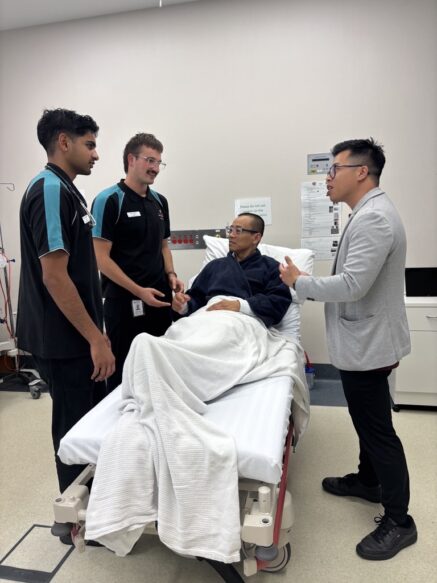
    Physio students in a simulation training with Uyen Phan (patient) and David Le (Vietnamese interpreter).


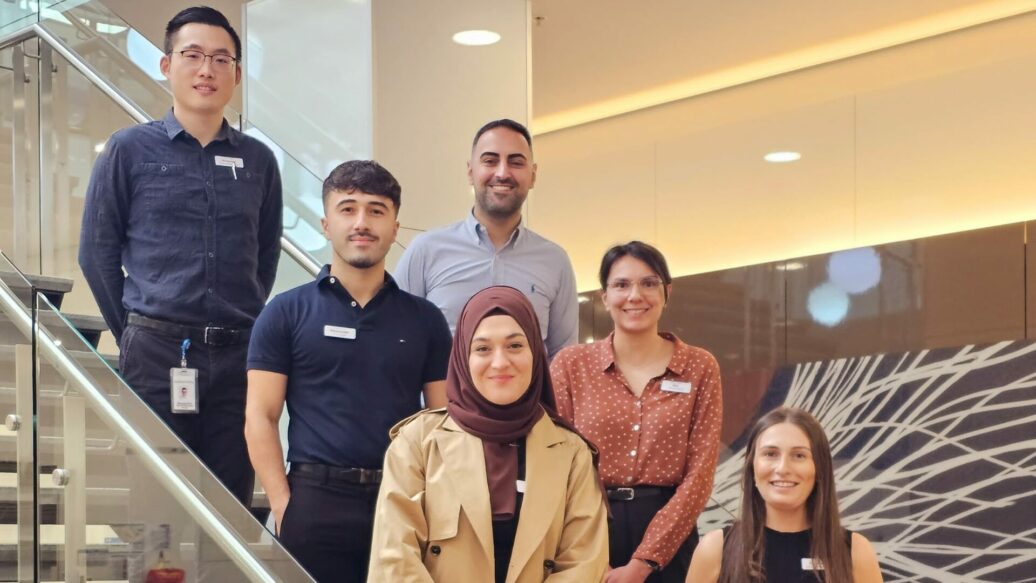
    Pictured in featured image (L-R):  Julia Layer, Senior Physiotherapy Clinical Educator, Justine Slattery, Allied Health Education Lead, Uyen Phan, Associate Director of Allied Health, Stefania Zen, TALS Education and Engagement Manage, Navneet Gill, TALS Translations Coordinator and David Le, TALS Manager.  

  • Research hub to enhance health equity and diversity

    Research hub to enhance health equity and diversity

    Northern Health and La Trobe University have partnered to advance health services research amid a population boom in Melbourne’s north.

    The partnership, which officially launched last week at Northern Hospital Epping, will establish a collaborative research hub dedicated to enhancing health equity and diversity research, specifically addressing the needs of one of Victoria’s most diverse and rapidly growing regions.

    The population of Melbourne’s north, serviced by Northern Health, is expected to grow by more than 50 per cent by 2036, with an additional 290,000 people set to call the region home. The community is rich in cultural diversity, with residents hailing from more than 185 countries, speaking some 107 languages and following over 90 different religions or beliefs.

    By conducting cutting-edge research on health equity and diversity, the partnership aims to ensure that all members of the community have access to the best possible healthcare regardless of their background or circumstances.

    Professor Russell Hoye, Pro Vice-Chancellor for Health Innovation at La Trobe University, said the partnership went beyond research by working together to build a healthier, more inclusive future for the northern suburbs.

    “By focusing on health equity and diversity, La Trobe University and Northern Health are committed to improving healthcare access and outcomes for everyone, ensuring that no one is left behind,” Professor Hoye said.

    “La Trobe is investing significantly in health education and research and, together with local leaders and organisations, we will equip communities to face future challenges including preparing graduates to enter the health workforce.”

    The collaboration will also provide new career development opportunities for staff and students from both La Trobe University and Northern Health, helping to cultivate a stronger and more skilled workforce for the future.

    Professor Prahlad Ho, Chief Medical Officer and Research Executive Committee Chair at Northern Health, said the Equity, Diversity and Inclusion Research partnership would help meet the region’s healthcare needs and inspire the next generation of healthcare workers to improve patient care and address the challenges of equity and diversity in healthcare.

    “Our ultimate goal is to conduct research that has a direct and positive impact on the health of our multicultural community, improving outcomes for patients, now and into the future,” Professor Ho said.

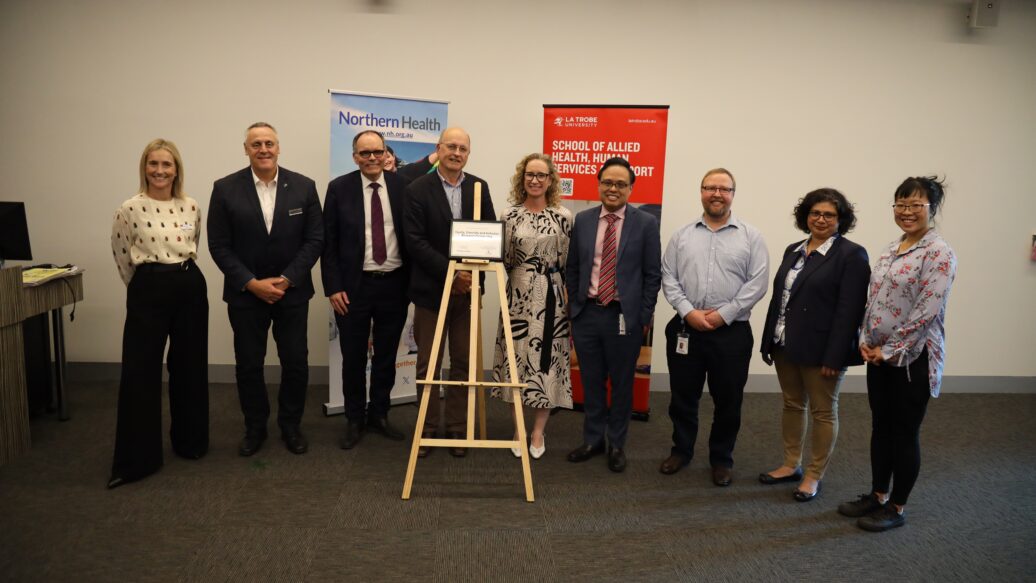
    Featured image: Northern Health and La Trobe University representatives at the partnership launch.

  • Trauma-informed professional development sessions

    Trauma-informed professional development sessions

    Northern Health’s Strengthening Hospital Responses to Family Violence (SHRFV) Program has partnered with the Blue Knot Trauma Foundation to provide Trauma-Informed Professional Development across Northern Health.

    Trauma is an emotional response that is caused by a distressing event or series of events that can affect a person’s ability to cope and function. In Australia, traumatic experiences are unfortunately widespread, affecting a significant portion of our population. According to the Australian Institute of Health and Welfare (AIHW), approximately 75 per cent of adults have encountered at least one traumatic event during their lifetime.

    Trauma-informed care focuses on meeting the healthcare needs of patients who have experienced the impacts of trauma. The aim is to support patients to feel empowered and safe and to avoid any re-traumatisation, so they are able to actively engage in their health care and healing.

    Northern Health has a crucial role in identifying and responding to patients experiencing family violence and other forms of complex trauma. Our collaboration with Blue Knot aims to further embed the Family Violence MARAM Framework into our clinical practice.

    Dr Peter Streker, Trauma Therapist and Senior Fellow at the University of Melbourne’s Department of Psychiatry, presented several professional development sessions to staff across the Emergency Department, Short Stay Unit, Victorian Virtual Emergency Department, Urgent Care, Palliative Care, Women’s & Children’s, Aboriginal Support Unit, Koori Maternity Service, Transcultural & Language Services, Allied Health and OH&S.

    Dr Streker spoke to clinical staff about ‘Working with Complex Trauma’. He also spoke to the leadership team about ‘Trauma Responsive Leadership’.

    Trauma-Sensitive Practice – Working with Complex Trauma is specifically designed to enhance clinical skills in identifying and responding to patients who have experienced family violence and complex trauma. It incorporates current research to explain the impact of trauma on the brain and the neurobiological responses that occur when a person has experienced trauma.

    Trauma Responsive Leadership is specifically designed to explore the application of a trauma-informed lens when supporting staff members and teams who work with complex trauma. Trauma responsive leadership means both the individual and the organisation recognise and respond to trauma which can enable change and strengthen resilience and protective factors. A trauma responsive leader embeds trauma informed principles into practice and creates a culture of trust and safety in the workplace.

    Tanya Ellis, Strengthening Hospital Response to Family Violence (SHRFV) Program Manager, says that it is a significant achievement that staff have completed the Family Violence MARAM Mandatory Training.

    “To further strengthen our response, it is important to continue to build on our knowledge, skills, and capacity in this area to ensure we provide the highest standard trauma-informed care to our patients,” she said.

    Tanya reminds staff to please ensure to use the Family Violence MARAM Screening & Identification Tool when working with a patient who is at risk of family violence.  The Tool is trauma-informed and best practice in identifying and responding to family violence. The Tool is located on PROPMT and EMR (AdHoc Forms Section).

    The SHRFV Program is available to provide specialist consultation and facilitate family violence education. Please contact the SHRFV Program if you would like to organise training in your area (8405 8519).

  • April Falls Campaign: Falls prevention is everyone’s business

    April Falls Campaign: Falls prevention is everyone’s business

    Falls and the harm they cause can have a significant impact on patients and their families.

    The annual ‘April Falls’ campaign, launched on April Fool’s Day, raises awareness of this serious issue.

    Now in its fourth year at Northern Health, the campaign continues to emphasise the importance of falls prevention. This year’s theme, Falls Prevention is Everyone’s Business, highlights the shared responsibility of all staff in keeping our patients safe.

    The campaign is led by the Northern Health Falls Clinical Improvement Committee, an active and engaged group with representation from across the organisation. Their commitment reinforces the message that falls prevention requires a collaborative approach.

    We asked members of the Falls Committee and key leaders at Northern Health to share their insights on the importance of falls prevention:

    Uyen Phan, Associate Director of Allied Health and Chair of the Falls Committee

    “Falls and the harm they cause can lead to poorer health outcomes for patients and carers, including pain, loss of function, and increased fear or anxiety about future falls. Falls can also extend hospital stays and increase the use of healthcare resources. Prevention requires a multidisciplinary approach – so we all have a role to play.”

    Paula Dimakos-Pugliese, Quality Coordinator

    “Quality care comes from paying attention to detail, acting with compassion, and showing empathy. As healthcare workers, these traits come naturally to us. Be aware, be proactive, and help prevent falls today. If you see a spill, clean it up or report it. If you hear a call bell, check in and ask, ‘Are you okay? Can I help you or find someone who can?’ Small actions can make a big difference – not only for our patients but for everyone.”

    Jeena Chhetri Karmacharya, NUM, Ward 16

    “Conducting a thorough falls risk assessment on admission and promptly implementing prevention and management plans are crucial first steps in keeping our patients safe.”

    Ligi Jomy, NUM, Percy Cleeland Wing 

    “Falls prevention in wards is a shared responsibility—no role is too small. Everyone plays a part in keeping patients safe. It begins with awareness – we must all remain vigilant and proactive. Preventing falls isn’t the duty of just one group, it requires collaboration. It’s not just a policy, it’s a commitment. Together, we create a safer environment for everyone.”

    Dr Sandeep Sharma, Geriatrician

    “In general medicine, we support falls prevention by assessing patients’ overall health, identifying risk factors, and implementing strategies to reduce hazards. By closely monitoring mobility, medication effects, and conditions like delirium, we collaborate with the allied health and nursing teams to develop tailored plans that minimise fall risks and enhance patient safety. This proactive approach helps prevent injuries and leads to better outcomes for our patients.”

    Alex Brown, Pharmacist

    “Hospital pharmacists play a vital role in falls prevention by reviewing and optimising medications to minimise side effects like dizziness, weakness, and balance issues. They help manage polypharmacy risks and collaborate with patients and healthcare teams to develop comprehensive care plans, especially during hospital stays. Through teamwork and patient education, pharmacists enhance safety, improve outcomes, and contribute to better quality care.”

    Prof Adam Semciw, Research Lead  

    “Research underpins effective falls prevention by identifying evidence-based strategies that reduce risk and improve patient outcomes. We are determined to work with staff, patients and our community, to implement effective falls prevention strategies to ensure a safe recovery for all patients at Northern Health.”

    Wendy Nicol, Operations Manager, Support Services

    “By taking proactive measures and training our Patient Support Assistants in safe patient transfer and transport techniques, we can significantly reduce falls. This, in turn, minimises harm and improves overall patient safety. The wellbeing of our patients and staff is always our top priority. Through education, awareness, and effective communication, we can truly make falls prevention everyone’s business.”

    Members of the Fall Committee
  • Get to know: Andrew Morrison

    Get to know: Andrew Morrison

    #WeAreNorthern

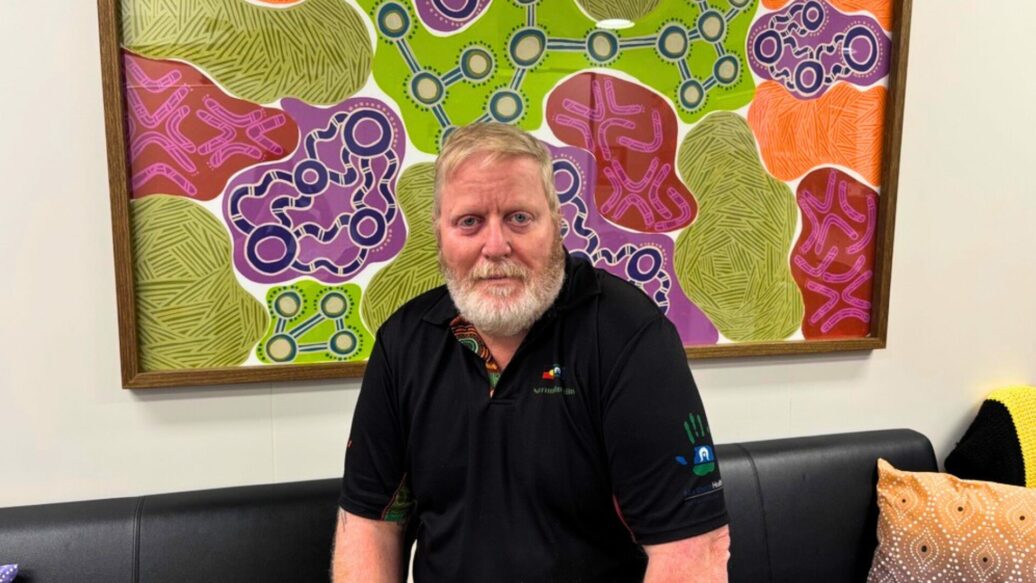
    Meet Andrew Morrison, Aboriginal Cultural and Employment Advisor, Northern Health.

     Q: Firstly, let’s start with your coffee order.

    A: I’m a straight-up long black kind of person – no fuss, just strong and to the point. It keeps me going through the busy days!

    Q: Tell us about your new role with the Narrun Wilip-Giin Aboriginal Support Unit. What does it entail?

    A: My role at Northern Health as the Aboriginal Cultural and Employment Advisor is all about driving Aboriginal cultural safety and employment opportunities for First Nations people. I work closely with leadership, staff, and the community to embed Aboriginal cultural awareness into the hospital’s practices, ensuring better healthcare outcomes and stronger workforce representation.

    Q: What does a typical day on the job look like for you?

    A: No two days are the same! I could be running Aboriginal cultural awareness training, supporting Aboriginal employees, working with HR on recruitment strategies, or engaging with the local community to strengthen partnerships. A big part of my role is making sure Aboriginal patients and staff are culturally safe and feel seen, heard, and supported within Northern Health.

    Q: How would you describe Northern Health?

    A: It’s a fast-paced, diverse, and evolving health service that’s committed to improving healthcare access and outcomes for all communities, including Aboriginal and Torres Strait Islander people. There’s a lot of work happening to embed cultural safety and self-determination into the organisation, and I’m proud to be part of that journey.

    Q: Tell us something not many people know about you?

    A: Not many people know that I’ve had a broad career spanning Aboriginal health, governance, and community engagement. I was the Aboriginal Liaison Officer here at Northern Health 18 years ago, the Practice Manager at an Aboriginal health service, the co-chair of the Whittlesea Aboriginal Gathering Place Advisory Committee, and even involved in broadcasting through my radio show called “Deadly Health “on 3KND local Aboriginal Community radio.

    Q: Favourite place to travel and why?

    A: I love travelling to my country—Gunditjmara Country, in particular. It’s a place of deep cultural significance, with incredible landscapes and history. Seeing the Budj Bim cultural landscape, where my ancestors engineered sophisticated aquaculture systems, is always grounding and inspiring.

    Q: Who is your favourite book character?

    A: I’d have to say Stan Grant himself, especially through his book Talking to My Country. His words are powerful, raw, and deeply personal, reflecting the struggles and triumphs of being Aboriginal in Australia. He speaks with wisdom, resilience, and honesty, challenging people to listen, learn, and reflect. His storytelling is a reminder of the strength of our people and the importance of truth-telling.

  • Expanding pharmacy scope of practice

    Expanding pharmacy scope of practice

    Northern Health’s Pharmacy Department has recently introduced Registrar Training Programs through Advanced Pharmacy Australia (AdPha) to expand pharmacists’ scope of practice.

    AdPha’s two-year Registrar Training Programs are targeted towards pharmacists with general foundation level expertise and experience in hospital practice seeking to advance their practice towards Australian and New Zealand College of Advanced Pharmacy (ANZCAP) Registrar recognition.

    Northern Health has demonstrated one of the fastest-growing pharmacy registrar programs nationally, with eight new programs approved in the past 12 months.

    These include streams in Education, Medication Safety, Emergency Medicine, Transitions of Care, Pharmacy Informatics, Mental Health, Gastroenterology, and Infectious Diseases. Notably, Northern Health is the first healthcare organisation in the country to offer a Registrar program in the Gastroenterology stream.

    Jeff Khoshaba, Lead Pharmacist – Education, Development and Research, is the Registrar Program Lead, who says, “The Registrar programs support pharmacists’ education, specialisation, and advanced skills, aligning with the needs of our growing health service.”

    Each Registrar candidate is supported by a pharmacist mentor with expertise in their practice area and receives additional input from an external mentor (e.g. specialist medical practitioner, senior nursing staff) to provide external support and insight into their role and performance. Candidates follow a designated work plan that aligns closely with their defined practice area, offering diverse learning experiences to enhance their skills and professional development.

    Enise Kunduraci has recently been appointed as a Registrar Candidate for the Emergency Medicine practice area pathway at Northern Health.

    “I am excited to commence my role as an Emergency Medicine Registrar candidate in Victoria’s busiest Emergency Department. I look forward to expanding my critical care knowledge, further developing skills in management of high-risk medicines and collaborating with the multidisciplinary teams to deliver patient centred care.”

    The pharmacy team looks forward to expanding the Registrar programs into new specialties, aligning with the organisation’s growth and evolving needs.