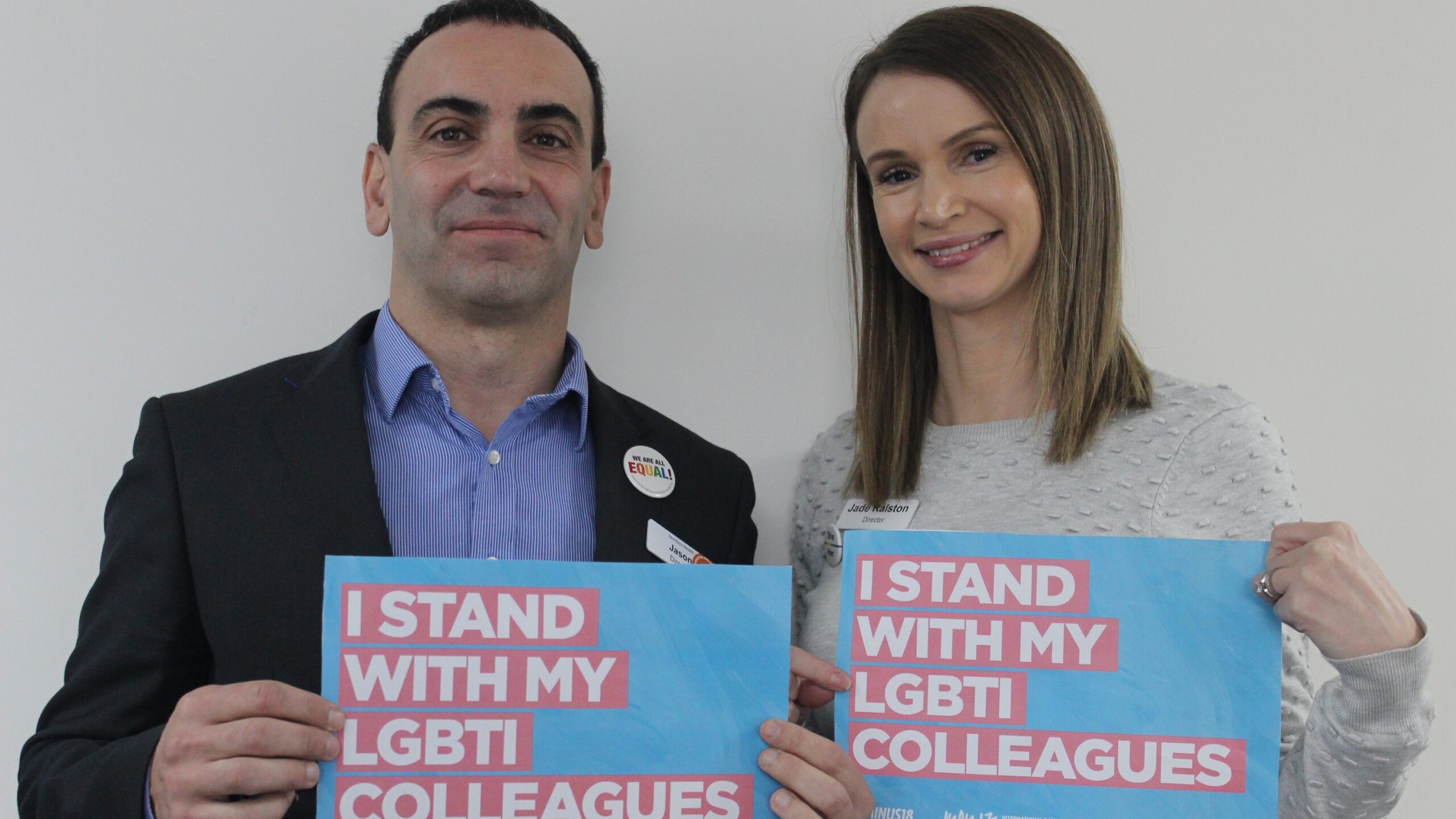
• Celebrating IDAHOBIT Day

    Celebrating IDAHOBIT Day

    IDAHOBIT stands for International Day Against Homophobia, Biphobia, Interphobia and Transphobia.

    The day is celebrated across Australia and is a day where we take a stand against discrimination and support lesbian, gay, bisexual, transgender, intersex, and queer (LGBTIQ) friends, colleagues and families. HOBIT can occur online, face to face and can make people feel unsafe, and like they cannot be themselves. Sexuality, gender identity or intersex status are not always visible and we are responsible for creating and maintaining a culture where everyone feels safe and included.

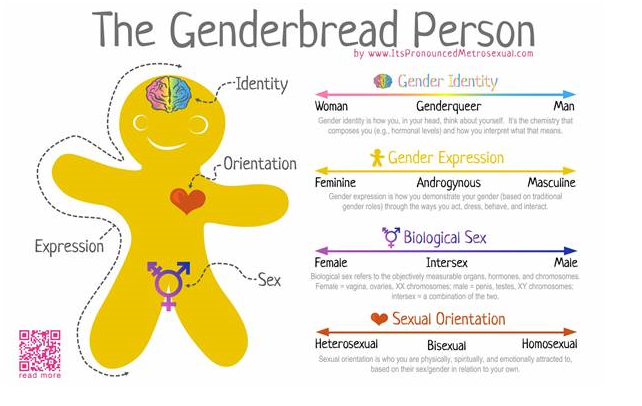
    This Friday, Northern Health is holding the Inaugural ‘Genderbread Person Bake-Off’, which will take place in the Northern Hospital Foyer at 12 pm. This will be followed by two Information Sessions at 1 pm and again at 2 pm at NCHER (Click to book). We are pleased to announce that these sessions will be delivered by a prominent GP / LGBTI Health Expert, Dr Ruth McNair.

    Dr McNair specialises in lesbian and bisexual women’s health, transgender health, mental health and wellbeing, and is an Honorary Associate Professor at the University of Melbourne, teaching LGBTI community research.

    Jason Cirone, Director, People & Culture is encouraging all to grab their multi-coloured food dye and enter the Genderbread Bake-Off.

    “The judges will be looking for the most creative concept of the Genderbread Person, which will be delicious, colourful and represents inclusivity of LGBTIQ people, and awarding prizes on the day,” Jason said.

    So get baking and drop off your ‘Genderbread Person’ at the People & Culture Office, which is located on the ground floor (next to the library) between 8.30 am and 10.30 am. Judging will take place at 12 pm in the Northern Hospital Foyer.

    Staff are encouraged to wear a rainbow ribbon, pin or piece of clothing on the day.
  • Dr Batool Albatat: Journey from refugee to doctor

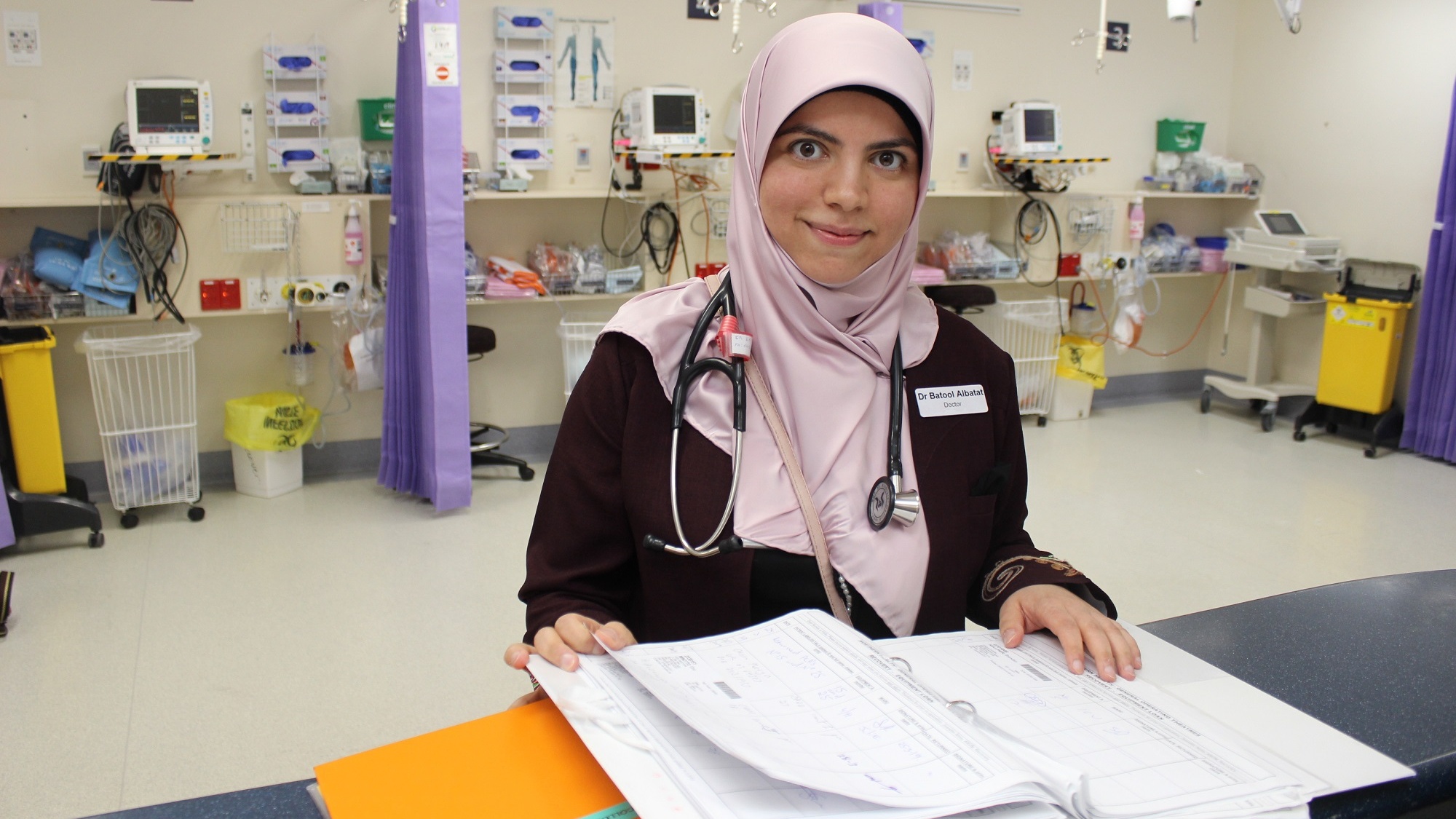
    Dr Batool Albatat: Journey from refugee to doctor

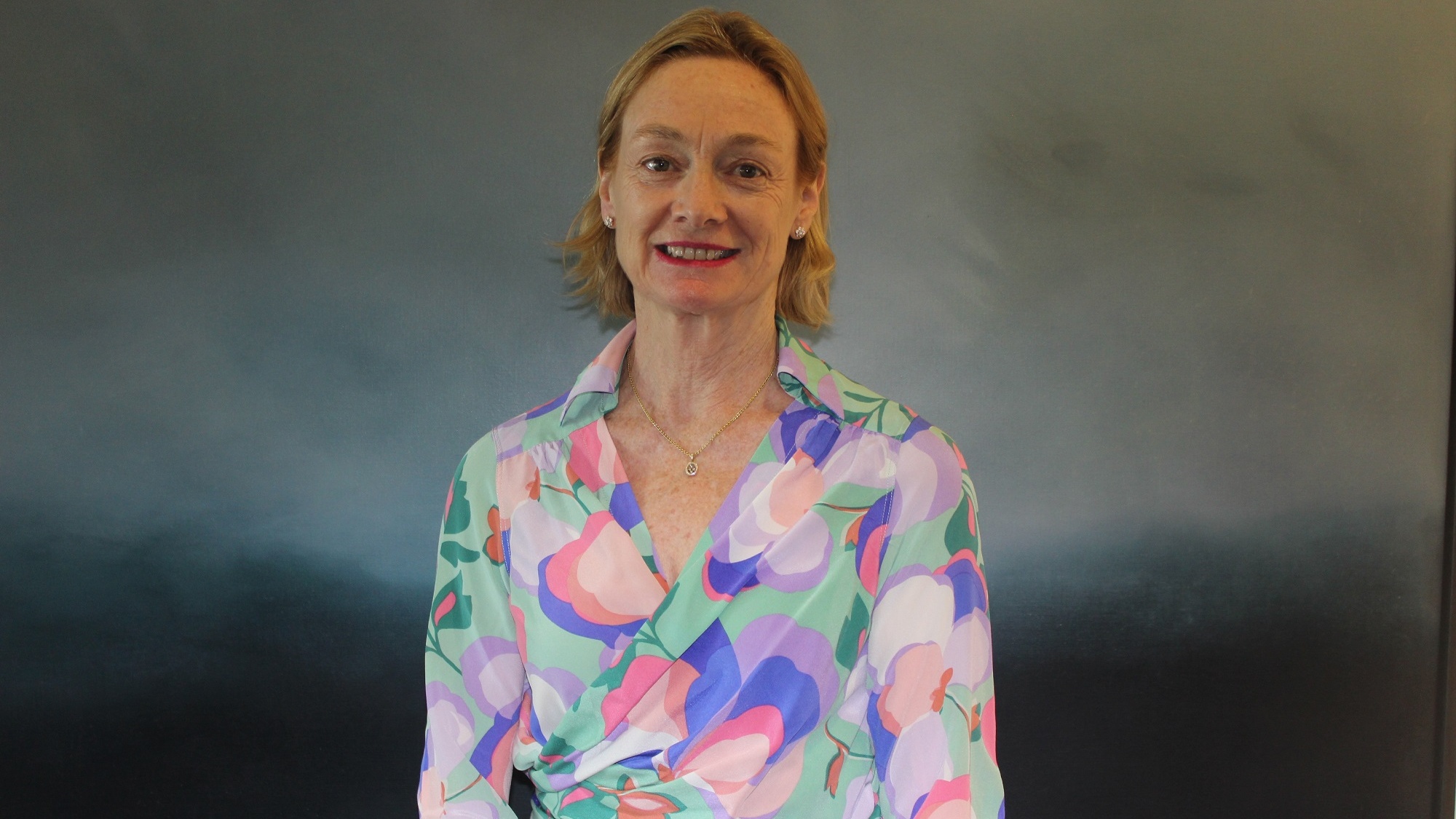
    When Batool Albatat arrived in Australia in 2001 unable to speak a word of English, she never imagined she would have the opportunity to study medicine at the University of Melbourne and eventually become a doctor.

    Dr Albatat’s family arrived in Australia seeking refuge after fleeing from war in their home country, Iraq. She says she always dreamed of becoming a doctor and being able to help people.

    She began her schooling in Melbourne while learning to speak English and went on to earn a biomedical science degree from La Trobe University, before studying medicine at the University of Melbourne, graduating in 2017.

    Dr Albatat began her Northern Health journey five years ago as a medical student, completing her three years of clinical placement.

    Following her placement, she tells us she was very excited to apply for an internship at Northern Hospital.

    “I loved it because it was very multicultural and supportive, and I felt it was a place I belonged,” she says.

    “It was the institution where I received excellent training from dedicated practitioners. I’ve been privileged to do my internship and residency year here, and be able to contribute to Northern Health’s culture and services,” she adds.

    When asked what her favourite part about working at Northern Health is, Dr Albatat says “definitely the culture and diversity.”

    “Northern Health provides a well-supported learning culture, with respect for one another in order to ensure the best care is given to the patients.”

    “Northern Health is allowing me to gain a broad depth of essential knowledge and skills that allows me to grow into a dedicated doctor, under the guidance of senior clinicians who are very approachable,” she says.

    She tells us she also has a strong passion for teaching and research, and Northern Health has provided her with many opportunities for both.

    When asked how she would describe Northern Health in one sentence, Dr Albatat says – “Northern Health is a developing community that nurtures growth and strives for excellence.”

    Currently a surgical resident at Northern Hospital, Dr Albatat says she has completed different rotations in a variety of medical fields and has found many areas interesting but still hasn’t figured out which field she would like to pursue.

    “Even though I have a strong interest in surgery and obstetrics & gynaecology, I still feel there are so many more medical fields I need to undertake and gain the clinical experience before making the decision for my medical career,” she says.

    “The journey has been tough, but I feel privileged to be a doctor now, and to be able to help people at the most vulnerable time of their life.”

  • Nurses and Midwives Week: Lyn White

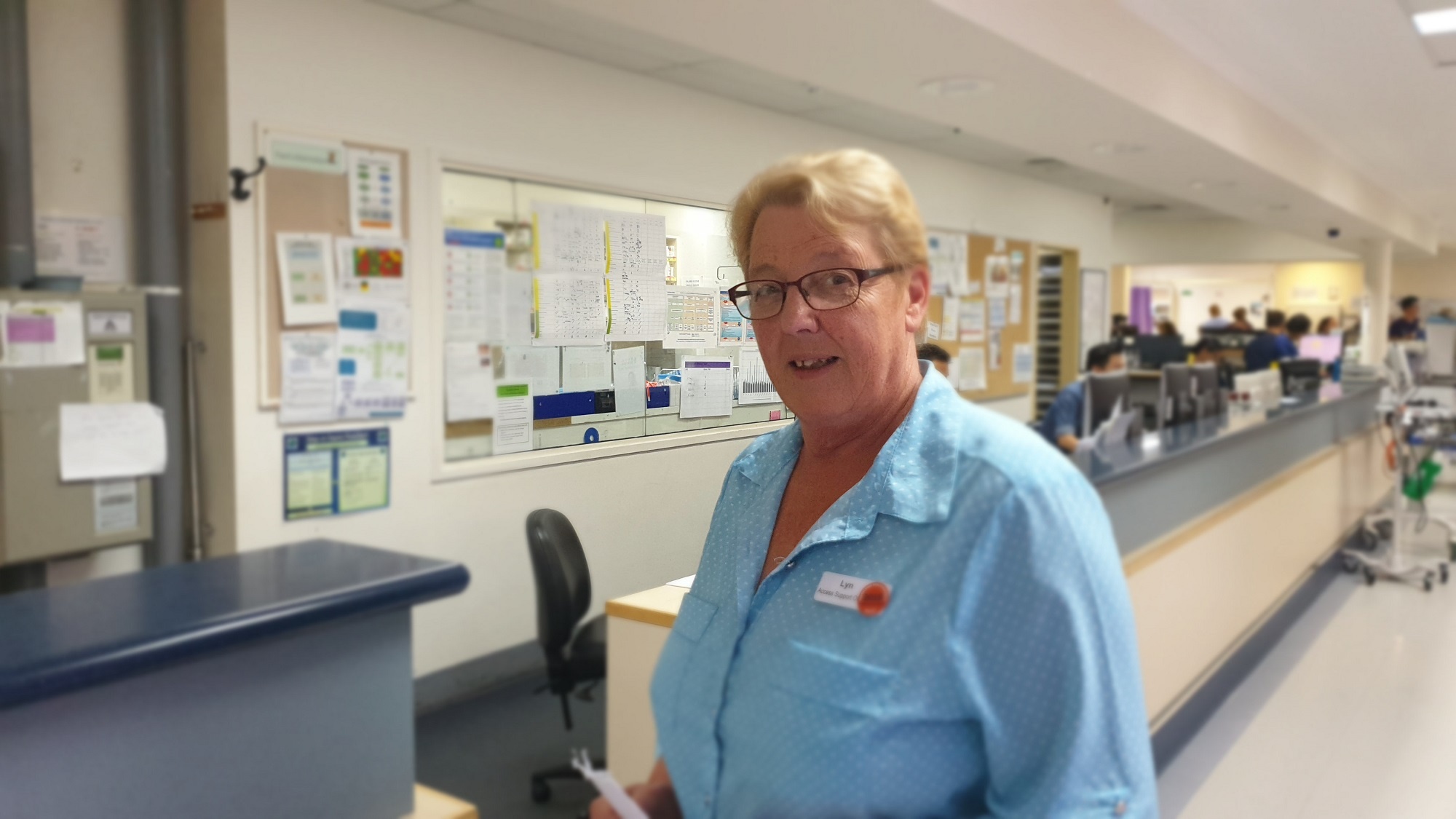
    Nurses and Midwives Week: Lyn White

    Even though Access Support Officer, Lyn White, has just turned 70, she still speaks about her nursing work and long career with much passion and enthusiasm.

    “I started in 1966 at Fairfield Hospital as a Division 2 Nurse, and I have been nursing ever since,” she begins.

    Lyn has worked in all areas of nursing for more than 50 years.

    “I saw a nursing ad in the papers one day and I thought it sounded interesting. At the time, I was too young to apply, so I had to wait until I was 17,” she says.

    “I’ve been at Northern Health for 12 years now. I love it here – I love the people I work for and the people I work with.”

    Lyn remembers starting at Northern and knowing everyone, as the hospital was much smaller back then. She’s seen many changes and witnessed the hospital grow and develop, but one thing that has remained the same is the community spirit.

    “Everybody is friendly and approachable here. I lost my husband three years ago and I feel like the people here saved me during a difficult time,” she adds.

    Lyn started at the transit lounge, when it was just a small four-bed room. She then moved into ambulance transport and now with the restructure, works in access as well as in the transit lounge.

    “I now do subacute referrals, ambulance bills, and work in transit and I really enjoy my role,” she says.

    Throughout her career, Lyn spent four and a half years on the Nurses Board Victoria and found this role interesting and rewarding.

    “As a Division 2 Nurse, there is really nothing you can’t do if you put your mind to it. You can work in Emergency and Intensive Care and see where your career takes you,” she adds.

    When Lyn reflects back on the old days of nursing, she says team nursing was the way things used to be done.

    “When I started, we worked on busy wards and I knew every patient. We all worked as a team, together. Now, nurses have dedicated patients, whereas before I just looked after everybody,” she explains.

    Outside of work, Lyn is a Bulldogs fan and loves to go to the footy.

  • Patient Safety Walk Arounds – Helping make us safer

    Patient Safety Walk Arounds – Helping make us safer

    As many of you will be aware, last year we reintroduced Executive Patient Safety Walk Arounds. You may wonder what they are and why we do them.

    Executive Patient Safety Walk Arounds are designed to link the Executive directly to patient safety concerns in the clinical environment.

    This is a great chance to hear from our staff and managers about what needs to improve.

    These Walk Arounds are conducted once a month, by selecting similar wards or clinical departments at several of these sites simultaneously. The Chief Executive together with the entire Executive team, visit selected areas to become familiar with their issues and risks they identify as needing to be addressed.

    Importantly, the Walk Arounds create an opportunity for staff to discuss patient safety issues of concern with the highest level of management, and escalate and action opportunities for increasing staff, patient and visitor satisfaction and safety. They are also an opportunity for our staff to identify ways to improve their work.

    Through Patient Safety Walk Arounds, we’ve been able to make a number of changes that have resulted in real impact.

    We have ordered computers on wheels to support the timely delivery of care, based on the feedback from Unit 1 and Observation Unit. From Broadmeadows and Day Surgery feedback, we have ordered new observation machines and a two-year capital request plan is in place to support the purchase of additional machines across the organisation.

    We are also improving the patient experience by updating patient lounge areas after visits through SSU, CHS, Unit B and Cardiology EPSWA.

    As an organisation, we understand that both our staff and patients need a clear space, as clutter can make areas look messy and difficult for patients and staff to move around. That is why we’ve taken a number of actions to reduce clutter.

    Some of these actions include relocation of equipment, rationalisation of storage rooms and infection prevention consultation – to ensure equipment and consumables are stored correctly. This initiative has supported timely delivery of care by decreasing the time lost in searching for items.

    Also, a new electronic screen is being installed which will help family members track movement of their loved ones through the Day Procedure Centre.

    You can see that this is a real opportunity for us to take action and ensure we are a safer health service for our patients – whilst improving the patient experience.

    There’s strong commitment from the Executive – but the immediate needs of patients is our number one priority. At a recent Patient Safety Walk Around at 5.30 am, one of our Executives, Bill Shearer, who also happens to be an Anaesthetist, left the Walk Around to assist in an emergency caesarean section!

    Another way we listen to your ideas is through the People Matter Survey, which begins Monday, 13 May. I would like to strongly encourage you to participate and see your ideas brought to life. As in previous years, all answers are anonymous.

    To find out more about the survey, see Michelle Fenwick’s guest column.

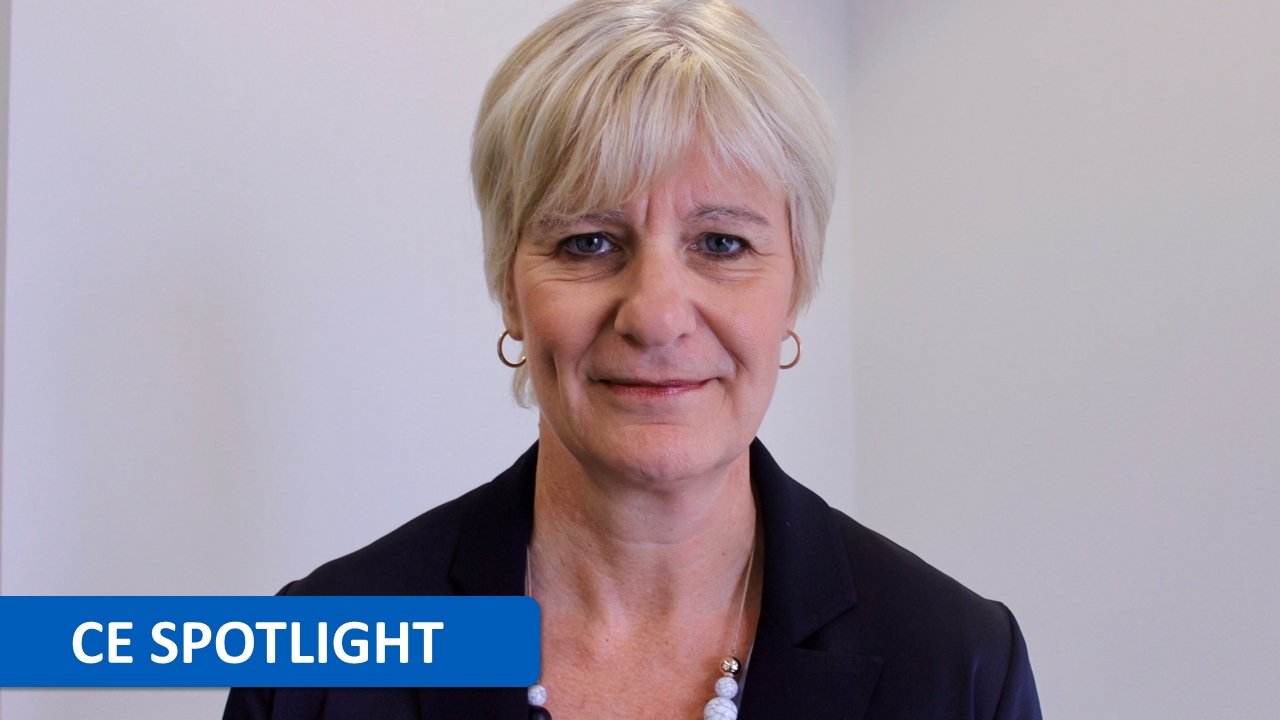
    Jane Poxon

    Acting Chief Executive

  • Gladys turns 100

    Gladys turns 100

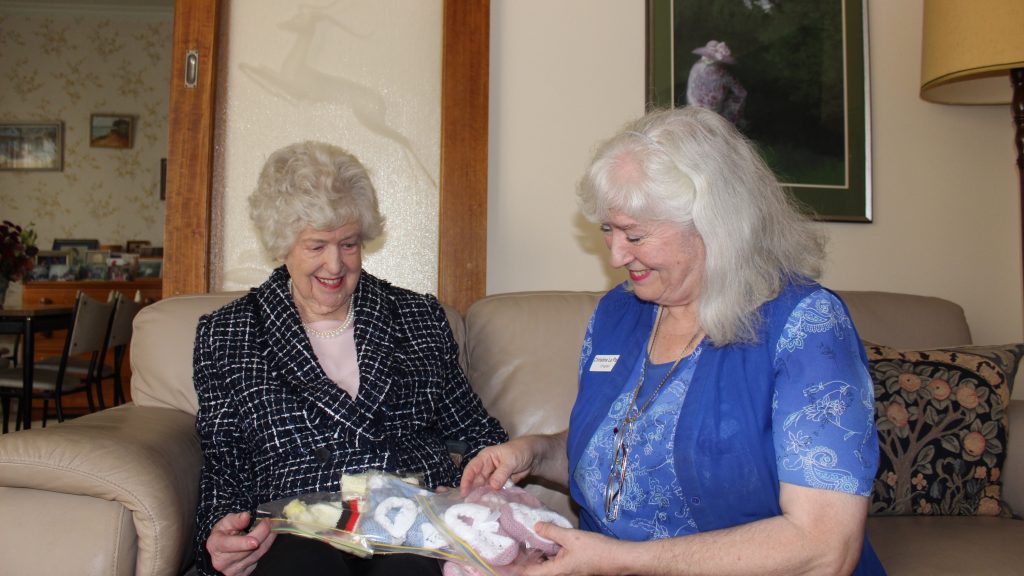
    Ten years ago, Gladys Graham’s doctor advised her to put her feet up as often as she could, to help her poor circulation. Most people her age, would have conceded the time had come to take that advice literally and retire gracefully. Not Gladys. It was at the age of 90 that Gladys discovered her ‘second career’ – knitting caps and booties for the babies in our Maternity Services.

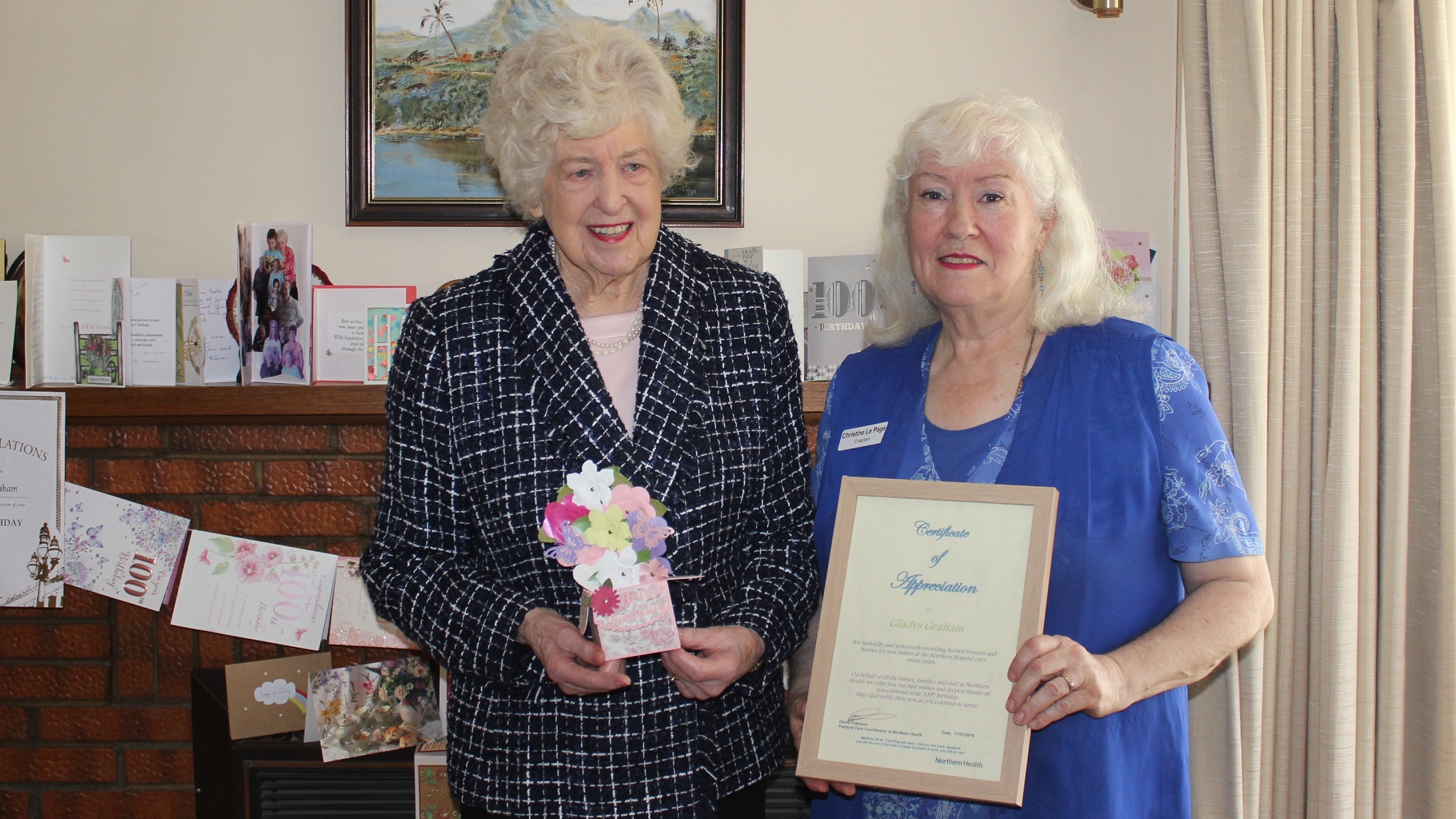
    Every month, Chris Le Page, Pastoral Care Worker (pictured here to the right of Gladys), collects six to eight sets of the caps and booties Gladys knits. Chris explained that Gladys originally heard of the need for these items from one of our volunteer chaplains and decided she could help.

    “Gladys pays for the wool herself and knits them with a lot of love,” Chris says.

    Seneca Bowen and Jo Quinn from our Koori Maternity Service, say the midwives, mums and babies love how they are knitted in the Aboriginal colours.

    “It’s fantastic that these hand knitted items can be given to families in need,” says Michelle Morrow, Maternity Services Nurse Unit Manager.

    When we visited her with a signed card and a framed certificate of appreciation from the Pastoral staff at Northern Health, she insisted on sharing her birthday cake with us (a delightful confection, topped by coloured balls of yarn).

    Gladys seemed quite amused by all the attention, including a card from the Queen – “I don’t know what all the fuss is about!,” she said.

    Gladys showed no signs of slowing down and admitted she was ready once again to get back to her knitting – “I want to keep doing it!”

    The Pastoral Services Department provides Pastoral and Spiritual support across all Northern Health sites. The department comprises of Northern Health employees, faith employed Chaplains and volunteer Chaplains.

    As an extension of the in-house team, the Pastoral team also have a variety of ministers, some 50 in total, who provide support after hours to members of their own faith traditions. These dedicated individuals will come in outside of business hours to comfort and support those in need. Communications (formerly NH Switch) have a list for after hours when needed.

    Gladys Graham on the left with Chris Le Page, Pastoral Care Worker
  • Michelle Fenwick: People Matter Survey 2019

    Michelle Fenwick: People Matter Survey 2019

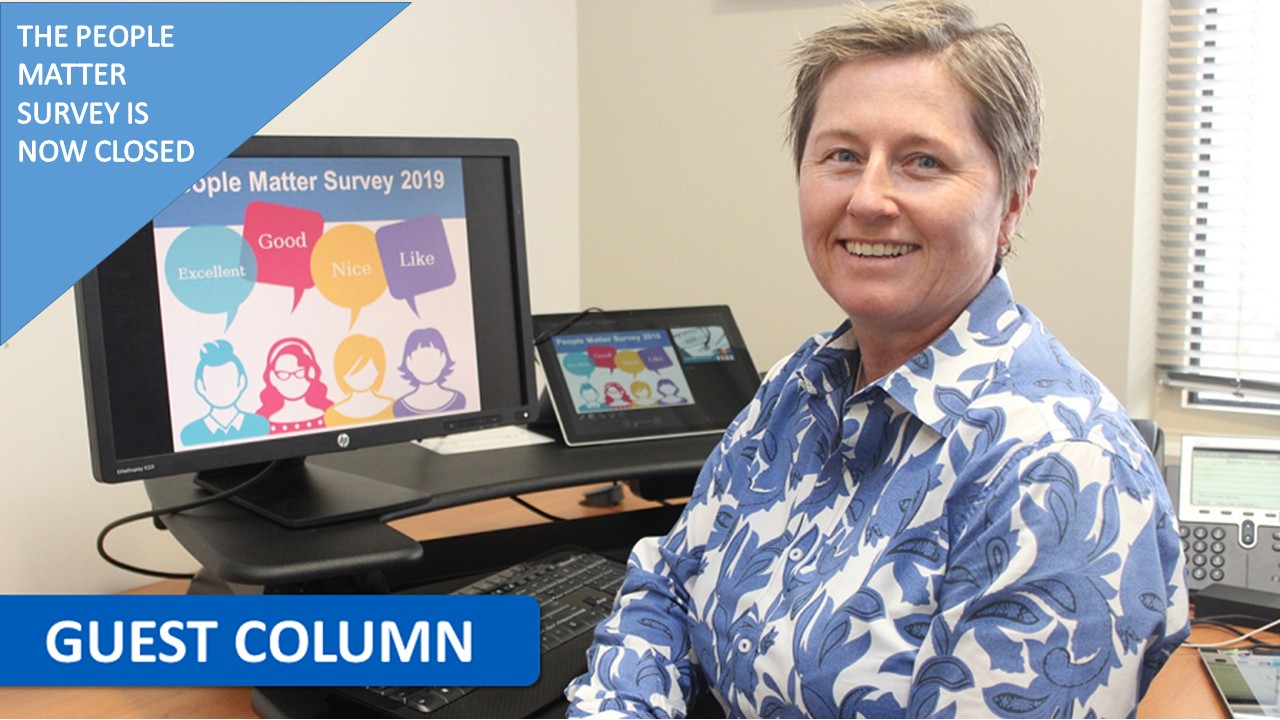
    Next week, Northern Health launches the 2019 People Matter Survey, which will run from Monday, 13 May until Friday, 31 May. This survey is your opportunity to provide Northern Health with feedback on what is working well and what we need to be doing differently. Your feedback is incredibly important because it helps drive a number of key initiatives.

    Over recent years, some of the key initiatives driven from your feedback include increasing communication through iNews and Chief Executive updates, reviving our Annual Staff Awards and introducing a new Quarterly Staff Reward and Recognition Program. We have a strong focus on addressing bullying and harassment and we’ve aligned to key community action groups such as White Ribbon. We’re currently improving our People Management systems and establishing an integrated Help Desk. Other initiatives include staff safety programs such as Mental Health Week, Fatigue Management and supportive programs like Pilates, Mindfulness and Financial Wellbeing.

    The more staff voices we hear from, the richer the feedback, which in turn, assists us with raising ideas and more importantly, what needs to change to ensure that Northern Health is truly a great place to work.

    On the morning of Monday, 13 May, all Northern Health staff will receive a generic survey link, which is sent to all active email accounts. The survey link means you can complete the survey anywhere, any time of the day and on any device that has Internet access and will take approx. 15 minutes to complete.

    It’s also important to note that we take your privacy seriously and therefore, the survey has been and is completely anonymous. The survey is managed by an external company (Orima) and Northern Health will only receive an aggregated (and de-identified) report.

    In 2018, 47 percent of Northern Health staff completed the survey, this year we want to hear from even more of you!

    We look forward to receiving your responses and sharing the results from this year’s survey. If you have any questions about the survey, please contact Penelope Grellet (Penelope.grellet@nh.org.au).

    Michelle Fenwick

    Executive Director, People and Culture


  • Nurses and Midwives Week: Clemente Meulio

    Nurses and Midwives Week: Clemente Meulio

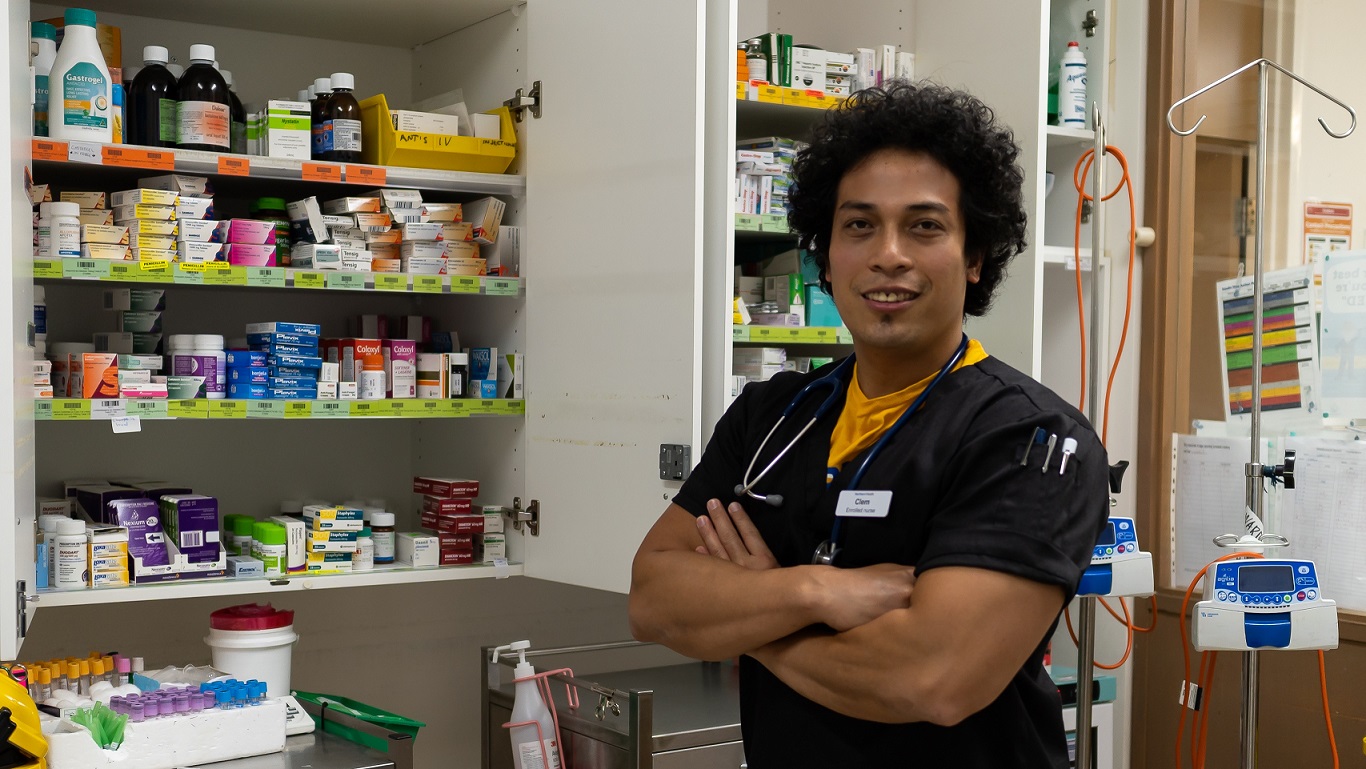
    Whilst working as a food services assistant, Clemente realised he wanted to become a nurse, after being inspired and seeing the work nurses do.

    “Besides this, my family members are also nurses, so I studied at RMIT to become an enrolled nurse,” he explains.

    After graduating in 2011, Clemente landed his first role at Bundoora Centre as an enrolled nurse on Ward One.

    A year later, he got involved with geriatric evaluation management and got offered a management role as a novice coordinator.

    “In this role, I advocate for safety of patients and staff, work on orientation for new staff and look after proper care of patients. I’ve also become an OHS coordinator and, at the time, felt that I reached the peak of my current career,” he said.

    Being proactive and ambitious led to Clemente continuing his studies to become a registered nurse, and in 2016, he enrolled at Charles Darwin University in an Undergraduate Nursing Program.

    “After graduation, I got an offer to join the Graduate Nurse Program at Northern Health and I am looking forward to starting in the cardiology unit in May this year,” he added.

    Clemente feels the best side of nursing is achieving the best possible health outcomes for a patient, and developing a connection of trust with the patients, especially in cases where a patient suffers from depression.

    Outside of work, Clemente has many creative interests and a huge passion for photography.

    He adds that he actively trains at least four times a week at the gym to maintain work/life balance, and loves travelling.

    Clemente has exciting plans for the future and, in the next five years, hopes to gain more experience especially in different acute settings.

    “I am doing my first rotation in the cardiac ward and I’m hoping to get into the emergency department (ED) on my second rotation. After my graduate rotation, I would like to do a step program to work in ED. I am also looking to do a Cert IV in Assessment and Training to be able to do an educator role, as I love educating student nurses. I plan on doing an Associate Nurse Unit Manager role in the future or eventually work in Hospital In The Home (HITH),” he adds.

  • Research Grand Round: Debra Nestel

    Research Grand Round: Debra Nestel

    Professor Debra Nestel is passionate about simulation and says she just fell into that space, but feels that we all use simulation as play when we are kids, we just call it something different.

    “I got exposed to different types of simulation modalities at the Imperial College in London, where I’ve spent 15 years. There, I was in the Department of Surgery where I was exposed to simulation to teach operative and procedural skills,” she explained.

    Together with a colleague, they developed a new approach to simulation to help trainers teach procedural skills.

    “For example, if you are learning to stitch, you can do that on a piece of simulated flesh, but what we did was put that piece of simulated flesh on one of the live simulated patients. That is how the clinicians started to integrate not only the psycho-motor skills, but also to be able to communicate effectively with a patient,” she added.

    She has been in simulation ever since and has built a successful career.

    At Northern Health, her presentation focussed on a couple of key points.

    “The simulation is complex – people often talk about simulation like it’s one thing, but it’s actually many things. It’s important that we articulate the type of simulation we are talking about and where we are using it. I’m also speaking about healthcare simulation research and the landscape and selecting pieces that are really interesting,” she added.

    “The third point I would like to touch on is that evidence also comes in all shapes and forms. There is theory-based evidence, and also experience-based evidence and we should be open to all those types.”

    Professor Peter Brooks, Northern Health Research Lead, added this was a great opportunity to hear and learn from Debra’s expertise, as Northern Health has a simulation laboratory which could be used in new and creative ways.

    “Besides student training, we could be doing so many other things and that is what Debra would be talking about today,” he said.

    He added that he is looking forward to hearing more about doing research from an educational perspective, adding education is not researched enough.

    “Debra is one of the world leaders in this area and based in Melbourne, so we are lucky to have her present. I’d say Victoria, as a state, has more simulation expertise than other states and Northern Health is proud to have a really good facility,” he said.

    Debra’s presentation at Northern Health’s Centre for Education and Research included a workshop with our staff, during which they presented case studies, followed by a lecture.

    Professor Debra Nestel is a Professor of Simulation Education in Health Care at Monash University, and Professor of Surgical Education, University of Melbourne. For over 25 years, she has used simulation as an educational method in the context of health care. Professor Nestel has a particular interest in human-based simulations and is experienced in research and development of several simulation modalities.