
• Standard 1: Clinical Governance

    Standard 1: Clinical Governance

    Each week in the lead up to Accreditation, Northern Health will focus on a different Standard. You will hear from the Chair of each of the Standard Committees about the key points you need to know.

    This week, we speak with Dr Bill Shearer, Executive Director Quality, Safety and Transformation about Standard 1: Clinical Governance.

    What is this Standard about?

    Standard 1: Clinical Governance is the way we ensure safe, quality care for our patients. Put simply, it’s about the processes we undertake to assure ourselves, our patients and the community that we are delivering on our vision of “A healthier community, making a difference for every person, every day”.

    We tend to see the Accreditation standards as an external check on what we are doing, but realistically it’s just a statement of the things we are doing and a reminder of the things we can improve on.

    At Northern Health, this Standard involves a Quality and Safety Performance Management system that is built around two systems, for collection of information about clinical performance:

    • A continuous system where we collect information about clinical performance (sometimes people use the term clinical indicators). This is also the system that allows us to compare our performance with others, or with established standards of care such as Commission clinical guidelines.
    • A reactive system where we collect information about times when care hasn’t gone as we would wish, such as deaths, adverse events, and complaints.

    We have very specific rules about both systems to help us decide where we should concentrate our efforts at improvement. We use a risk/opportunity lens to help with that decision.

    Our focus is very much on reducing unwarranted clinical variation, that is, care that is appropriate for our patients’ needs, and informed by the best evidence available.

    We have designed specific tools to investigate variance in performance or incidents, and a structured way of designing improvements in the quality and safety of care.

    What are the top five ways staff can be prepared for Accreditation against this Standard?

    1. Read the simple procedures to the quality and safety performance management system and clinical governance and patient experience – trusted care.
    2. Understand how the area you are working in actively manages clinical performance – particularly local area audits, incidents, and deaths.
    3. Know what the most important quality and safety issues are in your area and what is being done to improve them.
    4. Know how to report any quality and safety concerns you have and how those concerns are handled.
    5. Know what the health service is focusing on improving and how you contribute to that?

    What are the top five questions staff need to be able to answer about this Standard?

    1. What is your role in clinical governance?
    2. What are the steps in managing an adverse event?
    3. What happens when a patient dies in your area?
    4. What are the things that are improving in your area?
    5. What does your team need to do better?

    Is there anything else you would like staff to know about this Standard? 

    This is just how we do our jobs properly!

    Click here to lean more about Standard 1: Clinical Governance.
  • Northern Health Foundation: A heartfelt reflection

    Northern Health Foundation: A heartfelt reflection

    As we reflect on last year’s fundraising efforts of Northern Health Foundation, we are proud of the remarkable sense of community achievement. In 2023, the Foundation worked tirelessly throughout the year, alongside individuals, businesses and organisations to support the growing healthcare needs of the north. The stories of resilience, generosity and unity are what constantly inspires the team to support these important initiatives within our health service.

    The Foundation will continue with its innovative approach to fundraising, including the ongoing support from our Workplace Givers and Northern Health Foundation patrons: Josie Minniti, Bev Carman and Trudi Hay. In 2023, the combined fundraising efforts of our patrons and workplace givers contributed to the renovations and upgrades of the Palliative Care Unit and its courtyard, where patients and their families can now enjoy the beautiful space and artwork.

    As the Foundation takes a collective breath to celebrate the achievements of the past year, it is clear that the journey does not end here. Looking ahead to 2024, there is a renewed sense of purpose and excitement. Plans are underway for expanding healthcare initiatives and floating innovative ideas, focusing on the wellbeing of our staff and consumers. A major part of this will be the beginnings of a Cancer Wellness Centre right here in our hospital, with a broader vision for cancer services in the north.

    To begin the process, the Foundation is hosting its upcoming Gala Ball in May, where sponsors, corporate partners, Northern Health Executives, board members and guests will gather to raise funds for this project. In 2023, over $70,000 was raised in support of research, planting the seeds of what can be achieved when we come together for a worthy cause. This year, the Foundation is hoping to surpass this amount by asking guests to imagine the possibilities of a new cancer centre and what this can mean for our community. The Foundation is hoping to support the research that underpins this exciting project.

    Pina Di Donato, Executive Director Public Affairs and Foundation, touched on the upcoming event, saying,” these are exciting times at Northern Health as we grow as a health service, continuously innovating and advocating for better outcomes for our diverse community. Northern Health Foundation is proud to support our staff and researchers as they explore the possibilities.”

    “While the challenges of the upcoming year are acknowledged, the Foundation and its supporters remain hopeful and undeterred, with a shared vision for a healthier and more resilient community.”

    If you would like to support the Foundation in their 2024 fundraising efforts, please contact foundation@nh.org.au or on 8405 2897. Similarly, you are welcome to visit the Foundation office located in the main foyer of Northern Hospital Epping.


  • Summer’s bite battle: Snakes vs. Mosquitos

    Summer’s bite battle: Snakes vs. Mosquitos

    Summer is the best season of the year, they said. Except for the occasional slithering snakes and the abundance of mosquitos!

    During the hot summer days, snakes are becoming increasingly active and put both humans and pets at risk of snakebites.

    According to The Australian Snakebite Project, in over 10 years, approximately 1,500 people were bitten by snakes – with approximately 87 people a year being envenomed. Brown snakes are the most common, followed by tiger snakes. Luckily, in Victoria, we only have three overall snake species that are endemic – brown, tiger and red-bellied black.

    It’s important to know that snakes only bite when they feel threatened, so prevention is key. Avoiding situations where you might encounter a snake, especially if there is signage suggesting they are around, is highly recommended.

    “If you are traveling around areas with long grass, wear closed toed shoes and try to stomp a bit – snakes have poor hearing, but the vibrations will let them know you are nearby. If you have wood piles on your property, move them carefully, as these are often popular places for snakes to reside in. Snake venom is not great for humans but can be far more lethal for dogs. Investing in snake avoidance training or avoiding parks where snakes are known to frequent is a must during snake season,” says A/Prof Joe Rotella, Emergency Physician and Clinical Toxicologist, Department of Emergency Medicine, Northern Health.

    Knowing what to do if you or someone you are with is bitten, is critical. Most snakebites are treatable and can be managed effectively. Here are some simple steps to follow:

    • Stay calm – movement spreads the venom. Lie down and do not move the affected limb.
    • Call Triple Zero (000) ASAP
    • If you have a pressure bandage (these can be bought from your local chemist), apply from above the suspected bite site down (with some extra layers around where the bite is).
    • Prepare to spend the night in the Emergency Department, as several blood tests will need to be taken a few times over a 12-hour period.

    Most people will feel pretty scared and anxious when they have been bitten by a snake or they think they may have, but the symptoms we look for that suggest envenomation include severe nausea and vomiting, severe headache and/or abdominal pain, difficulty holding eyes open or difficulty moving your eyes as required, bleeding from puncture sites or from your nose or gums,” says A/Prof Rotella.

    While snakebites can be a terrifying and potentially life-threatening experience, knowledge and preparedness are key factors in minimising their impact.

    ‘A rather sad myth about snakes is that they are morally typecast as evil due to certain representations, so people often seek to kill them. This is not actually the case- snakes only bite to defend themselves,” says A/Prof Rotella.

    A/Prof Joe Rotella, Emergency Physician and Clinical Toxicologist, Department of Emergency Medicine, Northern Health

    The summer season also brings a plenitude of mosquitos, especially with the recent receding floodwaters happening across many parts in Victoria. Although rare, even for people living in affected areas, this increases the threat of serious, potentially life-threating, mosquito-borne diseases, such as Ross River virus, Barmah Forest virus, Japanese Encephalitis, Murray Valley Encephalitis and West Nile/Kunjin virus.

    “Most mosquito bites – despite being very itchy – don’t need medical treatment. Occasionally, adults or children will develop a large local reaction with swelling or ongoing pain. At other times the bites may become infected with increasing redness, swelling, warmth or crusting around the bite. Signs of more severe illness include fever, vomiting, progressive rash or joint pains. See your local GP, Urgent Care Centre or Priority Primary Care Centre, or consider contacting the Victorian Virtual Emergency Department if you have any of these features,” says Dr Daniel Engelman, Paediatrician and Research Fellow in Tropical Diseases, Victorian Virtual Emergency Department, Northern Health.

    Mosquito bites can put a damper on your summer fun, but with a few simple strategies, you can keep these tiny assailants at bay and enjoy a bite-free summer:

    • Apply repellent regularly and evenly to all exposed skin on top of your sunscreen.
    • Wear long, loose-fitting, light-coloured clothing, and enclosed shoes.
    • Empty or remove buckets and containers from around the home to reduce mosquito breeding.

    “The best way to avoid getting sick is to prevent getting bitten. There are lots of ways to manage itch and scratching in children. Apply a cool pack or have a cool bath. Use of lotions or topical sprays can relieve the itch. Oral antihistamines can be effective if the itch is severe and impacting sleep. Use distraction and keep the fingernails short,” says Dr Engelman.

    So, gear up, stay vigilant, and savour every moment of your summer without the itchy reminders of mosquito encounters!

    For more information on prevention and protection from mosquito-borne diseases visit: https://go.vic.gov.au/48YoOPW

    Dr Daniel Engelman, Paediatrician and Research Fellow in Tropical Diseases, Victorian Virtual Emergency Department, Northern Health
  • Welcome back volunteers

    Welcome back volunteers

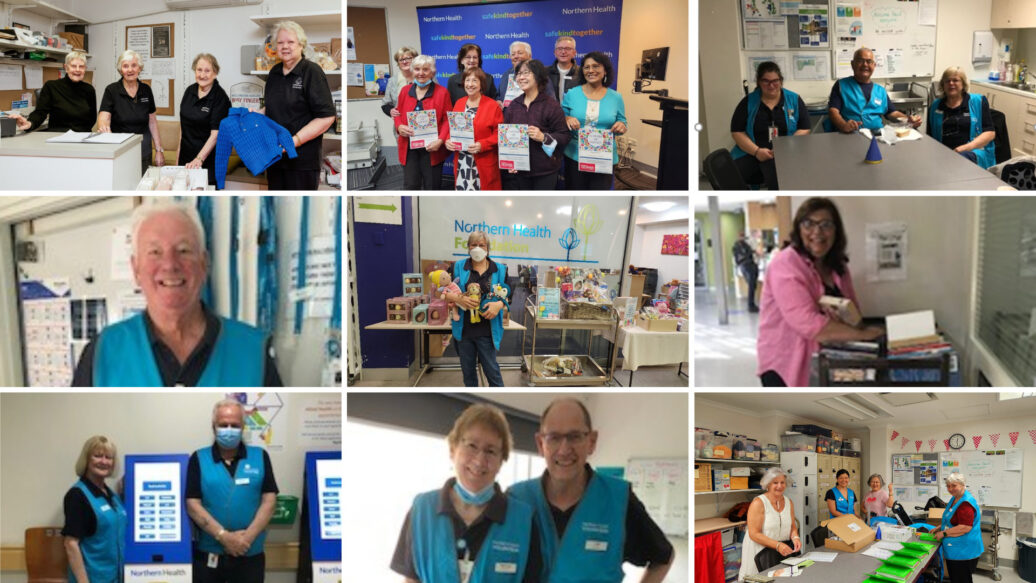
    It is wonderful to see the smiling faces of our enthusiastic volunteers at Northern Health again after their Christmas and New Year break.

    They returned to duty last week and are all eager to get back to doing what they love to do – gifting their time to make a difference.

    “Volunteers are an important part of Northern Health and partner with our staff to extend our capacity,” said Henni Wade, Manager Volunteer Services.

    It’s been a busy start to 2024 for our volunteers. Admin volunteers have been putting green books together for Maternity, assembling packs for the Day Procedure Unit, placing stickers on brochures for the Hearing Clinic and assisting the Diabetes Education team with admin tasks.

    Volunteers have also been busy sorting lost property and replenishing stock in the Emergency Department, putting together exercise band packs for the Physiotherapy team and counting money for Northern Health Foundation, among other tasks.

    The tea-trolley ladies were also back offering patients and visitors refreshments. Patients have been visited on the wards by the volunteers on the goods trolley which offers reading material, puzzle books and miscellaneous items.

    Patients have been offered support at meal times where volunteers help with taking lids off containers, patients have been transported to appointments at Bundoora, babies have been cuddled in the Neonatal Unit, and patients in Palliative Care have been visited and gifted beautiful hand-made rugs from our local craft groups.

    Our fabulous guides, who help patients, visitors and staff find their way around the hospital, are also back on deck, helping with parking and obtaining a wheelchair.

    If you would like volunteer support in your area, please contact a member of our coordination team. Henni Wade manages the volunteers at Northern Hospital Epping. Natalie Carroll supports the volunteers at Bundoora Centre. Kim Berger looks after Broadmeadows Hospital and Craigieburn Centre volunteers. We are thrilled to now have Susan Palmer join our team to coordinate volunteer support at Kilmore District Hospital.

    Our team organises all recruitment, ongoing support, daily supervision and role allocation and we also make sure we provide reward and recognition for our volunteers.

    For more information about volunteer support, please contact the Volunteer Services Team on volunteer@nh.org.au or call 8405 8971.

  • Vale Norma Boyer

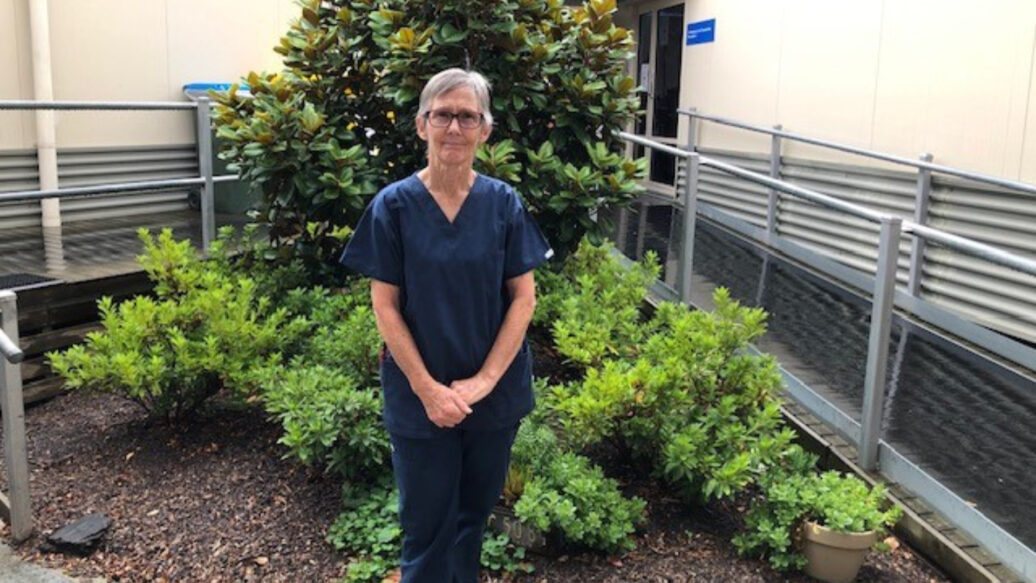
    Vale Norma Boyer

    Staff at Unit 2 Broadmeadows Hospital are remembering their dear colleague Norma Boyer, who passed away late last year.

    Norma began her nursing career with Northern Health during her graduate year, working on the GEM Unit at Broadmeadows Hospital, before she moved to Unit 2 (Rehabilitation Ward).

    Unit 2 was where Norma fulfilled her duties as a dedicated registered nurse for more than 10 years. Norma’s strong leadership qualities and compassionate nature saw her become the assistant nurse unit manager of the ward where she was a great role model and advocate for staff and patients.

    Even though Norma was in a leadership role, that didn’t stop her from getting on the floor attending to patients needs and helping her colleagues when we needed it most.

    Marie Peau, Registered Nurse and ANUM, who works on Unit 2 and also worked closely with Norma, said Norma was a great asset to Northern Health.

    “She was well-loved by her patients and colleagues,” Marie said.

    “Norma was a wonderful lady and a knowledgeable, hard-working and compassionate nurse, colleague and mentor to many staff. Norma was not only a wonderful role model and a highly capable nurse, but she was also a great support to many other staff members who had the honour to work alongside her.”

    “Her patients were blessed to have such a kind, caring, supportive and competent nurse looking after them. She was a shining light to our ward, and we will always remember her beautiful smile and warm nature she brought to Unit 2.”

    “Her hard work and dedication to nursing was inspiring and something to look up to. She bought a smile to all our faces and put soul and love into her work. She was the epitome of compassion and something I will always admire about Norma.”

    “On behalf of all our Unit 2 staff at Broadmeadows, Norma will be missed but never forgotten.’

  • Get to know: Lynne Santamaria

    Get to know: Lynne Santamaria

    #WeAreNorthern

    Meet Lynne Santamaria, Nurse Unit Manager, Hospital in the Home (HITH).

    What is your coffee order?

    My order is a weak latte, if I have a full strength my heart goes into overdrive.

    Tell me about your role at Northern Health and what it entails?

    I am the unit manager of the Hospital in the Home (HITH) program, we are based at the Northern Hospital Epping. What that really entails though is managing staff and financial resources; ensuring patient and staff satisfaction; maintaining a safe environment for staff and patients; ensuring standards and quality of care are maintained; and aligning the unit’s goals with the hospital’s strategic goals.

    Our program provides care in the home that would otherwise need to be delivered within a hospital as an admitted patient. Patients who receive HITH care are classified as admitted patients and HITH is classed as an acute unit. HITH often provides an alternative to admission to a hospital or an opportunity for earlier relocation to the home than would otherwise be possible. I manage our multidisciplinary team that provides care to up to 70 adult patients and 6 paediatric patients on a daily basis.

    What do you love most about your role?

    I am not sure that I can say what I love most about my role – it’s more than that. I am just a part of an incredible team that works together to give our patients the best care they can. I could pick any person in this team and acknowledge what they bring to the table and how they make this team better for them being a part of it. So I guess in reality what I am saying is that being part of this  team is what I love the most.

    How do you like to relax or switch off after a long day at work?

    I live on a 10-acre property at Sunday Creek. I have a veggie patch, orchard and garden that keep me busy and help me to unwind at the end of a day or week. I love being able to pick and cook my own produce.

    My husband and I also have a small blueberry business (only 600 trees) but we need to pick by hand so that is often what I am out doing, especially at this time of year when the trees are in full production.

    Do you have a bucket list item, something you would love to do?

    Really just looking at when I retire, spending more time with family, exploring areas of Australia a bit more, and just enjoying the activities of day-to-day life.

  • Launch of Mental Health Outlier Program

    Launch of Mental Health Outlier Program

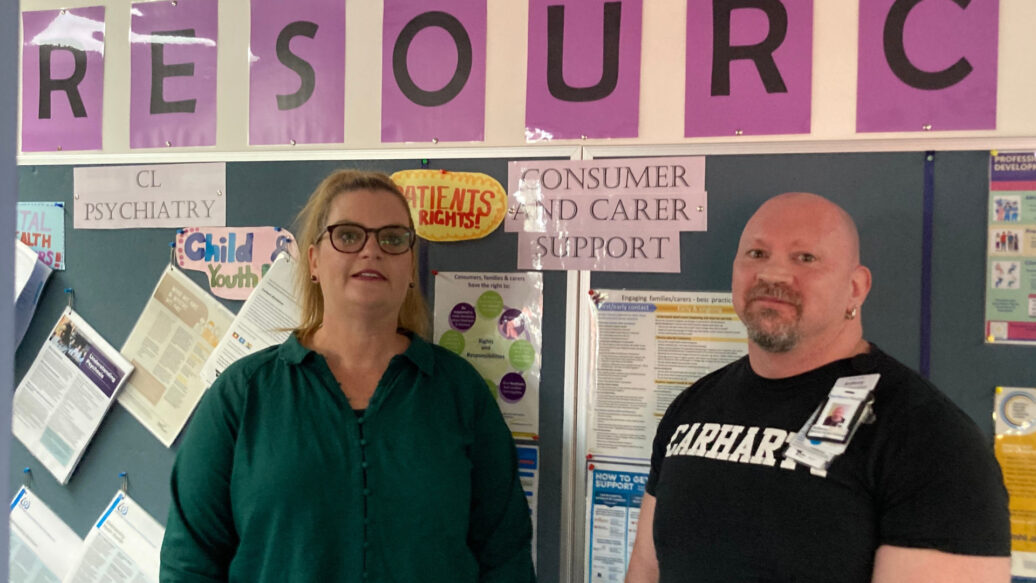
    This week the Mental Health Division welcomes Rebecca Beaumont and Anthony Rathbone to the newly launched Mental Health Outlier Program (MHOP).

    Mental Health consumers in general inpatient beds can pose significant challenges for the multidisciplinary team caring for them. The MHOP nursing role compliments the care provided by other health care professionals in a general inpatient ward.

    Working out of Northern Hospital Epping, Rebecca and Anthony will undertake clinical assessments, engage with consumers and their families, assist with the implementation of the clinical treatment plans and build capability and confidence in the multidisciplinary team.

    Rebecca commenced her Mental Health Nursing journey 24 years ago as a Graduate Nurse at Northern Health. Since then, she has worked for public mental health services in varying roles including Inpatient, Mental Health Phone Triage, Crisis Assessment and Treatment Teams, Emergency Mental Health, PACER and Case Management.

    She says, “I am passionate about ensuring our consumers and patients receive quality holistic care during their journey and are repatriated from general hospital wards to mental health inpatient units for specialised treatment in a timely manner.”

    Anthony has been working in healthcare since 2005. He started his career in the acute medical setting but found himself more interested in the field of mental health. He has been working in the position of Senior Clinician, Mental Health Intensive Care Area Response (MHICAR) since March 2022.

    Anthony says, “I am an ardent supporter for any endeavour that will help optimise our process and streamline our service – thus resulting in reduced length of stay, and improved engagement with our consumers, their families and key stakeholders.”

    “I am delighted to launch this new program and welcome Rebecca and Anthony to their new roles,” says Belinda Scott, Executive Director, Mental Health.

    They will help us provide high quality care for mental health consumers waiting access to a specialist mental health bed.”

    Featured image shows from left to right Rebecca Beaumont and Anthony Rathbone.


  • The ABCDE of skin cancer

    The ABCDE of skin cancer

    Australia has one of the highest rates of skin cancer in the world, with approximately two in three Australians being diagnosed with skin cancer by the age of 70.

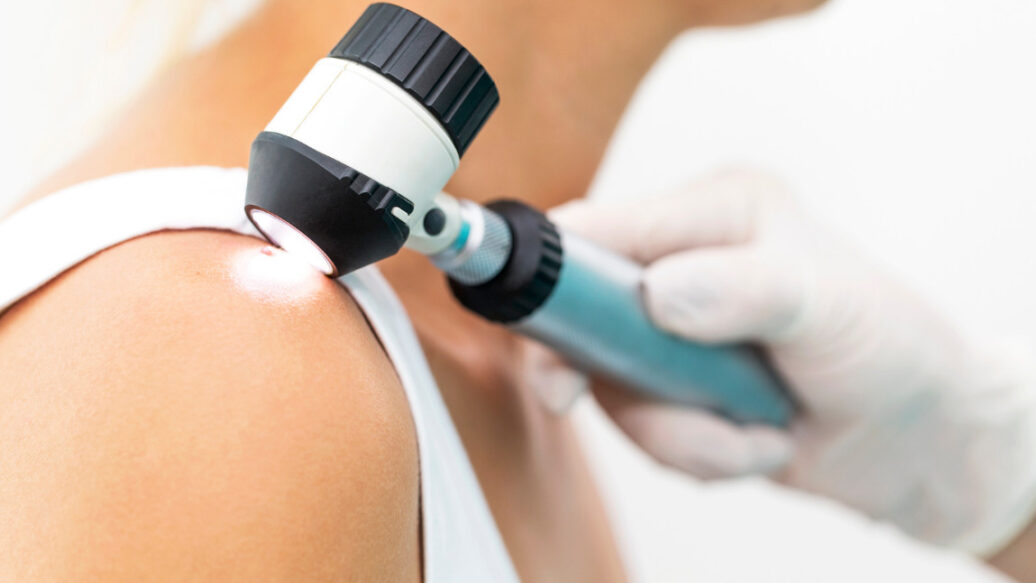
    Skin cancer can present as any new mole or other skin lesion growing or changing over time. The “ABCDE” signs are a simple way to identify possible suspicious changes in a lesion that should be brought to the attention of your doctor.

    A = asymmetry (lesions becoming asymmetrical)

    B = border (lesions with irregular borders)

    C = colour (lesions with multiple colours)

    D = diameter (lesions growing to have a large diameter above 6mm)

    E = evolution (lesions changing over time)

    Dr Aaron Robinson, Head of Dermatology, Northern Health, says, “skin cancer risk is highest in people who have had significant sun (and thus ultraviolet light) exposure, such as with working outside or with outdoor hobbies. In particular, people who regularly have sun exposure to the point of tanning have a higher risk of developing skin cancer.”

    “There is no such thing as a healthy tan. A tan is a sign that your skin is distressed from sun damage. People with lighter skin types are at higher risk of developing skin cancer, but skin cancers can occur in people with darker skin too.”

    The best way to prevent skin cancer is to minimise sun exposure, and to always use sun protection, such as a hat, long sleeves and sunscreen when outside for any extended periods. Being aware of your own skin and moles, and seeing your doctor to review any suspicious changing lesions is also important in order to potentially diagnose any skin cancers early, when they can be easier to treat. 

    “Any new growths or changing lesions should be brought to the attention of your GP, particularly for people that have had a history of significant sun exposure or sun damage,” advises Dr Robinson.

    Your doctor may also recommend having a regular check of your skin, if you have a history of significant sun damage, previous skin cancer, or a significant family history of skin cancer. In cases of skin cancer diagnosis or particularly high-risk patients, a referral to a dermatologist for specialist care might also be appropriate.

    Northern Health runs a clinic for management of skin cancers. Patients can be referred to the clinic by their General Practitioner (GP), after a biopsy.