• Toxicologist Dr Joe Rotella on snakebites

    Toxicologist Dr Joe Rotella on snakebites

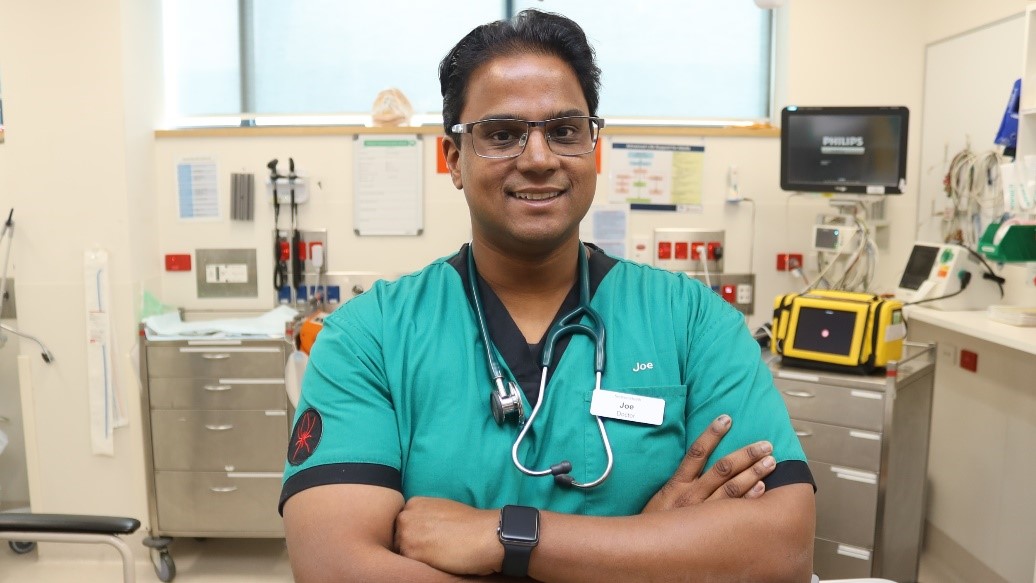
    We sat down with Dr Joe Rotella, Northern Health Clinical Toxicologist, to talk all things snakebites. Joe explains how to stay safe during snake season and what to do if you or someone you’re with is bitten.

    Why is snakebite management important for the community to learn about? 

    It’s important for a few reasons. Firstly, snakebites are treatable. We have a safe treatment and a hospital that can manage snakebites effectively. It’s also important to note that snakebites are avoidable, so educating your children about what not to do is very helpful, as well as training pet dogs so they don’t approach snakes. One of the ways people can get bitten is if their dog goes up to a snake. Some snake handlers run snake-avoidance classes to teach dogs to avoid rather than pursue snakes.

    It’s also good for the community to know where snakes are more likely to be, so they can best avoid them. For example, long grass, under piles of wood. Parents should teach their kids to stomp their feet if walking through long grass – and most importantly, leave snakes alone if you see them!

    When are people most at risk of snakebites?

    Usually when spring starts to warm up, that’s when we see bites start to occur because they become more active and in summertime, they are out and about. Snakes like long grass and anywhere it’s relatively warm – so beaches and scrubland, and where there’s lots of wildlife like parks.

    The most common risk group to be bitten by snakes are males who are intoxicated who find a snake in its normal setting and they try and pick it up. So one of the key things to remember is that, if you see a snake, it’s not your prerogative to kill it or try and pick it up – that’s when you’re most likely to be bitten because, from their perspective, it’s an attack.

    What should you do if you see a snake? 

    Definitely do not try and pick it up! It depends on where you see it – if it’s near a playground or a park, then you should give your local council a call.

    For people who live further out in places like Kinglake, Wollert and Wallan, it’s important to be aware of the places snakes like to go to, for example big wood piles and bales of hay. Be careful and mindful around these places. If you do have areas of long grass or you’ve seen snakes in the area, I would recommend wearing boots and not letting your children run around barefoot in long grass – and supervise your pets and children when around these areas.

    Generally snakes will try whatever they can to get away from you – it’s only if you back them into a corner they would typically strike. They’re not aggressive by nature towards humans because we’re bigger. So if you see one, just take a few steps back and take your dog and your kids away. Don’t try to move them and don’t try to kill them.

    What does one do when they or someone they are with is bitten by a snake?

    Firstly, don’t panic. Secondly, lie down and call 000. We encourage people to lie down as the venom circulates through your lymphatics (little vessels that run alongside your veins). So, if you run, the muscles will squeeze the lymphatics and push the venom up and circulate it around your body.

    If you have a bandage, we recommend putting one on. We don’t recommend tourniqueting limbs as you can compromise the blood supply too much but a simple bandage will be fine. If you don’t have anything else, just lie still and call 000 as they have all the necessary equipment and they manage snakebites very well.

    So if a snakebite does occur, it’s important to know that they are treatable. If you do the right thing when you are bitten, like lying down and staying still, you’re likely to have a better outcome.

    How common are snakebites?

    According to The Australian Snakebite Project, in over 10 years, approximately 1,500 people were bitten by snakes – with approximately 87 people a year being envenomed.

    Brown snakes are the most common, followed by tiger snakes. In Victoria, we’re lucky we only have three overall snake species that are endemic – brown, tiger and red-bellied black. There’s been about two deaths per year on average. Usually the people who don’t do well, are people who have immediate effects. Brown snakes can cause sudden cardiac arrest or collapse – so if you are unable to get immediate medical attention, that can lead to a worse outcome.

    There are also a group of people who we class as ‘suspected snakebites’ – so people who have been out in the grass, they feel a sharp pain and they see a scratch on their leg or a puncture wound but they haven’t seen a snake. We treat these as snakebites, put bandages on and complete blood tests over 12 hours to test for envenomation. From an Australian snakebite point of view, the rule is we treat everyone the same way.

    Tiger snakes are the only snake in Victoria that cause neurotoxicity so we usually look to see if the patient has signs of this. Brown snakes affect your blood clotting but generally don’t cause any neurological symptoms, but are associated with people collapsing. Red-bellied black snakes are probably the most mild – they can affect your clotting a little bit but their bites tend to be a lot more painful, and they can sometimes get complications around the bite site.

    Do you have anything else to add?

    If people have questions or concerns, they can always call the Victorian Poison Centre on 13 11 26 but ultimately if they think that they or someone they’re with has been bitten by a snake, then they need to call an ambulance and come to hospital. Even if we don’t find any evidence of envenomation, the safest option is to still go to hospital.

    Gaboon Viper (the largest fangs in the world) taken by Joe
  • Northern Hospital Expansion Project: Operational Simulation

    Northern Hospital Expansion Project: Operational Simulation

    As Stage 2 of the Northern Hospital Expansion Project approaches completion, Dr Nancy Sadka, and the hospital in-situ simulation team have been busy testing the facility and training and providing orientation to staff prior to the go–live date.

    The operational simulation project, a quality and safety initiative and part of our trusted care transformation, began on 1 February and will run for six weeks, and has already conducted over ten simulations. Nancy says they plan to conduct one a day over the coming weeks.

    The project involves a multidisciplinary team and will include simulations of Code Blue, Code Grey, Code Pink, and evacuation of theatre. There will also be a Code Black simulation and a Code Red simulation jointly conducted with the Police and Fire Department.

    Says Nancy, “It’s the perfect opportunity to train and simulate a practice in this space that doesn’t have patients in it yet.”

    She explains, “It is really key for many reasons. Obviously first from a safety aspect and the opportunity to identify latent risks and address them. It allows us to proactively prevent risk events from happening and address those areas.”

    It is also important as Nancy points out from a staff training point of view – evacuating theater and fire drills are examples of this.

    As Nancy says, “One of the things about moving to a new space, is the concerns you have when you arrive, to a new and unfamiliar space.”

    A key component, hence, of the operational simulation project, is what Nancy describes as the experiential orientation, it provides staff.

    “Staff will learn about this space and become familiar with this space through practice and through facing the same scenarios they will face when they are working with patients – but in a safe way because there are no patients involved.”

    A case in point are the High Dependency Units in the new building.

    As Nancy explains, “For instance the doors open differently, the emergency buzzer is in a different place – and these are all really important for day to day work.”

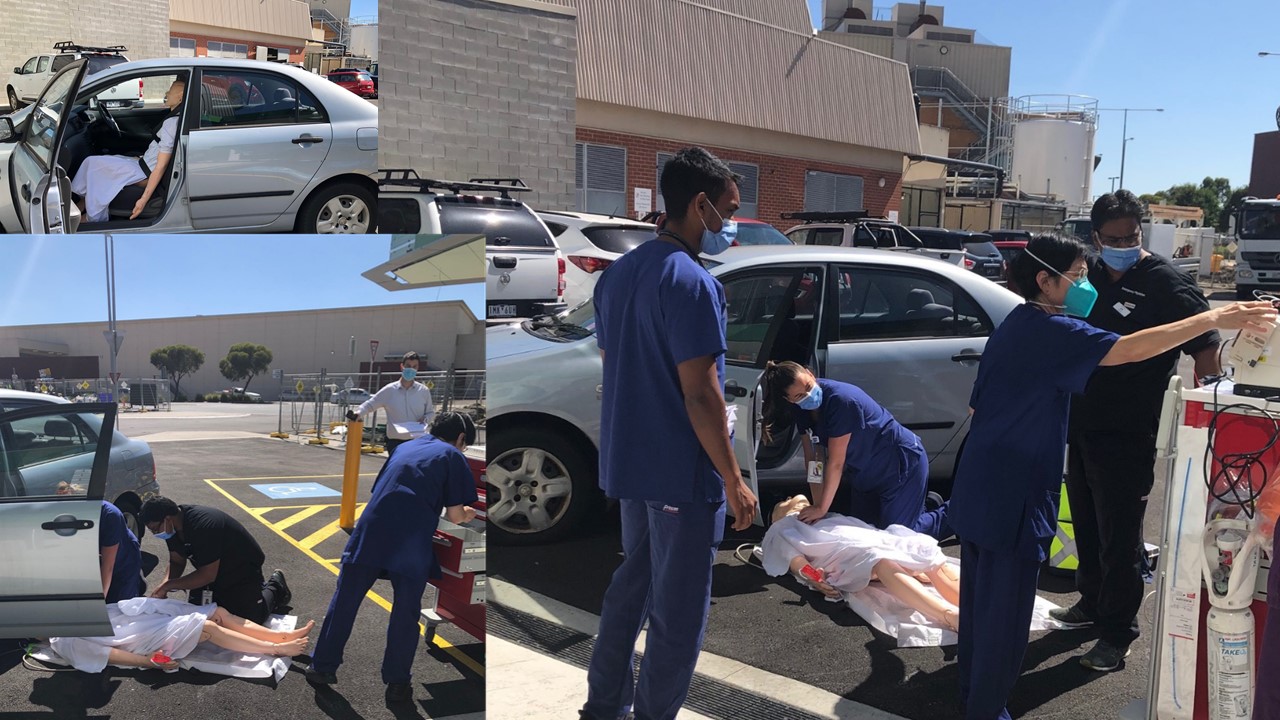
    On the day, we caught up with Nancy and the team had just concluded a simulation of a scenario that happens once or twice a year here (see main image).

    As she explains, it was a simulation of a patient who was in cardiac arrest presenting in their car to the front of the new building and a family member running in for help. As part of the simulation, the reception staff activated a Code Blue and Emergency Department (ED) staff had to retrieve the patient from the car whilst performing advanced life support and CPR. The ED team then had to figure out how to move the patient onto a trolley and back to ED.

    As Nancy explains, it allowed staff to test the space, have a response to an emergency in it and then be able to reflect on it. It raised questions as to, “What equipment and staff might we need?”, “Do we need to do anything differently in our response?” and “what were the barriers and dangers?”

    Says Nancy, “It is really important for our staff to go into that space, be familiar with it and comfortable in it. It’s their voice that gets heard.”

    “It’s about us asking staff from reception to sit at the reception desk and to have to call a code and to tell us what are the areas they are concerned about. It’s about ED staff figuring out the best way to bring a patient back to ED from the wards.”

    Says Ms Bianca Grey from the communications team at reception, who was involved in the simulations, “It was a fascinating experience to see how the different code teams responded.”

    Dr Joe Rotella from the ED team was also part of the multidisciplinary team involved in the operational simulation project.

    Says Joe, “The best aspect of simulation at Northern Health is that these procedures that might not happen every day, have been tested vigorously. As a clinician, we have an opportunity to contribute to its development and its improvement and refinement of processes.”

    Feature image shows a simulation at the entrance of the new building.

  • Dedicated Twins Clinic launches

    Dedicated Twins Clinic launches

    Someone once said, “So many good things come in pairs, like ears, socks and panda bears. But, best of all are the set of twins, with extra laughter, double grins.”

    Today, Northern Health launched a new antenatal clinic led by Obstetrician Dr Allison Choong, dedicated specifically to caring for twins pregnancies.

    “When we look back at it, in a quiet year we have 19 sets of twins and a busy year of 25 sets of twins. I hadn’t even properly started the twin clinic and I already managed eight sets of twins in the last two months.”

    The new antenatal twins clinic aims to provide individualised care to make the journey of twins mothers safe.

    The specialised clinic will allow patients to receive consistent care from the same clinician during their pregnancy, ultimately leading to favourable outcomes for both mother and babies.

    Allison has recently finished her Diploma of Diagnostic Ultrasound, which will allow her to do ultrasound during the antenatal visit and provide reports instantly.

    Dr Paul Howat, Divisional Director – Women’s and Children’s Services, congratulating Allison says, “Now Allison has the expertise for patient ultrasounds and a greater ability to look after high risk pregnancies and complex gynaecology cases.”

    “The ultrasound is one of the most important imaging modalities in obstetrics and gynaecology. As I am now able to interpret and report on ultrasounds, I’m able to understand the clinical situation more accurately and provide better care – that was the main reason for undertaking the diploma,” said Allison.

    There are plans underway to streamline the Early Pregnancy Assessment Service (EPAS) we provide.

    Currently, patients are required to have their ultrasounds completed at a community imaging facility and then return to Northern Hospital to receive their care. With a full EPAS, everything is done in-house, with a sonologist performing the scan here and providing a diagnosis on the spot.

    Early Pregnancy Assessment is in high demand. When Allison first came to Northern Health, an EPAS clinic was not available to patients. Initially operating only twice a week, it now operates every day due to increase in demand.

    “If there is an in-house sonologist providing scans and giving the diagnosis, and then guiding the HMOs along the way, we will be able to provide a more efficient, accurate service. It’s more convenient for the patient and more efficient which will improve the whole patient experience,” says Allison.

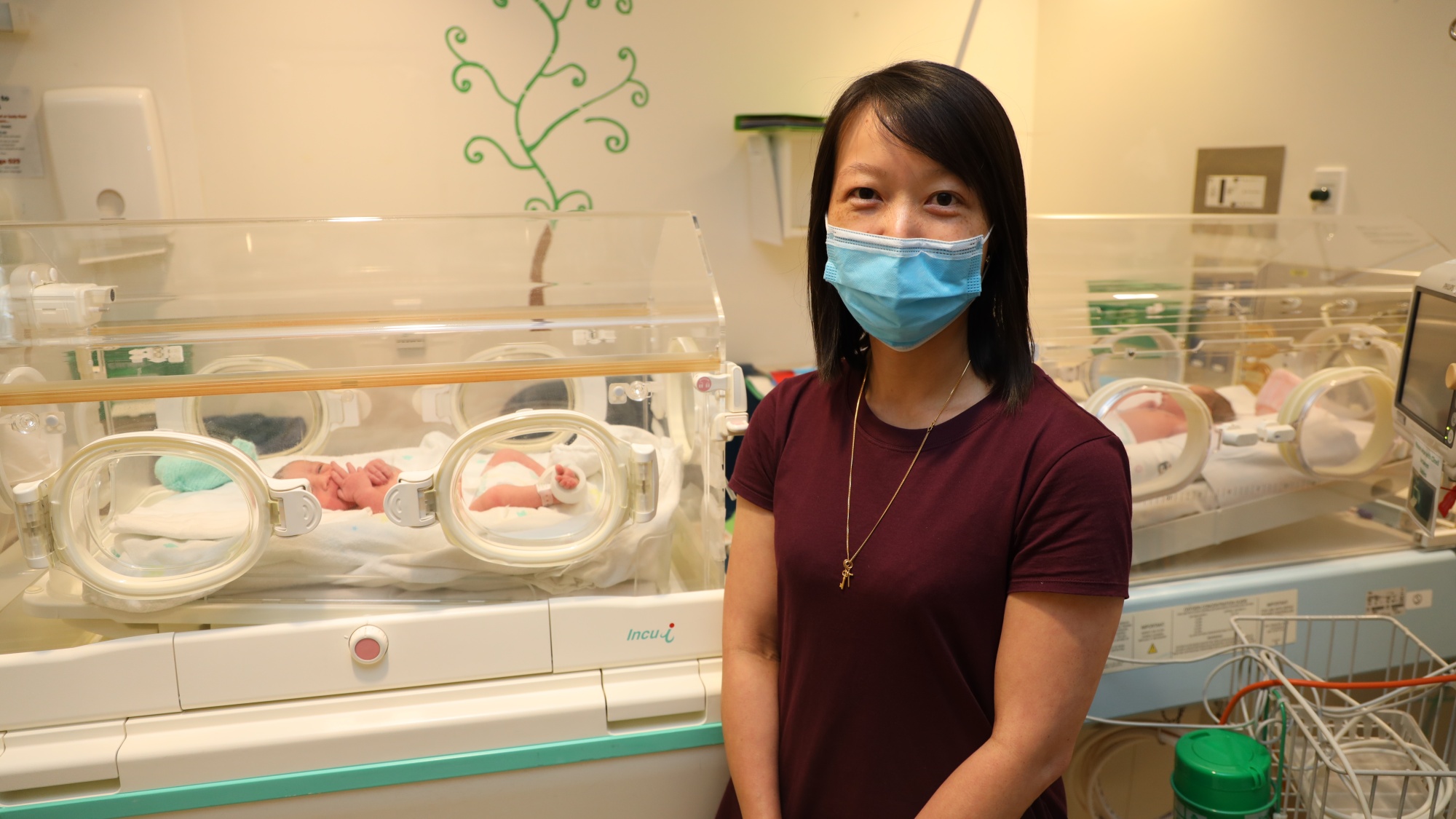
    Featured Image: Dr Allison Choong with newborn twins

  • How innovation happens

    How innovation happens

    With our Virtual Emergency Department the first of its kind in Australia, Northern Health is leading digital transformation in health care. Hospitals across the state are now expressing interest to implement our model, with our staff actively sharing expertise and experience.

    The innovation space is booming, accelerated by the pandemic and supported by hard work and fresh ideas that come from clinicians and the project management team.

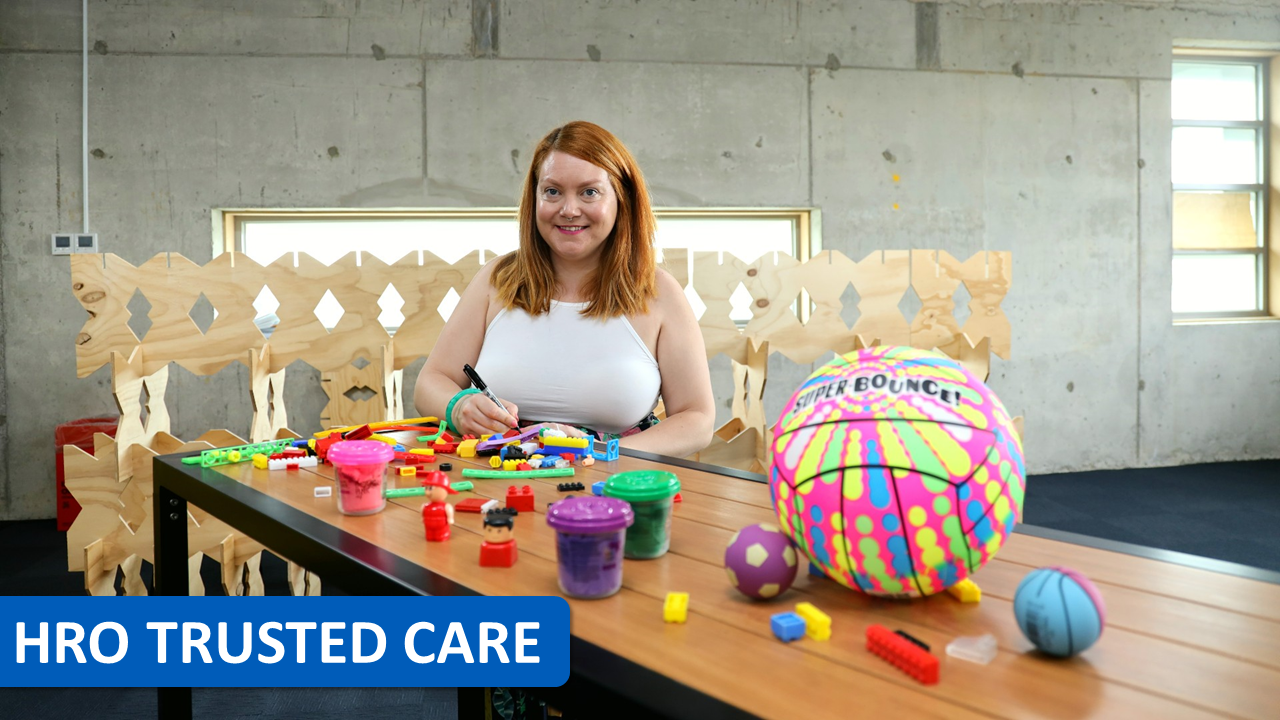
    Ariana Carrodus, Project Manager, has been making ideas happen and is happy to share the Ideas Lab is now back up and running.

    “Since 2017, Northern has had physical Ideas Lab space, which we are really lucky to have. I think we are the only health service with a creative space like this. We are also lucky to have the Chief Executive and the Executive team that think differently and encourage staff to do so. When we were building the Ideas Lab, I was lucky enough to get to run this space and make ideas come to life. We had to stop the sessions in 2020, but we are now back,” Ariana explains.

    Sessions at the Ideas Lab have brought many creative ideas out in the open. The idea itself is just the starting point, it’s the dedication of numerous teams that brings it all together, and ultimately improves the quality of our care. Along with the workshops in this space, there is an IdeasScale portal, open to all staff to engage with a project or an idea and contribute.

    Last year, in line with COVID-19, the team realised there was a lot of change being done really quickly.

    “Health care historically is slow-moving, so we wanted to harness that momentum and keep things moving. That is how we launched ‘Sprints’ – a number of projects with a quick turnaround time. We pitched ideas to the Chief Executive and Executive around how to digitalise models of care or provide care in the home,” she explained.

    One of these ‘Sprints’ ideas was the successful Virtual Emergency Department (ED). From idea to go-live, the team had 12 weeks to make it all happen. The ‘Sprints’ are run by clinicians, while the project management team coaches and supports the project.

    “Virtual ED was a clinician’s idea and the best projects are the ones that come from frontline staff. When they are living and breathing a problem every day, they are the ones to suggest how we do things differently. We need the subject matter experts on the floor to be coming up with ideas. The project management team can facilitate, coach, enable and support, but the work and idea has to come form our staff,” she added.

    A number of ‘Sprints’ projects are currently being developed, including Eve – the maternity app launching in February, Chemo at Home project, and the Muscular-Skeletal Wellness project.

    To bring these digital solutions into one place, the team are now working on a Northern Health app, which will help patients find our digital services easily.

    “If you are a maternity patient and using Eve, you might also need to visit ED for some reason, and patients would be able to find both Eve and the Virtual ED on the Northern Health app,” she explained.

    Ariana enjoys working on innovation projects and seeing transformation happen – “people sometimes think change means more work, but we are actually trying to make the lives of our patients better and it should never be more work for our staff. It should be around making workflows more efficient. We have engaged and savvy staff – and that is why innovation thrives at Northern,” Ariana said.

    This year, Ariana hopes to bring guest speakers back to Ideas Lab, which is now open for creative sessions and workshops. If you would like to get involved in innovation, have an idea, or would like to chat to Ariana on using the space for your next creative session, please email her here.

  • Telehealth Hub launched

    Telehealth Hub launched

    Northern Health’s Telehealth Hub is now in operation. The hub is a new, redesigned and dedicated space where clinicians can use a video call or phone to have appointments with patients, if they don’t need to see them face to face. The telehealth clinic hours will be morning and afternoon, 8.30 am – 12.30 pm and 1 pm – 5 pm, Monday to Friday.

    Tracey Webster, Telehealth Project Officer, explained having a dedicated hub reduces the need for clinicians to use a whole clinical room, and hubs have been found to be efficient and effective, while being in line with Northern Health’s digital transformation and our COVID-19 response.

    “The new hub is OHS compliant and has purpose built acoustics, meeting industry standards. For patients, it is a private space and they will get that sense of privacy that they are alone with the doctor. We have state of the art noise-cancelling headsets and every part of patient experience has been taken into account. The OHS&Wellbeing team, as well as Infection Prevention have been involved to ensure proper ventilation, seating and COVID-Safe plans. For clinicians, we have accommodated the environment to be quiet, well-equipped and supported with a dedicated administration staff member. A water cooler is available for clinicians to maintain hydration while conducting their clinics,” she explained.

    Samantha Soggee, Director of Operations Cancer Services and Specialist Clinics, explained there are 12 desks for clinicians in the hub and one for admin support.

    “It took us six weeks to build the Telehealth Hub and included a lot of planning to make it COVID-Safe, like separating sections of desk spaces, having a free-flow air conditioner and similar. The space allows us to adjust the room, depending on the current COVID situation,” she said.

    Cathy Fletcher, Nurse Unit Manager Specialist Clinics added: “Specialist Clinics will be forever changed due to impacts of COVID-19. This is a positive outcome, and the change is long-term, as many people can now have their appointments wherever they are.”

    “Patients like that they don’t have to come to hospital, and we have also noticed that, with the introduction of telehealth, the fail to attend rate has dropped. A lot of people said they liked that they can actually be at work and still attend their appointments, without taking days off. It was also beneficial to parents who were schooling and it was easier to see a paediatrician this way,” she said.

    Telehealth is delivered via Health Direct, Government’s official platform for video consultations. It allows up to five participants in a call, which means interpreters, Aboriginal Liaison Officers or family members are able to join. Additionally, AUSLAN interpreting is available.

    “With the virtual appointments, Northern Health is reducing our carbon footprint, contributing to the environmental benefits, as there are less people in cars going for their doctors’ appointments. Northern Health is on a path to digital transformation, and this is one aspect of it,” Tracey added.

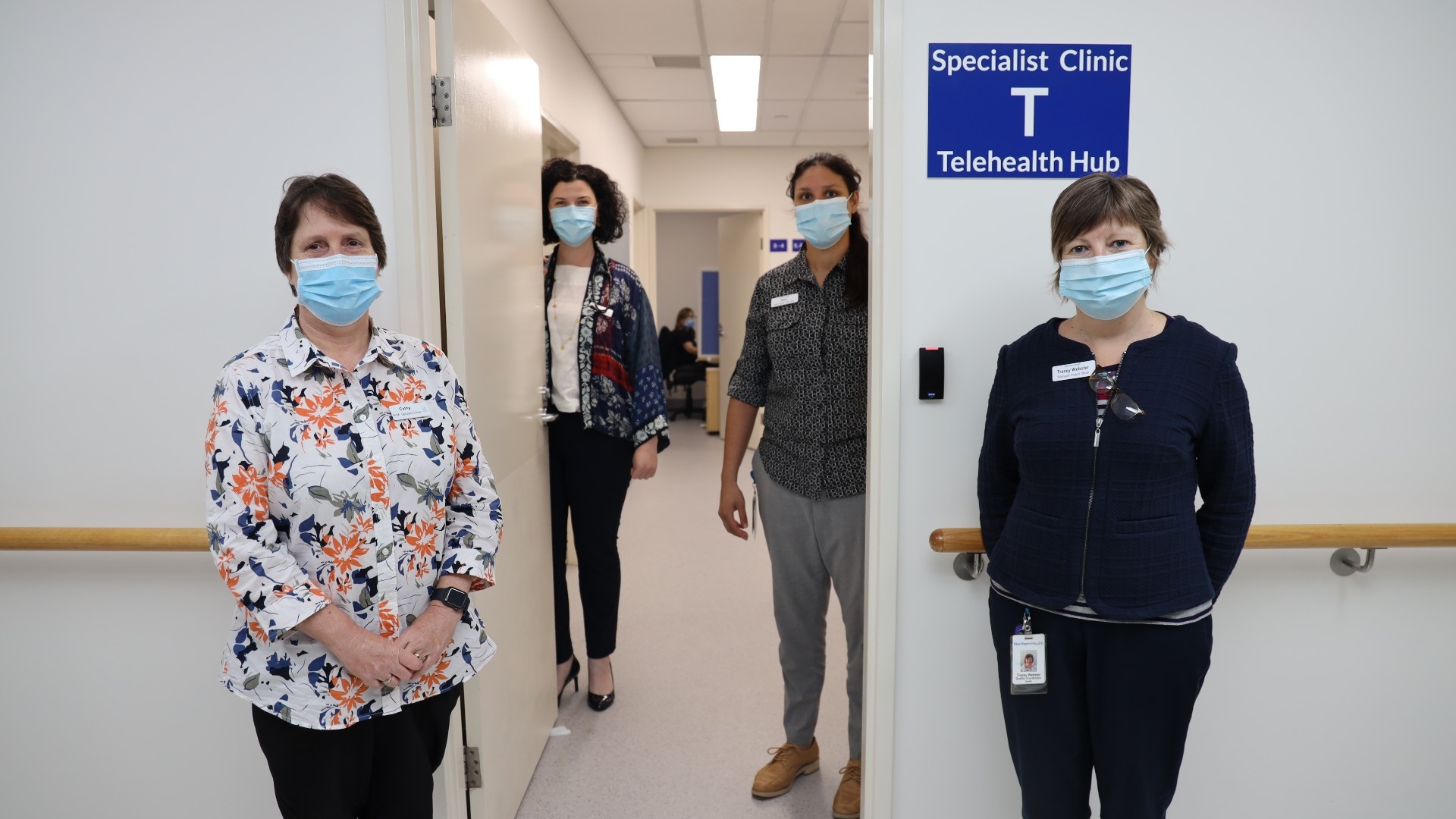
    Featured image (left to right): Cathy Fletcher, Dr Katharine See, Samantha Soggee, Tracey Webster

  • Northern Hospital’s new state of the art kitchen is now live!

    Northern Hospital’s new state of the art kitchen is now live!

    On Wednesday, 3 February 2021, our food services department seamlessly moved into their new state of the art industrial kitchen.

    The new kitchen is one of the first areas in Stage 2 of the Northern Hospital Expansion Project to officially go live.

    Led by Director of Support Services, Greg Warman, the team transitioned smoothly on Wednesday morning into their new space on the ground floor of the new building.

    “The move went perfectly. The team worked exceptionally well and exceptionally hard and we couldn’t be happier with the outcome,” Greg expressed.

    “Nobody noticed that we had moved, which is what we were after. There were no disruptions at all to patients so it was a completely seamless operation,” Greg added.

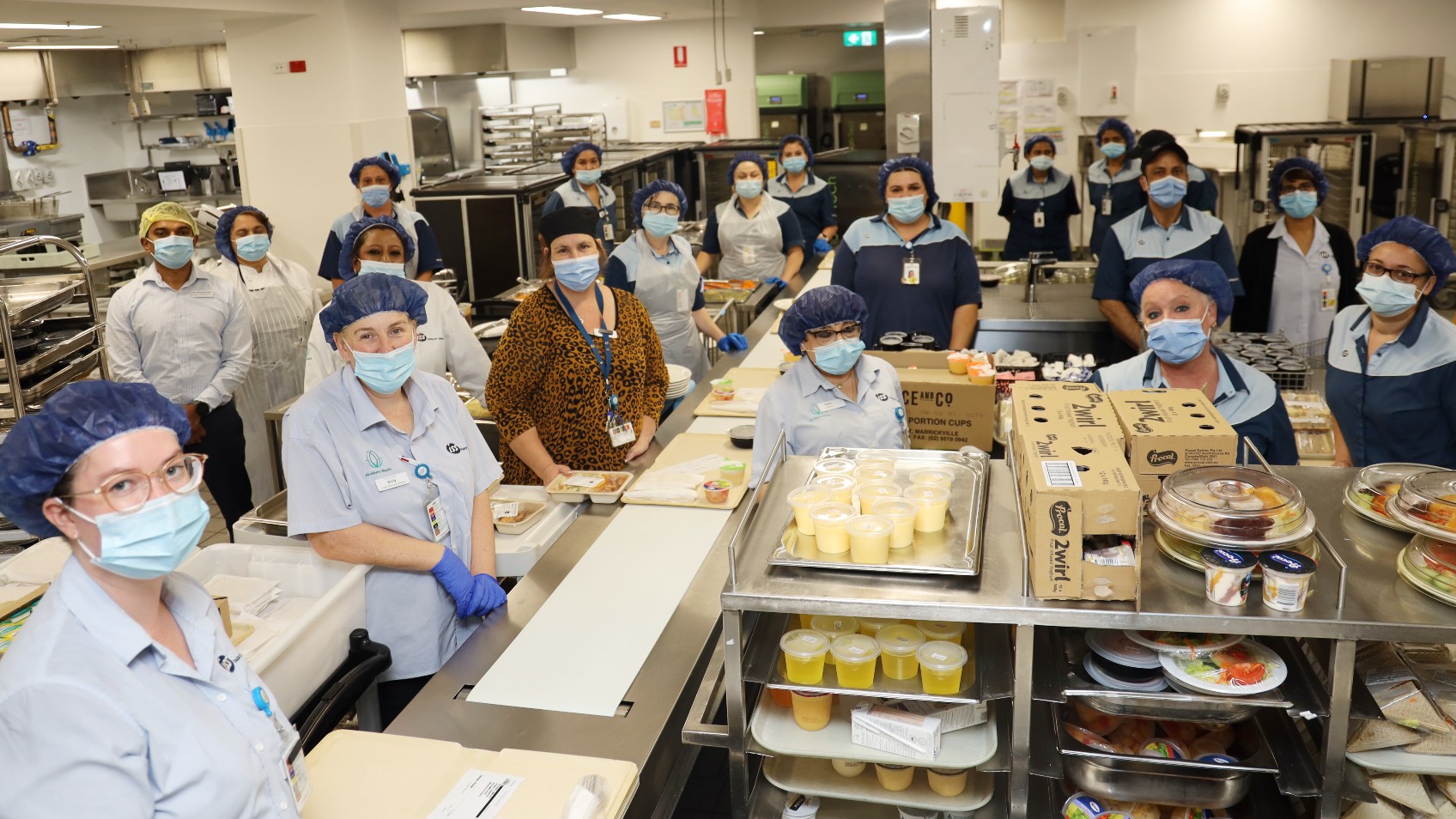
    Kitchen staff at work
    The kitchen staff at work

    Breakfast on Wednesday morning at 7 am was the first meal the team provided in their new kitchen.

    “I’m really proud of my team – they’ve done an outstanding job and together, for Northern Health and ISS, it’s been an amazing, monumental effort. Well done to everyone involved,” said Tina Smith, ISS Catering Manager.

    Greg explained the planning for the kitchen began over three and a half years ago.

    “Then once construction started, we started planning the move, so we’ve been planning this move for 12 months and it all came down to the pointy end two days ago, where we had to make sure everything was in place,” Greg said.

    Saj Amerasinghe, Key Account Manager, ISS Facility Services at Northern Health shows his appreciation for Tina’s leadership of the kitchen team

    “Transitioning to a new kitchen without missing a meal for a single patient is an incredible achievement and it’s been a great pleasure working with a great ISS team to achieve this. At ISS, when we say ‘we connect people and places to make the world better’, this is exactly what we mean,” says Saj Amerasinghe, Key Account Manager for ISS Facility Services at Northern Health.

    For the next fortnight, the team are focusing on settling into their new space and bedding down all of the new processes.

    “Some staff have worked in the kitchen for over 20 years so it will take a bit of time to adjust to the new area,” Greg explained.

    Within the next month, the team will start planning for introducing different aspects such as preparing meals on-site rather than having them delivered.

    “We want to make sure staff are comfortable and let them really settle in and get used to the new equipment,” added Greg.

    “We are really proud of our staff for their exceptional work during this transition.”

  • Q&A with Judy Harris

    Q&A with Judy Harris

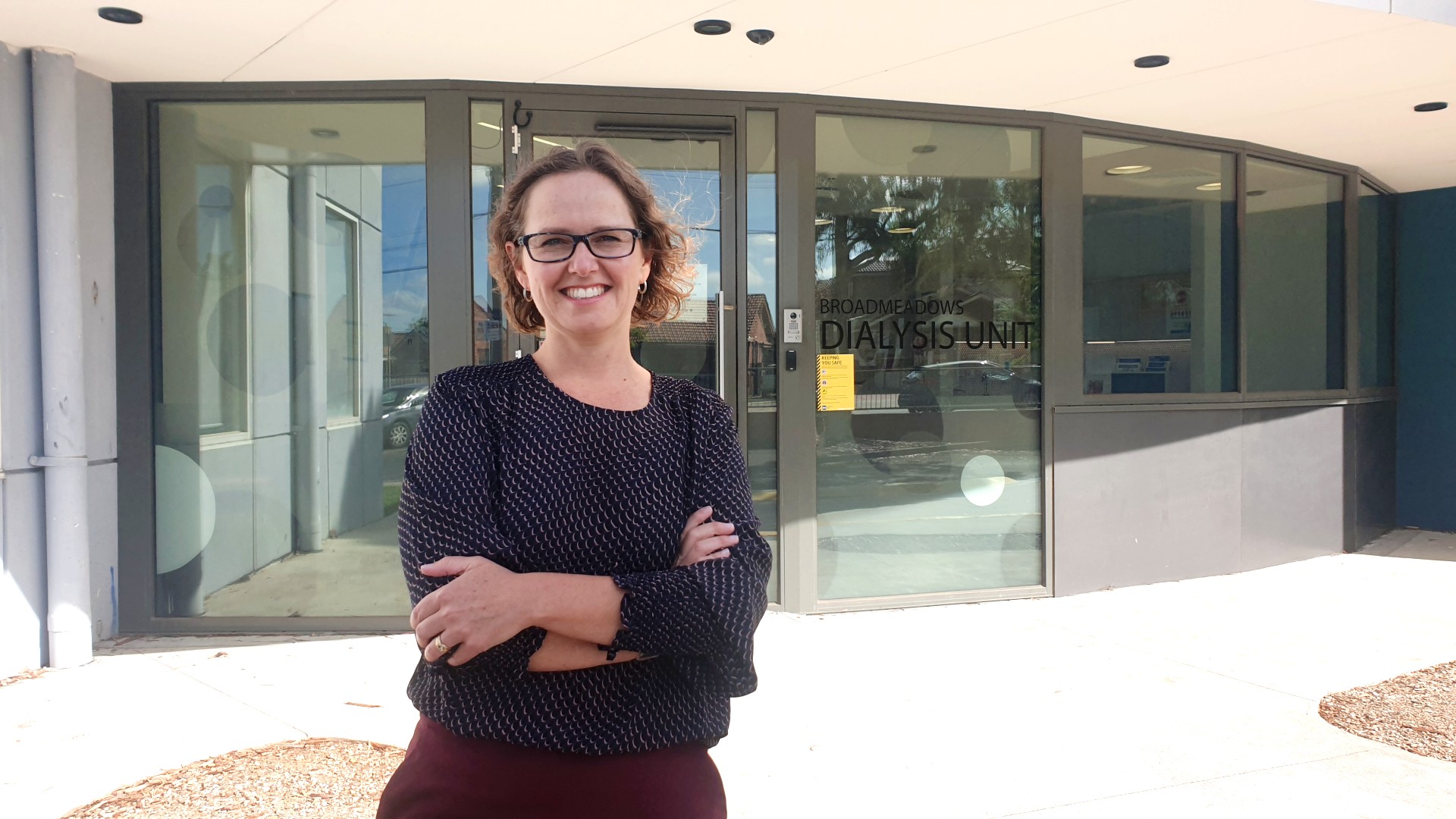
    Judy Harris is the new Nurse Unit Manager (NUM) at the Haemodialysis Unit, Broadmeadows Hospital and Craigieburn Centre.

    Can you tell us a bit about where you worked before Northern Health?

    I was an Associate Nurse Unit Manager in dialysis at a private clinic in Greensborough, and I was there for 12 years.

    What attracted you to Northern Health?

    I think it’s a really great organisation, where there is a lot of opportunity and this area has huge growth. I somehow see Northern Health like a new health service, even though I know it has been here a long time, but I think it’s growing and developing so much. It is a great place to be involved in the development of renal services.

    What attracted you to this profession and what are some of the challenges? 

    I trained in dialysis whilst I was working in a children’s hospital – it was an opportunity to develop a new skill. I then found that working in a satellite clinic worked very well with having small children, as I enjoyed dialysis, and it was close to home.

    One of the biggest challenges in my role is getting to know patients, as we look after the same patients over many years. It can become really hard to step back and just be the nurse at times. We not only meet the patients, but the families too and know so much about their lives. The emotional commitment to the patients can sometimes be challenging.

    What are you hoping to achieve as a new NUM in Dialysis?

    I believe there are a lot of opportunities here and a chance to explore different aspects of healthcare in the renal service. I am interested in seeing how renal services are planning to grow and develop and follow the growth of the community. In this role, I just want to do a good job. I’ve acted as a NUM before for a couple of weeks, so this is my first NUM ongoing position. Hoping to keep things steady and get some good outcomes.

    What was your first day here like?

    The welcome here at Broadmeadows Hospital and in the renal department has been amazing. The staff are really kind and friendly and NUMs have been really supportive. I know Northern Health’s values are safe, kind and together and I think that has been reflected in the people that I have met so far.

    What do you like to do in your free time?

    I love to spend time with my family, we really enjoy going bush camping. I also love my dog, and try to get out for walk every day with him.

  • Tomorrow is World Cancer Day

    Tomorrow is World Cancer Day

    Tomorrow is World Cancer Day – an opportunity to raise worldwide attention for cancer, and inspire action for prevention, detection and treatment.

    Cancer has a significant impact on our society and is one of the leading causes of death in Australia.

    Melissa Gwynne, Day Oncology Nurse Unit Manager, explained the importance of recognising World Cancer Day.

    “Cancer has touched so many lives, either directly or indirectly. It’s important to raise the awareness of what we can do as a community and as individuals to reduce the risks of cancer,” Melissa said.

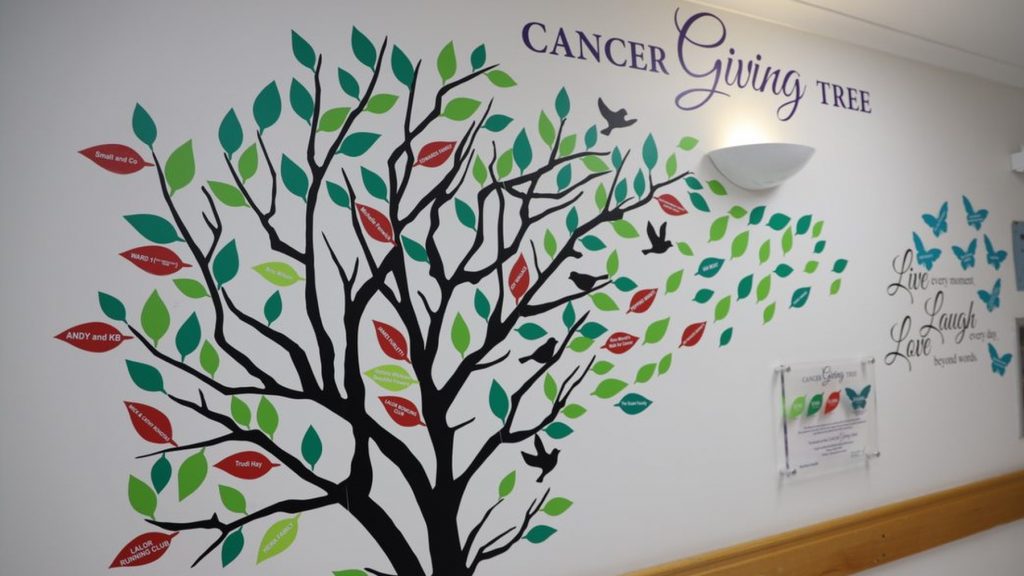
    Northern Health Cancer Services are committed to providing the best possible care to patients in our community affected by cancer. To help continue to provide this high quality care to our patients, Northern Health Foundation has launched the Cancer Giving Tree.

    Over the years, we have received many very generous donations from grateful patients and families for their outstanding care at Northern Health during their cancer journey. From this, the Giving Tree has been created to acknowledge the incredible and ongoing support from our community.

    The Giving Tree is on display in the Day Oncology Unit at Northern Hospital Epping to brighten the ward and so patients and families can see the difference our community has made to their lives. Each coloured leaf represents a donation from our community ranging from $250 to $10,000, and the butterflies pictured to the right of the below image symbolise very generous donations over $10,000.

    “The cancer giving tree is a great way to donate to Northern Health Cancer Services and to also recognise the many great donors we have had contributing to the growth of our services,” Melissa said.

    Donations help Northern Health fund medical equipment for our Day Oncology Units at both Epping and Craigieburn. Having comfortable treatment chairs, warm blankets and state-of-the-art medical equipment ensures our cancer patients get the care and comfort they need at a time when they are most vulnerable.

    “We have been very fortunate at Northern Health to be blessed by some very generous donors and groups of people raising money for Cancer Services. In Day Oncology, we have been able to purchase vital equipment such as scalp cooling machines, treatment chairs, a blanket warmer, vital sign machines and an ECG machine to name a few,” Melissa explained.

    “All of the equipment and products we purchase are to improve the care we provide to our patients and also ensure a comfortable, welcoming environment for their treatments,” Melissa added.

    The Cancer Giving Tree in the Day Oncology Unit at Northern Hospital Epping

    We encourage our community to donate to the Cancer Giving Tree to help make a difference to the lives of people affected by cancer.

    To make a donation to the Northern Health Foundation Cancer Giving Tree, please click here.  

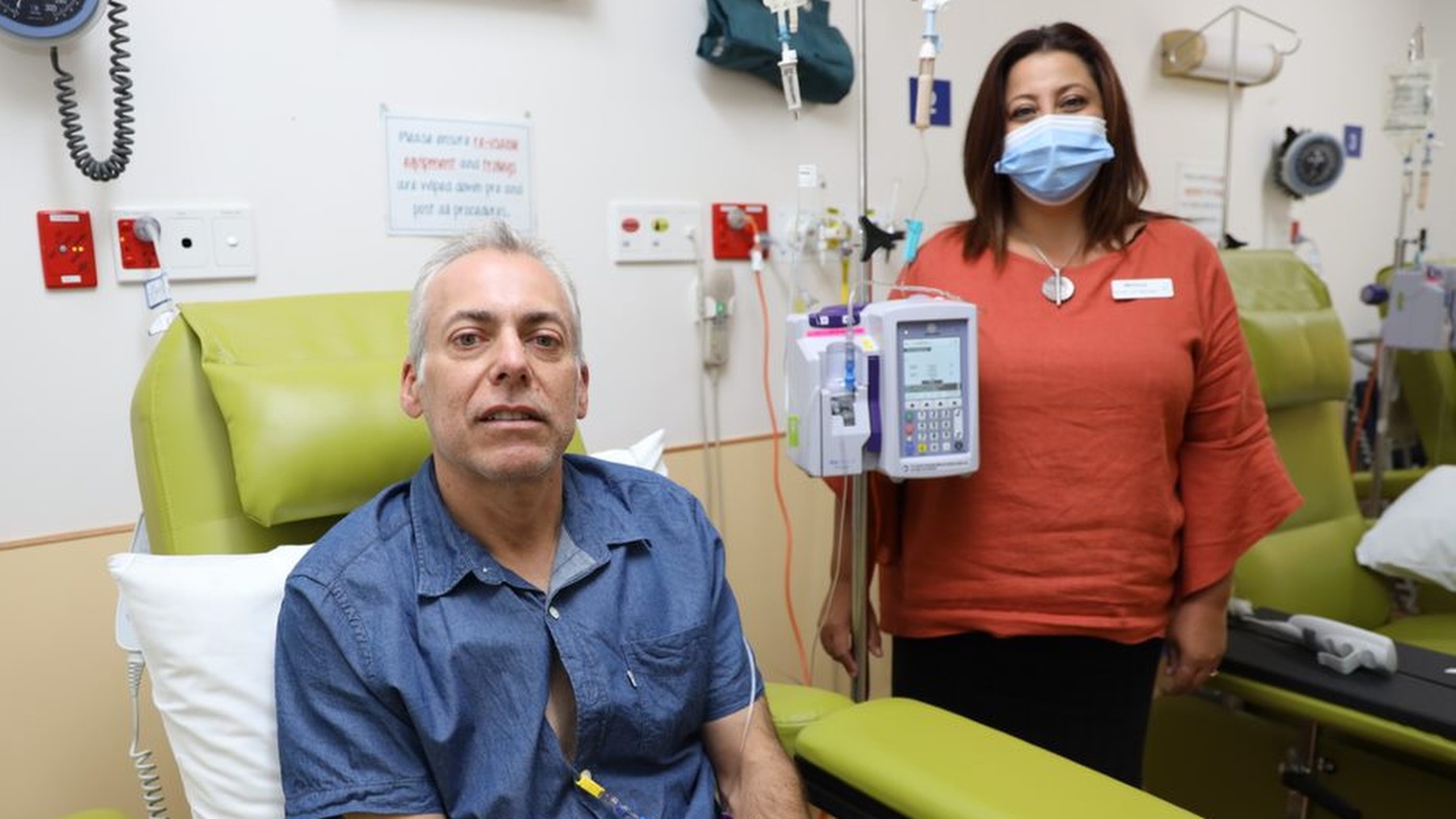
    Featured Image: Patient, Fernando, with Day Oncology Nurse Unit Manager, Melissa Gwynne