• We Are Northern: This is Support Services

    We Are Northern: This is Support Services

    At Northern Health, Support Services is the behind-the-scenes team that keep our health service functioning through cleaning, food service, waste management and so much more.

    Support Services has a total of 380 EFT employees across four campuses, with the majority of staff based at Northern Hospital, followed by Broadmeadows Hospital, Bundoora Centre and Craigieburn Centre.

    Amongst the hundreds of dedicated Support Services staff across our health service, is Ljuba Vulic.

    Ljuba has been with the department for almost 50 years and is a valued member of the team.

    “I love working with people, both staff and patients. I am very passionate about helping patients and the support I get from my manager and my colleagues keeps me coming to work every day. We are like one big family here,” she said.

    “I first started working at Greenvale Geriatric Centre in 1973. Once Greenvale closed, I got relocated to Broadmeadows Hospital and have been here ever since. I worked for many years in the Palliative Care Unit before they relocated it to Northern Hospital. I used to work half-shifts between the kitchen and the wards, now I just work as a Patient Service Assistant (PSA).”

     The pandemic has had a huge impact on health services across Victoria, and for the Support Services team here at Northern Health, it brought many challenges, as well as achievements.

    “We have become experts at flipping wards on very short notice,” said Greg Warman, Director Support Services.

    “We transitioned all our cleaners and PSAs to heightened precautions for cleaning, in particular cleaning of high touch wards and public areas, including car parks and pay machines.”

    During this time, the team provided ad-hoc COVID-19 cleaning services to all areas 24/7, as well as PPE spotters on each of the COVID wards and ED.

    The department also provided staff for the Concierge Service and facilitated night meals to staff, as part of the State Government’s support for the healthcare workforce in recognition of ongoing demand pressures during the pandemic.

    “To be honest, there wouldn’t be a hospital if any of the support service functions were to cease. No food delivered, no cleaning, no waste collection, no bed sheets or blankets,” said Greg.

    “The Support Service staff are crucial in ensuring the health service provides safe and timely care to our patients.”

    With Northern Health’s continuous growth over the years, the Support Services team has been involved in all the changes to date, such as opening the Main Ward Block in 2021 and relocating Day Oncology in 2022. The team assisted with setting up the wards ready to accept patients and moving patients into the wards.

    The Support Services team is also working with the design teams for the expanded services at the Craigieburn Centre and the new Whittlesea Community Hospital.

    Thank you to all our Support Services staff for all that you do for Northern Health!

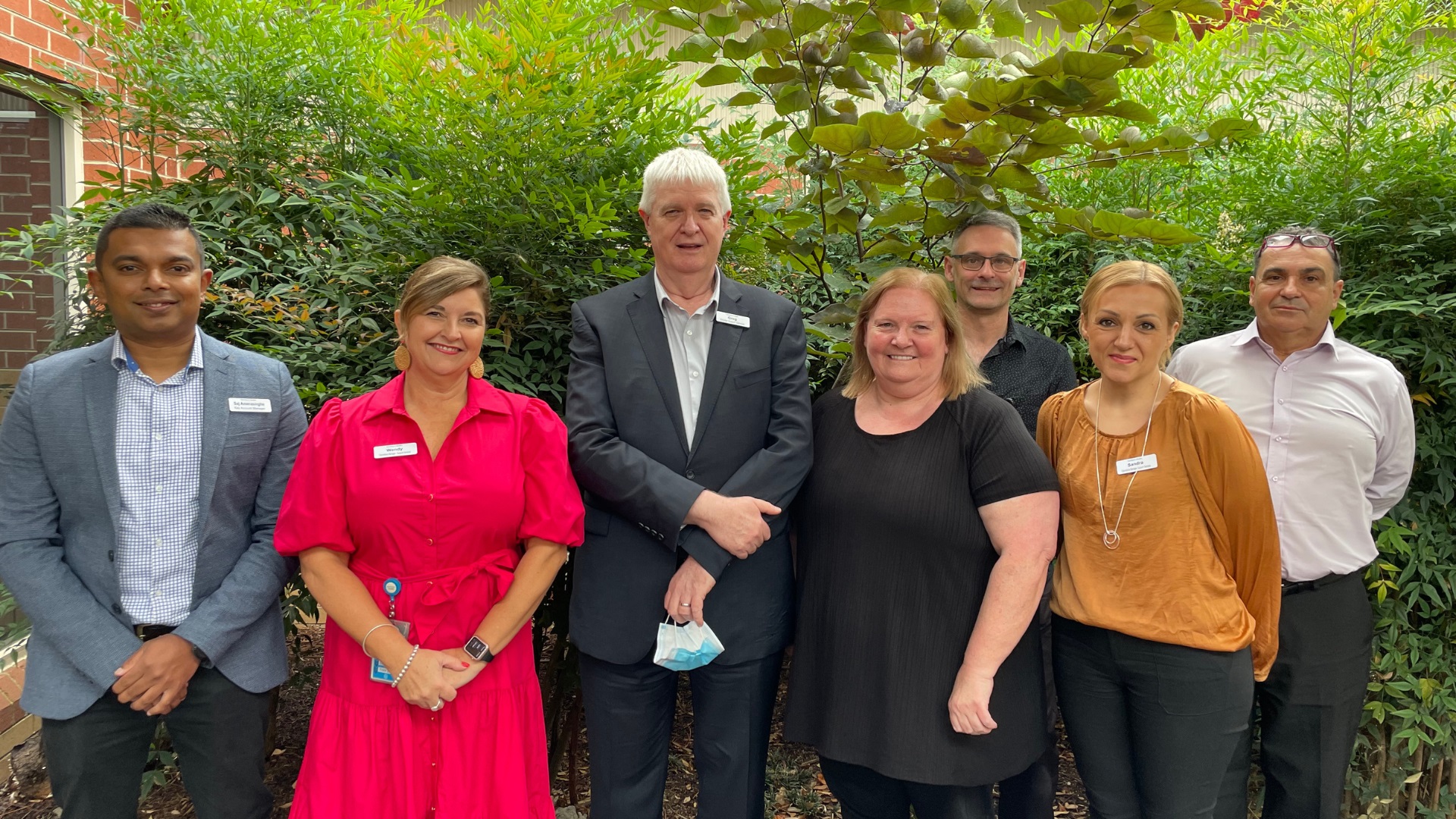
    Pictured the Support Services Management Team (from left to right): Saj Amerasinghe, Wendy Nicol, Greg Warman, Deb Clark, Steve Carnell, Sandra Molinaro, Miguel Barras 
     

  • RedFeb: Wear red this February for someone close to your heart

    RedFeb: Wear red this February for someone close to your heart

    RedFeb is an annual Heart Research Australia event where people are encouraged to wear red on behalf of someone they care about who has been impacted by heart disease.

    RedFeb aims to raise awareness and much needed funds for research into the prevention, diagnosis and treatment of heart disease, including coronary heart disease (CHD), heart failure, valve disease and arrhythmias.

    Northern Health Heart Failure Nurse Practitioner, Vikki Hannah, says many people may not be aware of their risk factors for heart disease, as some risk-factors, such as high blood pressure and high cholesterol, have no symptoms.

    “It’s never too late to manage your risk of heart disease and improve your heart health. Some risk factors for heart disease are beyond your control, such as age, gender, ethnicity, and family history, but there is no one cause for heart disease. Most heart attacks and strokes can be prevented with healthy choices,” she says.

    “Eating a balanced diet, exercising regularly and maintaining a healthy weight are a few of the ways you can reduce your changes of having heart disease. I encourage anyone 45 years and over, or 30 years and over for Aboriginal and Torres Strait Islander peoples, to have a regular heart health check with their GP.”

    Ms Hannah also highlighted that research shows women are much less likely to undergo treatment for a heart attack or angina in hospital compared to men.

    “Almost every hour of every day an Australian woman dies of heart disease. Chest pain is a common heart attack symptom in both men and women, but women are more likely to experience non-chest pain symptoms, such as back pain, vomiting and indigestion,” she says.

    “Also, in addition to traditional cardiovascular disease risk factors, the risk of a heart attack or stroke can also be affected by women-specific risk factors, such as polycystic ovary syndrome, premature menopause and pregnancy complications.”

    For more information on RedFeb, please visit www.heartresearch.com.au/redfeb.

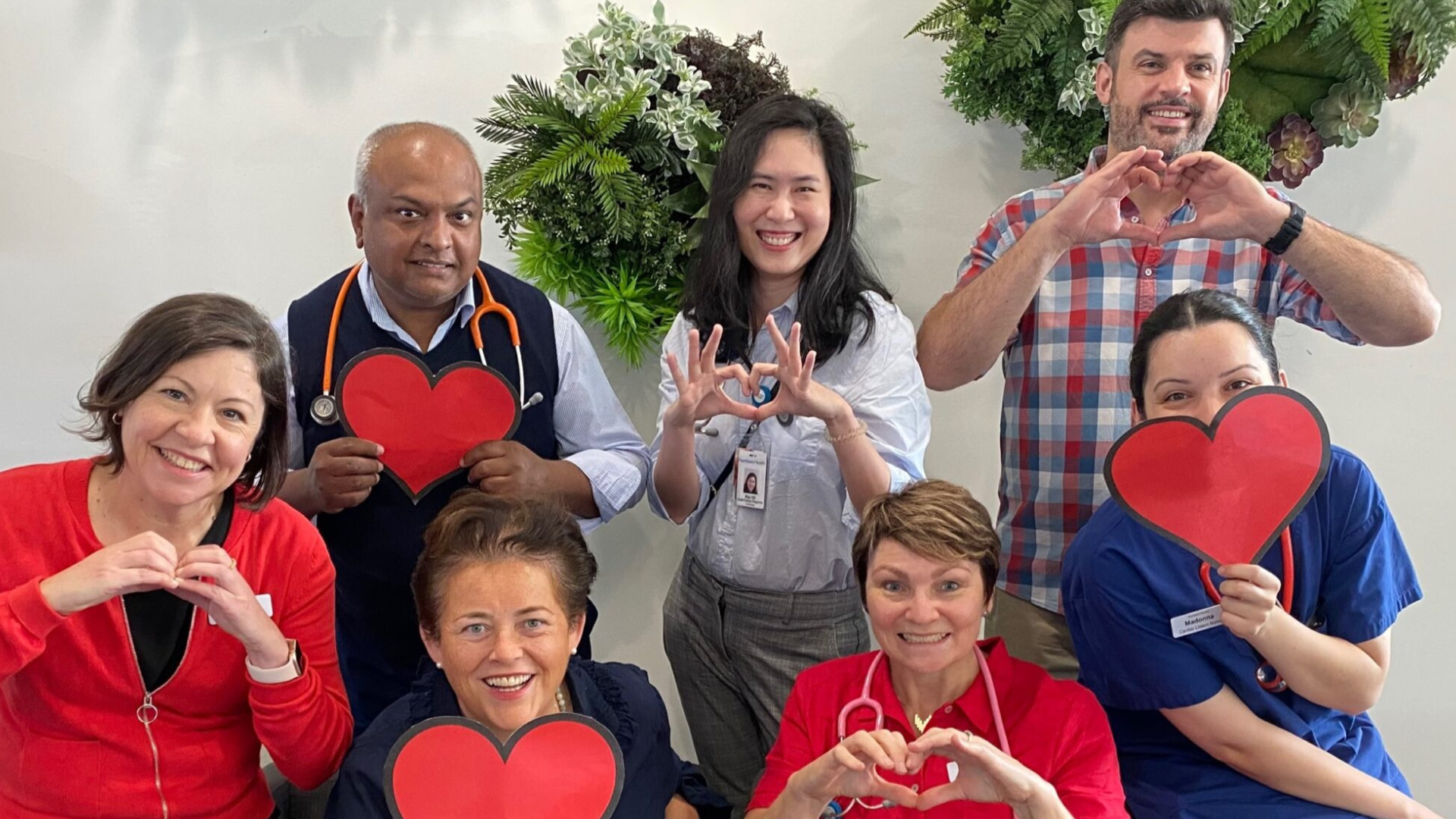
    Image details: Northern Health Heart Failure Nurse Practitioner, Vikki Hannah (seated right) with members of the Heart Failure team.

  • Get to know: Dr Kelvin Chapakwenda

    Get to know: Dr Kelvin Chapakwenda

    #WeAreNorthern

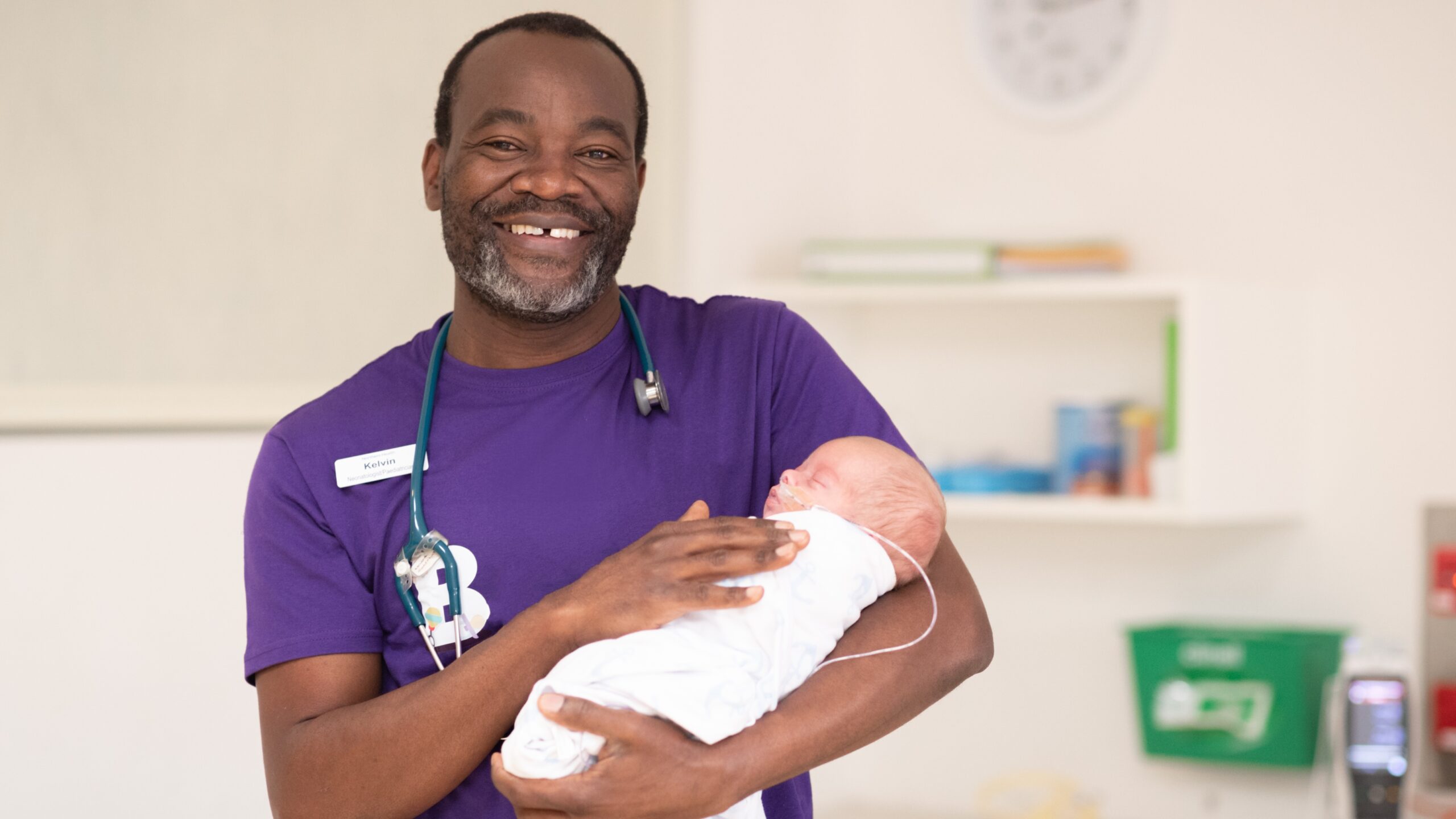
    Meet Dr Kelvin Chapakwenda, neonatologist/paediatrician

    Q: What are you really excited for in 2023?

    A: It’s exciting just to enter 2023 on both a personal and institutional level, given the global challenges of the previous three years. I’m excited for what lies ahead, in relation to the provision of improved patient care and an environment that is therapeutic for the community we serve. All aspects of our health service, including my own department, are working hard to see better health outcomes for our community.

    Q: When did you realise you wanted to be a paediatric doctor?

    A: Pretty early on, way back during my grade 9 high school year in 1984. I thought that this role was one way I could contribute in alleviating some of the challenges that families face when dealing with a sick child.

    Q: What is your most prized possession?

    A: Besides life itself, I do not have a prized possession. I consider my family to be of the uttermost value and I will forever cherish their companionship.

    Q: What did you do for work before working at Northern Health?

    A: Before Northern Health, I worked in various health services around the state as an advanced trainee, initially in Neonatal and Perinatal Medicine followed by a post-FRACP specialist training in General Paediatrics. I have also worked as a senior medical house officer in Central Africa, the United Kingdom and New Zealand.

    Q: If given the opportunity, what book would you write?

    A: A Life Never Lived


  • 2021-22 Northern Health Annual Meeting

    2021-22 Northern Health Annual Meeting

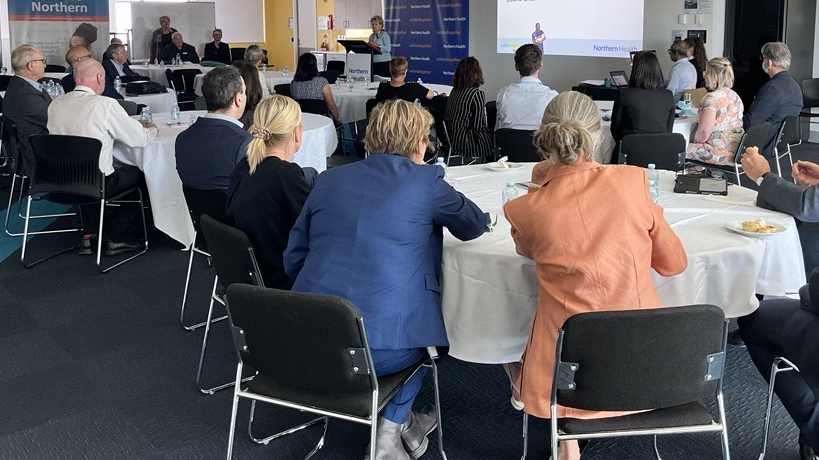
    This afternoon, Northern Health hosted the 2021-22 Northern Health Annual Meeting.

    Held at the Northern Centre for Health Education & Research (NCHER), the Northern Health Board and Executive were virtually joined by members of the local community, consumers, primary care partners, volunteers and staff, to hear about the health service’s highlights and achievements from the 2021-22 financial year.

    Jennifer Williams AM, Board Chair, opened the meeting, acknowledging yet another challenging year in healthcare due to the COVID-19 pandemic. She also highlighted the many new opportunities that were presented during the year.

    “With each wave of COVID-19, our workforce was challenged, and with each new challenge, they demonstrated their commitment to their patients,” Jennifer said.

    “Our staff worked together to protect our patients, our community and their colleagues, and for that, I am incredibly proud.”

    Siva Sivarajah, Chief Executive, reflected on the operational achievements.

    “Demand for emergency care remained strong over the year, with our Northern Hospital Epping Emergency Department (ED) continuing to treat more patients than any other ED in Victoria. We received more than 110,000 emergency presentations – this makes us the busiest ED in the state, a title we have managed to hold for some years now,” he said.

    “In addition, the Victorian Virtual Emergency Department (VVED) saw more than 35,000 virtual emergency presentations and there were over 35,000 patient arrivals from Ambulance Victoria.”

    Siva also highlighted the number of capital projects that were completed or initiated that have helped the health service to grow its facilities and services in Melbourne’s northern region – one of the fastest growing communities in Australia.

    “A new Main Ward Block at Northern Hospital Epping was completed, and the multi-deck carpark opened, helping to relieve pressure for staff car parking access,” Siva said.

    “Construction of a new 30-bed mental health facility commenced in 2021 and was completed late last year. This facility will enable us to meet the growing demands for mental health services in the north, and provide expert care and personalised care to patients.”

    Siva also congratulated and acknowledged all staff for their amazing effort in working during the pandemic, with a nod to the return of some level of business as usual.

    “I want to thank each and every one of our staff and volunteers for their enormous effort and commitment over the past three years. 2023 is shaping up to be an exciting year and I am proud of what we, as an organisation, have achieved to keep our community safe and healthy.

    During the meeting, we also showcased Nina Yhap’s story. Nina spent two years working and learning at Northern Health, receiving her post-fellowship training. She worked and trained closely with Northern Health’s Vascular Surgery Unit, including Iman Bayat, Head of Vascular Surgery.

    Nina has since moved back to Barbados, her home country, with new knowledge and skills acquired at Northern Health. She has become Barbados’ first ever vascular and endovascular surgeon and has proceeded to set up a vascular service in Barbados. You can watch Nina’s story in the video below.

    Peter McDonald, Board Director and Finance Committee Chair, presented the Financial Report, which included an operating surplus of $0.1m. He also introduced the Northern Health Annual Report for 2021-22, which can be found here.

    Jennifer closed the meeting by thanking everyone for their work during the year.

    “We are grateful for your ongoing dedication and contribution and we look forward to an exciting 2023 at Northern Health.”


  • Teal Ribbon Day: Ovarian Cancer Awareness

    Teal Ribbon Day: Ovarian Cancer Awareness

    February is Ovarian Cancer Awareness month and today, 22 February, is Teal Ribbon Day. During this time, the aim is to support those affected by ovarian cancer and raise awareness.

    Ovarian cancer is a malignant tumour in one or both ovaries and is the eighth most common cancer in Australia. According to Cancer Council Australia, it is estimated that more than 1,300 people were diagnosed with ovarian cancer in 2022.

    “Ovarian cancer is a general term to describe a cancer starting in one or both ovaries. Cancers that start in the fallopian tubes or the peritoneal lining together with cancers starting in the ovaries are considered to be part of a single entity and often all generalised under the common term of ovarian cancer,” said Northern Health Medical Oncologist, Dr Vishal Boolell.

    Ovarian cancer can be difficult to diagnose in its early stages as symptoms can often be non-specific or similar to those of other diseases.

    These can include bloating, pelvic or abdominal pain and frequent urination. Other less common symptoms may include fatigue, indigestion and back pain.

    In Dr Boolell’s experience as a medical oncologist, women can also present with symptoms such as abnormal build-up of fluid, bowel obstruction and blood clots in the legs and/or lungs.

    While more research is required to better understand the causes of ovarian cancer, there are no tests, screening or preventive measures that can help reduce the risk of ovarian cancer in women.

    “The average age of women diagnosed with ovarian cancer is 64 with the majority of patients diagnosed after the age of 50. There are also familial cancer syndromes, which convey a much higher risk of developing ovarian cancer,” said Dr Boolell.

    “In some patients with a known familial cancer syndrome, a preventative surgery may be offered in the form of a surgical removal of the ovaries and fallopian tubes.”

    Ovarian cancer is usually diagnosed by a combination of preliminary tests performed by a doctor, including a pelvic exam, radiological tests, blood tests and ultimately, a surgical biopsy.

    For more information on ovarian cancer, visit the Cancer Council website.

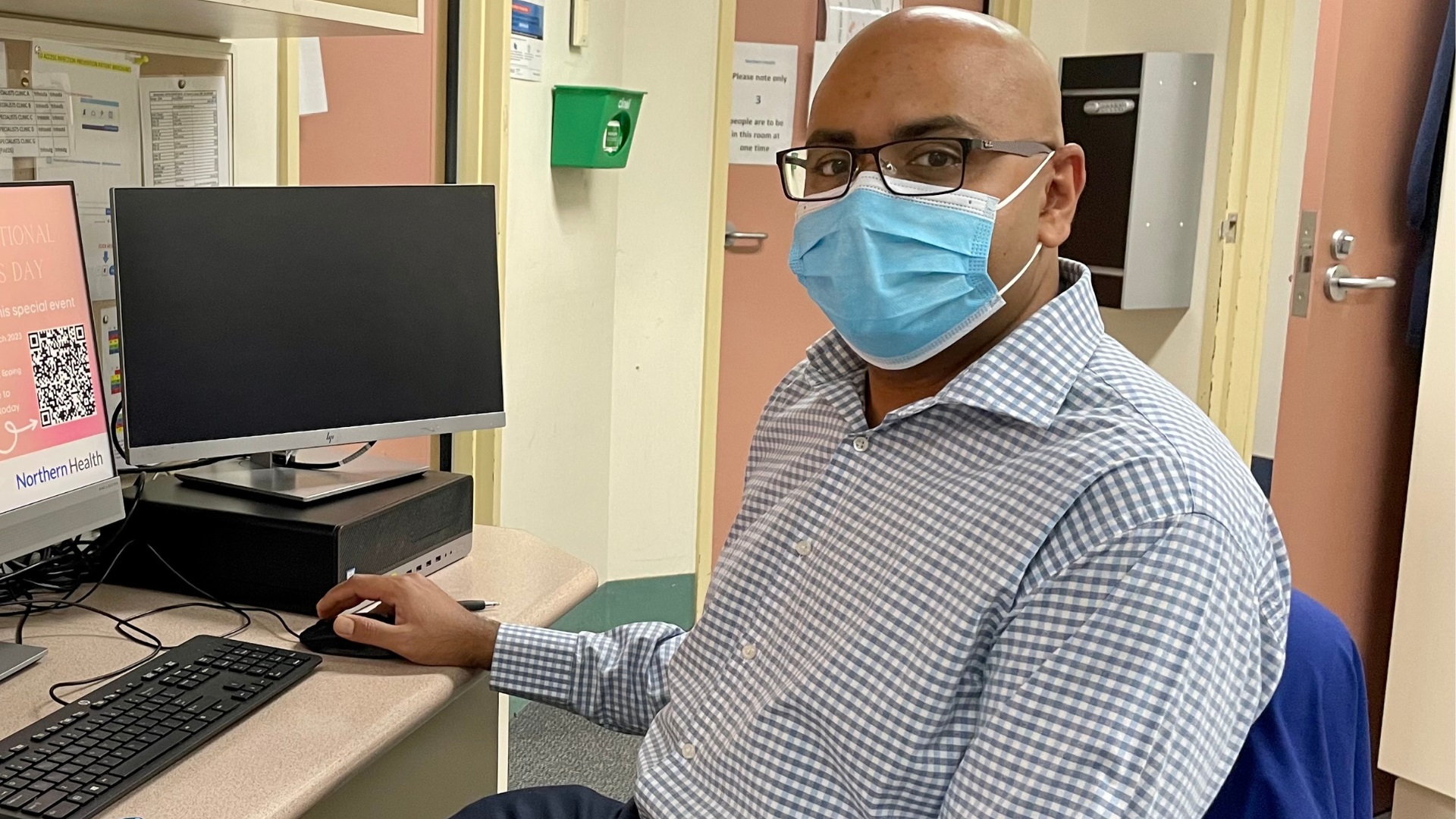
    Featured in the image: Dr Vishal Boolell (Medical Oncologist)

  • Meet your EMR Trainers

    Meet your EMR Trainers

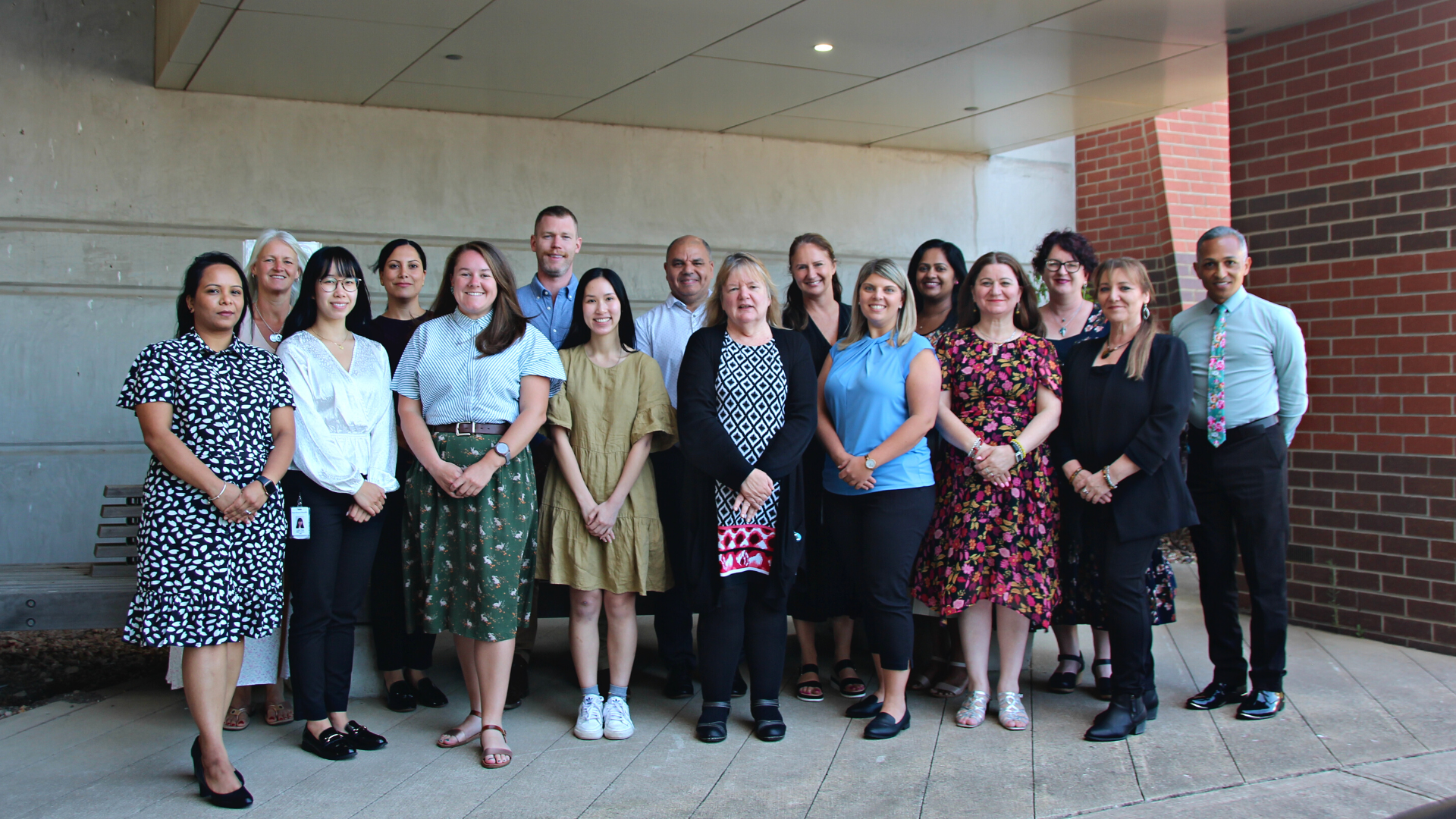
    The Electronic Medical Record (EMR) team is excited to introduce you to our 14 EMR Trainers!

    With EMR going live in less than seven months, along with testing the system from end-to-end, it will also be the team’s top priority to engage and prepare our leaders and staff for the implementation. EMR Trainers will play a crucial role in the development and training delivery to more than 5,000 staff who will be interacting with the EMR.

    As a part of their onboarding process, the trainers attended ‘Train the Trainer’ workshops from 16 January to 3 February, to familiarise themselves with the system, future state workflows, and change impacts across disciplines. EMR Training Manager, Cliff Wilshire, expressed his welcome to his fellow trainers.

    “A very warm welcome to the team. The past few weeks have certainly been a highlight for me. We were able to incorporate work and fun together. On Wednesday mornings, we play EMR charades to refresh our knowledge of the system. The winning team receives a token and the team with the most tokens at the end of the year will get a prize,” says Cliff.

    Our 14 trainers come from disciplines such as nursing, allied health, mental health and pharmacy.

    EMR Trainer, Alison Voss, has been working at our Cath Lab for more than 10 years. “I have been living a double life – working at Northern Health Cath Lab, Austin Health Intensive Care Unit and Emergency Department. When Austin Health launched the EMR, it was a steep learning curve for everyone, including me, but I felt much more confident in using the system once I completed the training. I can’t wait to start training and make this transition as smooth for you,” says Alison.

    EMR Trainer, Mohamed Hussein, is thrilled to join the team. “I have been working in the operating theatres for over 20 years. In previous roles, I was the CSSD Manager at different hospitals and organisations from public to private sector. Being a trainer and assessor with different RTO’s, I have always enjoyed training my staff very much. When I saw this opportunity come up, I took a leap of faith. Next thing I know, I am a part of the great EMR team at the Northern Health family!” says Mohamed.

    “We are extremely grateful to have leadership’s support in recruitment and I can’t wait for our staff to meet the team,” Cliff adds.

    In the coming months, you will see our trainers attending and facilitating EMR activities, such as EMR super user briefings, solution gallery (an opportunity to see the system up close), and familiarisations (5-10 minutes bite-sized video demonstrations of EMR functionalities).

    Click here to learn more about the team.

  • Making a difference to the health outcomes of our smallest patients

    Making a difference to the health outcomes of our smallest patients

    For over 30 years, the Humpty Dumpty Foundation has been providing essential, and often life-saving, medical equipment for sick and injured children in hospitals across Australia.

    The Humpty Dumpty Foundation is the largest charitable supplier of children’s medical equipment behind state and territory governments across Australia, and is working hard with health officials and communities to ensure all states and territories have the equipment they need. To date, Humpty Dumpty has raised over $90 million, and in 2021, donated a record-breaking 700 pieces of medical equipment nation-wide.

    Northern Health Foundation relies on support from charitable organisations like Humpty Dumpty to fund essential equipment for Northern Health. Currently, over 20 pieces of equipment have been donated to our maternity ward and neonatal unit over the past few years. This equipment includes Rad 5 Oximeters, Connex Vital Signs Monitors, a 950 Humidifier and an ECG machine with cart, all contributing to the invaluable resources within our health service.

    AV Jennings Foundation partnered with Humpty Dumpty to support the purchase of the 950 Humidifier for Northern Health’s neonatal unit.

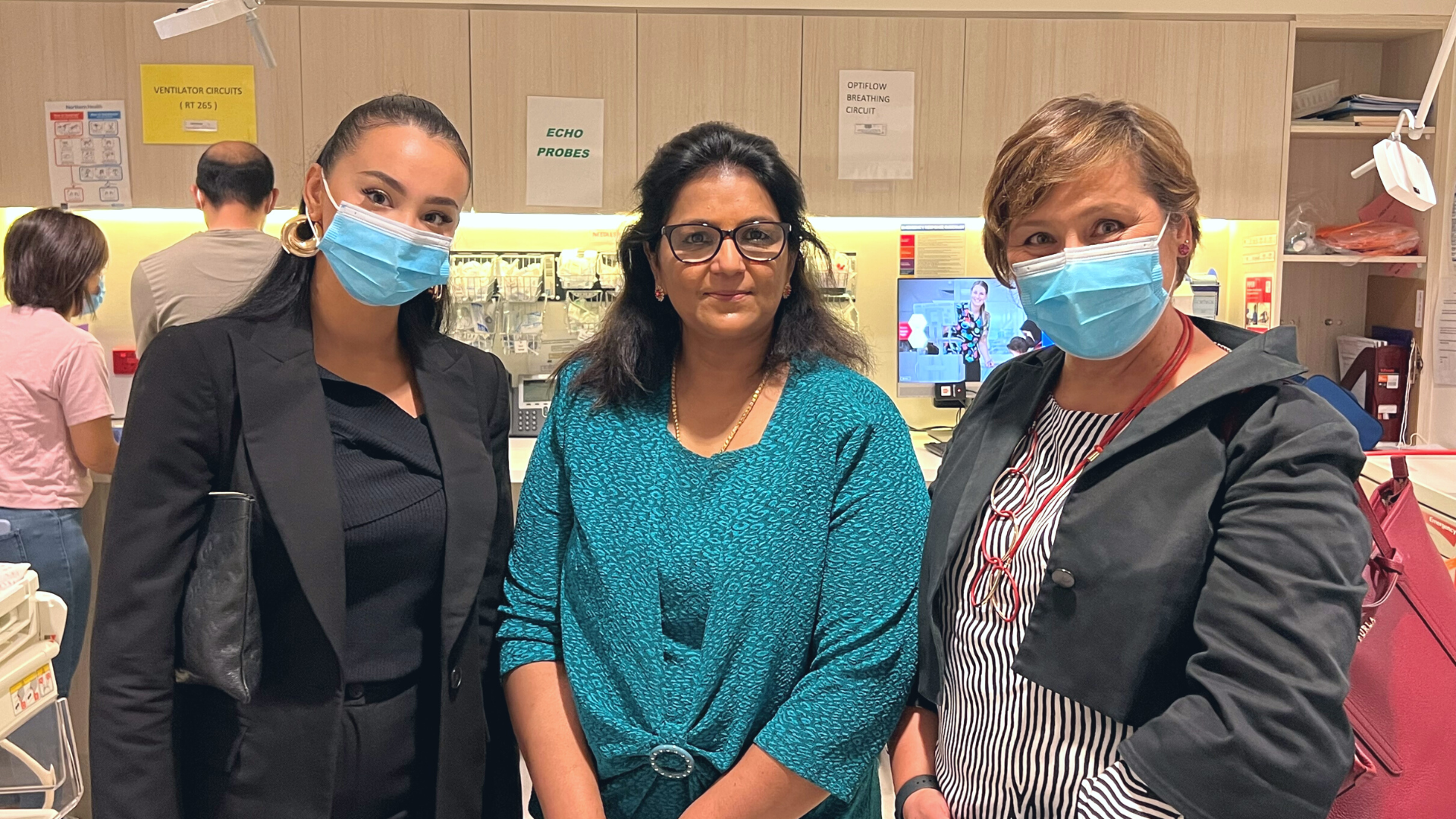
    Today, Serpil Gurel and Suzan Jabbour from the AV Jennings Foundation, toured our neonatal and maternity wards to see first-hand how the 950 Humidifier enhances care for our smallest patients; our precious newborns.

    Molly Mathew, Acting Nurse Unit Manager, Neonatal, was only too happy to provide a tour to our donors saying, “it’s always a pleasure to show donors the equipment they have funded and how it makes a difference to our patients.”

    Serpil and Suzan met Jaxx and his mum Brianna who have been with us at Northern Hospital Epping for the past four weeks. Our visitors were able to see how Jaxx’s breathing was being aided by the humidifier.

    “The 950 Humidification system is a vital part when using respiratory support within the neonatal unit as humidification assists with the natural defense mechanisms in the airway. Reflexes such as sneezing, coughing, and gagging are supported by the natural filtration of nasal hairs and the upper airway. In preterm infants, these mechanisms can be underdeveloped. The humidification is necessary to avoid drying of respiratory secretions and for maintaining nasal cilia function due to the high flow rate,” explains Molly.

    According to Pina Di Donato, Executive Director, Public Affairs and Foundation, who was also on the tour, “Having a donor tour is a great opportunity for us to thank Humpty Dumpty Foundation and their partners for their support, and explain how their generosity has improved patient care. It was a pleasure to have Serpil and Suzan visit us today. We really enjoy the opportunity to connect with our donors in person.”

    We sincerely thank AV Jennings and Humpty Dumpty Foundation for their continued support of our heath service, and helping us provide the latest and most essential equipment for our little patients.


    Neonatal Unit, Baby Jaxx with Humidifier machine

    Suzan Jabbour and Serpil Gurel next to 950 Humidifier

  • Get to know: Dr Peter Cheng

    Get to know: Dr Peter Cheng

    #WeAreNorthern

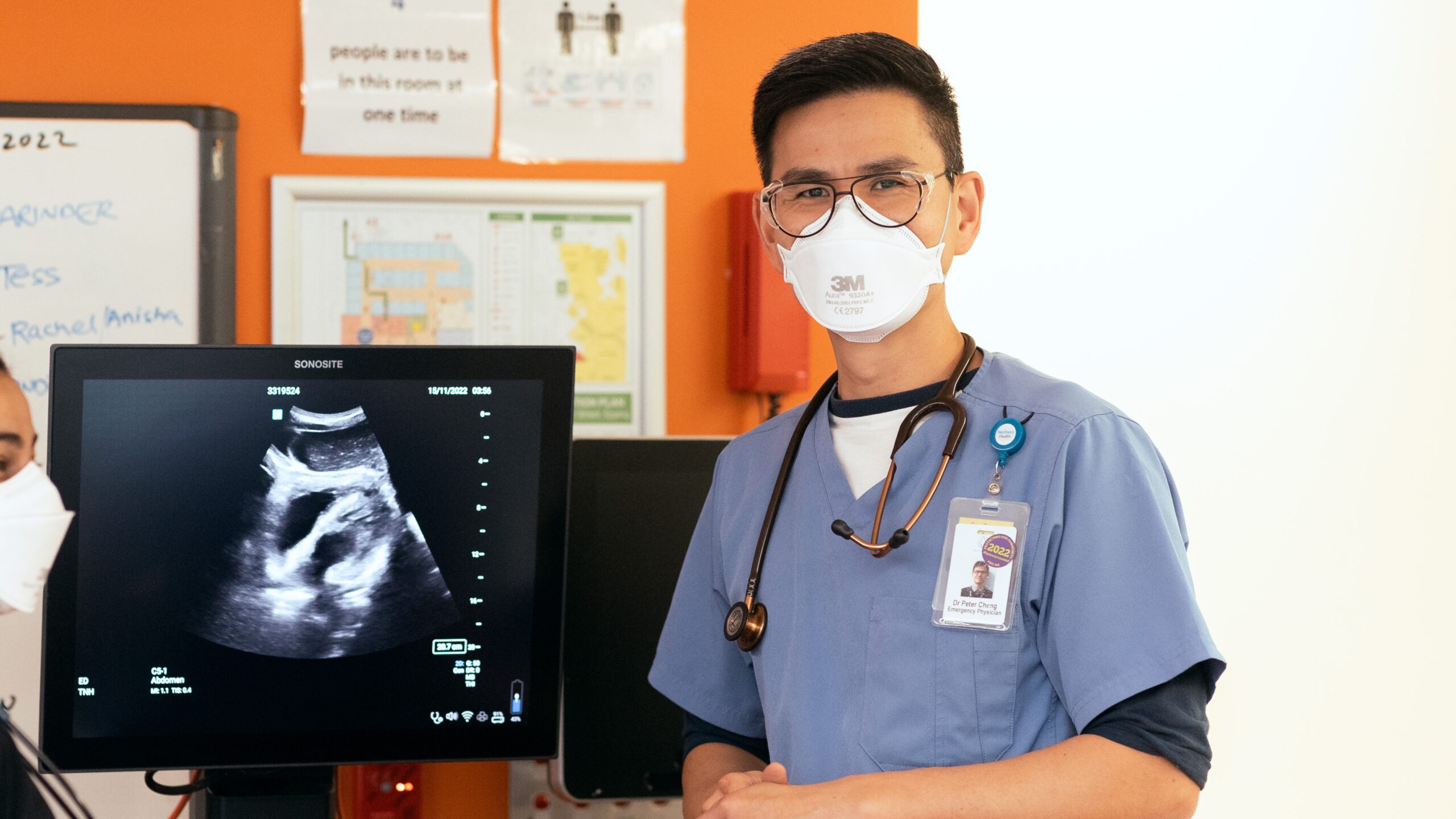
    Meet Dr Peter Cheng, Emergency Department Physician

    Q: Tell us about a career highlight for you while you’ve been with Northern Health. 

    A: Working in ED is full of drama and highlights, so it’s hard to pick just one! I don’t ask for much: for me it’s the basic things like reduction of a dislocated shoulder, teaching juniors on the floor, a smooth procedural sedation…but also the heroic interventions like catching a baby in the carpark, or a successful resuscitation of a critically ill patient. In 2015, I was appointed as one of the directors of Emergency Medicine Training. I feel very fortunate to have colleagues who believe in me and continue to support me over the years. It’s an immense privilege to be part of a dynamic group of consultants who care deeply for our discipline, each other and the well-being of our trainees. In my opinion, no other ED does it better than the Northern!

    Q: What are you really excited for in 2023?

    A: I’m looking forward to promoting the use of Point of Care Ultrasound (POCUS) in ED. I get a kick out of watching the penny drop for my registrars when they pick a ruptured ectopic pregnancy, a punctured lung or an obstructed kidney. I believe when more clinicians integrate sonography into their practice, more patients receive safer, targeted and timely care. The future looks bright for POCUS in Emergency Medicine.

    Q: What’s your most-used productivity hack?

    A: I made and distributed a couple of instructional videos showing others how to store ultrasound images and labelled various parts of the slit lamp to make the eye examination easier. I’m not sure if these are “hacks”, but they are helpful aids for junior doctors who are unfamiliar with the equipment.

    Q: Are you a morning person or a night owl?

    A: Night owl. In my younger days, I used to be a morning person, but these days I try to squeeze in a few extra minutes of sleep-in time after a hard evening on-call shift or from staying up late watching Netflix… if the kids will let me!

    Q: What’s the best compliment you’ve ever received?

    A: Can I name two? 1) I was mistaken for Bruce Lee by a patient who presented incredibly disinhibited. Luckily, he didn’t pick me as his martial arts sparring partner! 2) I was introduced to a patient by a respected senior ED nurse as “one of the most caring doctors”, which made me feel quite special, but terribly embarrassed at the same time. It isn’t easy, but it is a reputation that I strive to live by.  Bruce Lee sounds much cooler, though…