• New Mobile Device Management System

    New Mobile Device Management System

    Northern Health is about to change its Mobile Device Management (MDM) solution, in line with Department of Health (DoH) security requirements.

    The DoH requires all Northern Health mobile devices, including applications and data on bring your own devices, to be managed by a new MDM system to ensure security on the health service’s network.

    Microsoft Intune has been selected as Northern Health’s new MDM platform. ICT will start enrolling all mobile devices into Microsoft Intune by the end of June.

    Once Microsoft Intune has been implemented, if a device is lost or stolen, it can be wiped directly from Intune. Mobile apps will be available for users to install directly without having to ask permission from ICT and, if a device is misplaced, Intune can track its last-known location. Devices will be backed up prior to the enrolment to ensure data on the device is not lost.

    If a device is not enrolled in Intune, ICT will be required to block the device from accessing any Northern Health data.

    David Calvo, Chief Information Officer, said with recent data breaches in other well-known organisations, it was a timely reminder the information of our patients was of a high priority.

    “Northern Health has had many limitations with the current MDM solution in place. Intune will allow us to increase the corporate mobile device fleet security, be compliant with the cyber security requirements from the Department of Health and improve productivity by streamlining processes. I will also allow ICT to be more flexible with Northern Health users by allowing the enrolment of a wider spectrum of mobile devices,” he said.

    Megan Farrell, Project Manager, said Microsoft Intune was a, “great move forward to secure data for Northern Health.”

    Staff using a Northern Health owned mobile device will need to complete a short online form before Friday, 14 April to ensure the device is configured correctly.

    For further information please visit the ICT Mobile Devices Procedure on PROMPT.

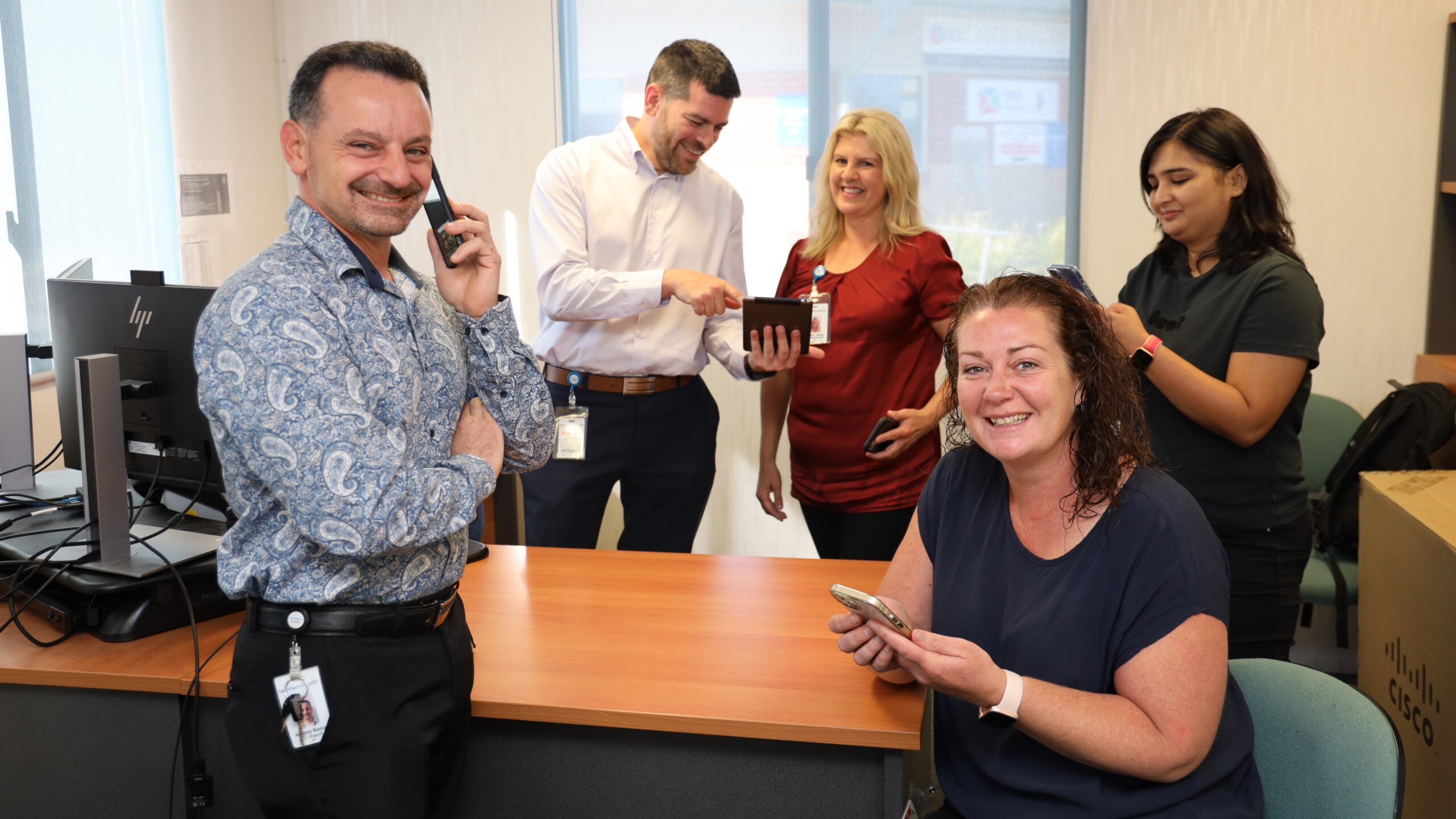
    Featured image L-R: Anthony Bordon, ICT Support Officer, David Calvo, Chief Information Officer, Andrea Clancy, ICT Admin Support, Megan Farrell, Project Manager and Neha Singh ICT.
  • We Are Northern: This is the Palliative Care team

    We Are Northern: This is the Palliative Care team

    The Inpatient Palliative Care (PC) unit is located in Ward 3 at Northern Hospital Epping. It is a 16-bed unit with shared and private rooms for adult patients diagnosed with a health condition that cannot be cured. The nature of the patients admitted to the PC unit varies from patients at the end of their life to patients with pain issues, which need to be managed more effectively. The unit also provides respite care for primary carers.

    The PC multi-disciplinary team seeks to deliver a comprehensive care suite by holistically addressing symptoms and concerns for patients and their families.

    Patients cared for in the ward might need help with:

    • Symptom assessment and management – such as pain, breathlessness, nausea, anxiety, and others.
    • Talking about the diagnosis, treatment options and future care planning.
    • Making plans for ongoing care outside of the hospital, such as accessing community services, equipment for home, carer training, and moving into residential care.
    • Care at the end of life.
    • Other situations requiring inpatient specialist palliative care.

    The PC team consists of many dedicated health professionals who have chosen the field because they are passionate about helping others and have impeccable work ethics. Some of the nurses who have joined the PC unit through the Graduate Nurse Program, say that the work experience enabled them to get a better insight into what palliative care is and they felt truly inspired by the team.

    “Starting as a graduate nurse in PC many years ago, I’ve learned from an amazing team and enjoy working in a difficult but rewarding area. I’ve had the opportunity to share many special moments with patients and their families, such as weddings, birthdays and anniversaries. These moments remind me why the PC unit is such an important place, and I’m grateful to be part of a team that can provide this kind of care,” says Clinical Nurse Specialist and former nurse student, Shannon Wilson.

    Northern Health social worker, Kirsty Winton, says that many people have the impression that working in PC would be sad or depressing, but to her, the PC unit is a special place.

    “I have never worked with such genuinely caring and compassionate people who go out of their way to make patients and their families feel at home. To be able to make a small difference in the lives of people that have a life-limiting illness is a real privilege,” she said.

    Pastoral Care Chaplain, Melanie Moore, says she feels privileged to be part of the PC team.

    “Northern Health recognises that those who use our service, and our staff, are diverse in many ways. The recognition and inclusion of spiritual care offers a holistic model of care in this diverse setting. Working alongside various disciplines in the PC unit for optimal patient outcomes, offers a benchmark standard of care that is often recognised by affirming feedback on the PC unit service,” she said.

    The pandemic presented many challenges for both patients and staff at the PC unit. Due to the strict COVID-19 restrictions at the time, the entire PC unit had to be relocated to a different facility. With the introduction of vaccines as a mandatory requirement and strict protocols for patients’ visitors put in place, the unit slowly adapted to the changes the pandemic brought and continued to serve the community.

    In 2022, the PC unit was relocated back to Ward 3 at Northern Hospital Epping. Staff are confident that during 2023, they will continue to provide all the necessary care and support for patients, their families and loved ones. They are also hoping to see improvements to the garden area and create a special space for the patients to make their stay in the unit more enjoyable.

    Thank you to the Palliative Care team for all that you do for our patients and their families! 

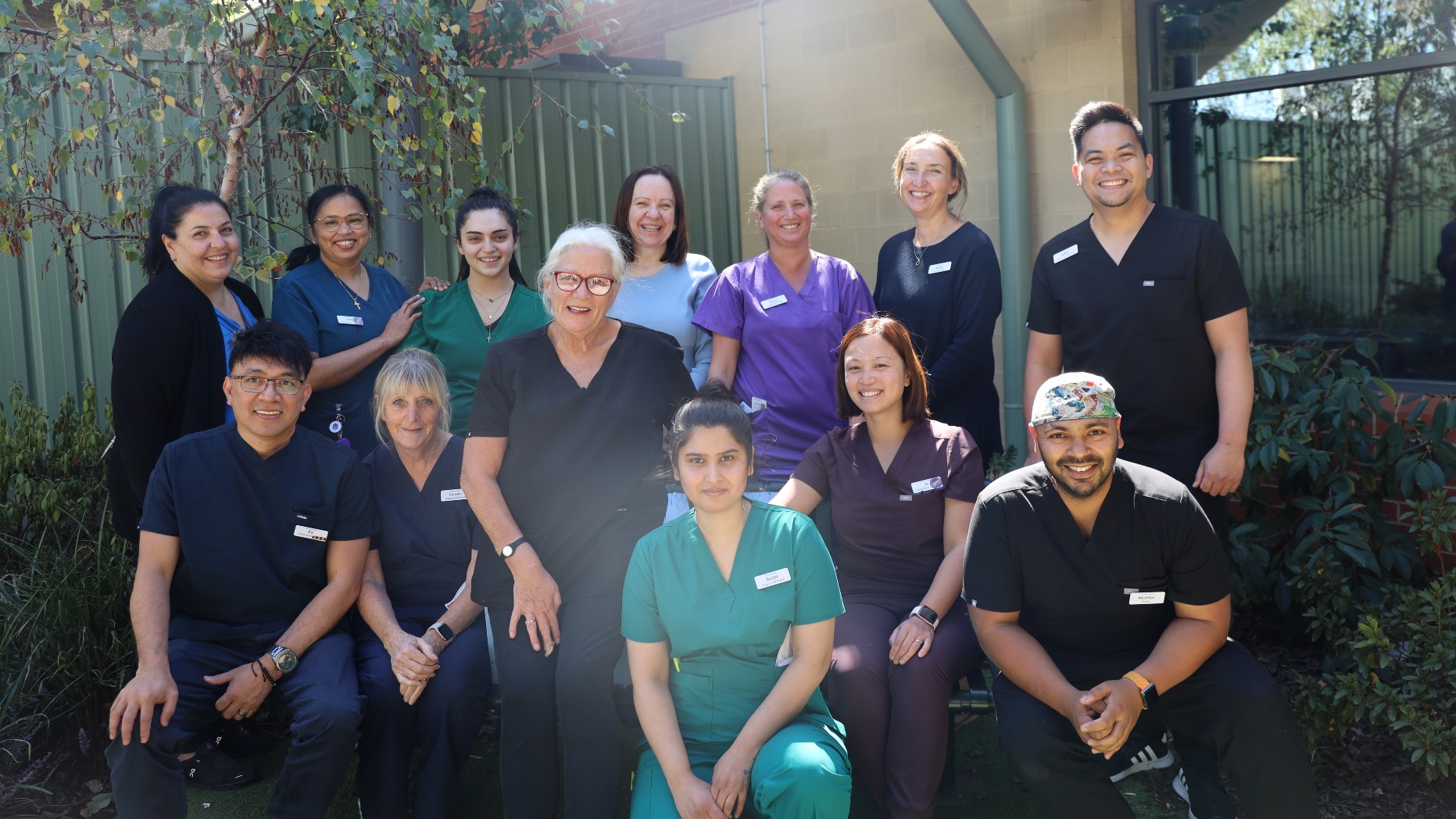
    Pictured: The Palliative Care team

  • Safety is everyone’s responsibility

    Safety is everyone’s responsibility

    The Speaking Up For Safety (SUFS) program is a series of one-hour workshops designed to equip staff with the skills and confidence to escalate concerns around patient and/or staff safety with assertiveness and respect.

    The program aims to build and normalise a culture where staff feel comfortable to check on each other, and to welcome being checked on, with the aim of preventing unintended harm.

    The program launched late last year at Northern Health, with staff who attended a SUFS session noting the, “empowering and encouraging,” training when it came to speaking up for safety in the workplace.

    “The SUFS training was empowering and encouraging. It provides a practical stepped communication approach that increases confidence in raising concerns about safety. I really liked that the training also considers the tricky ethical issues that impact on staff when faced with the decision to speak up for patient and staff safety,” said Dr Brooke Froud-Cummins, Clinical Leader, Psychology, Allied Health.

    Johanna Hayes, Divisional Director Hospital Without Walls, said the program was a great initiative.

    “I attended the session which was led by Rachel Nolan. I would strongly recommend all staff, clinical and non-clinical, to attend,” she said.

    “Already myself and my colleagues have used the words and phrases learnt. It’s a great initiative and I have to commend the skills of the presenter for running an insightful session.”

    Wendy Nichol, Operations Manager, Support Services, said it was important for all staff to understand, that no matter their position at Northern Health, safety was everyone’s responsibility.

    “The SUFS training provides tools and tips to empower staff to speak up when they see something that is unsafe for patients or staff and allows them to have the confidence to do so,” she said.

    All staff will be invited to attend an online SUFS session via Microsoft Teams. Calendar invitations will be sent from Managers and Division Leaders this month, encouraging their staff to attend the workshops.

    Bianca Fazzari, People and Culture Business Partner, said the physical and psychological safety of patients and staff was crucial in delivering quality care and a positive patients experience Northern Health can be proud of.

    “That’s why we have partnered with The Cognitive Institute to deliver SUFS,” she said.

    “This one-hour workshop forms the foundations we need to learn the Safety C.O.D.E (Checks, Options, Demands, Elevates) – but we aren’t stopping there. We want to embed it into our daily practice on every ward, in every team – clinical and non-clinical – at every handover, meeting and critical moment in each patient’s care.”

    “By doing this, we can strengthen the culture of safety at Northern Health – safely, kindly, and together.”

    Watch the below video for more information on the Safety CODE.

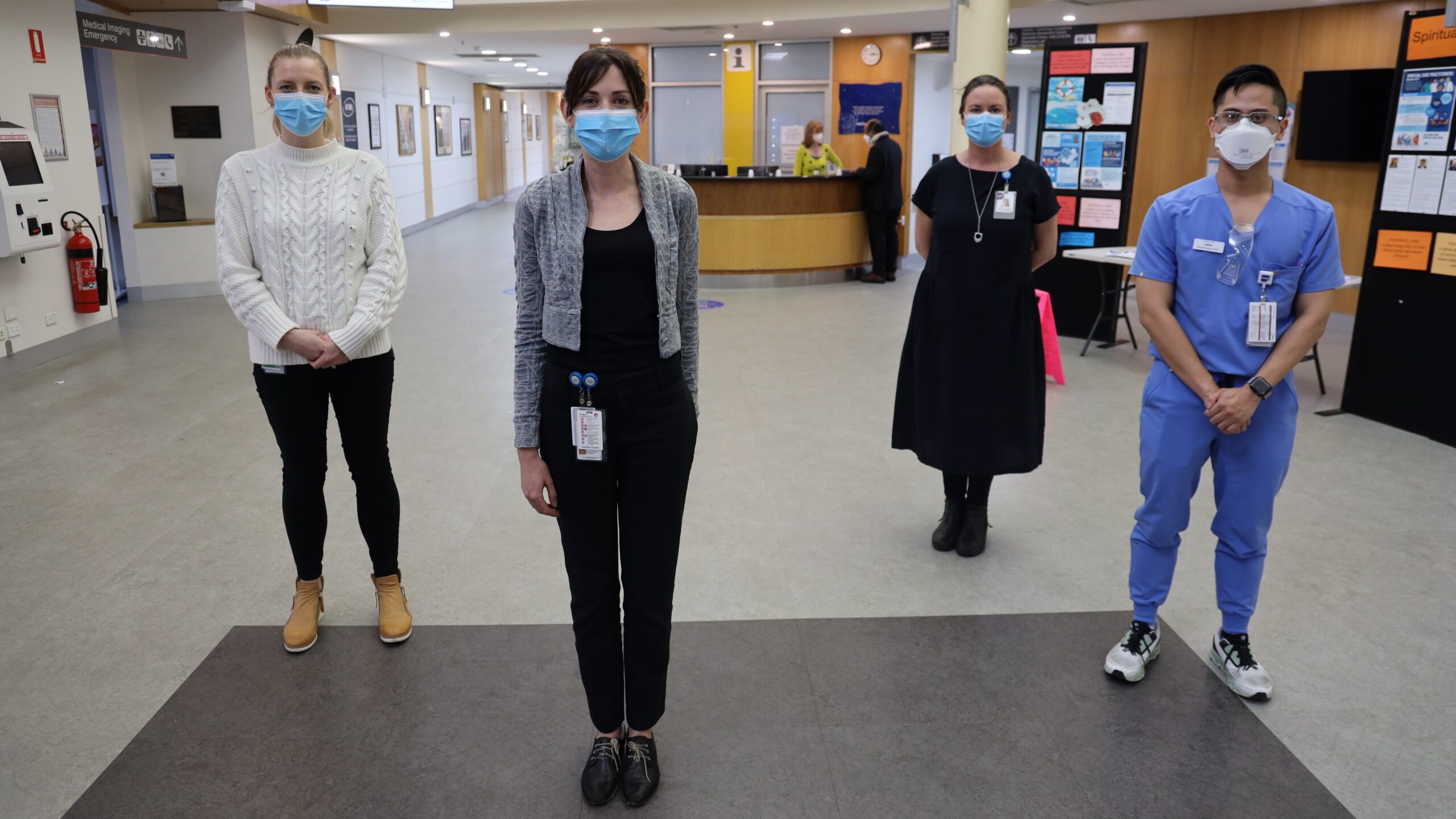
    Featured image shows SUFS trainers, Melanie Alcorn, Sarah Charles, Bonnie Ferguson and Jake Gelvezon.

  • Get to know: Will Sherer

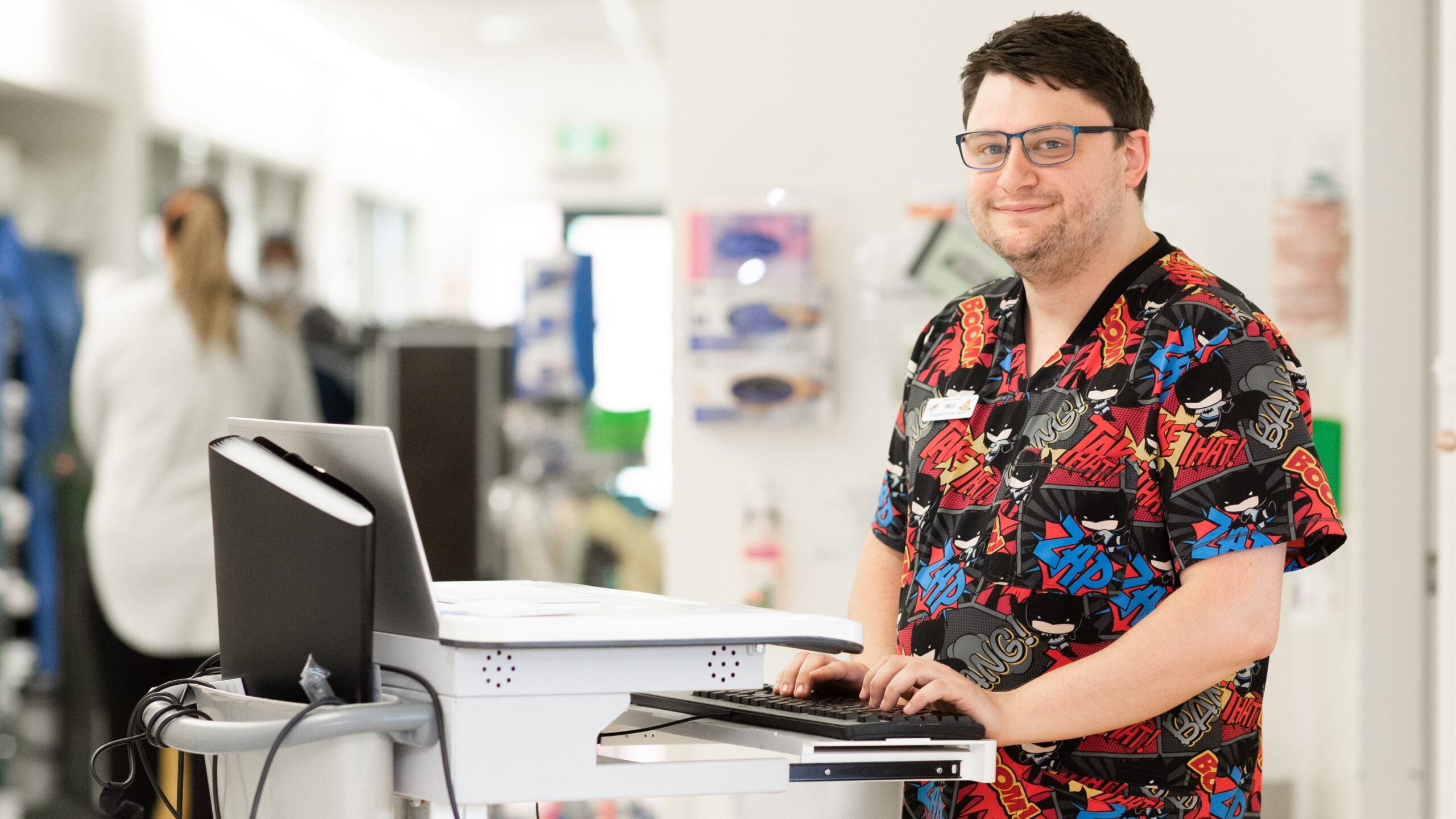
    Get to know: Will Sherer

    #WeAreNorthern 

    Meet Will Sherer, Children’s Ward, Enrolled Nurse.

    Q: If you weren’t in your current role, what would you be doing?

    A: Stressing! Rewind a few years and I was going into a new role as a travel consultant. I changed direction and followed my passion by starting a nursing degree instead. One year later, the pandemic hit and travel was shut down. The pandemic of course has been stressful for both professions, but I’m glad to have been able to study and work through it all.

    Q: What do you hope your co-workers say about you at your retirement party?

    A: Hopefully that they’ll miss me! We have a great team on the ward and it’s always sad to see someone go.

    Q: What motivates you?

    A: Curiosity. Bridging the gap between the known and the unknown is exciting in this field. I’m always learning something new which really keeps me engaged.

    Q: What career advice would you give to your younger self?

    A: Change always feels risky, and it often is, but the risk is worth taking and you’ll find yourself in a much happier place if you just follow you heart. Be brave, be bold, reskill sooner.

    Q: If you lived 500 years ago, what do you think your profession would be?

    A: It wasn’t really a time when men were nurses…the period back then is often referred to as the ‘dark ages of nursing’ and the profession looked quite different. I would like to think I would be doing something that helped people, so perhaps a surgeon or doctor? If not, then a court-jester!

  • Close the Gap Day: Advocating for health equity

    Close the Gap Day: Advocating for health equity

    Close the Gap Day advocates for health equity of all Aboriginal and Torres Strait Islanders and educates the public about health issues and barriers they may face.

    The national day is observed on the third Thursday of March each year and aims to close the health and life expectancy gap between Aboriginal and Torres Strait Islander peoples and non-Indigenous Australians within a generation.

    The 2023 Close the Gap Report, titled ‘Strong Culture, Strong Youth: Our Legacy, Our Future’, explores how the cultural determinants of health play a vital role in achieving long-term health outcomes for Aboriginal and Torres Strait Islander peoples and communities, with a particular focus on the organisations and individuals that work to enrich the lives of Aboriginal and Torres Strait Islander children and youth.

    For more than a decade, Australians from every corner of the country, in schools, businesses and community groups, have shown their support for Close the Gap by marking National Close the Gap Day.

    Northern Health is playing its part in closing the gap through Narrun Wilip-giin (Aboriginal Support Unit), the Koori Maternity Service and more recently, the employment of the new Emergency Department Aboriginal Liaison Officer, who works four days a week from 1 pm to 9 pm in the Emergency Department and Short Stay Unit.

    There is also the Northern Health Aboriginal Advisory Committee (NHAAC) that meet four times a year, and the Reconciliation Action Plan (RAP) Sub-Committee that meet monthly, who are currently working on the second version of the Innovate RAP. Northern Health also has a Cultural Safety Plan which has been worked on with Aboriginal staff, Aboriginal community members and Northern Health Executive Directors.

    “Northern Health has a committed Aboriginal Support Unit which aims to culturally support Aboriginal and Torres Strait Islander patients and carers through the hospital journey,” said Toni Gabelish, Aboriginal Liaison Officer.

    “We do this by ensuring Aboriginal people have access to all Northern Health services and ensuring Northern Health is culturally sensitive, safe and welcoming to Aboriginal people.”

    “We also identify and address barriers that may prevent Aboriginal people from using Northern Health services and assist Northern Health as a whole to develop relationships within the Aboriginal community,” Ms Gabelish said.

    Northern Health’s aim is to bring people together to share information, and most importantly, to take meaningful action in support of achieving health equality for First Nations Peoples by 2032.

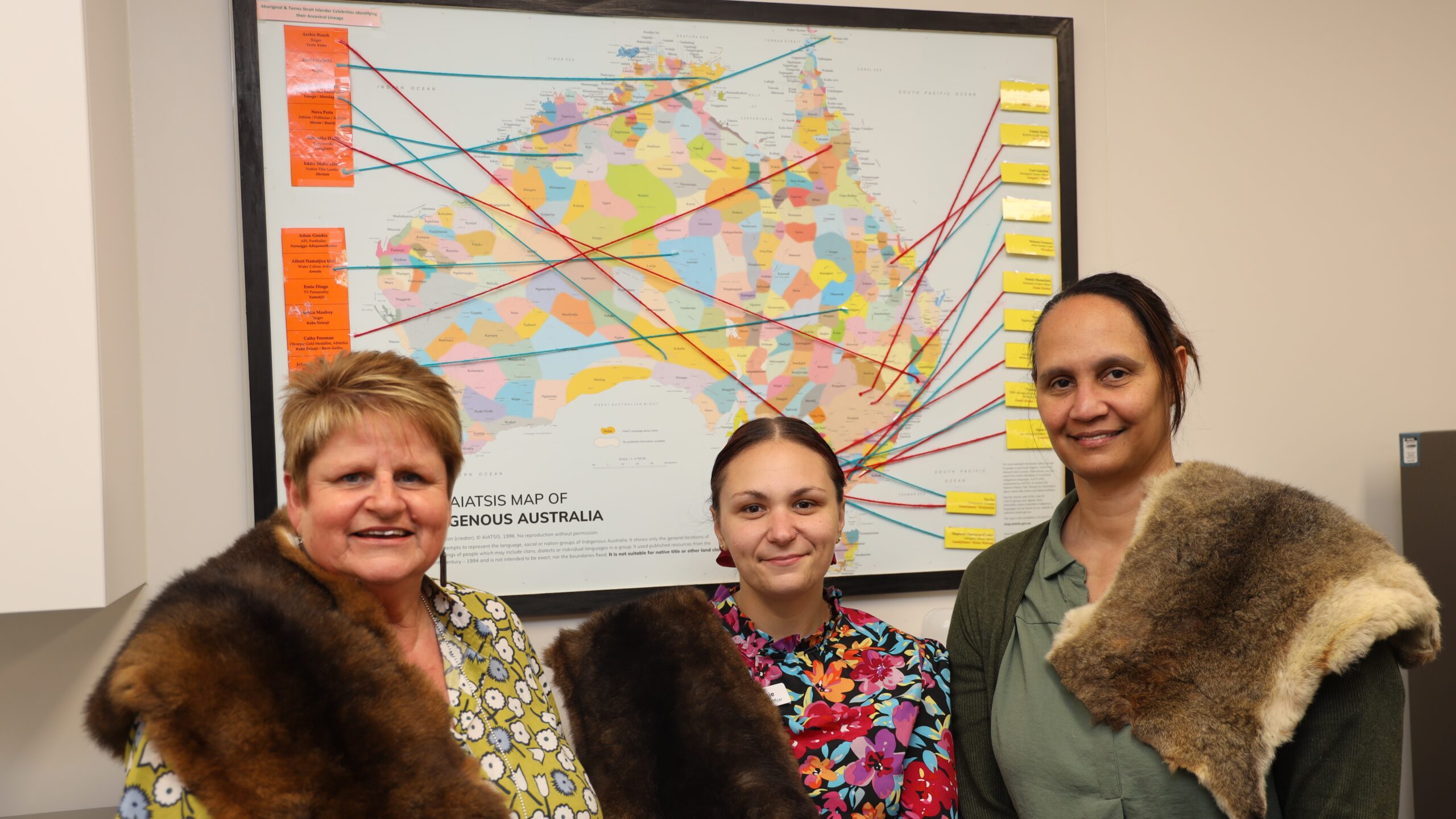
    Featured image: Karen Byrant, Senior Aboriginal Liaison Officer, Stephanie Thompson, Aboriginal Liaison Officer and Toni Gabelish, Aboriginal Liaison Officer.

  • Wellbeing is paws-itively all about you 

    Wellbeing is paws-itively all about you 

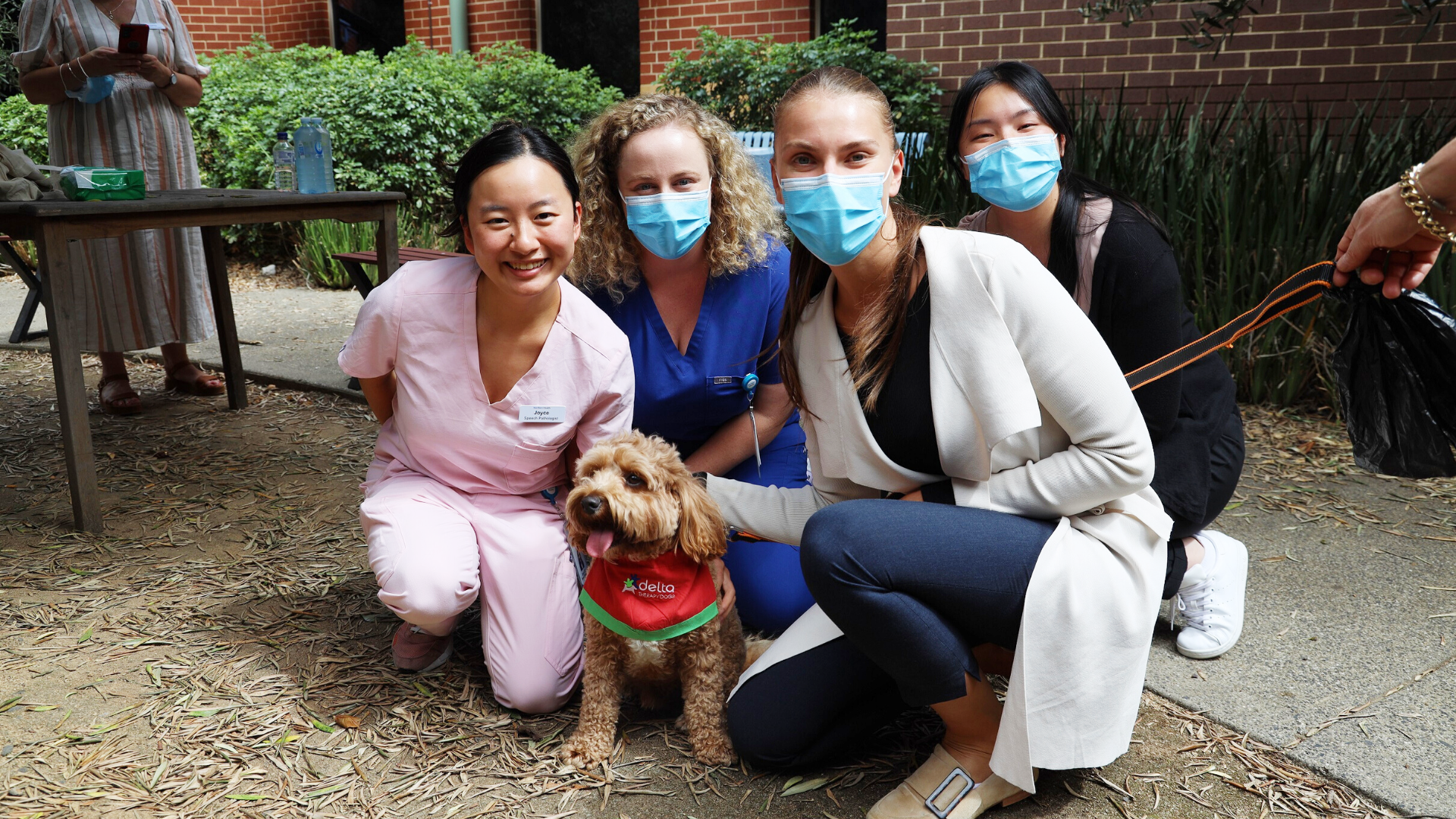
    Therapy dogs Scout, Leo and Larry provided comfort and cuddles to our hard-working staff as part of Delta Therapy Dogs Paws the Pressure Program.

    In late 2021, the Victorian Government provided health services with funding to implement initiatives aimed at improving the psychological and physical wellbeing of employees. The Northern Health All About You Initiative commenced in September last year, which recognised there was a no ‘one size fits all’ approach to improved wellbeing, with priorities and daily challenges varying amongst teams.

    This initiative provided each team an opportunity to consult their staff and select a wellbeing support to suit their area across two categories: psychological supports and staff rest and recovery spaces.

    One of the requests received from staff was dog therapy. Staff from Ward 4, Clinical E Dialysis, Day Oncology, Ward 15 and Speech Pathology were greeted with wagging tails and big smiles from the pups as Leo, Scout and Larry lapped up the attention.

    The Paws the Pressure Program aims to reduce stress and promote wellbeing by providing calming cuddles and friendly ‘paw-shakes’.

    Many Northern Health teams expressed interest in refreshing their outdoor rest spaces. With the reduction of COVID-19 restrictions, the desire to share and eat together while on break and enjoying the fresh air was a key wellbeing priority.

    Carol Setaro, Administrator for Community Therapy Services, said, “It’s wonderful. With over 30 seats for staff to enjoy fresh air on their break, it’s going to be very much enjoyed by all.”

    Connecting with nature was also valued by our mental health teams, who requested more plants across all sites.

    Carlotta Martinello, Carer Lived Experience Program Manager at NorthWestern Mental Health Service, said plants have,helped to brighten up the space considerably for staff and consumers.”

    On-site massages were also enjoyed by many teams to reduce physical tension and create a relaxation experience for teams including our Emergency Department and the Wellbeing Team. Other requests granted included meals and refreshments, psychological training/support sessions, artwork, a hydrotap for a staff kitchen, coffee machines, sensory lamps, freezers and a massage chair.

    “We are proud and impressed with the creative ideas submitted by teams, and hope that these carefully chosen resources will support their long-term wellbeing and add some small pleasures to the workday,” said the Wellbeing Team.

    Applications are now closed with some existing applications still to be processed in 2023.

    The Wellbeing Team would like to thank everyone who has supported the running of this initiative including Supply, OHS, Finance, Engineering, Accounts Payable, Communications, Operations managers, Two Hands Massage and the Delta Society.

    Staff interacting with Leo, Scout and Larry
    Northern Health staff enjoying their wellbeing support, including new furniture, office plants, massages, cathartic support and a hydro tap.
  • We Are Northern: This is the Occupational Health and Safety team

    We Are Northern: This is the Occupational Health and Safety team

    The Occupational Health and Safety (OHS) team is part of the People and Culture department at Northern Health. The team works across four units: Occupational Health and Safety, Injury Management, Staff Health Clinic and Occupation Violence and Aggression, to ensure a healthy and safe workplace for all staff at Northern Health.

    Each of the four units specialise in different areas of workplace related OHS matters, such as:

    • Occupational Health and Safety – risk assessments, incident investigations, stakeholder engagement, WorkSafe engagement, general OHS support.
    • Injury Management – early intervention, return to work support, collaboration with stakeholders, insurer management.
    • Staff Health Clinic – physiotherapy and exercise physiology appointments to improve health and performance, education on exercise and injury prevention.
    • Occupation Violence and Aggression (OVA) – prevention, management and follow up of OVA related incidents.

    OVA Coordinator, Eve Kodermann, has been an employee of Northern Health for almost 30 years. She says she has seen many changes since she first started working as a nurse at PANCH.

    “The organisation has grown significantly since I moved from PANCH in February 1998. The building expansion, workforce growth, specialties and the patients we now care for reflect the community’s growth, demographics and needs. Coming to work now, I miss the farmland on Cooper Street and the kangaroos that used to hop past the ED ambulance bay in the early hours of the morning,” said Ms Kodermann.

    The global pandemic brought many challenges to the OHS team at Northern Health. The team only consisted of six employees at the height of the pandemic, however it since managed to grow back to 13. Despite these challenges, the OHS team persevered with continued OHS delivery – incident investigations, WorkSafe engagement, injury management and staff health clinic.

    During this time, the engagement and teamwork with Respiratory Medicine and Infection Prevention to develop and implement the Respiratory Protection Program (N95 Fit Testing) was a great success for the OHS team.

    “The huge uptake of N95 respirator usage coincided with the COVID-19 pandemic, and this posed a mammoth challenge in getting staff fit tested quickly, and in a way where they felt confident that they were being protected when caring for their patients. From this, we’ve learnt how valuable N95s have been and I certainly see N95s playing an ongoing role in protecting staff at risk of exposure to respiratory diseases,” said Respiratory Protection Program Coordinator, Tess Norwood.

    OVA Educator, James Watt, joined the team in 2022 as a High Reliability Organisation (HRO) explorer and says his role helped him appreciate the work the OHS team does.

    “I love how this role enables me to bring together my areas of interest which are communication skills training and staff wellbeing. I’ve experienced first-hand the negative impact that occupational violence can have on staff so feel really committed to working with the rest of the team to make Northern Health a safer place for us all,” he said.

    In 2023, the team are focused on increased engagement and communication across all areas of Northern Health, working closely with staff and managers and delivery of training.

    OHS Team Leader, Leon Tan, says the team is delighted to launch new and exciting projects in 2023.

    “We are excited about the launch of the revamped manual handling/no lift training, our new OVA training, the collaboration with RMIT for undergraduate nurse community placement with the OVA team and the launch of the Wellbeing App, to name a few,” said Mr Tan.

    Thank you to our OHS team for making our workplace feel safe and healthy!

    Pictured first row (left to right): Gim Loe, Vasalia Govender, Eve Kodermann, Tanya Rando

    Second row (left to right): James Watt, Tess Norwood, Tom Cooper

    Third row (left to right): Vicki Petrou, Dylan Perera

    Fourth row (left to right): Kevin Barry, Leon Tan

  • Get to know: Julia Beckman

    Get to know: Julia Beckman

    #WeAreNorthern 

    Meet Julia Beckman, Emergency Department, Nurse Unit Manager (NUM).

    Q: What do you enjoy most about your job?

    A: As a Nurse Unit Manager, I have a deep appreciation for the impact I can make on both staff and patient outcomes. I realise I’m in a unique position to be able to facilitate change and take pride in leading quality improvement. As a leader, I also take great pride in bringing together a diverse group of individuals to work towards a common goal within a supportive and nurturing environment.

    Q: Is there anything you have implemented since starting at Northern Health that you are proud of?

    A: Since starting at Northern Health, I have made it a priority to improve the wellbeing of the ED nursing staff. To support this, I implemented a fortnightly ‘wellbeing hour’. This allows staff to finish their shift one hour early and engage in well-being activities as a group. I have also been heavily involved in engaging with the wellbeing team to promote other initiatives such as the ‘one hour back’, whereby staff start an hour later, or finish an hour earlier on weekends. Additionally, as a leader I also believe it is important to take on a hands-on approach and will regularly offer my clinical assistance when required. You will often see me on the floor checking in on staff or working in resus when my skills are required.

    Q: What have been some of the positive outcomes from the Wellbeing Focus sessions in ED that you have been involved in?

    A: The sessions have been well received by staff and overall, a measurable difference in the reduction of personal leave has been noticed. The focus sessions not only benefit the team’s wellbeing, but also strengthens the sense of community and creates a positive work environment. I am confident that this initiative will continue to foster positive relationships within the team.

    Q: If you weren’t in your current role, what would you be doing?

    A: Helping others has forever been a part of who I am – my mother would always refer to me as ‘Mother Theresa’. Along with my passion for nursing, I am also a huge animal lover. If I hadn’t chosen nursing as a career, I can see myself being part of a wildlife animal rescue group. My desire to make a positive impact on both people and animals is a reflection of my caring nature and my commitment to making a difference in the world.

    Q: What is one thing people don’t know about you?

    A: The career path I took to get into nursing wasn’t easy and I found myself pursuing my university education as a single mum with two young children. Nevertheless, my drive and passion got me through, and I have never looked back. My oldest daughter, who is now commencing VCE, is striving to follow in my footsteps to become a nurse and I couldn’t be prouder!