• Celebrating 10 years of Learning Improvement Science at Northern Health

    Celebrating 10 years of Learning Improvement Science at Northern Health

    Northern Health’s Transformation team is proud to deliver the Learning Improvement Science at Northern Health (LISN) program for its tenth consecutive year, marking a decade of empowering staff with practical tools to drive meaningful healthcare improvement.

    In 2026, the program will include at least six sessions delivered across the year, supporting staff capability and reinforcing Northern Health’s ongoing commitment to innovation and excellence in patient care.

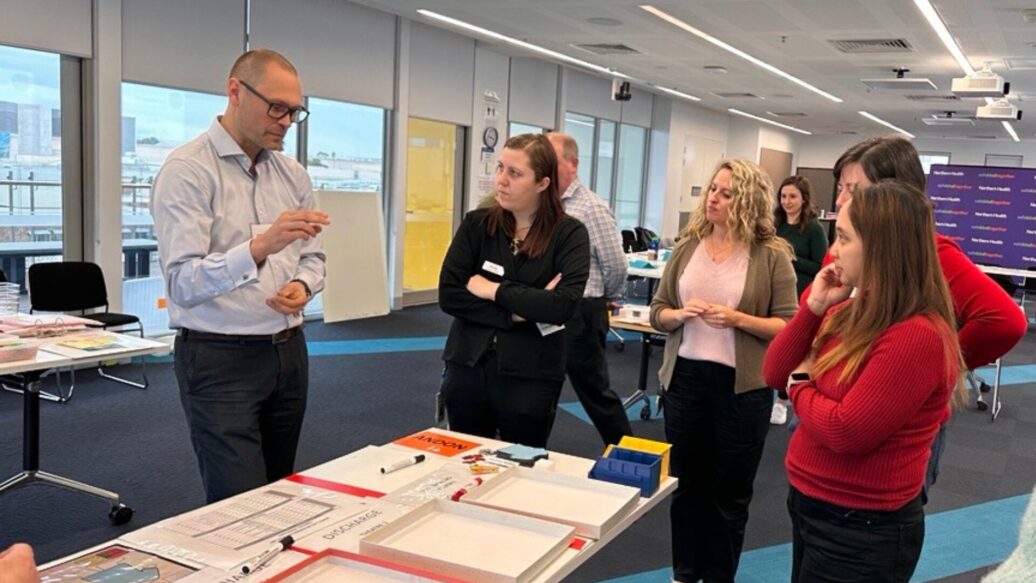
    LISN is a dynamic, one-day workshop that teaches healthcare improvement methodology through a combination of theory and hands-on simulation.

    Using a Day Procedure Unit (DPU) scenario, participants step into real-world roles, including surgeons, nurses and clerks, to experience the complexities of care delivery.

    Through multiple improvement cycles, teams identify opportunities to enhance patient outcomes, reduce documentation errors, and improve efficiency using the Plan-Do-Study-Act (PDSA) approach and the IHI Model for Improvement.

    Aligned with the Department of Health and Safer Care Victoria’s improvement framework, LISN continues to receive outstanding feedback.
    More than 90 per cent of participants rated the content as excellent, highlighting the program’s impact in building confidence and capability in improvement science.

    The workshop also introduces key concepts such as waste reduction, standard daily work, continuous flow, and 5S, enabling staff to make small changes that deliver system-level benefits.

    Laura Hughes, Transformation Project Manager, said LISN plays an important role in supporting staff at all stages of their improvement journey.

    “LISN is a fantastic program for staff who are starting out in improvement or looking to build on their existing skills. It’s practical, engaging, and gives participants the confidence to make meaningful changes that improve patient care and system performance,” she says.

    While LISN has traditionally been offered to Northern Health staff, 2026 will see an exciting expansion, with invitations extended to Local Health Service Network partners, including Seymour Health and Austin Health.

    This milestone reflects Northern Health’s commitment to collaboration, shared learning, and working together to deliver great care for our community.

  • Community mental health redesign through the lens of the consumers and carers

    Community mental health redesign through the lens of the consumers and carers

    What do consumers and carers need from their mental health services to make their lives better?  This is one of the questions we’re always asking as we work towards building stronger relationships and improving outcomes for everyone that accesses our services. In line with the recommendations from the Royal Commission into Victoria’s Mental Health system and guided by the principals of the Mental Health & Wellbeing Act of 2022, Northern Health has redesigned the model of care for adult community services.

    We’ve been listening to our consumers and carers and recognise that episodic care can result in disjointed and protracted recovery journeys, with consumers finding it difficult to re-enter the service at a time that suits them. In response to this need, we have changed our community services to an ongoing model of care. The aim is to provide better access and timely specialist mental health services, with a focus on consumers’ recovery and prevention of relapse. Services are designed to provide the right level of support and flexibility that meets the consumer’s care needs, with the focus of keeping people well in the community.

    Within the four community teams, care is offered in streams, with options for enhanced clinical services and outpatient streams, in addition to the traditional case management which we call the clinical recovery stream. This model, which has been built on codesign at every step, provides increased supports to consumers whose needs are more complex in the enhanced stream and also provides consumers who would have traditionally been discharged to the care of their GP, the option to transition to an outpatient stream of care, with less intensive ongoing support for as long as they choose to engage. Early warning signs of relapse can be picked up, with an easy transition to more intensive treatment and care in the community setting. Consumers in all streams continue to have access to a suite of specialist interventions and group programs to support their wellbeing.

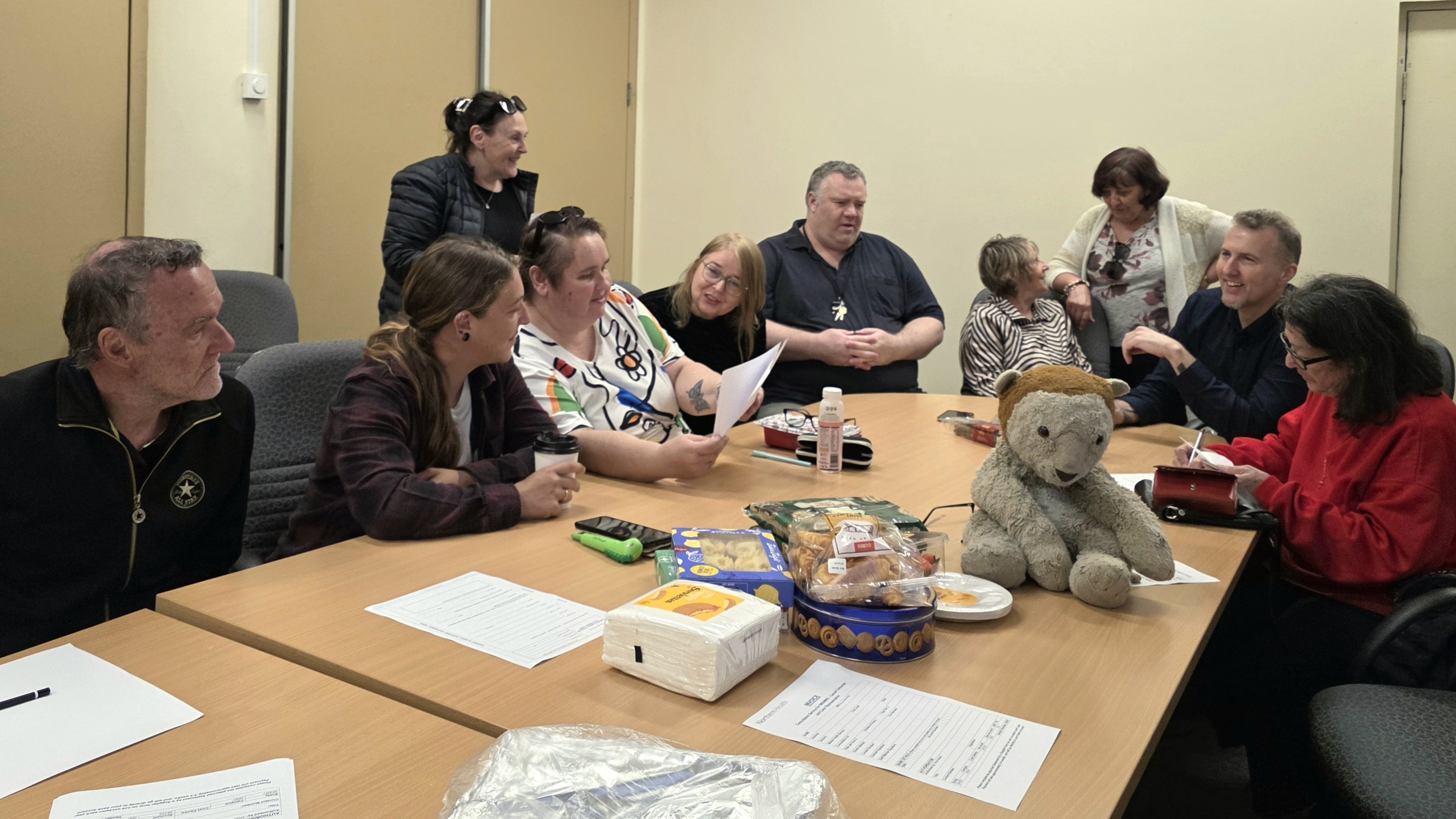
    From its inception, the model of care was developed with codesign by Lived Experience and clinical staff within the community teams. Peer workers and the Consumer and Carer Advisory Group provided valuable input through the lens of consumers and carers. Prior to implementing the enhanced stream, a consumer journey exercise was undertaken to test the transition points between streams and communication processes from the viewpoint of consumers and carers. In this exercise, the peer workers assumed the perspective of the consumer and carer to provide valuable insights to inform processes and education and training for our clinical teams. Also critical to the new model is the development of the Peer Support Opt Out model, where consumers and carers are offered the support of a peer worker to “walk alongside” them throughout their journey.

    Phase one of the model of care has been operational for 18 months and early analysis of data indicates very promising reductions in Emergency Department presentations and admissions for the consumer who have chosen to continue in the outpatient stream rather than being discharged to their GP. With the enhanced stream being implemented soon, we are excited to see the positive impact the codesigned model will make in the lives of our consumers and their families.

  • All about skin cancer with Dr Katie-Beth Webster, Plastic and Reconstructive Surgeon at Northern Health

    All about skin cancer with Dr Katie-Beth Webster, Plastic and Reconstructive Surgeon at Northern Health

    Skin cancer is the most common form of cancer in Australia, a country with one of the highest rates of skin cancer in the world due to its sunny climate and outdoor lifestyle. Excessive exposure to ultraviolet (UV) radiation from the sun is the leading cause of skin cancer, but genetics, immune health, and other factors also play a significant role.

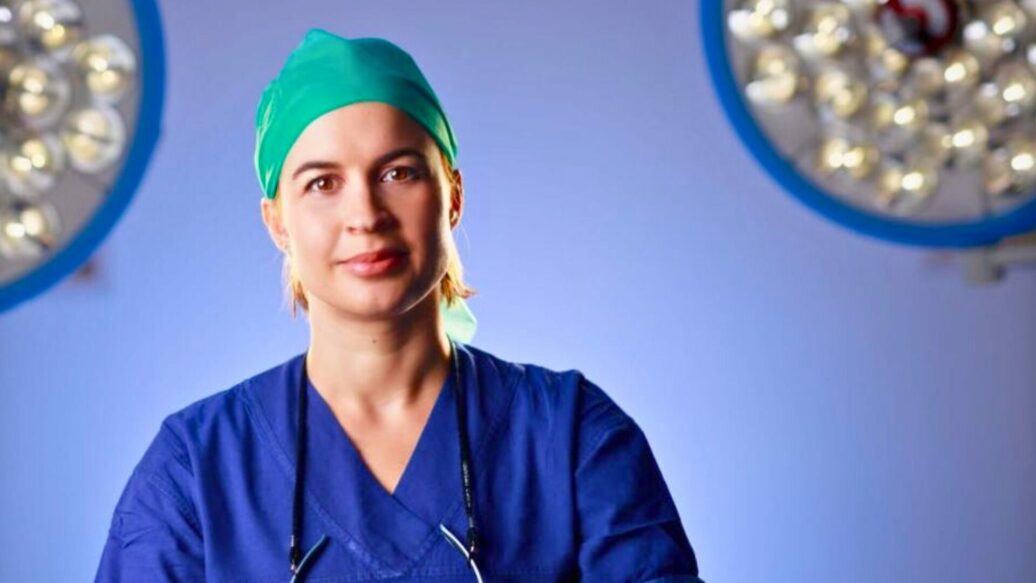
    Dr Katie-Beth Webster, a Plastic and Reconstructive Consultant Surgeon at Northern Health, shares her insights into the primary risk factors, prevention strategies, the importance of follow-up care, and the latest advancements in treating skin cancer.

    Q: Tell us what are the primary risk factors for developing skin cancer, and how patients can mitigate these risks?

    A: There are multiple risk factors to consider when it comes to skin cancer. The most significant is sun exposure. A history of substantial sun exposure or sunburns, especially those that have caused blistering or peeling, has a strong correlation with the development of skin cancers later in life.

    Other factors include a family history of skin cancer, having lighter skin types that burn more easily, and certain medications. Drugs that cause photosensitivity or lower the immune system, such as immunosuppressants, can all increase your risk.

    Prevention is always better than cure. Adequate sun protection is key and can significantly reduce your risk of developing skin cancer, even if you’ve experienced sunburns in the past. Regular skin checks are also crucial – they can detect early changes before they develop into invasive cancers.

    Q: Do you recommend specific skincare routines or products for skin cancer prevention?

    A: SPF 50+ is essential these days. I personally apply it every day, rain, hail, or shine. Many people think sunscreen is only necessary for the beach, pool, or sports, but in reality, daily incidental sun exposure also needs protection.

    There are both chemical and non-chemical sunscreens available. If you have sensitive skin and react to one type, I recommend trying another. It’s also important to apply a sufficient amount to cover your skin properly and to reapply as needed, especially if you’re sweating or swimming.

    If you’re taking medications or using skincare treatments like retinol that can make your skin photosensitive, it’s even more important to be vigilant about sun protection. This reduces your risk of sunburn and issues like hyperpigmentation.

    Q: How important is follow-up care after skin cancer treatment, and what does it typically involve?

    A: Skin cancer is still a cancer, so follow-up care is extremely important. After treatments such as surgical excision, we typically review patients in the clinic to discuss pathology results, ensure the entire cancer was removed, determine if any additional treatments are needed, and assess how the wound is healing.

    Following the initial post-operative care, we generally recommend annual skin checks for patients with non-melanoma skin cancers. For patients who are immunosuppressed or have had melanoma, skin checks are usually recommended every 3 to 6 months, depending on the severity of their disease.

    Q: Are there any recent advancements in the surgical treatment or reconstruction techniques for skin cancer?

    A: Interestingly, most recent advancements have been in the non-surgical field. Immunotherapy – a systemic treatment that targets cancer cells, has allowed many patients with advanced disease, or cancers that would cause significant deformity or disability if treated surgically, to be successfully managed without surgery.

    There have also been significant improvements in preoperative treatments, such as radiation or chemotherapy, to shrink or lessen the severity of cancers before surgery. This reduces the extent of surgery required and, consequently, the associated morbidity.

  • Welcoming our 2026 Interns to Northern Health

    Welcoming our 2026 Interns to Northern Health

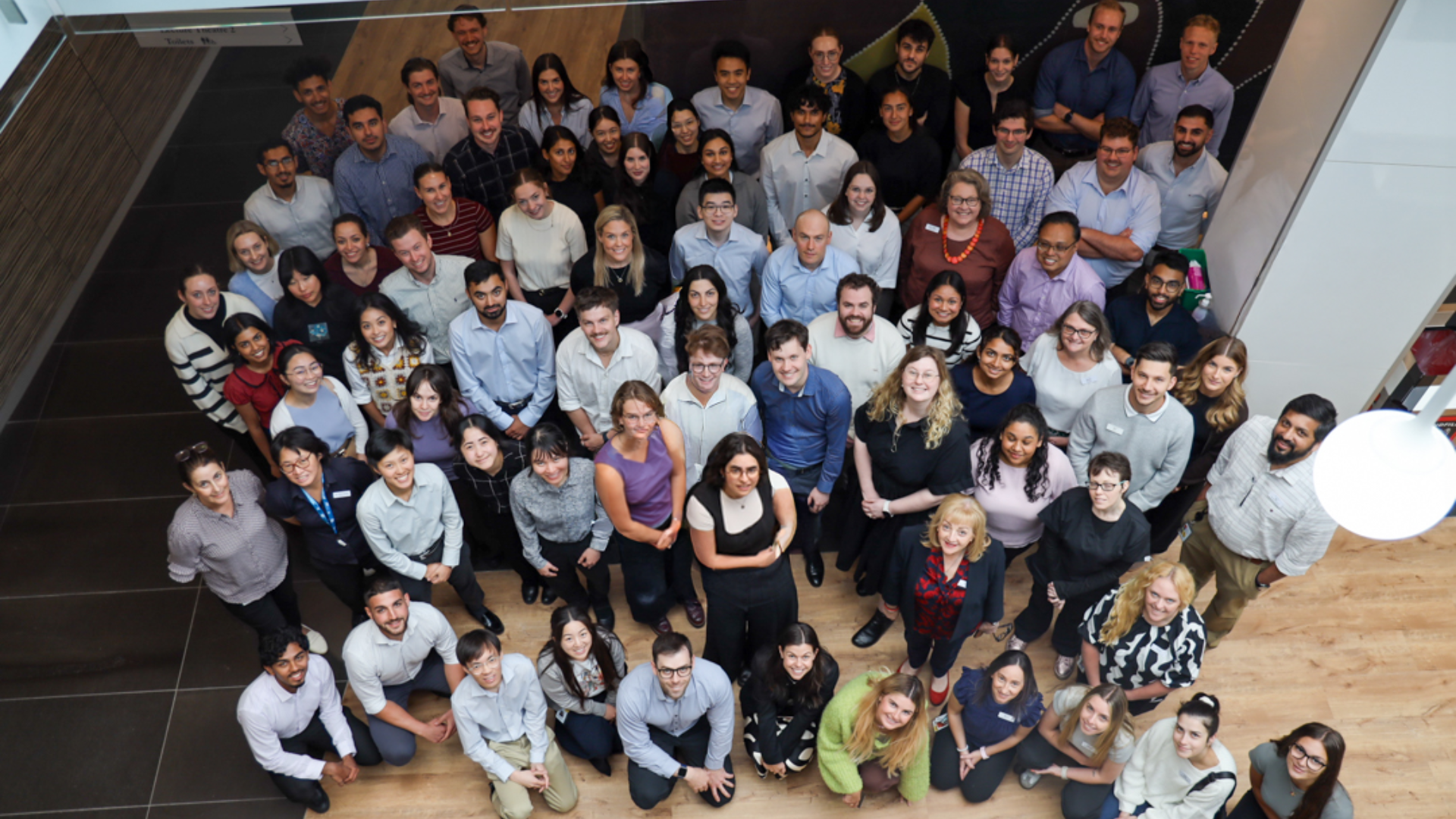
    Northern Health welcomed 60 new interns at its 2026 Intern Orientation, held from Monday 5 to Friday 9 January. Many joined us from the Northern Clinical School, alongside others from metropolitan, regional and interstate clinical schools.

    The week commenced with a welcome from Chief Medical Officer Professor Prahlad Ho and Director Northern Doctors Education Dr Kim Jeffs. Interns then heard from Dr Dennis Gyomber, Dr Yana Sunderland and Dr Dan Crompton who outlined what to expect during their core Surgery, Medicine and Emergency Department rotations.

    The program was followed by structured presentations on important topics including MET calls, Infection Prevention and Quality, before afternoon skills stations gave interns hands-on practice in basic life support, intravenous cannulation, catheter insertion, pharmacy and EMR training. The Northern Doctors Workforce team were also on hand to provide information about rosters, expectations and wellbeing.

    A standout session was delivered by Intern Support Officer Dr Sean Flintoft, an outgoing intern, who shared insights into the intern year from a junior doctor’s perspective. This session was highly valued, with Sean also providing on-ward support to the new interns during their first week.

    “As Intern Support Officer, I help guide this wonderful group of new doctors through their first week of internship at Northern Health,” said Dr Flintoft. “I provide on-ward support, answer questions, and make sure they know where to go and what to do. With the support of the Northern Doctors Education team, we aim to facilitate a smooth transition into their new roles and set them up for a great intern year.”

    The final two days of orientation focused on ward-based shadowing with outgoing interns and unit orientations led by experienced supervisors.

    “Our aim is to ensure interns are supported and well prepared as they transition into clinical practice,” said Susie Sangas, Manager, Northern Doctors Education.

    Dr Carol Chong, Supervisor of Intern Training, added, “A strong orientation is essential for patient safety and intern wellbeing. Early ward exposure and clear expectations help interns start the year with confidence.”

    The annual intern orientation is a significant undertaking, involving teams across the organisation. Northern Doctors Education would like to thank everyone involved in setting our interns up for a successful year of training.

    We wish all our 2026 interns every success as they begin their journey with Northern Health.

  • Northern Health Secures Shepherd Foundation Grant to Advance Antenatal Vaccination Equity

    Northern Health Secures Shepherd Foundation Grant to Advance Antenatal Vaccination Equity

    Northern Health has been awarded a $50,000 Shepherd Foundation grant to support a groundbreaking project aimed at increasing antenatal vaccination uptake among culturally and linguistically diverse (CALD) communities.

    Led by Dr Dorothy Ling (Infectious Diseases Physician and Co-Medical Lead, Infection Prevention & Surveillance) and Barsha Baral (Manager, Infection Prevention Services), the study will explore barriers and enablers to vaccination and evaluate the early impact of Northern Health’s new nurse-led antenatal immunisation clinic. The findings will help guide service improvements and inform best practice models for equitable maternal vaccination.

    Dr Ling highlighted why the project is so important, saying,“Pregnant women and their babies are at higher risk from infections like influenza, whooping cough and RSV. Despite vaccines being safe and free, many CALD women miss out due to language, cultural and system barriers. This research will help us understand these challenges and ensure our clinic truly improves access and equity.”

    Barsha Baral emphasised the project’s community-focused approach, “This project is about listening to women’s voices and co-designing solutions with community representatives. By identifying what works and what doesn’t, we can make antenatal vaccination easier, culturally safe and responsive to the needs of our diverse population.”

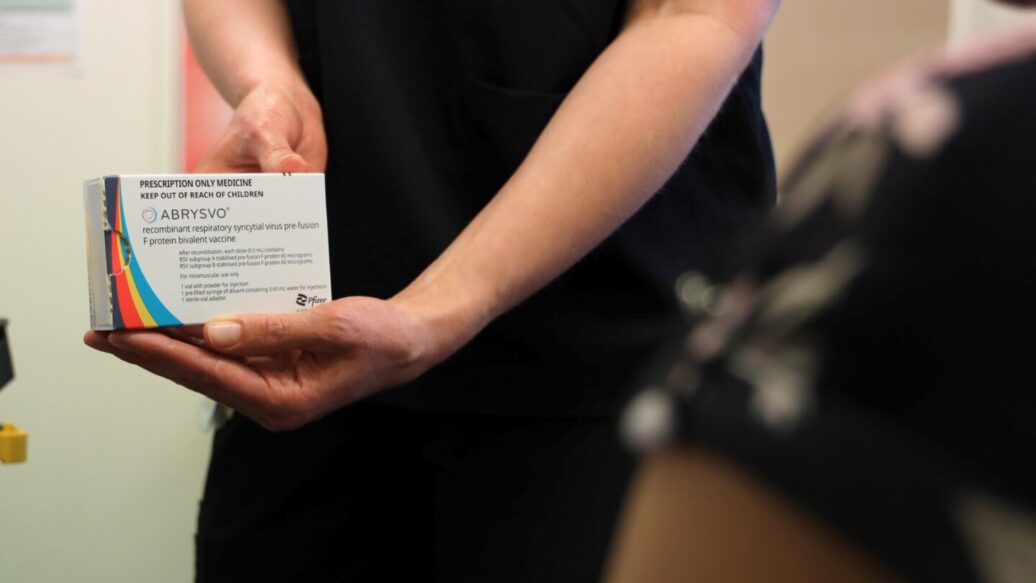
    The nurse-led antenatal immunisation clinic, located near the Maternity Assessment Centre, provides free, walk-in vaccinations for influenza, RSV and whooping cough, Monday to Friday, 8:00 am–4:30 pm (no appointment required). Interpreting services are also available, ensuring all women can access timely, safe and culturally appropriate care.

    For more information, visit Maternal Vaccinations – Australian Government or call (03) 8405 8000 and ask for the Outpatient Immunisation Clinic.

    (L-R): Kiranjeet Dhaliwal (Nurse Immuniser), Lisa Stafford (Nurse Immuniser), Barsha Baral (IPS Manager), and Dr Dorothy Ling (IPS/ID Physician).

  • Visiting Hours Season 3 Recap

    Visiting Hours Season 3 Recap

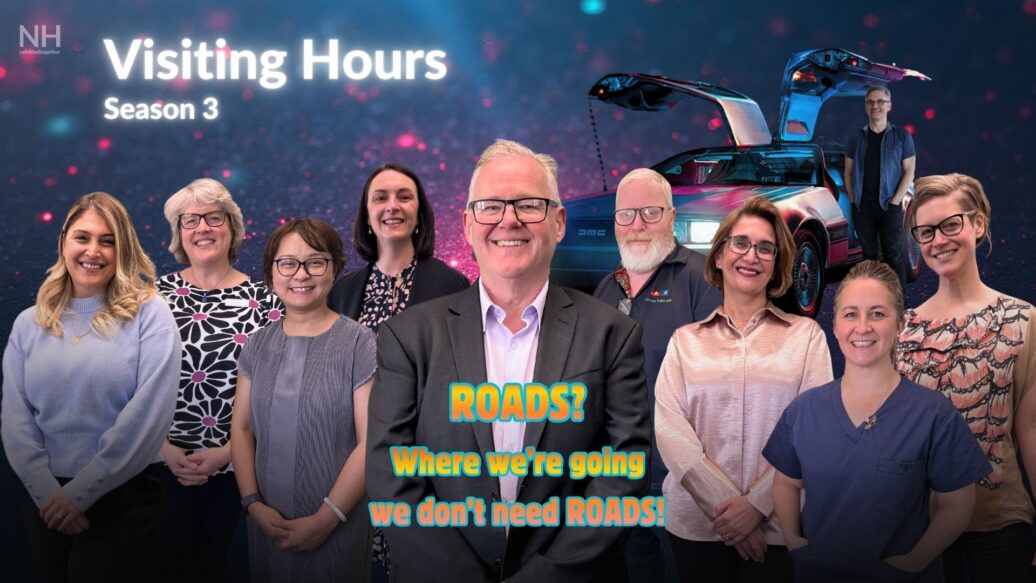
    Great Scott! it’s time to charge the flux capacitor, set the time circuits back to the start of 2025 and enjoy all the episodes of Visiting Hours Season 3.

    Sure, we may not have hoverboards yet, but we did explore some interesting themes and programs on the podcast, which is listened to in over 75 countries.

    Jump into the Northern Health DeLorean as we get to revisit all the guests that have made this series so special, provided we can reach 88 mph.

    Episode 01 – Being spoken to in one’s own language is often a safe habour; the walls come down, the wrinkles in a furrowed brow relax and for patients, it’s one less thing to worry about.

    Yue Hu, Northern Health’s Director of Transcultural and Language Services and the Aboriginal Support Unit.highlights the services available through Northern Health as she shares her passion for letting people know they’re being heard. She offers some insight into her early life in China and shares the experience she had at the Northern Hospital that helped her decide to stay in Australia.

    Episode 02 – Letty Bastian, Emergency Department Nurse Practitioner

    We discuss an exciting study underway in ED using acupuncture for pain management and its potential benefits in that setting. Letty shares the insights she gained while studying for her Masters of Acupuncture and how it has helped shape her interactions with patients.

    We explore the highs and lows of living in Far North Queensland, the hidden treasures to be found in her local community and discover a path to contentment.

    Episode 03 – Dr. Lucy Forrest, Music Therapist, works with oncology/palliative care patients and their families at Northern Health. She discusses how vital it is to have a supportive team around you, the joys of cooking, and how music and art have the power to change the way people perceive and interact with clinical spaces.

    Lucy tells the story behind one of her original pieces of music, she explains the lasting impact legacy creation can have for patients, and even has time for a song or two.

    Episode 04 – Dr Isra’a Al Jumaily, a Hospital Medical Officer here at Northern Health. shares her experience of needing to flee her country with her family as refugees., leaving behind her home and her career.

    She relates what it’s been like to start from scratch in Australia while she completes her registration, the importance of holding onto the best of one’s culture, and theory on why fishing was different post covid lockdowns

    Episode 05 – Andrew Morrison, Northern Health’s Aboriginal Cultural Safety and Employment Advisor, shares on the importance of fostering a culturally safe environment within a health setting. He reveals what prompted his journey into healthcare, and why he remains so passionate in his role today.

    Episode 06 – Dr Miranda Siemienowicz, CT Lead, Northern Imaging Victoria and Chair of the Australia and New Zealand Society of Thoracic Radiology, chats about the recent commencement of the National Lung Cancer Screening Program and the positive outcomes already being seen for participants. Miranda outlines the steps she’s taken to regain a balance in her life following the programs launch, making conscious decisions to de-escalate her work habits.

    Episode 07 – Ella Critchley, Program Manager, Advance Care Planning at Northern Health and Chair, Victorian Advance Care Planning, Community of Practice, focuses on the importance of putting an advance care plan in place and the benefits that it yields. Ella shares some real-world examples of the freedom and relief felt by patients during the process.

    We touch on positive aging, family life and some recommendations for the perfect picnic location.

    Episode 08 – Seda Kiroglu, Unit Manager of Maternity Services here at Northern Health, shares her story of growth in the organisation and her thoughts on leadership.  She highlights the vital role the Medical Obstetrics At Home (MOAH) program plays in delivering patient focused care when mums-to-be need it most.

    Episode 09 – In this episode we visit with Northern Health’s Board Chair, Adjunct Professor Alan Lilly.

    We explore what it means to be, not just a good leader, but a great one. Alan shares his thoughts on why Northern Health’s values Safe, Kind, Together, are so vital and why embracing them from the top-level down, is the key to a good reputation in our community.

    Alan commends the staff for the wonderful work that’s been done this year and looks forward to a sensational 2026.


    Remember, the offer to travel back through time extends beyond this jaunt. You can listen to every episode of Visiting Hours here, or wherever you get good podcasts. Now ‘make like a tree, and get outta here!’

  • Northern Health leaders share their pride and vision for 2026

    Northern Health leaders share their pride and vision for 2026

    As Northern Health steps confidently into a new year, our Executive team has taken a moment to pause, reflect, and look ahead. We asked them two simple but powerful questions: “What accomplishment from 2025 makes you most proud?” and “What’s one change or improvement you’re committed to driving in 2026?”

    Their answers paint a picture of a health service that is growing, innovating, and deeply committed to its people and community. Most importantly, they highlight the extraordinary work of our staff — the heart of Northern Health.

    Digital Health celebrated teamwork at its best. Executive Director Digital Health, Anthony Gust, said: “Most proud of was the team work showed by the Digital Division. This is summarised by the EMR role out in HITH. The training team provided thoughtful gestures, such as providing lolly bags, to support staff morale… I am also very proud of all the team from closing out 50 Digital projects such as Kilmore EMR to Active Directory separation from Melbourne Health.”

    For the Foundation, 2025 was a record-breaking year. Executive Director, Foundation and Public Affairs, Pina Di Donato, shared: “If I had to highlight just one achievement, it would be the distribution of $1.6 million to Northern Health… the highest distribution in our history.”

    Our nurses and midwives continued to shine. Chief Nursing and Midwifery Officer, Lisa Cox, said: “The nurses and midwives at Northern Health continued to provide outstanding care and innovative models of care… working together to support each other.”

    In Mental Health, compassion and commitment stood out. Executive Director, Mental Health, Belinda Scott, reflected: “My greatest source of pride comes from the Mental Health staff… committed to the implementation of new models of care, so that our consumers receive the right specialist mental health care in the right place at the right time.”

    Finance celebrated excellence — with a touch of humour. Chief Financial Officer, Basil Ireland, said: Source of pride and frustration – we are the most financially efficient service in the State – there should be a prize for it!”

    Medical leadership reached new heights. Chief Medical Officer, Professor Prahlad Ho, shared: “To me it is the establishment of Robotic Surgery at Northern Health that will revolutionise surgical and cancer care for patients in the North.”

    For many executives, choosing just one highlight proved almost impossible.

    Chief Legal Officer, Carolyn Baker, reflected on a defining achievement: “There are so many great accomplishments from 2025. A highlight would have to be the opening of Mernda Hospital – so much hard work went in behind the scenes to deliver this.”

    Across Allied Health, the scale of impact was immense. A/Prof Jason Cirone, Chief Allied Health Officer, said: “I’m incredibly proud of the 75,000 interpreting sessions delivered this year, the growth in Allied Health education, our new research grants, the opening of Craigieburn and Mernda Community Hospitals, and our two memorial services. In Aboriginal health, we launched a new Aboriginal Employment Plan, delivered over 1,200 face‑to‑face training sessions, and welcomed new staff to the Narrun Wilip‑giin team.”

    For some, 2025 was also a reminder of balance and humanity. Chief Operating Officer, Linda Romano, said: “Balancing my role as Chief Operating Officer and navigating the complexity of health service delivery while supporting my son through his successful transition to high school reminds me that we can excel in both our professional and personal lives when we stay focused on what truly matters.”

    And for our Chief Executive, 2025 brought both professional and personal joy. Adjunct Professor Debra Bourne reflected: “Professionally it would be the opening of our two community hospitals in Craigieburn and Mernda… Personally, it would have to be the arrival of my grandson!”

    With pride in the past comes determination for the future.

    Anthony Gust is committed to deeper collaboration: “To spend more time engaging with the business to identify the most significant challenges, so we can better support frontline staff and improve patient outcomes.”

    Pina Di Donato will sharpen our storytelling: “My priority will be to structure our communications so they are more strategic, impactful, and meaningful.”

    Lisa Cox is focused on strengthening care for women and families: “Continuing to build the midwifery workforce to support the women and community of Northern Health.”

    Belinda Scott is driving consistency and safety: “Regardless of which site or service a consumer attends, they will have access to integrated specialist mental health care at the time they require it.”

    Basil Ireland is targeting smarter systems: “More efficient back office processes… opportunities to streamline processes.”

    Carolyn Baker is focused on strengthening our digital foundations: “I’m excited by our work in the digital space… ensuring we get the right data governance in place while continuing to foster innovation.”

    A/Prof Jason Cirone is looking forward to embedding new services and partnerships: “We will focus on settling into the new Ambulatory Care Centre, and strengthening our partnerships with local Aboriginal health services.”

    Professor Prahlad Ho is expanding research and education: “To working closely with our university partners to expand education and research opportunities in 2026.”

    Linda Romano is championing our people: “I’m committed to empowering our teams with the right skills, resources, and partnerships…”

    And Adjunct Professor Debra Bourne is preparing for one of Northern Health’s biggest milestones yet: “Work on the new Ambulatory Care Centre… paving the way for Stage 2, that will deliver a new emergency department.”

    Taken together, these reflections tell a powerful story: Northern Health is moving forward with heart, ambition, and unity. Safe. Kind. Together.


  • tISS The Season to be Giving!

    tISS The Season to be Giving!

    “Every time we love, every time we give, it’s Christmas.”

    As we look forward to spending the Christmas season with close friends and family, spare a thought for the patients in our Children’s Unit at Northern Hospital, Epping.

    Soft toys, colouring books, puzzles, and games, all wrapped in vibrant, festive paper, showcasing the incredible kindness and generosity of the community, were recently delivered by ISS Facilities Services, to the Children’s Ward at Northern Hospital, Epping. These delightful gifts brought smiles not only to the children but also to their families, spreading joy and Christmas cheer.

    Snez Poposka, Facilities Service Manager ISS, began the Christmas Appeal in 2017, with the hope of putting a smile on children’s faces during their hospital stay over Christmas and the New Year.

    “The idea was born five years ago. Being a mother myself, I often thought of all the sick children spending their Christmas in a hospital bed, instead of with their families. I didn’t want any of those children to miss out on the joy and happiness of the festive season. Each year, we donate more than 100 gifts to the children in the Children’s Ward. Over the years, we have donated over 500 gifts to the children at the Northern Hospital, Epping. I am grateful to all the ISS and Northern Health staff, as well as the Northern Health Foundation, for their unwavering support and generosity throughout the years,” she said.

    Alecia Caddy, Nurse Unit Manager, Children’s Ward, Northern Hospital, Epping, said, “We feel incredibly fortunate to be able to have the ISS team visit Ward Two and donate such amazing gifts to children during the Christmas season. The smiles and pure joy that these gifts bring, to brighten their days spent away from family and friends, is just so special!”

    “We thank you and are truly grateful for your generosity and kindness.”

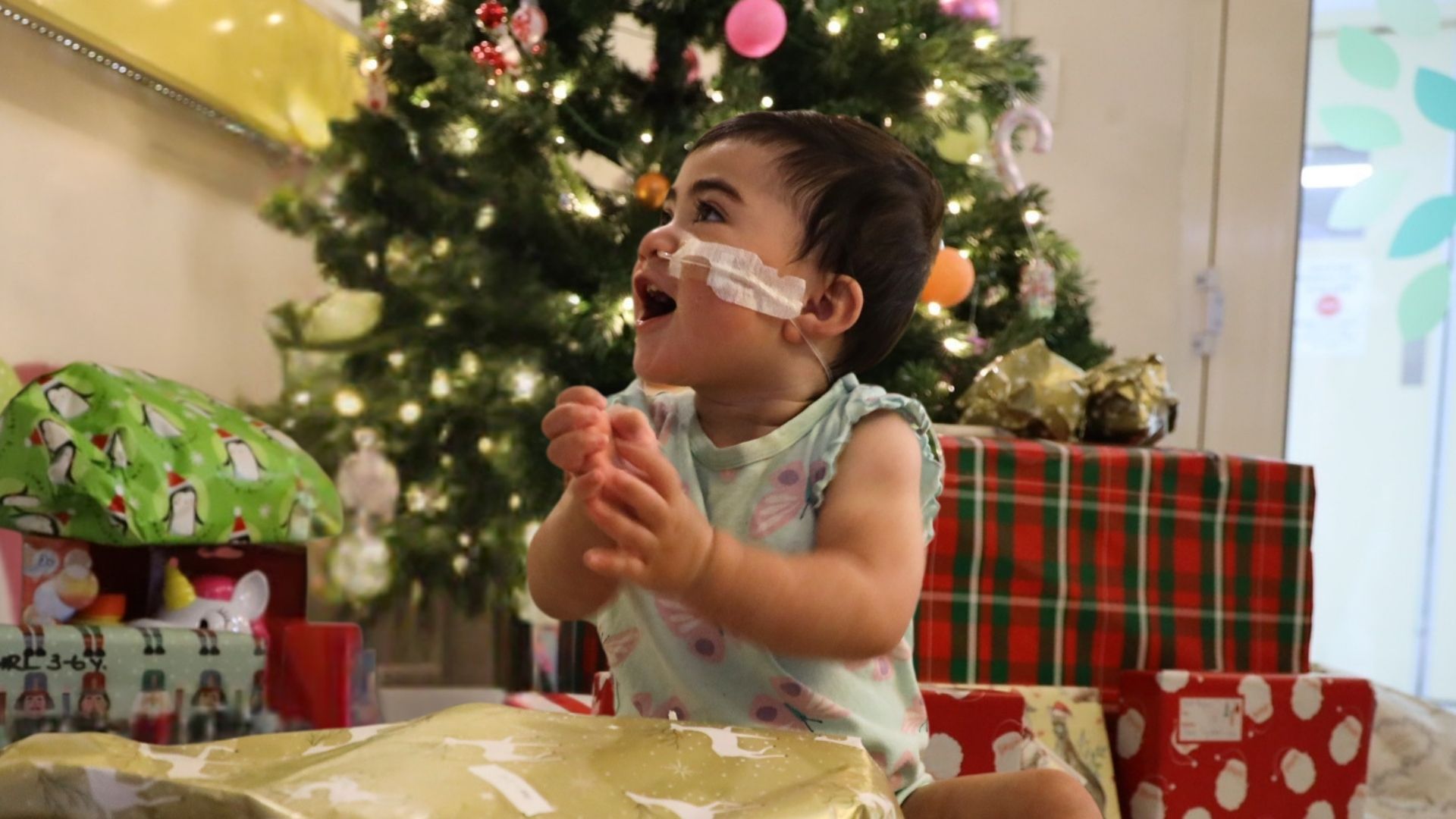
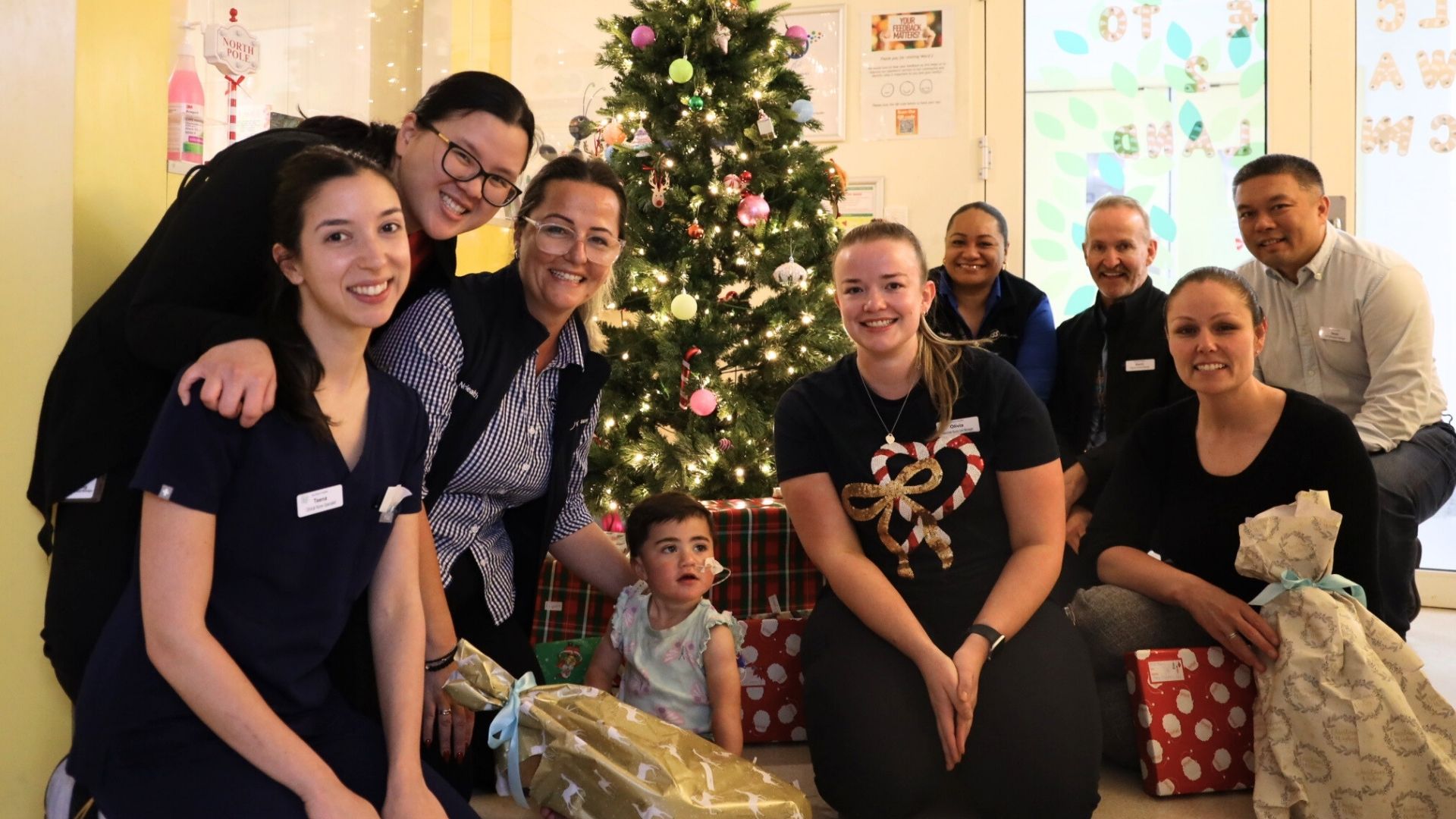
    featured Image – Little Leah full of Christmas Joy. Inset – ISS team with Ward 2 staff and Leah