• Malnutrition Week: Educate, empower and eliminate

    Malnutrition Week: Educate, empower and eliminate

    This week is Malnutrition Week, an annual campaign dedicated to educating healthcare professionals, patients and consumers on detection, intervention and treatment of malnutrition.

    Malnutrition refers to deficiencies or excesses in nutrient intake, imbalance of essential nutrients or impaired nutrient utilisation. Malnutrition can cause a break down of tissue, which can lead to a loss of organ and muscle mass, further fuelling frailty and poor clinical outcomes.

    One in three adult hospital patients in Australia are malnourished. At Northern Health, healthcare professionals are working to reduce the incidence of malnutrition among patients.

    “Every Northern Health inpatient is required to be weighed and screened for malnutrition risk within 24 hours of admission to hospital,” said Tugba Erbasi, Grade 2 Dietitian at Northern Health.

    “Further re-screening is also required weekly thereafter. When malnutrition risk is identified, clinicians should refer patients to a dietitian,” said Maggie Bradley, Grade 2 Dietitian at Northern Health.

    Signs and symptoms of a person suffering from malnutrition can include unintentional weightloss, reduced appetite and food intake, chewing and/or swallowing problems, depression, dementia and difficulty shopping, cooking and/or feeding themselves,” says Emma Tomkins, Grade 2 Dietitian at Northern Health.

    “Malnutrition has many negative consequences for hospitalised patients including depression of the immune systems, impaired wound healing, muscle wasting, longer length of hospital stay, higher treatment costs and increased mortality,” said Nadia Obeid, Dietitian, Renal Services.

    Over the last six years, Northern Health’s Dietetics Department has been undertaking annual malnutrition prevalence studies, which involves surveying acute and subacute inpatients across Northern Health to determine malnutrition prevalence, and whether malnutrition risk screening and weighing has been completed when required.

    Results from the 2024 annual Malnutrition Point Prevalence Study (PPS) found that 23 percent of Northern Health patients were malnourished, which is lower than the national estimated prevalence of 33 per cent, according to Tugba. All malnourished patients received nutrition care from the dietetics service.

    “The Northern Health Malnutrition Point Prevalence Study concluded that out of the 93 malnourished patients, 100 per cent had dietetics involvement. Ninety-six percent of Northern Hospital patients were screened by nursing staff on admission – this has increased from 74 per cent in 2023 and 61 percent in 2022,” said Tugba.

    “Hospital acquired malnutrition is low at Northern Health, although thorough investigations occurs for those identified to prevent recurrence in the future,” said Maggie.

    “We are also reviewing and updating EMR processes to ensure at risk and malnourished patients are referred appropriately,” said Emma.

    Northern Health continues to monitor the incidence of hospital acquired malnutrition, which account for a very small number of malnutrition cases, averaging about one percent of cases a year, and is much lower than the national rates.

    “We review every case of hospital acquired malnutrition at the Standard 5 Nutrition and Hydration CIC, and have undertaken many multidisciplinary initiatives over the years to improve malnutrition risk screening and optimise the nutrition care of our patients,” said Nadia.

    “For Malnutrition Week, the Dietetics Department would like to thank all the teams we work with for their amazing efforts to help recognise malnutrition risk, referring to the Dietetics Department when indicated, and for supporting our patients when optimising their nutrition care.”

    “It is absolutely a team effort.”

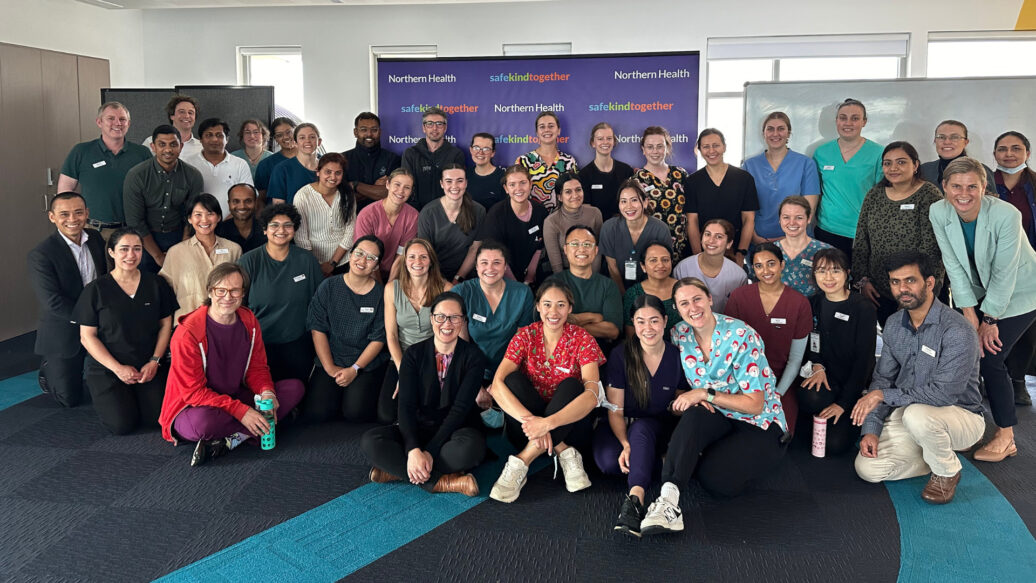
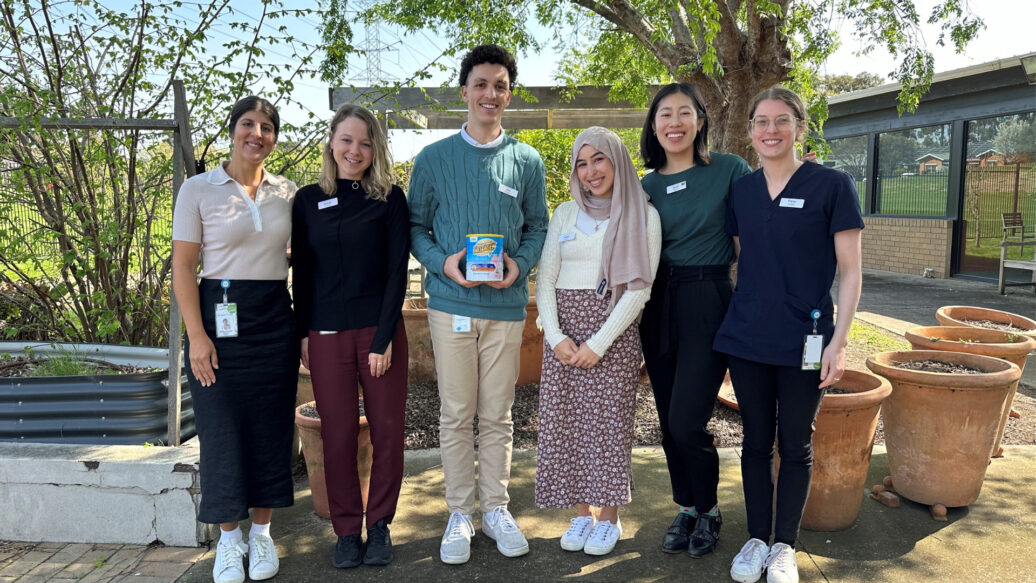
    Featured image: Members of the Dietetics team at Bundoora Centre.
  • Today is World Patient Safety Day!

    Today is World Patient Safety Day!

    World Patient Safety Day calls for global solidarity and concerted action by all countries and international partners to improve patient safety.

    This year’s theme, “Improving Diagnosis for Patient Safety”, focuses on the essential role of accurate and timely diagnoses in improving patient safety.

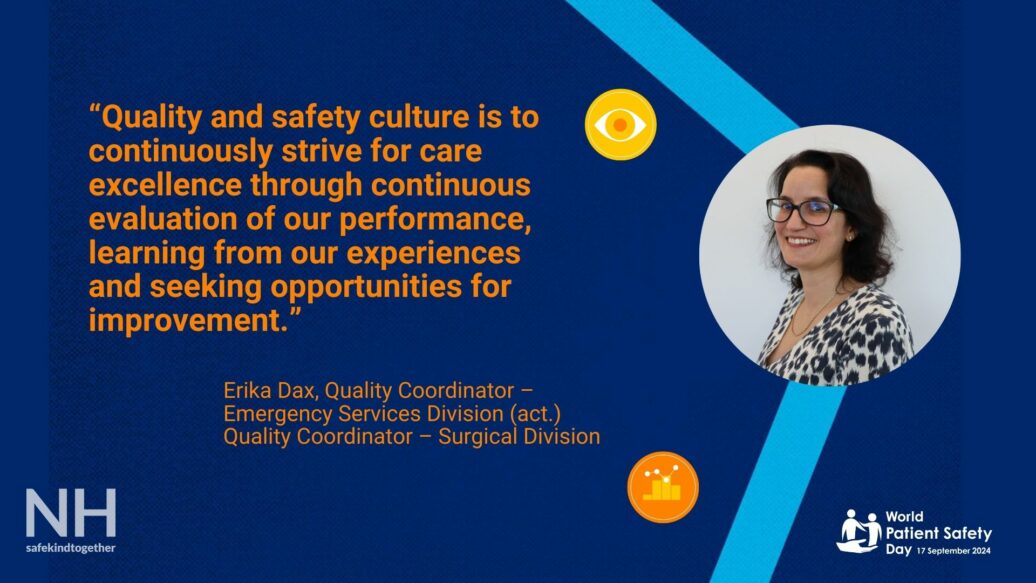
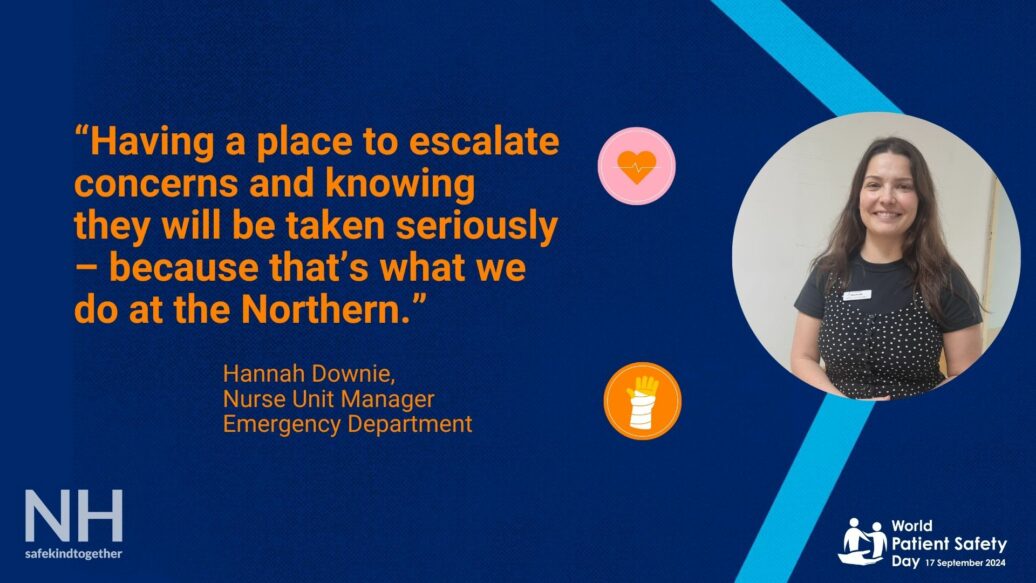
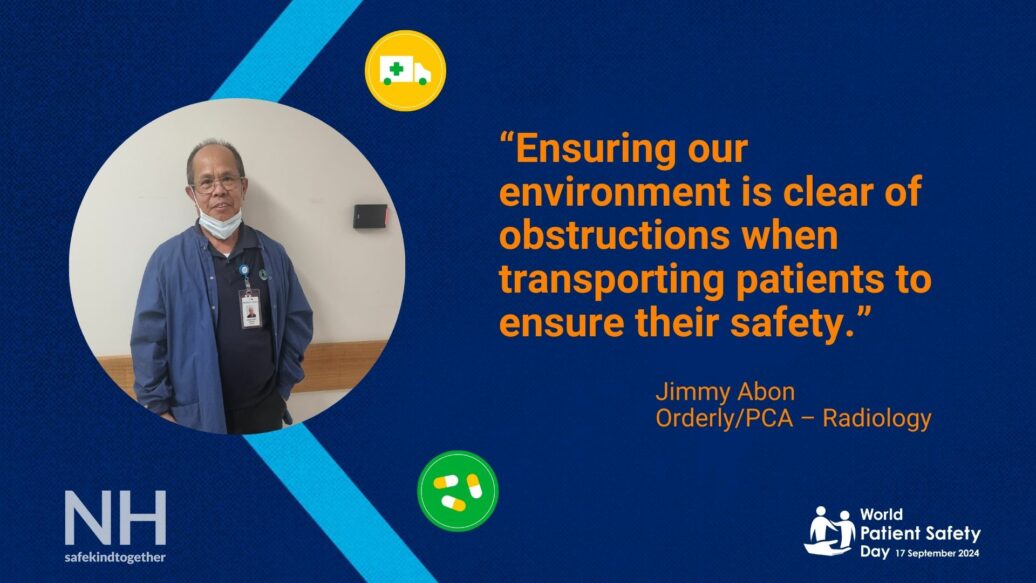
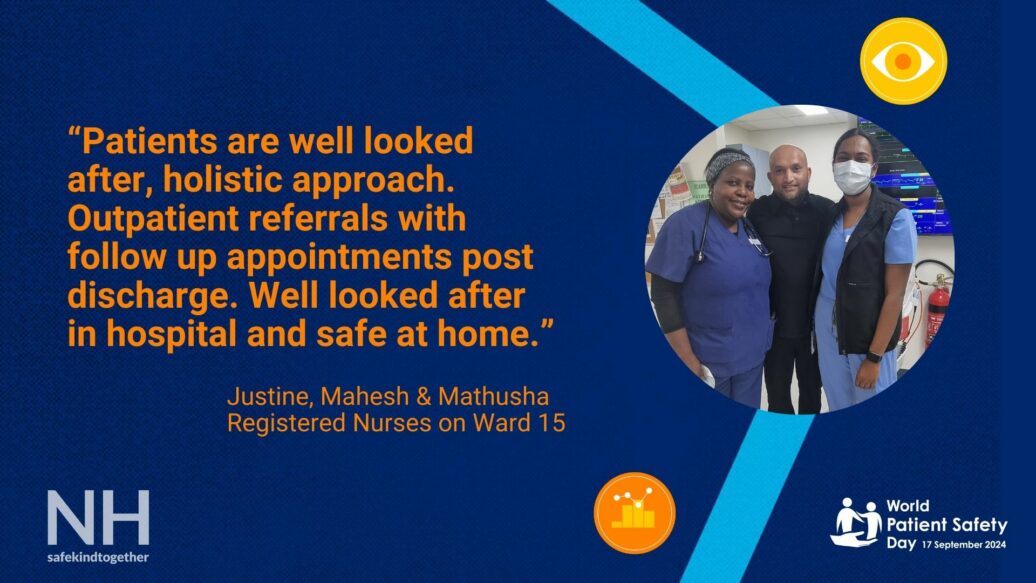
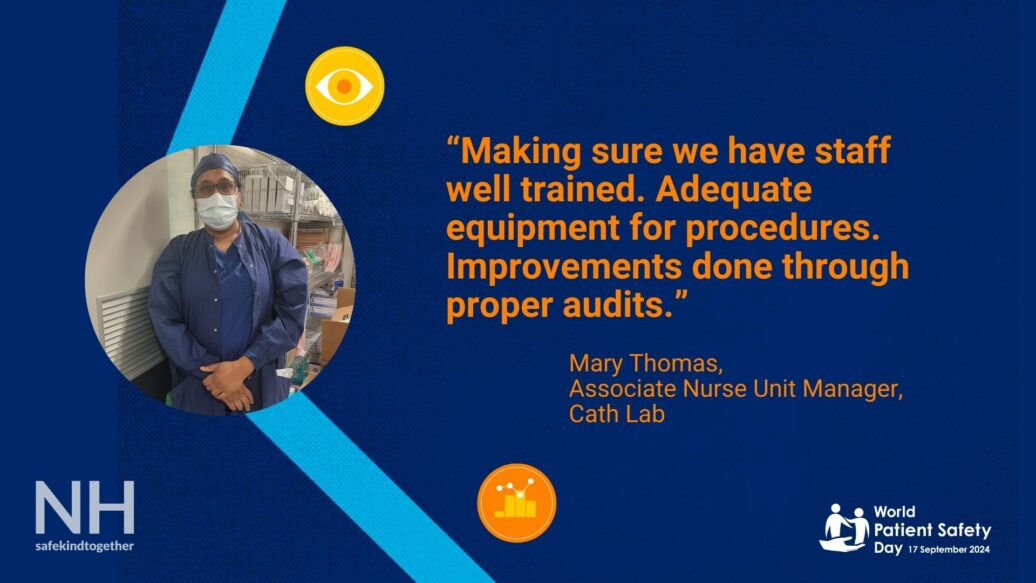
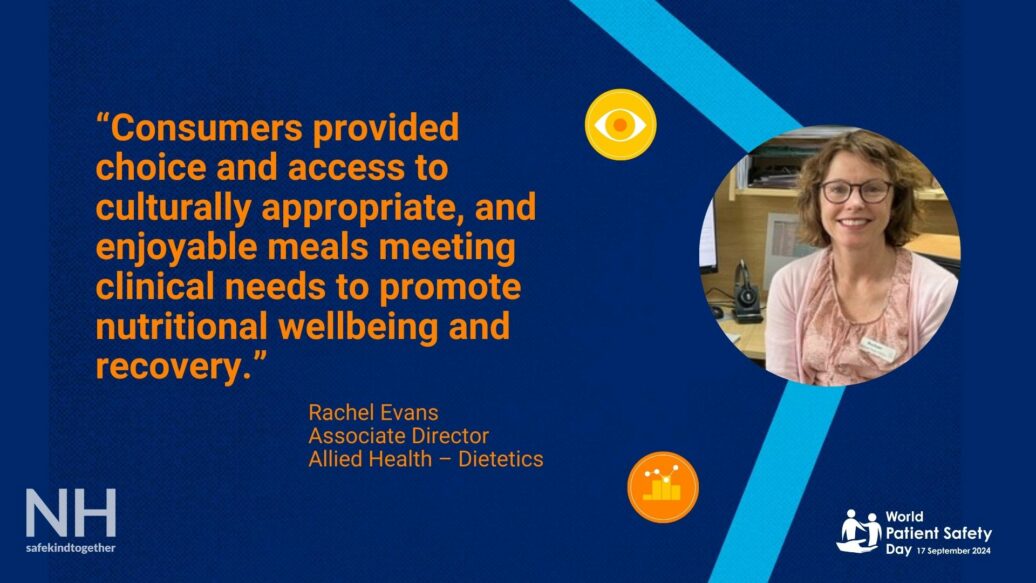
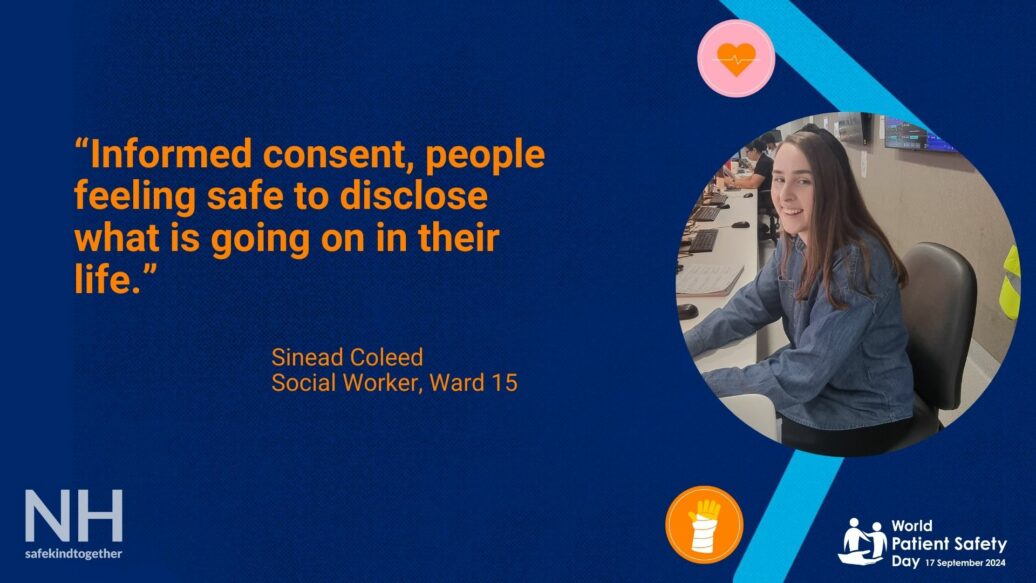
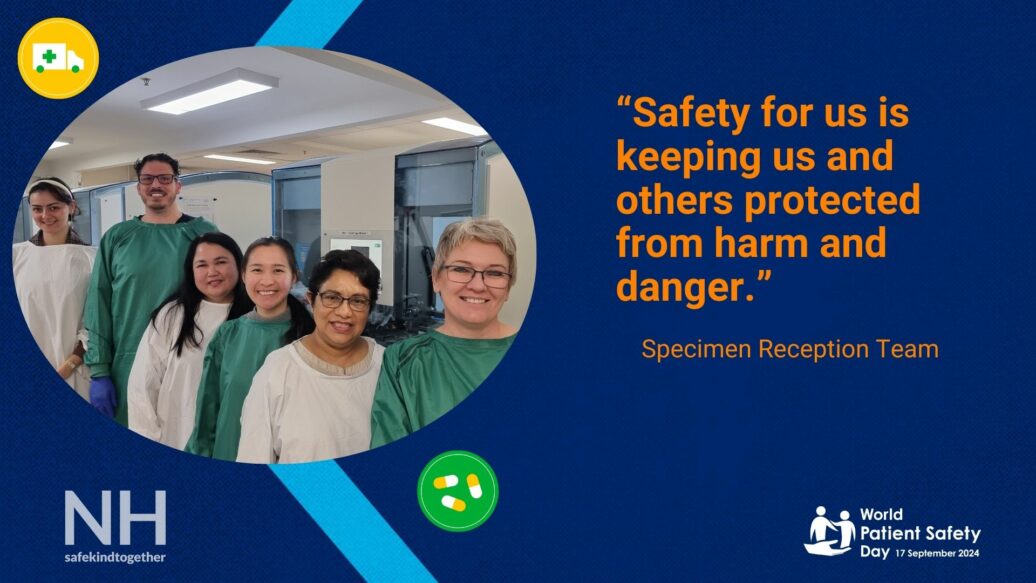
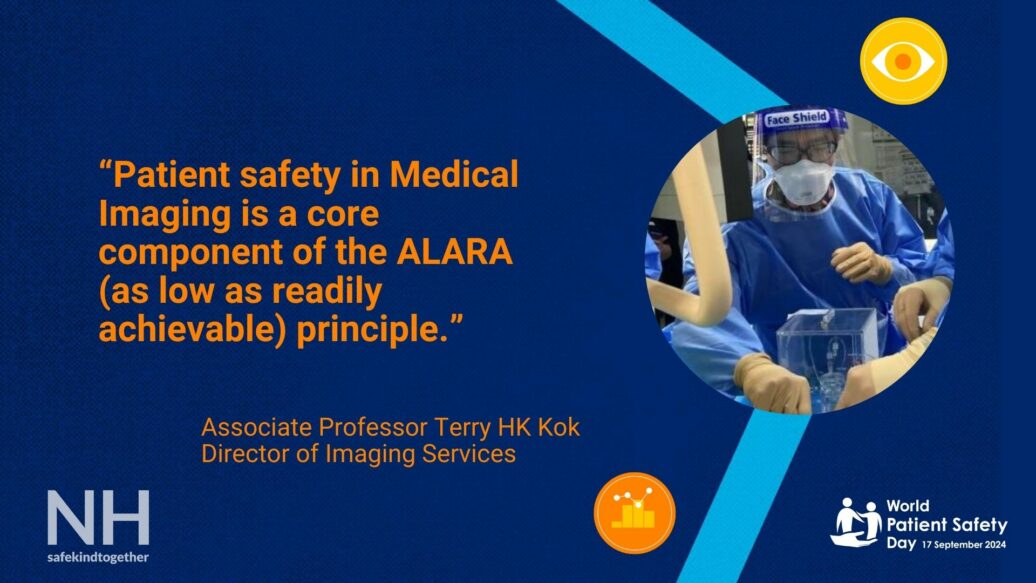
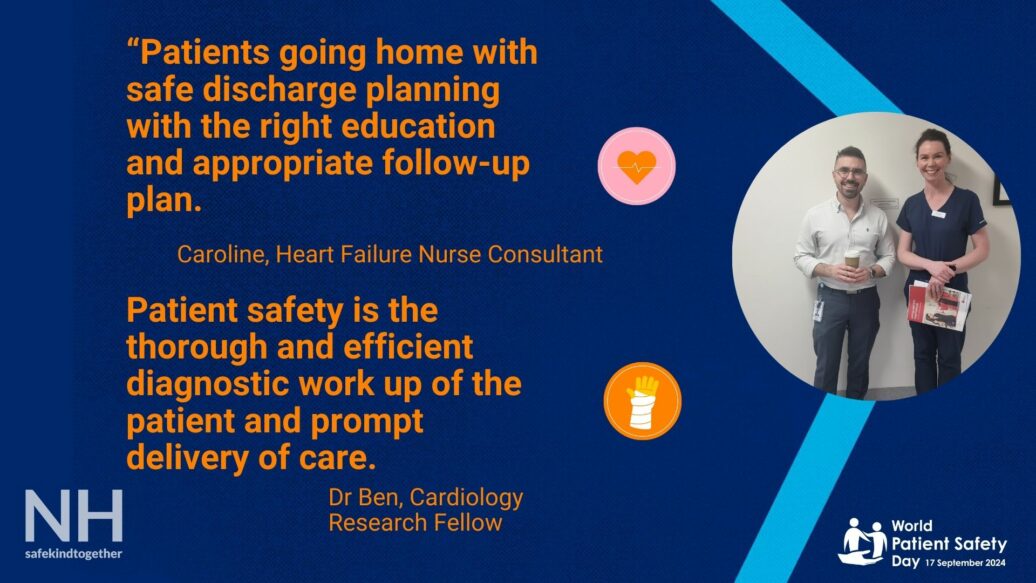
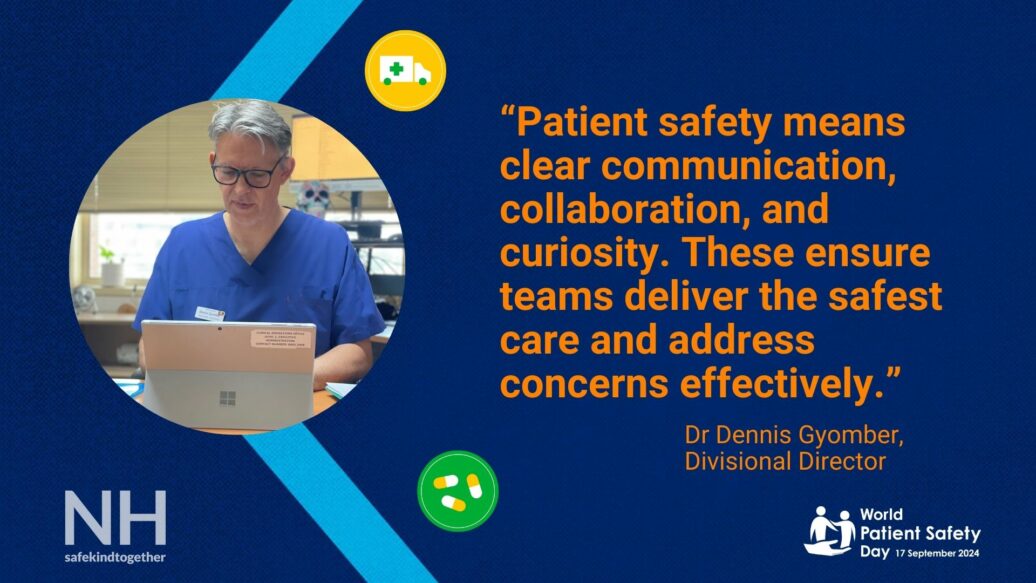
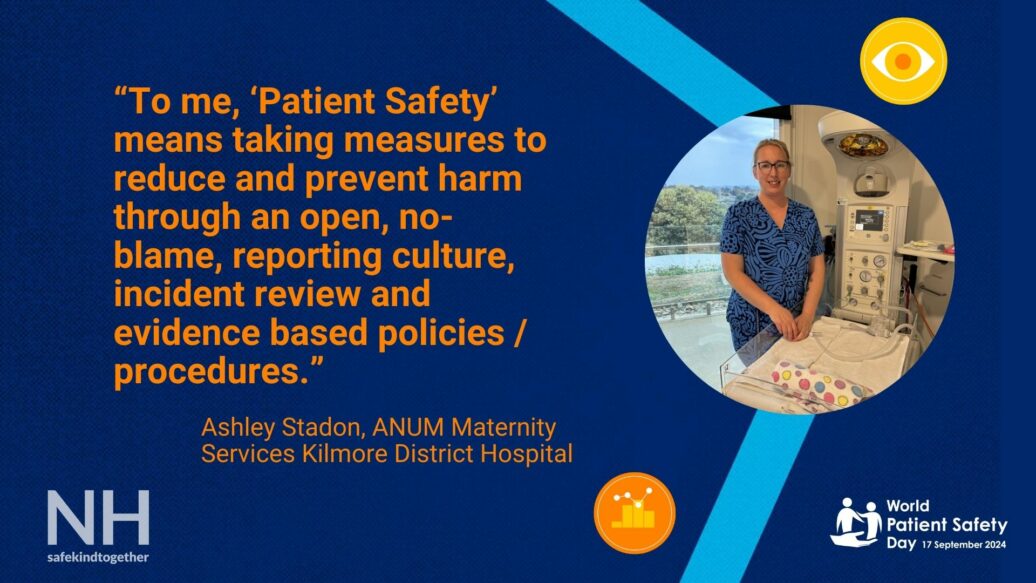
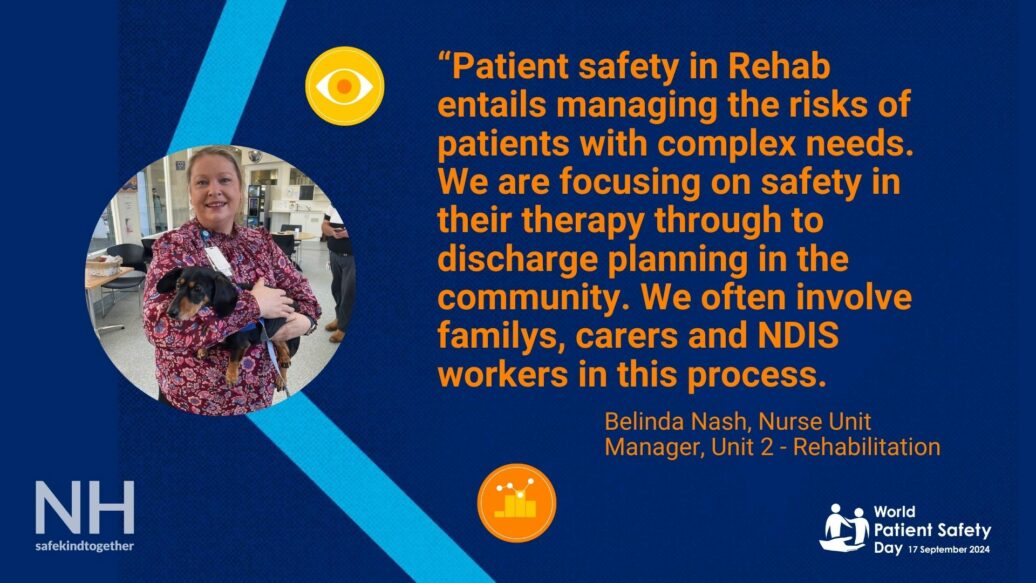
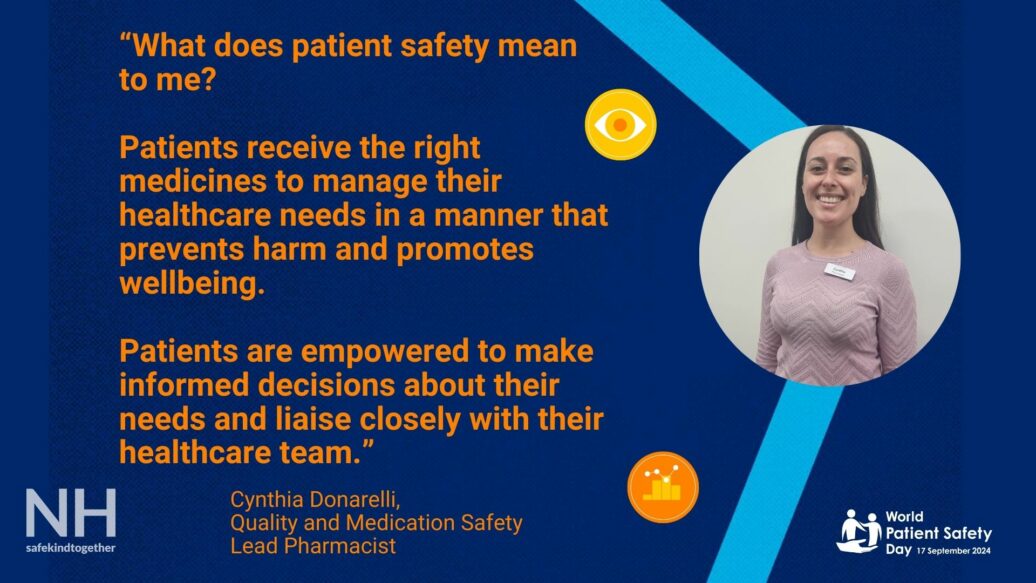
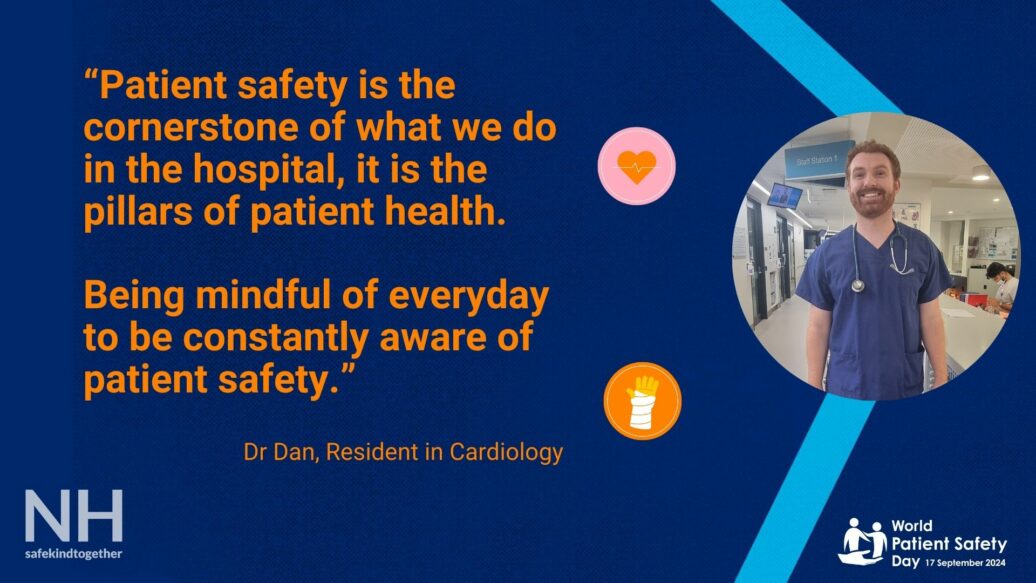
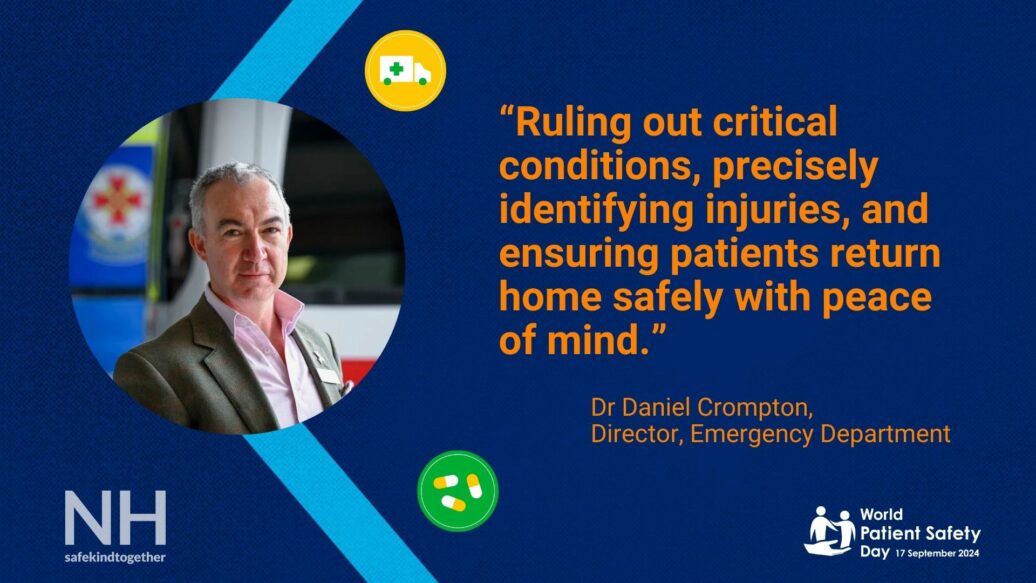
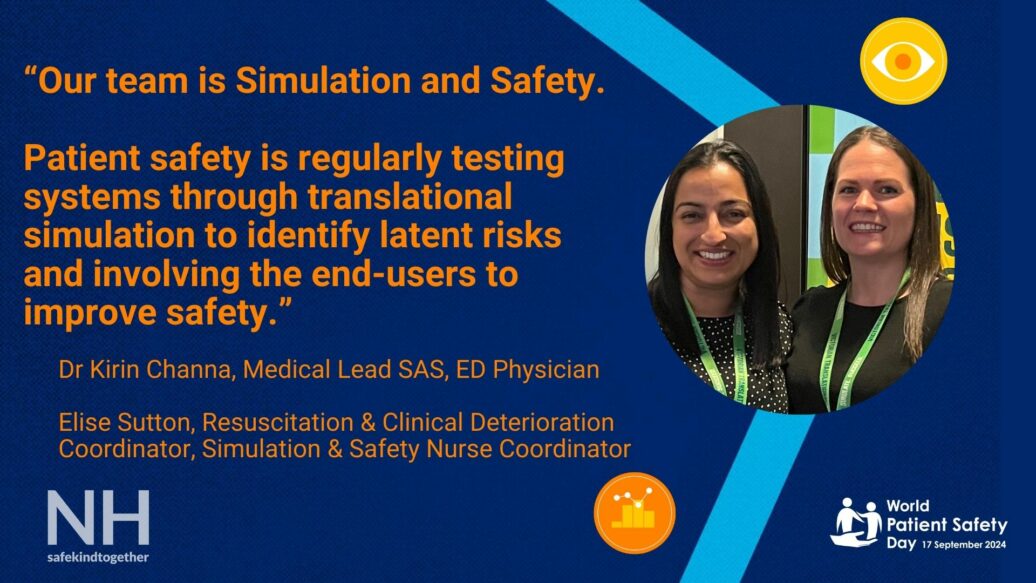
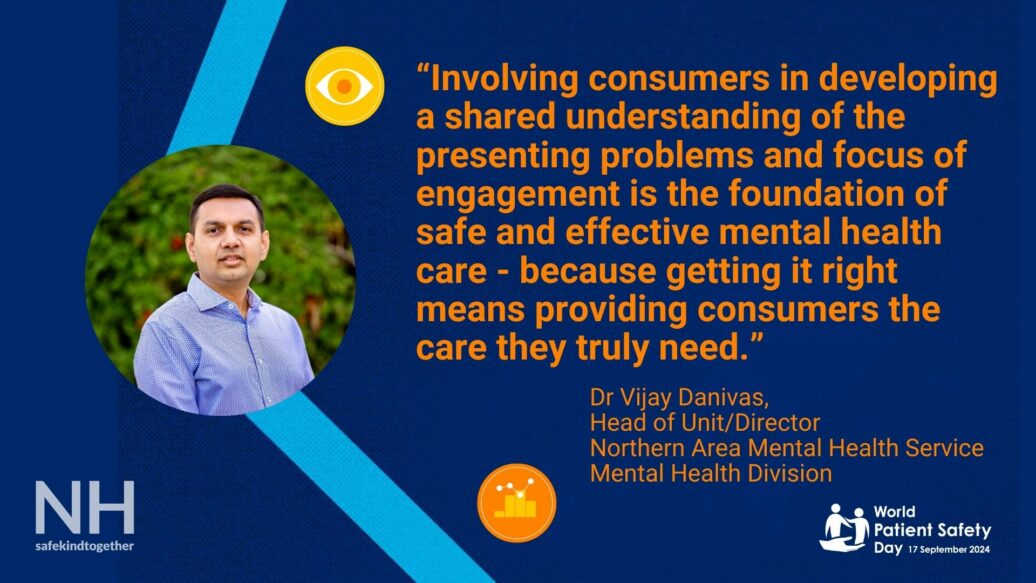
    On this World Patient Safety Day, we asked staff across Northern Health the all-important question – “What does patient safety mean to you?”

    Here’s what they had to say…

    You can also access a specially curated Northern Health Library catalogue for World Patient Safety Day here.

    The Safe Practice Forum is also returning to Northern Health on Thursday, 19 September.

    Come along and hear from Craig Aboltins, Bill Shearer and other guests on: ‘Improving diagnosis for patient safety.’

    Thursday, 19 September 2024
    1.15 pm – 2 pm
    Northern Hospital Lecture Theatre

    The presentation will also be livestreamed at this time to the following locations:

    • Kilmore District Hospital: Boardroom
    • Bundoora Centre: Boardroom
    • Broadmeadows Hospital: Meeting Rooms 1 & 2

    We hope to see you there!

  • CDI Week: Clinical truth

    CDI Week: Clinical truth

    This week is CDI Week, an annual celebration of Clinical Documentation and Improvement.

    It is a time to recognise CDI professionals and the vital role they play in healthcare in improving patient safety, enhancing the quality of healthcare data, and ensuring the financial sustainability of health services.

    CDI is all about empowering clinicians to deliver safer care to every patient by creating a documentation culture that reflects the clinical truth.

    It’s about bridging the gap between clinicians and our clinical coders so that the clinical data is reflective of the patient’s inpatient hospital stay and that Northern Health receives optimised reimbursement under the National Activity Based Funding model. Data-driven decision making relies heavily on complete and accurate clinical documentation and clinical coding, so it is imperative to get it right the first time.

    Northern Health’s CDI program began in late 2017 with the aim of improving the clinical documentation in real-time, rather than waiting for our coding auditors to feed back the documentation gaps to specialties retrospectively, often months after patient’s discharge.

    The team consists of Mary Kouvas, Clinical Documentation Integrity Coordinator, and Diana Villalta, Clinical Documentation Specialist (CDS).

    “Without CDI, a patient’s health and safety is potentially at risk and Northern Health may not be receiving optimised reimbursement for the care they deliver,” Mary said.

    “Research and planning for the future is affected as well. Remember the saying – “Rubbish in, rubbish out” – We ensure the documentation in the healthcare record is complete and accurate, to enable the extrapolation of valuable data.”

    On a daily basis, Mary and Diana review current inpatient notes for patients who are planned for discharge on the same or following day, while also looking for documentation gaps.

    Since November 2022, they have been using Medtasker to better engage with clinicians and send the documentation gaps called CDI queries.

    “Since its implementation, we have seen the response rate to these CDI queries increase from 35 per cent on average to above 90 per cen – an extraordinary improvement.” Mary said.

    “Using Medtasker has been a game-changer, not only for Northern Health but for the wider Australian CDI community. We were fortunate to present our success story at two conferences in Australia last year and received much interest in this innovative approach to CDI.”

    With the implementation of the Electronic Medical Record (EMR) in September last year, the CDI team is now able to work remotely from either an onsite office or from home.

    “Going fully electronic means we can now leave the clinical ward areas for clinicians and patients which is how wards were intended to be used, without affecting clinician engagement. The benefits of using Medtasker is that the clinician can respond to the CDI query at their earliest convenience, without impacting patient care,” Mary said.

    “By receiving the CDI query in real-time, the clinician is able to update the documentation in the EMR, notify the CDS, the CDS can check to see if the documentation change is sufficient for coding, resulting in a complete and accurate account of the patient’s episode of care, whilst optimising NWAU.”

    “A very effective and efficient process where our clinicians are able to continuously learn and document better.”

    “We are looking forward to the future and how we can work with AI to enhance the process of good documentation practices. Watch out!”

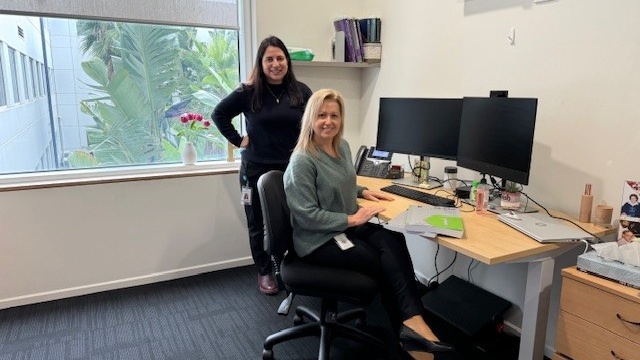
    Featured image: Diana Villalta CDS and Mary Kouvas CDI Coordinator.

  • A Tribute to Joan’s Compassionate Service

    A Tribute to Joan’s Compassionate Service

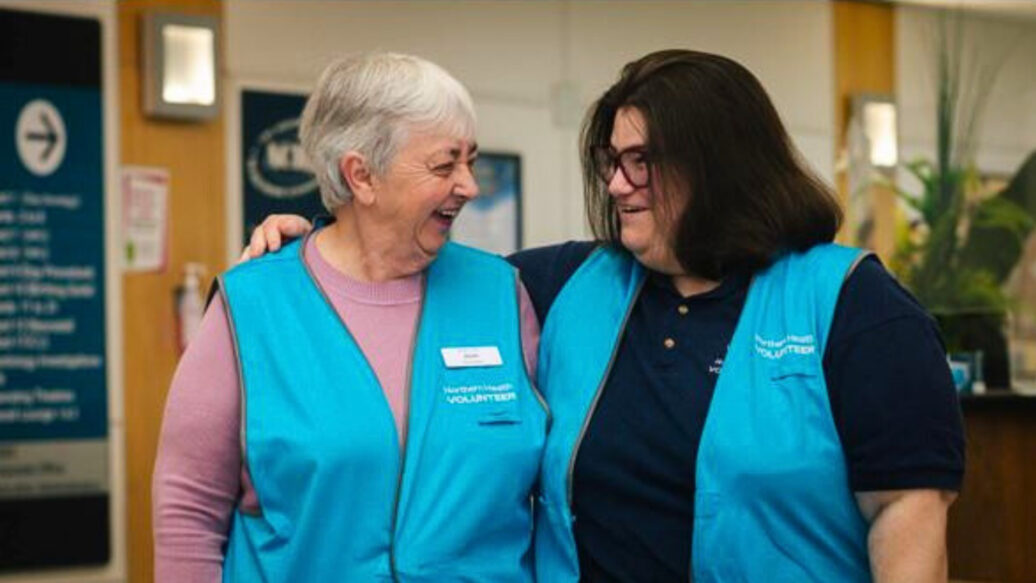
    As you walk through the hallways of the main hospital at Northern Hospital Epping, you will notice the beautifully framed photographs of our staff doing what they do best; caring for each other and their patients. There is one such photo on the ground floor, close to the lifts, of three of our dedicated volunteers. And, while one of them is no longer with us, her gentle smile and the soulfulness of her eyes will be remembered by all who were privileged to make her acquaintance.

    Joan Stroud was born in 1948 and passed away on 24 August 2024 after a relatively short battle with cancer. She was a volunteer until the end, and will be missed by Northern’s volunteer cohort, the volunteer services team, and the Foundation team. Joan’s gentle demeanor coupled with her sharp wit made her a friend to everyone. Her loyal service was appreciated by staff, patient and visitors alike. She was always willing to go above and beyond in her capacity as a volunteer, and was an all-round good human being.

    Joan joined Northern Health as a volunteer in 2019 and has supported many areas of the hospital, including Women’s and Children’s Services where she put together the ‘green books’. She also looked after lost property for the Emergency Department and helped with HITH admin, and fundraising activities.

    Henni Wade, Manager, Volunteer Services paid special tribute to Joan saying, “Joan was very crafty and her footy themed soft toys were popular with both adults and children. Joan was a fabulous help during COVID lockdowns and put together hundreds of COVID testing kits for the hospital and made ear savers and face masks for the community. She wanted to continue to give and help others wherever she could”.

    “It brought much joy to Joan to help and care for others. Rest in peace our beautiful Joan. We will miss you”, said Henni.

    Natalie Carroll, Volunteer Services Co-ordinator, knows how much Joan will be missed by her peers, particularly those who worked alongside her on a Thursday.

    “Some Thursdays, they focused on their set tasks, while other days, they set aside their volunteering tasks to support each other through life’s journey.”

    “Our volunteers have an amazing ability for fostering a safe and supportive community for one another. We were privileged to have Joan in our team. Her beautiful smile and her kindness will be missed by all she met and helped along the way”, said Natalie.

    “Joan loved being a volunteer and was very dedicated to the role. She embodied what it means to be a volunteer. She was giving and selfless and always demonstrated the Northern Health values of safe, kind and together in her interactions”, reflects Pina Di Donato, Executive Director, Public Affairs and Foundation.

    Joan’s photo will serve as a reminder of the wonderful person who gave of her time to walk the halls of Northern Health, looking for ways to contribute and to help others. If you happen to walk past Joan’s photo, take a moment to smile. She would love that!

  • Bring joy to work this R U OK? Day

    Bring joy to work this R U OK? Day

    Today is R U OK? Day, a national day of action to remind everyone that every day is the day to ask ‘R U OK?’

    It’s a day to reach out to your family, friends, loved ones and colleagues to have a meaningful conversation, and to ask the important ‘R U OK?’ question.

    Caring for others is the first act that goes to the core of our humanity. It is also at the heart of our Northern Health values of Safe, Kind and Together. This makes it vital that we look out for each other and extend our care to those with whom we work side-by-side.

    Northern Health is strengthening our culture of care through embedding ‘Joy in Work’ initiatives to support our staff and recognise their amazing contributions.

    Here are some recent examples of staff bringing joy to the workplace:

    Women’s and Children’s Nursing Division

    From April 2023 to June 2024, OHS Wellbeing and People Experience supported the Women’s & Children’s (W&C) Division to participate in the Wellbeing for Healthcare Workers Initiative (WHWI).

    This was a state-wide initiative facilitated by Safer Care Victoria and the Institute for Healthcare Improvement which aims to improve staff wellbeing by reducing burnout and increasing joy in work. The Joy in Work Framework encompasses nine domains including physical and psychological safety, wellness and resilience, and camaraderie and teamwork.

    Staff completed monthly surveys and participated in ‘What Matters To You’ conversations to identify barriers to joy in work and make suggestions on how these might be improved. Monthly afternoon teas led by Directors and Nurse Unit Managers were established for staff from different areas to get together and provide feedback whilst receiving important updates and recognition of achievements.

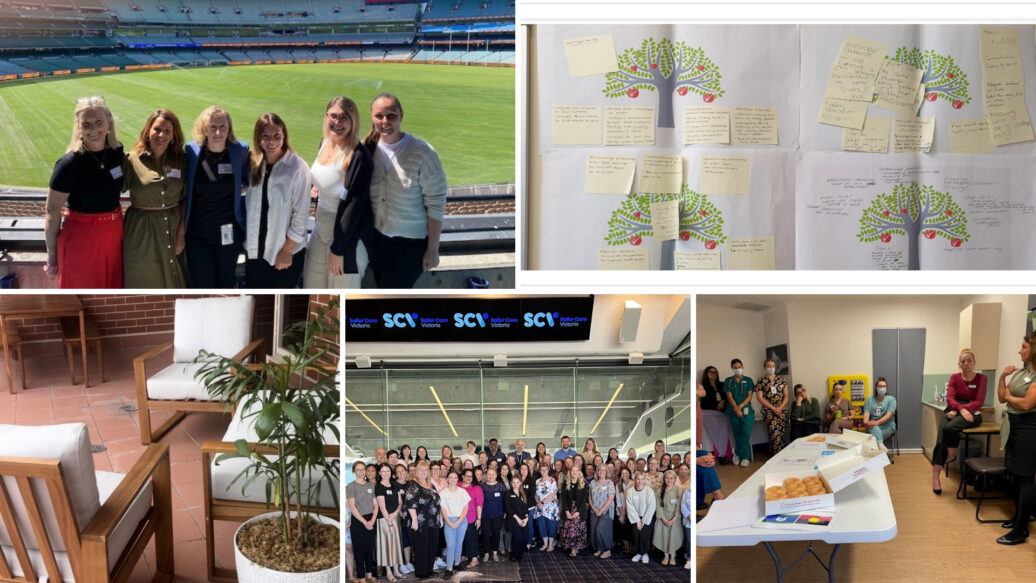
    Strategies to increase Joy in Work

    Based on staff feedback, equipment ‘shopping lists’ were introduced in wards to assist with ordering items essential to patient care.

    One staff member noted, the shopping list is a good initiative where we can request equipment that will help our patients and make work easier.”

    An employee-centred rostering system has been trialled to give staff more control over their rostering in line with personal preferences. Other change ideas implemented include an outdoor area for staff and a safety culture statement that is read at the beginning of each shift for nursing and medical staff.

    As one staff member noted, reading the safety statement creates a nice feeling and brings the team together before we get our handover.”

    Overall, the project saw a nine percent improvement in joy in work and a 14 percent decrease in burnout.

    Seda Kiroglu, Maternity Unit Manager reflects on what Joy in Work means to her.

    “Joy in work for me means coming in to work and being able to provide a safe, respectful and supportive space for my colleagues and team. The initiative gave me an opportunity to provide this space and work together with the team to achieve it. My cup is full when I know that those around me are physically and psychologically safe at work.”

    The Women’s and Children’s team continue to sustain the improvements and engage with staff at monthly afternoon teas.

    “Participating in the project was a truly rewarding experience that offered valuable insights. The staff demonstrated a high level of engagement from the beginning and were open and honest in their feedback, resulting in meaningful conversations about what truly matters and a strong sense of unity within the team,” said Alecia Caddy, Ward 2 Paediatrics Nurse Unit Manager.

    Mental Health Division (North West Area Mental Health Service)

    The Mental Health Division (NWAMHS) included the Joy in Work framework in the 2020-2024 Strategic Plan, with the Broadmeadows Inpatient Unit (BIPU) being the first team to roll it out.

    Although the framework is for staff, BIPU saw benefits that spread over the consumers they care for, as well as building joy and resilience, and making the unit a terrific place to work.

    Some of the fabulous staff activities include Feel Good February, Jolly July and Self-Care September. The team has embraced the Joy principles and continue to implement both simple and fun events as well as more operational changes that allow staff to feel safe and supported.

    CCU (Community Care Units – a residential step-down service) followed BIPU’s lead last year and are currently in the midst of creating their own unique joyful events and activities.

    Now it’s the turn of the community teams at Broadmeadows and Coburg who have commenced a survey to discover where each team is at with feeling safe and supported at work.

    The next step is to build on this understanding of our workplaces to develop actions, events, activities and behaviours that promote joyful workplaces. Both teams already enjoy opportunities to get together (be it an afternoon tea or Christmas in July).

    The Joy framework will help these teams enhance what is working well, as well as address deficits or weaknesses that have staff feeling unsupported or unhappy. The framework encompasses everyone – from the enthusiastic support of management all the way down to tireless part-time support staff – and is an opportunity to hear every voice and value every person.

    Thank you to all staff who participated and support these Joy in Work projects.

    Take a moment from your busy day to check in with a colleague or team member this R U OK? Day, and every day. Take joy in the caring and healing work that we all do and support each other in our contributions to the wellbeing of the community.

    Featured image: Staff implementing Joy In Work initiatives. 

  • World Sepsis Day: Stop sepsis, save lives

    World Sepsis Day: Stop sepsis, save lives

    World Sepsis Day, held annually on 13 September, is an opportunity for people worldwide to unite in the fight against sepsis.

    Sepsis is a time-critical medical emergency that arises when the body’s response to an infection damages its own tissues and organs. It can lead to shock, failure of multiple organs, and death if not recognised early and not treated promptly.

    Across the world, sepsis affects between 47 and 50 million people every year and at least 11 million people die – one death every 2.8 seconds. Twenty per cent of all deaths worldwide are associated with sepsis. However, awareness is low with a recent survey finding 60 per cent of Australians had not heard of sepsis and only 14 per cent could name one of its symptoms.

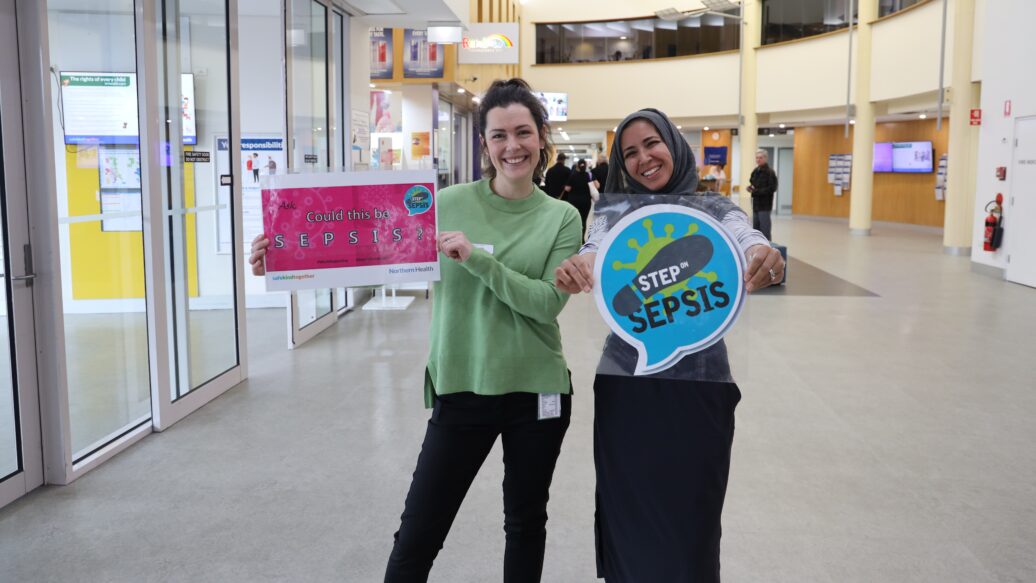
    Cassie Gilbert and Yasmin Sungkar – Step on Sepsis Project Coordinators at Northern Health, said many of those who do survive sepsis can face lifelong consequences which can impact their day-to-day functioning.

    “To improve outcomes, community awareness of signs and symptoms, together with time-critical recognition and appropriate healthcare management, is essential in reducing morbidity and mortality associated with sepsis,” they said.

    In 2013, Northern Health introduced the Step on Sepsis program. Since then, this program has been successful in helping clinicians improve recognition and treatment of patients with sepsis. The program focuses on optimisation of sepsis recognition and management through audit and feedback, education, and the development and dissemination of sepsis resources.

    Here at Northern Health, the Step on Sepsis team is running a number of campaigns to promote sepsis awareness to staff and our community. You can participate in an online sepsis quiz, where you have the chance of winning one of 10 Henry’s Cafe coffee voucher.

    Keep an eye out for our display boards in the foyer of the Northern Hospital Epping and Broadmeadows Hospital.

    To find out more about sepsis management at Northern Health, click here.

    If you would like to know more about sepsis and World Sepsis Day, visit:

    https://www.worldsepsisday.org/

    https://www.australiansepsisnetwork.net.au/

    Featured image shows Cassie Gilbert and Yasmin Sungkar, Step on Sepsis Project Coordinators.

  • Celebrating World Physiotherapy Day at Northern Health

    Celebrating World Physiotherapy Day at Northern Health

    On Sunday, 8 September, Northern Health joined the global celebration of World Physiotherapy Day, a day dedicated to recognising the vital contributions physiotherapists make to healthcare.

    With over 120 physiotherapists working across Northern Health campuses, our team provides essential care that impacts patients of all ages, from newborns to older patients, in settings ranging from emergency departments to community care, and even intensive care units.

    Physiotherapy services here extend beyond traditional rehabilitation, addressing a wide range of health conditions, including chronic pain, cancer, vertigo, concussion, and more.

    Our physiotherapists collaborate closely with exercise physiologists and allied health assistants, ensuring comprehensive care across various specialties such as musculoskeletal, neurology, women’s health, oncology, and cardiorespiratory therapy.

    These dedicated professionals not only support physical recovery but also empower patients to regain control of their health and wellbeing. Their dedication is reflected in the patient feedback below:

    “My physio’s expertise and support have helped us adjust to our new normal as parents of a special needs child.”

    “Allied Health Physiotherapy is a fantastic service, from the receptionist to the physiotherapists, they are very encouraging and friendly. I feel my knee could not have healed and been rehabilitated without this wonderful service.”

    “The physio staff were supportive and thoughtful. I have had much improvement in movements, and I achieved my goals.”

    “My physiotherapist was very knowledgeable, careful and I felt that I was in the hands of a very capable and competent person.”

    “Never forget the difference you’ve made.”

    Join us in celebrating the dedication of our physiotherapists, whose work is central to the recovery and wellbeing of our patients and community.

    For more information or to book an appointment, please visit the Intranet page or email staffphysio@nh.org.au.

  • On track to MACH a difference

    On track to MACH a difference

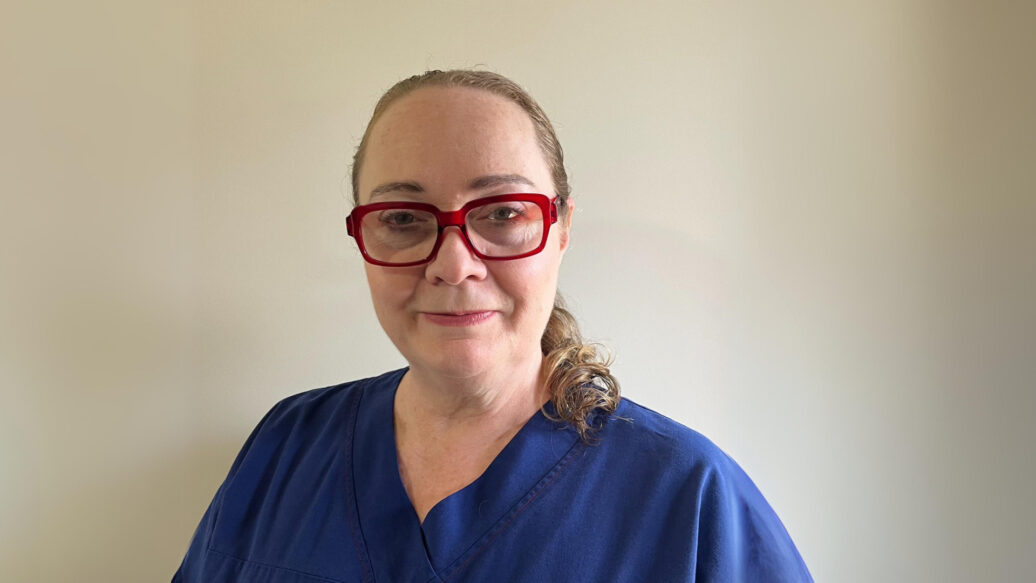
    Following a rigorous selection process, Vanessa Leonard-Roberts, Nurse Practitioner at Northern Hospital Emergency Department, has been offered a prestigious place in the Melbourne Academic Centre for Health MACH-Track Program in 2025.

    MACH-Track is a structured, mentored, fully funded PhD pathway through the University of Melbourne Faculty of Medicine, Dentistry and Health Sciences and eight affiliated Medical Research Institutes. The five-year program incorporates both advanced clinical and academic training, and seeks to develop future leaders of clinical innovation by offering an opportunity to integrate pre-PhD, PhD, and initial post-PhD research training with the completion of vocational training of the highest standard.

    “MACH-Track is an established program that allows promising health practitioners to integrate career development in research, including a PhD, with the completion of postgraduate specialist or generalist training and clinical career development in their health discipline,” said Professor Sir John Savill, MACH Executive Director.

    Ms Leonard-Roberts is delighted to have been selected for this prestigious program.

    “I have been wanting to do my PhD for some time but struggled to find a program that would incorporate both clinical and academic training,” said Ms Leonard-Roberts.

    “The MACH-Track program will mean that I can continue to work clinically at Northern Health while completing my PhD.”

    “I was absolutely delighted to find out I was successful and have been experiencing a mixture of elation and nervousness, but really, I am overjoyed,” Ms Leonard-Roberts said.

    “I would like to thank Eleanor Johnson, the current MACH-Track candidate, who put up with my million questions and encouraged me to apply.”

    Lisa Cox, Chief Nursing and Midwifery Officer, Northern Health, congratulated Vanessa on this significant achievement.

    “Vanessa is highly motivated and passionate about nursing research, and this offer is a fantastic opportunity for both Vanessa and Northern Health. Well done, Vanessa,” Ms Cox said.