• Occupational Therapy Week: Northern Health’s unsung heroes

    Occupational Therapy Week: Northern Health’s unsung heroes

    Occupational Therapy Week is an annual celebration, held from 21 – 27 October in 2024, and celebrates occupational therapy as a profession, and the dedicated professionals who provide this care to our community.

    At Northern Health, Occupational Therapists (OTs) are the quiet powerhouses ensuring patient recovery isn’t just a goal, but a reality. These unsung heroes weave therapy into daily life activities, turning routine into rehabilitation.

    Our large community team of OTs swings into action either at clients’ homes or in our centres, fostering independence and smooth transitions back into the community. We have targeted services for stroke survivors and patients at high risk of hospital readmission. Additionally, our home assessment service tweaks home environments with modifications and equipment to keep folks living independently.

    In the Mental Health Division, Occupational Therapists wear many hats, delivering specialised and holistic care across our bed-based and community services. By honing daily functions, enhancing self-regulation skills, and boosting community and social involvement, OTs make a tangible difference in the lives of our consumers.

    We asked some of our OTs to reflect on their work and share their stories.

    Here’s what they had to say:

    “As part of the inpatient rehabilitation team, I recall working with a female patient, who had experienced a stroke, and required the help of the nursing staff to feed herself due to her reduced upper limb function. I worked closely with the patient to focus on upper limb therapy and task-specific retraining to improve her coordination.  We were able to choose specific tasks and activities that aligned with her interests such as crocheting. Thanks to this daily and meaningful therapy, she regained function in her upper limb and was able to achieve her goal of being able to feed herself independently.” Charlotte Boyes, Grade 1 Occupational Therapist
    GEM Ward.

    “As part of the Sub-Acute Ambulatory Care Services (SACS) Community Therapy team, I was working with a patient who had a stroke and had reduced strength in both his hands. His main goal was to be able to read his newspaper in the morning. Working closely with him and developing task specific exercises to assist with strengthening his hands, he was able to grasp the newspaper without it slipping from his hands. Even though it sounds like a simple goal, it made such a difference to his morning, and he was extremely grateful.”
    Alana Evans, Grade 2 Occupational Therapist
    SACS Community Team.

    We had the opportunity to work with a client who was experiencing confusion and delirium. The client was admitted into a residential aged care facility and when her condition started to improve, we were able to facilitate her return to independently living in her own home. We were also able to assess her home and recommended strategies, home modifications and equipment to support her function, and memory whilst mitigating the risk of falls where possible. It is not often you hear of people returning home after being admitted into an aged care facility, but we are grateful that we were able to help to achieve her goals.”
    Rachael, Grade 3 Occupational Therapist
    Bella Dodds, Grade 1 Occupational Therapist
    Home and Community Care Team.

    “A highlight of my career has been facilitating activity-based leisure groups in mental health. Witnessing the joy and animation our consumers experience when connecting socially and engaging in a joyful and fun leisure-based activity is a definite highlight. Through these groups, they develop their social skills and feel a sense of belonging and connection.”
    Rohan Godfrey, Occupational Therapist Grade 1
    Merri-bek Community Mental Health Team,
    Northwest Area Mental Health Service.
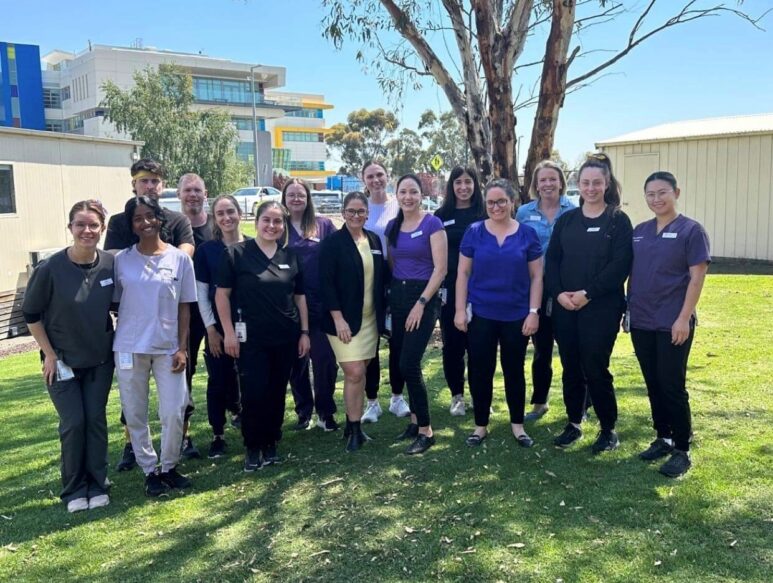
    The team at Northern Hospital Epping.
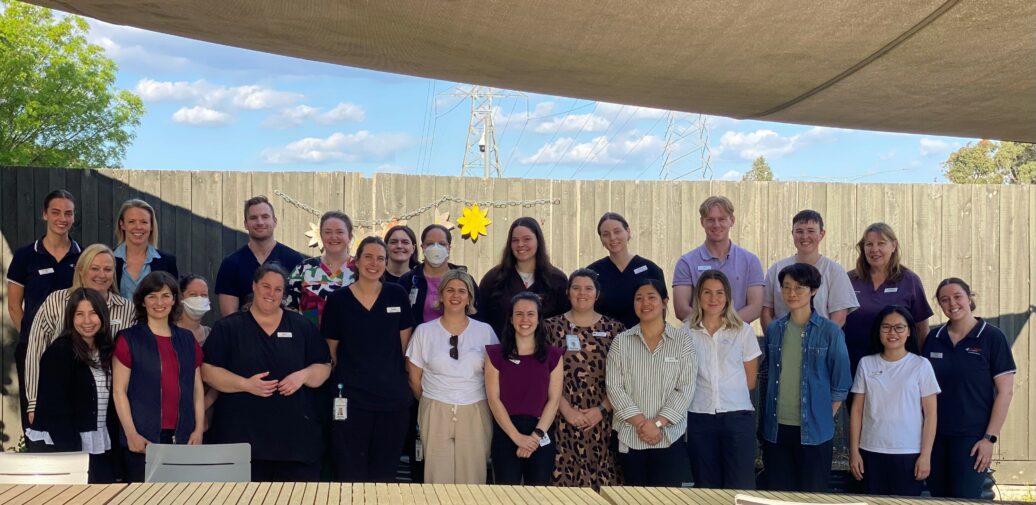
    The team at Broadmeadows Hospital.


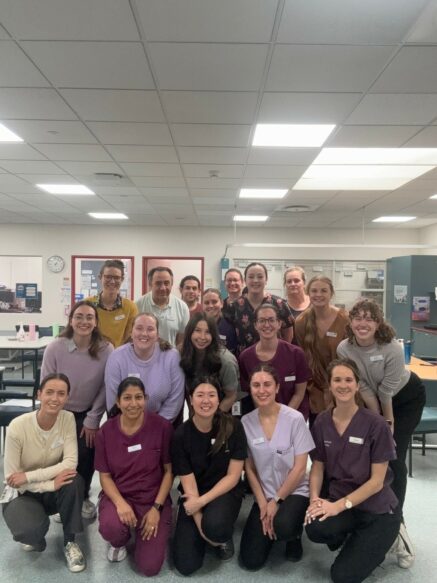
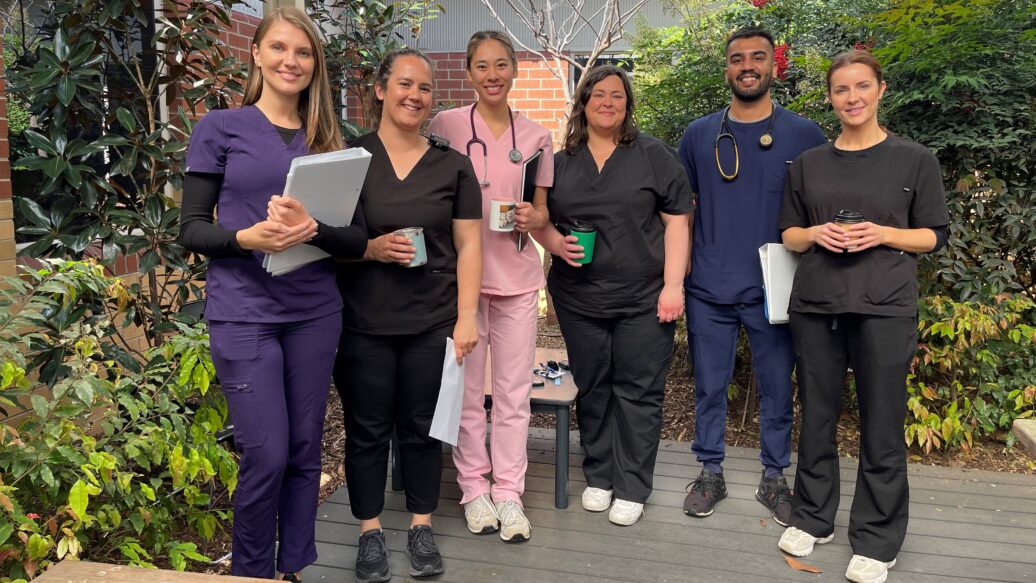
    Main picture shows the Occupational Therapy Team at Bundoora Centre.
  • Why Research Week matters

    Why Research Week matters

    Research Week is an important event in the Northern Health calendar as it showcases the breadth and depth of research activity across our organisation, highlighting the significant contributions of staff and partners. This year, there has been an incredible response to our call for abstracts with 78 abstract submissions from clinicians and researchers at Northern Health. Across oral and poster presentations, many clinicians and researchers have the opportunity to share their work, which we hope will encourage further collaboration and innovation across different departments. We also have a terrific line up of invited speakers for research week, including:

    • Professor Jon Karnon from Flinders University, an expert in health economics whose work focuses on economic evaluations in healthcare, decision analytic modeling, and health policy development.
    • Professor Elif Ekinci from the University of Melbourne, a renowned endocrinologist, brings extensive research on diabetes, particularly the impacts of diabetes on kidney health and cardiovascular risk management.
    • Professor Richard Saffery from the Murdoch Children’s Research Institute (GENV) who leads pioneering research in epigenetics, exploring how genetic and environmental factors influence childhood health outcomes.
    • Professor Paul Monagle from the Royal Children’s Hospital and Murdoch Children’s Research Institute is a leader in paediatric haematology, well-known for his research on thrombosis and anticoagulation in children.

    Together, these experts provide diverse perspectives on current and emerging issues in healthcare and biomedical research.

    One of the key reasons Research Week is so important is that it highlights Northern Health’s ongoing commitment to cutting-edge research and its role in improving healthcare outcomes. This year, research collaborations between Northern Health and external institutions including RMIT University and La Trobe University will be showcased. These partnerships will help place Northern Health in a stronger position to drive innovation and enhance the quality of care provided to our community.

    A big thank you to the research office, in particular Britt Szabo, for all their work in pulling another wonderful week together.


    Associate Professor Rebecca Jessup

    Director, Victorian Centre for Virtual Health Research

    Acting Director of Research, Northern Health

    Deputy Chair, Northern Health Research Executive Committee

  • Translational Research: Transferring scientific discoveries into practical applications

    Translational Research: Transferring scientific discoveries into practical applications

    Translational research transfers scientific discoveries into practical applications that can benefit patients and society at large.

    To be successful, translational research leadership needs to be people-centred and innately collaborative in its drive. Such collaborations enable individual expertise to support a larger framework, thereby facilitating interactions between clinically motivated individuals and their basic science counterparts who may provide skills, knowledge and technology necessary to drive research innovations.

    At Northern Health, we are blessed with a committed leadership that has driven collaborative networks across numerous academic institutions and the Northern Clinician Leadership. Recent partnership initiatives between Northern Health, the Royal Melbourne Institute of Technology (RMIT) and La Trobe University are a testimony to the institution’s commitment towards translational goals.

    Northern Health has always facilitated translational research while maintaining cultural humility. Indeed, diversity and inclusivity are a strength of Northern Health, and a core feature of its rich potential for translational research impact in its community.

    Novel discoveries are not the only defining feature of translational research. New pathways towards managing diseases and a focus on health outcomes also falls in the category of translational science. By understanding the underpinnings of human behaviour and what promotes healthy and unhealthy patient behaviours, we can design better, more targeted interventions to alter and sustain positive, healthy behaviours.

    Research training and career development are crucial avenues for ensuring sustained success in translational  research. Transferring research advances to maximise public health impact, requires effective partnerships between biomedicine and  scientists and collectively with patients, healthcare providers, policymakers, and other stakeholders.

    Research Week and our continued collaborative efforts at Northern Health will go a long way towards attaining these community directed goals.

    You can listen to Professor Kumta on Northern Health’s podcast Visiting Hours.


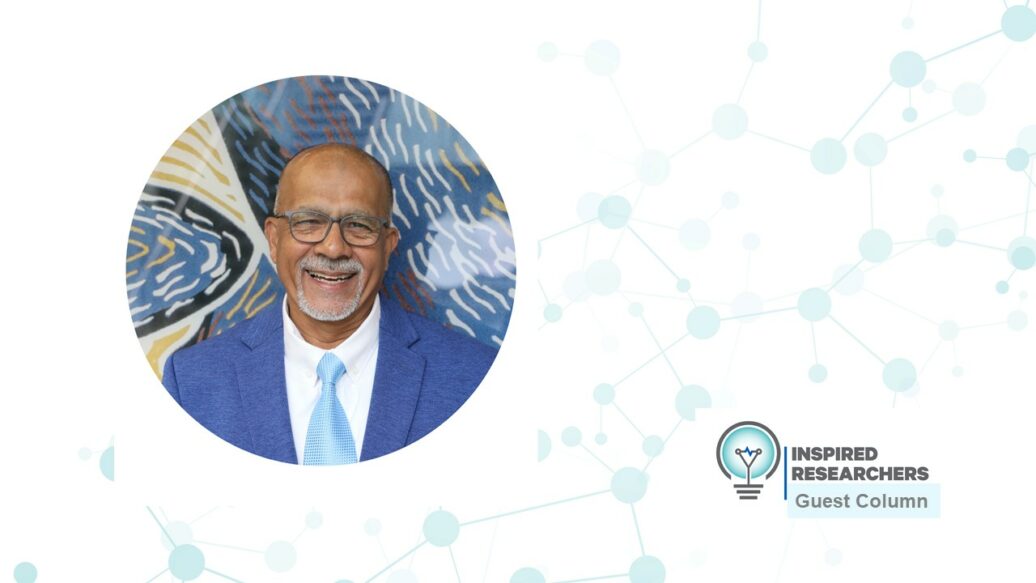
    Professor Shekhar Kumta

    University of Melbourne’s Academic Lead, Department of Surgery at Northern Health

    Research Executive Committee member

  • Get to Know: Tilini Gunatillake

    Get to Know: Tilini Gunatillake

    #wearenorthern

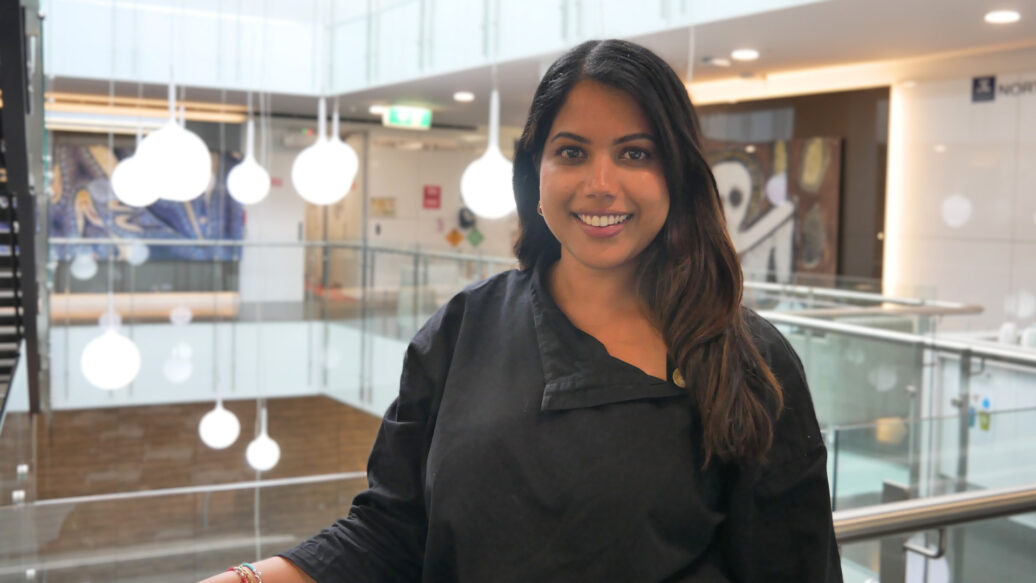
    As we approach Research Week, say hello to Tilini Gunatillake, Research Development Manager, Northern Health.

    Firstly, what’s your coffee order?

     A medium oat cappuccino!

    Tell us about your Northern Health journey? 

    I feel like I’m still a newbie as I’ve been here just under a year (I joined in November 2023). I’m the Research Development Manager working in the Research Development and Governance Unit. My role covers off a few things, but mainly I’m here to support and cultivate the research culture at Northern. My focus is on developing researcher capability by providing the supports, tools, education and training to do high quality research at Northern. I work closely with staff who have an interest in, or are actively doing research, helping them through the lifecycle of the research journey. Mostly to reassure them it’s not as scary as it might seem; particularly in the sphere of obtaining ethics and governance approval!

    Why is research so important?

    Research, at its core, is about generating new knowledge. It offers the opportunity to explore new ideas, solve problems, challenge outdated theories, and innovate in ways that can be life changing.

    In the field of health, research is essential for providing high-quality clinical care. It directly influences health services, and the quality-of-care people receive, which ultimately enhances health practices and improve outcomes for individuals and communities.

    But it’s also important to note that not all research is built equally. The utilisation of research methodologies in conjunction with a discerning eye is often needed to help decipher quality. It ensures that researchers have applied a logical and systematic approach to answering the research question. Being able to distinguish between high-quality, credible research and the rest is vital in a world where we are inundated with advice on what to do and what to avoid,

    What do you like to do to relax?

    I love to workout, which helps balance out my love for food and drink! When I’m not at the gym, you’ll find me hunting for new wine bars, getting lost in a good book, or binge-watching a good show!

    What’s your favourite inspirational quote?

    I have so many inspirational quotes that I live by.

    James Clear has a great one- “Every action you take is a vote for the type of person you want to be”.

    But I’m particularly passionate about inclusion, equity and diversity and one that I always think of is “When you feel like you belong, you show up differently…” In the work arena, this is particularly important and leans towards the notion of psychological safety, where there is research 😉 to suggest that it’s the most important characteristic of successful, high-performing teams.

  • Looking out for safety

    Looking out for safety

    Safety doesn’t happen by chance or guesswork. It requires risk management and doing the OHS fundamentals well. The first step to safety is to identify hazards.

    Workplace hazards are sources of potential harm or damage to someone or something in any work environment. They can be material or any activity that has the likelihood to cause injuries under specific conditions. Hazards should be eliminated as soon as they are identified to prevent workplace incidents or fatalities. Early detection of hazards and implementing safety practices will help prevent work-related injuries and illnesses.

    Some ways to identify hazards at Northern Health include:

    VHIMS
    Collecting information on incidents through VHIMS is one method of building a profile of the types of hazards and risks present in our workplace.

    If you have experienced an incident or a near-miss event, report it in VHIMS. This will allow your manager to understand the situation and provide necessary support. Where possible, completing a VHIMS should occur before the end of a working day while the information is still fresh in your mind.

    The OHS & Wellbeing team reviews VHIMS at the start of every day and provide support to the manager and the staff as appropriate.

    Safety Walk
    Reporting reactively can only go so far in protecting the workplace. Proactive and regular assessments of the workplace, such as safety walks and safety inspections will help to flag both existing and newly developed hazards.

    Conducting safety walks in the workplace is important to preventing the risk of accidents and injuries. Safety walks should be conducted quarterly by managers or their delegates. Health and safety representatives are also encouraged to participate.

    Before starting an inspection, staff are encouraged to review the previous inspection report and ensure that any problems identified in that report have been corrected. After the inspection, complete the action plan and specify the recommended corrective action(s) (e.g. Asset plus raised), before assigning a responsible person and establishing a definite correction due date.

    The video below demonstrates a simple and direct approach to conducting a workplace safety walk.

    For more information about safety walks, please visit the Intranet.

    If you see something that is not safe, you have to speak up. Once we are aware of the hazard, we can then manage the risk.
    Please refer to Risk Management Fundamentals for more information.

    You are the key to your safety, your colleague’s safety and your patient’s safety! Safety is my business, your business, our business.

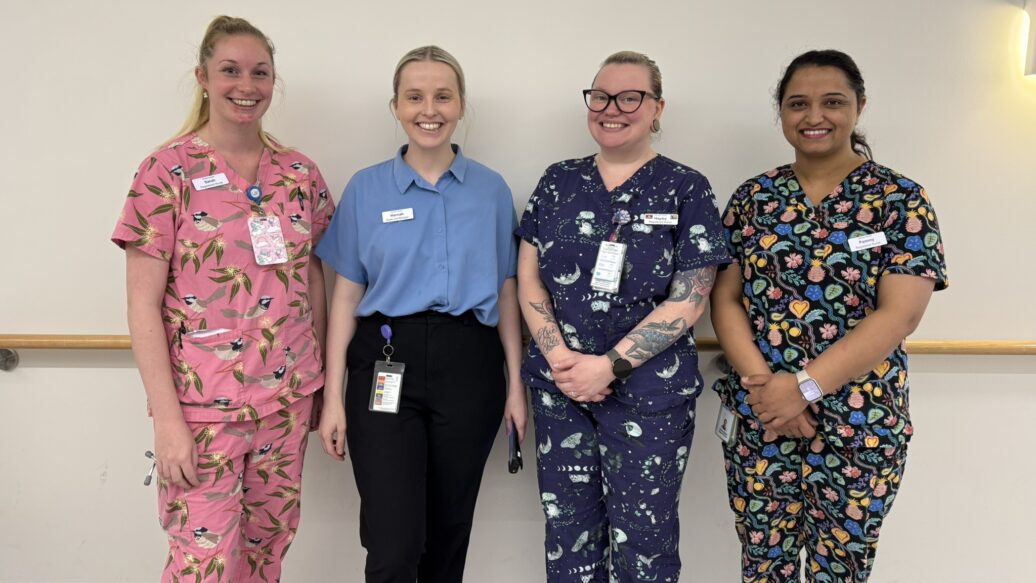
    Featured image: Ward 18 staff.

  • Enhancing preparedness: Code Black Sim in ED

    Enhancing preparedness: Code Black Sim in ED

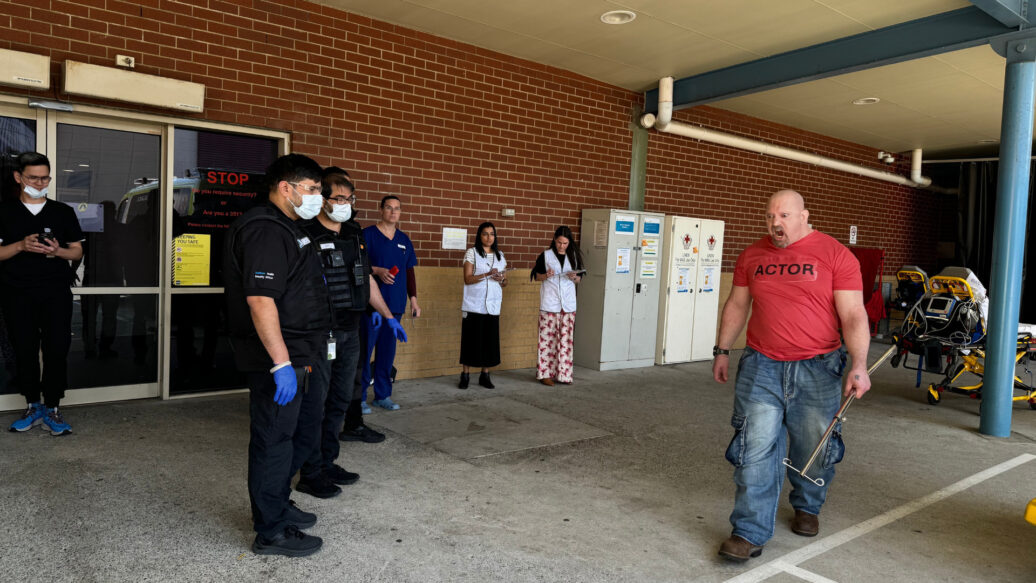
    Occupational violence and aggression refers to instances where individuals are abused, threatened, or assaulted in connection with their work. These incidents can originate from various sources, including clients, customers, the public, or even colleagues. Recent statistics reveal that 95 per cent of healthcare employees have encountered violent or aggressive behaviour while on the job.

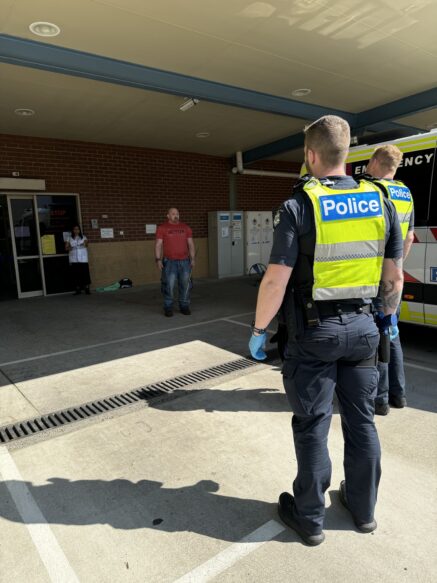
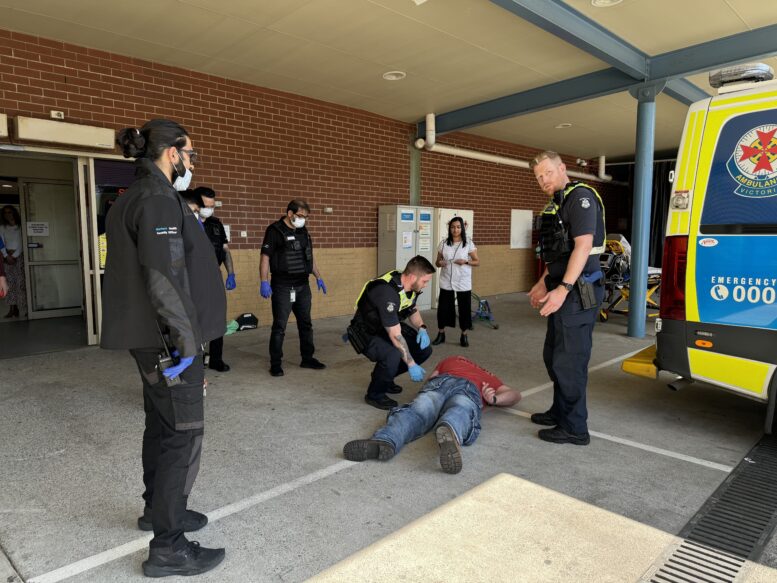
    Last week, the Simulation and Safety team at Northern Health conducted a Code Black simulation in the Emergency Department. This was in response to a recent increase of Occupational Violence and Aggression incidents across the organisation.

    Northern Health recognises the safety concerns staff are facing with Occupational Violence and Aggression. The Simulation and Safety team utilised ‘translational simulation’ – a tool that can be used in a wide variety of healthcare situations for improvement and innovation.

    “Simulation gives the staff who do the work a powerful voice through the debrief to make improvements that affect their everyday work. We can also learn from what they do well and embed these good practices”, said Dr Kirin Channa, Simulation and Safety team, Northern Health.

    The simulation was planned and conducted in collaboration with Ambulance Victoria and Victoria Police. It involved a simulated patient playing the role of an aggressive and violent consumer. The Emergency Department staff responded to this event as per their protocols.

    After the scenario was conducted, the Simulation and Safety team facilitated a debrief (a reflective learning conversation) with the participants and observers. The debrief provided a valuable opportunity to hear directly from the staff on the floor, gaining insight into how they navigate the pressures of their day-to-day tasks. It also allowed them to share their perspectives on potential improvements to the system and processes in place.

    “There were many discussion points raised in the debrief, including notification of the Code Black to staff in the area, utilising a team approach and ensuring our Ambulance Victoria colleagues are also safe”, said Elise Sutton, Simulation and Safety team, Northern Health.

    “The discussion during the debrief helped shape recommendations for system improvement, which will be documented in a report and shared with key stakeholders in the coming days.”

    “This is promoting safety as a shared, guiding principle. Simulation gives us the capability where staff locally cross-coordinate and self-organise. We need to understand what staff elsewhere in the system are doing, and vice-versa. Simulation creates that,” said Clare McCarthy, Director, Quality, Safety & Patient Experience, Northern Health.

    “The Code Black simulation was really well organised and the attendance from all parties (AV, VicPol, security, OVA) really showed our commitment to finding solutions on how we can keep our staff and patients as safe as possible in the unpredictable environment of the Emergency Department,” Dr Heng Cheok, Deputy Director Emergency Department, Northern Health.

    Brad Turney, Acting Senior Sergeant, Northern Hospital Police Liaison said that Epping police were privileged to be involved in the Code Black exercise held in the Northern Hospital Emergency Department.

    “Although it is not uncommon for police who are trained and equipped to effectively deal with violent situations, it is an invaluable learning experience for police to see and understand how these incidents can affect hospital staff and the measures that are put in place to safely manage these incidents prior to police arrival. As always, it’s a pleasure to work alongside the teams at Northern Health.”


  • Foot Health Week

    Foot Health Week

    Foot Health Week (14 – 20 October) is dedicated to raising awareness of the scope of the podiatry profession and educating the community of the diverse ways podiatrists can support our health.

    Leonardo da Vinci described the human foot as a “masterpiece of engineering and a work of art.”

    “The human foot is indeed a complicated structure composed of 26 bones that interact with a variety of muscles, tendons, ligaments and connective tissue to keep us moving upright throughout our lives. A healthy functioning of all these structures is required to engage in work, exercise and sport,” said Robert Beavan, Clinical Lead, Foot Procedure Unit at Northern Health.

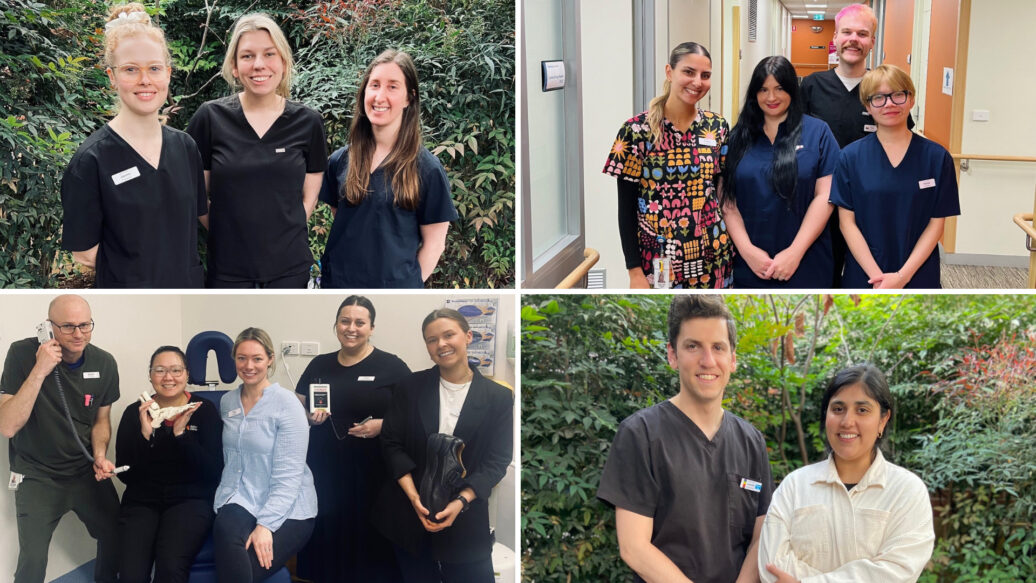
    Podiatry is an Allied Health profession that exists to address problems with the human foot when disease or injury occur. Northern Health employs over 20 podiatrists across multiple sites, programs and services. Working alongside allied health, medical, surgical and nursing colleagues, Northern Health podiatrists contribute to the care of patients through clinical skillsets focused on the assessment, diagnosis and management of foot problems.

    Four examples of how Northern Health podiatrists support our health include:

    Foot Procedure Unit (FPU)

    The Northern Health Foot Procedure Unit (FPU) is a National Association of Diabetes Centres (NADC) core-level accredited high-risk foot service, primarily focused on foot ulcerations complicated by infection, diabetes, peripheral arterial disease (PAD) and foot deformity.

    A cornerstone feature of the FPU is sharps debridement – a skillset honed over many years by podiatrists that utilises a scalpel blade to intricately remove non-viable tissue from a wound surface to promote new skin formation.

    Falls & Balance Services (FABS)

    Our podiatrists work collaboratively with a physiotherapist, occupational therapist, and a geriatrician within the FABS clinic. They screen and address foot related causes of falls through ankle/toe strengthening exercises and footwear education.

    Nail Surgery Clinic

    Painful, infected ingrown toenails can blight the lives all affected by this commonly seen issue. Caused by misshapen nails growing into the skin fold, nail surgery provides a permanent solution with the removal of the offending portion of nail under local anaesthetic.

    Once removed, a chemical to stop the portion of nail from regrowing is applied to the nail bed. After several weeks of managing the post-op wound with cleansing and dressings – new skin forms where the nail use to be with no more pain or infection.

    Musculoskeletal Clinic

    Injuries affecting the bones and soft tissue of feet commonly occur through prolonged and repetitive trauma that leads to conditions that cause chronic pain, i.e. osteoarthritis and plantar fasciitis. Podiatrist-led biomechanical assessments that identify the cause of foot pain and are an important feature of our musculoskeletal clinic. Once identified, non-surgical therapy can be discussed to reduce pain and preserve function of the feet.

    Featured image: Podiatry team across Northern Health sites.

  • Allied Health Professions Day: Stronger together

    Allied Health Professions Day: Stronger together

    Allied Health Professions Day is a social movement to recognise the contribution of Allied Health professionals to patient care and population health. It is also a chance to get to know and celebrate the skills and achievements of Allied Health professionals across the world.

    The theme for this year’s Allied Health Professions Day is ‘Stronger Together’, which highlights the benefits of multidisciplinary team-based care. Northern Health has an extensive Allied Health department, spanning all sites, with many dedicated staff working across all disciplines, including:

    • Audiology
    • Exercise Physiology
    • Dietetics and Nutrition
    • Occupational Therapy
    • Orthotics
    • Orthoptics
    • Physiotherapy
    • Podiatry
    • Psychology
    • Social Work
    • Speech Pathology

    “Allied Health staff are an invaluable part of Northern Health. We provide essential care both independently and as integral members of multidisciplinary teams. With expertise across ten Allied Health disciplines, we offer a wide range of specialised services, from detailed assessments to complex treatment plans, all of which significantly enhance patient outcomes,” said A/Prof Jason Cirone, Chief Allied Health Officer.

    Stuti Adhvaryu, Physiotherapist, chose to be an Allied Health professional because she wanted to work in a hands-on health environment, within a team setting.

    “In my role on GEM, I get to be face-to-face with my clients. I get to problem solve complex situations with so many helpful viewpoints from different professionals. It makes my life very interesting and very rewarding,” Stuti said.

    Simone Cariss, Allied Health Workforce Manager and Clinical Leader Occupational Therapy/Hand Therapy, said Allied Health Professions Day is a wonderful opportunity to celebrate and acknowledge the impact they make to enhancing patient care.

    “This is an opportunity to say thank-you to our highly skilled workforce. Thank you for the really important work that you do, with the appreciation that working in healthcare can be challenging at times,” she said.

    “There are so many transferable skills that Allied Health professionals have, that you’ll often find them extending themselves and having successful careers outside of their discipline specific roles and contributing to the healthcare workforce in other meaningful ways.”

    Our Allied Health department will celebrate Allied Health Professions Day this week with their Annual Allied Health Awards on Thursday.