• How does research impact on Indigenous health?

    How does research impact on Indigenous health?

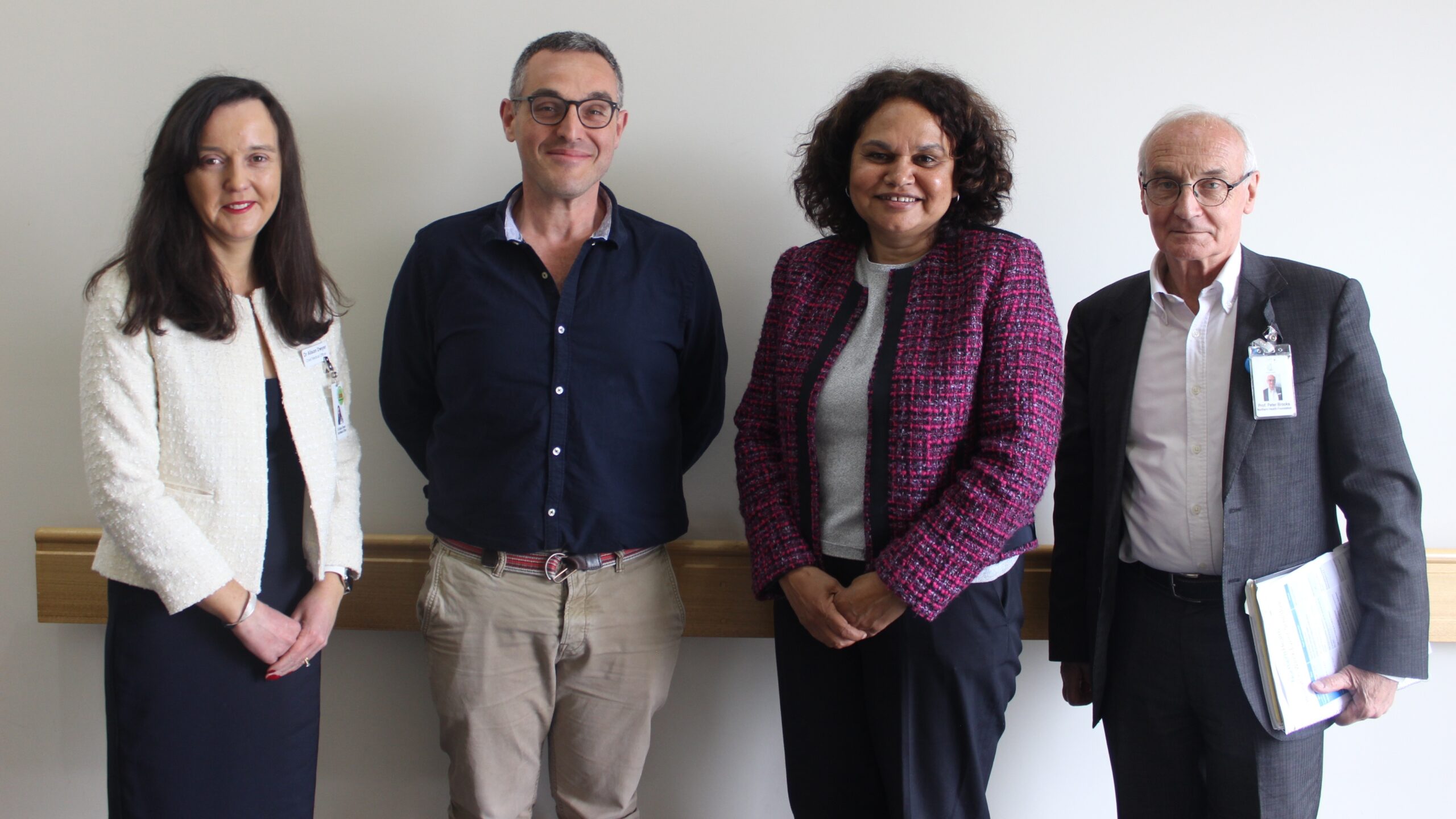
    Northern Health’s Research Week kicked off with guest speaker, Professor Sandra Eades presenting on the role of research in improving health for Indigenous Australians.

    “In terms of Aboriginal health, the number one thing is partnerships with local Aboriginal people and building an agenda with them around improving health outcomes,” she said.

    Professor Eades is Associate Dean (Indigenous), Faculty of Medicine, Dentistry and Health Sciences, University of Melbourne. She is a Noongar woman from Mount Barker, Western Australia and is Australia’s first Aboriginal medical doctor to be awarded a Doctorate of Philosophy (2003).

    Over the past decade, she has made substantial contributions to the area of Aboriginal health and has provided leadership at a national level in Aboriginal research, as she is strongly committed to capacity building.

    Professor Eades says Northern Health, as a generalist hospital, deals with various challenges like improving pregnancy outcomes, early childhood outcomes, adult chronic disease, mental health and drug and alcohol abuse.

    “There are a lot of things which could be prevented, but that prevention agenda has to involve the hospital with a strong community general practice and partnerships,” she said.

    As the Aboriginal population ages, Professor Eades feels that issues like heart disease, preventing dementia, managing and getting better treatment outcomes for diabetes are key areas to be looked at.

    “I think there’s a real opportunity for hospitals and Aboriginal communities,” she said.

    As almost half of the Aboriginal babies born in Australia are born to mothers under 24 years, it’s equally important to focus on the younger generation, as they are actually the parents or will be in the next few years.

    “This is how you are also having an added impact on maternal and child health, as well as family health,” she added.

    Professor Eades also talked about empowerment through development and training of Indigenous research leaders,  focusing on engagement and partnership with Indigenous communities to address their priorities.

    Dr Peter Azzopardi, the second speaker today, also had the younger generation in focus. He has over 10 years experience in adolescent health programming, clinical medicine and research. Dr Azzopardi is an adolescent physician by training and has worked across many settings in the Western Pacific region.

    He also recently completed his PhD, a project where he described the health and wellbeing of Indigenous adolescents living in Australia using national survey data, hospital data and mortality data. His research focused on creating a health profile of adolescent Indigenous Australians, as they represent a third of the Aboriginal population.

    “There’s a need to be thinking about the adolescence age group because of the opportunities they provide for the population,” he said.

    Make sure to check out the amazing speakers this week as part of Northern Health Research 2018.
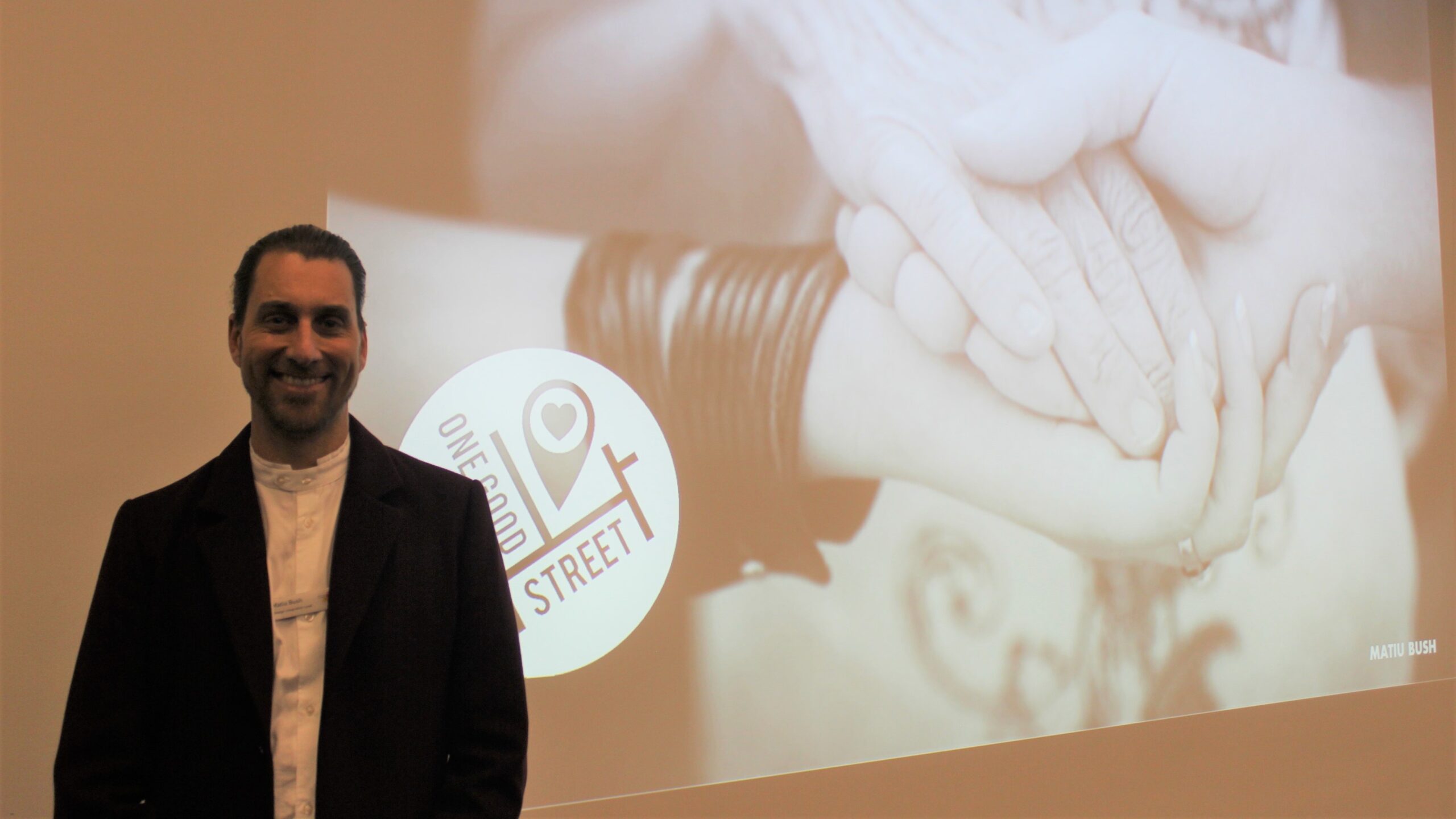
  • One Good Street: connected communities reducing hospitalisation

    One Good Street: connected communities reducing hospitalisation

    What if the power grid of care, safety and support for our elderly citizens lies in the communities, and not in hospitals?

    Matiu Bush, a clinician, had an 83 year old retired GP living on his street. The GP’s daughter and Matiu’s friend used to call him for help often. The full-time working daughter and an anaesthetic consultant was struggling to be a full-time carer for her father as well.

    “He used to fall out of bed and she used to call me to pick him up and put him in bed. This would happen around 3 am,” Matiu said.

    When he started talking more about the help he provided for the neighbour, people used to tell him, “oh, I also look after a Greek lady in my street.” Being engaged with the Health Department at the same time helped him connect the dots and understand there is value in what he was doing.

    At the same time, Matiu was working in a community care centre, watching hundreds of nurses drive out every day to visit people, and when they couldn’t get through the door or wanted more information on their patients, they’d go to the neighbours.

    “Neighbourhoods have a lot of capacity to do a lot of caring when health professionals leave. There is a safety net there,” he said.

    That is when he realised there are so many local heroes doing great stuff, and there wasn’t a way to appreciate it and structure neighbour initiated care.

    That is how One Good Street was born.

    One Good Street gives people the opportunity to volunteer in their local communities and with the human-centered design, Matiu made volunteering easy, as he realised participation in many current volunteering programs is not simple, while everyday life is getting busier.

    “People want to do great stuff for others. This is also enhanced by technology, even though the narrative today says that technology makes us more isolated. Meaningful use of technology reduces isolation and loneliness, and so do meaningful tactile relationships. It’s about getting the balance between these two right.”

    Matiu found a thick market of social activity on Facebook. This means, in his growing One Good street group, he can post that he needs a fridge for a pensioner, and somebody would donate it in 2 days.

    “People want to help,” he said.

    The One Good Street system works in a way that does not expect from the elderly citizens to pick up any new technology. The street is their network. The organisation aligns with community carers, nurses and local GPs, and that is how “somebody knows somebody who needs help”.

    “It is a fact that isolation and loneliness in people over 85 is a hidden epidemic, as these people are locked in their homes and they are not obvious. The only way through them is to a partnership with community agencies already there. These agencies know about One Good Street and they offer it to the elderly citizens,” Matiu explains.

    The Facebook group is there to help engage volunteers and brainstorm ideas – that is how the idea ‘cycling without age’ was born, where younger neighbours ride a modified bike and take their neighbours for a ride.

    Matiu says successful modules overseas have proven that when you activate a suburb, great things can happen. Starting a walking club or a garden club can change people’s experience of their own lives and reduce their risk of going into hospitals.

    “Money has nothing to do with connectedness. Willingness to get connected in other people’s lives is independent of how wealthy they are or how educated they are.”

    Matiu added that a simple act of inviting someone who you know is alone and older, especially during a heatwave, can help save their life and deepens mutual connection.

    “If you have air-conditioning, a simple thing like opening up your house to your elderly neighbours during a heatwave can reduce hospitalisation”.

    Currently four suburbs in Melbourne are involved in One Good Street, with the project planning to extend all over Australia.

    One Good Street is also working on another exciting project – together with RMIT, they are developing Australia’s first wearable device, to detect loneliness by counting a number of words a person has spoken during the week.

    “Loneliness and isolation is manifested in poverty in conversation. No one has ever mapped how many words a lonely person speaks during the week,” Matiu said.

    Peter Brooks, Northern Health Research Lead, says loneliness is an increasing issue in the community.

    “Not having a companion leads to poorer health outcomes and is just one of the many things we need to think about as we address the ‘Staying Well ‘ part of the Northern Health agenda. Matiu Bush is someone who is making a real difference in the community, at a grass roots level, and that is really where some of these initiatives really have to be done,” he said.

    You can join the One Good Street group to see if it might work in your community and look at the difference that health professionals – and others – are making to improving health of the communities in which they work with very simple and practical solutions.

  • Research Week Presents: Dr Yin Lim

    Research Week Presents: Dr Yin Lim

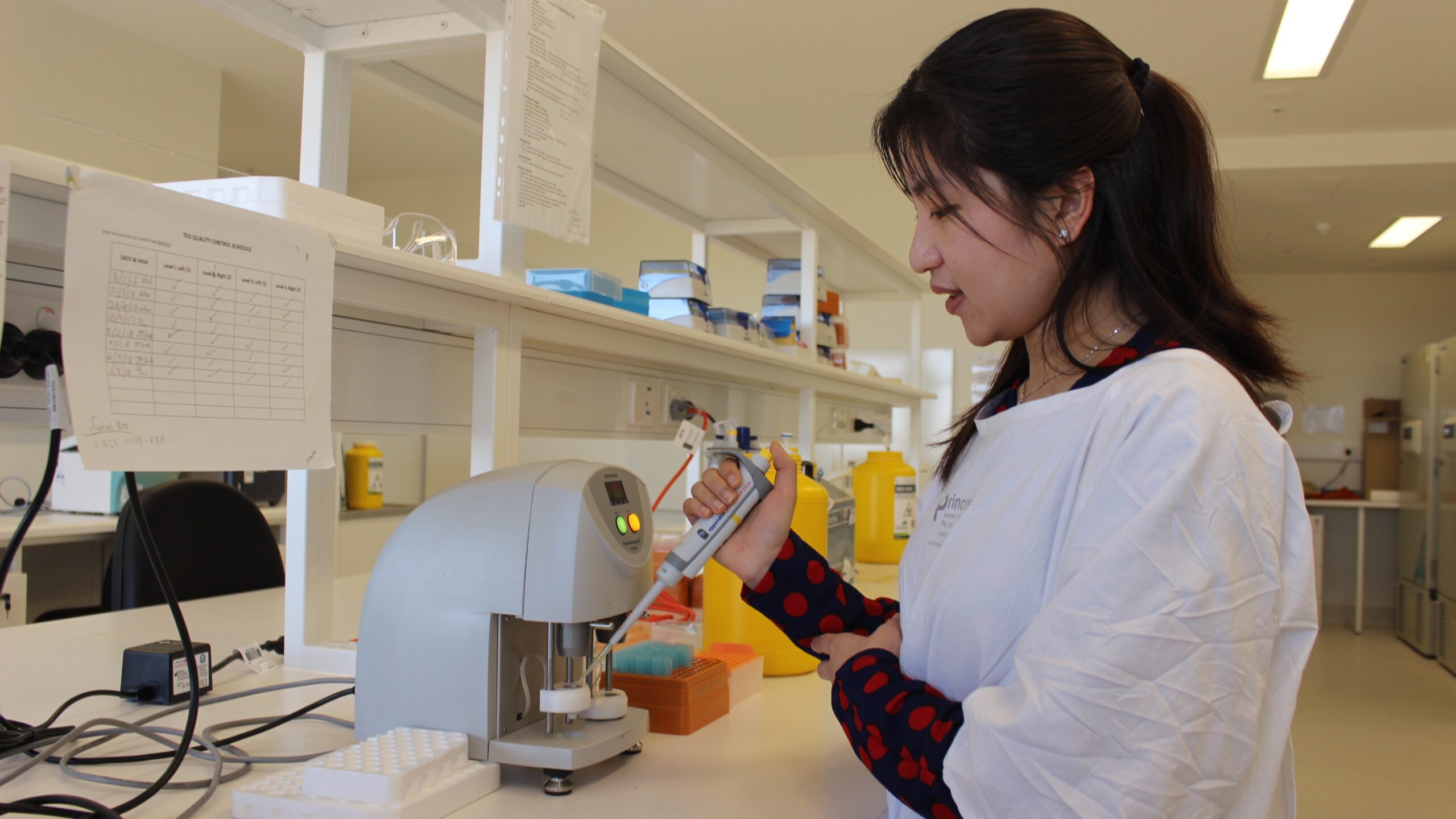
    Dr Yin Lim, Northern Health’s Consultant Haematologist has embarked on a research journey looking at blood clot formations and a test which would predict an impending event before it happens.

    “When patients ask us if they will get a blood clot again, we can tell them that there is a 30% chance of getting a clot in the next 10 years. This test aims to predict the clot formation and give patients a more precise answer,” she said.

    Dr Lim is a passionate researcher and mentor, and had her first exposure to research as a medical student, continuing to be active in research during her basic and advanced physician training.

    In the last twelve months, she has embarked on a PhD research journey, as a recipient of the prestigious  National Heart Medical Research Council (NHMRC) scholarship and a co-recipient of the Heart Foundation scholarship.

    During Research Week, Dr Lim’s research will be showcasing her work on global coagulation assays. She says she is passionate about this field, as currently labs are not able to look at formation of blood clots as a whole. What current tests can show now is only the first 5% of the actual formation.

    “The aim for me is to try to see whether there’s a better predictor of patient’s risk in developing blood clot complications. Currently, coagulation testing doesn’t allow us to do that. If we could predict a person’s risk of developing a heart attack, stroke or deep vein thrombosis or blood clot in the lung, we could do something to prevent it from happening,” she said.

    Dr Lim is now ten months into her PhD and her work is looking at patients with cardiovascular risk of developing heart attacks and strokes. She is using tests to also look at patients with thromboembolism, with blood clots in veins and lungs. From this project, there will be a poster during Research Week, as well as an oral presentation by Dr Lim’s medical student.

    Patients with malignancies are also being looked at, investigating how they form blood clots. There will be another presentation stemming from this project as well.

    “I closely work with other departments like obstetrics, renal, endocrinology, vascular medicine and anaesthetics. With Associate Professor Lisa Hui, our joint student will be presenting on global coagulation assays in obstetrics in term pregnancies,” she said.

    In terms of scope of work presented during Research Week, Dr Lim is a supervisor to three medical students, a fellow and scientists, adding up to four posters and four oral presentations.

    Be sure to check out the amazing speakers during Research Week at Northern Health from 8 – 12 October.

  • Polaris: Our New LMS

    Polaris: Our New LMS

    Ladies and gentleman, we are excited to announce the winning submission from the ‘Name our new Learning Management System’ competition.

    And the winner is….Polaris!

    Northern Health’s eLearning Manager, Bec Gilbert, tells us they wanted to brand it with a name that represents our organisation – that’s where staff came in.

    “The new LMS will be an integrated and collaborative online learning space into the future. Because the LMS will be such an integral part of the Northern Health education experience, we wanted our employees to help name it,” she said.

    The brief was simple. Come up with a single-word name that is unique, creative and symbolises our organisation.

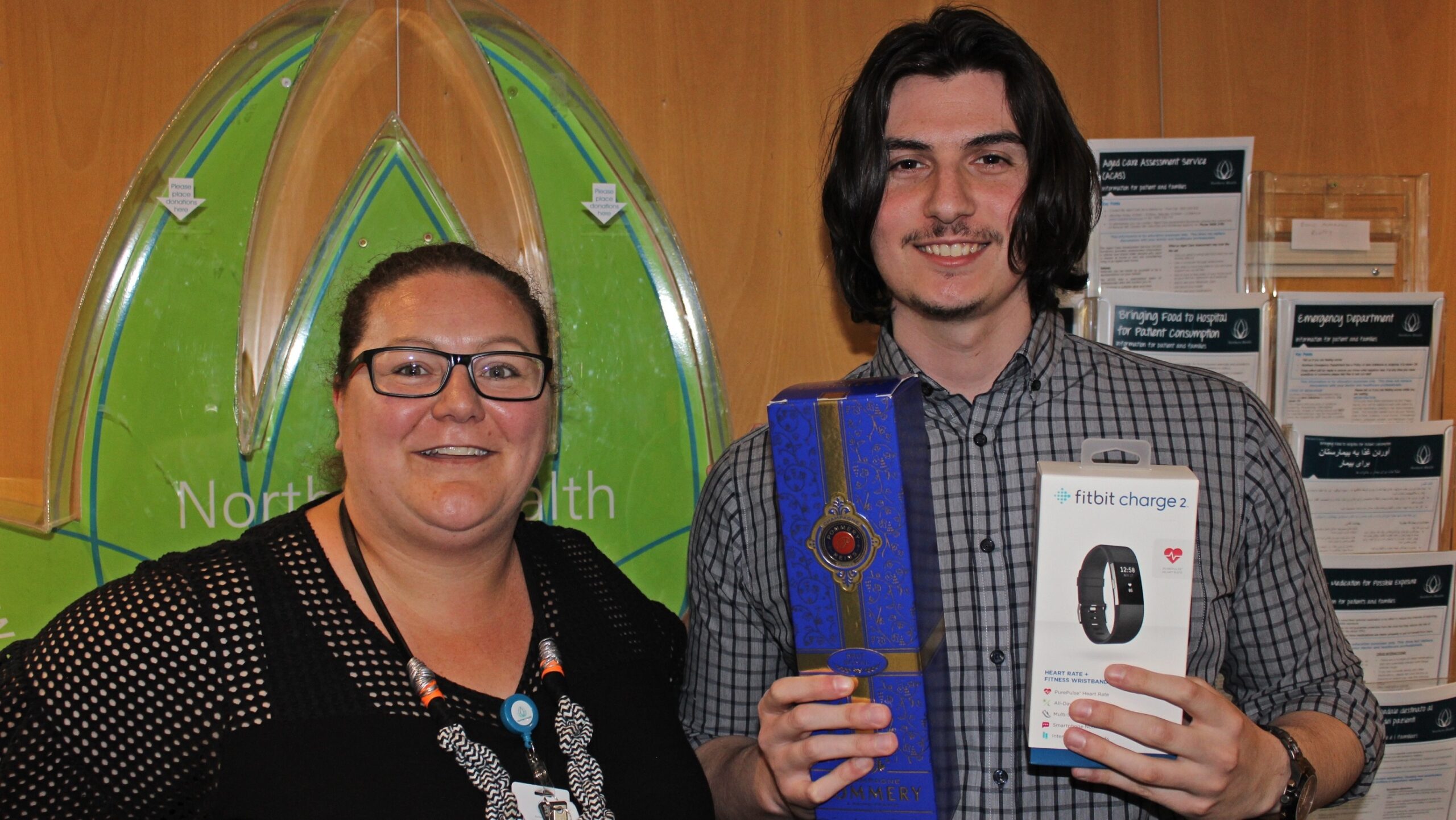
    Congratulations to Matthew Belevski, who submitted the winning name. Matthew explained how he came to choose Polaris – “I remember hearing about the North Star, aka Polaris, probably from a TV show, and at first I liked the link between North and Northern.”

    “Once I started to do some research on the North Star, I realised just how well it linked up to the new LMS, with the sky revolving around the star, and the LMS being the central point for everything,” he said.

    Matthew won himself a FitBit Charge and a bottle of French Champagne, kindly provided by LMS partnering vendor, Androgogic.

    The LMS project team look forward to sharing progress reports and updates, as they continue on their journey of implementing Polaris, an exclusive online learning environment for all employees. Stay tuned…

    Polaris, commonly known as the North Star or Pole Star, lies nearly in a direct line with the axis of the Earth‘s rotation “above” the North Pole. Polaris stands almost motionless in the sky, and all the stars of the northern sky appear to rotate around it.

  • Respiratory Function Lab Turns One

    Respiratory Function Lab Turns One

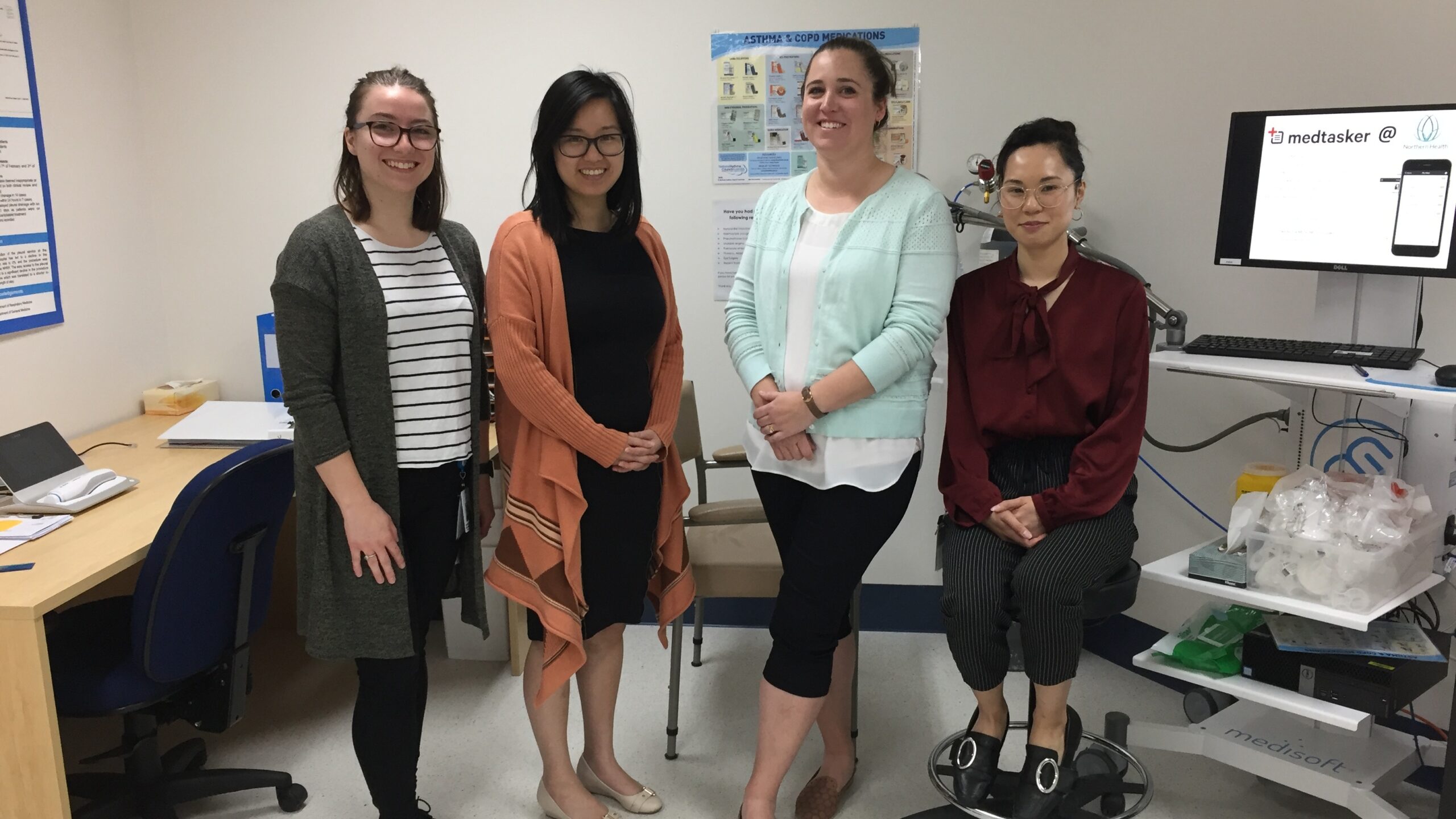
    This week marks Northern Health’s Respiratory Function Laboratory’s first birthday!

    Located at Northern Hospital Epping and having completed over 4,400 tests in its first 12 months, the service continues to grow.

    Jane Poxon, Acting Chief Executive, congratulated the team on their expansion of services over the first year.

    “Well done to Katharine See and the team,” Jane said.

    “There are more tests now available, which will assist with better diagnosis and management of patients,” she added.

    “I’m also pleased that over the next 12 months the services will expand to Broadmeadows Hospital, providing on-site testing to support the asthma and allergy clinics on Monday and Wednesday.”

    In collaboration with Swinburne University, the team have also recently welcomed a Professional Placements Student which has enabled greater volume of testing to be performed.

    The Respiratory Department at Northern Health provides ward referrals for clinical consultation, inpatient fortnightly bronchoscopy list, outpatient respiratory function tests, outpatient COPD HARP clinic and outpatient supplementary oxygen assessments.

  • Safe Practice Forum: Stories we can all learn from

    Safe Practice Forum: Stories we can all learn from

    Ever since the Ancient Roman times, forums have been a place to get together and exchange ideas and views, discuss, learn and possibly walk out with a completely new idea, solution or a changed opinion.

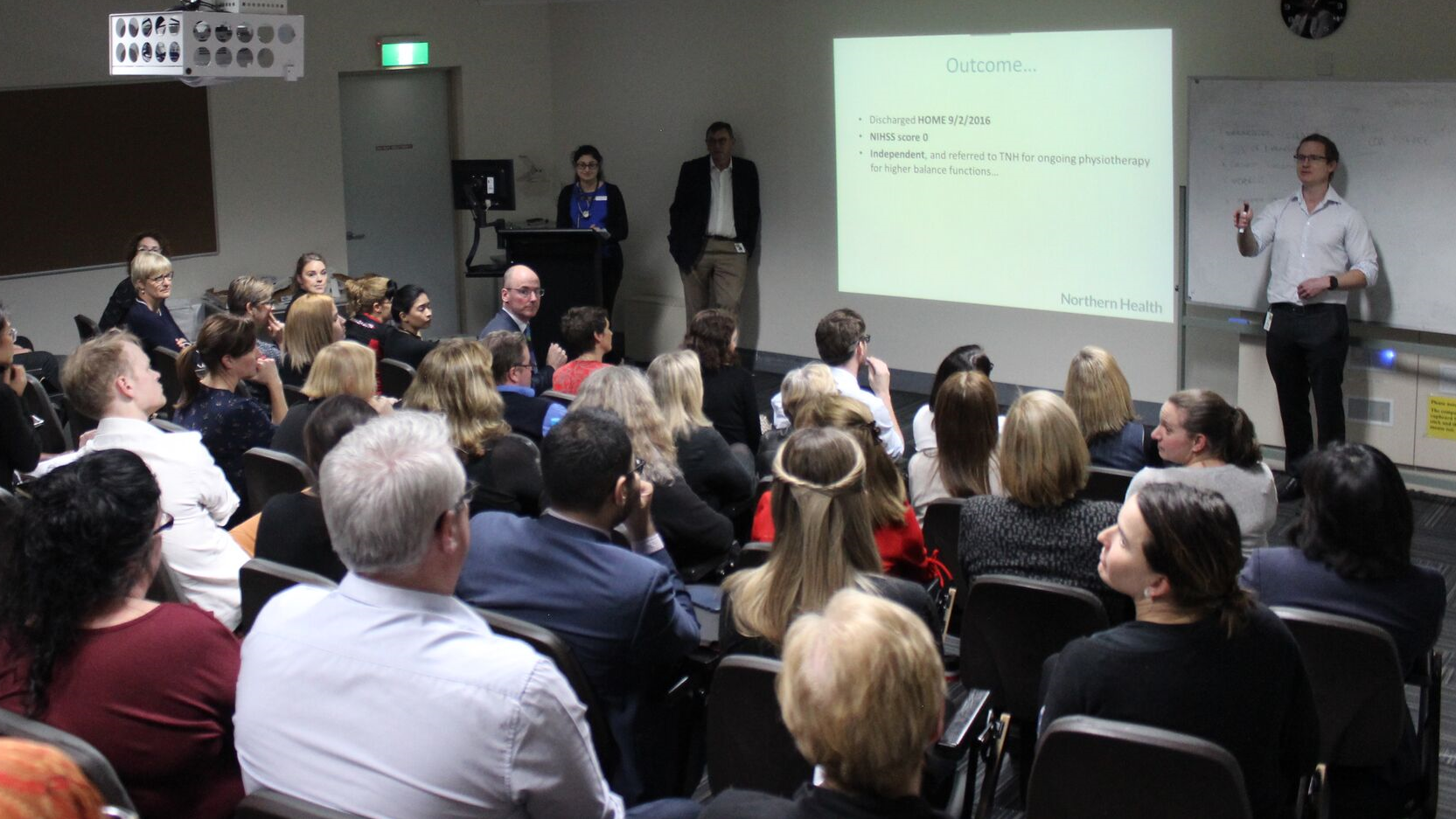
    At Northern Health, the Safe Practice Forum (SPF) is a monthly meeting intended for all staff where we share patient stories.

    Bill Shearer, Executive Director Transformation, Quality and Safety, says those stories can help us as an organisation provide a safer and better patient experience. Stories are sometimes drawn from our incident or feedback systems, and have been reviewed by our clinicians to identify improvements in care. These clinicians are always welcome and often present.

    “The format of the SPF is that of a case presentation, where the audience is invited to participate as if they were actually managing and then reviewing the case. The content is confidential and discussion is open to all staff. This is not a passive learning experience and participation is expected and necessary,” he said.

    Bill says the purpose of these discussions is to highlight areas where our patients are at risk, identify how we can improve, and show as many staff as possible the processes involved in reviewing cases and developing strategies for improving care. It is in effect, a glance behind the scenes of incident investigation.

    “The SPF is a safe forum – discussion, debate and even disagreement are welcome and encouraged,” he said.

    This Wednesday, 3 October from 1-2 pm at Northern Hospital Epping Lecture Theatre, the topic will be improving care at the end of life.

    A decent or good death is one that is: free from avoidable distress and suffering for patients, families, and caregivers; in general accord with patients’ and families’ wishes; and reasonably consistent with clinical, cultural, and ethical standards.”

    – Institute of Medicine, 1997, Approaching death: Improving care at the end of life, Washington, D.C: National Academy Press

  • Research Week Presents: Dr Amanda Quattrocelli

    Research Week Presents: Dr Amanda Quattrocelli

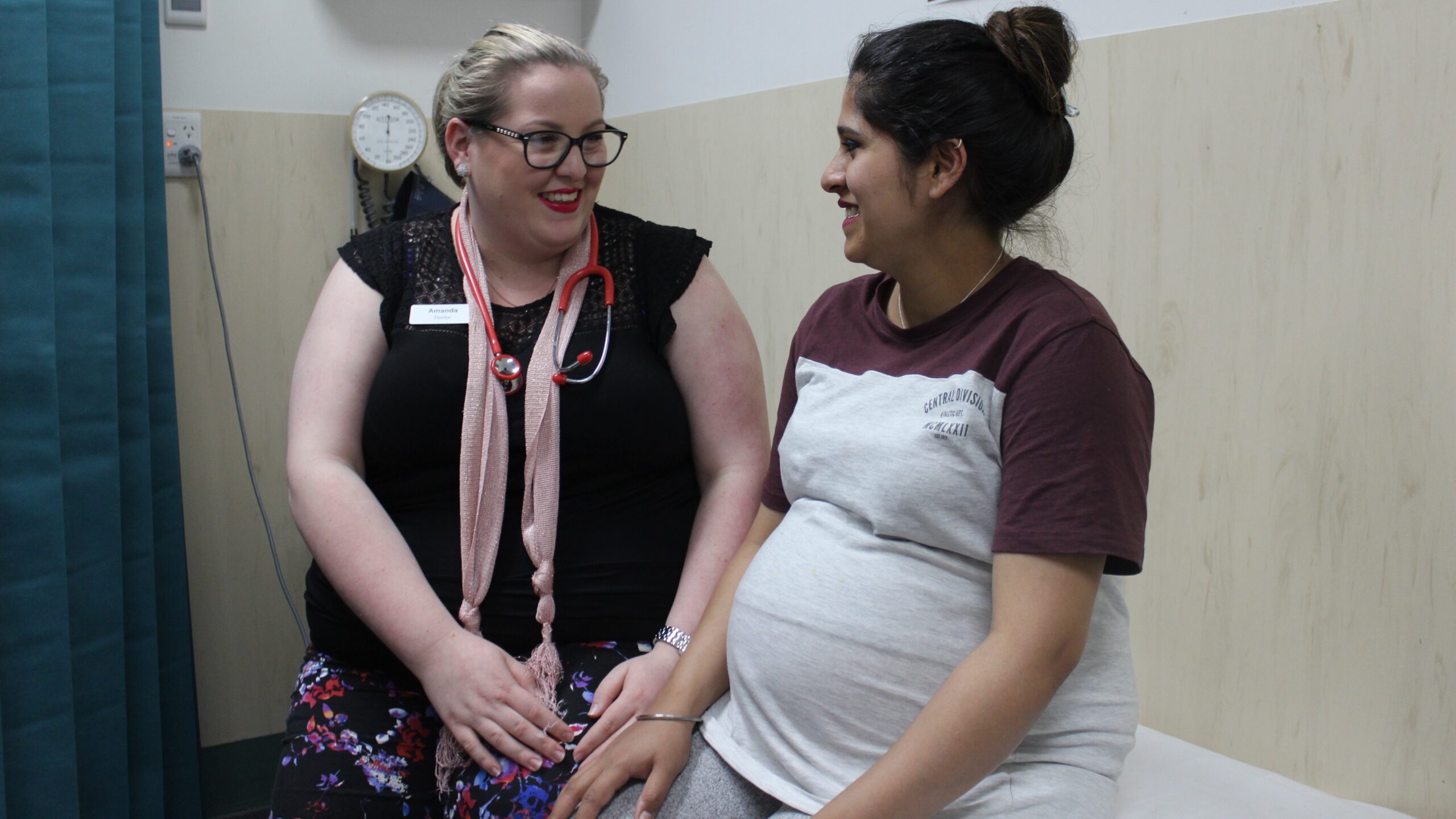
    Dr Amanda Quattrocelli is an Obstetrics and Gynaecology resident in the maternity department at Northern Health. Working with women treated at Northern, she has been researching on gestational diabetes and has looked at early glucose tolerance tests and whether they are making a difference in the outcomes of our mothers and their babies.

    She explains that gestational diabetes, a type of diabetes women may develop during pregnancy, should go away after pregnancy although it is well known that if women have diabetes in pregnancy, they are at a increased risk of developing overt type 2 diabetes later in life.

    “We look at it as an early warning sign”, she said.

    Dr Quattrocelli has done two separate studies comparing women who have early glucose tolerance tests compared to later or normal timed tests and their outcomes. A follow-up study was also conducted with the aim to determine the strongest predictors of an early diagnosis of gestational diabetes.

    “The results of the studies have shown that if women who had an early diagnosis of GDM were more likely to be insulin dependent by the time of delivery, and if they had a late diagnosis of gestational diabetes they were more likely to have a spontaneous onset of labour and be diet controled at the time of delivery,” she said.

    For all other outcomes, in terms of maternal outcomes, birth trauma, birth statistics and foetal outcomes, there were no differences between women who had early glucose tolerance testing and ones who were diagnosed later.

    The follow-up study looked at all the women who had early glucose tests and what their risk factors were, and found the strongest predictors for gestational diabetes were a family history of diabetes or having gestational diabetes in a previous pregnancy.

    “A lot of our women are from many different ethnic backgrounds and lots of them have an increased BMI which are risk factors for GDM and I was surprised that many of our women had early tolerance tests, but not necessarily had an early GDM diagnosis,” Amanda said.

    This led to Dr Quattrocelli creating a flow chart, helping to better analyse women with risk factors for GDM in our antenatal clinics, which is a possibility in the future management of our pregnant women, but that more research is needed before we can implement any change in clinics.

    “Northern has been very supportive in my research – I am seeing a lot of improvements when it comes to research. Hiring a statistician is very helpful and that would have helped me a lot when I was doing my research. Northern Health is up and coming with its research and taking steps in the right direction,” she said.

    Make sure to check out the amazing speakers during Research Week at Northern Health from 8 – 12 October.

  • Ready for the finals?

    Ready for the finals?

    It’s the AFL Grand Final weekend, and our staff are ready for the game!

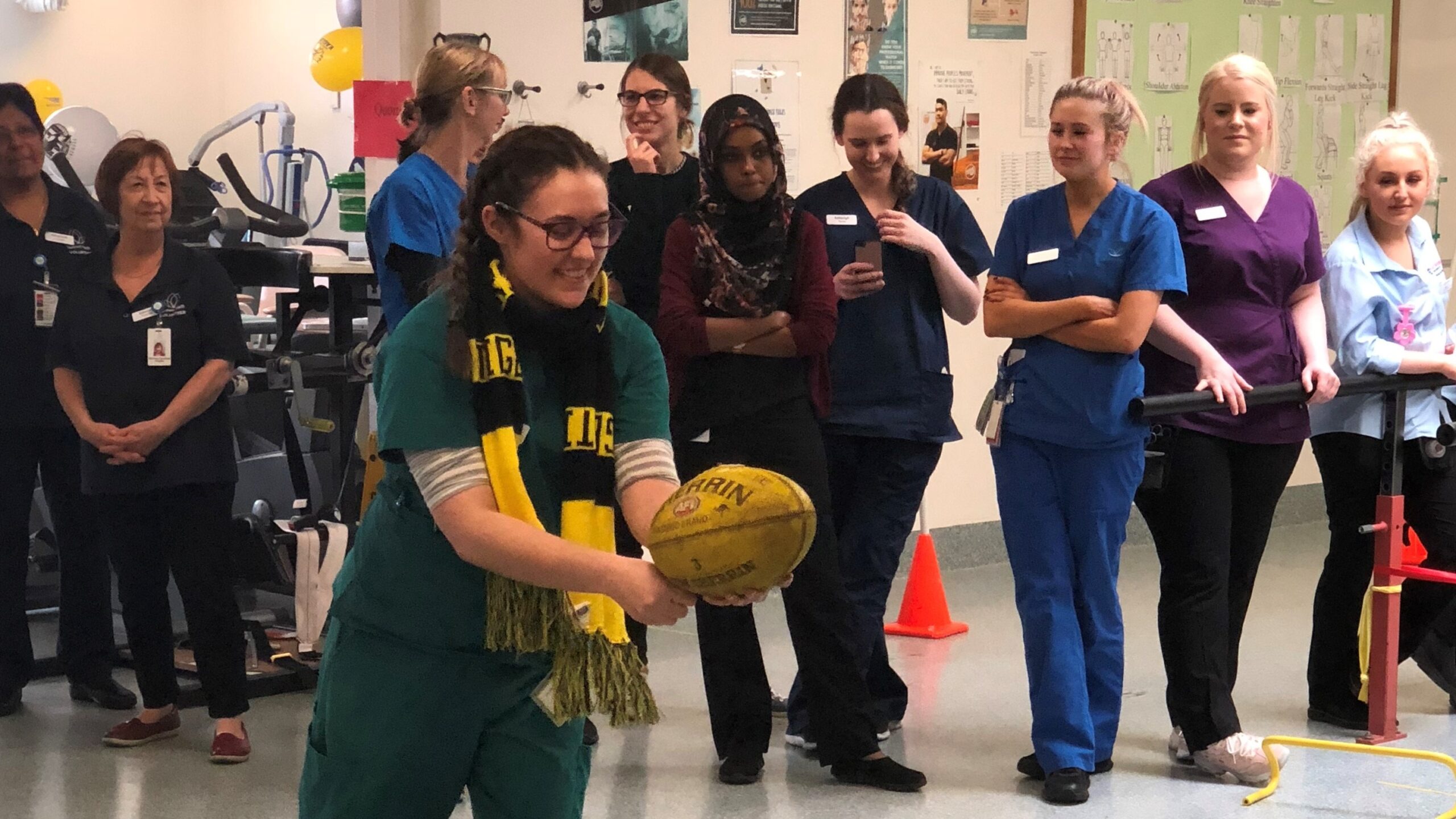
    On Wednesday, for the 14th year in a row, the Allied Health team at Broadmeadows Hospital ran an event day for clients and staff to celebrate the AFL Grand Final.

    Clients enjoyed a variety of activities including a handball target, kicking for goal, quoits, basketball, ten pin bowling, croquet and a bean bag throw.  Winning clients are awarded with medals for being the top scorers.

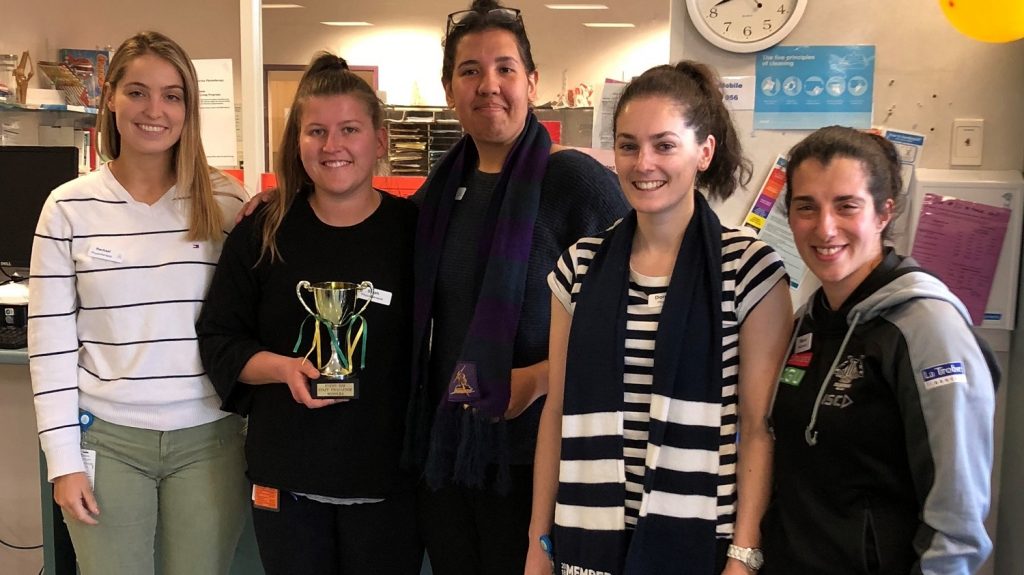
    Craig Whitbourne, Senior Clinician Exercise Physiologist, said that staff competition was again very fierce this year.  Up to ten different teams were fighting for the right to keep the Broadmeadows Hospital event day trophy in their department for the next 12 months.

    “The footy quiz challenged all the teams and their knowledge of our great game. This was followed by a handball competition and an interesting obstacle course with egg and spoon, basketball, dodging objects and bean bag throwing.  The volunteer team had a big fall from grace – after winning last year they fell to last this year. Unit 3 recruited a past AFL great / premiership player but they fell just short and into second place,” he said.

    And the winner is … the Physiotherapy Department. Congratulations!


    The AFL games day will be held at Northern Health Bundoora today.