• Making healthcare better for refugees and asylum seekers

    Making healthcare better for refugees and asylum seekers

    Over the past few years, we have welcomed a large influx of refugees and asylum seekers to Melbourne’s north.

    In 2017 alone, we welcomed approximately 3,500 new refugee arrivals in the Hume/Whittlesea area.

    We know the tragedy, disruption, trauma and torture that underpin the experiences of these people before they arrive in Australia.

    Many start life here with a range of health concerns, including mental illness and chronic diseases. Our health system is difficult to navigate, and without knowledge and confidence of health services, many people come to the place they are most familiar with for health care – the hospital.

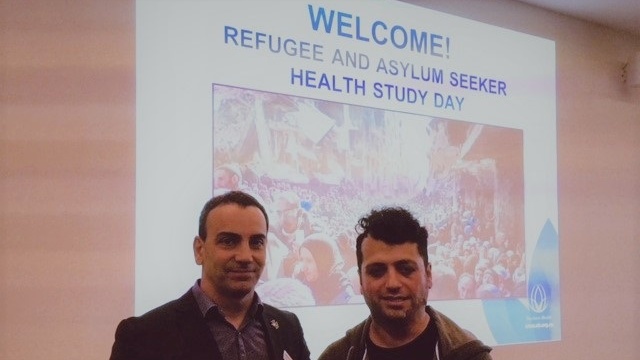
    The Northern Health Refugee and Asylum Seeker Health Study Day in September outlined the latest refugee and asylum settlement data in Whittlesea and Hume catchment areas. It also showcased the support services available and focussed on clinical issues such as the mental health of young refugees, paediatric, general health and infectious diseases.

    This included a very personal and moving presentation by an Azari refugee, Pouya. He captivated the audience with his heart-rending story of fleeing Iran following episodes of torture.

    Participants commented favourably on his story – “hearing a refugee speak about his experience was absolutely amazing,” and “the refugee guest speaker was great – eloquent and articulate, funny, open and honest.”

    Organised by the Northern Health Refugee and Asylum Seeker Working Group, the study day has contributed to making our services more responsive to the needs of this vulnerable community group.

    With nearly 100 attendees, the day proved a great success and will now become an annual event.


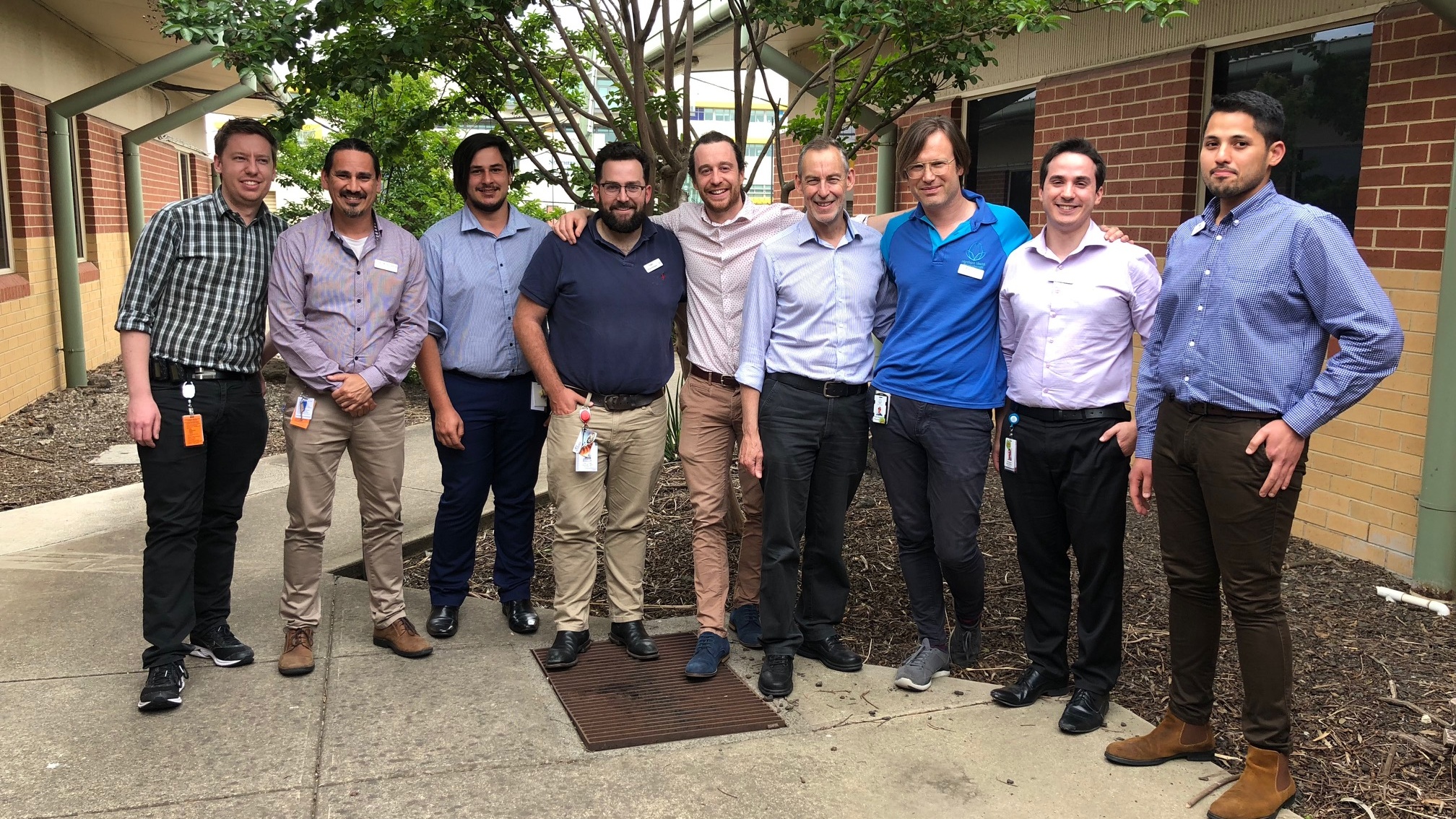
    Photograph left to right: Jason Cirone, Director Transformation, People & Culture, with refugee speaker Pouya.
  • Pressure Injury Awareness Week

    Pressure Injury Awareness Week

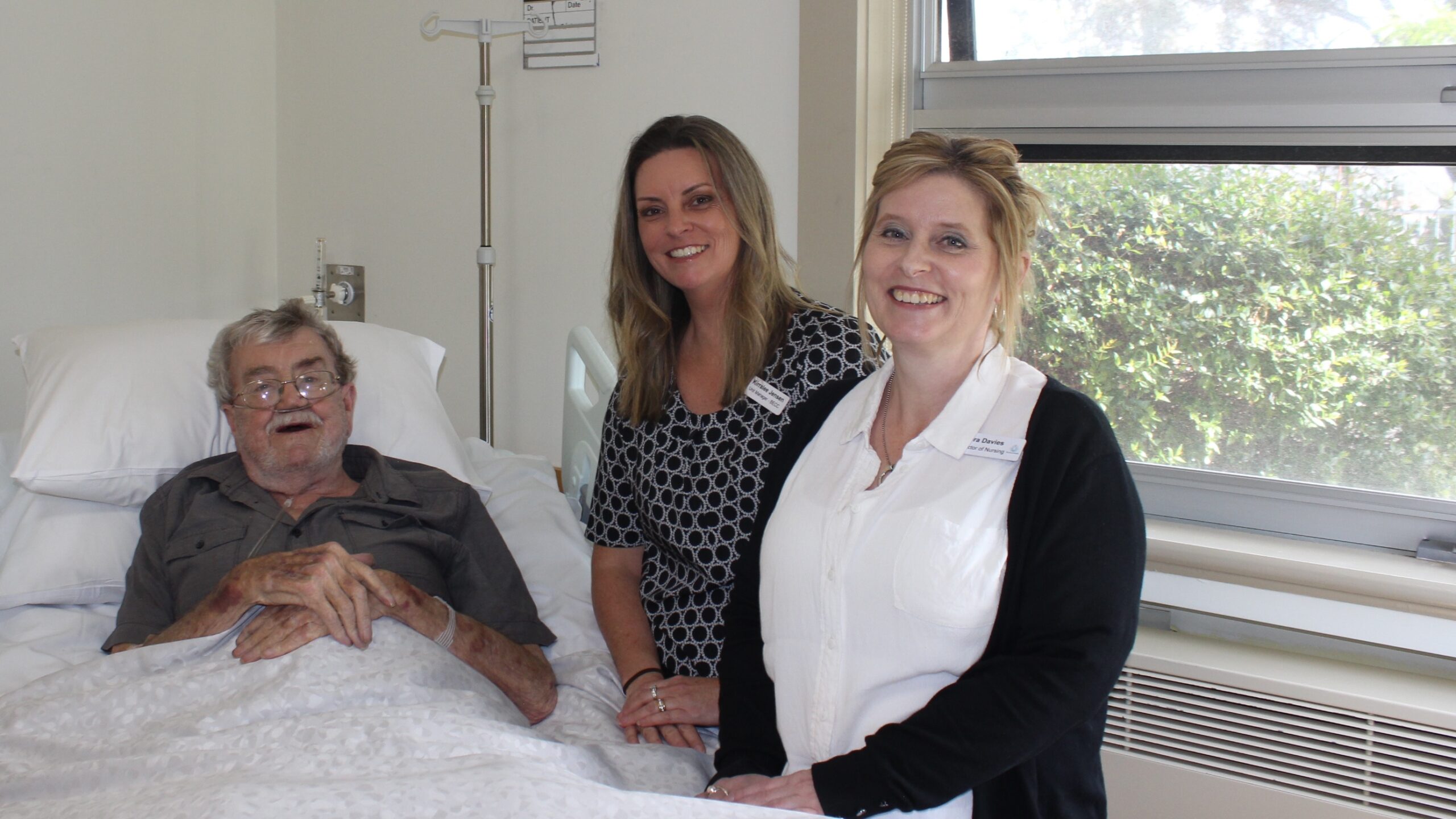
    This week is Pressure Injury Awareness Week at Northern Health.

    Pressure injuries (also known as bed sores) are areas of damage to the skin and underlying tissue caused by constant friction or pressure. They occur in bony areas such as the heels, elbows and back of the head.

    Pressure injuries are considered one of the most common causes of hospital-acquired complications and can develop quickly in anyone with reduced mobility, such as older people or those confined to a bed or chair.

    They can cause pain, discomfort, increased immobility and mortality. Pressure injuries carry substantial financial burden to the health service with regards to ongoing care.

    In response to the risk of pressure injuries acquired in hospital, Northern Health Bundoora will be launching a program focussing on feet. This program will involve patients who are assessed as being at a high risk of developing a pressure injury, having preventative strategies including heel prophylactic dressings, bed cradles and bed wedges implemented to reduce their risk.

    Lora Davies, Director of Nursing, Site Director and Director of Operations – Northern Health Bundoora, says “if we can reduce these hospital-acquired complications, it would improve patient experience and reduce the financial burden on the health service.”

    2018 World Wide Pressure Injury Prevention Day will be celebrated on 15 November.

  • Bev Carman’s Oaks Day Luncheon

    Bev Carman’s Oaks Day Luncheon

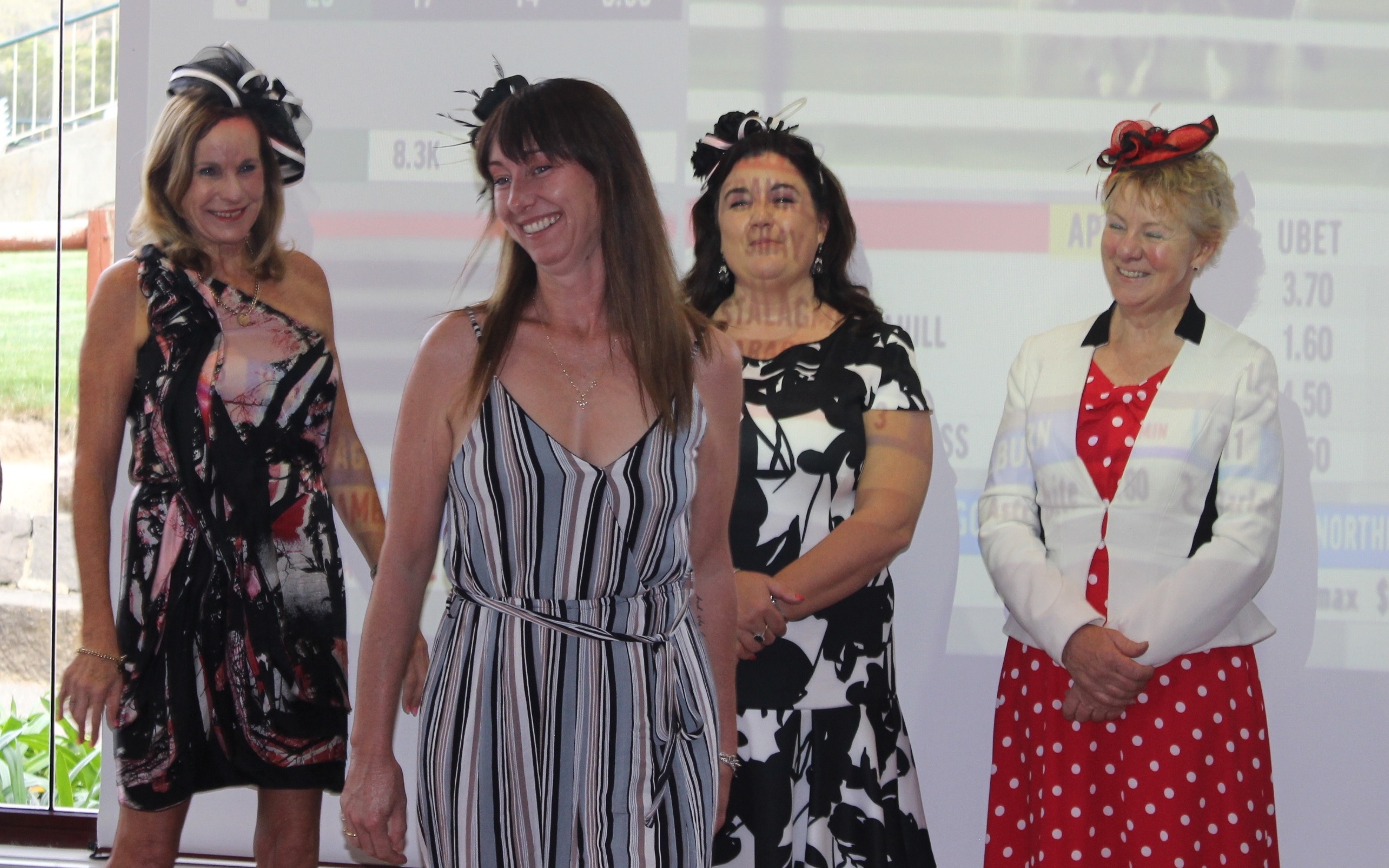
    Kilmore Trackside was a sea of florals and fascinators yesterday for Bev Carman’s Annual Oaks Day Luncheon.

    The stylish ladies of Kilmore put on their best frocks for a day of delicious food, great company and fundraising for a good cause, with all proceeds from the day helping to fund research at Northern Health.

    Executive Director Public Affairs & Foundation, Andrew Williamson, was delighted to see such colourful support and thanked Bev Carman, along with Denisse Grech from A Little Birdie Told Me, for their wonderful fundraising efforts.

    “The support the Northern Health Foundation receives from events such as this is essential for continuous innovative research at Northern Health,” he said.

    “By supporting the Foundation, our patrons contribute to the trusted care we provide to our community. I would like to thank Bev, Denisse, sponsors and guests for their dedication and generosity.”

    The action packed afternoon featured entertainment, a best dressed and best hat competition, balloon raffle and sweepstakes.

    Apart from its fundraising benefit, the luncheon was a wonderful opportunity for guests to enjoy the atmosphere of the Spring Racing Carnival.

  • It takes a village: Koori Cuddlers at Northern Health

    It takes a village: Koori Cuddlers at Northern Health

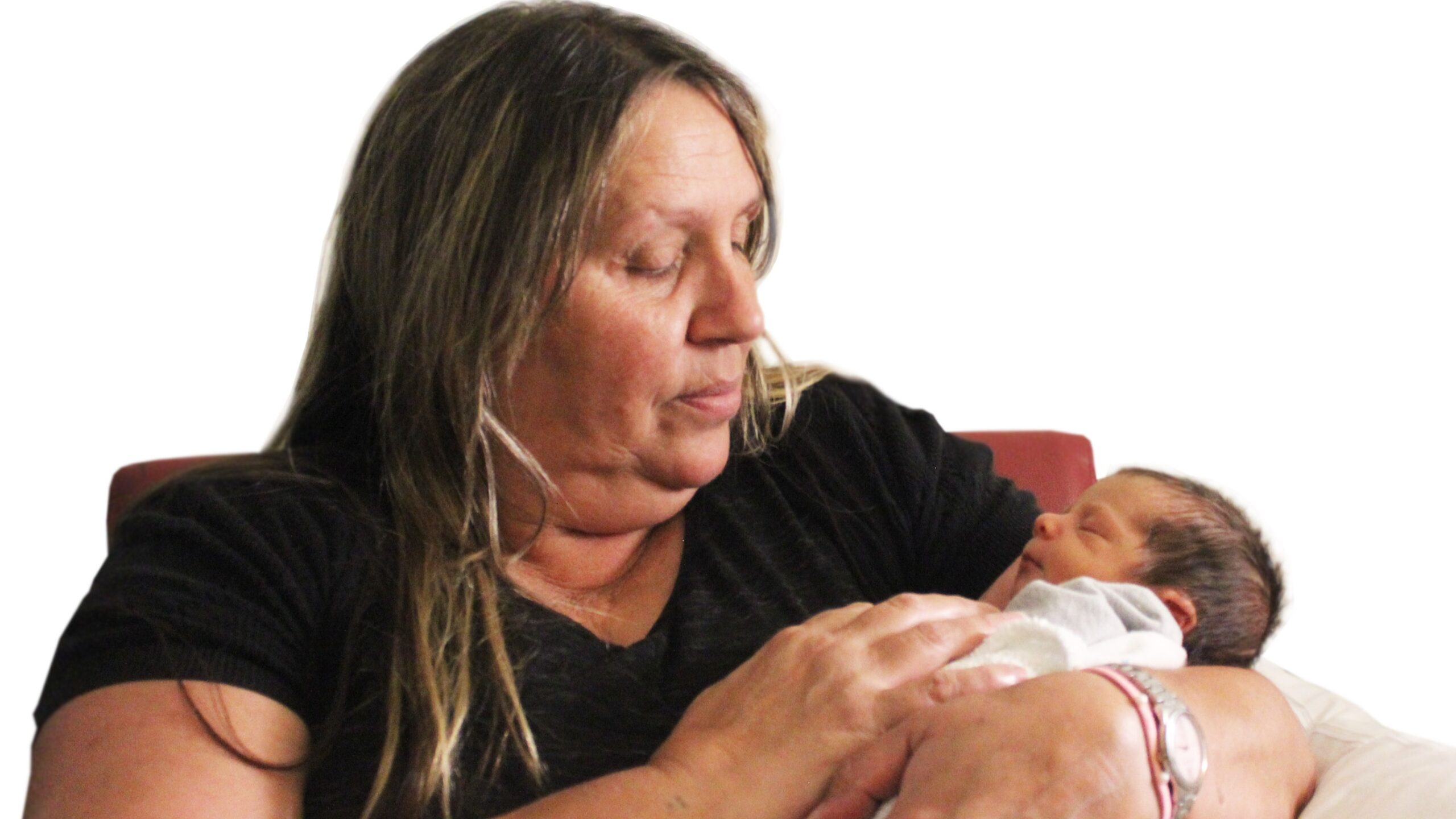
    ‘It takes a village to raise a child’, goes the African proverb, which nicely describes the Koori Maternity Service Program at Northern Health. The program pairs babies from families unable to be with their baby, with an aunt or guardian figure from the Aboriginal community.

    Donna Wright, Gunditjmara woman, was at work when she received a call asking if she could come to the Northern Hospital Epping. Donna knows the Northern Hospital well, as more than one of her grandchildren were born here, with another on the way.

    Yet it wasn’t her experience as a grandmother or her wisdom as an Aboriginal Elder the hospital was seeking. They needed Donna to simply cuddle the baby she is pictured with. She readily agreed.

    The business of holding babies as much as possible, or what doctors and parents are increasingly referring to as ‘kangaroo care’, can have real developmental benefits. Babies who receive constant cuddling tend to sleep better, manage stress more easily and exhibit better autonomic functions such as heart rate. It also aids the weight gain and social development of the cuddled babies.

    The cuddling program at Northern Health takes on an added significance to Koori mothers. The mums are comforted knowing their child is in the care of someone they look up to and respect in their community, states Jo Quinn – Aboriginal Health Worker, Koori Maternity Service, who runs the program at Northern Health.

    “The program, which is probably the first of its kind in Victoria, offers a culturally safe space for Koori mums, respecting their customs and traditions and in turn, providing the comfort and reassurance they need at this critical stage of motherhood,” says Jo.

    “The Koori Maternity Service serves as a good example of the emphasis on ‘Trust’ Northern Health places, in its mission to provide Trusted Care to the communities in the north,” says Deb Bourne, General Manager – Access, Women’s, Children’s and Surgical Inpatient and Director Nursing, Northern Hospital.

  • Movember: The movement for men’s health

    Movember: The movement for men’s health

    The month of November is all about highlighting men’s health through the ‘Movember’ movement.

    The Movember initiative aims to raise awareness and make a difference in men’s health, particularly addressing prostate cancer, testicular cancer, mental health and suicide prevention.

    Prostate cancer rates are expected to double in the next 15 years, while testicular cancer rates have already doubled in the last 50.

    Poor mental health also leads to half a million men taking their own life every year – three quarters of all suicides are men.

    Movember Australia says we need to come together to face this issue and “stop men dying too young”.

    Northern Health has chosen to support the cause by creating their own Movember group.

    Social Work Clinical Leader and Movember group organiser, Juan Alhucema, said, “as some men are hair-growth challenged, we have extended the idea of growing a moustache to changing your facial appearance. Participants can choose to either cut, grow, shave or dye their hair for the month of November.”

    “Two staff members have already chosen to cut their ponytails off should they receive over $1,000 in donations,” he added.

    Northern Health already have excellent representation across disciplines who have chosen to participate, including social work, physiotherapy and occupational therapy.

    To support and make a donation to Northern Health’s group, click here – our group’s name is Noh-vember.

    It’s not too late to join! If you’re interested in joining the cause, please email Juan Alhucema (Juan.Alhucema@nh.org.au) – they are also accepting pledges for the ponytail chop!

  • Medtasker at Institute for Healthcare Improvement Conference

    Medtasker at Institute for Healthcare Improvement Conference

    Medtasker has been implemented across key areas of Northern Hospital Epping and Broadmeadows since mid-2018 – and is proving to be an effective clinical communication tool for staff.

    Medtasker was first piloted in our organisation in the pharmacy department in April 2017.

    This lead to the ‘Medtasker at Night’ project, which launched 21 February this year at Northern Hospital Epping and Broadmeadows Hospital.

    The staff during night shifts (20:00 – 08:00) including nurses, doctors, access/hospital coordinators and Northern Hospital Epping switchboard operators used Medtasker for clinical communication regarding routine tasks i.e. not pre-MET or MET calls.

    The emergency department, ICU and psychiatric wards were not included and continued to use pagers.

    The move to 24/7 operation commenced on 23 May 2018 at Broadmeadows Hospital, followed by Northern Hospital Epping on 21 June, with the same parameters and exclusions as Medtasker at Night.

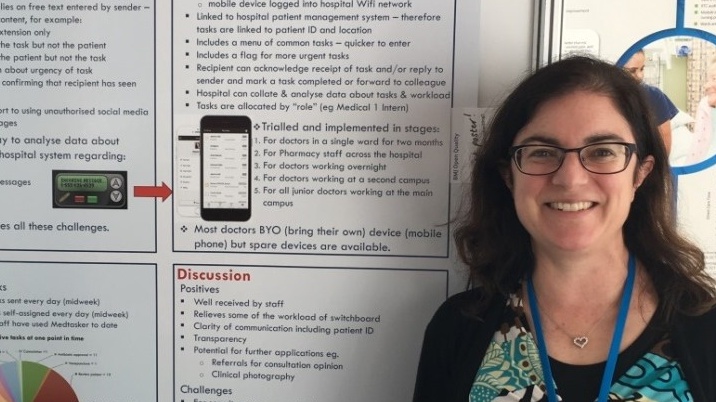
    Dr Kristen Pearson and Dr Lachlan Hayes recently attended the Institute for Healthcare Improvement Conference, where they presented a poster on ‘Communicating Safely in Hospitals with Medtasker’.

    Their poster highlights the reason why Northern Health chose Medtasker, and the benefits the task management application has already provided to our organisation since the recent launch. Their presentation was well received.

    Sandy Ayoub, Medtasker Project Officer, said feedback has been great.

    “It has helped ‘task recipients’ such as doctors and pharmacists prioritise their tasks more efficiently as well as allowed clinicians to share tasks amongst each other to balance workload.”

    Medtasker provides superior traceability and transparency of tasks when compared to the paging system, hence, helping ‘task senders’ such as nurses track the progress of their sent tasks.

    “Medtasker is sparking the interest of other organisations looking to improve their clinical communications,” Sandy said.

    Currently, there are 20 other organisations in conversation with Nimblic, the company powering Medtasker.

  • Reliable Operating Room Project kicks off

    Reliable Operating Room Project kicks off

    The ‘Reliable Operating Room Research Project’ kicks off at Northern Hospital Epping this week.

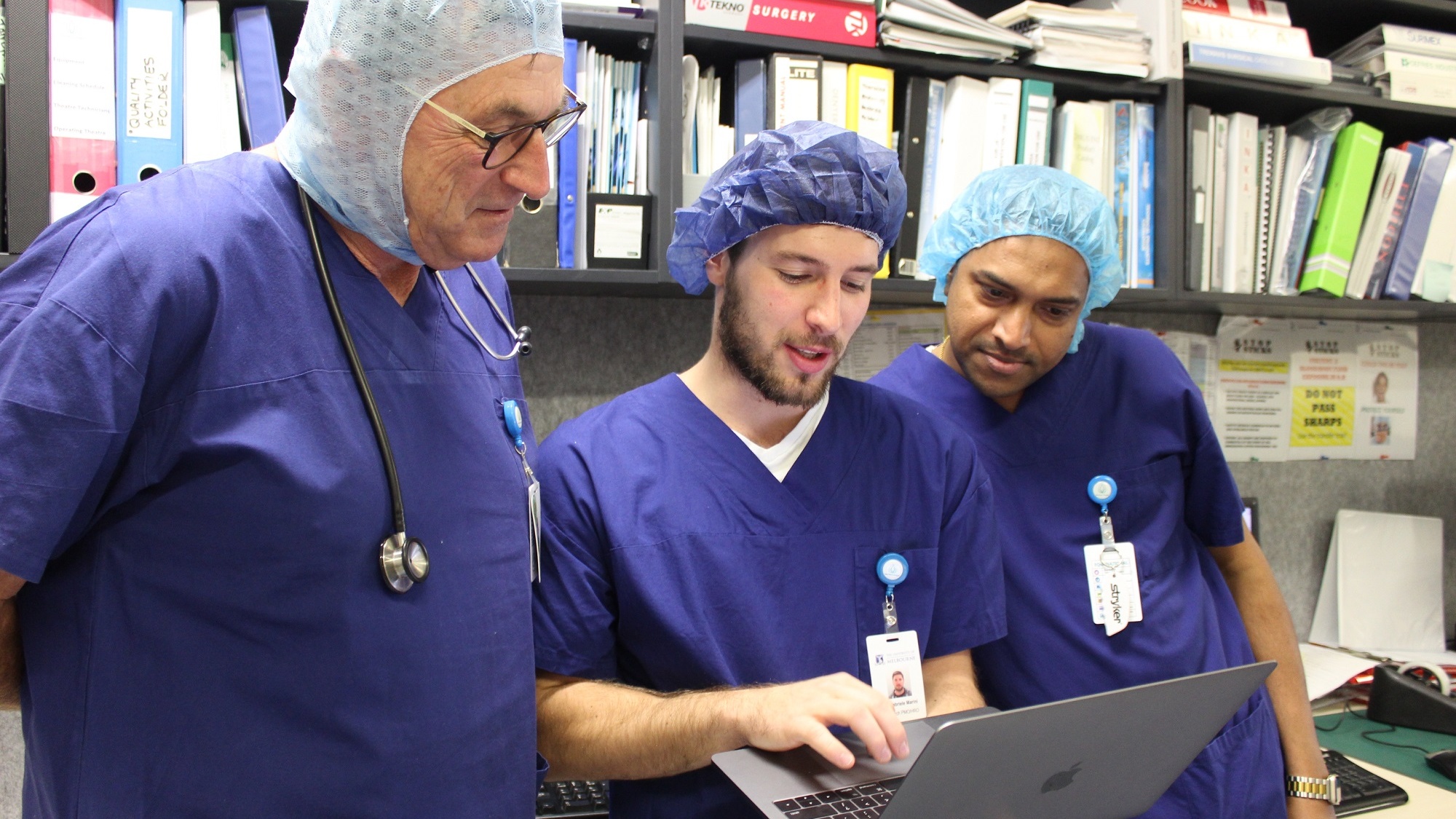
    In partnership with the University of Melbourne – School of Computing and Information Systems, the new project enables Northern Health to study the activities of our staff in the operating room.

    Gabriele Marini, PhD candidate from the University of Melbourne, said the system is designed to help understand how people are moving within the building, monitoring not just the staff members, but also the patients and providing crucial information on the entire flow.

    “From the moment they enter the building, they will be given a tag, which is a Bluetooth beacon. This allows us to see the flow – where they get stuck, see if there are any delays, and follow their journey from reception, to the ward and surgery, until the moment they leave,” he said.

    The project is now in the pilot phase with a sample of staff testing the BLE (Bluetooth Low Energy) beacon technology, with sensor boxes deployed in areas throughout the operating room environment. Staff have been given a small tag to carry, which directly communicates with the boxes.

    Bluetooth Beacon

    “By analysing the signals from the beacons, we can infer the room in which a particular person was at a particular time,” Gabriele explained.

    Professor Vassilis Kostakos from the University of Melbourne explained that ultimately, the project will generate aggregate statistics regarding the flow of staff and patients in and out of the operating room, which can be used to characterise the workflows.

    Bill Shearer, Anaesthetist and Executive Director Transformation Quality & Safety, said the research aims to improve the efficiency and experience in the operating room, for patients and staff alike.

    “The metrics will allow us to model, analyse and interpret the systemic actions taking place in our operating room,” he said.

    After the initial testing phase, the technology will also be rolled out to tracking patient movements.

  • Baby Aubrey’s Story

    Baby Aubrey’s Story

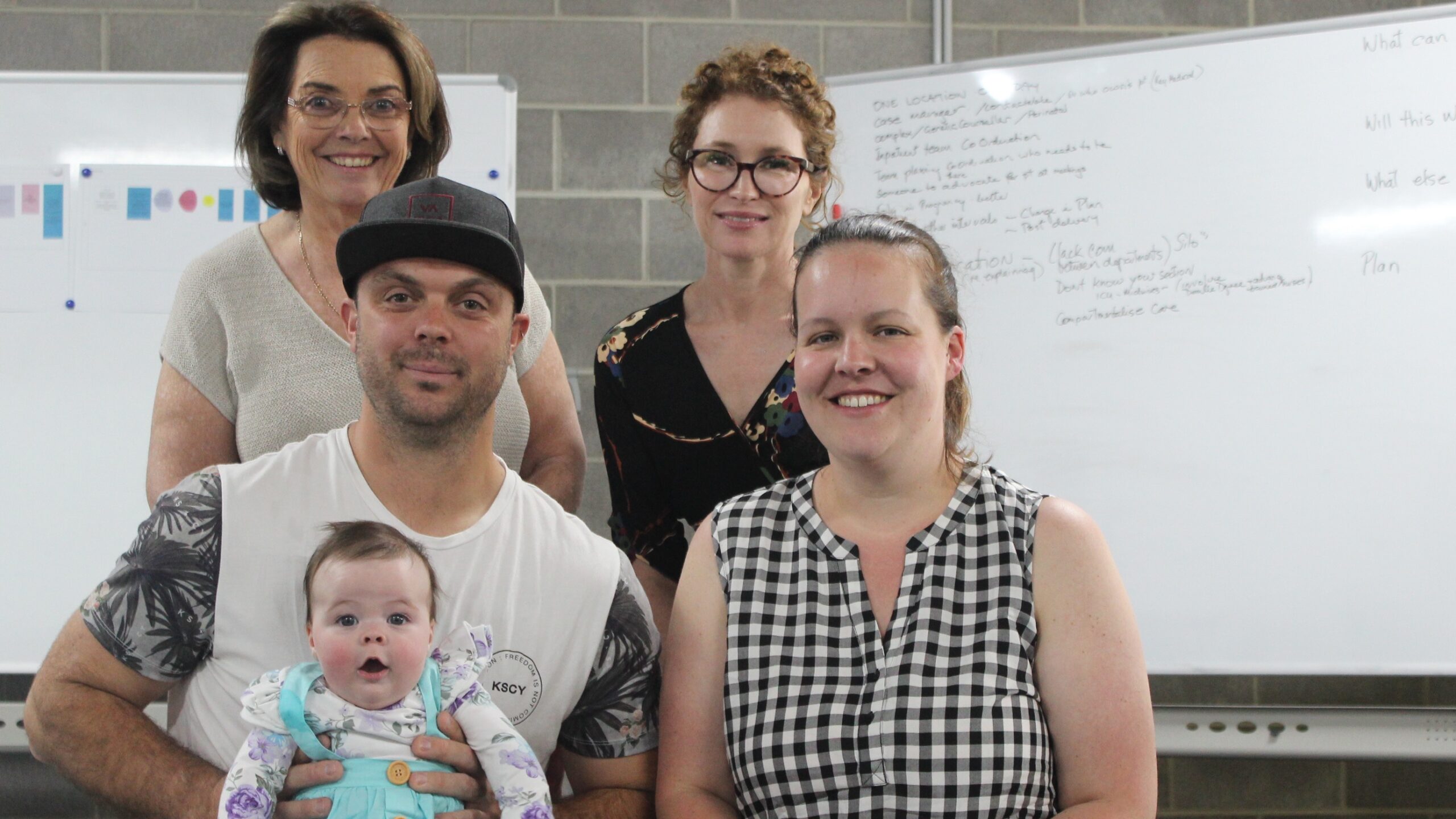
    Recently, a diverse group of clinicians came together to hear from Stephanie and Chris O’Connor on their recent medical obstetric experience at Northern Health as part of an ‘Ideas Lab’ session.

    Baby Aubrey was born in early May and due to a cardiac condition — shared by mum and bub — spent a fortnight with us in our Special Care Nursery, along with Stephanie in our Intensive Care Unit.

    The physical separation of Stephanie and Aubrey is unique and complex; mum needing cardiac monitoring in an adult environment and baby in the neonatal setting. The staff in both areas regularly coordinated time for mum and baby to be together, a physical distance of some 110 metres.

    Stephanie and Chris shared their unique story from antenatal care to being discharged, followed-up by domiciliary.

    “We are really happy to have been part of this,” Stephanie says.

    “We want our experience to help improve the service, as we’re planning to come back to Northern Health for baby number two!”

    The O’Connors’ experience is a rich source of first-hand knowledge, generously shared, and their generosity will contribute greatly to the ‘Staying Well in Pregnancy’ clinical community.

    Bill Shearer, Executive Director of Quality Safety and Transformation, and the lead for our High Reliability Organisation transformation says, “their story — and our capacity to learn from it — is key in all healthcare quality improvement endeavours.”

    “Our delivery of a High Reliability Organisation relies on it.”


    Photograph left to right

    Front: Chris & Stephanie O’Connor with baby Aubrey

    Rear: Leonie Henderson, Quality Coordinator & Clare McCarthy, Project Manager