• Northern Health launches Q-Flow

    Northern Health launches Q-Flow

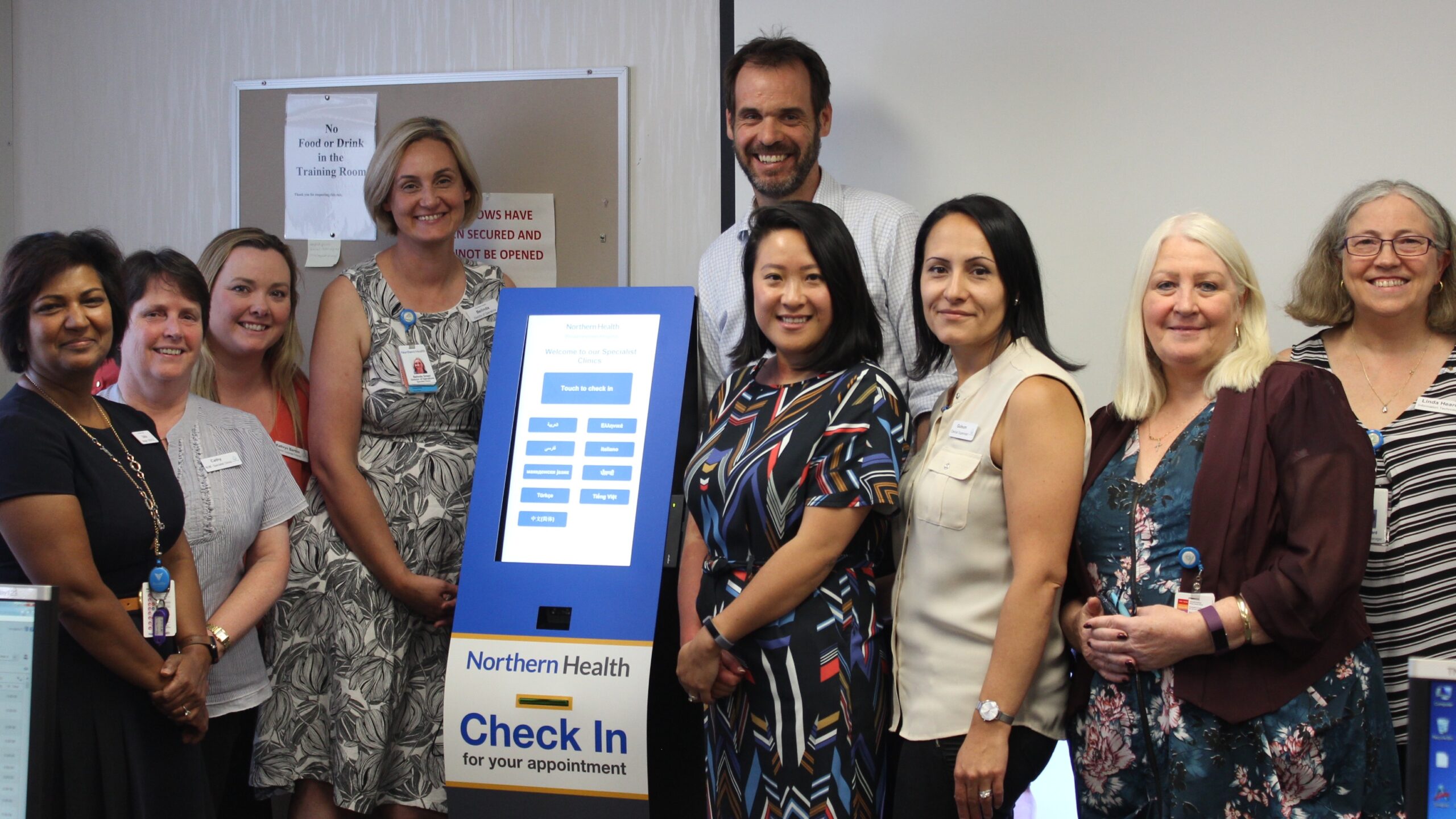
    Today, a new patient check-in system called Q-Flow has launched in Specialist Clinics at Broadmeadows Hospital.

    In the coming weeks, Q-Flow will be rolling out across the Craigieburn and Northern Hospital campuses.

    Q-Flow is a patient flow management system that is designed to improve both the patient and clinician experience whilst attending Specialist Clinics.

    The new check-in and billing system will help to improve patient flow, reduce waiting times for appointments and increase clinic efficiency.

    Patients are able to check themselves in for their appointment via self-serve kiosks, similar to check-in kiosks at airports.

    Once checked in, patients receive a printed ticket and are directed to a designated waiting area nearest to their clinic location. Using the Q-Flow system, the clinician can then call the patient directly to the clinic room through information screens that are located in the waiting areas.

    Associate Program Director – Specialist Clinics (Projects), Michael Brown, says the system will help to create a more seamless experience for everyone and reduce the amount of paper-based forms required.

    “Q-Flow provides the opportunity to improve the safety and effectiveness of how we run Specialist Clinics at Northern Health. It is a big change for our patients and staff and will provide a significant improvement to the overall experience in Specialist Clinics,” he says.

    For patients, Q-Flow sends SMS appointment and updated referral reminders, checks Medicare eligibility, and provides patients with expected wait times.

    For clinicians, Q-Flow removes the need for paper outcome slips, integrates and streamlines the use of interpreting services in clinics, ensures that all MBS billing information and appointment outcomes are actioned, provides the clinician visibility of future clinic capacity when re-booking patients, collects room utilisation data and assists scheduling of clinics.

    Training dates are now available for staff. Training will take approximately 30 minutes for clinicians and up to 1 hour for reception/administration staff.

    For more information about Q-Flow and training sessions, please click here.
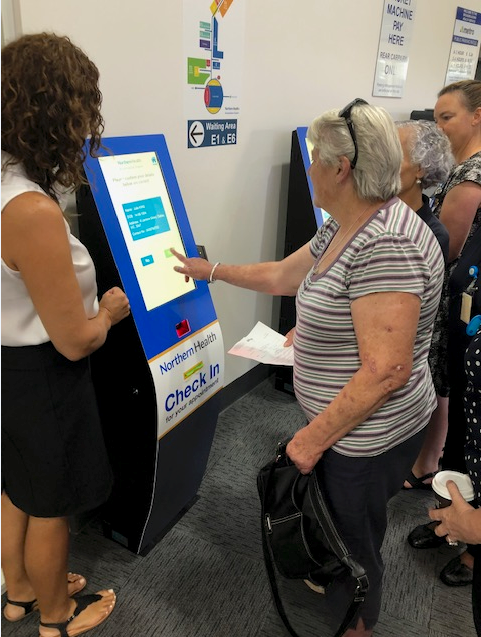
    Julie King – our first patient to use the new check-in kiosks!
  • Recognition Awards: Celebrating Staff Excellence

    Recognition Awards: Celebrating Staff Excellence

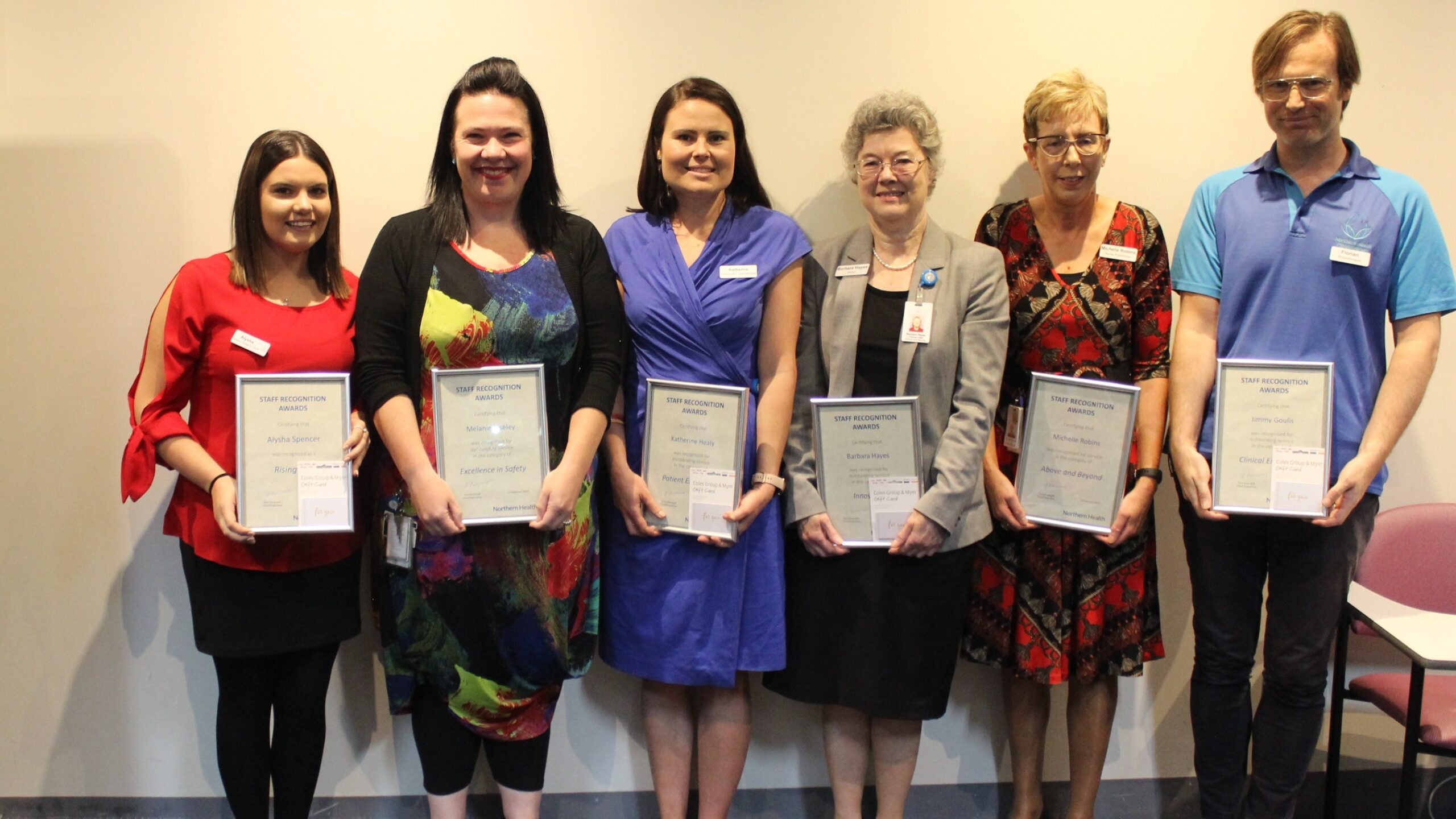
    This morning, Northern Health hosted our second Quarterly Staff Recognition Awards ceremony.

    These awards have been designed to formally recognise outstanding contributions by our employees and celebrate staff excellence.

    Northern Health Chief Executive, Siva Sivarajah, presented the awards to this round of recipients.

    “We have over 5,000 staff in a wide range of areas, dedicated to providing great care for our patients and we would like to reward their hard work and commitment to patients,” Siva said.

    In this round of awards, a new category was introduced – Clinical Excellence. This new category was recommended as part of our ‘High Reliability Organisation – Trusted Care’ work.

    The Clinical Excellence award recognises a team or individual that is generous with knowledge, instills confidence in patients and colleagues, and achieves the best patient outcomes.

    In October last year, the award ceremony was held for the first time, and six staff were recognised for their achievements. Last year’s winners success stories were shared on iNews, profiling their Northern experience and dedication.

    In this round of awards, 24 nominations were received, and the judging panel had a difficult task in deciding the winners because of the high standard of entries.

    And the winners are…

    Clinical Excellence: Jimmy Goulis, Physiotherapist

    Patient Experience: Katherine Healy, Dietitian

    Excellence in Safety: Melanie Riseley, Maternity Services Educator

    Innovation: Barbara Hayes, Clinical Leader – Advance Care Planning

    Above and Beyond: Michelle Robins, Nurse Practitioner, Diabetes

    Rising Star: Alysha Spencer, Advisor, Organisational Capability

    Siva said, “These are staff who exemplify a strong and positive workplace culture – and commitment to our patients.”

    Northern Health would like to congratulate all the winners and thank our nominators, their teams, and our generous sponsors, BankVic and Maxxia. The winners will feature on iNews in the coming weeks.

    Photo (left to right: Alysha Spencer, Melanie Riseley, Katherine Healy, Barbara Hayes, Michelle Robins, Flo Zimmermann accepting award on behalf of Jimmy Goulis)

  • Welcome to culturally safe Northern Health

    Welcome to culturally safe Northern Health

    Northern Health continually strives to improve its responsiveness to diversity and the language, religious and cultural needs of our community.

    We provide the same quality of service for all patients and their families, regardless of their ethnicity and ability to speak English – an important consideration given our patients are born in 184 countries, speak 106 languages and follow 90 religions and beliefs.

    This year, the demand for our Transcultural and Language Services (TALS) has grown by 8% every month, resulting in the hiring of four additional in-house interpreters, bringing the total to 42.

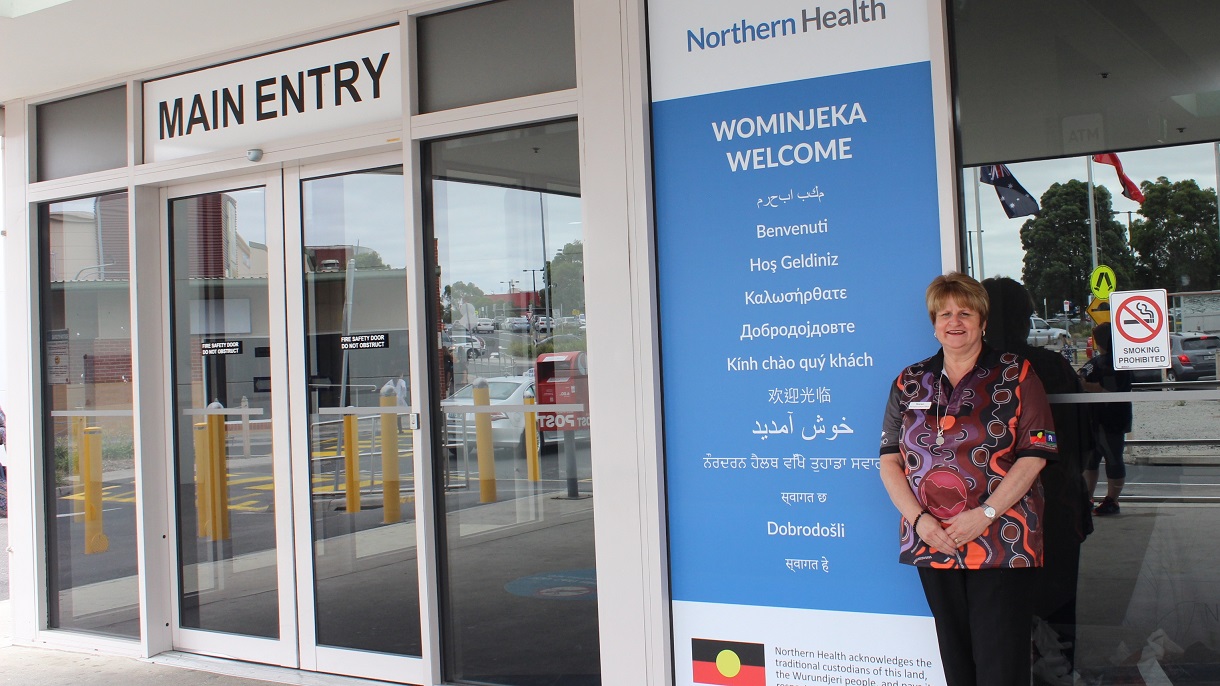
    New welcome signs currently being installed across Northern Health are a good example of how the TALS team is partnering with Patient Experience & Consumer Participation to achieve this.

    The sign welcomes patients in the top 14 languages spoken, and acknowledges the traditional owners of the land, the Wurundjeri people.

    Cultural safety is an Indigenous-led model of care.

    “Clinical leaders have identified the need for culturally safe health care to improve Indigenous health outcomes,” explained Karen Bryant, Senior Aboriginal Liaison Officer, Aboriginal Support Unit.

    Emiliano Zucchi, Manager Transcultural and Language Services and Aboriginal Support Unit, said the welcome signs were a clear expression of our commitment as a health service to provide a culturally safe environment for our patients.

    “We are not only committed to treating our patients well and in a culturally respectful manner, but also empowering our staff, and supporting them to carry out culturally significant tasks as part of our service delivery,” he said.

  • Dr Laura Raiti: Junior Doctor of the Year

    Dr Laura Raiti: Junior Doctor of the Year

    Laura Raiti started working at Northern Health as an intern in 2016.

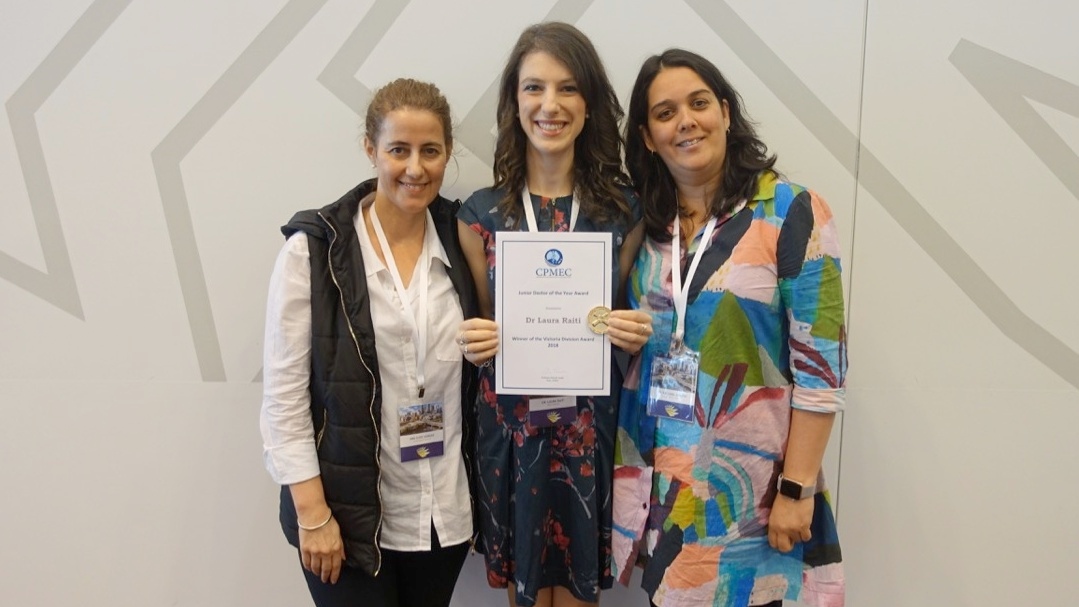
    Just two years on, after commencing her paediatric training with us, she was awarded the 2018 Victorian Junior Doctor of the Year award, by the Confederation of Postgraduate Medical Education Councils (CPMEC). Laura tells us about her Northern Health journey.

    “Following my internship and paediatric training, I was lucky enough to come to Northern Health as a paediatric resident for six months in 2018 and hope to return for another rotation in the future as a paediatric registrar. In between my rotations, I have an ongoing casual contract so I can work as a locum doctor to help cover shifts,” she said.

    Laura’s favourite thing about working here is the culture.

    “There is a great culture at Northern Health, and Northern Hospital has a fantastic work environment! Everyone is very approachable, friendly and keen to help each other,” she says.

    “I had a wonderful experience in my internship, working with a number of different teams and was lucky to have been mentored, supervised and taught by so many passionate clinicians,” she adds.

    “I thoroughly enjoyed returning to Northern Health in 2018 to work in the Paediatric Department, and I genuinely felt like a valued part of the team working in the Children’s Ward and Special Care Nursery,” she says.

    Northern Health recognised her hard work and nominated her for the ‘Junior Doctor of the Year’ award.

    “In 2018, I was the chair of the Postgraduate Medical Council of Victoria (PMCV) Junior Medical Officer Forum and the Australasian Junior Medical Officers’ Committee, where I had the opportunity to represent junior doctors at both a state and federal level. The ‘Junior Doctor of the Year’ award recognises my advocacy work, interests and passion for improving the culture of medical education and training within our workplace and the profession,” she adds.

    The award was a huge achievement and meant a lot to Laura, who says she’s very appreciative of Northern Health for recognising her work, in particular, Susie Sangas from the Medical Education Department, who nominated her for the award.

    “Dr Laura Raiti is an outstanding junior doctor and has participated in many activities that enhance the wellbeing of junior doctors. We congratulate her on this well deserved award,” Susie said.

    “I am very passionate about education and training, and have held a number of leadership positions and representative roles to help advocate for the needs of junior doctors both at a state level and nationally,” Laura says.

    “I have also helped to promote wellbeing and a supportive workplace culture, to help deliver excellent patient care, but also, self-care to ensure we are looking after ourselves and each other,” she adds.

    Laura hopes to continue this advocacy work during her paediatric training and throughout her medical career.

    Pictured (left to right): Susie Sangas, Laura Raiti & Rachael Coutts 

  • Kim Kennedy: Making a difference to dialysis patients

    Kim Kennedy: Making a difference to dialysis patients

    Kim Kennedy is a former Broadmeadows Hospital dialysis patient using her own experience to help others.

    She first connected with Northern Health in 2011, having end stage renal failure, and started peritoneal dialysis in 2013 until she converted to haemodialysis in 2016.

    The diagnosis of kidney failure came as a shock to Kim, who had never been in hospital apart from having her children.

    “I remember I was outside one day and for some reason my ankles felt really funny, which I thought was strange because you’re not really meant to feel anything there. I looked down and they were huge! I pressed them in – usually you get that white and then it goes, but that didn’t happen – it was a dint that didn’t bounce back. Everything started from there,” she says.

    Cheryl Rofe, BHS-CHS Nurse Unit Manager, says kidney failure is a quiet disease that tends to sneak up on people, because symptoms are usually mistaken for something else.

    “People just think I’m tired because I’m getting old, I’ve put on weight, that’s why I’ve got fatty ankles, I’ve become breathless because I’m unfit – they don’t realise these are the symptoms of kidney failure,” she says.

    “You have to lose 95% of your kidney function before any symptoms begin.”

    Kim was on the transplant waiting list for a new kidney for four years, finally receiving her transplant in June 2016.

    When Kim received her kidney transplant, she wanted to make difference to other dialysis patients by doing some fundraising for the unit, and also wanted to raise awareness about this disease within the community.

    “I wanted to help the patients somehow through my own experience and give back,” Kim says.

    “There’s not much awareness about kidney failure and kidney patients within our community. I wanted to do something to change this and support patients going through what I went through.”

    With assistance from Priscila Angeles, IDU – TNH Satellite Nurse Unit Manager, and dialysis unit staff, Kim got in contact with the Northern Health Foundation, who, alongside a close friend of Kim’s, organised a Nephrology Dinner Dance to raise funds for the dialysis unit.

    The event was a success and supported the purchase of a new treatment chair (pictured below), helping future dialysis patients to feel more comfortable and reduce pressure areas.

    For more information about kidney health and symptoms to watch out for, please visit Kidney Health Australia.

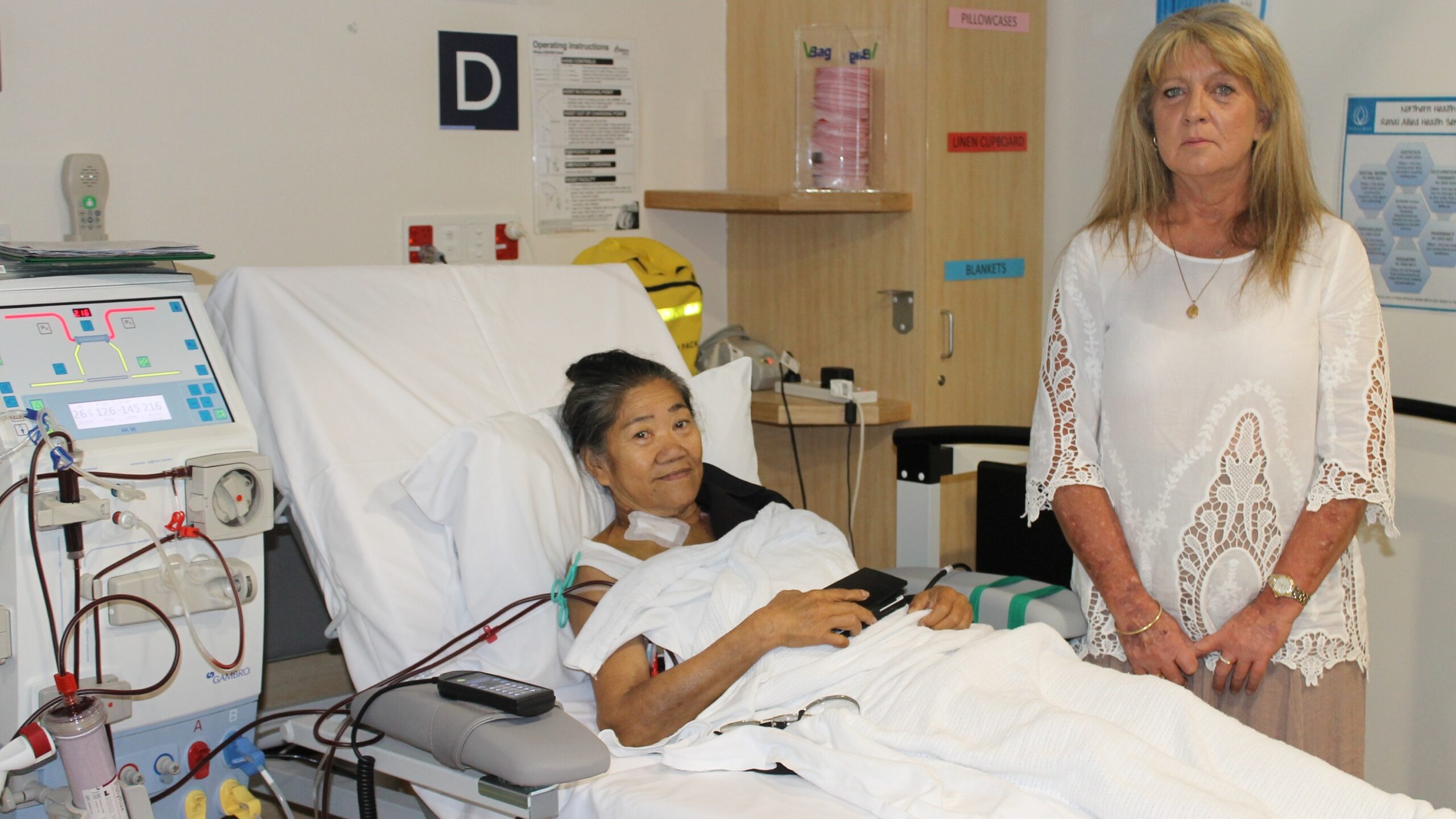
    Priscila Angeles and dialysis patient, Luchie Kimmer, on the new dialysis chair.

  • Prepare and Prevent: Daily Safety Brief

    Prepare and Prevent: Daily Safety Brief

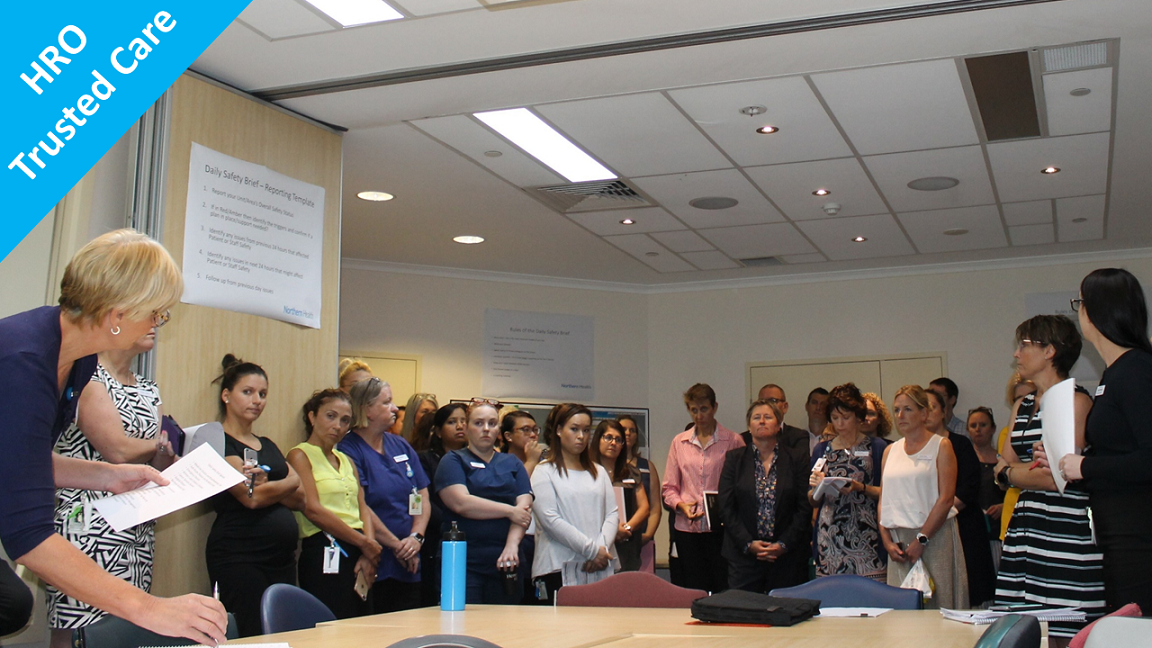
    Northern Health’s Daily Safety Brief is a daily huddle whereby all areas of the organisation come together to highlight any issues affecting patient and staff safety that might have happened in the previous 24 hours, and whether anything is predicted to happen over the next 24 hours.

    Jane Poxon, Chief Operating Officer, leads the huddle and says, “the idea of the briefing is to take the pulse of the organisation and know where our hot spots are”.

    A senior medic is also the ‘Safety Officer of the Day’. Their roles are to ensure that all areas reporting as Red/Amber have sufficient plans and support in place to ensure patient and staff safety on a daily basis.

    Inpatient areas and departments (clinical and non-clinical), represented by at least one person from their area, report out for 60 seconds each to highlight their areas’ overall safety status. If the area is in Red or Amber, they are asked to identify the issues that are affecting them and how the organisation can support them (if needed).

    The Daily Safety Brief came about through a High Reliability Organisation (HRO) project, whereby a working group (consisting of nurse unit managers, medics, allied health etc.) came together to review the ‘Reliable Patient Management System Tier Meetings’ that were in place, and to understand whether there was an opportunity to improve these.

    The Daily Safety Brief happens everyday at 9.45 am and is a standing meeting with Broadmeadows Hospital and Bundoora Centre phoning in via conference call.

    Any further questions or feedback can be directed to the project manager for this HRO project, Ed Savill: Edward.Savill@nh.org.au.

  • Laughter the best medicine

    Laughter the best medicine

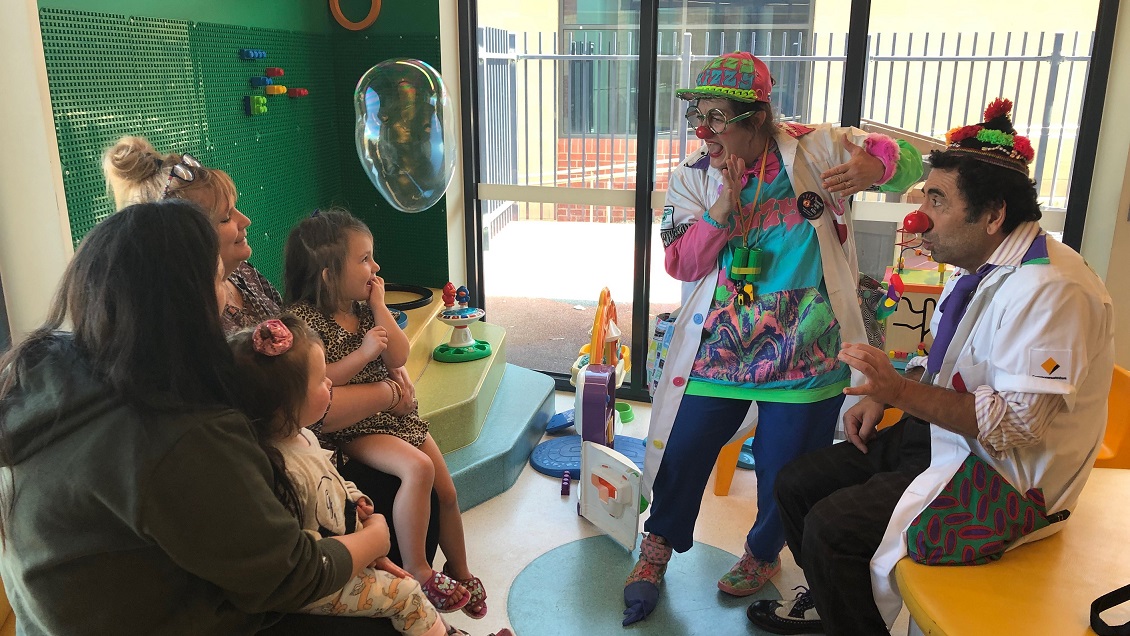
    They say laughter is the best medicine, and our youngest patients at Northern Hospital Epping got to test that theory out today thanks to another visit from the ‘clown doctors’.

    Clown doctors provide a welcome escape from the reality of hospitalisation, visiting patients and their families to bring humour to healing.

    Laughter not only relaxes our patients, but also helps their families who may be anxious and overwhelmed.

    The clown doctors visited a number of different areas of the hospital including the Emergency Department and Children’s Ward, and prescribed a healthy dose of cheer throughout.

    “We just love having them here – they are a great distraction to break up the hospital day,” said Children’s Ward Nurse Unit Manager, Katrina Burke.

    We thank them for their unique contribution to health care, as they add to our patient-centred approach here at Northern Health.

    You can check them out in action in the Children’s Ward in the video below!

  • World-first virtual reality technology at Northern Hospital

    World-first virtual reality technology at Northern Hospital

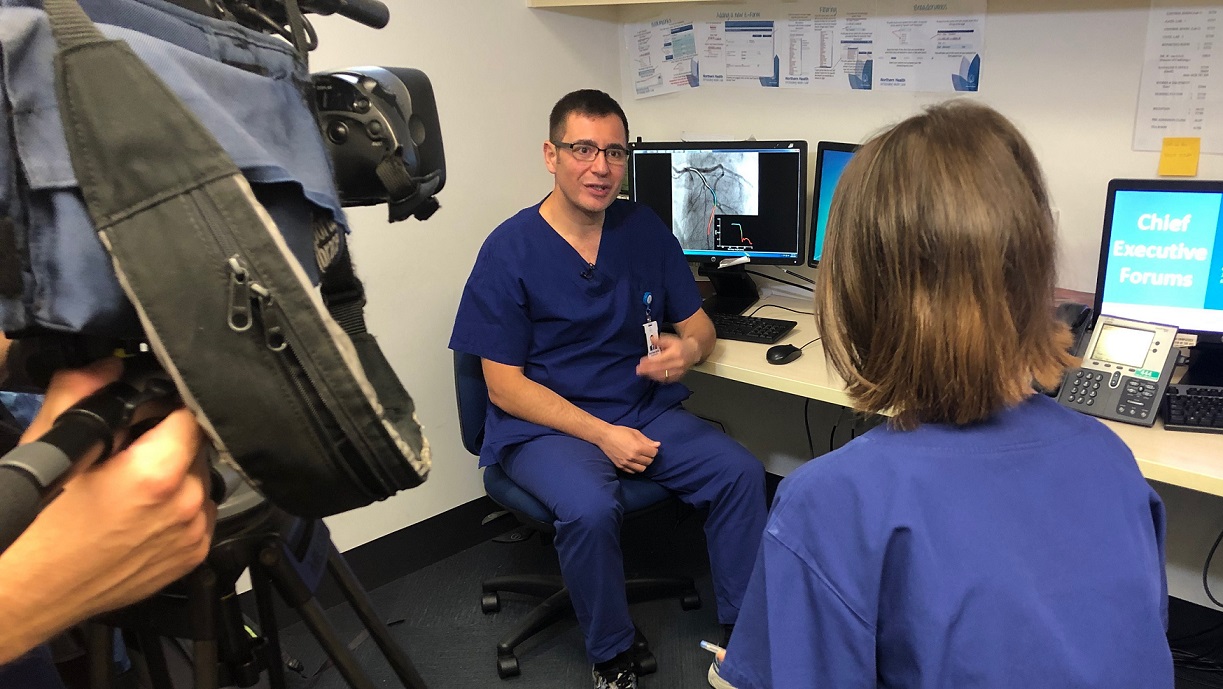
    Yesterday, we welcomed Channel Nine to Northern Hospital Epping to interview Cardiologist and University of Melbourne Professor, Peter Barlis, about a cutting-edge technology used to create virtual scans of inside coronary arteries.

    In collaboration with Melbourne University, the world-first virtual reality technology has been designed to give cardiologists greater information and help to improve clinical decision-making for better patient care.

    Pioneered by Professor Barlis, the technology uses the latest in high-resolution scans and the use of super-computers and mathematical models to compute a “virtual fly through” inside the artery, to look at how cholesterol deposits form and to guide cardiologists on whether treatment with a stent is required.

    Not only will the technology be beneficial for clinicians, it will also provide numerous benefits for patients including minimising the number of invasive procedures and allowing for faster, more accurate assessment.

    “Future developments of the technology will see scan results available almost instantaneously at the point-of-care, thereby giving doctors the best and quickest way to safely manage each patient with cardiovascular disease,” said Professor Barlis.

    Northern Health patient, 68 year old Frank Davies, has suffered heart complications for over 20 years. Yesterday, he spoke with Channel Nine reporters about his journey and his hopes for the new technology.

    “If it saves one person, it’s worth it,” Frank said.

    “Hopefully me,” he adds.

    The technology has been patented by Professor Barlis and his team, who are working to bring this to as many patients across Australia and the world, and has been published in the prestigious European Heart Journal.

    See the full story here: