• Think before you cannulate

    Think before you cannulate

    Every year in hospitals the size of Northern Health, there are about 8-10 cases of staphylococcus bacteraemia mostly related to intravenous cannulas. These infections can result in death, but most are preventable.

    Northern Health is looking to improve how we care for patients with Peripheral Intravenous Cannulas (PIVCs). During the Safe Practice Forum on Wednesday 20 March, staff will be able to hear more about safe cannulation practices and patient case studies, as well as hear about Northern Health’s new cannulation policy, now available on Prompt (click here to download).

    Clare McCarthy, Project Manager, said the three-day focus on cannulation safety is the lead up to an organisation-wide ‘Week of Cannulation Safety’.

    “This will occur towards mid-2019, culminating in a re-audit and further education sessions. The week will be organised by front line clinicians to enable and embed local ownership of the campaign,” she said.

    The focus on Peripheral Intravenous Cannulation (PIVC) during these three days aims to raise awareness of the risk PIVCs carry in our emergency department and wards, and aims to prevent infection, improve patient safety and reduce the usage of cannulas.

    Whilst mainly safe, PIVCs come with the risk of complications. Following all the necessary procedures for the insertion and care of PIVCs is crucial, as they can provide a direct portal of entry for microorganisms and result in bacteraemia, the most common being staphylococcus aureus bacteraemia (SAB).

    Northern Health’s focus on patient safety and high reliability has led to revising the old cannulation policy and establishing a new one, which is formed on evidence-based practice.

    With the new policy, nursing staff are supported by Northern Health and executive team to remove the PIVC if an ongoing need is not documented – such as ongoing medications, fluids or documented plans for access in the next 12 hours.

    Dr Craig Aboltins, Infection Prevention, said that previously, nurses may not have been empowered to remove unused cannulas, as they felt this is something they need instructions from the doctor.

    “Recent evidence suggests that care for patients with IV cannulas in a hospital like ours can be improved. Part of this program is to empower the nurses to be able to remove intravenous cannulas. If they are not meant to be used in the next 12 hours, and there are no ongoing intravenous medications, the nurses should remove them,” he said.

    Remember – if in doubt, take it out!

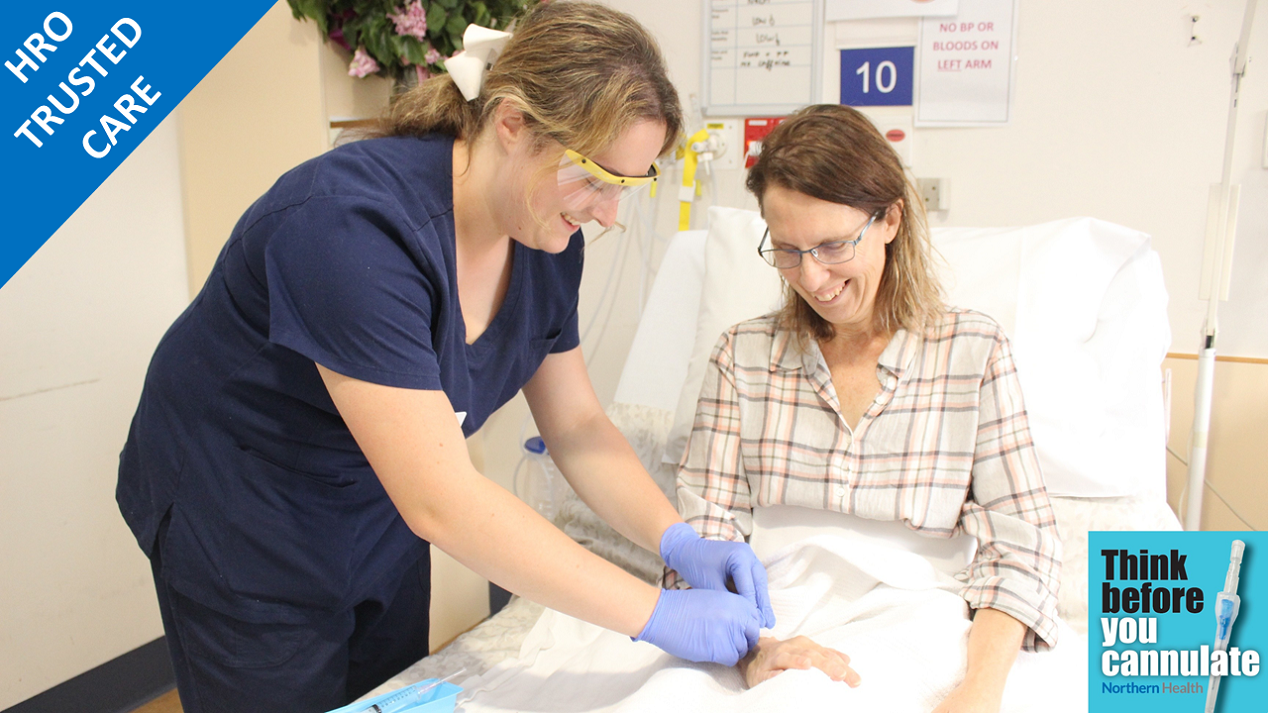
    In the emergency department, clinicians will be asked to “think before you cannulate.”

    Avoiding unnecessary cannulas or cannulas put in “just in case” is a simple way to prevent patients from experiencing both the risk of severe infection and the discomfort associated with a PIVC. A guideline has been developed for use in the emergency department to help advise clinicians which patients should and should not have cannulas.

    To hear more from Dr Aboltins about the correct cannulation procedures, patient safety and recent evidence findings, as well as to see a demonstration, please watch the video below.
  • Happy Mothers Group: Combining culture and community

    Happy Mothers Group: Combining culture and community

    The Assyrian/Chaldean population mainly displaced from Iraq, make up a large sector of the refugee population in the northern suburbs of Melbourne. Women of refugee backgrounds are at risk of poor maternal and perinatal outcomes and are more likely to have complex health needs. They also face multiple barriers accessing pregnancy care or navigating health systems in Australia.

    Northern Health was selected by Murdoch Children’s Research Institute (MCRI) to be one of four regions in Melbourne to pilot an innovative approach to antenatal and postnatal care. This is how the ‘Happy Mothers Group Pregnancy Care’ sessions were born.

    The sessions run fortnightly at Craigieburn Centre and cover topics on pregnancy, childbirth, parenting, breast feeding, health and well being.

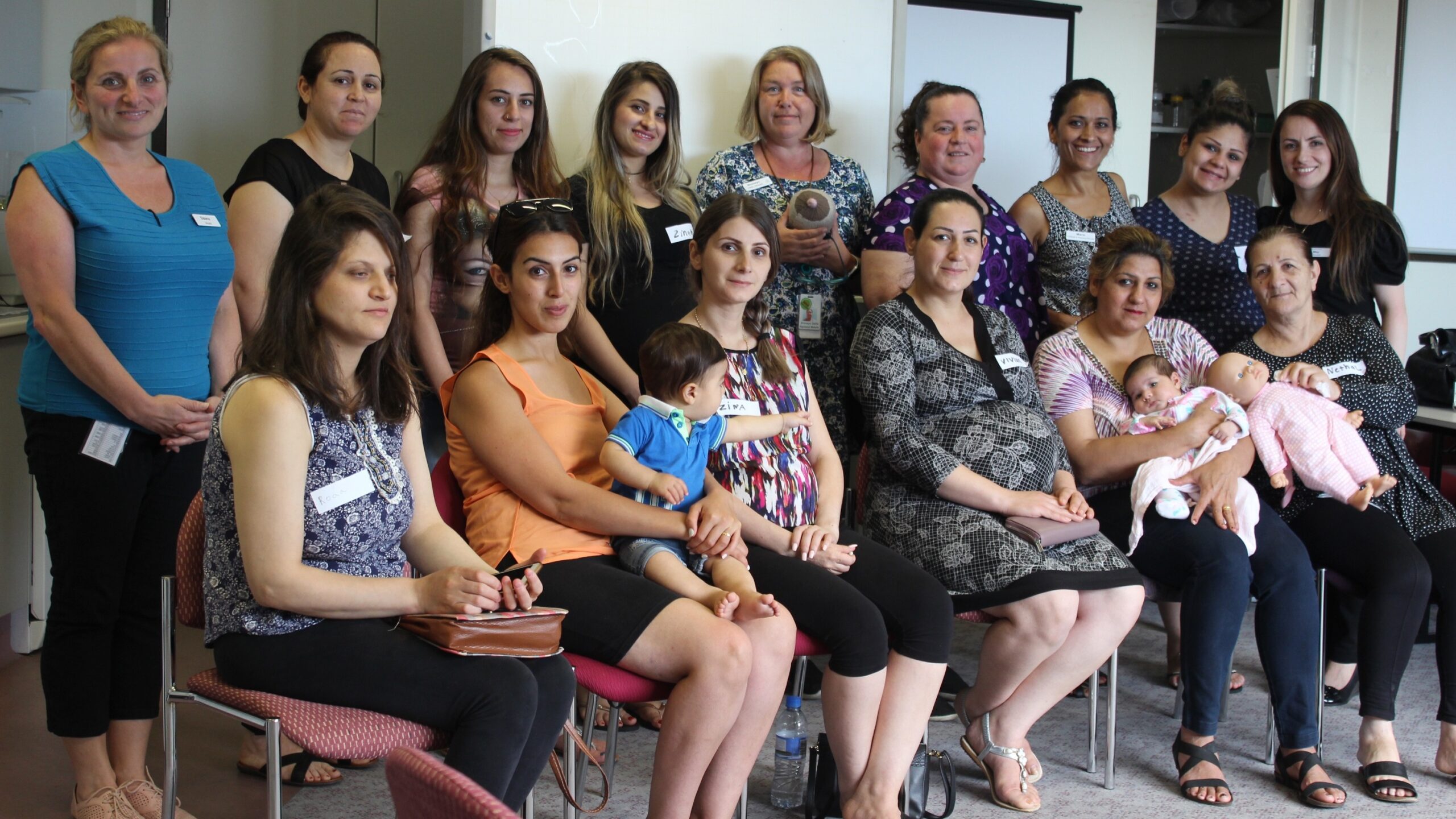
    The Happy Mothers team consists of team leader Marie Treloar – Midwife and Childbirth and Parenting Educator (Northern Health), Bronwyn Madigan – Maternal and Child Health Nurse (Hume Council), May Khoshaba – Interpreter (Northern Health), Michelle Griffiths – Parent Support Worker (Hume Council) and Maria Toma – Bicultural Worker (VICSEG New Futures).

    The overall aim of the group is to improve the engagement of families of refugee background in pregnancy and postnatal care, early childhood health and health literacy, as well as reduce social isolation.

    The team encourages the women to share their experiences of pregnancy, labour, birth, breast feeding and parenting overseas and in Australia.

    “This encourages good positive chatter within the Assyrian/Chaldean community. It’s really about helping these women navigate their way through the system,” Marie says.

    “They may see their health care professionals and leave a health service feeling upset or powerless if they have not understood the systems and procedures, and don’t feel comfortable with what has been recommended for them,” she continues.

    Marie says women need to enquire to make informed choices, and is a strong advocate for any population that can be vulnerable because English is not their first language or they have limited understanding of the healthcare system.

    “We’ve had women who are birthing at other hospitals come to our group because we are the only Assyrian/Chaldean Group Pregnancy Care Program in Melbourne. The women find community and familiarity within their own culture, and they get the evidenced-based education to navigate their healthcare needs within local health and community services,” Marie explains.

    The group is also working on improving breastfeeding rates and parenting experiences, with expectant mothers receiving a lot of education during and after pregnancy.

    The program involves inter-agency collaboration between public maternity hospitals, settlement services and maternal and child health (MCH) services.

    For more information about Happy Mothers Group Pregnancy Care sessions, please email Marie.Treloar@nh.org.au

  • Going Above and Beyond for her patients: Michelle Robins

    Going Above and Beyond for her patients: Michelle Robins

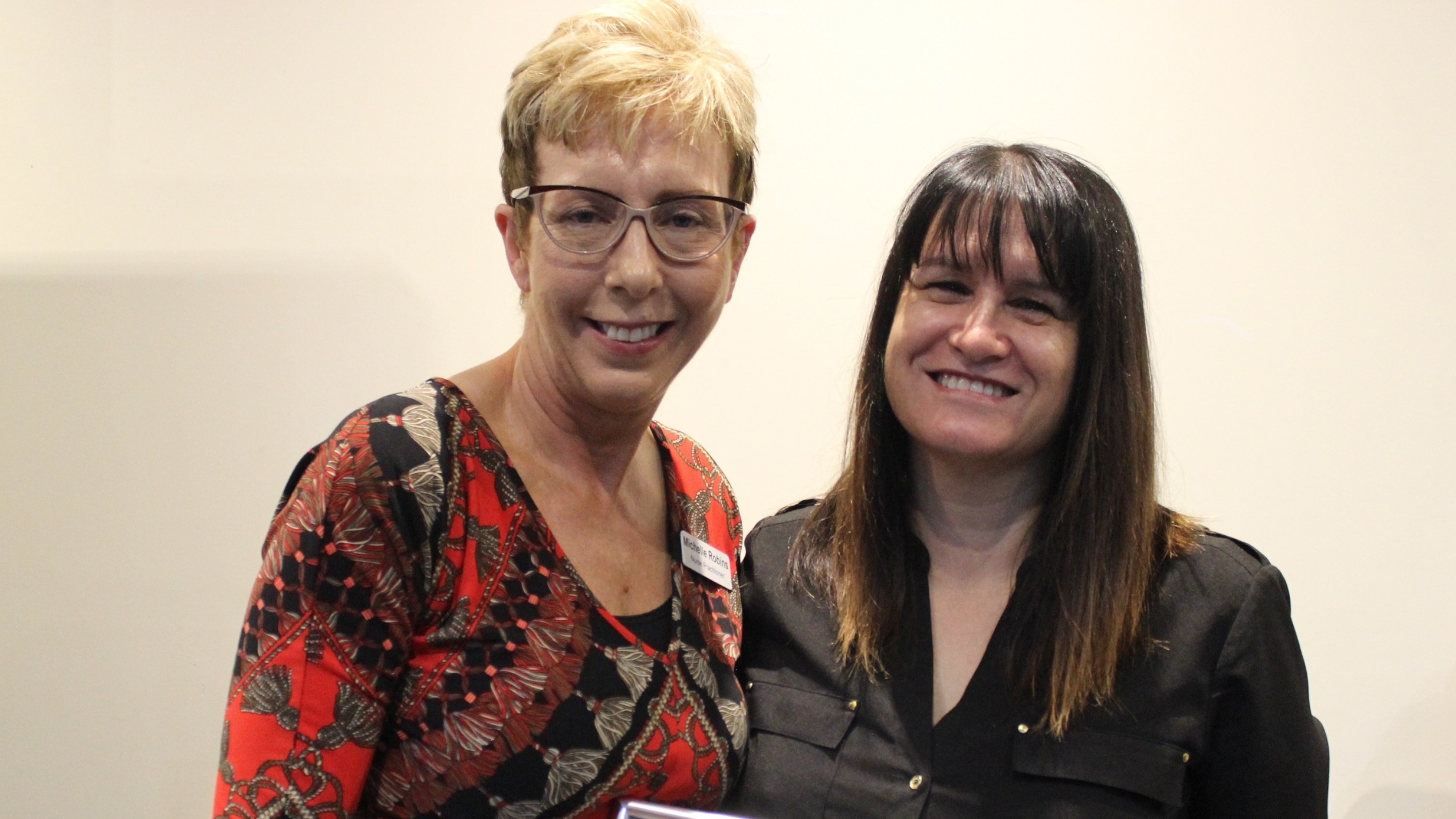
    Northern Health Diabetes Nurse Practitioner, Michelle Robins, received the ‘Above and Beyond’ award at the recent Quarterly Staff Recognition Awards.

    The award recognises an individual who has gone above and beyond in providing care or support to a patient, family or work colleague.

    Michelle was nominated by Melissa Langborne, for the care and understanding she provides to all of her patients, and assistance she provides to her colleagues.

    Melissa works at front reception at Craigieburn Centre, and has come to know Michelle quite well, feeling confident while working together with Michelle to ensure great patient care. Melissa says she works collaboratively with the team and nothing is ever a bother for her, working outside of her normal hours to ensure a fantastic Diabetes Service.

    “Michelle works efficiently and has a lovely, caring nature. She goes above and beyond to help her patients, and several patients have told me they feel safe and secure in the knowledge that Michelle is a great communicator and accessible for help and advice when they need it,” Melissa said.

    “She understands and does her best to accommodate patients when they are running late or have forgotten an appointment, and has the patience to take the time, listen and understand the needs of the patient.”

    Working as a Nurse Practitioner for the past five and a half years, Michelle says she enjoys working collaboratively with the diabetes team, plus many other teams across all Northern Health sites.

    “I work in an advanced role with an extended scope of practice that allows me to implement treatment changes in a timely manner for people with type 1 and type 2 diabetes, women with gestational diabetes, and clients with secondary diabetes, such as steroid-induced hyperglycaemia. I also have the opportunity to mentor a number of colleagues within the organisation,” Michelle says.

    On winning the award, she says, “it means a lot to be nominated by a team that works so hard and are so under recognised – the reception staff. They are our front line team and help me so much – I feel they should be the people who get this award, not me.”

    In the future, Michelle hopes the profile of nurse practitioners can be enhanced, and the number of nurse practitioners in the organisation increased.

    “The future of diabetes management is changing, and new medications and technologies are exciting – both are challenges and opportunities moving forward.”

    Sponsored by Maxxia and BankVic, our Quarterly Staff Recognition Awards have been designed to formally recognise outstanding contributions by our employees and celebrate staff excellence.

    Featured image left to right: Award winner Michelle Robins and Melissa Langborne

  • Respiratory Care Unit turns one

    Respiratory Care Unit turns one

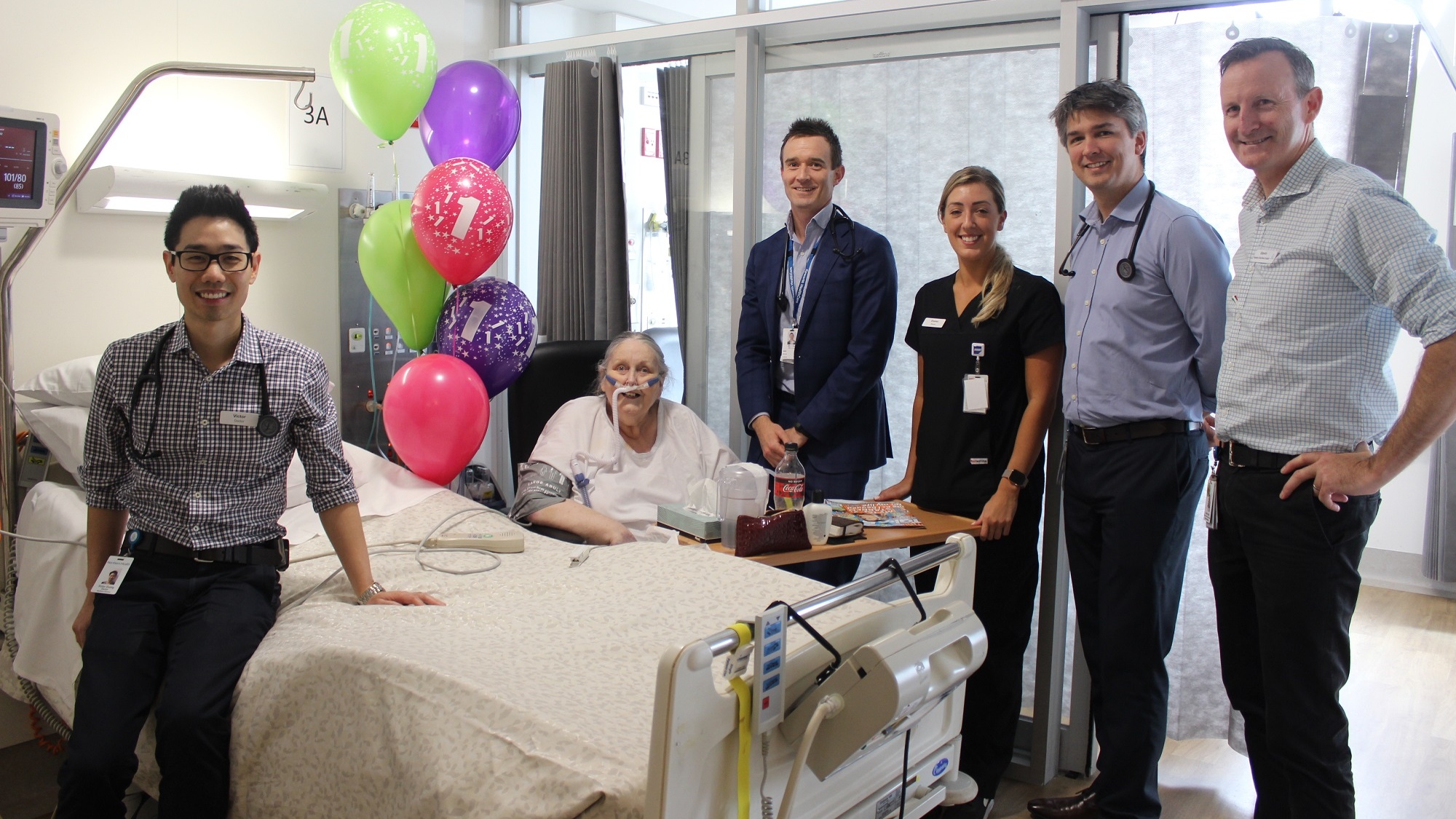
    During its first year, the Respiratory Care Unit (RCU) has seen 284 patients, looking after patients who would most likely be taken to intensive care.

    Gavin Fahey, Respiratory Clinical Nurse Consultant, says this unit bridges a gap between critical care areas and ward beds, where staff can manage more complex respiratory patients, enabling patients to receive a closer observation.

    “The nurse to patient ratio here is one to two for the four beds the unit has. The patients usually stay here around two to three days, and that varies as we’ve had patients who had referrals elsewhere. Here, we also do non-invasive ventilation and high flow oxygen, as the main therapies,” he said.

    Katharine See, Head of Respiratory Medicine, added the staff have done an amazing job in developing new skills and learning all about new therapies which make our patients safer.

    Respiratory Nurse Emma James agrees that the Respiratory Care Unit has been a really great addition to the ward, giving staff the ability to take care of complex patients and see a different variety of patient acuity and conditions.

    “Having that one nurse to two patient ratio allows us to take care of our patients with greater ability. As the year has gone by, I think we’ve done really well to progress to where we are now, and we are continuing to make improvements,” she said.

    Opening this unit required additional training of the existing staff to enable them to look after more acute patients safely. The Respiratory department plans to increase the amount of education for the staff within the Respiratory Unit and is commencing with a Supported Transition to Excellence in Practice (STEP) program in June this year. This program will assist nurses in advanced practice, and it’s a step between general training and post-graduate training.

    Photo (left to right): Dr Victor Duong, Respiratory Registrar; Dr Liam Hannan, Deputy Director Respiratory; Emma James, Respiratory Nurse; Dr Toby Fothergill, Respiratory Registrar; Gavin Fahey, Respiratory CNC; and patient Julie Uren.

  • New ICU, Strategic Plan and ‘My HR’

    New ICU, Strategic Plan and ‘My HR’

    Northern Hospital ICU

    The Northern Hospital Stage 2 expansion project has reached a significant milestone with the completion of the $22m early works. This provides a modern 18-bed intensive care unit, freeing up space for a future cardiac care unit, as well as delivering a new loading dock and facilities for support services.

    The new Intensive Care Unit will open in two weeks with the latest high-tech monitoring equipment, with improved comfort, care and privacy for patients and their families and new staff facilities.

    Well done to our Capital Planning team and everyone else involved in this key stage of the development.  Next, we look forward to mid-year – when we commence the main works providing 96 new inpatient beds, three new operating theatres and more treatment rooms.

    Strategic Plan

    As you know, we are currently in the midst of developing our Strategic Plan 2019-2024. Thank you to almost 2000 staff who participated in the staff survey or workshops to help us identify the key themes and priorities for Northern Health over the next five years.

    As we work on the strategic plan, we are well into our High Reliability Organisation – Trusted Care transformation work.

    This month we are checking in to identify any gaps or improvements in our ability to continue to meet our commitment of delivering trusted care to our community.

    We are also looking into the work we are doing to move our organisation from a hospital-centric culture to a partnership in a healthy community – helping our patients Staying Well.

    These aspirations will be incorporated into our new Strategic Plan.

    My HR

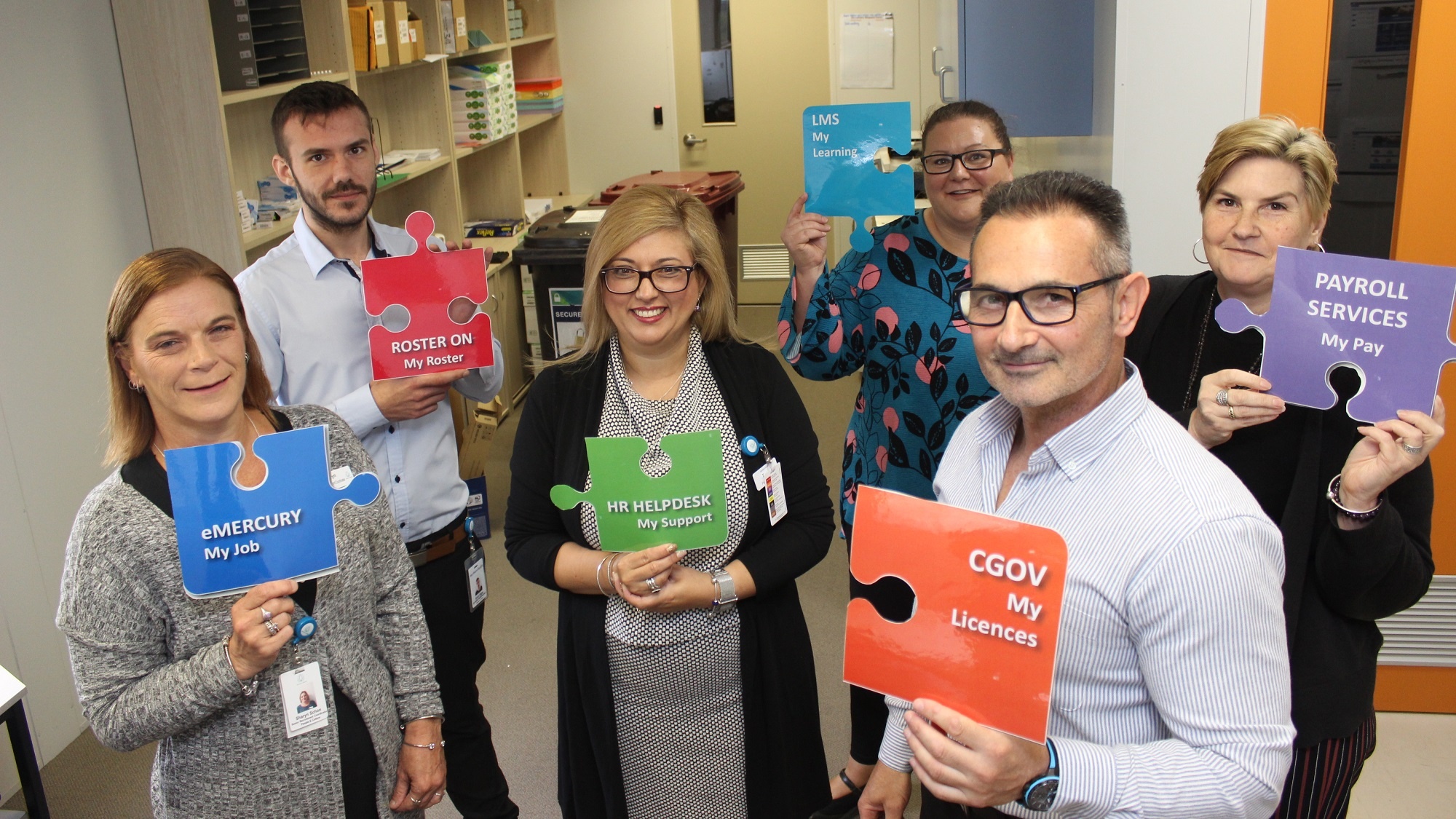
    This week People and Culture are launching the My HR suite of initiatives to help your journey as an employee of Northern Health.  My HR will improve rostering, payroll, recruitment, your training and much more, as they are introduced over the coming months.

    You can read more about My HR in the guest column this week. Well done to Michelle Fenwick and the People and Culture team.

    I hope you all have a great week ahead.

    Regards,

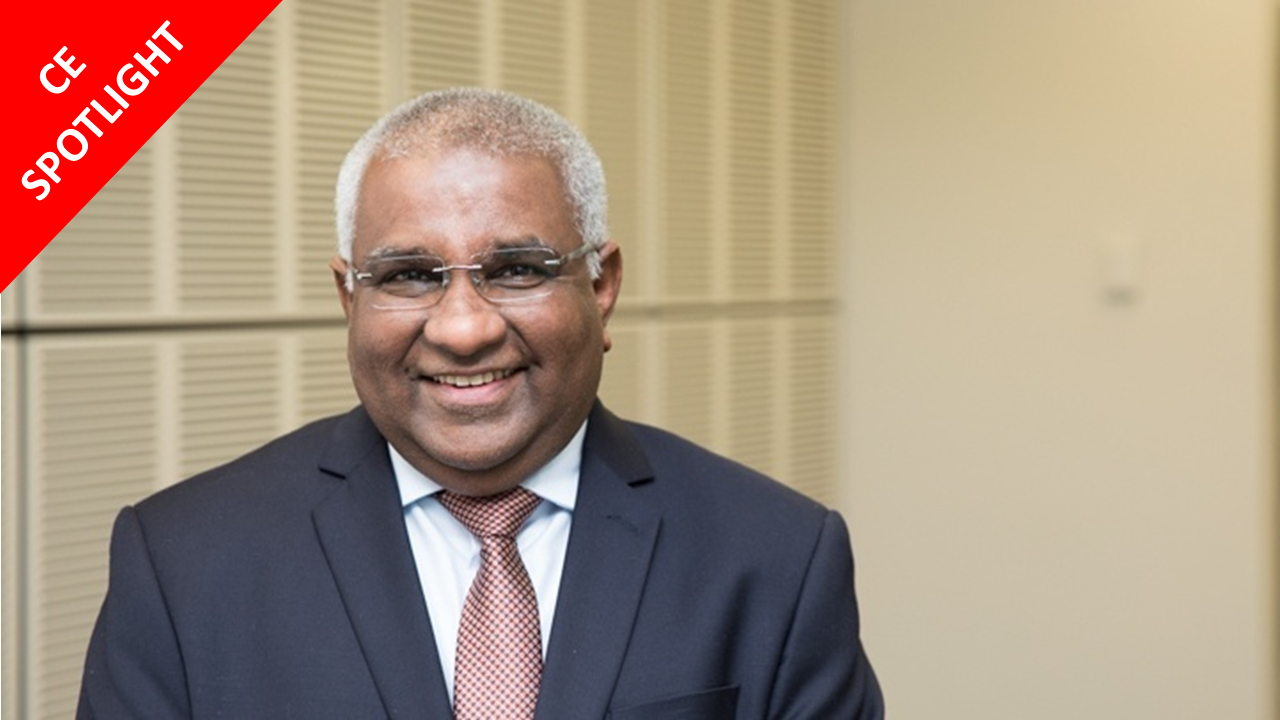
    Siva Sivarajah

    Chief Executive

  • Michelle Fenwick: My HR

    Michelle Fenwick: My HR

    This week, I am pleased to announce that my team at People & Culture are launching the ‘My HR @ Northern Health’ Campaign.

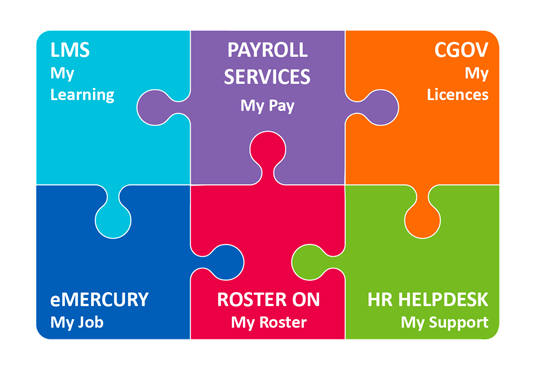
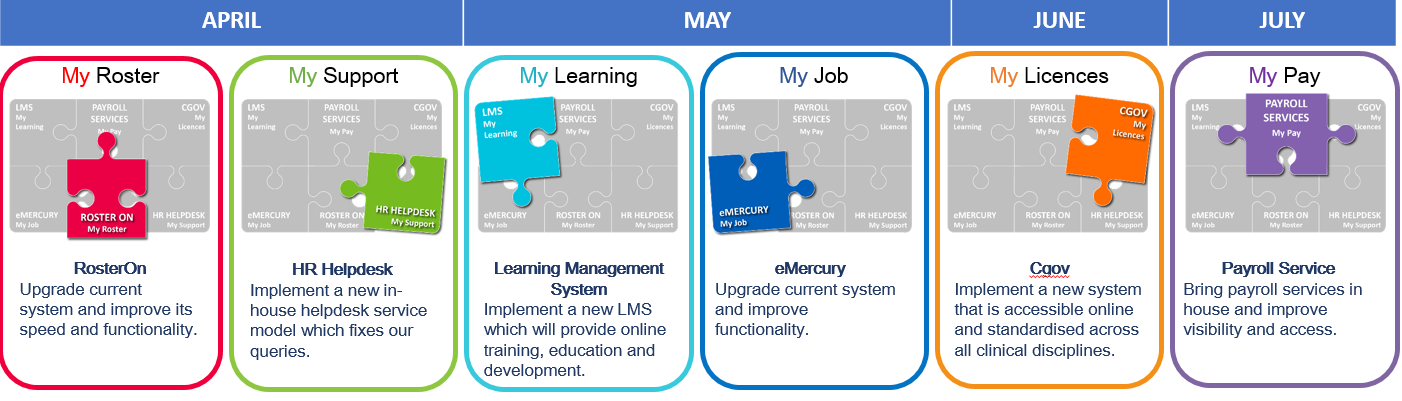
    During this launch, Northern Health staff will be able to see how all the pieces of the ‘My HR’ puzzle are being upgraded or implemented. Another change is that some services will be returning to an in-house service model.

    The pieces of the ‘My HR’ jigsaw puzzle are six core foundational systems and processes, which make up a dynamic and responsive HR Business Model, supporting HR services across Northern Health.

    One of the new features I am really excited about is that now we will have a faster, scalable system accessible from multiple devices anywhere.

    Each piece of the puzzle has the ability to develop and grow with us, which is especially important as we increase our workforce over the next decade.

    It’s a very exciting time for systems and service enhancements at Northern Health, because ‘My HR’ will assist in reducing duplication, improving accuracy, and allowing greater visibility.

    Each piece of the puzzle has key project and operational resourcing assigned to them. This allows each of these pieces’ project requirements to move forward, whilst the current services are being maintained.

    Over the coming months, between April and July 2019, as these systems are implemented or upgraded and Go Live, we will be informing Northern Health staff on what is changing, how it affects you and what are the benefits of the change.

    We are looking forward to the launch, and are excited to see the improved system take place.


    Michelle Fenwick

    Executive Director, People and Culture

  • Autism Spectrum Disorder Assessment Clinic launches at Craigieburn

    Autism Spectrum Disorder Assessment Clinic launches at Craigieburn

    In July last year, Paediatric Allied Health, in collaboration with our Paediatrics Department, were successful in obtaining a Department of Health and Human Services Grant entitled ‘Advancing Practice in Allied Health Workforce in Autism Spectrum Disorder’ (ASD).

    The aim of the program is to improve outcomes for Victorians with Autism, and encouraged applications for projects that support practitioners to work to their full scope of practice in a multidisciplinary and innovative way.

    The grant program came about, due to a two year parliamentary inquiry into services for people with Autism, providing 101 recommendations to improve the serious shortcomings identified within our existing systems.

    Prior to the grant, Northern Health did not provide a multidisciplinary ASD diagnostic service, and families had to be referred by a paediatrician to either Austin Health or Royal Children’s Hospital, as these are the closest public health ASD diagnostic services.

    The grant money received has enabled funding for a project officer role, training for staff, and resources such as the Autism Diagnostic Observational Schedule (ADOS-2), to support the launch of Northern Autism Spectrum Disorder Assessment Clinic (NASDAC) at Craigieburn Centre. The project will run for 18 months, finishing in December 2019, with the aim for NASDAC to continue beyond the completion of the grant.

    The clinic, launched on 1 March 2019, will run every Friday at Craigieburn Centre with the involvement of a Paediatrician, Speech Pathologist, Occupational Therapist and Psychologist.

    Speech Pathologist and Project Officer of this initiative, Amanda Lees, says, “assessment for ASD is important so it can assist parents’ and teacher’s understanding of a child’s abilities and difficulties; it can help inform decisions about therapy; it can allow the family to access some Medicare options for extra assistance, and can support an application for the National Disability Insurance Scheme (NDIS) and Department of Education support.”

    This project will help to improve the pathway from referral to diagnosis, upskill our Allied Health workforce and enable Northern Health to deliver a Multidisciplinary ASD assessment for the children and families in the outer north of Melbourne.

    On a final note, Amanda says, “our objective is to ensure that we provide the right care, coordinated with the right people, and link children with suspected ASD and their families into the most appropriate services in a timely manner.”

    For more information about the clinic, please click here or email NASDAC@nh.org.au.

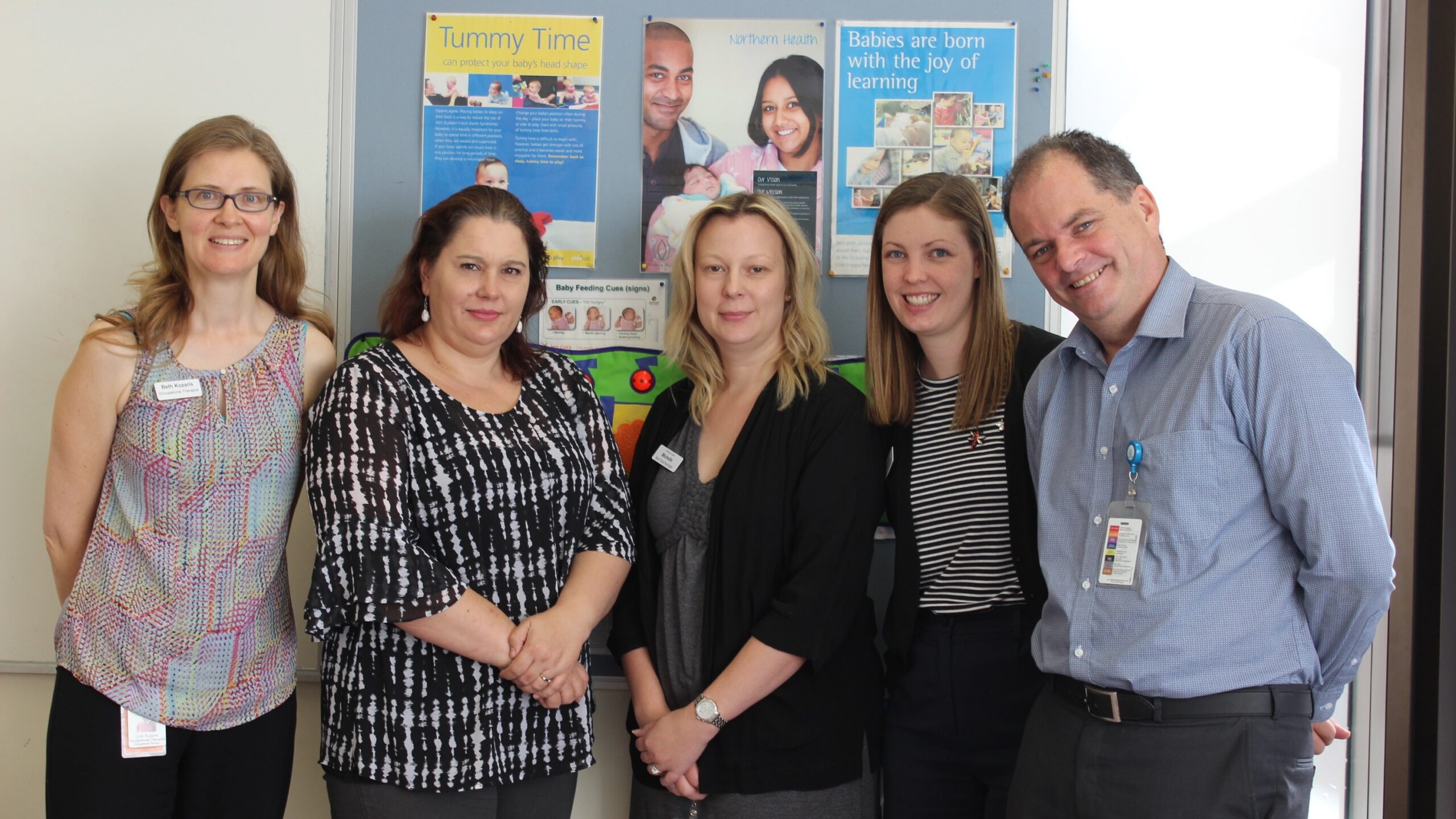
    Photo left to right: Beth Kozaris (Occupational Therapist), Jolene Fraser (Paediatrician), Michelle Rowland (Clinical Psychologist), Amanda Lees (Project Officer and Speech Pathologist) and Graham Barrington (Paediatric Fellow).

  • International Women’s Day: Actually, I can

    International Women’s Day: Actually, I can

    Today is International Women’s Day – a global day celebrating the social, economic, cultural and political achievements of women. The day also marks a call to action for accelerating gender parity.

    International Women’s Day (IWD) has occurred for well over a century, with the first​ ​IWD gathering occurring in 1911, supported by over a million people across Europe. Today, IWD belongs to all groups collectively everywhere, and is not country, group or organisation specific.​

    This year’s campaign theme is ‘a balanced world is a better world’ – #BalanceforBetter. The theme focusses on celebrating women’s achievements, helping to forge a more gender-balanced world, raise awareness against bias and take action for equality.

    In celebration of IWD, we asked staff members across Northern Health about a strong female who has inspired or influenced them in their lives. Here’s what they had to say!

    Sharryn Beard, Partnerships Management Officer

    All my thoughts of inspirational women come back to my mum, Heather. She was a single parent and she managed to put me through school and worked full-time, and she was always there. I admire what she achieved, as she was in a high management position and did all that on her own. At an early age, she went to school on her own, being from the county, and over time developed her resilience and learned to be self-reliant.

    Cindy Joffe, Divisional Director – Emergency Services, ICU and Cardiology

    In relation to work – New Zealand Prime Minister Jacinda Ardern. Jacinda has navigated the male-dominated world of politics with poise and grace, and always models the behaviours she advocates for. Wearing ‘two hats’ as both a mother and a leader should not be underestimated.

    In my personal life – my mum for raising three kids as a single mum. We all grew up to be strong, independent and successful women. Although my mum won’t say she gave up anything, I will always appreciate how I never doubted that she would drop everything to come and support me.

    Sneza Filiposki, Project Support Officer, Strengthening Hospital Response to Family Violence

    The woman who inspires me has turned her pain and struggles into strength. She had experienced an unimaginable loss, the death of her son, due to family violence. She is now an advocate for family violence, empowering women all over the world to take a stand and say “enough is enough – I have the right for freedom and to feel safe.”

    This message is important in a world where patriarchy has been central to our human existence. Thanks to Rosie and other victims/survivors who have stood up against power and control, we can change the story so we can all live a life free from violence and fear.

    Roslyn Payne, Director of Nursing and Midwifery

    To me, International Women’s Day is about recognising the opportunities for women and gender equality. It’s about raising the profile and telling young women – you can do and be whatever you want – and the most inspirational woman in my life is…my mum!

    Yvonne Amos, Northern Health Foundation Director 

    Early in my career, I worked side by side with the Sisters of Charity in Sydney, raising funds and promoting outreach services to the local community. Sister Clare Nolan, at the time, led the Outreach Service and was an incredibly charismatic, passionate and focussed woman, whose commitment to those less fortunate and to her religious life were unshakeable, regardless of the obstacles in front of her.

    At the time, with seemingly apparent ease, she could convince those in the business community to fund her work – generating an army of supporters and volunteers in her wake. She was a force to be reckoned with and often, this is why I loved working alongside her.  She taught me many things but above all her legacy to me was always be kind, compassionate and if you want to create change – find your voice, be the change, make it happen. Fast forward to today, and she is now the Congregational Leader of the Sisters of Charity and working as hard as ever for her community.

    Stefania Zen, Cultural Liaison Officer 

    The first person who comes to mind is my mum, Angelina. I am from Italy and my mum grew up in a small town in the north of Italy. Her parents ran a bakery business and were very hardworking. My mum started working when she was just over three years old, helping with the bread deliveries riding her tricycle.

    She got married young and had four children but was able to run the household as well as working full-time. Later on in her life, she re-invented herself and started her own business. She has taught me to be resilient and to seize opportunities when they come.

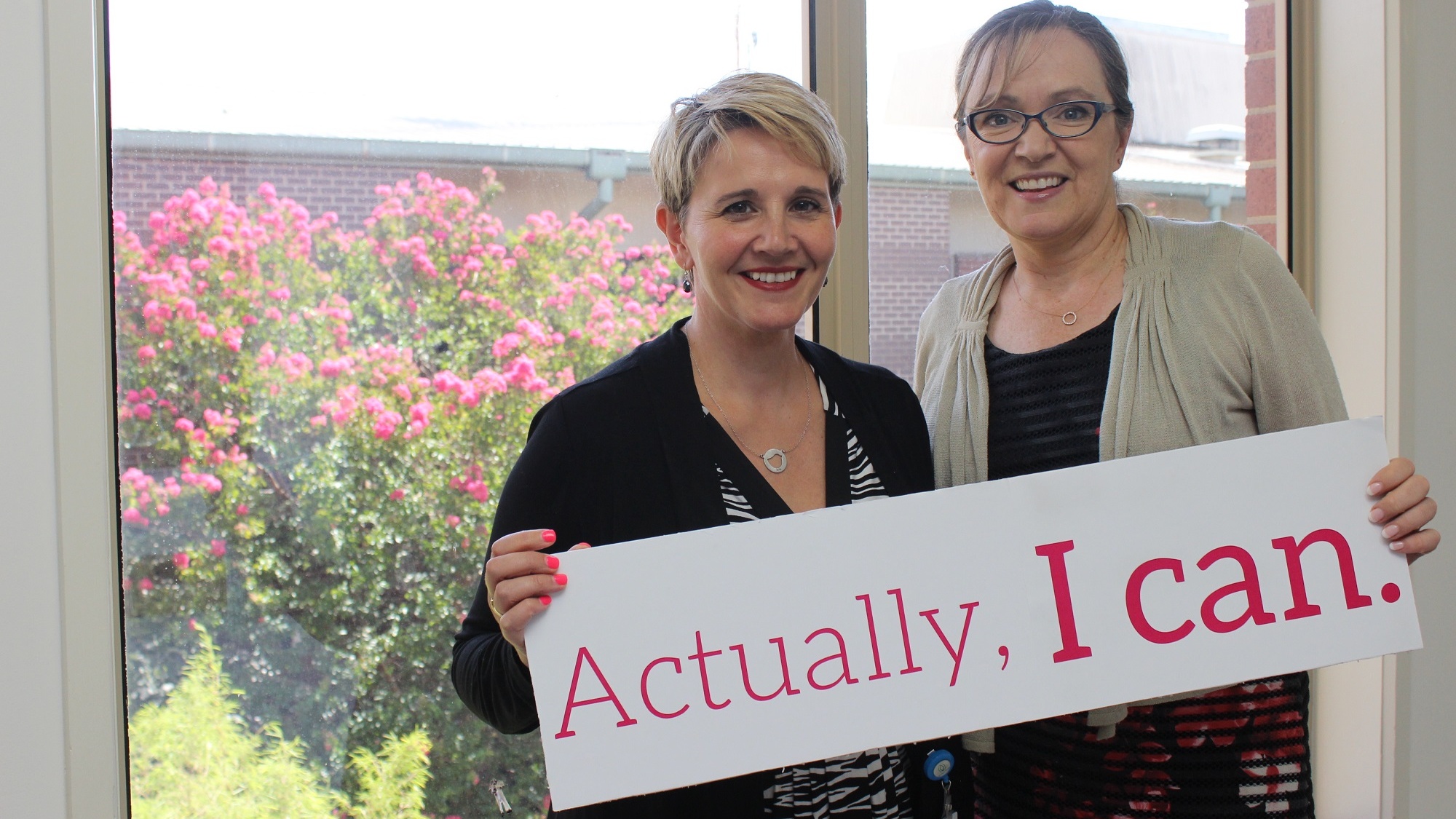
    (Featured Image: Sharryn Beard and Roslyn Payne)