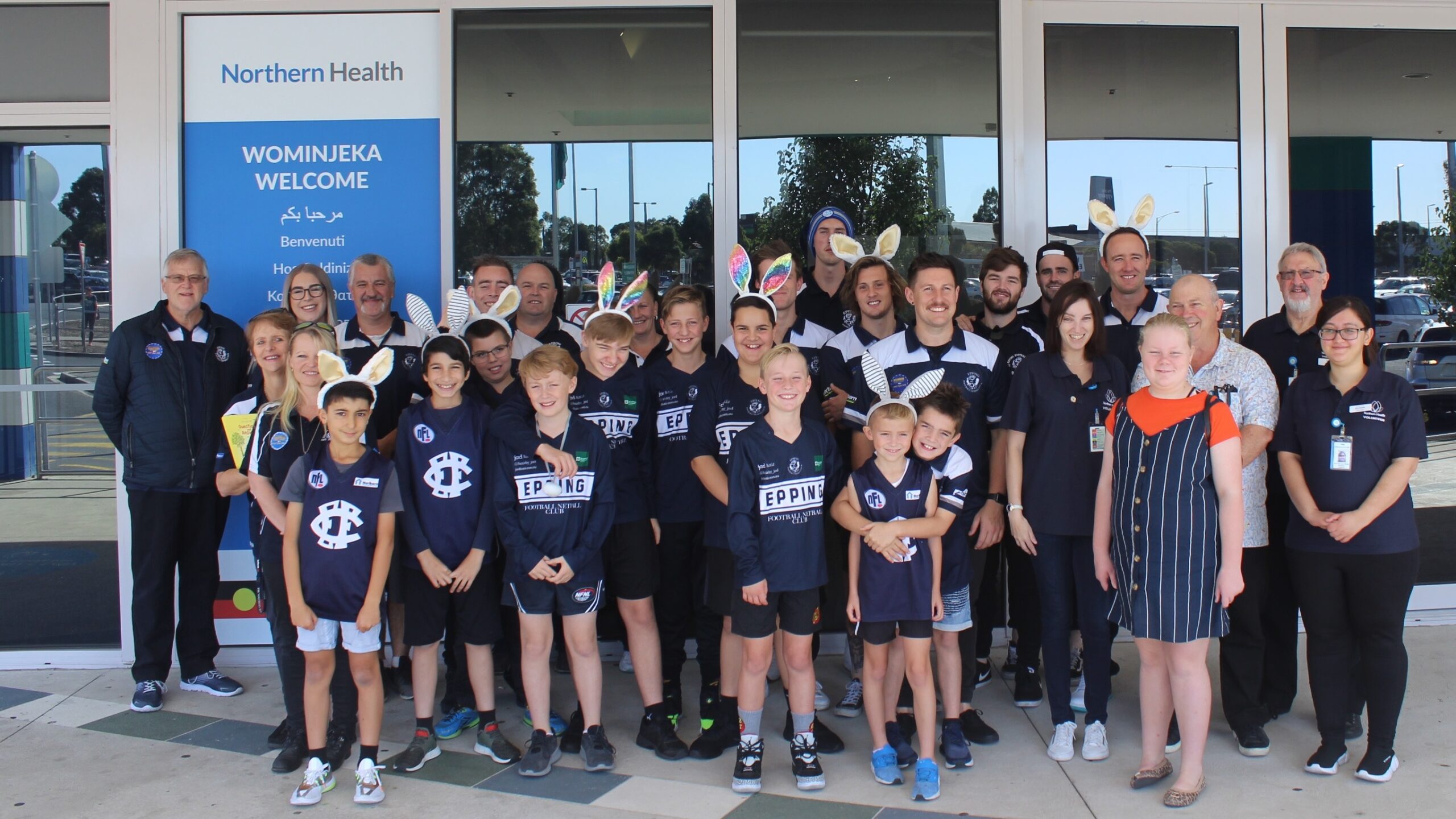
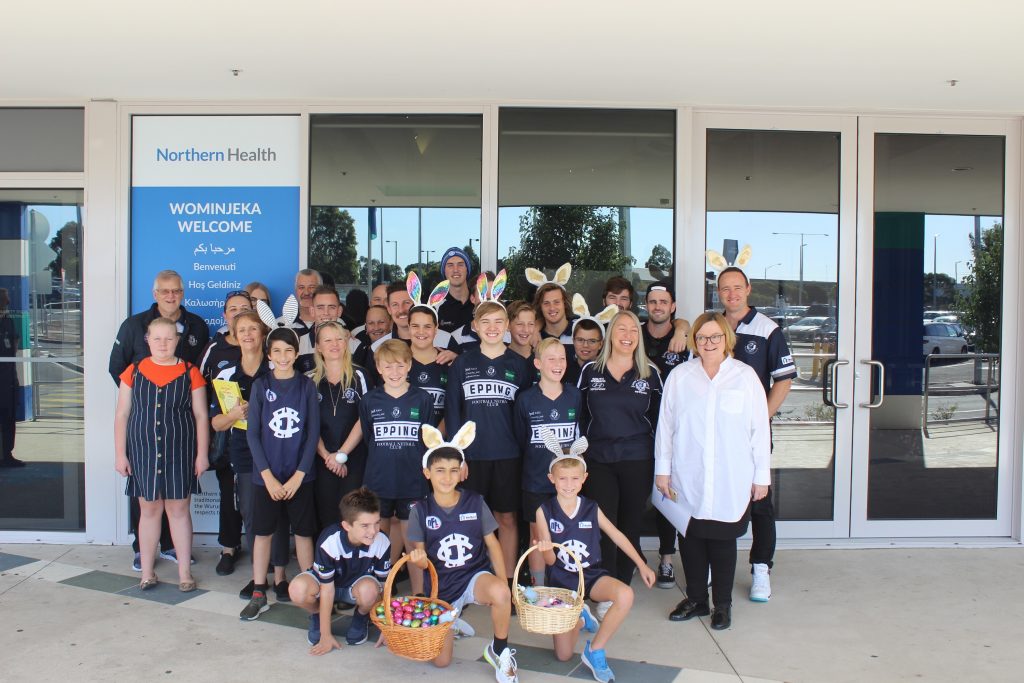
On Good Friday, 18 April, Northern Hospital patients and staff were treated to a special visit from the Epping Football and Netball Club (EFNC).
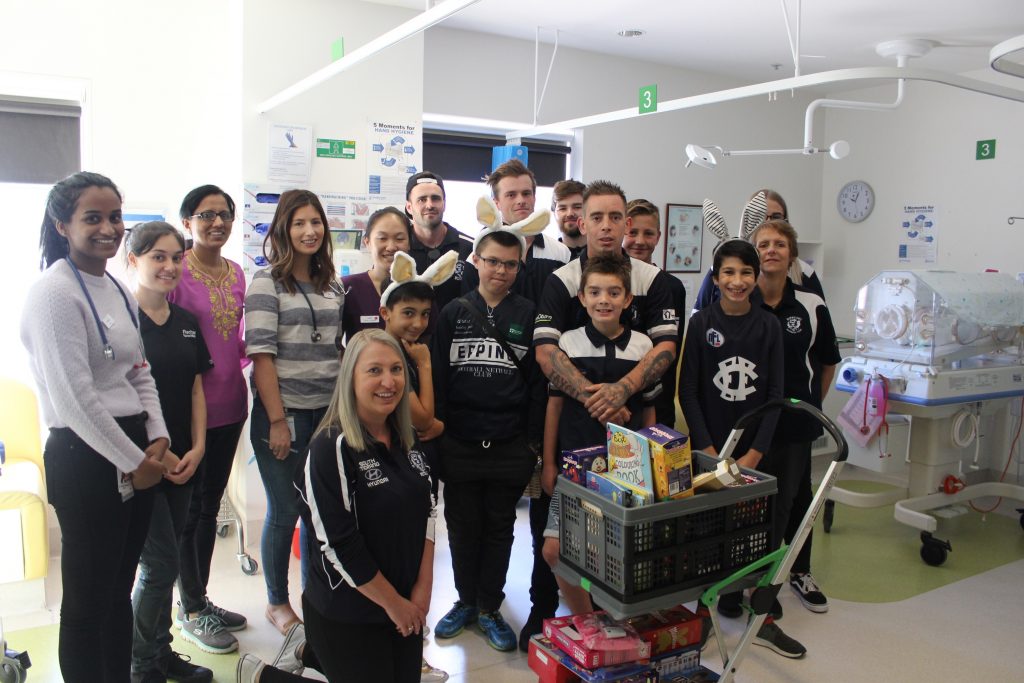
Both senior and junior players, along with committee members, joined forces to deliver Easter chocolates and smiles to patients in the Neonatal Unit, Children’s Ward and Paediatric Emergency Ward, and engage with staff and visitors at the hospital.
Community Engagement Officer/Sponsorship Manager of the club, Belinda Urbani, said EFNC are proud of what they do, both on and off the field.
“Many of our players, both senior and junior, have spent time here at the Northern Hospital, so giving back to the community is very important to us.”
Yvonne Amos, Northern Health Foundation Director, thanked the players and staff for taking the time to visit Northern Hospital.
“Having the Epping Football and Netball Club visit here today has helped to brighten the day of many sick children and our busy staff,” said Ms Amos.
Over 20,000 patients presented to the Northern Hospital Paediatric Emergency Ward last year (Jan – Dec 2018), with over 5,000 admissions to our Neonatal Unit and Children’s Ward.
EFNC would like to thank families who donated chocolates from Auskick, Woolworths Pacific Epping, IGA and Greenbrook.
EFNC players with Yvonne Amos, Northern Health Foundation DirectorEFNC players with staff from the Neonatal Unit
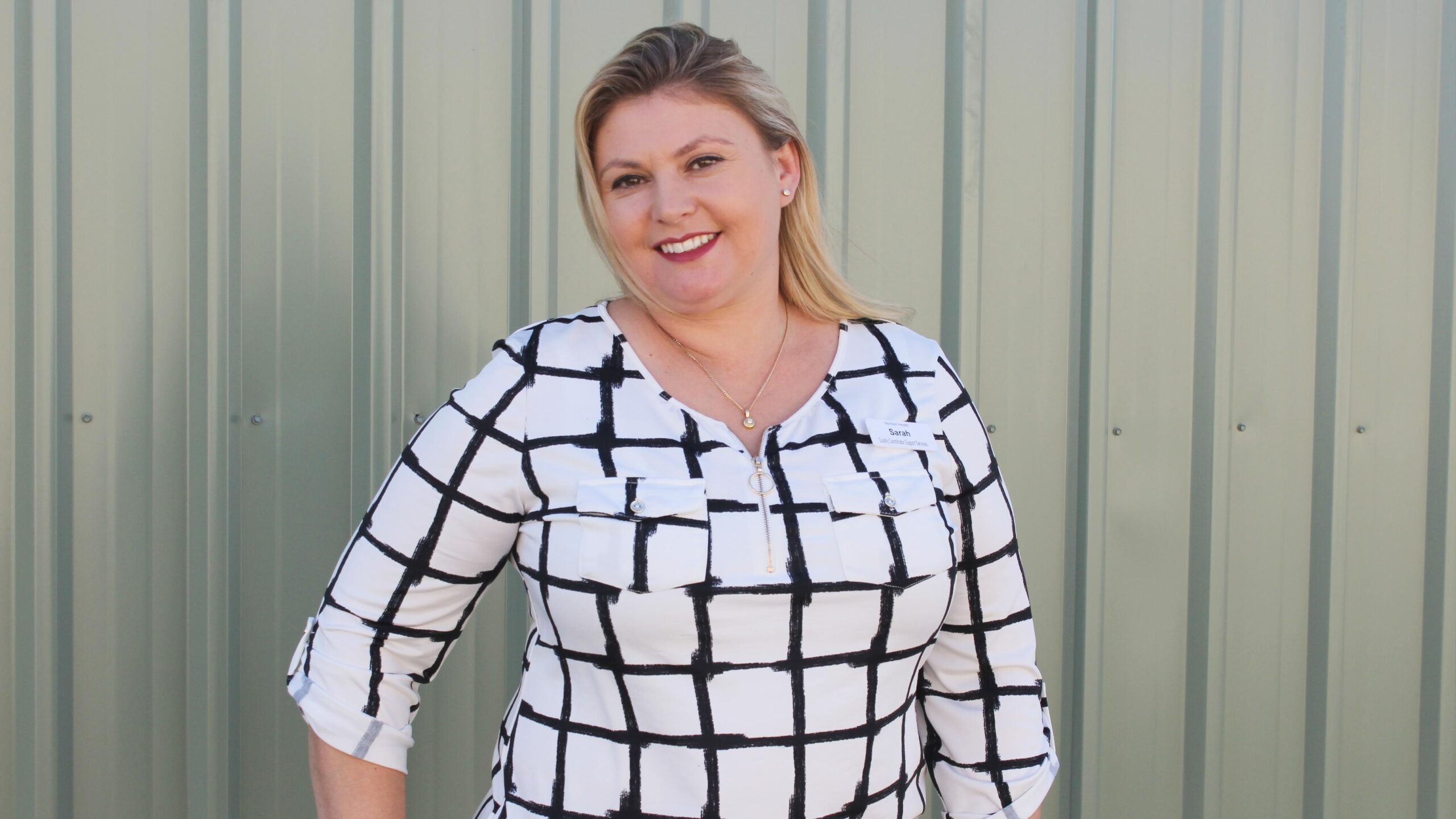
When Chief Executive, Siva Sivarajah, enquired from Sarah Rexhepi, Quality Coordinator, how she was and if she was busy, she responded saying, “No, I never use the word busy because I don’t like it. We are all here to work – some days can be busy, but not every day, but that’s the first thing that comes out of everyone’s mouth regardless if they are busy or not.” Needless to say, he was impressed by her response. In today’s article, Sarah talks to us about her unique outlook on work, and why she loves her job so much.
Firstly, what is your coffee order?
Soy mocha!
Can you tell us a bit about your Northern Health journey?
My journey started in 2005 – 2007. I used to work at Bundoora and then I left to become a flight attendant, but it became really hard with the kids and the shifts. A job opportunity came up here for a Cleaner/Team Leader and I became a supervisor and stayed for just under three years. Then I applied for Support Services – when I was successful it was like I won Tattslotto! It was something I really wanted to do! So I became a Quality Coordinator and Trainer.
It’s been a great journey but now I think I’ve found my home, because I’ve got great support here, great management and team in general – and I’m happy to come here every day. My colleagues and I have a good time, and we get a lot of things done – a lot of planning, and kicking a lot of goals.
What do you like most about your role and what do you find most challenging?
I like that I’m respected in my role and I like being part of a team. I’m involved in the team, which is something I’d never had the opportunity to do. I feel like my opinion is valued and it means something. Coming to work every day is really great because I enjoy it – it actually makes me happy coming to work every day because it’s a great group of people.
I get to walk around the hospital all day and meet new people and find out what’s happening, how we can improve and what we need to improve. I get my hands dirty, if we have to fix a machine or move beds – whatever it takes – I’m more than happy to help.
The most challenging part of my role is when people are negative – it’s hard to change attitudes from negative to positive. I think if everyone had a more positive attitude, we would work better. I always talk to people and say we’re lucky to work here, so we have to respect our job and represent the hospital. If we change negatives into positives, everything works.
What does a typical day look like for you?
I come in really early at around 6.15 am and read my emails quickly. Then we do a morning huddle with a few PSA’s and have a chat about what happened yesterday, what we will do today and any news – just a general conversation. After that, I walk around the hospital and go through the wards and see what the other staff are up to, see if anything’s wrong and how we can problem solve it on the spot. In the afternoon, I’ll do more auditing through the hospital. There’s a lot of meetings but it’s good because we try to kick goals with our meetings so we have a percentage of how well we’re doing.
How do you relax after a long shift?
I do have two teenagers, so…relaxing?
I think it’s getting a bit easier as they get older. I’ve gotten my son into Married at First Sight, so we sit together and watch it and I can get him off the Playstation a bit.
Other times, we go to the arcade, play basketball – I’ve got a 13-year old son and a 16-year old daughter – and we catch up with friends or family and just switch off.
What are some things people don’t know about you?
I’m always looking on holiday travel websites, always planning my next holiday. Also, I like to draw and I’m always creating – I used to paint in my younger days. I used to play a lot of sports and still occasionally play tennis.
Sarah’s horror-themed Year 12 painting
How would you describe Northern Health in one sentence?
Challenging – the hospital is growing, so there’s a lot of challenges ahead but hopefully we can all make it a better place.
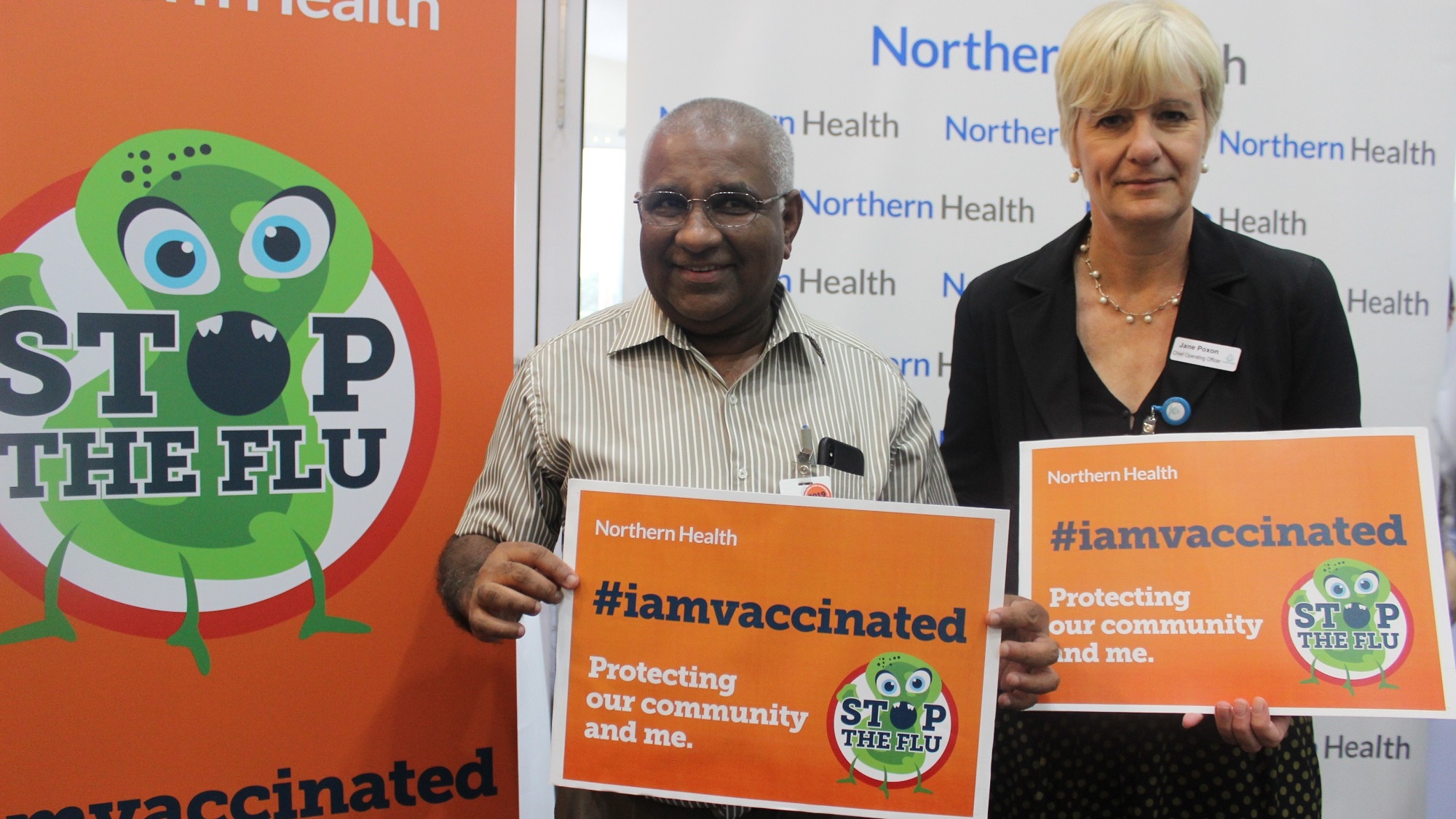
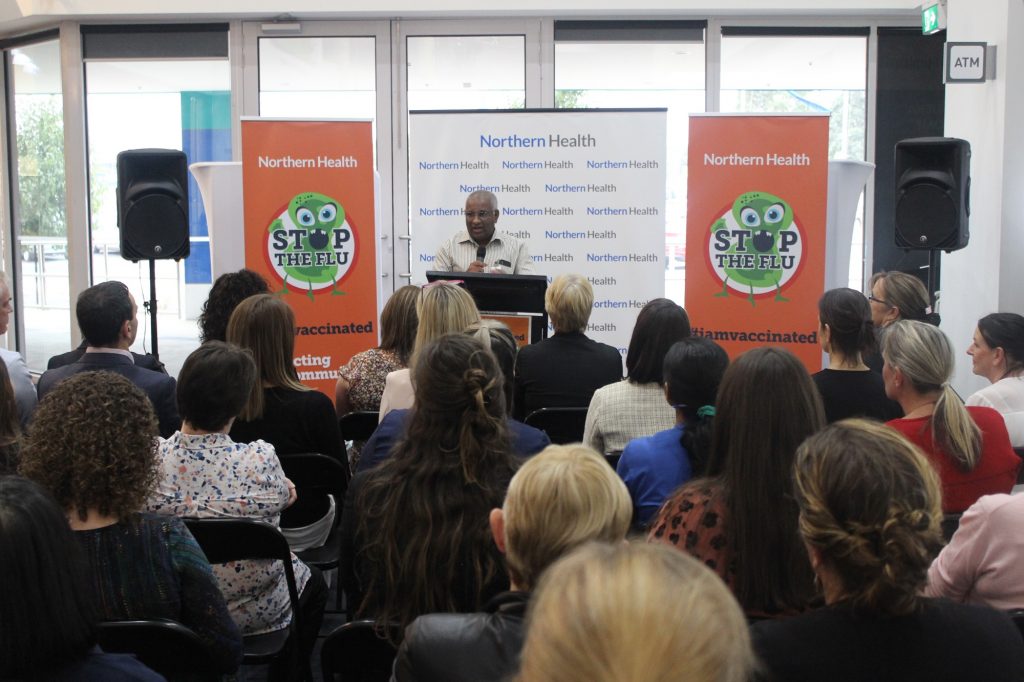
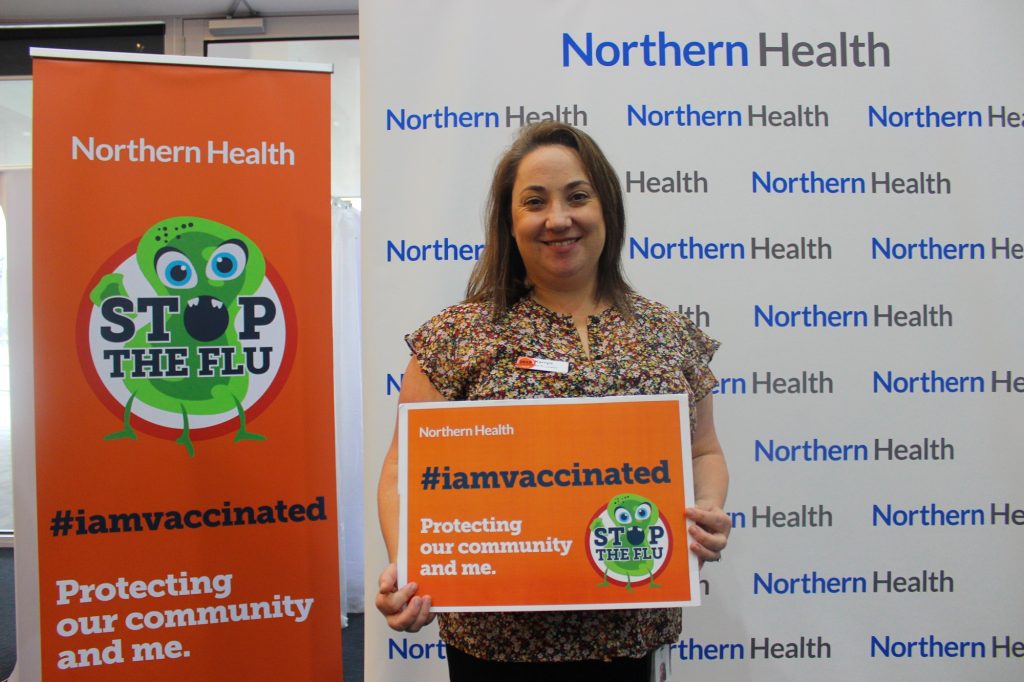
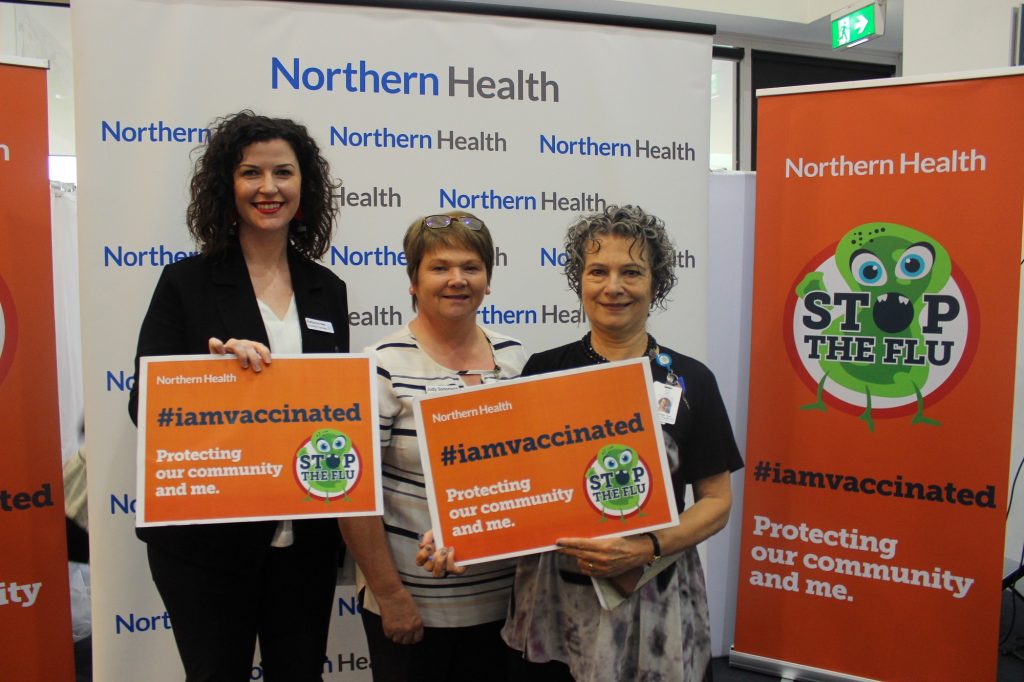
Today, Northern Health launched the 2019 Flu Vaccination Campaign in the Northern Hospital foyer.
Siva Sivarajah, Northern Health Chief Executive, said that anyone can be affected by the flu, that’s why it is so important that everyone in the community protects themselves against the flu this season and takes steps to protect their own health and wellbeing, as well as those around them.
“If we look at the number of staff vaccinated last year, we succeeded in vaccinating over 90% of staff within three weeks of the campaign. That was a record number for Northern Health, and made us third in the state,” he added.
Dr Katharine See, Head of Respiratory Medicine, said that already this year, we are seeing higher than usual numbers of cases of influenza.
“Having the flu shot significantly reduces the risk of you getting flu and is recommended for all members of the community. Northern Health is committed to maintaining the health and wellbeing of our community, and is providing free vaccines to all members of our community,” she added.
Kerryn Asbury, Clinical Nurse Educator at Northern Health, shared a personal story about her husband Trevor, who caught the flu only a couple of weeks ago and had to be admitted into the Intensive Care Unit (ICU) for treatment.
“We have been told it will likely take another two to three months for Trevor to fully recover and return to work. It’s not just the physical effects of the flu that have impacted Trevor, but the emotional, psychological and financial effects felt by Trevor, myself, our three boys, family and friends,” she added.
Kerryn strongly encourages everyone to get their free flu shot this year.
“My husband was not in the high risk category being a 36 year old fit, healthy man. And yet, he was severely impacted by contracting the flu.”
Pictured above: Chief Executive, Siva Sivarajah and Chief Operating Officer, Jane Poxon.
End of life care has been described as an ‘undefined period of time, starting with the recognition that a person has an advanced progressive incurable illness that ends in death’.
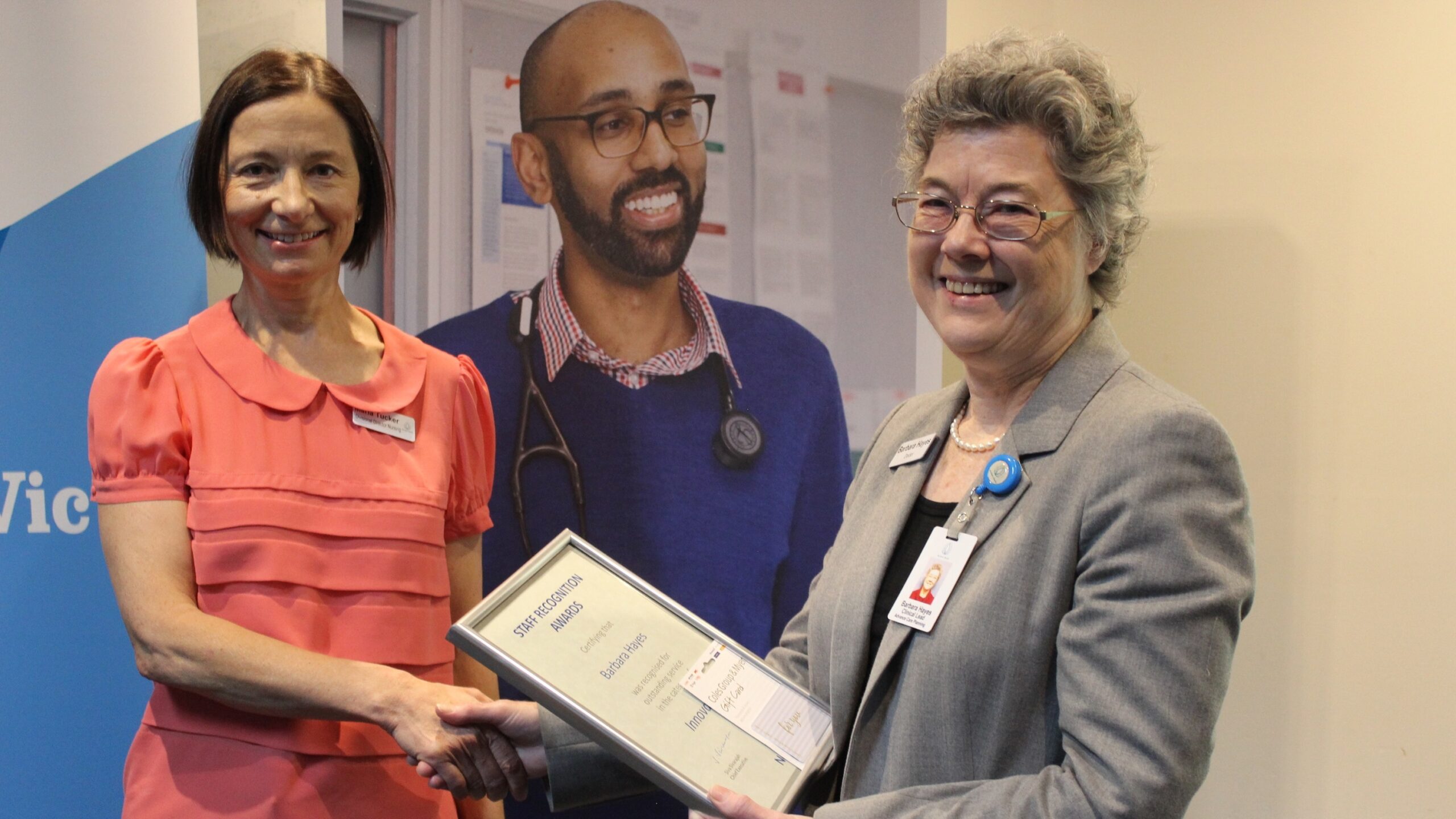
Dr Barbara Hayes, Clinical Lead in Advance Care Planning, Northern Health, and winner of the ‘Innovation’ award at the second Northern Health Quarterly Staff Recognition Awards, would like to see greater focus on care during end of life.
“Patients should be able to trust the quality of care they receive at the end of life, as much as they trust the care they receive during their life,” she says.
Barbara has led, and continues to lead, significant improvements in clinical practice associated with end of life care, palliative care and Advance Care Planning. Her aim is to inspire and encourage clinicians to deliver great care for patients nearing the end of their life.
Innovations that she has been involved in at Northern Health are now in use across Victoria and interstate. These include an ethical CPR decision-making framework; Hospital and Residential Aged Care Goals of Care forms; and Northern Health’s Advance Care Planning in 3-steps approach.
Her efforts are supported by research that indicates how real benefits for individuals and communities can result from strengthening society’s awareness and understanding of death, dying, grief, palliative and end of life care. Advance Care Planning is one way to help people become more aware of their mortality and the inherent uncertainty of future health.
Maria Tucker, Divisional Director, Nursing, Cancer Services, who nominated Barbara for the award says, “her tenacity to seek new ways of promoting her areas of passion in end of life care are extraordinary. Reputationally, she proudly represents Northern Health at state and national levels, sharing the best ideas she discovers elsewhere to share with our staff, so that Northern Health patients benefit from her practical and innovative ways of upskilling our workforce in the delivery of great end of life care.”
Sponsored by Maxxia and BankVic, our Quarterly Staff Recognition Awards have been designed to formally recognise outstanding contributions by our employees and celebrate staff excellence. Nominations for the next Awards are now open and will close 1 May 2019. To nominate a staff member click here.
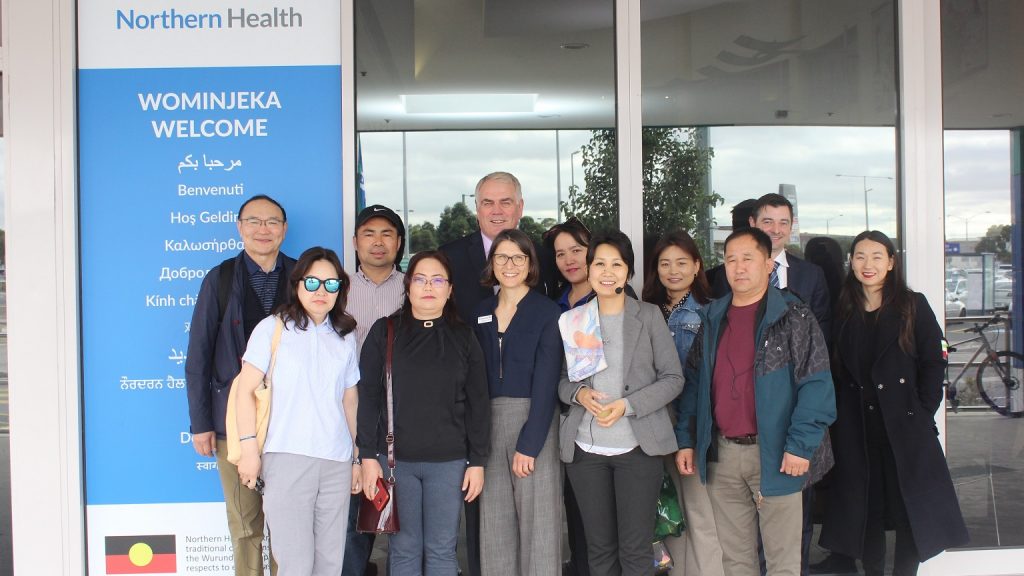
This week, Northern Health welcomes medical professionals from Mongolia as part of a study tour to encourage shared learning.
Guests included the Governor of Umnugobi, Mr N Naranbaatar, heads of health and directors of health for the province, UNFPA representatives and Dr Ganbold, head of Critical Care Medicine and Anaesthiology Department, Mongolian National University of Medical Sciences for Mongolia.
Umnugobi is the southernmost province, with a resident population of about 65,000 people, and almost the same number of migrant population due to large-scale mining. Umnugobi has high rates of adolescent birth, sexually transmitted infections, road traffic injuries and mortality.
Due to geographical and other similarities with the Mongolian context, regional health services in Australia offer a good example of health care governance and effective service provision to remote and transient populations.
The purpose of the study tour is to facilitate learning and identify models and approaches to be implemented in the Umnugobi context. It seeks to identify opportunities for shared learning between the two hospitals, as well as develop a plan for possible knowledge and staff exchange to improve capacity and formation of working groups. It also helps to develop and implement areas of mutual interest and or benefit, particularly relating to rural and remote health practices.
The delegation was met by Dr Amanda Baric, who is no stranger to Mongolia, having first visited there in 2005. In 2008, along with Associate Professor David Pescod, Dr Baric was responsible for signing an MOU with the Mongolian government to improve anaesthetic training.
The following year, an 18 month training was first delivered in Mongolia. The training program was developed by A. Prof. Pescod, Dr Baric and other Northern Health anaesthetists. Since 2009, eight groups of 28 to 30 trainees have passed through the program.
“Part of the attraction of coming to work at Northern Hospital is that it has a worldwide reputation of providing education and service in low to middle-income countries,” said A. Prof. Pescod.
Since 2008, a combined MSA/ASA scientific congress (ASC) is held annually in Mongolia. Each year, the team includes at least six doctors from Northern Health.
Dr Baric said it was great seeing Dr Ganbold again and building on the good relationship that Northern Health has with Dr Ganbold and his team.
“It was great to have an opportunity to show the Mongolian team our hospital and how it works. The unit managers of the Emergency Department, Intensive Care Unit and Theatre were happy to share the inner workings of our hospital. The visitors were very pleased to learn our model of care and it was a pleasure to be able to share some of our insights into the workings of a busy metropolitan hospital,” said Dr Baric.
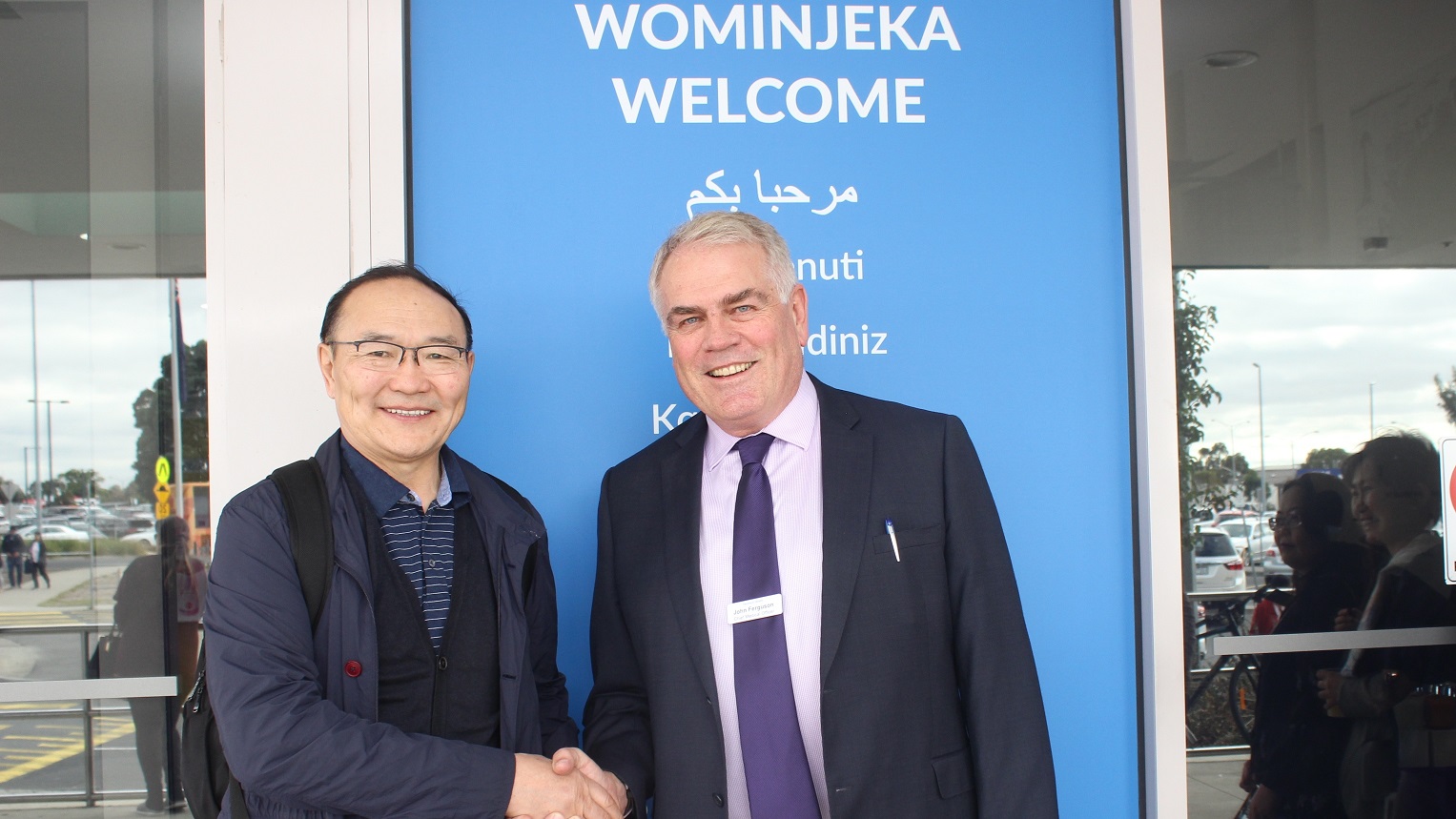
Main image shows Dr Ganbold with Dr John Ferguson, Northern Health Chief Medical Officer
In this week’s Get to know: Q&A with…we chat to Elijah Armour, HR Advisor at Northern Health.
What is your coffee order?
Soy cappuccino or green tea with honey.
Tell us about your Northern Health journey?
I started at Northern Health in September 2016. I came across a HR Administrator role that was fixed term for six months and thought I would give it a crack. I had some experience in a HR capacity in a team leader role and luckily I got the gig! Six months later, I was made permanent with the HR Department at Northern Health.
I then worked in a role that was a mix between a HR Recruitment Coordinator and a generalist role. Towards the end of last year, my role developed into a HR generalist role, where I am required to utilise my generalist knowledge across Human Resources to deliver the best service to all staff members.
I am now joining the Medical Workforce Unit as a DiT Coordinator/Lead – Recruitment, Operations & Rostering, which is a new and exciting step forward in my career.
What do you like most about your role?
I like the day-to-day challenges as I am often required to think outside the box and solve problems. I also used to manage work visa applications for staff members that worked at Northern Hospital. I always found it rewarding to get a visa for a staff member.
Can you tell us a bit about your career before starting at Northern?
I was working as an activation team leader. Essentially, I would set up and install interactive inflatables, like a 10 metre tall inflatable snow globe, and even used to work on the ground team with hot air balloons. That was very fun, but not exactly what I was looking for in terms of a career.
What is your greatest achievement or favourite memory since working here?
One of my greatest achievements happened while I was working in the Recruitment Team. I am proud to have successfully managed the immigration/work visas portfolio for Northern Health. This happened between April 2017 to March 2018, a time which has been referred to as one of the biggest immigration reforms in Australia since the John Howard government.
What are some things people don’t know about you?
I play guitar and sing, I will take the odd gig from time to time. I also love singing at weddings.
I am mad about travelling; doesn’t help that my partner is from Norway! I even lived in Norway for about three months. So far I have travelled 12 countries across four continents and I am only getting started.
What do you like to do after work?
I have many hobbies, for example, I “try” to go to the gym regularly and I also play futsal.
I’m a Roman Catholic, so I regularly attend mass and support St Luke’s Parish in Lalor. I just recently arrived back from my trip to Panama, which was a gathering for Catholic youth around the world to attend a mass with Pope Francis – it is called World Youth Day. I spent a night in an enormous field with about 1 million other people attending a vigil with the pope. I have done this two times before, in Poland and Spain.
How would you describe Northern Health in one sentence?
A passionate organisation that fundamentally cares for all their staff and genuinely tries to provide the northern suburbs with the best service possible.
Who would you nominate next for a staff profile and why?
I would like to nominate John Cozzolino, the team leader of the HR Operations Team (soon to be payroll team). I would like to nominate him so people know who plays a major role in making sure everybody is paid correctly and on time and how much work that can be!
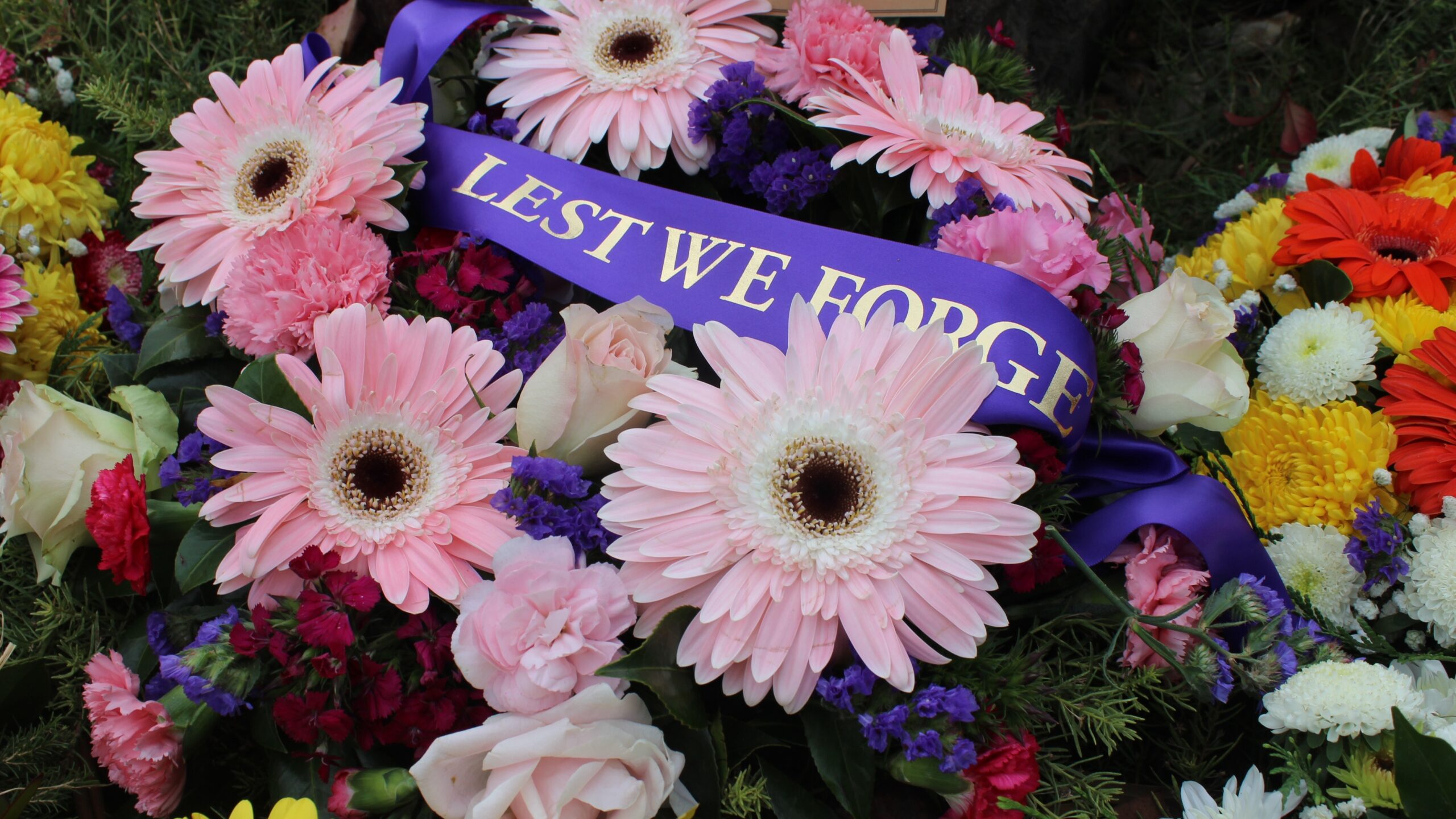
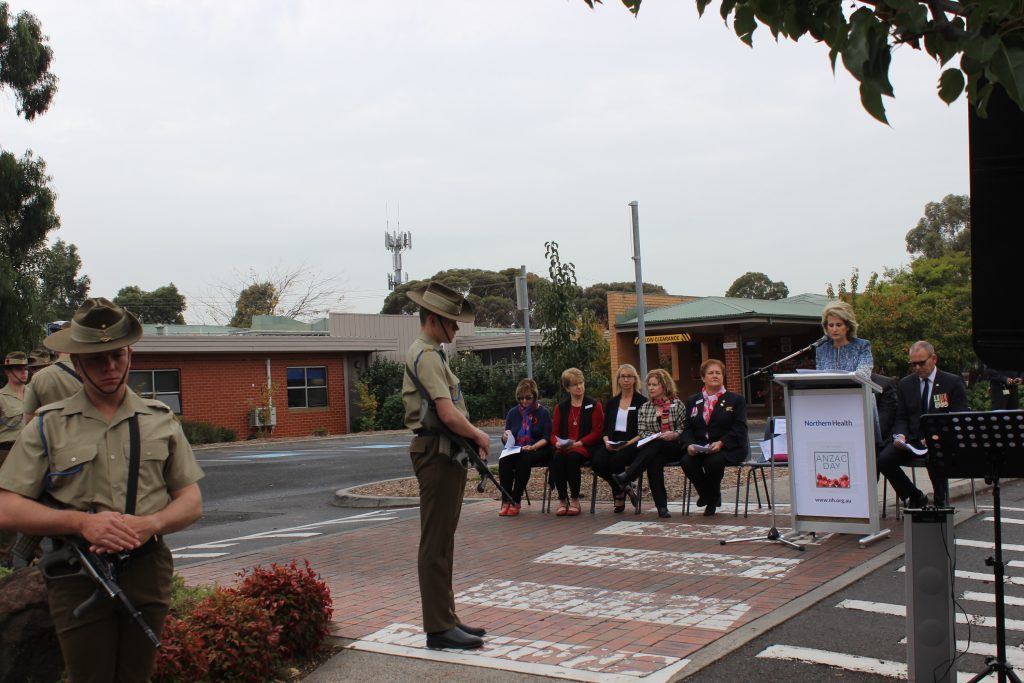
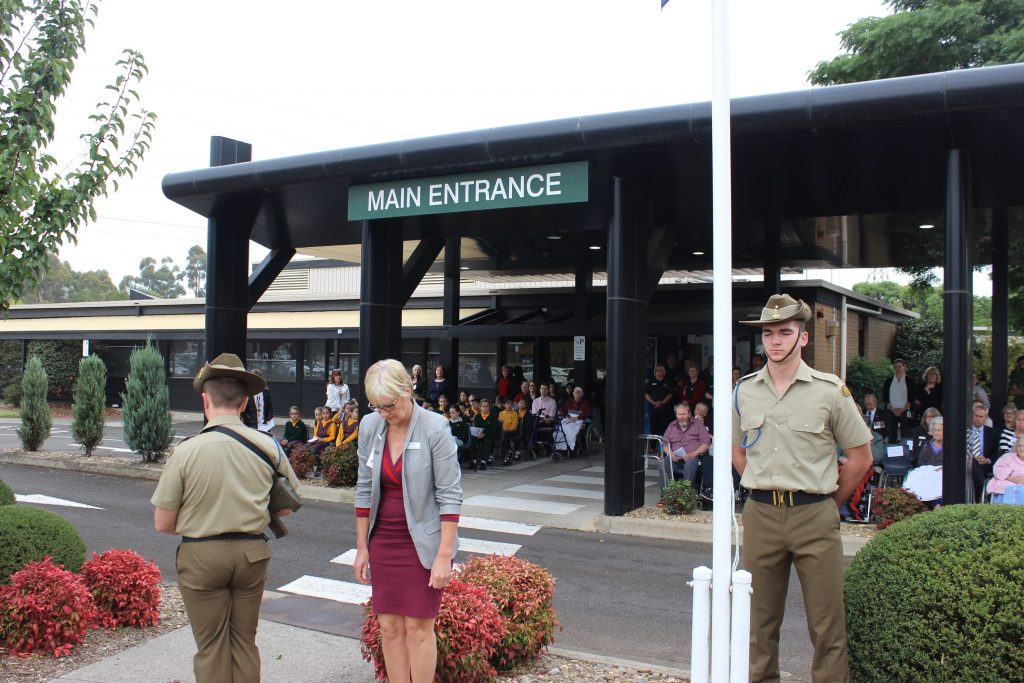
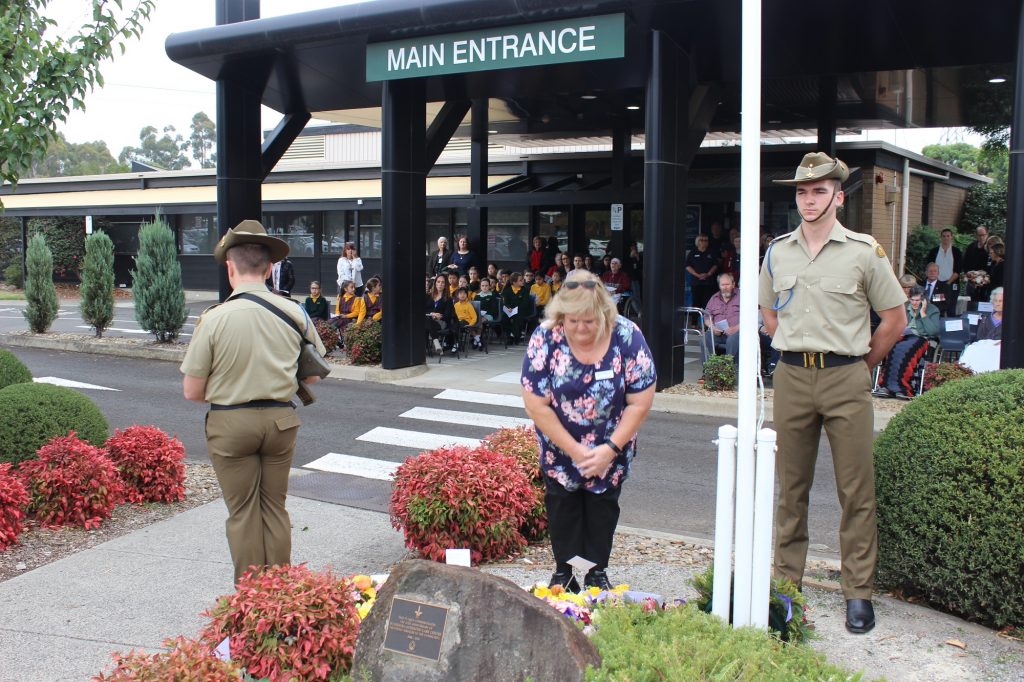
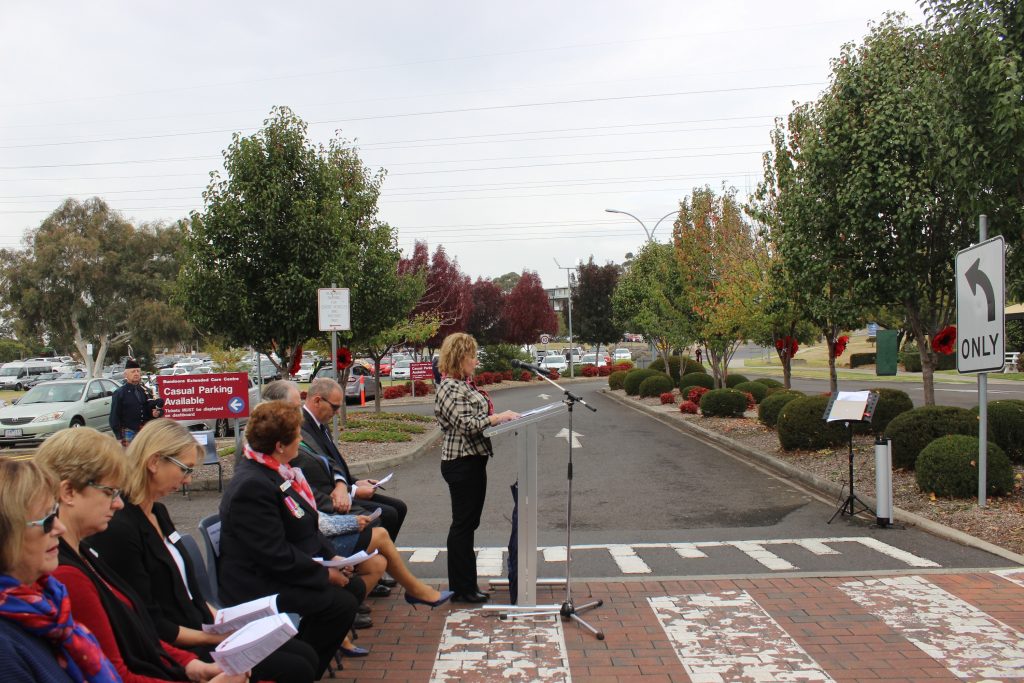
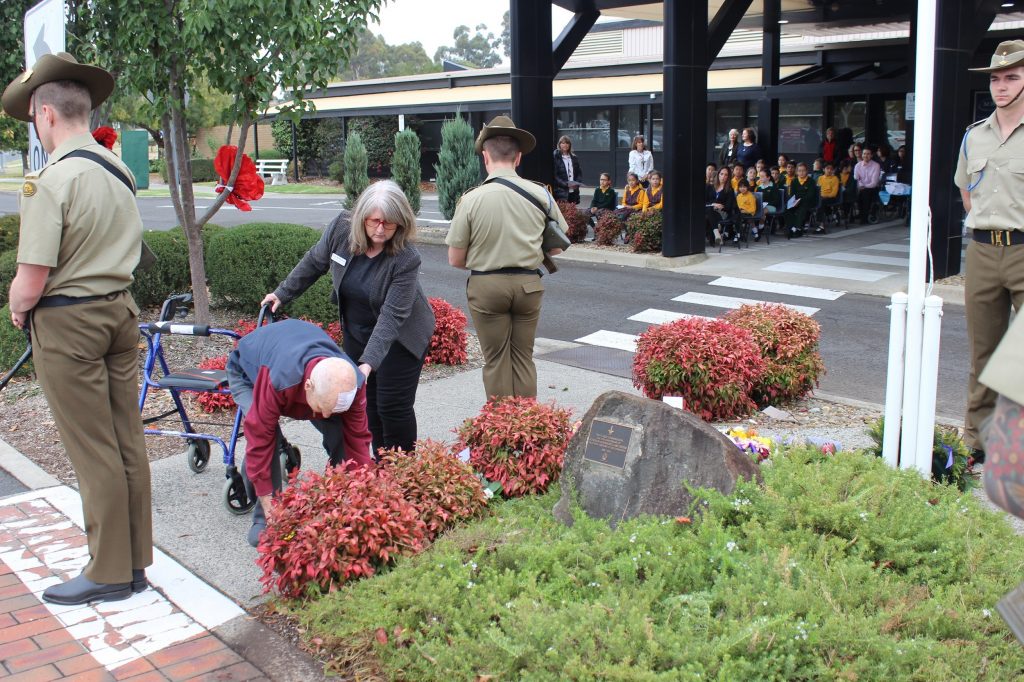
This morning, Northern Health observed ANZAC Day at Bundoora Centre. ANZAC Day is a day that has been closely associated with our patients at Bundoora for almost a decade.
Quoting Sir William Deane, Governor-General of Australia, Jennifer Williams AM, Board Chair Northern Health, delivered the ANZAC Address;
“ANZAC is not merely about loss. It is about courage and endurance and love of country and mateship and good humour and the survival of a sense of self-worth and decency in the face of dreadful odds.”
The service had a sense of community, with our own Director Engineering and Building Supplies, Colin Woodward, acting as Master of Ceremonies. Many Northern Health staff also featured in the service, including Peter McWilliam, Northern Health and Northern Health Foundation Board member, Lucy Dove, Acting Operations Director/Director of Nursing Broadmeadows Hospital, Jeanette Eddy, Senior Outpatient Nurse Bundoora Centre, Bromwen Battye, Pastoral Care Bundoora Centre and Lora Davies, Director of Nursing, Site Director and Director of Operations Bundoora Centre.
St Damien’s Primary School Bundoora, who have also been closely associated with our ANZAC Day Service, sang a hymn in addition to the National Anthem.
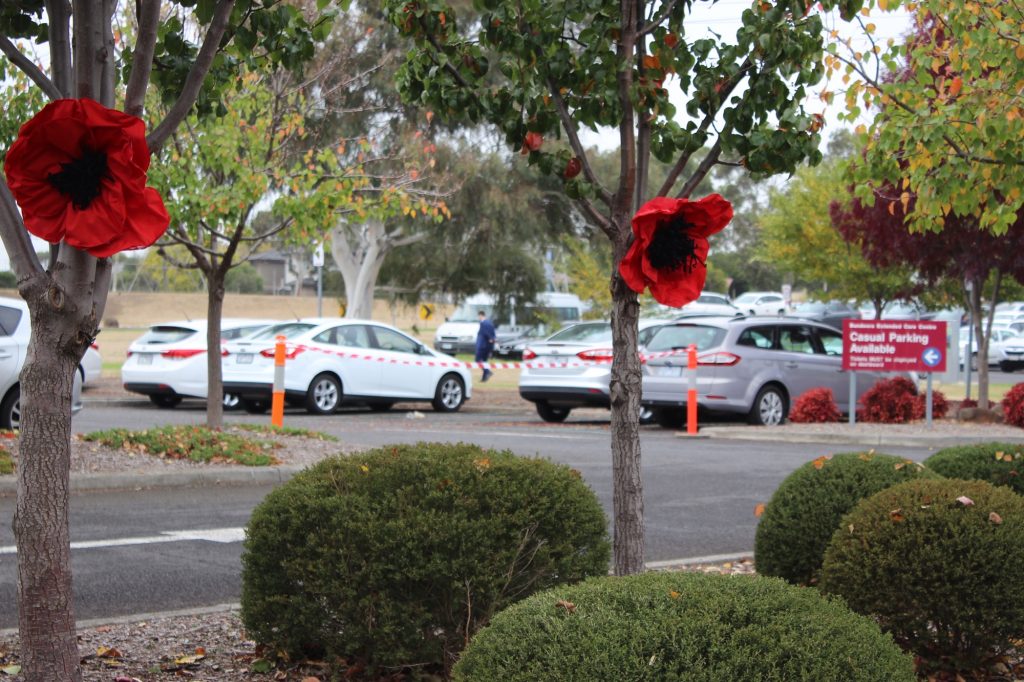
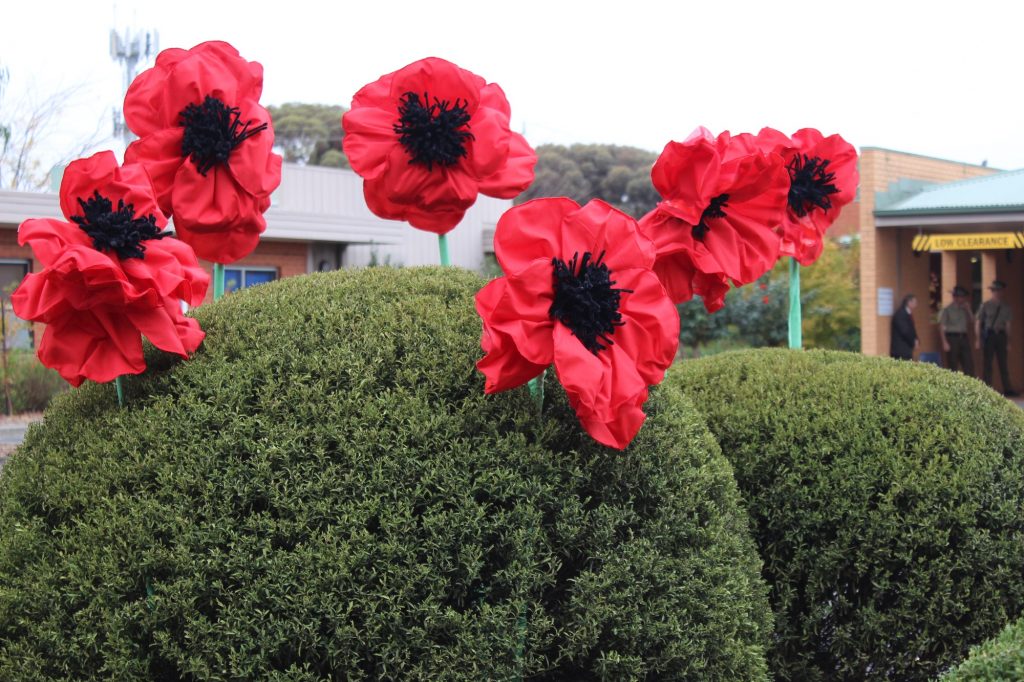
A special feature of today were the giant poppies created by Laurelle Bland, Occupational Therapist at Northern Hospital.
Colin Woodward concluded with the words of author and poet Anthony Hincks:
“The ANZAC Day tradition,
Has meaning for us all,
So in that minute’s silence,
Remember those that fell,
Fighting for the freedom,
The freedom for us all.”
Special thanks to Patricia Mawkes, Watsonia RSL, Catafalque Party from the Defence Force School of Signals, Snez Poposka – ISS Bundoora Centre, Christine McGowan and all the volunteers, Grainne Ionnides, Kirralee Jensen and Lora Davies from Bundoora Centre and Colin Woodward, MC for today.
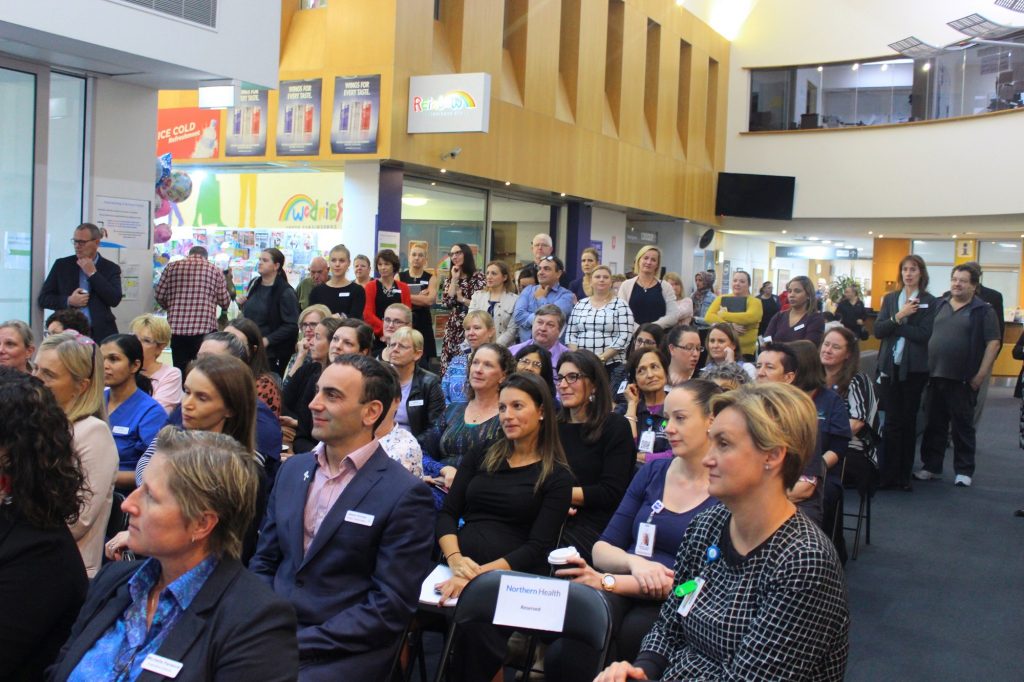
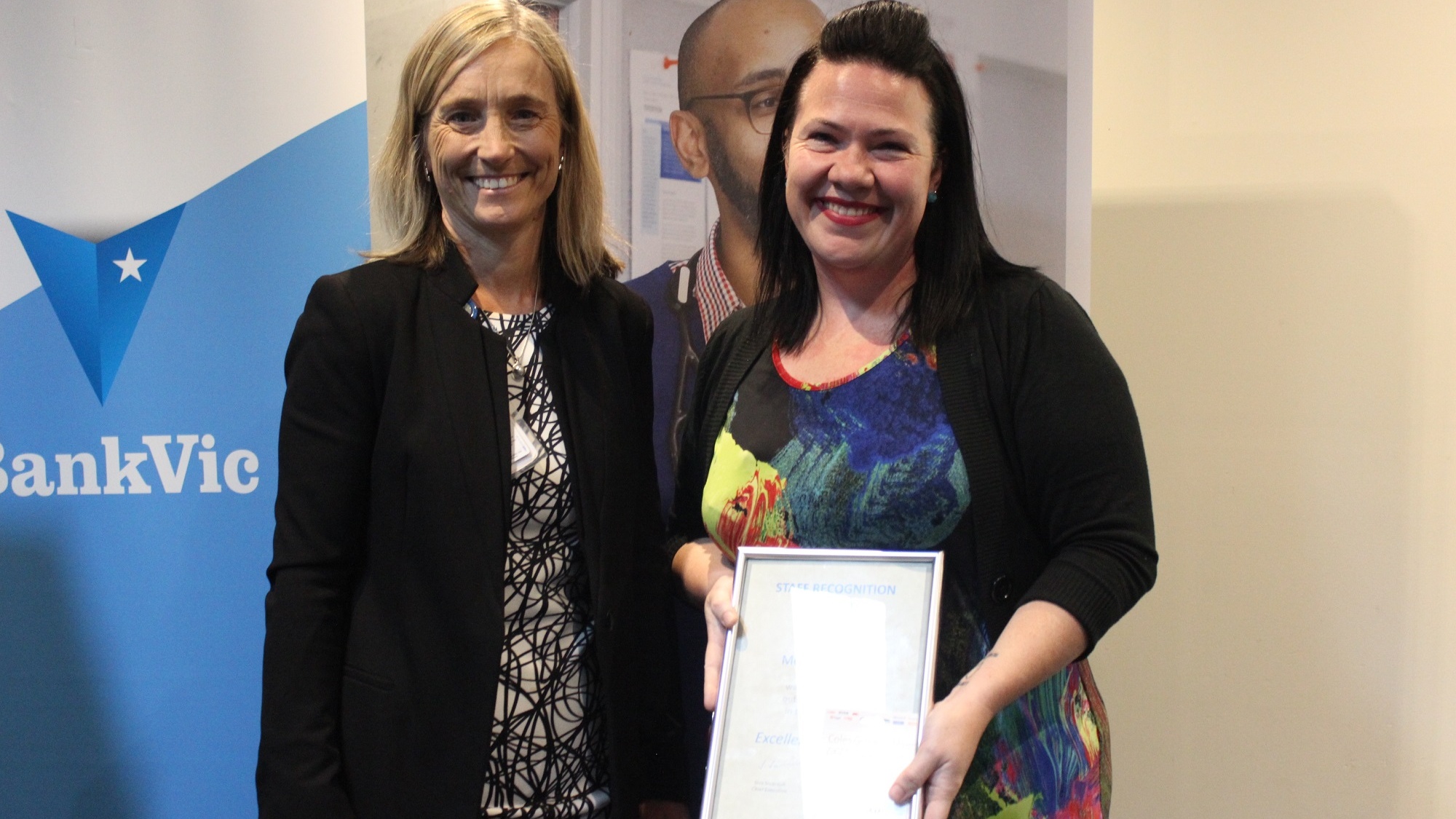
At the recent Quarterly Staff Recognition Awards, Melanie Riseley, Clinical Midwifery Educator, received the award for ‘Excellence in Safety’.
Melanie was nominated by Debra Bourne, CNMO Divisional Director Nursing, Women’s, Children’s, who says Melanie has recognised the importance of improving staff wellbeing, morale and culture within the maternity unit.
“As an educator, she has listened to many staff individually talk to her about workplace stress and issues with work-life balance,” Debra added.
Melanie has been working at Northern Health for eight years as a midwife and feels privileged to have worked with and supported many women and their families from a range of cultural backgrounds, as they transition into the role of parents.
“Moving into the role of Clinical Midwifery Educator in late 2017 has allowed me to not only support women in their journey, but to also support undergraduate and post graduate midwifery students, along with my midwifery colleagues within Northern Health in training, learning and growth,” she said.
Winning the award proved that her aspirations to come to work every day hoping to be a positive role model, as well as a passionate and engaging professional, haven’t gone unnoticed.
“It is so very special when your colleagues see, acknowledge and appreciate the work you are doing to improve care, culture and safety within your work place. I am blessed to work in a profession and work place that presents and encourages so many learning opportunities,” she said.
Debra added that Melanie extensively researched issues around staff wellbeing and improving culture and morale, and has developed a monthly program for the next 12 months focussed on staff wellbeing in the maternity unit.
This in-service education program will focus on multiple strategies to improve staff wellbeing, resilience and self-care.
The topic plan includes mindfulness, positive communication and mental health. Melanie is passionate about creating a happy and supportive work place, where staff are supported and want to come to work. By assisting in creating this environment, her role in educating staff and supporting them, she is able to provide safety, quality and excellence in patient care,” Debra added.
Sponsored by Maxxia and BankVic, our Quarterly Staff Recognition Awards have been designed to formally recognise outstanding contributions by our employees and celebrate staff excellence. Nominations for the next Awards are now open and will close 1 May 2019. To nominate a staff member click here.