• Successful Cath Lab in-situ simulation

    Successful Cath Lab in-situ simulation

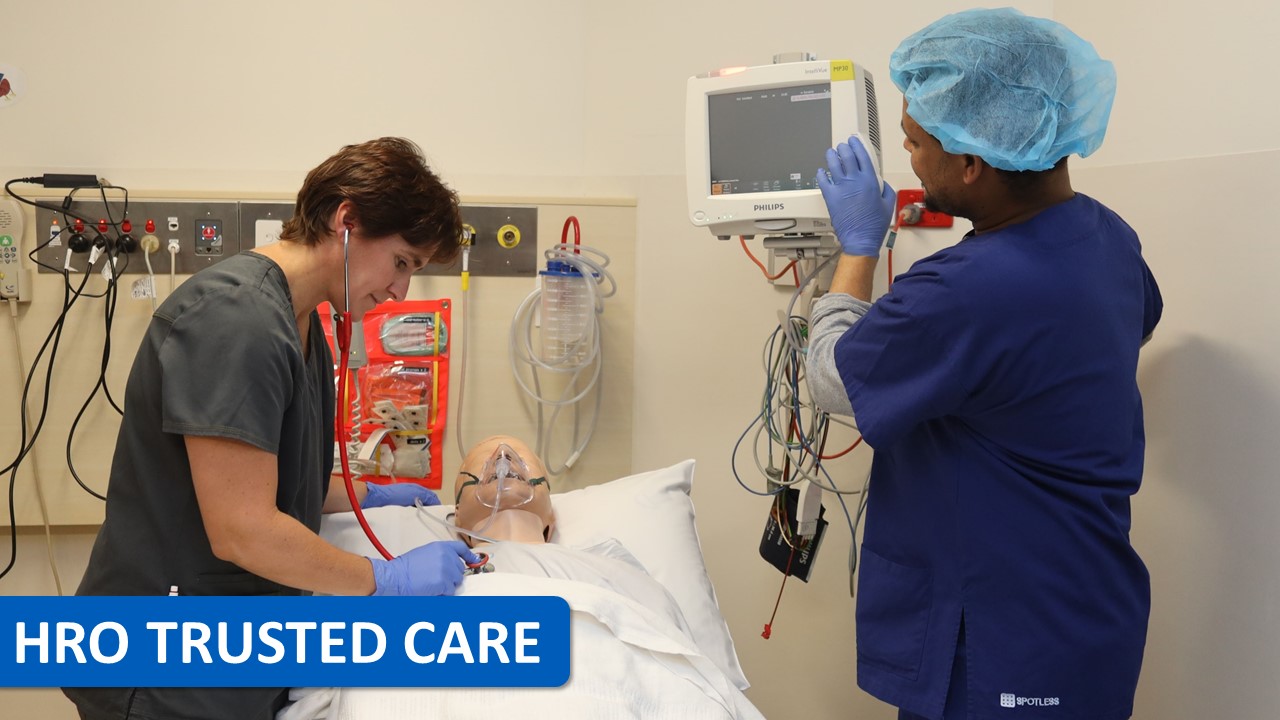
    Recently, the HRO Transformation Team organised and delivered another successful in-situ simulation, this time held in the Cath Lab and supported by our multi-disciplinary staff.

    Brooke Williams, Project Support Officer, said Northern Health is holding simulations for quality and safety purposes, and not for education purposes, which is what is usually done in hospitals.

    “We are targeting reoccurring adverse events and simulating with a multi-disciplinary focus. For example, for the code blue in the Cath Lab, there will be anaesthetics, ED, cardiology and ICU attending for that code. What we’re trying to look at is how all the teams interact in that situation when the code is called,” she explained.

    Besides the team responding to the code, the simulation also had three observers – designated people whose job it is to observe and report back on what they see.

    Brooke explained the importance of having in-situ simulation in different environments.

    “The Cath Lab simulation was different compared to the simulation that happened in ED, as there were more teams attending. It was a different problem, a different unit and different equipment. Our goal is to do one a month, and long term we’d like to do a different adverse event in a different location, for a different code,” she said.

    Dr Nancy Sadka, Emergency Physician, said the beauty of having a simulation is that the team can actually pause the scenario to regroup.

    “The simulation is a practice, and these are the nice things you can’t do in real life. In this environment, we can pause and rewind two minutes, we can’t do that in real life. This scenario is based on a real patient who arrested in the Cath Lab, but it happened a while ago,” she said.

    Dr Megan Robb, Director of Emergency, said having a hospital-wide simulation is important because teams that work together train together.

    “Through training such as this, we can actually get our processes right, to be sure that we get the best quality care for our patients and the safest care. So actually having the whole hospital engaged to make sure we do the right thing is really important,” she said.

    “This also gives us an opportunity to test our processes and policies to make sure they work. It also means the teams that we work with get to know each other, as that improves the overall care for our patients.”

    The simulation was a great success, as it highlighted a number of potential quality and safety improvements in the space, and conversations on the day have already resulted in discussion about some immediate positive changes.
  • Short Stay Unit Turns 10

    Short Stay Unit Turns 10

    This week marks 10 years since the Short Stay Unit (SSU) was established at Northern Hospital.

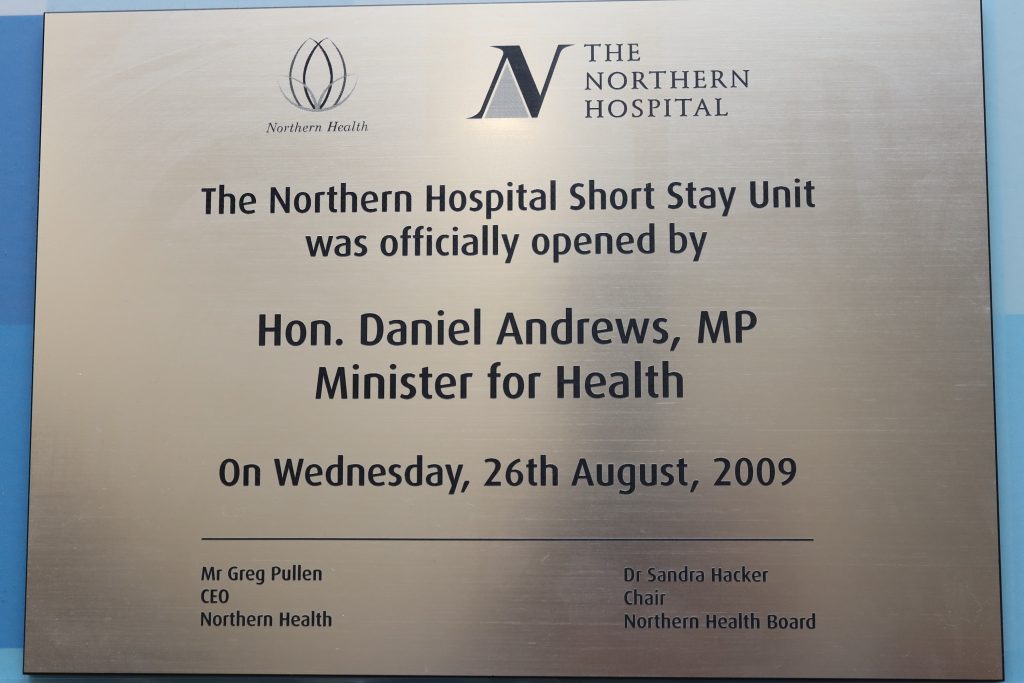
    Officially opened by the Minister for Health at the time, Daniel Andrews, SSU started out small, with only 10 beds. Now, it has grown to 23 beds with over 50 admissions per day.

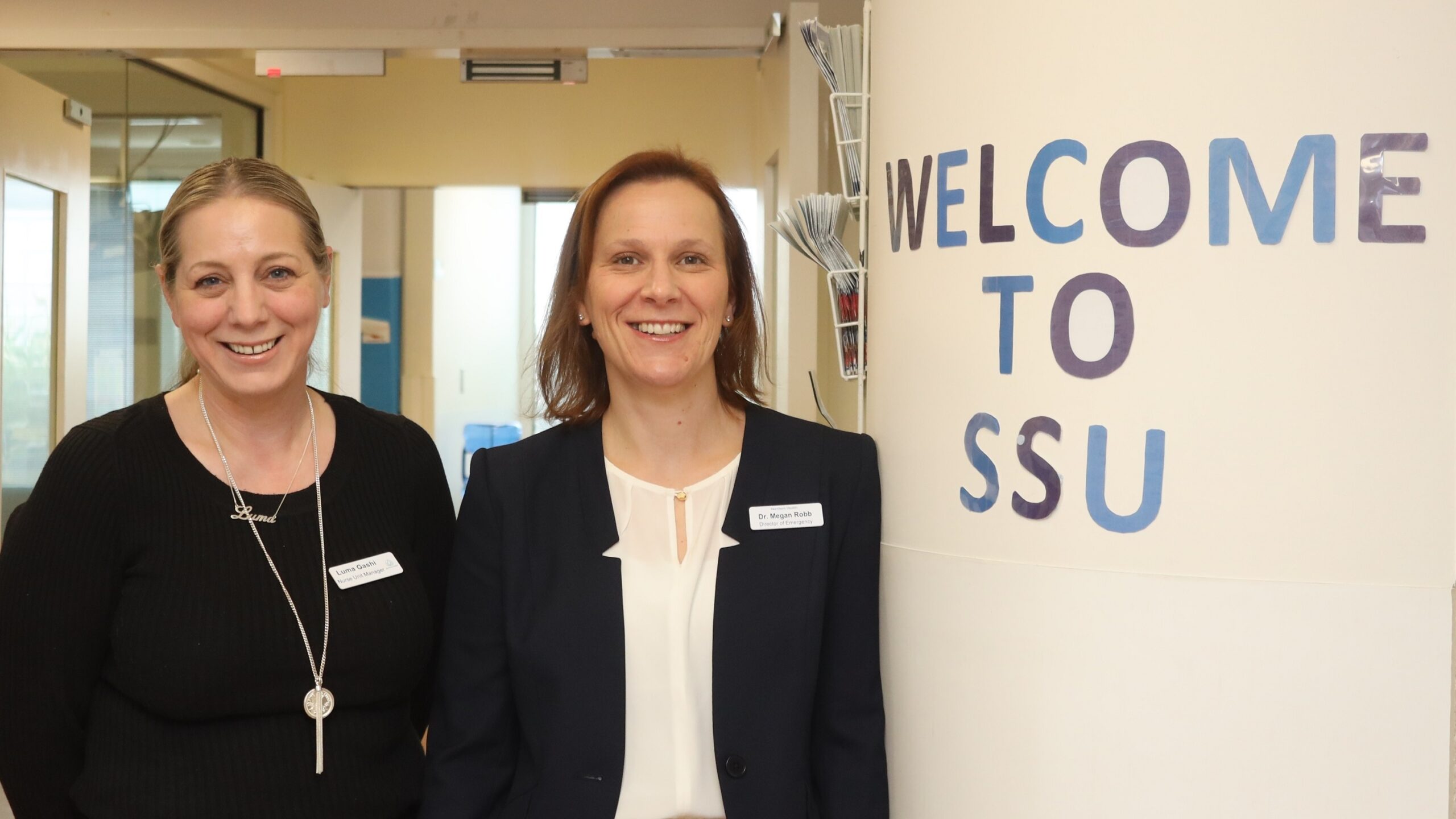
    Director of Emergency, Megan Robb, recounts her SSU journey, first becoming involved with the unit in 2013 as a new consultant.

    “When SSU first opened, it was simply a place I sent patients to with no real understanding of its purpose and function,” Megan says.

    “Today, the purpose and function of SSU is very clear – playing a vital role in providing timely care for all our patients. The Emergency Department (ED) would not be able to function without it!”

    In 2014, Megan became the clinical lead of the then 14 bed unit, receiving approximately 14-20 admissions per day. In that same year, the unit expanded to 23 beds with consultant coverage from 8 am – 11.30 pm, and an increase in junior medical staff from one to two per shift each day.

    The unit undertook a design project in 2015, which saw a change in the model of care, new pathways and an increased focus on the support SSU could provide to ED.

    With these new changes, SSU increased its number of admissions to over 50 per day, which has continued to increase over the years.

    Nurse Unit Manager for SSU/CDU, Lumnise Luma Gashi, became involved with the unit as a as new staff member over 10 years ago, working night duty one shift per week. Over the years, the unit has seen much growth and success, significantly contributing to emergency services.

    Luma says the model of care is the best feature of SSU, focussing on high quality care involving patients at the bedside and reducing length of stay in hospital.

    “We try to move them swiftly through ED to our unit, as we now admit from the triage desk and decrease waiting times for patients.”

    “The team of nurses and doctors, ward clerks, allied health and PSA’s, all play an important part in the patients’ brief stay with us. It is the teamwork that I have enjoyed most and the gratitude from the patients whom we have shared part of the hospital journey with,” Luma adds.

    On a final note Megan says, “SSU provides a safe, quality environment to provide short term ongoing investigation and treatment for our patients.”

    “It is the team approach and can do attitude which enable us to meet the demand of ED, while ensuring the highest quality care for our patients – I am proud to be part of such a high functioning, innovative and caring team.”

  • Speech Pathology Week: Communicating with Confidence

    Speech Pathology Week: Communicating with Confidence

    There are 1.2 million Australians with communication disability.

    Speech pathologists like Stephanie Bennetts from Northern Health, work with these Australians to help them ‘communicate with confidence’ – which is this year’s Speech Pathology Week theme.

    Speech Pathology Week runs from 25 – 31 August and is celebrated nationally.

    Speech Pathology Week is designed to help raise awareness about speech pathology services in the hospital and community. It also provides an opportunity to advocate for people experiencing communication or swallowing difficulties.

    “This year the theme is about educating everyone that there’s lots of little things you can do that make a big difference to those that are having trouble communicating, like giving them a bit more time and encouraging them to keep trying,” she says.

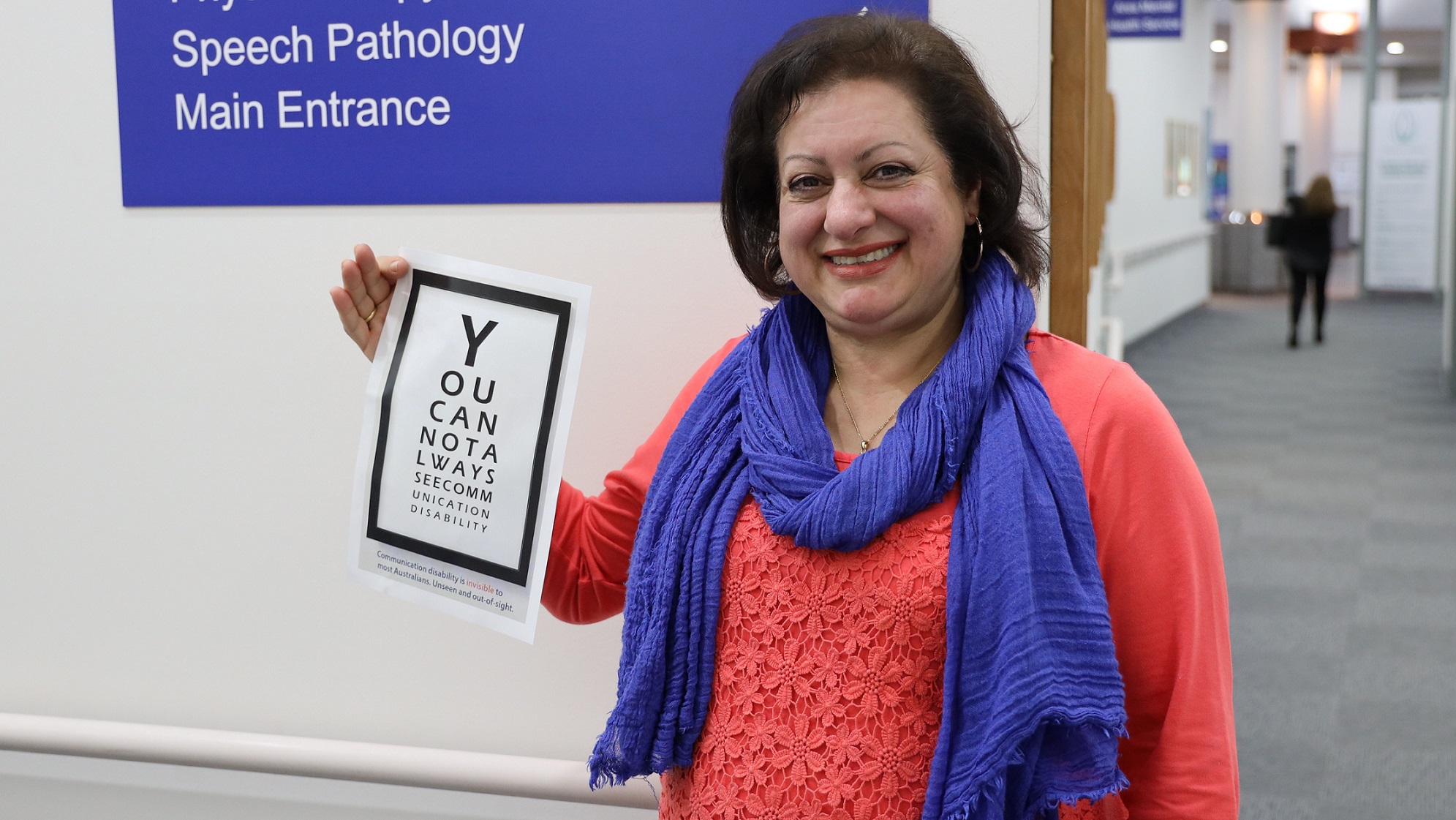
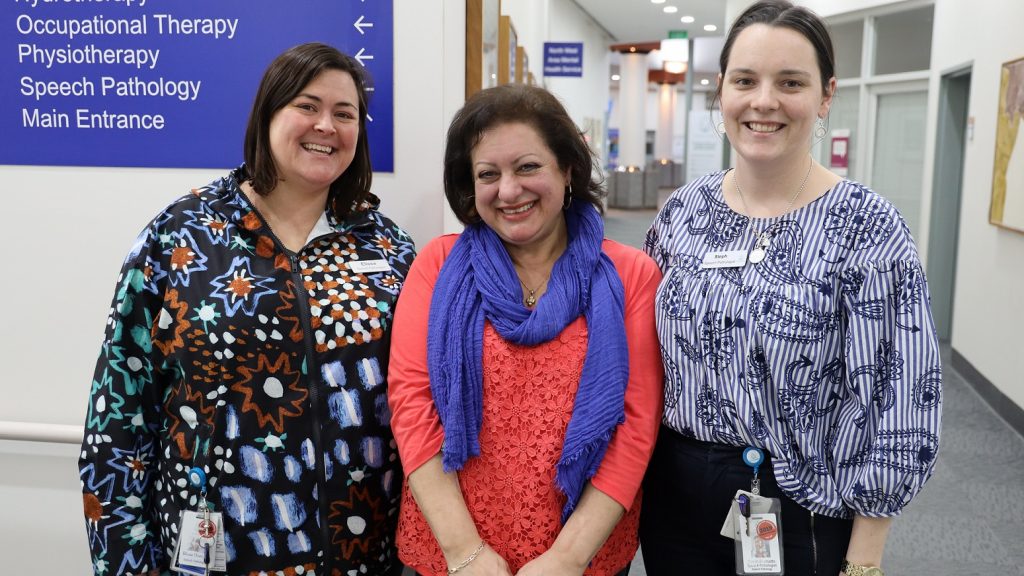
    Glenroy resident, Tagreed Khouri, has experienced firsthand how speech pathologists can help people communicate with confidence.

    Four and a half years ago, she underwent an operation on her brain after an aneurysm. The operation was successful but two days later, Tagreed suffered a stroke, losing her memory and speech.

    “I was like a child,” she tells us.

    For several weeks after, Tagreed was in rehab, where she first started speech therapy – “It was when I was in rehab I started to realise that something was really different. I couldn’t talk like I used to before. I couldn’t understand like I used to before.”

    “This made me really upset. Before my stroke, I was very fluent in English and Arabic. I was an auctioneer – I used to speak all day for my work,” she says.

    Whilst in rehab, Tagreed learnt that she had a condition called aphasia.

    “Aphasia is like your brain is tricking you – you know what you want to say but you can’t get the words out – it affects your ability to understand,” she says.

    After her initial speech therapy, Tagreed came to Northern Health for ongoing outpatient speech therapy to continue speech rehabilitation.

    “The speech therapists are amazing – that’s all I can say. They’re very patient and understanding and helped me in any way they could, not just with speech, but life – my new life.”

    Following speech therapy at Broadmeadows Hospital, Tagreed tells us her confidence is better than before.

    For people having trouble communicating, Tagreed encourages them to “keep trying to get your message across – even if it’s hard.”

    Tagreed also started volunteering at Northern Health to give back and help other stroke patients.

    “I was on the rehab ward and looked after the stroke patients, talked to them, and a lot of them had no idea that I’d had a stroke,” she says.

    “I encouraged them to be positive. Talking to the patients was really important because they can see after a stroke that it’s okay, that they do get better – giving them hope. For me, it was rewarding to help people get better.”

    “Communication is a basic human right. We as speech pathologists have a big role in helping people like Tagreed to continue to communicate, even though it might be difficult,” Stephanie Bennetts says.

    This Thursday, the Northern Health Speech Pathology Department are hosting a silent afternoon tea, encouraging staff to communicate without speech. The afternoon tea will be held above Henry’s Cafe at 10.30 am.

    Tagreed (middle) with Broadmeadows Hospital speech pathologists, Elissa and Stephanie
  • Innovation Challenge with Amazon and Swinburne

    Innovation Challenge with Amazon and Swinburne

    Northern Health has partnered with Swinburne University of Technology and Amazon Web Services on an innovation challenge to assist people with diabetes.

    This collaboration was highlighted last Friday when Northern Health joined the launch of Swinburne University’s Data for Social Good Cloud Innovation Centre. The Centre is one of seven worldwide, and the first of its kind in the Southern Hemisphere. It aims to help solve challenges faced by society – powered by cloud technology.

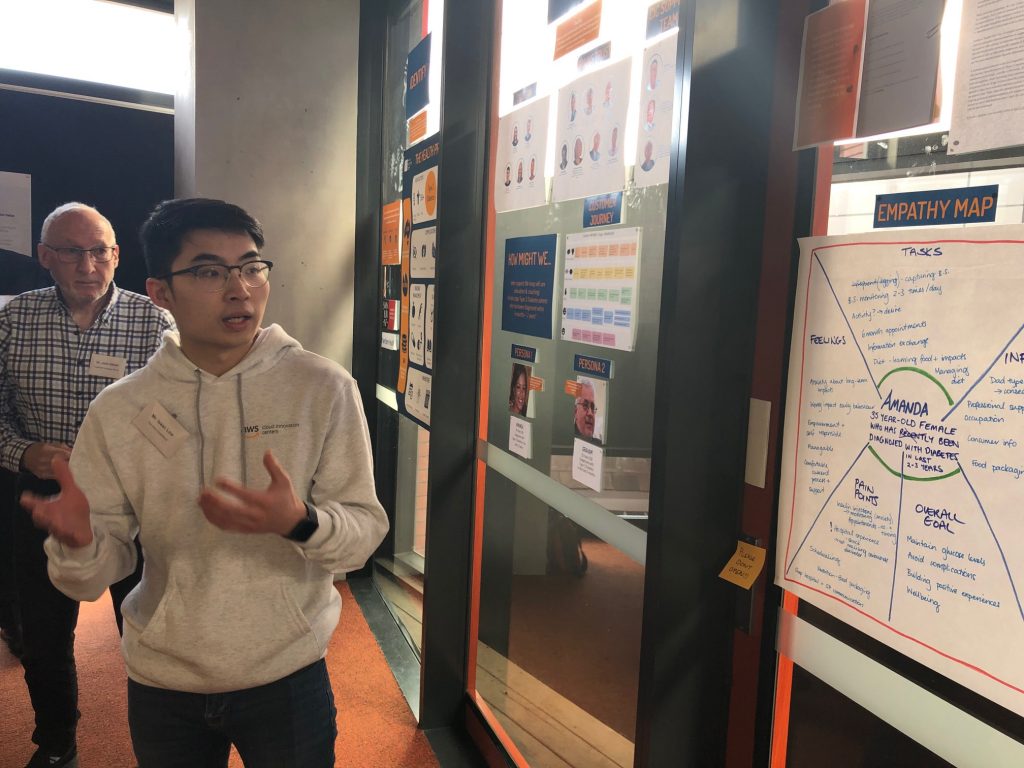
    Northern Health is a collaborative partner with the Centre, working on an innovation challenge to help people living with type 2 diabetes to self-manage, through the use of technology.

    At the launch, Max Peterson from Amazon Web Services (AWS) described the purpose of the centres.

    “Cloud innovation centres are designed to spur innovation and ideas to drive economic development, and to drive really meaningful solutions back into the community that we are working within.”

    “This model of innovation includes publishing the solutions as open source,” he said.

    The first innovation challenge involved Swinburne’s Junior Consultants co-designing with Northern Health and working alongside strategic healthcare advisors.

    Northern Health’s Chief Executive, Siva Sivarajah, said, “We see around 300,000 patients each year and around 2,500 of them, with significant chronic illnesses, attend hospital multiple times each year. Many of these people’s illnesses are due to social and economic issues, and diabetes is one of the key chronic conditions that we are dealing with.”

    “The future to help manage chronic illness is going to be technology – and using technology to contribute to the social good. I congratulate Swinburne’s Junior Consultants for their work on this important project, and Swinburne and Amazon Web Services for their collaboration,” he said.

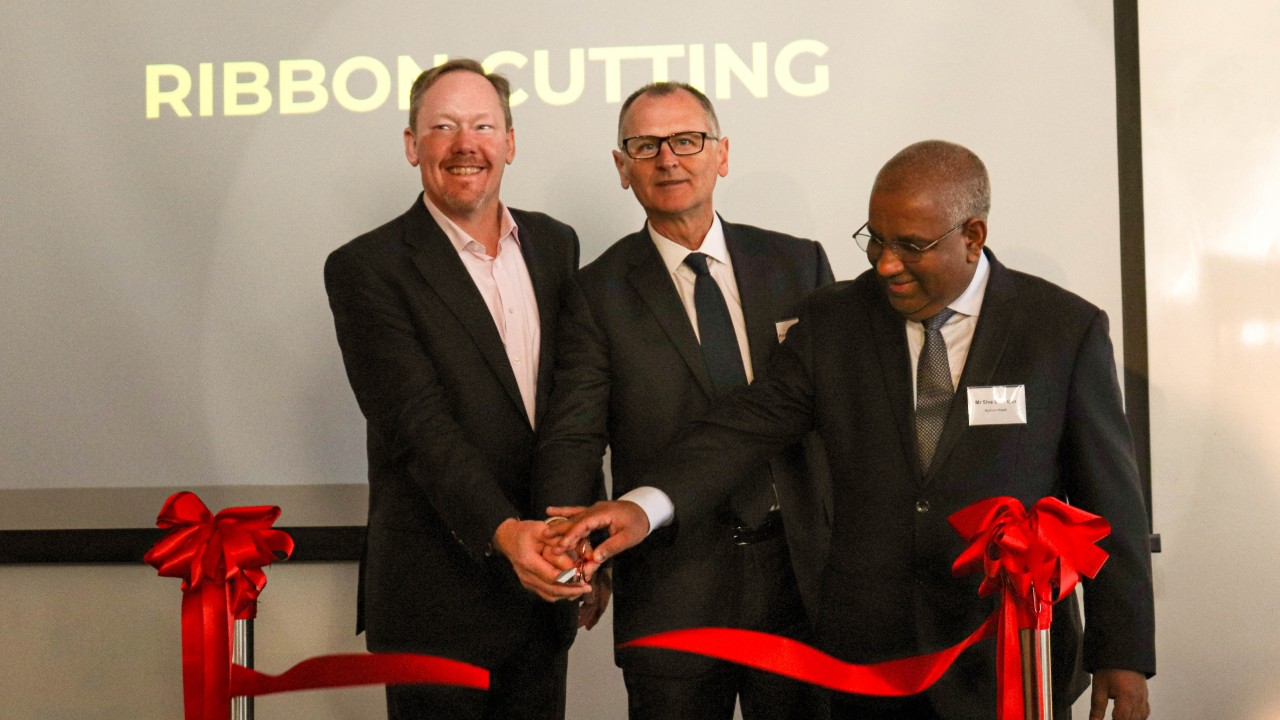
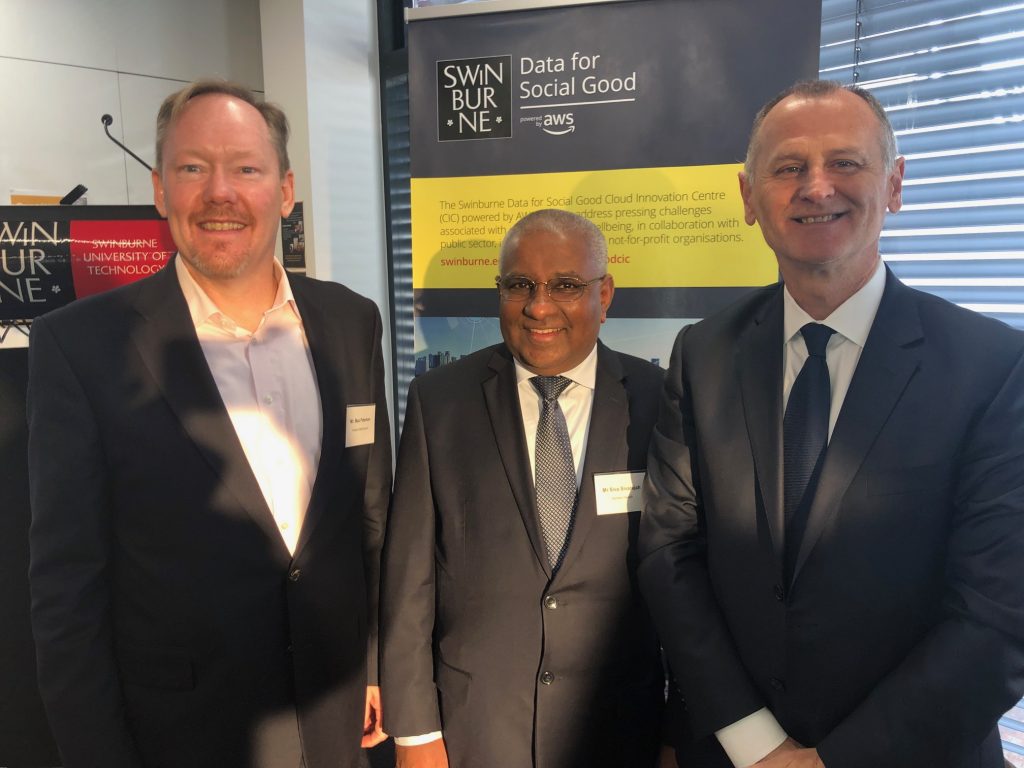
    Swinburne’s Professor Aleksandar Subic, Max Peterson from Amazon Web Services (AWS) and Northern Health Chief Executive Siva Sivarajah
    Swinburne Junior Consultant, Issac Low, at the launch explaining the co-design process of the diabetes project
  • Patient, Shaun Carey, on his Northern Health journey

    Patient, Shaun Carey, on his Northern Health journey

    A fifty-nine year old Doreen resident, Shaun Carey, knows Northern Hospital’s Intensive Care Unit (ICU) all too well, having been in the unit four times in the last twelve months.

    Shaun was diagnosed with bladder cancer in 2014 after doctors found a tumour present. Shaun underwent surgery to have the tumour removed, followed by chemotherapy for six weeks.

    Over the next twelve months, Shaun made regular visits and doctors discovered the tumour had grown back. Once again, the tumour was removed and he underwent another round of chemotherapy. This time, he was not so lucky – the chemotherapy didn’t work – and doctors found another aggressive tumour was present in his kidney tube.

    In April 2018, Shaun underwent major surgery to remove his bladder, prostate and part of the kidney tube. After a 13-hour operation, he spent the next two days in ICU before being admitted to Ward 16 (previously known as Unit J).

    Due to complications, he was rushed into surgery for a life-saving operation, which then lead him back to ICU, followed by five more weeks in Ward 16.

    Every two weeks Shaun was back in hospital again for up to a week at a time. His kidney levels had dropped and was in acute kidney failure, resulting in another long operation and time spent in the wards.

    Thankfully, today, he has a new bill of health and he was thrilled to return to Northern Hospital recently to say hi to the “amazing nurses and doctors” who took care of him along the way.

    During his journey, he tells us he spent more months in hospital than at home.

    “The nurses, as well as all my surgeons, were incredible each time I had to go back in. They treated me and my family like family, so going back was a lot easier knowing these people cared and were always there by my side.”

    “Both myself and my wife can’t be any more thankful for all the care we have been given by the ICU and Unit J team – they’re the best and surely made our journey a lot easier,” he says.

    Shaun is a dedicated member of the community, having been involved in the Whittlesea City Basketball Association for 27 years as a player, referee and a championship coach, and still is to this day.

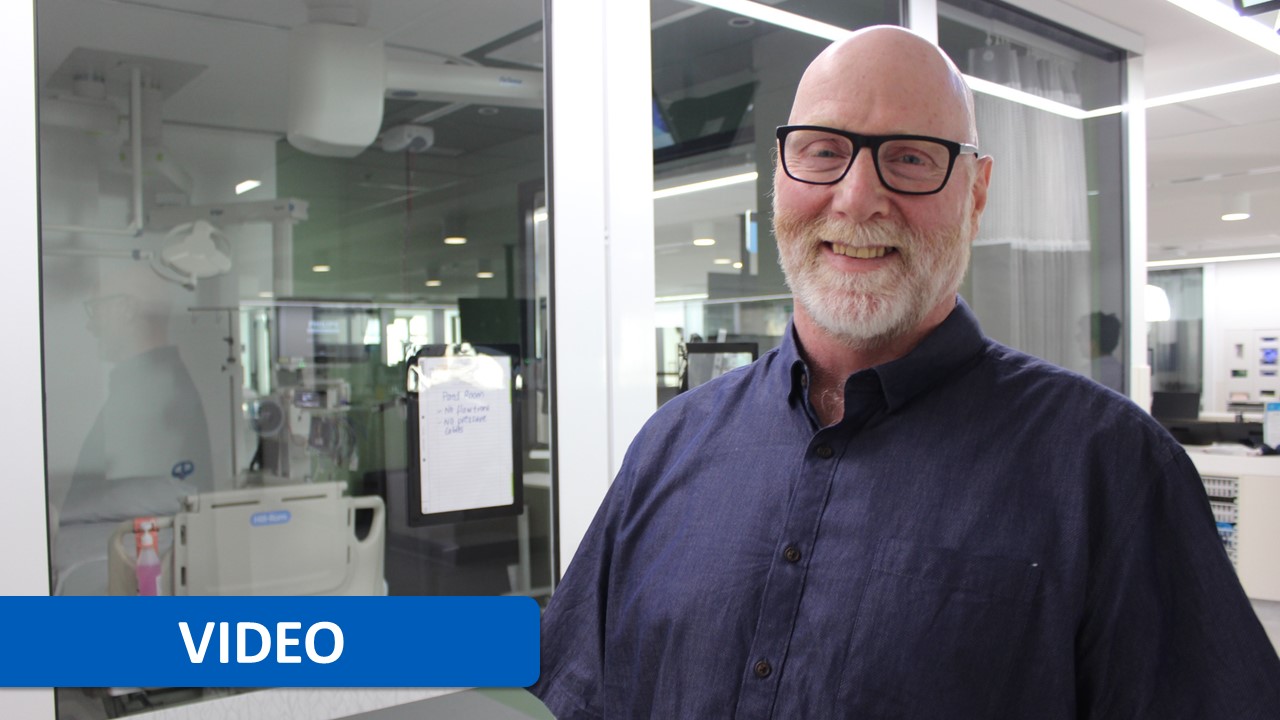
    We wish Shaun all the best in his recovery. Watch the videos below to hear from Shaun and ICU Director, Anthony Cross.

  • New HITH Chemotherapy Service

    New HITH Chemotherapy Service

    Kilmore resident Michael Dunn is one of the first Northern Health patients to use our new Hospital in the Home (HITH) chemotherapy service.

    Patients receiving chemotherapy for colorectal cancer require a specific regime that includes an infusor filled with chemotherapy to be attached for 46 hours.

    Until recently, patients would return home once the infusor is attached and return to the day oncology unit for disconnection of the infusor on their third day of treatment.

    Day Oncology Nurse Unit Manager, Melissa Gwynne, said, “This causes some anxiety for some patients who have issues with transport. Benchmarking across multiple health services, HITH are able, with the correct training, to provide this part of the service at home.”

    Patients who meet the admission criteria can now be referred to HITH, allowing patients to be disconnected in the comfort of their own home, saving them an additional trip to hospital.

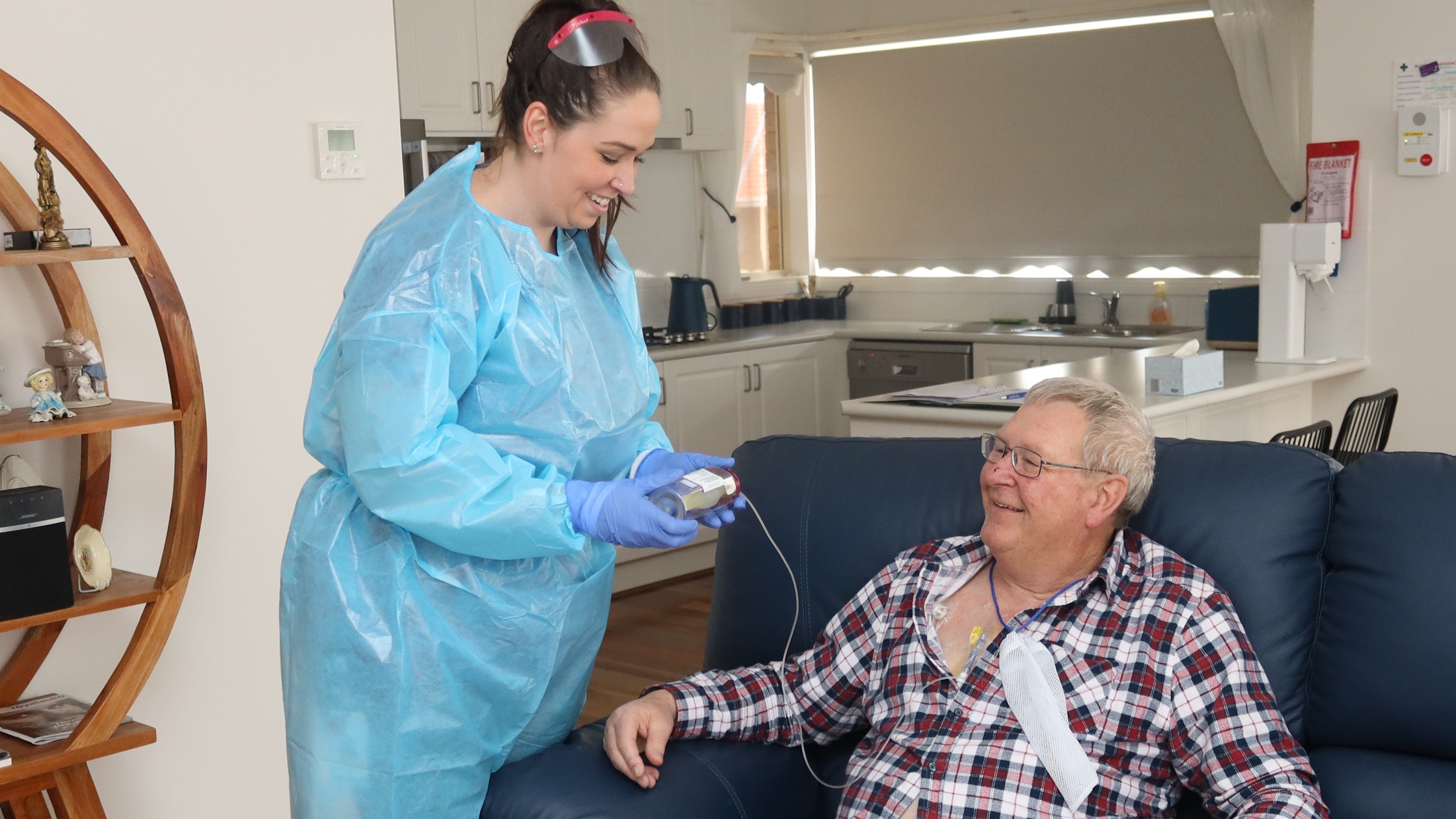
    Michael Dunn (pictured above) has been an oncology patient of Northern Health since March and has been using the new HITH service for just over six weeks.

    “It’s excellent. Saves me having to worry about getting all the way to Epping, I can drive but I only like to drive local – driving 40 minutes down the highway is a little bit nerve-wracking. So the fact that HITH is coming here – it just takes all that stress off you – it’s much easier,” he said.

    With this new process, patients attend day oncology for day one of treatment, and are then transferred to HITH for day two and three for observation, assessment and disconnect.

    Michelle McDonald, Nurse Unit Manager of HITH, said it’s beneficial for patients being able to be treated at home, helping them with issues of transport and parking.

    “It’s also a win for day oncology, as it frees up space in the unit for other patients to be seen,” she added.

    Patients also benefit from receiving an additional service on their second day of treatment, with the HITH nurse coming to your house to check on you. The nurse will complete a wellbeing check, ensuring the chemotherapy is running, the site is clean and everything’s working properly.

    Previously, patients wouldn’t receive this additional check-up on their second day of treatment as they would have to return to hospital to do so.

    “They come and check my stats on the Tuesday and then unplug me on the Wednesday. Previously, I wasn’t getting the second day check-up so it’s a plus plus,” Michael said.

    Michael says his experience at Northern has been great -“absolutely amazing what happens and how good the nurses are,” Michael said.

    “It’s been a good ride – you can’t go crook.”

    Featured Image: Michael Dunn with HITH Nurse, Kate Findlay

  • OPAL Clinic empowering women in pregnancy

    OPAL Clinic empowering women in pregnancy

    The Obesity, Pregnancy and Lifestyle (OPAL) clinic at Northern Hospital is a specialised clinic that provides antenatal care to pregnant women with an elevated body mass index (BMI>40) and/or women who have had previous bariatric surgery such as gastric band, gastric sleeve and gastric bypass surgeries.

    Midwife, Nicole Kuehlich-Zippel, said the clinic offers continuity of care in which women and their families see the same midwife, obstetrician and dietitian throughout their antenatal care. This provides an opportunity for women to know their healthcare provider and feel more comfortable.

    “Weight stigma is commonly experienced by people in larger bodies. Some women who have an elevated BMI can feel judged about their weight or have had negative experiences about their body weight. The OPAL clinic aims to provide collaborative care that is non-judgmental and helps to support women in healthy choices and feeling empowered in their pregnancy. Women can feel safe and confident to ask any questions or concerns they may have,” she said.

    While many women with increased body weight will have uncomplicated pregnancies and births, there are increased risks that may arise such as diabetes, high blood pressure and caesarean birth. The OPAL clinic closely monitors women and their babies during pregnancy and works to safely manage any complications that may develop. Women can easily be referred to other specialists if needed such as diabetic educators, endocrinologists or medical obstetric doctors.

    OPAL obstetrician, Dr Sujata Hemrajani, specialises in obstetric ultrasound. She said women with elevated BMIs are able to have routine growth ultrasounds during their OPAL antenatal visits, to monitor how their baby is growing. Having a specialist obstetrician perform these scans improves accuracy of scanning, continuity and is more convenient for women.

    “Many women in high risk clinics at Northern Hospital do not see a midwife during their antenatal care. Women in the OPAL clinic will continue to see a midwife throughout their pregnancy in collaboration with obstetric care. The OPAL midwife can provide added support and advice about pregnancy, labour, birth and the postnatal period with baby,” she said.

    Dietitian, Electra Ulrich, added that providing specialised nutrition support through a dietitian can help improve nutritional intake during pregnancy, and work with women to make positive and sustainable lifestyle changes.

    “For those women who’ve had bariatric surgery, nutrient absorption is reduced, so close monitoring is provided including vitamin and mineral blood tests,” she said.

    Since commencing just over 12 months ago, the OPAL clinic has supported over 80 women during their pregnancy.

  • Sarah Findlay selected for leadership program in New York

    Sarah Findlay selected for leadership program in New York

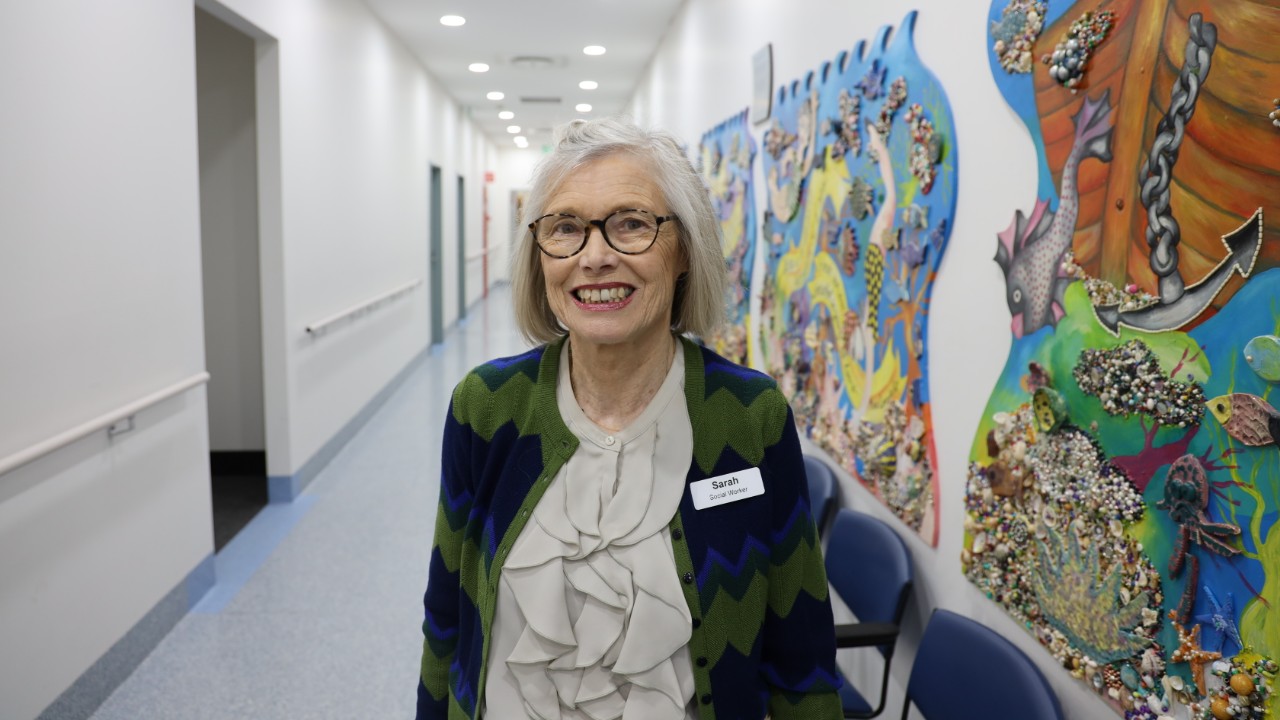
    Sarah Findlay, social worker from Broadmeadows Hospital, has been selected to attend the ‘International Enhancement of Social Work Leadership Program’ at Mount Sinai Hospital in New York, and is the first person from Northern Health to ever attend this program.

    Around Easter time, Associate Director of Allied Health, Penelope Vye, forwarded information on a six week observership program at Mount Sinai Hospital to her team, and Sarah was immediately interested and excited about the opportunity.

    Knowing that Mount Sinai is an eminent teaching hospital, and having information of their programs that encourage people to come and observe what they did to enrich their own practice, Sarah applied to go to New York.

    “It was like a job application, with CV, references and letters from my employer. There was also a panel interview by phone. I was interviewed by three social workers who had previously done the course, and they told us it would take a couple of weeks to make a decision on participants,” she said.

    After more than a month, Sarah received an official letter from New York offering her a place in the competitive program.

    “I am the first person from Northern Health who has been selected to go – we haven’t previously attended this program. The second person coming from Australia will be a social worker from the Alfred,” she said.

    Getting into this international program is not easy. There are only four social workers accepted from a pool of candidates from across the world, and the other two would be coming from Israel.

    “From 28 October until 6 December 2019, I will be part of the observership program, as we won’t be having direct contact with patients and families. The program will be full with meetings, both hospital based and community based, in the areas of social work,” Sarah said.

    During her time there, Sarah will have to give a couple of presentations and select her special area of interest, which is the National Disability Insurance Scheme (NDIS) and disability accommodation.

    “There are severely disabled young people who get caught in the hospital system, because there isn’t anywhere in the community that could meet their high level of care needs. In Australia, we call it NDIS – an insurance scheme designed to meet the needs of those people,” she said.

    Sarah covers all the expenses of this trip, as the accommodation and flights are not included in the program.

    “The organisers made it clear the successful candidate funds their trip. I think it would be worth it – I am very excited to go,” she added.

    Even though the United States have a different health care system, Sarah is hoping to bring new findings and insights both from the US and Israel into her department when she comes back, working closely with her team to reduce the length of stay.