• Introducing our new EMR website!

    Introducing our new EMR website!

    Northern Health announced the beginning of our Electronic Medical Record (EMR) program in November 2020.

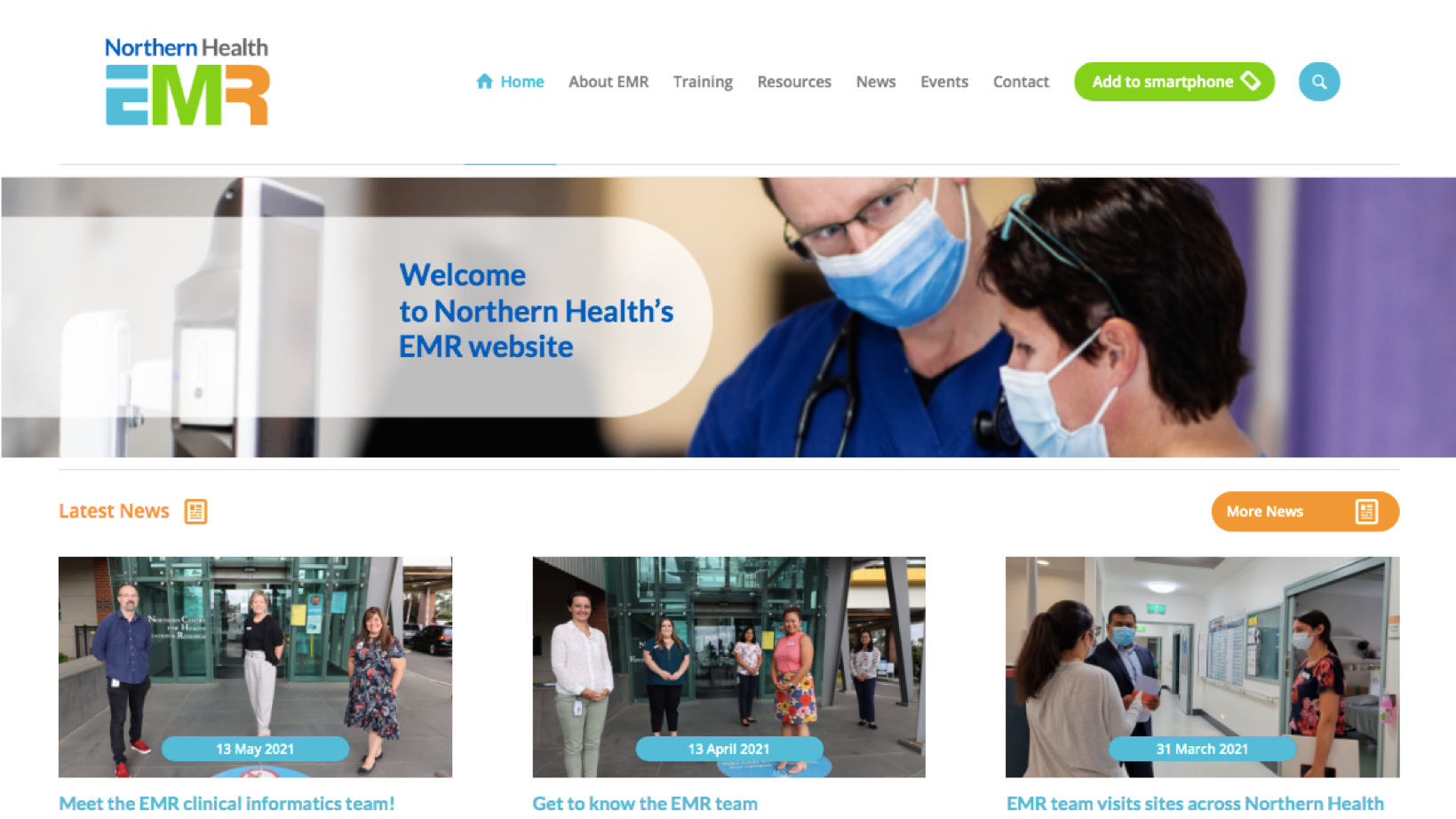
    Since then, the team has been busy designing our EMR clinical workflows with our subject matter experts. Alongside this activity, the team has been collaborating with Public Affairs on a new website designed for staff across Northern Health to access the latest information about our EMR and have one single source of truth for all things EMR.

    Today, we are excited to launch this new website: emr.nh.org.au.

    Over the journey of our EMR program, you will see information and resources grow. Closer to training in June 2022, you will have access to many learning tools and resources (in addition to links to the LMS).

    Wanda Stelmach, Chief Medical Officer and EMR Sponsor, acknowledged the work of the EMR team to bring this website to life.

    “I’m so impressed with the engagement of all staff in the EMR project but particularly by the dedication shown by our EMR team, led by Trish Aldridge,” Wanda said.

    “Everyone has a real desire to develop an exceptional EMR that addresses our needs. I encourage all staff to visit the new EMR website and add it to your phone. It is an amazing resource and communication portal developed by our own EMR team with your input – well done, EMR team!” Wanda added.

    While the team hope that all staff will visit the EMR site, they have also developed content specifically for people who are very involved in the EMR such as subject matter experts, champions and managers.

    In coming months, information will be added in preparation for trainers and super users. Thanks to everyone who kindly agreed to be photographed for this new website, as these photos bring the website to life – keep visiting as the team will change these regularly!

    Vanessa Reid, Chief Nursing Informatics Officer, is excited about the new site.

    “I look forward to using the website and it will be handy to have one trusted, central place to refer staff to the latest information. It will be useful after training too for reference information and support,” Vanessa said.

    Click here to head to our Northern Health EMR website!

  • Knitting up a storm for our newborn babies

    Knitting up a storm for our newborn babies

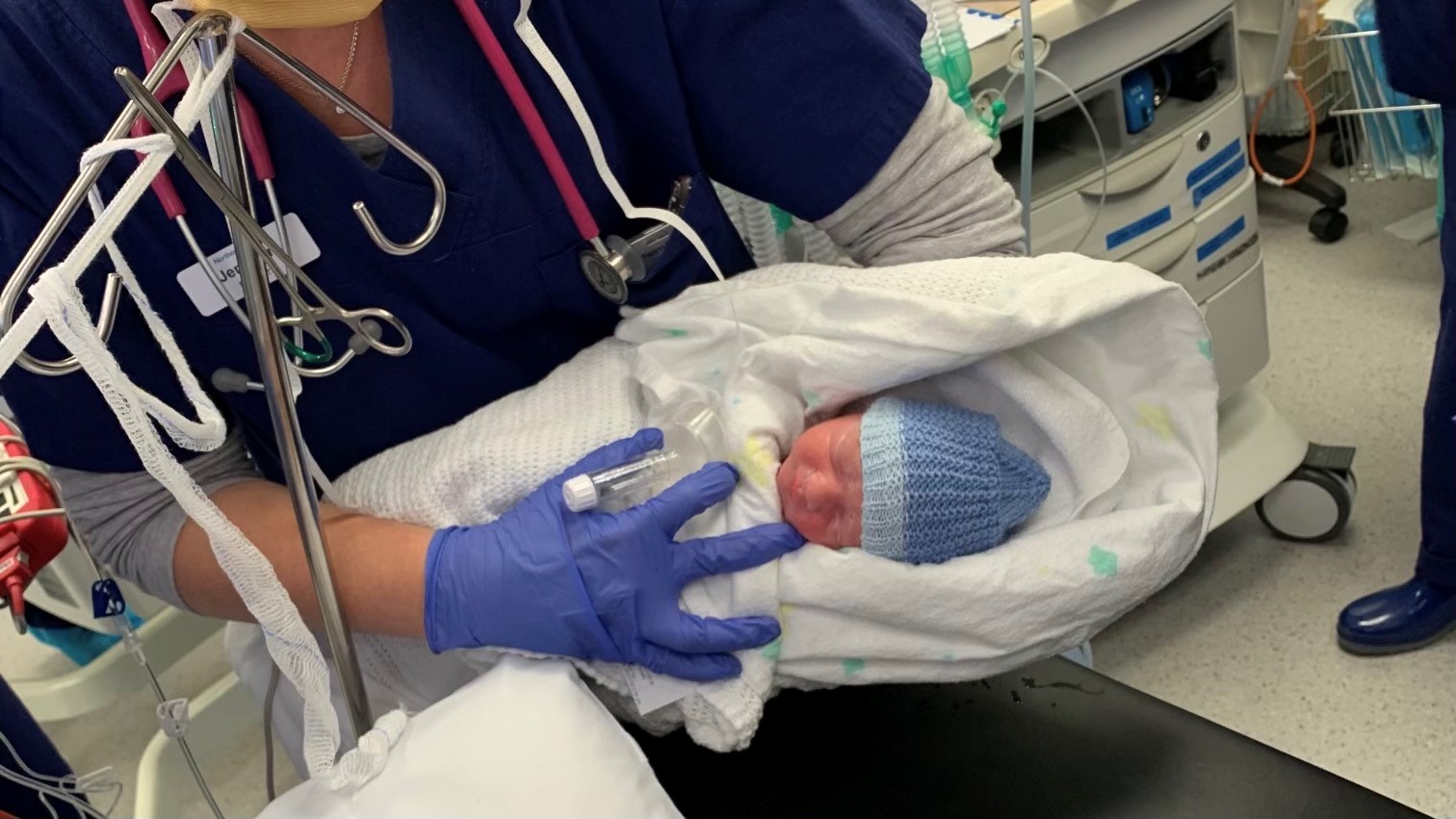
    The Kangaroo Flat Uniting Church Craft Group have knitted up a storm creating beautiful handmade beanies for our newborn babies.

    About 300 beanies and other knitted clothing items, blankets and isolette covers have recently been donated to the Birthing Suite and Neonatal Unit (NNU) at Northern Hospital to keep newborn babies warm after birth.

    The craft group has been donating baby beanies and isolette covers to Northern Health for more than eight years. Pamela Doherty, Acting Nurse Unit Manager (NUM) Birthing Suite, said the craft group go out of their way to ensure the beanies arrive at the hospital.

    “My mother used to live in Bendigo, so the craft group leader would drop items at her house for me to collect. Now that my ties with Bendigo have finished, I thought that would be too hard to retrieve items,” Pamela sad.

    “But this was not the case! Lois Bell, the craft leader, organised for a drop off at my brothers house in Geelong. They really have gone to extraordinary lengths to support our newborns and they are fabulous knitters and sewers.”

    The beanies are knitted to perfection – they have to be a certain size and cannot have bows on them.

    “When babies are born, they drop their temperatures very quickly – they can lose a lot of heat from their head, so having a beanie can help,” said Pamela.

    “Especially if premature or underweight, if babies get cold, they get low sugar levels so all their energy is used up staying warm and they require more oxygen – so it doesn’t seem much with a beanie, but simple things make a difference. They are not just to make the babies look good, they are really effective!”

    “All of these beanies are beautifully knitted or sewn and are in a beautiful array of colours and patterns.”

    Featured image: Newborn baby wearing a beanie made by the Kangaroo Flat Uniting Church Craft Group.

    Isolette Cover
    Isolette Cover
    Isolette Cover
    Isolette Cover
  • Traffic control with Neil

    Traffic control with Neil

    Rain, hail or shine, you can always count on the wonderful traffic controllers to smile, despite being on their feet all day, while directing traffic at our COVID-19 Testing Clinic at the Northern Centre For Health Education and Research (NCHER) at Northern Hospital Epping.

    Neil Florence has been a traffic controller at NCHER since October last year, and has become somewhat of a minor celebrity in the last week, often spotted in the background of the numerous television reports from the hospital on our COVID-19 Testing Clinic.

    “It’s an interesting job,” Neil said.

    “I normally get here about 45 minutes before testing opens. Then we get everything set up for when people do start to arrive. Then the rest of the day we manage the cars in and out of the tents without trying to disrupt the operations, especially the transfer patient area, the dialysis and people going to DPV Health.”

    Since the recent COVID-19 outbreak, many community members have chosen Northern Hospital Epping and Craigieburn Centre to get tested for the virus. We have also extended our operating hours to meet the demand to test as many people as possible.

    “In these busy times, people sometimes get here an hour beforehand, and most get surprised with the number of people that have already queued. I was talking to a gentleman who first arrived at 5.30 am for an 8 am test, and there are multiple people for testing in some cars,” Neil said.

    Neil is employed by the Department of Health to ensure traffic and pedestrian activity runs smoothly at NCHER. He says no two days are the same as a traffic controller.

    “We get to know the people here. We now know a lot of the nursing staff by car registration numbers so they just get waved through,” he said.

    “I like working here. It’s a nice place. Every day there is something different. People ask if I get bored, but if you are doing your job properly, then you don’t get bored. You have to keep on your toes, keep an eye out for pedestrians and a car that may not know what it’s doing, especially around here.”

    Elisha O’Dowd, Acting Project Manager, COVID-19 Clinics and Entry Screening, thanked the dedicated staff assisting with testing more than 5,000 community members over the last week.

    “Our nurses, clerical staff, traffic controllers and security personnel have worked tirelessly in the past week to meet the high demands and long hours at our testing sites,” she said.

    “They are very experienced now in managing fluctuating demands and face every new challenge with a positive attitude and unshakeable resilience. The public response for being tested has been extraordinary. It is clear the local community understands the importance of being tested, even for mild symptoms and exposure risk. I would sincerely like to thank the public for taking the time to be tested and for being so patient.”

    Northern Health urges anyone, even with the mildest of symptoms, to get tested. For more information, visit nh.org.au/coronavirus.

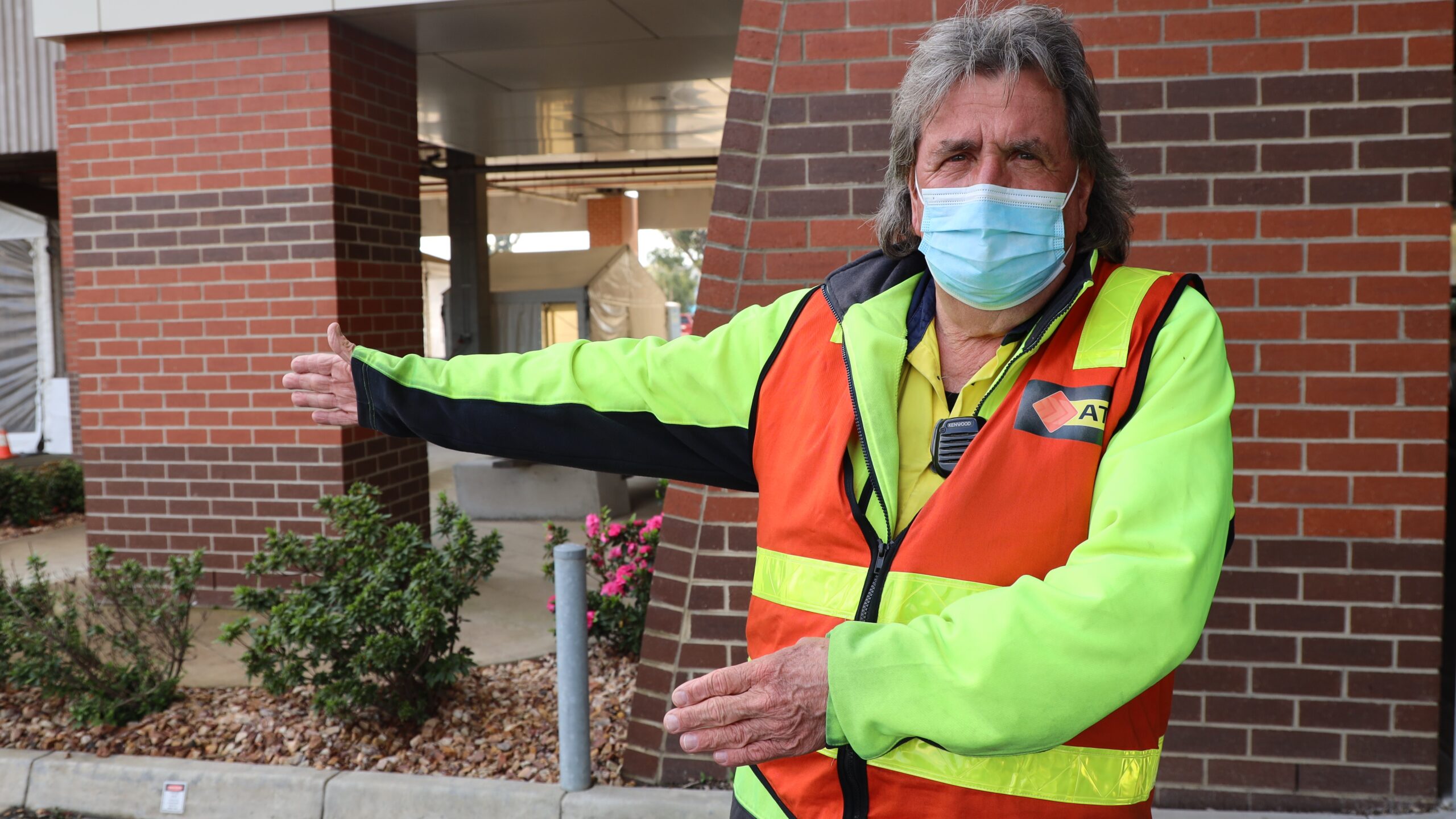
    Featured image: Neil Florence directing traffic at NCHER

  • Northern Health doing a good jab!

    Northern Health doing a good jab!

    In response to the current COVID-19 situation in Melbourne, in particular in the northern suburbs, Northern Health has extended vaccination clinic hours and increased staffing to meet current demand and help vaccinate as many community members as possible.

    “We have seen a significant increase in vaccination bookings over the last week. We are very pleased people are coming in to be vaccinated and we have seen a large increase over the last week. We have gone from 300-400 people vaccinated per day over the last few weeks to 493 vaccinations on Monday, 590 on Tuesday, 691 on Wednesday and over 800 vaccinations yesterday,” Debra Bourne, Chief Nursing and Midwifery Officer explained.

    “We have now commenced taking bookings for people aged 40-49, so we encourage anyone in this age group to book in for their vaccination as soon as possible,” Debra added.

    This morning, Debra spoke to Neil Mitchell on 3AW on our vaccination program and how we are supporting the community during this most recent COVID-19 outbreak.

    Earlier in the week, Neil Mitchell said on his program that Northern Hospital was a model for “how to run things well and efficiently for testing and vaccination.”

    Associate Professor Craig Aboltins, Director of Infectious Diseases, was pleased to see the increase in people booking in for their vaccinations.

    “It is great to see so many people booking in to have their COVID-19 vaccine. The COVID-19 vaccines we have are safe and are the best way for people to protect themselves, their family and their community from the coronavirus infection. The vaccines not only stop us getting sick, but they also stop us spreading the coronavirus infection to others around us,” he explained.

    “The recent cases of coronavirus in Melbourne have reminded us all that this pandemic has not gone away – and the best way out of this situation is for us all to be vaccinated as soon as it is available to us,” Craig added.

    The health and safety of our community is our highest priority and our staff are working around the clock to scale up our COVID-19 response to meet the demand during this outbreak.

    In addition to our vaccination program ramping up, we have also extended operating hours of our testing clinics at both Northern Hospital Epping and Craigieburn Centre. For more information on our testing clinics, head to nh.org.au/coronavirus.

    “We are conducting over 1,100 tests each day at our testing clinics, but there are also many other tests being done through other partners in our area including DPV Health,” Debra said.

    “We are really proud of our amazing staff for their quick response and wonderful work in keeping our community safe. They have been doing an incredible job.”

    “Thank you to all of the people who have booked in for their vaccinations – and to all of the people who have come forward for testing – you are all playing your part in the fight against COVID-19.”

    We take this time to remind everyone to get vaccinated if you are eligible, get tested if you have any symptoms (no matter how mild), keep up hand hygiene and physical distancing practices, and follow all the rules for the current lockdown. We are in this together.

    Head to nh.org.au/coronavirus to book your vaccination at our clinic located at Northern Hospital Epping. We are also accepting walk-ins.

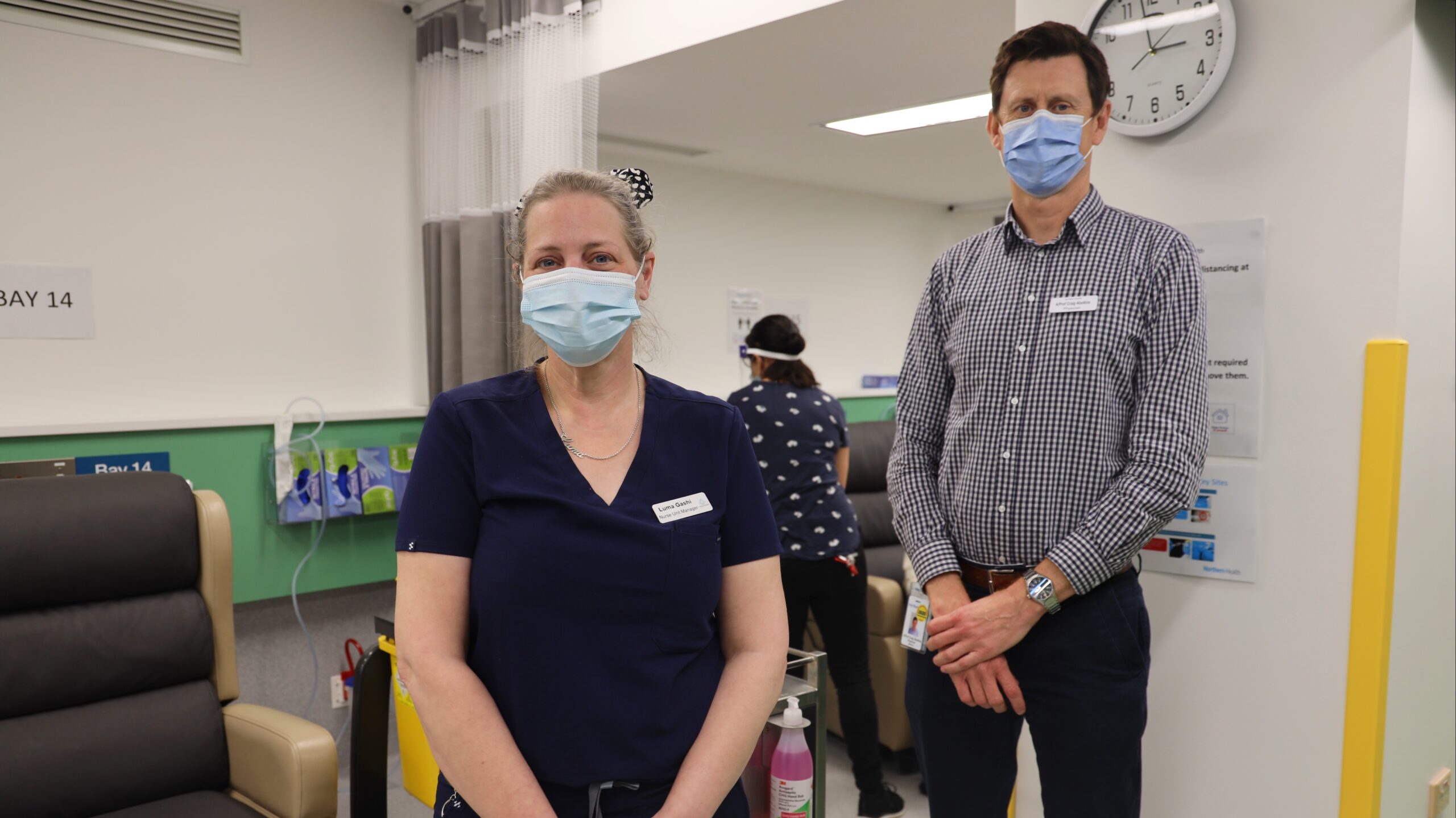
    Featured Image: Luma Gashi, COVID-19 Vaccination Clinic Nurse Unit Manager and Associate Professor Craig Aboltins, Director Infectious Diseases

  • National Palliative Care Week: It’s more than you think.

    National Palliative Care Week: It’s more than you think.

    National Palliative Care Week 2021 is being marked with the theme ‘Palliative Care It’s more than you think,‘ which seeks to raise awareness about the many benefits of quality palliative care. One of the great myths about palliative care is that it is only a synonym for end-of-life care. It is so much more than that.

    Says Barbara Watson, a Registered Nurse in the Palliative Care Unit, “We are very lucky to have a beautiful modern facility to work within at Palliative Care at Northern Health. However it’s what happens inside this structure that we are most proud of.”

    Barbara Watson, Registered Nurse, Palliative Care Unit

    Barbara goes onto say, “We have a united team where many of the staff have worked together for years. We come to work knowing we will be supported by management and enjoy the camaraderie of our colleagues.”

    “The primary beneficiaries of this philosophy are our patients and their families. Happy staff that present with a positive attitude are willing to give their all and demonstrate unique skills required for Palliative Care. Patients and their loved ones are so appreciative of our care, they frequently provide us with wonderful feedback which assists in sustaining our work efforts.”

    “Recently a lovely patient said, “This is a wonderful place, you all get on so well together. It’s a happy place and I feel so well supported.”

    Poster developed by the Palliative Care team for the Week

    Adds Barbara, “Obviously there is great sadness at times when patients are dying and their families are grieving. It can be a difficult time for staff too. However the kindness demonstrated by staff will be long remembered after the actual death. Death is part of life, and to be actively available during this time is an absolute privilege.”

    Sentiments echoed by Lorraine, who recently lost her husband Bill.

    “My husband Bill  recently passed away at the Palliative Care Unit. Sadly the result of my husband’s stay could only have resulted in the saddest of ways but during that time he was treated by all the staff with respect, caring and dignity.”

    “The same respect, caring and concern was afforded to me. We were told that the staff considered that they had two patients in the room – being my husband and myself. Even while my husband was in a coma, the staff talked to him explaining what they would be doing i.e. turning, washing, swabbing his mouth, checking his driver (a device to administer drugs) even shaving him even though he was in a coma.”

    “Everything was explained to him beforehand. The staff including Pam the volunteer constantly checked on my husband and myself. Even after my husband passed away, I received calls from Dr Jackie Yoong the oncologist and Pam, checking on my welfare. The whole staff are amazing for their endless compassion to the patients’ and families.”

    Pam, volunteer at the Palliative Care unit (in pre-Covid days)

    Alison Giles, Medical Director of Palliative Care, says, “Palliative Care Week is a chance to promote the philosophy of Palliative Care, to accept death and dying as part of life, to celebrate the nurses, doctors, cleaners, administrative staff, volunteers and many others who work so hard to make sad and difficult times that little bit easier, and to celebrate the bravery and wisdom of our patients and their loved ones which we bear witness to on a daily basis”.

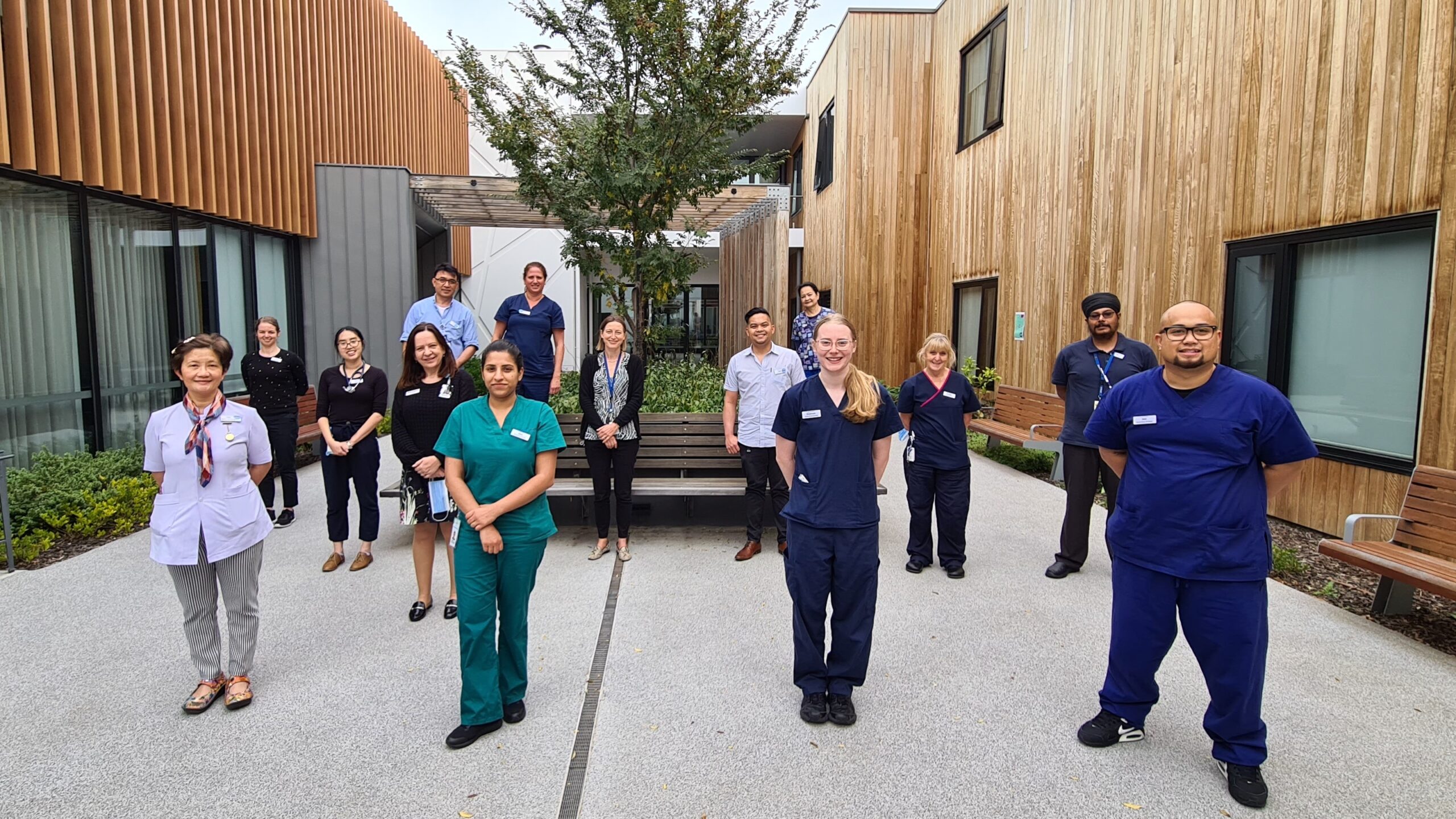
    Featured image shows the Palliative Care team.

  • ICU (T)Error Room: Getting it right for our patients

    ICU (T)Error Room: Getting it right for our patients

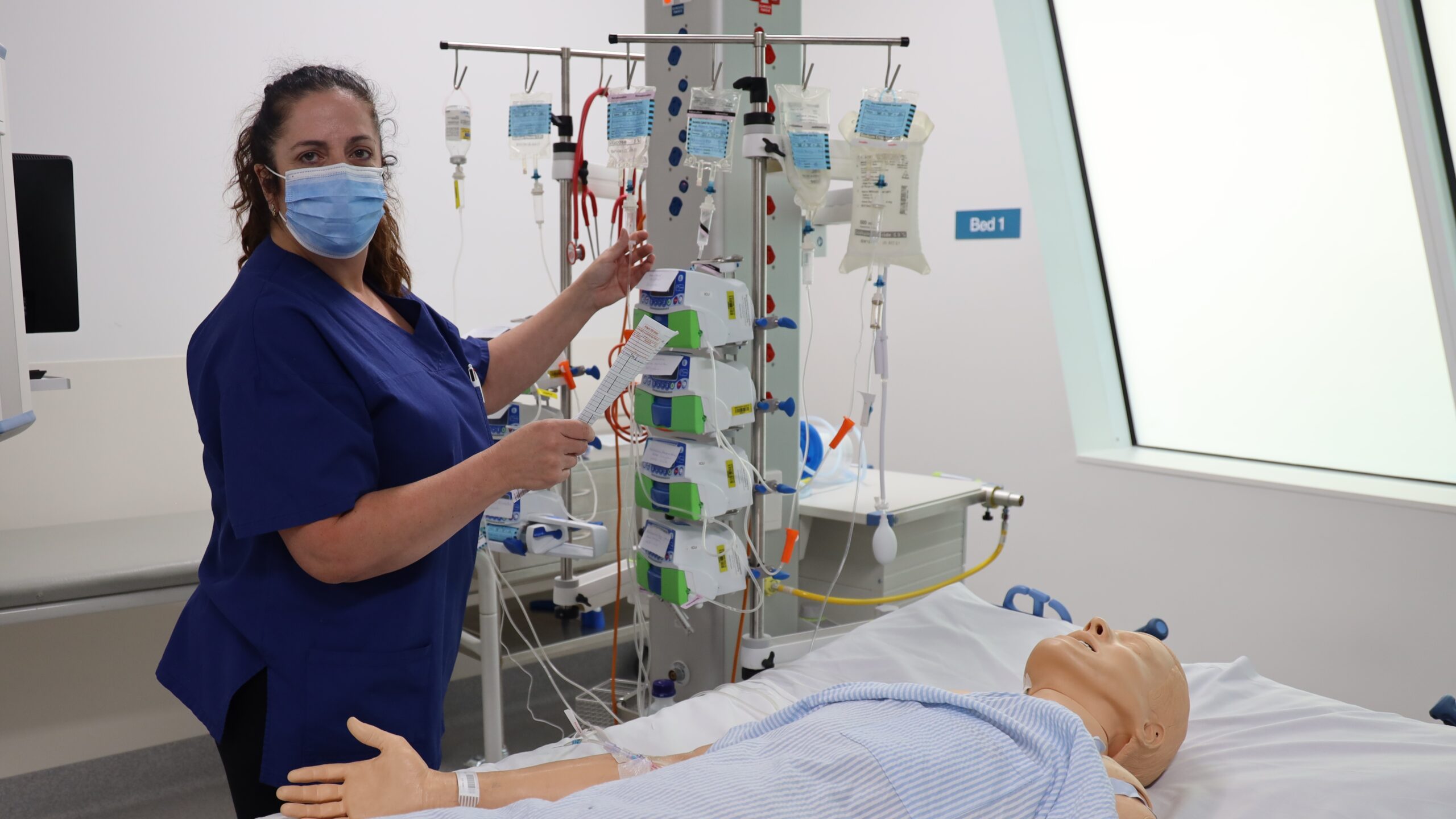
    A Medication (T)Error Room has been set up in our Intensive Care Unit (ICU) at Northern Hospital Epping to help improve and reduce medication based related incidents to zero.

    The room is designed to create a realistic and engaging environment for ICU doctors and nurses where they are invited to identify all the deliberate medication prescription and administration errors in the room, that are commonly seen in the ICU.

    Narkitaa Van Ekeren, Nurse Unit Manager, ICU, said the room is tailored to incidents relevant to our ICU over the last 12 months.

    “It’s a fantastic initiative, it’s innovative and it is a great opportunity for them to think outside the square,” she said.

    “The Medication Special Interest Group (SIG) will provide feedback to all participants on where they have correctly identified all the medication errors and whom the overall winner is.”

    The room was first set up in 2019 by our Medication SIG. The (T)Error Room was so successful last year, medication incident went to zero, and the team decided to run the exercise again in 2021.

    “Other departments have utilised the idea. The Emergency Department used it last year which was well received ,” Narkitaa said.

    “We encourage doctors and nurses to go in. The room is open for them.”

    Helen Nicolaci, ICU Senior Critical Nurse and current Medication SIG Nurse Lead, said the (T)Error Room is an education session for staff.

    “There are mistakes that have been deliberately made to see if people know how things should be properly set up with a patient so people don’t keep doing it again” she said.

    “It’s making sure that patient’s details match what is on the paperwork, or if the patient has an allergy, you check if they have any allergies. It’s purely educational. It’s for everyone to learn. There is a prize for the person who does figure out how many errors there are and there are a significant amount of errors.”

    The (T)Error Room is open until the end of May. For details on the (T)Error Room, email Narkitaa: Narkitaa.VanEkeren@nh.org.au

    Featured image: Helen Nicolaci, ICU Senior Critical Nurse.

    ICU (T)Error Room
    ICU (T)Error Room
    ICU (T) Error Room


  • Helping our IBD patients

    Helping our IBD patients

    Northern Health has a world-leading, expert and rapidly growing Inflammatory Bowel Disease (IBD) service, dedicated to the patient-focused care of those with this lifelong, potentially debilitating condition, aiming to improve their quality of life and achieve disease remission.

    Our IBD service is the fastest growing service in Australia, with 1,200 new patients forecast by the end of the year.

    Patients with IBD have high rates of psychological morbidity, stress, depression and anxiety which can trigger and exacerbate IBD progression and symptoms.

    To help patients, Victoria Teoh, Senior Clinical Health Psychologist, who has years of experience in supporting the psychological wellbeing of patients with chronic health conditions, started and led a pilot IBD Psychology Clinic with Northern Health’s Psychology Department and Gastroenterology Services.

    The pilot clinic involved providing a course on psychological therapy either face-to-face or via Telehealth to Northern Health patients diagnosed with Chron’s disease or Colitis.

    “The pilot found extremely high rates of anxiety, depression and/or stress in referred patients. For 80 per cent of patients, there was a direct link between stress and IBD symptom flare-up, which included exacerbation of abdominal bloating, fatigue, change in appetite, nausea and/or loose stools and diarrhoea due to stress,” Victoria said.

    “After a course of therapy however, these symptoms significantly reduced with most patients reporting normal psychological function following therapy. Psychological support is central to improving patient outcomes.”

    All patients felt the service had been beneficial and would recommend the service to others. About 82 per cent of patients reported that therapy had helped them to self-manage their mental and physical health and chronic disease better, and to make positive changes to their behaviours.

    “Patient feedback has been overwhelmingly positive,” Victoria said.

    “The IBD Psychology Clinic has also been a great example of a successful Telehealth service in a younger patient group, with the large majority choosing to receive services via phone or video.”

    A patient who took part in the service said, “For the first time in three years, I am in control of my disease and not letting it control me. The way I deal with my illness now is in a much healthier way.”

    World IBD was on Wednesday, 19 May.

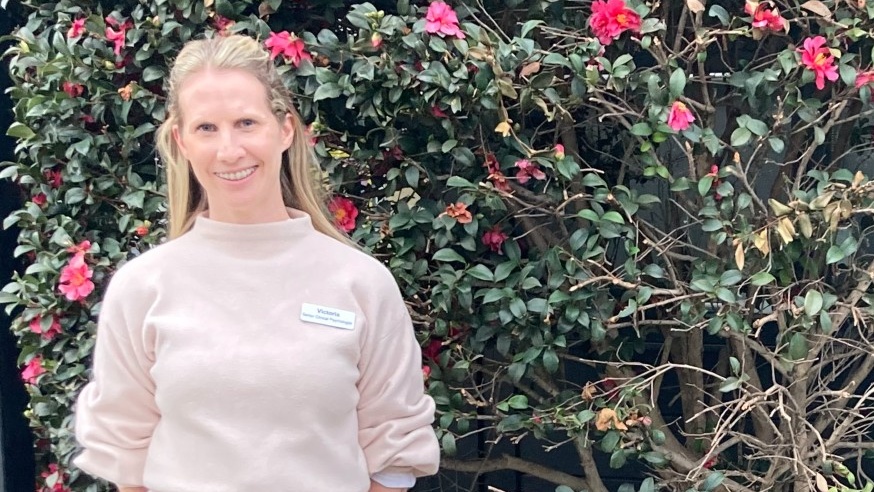
    Featured image: Victoria Teoh, Senior Clinical Health Psychologist

  • National Reconciliation Week: More than a word.

    National Reconciliation Week: More than a word.

    The 2021 National Reconciliation Week theme, More than a word. Reconciliation takes action, urges reconciliation movement towards braver and more impactful actions, and asks people to take this awareness and knowledge as a springboard for action.

    National Reconciliation Week is acknowledged between 27 May and 3 June.

    Here at Northern Health, we are putting our words into action. Our first ever Reconciliation Action Plan (RAP) set out to create opportunities for Aboriginal and Torres Strait Islander Peoples, their communities and organisations, to partner with us and influence the design and implementation of accessible and patient-centred services.

    Two years later and three months before the next RAP Plan is presented, we are pleased to present our progress so far.

    Northern Health’s commitment to providing culturally safe service delivery starts with our leadership including our Board, executive team and directors, all who have attended cultural awareness face to face training.

    Face to face cultural awareness training is also provided to staff across all our centres throughout the year. In addition, we have introduced four mandatory online modules for staff. The modules were developed by the Victorian Department of Health and Human Services and the Royal Children’s Hospital, in consultation with the Aboriginal community and Aboriginal Hospital Liaison Officers across Victoria.

    Northern Health has employed two more Aboriginal Liaison Officers (ALOs), an Access and Support Worker, and an Aboriginal Midwife. New positions are planned for 2021.

    As part of the Aboriginal Employment Strategy, Aboriginal applicants will be prioritised where they have the same qualification and experience as other applicants.

    Northern Health has already reached its objective of increasing our Aboriginal and Torres Strait Islander workforce from 0.5 per cent to 1 per cent to be representative of the Victorian population, and has now set a new target for 2 per cent​.

    Aboriginal cadetships have been introduced in Nursing, and in Allied Health as of 2021.

    The Reconciliation Working Group responsible for the implementation of these initiatives has grown to include seven Aboriginal and Torres Strait Islander People, five directors and three managers from across our centres.

    They are supported by the Northern Health Aboriginal Advisory Committee which meets four times a year with executive sponsorship, and is attended by senior management and at least 15 Aboriginal and Torres Strait Islander members.

    Northern Health celebrated Sorry Day, National Reconciliation Week, and NAIDOC Week with story boards, posters and displays across all campuses and internal and external promotion and publicity.

    ‘Wominjeka’ welcome signs at all our sites, and Acknowledgement Plaques at the entrance of each ward, ensure we provide a culturally safe space across our sites.

    Aboriginal and Torres Strait Islander patients can also expect enhanced identification via targeted training and full implementation of the ‘Asking the Question’ Aboriginal and Torres Strait Islander Identity Policy.

    The Aboriginal Support Unit runs ‘Asking the Question’ training face to face and online across all campuses. ‘Asking the Question’ posters have been installed outside all clinical areas and ward clerks are provided with mouse mats as a reminder.

    In an effort to identify specific health conditions where there is a health outcome gap and to develop culturally safe strategies to improve health outcomes, we have developed an Aboriginal Health Scorecard, which has ‘Measure Owners’, responsible for putting in place plans to close the gap in health outcomes.

    We are pleased to report that one research paper specific to the Aboriginal Oncology Department has been delivered. Other research projects include ‘Investigating Trends in Perinatal Mortality for Indigenous Women’. A research grant also led to the recent opening of our Aboriginal Physiotherapy Clinic at Craigieburn Centre.

    Northern Health has an Aboriginal Smoking Garden – Jornung-bik, ‘A Pleasant Place’ and a revamped Aboriginal Stow Family Garden with new murals by local Yorta Yorta Aboriginal artist, Kahli Luttrell.

    Northern Health has commissioned a number of artworks from local Aboriginal artists. They include artwork for the Reconciliation Action Plan, brochures, website, Aboriginal gardens, the Oncology Unit, the Intensive Care Unit and Transcultural and Language Services department.

    The most recent addition of Aboriginal art is a series of prints from Anny Bargo, aka Antoinette Braybrook, on the theme ‘Dragon Fly Dreaming’, in the foyer of the Main Ward Block at Northern Hospital Epping that you can read more about here.

    We believe partnerships are key to us designing and implementing accessible and patient-centred services. We are pleased to report that we have successfully inducted 20 Aboriginal and Torres Strait Islander consumers in the Northern Aboriginal Advisory Committee and seven in the RAP subcommittee.

    Northern Health has also signed a Memorandum of Understanding (MOU) with the Victorian Aboriginal Health Service (VAHS), and is in the process of developing an MOU with First Peoples Health & Wellbeing (Thomastown site).

    We have also established a referral system between Bubup Wilam for Early Learning and developed an online directory of Aboriginal services in the Northern metropolitan catchment – Bilang, ‘Straight Talk’.

    Karen Bryant, Senior Aboriginal Liaison Officer, is pleased with the progress made, but believes there is always room for improvement.

    “Reconciliation is about all people understanding the history and culture of Aboriginal and Torres Strait Islander people and reconciliation is everyone’s business. I look forward to the next RAP of Northern Health, so as to continue forward and build our current achievements,” says Karen.

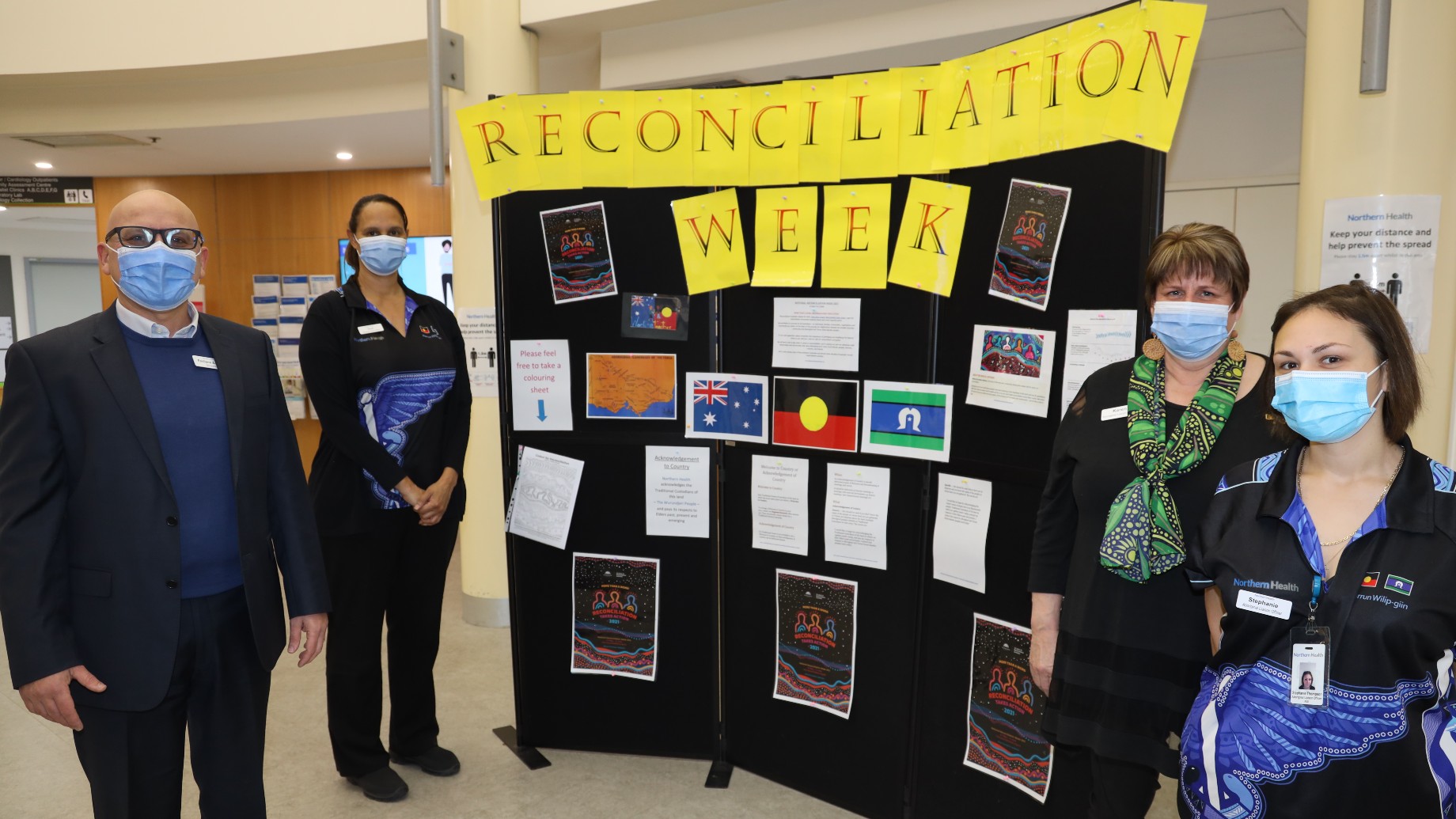
    Featured image shows from left to right:

    Emiliano Zucchi, Director, Transcultural & Language Services (TALS) and Narrun Wilip-giin Aboriginal Support Unit (ASU), Toni Gabelish, Aboriginal Liaison Officer, Karen Bryant, Senior Aboriginal Liaison Officer and Stephanie Thompson, Aboriginal Liaison Officer.