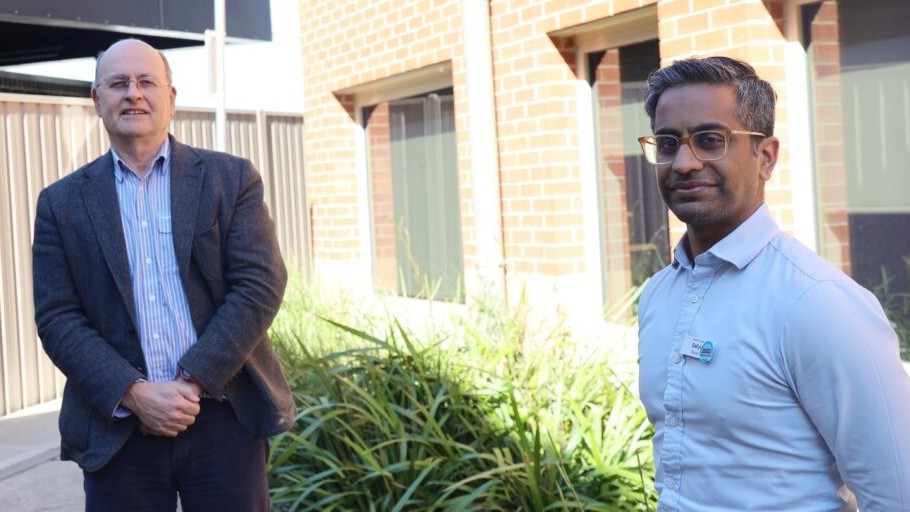
• Saliya, Don and Alice

    Saliya, Don and Alice

    Dr Saliya Hewagama is an infectious diseases specialist and COVID lead at Northern Health. Professor Don Campbell, a respiratory physician, leads our Staying Well at Home program.

    While their journeys as physicians have taken them down different paths, it also regularly takes them back to Alice Springs, to the Alice Springs Hospital, a major regional teaching hospital.

    The Arrernte, the original inhabitants who have lived here for tens of thousands of years, know Alice Springs as Mparntwe.

    Saliya first went there to take a break before his advanced training.

    He liked what he saw. “I really enjoyed my time there – great friends, amazing landscape and really interesting medicine.”

    Talking of amazing landscapes, the photographs below were taken by Saliya, a hobby he got into around the same time he went to Alice Springs.

    Don first went there as a locum for two weeks in 2015. He has been going back there, every year since.

    Seeing how Adam Goodes, AFL footballer, was treated by a spectator, was Don’s initial motivation.

    “All I did was think, what can I do to help?”

    “I subsequently met Adam Goodes by chance in an airport and told him the story. He is a hero for me,” says Don.

    Speaking of his work there, he observes, “The quality of medical care is very high, the range of clinical experience you will have is very broad, the people who work there are friendly and supportive and come from very varied backgrounds.”

    “I like the interaction with the visiting specialists, including cardiologists and respiratory physicians. I am in awe of the strength and rigor of the Renal Unit. Renal failure occurs at about 45 times the non-indigenous rate.”

    “Most of all, it’s a chance for me to learn something about indigenous culture and to make a very small contribution towards medical care.”

    Saliya acknowledges Alice Springs as the place, where, “I first started seriously thinking about infectious diseases as a career path.”

    “The exposure into indigenous health, unfortunately with its high burden of disease at a younger age, is really something you don’t appreciate fully, working in Melbourne – or probably most major centres in Australia.”

    Saliya completed his advanced training in infectious diseases in Melbourne, to return to Alice Springs in 2011 as a full-time general medicine and infectious disease consultant. He was there until the start of 2015 when he started at Northern Health. Saliya has been going back for two months of ward service every year since 2016.

    So what takes them back to Alice Springs?

    Don recommends forsaking the city “to spend some time in regional and rural Australia in some capacity, if the opportunity presents itself, whatever stage you are at in your life’s journey.”

    He believes that, “In particular, Alice Springs is a wonderful opportunity for advanced trainees where you will be well supported.”

    He quotes his friend in Alice Springs, Dr Megan Brown, “If you spend some time working in Alice Springs as a doctor, you will come back a better doctor, a better person and a better Australian.”

    Saliya says what takes him back is, “Great medicine, great friends, knowing that I am making an impact and contributing – in a small way – to improving access to medical care for individuals that have a high burden of disease.”

    “In many ways it’s a world away from life in Melbourne, and it’s good to be reminded of another side of Australia sometimes,” says Saliya.

    Featured image: Professor Don Campbell, Divisional Director, Hospital Without Walls Program and Dr Saliya Hewagama, Infectious Diseases Physician, COVID Lead Northern Health.


  • Looking after your wellbeing

    Looking after your wellbeing

    At Northern Health, we continue to support and wrap care around our people.

    As we are all aware, it has been a tough two years, and in some places this continues, especially as we watch what is happening in Ukraine, and the floods affecting Australians in Queensland and NSW.

    Many of us will find the news and images of the unfolding events distressing, and for some, old traumas may be reactivated.

    “Processing this news can be difficult – even if you are physically removed. Our thoughts are with those in Eastern Europe and Queensland/NSW at this time, and with the people who work with us and live in our community,” said Stephen Whittaker, Wellbeing Team Leader.

    “With all that is happening, it is important that staff know how to access support. That is why we have many offerings available and are creating initiatives to promote, protect and support the wellbeing of all Northern Health employees,” added Stephen.

    Renee Camilleri, Wellbeing Advisor, explained some of the support offerings in place for staff.

    “A regular mindfulness practice can reduce our stress response, which is why Collective Pauses will continue to take place every Thursday, with calendar invites sent out as a reminder for managers to forward on to their staff,” Renee said.

    All dates and times are available on our intranet here.

    “As always, we encourage you to look after yourselves and each other, and to reach out to our services if you require one-on-one support. Northern Health’s Employee Assistance Program (EAP) is available to you and your family – it’s a free and confidential service that offers professional support for work-related or personal issues. The contact number is 1300 687 327,” said Renee.

    “We also have useful resources from our EAP provider available on our intranet and on our MedApp platform,” she added.

    “During this time, some things you can do to improve your wellbeing include reaching out to mental health support services and EAP – especially if recent events stir up other memories or feelings from a past stressful event. You can also limit media exposure, particularly if it is increasing your distress,” explained Casey O’Brien, Wellbeing Project Psychologist.

    “Talk about your thoughts and feelings with someone you trust – let your friends and family know of your needs. Help them to help you by letting them know when you need time out, or want a chance to talk or just be with someone,” Casey added.

    For staff caring for children, be aware that children may need more comfort and reassurance during these times.

    “For anyone feeling a sense of powerlessness, taking positive action, like contributing to humanitarian aid efforts, may help. Lean on the tools you have for self-care. Allow time for rest, relaxation, exercise and social connection,” said Casey.

    Featured image: Staff at Northern Hospital Epping 

  • Supporting Northern Health Foundation through workplace giving

    Supporting Northern Health Foundation through workplace giving

    Northern Health employees have the unique opportunity to support and contribute to the health service, and the care of our patients and families, through Workplace Giving.

    All donations through Workplace Giving are made to the Northern Health Foundation, which raises funds on behalf of Northern Health to purchase state-of-the-art medical equipment and technology to improve the care given to our patients, facilitate the upgrade of patient and visitor facilities and fund PhD Research Scholarships that will support ground breaking medical research.

    Workplace Giving donations are made through regular pre-tax payroll deductions, so there is no need for a tax receipt. Staff just need to nominate their preferred donation amount per pay period. By making regular donations, staff receive the tax benefit immediately and are helping to make a difference to our health service.

    Northern Health currently has 181 workplace givers, with this number growing over the past few months.

    Karen Bryant, Senior Aboriginal Liaison Officer, is a long-time workplace giver of 10 years. She decided to take up Workplace Giving because she knew where “the dollars would go.”

    “I decided to take up Workplace Giving as a one stop shop to give to a charity,” she said.

    “It was about transparency and seeing the great work that our workplace does, but also to see the extra items that may be needed for our patients.”

    “It is important to me as I feel I’m contributing to the community in a different way, other than being an employee. It also has tax deduction benefits for myself.”

    “Every little bit counts. It can contribute to necessary equipment for patients and it can open doors for change or additions to the organisation. It can build on the good work that is already being done within the hospital. It can complement and enhance better programs or services to patients, carers, children, volunteers – anyone that may be involved with the acute health setting. It can make you feel good that you are able to contribute in different ways.”

    Yue Hu, Acting Director, Transcultural and Language Services (TALS), and Narrun Wilip-giin Aboriginal Support Unit (ASU), has been a Workplace Giver since 2011.

    “I decided to take up Workplace Giving at Northern Health when accepting my offer, which was the first job offer ever since I migrated to Australia,” she said.

    “I felt very glad I had the opportunity to give something back to the community through my workplace. I always believe giving donations to charity helps achieve a better good, which normally cannot be done by just a few people.”

    Pina Di Donato, Acting Executive Director, Public Affairs and Foundation, said, “We are very grateful for the contributions of our Workplace Givers. It is great to see more people joining up as they are onboarded.”

    “We may think that our personal contributions may be too small, that they won’t make a difference, but the fact is that when we add all of the contributions together, and then they are matched by our corporate partner, BankVic, then we really start to see their impact. The next project we are funding through Workplace Giving is part of the upgrade to the ICU garden. This will be a lovely space for staff and patients, and something we can all see and be proud of.”

    For more information or to become a Workplace Giver, click here.

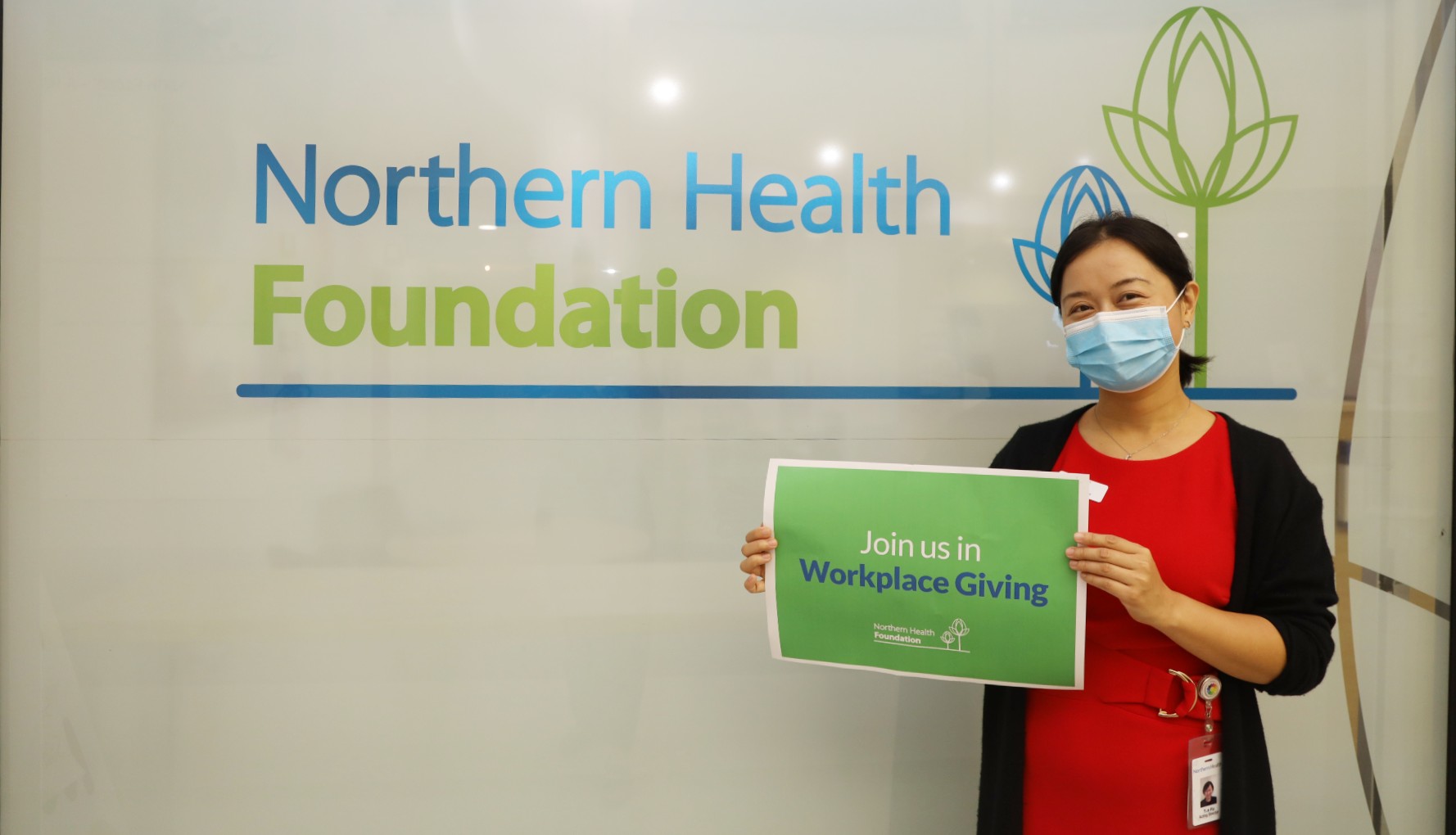
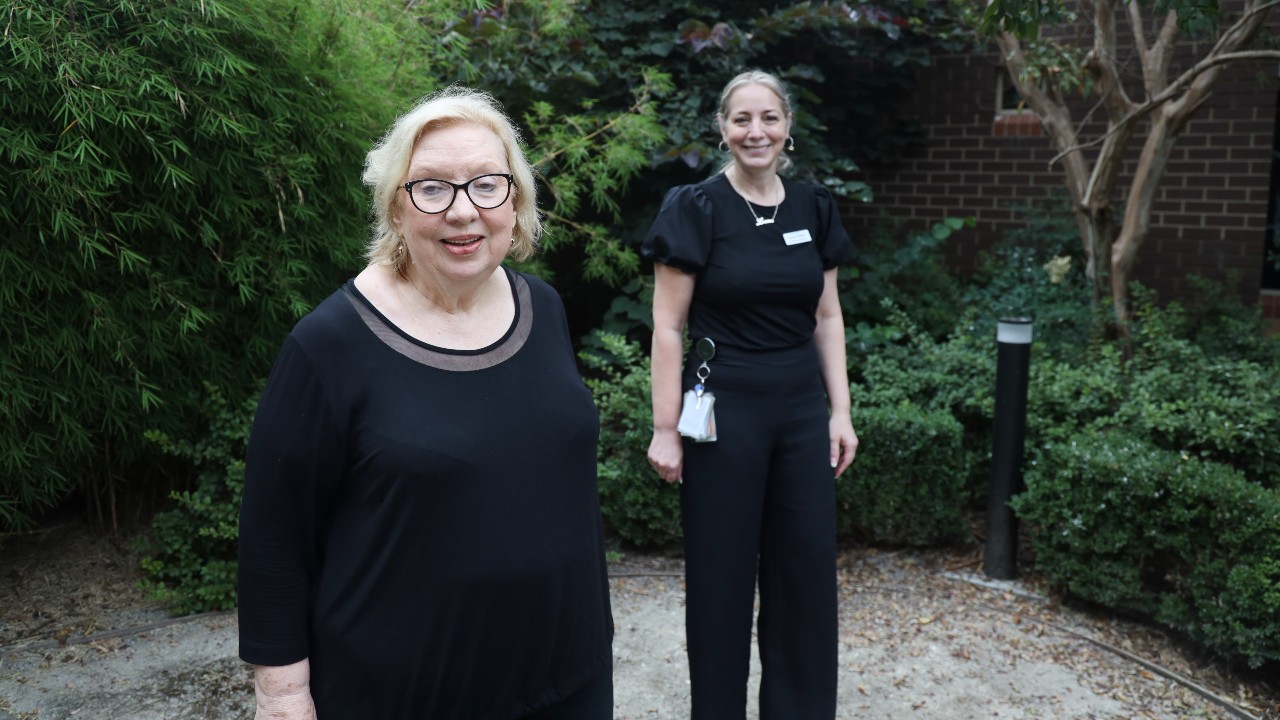
    Featured image: Yue Hu, Acting Director, Transcultural and Language Services (TALS) and Narrun Wilip-giin Aboriginal Support Unit (ASU)

  • How your ideas change our health service

    How your ideas change our health service

    Northern Health values your suggestions and ideas, and we want to work with you to improve our services for our staff, patients and community.

    In 2022, we’ve had two different campaigns running to gather and action these suggestions and ideas.

    The COVID and Our Workforce campaign focused on staff suggestions to assist Northern Health address challenges such as environment or workforce during the peak of the COVID-19 pandemic.

    “The workforce idea came from the Hospital Incident Management team and numerous ideas have now been implemented,” explains Jason Cirone, Director, Workforce Sustainability.

    Some of the ideas submitted to our People and Culture team included: Administering staff COVID vaccines on-site, introducing a secure ventilated area for staff self-testing, and providing additional personnel to help our staff on the wards.

    “From the Ideascale initiative, we received a broad range of suggestions, with initiatives across ward levels, as well as some broader strategies to assist staff with their day to day experience at the hospital. One of the suggestions was to administer COVID booster shots at our campuses, and we were able to do that just before the mandated final date for boosters. We were also able to establish a safe self-testing area for our staff, as well as deliver free parking during February at all of our campuses,” Jason added.

    “Some of the suggestions were around providing help to our ward staff, and we were able to respond to that by implementing a non-clinical ward assistant workforce and employed just over 100 assistants across many of our high-need areas in Epping, Bundoora and Broadmeadows.”

    As the ‘COVID and our Workforce’ initiative is now closed, staff are encouraged to think big, start small, move fast and submit their ‘Big Idea’ to our Project Management team.

    The Big Idea campaign is seeking ideas from all Northern Health staff that can improve the health service, both clinical and non-clinical, which align with our values of safe, kind and together.

    “We’re looking for all types of ideas, from small changes to big innovations. We appreciate people are tired after the past two years, and we’re looking for ideas to help make this time easier for patients and staff,” said Cassie Bramston, Project Manager.

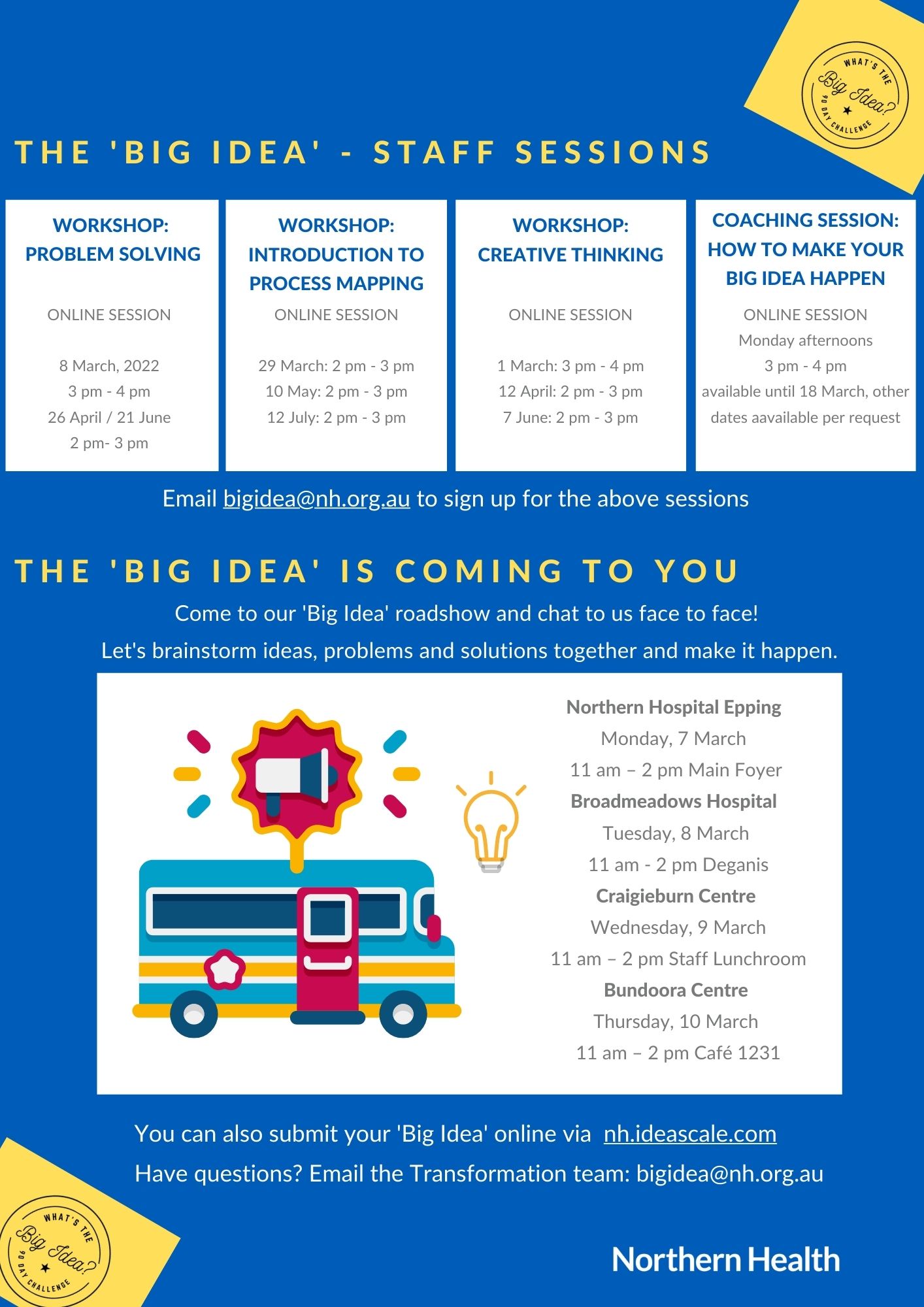
    “The Transformation Unit will be there to support the projects in every step of the process. To help generate ideas, we are running workshops in innovation and problem-solving, along with one-on-one coaching sessions to help refine, and in-person meet ups on each campus,” Cassie added.

    The team is also running a Big Idea Roadshow – a face-to-face meet up with staff where you can discuss issues, ideas, solutions, and brainstorm together.

    Dates for the sessions and roadshows are below, or you can submit your idea online via Ideascale.

  • Helping our smallest patients

    Helping our smallest patients

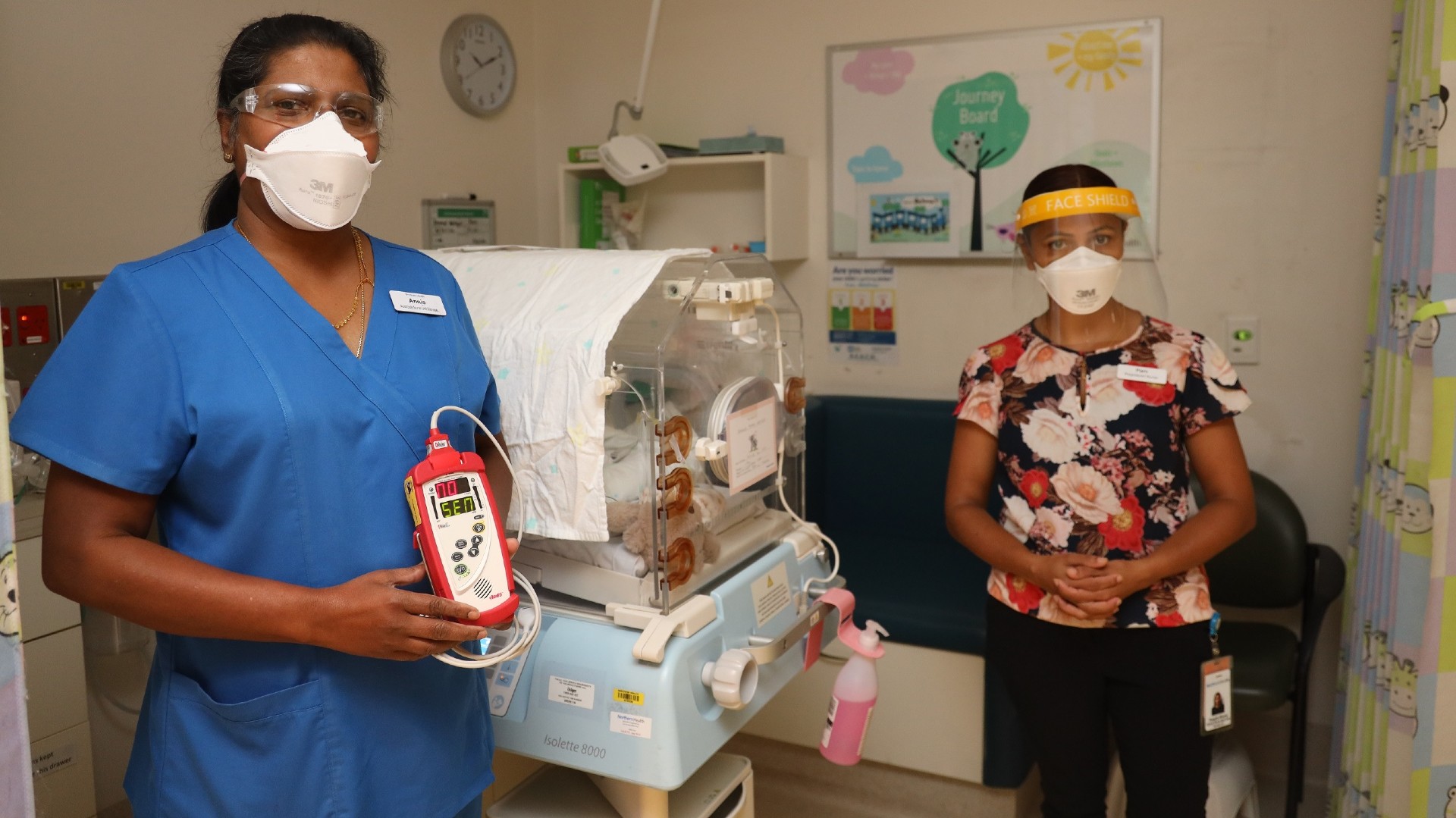
    Our Neonatal Unit at Northern Hospital Epping received a Rad 5 Pulse Oximeter with Neonatal Sensor donation, through the Humpty Dumpty Foundation.

    The piece of equipment enables a new model of care that will ensure all newborns have their vital signs checked at 48 hours after birth, and checked prior to discharge.

    Barbara Rischitelli, Nurse Unit Manager Neonatal Unit, said the equipment was vital, especially at the early stages of life.

    “Oxygen in the blood is really quite vital when babies are first born. The baby might need oxygen and, without that monitor, we are not able to actually monitor that,” she said.

    “If the baby has low oxygen saturation, then we would administer oxygen and potentially do mechanical ventilation to be able to bring those saturation levels up.”

    The new equipment will allow staff to access this much-needed equipment in a more swift and efficient way. The introduction of the Rad 5 Pulse Oximeter with Neonatal Sensor will ensure equipment is on hand and accessible for staff, avoiding the inefficiencies of needing to retrieve equipment from different points of the ward. This will increase safety and also improve the level of service to patients.

    “Because it is portable, we can take it to theatre, we can even take it to the wards because sometimes we will have a baby that could be deteriorating and that is our first initial observation that we know the baby is in trouble,” Barbara said.

    “We are grateful for this piece of equipment. It will definitely assist in caring for our babies and giving them optimal treatment.”

    Northern Health is one of Victoria’s busiest health services. Our population in the rapidly growing northern suburbs is predicted to increase by just under a quarter of a million people by 2031. The need for easily accessible and readily equipped maternity services is vital.

    Pina Di Donato, Acting Executive Director, Public Affairs and Foundation, said, “It is very rewarding for us at Northern Health Foundation to know we can make a difference to our tiny patients. We have a wonderful network of supporters, one of which is Humpty Dumpty Foundation. We are extremely grateful for their contributions.”

    The Humpty Dumpty Foundation is a children’s charity that, for more than 30 years, has been providing essential and often life-saving medical equipment for children in Paediatric Wards, Neonatal Units, Maternity and Emergency Departments across Australian hospitals.

    Featured image: Annie Abraham, Associate Nurse Unit Manager Neonatal Unit, with Pampha Khanal, Clinical Nurse Specialist Neonatal Unit.

  • The final chapter: Elizabeth Wills retires

    The final chapter: Elizabeth Wills retires

    Elizabeth Wills is retiring today, after 47 years of working at Northern Health. She has been known for advocating tirelessly for the best outcome for every patient, working with kindness, respect and consideration of how she can positively impact every staff member.

    Elizabeth reflects on how it all started.

    “I was a 10 year old girl when I decided I wanted to become a nurse. I had a deep sense that I wanted to make a difference by looking after people who are unwell and needed care. In 1970, following my mother Irene’s profound footsteps, I began my career at the Warrnambool and District Base Hospital. I then made the move of a lifetime to Melbourne to undertake my Midwifery training at The Western General Footscray,” she starts.

    “The greatest move of my professional life was coming to PANCH/Northern Health in May 1975 and it has been an absolute honour and a privilege to work here,” she added.

    Elizabeth explains how since day one, her greatest focus of nursing has been easing the vulnerability patients can feel in their time of need.

    “My mantra has always been – care for people as you would like to be cared for yourself, and your family. The same attitude is essential in the way we treat each other as health professionals. Our staff are our greatest asset,” she added.

    During her time at PANCH/Northern Health, she has worked in various roles – as an ANUM on 2 North Ward, NUM on 2 West Ward, Assistant DON nurse and for the last 24 years, she has been working as Hospital Coordinator.

    “Kindness and respect must be the starting point for our human interactions. This is my greatest belief and one I have tried my level best to follow all my life,” she said.

    “As my retirement date from my nursing career after 52 years draws closer, I find myself reflecting back over the many decades, the changes and the progress that has been made during this time. However, the one strong constant is the care of the patient and the staff that delivers that care – this continues to be our strong foundation base and our moral compass,” Elizabeth added.

    “A kaleidoscope of memories, lived experiences and the strong friendships made during this time will always hold a special place in my heart. As I look to the next chapter in my life, I wish you all the very best as Northern Health continues to progress and manage the challenges of 2022 and beyond.”

    On behalf of the Access Team, Luma Gashi, Director Patient Access and Transit Lounge thanked Elizabeth for her leadership and role modelling to Access Team.

    “Elizabeth has been a delight to work with, she is a respected colleague and leader who will be sadly missed. We wish Elizabeth much success and enjoyment in retirement,” she said.

    Elizabeth at the start of her career
  • Join us on Ward 22!

    Join us on Ward 22!

    Over the course of the pandemic, Northern Health has cared for over 2,900 COVID patients. It’s pleasing to see decreasing case numbers and hospitalisations in our community, however, as some of our dedicated COVID wards have now closed, we acknowledge the tremendous work of the remaining COVID wards still in use as they continue to work through the pandemic.

    One of these wards is our specialised ‘pandemic ward’ – Ward 22.

    Working entire shifts under stringent PPE and infection prevention protocols, staff on Ward 22 have shown dedication and commitment to continue to care for our community during difficult times.

    Judy Sonneveld, Ward 22 Nurse Unit Manager, said, “I have been a part of Northern’s COVID response in varied roles and now am pleased to be leading a team on Ward 22. This team has come together from various wards and sites and has shown true Northern Health values working together to provide safe care with kindness to our community and each other. As we move on to go back to our substantive roles, Ward 22 will continue to meet the demands of the community and I feel honoured to be chosen to build a team that will be prepared to face the next challenge.”

    Ward 22 is currently seeking interested candidates to join the team. We caught up with three staff to hear about their experiences working on a pandemic ward.

    Gee Dhaliwal, Associate Nurse Unit Manager, said, “It has been a challenging and uncertain experience but at the same time it has strengthened me both professionally and personally. I was out of my comfort zone initially, but I am so proud of myself now and I believe I have achieved so much.”

    “It is a great feeling and what an exciting challenge to be a part of history in the making. It gave me great satisfaction that I have been a key player in the community, helping save many lives and supporting patients and their families during the toughest of times,” Gee added.

    Jake Gelvezon from the education team is currently assisting with shifts on Ward 22. His first foray into COVID was back in March 2020 at the beginning of the first wave and he is pleased to say he is still contributing to the ongoing response to this day.

    “It has been a rollercoaster ride of emotions but, overall, it’s a ride I do not regret getting on. I have learned a lot in the past two years and made a lot of friends in the process,” Jake said.

    “I am proud to say that I work in the COVID wards because I know I can make a positive impact in the lives of our patients. COVID can hit really hard and we need nurses that are, not only compassionate, but also competent, and it brings me so much joy to see a patient go home to their loved ones.”

    Tayla Macdonald started her graduate year on Ward 22 as a Registered Nurse in late January.

    She said, “From the first day I arrived, I realised that working on a pandemic ward is not as scary as it may seem. It may be a little bit hard to wear full PPE for an eight-hour shift, but it is all worth it when you remember that you are truly helping those in need and have the opportunity to provide them with the best care possible.”

    “You may be exhausted at the end of your shift, but you are proud to be a part of the COVID response and it brings a certain type of satisfaction to your work,” Tayla said.

    When asked what they would say to health care workers considering applying to join the team, Tayla said, “Go for it – we can’t wait to meet you and have you on the team!”

    Tayla added, “Ward 22 has been a welcoming environment in the short time I have been working here. I learn something new every single day and all the staff are always happy to lend a hand and answer any questions I have. If you want to join a tight-knit, friendly team, Ward 22 is for you.”

    Gee said, “I can assure you that ongoing training and support from the clinical support team, Judy and myself will prepare you to look after critically-ill patients and you will be able to manage any situation with confidence. It’s a rewarding and an awesome feeling when patients believe in you, and in your skills, and leave with a big thank you!”

    Jake agreed that working on a pandemic ward can be challenging, but extremely rewarding, and he encourages health care workers to apply.

    “Please be reassured that you will be supported and heard. We have an amazing team of people working with us every day to ensure we deliver the best possible care. Plus, you get a free coffee every shift,” Jake said.

    If you are keen to work on Ward 22 and make a significant contribution to our ongoing COVID response, click here.

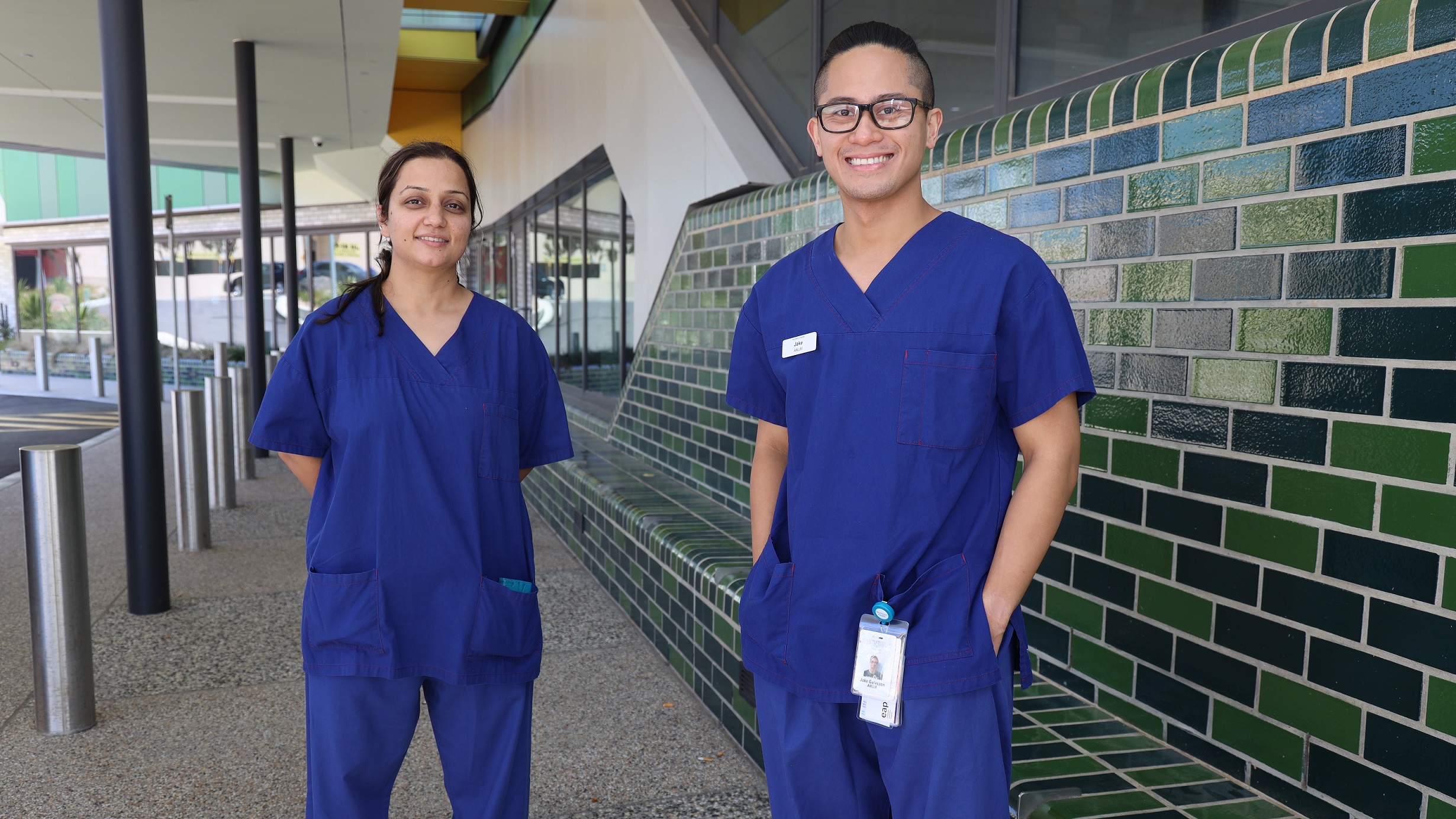
    Featured image (left to right): Gee Dhaliwal and Jake Gelvezon 

  • On 22/2/22, remember our emergency code number 2222

    On 22/2/22, remember our emergency code number 2222

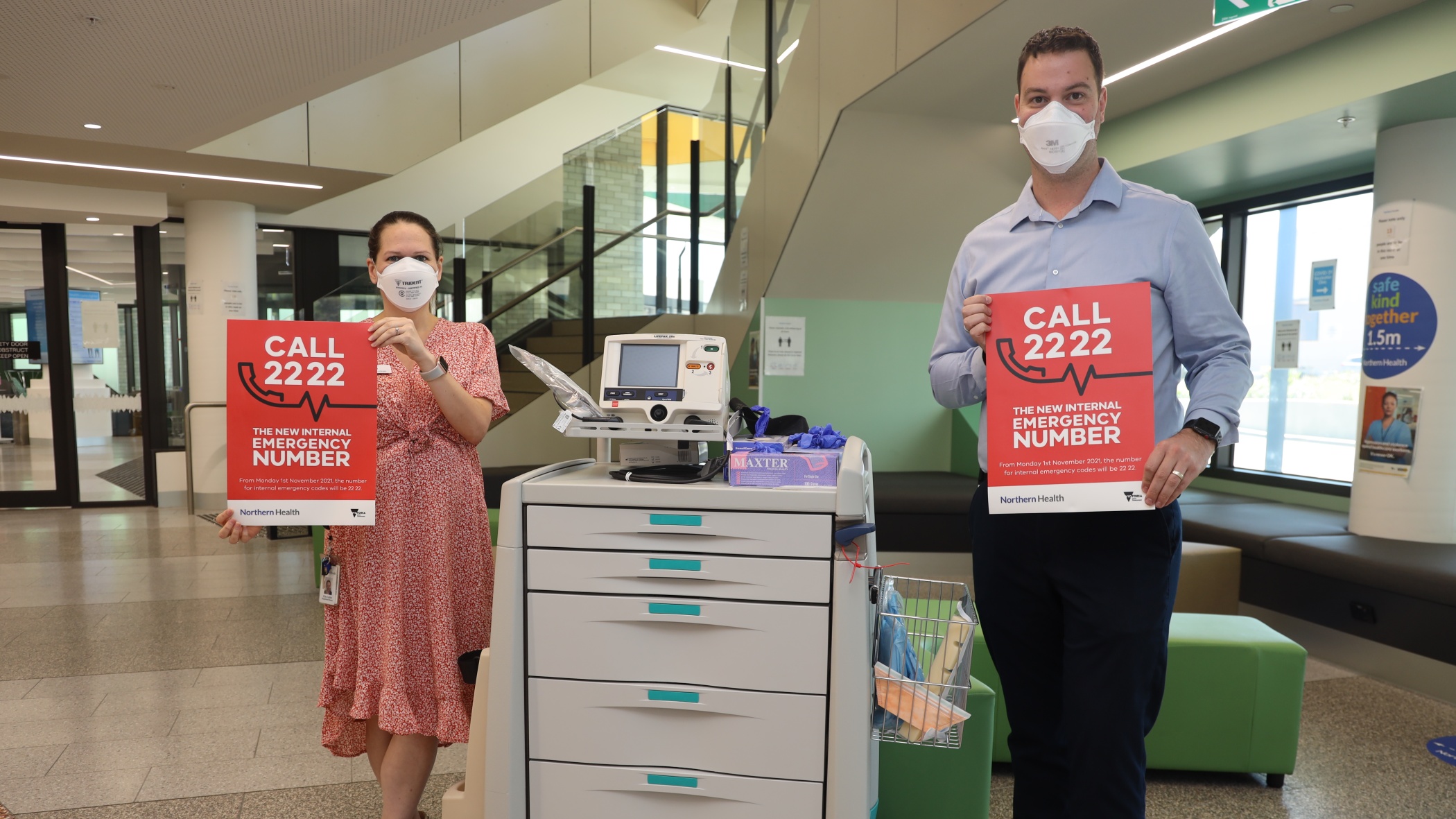
    Today, on 22/2/22, it seems only fitting to remind staff of our new emergency code number – 2222. 

    On 1 November 2021, Northern Health transitioned our internal code phone number from 444 to 2222 following the Department of Health requirement for Victorian health services to introduce the standardised 2222 phone number by the end of 2021.

    The old in-hospital emergency number 444 has continued to run in parallel with 2222, to ensure no emergency calls are missed for the six months following the transition.

    On 31 May this year, the old 444 phone number will be decommissioned and all calls will need to be made to 2222.

    Elise Sutton, Resuscitation & Clinical Deterioration Coordinator, explained the benefits of a standardised emergency number.

    “Prior to the rollout of the new emergency number 2222, there was no standardised number for activating emergency calls including Code Blues and Medical Emergency Team (MET) throughout different hospital organisations. Many of our staff work across different organisations and it can be difficult to recall the different emergency numbers at a time of high pressure and urgency. Alignment with other hospitals, not only state or country wide, but internationally, allows for a decreased risk of dialling the incorrect number, thus decreasing the risk of delay in escalation and response of the clinical emergency,” Elise explained.

    The Emergency Management team undertake monthly audits of phone calls made to 444 to identify areas where additional support and education is required to assist with the transition to the new 2222 emergency number.

    There was a downward trend in the numbers of calls being made to 444 in the first three months since the transition, however, in January 2022, approximately 10 per cent of calls to the emergency code phone originated from 444 rather than 2222.

    “A delay in defibrillation of more than two minutes is associated with poorer outcomes for patient survival in the event of cardiac arrest, so it is imperative that an emergency call is activated in a timely manner. With the decommissioning of the old emergency number nearing closer, it is important staff are aware and utilise the new correct 2222 number for emergency calls to ensure timely activation and response by the MET to guarantee safety and the best possible outcome for our patients,” Elise said.

    If you would like additional resources for your work area to advertise the new 2222 number, please contact jason.amos@nh.org.au to discuss further.

    Featured Image (left to right): Elise Sutton, Resuscitation & Clinical Deterioration Coordinator with Jason Amos, Manager – Emergency Management