• Annual General Meeting showcases community impact

    Annual General Meeting showcases community impact

    Northern Health has marked a year of expansion and innovation at its Annual General Meeting, held earlier today.

    Board Chair Adjunct Professor Alan Lilly, presiding over his first Annual General Meeting, paid tribute to former chair Jennifer Williams AM and outgoing board members Phillip Bain, Dr Sherene Devanesan AM, and Linda Rubenstein. He highlighted the organisation’s refreshed Strategic Plan, which will guide Northern Health until 2029 under the values Safe. Kind. Together.

    Chief Executive Adjunct Professor Debra Bourne outlined record activity across the health service. Northern Hospital Epping remained Victoria’s busiest emergency department with 118,710 presentations. Across the year, Northern Health admitted 129,690 patients, performed 24,110 surgeries, and welcomed 3,386 babies.

    Mental health services delivered 216,673 hours of community care and supported 2,820 inpatient admissions, including the opening of Victoria’s largest dedicated women’s mental health unit.

    Northern Health continues to lead the way in healthcare innovation through the Victorian Virtual Emergency Department (VVED). Since its launch, VVED has cared for more than 500,000 patients and continues to grow. Around 85 per cent of patients with non-life-threatening emergencies received care in their own homes – significantly improving statewide access to emergency care.

    The rise of digital health tools enables us to fulfill our commitment to delivering value-based healthcare. We are excited to announce that last night Northern Health won the prestigious 2025 Victorian Public Healthcare Award for Excellence in Value-Based Healthcare for our initiative: Transforming Asthma Care – Delivering Value-Based Care with a Co-Designed Asthma Digital Pathway. This innovative pathway was co-designed with consumers with lived experience to provide timely, personalised, and digitally enabled care that empowers patients to achieve the health outcomes that matter most to them while improving clinical efficiency.

    Closer-to-home care remained a key focus this year, with new community hospitals opening in Craigieburn and Mernda. Work also began on Stage 1 of the new Ambulatory Care Centre, paving the way for Stage 2, a major milestone that will deliver a new emergency department fronting Cooper Street.

    Northern Health strengthened academic partnerships with RMIT and La Trobe, supporting 148 new research projects and more than 350 publications. The organisation also ranked #1 in Victoria for energy efficiency and advanced its Reconciliation Action Plan, with over 700 staff completing cultural safety training.

    Mr Lily said, “This culture of excellence, executed with a great sense of humility, is what makes Northern Health a great place to work and to receive care. A place that I am privileged to be a part of. “

    Both Mr Lilly and Ms Bourne praised Northern Health’s 9,000 staff, volunteers, and partners for their dedication. Despite financial pressures, the service achieved a break-even result.

    “As we look ahead, we remain focused on our values of Safe, Kind, Together, and on building a health system that meets the needs of our rapidly growing community,” Ms Bourne said.
  • Joint Replacement Digital Care Pathway

    Joint Replacement Digital Care Pathway

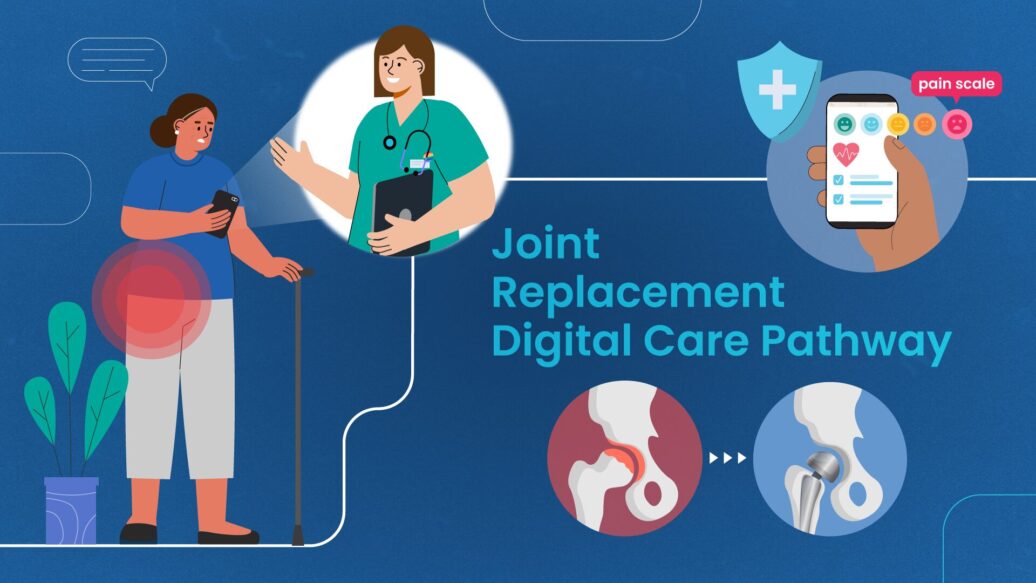
    Northern Health has commenced an exciting new initiative, the Joint Replacement Digital Care Pathway (DCP), designed to support people preparing for hip and knee replacement surgery.

    Developed through the MyHealth@Northern app and funded through the Transport and Accident Commission’s Value-Based Healthcare Program, the pathway brings together trusted education, recovery information, and guidance in one accessible digital space.

    The project is being co-designed with patients who have lived experience of joint replacement surgery, alongside clinicians, nurses, physiotherapists, and the CLEO team. This collaborative approach ensures the content reflects the questions, concerns, and priorities that matter most to patients preparing for and recovering after surgery.

    “We want patients to feel informed, confident, and supported throughout their journey,” said Professor Adam Semciw, Professor of Allied Health at La Trobe University and Northern Health. “By working directly with patients and staff, we’re creating something grounded in real experiences, not assumptions.”

    The DCP will build on the foundation of Northern Health’s Musculoskeletal Wellness Program. “Together these initiatives will improve patient journey from GP referral, offering gold-standard non-operative care for all patients with hip and knee OA, and progressing through to hospital stay and discharge, for those who eventually do require hip and knee replacement,” said Dr Juliette Gentle, Orthopaedic Head of Unit, Northern Health.

    Prehabilitation is known to improve recovery and help patients set realistic expectations, yet many people face barriers such as travel, time or accessibility. By delivering prehabilitation education at home, the pathway aims to make preparation more convenient and easier to engage with. The DCP provides guidance on exercise, nutrition, pain management, and what to expect during hospital stay and recovery, with videos and practical tips to support patients before and after surgery.

    The pathway is being developed and evaluated through a research study led by Northern Health and La Trobe University. Over the coming months, the team will pilot the pathway with patients undergoing joint replacement to assess feasibility, acceptability, and impact on outcomes.

    Rather than replacing existing education services, the DCP aims to give patients the option to access trusted information at home. By analysing who engages with the pathway, how it is used, and what impact it has, the research team hopes to identify which groups benefit most and how it can best complement standard care.

    “This is about testing what works,” said Professor Semciw. “Our goal is to ensure the pathway genuinely supports patients and fits smoothly into standard care.”


    Picture Description: Working together to improve patient outcomes for joint replacement patients – Northern Health and La Trobe University.
  • 16 Days of Activism Against Gender-Based Violence

    16 Days of Activism Against Gender-Based Violence

    16 Days of Activism Against Gender-Based Violence is a global campaign dedicated to ending violence against women and girls. This worldwide initiative begins on the International Day for the Elimination of Violence Against Women (25 November) and concludes on Human Rights Day (10 December).

    The United Nations defines violence against women as “any act of gender-based violence that causes or could cause physical, sexual or psychological harm or suffering to women, including threats of harm or coercion, in public or private life.” The World Health Organisation recognises gender-based violence as a global public health and human rights priority.

    Violence is often perceived as a physical act that causes physical harm. However, for women and girls worldwide, the violence they experience occurs in many forms. It can be subtle and not easily recognised, yet deeply damaging.

    In Australia, one in three women experience violence, and on average one woman is killed by an intimate partner each week. Certain cohorts of women are at higher risk of experiencing violence and face additional barriers to accessing support and safety. These include:

    • Indigenous women
    • Adolescent girls and young women
    • Pregnant women
    • Women with a disability
    • Transgender women
    • Women from culturally and linguistically diverse backgrounds

    Northern Health acknowledges that violence against women is a serious and prevalent health issue that can have a profound impact on the psychological and physical wellbeing of victim survivors.

    Tanya Ellis, Strengthening Hospital Response to Family Violence (SHRFV) Program Manager, says 16 Days of Activism is a time to reflect on gender inequality and social norms that tolerate and perpetuate gender-based violence. She emphasises the importance of ending inequity, discrimination and violence.

    “Violence against women is an epidemic in Australia. However, it doesn’t have to be this way because violence against women is preventable. Throughout 16 Days of Activism and beyond, we have an opportunity to unite as a community and work toward a future where all Victorians are equal, respected and safe.”

    “In order to eliminate male violence toward women, we need to address the harmful attitudes and behaviours that drive this violence. Everyone has an important role to play. By working together, we can foster change by challenging harmful notions about gender and creating a future where all women live their lives free from violence,” she adds.

    At Northern Health, Family Violence Training is mandatory for all staff members and volunteers. Please ensure to complete the training and use the Family Violence Screening & Identification Tool when working with a patient who is at risk of experiencing family violence and refer to Social Work/Specialist Services as required.

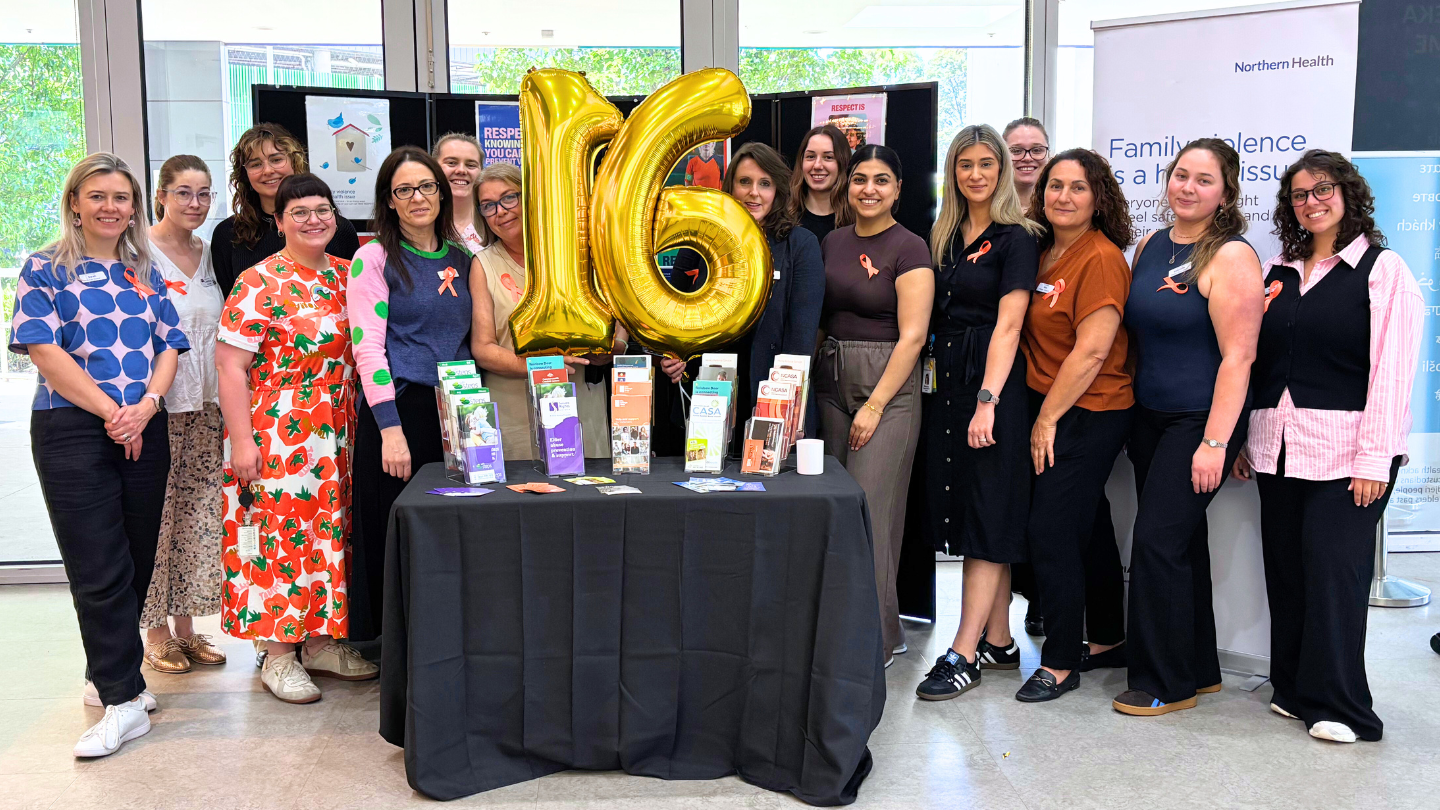
    Northern Health encourages our community to get involved in the campaign by wearing something orange, visiting the information display in the main foyer, calling out disrespectful behaviour and having conversations about what constitutes healthy relationships. You can also join the Walk Against Family Violence on Friday, 28 November 2025.

    The SHRFV Program is also available to provide specialist consultation and facilitate family violence education. Please contact the SHRFV Program if you would like to organise training in your area on 8405 8519.

    For further information, please click here and to explore activities across Melbourne.

    Pictured in featured image: Tanya Ellis with staff from Women’s & Children’s Services. 

  • Mernda Community Hospital officially opens its doors

    Mernda Community Hospital officially opens its doors

    Today, 24 November, marks an important milestone for the people of Mernda and surrounding suburbs, with the Mernda Community Hospital officially welcoming its first patients.

    The new facility is a major step forward in delivering more health services, closer to home. It will ease pressure on nearby major hospitals, including Northern Hospital Epping, while giving families greater access to the care they need.

    Mernda Community Hospital will provide essential, everyday health services to the growing northern community. Services commencing this week include:

    • Pharmacy

    • Pathology collection

    • Dental Services (DPV Health partnership)

    • Paediatric

    • Development and Behavioural

    • Respiratory

    • Allergy

    • Allied Health Clinics

    Early next year, the following services will come online:

    • Dialysis

    • Mental Health

    • Urgent Care

    • Imaging Services

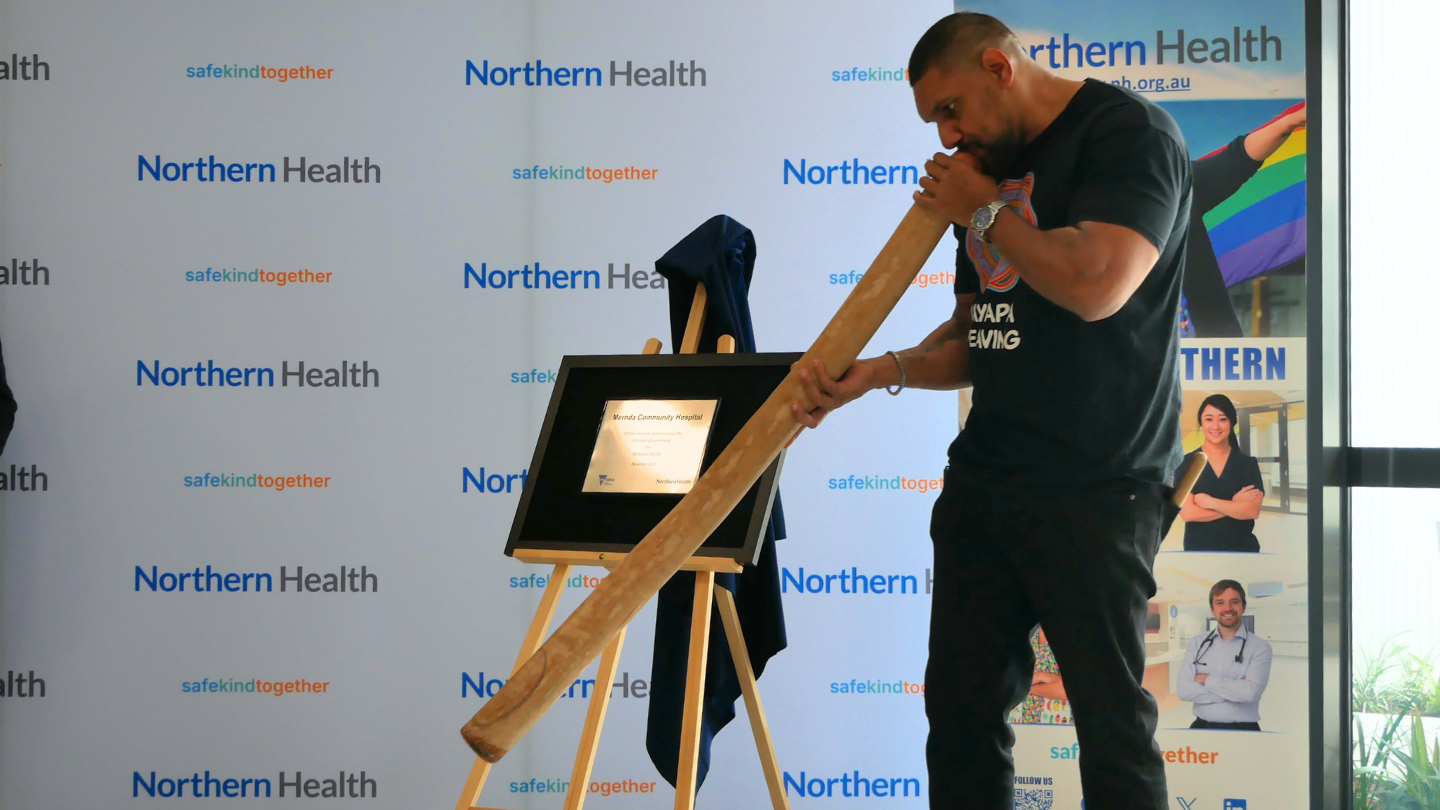
    A ceremony was held on Saturday, 22 November, to mark the official opening of the building. The event featured a didgeridoo performance by Luke Edwards and was attended by the Minister for Health, The Hon. Mary-Anne Thomas, along with Member for Yan Yean, Lauren Kathage, Member for Mill Park, The Hon. Lily D’Ambrosio and members from the local community. Karen Bryant, Manager of Narrun Wilip-giin Aboriginal Support Unit, Northern Health, gave the Acknowledgment of Country, followed by an address by the Minister and local member, and a speech from Debra Bourne, Chief Executive of Northern Health.

    “Northern Health is delighted to serve this proud and rapidly growing community. As the major provider of health services in Melbourne’s outer north, we care for a diverse population, people born in more than 185 countries, speaking over 107 languages, and following more than 90 different beliefs. This hospital is a vital part of meeting that demand and ensuring local families have access to high-quality care close to home. Every service we provide here will reflect our values: Safe care for every patient, Kindness in every interaction, and working Together with our community and partners,” said Ms Bourne.

    “The Mernda Community Hospital will help take pressure off the Northern Hospital – helping more Victorians get the care they need, sooner,” said the Minister for Health Mary-Anne Thomas.

    “This new community hospital is a game changer for our community – providing local families with more health services, closer to home,” added Lauren Kathage, Member for Yan Yean.

    Alongside the recently opened Craigieburn Community Hospital, the Mernda facility will help alleviate pressure on Northern Hospital Epping – supporting a rapidly growing region home to more than one million people and projected to grow by over 74 per cent by 2036.

    “The opening of Mernda Community Hospital marks a new chapter in local healthcare, bringing vital services closer to home and easing pressure on surrounding hospitals. We’re proud to support a healthier, more connected community,” said Kathryn Bartho, Divisional Director – Community Hospitals and Outpatient Services, Northern Health.

    Mernda Community Hospital is located at 35 Flourmill Drive, Mernda.

    Operating hours

    • General services: 8.00 am – 5.00 pm, Monday to Friday

    • Dialysis: 7.00 am – 8.30 pm, Monday to Saturday


  • Get to know: Susan Abdel-Sayed

    Get to know: Susan Abdel-Sayed

    #WeAreNorthern

    Meet Susan Abdel-Sayed, Assessor/Registered Nurse, DH-Northern Health-ACA-Northern Metro, Bundoora Centre, Northern Health.

    Q: First, let’s start with your coffee order!

    A: I don’t drink coffee! I usually get my caffeine fix from a Diet Coke, and occasionally I’ll have a hot chocolate.

    Q: Tell us about your journey at Northern Health.

    A: I started working at Northern Health on 11 July 2022, as a Comprehensive Assessor (Registered Nurse) with Northern Metro Aged Care Assessment (formerly known as Bundoora ACAS).

    Before joining Northern Health, I worked for over 20 years on the GEM Unit at Western Health – Sunshine Hospital.

    In my current role, I undertake assessments through the My Aged Care portal — either in an older client’s home, a community setting, Supported Residential Services, hospitals, or Residential Aged Care Facilities. I work in partnership with clients and their support networks to develop client-centred goals and determine eligibility for government-subsidised aged care services and approvals.

    Q: What’s the best part of working at Northern Health?

    A: There are so many positives about working at Northern Health — great work–life balance, feeling valued, supported, and appreciated, having independence and autonomy to manage my own day, job satisfaction, meeting new people, and opportunities for training and skill development.

    If I had to choose just one, it would definitely be the amazing, supportive, professional, and dedicated multidisciplinary team I work with. They make every workday more enjoyable.

    Q: What does a day in your job look like?

    A: Every day is different. Some days I’m in clients’ homes conducting assessments to determine eligibility for home support or residential aged care. Other days I’m in hospital settings, assessing eligibility for programs such as the Transition Care Program or aged care approvals. I also conduct assessments in Residential Aged Care Facilities.

    Each person I meet has their own, often complex, story to tell. During the assessment process, I provide an empathetic ear, education, guidance, and recommendations to clients and their support networks.

    When I’m in the office, I’m usually busy booking interpreters, vehicles, and scheduling upcoming assessments.

    Q: If you weren’t in your current role, what would you be doing instead?

    A: Before I began my nursing degree, I always wanted to join the Victoria Police Force. I wanted a career where I could help people and make a difference. After finishing Year 12, the Police Academy was closed for intake, so I decided to study nursing — and I’ve never looked back!

    Q: Favourite place to travel and why?

    A: My favourite place to travel is Singapore. If I could live anywhere else besides Melbourne, it would definitely be there. The weather is warm, the country is clean and safe, the people are friendly, and the food and culture are incredible. I also love the shopping — especially along Orchard Road, which stays open late into the evenings!

    Q: A book or movie that has stayed with you, and why?

    A: The movie “Beaches” is an oldie but a goodie, and I’ve always had an emotional connection to it. It takes you on a rollercoaster of emotions — it made me laugh, and it definitely made me cry. It’s such a heartfelt tear-jerker.

  • Stepping Into Research (SIR) Program

    Stepping Into Research (SIR) Program

    The Stepping Into Research (SIR) program has once again brought together allied health clinicians from across Northern Health for 12 weeks of learning, inquiry and collaborative research. Designed to introduce clinicians to the process of conducting and writing a systematic review, the program continues to strengthen our culture of evidence-based practice and professional growth across the organisation.

    Today, we proudly highlight this year’s nine participants ahead of this afternoon’s SIR Presentation Round, taking place at 1.30 pm in the Lecture Theatre at Northern Hospital, Epping. Each participant will present their research to an audience including the Director of Allied Health, all Allied Health Associate Directors, mentors, and academic partners from La Trobe University.

    Participants have been supported throughout the program by senior peers, the Allied Health Research team (Dr Adam Semciw, Dr Stephen Quick, Dr Nikki Frescos and Emily Farrugia) and experienced researchers from La Trobe University. We also extend our sincere thanks to the Northern Health Library team, especially Eunice, for guiding the first workshop on developing search strategies – a foundational step in each project.

    Speech Pathologist Jessica Gillies said the program has been an encouraging introduction to the research space. “Stepping into research has been a great introduction into the world of research. Having support from mentors in my own field as well as the Allied Health Research team has been very helpful and encouraging, making it a great learning experience,” she said.

    2025 Research Topics

    This year’s cohort represents a diverse range of clinical areas and research interests, including:

    Danika Arney, Kate MacIvor and Renee Craig (Occupational Therapy) –  Healthcare Staff, Patients and their Families’ Experiences with Virtual Home Visits for Inpatients: A Qualitative Systematic Review.

    Shiao-Hua Kwong (Mental Health Psychology) – How do non-pharmacological RCTs targeting circadian rhythm and sleep in bipolar disorder report and ensure intervention fidelity, and what is the quality of the evidence for clinical efficacy?

    Casey Kiss (Social Work) – What challenges do health professionals experience when delivering virtual healthcare to First Nations People?

    Jessica Gillies (Speech Pathology) – Rehabilitation interventions to prevent and treat depression in post-stroke aphasia: An updated systematic review.

    Megan Bunting (Physiotherapy) – The effect of brief preoperative education interventions compared to other prehabilitation interventions on ​postoperative outcomes in surgical patients.

    Jessica Brain (Dietetics) – How is cow’s milk protein allergy diagnosed and managed in preterm and small for gestational age infants in the inpatient setting?

    Celebrating Previous Participants

    The impact of the SIR program continues beyond each annual cohort. Several past participants have recently reached key research milestones:

    Simone LeBel (Physiotherapy) published her systematic review in Musculoskeletal Care.

    Rebecca Turnbull (Exercise Physiology) published her review in the European Journal of Physiotherapy.

    Lauren Roberts (Dietetics) has submitted her review for publication.

    Lauren Mitchell (Physiotherapy) will present her findings at the 11th Biennial Australia and New Zealand Falls Prevention Conference in November.

    Shalini Jayasekera (Physiotherapy) presented at the Australian Physiotherapy Association APASC25 Conference just last month on the results of her review.


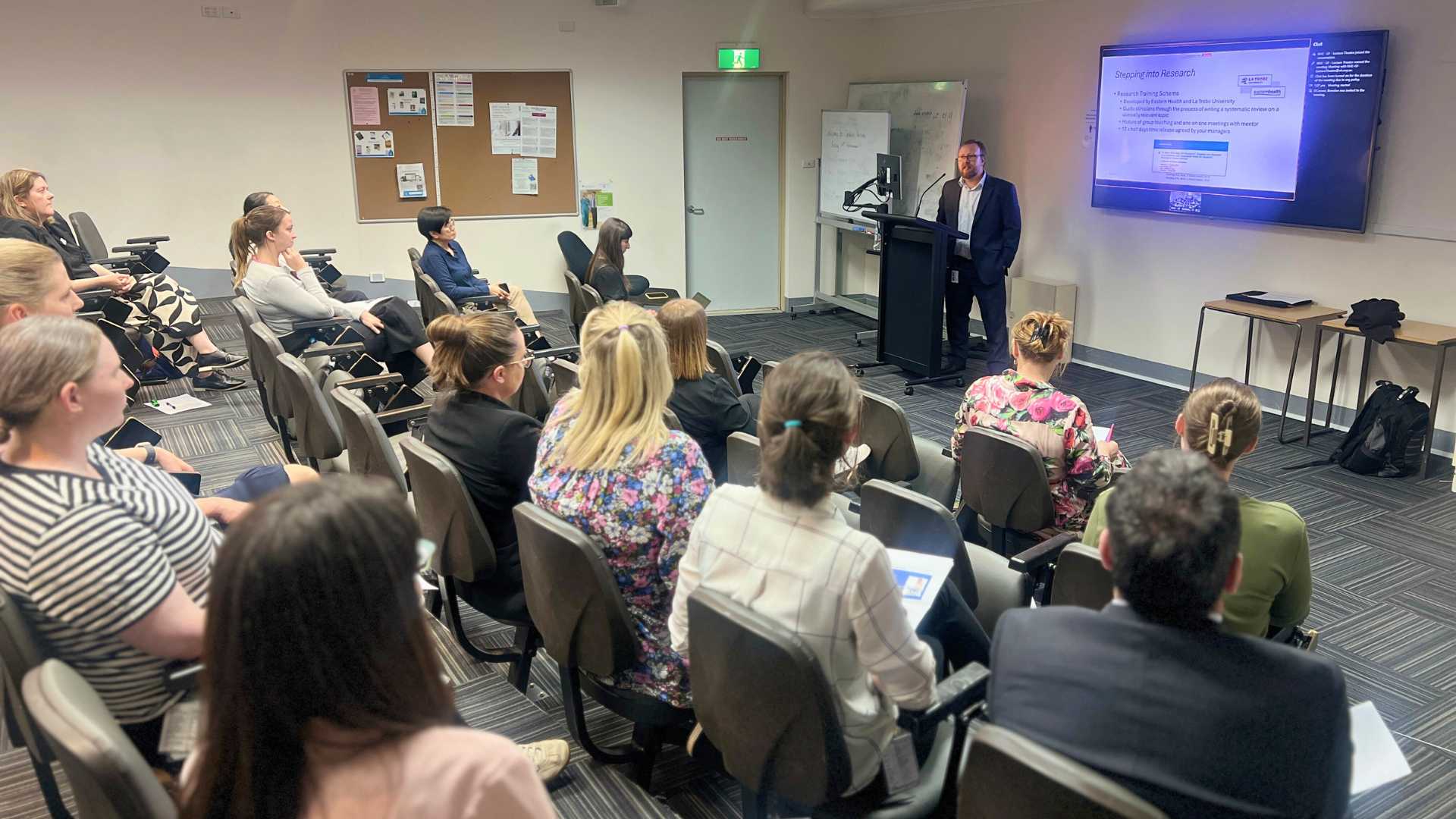
    Pictured: Dr Adam Semciw’s presentation from earlier this year 

  • Northern Health Aged Care Assessment: Supporting older people in the community

    Northern Health Aged Care Assessment: Supporting older people in the community

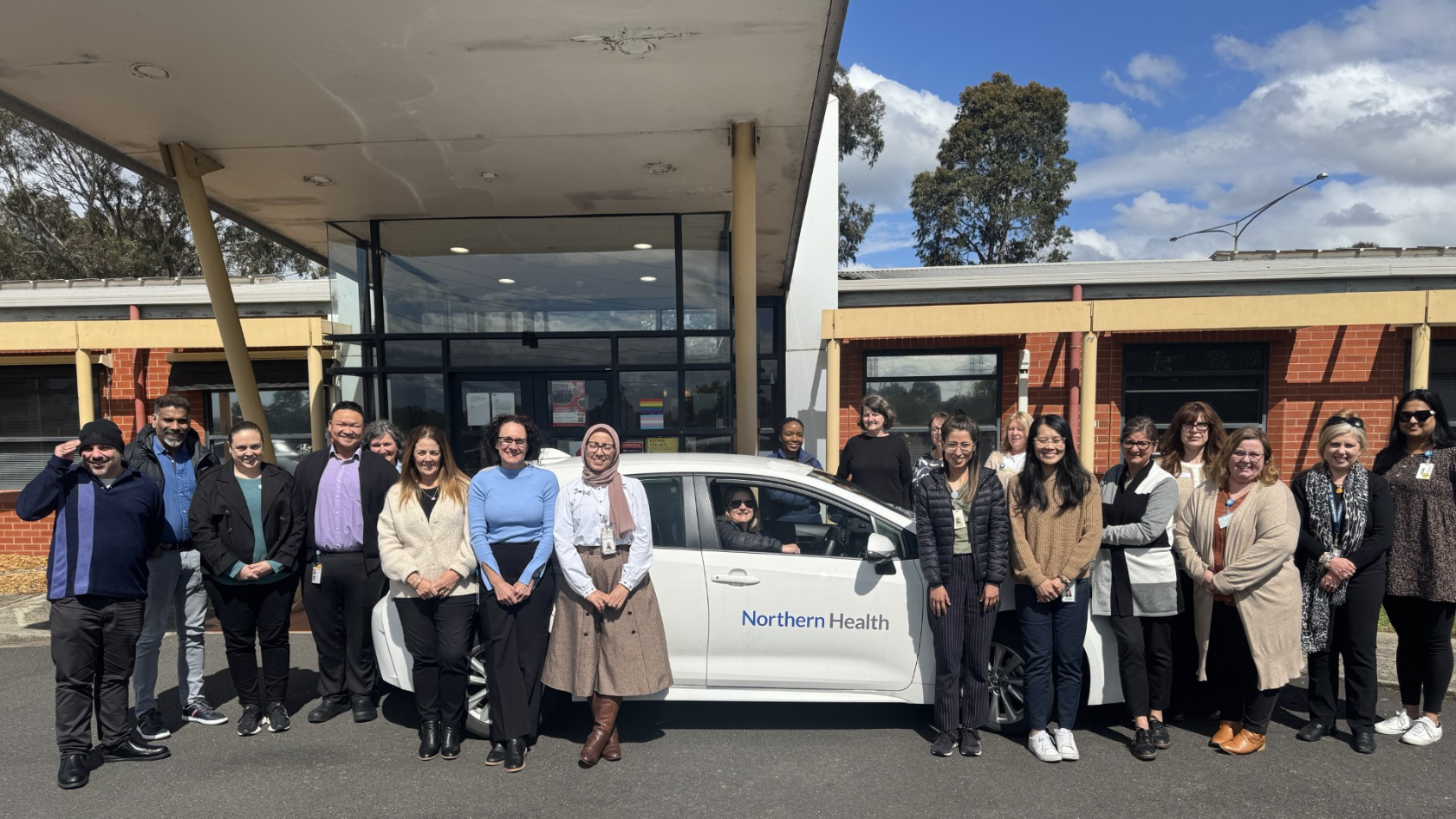
    The DH – Northern Health – ACA – Northern Metro team is proud to be at the forefront of major reforms in aged care, ensuring older Australians and their families are supported with compassion, expertise, and clarity during this time of transition.

    Our Team Commitment

    At Northern Health ACA, our dedicated multi-disciplinary team of clinicians and assessors is committed to guiding older people and their families through these changes with professionalism, empathy, and respect. We understand that reforms can feel overwhelming, but our role is to make the process as smooth and supportive as possible. An assessment can be conducted in the home, residential care facility or hospital setting.

    Our team is located at the Bundoora Centre and can travel within the northern metropolitan aged care planning region. Assessors are made up of clinical and non-clinical staff from a range of disciplines. Each assessor conducts an assessment using the integrated assessment tool (IAT) in My Aged Care. This usually takes approximately 90 minutes depending on the complexity. The outcomes of the assessment are delegated by the team Delegate to ensure the information collected and documented supports the approvals under the Aged Care Act 2024.

    What’s New?

    Together, we are not just adapting to change – we are helping shape a stronger, fairer aged care system for the future and support clients and their families to access various aged care pathways, including residential care, transition care, end of life, restorative care, assistive technology and home modifications, and Support@Home.

    Some of the key changes which Northern Health staff will benefit from knowing more about include

    • New program for Support at Home (previously called Home Care Packages) which has additional levels of packages
    • Restorative Care Pathway (previously known as STRCP)
    • New End of Life Pathway – Up to 12 weeks additional funding

    As 1 November 2025, the Support at Home Program has replaced the current Home Care Packages (HCP) and Short-Term Restorative Care (STRC), with the Commonwealth Home Support Program (CHSP) to follow in July 2027.

    This new model introduces:

    • Updated Service Classifications – clearer groupings of services tailored to care needs
    • Needs-Based Funding – streamlined payments to ensure fairness and transparency
    • Stronger Compliance Standards – enhanced safeguards under the new Aged Care Act 2024 and Aged Care Rules 2025

    Alongside these program changes, the Aged Care Act 2024 introduces a rights-based framework and a unified assessment system. This means:

    • single assessment pathway to simplify access
    • Statement of Rights for every older person undergoing assessment
    • Supported decision-making to empower individuals in their care choices
    • Culturally sensitive pathways for Aboriginal and Torres Strait Islander peoples

    Assessment responsibilities will also shift, with all hospital assessments conducted by public health sector organisations, while community assessments will be shared between public health (40%) and new private assessment organisations (60%) across each Aged Care Planning Region.

    How to make a Referral

    Hospital referrals: Complete the Victorian Hospital referral form and email to NorthernHealthACAreferrals@nh.org.au

    Community referrals: Contact My Aged Care on 1800 200 422 or submit via www.myagedcare.gov.au

  • Go blue for antimicrobial resistance

    Go blue for antimicrobial resistance

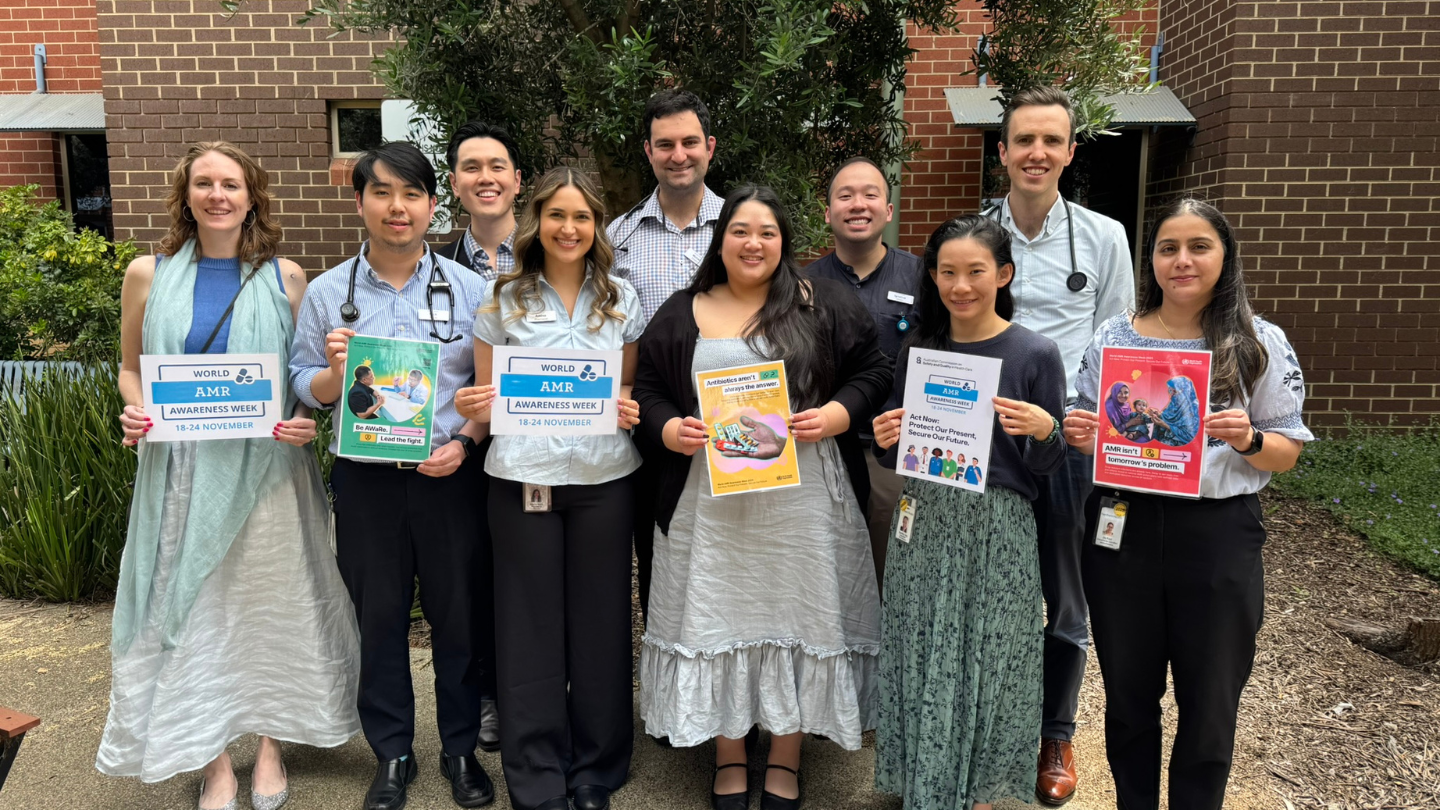
    World Antimicrobial Resistance Awareness Week (WAAW) is a World Health Organization (WHO) official health campaign that aims to raise awareness and understanding of Antimicrobial Resistance (AMR) amongst healthcare providers and within the wider community.

    Run each year between 18 – 24 November, this year’s theme is ‘Act Now: Protect Our Present, Secure Our Future.’

    AMR occurs when microorganisms including bacteria, viruses, fungi and parasites no longer respond to antimicrobial agents, such as antibiotics. Drug-resistant microorganisms can spread between humans, animals, plants and the environment, and pose a global threat to animal and human health, food security, and economies.

    The misuse and overuse of antimicrobials, combined with factors like pollution and weak healthcare systems, make it easier for resistance to develop and spread.

    The ‘Act Now: Protect Our Present, Secure Our Future’ theme is a strong reminder that AMR is already here and already affecting our health, food systems and economies. It’s closely linked to the environment and pollution, and we need to act now to address the threat before it gets worse. Together, we can preserve the effectiveness of antimicrobials and build a healthier, more sustainable planet.

    The Antimicrobial Stewardship team at Northern Health is responsible for leading surveillance and stewardship activities at an organisational level, but action needs to be taken by all members of the Northern Health family to implement AMS strategies as part of routine patient care.

    “Antimicrobial Resistance is not a future challenge, it’s happening right now,” said Danni Miatke, AMS Lead Pharmacist.

    “With approximately half of all patients treated at Northern Health receiving an antimicrobial during their admission, our healthcare providers have a real and tangible opportunity to invest in AMR action and a safer, healthier future.”

    The WHO encourages the community to wear light blue to promote WAAW and bring light to antimicrobial resistance.