
• Get to know: Danika Arney

    Get to know: Danika Arney

    In today’s ‘Get to know’ profile, we catch up with Danika Arney, Senior Clinician – Occupational Therapy (OT).

    Firstly, what’s your coffee order?

    I don’t drink coffee, but will occasionally have an almond hot chocolate.

    Why and how did you choose your specialty?

    I always wanted to work in health, and help people. Whilst in high school, I played netball with an Occupational Therapist, who introduced me to the Occupational Therapy profession. I was drawn to OT due to the nature of enabling others to participate in meaningful activities to achieve fulfilment in their daily activities and life. Whilst completing rotations at Northern Health, I really enjoyed working in an inpatient setting and was drawn to the fast-paced nature of acute.

    What do you like most about your role?

    Everyday is different as an acute OT – and I really enjoy the variety.

    What is your greatest achievement or favourite memory since working here?

    I have had so many achievements at Northern Health, such as progressing from grade 1 rotations to my current position as Senior Clinician in acute at Northern Hospital Epping. But the memories that stay with me are always getting the complex patients home. The gratitude that families have when their loved one finally gets home makes all the hard work worth it.

    How do you relax after a long shift?

    Going to the gym or taking a walk.

    Where is a favourite place you’ve travelled and why?

    London. There is so much to see and do! As a sports fan, visiting Lords was incredible.

    What’s your favourite inspirational quote or figure?

    “Do your best” – I try and live by this each day.

    Which Northern Health value do you relate to best?

    Together. Working together as a team is important to ensure that patients are able to achieve their best health outcomes. And I believe the teams and people I have worked with over the years, and now, is a big part of why I enjoy working at Northern Health.

    Featured Image: Danika in London 
  • This is Clinical Documentation Integrity Week

    This is Clinical Documentation Integrity Week

    This week, we celebrate Clinical Documentation Integrity (CDI) programs at healthcare services around Australia.

    Here at Northern Health, it is a time to recognise our CDI professionals and the vital role they play in improving patient safety, enhancing the quality of healthcare data and ensuring the financial sustainability of health services.

    Often, the documentation in patient healthcare records makes sense from a clinical care perspective, however, it may be missing key information for our clinical coders. Incomplete documentation can lead to incomplete coded data and subsequently incomplete reporting and funding. The aim of the CDI team is both to address documentation gaps, and also provide real-time feedback to our clinicians so that their notes are complete and accurate for every inpatient encounter every time.

    Diana Villalta, Clinical Documentation Specialist, joined the team just over a year ago.

    “I come from a clinical background of Dietetics and Midwifery. My fellow CDI colleagues come from a Health Information Management (HIM) background. This mix of clinical and HIM skill sets works well for a CDI team, as we are able to bounce ideas off each other and look at things from different perspectives,” Diana says.

    “I enjoyed direct patient contact in my previous roles, however, I have really enjoyed making an impact in other ways whilst still using my previous skills and knowledge. Prior to this role, I knew very little about coding, casemix and funding. I always knew, as a clinician, that documentation was very important, but it has been fascinating to see the process in which the documentation is reviewed, coded and extrapolated for different purposes. I am more aware now of all the dedicated staff who work in HIS and more specifically the CDI and Coding and Casemix teams who work hard to ensure that every inpatient episode is coded accurately to reflect the clinical truth.”

    Mary Kouvas, Clinical Documentation Integrity Coordinator, Health Information Services, says, “There are some exciting things on the horizon for CDI here at Northern Health. In particular, we look forward to trialling a digital move in communicating our documentation queries with the doctors, through the use of Medtasker. This will mean moving away from our current paper-based form, which will hopefully improve response rates and decrease retrospective queries, not to mention it being better for the environment! We also look forward to transitioning to the EMR and seeing what challenges may arise in the documentation space.”

    Learn more about CDI by participating in the CDI Quiz on the Intranet for a chance to win a hamper!

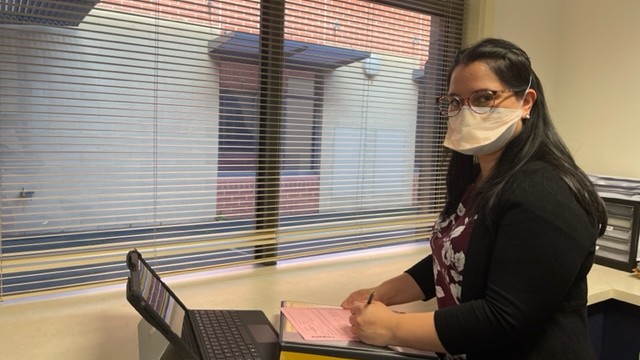
    Picture shows Diana Villalta, Clinical Documentation Specialist.

  • Book in time at the Northern Health library

    Book in time at the Northern Health library

    Book in time at the Northern Health library, and become immersed in all it has to offer!

    The Northern Health library provides staff and students connection to quality evidence-based health information to support research, student and patient care, and to continue professional development.

    Located near the Fit Testing Centre and Lecture Theatre at Northern Hospital Epping, the library has a rich set of services, including online and physical resources, provision of expert search services, critical appraisal advice and training, and research and search strategy design support. There’s also the ability to source articles and self-loan material, with group and individual training available to support health search and literacy.

    The library is staffed by fully qualified health librarians Monday to Friday. Staff can access the library 24 hours a day, seven days a week, via their swipe card. The library has a small meeting room, a study room and six computers. Online, the library can be found via the eLibrary.

    Natasha Bradley, Director Library and Information Literacy Services, said as Northern Health continued to grow and develop, so too has the library.

    “Most recently, we have focused on redeveloping and expanding our online resources and capabilities via the eLibrary,” she said.

    “The eLibrary aggregates all online resources and service requests forms, and enables staff to keep up to date with emerging health issues such as COVID-19 and Monkeypox, along with specialised pages on other topics. We continue to maintain a relevant and current collection of hard copy books on a range of clinical topics.”

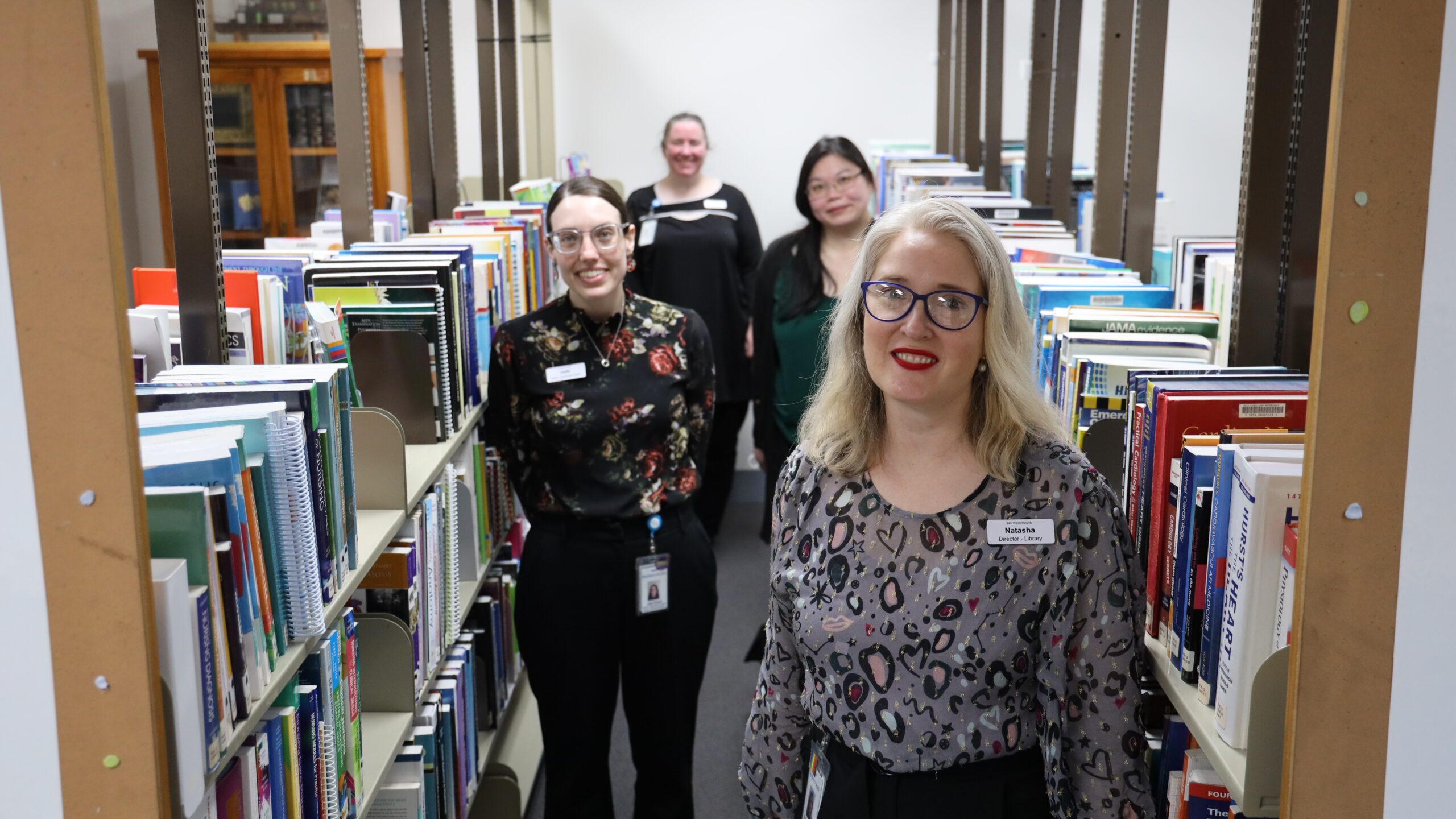
    The current library team is comprised of Natasha, Erica Hateley, Senior Librarian and experienced clinical search specialist, Jade Howell, Librarian – responsible for core day-to-day services in the physical and online library environments, and Kelly Chan, Library Technician.

    Looking to the future, Natasha’s key focus is expanding the library’s capabilities so staff and students can utilise face-to-face or online education around expert search.

    “As well as screencasts, we’re exploring how we can best offer brief online training to help resolve the common, but tricky questions users have around literature search,” she said.

    “We’re also working towards enabling an all-encompassing library search capability, so users can access every single library book, eBook, article, journal, video and audio file on their topic of interest.”

    Natasha says people are often surprised to discover that 95 per cent of the library’s day-to-day work is in the online environment, from responding to email enquiries, to sourcing articles via online networks and searching online medical literature to answer clinical questions.

    “We also maintain our own eLibrary and associated resources – we are confident and capable digital citizens. The books are one aspect in of the library – the one folks most regularly think of when they hear the word ‘library’, but the Northern Health library is so much more than books,” she said.

    Staff and students can become Northern Health library members, which enables access to a range of resources and access to the library anywhere, anytime. For more information and to sign up, please click here.

    Featured image (back to front): Erica Hateley, Senior Librarian, Kelly Chan, Library Technician, Jade Howell, Librarian, and Natasha Bradley, Director Library and Information Literacy Services.

  • World Sepsis Day

    World Sepsis Day

    Today is World Sepsis Day.

    Sepsis is a life-threatening condition that arises when the body’s response to an infection damages its own tissues and organs. It can lead to shock, failure of multiple organs, and death – especially if not recognised early and treated promptly.

    Sepsis is a global health crisis. It affects between 47 and 50 million people worldwide every year, and at least 11 million die – with one death every 2.8 seconds. Many surviving patients suffer from the consequences of sepsis for the rest of their lives.

    In 2013, Northern Health introduced the Step on Sepsis program.

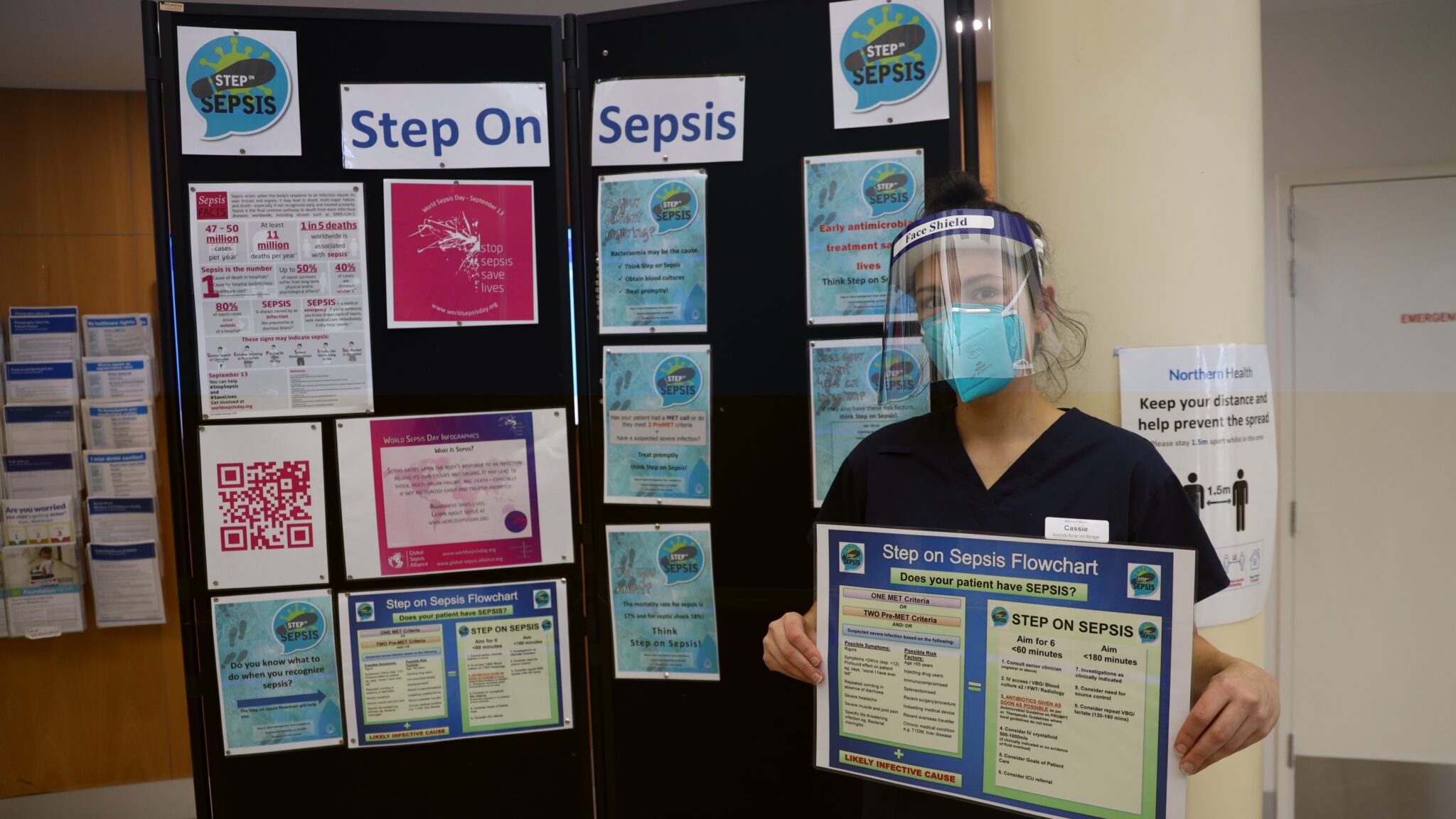
    Cassie Gilbert, Step on Sepsis Project Coordinator, said the program was developed to aid in early recognition and appropriate management of sepsis at Northern Health. The goal of the program is to decrease time to antibiotics and improve patient outcomes.

    “It is time critical to promptly recognise the warning signs of sepsis and respond appropriately to improve patient outcomes. As clinicians, we are essential in the early recognition of sepsis and advocating for our patients to ensure the early treatment of sepsis,” Cassie said.

    Associate Professor Craig Aboltins, Northern Health’s Head of Infectious Diseases and Medical Lead for the project said, “Step on Sepsis was introduced as a quality improvement project at Northern Health, working to better the care for our patients presenting with, or developing, sepsis throughout the organisation. Strong research evidence suggests patients with sepsis have a significantly reduced mortality risk if they receive anti-microbial treatment within one hour of sepsis recognition.”

    “The Step on Sepsis project takes on a multidisciplinary team approach to improve the management of septic patients, specifically in the prompt administration of antibiotics, and has successfully improved recognition of sepsis and the time to antibiotics for our patients,” Craig added.

    The program has been successful in helping clinicians improve the recognition and treatment of patients with sepsis. This program focuses on examining time to treat with antibiotics, as well as improving nursing and medical staff education in identifying and managing patients with serious infections.

    If you would like to know more about sepsis and World Sepsis Day head to:

    https://www.worldsepsisday.org/

    https://www.australiansepsisnetwork.net.au/

    Featured image: Cassie Gilbert, Step on Sepsis Project Coordinator

  • Welcome Raavi Sandhu, NUM of Ian Brand Residential Care

    Welcome Raavi Sandhu, NUM of Ian Brand Residential Care

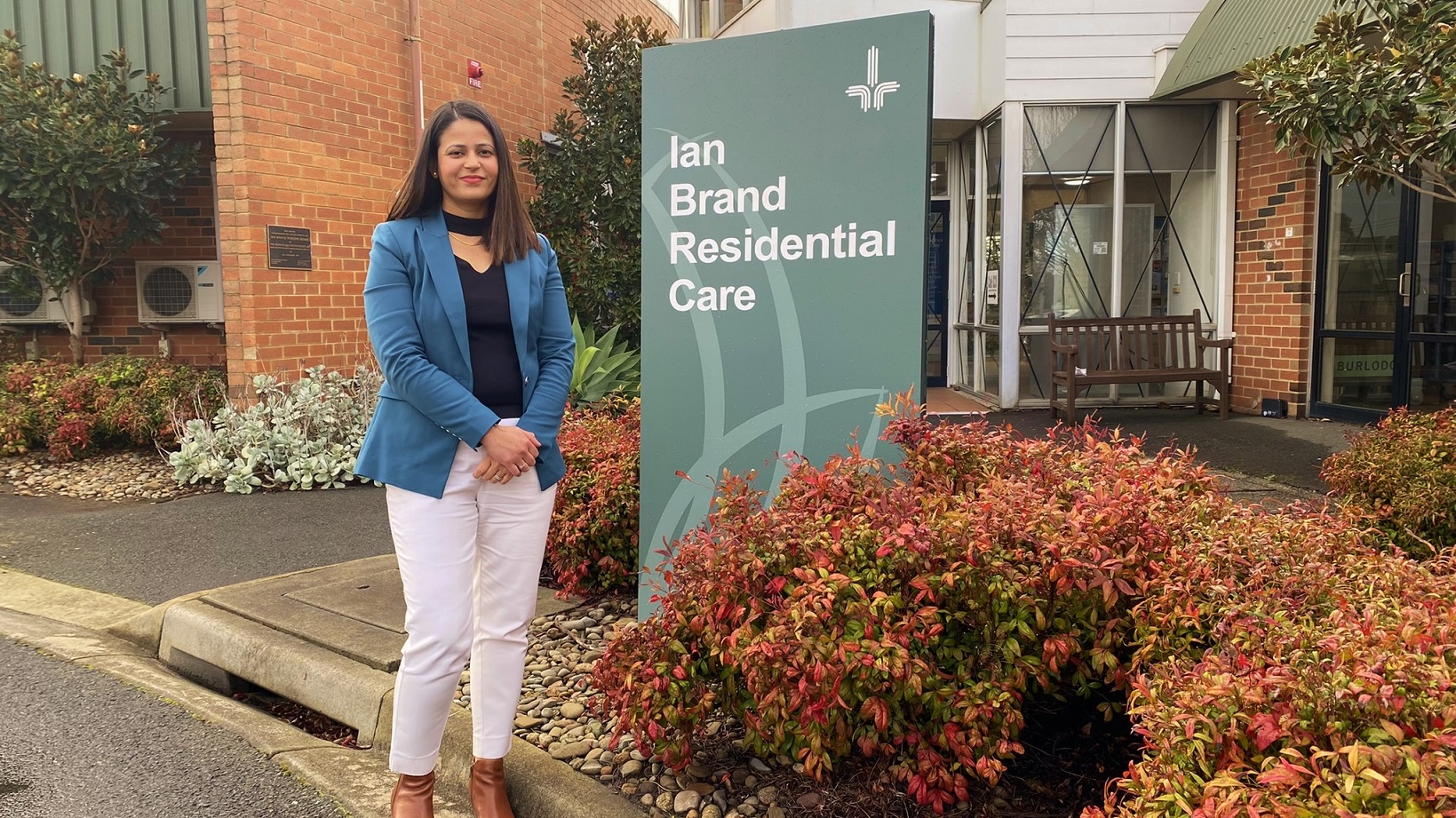
    Welcome Ravinder Sandhu, the new Nurse Unit Manager (NUM) of Ian Brand Residential Care (IBRC) at Bundoora Centre.

    Raavi started at Northern Health two months ago and has worked as a NUM for the past seven years in aged care.

    “I am passionate about aged care and looking after our older people, as well as trying to make improvements in aged care with the support of our teams while engaging our residents,” she says.

    Raavi has worked in health for over 11 years in different roles including as an enrolled nurse, registered nurse and NUM in dementia-supported units, aged care facilities and a psychogeriatric unit.

    Prior to commencing at IBRC, Raavi worked in the private sector for most of her career.

    She says her favourite part of being a NUM is building connections with residents, as well as with her team.

    “I enjoy working closely with my residents, as it makes me feel like my home. I enjoy leading my team while taking improvement initiatives towards best practice patient care, as well as staff efficiency and wellbeing,” she says.

    Raavi has been warmly welcomed by staff in her new role.

    “Ian Brand is a beautiful small aged care facility at Bundoora Centre. Staff are very welcoming and residents enjoy living here. Our dedicated team of professionals support residents’ health and wellbeing to their best life,” she says.

    “We are pleased to advise that, after going through lot of challenges during COVID-19, we are back on track with a lot happening at IBRC, including volunteers being back, students being back for placements and outdoor activities and outings re-commencing. We are looking forward to having our entertainer back on site as well.”

    Looking to the future, Raavi and her team are working on various improvement projects to enhance the fantastic care already provided to residents.

    “We have some projects already underway to improve our services at IBRC. We have some vacant rooms which we have started to fill recently, with some admissions already completed and some underway. There is a lot to look forward to at IBRC!”

    Lisa Cox, Chief Nursing & Midwifery Officer and Divisional Director Nursing – Subacute, recognised the hard work of staff at IBRC.

    “While we have always known that the staff at Ian Brand Residential Care are fantastic, this was further confirmed in August with an unannounced accreditation. I am proud to share that the feedback from the accreditation was positive and reconfirmed the excellent work that our team is doing at IBRC.”

  • World Physiotherapy Day

    World Physiotherapy Day

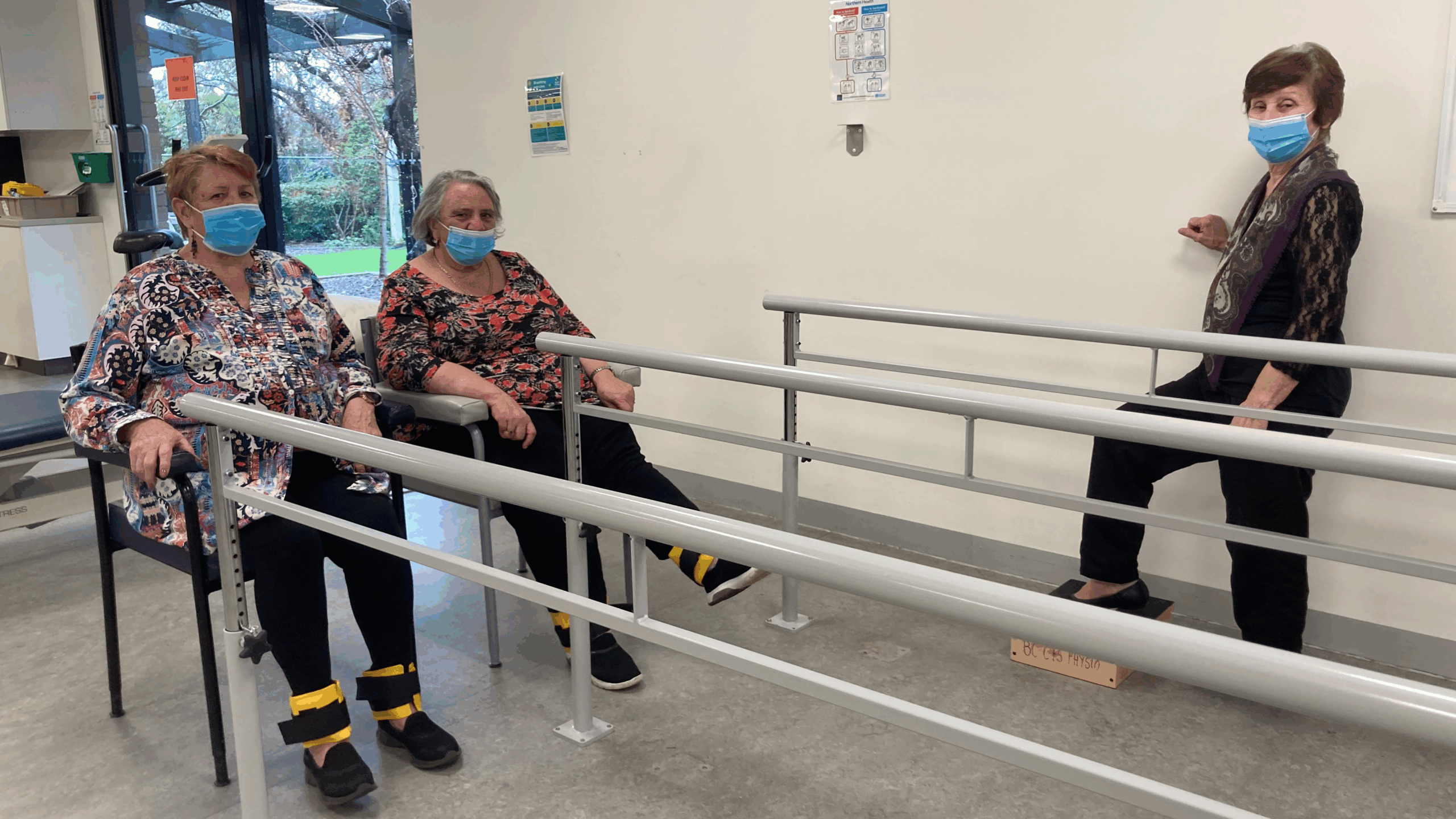
    Yesterday was World Physiotherapy Day, an opportunity to recognise the work physiotherapists do for their patients, and showcase the significant role the profession makes to the health and wellbeing of the community.

    This year’s focus for World Physiotherapy Day is osteoarthritis, and the role physiotherapists play in the prevention and management of people affected by osteoarthritis.

    Samuel Curtis, Home Based Physiotherapist at Bundoora Centre, said physiotherapists help patients get the most out of life, whether recovering from injury or hospitalisation, reducing pain and stiffness, increasing mobility or preventing further injury.

    “Physiotherapists work in all sectors of healthcare, including public hospitals, private practice, rehabilitation centres, sporting clubs and community health centres,” he said.

    “We listen to individual health needs, and tailor treatment specific to your body, condition, lifestyle and life stage.”

    Samuel says osteoarthritis is the most common joint injury, and is a leading cause of disability. Exercise is a first-line treatment for osteoarthritis, and physiotherapists can provide education about pain relief, and ways to manage osteoarthritis.

    “We can teach people living with osteoarthritis how to improve joint movement and strengthen muscles. A physiotherapist will also be able to guide you on how to keep active,” he said.

    “It is important for people living with osteoarthritis to keep as active as possible. This can help improve pain, reduce other symptoms of osteoarthritis, and help people stay independent.”

    Northern Health has over 100 physiotherapists working within the continuum of care from inpatient, ambulatory and community settings.

    “These therapists will often be working within sub-specialties in the area of musculoskeletal, neurological, cardiorespiratory, paediatrics, pain continence, women’s health, aquatic, and emergency physiotherapy,” Samuel said.

    “Experienced postgraduate-trained physiotherapists provide primary contact clinics and services in the Emergency Department and as part of the outpatient orthopaedic and neurosurgery clinics.”

    For more information on physiotherapy services at Northern Health, click here.

  • R U OK? Day: A conversation could change a life

    R U OK? Day: A conversation could change a life

    Are you OK? It’s a simple question, yet can have a life changing impact.

    R U OK? Day is a chance for us to pause, reflect and evaluate how we can better support ourselves and each other. A friendly smile, a coffee catch up or a wave in the hallway can go a long way in making a difference.

    This national day of action reminds us that it’s important to ask today, and every day, ‘Are you OK?’ – and to start meaningful conversations with our friends, family, peers and colleagues.

    Michelle Fenwick, Executive Director, People and Culture, said, “Taking one day to think about and talk about R U OK is really important. But imagine if we pledge to do this once a week. I wonder what a difference that would make!”

    In recognition of R U OK? Day, there are a number of initiatives and activities taking place across Northern Health.

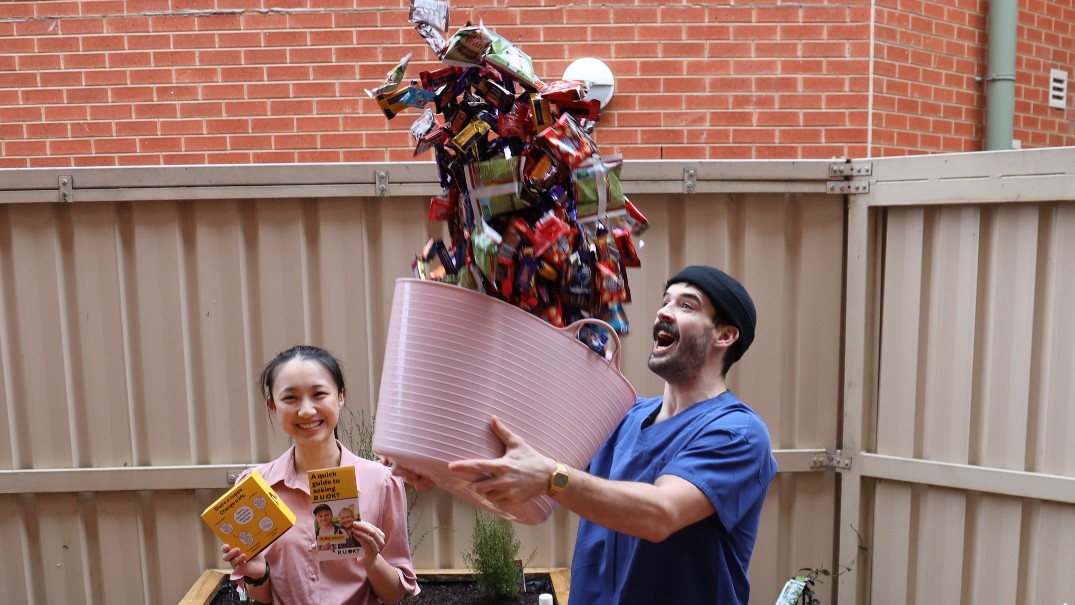
    Giant chocolate freckles will be distributed to teams and departments today, for staff to enjoy a treat while talking to a friend or colleague. There are also a number of support resources available for staff, which can be found here.

    A webinar will be hosted by Susie Zielin, Psychologist at Cathartic Consulting, today at 2.30 pm. The webinar will provide staff with tips on how to recognise the signs and symptoms of those in need of support, and how to feel confident when asking the R U OK? question. Susie will also discuss how to refer friends and colleagues to support services, and what that support looks like. You can join the webinar here.

    At Northern Hospital Epping, the wellbeing and support team from the Junior Medical Staff Association (JMSA), have organised a lunch with board games, to gather everyone together for a fun time, but most importantly to get conversations rolling.

    “R U OK? Day is an Australian-wide movement to open the conversation with those around us struggling with life. The JMSA got behind the movement during the immense challenges healthcare workers faced during the past few years. Today is a day to pause in the busyness of our lives to check in with our colleagues, and ask the question, R U OK?” said Dr Natina Monteleone, JMSA Wellbeing and Support Coordinator.

    “We would also like to thank all our volunteers who helped to run this event,” Natina added.

    Check in with your colleagues, peers and loved ones today, and every day, and remember, it is OK to not be OK.

    Featured image: Junior Medical Officers, Catherine and Jacob, with goodies to share amongst the JMSA.

  • R U OK? Day

    R U OK? Day

    Northern Health is committed to supporting the psychological health of all our staff, and we continue to be inspired each day by how adaptable we have become as a health service.

    We appreciate and acknowledge the efforts made continually by our staff, and note that it does not go unseen, and that our own self-care is even more important when times are busy.

    This week, we are reminded of the importance of connection and conversation. R U OK? Day is a chance for us all to pause, reflect and evaluate how we can better support ourselves, and each other.

    By increasing our self-awareness of how we are feeling, we are better placed to recognise the signs of struggle in someone close to us. We want to encourage a friendly smile, a chat over coffee, a wave in the hallway and, most importantly, we want to normalise that it is okay to have our off days, and to share when our plates feel a little too full.

    In recognition of R U OK? Day, we have the following initiatives planned:

    1. Cathartic Consulting Webinar – 2.30 pm

    We have the expert team from Cathartic Consulting hosting an all-staff R U OK Day Webinar today at 2.30 pm. This session will include discussions on the importance of having R U OK? conversations, how to confidently hold space for yourself and each other, and what steps to action when someone says they are not doing OK.

    1. R U OK? Day is all about YOU

    We face a variety of challenges in the health care sector, and recognise there is no ‘one size fits all’ approach to improved wellbeing. Therefore, in addition to our organisational-wide wellbeing improvements recently shared at The Window, we are pleased to launch our latest wellbeing initiative – ‘R U OK? Day is all about YOU’.

    This gives each team at Northern Health an opportunity to select a wellbeing support/improvement to suit their needs. By selecting an item from a pre-populated list, we will supply your team with a product of their choosing. Details on how to apply and the selection criteria can be located here: Wellbeing Initiative – R U OK? Day.

    1. ‘Treat & Talk’

    In follow-up to the ‘Thank-you and R U OK?’ conversations you had yesterday, today is about ‘Treat & Talk’. Your team should have received a delivery of giant chocolate freckles and we encourage you to enjoy this ‘treat’ while ‘talking’ to a friend or colleague about how they are feeling. Each supportive conversation can make a difference, and through this you all strengthen our culture of care here at Northern. If you do not receive a delivery, please escalate through your divisional leads.

    Finally, in keeping with R U OK? Day, be reassured that ‘It is OK not to be OK’. We as an organsiation care deeply about your wellbeing, and strive to support all employees. A number of resources have been sent through this week and all support options can be found here.

    On behalf of the Northern Health Executive team, I thank you for the work you do, and for looking out for each other today, and every day.

    Siva Sivarajah
    Chief Executive