• ECG integrating with the EMR

    ECG integrating with the EMR

    Northern Health’s Electronic Medical Record (EMR) will be integrated with our current electrocardiogram (ECG) records when we go live in September 2023.

    An ECG records the electrical signals in the heart and is commonly used by patients who experience chest pain, heart palpitations, and rapid pulse, in order for the clinicians to detect or determine whether there are irregular heart rhythms, blocked or narrowed arteries in the heart that might be causing chest pain or potential of a heart attack.

    Currently, at Northern Health, ECGs can be initiated by nurses or doctors, how and when these studies are reviewed is dependent on the patient’s clinical condition or where the patient is located. For example, in ICU, patients undergo regular ECGs in the mornings. The results are stored in the Philips monitors and are reviewed by consultants on the morning ward round. Generally, the ECGs are then printed and stored in the patient’s chart.

    When the EMR is implemented, clinicians will be able to use Mortara Carts or Philips Bedside monitors to order and perform a 12 Lead ECG in the system. The image of the record will be sent to the archive and integrated with the patient’s record in the EMR. From there, our cardiologists will be able to enter their final interpretation and sign the order off. Doctors will also be able to view the results in ‘Results Review’ at their convenience. This will be a paperless process.

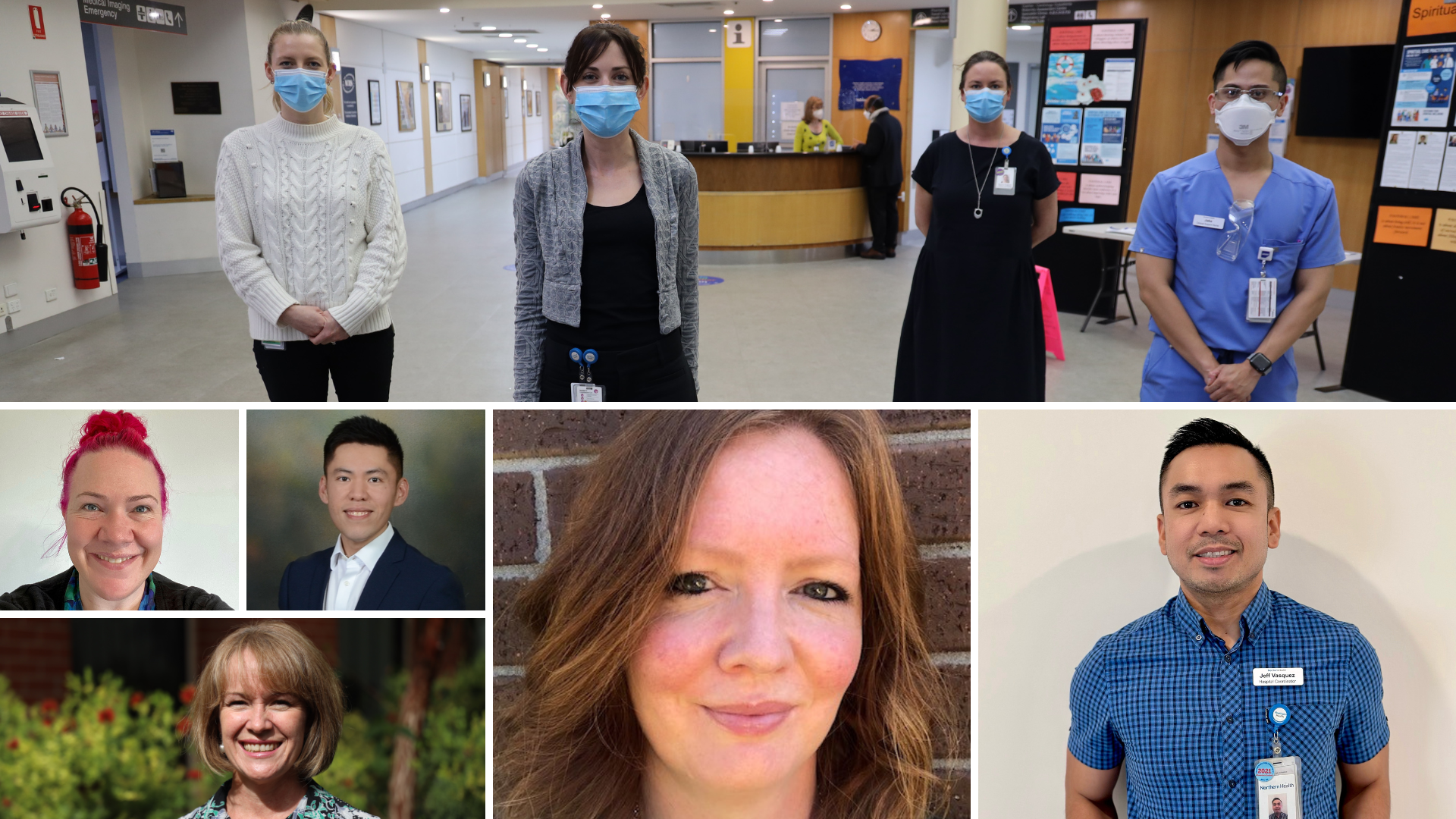
    At the front and centre of designing this workflow, is Nader Elshehabi, EMR Benefits and Clinical Analyst. Coming from a medical background, Nader has worked as a practising doctor trained in Cardiology, and then as a Cerner consultant for many years. Before joining Northern Health’s EMR team, he helped implement EMRs in several hospitals overseas.
    “Digitising the ECG workflow helps clinicians get instant access to current and all previous ECGs at the point of care. For example, cardiologists from Epping can immediately see and report on ECGs performed in other sites. They can also compare current ECGs with previous studies. This helps the care team make more informed clinical decisions, much faster,” says Nader.

    The workflow was validated on 29 September 2022, with a live demonstration conducted by Nader at Northern Hospital’s ICU ward. To ensure patient safety and quality of care at Northern Health, inpatient settings at all sites will have full ECG integration to minimise clinical risks.

    “Nurses and midwives will be able to perform an ECG and transmit it immediately so it can be interpreted by multiple teams from anywhere inside the hospital or remotely.  This streamlined workflow will remove time-intensive steps that nurses undertake to ensure ECG results get to the right team at the right time for review, resulting in safe and timely care for our patients”, says Vanessa Reid, Chief Nursing Informatics Officer.

    “Integrating ECGs into the EMR is a key step to getting this crucial piece of clinical information to the right people in a timely manner and reduces reliance on “informal” means of data transmission such as private messaging applications. I cannot overstate the amount of work done by the team to get this working. I am confident it will play an important role in supporting clinical processes across the entire organisation,” says Dr Sing Tan, Deputy Chief Medical Informatics Officer.

    “One ECG reviewed and reported on time can make a big difference in patient care. I’m so grateful we have this technology, and I hope this work supports our frontline clinicians in providing the best possible care for our patients,” Nader concludes. ​

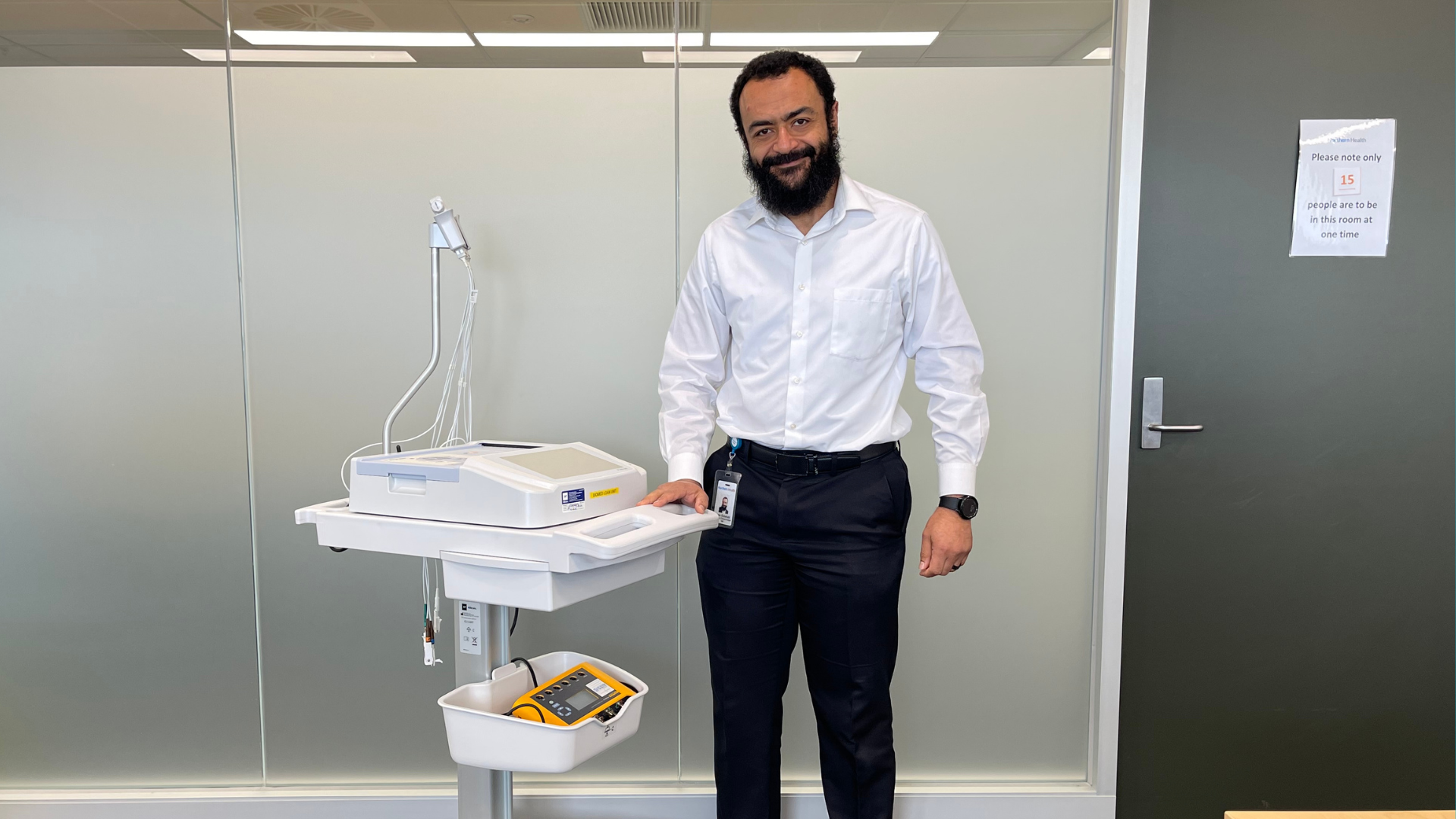
    Featured image: Nader Elshehabi, EMR Benefits and Clinical Analyst.  

     

  • Meet Gary Ennis, Director of Nursing, Mental Health Division

    Meet Gary Ennis, Director of Nursing, Mental Health Division

    This is a significant time to be working in the mental health sector, as we declare our commitment to the ambitious reform agenda, set out by the Mental Health Royal Commission.

    Last week, the Aged Persons Mental Health Services at Bundoora Centre transitioned to Northern Health, and we officially welcomed staff from the Kath Atkinson Wing (KAW), Aged Mental Health Unit and the Aged Psychiatry Assessment and Treatment Team (APATT).

    Collectively, Northern Health is now the third largest mental health service in Victoria.

    Today, we speak to Dr Gary Ennis, Director of Nursing, Mental Health Division.

    Gary, let’s start with your coffee order?

    Latte please!

    Tell us about your role as Director of Nursing of Mental Health and what it entails?

    The Director of Nursing for Mental Health works with Northern Health’s Chief Nursing and Midwifery Officer to ensure there is professional oversight of mental health nursing. This includes mental health nursing education, professional development and research.

    Mental health nurses work in a variety of specialist areas including emergency, community and bed-based services. There is a well-established mental health nursing structure across Northern Health, and part of my role is to think about ways to strengthen and build on the great work already being undertaken.

    Tell us what you were doing prior to this role?

    I have been a mental health nurse for all of my career. I won’t say for how long, but if I say cathode-ray TV, those in the know will understand!

    Although I am new to Northern Health, I have previously worked at both Broadmeadows Hospital and Northern Hospital Epping in the mental health program. Before coming to Northern Health, I worked at Eastern Health as the Director of Mental Health Nursing, and before that, at the Royal Melbourne Hospital as a senior nurse.

    What does a typical day look like for you?

    I start my day at Northern Hospital Epping, but as mental health services are spread across all of our catchment area, it is not unusual to finish offsite. Sometimes my day involves more meetings than I would like, but I get many opportunities to chat with staff and see the great work they do.

    I also work closely with the Area Senior Nurses at the Northern Area Mental Health Service, Northwest Area Mental Health Service and the Aged Mental Health program.

    What excites you about your role?

    The opportunity to make a difference for mental health nurses and support the fantastic work they do every day.

    Mental health nursing requires a particular skill set. There are many opportunities to try something new in nursing. Creating pathways for nurses to start their mental health nursing career is an important part of my job.

    In addition, the opportunity to support mental health nursing research and professional development opportunities is an exciting part of this role.

    What are some of the challenges of this role?

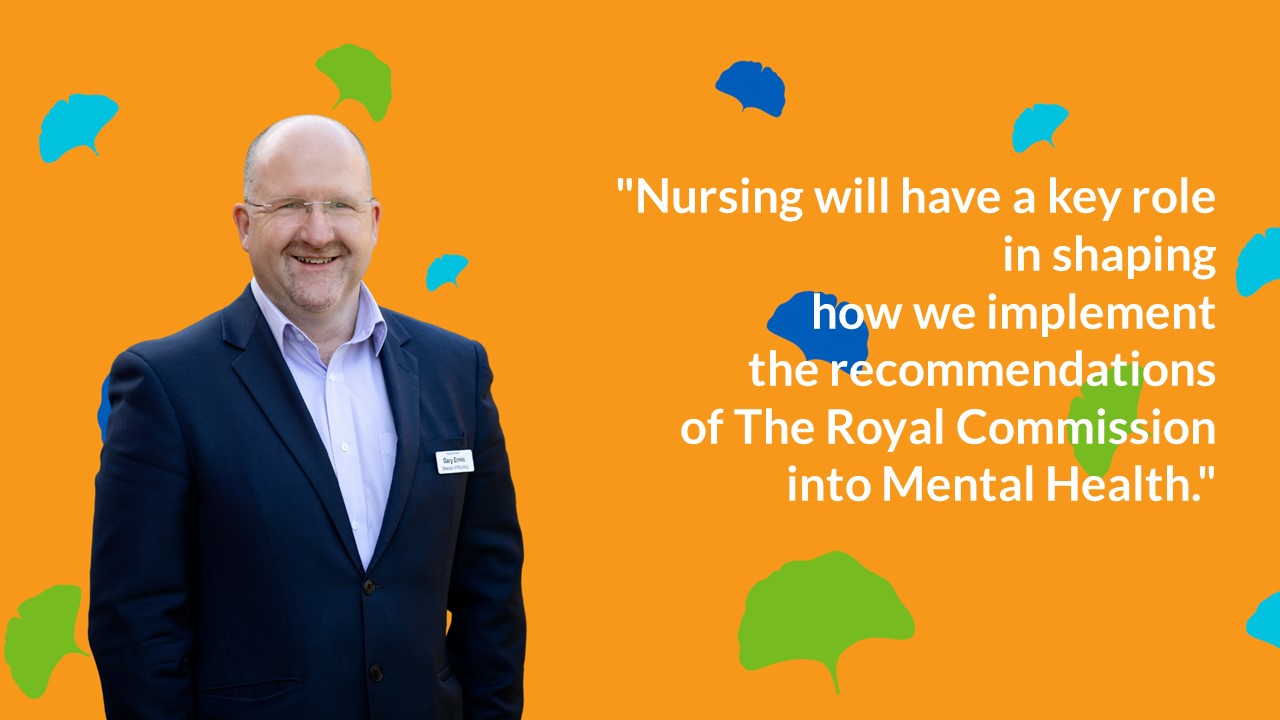
    We are a large service, and getting around to all sites to meet with nurses can be a challenge. Building and sustaining connections that ensure mental health nurses feel engaged and supported professionally will be an important part of this role. In addition, the Royal Commission into Mental Health has provided us with many opportunities to look at the way in which we do our work. Nursing will have a key role in shaping how we implement the recommendations in a meaningful way.

    Lastly, what would people be most surprised to know about you?

    I came from Dublin in 2003 planning to see Ireland win the Rugby World Cup and I was intending to return home after 12 months. Neither happened!


  • Keeping us cyber-secure

    Keeping us cyber-secure

    Recently, there have been a number of cyber-attacks on prominent service providers – from telcos to health insurance providers.

    These breaches resulted in personal data including names, addresses, dates of birth, phone numbers, and email addresses of millions of users being exposed.

    Ironically, many of them happened during Cyber Security Awareness Month.

    The sobering fact is that there may be more. The Australian Cyber Security Centre received 67,500 reports in the 2020-21 financial year – up 13 per cent from the previous year. That is roughly one report every eight minutes.

    Our Chief Information Officer, David Calvo, tells us that as a sector reliant on technology, we are just as vulnerable to cyber-attacks.

    “Hospitals are increasingly reliant on computer systems to store and manage patient records, schedule appointments, and communicate with patients and other healthcare providers,” said David.

    “However, these systems are also vulnerable to cyber-attacks that could jeopardise the confidentiality, integrity, and availability of patient data. A breach could result in the disclosure of sensitive patient information, the disruption of hospital operations and the loss of patient trust.”

    “We all play a role in preventing this from happening and awareness is the best way for staff to understand how to protect their patients’ information from being accessed or stolen,” David said.

    Northern Health provides a cyber security training module with this in mind, found here. The training module gets updated regularly to ensure Northern Health keeps up to date with the latest threats, like scams or phishing attacks. Phishing starts with a fraudulent email or other communication that is designed to lure a person into clicking on a link or giving personal information. The message is made to look as though it comes from a trusted sender.

    The training helps our staff to understand how to protect themselves and our health service from online threats. It also helps to raise awareness of the importance of cyber security in the workplace.

    The Information and Communication Technology (ICT) team is working in conjunction with the Department of Health to run a phishing awareness campaign that will commence in the coming months, to educate our staff on how to identify emails that could create a security breach.

  • Speaking Up For Safety Workshops

    Speaking Up For Safety Workshops

    Registrations are now open to staff for the Speaking Up for Safety (SUFS) program.

    The SUFS program is a series of one-hour workshops designed to equip staff with the skills and confidence to escalate concerns around patient and/or staff safety with assertiveness and respect. The program aims to build and normalise a culture where we feel comfortable to check on each other, and to welcome being checked on, with the aim of preventing unintended harm.

    Bianca Fazzari, People Experience Business Partner, People and Culture, said, “creating a culture of safety where staff feel empowered and comfortable to raise concerns is essential at Northern Health. The Safety CODE (Checks, Options, Demands, Elevates) is a proactive tool that enables staff to speak up before mistakes happen to prevent unintended harm to patients and/or staff.”

    Working in partnership with the Cognitive Institute to deliver an evidence-based model that enables staff to raise safety concerns, Northern Health will roll out Speaking Up for Safety workshops. These workshops will enable staff to explore ethical considerations that may impact them as they consider the decision to speak up for safety, as well as improve confidence, skills and develop a common language, using the Safety CODE to speak up for safety with collegiate communication as a first approach.

    The workshops will be delivered face-to-face across Northern Hospital Epping, Broadmeadows Hospital, Bundoora Centre and Craigieburn Centre over the next 12-18 months by 15 Northern Health employees who have been accredited to deliver the program.

    “We strongly encourage all staff to attend the workshops so that we can build a culture where everybody feels comfortable to speak up for safety. Doing so is critical to the delivery of quality patient care and a positive employee experience,” Bianca said.

    For registrations and further information on the program, please visit the Intranet.

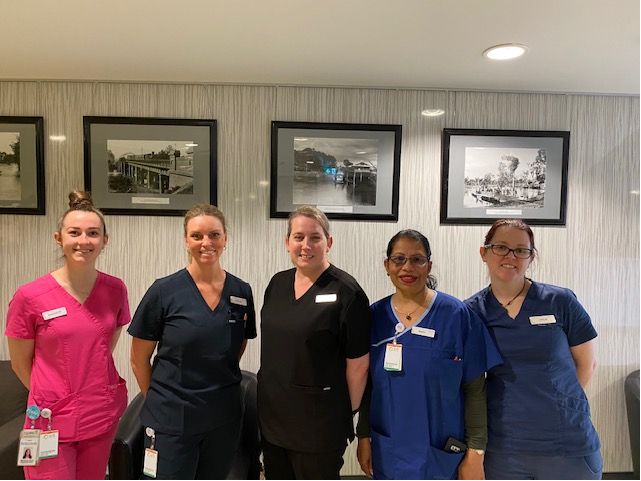
    Featured image: Some of the Northern Health SUFS trainers.

  • International Pathology Day

    International Pathology Day

    Tomorrow is International Pathology Day (IPD). The day was first marked in Sydney 10 years ago, and has continued to grow in popularity within the international pathology and medical community.

    As part of the celebration, Royal College of Pathologists Australasia is revisiting milestones in pathology from the last decade. You can find more information here.

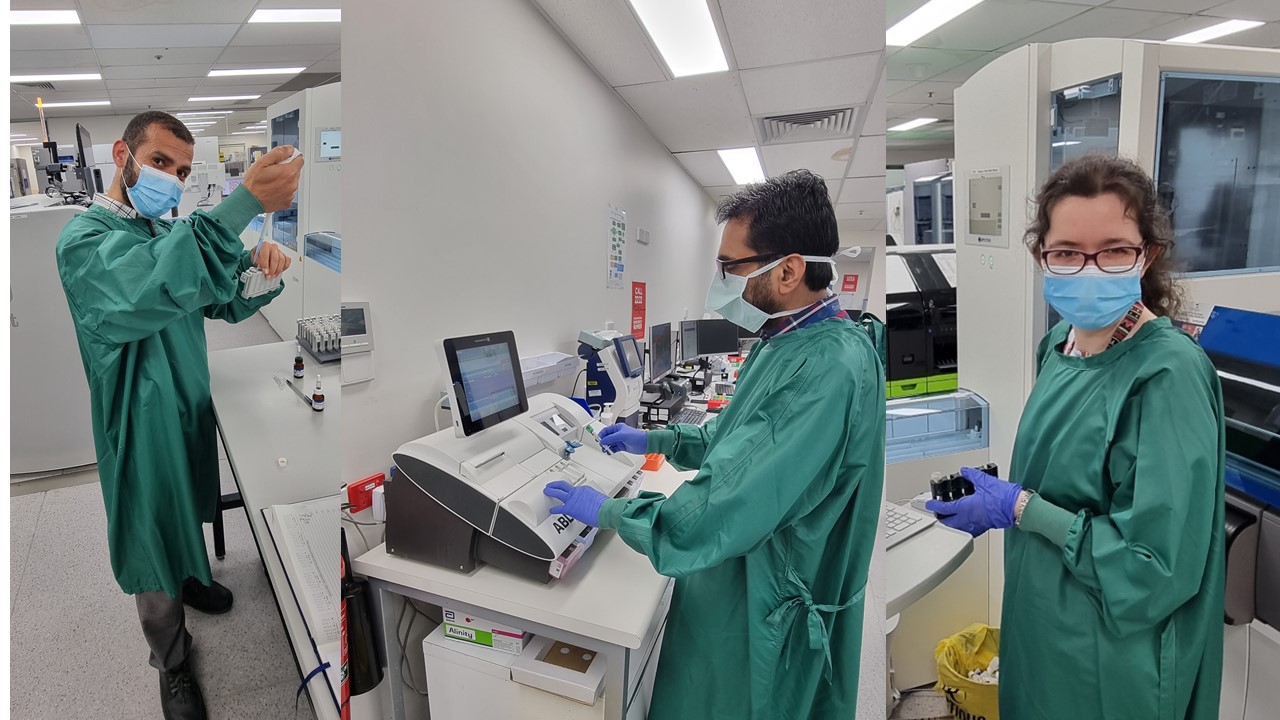
    Pathology plays a critical role in healthcare and is a medical specialty in its own right. It is something all doctors and nurses rely on to determine the cause and nature of diseases by examining and testing body tissues and bodily fluids (e.g. blood, urine). Pathology also helps in preventing diseases, and almost 1,000 pathology tests are performed every minute in Australia.

    The importance of pathology became even more clear during the COVID-19 pandemic, following a massive increase in swab collection sites and testing capacity. Victoria reached 92,262 tests per day in December 2021, and Northern Pathology Victoria (NPV) performed 2,136 tests in a 24-hour period.

    “Bringing pathology in-house has greatly improved the quality of care we can offer. This was evident in the excellent PCR turnaround times during the early periods of the pandemic,” said A/Prof. Prahlad Ho, Divisional Director-Cancer Services and Specialist Clinics, Program Director-Diagnostic Services.

    Pathology also plays a critical role in advancing medicine and improving patient outcomes, as both a diagnostic service and by supporting clinical research.

    NPV collects samples from pregnant women at Northern Health for the whole-of-state Generation Victoria research project, which aims to create a large group dataset for future discovery and interventional research. Our scientists have also presented at national scientific meetings, such as the Australasian Association for Clinical Biochemistry (Rachelle Liwayan on using a web application to assist clinicians in screening for primary aldosteronism) and Australian Society of Microbiology (Mikayla Kingston on a case of Echinococcus and H. pylori).

    In addition, NPV supports the various cancer clinical trials running at Northern Health.

    To further support our community, NPV opened a new collection centre at Mill Park in June 2022. The Epping Collection Centre is also open on Sunday mornings from 9 am to 1 pm.

    NPV will have a table in the Northern Hospital Epping front foyer tomorrow morning, where you can meet the team while helping yourself to some tasty treats!

  • Mental Health Service transition continues

    Mental Health Service transition continues

    Today, the Bundoora Aged Persons Mental Health Unit (APMHU) and Assessment and Treatment Services (APATT) transferred to Northern Health.

    From today, Northern Health will be providing the assessment of, and treatment for, all persons at the APMHU and APATT.

    The Royal Commission emphasised the importance of services being more closely aligned with their local major public hospital, and the communities in which they reside, including residential aged care facilities. For the APMHU and APATT, this is Northern Health.

    For consumers, there will be no change to the care they receive and the services they access. Northern Health and The Royal Melbourne Hospital are working together to ensure a seamless transfer process, with the aim of ensuring that the staffing arrangements remain unchanged.

    As Lynette Stephens, APATT Service Manager, said, “We are about to shift under a progressive network, and step out as Northern Health’s aged mental health service.” Read more here.

    Belinda Scott, Executive Director, Mental Health, is excited, “about the challenges and the opportunity to be involved in the reform of the service system for consumers experiencing mental ill health and their families and carers.”

    “I am also thrilled at the opportunity to lead an amazing team to improve outcomes for consumer, carers and families,” she adds.

    Join us in welcoming the teams from APMHU and APATT!


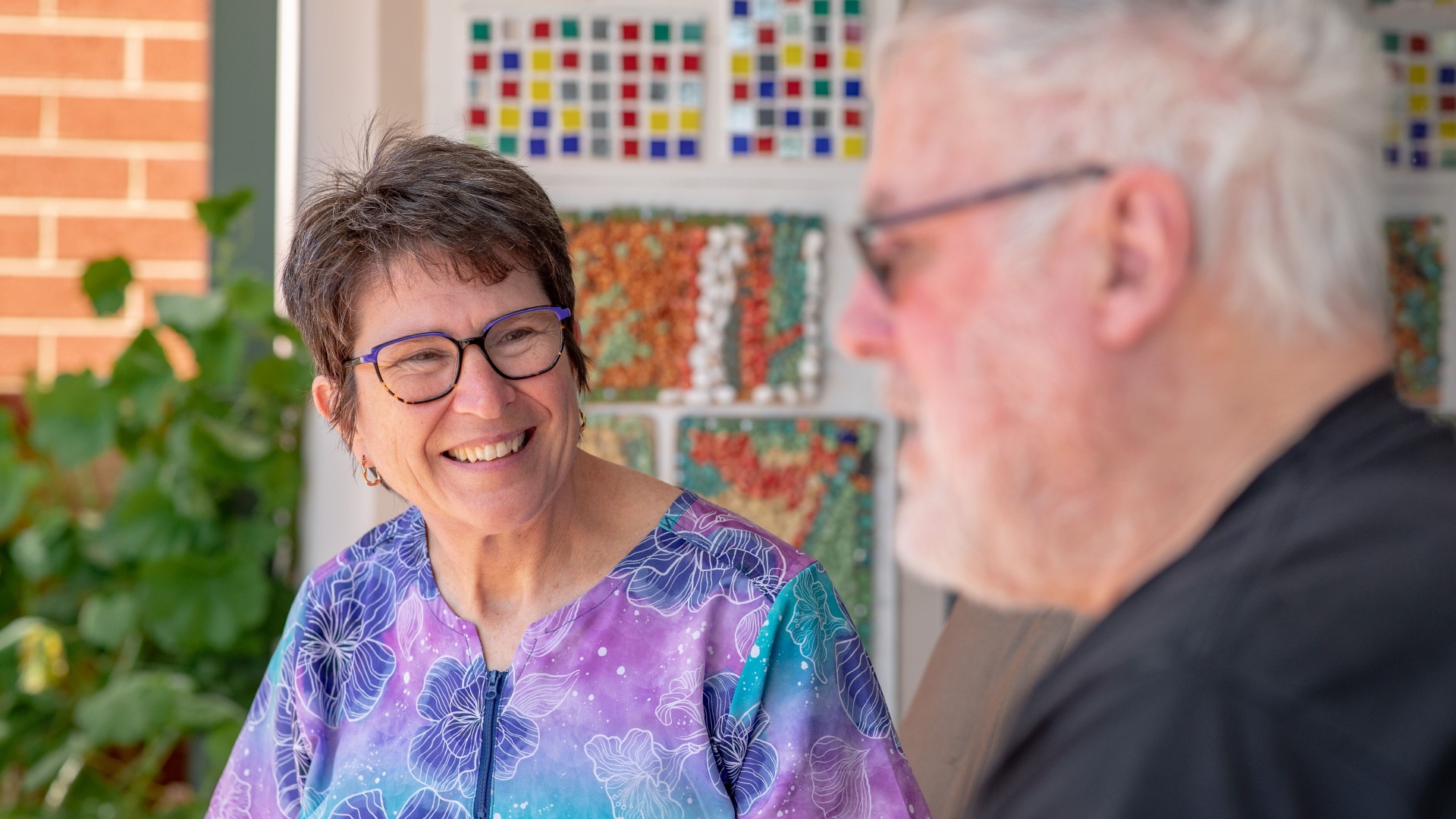
    Main image shows Karen, Mental Health Nurse, and patient.

  • Going above and beyond at Euroa and Echuca

    Going above and beyond at Euroa and Echuca

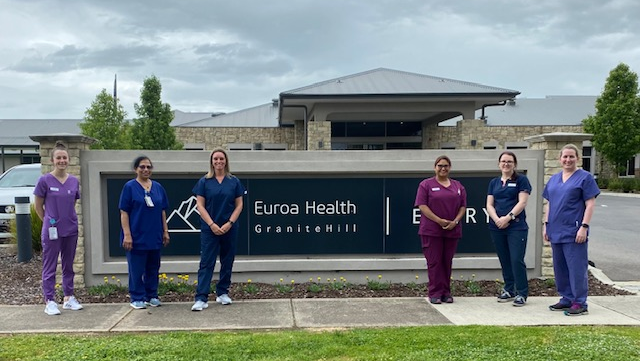
    Kirralee Jensen, Bundoora Centre Director of Nursing, has just returned from flood-affected Euroa and Echuca. She led a team of fourteen nurses across four different Melbourne metropolitan hospitals, to support our regional health services. Five of the fourteen staff, Crystal Devenish, Kylie Pratt, Maddison Ryan, Mary Palapathwala, and Shamini Ramananthan are nurses from Northern Health.

    “It was outstanding to see the response from Northern Health, Austin Health, St Vincent’s Hospital and Royal Melbourne Hospital,” said Kirralee.

    The nurses were first deployed to Euroa Health. Over 65 per cent of Euroa Health staff were impacted by floods and road closures, resulting in them being unable to attend work. The presence of metropolitan nursing staff meant that patients and residents at Euroa Health could safely be cared for.

    “Reflecting on our time in Euroa, we all felt honoured to be able to assist our regional colleagues during this time. From the first day of our arrival, we were warmly welcomed by the Euroa team, as well as the Euroa community, and we experienced country hospitality at its best.  It was a collaboration of city and country nurses, working towards the same goal of delivering safe care to the patients and residents at Euroa Health. It was a privilege to lead such an amazing and dedicated team of staff,” said Kirralee.

    Following ten days in Euroa, the Northern Heath team continued on to Echuca Regional Health, a town severely affected by the current flood crisis.

    “Although Echuca’s staffing was less acute by the time we arrived, it was a heart-warming experience to spend the time at a regional hospital with very dedicated staff. The devastation and destruction of flood waters was obvious as we drove through Rochester and arrived in Echuca. The loss people have experienced and endured during the crisis is immeasurable. It is just heartbreaking,” Kirralee said.

    “I feel both honoured and privileged to have been able to help both Euroa and Echuca during these times. To be able to contribute positively to affected communities and lead a team of compassionate and dedicated nurses willing to go above and beyond their usual roles can be listed as a highlight in my nursing career. I would like to thank ‘Team Northern’, Crystal, Maddison, Kylie, Mary and Shamini for their commitment and compassion, and the outstanding care they delivered during their time at Euroa and Echuca,” said Kirralee.

    “You all displayed the importance of our Northern Health values of safe, kind and together, each and every day, thank you!”

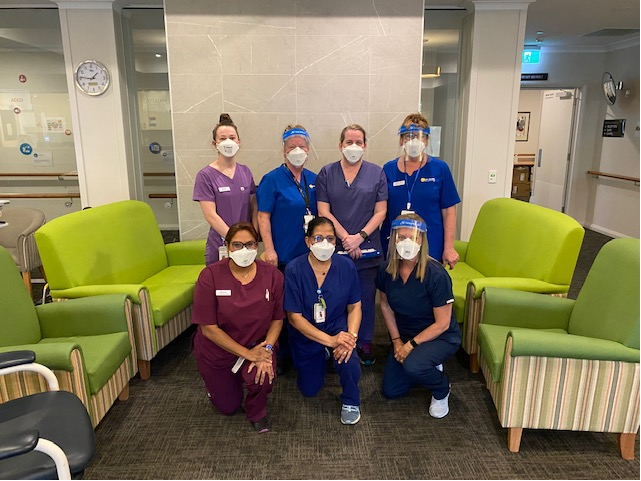
    Main image shows from left to right – Maddison Ryan, Mary Palapathwala, Kirralee Jensen, Shamini Ramananthan, Kylie Pratt and Crystal Devenish.


  • Stepping out as Northern Health’s own older persons specialised mental health service

    Stepping out as Northern Health’s own older persons specialised mental health service

    Next Monday, we officially welcome the staff of the Kath Atkinson Wing (KAW), Aged Persons Mental Health Unit and the Aged Psychiatry Assessment and Treatment Team (APATT).

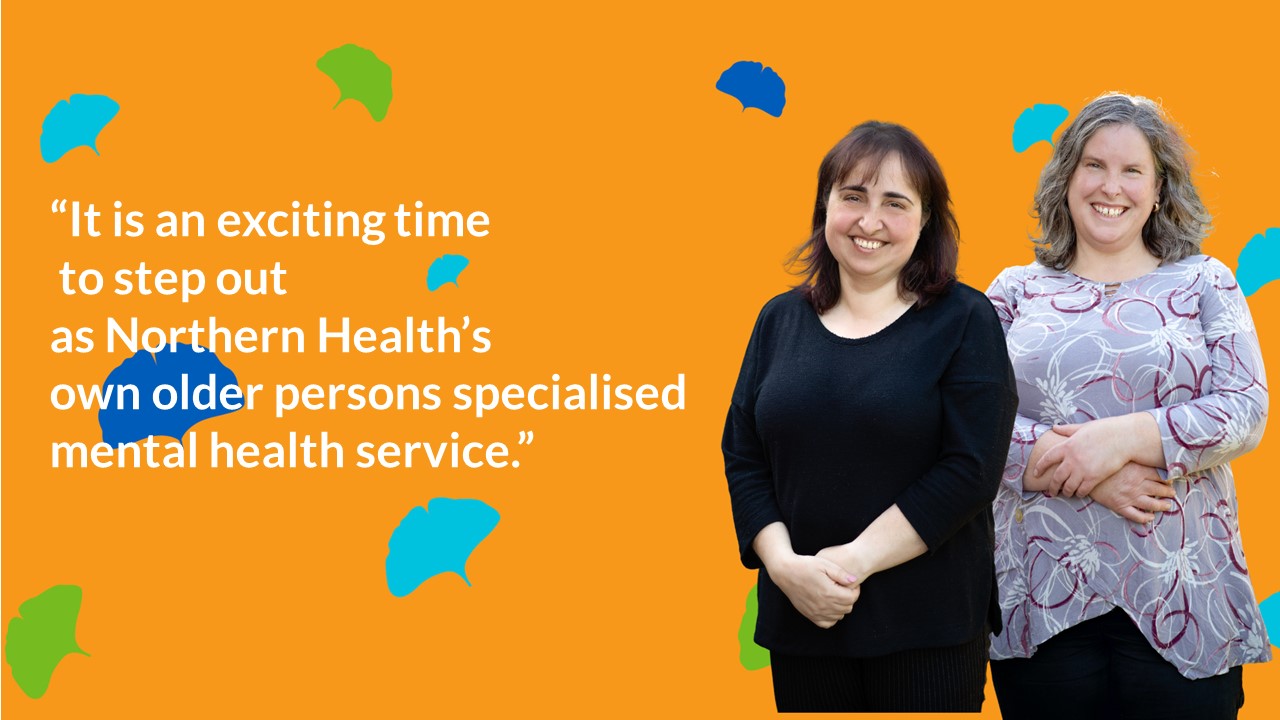
    Today we speak to Stav Ropkas, Acting NUM, Aged Persons Mental Health Unit (APMHU) and  Lynette Stephens, APATT Service Manager on their role in the transition.

    Stav sees her role as manager as “providing leadership and ensuring high quality of care for consumers in our 15 bed aged person’s acute mental health unit”.  Lynette says that to be the APATT service manager is a privilege. She says, “My role is to support my team to ensure we continue to deliver the best care outcomes for our consumers and their carers.”

    It is not an easy role and Stav admits that, on occasions, it can be overwhelming. Lynette sees the challenge as “supporting and leading clinicians as we move though change.” She adds, “Despite the present staffing crisis across Victoria, we are a team committed to achieving the best outcomes for our consumers.”

    A typical day for Stav, starts with, “Meeting in the morning with a multidisciplinary team to discuss best plan of care for the consumer,”.  Lynette says it is “juggling a few hats” and “supporting colleagues clinically when required, so we can continue to deliver a great service.”

    What excites Stav the most about her role, is, “Working with a great team who work well together. I am learning something new every day.”

    For Lynette it is the fact that, “We are about to shift under a progressive network and step out as the Northern Health’s aged mental health service.”

    “It is an exciting time to step out as Northern Health’s own older persons specialised mental health service based at Bundoora Centre,” says Lynette.

    A warm welcome to Stav, Lynette and the teams from Kath Atkinson Wing (KAW), Aged Mental Health Unit and the Aged Psychiatry Assessment and Treatment Team (APATT).