• Northern Health partners with Black Dog Institute

    Northern Health partners with Black Dog Institute

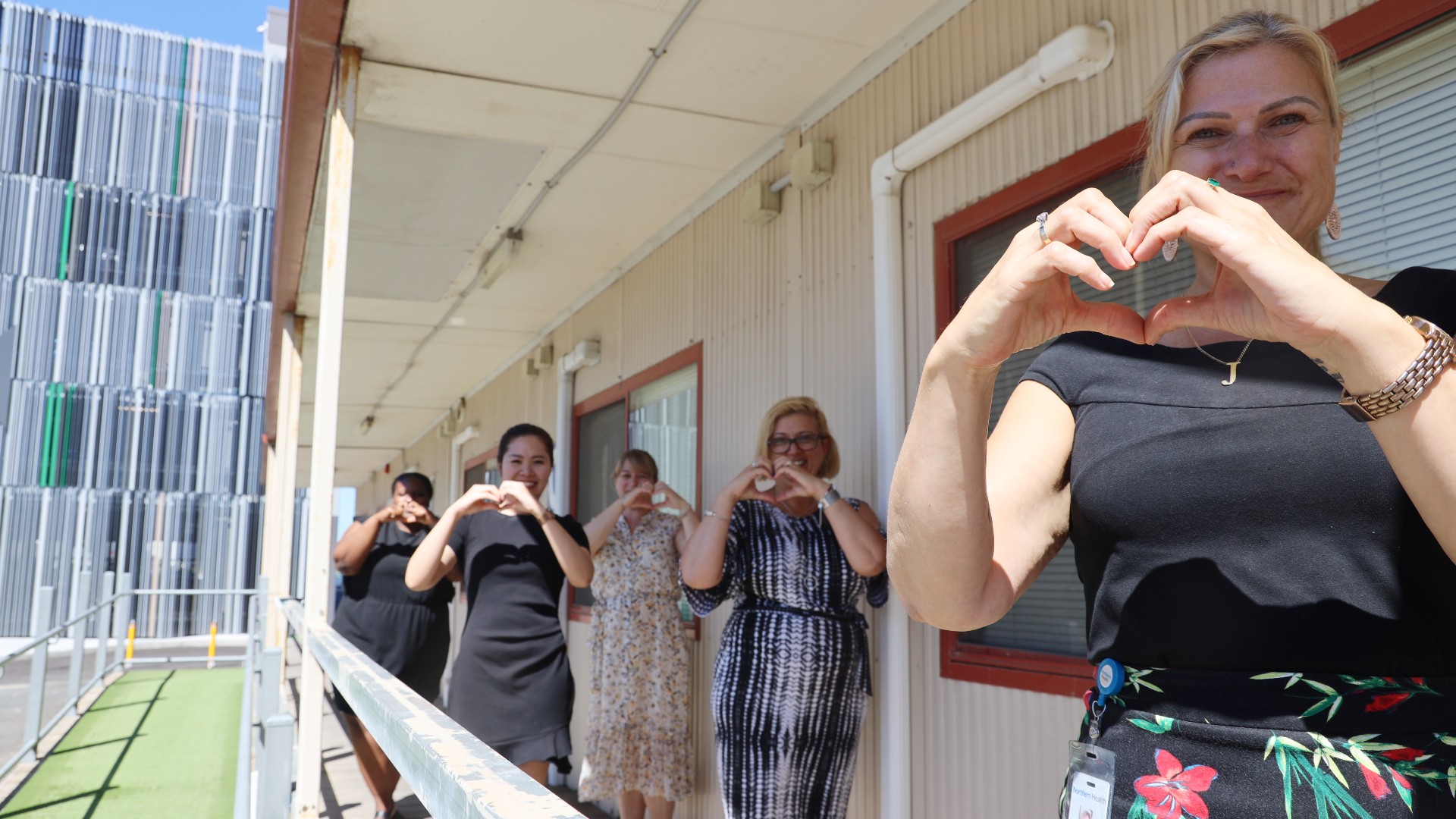
    Northern Health has partnered with the Black Dog Institute as part of the health service’s commitment to prioritising staff wellbeing.

    The Black Dog Institute has a focus on normalising conversations around mental health, and striving to make Australian workplaces mentally healthier. The institute is also well versed in understanding the relationship between mental health and work, and designs programs that assist businesses to implement workplace policies and procedures to support staff wellbeing.

    Renee Camilleri, Wellbeing Partner at Northern Health, said connecting with a leading and reputable mental health organisation was a key piece of the wellbeing puzzle.

    “Being aligned with these progressive and well-researched programs tells our community that Northern Health is working continually to have a psychologically safe environment for staff. Having a mentally healthy workforce also ensures the best quality of patient care,” she said.

    The partnership will include training, presentation and deliverables, including access for all staff to innovative mental health e-learning modules on our LMS portal. They will also have access to a presentation by a Black Dog Institute accredited lived-experience speaker with a healthcare worker background, where employees will learn about the prevalence of mental health and how to access supports both internal to the workplace and external.

    Practically focused interactive workshops will also be available for managers and leaders across Northern Health. These workshops will focus on harnessing current skills to have more effective conversations around stress, mental health and wellbeing, as well as recognising and becoming more aware of signs and symptoms within themselves, and in their colleagues.

    In the coming weeks, leaders across our health service will be invited to participate in an education workshop about mental health wellbeing. This workshop will cover how to spot the early signs of mental health issues and how to keep yourself and your colleagues well at work.

    Northern Health is committed to building a positive and inclusive workplace culture where everyone feels safe and supported to talk about mental health, reach out for support early and, by doing so, improve their recovery.

    Click here to be directed to the LMS portal to access the modules and book in for your managers training.
  • Northern Health celebrates International Volunteer Day

    Northern Health celebrates International Volunteer Day

    Today, we are celebrating International Day of the Volunteer, and the 81st birthday of Alan Kew, a long-term volunteer at Northern Health.

    On this day, we aim to raise awareness of the important role volunteers play, and celebrate and promote volunteering. We take this opportunity to acknowledge, thank, and shine a light on the important work of volunteers.

    The 2022 theme is: Solidarity through Volunteering.

    Henni Wade, Manager of Volunteer Services, Northern Health, says that volunteers are an invaluable asset to the health service and its consumers, and that their work is always in line with Northern Health’s values of Safe, Kind, Together.

    Despite the many obstacles volunteers and volunteering have faced during COVID-19, which ultimately led to a significant decline in the total number of volunteers and services provided in the hospital, 2022 was considered to be a transitioning year.

    “We currently have 140 volunteers registered across our sites, and we are looking forward to 2023. We are positive that it will be a reinvigorating year and will enable us to provide new ways of supporting our local community and health services,” Henni said.

    Encouraging, recognising, and promoting volunteering is an important part of creating a more equal and inclusive future for our community.

    In light of this, the Volunteer Services team is organising a celebratory lunch on Wednesday, 14 December, at Bundoora Norris Banks Reserve.

    “Our volunteers here at Northern Health are both resilient and adaptable. Just by having their friendly, smiling faces around it makes a big difference,” Henni said.

    Stella Gibbons, Northern Health Volunteer, says, “I got involved at Northern Heath through my daughter working in the ED here, and I started off by baking cupcakes for the ED staff, back in 2018. Subsequently, life went on and COVID-19 happened, but now that I’m retired, I’m able to be here full-time.”

    “I find it rewarding, I enjoy the atmosphere in the foyer and helping people. I think, whatever moment of your time you put in volunteering, you find it immensely satisfying,” Stella said.

    “We are grateful every day to the volunteers who come in to support our health service. The energy, fun, empathy and enthusiasm they bring is contagious,” Henni said.

    Some of the programs currently being provided by our Volunteer Services are:

    COMMUNITY VISITORS SCHEME (CVS):

    This program matches lonely and isolated residents in aged care facilities with a volunteer who can either provide in person visits or Zoom calls. If you know someone that would like to be a volunteer with our Community Visitors Scheme, please direct them to register their interest here.

     HOW-R-U PROGRAM:

    If you would like to refer a patient into our How-R-U Program which is a telephone social support service, please contact Natalie Carrol at natalie.carrol@nh.org.au.

    CONTACT THE VOLUNTEER SERVICES TEAM:

    Phone: 8405 8971

    Email: volunteer@nh.org.au

    To all our wonderful volunteers, thank you for all that you do!

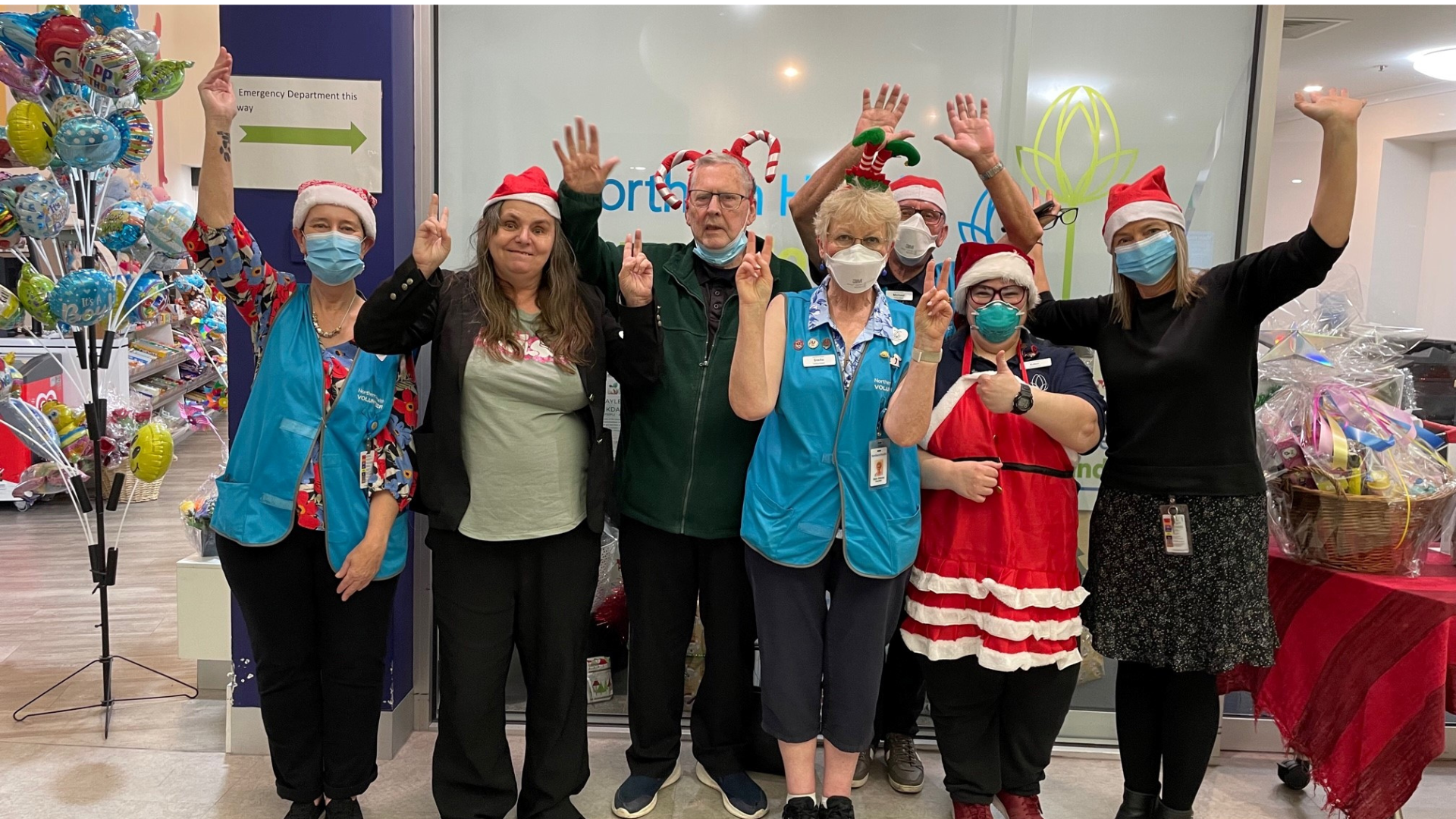
    Featured image: Northern Health volunteers with Henni Wade (far right).

  • International Day of People with Disability: The Story of Anaab Rooble

    International Day of People with Disability: The Story of Anaab Rooble

    3 December, is International Day of People with Disability (IDPWD) – a day aimed at increasing public awareness, understanding and acceptance of people with disability.

    This year’s UN theme is “Transformative solutions for inclusive development: the role of innovation in fuelling an accessible and equitable world”.

    There are many different types of disability. A disability may affect mobility, ability to learn things, or ability to communicate easily. Some people may have more than one (body and mind impairment). Disabilities may be visible or hidden, temporary or permanent and may have minimal or substantial impact on a person’s abilities to do certain activities and interact with the world around them.

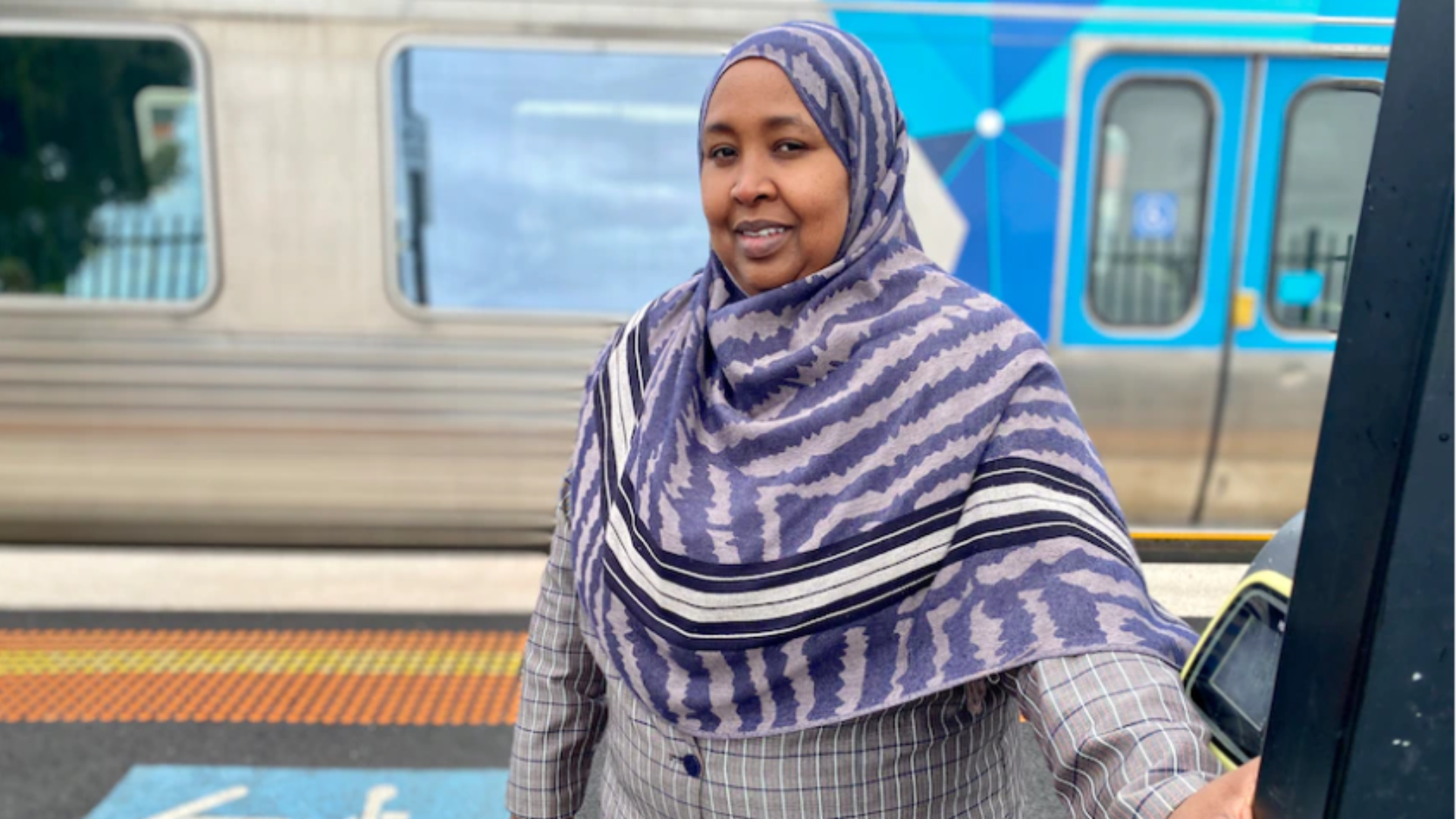
    Today, we share the story of Anaab Rooble, a consumer at Northern Health, and a busy woman making a difference.

    Anaab arrived in Australia in 1998.

    She is a mother of three primary school children and holds a Bachelor of Accounting and a Masters in Human Resources. She has almost 20 years of experience working in the public sector. She is also the Treasurer and Board Director of Women with Disabilities Victoria (WDV).

    When Anaab was a toddler, a medical mishap impaired her right leg. Unable to access prosthetics or orthotics in Somalia, she crawled until she was seven years of age.

    She explained that even in Australia, every single day refugees with disabilities face barriers in accessing education, healthcare and employment.

    “In general, women need to break the glass ceiling but when you add other diverse layers, such as refugees, migrants, persons of colour, and disability, the glass gets thicker,” Anaab said.

    “I faced many obstacles, but belonging to a society that had no respect for disabled people was the hardest, due to the stigma, attitude and ableism associated with disability. Nonetheless, I take pride in my disability and I see it as a blessing and not a burden. It is part of my intersectional identity and would not trade it for the world!”

    When asked what changes she would like to see in future for people with disabilities, Anaab said, “We all have a role to play in challenging bias as it can lead to stereotyping and discrimination, which then results in limited access to opportunities and poorer societal outcomes.”

    “We need to work towards expanding employment pathways for people with disabilities through alternative channels, fostering an all-inclusive workplace culture and implementing positive recruitment initiatives and practices.”

    Anaab was recently featured on ABC News. Click here to read the full story.

    Since 2020, Northern Health has two dedicated Disability Liaison Officers (DLO), who provide support to people with disability, their families and carers.

    “We are happy to support any person with disability. Please reach out to us at DisabilityLiaison@nh.org.au so we can ensure your hospital stay is as patient-centred as you need it to be. The program is within every Victorian hospital and together we are working on better service improvements for people with disability,” says Simone Ortiz, DLO.

    This also includes equitable access for those with disability from LGBTIQ, Aboriginal and/or Torres Strait Islander and from a CALD background.

    Our Disability Awareness and Communication Access training is ongoing and it is available on the Northern Health’s Learning Management System (LMS ‘Find Learning’ page).

    Chelsea Simpson, Chair of the Northern Health Disability Sub-Committee, says, “Today, we acknowledge the contributions of our staff and consumer representatives with a disability. We also thank our consumer representatives for their leadership and participation in planning for our future services and facilities.”

    Northern Health is currently developing a new Disability Action Plan (DAP) 2023-2026 to better understand the needs of the community.

  • Possum-skins bring cultural comfort to local Aboriginal and Torres Strait Islander community

    Possum-skins bring cultural comfort to local Aboriginal and Torres Strait Islander community

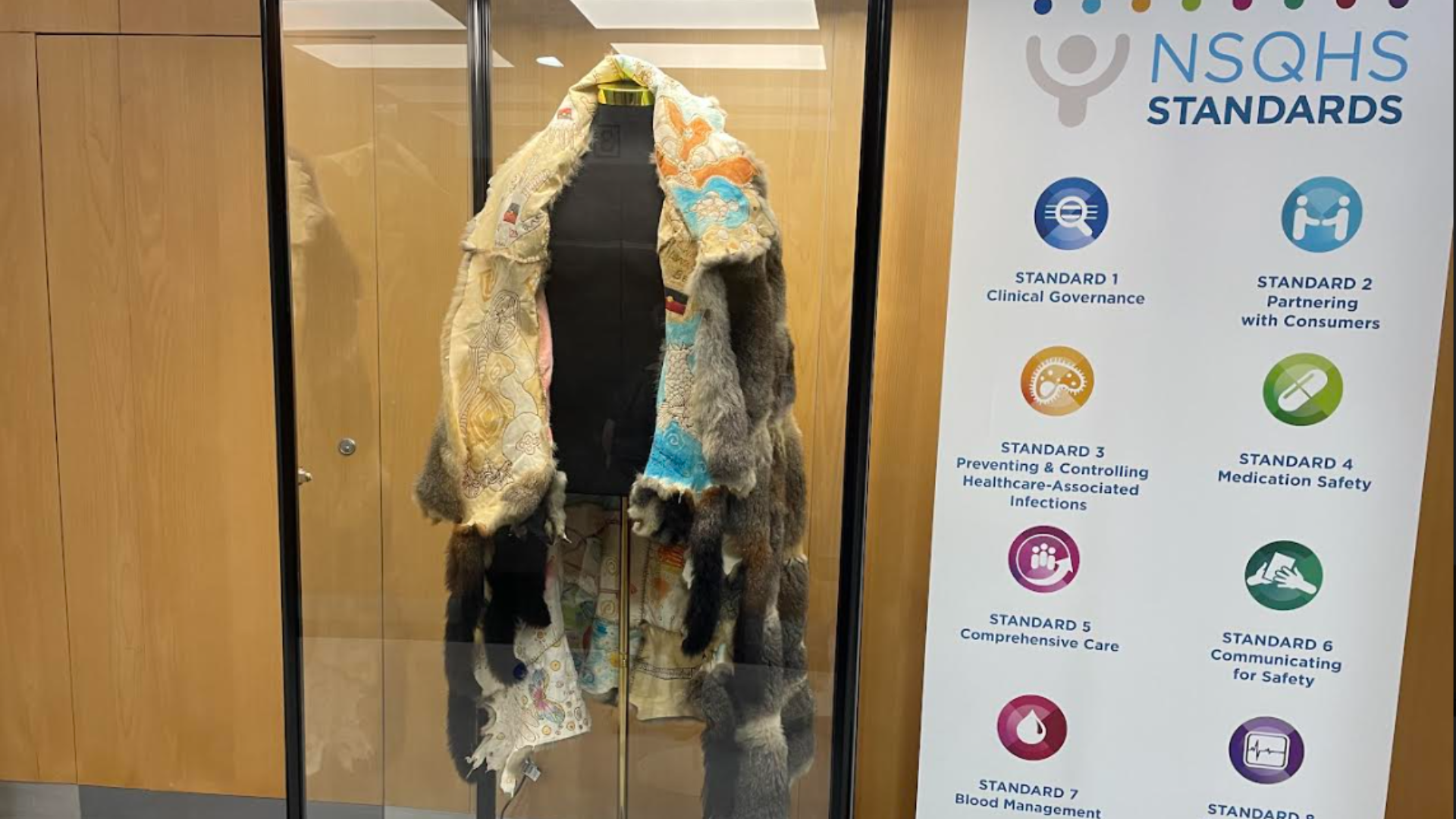
    A possum-skin cloak that was hand-crafted two years ago, at the first ever possum-skin cloak workshop at Northern Health, is now proudly on display at the Northern Hospital Epping main entrance.

    The 2020 workshop was open to staff and members of the public to participate in, and resulted in the creation of two items of great significance for our local Aboriginal and Torres Strait Islander community; a possum-skin cloak and a possum-skin baby wrap.

    Possum-skin items play an important role in connecting Aboriginal and Torres Strait Islander with their culture and are used for spiritual healing. Once an everyday item for Aboriginal and Torres Strait Islander people in south-eastern Australia, possum-skin cloaks were originally worn for warmth, used as baby carriers, coverings at night, drums in ceremony and for burial. Only a handful of possum skin cloaks made prior to 1900 still exist today, preserved in museum collections held across Australia and overseas.

    “We are looking forward to the Aboriginal community having the opportunity to wear this possum skin cloak, which will enable them to heal spiritually and connect to culture, community and country while they are a patient at Northern Health,” said Northern Health Koori Maternity Service’s Joanne Quinn.

    Belinda Austin was the first Indigenous patient at Northern Health to use the possum skin baby wrap, swaddling her newborn daughter, Emilie.

    Belinda said that this experience was an honour, as her family has a strong history of creating their own traditional possum-skin cloaks.

    “I wanted my daughter to feel protected and to know that her ancestors will always be watching over her. It was a beautiful way to connect her with our culture, so that she grows up feeling proud of her heritage and who she is,” said Ms Austin.

    Joanne says the possum-skin wrap has been embraced by families, as it allows them to connect to their culture and provides spiritual healing.

    “Our Koori Maternity Service families absolutely love the possum skin wrap; it allows them and their babies to connect to their culture and provides spiritual healing. We have had families so enriched by the experience they have purchased their own possum skins for when they take baby home,” she says.

    The possum-skin cloak and baby wrap are available for any Aboriginal or Torres Strait Islander inpatients at the Northern Hospital by emailing KMS@nh.org.au

    Belinda Austin with baby Emilie
    Baby Emilie

  • From students to Northern Health employees

    From students to Northern Health employees

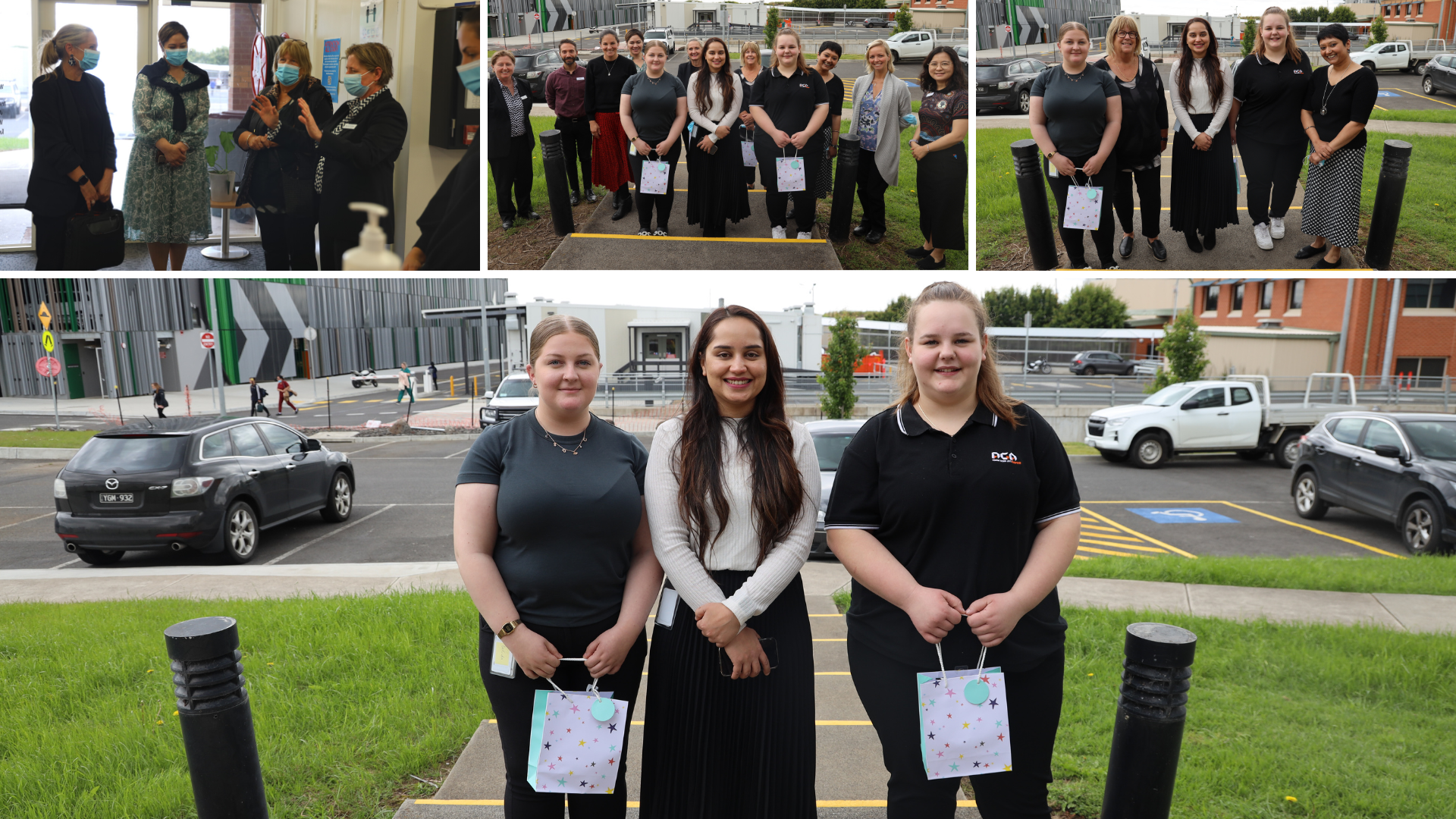
    Each year, Northern Health offers students’ the opportunity to gain valuable experience in the workplace, via a program with Apprenticeship Groups Australia (AGA).

    Students are employed directly by AGA and matched to workplaces and organisations across Victoria. Students who join Northern Health as a business trainee can complete a Certificate III in Business Administration as a full-time trainee, working five days a week. Students also have the opportunity to complete three hours of onsite training each week.

    Since the partnership began six years ago, Northern Health has had great success from this program. Sanjali Das, Advisor, Organisational Capability with People and Culture, said most students start as a school-based trainee, completing a Certificate II in Business Administration, before going onto a Certificate III in Business Administration.

    “In total, Northern Health has had 49 students complete either a Certificate II or Certificate III in Business Administration,” she said.

    “Six of these students have gained ongoing full-time employment with Northern Health. It gives students the opportunity to gain exposure into the work field, as well as hands-on learning.”

    Students can work in different departments across Northern Health, including Transcultural and Language Services (TALS), Engineering, Health Information Services (HIS), Payroll, HRO, Wellbeing, People and Performance, Organisational Capability and Recruitment. In 2023, the program will expand to Pharmacy and ICT.

    “A highlight from 2022 is Olivia Martens, who is currently working in our Payroll department full-time. In 2021, Olivia commenced and completed a Certificate II in Business Administration. In 2022, she was offered a permanent position with Northern Health,” Sanjali said.

    “We currently have four students pursing a Certificate III in Business Administration who have been placed in various departments like TALS, HIS, Payroll and Recruitment. All students are going to continue their placement in the same departments in 2023.”

    Olivia said the support she received as a student at Northern Health was, “incredible.”

    “If I had never applied to be a part of the AGA program, I wouldn’t be where I am today. I am now a full-time Payroll Officer at Northern Health, working alongside such an amazing team. They taught me so much about Payroll and customer service, while also being very easy going when it came to my study times,” she said.

    “The program helped me find what I was meant to do, even though I had never thought of working in Payroll prior to this program.”

    “I would highly recommend this program to anyone who is feeling stuck and unsure on what to do. It opens up so many great opportunities, and also allows you to gain experience in a certain field while studying.”

    Odette Taylor, Director Health Information Services, said the AGA program is a fantastic opportunity for young people wanting to explore working in administrative roles across the health sector.

    “We have been very fortunate to have a very motivated and engaged student, Grace Eastick, working across the HIS administrative areas. As HIS oversees many different administrative areas from Emergency Department, Victorian Virtual Emergency Department, Ward Clerks and reception, the administrative exposure we can provide is quite extensive,” she said.

    “This program also benefits our team by having an enthusiastic student who is willing to undertake work in all different areas. It is also an investment for Northern Health as there is potential to hopefully retain students within our workforce, long-term.”

    Student April Murray worked with the TALS department. Yue Hue, Director, TALS, said it was a please to have April learn in a professional environment with a multicultural team.

    “She has been involved in each step of the way of the service, from booking allocations to conference call connections, which has greatly supported the language service for the whole organisation,” she said.

    Emily Dawson, Director, Organisation Capability and Recruitment, said the AGA program is a fantastic opportunity for individuals to have access to roles within Northern Health, that they night otherwise not have been exposed to.

    “We have a wonderful partnership with AGA, and have seen many students now flourish within the program and then move into permanent roles at Northern Health,” she said.

    The AGA students, along with AGA representatives and Northern Health staff, including Michelle Fenwick, Executive Director, People and Culture, gathered for an afternoon tea last week to celebrate their achievements, and to look forward to 2023.

  • Refugees: Your Community, Your Health

    Refugees: Your Community, Your Health

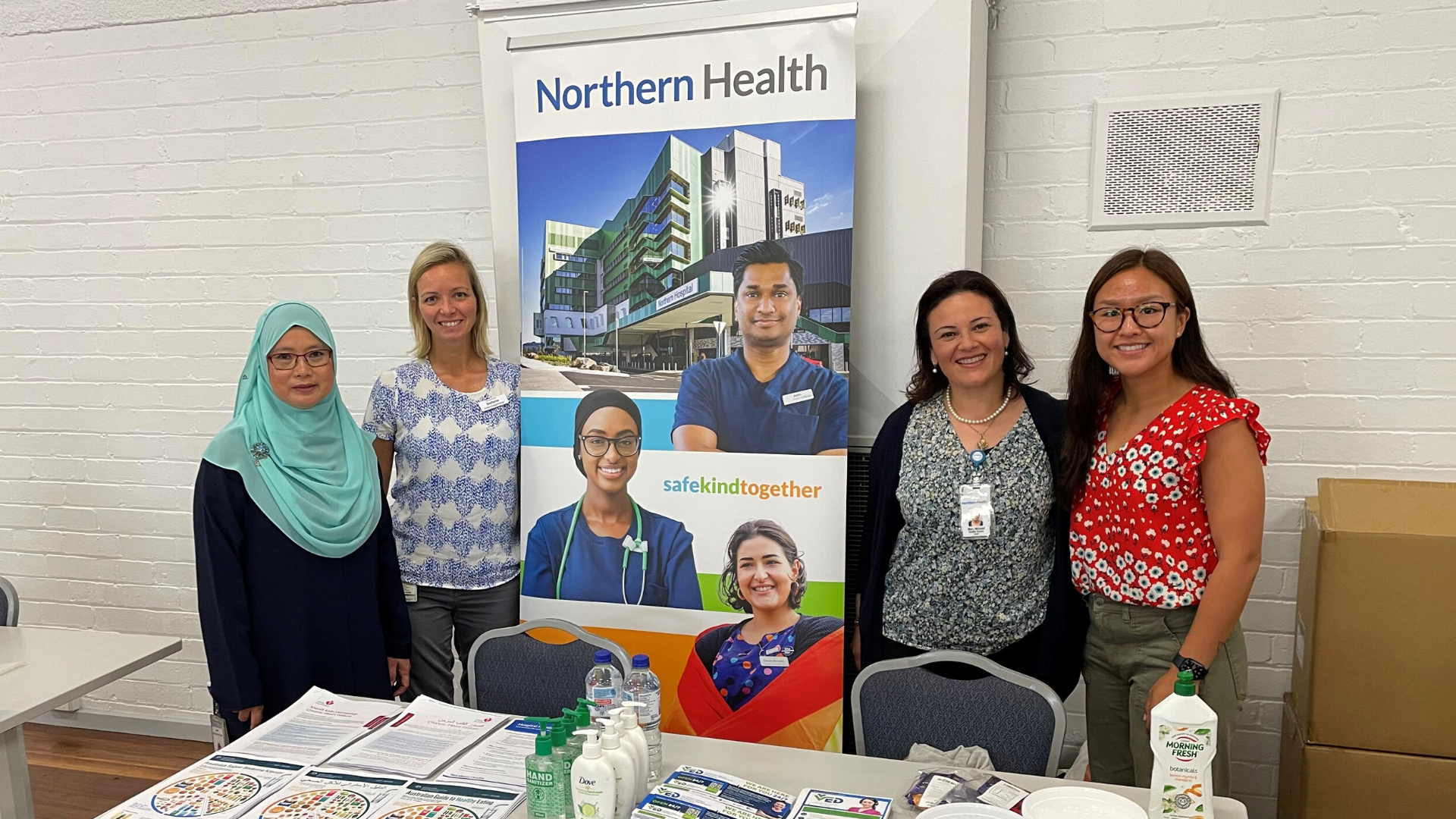
    Northern Health recently participated in the Refugees: Your Community, Your Health event, hosted by the City of Whittlesea’s Program for Refugee Immunisation Monitoring and Education (PRIME) team.

    The event brought the refugee and asylum seeker community, living in the City of Whittlesea and the City of Hume, together to learn about local services and the importance of immunisation against vaccine-preventable diseases, including COVID-19.

    Julinah Mohd Shariff, HARP Team Leader, Mary Mickael, HARP Pharmacist and Health Coach and Stefania Zen, Education and Engagement Manager for Transcultural and Language Services (TALS) and Aboriginal Support Unit (ASU), represented Northern Health at the event.

    Along with engaging with attendees, they also shared brochures and information on health education and community programs at a Northern Health booth.

    “The event provided an opportunity for new residents to engage with, and learn about, service providers such as Northern Health. There were also various networking opportunities for service providers that engage with each other and the local community,” Stefania said.

    “Service providers included Whittlesea Community Connections, Foundation House, Ethnic Communities Council of Victoria, Cancer Council, Victoria Police, local libraries, local youth organisations and more.”

    Julinah said the event was a rewarding experience to be able to engage with the refugee community outside a clinical setting.

    “The atmosphere was lively and cheerful, and everyone was relaxed and happy. It also gave us the opportunity to chat with the community casually, whilst promoting health education,” Julinah said.

    For Mary, the event was, “a festival of unity and love, integrating refugees into their new home while harnessing the unique potential of each individual paving their way to success.”

    “Northern Health has always held the ethos of unity and fellowship in the community. Participating in this event has reinforced the bridges of trust and care in a patient-centred model,” she said.

    “It was rewarding seeing everyone happy, particularly the children who thoroughly enjoyed learning about hand hygiene and healthy eating.”

    Stefania also shared with event attendees how Northern Health has established the Victorian Virtual Emergency Department (VVED).

    “This was very well received by both the local community, and other service providers who were not aware of this service,” she said.

    “Since the majority of the attendees spoke another language and had limited English, it was also an opportunity to highlight that at Northern Health, all Medicare eligible patients also have free access to professional interpreter services.”

    Featured image: Julinah Mohd Shariff, Stefania Zen, Mary Mickael and Julie Tran.

  • 16 Days of Activism against Gender-Based Violence

    16 Days of Activism against Gender-Based Violence

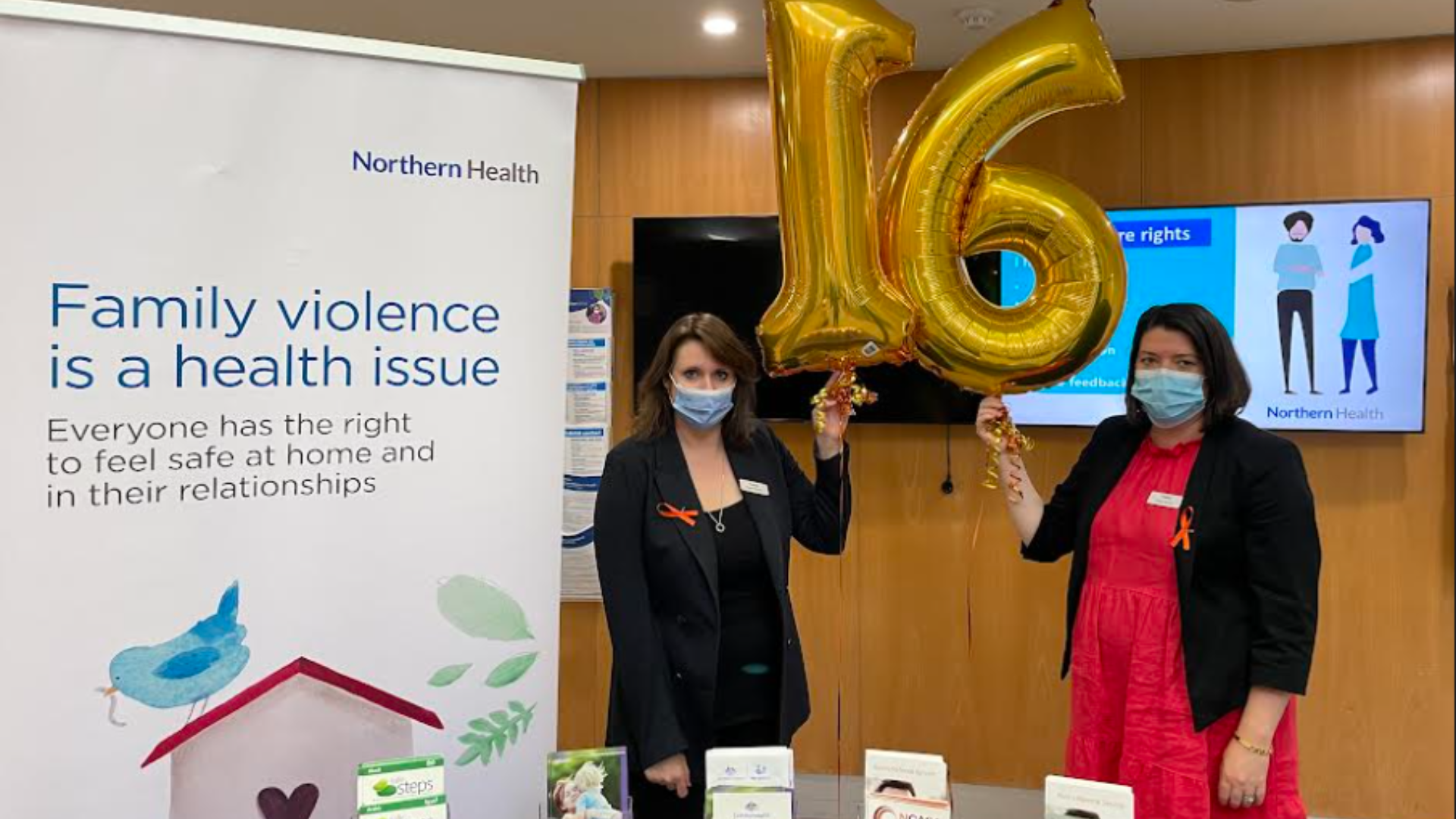
    16 Days of Activism against Gender-Based Violence is a global campaign that calls for an end to violence against women and girls. The annual international campaign begins on the International Day for the Elimination of Violence Against Women – 25 November, and concludes on Human Rights Day – 10 December.

    The campaign was started by activists at the Women’s Global Leadership Institute in 1991, and continues to provide a spotlight every year for campaigns working to prevent and eliminate gender-based violence. We often think of violence as a physical act causing physical harm. But for girls around the world, violence has many faces. It can be subtle and not easily recognised, but still deeply damaging.

    Gender inequality is one of the primary drivers of gender-based violence and family violence. We also know that other intersecting forms of discrimination – including racism, ageism, homophobia, transphobia, and colonialism – are further drivers of violence.

    In Australia right now, the statistics show that:

    • One in four women have experienced violence by an intimate partner since the age of 15.
    • Nearly two in five women with disabilities have experienced violence from a partner, ex-partner or family member.
    • One in three LGBTIQ+ people have experienced violence from a partner, ex-partner or family member.
    • One in three migrant and refugee women living in Australia have experienced family violence.
    • 95 per cent of all victims of violence, regardless of gender, experience violence from a male perpetrator.

    Respect Victoria is also conducting a Respect Women: ‘Call it Out (Respect Is)’ campaign, to coincide with 16 Days of Activism, which showcases messages of respect, support and equality, and will feature stories and messages from everyday Victorians who are creating change in their communities.

    “This is a time for us all to reflect on gender inequality and social norms which excuse and exacerbate gender-based violence and bring an end to inequity, discrimination and abuse. Choosing to lead with respect in our relationships can ultimately prevent violence against women and girls,” said Tanya Ellis, Strengthening Hospital Response to Family Violence Project Manager at Northern Health.

    Respect is the building block of all healthy relationships and is offered, exchanged and received in the places we spend our time – homes, schools, workplaces, sporting clubs and more. Violence against women and girls is a devastating act of disrespect and a pervasive breech of human rights.

    We can all play a role in preventing gender-based violence in all its forms – so join us by leading with respect, and calling out discrimination. Northern Health invites you to get involved by:

    • Visiting the information display in the main foyer for further information and resources.
    • Wear something orange throughout the campaign.
    • ‘Call it out’ and share a brief story of how you have called out disrespectful behaviour toward women and email: NH-familyviolenceprojectteamstaff@mh.org.au.
    • Purchase a pair of ‘Respect Women’ earrings - designed, laser cut and hand-painted by proud Wiradjuri woman Kristy Dickinson, founder of Haus of Dizzy. These special edition earrings were created by Haus of Dizzy in collaboration with Respect Victoria – Haus of Dizzy website.
  • Yarning Circles: Listening and speaking from the heart

    Yarning Circles: Listening and speaking from the heart

    Yarning circles have been described as “the practice of speaking and listening from the heart.”

    Aboriginal and Torres Strait Islander peoples have been using yarning circles for thousands of years. Yarning for Aboriginal and Torres Strait Islander people is a way of passing on cultural knowledge. Conversations within a yarning circle always focus on strengths and not problem solving and criticisms.

    Tya Fry thinks its time we had a yarning circle here at Northern Health. Tya is a proud Wotjobaluk/Gunditjmara woman from North-West/South-West Victoria. She has been an Occupational Therapist at Northern Health for three years and felt, “there was a gap in supporting our First Nations staff to safely share their experiences and support each other.”

    Recognised as the Indigenous Allied Health Professional of the Year by Indigenous Allied Health Australia (IAHA), Tya decided to do something about it, while participating in the first leadership program run by IAHA.

    Tya describes yarning circles as, “A space where we can learn together with dignity and respect. A space where we can share experiences safely and without bias, to build on self-determination and improve our connections with the community.”

    She also sees the opportunity for mentoring, which would “be multifunctional, with one function being to provide a modelling of career development and the second being to provide personal support, particularly psychosocial and culturally appropriate support.”

    Tya says there are a few rules to observe when conducting a yarning circle. They include:

    • Speaking from the heart (in what is present and authentic).
    • Listening from the heart (paying attention to the others, without judgement or preconceived ideas).
    • Being spontaneous (without planning or storing information).
    • Being concise and to the point (speak the essence).
    • Confidentiality: what has been said in the circle stays in the circle.

    Toni Gabelish, Aboriginal Liaison Officer, is looking forward to participating in a Northern Health yarning circle. She says, “The Narrun Wilip-giin Cultural Space is a culturally safe space for Aboriginal and Torres Strait Islander patients and staff to gather and support each other. This would be an amazing space to network with other First Nations staff.”

    Tya would like to hear from Aboriginal and Torres Strait Islander staff who are keen to join the yarning circle. She can be contacted via email at Tya.Fry@nh.org.au.

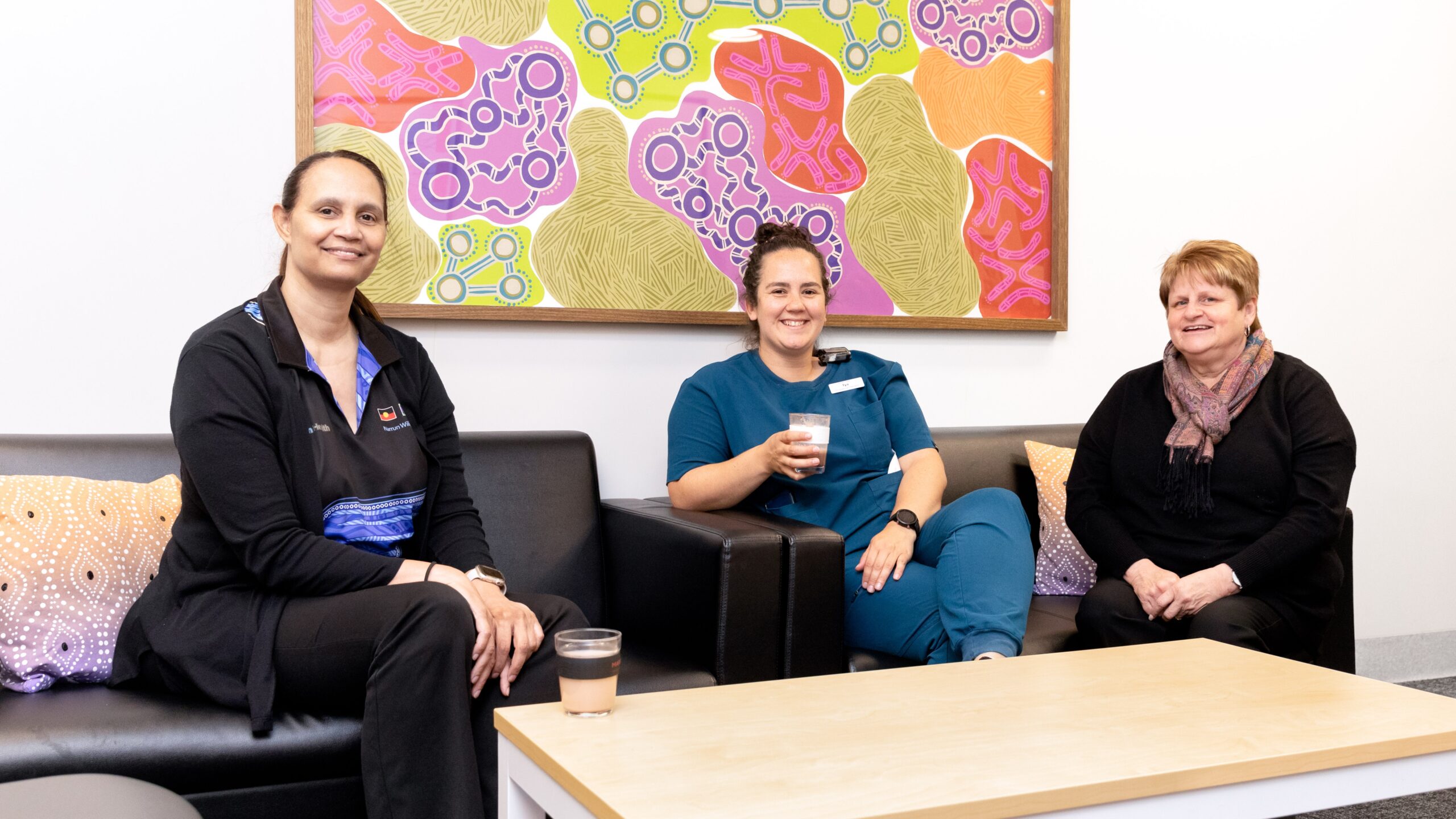
    Featured image: Toni Gabelish, Aboriginal Liaison Officer, Tya Fry, Occupational Therapist, and Karen Bryant, Senior Aboriginal Liaison Officer.