• Premier Daniel Andrews praises VVED on recent visit

    Premier Daniel Andrews praises VVED on recent visit

    Yesterday morning, The Hon Daniel Andrews MP, Premier of Victoria, along with Colin Brooks MP, Acting Minister for Health, visited Northern Hospital Epping to thank our Victorian Virtual Emergency Department (VVED) staff who have supported more than 85,000 Victorians since the service launched in October 2020.

    During the visit, Premier Daniel Andrews met with Jennifer Williams AM, Northern Health Board Chair, Siva Sivarajah, Northern Health Chief Executive, Lisa Cox, Acting COO, Dr Loren Sher, Director VVED and Ambulance Vic representatives.

    Following a tour of the VVED, the Premier spoke with local and metro media, discussing the need to expand other primary care services and relieve the pressure on emergency departments (EDs).

    This includes delivering 25 Priority Primary Care Centres, 30 state-run GP respiratory clinics, and the Better at Home program across the state.

    Any pressure we can take off our hospital system is great for patients who need to be in hospital,” said Premier Daniel Andrews.

    Dr Loren Sher, Director Victorian Virtual Emergency Department, said the VVED is a much better experience for people than sitting in a busy emergency department.

    “We will be working collaboratively [with other health services] to try and increase the ability to keep patients out of the emergency department,” Dr Loren Sher said to 7 News.

    “Patients that are advised to attend the ED in some instances will be referred into the Victorian Virtual Emergency Department.”

    The VVED helped thousands of people avoid a trip to emergency department over the Christmas and New Year period.

    While the VVED treats an average of 300 to 350 Victorians every day, over the holiday period this skyrocketed, with more than 640 patients seen on Boxing Day alone.

    “Despite record demand, the doctors and nurses at the Virtual ED did an incredible job ensuring Victorians got the care they needed over the holiday period,” Mr Brooks said.

    Dr Loren Sher, Director Victorian Virtual Emergency Department, speaking at the press conference

  • It’s Bushfire Season: Plan, Act, Survive

    It’s Bushfire Season: Plan, Act, Survive

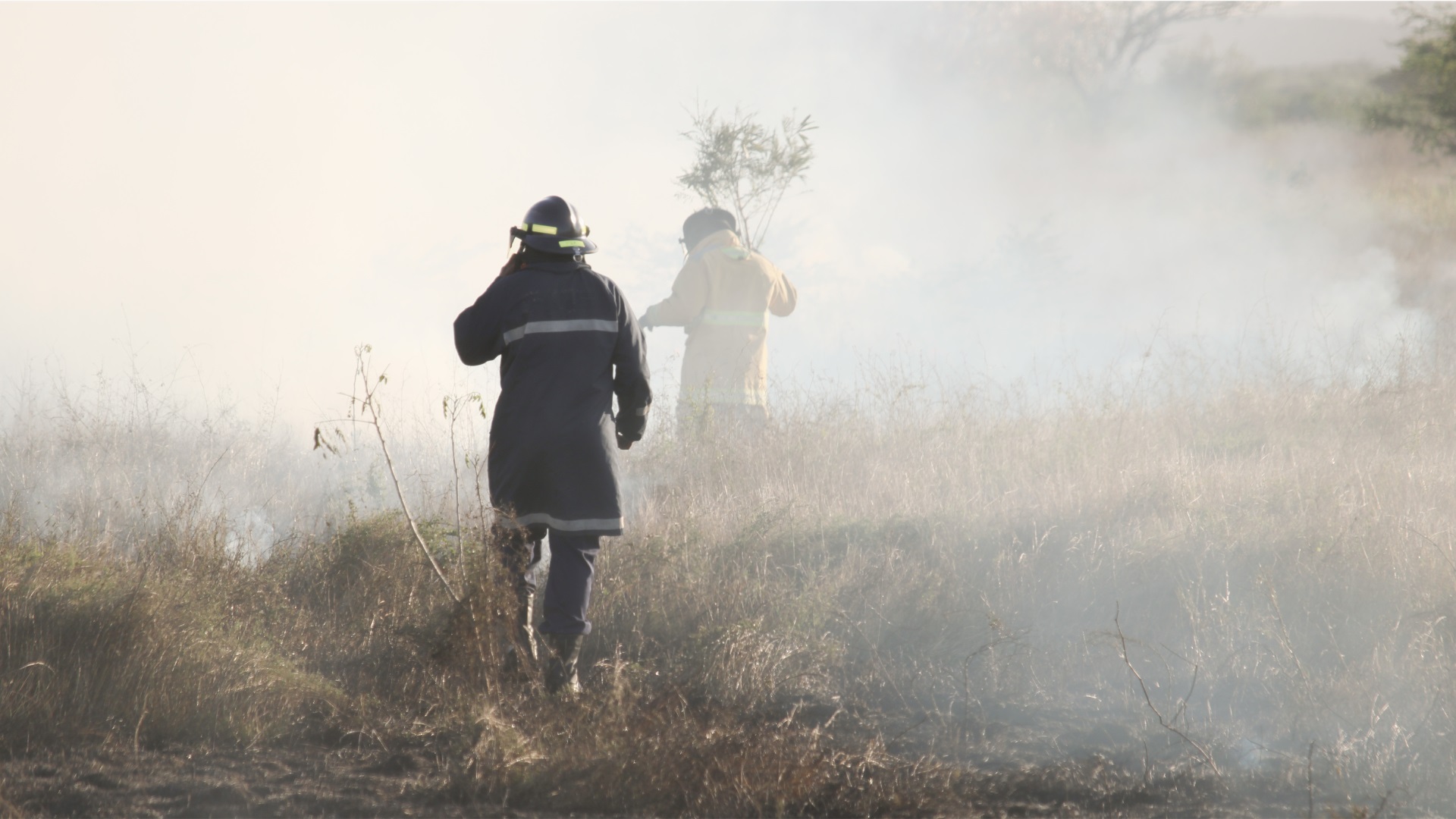
    Victoria is one of the most fire prone areas in the world, and bushfires and grassfires are a part of life.

    Bushfires and grassfires can start quickly, often without warning, and they can threaten lives and properties within minutes.

    All Victorians need to know how to plan for and respond to fire.

    There are some simple steps you can take to get ready now:

    • Familiarise yourself with the new Australian Fire Danger Ratings and check them every day during the fire season
    • Make your fire plan and talk with your family about what you will do. Just as every family or household is unique, every plan will be different
    • If you live in a regional area at risk of bushfires or grassfires, be prepared to leave early on very high-risk days or if a fire starts

    What does Leave Early mean?

    If you live in a regional area at risk of bushfire and grass fires, we recommend to always leave the night before or morning of an Extreme or Catastrophic (Fire Danger Rating) day.

    These days are rare. They are rated high risk because of:

    • The heat
    • How dry is the area
    • How much dry vegetation there is (for example if there is dry forest, long grass, thick bush)
    • The wind.

    The worse these conditions are, the more difficult it is for emergency services to control fire. If the fire is unpredictable and uncontrollable, you do not want to be anywhere near it. Leave early.

    Fires can start at any rating. Watch the conditions and check warnings so you know what to do if a fire starts.

    You can:

    • Download the VicEmergency App from the App Store or Google Play
    • Add your location preferences (for example your home or other family member’s homes)
    • Set up notifications to be alerted of Fire Danger Ratings and emergency warnings.

    Total Fire Ban Days

    Total Fire Ban Days are different to Fire Danger Ratings:

    • A Fire Danger Rating tells you how dangerous a fire is likely to be if one starts. It gives you information to help you decide how you should put your fire plan into action.
    • A Total Fire Ban tells you if it is legal to do certain activities that may start fires.

    Total Fire Bans are declared by CFA on days when fires are likely to spread rapidly and be difficult to control. This sets legal restrictions on what activities can or cannot occur in a district for that day.

    The purpose of a Total Fire Ban is to reduce the activities that may start a fire such as campfires and some outdoor BBQs.

    Not all fires are equal. How you should respond depends on where your property is and the environment around it.

    • Bushfires behave differently to grassfires. It is important to understand both. When a grassfire starts in an urban or built-up area, you need to react differently than if you are in a rural and regional area.
    • Grassfires can start and spread quickly, especially on days when the fire danger rating is High, Extreme or Catastrophic.
    • Grassfires can travel up to 25 km per hour and pulse even faster over short distances. Grass is a fine fuel and burns faster than bush or forests. Grassfires tend to be less intense and produce fewer embers than bushfires, but still generate enormous amounts of radiant heat.

    If you see behaviour that could lead to a bushfire, it’s up to you to report it and keep our community safe. Call Crime Stoppers on 1800 333 000, or go to crimestoppersvic.com.au.

    In an emergency, or if you see smoke or flames, call 000 immediately.

    For more information on bushfire safety tips, visit: https://www.frv.vic.gov.au/bushfire-safety

  • Dylan and Tom have your back

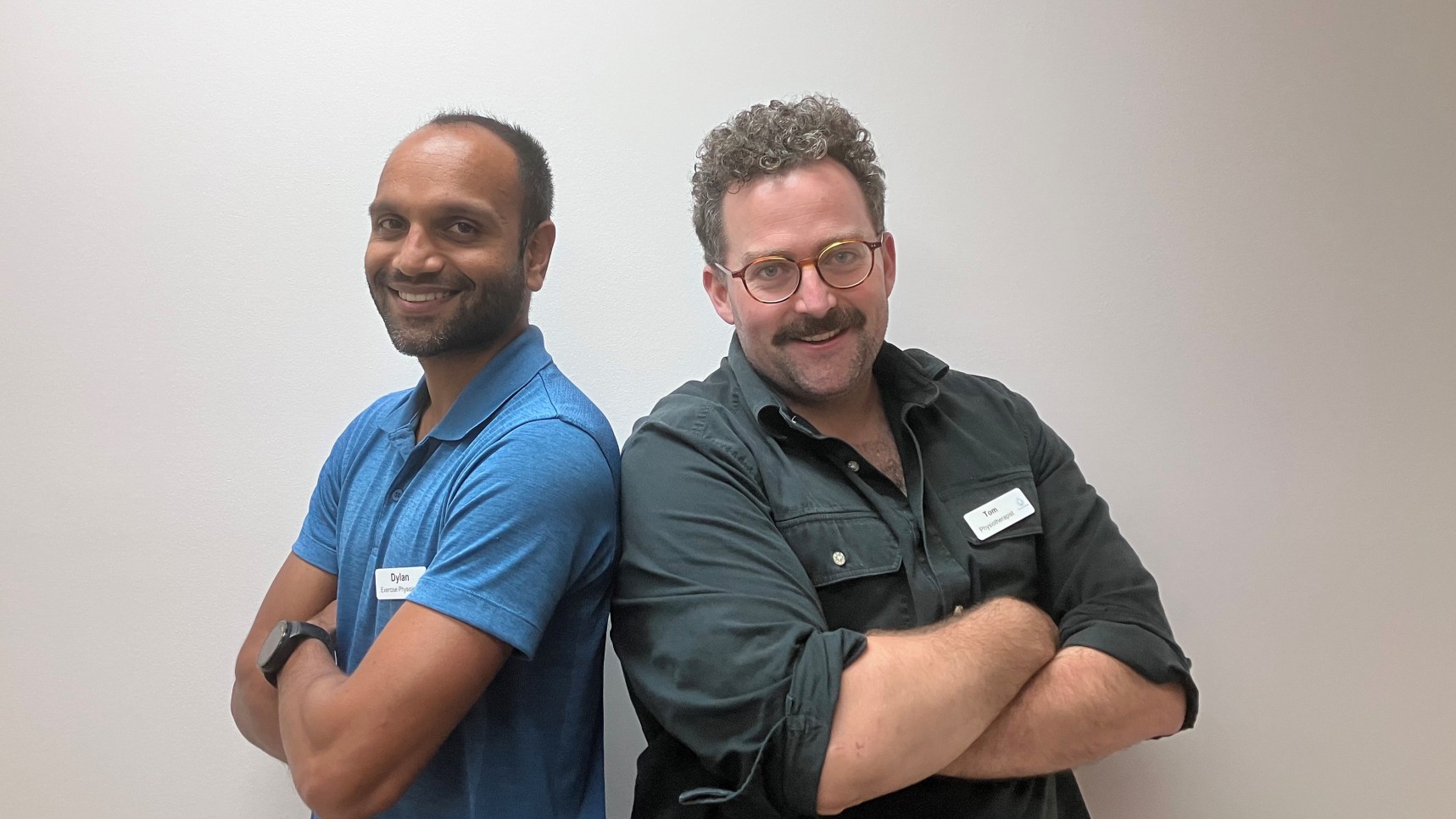
    Dylan and Tom have your back

    The Staff Exercise Physiology Clinic which opened in June last year, will now expand its service to five days, thanks to high demand and referral rates.

    This clinic is an expansion to the equally successful Staff Physiotherapy Clinic which has been operating since February 2021. Both clinics were established as part of Northern Health’s commitment to increasing the physical and psychological wellbeing of our workforce and achieving a healthy workplace.

    Exercise Physiologists specialise in clinical exercise prescription and the delivery of lifestyle modification programs for the prevention and management of chronic disease, musculoskeletal injuries and improved wellbeing.

    “We all know that being physically active is essential for good physical and mental health and wellbeing, but unfortunately more than half of us are not active enough,” says Dylan Perera, Exercise Physiologist, who leads the clinic.

    A staff survey showed that 70 per cent of staff who used the Staff Exercise Physiology Clinic rated their experience as 10/10. (All staff who utilised this service reported their experience to be at least an 8/10). Ninety per cent of staff found their wellbeing was better after treatment, and 100 per cent of staff reported that they became more physically active.

    Here’s what a staff member had to say:

    Hi Dylan,
    I would like to express my sense of gratitude towards the exercise program. Thanks for your instructions which helped me to strengthen my muscles and joints, especially my troubled knees. Now I feel stronger and flexible to work as usual and have my life back. I can enjoy my gardening, walking and hiking. I am looking forward to continuing this program with you to build up a stronger body. I hope more staffs can join the program and gain the benefits I did!
    Ling 

    Physiotherapists and Exercise Physiologists are both qualified health care practitioners that help people with getting fit, healthy and recover from illness and injury. They both work together to help you get the best results for your health.

    Tom Cooper, the Physiotherapist responsible for the Staff Physiotherapy Clinic, treats a lot of staff with back and nerve pain in the shoulder. He also treats ‘tennis elbows’ – which can occur due to a lot of repetitive moments behind the computer or carrying heavy objects.

    Tom says, “If staff have a general musculoskeletal complaint, and they want to refer themselves, they need to visit the Staff Physiotherapy Intranet page and follow the instructions there.”

    Staff members can make their own referral to the Staff Exercise Physiology clinic by completing the Terms of Service form and returning to staffexphys@nh.org.au.

    Says Dylan, “You will have a thorough and comprehensive assessment to evaluate your needs, goals, and physical fitness. We then provide you with a tailored exercise plan as well as support and health coaching for the long-term.”

    For more information, visit the Intranet page here.

  • Survive the Heat this Summer

    Survive the Heat this Summer

    Summer is finally here, and even though Melbourne weather is typically unreliable, when it’s hot- it’s hot.

    Knowing the potential risks and how to best survive the heat is important. Heat can cause illnesses such as heat cramps and heat exhaustion, leading to the potentially life-threating condition of heatstroke. Older people, young children and people with a medical condition, such as heart disease or diabetes, are most at risk.

    How to cope with the heat?

    Doctors recommendations are to drink plenty of water, even if you don’t feel thirsty, keep yourself cool by using wet towels, putting your feet in cool water and taking cool showers, spend as much time as possible in cool air-conditioned buildings (shopping centres, libraries, cinemas or community centres), stay out of the sun during the hottest part of the day and wear a hat and light-colored, loose-fitting clothing.

    In addition, keep in touch with sick or frail friends and family and check on your elderly neighbors on any extreme heat day.

    Remember to also avoid heavy activity like sport, renovating or gardening and to never leave kids, adults or pets in hot cars.  Always seek medical help in case of a serious heat-related illness.

    Prepare for extreme heat  

    Here are some tips on how to best prepare for extreme heat:

    • Stock up on food, water and medicines so you don’t have to go out in the heat. Visit your doctor to check if changes are needed to your medication during extreme heat.
    • Store medication safely at the recommended temperature.
    • Check that your fan or air-conditioner works well.
    • Look at the things you can do to make your home cooler such as installing window coverings, shade cloths or external blinds on the side of the house facing the sun.

    Should you decide to cool down by going to the beach or the pool, always remember to play it safe by the water. This means learn how to swim and never swim alone, know your limits, stay hydrated, learn some CPR (first aid) and always supervise children around water.

    For more information on how to survive the heat, visit: www.betterhealth.vic.gov.au

    We wish everyone a happy and healthy summer!

  • Forty-five years of service: Helen Milevski

    Forty-five years of service: Helen Milevski

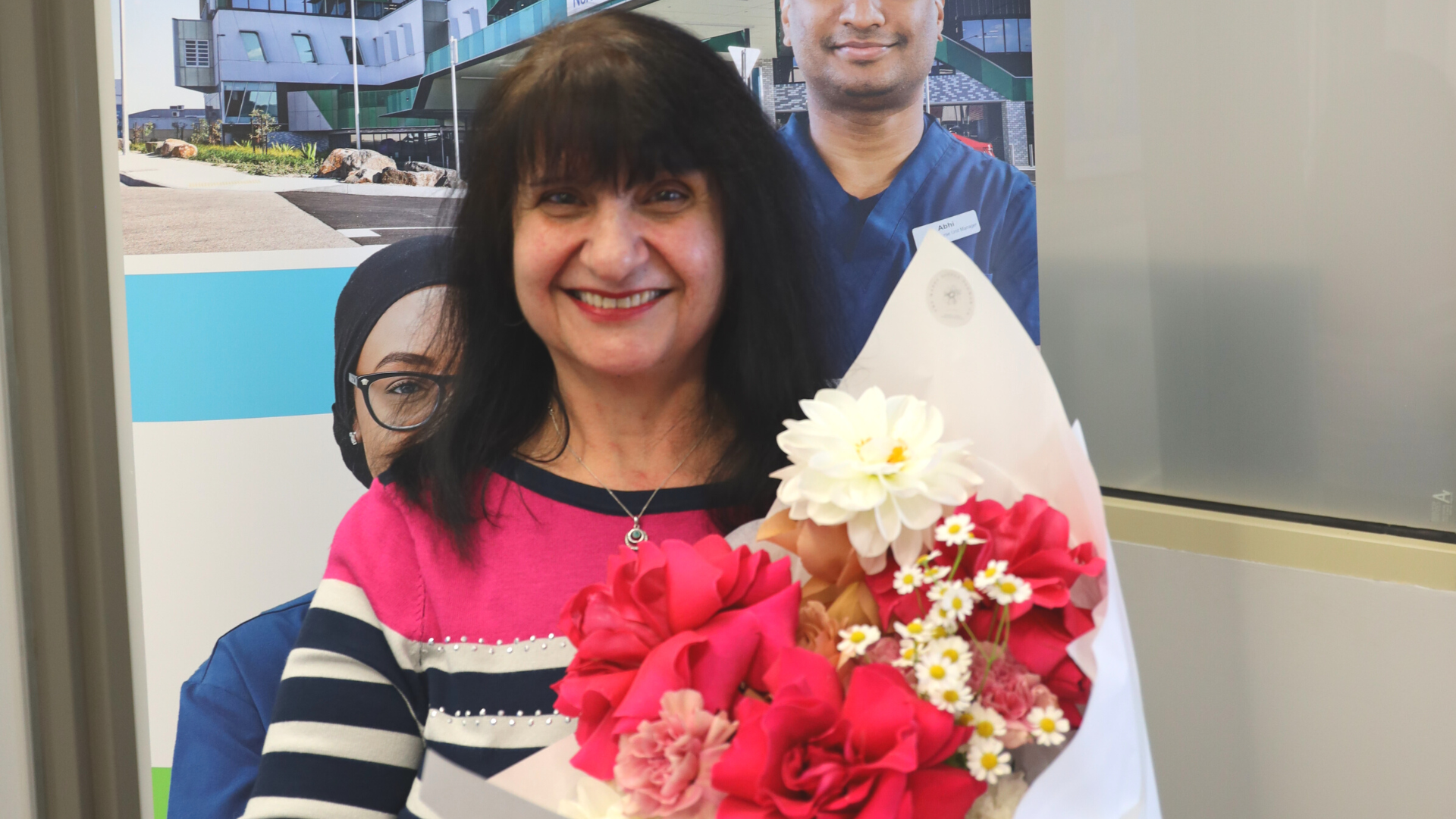
    Helen Milevski celebrated an amazing 45 years of dedicated service in 2022. To commemorate this special milestone, Helen speaks about her career, and the many changes the healthcare profession has seen since 1977.

    Having reached 45 years of service in mental health is overwhelming when I look back on it. It is difficult to capture all my experiences, incredible memories and the highlights, challenges, and changes over that period of time. I can say that it has been a lifetime commitment which has been both challenging and rewarding.

    I was 19 years old when I first started on 10 January, 1977. At that time, there were three different hospitals all located in the same grounds at Bundoora; Mont Park, Larundel and Plenty.

    My first position was in Plenty Hospital based in the wards for the acute/geriatric and long-term care. In 1985-86, the three hospitals merged under one management – one of the very first mergers with many more to come.

    My second role in the early 1980’s was a Level 2 Supervisor to domestic services staff, including heavy duty cleaning staff. This role lasted for nearly 15 years. I worked up to Level 4 Supervisor Training staff in hygiene/other domestic duties required for this role, and organising a rostering system for 80 staff. I also was on the roster working two days on and two days off. I was also involved in the relocation of wards and planning and organising the accommodation for overseas medical staff. Part of my duties was to also plan for and organise events, seminars, and conferences which at times, involved up to 100-150 people.

    Since 1995, I have been working in an administration role in different areas such as community mental health clinics. Currently I am still in the same role based in Mill Park at Noogal Clinic.

    I have witnessed so many changes over the 45 years. All the changes were intended for the best interests of the patients/clients, and involved relocations, merges, rebranding, restructuring and change of management and reporting lines. Personally, I was involved in 19 different relocations, and, at one stage, I had to apply for my own job! Luckily, I got it as I wouldn’t have made it to 45 years.

    One of the positive changes that I can now see looking back, is the reduction of stigma for those with mental health conditions and the multiple programs and services which are now available for people to get help and support. Another significant change was having opportunities for staff to undertake professional development and training. This may be taken for granted now, but when I first started back in 1977 there was no such thing as professional development training.

    When I reflect, I have a lot of happy memories, working with different staff, being part of the team and always feeling supported and respected, even during the hard times and times of stress. The highlight of my working journey has been to support clinicians in my admin role in the provision of the Carers’ Program. This involved monthly meetings with the carers’, providing them with a light lunch and information from guest speakers. It was heart-warming to see the carers’ having a really good time, developing friendships with one another, and supporting each other, especially towards end of the year for the Christmas gatherings.

    At the middle of last year, we moved across to Northern Health. In my personal experience, that was a smooth transition because Northern Health, together with management, was very communicative and kept staff informed. It was very helpful and much appreciated that staff from Northern Health took the time and made the effort to visit us at Noogal Clinic together with Belinda Scott, Executive Director, Mental Health.

    Overall, I can say that my working life over the last 45 years has been truly rewarding, because in my small way, I was part of helping people in their recovery. The most satisfying and rewarding aspect of my work was to witness the amazing work the team has achieved in helping the patients and clients recover.

    Finally, the pandemic as we all know, touched everyone’s lives. This challenged us all to come together and look after one another. I want to acknowledge the hard work that everyone provided to the patients and clients during this difficult time. It showed the strength, resilience and capabilities that people have during challenging times.

    Lastly, I want to say that what I have learnt the most over my 45 years of service in mental health is the importance of working as a team. Having respect for one another, valuing different opinions and perspectives, and appreciating your colleagues so that we can achieve the best outcomes for our patients and clients.

    Thank you to everyone who I have worked with, I plan to be here for a few more years.

  • March for Pride this February

    March for Pride this February

    Pride March is an annual event held in Melbourne as part of the Midsumma Festival, a celebration of LGBTIQA+ culture and arts. This year, it will be held on Sunday, 5 February 2023.

    More than 7,400 marchers usually take to the streets in St Kilda each year, and over 45,000 people line the streets and balconies along the march route to show their support.

    “The march is all about celebrating the LGBTIQA+ community, and showing support,” said Electra Ulrich, Senior Dietitian and Co-Chair of the Rainbow Working Group.

    “A number of different health services march, as well as sporting clubs, schools, businesses and government organisations.”

    Northern Health first marched at Pride March in 2020 with the Pride in the North network, and again in 2021.

    “This will be the first year that Northern Health will march under its own banner at Pride March. It feels great to be taking part in this important event again, now with visibility under our own banner” Electra said.

    “It’s important for us, as a health service, to proactively show support for the LBGTIQA+ community. Unfortunately, the LGBTIQA+ community still experience discrimination. For us, as a health service, it is important to let the community know that we aim to provide safe care. Unless we state this, how will they know?”

    The annual march begins at 11 am at the Ian Johnson Oval on the corner of Lakeside Drive and Fitzroy Street, before proceeding along Fitzroy Steet and ending in Catani Gardens.

    “We march with other health services – whether it be community health or other hospitals,” Electra said.

    “The crowd cheer us on and, in the past, I’ve heard people yell out ‘Northern Health is here!’ It feels pretty special, and I feel very proud to be representing the health service. The march ends at Catani Gardens in St Kilda, by the beach, where there is entertainment and food.”

    “The march is family friendly, and we’ve had some staff bring their children along to march too. The day tends to be quite warm, so make sure you are sun smart and carry a bottle of water.”

    “We would love to have you march with us. It’s a fun day and many marchers share their experience as something very special! It’s one way you can stand with the LGBTIQA+ community to say; ‘I support you, you matter, and we strive to provide safe care for you,’” said Electra.

    “Whether you identify as part of the LGBTIQA+ community, or are an ally, feel free to come along. Bring a colleague, friend, partner and family too.”

    For more information on Pride March, or to participate, email the Rainbow Working Group at rainbowgroup@nh.org.au or visit the Intranet for the latest updates.

  • 2023: The Year of Together

    2023: The Year of Together

    New Year’s resolutions are a time for reflection—a chance ‘to think about the limited time we have on this Earth and how to use it wisely’.

    To start the year, we asked a cross section of our executive team to tell us what they wished for in 2023.

    Most preferred to keep it simple, starting with Don Campbell, Clinical Service Director, Staying Well Program, Medical Division Director, Hospital Without Walls. He said his resolution for the new year was to ‘Get back to basics. Be thankful for each day, every day. Smell the roses and leave the roundup in the container!”

    His ‘buzzword’ for 2023 would be ‘focus’. As in “focus on a small number of projects and see them through”. He would like to spend the first forty-five minutes each day, “focusing on a long – term issue before I open my emails.”

    Wanda Stelmach, Chief Medical Officer, intends to keep her focus on the patient, saying, “My New Year’s resolution is to champion the idea of the patient in the centre of all our endeavours in 2023.”

    Simplifying matters, was also a priority for Debra Bourne, our Chief Operations Officer. Her resolutions for 2023 are grounded in the practical:

    1. keep my inbox under control and never receive a ‘your mailbox is too full’ message.
    2. don’t press the ‘snooze’ button in the morning
    3. tidy my desk every night
    4. commit to doing the back exercises my Physio prescribed, every day
    5. And at every opportunity reduce my carbon footprint

    Jason Cirone, Chief Allied Health Officer says a major priority for 2023 for him will be the staff. He believes that “while we will set some important service goals for the new year, they will only be achieved through a healthy, well and engaged workforce, and this is where we will focus our attention and support”.

    Pina Di Donato, Executive Director, Public Affairs and Foundation reflecting on 2023 says, “I am reminded of a quote by Anais Nin…. ‘Life shrinks and expands in proportion to one’s courage’.

    Her advice “to myself, my team and others is to be brave, back yourself, believe in your ability to affect change and most of all, go out there and make your life as big as you can.’

    Being kind, ranks high in the wish list of Belinda Scott – Executive Director, Mental Health.

    She says, “My New Year’s resolution is to show kindness to others and to be kind to myself, to feel and breathe, connect with others and find things that bring you joy each day. ”

    “My wish for the new year is to continue to make a difference in the lives of the consumers we work with and each other.” she adds.

    Anthony Gust, Executive Director, Digital Health, predicts 2023, “will be the year of together.  Together we will continue to look after patients but also each other.”

    He says, “For me 2023 is about all staff caring for each other and having peace of mind that they have done their best not only over 2023 but the last three years.”

    So as we join them in making plans for the new year, here’s wishing that this will be a year when we will be kind to each other.  Here’s wishing 2023 is the Year of Together.

  • Out for a duck at Bundoora Centre

    Out for a duck at Bundoora Centre

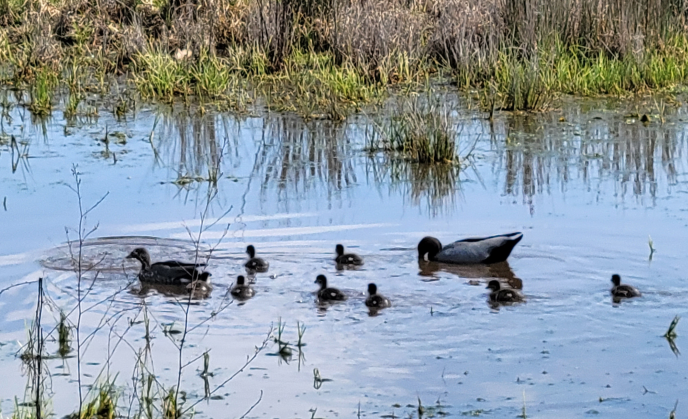
    For weeks, all that staff at Bundoora Centre could talk about was, “Have you seen the ducklings today? Are there still nine?”.

    Kelly Pinto, Spiritual Care Practitioner and Duck Watcher first came across them on a hot summer’s day. “I found the ducks seeking shelter in two groups. Half the flock was sitting under a car. The other half were hiding behind some shrubbery, so as not to be seen. Together they slumbered in the shade as a new family, claiming Bundoora as their home and making the most of raising their young.”

    Nicky Tully, Clinical Coordinator/ Duck Watcher said . “We watched the ducklings grow their adult feathers as they quickly grew in size. We observed the parents developing their life skills but appeared to be missing road sense as part of their curriculum! Lucky there are road signs near the campus to warn of the duck crossings.”

    She added, “Staff watched in delight as nine ducklings grew into adult ducks over six short weeks. The joy of watching these ducklings created chatter around the corridors with staff wondering if the ducklings were safe and well. They were seen taking pictures of the family and dodging a charging hissing protective parent.”

    Barbara Hayes, Clinical Lead-Advance Care Planning/Associate Duck Watcher said, “I was delighted to see that the parents were able to successfully raise all nine ducklings.  I noticed that the Dad was very vigilant and kept an eye out for danger.  The ducks have loved the wet weather this year.  When we needed to wade through parts of the carpark, after heavy rain, the ducks were there as well looking very excited by all the water.”

    “Security staff also did their bit to protect the ducklings and, on occasions, could be seen gently herding the ducklings and their parents back towards the pond for safety.  Watching the ducks and ducklings each year at Bundoora is good for the soul.”

    Nicky was quick to agree, “It brought us together through the colder days of winter, bringing joy to our hearts as we watched nature grow around us.”