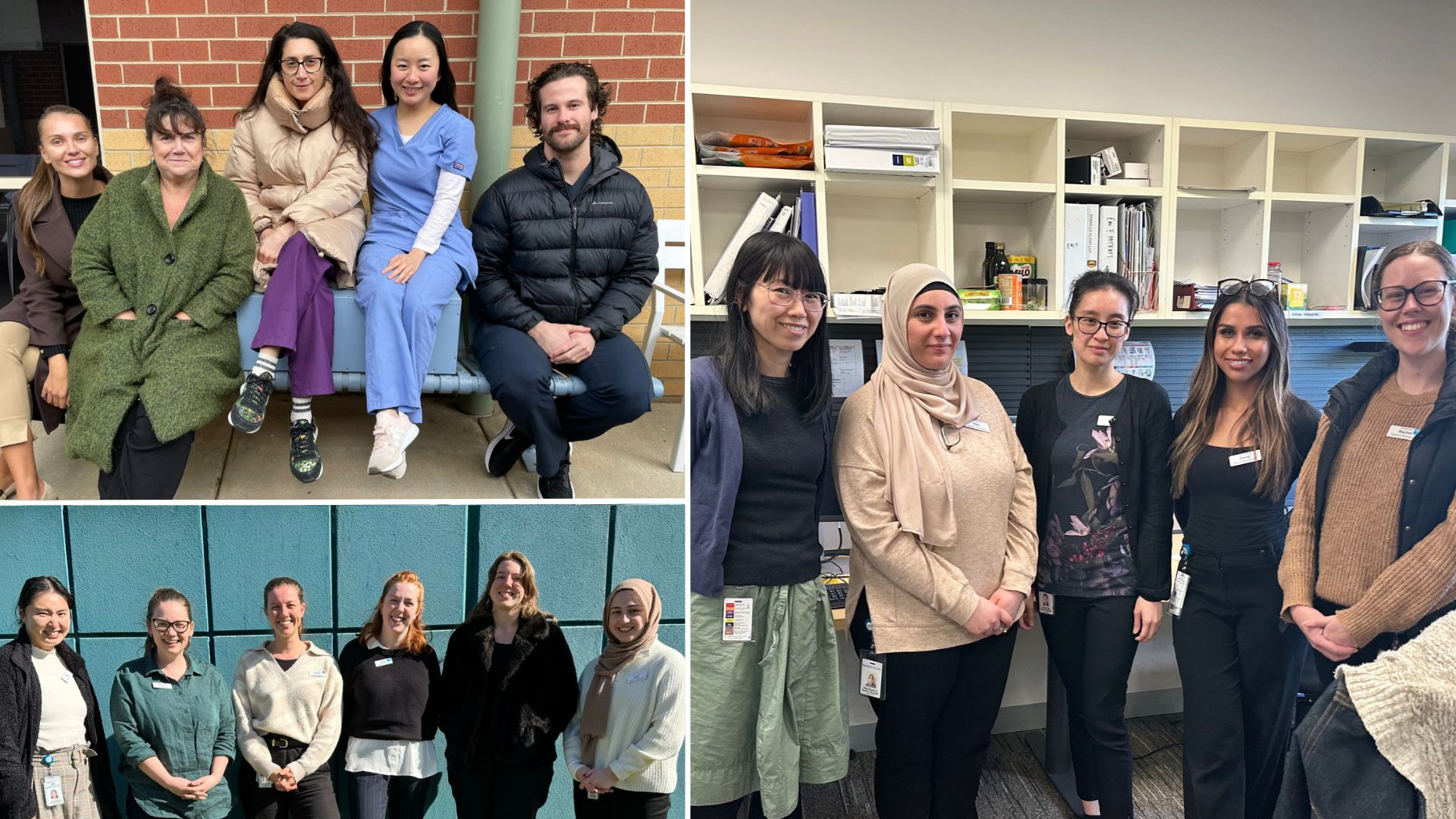
• We are Northern: This is the Speech Pathology team

    We are Northern: This is the Speech Pathology team

    This week is Speech Pathology Week and the theme is ‘Communicating for Life’. During this week, the aim is to help raise awareness about communication disability and the role of Speech Pathologists.

    Speech Pathologists assess, diagnose and treat communication disorders and swallowing and feeding difficulties. At Northern Health, the Speech Pathology Department consists of 43 clinicians in the Paediatric and Adult teams working across Northern Hospital Epping, Bundoora Centre, Broadmeadows Hospital and Craigieburn Centre.

    The Paediatric team supports infants and pre-school aged children in the Neonatal Unit and Children’s Ward with feeding, swallowing and communication concerns. The team also works in outpatients; joint feeding clinics with dietetics, communication clinic, the Multidisciplinary Developmental Assessment Clinic (MDAC) and the Northern Autism Spectrum Disorder Assessment Clinic (NASDAC).

    The Adult team services all those over the age of 18 years. Their patients present with communication or swallowing difficulties resulting from a range of medical conditions including stroke, brain injury, cancer or progressive neurological diseases (PND). The Adult team provide inpatient services across the acute, subacute and palliative care wards, through to home and centre-based services including the Community Therapy Service (CTS), Early Stroke Discharge (ESD) program and specialist clinics such as the PND, Asthma and Allergies and Dysphagia Clinic.

    Lauren Ramsay, Allied Health Assistant (AHA), is celebrating 16 years at Northern Health this year. Lauren was one of the first AHAs to complete competencies in Speech Pathology, and last year, became the Department’s first Speech Pathology (single discipline) AHA, joining the acute Speech Pathology team at Northern Hospital Epping.

    “Working in Speech Pathology as an AHA can be so rewarding. I am extremely passionate about giving our patients every opportunity to communicate when they are cannot due to deficits related to illness. This was my motivation to apply and move into working solely in Speech Pathology last year, after working across different disciplines for the previous 15 years,” she said.

    Lauren further says we often “presume” people can’t understand us when they are not able to speak or reply as we expect.

    “This quite often is not the case and I love having the opportunity and available time to find ways for these patients to communicate with, by using aids such as pen and paper, communication boards, apps on phone’s/tablets and speaking with families. Seeing a patient’s face light up when they know they are being heard is pretty special.”

    Speech Pathologists are active members of the multi-disciplinary team. They often work alongside Dietitians, as their roles can overlap when they are supporting patients who experience a change in their swallowing function.  Speech Pathologists also have strong working relationships with physiotherapists, occupational therapists, social workers, psychologists, doctors (such as ENTs) and nurses as the treating team work to achieve the best outcomes for patients.

    Post COVID-19 and in the last 12 months, the team is proud to have secured additional Speech Pathology EFT for the Early Stroke Discharge (ESD) program. This has allowed them to work towards the implementation of best practice for early, high-intensity aphasia rehabilitation, and improved communication and swallowing outcomes for patient’s post-stroke.

    They also established the Outpatient Dysphagia Clinic at Northern Hospital Epping. This clinic provides specialist assessment for people experiencing difficulty swallowing, with access to same day instrumental swallowing evaluation, including Videofluoroscopic Swallowing Studies (VFSS) and Fibreoptic Endoscopic Evaluation of Swallowing (FEES).

    Furthermore, the purchase of dysphagia rehabilitation equipment and technology for the inpatient rehabilitation unit at Broadmeadows Hospital, including the Iowa Oral Performance Instrument (IOPI) and Surface Electromyography (SEMG) software, will allow the implementation of advances in outcome driven evidence-based dysphagia rehabilitation.

    In 2023, the team is looking forward to the roll out of the Electronic Medical Record (EMR) and the change in diet code from “Soft Dental Diet” to “Easy to Chew” that will come with the EMR. They are also looking forward to integrating the IOPI and SEMG into their patient’s dysphagia rehabilitation regimes and seeing improved outcomes in swallowing function for these patients.

    The Speech Pathology Department at Bundoora Centre is in the process of setting up a new space to promote the Augmentative and Alternative Communication (AAC) devices. These devices are communication aids that support or replace spoken and/or written communication. Moving into a more accessible space will help provide outpatients with progressive neurological diseases the ability to trial and select the best option for them.

    Thank you to our Speech Pathology team for all your hard work and dedication!

    Pictured in featured image: Speech Pathology teams across Northern Health. 
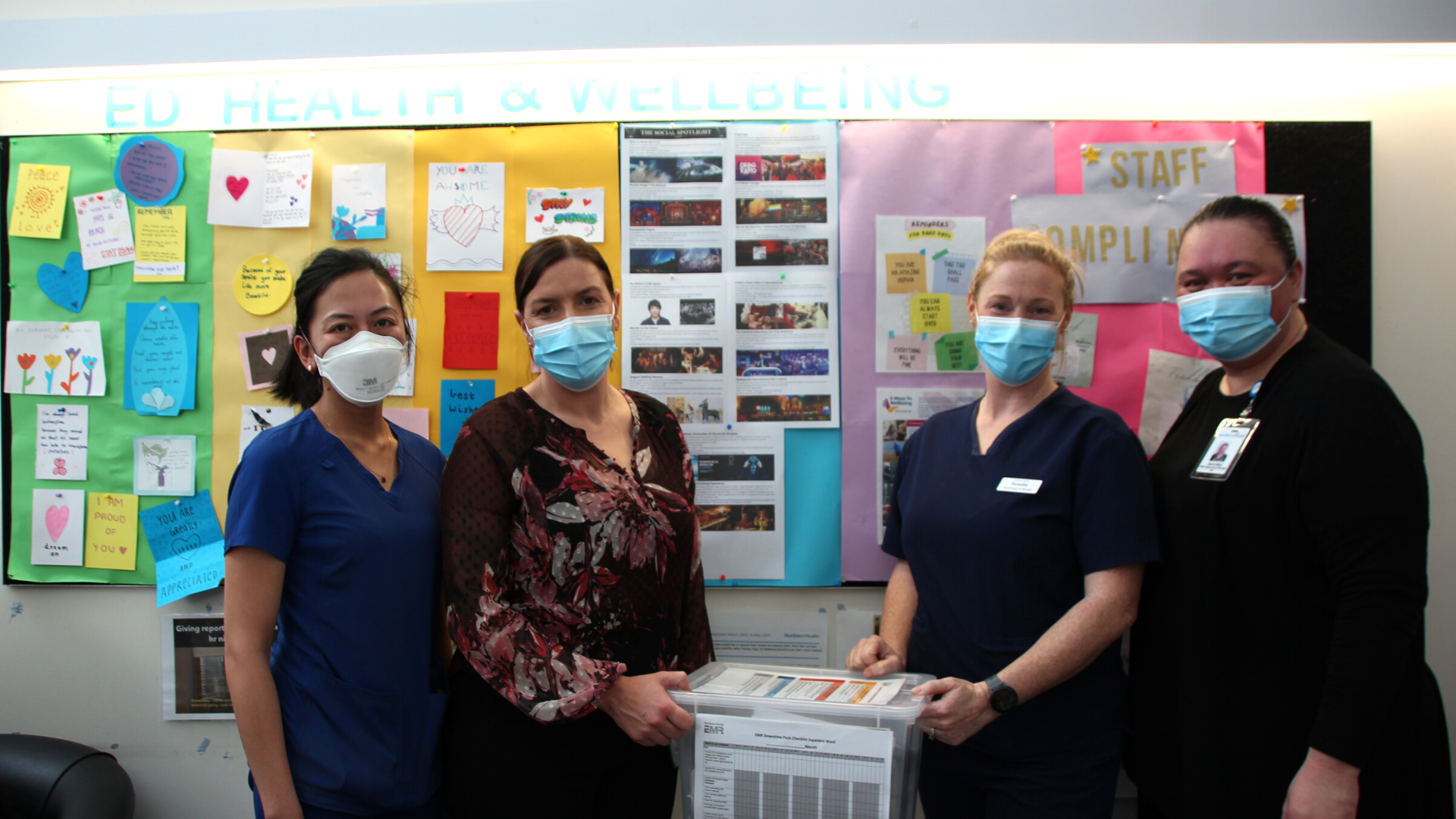
  • EMR: Downtime and Business Continuity Planning (BCP)

    EMR: Downtime and Business Continuity Planning (BCP)

    When the Electronic Medical Record (EMR) goes live, there may be planned downtime for system maintenance and in the unlikely event of unplanned downtime.

    To ensure we continue providing quality patient care and keep our patients safe during downtime, wards will be equipped with downtime boxes and 724 laptops as a part of the Business Continuity Planning (BCP).

    In case of downtime (Code Yellow), an announcement will be made via Public Announcement. When you hear “EMR go to downtime packs”, locate the 724 downtime device and the EMR downtime box.

    The laptop will show a subset of historical patient data and will display data up to the point when the EMR became unavailable. It is important that you:

    • Never shut down the 724 downtime laptop
    • Never disconnect the data cable
    • Perform daily routine checks

    When the EMR is unavailable, areas affected will return to paper documentation. The downtime boxes will contain relevant forms and paperwork to allow staff to record patient information. The box will be located on units or wards. Each area will have one box that contains 24 hours’ worth of paperwork.

    The downtime box will be managed by unit managers. If restocking of forms and paperwork is required, this will be liaised with ward clerks and Health Information Services.

    To identify patients that are back on paper documentation, their wristbands will be replaced by ‘downtime wristbands’.

    Post downtime, there will be a notification to inform staff that the EMR is back on. From there, staff will perform retrospective documentation, such as entering new medications, FBC information, new and ceased medication etc. To aid you in this process, you can follow the instructions on the action cards.

    The downtime boxes and devices are being rolled out to inpatient locations progressively throughout August. Make sure you find the time to familiarise yourself with the box location, downtime box instructions and checklist.

    Featured image (left to right): Avon Ong, ED Equipment Nurse, Hannah Dozzi, EMR Analyst, Teneille Holland, ED Clinical Nurse Unit Manager, Sarai Abel, EMR Application Manager.

  • Get to know: Eve Kodermann

    Get to know: Eve Kodermann

    #WeAreNorthern

    Meet Eve Kodermann, Occupational Violence and Aggression Coordinator, OH&S.

    Q: You’ve been with Northern Health since PANCH. Tell us about your journey?

    A: I started as a student nurse – School ’54 on 30 July 1984. It was a hospital-based training that provided me with great foundations into nursing. As a new student, we were expected to live in the nurses’ home. It was not to everyone’s liking, but it was convenient. Many changes and improvements occurred during my journey.

    In 1986, there was the 50-day Nurses strike, following changes in industrial relations, where the nursing award resulted in lower classification in pay and qualification allowances removed. As a union member, we were not allowed to work and were not paid. Being a student nurse, it meant that we missed out on placement and had to make this time up.

    There were changes in uniform – nurses caps were removed, culottes replaced dresses, then we were allowed to wear trousers and now scrubs.

    Infection control practices changed – all staff were able to use gloves with the onset of AIDS/HIV (prior to this only the surgeons wore them because gloves were expensive at the time), and so, hand hygiene practices were established. Now we have products like Avagard, which make things a lot easier, but even back then we always cleaned surfaces before and after procedures and all items were kept clean at all times.

    Manual handling – no such thing as ‘no-lift’. We did a lot of manual lifting of patients – shoulder lift, cradle lift. There were no slide sheets or pat slides. As a result, many of us now suffer from some form of back pain or other ailment.

    Patient ratios were higher – 1:10 for the day and evening, higher at night. Patient acuity is much higher and more complex now.

    I completed my grad year at PANCH, left for six months to complete my Post Basic Certificate in Geriatric Nursing in Bendigo, and returned to work in the Emergency Department (ED). In 1991, I completed my Post Basic Certificate in Accident and Emergency Nursing at PANCH (my photo is still in the ED back corridor). I had since worked part-time with RDNS, and the newly created Hospital in the Home (HITH) at PANCH.

    In February 1998, PANCH closed, and Northern Health was born. I continued in ED until October 2017. My roles were as Registered Nurse (RN), then Clinical Nurse Specialist (CNS) and Associate Nurse Unit Manager (ANUM) where I worked many years on nights. During this time, my portfolio was Infection Prevention, so I completed my Grad Dip in Infection Prevention. I was also a Health and Safety Representative so decided to do my master’s in occupational and environmental health. From 2017 until June 2019, I worked in Nursing Workforce as an ANUM.

    I was asked by the then Director of OH&S to apply for the newly created role of Occupational Violence and Aggression Coordinator (OVA), and here I am today. My role in the OH&S is predominantly OVA, but I had worked briefly in Injury Management/Return to Work, and a bit in OH&S.

    Eve Kodermann (left)

    Q: What is the best piece of career advice you ever got?

    A: I cannot think of anything specifically, but what I would say is – believe in yourself, ask questions (no such thing as a silly/stupid question), never be hesitant to try something new, as it may mean missed opportunities, and I have had many. Remember, ‘nothing ventured, nothing gained’.

    Nursing is a profession which allows you to branch out into many different fields and professions. Your skills are invaluable. Never be afraid to try something new.

    Q: We know you are a dog lover. Tell us more about it?

    A: I have grown up always having a dog. I cannot imagine life without one around me. As an only child, many times they were my companion. As an adult, I have adopted dogs. There is always that unknown of what they had experienced previously, you also question some of the names they have been given by the shelters. The dogs know they have a second chance, and they are a bit different in the bond that you have. I currently have two. I say I am their therapy human, and they are my therapy dogs.

    Q: What’s on your bucket list?

    A: I would like to go to Canada in the summer, I last went when it was -25 degrees. I have seen where my mother grew up in Poland, and where her mother grew up in Ukraine. I would love to see where my father grew up in Slovenia.

    Q: What’s your favourite place on Earth?

    A: I do not really have a favourite place; I am a homebody at heart. I prefer the mountain/rural terrain where the climate is cooler, and night sky is clearer – I love to star gaze.

  • STAIRway to safe manual handling

    STAIRway to safe manual handling

    The nature of the work performed in a hospital environment often involves transferring patients, with an increased risk of staff sustaining an injury due to hazardous manual handling.

    Hazardous manual handling is often the cause of workplace injuries known as Musculoskeletal Disorders. Manual handling accounts for almost half of all workplace injuries at Northern Health The impact of a workplace injury on a staff member cannot be underestimated and it impacts all areas of life.

    In 2021, an external review of patient manual handling was commissioned at Northern Health. The findings of this report have been incorporated into the updated Manual Handling/No Lift program.

    Contemporary approaches to manual handling incorporate risk-based thinking. This involves staff incorporating a dynamic risk assessment approach to patient handling. This includes taking into account the situation at time of transfer, and assessment of the manual handling risks prior to commencing all patient transfers, to determine the safest way to perform the patient transfer.

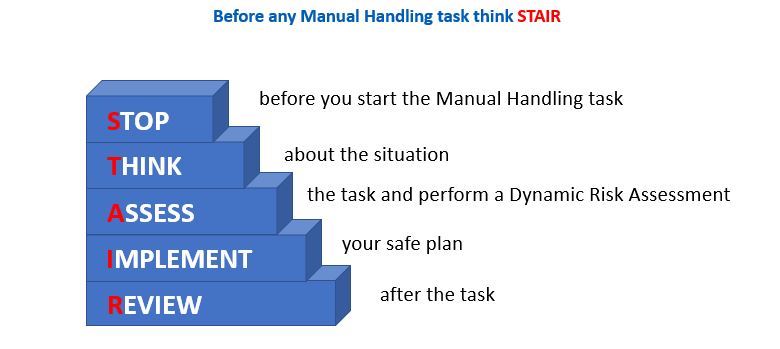
    At the core of the updated Patient Manual Handling /No Lift training and assessment program, staff are encouraged to ‘Stop, Think, Assess, Implement, Review’ (STAIR).


    Training and assessments have been updated to incorporate and encourage risk-based thinking using the STAIR approach. Major updates to the Manual Handling/No Lift include:

    • eLearning modules updated to include all components of STAIR
    • annual training and assessment of staff updated to include competencies to assess STAIR
    • scenario based training utilising relevant local scenarios
    • scenario library where trainers can select scenarios for training and assessment purposes
    • the ability to determine and incorporate area specific manual handling procedures and tasks specific to the area being assessed
    • introduction of lead trainers
    • new Manual Handling/No Lift -TRAINER module.

    The OH&S department has introduced a mechanism whereby manual handling training and assessment can be tailored to an areas manual handling needs. This has now led to areas such as the Community Programs, PSA’s, Speech Pathology, Dietetics and Nutrition now being able to participate in manual handling training and assessment of staff in a formalised manner.

    Vicki Petrou, OH&S Consultant, recently held 10 Manual Handling/No Lift education sessions for lead trainers as part of the updated program rollout.

    “We are grateful to the lead trainers and trainers for taking on these very important roles. We currently have 271 trainers and lead trainers across Northern Health,” she said.

    The final piece of the rollout involved the release of the updated Patient Handling/No Lift -Practical Competency Assessment for staff on 1 August 2023. OH&S are currently in the process of collecting competencies for all areas.

    “I am happy to provide ongoing in-service training locally for staff to explore risk-based thinking, STAIR, and work through scenarios. To date, I have been extremely impressed with how staff at Northern Health have embraced these in-services. I look forward to providing many more of these,” Vicki said.

    “We are also grateful to Nurse Unit Managers and Managers for their invaluable support, guidance and input. I am grateful to the OH&S Team for their continued support and to the Director OH&S for his infectious passion for manual handling and the many whiteboard sessions.”

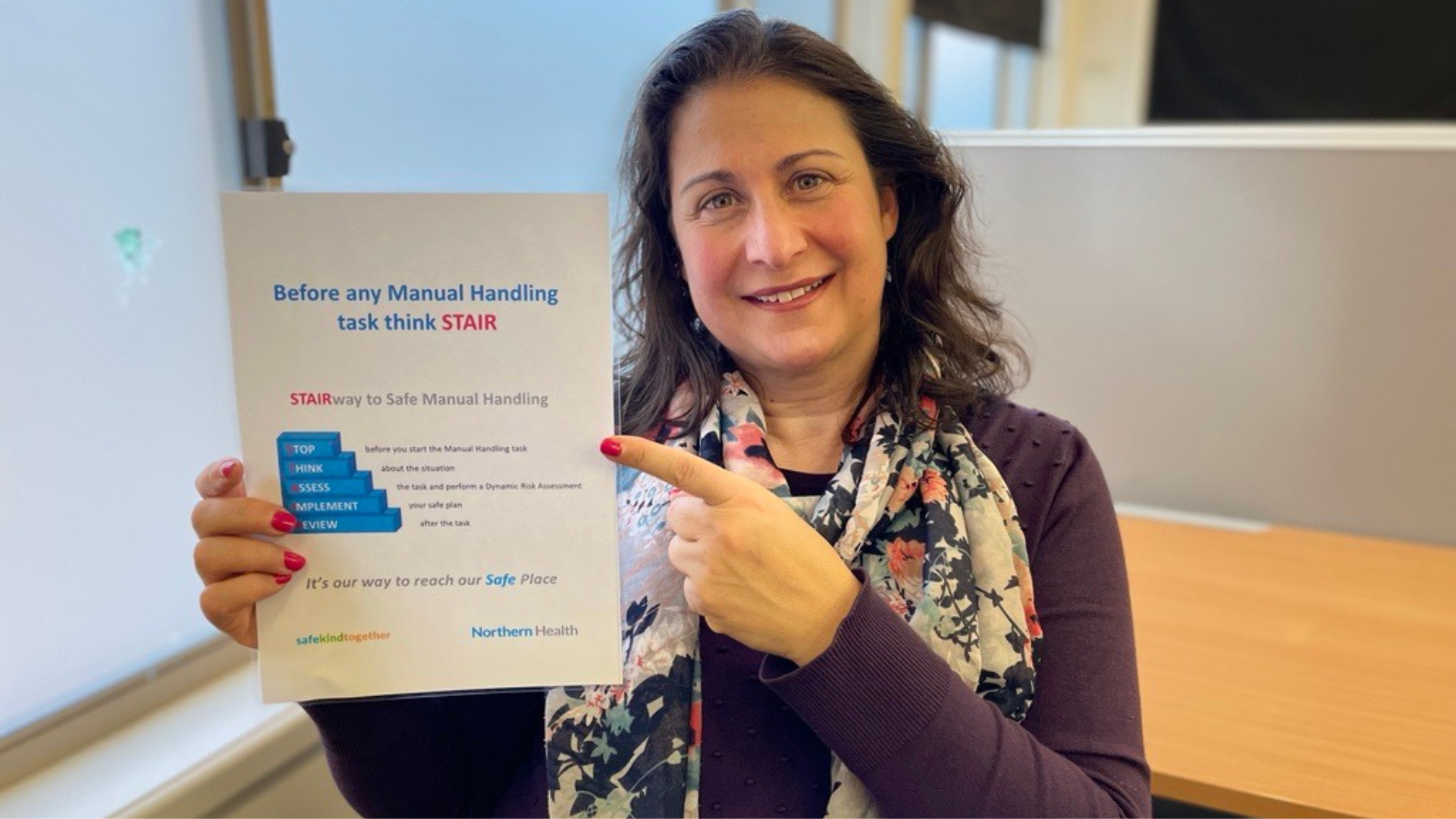
    Featured image: Vicki Petrou, OH&S Consultant.

  • Northern Health Mental Health Unit welcomes patients

    Northern Health Mental Health Unit welcomes patients

    Today, Wednesday 16 August 2023, we officially welcome patients into the Northern Hospital Mental Health Unit.

    With 30 acute inpatient mental health beds and a contemporary and modern design, this building encompasses technologically enhanced sensory rooms and courtyards with in-built exercise equipment.

    The patient rooms and communal spaces are light, supportive and flexible so the changing needs of consumers can be accommodated to throughout their stay. Consumers will also have access to a range of shared internal spaces for social, therapeutic and recreational activities.

    “Following from the recommendations of the Royal Commission into Victoria’s Mental Health System, Northern Health became a designated mental health service on 1 July 2022. This new facility will allow us to implement a model of care that realises the vision of the Royal Commission,” said Belinda Scott, Executive Director, Mental Health.

    “It is fantastic to see the impact the input from our lived-experience consumers has had on the final result – this unit is a functional space for staff to work in and a comfortable environment for patients to recover in.”

    In February this year, Premier of Victoria, Daniel Andrews, and Minister for Mental Health, Gabrielle Williams, visited Northern Health to announce the completion of this new building.

    Yesterday, 15 August 2023, Northern Health hosted a Mental Health Open Day to celebrate the imminent first intake of patients.

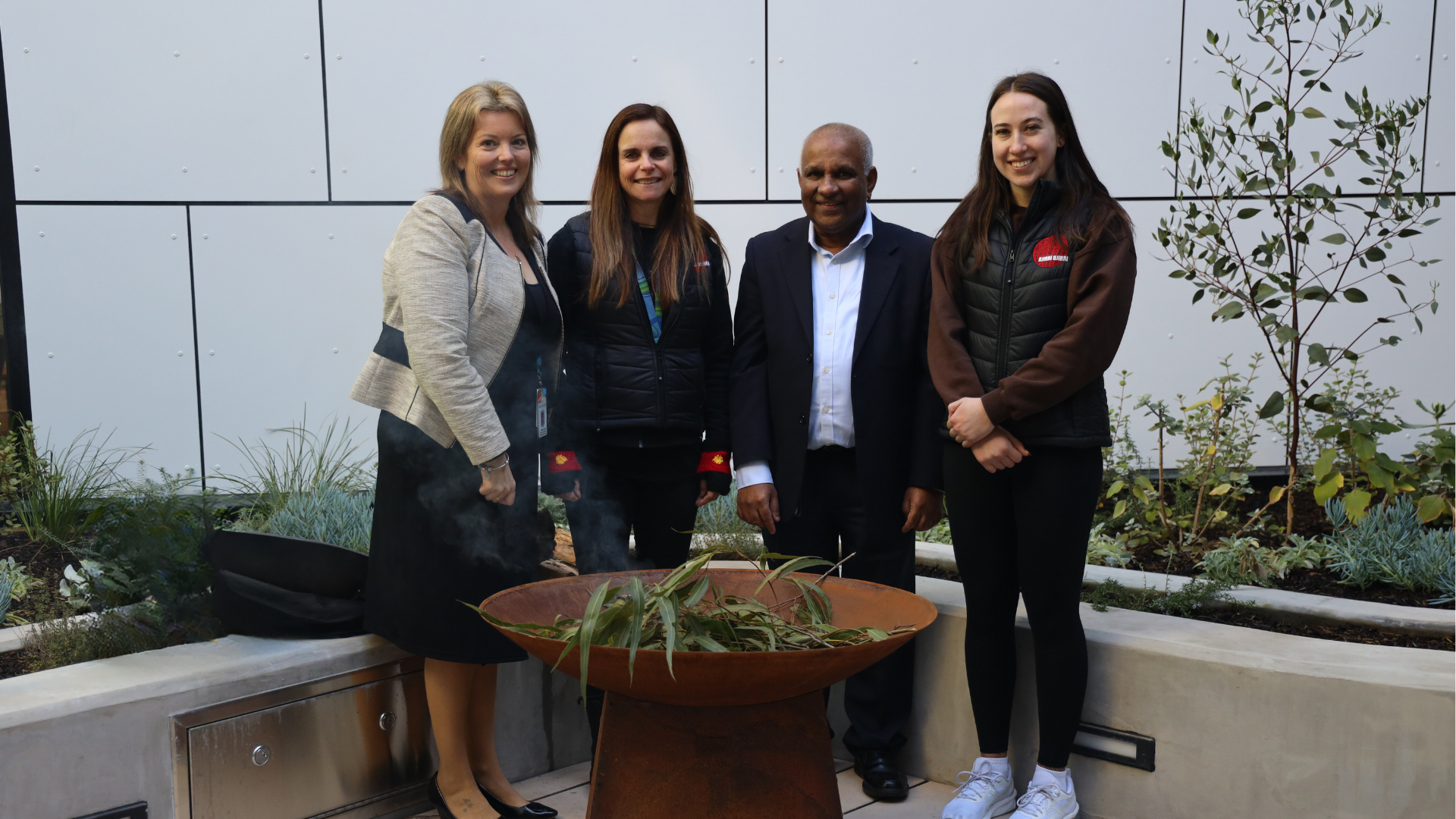
    The event included a traditional Welcome to Country and Smoking Ceremony, along with speeches from Executives and lived experience consumers and a performance from the Northern Health Community Choir.

    “This new facility will allow people in Melbourne’s growing northern suburbs to receive the support they need close to their homes, families and support networks,” said Siva Sivarajah, Chief Executive, Northern Health.

    “I am proud and pleased to see this facility open and filled with staff capable and committed to providing mental health patients with the support they need, close to their homes, families and support networks.”

    Featured image: Belinda Scott, Executive Director, Mental Health with Traditional Owner Mandy Nicholson, Siva Sivarajah, Chief Executive, and Kirra.

    Belinda Scott, Executive Director, Mental Health
    Traditional Owner Mandy Nicholson.
    Karen Bryant, Senior Aboriginal Liaison Officer, and Siva Sivarajah, Chief Executive.
    Northern Health Community Choir.
    Northern Health staff participating in the Smoking Ceremony.


  • We are Northern: This is the Referral and Intake team

    We are Northern: This is the Referral and Intake team

    The Outpatient services at Northern Health are vital in providing and accessing timely healthcare for the community in the north.

    The Referral and Intake team, which is based at the Northern Hospital Epping, is one of the busiest components of the Outpatient division.

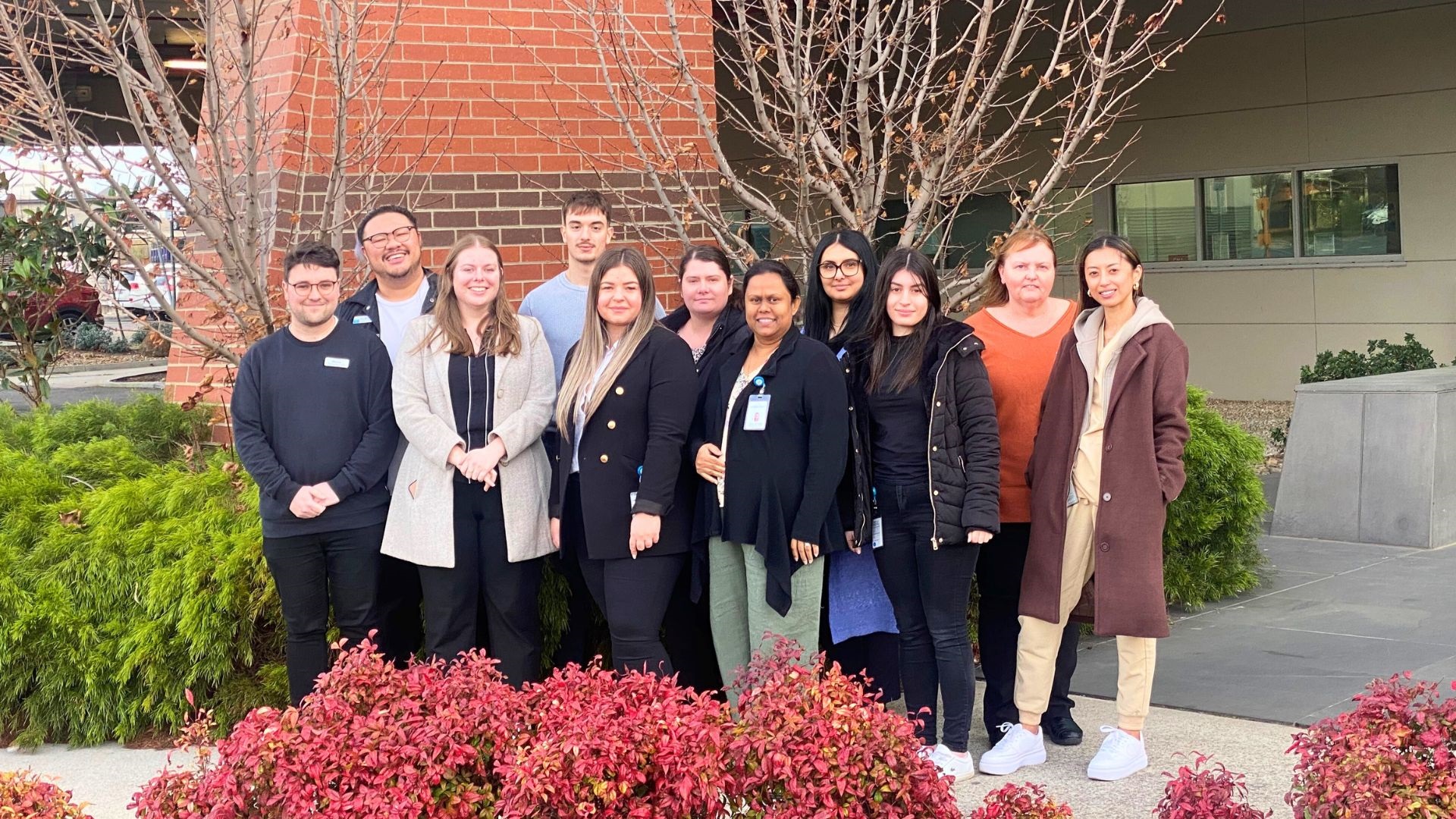
    The team receive approximately 15,000 referrals per month across 34 specialties. It consists of 15 staff who are all committed to providing excellent patient care while ensuring all referrals are processed in an effective and timely manner. The team takes pride in their work and the important role they play in patients accessing healthcare services.

    Kelly Luca, Administrating Manager says, “The Referral and Intake team is a dedicated team of administration officers who work tirelessly to ensure our consumers have access to specialist services in a timely manner. Their unwavering commitment to accuracy, efficiency, and attention to detail is significant in providing the community access to our services.”

    The team is responsible for performing numerous duties, including:

    • Capturing patient demographics and data integrity
    • Processing referrals (both internal and external)
    • Assigning referrals to specialities
    • Registering referrals from referral manager to iPM
    • Requesting further information from referring consultants
    • Processing correspondence with referring clinicians and patients
    • Booking new patient appointments
    • Corresponding with patient enquires
    • Monitoring and processing referrals in line with the Department of Health specialist clinics access policy.

    Bonnie Ferguson, Outpatients Transformation Lead says, “The Referrals and Intake team are the behind-the-scenes workforce that has a vital role and impact in the everyday functions of the Outpatients Services Division. Over the last few years, a number of new innovations and initiatives have been brought in to improve processes, reduce paper-based referrals and improve patient safety. The Referral and Intake team has taken on these new systems without hesitation and embraced the improvements. We are all so proud of our hard-working team and know that we all play a vital role in patients accessing Northern Health’s Outpatient services.”

    The team has a great deal of knowledge and skills to facilitate and assist in providing patients with timely correspondence and access to healthcare, aiming for safe, kind and trusted patient care, during their journey through the healthcare system.

    Christine Millson, Administration Officer says, “Over the past nine years, it has been a pleasure working with such a dynamic team who are passionate and dedicated to providing the best patient care.”

    Ashleigh Stefanakis, Team Leader, Referral and Intake team, says the team play a fundamental role in ensuring patients have a seamless experience at Northern Health.

    “I am truly lucky to work with such great people.”

    Thank you to the Referral and Intake team for all that you do!

    Pictured in featured image (L-R): Ritchie Caruso, Kevin Tom, Taylah Beer, Marko Dimoski, Ashleigh Stefanakis, Kristina Belevski, Disha Senayaka, Nahid Wardak, Gabby Alexander, Avril Everson, Rachelle Gumabon.

  • Eye-opener into the Ophthalmology and Orthoptic departments

    Eye-opener into the Ophthalmology and Orthoptic departments

    The Northern Health Ophthalmology and Orthoptic departments have expanded to full-time to cater for an increase in referral demands.

    Based at Broadmeadows Hospital, the Ophthalmology department provides specialists ophthalmology care to patients in the northern catchment. It can provide assessment, diagnosis, prevention, medical and surgical management of various eye conditions in adults.

    The main ophthalmology surgical procedures performed at Broadmeadows Hospital are cataracts, pterygia and minor lid surgeries. The department was originally open three days a week, and in August last year, moved to a full-time service from Monday to Friday.

    Lilian Akimana, Associate Nurse Unit Manager Clinic Lead, Ophthalmology Department, said the expansion was due to an increase in referrals, and a long waitlist due to reduced face-to-face appointments brought on by the COVID-19 pandemic.

    “We have a growing and ageing population, and our services need to be accessible to address the needs of the patients in a timely fashion,” she said.

    “Since our expansion to full time, we have now been able to reduce our waitlist to a very manageable timeframe. Patients can be seen and treated earlier and most importantly, in their local area, reducing the need for these patients to travel far.”

    “This is the best outcome for patient experience and satisfaction overall.”

    The Ophthalmology Department is staffed by a very dynamic multidisciplinary team made up of ophthalmologists, orthoptists, nursing and administrative staff, who all worked together to provide holistic care to patients.

    Gary Campbell, Mill Park resident and recent Northern Health patient, underwent right and left cataracts surgery. Gary said he couldn’t speak highly enough of the service he received.

    “I have not had one bad experience. The staff treated me perfectly. No complains whatsoever, couldn’t have been at a better facility. I was treated with the best care here,” he said.

    Also based at Broadmeadows Hospital is the Orthoptic department. Ophthalmology and Orthoptics work collaboratively in investigating and managing diseases of the eye.

    “An orthoptist is primarily responsible for all preliminary assessments of every patient prior to seeing the Ophthalmologist,” said Zeina Dayoub, Senior Orthoptist.

    “To perform these investigations, orthoptists are highly trained in using specialised technology to detect and measure the progression of eye disease – these include instruments such as ultrasonography machines (A-Scans and Pachymeters), tomographers (Ocular Coherence Tomographer), retinal cameras and visual fields.”

    “With respect to cataract patients, orthoptists are involved in undertaking a number of peri-operative investigations to determine the patient’s potential vision, surgical requirements including optical lens to be inserted in the eye during surgery and assessing the post-operative vision and outcome.”

    Orthoptics also recently extended their hours to fulltime, Monday to Friday, which has greatly improved patient throughput. On average, the department sees 20 to 40 patients per day, depending on the clinic. The department is composed of seven orthoptists managed by Kym Patterson, Associate Director of Speech Pathology, Audiology and Orthoptics.

    “Patients now receive a prompt, and accessible service, which has not only benefited patients, but also boosted staff morale. The extension of hours has greatly improved patient throughput,” Zeina said.

    Orthoptic lead services currently provided are cataract assessment clinics, visual fields testing and A-Scan Clinic. Orthoptists are also involved in an epidemiological study led by the Baker Heart and Diabetes institute together with Northern Health which looks at ways of identifying people with type 2 diabetes who are at risk of developing diabetic complications, in this instance, diabetic retinopathy.

    The department accepts referrals from Optometrists, internal and external providers as well as GPs.

    It is essential that the current vision and/or ocular and medical history is included in the referral to enable accurate triage. Referral can be made via Health Direct Fax to (03) 84058616. For internal referrals, via CPF.

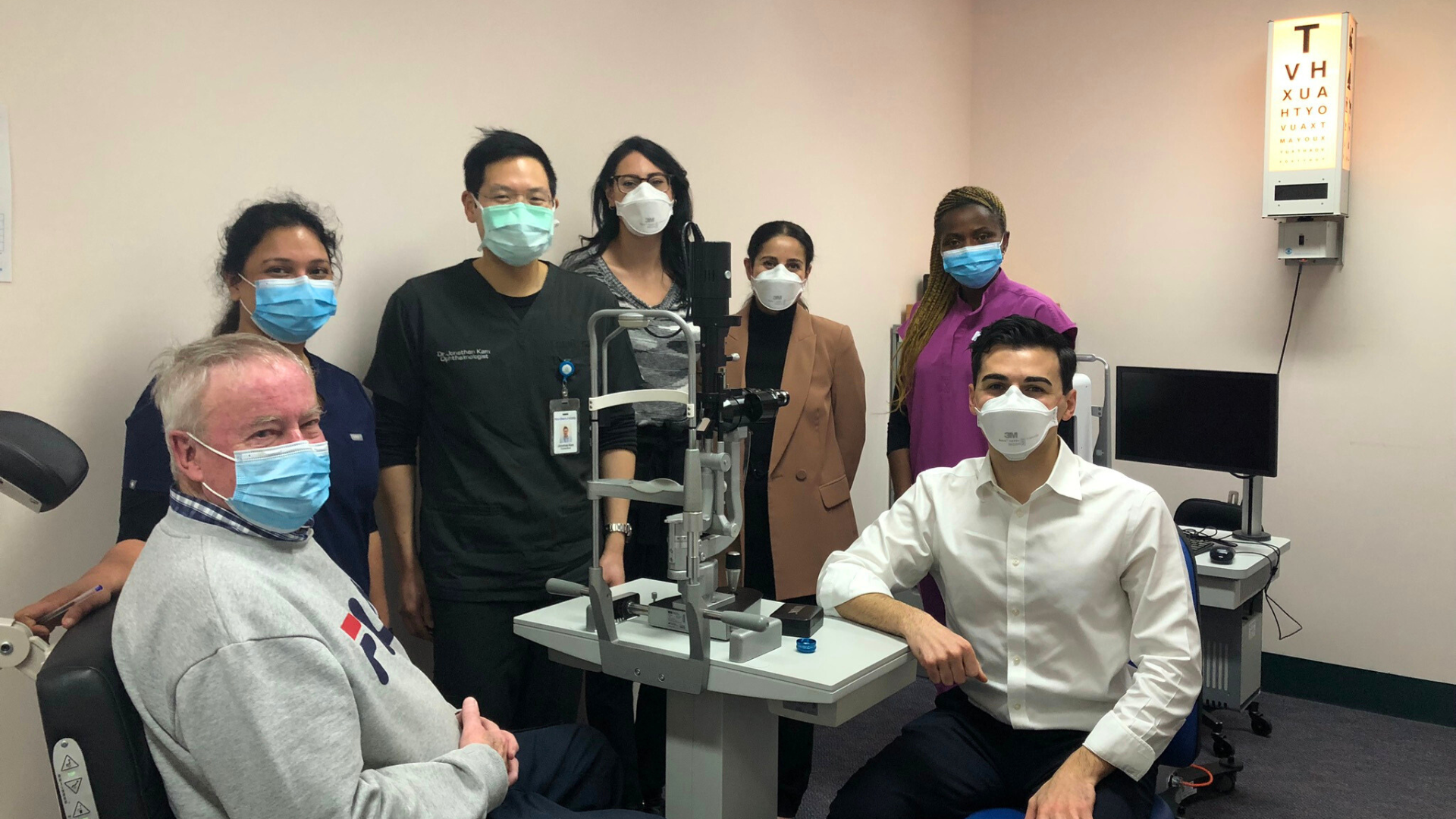
    Featured image: Gary Campbell, far left with Ophthalmology and Orthoptic teams at Broadmeadows Hospital.

  • Get to know: Daniel Crompton

    Get to know: Daniel Crompton

    #WeAreNorthern

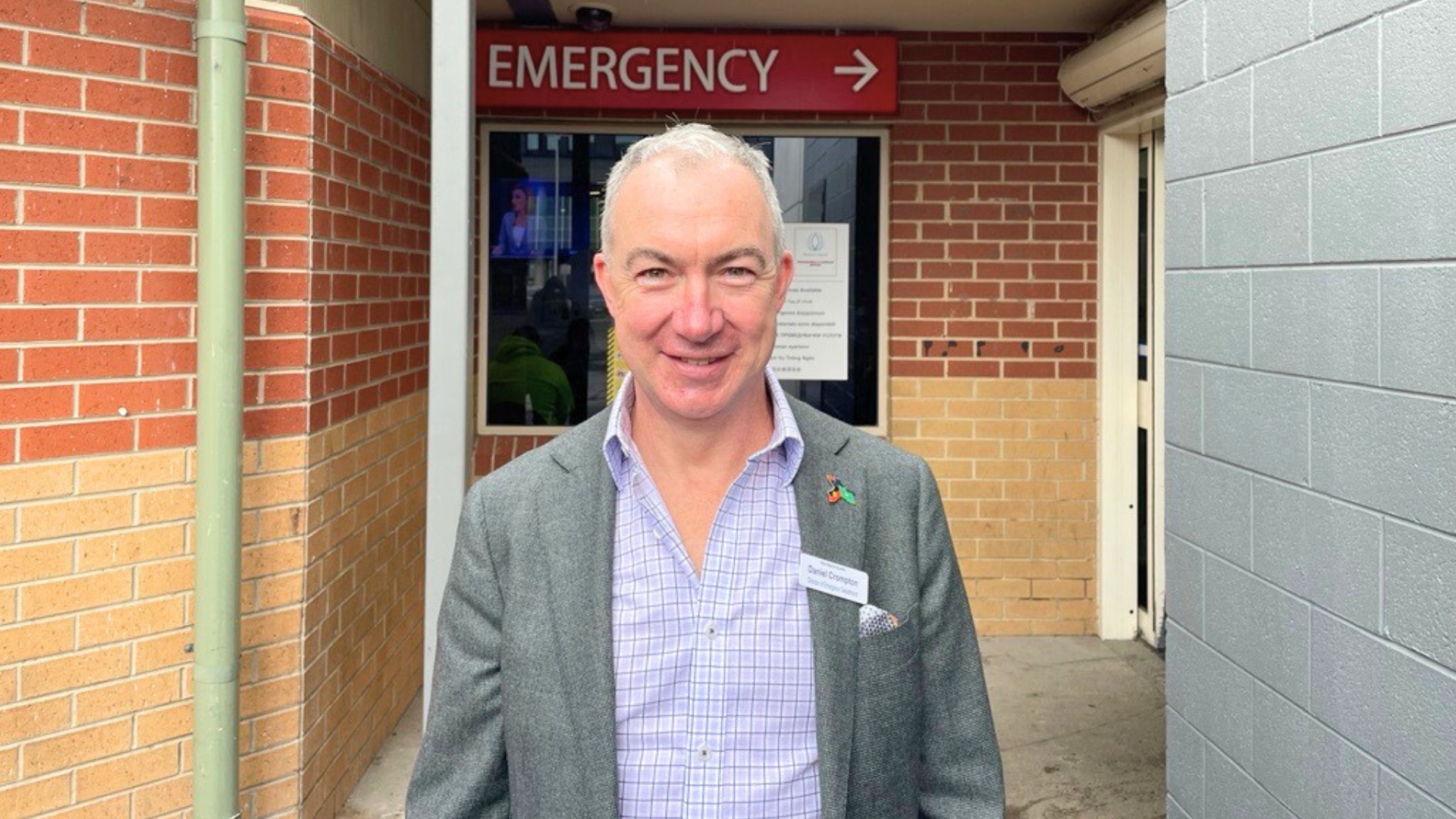
    Meet Dr Daniel Crompton, Director of Emergency Services, Northern Hospital Epping.

    Q: Tell us about your new role at Northern Health?

    A: I’m a Director of the Emergency Department (ED), responsible for service delivery and governance of the ED at Northern Hospital Epping and following the expansion of services at the Craigieburn and Whittlesea Urgent Care Centres. Essentially, I provide support to the extremely hard-working ED staff to do their job to look after our patients.

    Q: What was your first job?

    A: My first job was a newspaper round to pay for my first ski trip aged 13. I was born and grew up in the UK and the trip was to Aviemore in Scotland – my main recollections were that it was very windy and cold and not great skiing.

    Q: What is your proudest accomplishment?

    A: I have worked as a doctor in the UK, NZ and now Australia. In addition to working as an emergency specialist, I have worked for Adult Retrieval Victoria for 12 years as a retrieval specialist. My most recent role was as the Director of Emergency Services for Bass Coast Health, responsible for a small rural ED in Wonthaggi and an Urgent Care Centre in Cowes, Phillip Island. This role taught me the importance of a health service to its community and the need always to do our best because we are likely treating one of our community’s family or friend. The team here are dynamic, hard-working and friendly. I hope to bring the best of emergency medicine to our community and support my team to do their best every day.

    Q: How would you describe Northern Health?

    A: Safe, kind and together. I have witnessed that you all live these values and find it truly inspiring.

    Q: Favourite childhood memory?

    A: Learning how to ski. In the UK we would ski on ‘dry’ ski slopes – weird but true.