• ICT launches AD Separation and Modernisation Project

    ICT launches AD Separation and Modernisation Project

    Northern Health ICT has launched a project aimed at enhancing security, control and efficiency by establishing a dedicated and secure Active Directory (AD).

    The Active Directory and Separation and Modernisation Project is a major upgrade to Northern Health’s ICT infrastructure, in partnership with Logicalis. Running until September 2024, the project will better protect our systems, ensure a reliable service for all staff and prepare for future technological advancements.

    Currently, Northern Health shares ICT administration with Melbourne Health, which limits control and increases cyber threat vulnerability.

    “By moving to our own AD, Northern Health staff will have improved security, meaning better protection against cyber threats and enhanced control with greater management for our systems,” said Sarai Abel, Senior ICT Project Manager.

    As part of the project, possible changes impacting staff include, but are not limited to, user account migration – changes in login process with additional authentication steps for logging into applications, email migration – changes in access method or managing members in groups/distribution lists, user home drive migration – replacing H drive with OneDrive for file storage, and shared folder migration – new SharePoint for file storage, sharing and collaboration.

    To ensure the success of this project, ICT requires representatives from each department across all campuses for design input, data collection, and testing. A pilot is planned for August 2024, with the team seeking early adopters to pilot and champion system changes.

    Stay tuned for more updates as we progress through this important initiative. For more information, contact Sarai Abel, Senior ICT Project Manager on sarai.abel@nh.org.au.

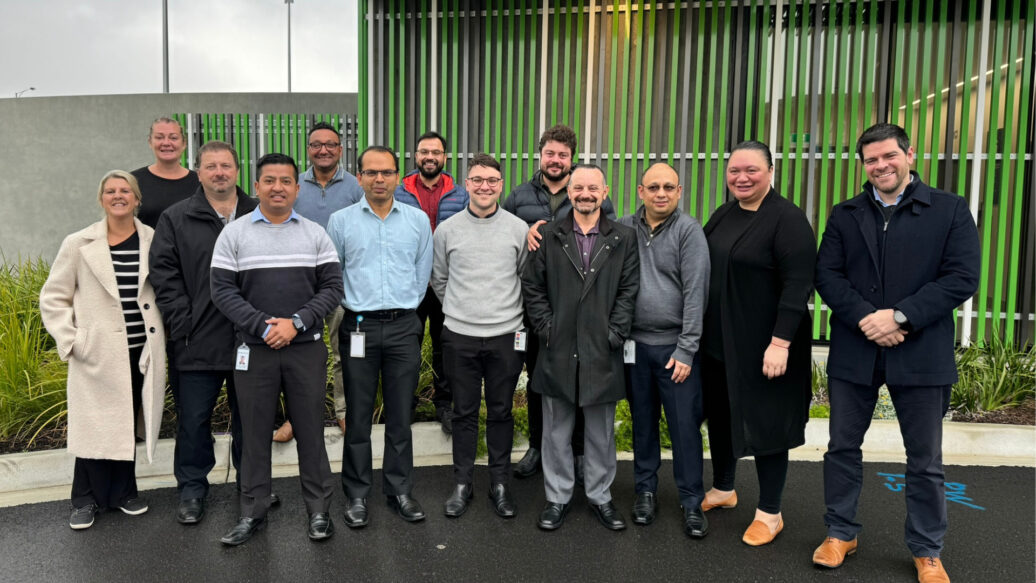
    Featured image: ICT team.

  • Congratulations to the recipients of the NH Research Grants Program

    Congratulations to the recipients of the NH Research Grants Program

    Northern Health is committed to strengthening the research culture across the organisation. To support this growth and boost Northern Health’s contributions to the broader research community, a variety of research grants have been made available:

    • Northern Health Foundation Grant ($50,000) – A premier research grant which is a competitive grant based on track record, with a view to building capacity towards Category 1 research success. Only one grant was available under this category.
    • Research @ Northern Support Grants ($20,000) – A grant that supports research initiation or establishment at Northern Health. Available to early career researchers, on an equal footing with established researchers. Three grants were available under this category.
    • Grants in Aid ($10,000) – A grant focused on supporting research units with funding for equipment, consumables, or external technical support not available within Northern Health. Five grants were available under this category.

    The objectives of the Northern Health Research Grant Round are to:

    • Support work that benefits the Northern Health’s community
    • Support projects that will lead to applications for external grants or funding
    • Develop and strengthen the research culture at Northern Health
    • Support capacity building and staff development in research
    • Increase research productivity at Northern Health
    • Support pilot projects or projects where traditional funding sources are difficult to attract.

    A large number of exceptional applications were received, and the multidisciplinary Grants Committee led by Professor Donald Campbell were highly impressed by the quality of applications. Applications were carefully reviewed by independent reviewers, with the process overseen by the Northern Health Research Grant and Scholarship Committee, chaired by Professor Geoffrey Donnan.  The committee convened to discuss and recommend the grant recipients for each category.

    The Research Executive Committee and the Northern Health Foundation board endorsed the applicants for each grant category, who were officially announced at the Research Grand Rounds today, Wednesday 19 June.

    The recipients are:

    Northern Health Foundation Grant

    • Dr Jason Talevski, Senior Research Fellow at Victorian Virtual Emergency Department (VVED)
      OSTEO-LINK: Bridging the gap in osteoporosis and fracture care across the acute-to-primary care interface.

    Research @ Northern Support Grants

    • Dr Rowena Brook, Consultant Haematologist and a PhD Candidate
      Use of novel multimodal biomarkers to assess changes in cardiovascular risk in response to type 2 diabetes treatment.
    • Dr Heng Khuen Cheok, Emergency Physician
      Personalised Acupuncture at Northern emergency department for Acute pain (PANDA project).
    • Dr Hazel Heng, Allied Health Research Lead
      Determining feasibility of co-designing a virtual model of care for people at risk of falls.

    Grants in Aid

    • Dr. Katharine See, Chief Health Outcomes Officer and Head of Respiratory
      Providing excellence of care through the development and implementation of Remote Patient Monitoring across Northern Health Clinical Leadership, Effectiveness and Outcomes.
    • Dr Benjamin Wong, VMO Specialist Anaesthetist
      Use of Machine Translation Earbuds in the Perioperative Setting- a pilot study.
    • Dr Siaw Hui Wong, Head of Medical Obstetrics
      Women’s experiences of receiving Medical Obstetrics at Home (MOAH) care at Northern Health: A qualitative study protocol.
    • Dr Brendan McCann, Paediatrician
      Characterising IgE mediated food allergy and atopic disease in children of first-generation immigrants in Australia: a hospital cohort.
    • Dr Sun Loo and Dr Chong Chyn Chua, Consultant Haematologists
      Establishment of the Northern Health Haematology Tissue Bank.

    From all of us at Northern Health, congratulations to all recipients!

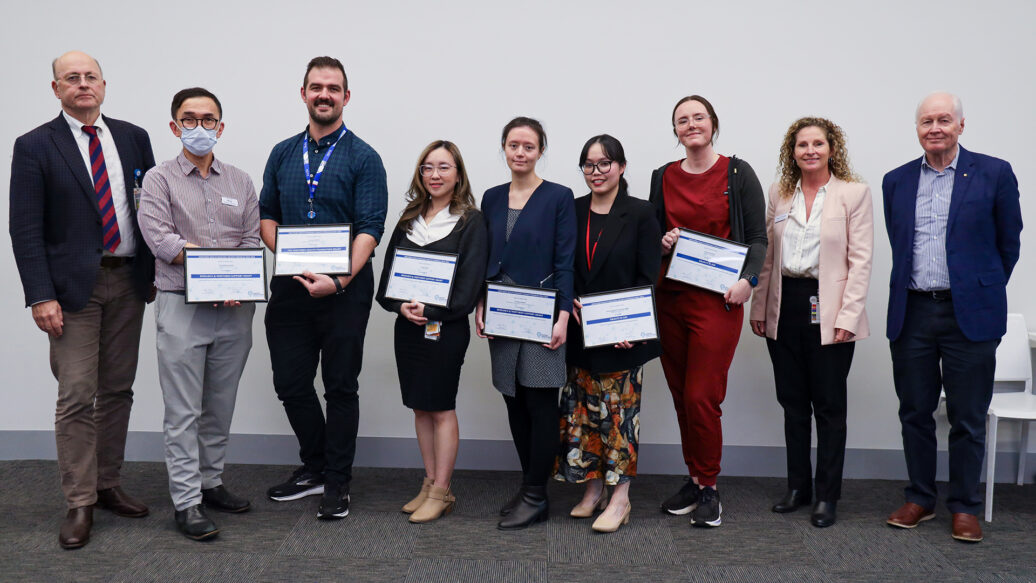
    Featured image (L-R): Prof Don Campbell, Dr Heng Khuen Cheok, Dr Jason Talevski, Dr Hazel Heng, Dr Rowena Brook, Dr Sun Loo (and Dr Chong Chyn Chua), Eleanor Johnson (on the behalf of Dr Siaw Hui Wong), Melissa Grenville, Prof Geoff Donnan. 

  • Refugee Week: Finding freedom

    Refugee Week: Finding freedom

    This week is Refugee Week, one of Australia’s peak annual activities to promote greater awareness of refugees, their issues, and their contributions to the Australian community.

    In 2024, in a world marked by displacement and the search for refuge, this year’s Refugee Week theme is ‘Finding Freedom’, with a focus on family. This theme encapsulates the profound journey of resilience, strength, and unity that defines the refugee experience.

    This theme invites us to explore the stories of refugees who, despite their challenges, discover a source of freedom within the embrace of their families. Whether it’s the unwavering support of parents, the protective love between siblings, the communal strength found in extended and chosen families, neighbours, and support systems upon arrival in Australia, or the financial and emotional backbones that make the journey to safety possible, these connections become a beacon of hope in times of uncertainty.

    From the recent Northern Health Diversity survey, it was recorded that 1.4 percent of Northern Health staff are from refugee background. Raghad Habash, Arabic Interpreter at Transcultural and Language Services (TALS), shares with us her refugee story.

    “I am a refugee, and the following is barely scratching the surface of the hard journey we went through.”

    “On 6 August 2014, at dawn, our town was under direct attacks by ISIS (Islamic State in Iraq and Syria), there were casualties and a woman and two children lost their lives. Seeing that ISIS was getting closer and tightening its grip, the whole town and all neighbouring towns had to flee to find safety.”

    “We did too and we lived in Kurdistan region, Iraq for over a year. But due to continuous threats, uncertainty and potential danger, we decided to seek refuge in Jordan. Leaving the country was the hardest decision to make because we knew fully that it will be many years before we could see our extended families again, and resigning from our full-time jobs wasn’t easy either.”

    “Australia had the Special Refugee Humanitarian Visa program running in 2016, so we applied and were granted the permanent residence visa later that same year. As a young family of three, my husband and I enrolled in English as an Additional Language (EAL) classes to gain better knowledge of the language, community dynamics and career pathways. In 2018, I found myself working in community services and studying to get an interpreting degree at RMIT at the same time.”

    “I’m proudly working with TALS as an Arabic/Chaldean Interpreter. Working here means that I could connect with people from my community and from a refugee background to make one aspect of their journey feel slightly easier. That shared trauma and the need for help have impacted our lives deeply, so when we get a chance to make a difference, we are ready to help.”

    “This shows on the faces of those patients that we work with in the hospital with the gratitude and kind-hearted blessings they shower us with by the end of that hospital visit. It is quite fulfilling and a privilege to be there at their time of need.”

    Like Raghad, numerous other refugees, many from Iraq and Syria, fled their country in the last 10 years and have successfully settled in Australia. Both Hume and Whittlesea areas in Northern Health’s primary catchment are among the top 10 refugee settlement areas of Victoria.

    Northern Health has a dedicated Refugee & Asylum Seekers Sub-Committee and some of the specific services for refugees available at Northern Health include the Refugee Paediatric Clinic at Craigieburn Centre, and the Assyrian Mothers Group aimed at improving the engagement of families of refugee background in pregnancy and postnatal care, early childhood health and health literacy, as well as reduce social isolation.

    This week, the Northern Health Refugee Asylum Seeker Sub-Committee together with the TALS Team have organised the following activities for staff and the community at Northern Health.

    • Monday, 17 June to Friday, 21 June: Display board in the front foyer of Northern Hospital Epping
    • Tuesday, 18 June, 2 pm to 3 pm: TALS Seminar/Webinar on Working with Refugees and Asylum seekers – Click here to register
    • Wednesday, 19 June, 2 pm to 3 pm: Seminar/Webinar on Refugee Women’s Health and cultural aspects of FGC (Female Genital Cutting) presented by WHIN (Women’s Health in the North) – Click here to register
    • Thursday, June 20, 10 am – 1.30 pm: Refugee event at the City of Whittlesea. This event is an excellent opportunity to be part of Northern Health services, meet local community members, and speak to them about it. Please let us know if you would like to assist in any way.

    For more information on Refugee Week activities at Northern Health, please click here.

    Northern Health has a number of support options available to all staff. We encourage you to reach out to someone you trust, or one of the support options available to you and your loved ones. The Employee Assistance Program (EAP) is available to you and your family and is a free and confidential service that offers professional support for work-related or personal matters. The Northern Health Peer Support Program also provides staff with brief, practical and emotional support.


  • World Elder Abuse Awareness Day: Protecting the vulnerable

    World Elder Abuse Awareness Day: Protecting the vulnerable

    World Elder Abuse Awareness Day (WEAAD) occurs annually on 15 June and aims to raise awareness and voice opposition to violence, abuse and suffering inflicted on older people.

    Elder abuse is the mistreatment of an older person that has been committed by someone with whom the older person has a relationship of trust, such as a partner, family member, friend or carer. The abuse may be physical, social, financial, psychological or sexual, and can include mistreatment and neglect. Elder abuse can also lead to serious physical injuries, long-term psychological consequences and death.

    Elder abuse is a recognised form of family violence and does not discriminate. It affects both women and men, people from different cultural backgrounds and people for various socio-economic background.

    The World Health Organization describes elder abuse as a violation of human rights and the significant cause of illness, loss of productivity, isolation and despair.

    The health sector is a critical entry point for people affected by elder abuse which presents as an opportunity to provide medical care, support and pathways to specialist support. Elder abuse is a prevalent and serious health issue that has a profound impact on the psychological and physical wellbeing of victim survivors. Victim survivors are among our community and frequently present to our health service.

    Tanya Ellis, Program Manager for Strengthening Hospital Response to Family Violence (SHRFV) Program, Northern Health, says, “Elder abuse is a problem that exists in both developing and developed countries, yet it is significantly underreported.”

    “The incidence of abuse towards older people is predicted to increase as many countries experience rapidly ageing populations. Elder abuse is a global social issue which affects the health and human rights of millions of older people around the world. It is an issue which deserves the attention of the international community.”

    “The warning signs of elder abuse may include an older person seeming fearful, anxious or isolated, or they may have injuries or an absence of personal care. Unexplained changes to legal documents or finances are also of concern. Most elder abuse occurs behind closed doors, so it is important to look out for signs and risk factors of elder abuse and offer support,” she adds.

    To help prevent elder abuse, Ms Ellis encourages older people to have their financial, medical, legal and other affairs in order.

    “Older adults must also be empowered to recognise the signs of abuse and seek help when needed. WEAAD is an important day to provide an opportunity for communities around the world to promote a better understanding of abuse and neglect of older people, by raising awareness of the cultural, social, economic and demographic processes affecting elder abuse and neglect.”

    Staff at Northern Health are required to complete mandatory Family Violence Training.

    “Please ensure to complete the training and use the Family Violence Multi-Agency Risk Assessment and Management Framework (MARAM) Family Violence Screening & Identification Tool when working with a patient who has disclosed elder abuse/family violence (available on PROMPT and EMR). The SHRFV team is also available to facilitate training in a face-to-face capacity. Please contact the team on 8405 8519, if you need to consult or organise training in your area,” Ms Ellis explained.

    Click here for more information on WEAAD.

     Support services:

    • Seniors Rights Line: 1300 368 821
    • The Orange Door Line: 1800 319 355
    • 1800 Respect: 24/7 National Sexual Assault, Domestic Family Violence Counselling Service-Ph: 1800 737 732 (24/7).
    • Disclose to your health professional today to access support and safety

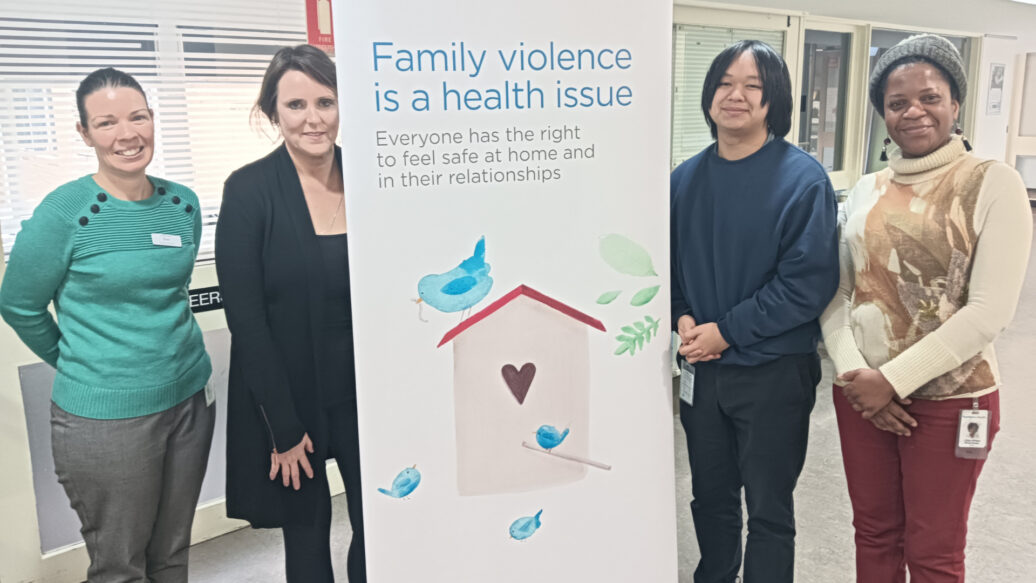
    Featured image: Tanya Ellis, SHRFV Program Manager (second from left) with Sub-Acute Social Workers Lilian Abbew, David Coa and Erin Thompson (Elder Abuse Prevention Network Representative).

  • Get to know: David Abud

    Get to know: David Abud

    #WeAreNorthern

    Meet David Abud, Radiation and Laser Safety Officer, Biomedical Engineering Department, Northern Health.

    Q: Firstly, what is your coffee order?

    A: Latte with an extra shot.

    Q: You recently started a new role at Northern Health. Tell us a bit more about that.

    A: I recently started the role of Radiation and Laser Safety Officer for Northern Health in the Biomedical Engineering Department. My duties consist of looking after education and training, auditing of safe practices and investigating accidents and incidents when using laser and radiation equipment, and management of dosimetry badges and lead apron testing. Also monitoring, servicing and maintenance schedules on lasers and radiation equipment.

    Q: You have been working at Northern Health for the past 28 years. Tell us about your journey.

    A: I started working at Northern Health when it opened in February 1998. I first started at PANCH in December 1996, after retiring from professional sport, and later moved to the Northern Hospital Epping. Up until recently, my role was a Senior Theatre Technician.

    The biggest change over the last 25 years or so, is that the Northern Hospital Epping used to be a fairly small hospital with just four theatres, and now it has expanded to 10 theatres and a big Radiology Department. Also, Cath Lab Angio suite and PET CT are opening soon. All on the old Epping Tip! Quite amazing. And of course, over the next five years, it will change even more.

    As for my volleyball career, I played for the Australian Volleyball team. I was very fortunate to travel around the world and get paid for what I loved to do. I was living in Canberra and Sydney and training at the Australian Institute of Sport, and I was very privileged – it was hard training all the time, but I very much enjoyed it. I was going Olympic qualifying events, World championships, Asian championships, just to name a few.

    Q: Beach or mountain?

    A: That’s a tough one! Beach – I would be on my surfboard or out with my fishing rod. Mountain – I would be on my bike, which I consistently ride up to Kinglake East at least three times a week.

    Q: What is on your bucket list for 2024?

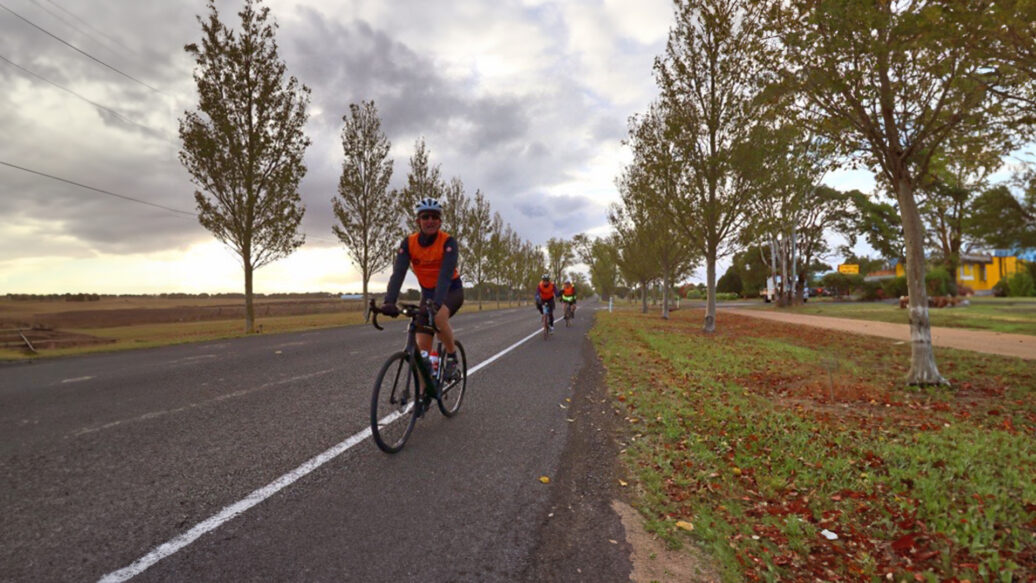
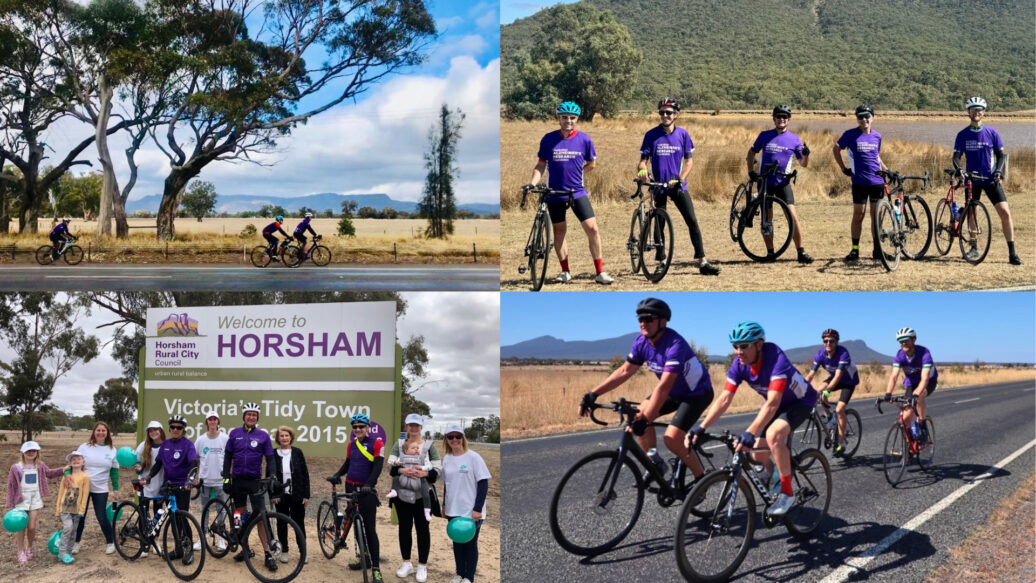
    A: I recently completed a 350km bike ride in Western Victoria to raise funds for Alzheimer’s research in honour of my dad, Dr. Rodney Abud, who was diagnosed with Alzheimer’s in 2021. Alongside a few colleagues at Northern Health, we successfully raised $10,000 this year. This is an annual event that I plan to continue organising. We’ve set up a GoFundMe page to support the Australian Alzheimer’s Research Foundation. If you’d like to contribute, please visit the link.

    Another goal on my bucket list is to make this new role at Northern Health a success.

  • King’s Birthday Honours for Northern Health staff

    King’s Birthday Honours for Northern Health staff

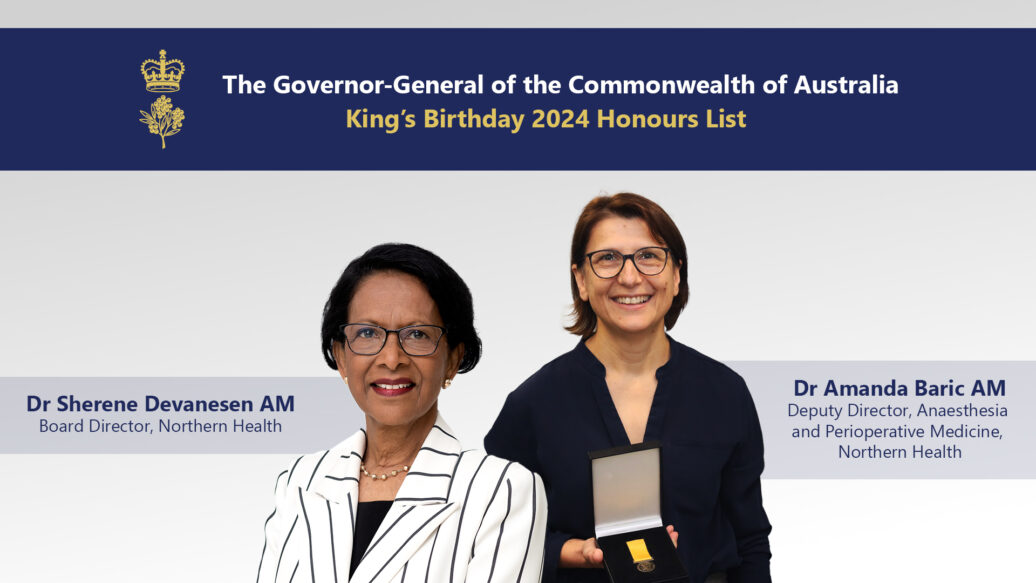
    Two of our Northern Health family have received recognition in the 2024 King’s Birthday Honours.

    Dr Sherene Devanesen AM, Board Director, and Dr Amanda Baric AM, Deputy Director, Anaesthesia and Perioperative Medicine, have received the Member of the Order of Australia (AM) in the General Division.

    The Order of Australia is the nation’s recognition for outstanding achievement and service, and recipients were announced on Monday by the Governor-General, His Excellency General the Honourable David Hurley AC DSC (Retd).

    Dr Sherene Devanesen AM, Board Director, Northern Health, received the member of the Order of Australia (AM) in the General Division, for significant service to community health through governance and administrative roles.

    “Appointed to the Northern Health Board on 1 July 2021, Sherene is a medical practitioner with over 30 years’ experience in the management of health services and medical administration in Victoria. This experience has provided her with a strong reputation in consumer consultation and engagement, and in achieving quality outcomes for human and community services,” said Jennifer Williams AM, Board Chair, Northern Health.

    “Sherene is a valued colleague and has made significant contributions during her tenure on the Northern Health Board. I value her advice and expertise, and sincerely congratulate her on this significant achievement,” Ms Williams said.

    Dr Amanda Baric AM, Deputy Director, Anaesthesia and Perioperative Medicine, Northern Health, received the member of the Order of Australia (AM) in the General Division, for significant service to pain medicine, and to tertiary education.

    “Amanda’s dedication and enthusiasm are evident to all who know her. Whether it’s teaching medical students, developing educational programs in many places (even so far as Mongolia or Myanmar), or providing exceptional anaesthesia care to her patients, she approaches everything she does with incredible passion and energy,” said Dr Jake Geertsema, Director, Department of Anaesthesia and Perioperative Medicine.

    “Her contributions were rightfully acknowledged in 2022 when ANZCA awarded her the Robert Orton medal (the highest award the Australian and New Zealand College of Anaesthetists can bestow on its fellows, and this latest recognition only reinforces the impact she has made,” Dr Geertseema said.

    Siva Sivarajah, Chief Executive, Northern Health, congratulated both Dr Devanesen AM and Dr Baric AM on receiving this significant honour.

    “This is a well-deserved acknowledgment of many years of service from both Sherene and Amanda in their respective fields, and of the positive impacts in our community. Congratulations.”

  • Kellie Le selected for MacHSR Future Leaders Fellowship program

    Kellie Le selected for MacHSR Future Leaders Fellowship program

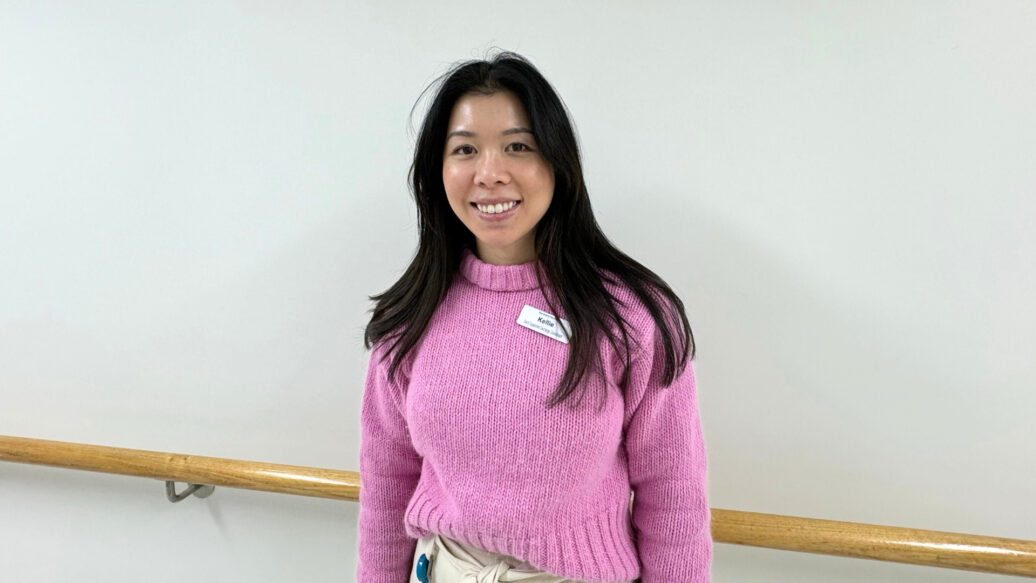
    Kellie Le, Early Supported Discharge (ESD) Coordinator, Vascular Surgery and Senior Podiatrist at Northern Health, is one of 10 clinicians across the state selected for the 2024 MacHSR Future Leaders Fellowship program.

    The program is open for fully qualified clinicians (doctors, nurses and allied health professionals) who are keen to use Health Services Research to explore an evidence-based solution to a practical healthcare problem that is pertinent to their health service.

    Kellie was selected for the program for her project: ‘An Evaluation of the Victorian Virtual Specialist Consults (VVSC) at Northern Health.’

    “I had a rollercoaster of emotions when I received the news I was selected,” Kellie said.

    “It is such a great opportunity and I am very grateful to have been successful with my application for the fellowship, along with the support that I received from the VVSC team.”

    The VVSC is an evolution of the Medical Community Virtual Consult model that launched at Northern Health at the beginning of 2023, and was designed in response to the current difficulties with access to specialist clinics, exacerbated by the COVID-19 pandemic.

    The VVSC provides virtual consults to patients with substantial barriers to specialist access across the state and co-consults to support GPs and other healthcare professionals with immediate answers to help manage complex patients in the community.

    In doing so, it aims to reduce demand on hospital outpatient services and avoid presentations and admissions to hospital through earlier optimisation of care.

    “Robust evaluation is absolutely critical to understand the impact any new service has on patient experience and outcomes,” says Dr Joanna Lawrence, Director of VVSC.

    “Kellie’s research, supported by experts in Health Services Research, will hopefully showcase the value VVSC is adding to the healthcare system and help guide future development.”

    The fellowship offers Kellie the opportunity to enrol into Introduction to Health Services subject training, have protected research time, mentoring and cohort networking.

    “It’s a program which supports health service research in partnership with hospitals to facilitate the development of evidence-based solutions to practical healthcare problems,” Kellie said.

    “I am most excited about being able to learn how to complete research, especially in a structed environment with a supportive team.”

    “Being a clinician, we are often pulled in lots of different directions, and having dedicated time to complete research is very compelling to me. Learning how to robustly evaluate VVSC will give me the background knowledge and empower me with the skills to eventually evaluate my own service under ESD Vascular.”

    The goal of the ESD Vascular program is to reduce Length of Stay (LOS) by 20 percent in the vascular patient cohort, for those patients that are recruited and are eligible for ESD. This program offers virtual monitoring and support for patients at home, whilst they wait for their elective procedures with Vascular Surgery.

    It also enables patients to safely remain at home, or encourage escalations to hospital if their health or condition deteriorates.

    “I am hoping that once I have grasped the skills to evaluate a service, I can apply them to the current service program that I am working on or assist others within the health service,” said Kellie.

    Northern Health congratulates Kellie on her success, and wishes her the best as she embarks on this journey.

  • Abreast with the best: Northern Imaging Victoria

    Abreast with the best: Northern Imaging Victoria

    Breast cancer is a significant health concern, and early detection and treatment plays a crucial role in improving survival rates. Northern Imaging Victoria has expanded its breast imaging services with a team of seven Breast Radiologists and dedicated mammography technologists. They have also instituted a new Women’s imaging Fellowship in Radiology, further contributing to the expertise and knowledge available within the team.

    In April, Northern Imaging also introduced three new specialised services – Contrast Enhanced Mammography, Stereotactic Breast Biopsies and MRI Breast Biopsies. This expansion has resulted in the availability of a fully comprehensive breast imaging service at Northern Health.

    Contrast-Enhanced Mammography (CEM): Mammograms can be challenging to interpret, especially when detecting cancers at their early stages. CEM is a new, cutting-edge technique that improves cancer identification. By using a contrast agent, CEM enhances the visibility of abnormalities that may not be clearly visible on a standard mammogram. This technology increases the rate of breast cancer detection and provides better information for evaluation and treatment planning. Importantly, CEM offers the benefit of cost-effectiveness and a shorter procedure time compared to MRI scans.

    3D Tomosynthesis guided Stereotactic Breast Biopsy
    Biopsies are essential for confirming whether a breast abnormality is benign (non-cancerous) or cancerous. Stereotactic breast biopsy offers a less invasive alternative to surgical biopsy and is used when a small growth or an area of calcifications is detected on a mammogram, requiring further investigation. Northern Imaging Victoria has capability to perform 3D tomosynthesis guided stereotactic biopsies, further enhancing the accuracy of the procedure.

    MRI-Guided Breast Biopsy
    Magnetic resonance imaging (MRI) – guided breast biopsy is an advanced procedure that precisely targets suspicious areas identified on breast MRI for diagnosis. It is minimally invasive and completed on an outpatient basis, reducing discomfort and recovery time for patients. MRI-guided breast biopsy has transformed breast imaging practices, allowing for earlier detection and more effective management of MRI detected breast abnormalities. Northern Imaging Victoria is one of a very small number of providers of this highly specialised service in Victoria.

    Dr Ming Joe Lim, Deputy Director of Imaging Services and Consultant Radiologist, highlights further enhancements to the service, made in collaboration with the surgical team:

    Magseed and Magtrace Procedures: The recent introduction of Magseed and Magtrace procedures, increase patient convenience and comfort as they can be performed on an outpatient basis ahead of any planned surgery.

    By investing in state-of-the-art diagnostic and treatment options, Northern Imaging Victoria continues to lead in breast health, supporting the expertise of our multidisciplinary breast care team and the needs of our population.

    Director of Imaging Services, Associate Professor Terry Kok, says, “We now offer a fully comprehensive breast imaging service that few health services can match. I am proud of our team for pioneering these advances in the north.”

    Associate Professor Wanda Stelmach, Chief Medical Officer, says the partnership between Northern Imaging Victoria and Northern Health Breast Unit is to be congratulated. “It is amazing to be able to provide absolutely first-class care to the women in the north of Melbourne and along the northern rural corridor,” she says.

    From left to right: Sarah Dunn, Lead Breast Imaging Technologist, Dr. Sook Pei Tan, Breast Radiologist, Dr. Sanaz Molaei, Breast Radiologist, Dr Xin Lyn Goh, Lead Breast Radiologist, Dr. Ming Joe Lim, Deputy Director, Imaging Services, A/ Prof Terry Kok, Director, Imaging Services.

    Main image shows:

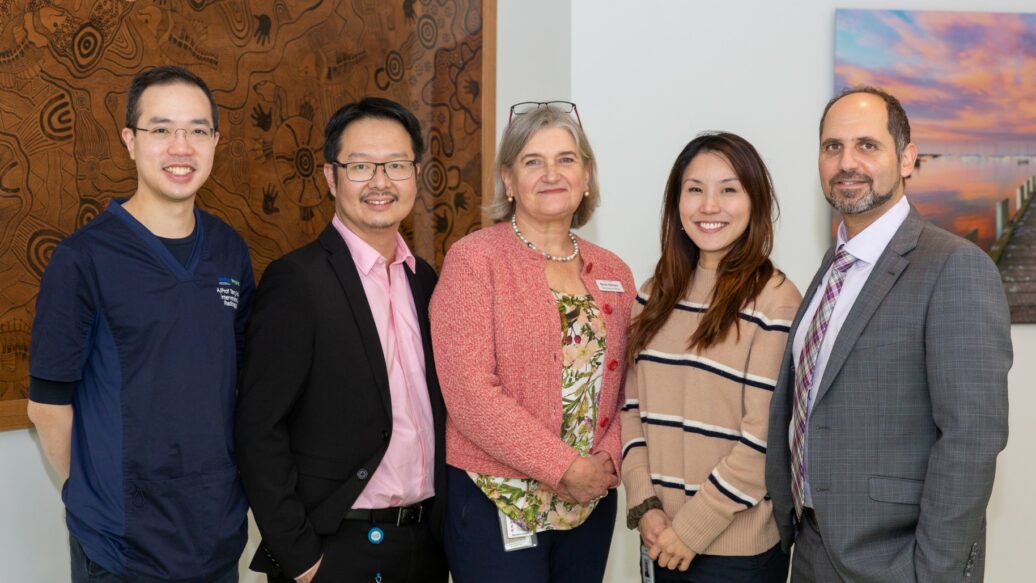
    A Prof Terry Kok, Director Imaging Services, Dr. Ming Joe Lim, Deputy Director Imaging Services, A Prof. Wanda Stelmach, Chief Medical Officer, Dr. Judy Kuo, Breast Radiologist and Mr. Michael Issac, Head of Breast Surgical Unit.