• Multidisciplinary team treats lung cancer patients at Northern

    Multidisciplinary team treats lung cancer patients at Northern

    November is Lung Cancer Awareness month, an important initiative to raise awareness of the condition and break one common misconception – that lung cancer only affects smokers.

    Dr Katharine See, Head of Respiratory, explains lung cancer doesn’t just affect smokers: one in five people with lung cancer have never smoked.

    “Lung cancer affects both men and women, and statistics show twice as many women die of lung cancer each year than of breast cancer, and three times as many men die of lung cancer than of prostate cancer. During the pandemic, the number of new diagnosis of cancer has dropped about 27 per cent, so it’s really important that people don’t delay acting on their symptoms,” she said.

    Dr See explains Northern Health has a fantastic multidisciplinary lung cancer service. In a single clinic, patients can be seen by the respiratory specialists, medical oncologists, radiation oncologists and thoracic surgeons, all in one location.

    “And we are also incredibly lucky to have someone like Alison Hirth, Lung Mass Nurse Coordinator, who can coordinate patient care and is a key resource for patients during a very stressful time. Having a single point of contact gives patients some control over their diagnosis and treatment,” Dr See added.

    “Once a patient is referred to Northern Health, establishing a diagnosis of lung cancer involves a number of investigations in an optimal time frame, across multiple health services. Patients with limited social support, new to the health system, with low health literacy and culturally and linguistically diverse patients particularly benefit from a central point of contact when all these tests need to be coordinated,” Alison said.

    The COVID-19 pandemic has brought some challenges in running a multidisciplinary clinic, such as being able to meet as a team to discuss patient results and care.

    “In April, the lung cancer multidisciplinary meeting moved online. We are now running a completely virtual meeting and it has been a really positive addition to the service, as we can virtually look at patient’s pathology slides, review patient’s images with radiologists in real time, and so on. We have high attendance from all departments, which means patients are getting just as good quality care as they were before the pandemic,” Dr See added.

    The team is still seeing some patients face to face, while others, who have follow up of nodules (or spots on the lungs), can have imaging and tests done, and then a telehealth consultation, which reduces the need to come to hospital.

    The new EBUS machine, for which the Northern Heath Foundation has been fundraising during the year, will be available at Northern Health next year and will significantly improve care for lung cancer patients.

    “This machine is particularly used for cancer patients, with a camera test that allows us to not only diagnose, but also stage the cancer all in one minimally invasive procedure. Staging is particularly important as determines the type of treatment most suited for each individual patient,” Dr See added.

    Early diagnosis of lung cancer is challenging, as patients often don’t have symptoms at the early stage of their disease.

    Katharine and Alison agree that the earlier the team can make the diagnosis and commence treatment, the better the outcome for the patient.

    If you have symptoms such as an unexplained cough that doesn’t go away, or you are coughing blood, losing weight without trying, experience chest and or shoulder pain, night sweats or unexplained shortness of breath, please don’t delay seeking medical help.

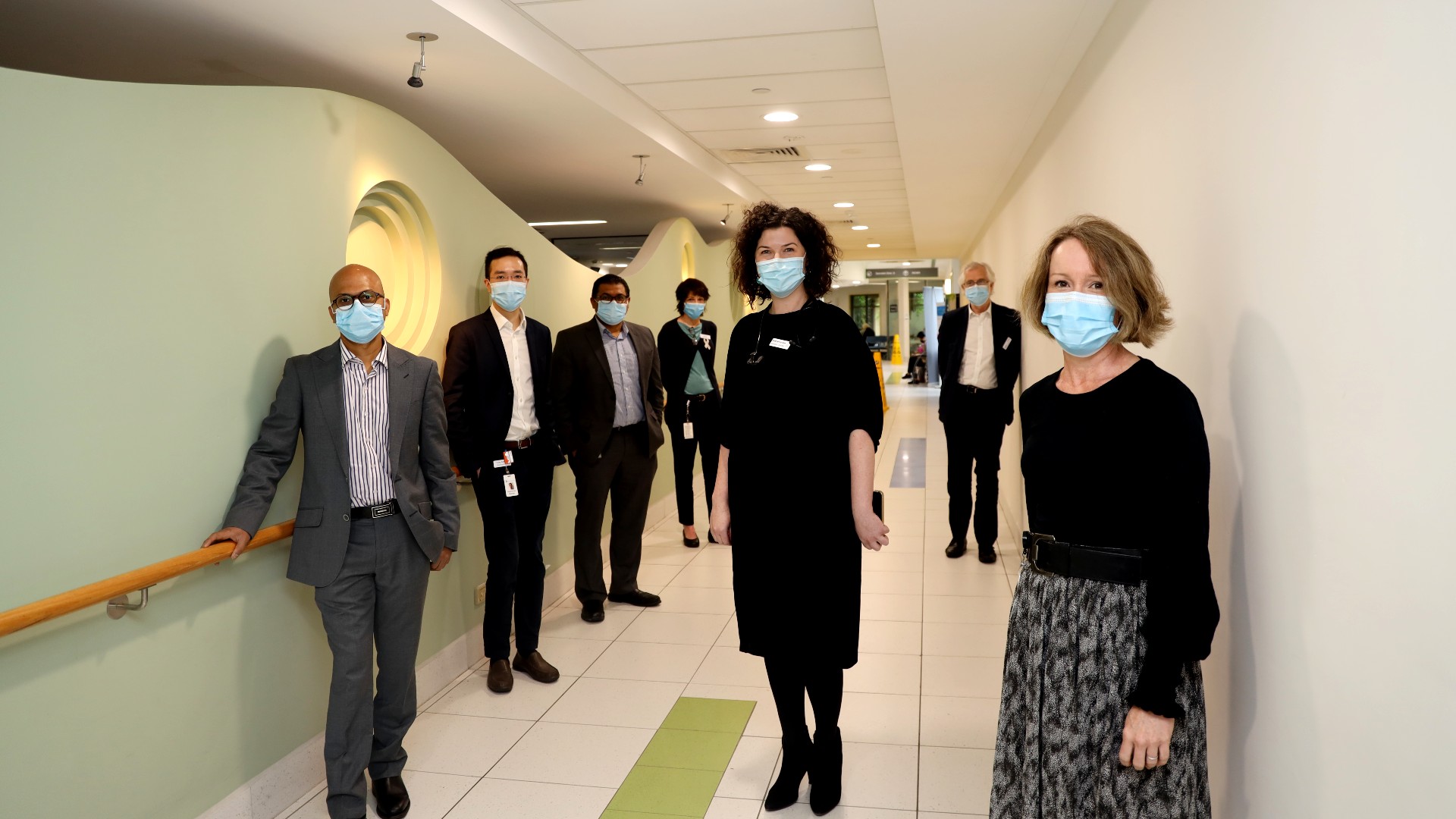
    Featured image (left to right): Dr Krishna Bhagwat, Thoracic surgeon; Dr Bassem Dawood, Consultant Respiratory Medicine; Dr Terry Kok, Consultant Interventional Radiologist; Alison Hirth, Lung Mass Nurse Coordinator; Dr Katherine See, Director of Respiratory Medicine;  Dr Simon Knight, Director of Thoracic Surgery and Dr Frances Barnett, Director of Medical Oncology.

    The MDM team also includes specialists in Nuclear Medicine, Pathology, Radiation Oncology, Pleural Medicine specialist and the Cancer MDM team.

    Virtual lung cancer multidisciplinary meeting


  • Meet the capital development team working on the Northern Hospital Expansion Project

    Meet the capital development team working on the Northern Hospital Expansion Project

    The Northern Hospital Expansion Project is making great head way, with Stage 2 works on track to be completed in mid-2021.

    This two-stage $162.7m major capital construction project to expand and enhance facilities allows Northern Health to ensure families have access to first-class care close to home as Melbourne’s north continues to grow. Stage 1, completed in June 2016, saw the development of a three-storey tower and 32-bed inpatient unit.

    Stage 2 will increase the tower from three to seven floors, providing space for improved facilities and extra room to meet future needs. Among the features of the new development will be three 32-bed wards accommodating 96 acute inpatient beds, three new operating theatres including one hybrid theatre, increased recovery capacity, satellite pharmacy, kitchen and expanded back-of-house services.

    Once completed, the building will have the capacity to treat 10,000 more patients every year at Northern Health.

    Meet the dedicated team who are working together on the project!

    In collaboration with the Victorian Health & Human Services Building Authority (VHHSBA), staff from Northern Health are working alongside builders, Kane Construction and consultant project managers, Johnstaff, to bring this project to fruition. Karen Green, Director of Capital Development, manages the project from our end, working through any issues that arise due to Northern Health requirements and managing them back through Johnstaff and VHHSBA.

    Kushani Dissanayake and Ashley Shea, Project Managers of Capital Development, manage the interface between Northern Health, Kane and the design team (external consultants such as architects and services and structural engineers) while also being responsible for the project’s furniture, fittings and equipment procurement. Anton Frischmidt, Associate Director of Procurement, supports the capital project team by managing all tenders for the project. He guides the process of procuring and delivering all furniture and fitouts, in line with the project procurement plan and construction timeline.

    Alex Jovanovski, Project Coordinator, Engineering Department, assists the capital development team in advising and overseeing shutdown of services to ensure the live hospital can still operate, while Kane Construction integrate new services or upgrade existing services. Kyle Pearson, Interface Manager from Kane Construction, oversees the construction timetable and liaises with Kushani around works that will impact on the hospital.

    A key milestone for the project was the official opening of the new Central Sterilising Services Department (CSSD) which has included the closure of our current CSSD with all operations transferred to the new space in late October.

    In January 2021, Wards 19, 20 and 21, the new kitchen, satellite pharmacy, Transit Lounge and front of house reception and waiting areas are also set for practical completion and handover from Kane Construction. Practical Completion of the new Recovery is set for mid-2021.

    The significance of the project at Northern Health was recognised by the Victorian State Government during COVID-19 and was nominated as one of only nine critical state health projects that were granted exemption from Stage 4 workforce restrictions. Kane have managed the construction project while ensuring strict compliance with a COVID Safe Plan which was endorsed by Worksafe Victoria as of a very high standard.

    “One achievement we are really proud of is the delivery of Ward 15 (our old ICU). Capital Development were asked if it could be made operational within 36 hours, which was made possible with the assistance of Engineering, Support Services, Supply/Procurement and Ward 16,” said Karen Green, Director of Capital Development.

    “Our team has developed some really good working partnerships with the Kane Construction site team and Northern Health Engineering, Supply/Procurement and clinical teams.”

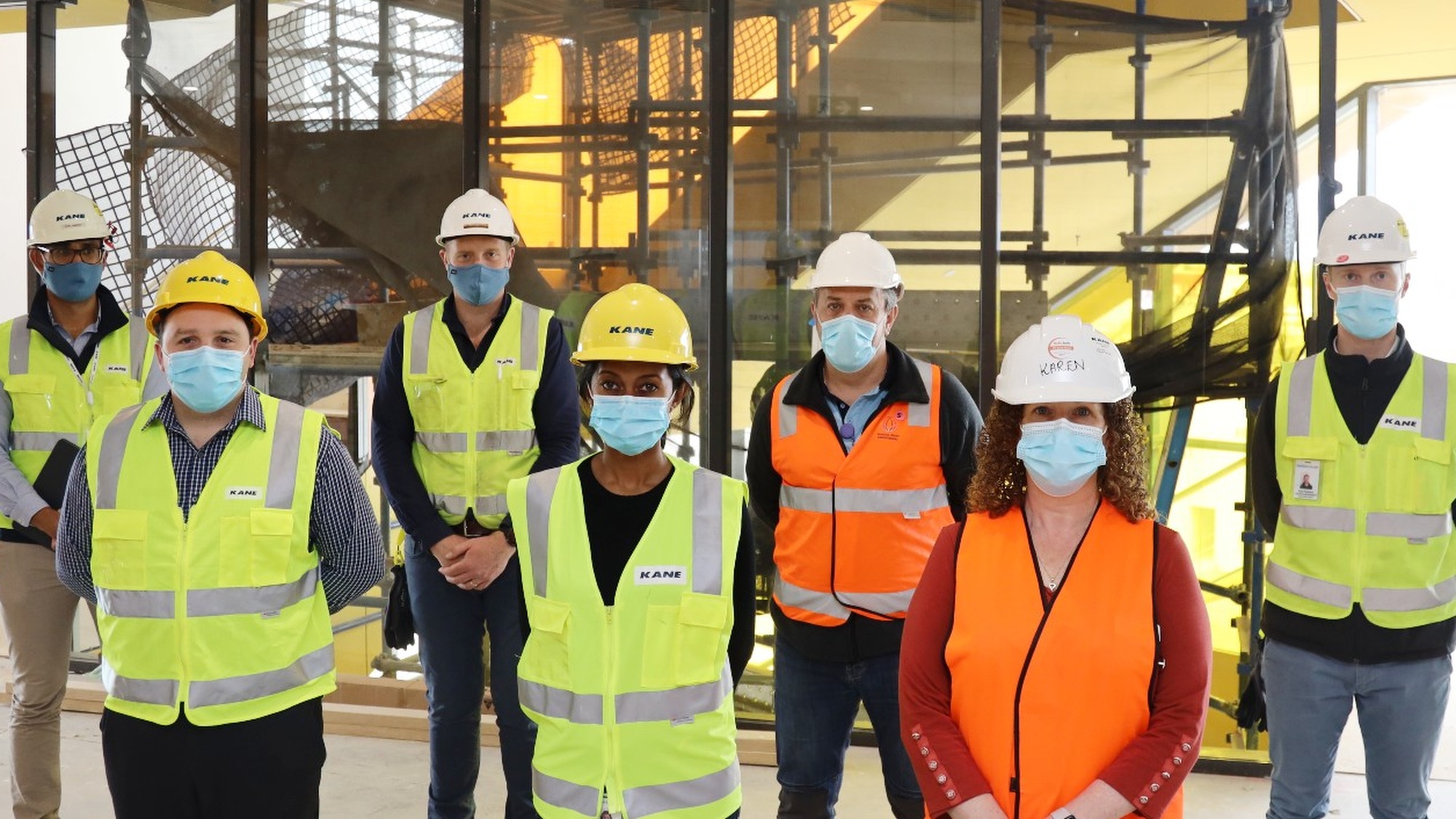
    Featured Image (left to right): 

    Front: Ashley Shea, Project Manager, Capital Development – Northern Health; Kushani Dissanayake, Project Manager, Capital Development – Northern Health and Karen Green, Director, Capital Development – Northern Health 

    Back: Carl Naidoo, Project Manager – Kane Construction; Will Gullifer, Senior Project Manager – Kane Construction; Alex Jovanovski, Projects Coordinator, Engineering and Building Services – Northern Health and Kyle Pearson, Contract Administrator – Kane Construction 

  • New home based cancer care program launches

    New home based cancer care program launches

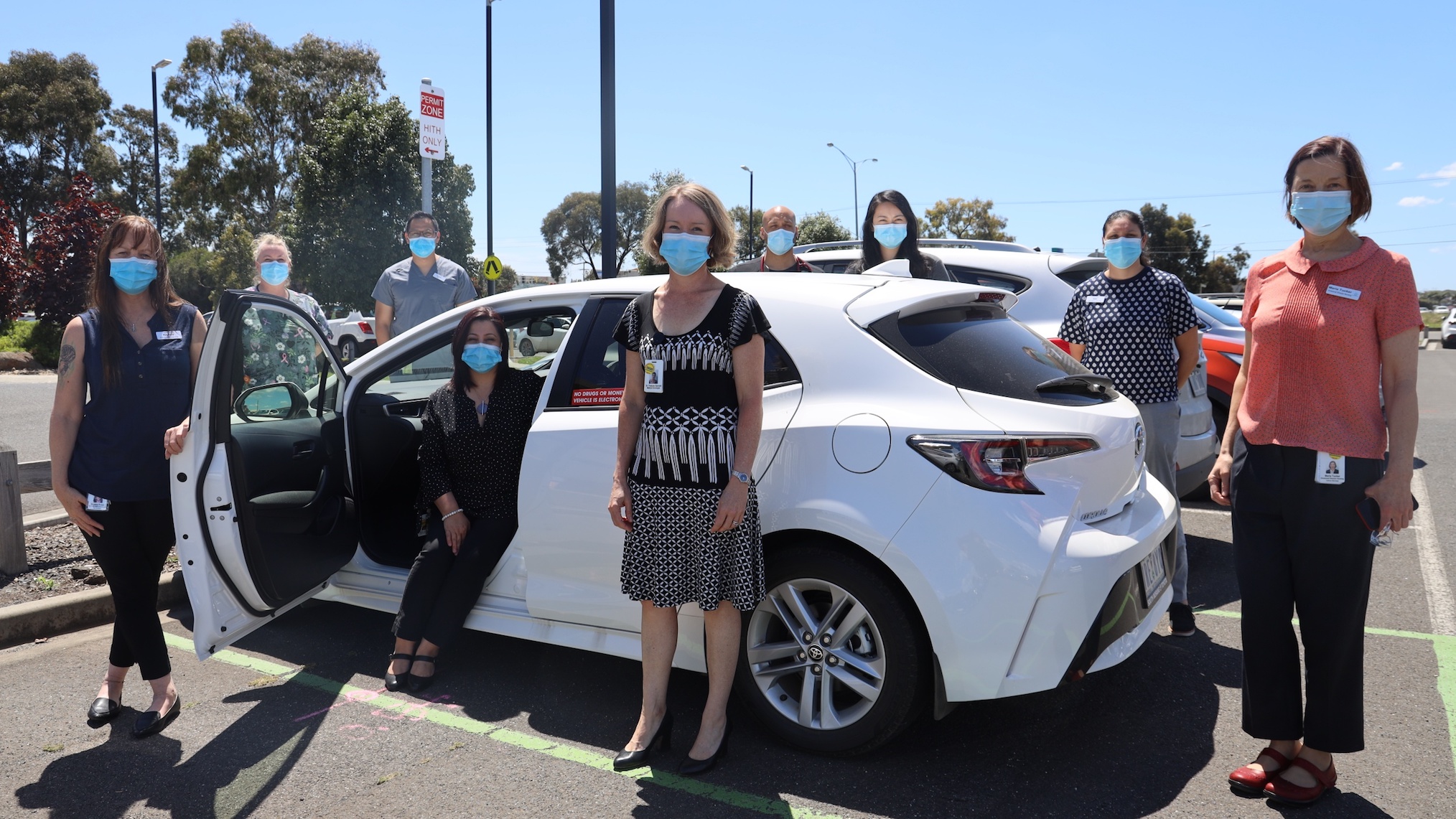
    Our Northern Oncology and Haematology (NOAH) department within the Day Oncology Unit has recently launched a new at-home service for cancer patients – NOAH@Home. 

    NOAH@Home provides oncology and haematology patients the opportunity to receive certain chemotherapy or supportive treatments in the comfort of their own homes.

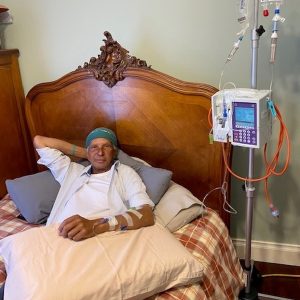
    The new service launched on 9 November and has been very well received by patients already. Henry (pictured below) was one of the first patients to utilise this new service and was grateful to be able to receive treatment in comfort.

    Kaylene Probst, NOAH@Home Liaison Nurse, explained the innovative service will improve convenience for patients and benefit them in a number of ways.

    “The program means patients no longer have to travel for appointments, there will be less stress on family who have to take time off work to bring their loved ones in for treatment, less worry about coming into a hospital during COVID-19, and patients are more relaxed in their homes,” she said.

    Our Day Oncology nurses will now be on the road six days a week to administer treatment to patients out in the community. Over the past two months, oncology staff have been working hard behind the scenes to develop the program, purchasing new equipment, including a car, and undertaking additional training from our Hospital in the Home staff.

    “We are very excited to be able to offer a program like this, as it enables for a greater use of our nursing skills and gives patients the opportunity to decide where they would prefer to have their treatment,” Kaylene said.

    “This past eight weeks has been a whirlwind of activity and hard work on behalf of all those involved, and it’s been a pleasure to be involved and to be able to pull this all together – ready to start a new chapter for Cancer Services and the Day Oncology Unit at Northern Health.”

    Henry receiving treatment in the comfort of his home
  • Smart glucometers benefiting Northern Health patients

    Smart glucometers benefiting Northern Health patients

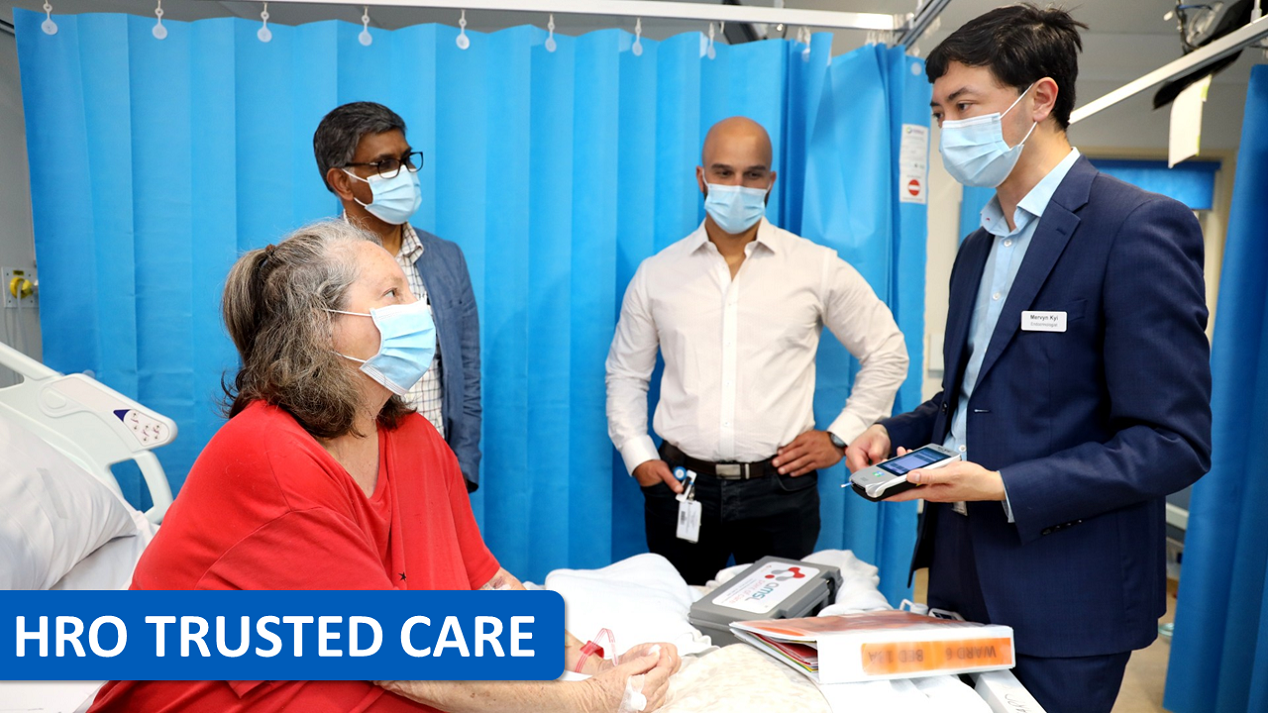
    Thirty-four smart wireless glucometers have been rolled out in nine wards at Northern Health, as part of the new Northern Inpatient Diabetes Service (NIDS).

    Richard Nasra, from the HRO/Project Management office, explained the new glucometers are an electronic system automatically linking patient blood glucose measurements with patient data in iPM.

    “When a patient’s blood glucose is measured at the bedside, the result is automatically and wirelessly logged into a software package for the Endocrinology team to review. The software automatically alerts the Endocrinology team when a patient logs a high (hyper) or low (hypo) blood glucose measurement and indicates the ward and bed where the patient is located in the hospital, enabling the Endocrinology team to proactively identify, review and manage these patients. The new meters are currently installed on Wards 3, 4, 5, 6, 13, 14, 15, 16 and 18 at Northern Hospital, with the view to roll out across the rest of sites next year,” he explained.

    High and low blood sugar levels are associated with hospital acquired complications (HACs), and having an ability to proactively identify patients at risk early and treat them is not only expected to reduce the number of patients who have complications, but also has a financial impact on the hospital too. Reducing HACs is part of our HRO Trusted Care initiatives.

    “This is a broad, concerted effort around how we can reduce the implications of HACs for patients, and this is one component of that. The idea is that this will form part of an early intervention/proactive hypo and hyperglycaemia diabetes service across the hospital, and reduce the number of inpatients that suffer avoidable hospital acquired complications and infections due to fluctuating blood glucose levels,” Richard added.

    Dr Suresh Varadarajan, Head of Endocrinology Services and the NIDS, explained the service started in February this year and works to identify the prevalence of diabetes at Northern Health.

    “We work to identify how many inpatients on a certain day, excluding certain wards, have diabetes on a given day. Unfortunately, patients in our catchment have the highest prevalence of diabetes in Victoria,” he said.

    Dr Mervyn Kyi, Endocrinologist and Clinical Lead for the NIDS, says this project is an early intervention and proactive approach to inpatient diabetes care.

    “From my PhD studies, we know that patients with diabetes have worse outcomes at hospitals, and early intervention for these patients can improve outcomes. The NIDS service is now running for six wards in the hospital, and we have a multidisciplinary team of clinicians who go around proactively managing people with diabetes, and optimise their care,” he explained.

    The NIDS team assesses people with diabetes, and can prescribe insulin and make changes to diabetes management.

    “We then review as needed, help facilitate discharge and follow up after discharge. Our rapid access clinic, which runs once a week, enables discharged patients to be seen quickly. The new glucometers enable remote glucose surveillance and help identify people with diabetes. In addition, they facilitate data capture, enabling detailed clinical research. The glucose data then allows benchmarking against other hospitals,” Dr Kyi added.

    After implementation of the Electronic Medical Records (EMR) system, the glucose measurements will be automatically uploaded into the EMR, which means our nursing staff won’t need to manually enter them.

    Every year, 14 November marks World Diabetes Day. In Australia, statistics show that 280 Australians develop diabetes every day, with one person every five minutes.

    Featured image (left to right): Patient Karen with Dr Suresh Varadarajan, Richard Nasra and Dr Mervyn Kyi holding the new glucometers.

  • Aboriginal and Torres Strait Islander nursing and midwifery career pathways

    Aboriginal and Torres Strait Islander nursing and midwifery career pathways

    As we conclude NAIDOC Week, today we highlight how we are empowering Aboriginal and Torres Strait Islander nurses and midwives at Northern Health.

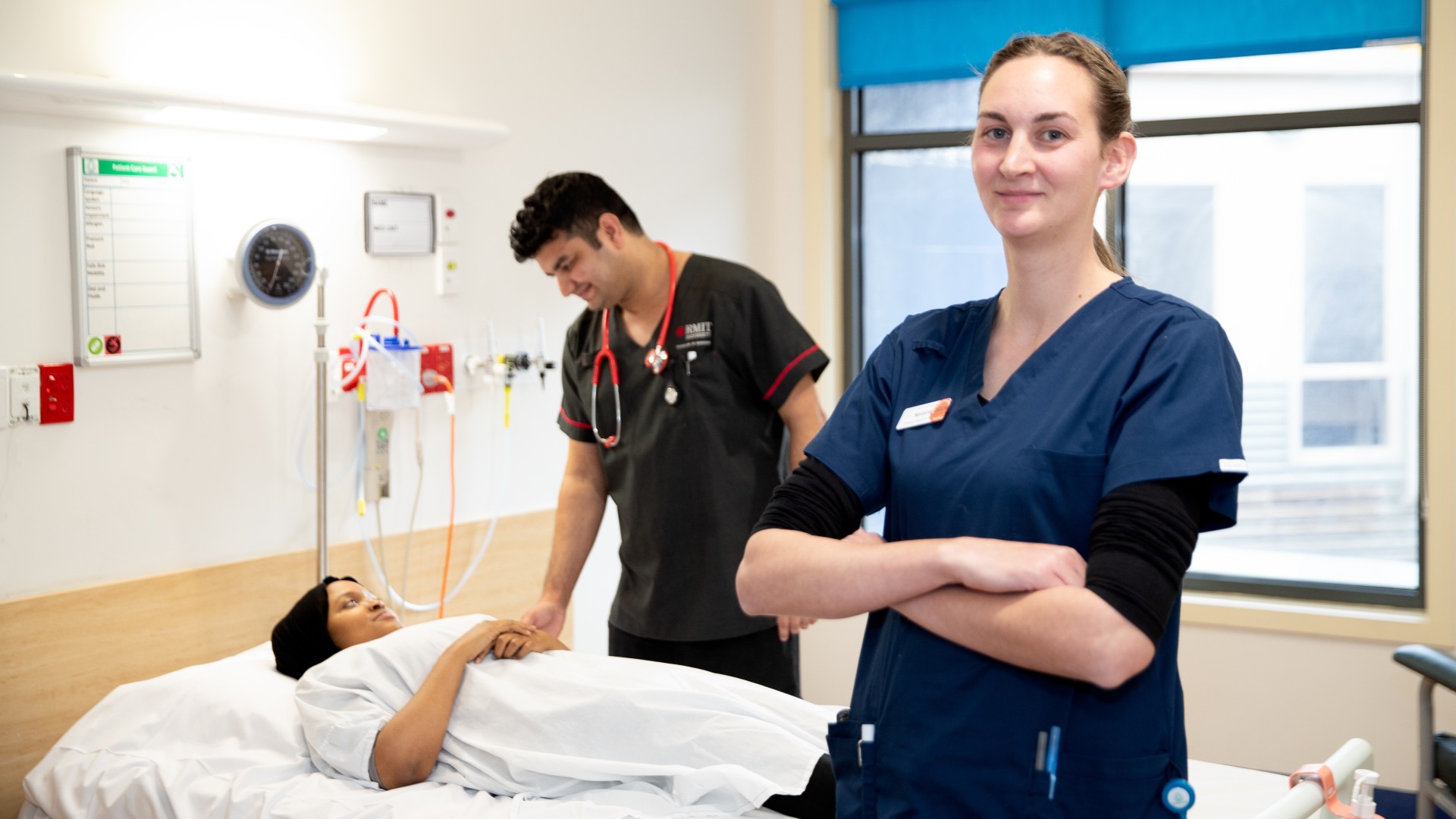
    At the undergraduate level (pre-registration), Northern Health has implemented a cadetship (Aboriginal and Torres Strait Islander Registered Undergraduate Student of Nursing-RUSON model). The Registered Undergraduate Student of Nursing (RUSON) model offers Aboriginal and Torres Strait Islander students the opportunity to join Northern Health as an employee, work closely with a Registered Nurse or Midwife, and increase their knowledge and skills as they build their confidence.

    They get to apply their learnings directly, learning first hand and strengthening their work readiness – giving them much needed exposure to the work environment they will be joining.

    The first two RUSON’s have thrived in the culturally safe space that Northern Health provides. One has been recognised as Employee of the Month on their ward and the other has been recruited into the Aboriginal and Torres Strait Islander Graduate Program.

    At the graduate level (post-registration), Northern Health has introduced an Aboriginal and Torres Islander Graduate Program to support newly registered nurses and midwives as they transition to the profession. The first Aboriginal graduate nurse has successfully completed her graduate program and has gained employment at Northern Health.

    Penny Ramsden, Clinical School Coordinator, said the programs were designed to build both the skills and the confidence of the participants as future nurses and midwives, knowing the vital role they play in providing outstanding health care to the community – especially in this Year of Nursing and Midwifery, 2020.

    At the postgraduate level, Northern Health has continued to support employees in further studies. Aboriginal and Torres Strait Islander scholarships have added to their success and career progression, enriching Northern Health’s specialist nursing and midwifery workforce.

    All programs are sustained by a comprehensive supportive network of preceptors, mentors, nurse unit managers, educators, cultural peer supervision, sessions and study days, Nursing Workforce Unit, Aboriginal Support Unit and Department of Health and Human Services.

    Karen Bryant, Aboriginal Health Liaison Officer, said the two programs, along with the postgraduate program, were an investment in the future, empowering Aboriginal and Torres Strait Islander nurses and midwives and increasing their confidence and competence in their chosen career pathway.

    The featured image above shows Natalie Bloomfield, a proud Gunai Kurnai descendant and a recipient of the Aboriginal Postgraduate Nursing and Midwifery Scholarships Program (Masters of Education).

    Says Penny, “In addition to performing her role as a Clinical Support Nurse in the Clinical School, Natalie demonstrates an extraordinary commitment and passion for supporting Aboriginal and Torres Strait Islander health professionals, and is a critical resource not only for the cadets (RUSONs) and graduates, but also for colleagues and preceptors/mentors alike.”

  • Transgender Awareness Week

    Transgender Awareness Week

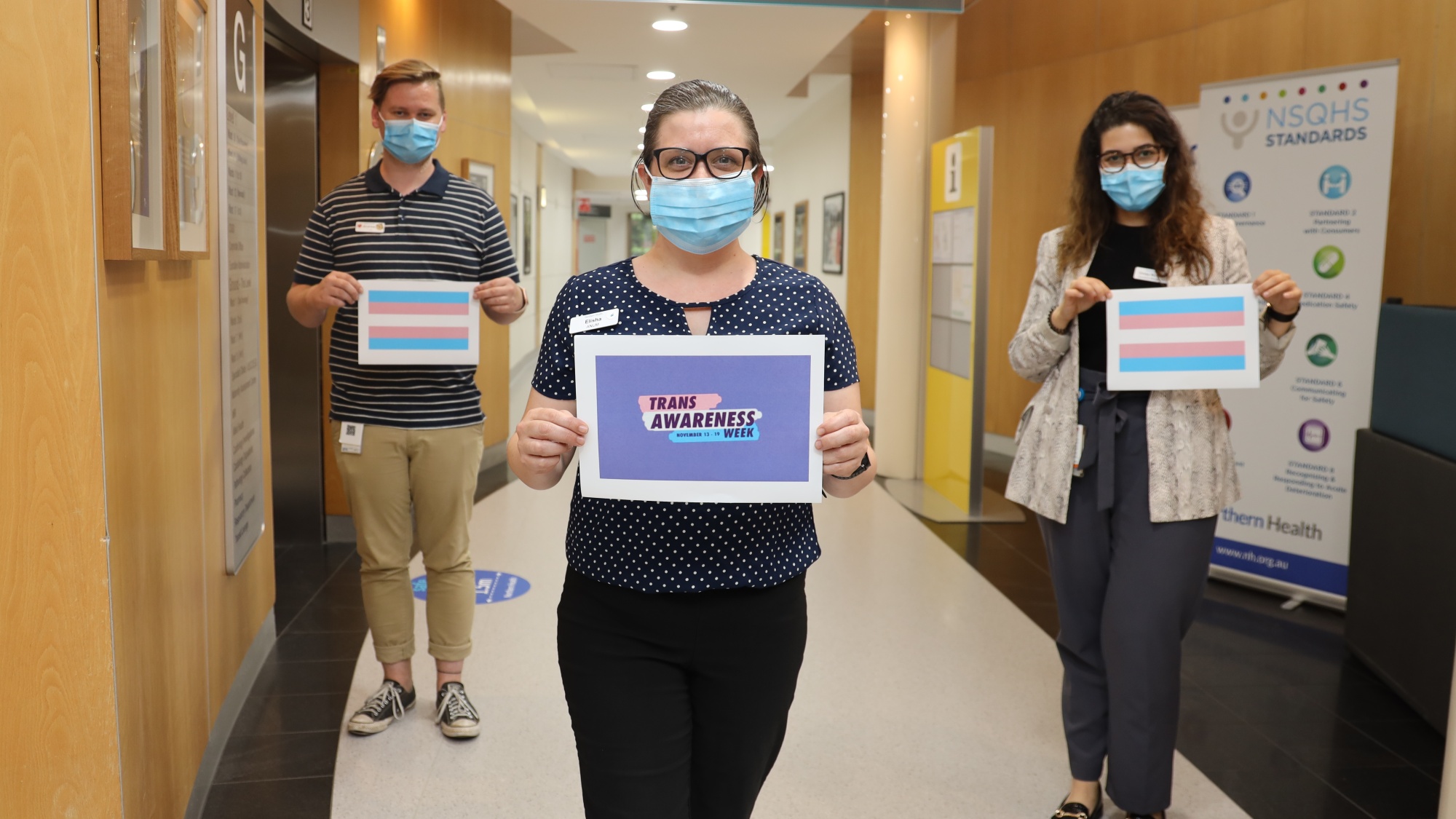
    Tomorrow marks the start of Transgender Awareness Week, which runs from 13 to 19 November 2020.

    Transgender Awareness Week is a one-week celebration leading up to Transgender Day of Remembrance (TDOR), which memorialises victims of transphobic violence.

    “This is the first time Northern Health is running a session specifically for Trans folk. It’s another step we are taking as a health service to create safer care for our community in the north,” says Electra Ulrich, Co- chair LGBTIQA+ Working Group at Northern Health.

    To commemorate Transgender Awareness Week, Northern Health is hosting guest speaker, Starlady, Program Manager at the Zoe Belle Gender Collective to run a ‘Transgender Awareness Education and Inclusive Practice’ session on Tuesday, 17 November. The virtual session will run from 12 to 1 pm and we encourage staff to join.

    Starlady is an activist, artist, educator, youth and community development worker who has been a long-time advocate for the LGBTIQA+ community.

    To join the session, please click here.

    Elisha O’Dowd (trans ally), Emergency Department ANUM & Strengthening Hospital Response to Family Violence Clinical Support Nurse, is also holding a ‘Trans Education’ session targeted to patient facing staff (clinical and non-clinical) on Friday, 20 November from 2 pm to 2.45 pm. To join this session, please click here.
    Chrissy Nicolaidis, Co-chair LGBTIQA+ Working Group at Northern Health, explains, “Recent Australian research highlights significant disparity in health outcomes between transgender people and the wider population. Transgender people aged 18 and over are nearly 11 times more likely to attempt suicide in their lifetime, and 18 times more likely to have thoughts of suicide.”
    “Also, there is an over representation within mental health statistics disproportionately affecting young transgender people, with 74 per cent of transgender and gender diverse people aged 14 to 25 have been diagnosed with depression in their lifetime,” states Chrissy.

    One of the initiatives of the LGBTIQA+ Working Group is improving awareness and implementing strategies to improve health outcomes for the gender diverse community in the North. This has been outlined as a priority area – in the Workplace Equity, Diversity and Inclusion Strategy 2020-2024.

    Transgender Pride Flag and Rainbow Flag

    The Transgender Pride Flag represents the transgender community and consists of five horizontal stripes: two light blue, two pinks, and one white in the centre.

    The Rainbow Flag represents Pride for the LGBTIQA+ community, with the black and brown stripes added to acknowledge the intersectionality for people of colour who identify as part of the LGBTIQA+ community.

    Featured Image: Andrew, Elisha and Chrissy from the Northern Health LGBTIQA+ Working Group

  • Bilang ‘Straight Talk’: Directory of Aboriginal services launches

    Bilang ‘Straight Talk’: Directory of Aboriginal services launches

    As part of our NAIDOC Week celebrations, Northern Health is pleased to launch bilang.nh.org.au, a directory of Aboriginal services in the north.

    ‘Bilang’ means ‘Straight Talk’ in Woi wurrung, the language spoken by the Wurundjeri-(balluk/Clan).

    The development of the Bilang Directory is a recommendation from the Northern Health Aboriginal Advisory Committee to ensure that Aboriginal and Torres Strait Islander people have the right information about necessary services, organisations and networks to effectively manage their health and wellbeing in the future.

    Emiliano Zucchi, Director, Narrun Wilip-giin (Aboriginal Support Unit) says, “The Bilang Directory aims to strengthen local knowledge about Aboriginal groups and organisations through building connections and networks.”

    The Directory was created after extensive consultation with Aboriginal community members who access services and programs in the North and North East Melbourne areas. They requested that information regarding Aboriginal services located and operating within the Northern Health catchment be made available to them to increase community knowledge.

    They were keen to get information on culturally safe accessible services and organisations, opening hours of the services, disability access, etc.

    The Directory features artwork by local artist Gary Saunders. Gary is a proud Bangerang, Wiradjuri, Yorta Yorta & Dja Dja Wurrung man and a graphic designer and musician. He says his inspiration was the growing suburb of Wollert in Melbourne’s north. Wollert is a Woiwurrung word meaning ‘where possums abound’.

    Gary says, “The mother possum with baby, symbolises care and nurturing. The lines and circles in the background represent the many communities and depicts diversity. This artwork is continuous and flowing, which symbolises the ever changing landscape of the people and the community.”

    The directory was funded by the Hume Whittlesea Primary Care Partnership (HWPCP), a voluntary alliance of primary care agencies operating in the local government areas of Hume and Whittlesea, located in outer northern metropolitan Melbourne.

    “The launch of Bilang ‘Straight Talk’ is really exciting for the community in the North and represents another way that we can acknowledge NAIDOC Week,” says Briana Baass, Chief Allied Health Officer.

    Briana goes on to say, “I have thoroughly enjoyed looking through the reflections from our own Aboriginal Support Unit, as well as other local community members, on the Northern Health intranet and I encourage everyone to click on this link to explore the information.”

    Max Lee, Chief Executive Officer HWPCP, said, “The Northern Health Bilang “Straight Talk” Directory is part of our long-term shared commitment to ensuring Aboriginal people can access culturally safe health services locally. We are proud to partner with Northern Health and the local Aboriginal community on this essential resource because ‘good information means good health.’”

  • Successful Fit Testing Pilot transitions to on-going program

    Successful Fit Testing Pilot transitions to on-going program

    In August this year, Northern Health was pleased to be announced as the health service chosen by the Minister for Health to run a fit testing pilot.

    To date, we have tested over 800 staff. The pilot is part of a broader program of work – the Respiratory Protection Program – that Northern Health is undertaking which seeks to ensure the optimal protection of our staff from respiratory pathogens, such as COVID-19. The pilot focused on fit testing staff working in high-risk areas such as COVID-19 wards, ICU, Emergency Department, Fever Clinic, Residential In-Reach and operating theatres.

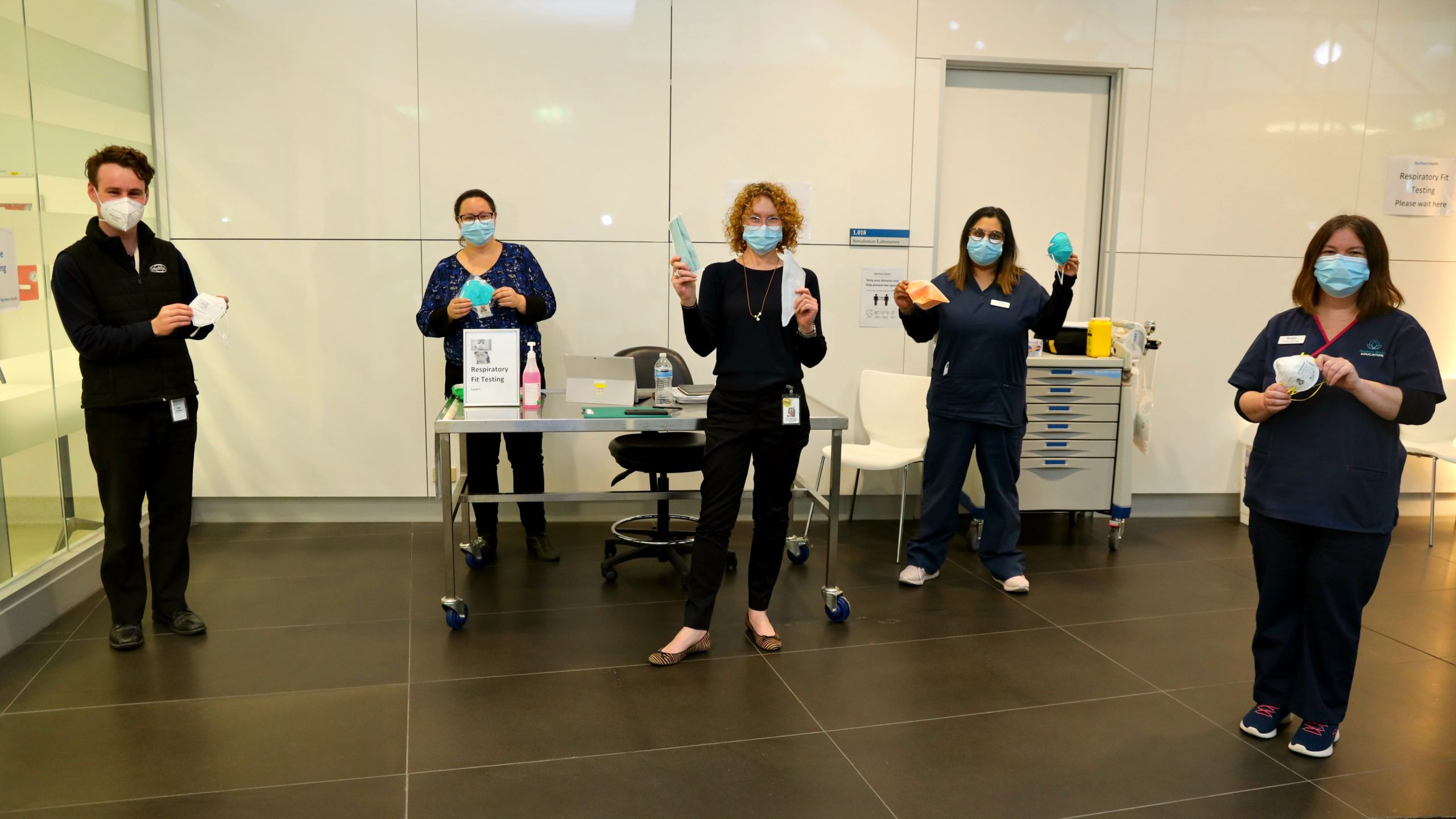
    Fit testing is a process to verify if a selected brand, model or size of an P2/N95 mask adequately fits the wearer. Testing is carried out with all the different types of masks available, to identify the best fitting mask and is repeated at regular intervals to ensure a consistent fit. P2/N95, which filter airborne pathogens, are currently recommended when health care workers are caring for hospitalised patients with COVID-19.

    Dr Victoria Madigan, Infectious Diseases Physician and Clinical Lead for Respirator Fit Testing Pilot Program said, “We have been reaching out to offer fit testing to staff particularly from high-risk areas to ensure they know which masks are most appropriate for them.”

    “Pleasingly, many of the staff from these areas have been able to come in and have a test and find out which mask best suits them. The majority of staff adequately fit a mask that we have available.”

    During the testing, five to six masks are tested. The testing process assesses how well each mask achieves a close seal against the wearers face.

    “We have done the first wide-spread fit testing program in health care in Victoria. Northern has been asked by Safer Care Victoria to use the information gained from developing this process help inform Respiratory Protection Programs being introduced across Victoria. In developing our program, we’ve relied a lot on the expertise of the occupational hygienists from Eva & Associates performing the fit testing as well as from our Clinical Nurse Educators who have been helping staff with the testing process.” Victoria said.

    “Moving forward, fit testing is certainly going to be a key part of the Respiratory Protection Program,” Victoria added.

    Information from this pilot is also being used to guide Victoria’s purchasing of P2/N95 stock, and support other health services establishing similar programs.

    Clare McCarthy, Project Manager, said, “It’s really rewarding to be involved with the pilot, as we’re actually contributing to the evidence on fit testing and helping DHHS with its selection of P2/N95 respirators.”

    The pilot has been a wonderful collaboration between different departments across Northern Health.

    “This is Northern Health at its best — everyone has rallied to make it a success for our staff. From Operations, to Learning and Development, Nursing Education, Research, Supply, NCHER, Nursing and Medical Workforce — so many parts of our organisation have rolled their sleeves up to make this happen for more than 800 of our staff,” Clare explained.

    “Nursing Education has played a crucial role in our staff welfare. We’ve been involved from day one, from providing information beforehand about what happens during the fit test, through to afterwards, by supporting staff with their result,” explained Tanya Williams, Clinical Nurse Educator.

    “The occupational hygienists have also been really wonderful in helping everyone understand the process, and all the various aspects of the testing – there’s also a larger group of staff who sit on our working group and contribute,” Victoria added.

    Fit testing has now transitioned to the Respiratory Service, with our respiratory scientists performing the testing on our staff.

    Eventually, fit testing will be available for all staff who are required to wear P2 or N95 masks. Information about specific requirements for testing and how to book in to have this done will be available on the intranet in the near future.

    “The aim is to test between 2,000 to 3,000 staff per year at this stage, so the next challenge will be to work out what the new normal is going to be.”

    Featured Image (left to right): Michael Eva, HSE Consultant – Eva & Associates; Dr Victoria Madigan, Infectious Diseases Physician; Clare McCarthy, Project Manager; Tanya Williams, Clinical Nurse Educator and Susan Brown, Clinical Nurse Educator