• A new honour for Wanda Stelmach

    A new honour for Wanda Stelmach

    Wanda Stelmach, Chief Medical Officer, has been promoted to Honorary Clinical Associate Professor with University of Melbourne.

    Wanda said she was  honoured to be promoted. “I think it’s a recognition of our health service and its engagement in teaching and training. Also, where it is going in the future, whether it’s education or research.”

    Wanda’s teaching journey at the University of Melbourne began in 1983, when she got into the Surgical Training Program and continued in 1993, after she received her Fellowship as a Consultant.

    Wanda is a general and breast surgeon, who commenced as  VMO surgeon at Preston and Northcote Community Hospital (PANCH) in 1993, and at Northern Hospital Epping in 1998. She was appointed Chief Medical Officer in 2020.

    However becoming an Associate Professor was never a goal for Wanda.

    “The goal at the start of my career was to be a good clinician and to ‘pay back’ my learning experiences to the hospital and the University of Melbourne,” Wanda said.

    “There are many teachers and mentors who taught me and their support meant a lot to me. Offering that support to our future doctors was a way that I thought I could repay the system that had supported me. It’s great to see people who start off as very junior, maturing and growing. I have taught many medical students who are now interns, who are junior residents, some of them are now consultants at Northern Health, so I have seen them grow and develop and I am very proud of their achievements.”

    When asked how the Northern Health priority of Engaged Learners, Inspired Research, correlates to her achievement, Wanda said education was at the core of everything.

    “If you want to get the best out of people, you have to know how to support them in their education, you have to encourage those interested in research, to look at how we can improve what we do,” Wanda said.

    “It’s in all areas – medicine, nursing, allied, it’s non-clinical. It’s about improving the experience of everyone in the health service community and if that isn’t your ethos, you are not going to attract good people and you won’t provide the best care.”

    Dr Leonie Griffiths, Director Medical Education Northern Clinical School, announced Wanda’s promotion to Honorary Clinical Associate Professor with University of Melbourne this week.

    “Wanda has made an outstanding contribution to the education of medical students, trainee doctors and healthcare professionals,” she said.

    “Her promotion acknowledges her excellence in research, leadership and service to the profession and community. Wanda has taught medical students from the University of Melbourne for over 20 years and has been integral to the success of the Northern Clinical School. She is a highly regarded Professional Practice tutor, has been nominated for Teacher of The Year on many occasions and consistently advocates for students in the hospital to experience the breath of learning opportunities in surgery.”

    “Wanda provides valuable pastoral care and mentorship to the students and is an experienced supervisor of research projects. The Clinical School is grateful for Wanda’s long standing support and encouragement, she is a wonderful role model for students and the University looks forward to ongoing collaborations in education and research.”

    Wanda hopes her achievements and highly successful career in the health sector inspires the younger generation to reach for their dreams.

    “But it is also important that children are aware that their parents can have careers, careers are for both mum and dad,” she said.

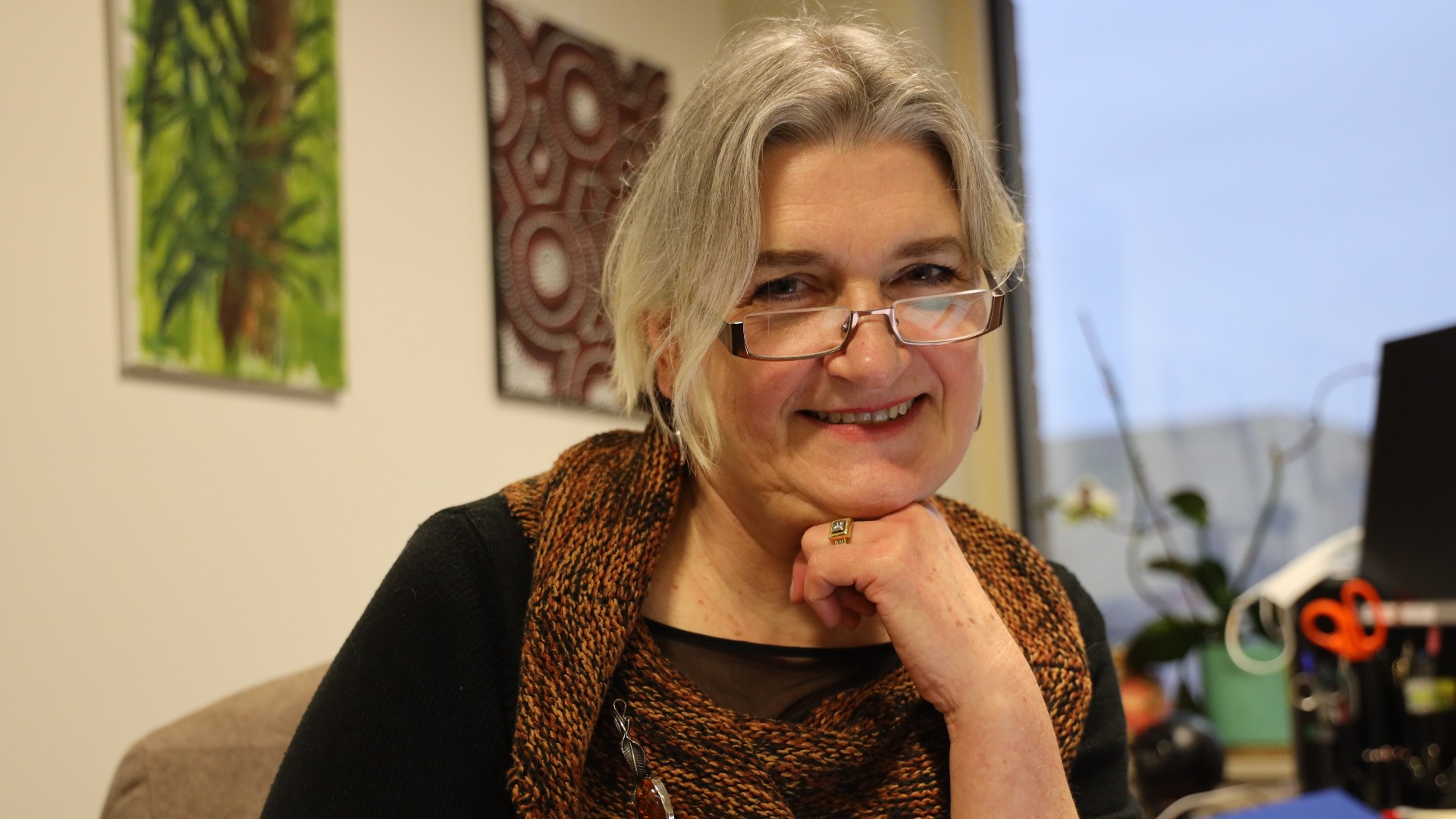
    Featured image: Wanda Stelmach
  • Northern Health is Dry this July!

    Northern Health is Dry this July!

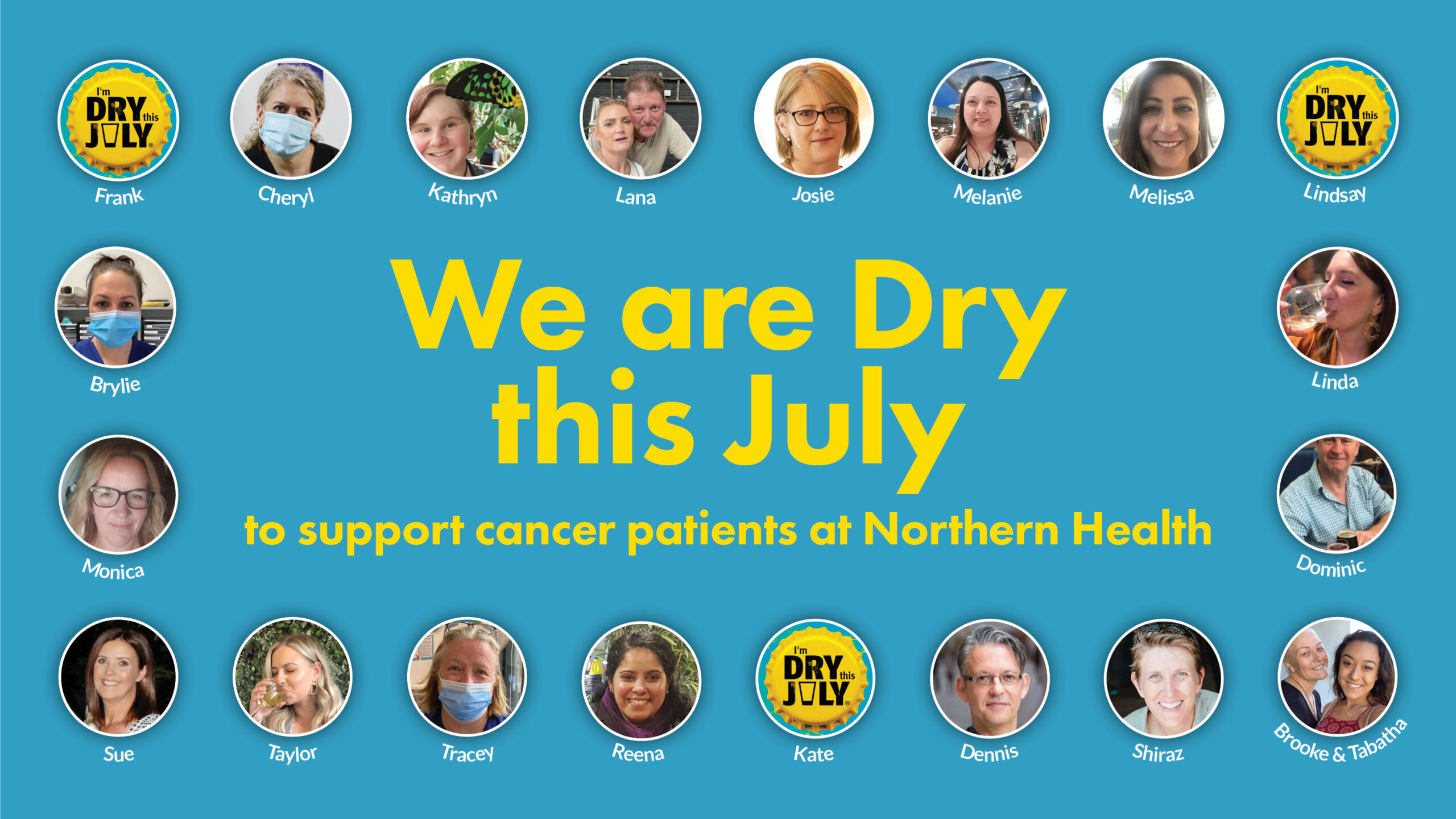
    Team Northern Health is showing great momentum in our 2021 Dry July Campaign.

    Last year was the first year Northern Health participated in Dry July. This year, Northern Health is once again taking part to raise important funds for cancer patients in our northern community.

    In 2020, Northern Health launched the chemotherapy in the home service – ‘Northern Oncology and Haematology at Home’ (NOAH@Home).

    The service provides oncology patients the opportunity to receive certain chemotherapy treatments in the comfort of their own homes. This means patients no longer have to travel for appointments and there is less stress on the family who have to take time off work to bring their loved ones for treatment.

    Our Day Oncology nurses are on the road six days a week administering treatment to patients. With the support from the Dry July Campaign, the Day Oncology team will be able to broaden their services to the wider northern community by purchasing an additional vehicle for the program.

    The majority of the 20 team members for Dry July are staff, with some community members also on board. The team have already raised an amazing $18,000.

    We asked some of our staff members why they chose to participate in Dry July this year. Here’s what they had to say.

    Brylie Wilson, Nurse Unit Manager, Broadmeadows Surgical Centre explained, “I am participating in Dry July this year because I felt it was my opportunity to give back. I have lost numerous loved ones, particularly grandparents, to cancer.”

    “I found out that Northern Health was hoping to raise funds to continue to provide chemotherapy in the home. I know how valuable this service would have been to my family if it had have been available. So I thought what a great opportunity to do something to help make that happen,” Brylie added.

    Dominic La Caze, Senior Supply Manager, said, “I’m going dry because one of my closest friends recently died of pancreatic cancer and I have had my own personal encounter with prostate cancer. The least I can do is give up alcohol for a month to help others, I don’t expect people to donate but it will be appreciated.”

    Tracey Wyllie, Peri Operative Services Manager – Surgical Services, said, “I’m doing dry July because: A. l want to challenge myself. B. My initial response was that l would never be able to go an entire month without alcohol – then l realised how bad that sounded, so l signed up and got on board!”

    To learn more about the Dry July team and to support, click here.

  • Name change to reflect Ian Brand residents

    Name change to reflect Ian Brand residents

    Ian Brand Nursing Home has officially been changed to Ian Brand Residential Care.

    The name change was presented to and endorsed by the Northern Health Board in early 2021, with the change formally taking place on 1 July.

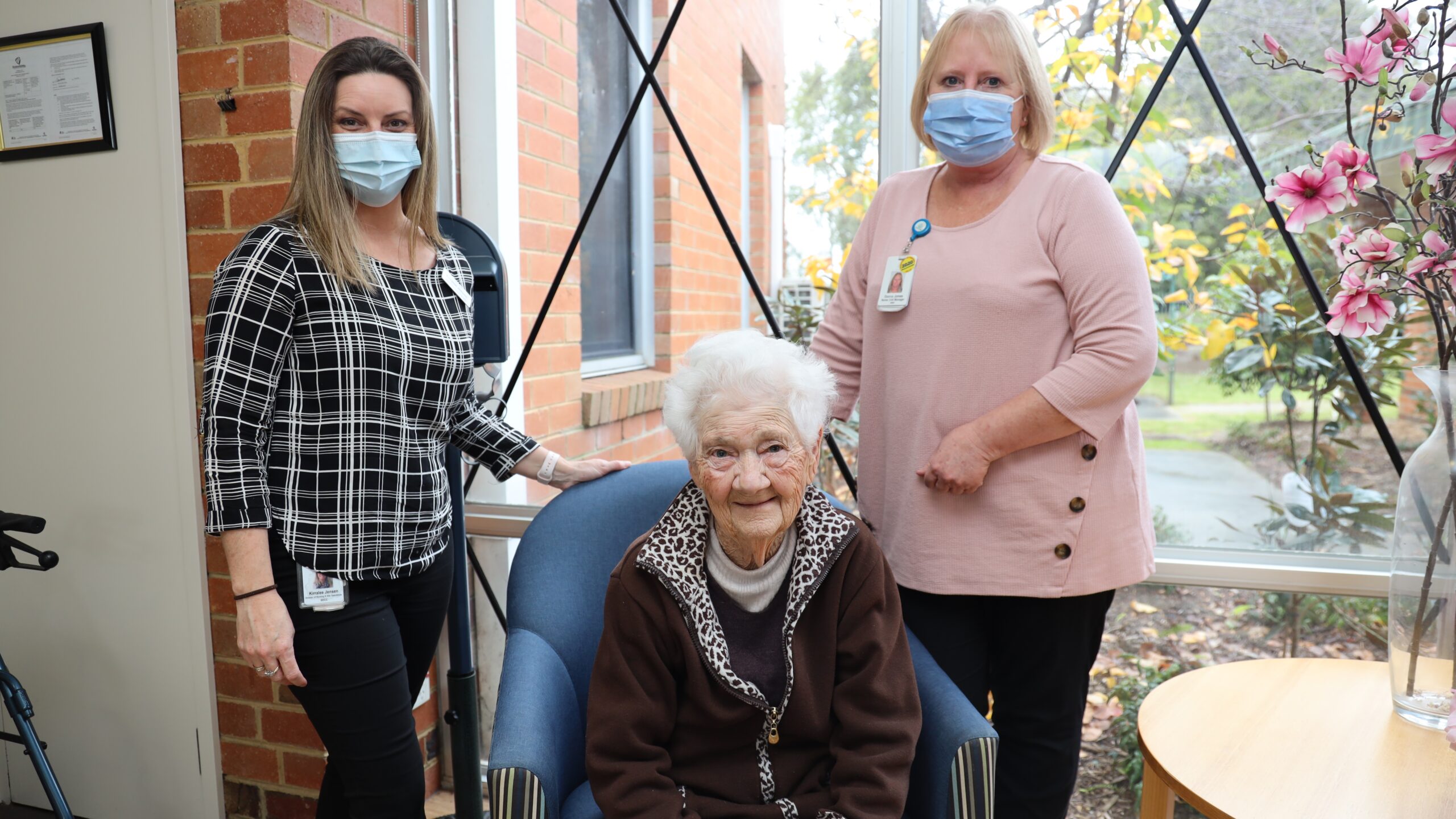
    Kirralee Jensen, Site Operations Director and Director of Nursing at Bundoora Centre, said the name change was influenced by the residents and their families.

    “We consult residents and their families on changes within Ian Brand. There was a survey done a couple of years ago and then we did it again late last year about the name change,” Kirralee said.

    “Nursing home and aged care seems to have a stigma about it, that it reflects elderly residents. We have a 46-year-old resident here, so he doesn’t fit the elderly criteria.”‘

    “To be inclusive of every person that resides at Ian Brand, there were four options for a name and the residents and their families decided on Ian Brand Residential Care, and to remain honouring Dr Ian Brand who it was named after.”

    Ian Brand Nursing Home officially opened in November 1991, and was named after Dr Ian Brand AM, who was an Executive Director at the Preston and Northcote Community Hospital (PANCH).

    Dr Brand was also Chairman of the Committee of Management of the Bundoora Extended Care Centre (BECC – now known as Bundoora Centre) from 1987 – 1990. Ian Brand Nursing Home was named in recognition of the work he did for the centre.

    Ian Brand Residential Care is currently home to 25 residents, with 34 dedicated nursing staff providing full nursing care.

    “A lot of our residents are at higher needs, so they’ll need help with hygiene, getting dressed, feeding and drinking and any medical issues that might be required,” said Donna James, Nurse Unit Manager, Ian Brand Residential Care.

    Both Donna and Kirralee said the residents and their relatives were the heart of Ian Brand Residential Care, and the name change reflected this.

    “This is their home. We have regular monthly meetings with residents and their relatives when family have been able to come in. It’s a great place to actually capture any issues that may be concerning the families and they have some input,” Donna said.

    “Our signage has been changed on site and residents and families have been informed. We welcome this name change which ensures inclusivity of all residents,” Kirralee said.

    Featured image: Kirralee Jensen (left) and Donna James (right) with Joan.

  • Dancing and fundraising for cancer services

    Dancing and fundraising for cancer services

    Put on your dancing shoes and support our cancer services here at Northern Health.

    Long-time Northern Health Foundation Patron, Josie Minniti’s annual Dinner Dance Cancer Fundraiser is on Saturday, 31 July, at the Ferraro Reception Centre, 14 Onslow Avenue, Campbellfield.

    The event, which has been running for 25 years, 13 years of those for Northern Health, raises money for vital equipment in our Oncology Unit, so cancer patients are comfortable while they are receiving treatment.

    Josie Minniti said the event promises to be a fun-filled evening.

    “The guests can expect a fun-filled evening with lots of food, drinks, dancing, followed by live auction, raffles and silent auctions We want people to have a really good night,” she said.

    Josie is hoping to raise $10,000, going towards cancer services, including purchasing two new wheelchairs for our Day Oncology Unit.

    “Whatever we raise, it’s something that the hospital wouldn’t have. I am very passionate about this cause. The money always goes to purchasing new equipment for cancer patients because, to me, comfort is very important for their quality of life. Patients need to be comfortable whilst undergoing treatment,” Josie said.

    Pina Di Donato, Director Northern Health Foundation, said, “We are extremely grateful for the support and dedication of longtime Northern Health Foundation Patron, Josie Minniti, in helping to raise much needed funds for our Day Oncology Unit. The amazing support of people like Josie and her family, whose previous dinner dances have helped us purchase important equipment, makes a real difference to our cancer patients at Northern Health,” Pina said.

    Melissa Gwynne, Nurse Unit Manager, Day Oncology, said the new wheelchairs will assist in the transportation of patients to other departments within Northern Hospital Epping, and will provide assistance to those unable to walk from the hospital’s front entrance to the unit.

    “The money raised through Josie’s Dinner Dances has always contributed to purchasing equipment for our cancer patients, including scalp cooling machines, treatment chairs and a blanket warmer,” Melissa said.

    “The Dinner Dance is always a fun-filled night with music, dancing and great items for auction. I cannot express my gratitude enough for her commitment to continue to raise much needed funds for our cancer service.”

    Josie is encouraging people who can’t attend the night, but still want to support the cause, to instead donate.

    “It will be greatly appreciated. Every cent will go towards what we are striving for,” she said

    “I hear many stories from patients. I meet up with people who use the equipment and they are grateful, firstly for the doctors and nurses, and secondly, for the comfort experience whilst combating this horrible disease. Each and every one of us can make a difference. If you come along to the Dinner Dance, hopefully we can make more of a difference.”

    Tickets cost $60 for adults and $25 for children. Ticket includes a seven course meal and drinks.

    To purchase tickets and for more information, contact Josie and Rino Minniti on 9401 4199 or 0409 400 855.

    Featured Image: Whittlesea Leader (taken prior to COVID-19)
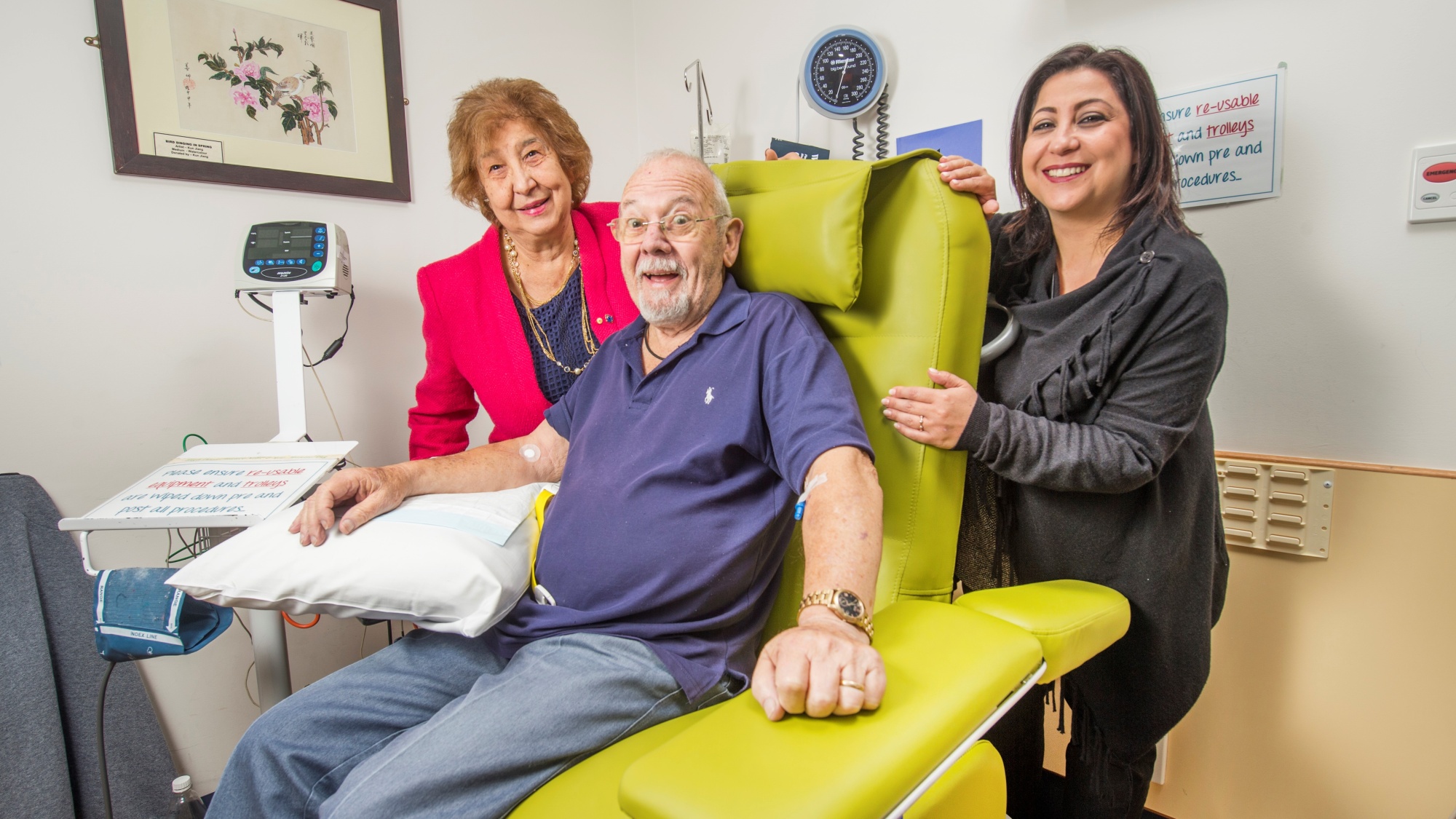
    Left to right: Josie Minniti, Clancy (Northern Health patient) and Melissa Gwynne

  • Why Acknowledgement of Country matters to me

    Why Acknowledgement of Country matters to me

    As we conclude NAIDOC Week, Briana Baass, Chief Allied Health Officer and Partnerships, reflects on the significance of ‘Acknowledgement of Country’ and why we do it.

    I love my job. I feel really blessed to get to work with the variety of teams within this Division at Northern Health. There is such a rich and diverse pool of knowledge across the Division and I find myself learning new things from these teams every week.

    One area I find particularly rewarding is working with Narrun Wilip-Giin, Aboriginal Support Unit. They have been extremely generous with their knowledge in educating me about cultural protocols and cultural safety.

    As a part of my role, I have the honour of participating in discussions about how we can improve services for the Aboriginal and Torres Strait Islander community, including chairing the Aboriginal Advisory Committee, and the Victorian Aboriginal Health Service/Northern Health MOU Steering Committee.

    When I commence meetings and events that l am chairing, I start the session with an Acknowledgement of Country, as a sign of respect to the Aboriginal Traditional Owners of the land. It has been really important to learn more about this cultural protocol and understand why we choose to do this.

    This cultural protocol acknowledges that we are visiting the lands of Aboriginal people who have lived in specific areas over thousands of years. It allows me to acknowledge the original people of the land on which we are gathered. This protocol can be done by anybody including non-Indigenous people at the start of significant meetings or events, usually by the chair, prior to any business being conducted.

    The term ‘Country’ is at the heart of the cultural protocol and it is explained well by Professor Mick Dodson who says:

    “When we talk about traditional ‘Country’… we mean something beyond the dictionary definition of the word. For Aboriginal Australians … we might mean homeland, or tribal or clan area and we might mean more than just a place on the map. For us, Country is a word for all the values, places, resources, stories and cultural obligations associated with that area and its features. It describes the entirety of our ancestral domains. While they may all no longer necessarily be the title-holders to land, Aboriginal and Torres Strait Islander Australians are still connected to the Country of their ancestors and most consider themselves the custodians or caretakers of their land.”

    At Northern Health, we have a statement we can use for an Acknowledgement of Country and I like to use these at our divisional meetings, Standards CIC meetings, or other events that I chair. The statement being:

    “Northern Health acknowledges the Traditional Owners of the land, the Wurundjeri people, on whose land we are meeting on today, and pays respect to Elders past present and emerging; and to any Aboriginal persons present here today”. 

    All Northern Health sites are situated on Wurundjeri land.

    Recognising that I occasionally talk to a much broader audience across Australia, especially now that we have so many virtual events, I may use a more general acknowledgement as other participants may be in other parts of the country, and not on Wurundjeri land, such as:

    In the spirit of reconciliation we acknowledge the Traditional Custodians of Country throughout Australia and their connections to land, sea and community. We pay our respect to their Elders past and present and extend that respect to all Aboriginal and Torres Strait Islander peoples here today” .

    At times I will say: “Wominjeka”, which means ‘Welcome’ in Woiwurrung language, the language of the Wurundjeri people.

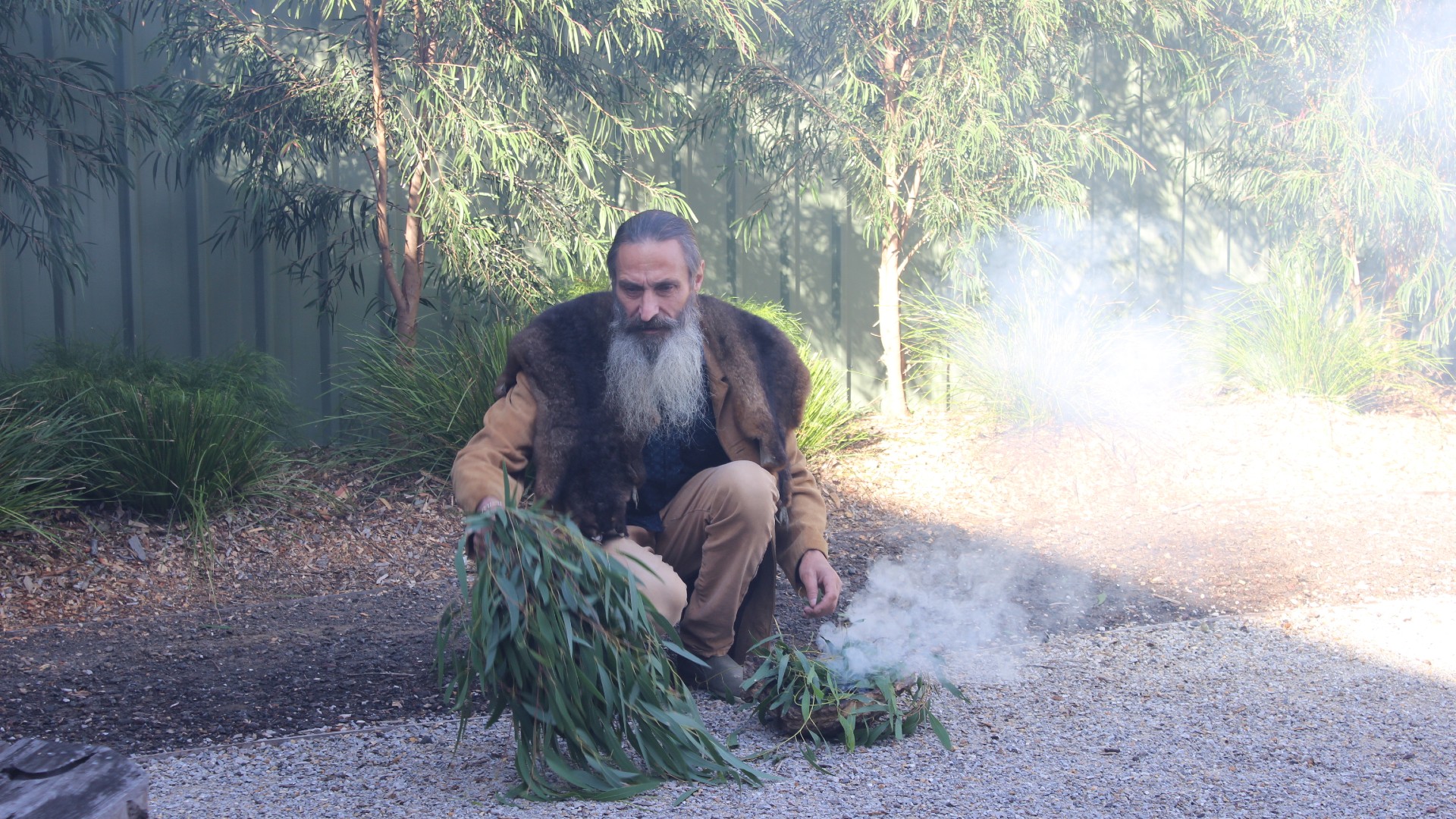
    Mainstream services must engage with Traditional Owner groups if they wish to have a formal “Welcome to Country”.  This can only be conducted by Traditional Owners or Custodians of a particular area across Australia. A Welcome to Country is often accompanied by a Smoking Ceremony to welcome people to their lands.

    I am enjoying learning more and more about these cultural protocols and I hope you will join me so that we can all take accountability for educating ourselves about First Nations people of Australia and their customs and practices.

    https://www.reconciliation.org.au/wp-content/uploads/2017/11/Welcome-to-and-Acknowledgement-of-Country.pdf

    Northern Health acknowledges the Traditional Custodians of the land on which Northern Health’s campuses are built, the Wurundjeri people, and pay our respects to Elders past and present

  • Dr Yiannis: Talk to your doctor about getting a COVID-19 vaccine

    Dr Yiannis: Talk to your doctor about getting a COVID-19 vaccine

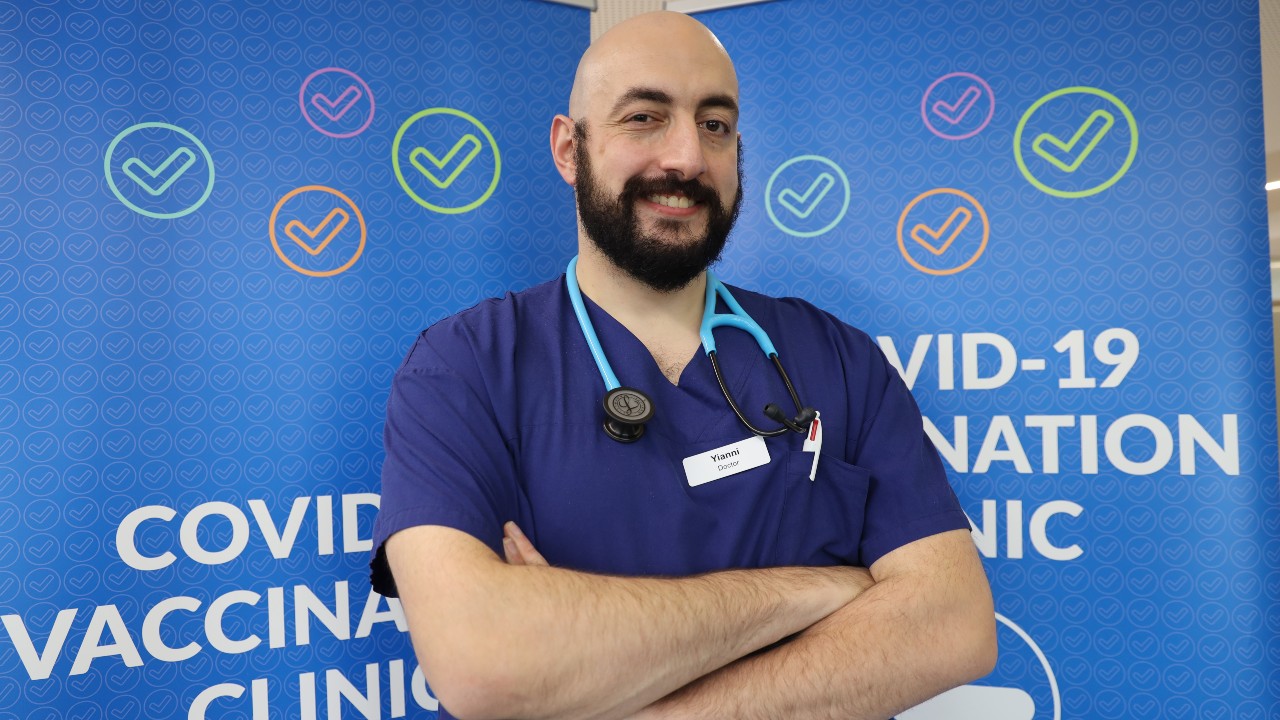
    Dr Yiannis Efstathiadis, Emergency Department Registrar, made headlines last year when he shared his story on contracting COVID-19 and ending up in the Intensive Care Unit (ICU) fighting for life. A year after, and now fully vaccinated, he looks back at the scariest time in his life.

    The 35- year old doctor had all the usual symptoms – fever, headache, muscle ache, joint ache, and worsening lethargy.

    “By about two weeks in, I started to get the dry, annoying cough and by the third week, I couldn’t look after myself. I was home alone, as I had to self-isolate. When I got too weak to look after myself, my wife had to call an ambulance for me,” he said.

    He was first admitted to the COVID-19 ward at Northern Hospital Epping, and during one of the vital checks, the doctors noticed his oxygen levels were 86 per cent. While different treatments were implemented, the levels wouldn’t improve.

    “Then the Intensive Care team came and said I needed to be intubated. I could see my levels, and I knew what the team was coming in for. Working in Emergency, I had a pretty clear idea where everything was heading,” he said

    Yiannis was breathing through the tube for three days. It was a difficult period for him and his family as he couldn’t have any visitors and his colleagues weren’t certain of his outcome. His wife, also a doctor at Northern Health, was the only point of contact for all his family members. Everyone was scared for his life.

    “I stayed in the ICU for four days and after waking up, I had to go to a ward for another couple of days. Then the slow recovery started,” he said.

    Yiannis had to do four months of physiotherapy to get back to normal. His body felt so weak that he couldn’t go up and down the stairs in his house.

    “All my muscles felt so weak and I had no energy. It was very hard to do anything. With my wife’s help, and once I was allowed out of home, we started going out for short walks. I went back to work six weeks after the ICU,” he explained.

    Luckily, Yiannis doesn’t have any of the long-term consequences of the virus and feels lucky to have fully recovered. In March this year, as soon as the vaccines were offered to staff, Yiannis was there to receive his.

    “I went to get my COVID-19 vaccine late March, on day one of staff vaccination. It’s important to get vaccinated and keep our loved ones safe. Even if it wasn’t just for me, if I had given COVID-19 to anyone else last year, especially family, that would be devastating. I have older grandparents, so many young cousins and people around me with underlying conditions that I couldn’t even imagine what would happen if they caught the disease,” he said.

    Yiannis would like to encourage everyone to have a discussion with their doctor and get vaccinated. “If you are hesitant, talk to someone about it and make sure you get your advice from healthcare professionals. Talk to people who know what they are talking about”.

    Please see his message to the community below in English:

    And in Greek:


  • Celebrating NAIDOC Week with children

    Celebrating NAIDOC Week with children

    This week marks NAIDOC Week, an annual event that acknowledges the history, culture and achievements of Aboriginal and Torres Strait Islander peoples.

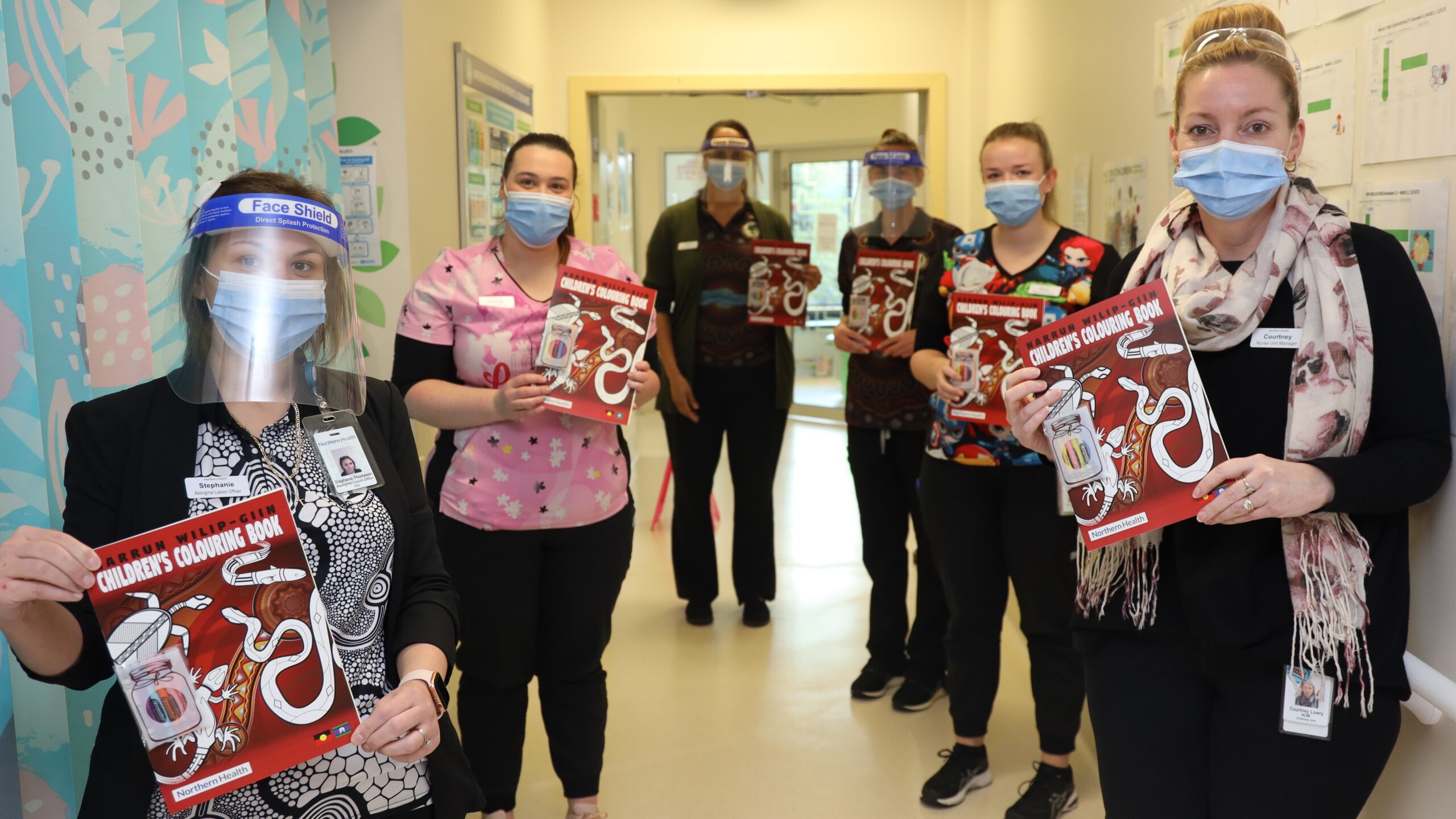
    To celebrate NAIDOC Week, Narrun Wilip-Giin (Aboriginal Support Unit), have kindly gifted Aboriginal designed children’s colouring books, supported by Northern Health Foundation, to all children in the Northern Hospital Epping Children’s Ward.

    The book’s artwork has been created by Gary Saunders, a proud Bangerang, Yorta Yorta, Wiradjeri, Dja Dja Wurrung man.

    In the book is a selection of animals, birds and symbols that are important to Aboriginal people, such as the Kangaroo. The Kangaroo is of cultural and spiritual significance to Aboriginal people across Australia. Their meat has been a source of protein over the centuries and their pelts were used for clothing, rugs, warmth and often crafted into water bags, for carrying water from water holes and rivers.

    The environment is important to Aboriginal people and culture. Karen Bryant, Senior Aboriginal Liaison Officer, said, “caring for country is also necessary for the health of the land”.

    Toni Gabelish, Aboriginal Liaison Officer, said the children were excited to receive the colouring book.

    “Seeing the look on those beautiful little faces receiving such a simple, yet lovely gift is very rewarding,” she said.

    Northern Health acknowledges the traditional custodians of the land on which Northern Health’s campuses are built, the Wurundjeri people, and pay our respects to Elders past and present.

    Levi, with Toni Gabelish, Aboriginal Liaison Officer (back) and Natalie Bloomfield, Clinical Support Nurse (front)

    Featured image: Narrun Wilip-Giin (Aboriginal Support Unit) with Courtney Lowry (far left), Nurse Unit Manager, Children’s Ward and nurses. 

  • Have you submitted your Big Idea?

    Have you submitted your Big Idea?

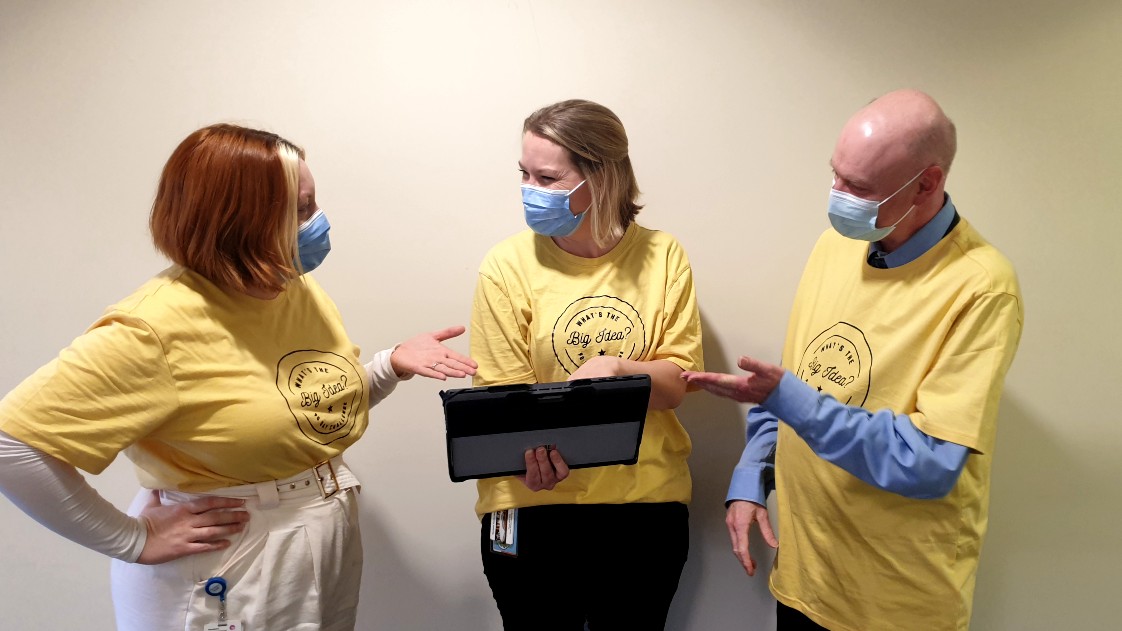
    ‘What’s the Big Idea?’ initiative, launched mid-June invites staff to submit their creative ideas that, if selected, will be turned into successful projects in just 90 days.

    It has been a busy two weeks on IdeaScale, Northern Health’s portal for innovation and idea sharing, with 45 creative and out-of-the-box staff ideas submitted so far.

    “We have quite a range of clinical and non-clinical ideas, a lot of tech ideas like apps and process redesign, ideas on utilising our volunteer service, garden and staff spaces, COVID-19 vaccination, linking with our community, refugee health and research,” said Cassie Bramston, Project Officer.

    “If you want to get your idea in, please submit it now. Even if you don’t have the idea, get on IdeaScale and have a look at the current ideas – you can vote for the ones you like, ask questions and express interest to join the team and make the idea happen,” added Ariana Carrodus, Project Manager.

    Once the idea submission stage is finalised, the ideas will go through the review process by the Innovation Assembly, who will choose the top 15 and then the team will go back and ask the staff member who submitted the idea for more information.

    “We are asking for things like data on the size of the problem, cost associated with implementing their idea, how many people will it impact and similar. If the person who submitted the idea has a support team, that is great, if not – it is fine too, as it’s our job to help staff work out who needs to be in the room to bring the project to life,” Ariana explained.

    “It will be Northern Health staff running the projects and implementing the ideas. If you put the idea in, you will be the one leading the project, with support from Project Management Office and access to experts, like Executive Coach, Business Manager and similar,” she added.

    Both Ariana and Cassie agree a variety of factors will decide on the winning ideas.

    “It’s not a popularity contest, as the Executive have a certain criteria against which all ideas will be measured against. While the staff voting will play a part, it won’t be the only deciding factor. We are looking at how many campuses the idea involves, what is the scale of the project, how many staff will it impact and how will it impact patient care,” Ariana explained.

    Anthony Gust, Director Staying Well, and a member of the Innovation Assembly for the second year in a row, says there is no bad idea and encourages staff to send any idea they might have.

    “We want everything! Last year, we were facing COVID-19, and there was lot of good ideas and innovation energy, that brought the Virtual ED triage, muscular-skeletal project and the EVE app. COVID-19 was forcing us to go digital and thinking about how we interact with our community not going face to face. People were really engaged in change and we are hoping the energy has rolled across to this year as well,” he said.

    Is your idea Human@centre, and has technology@speed and innovation@scale? Submit your big idea on IdeaScale by Wednesday, 7 July at 11.59 pm and good luck!

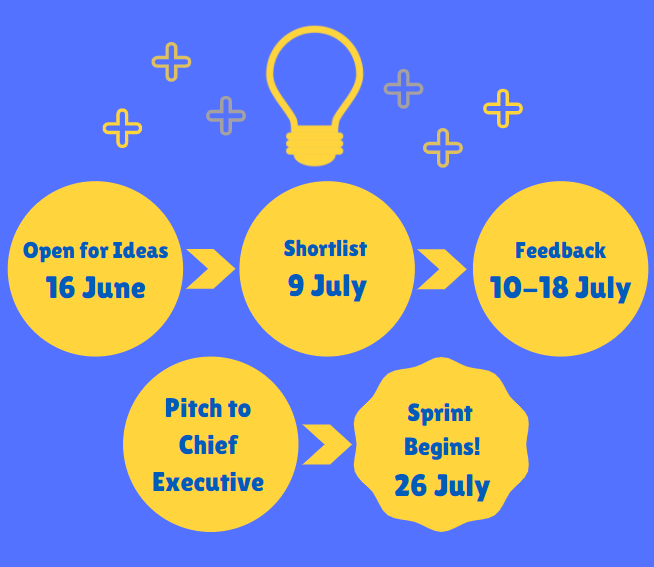
    The timelines are below: