• EMR update: Workshops to reconvene and new project timeline announced

    EMR update: Workshops to reconvene and new project timeline announced

    With the recent spike in COVID-19 cases in Victoria in the past few months, Northern Health’s resources were increasingly focused on the COVID response and a decision was made in September to pause aspect s of the Electronic Medical Record (EMR) project.

    This decision, together with redeploying some of our EMR analysts and senior medical staff back to their substantive roles, allowed our staff to focus on providing patient care for our community.

    During this time, the EMR team took the opportunity to realign and evaluate project activities, as well as plan ahead for 2022/23.

    While COVID-19 continues to place strain on our healthcare workers, the EMR team is taking a considered and pragmatic approach after recommencing Workshop 4 on 22 November. Keeping the best interest of our staff in mind, the workshops are planned carefully to minimise the impact on our Subject Matter Experts (SMEs) but ensure governance is adhered to from a workflow design perspective.

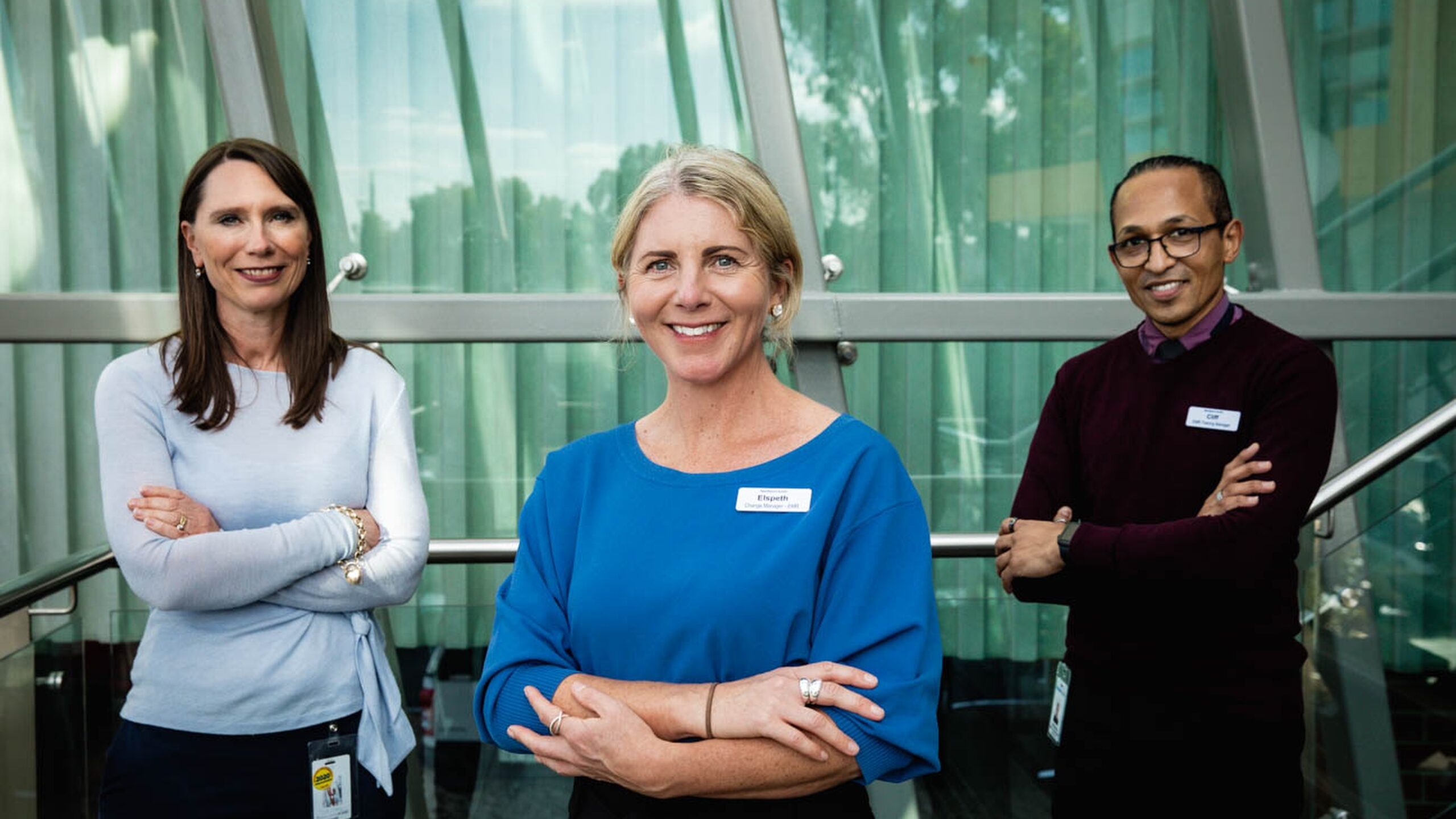
    “We used this time to recalibrate our efforts on refining workflows, design, build and testing of EMR components in preparation for upcoming November workshops. Initiatives to improve stakeholder engagement and maximise their time in this COVID new reality, has also been a joint focus of attention with our partners Cerner,” says Sarai Abel, EMR Application Manager.

    “We are looking forward to the next series of workshops with our SMEs to review workflows such as blood transfusion, maternity and Specialty Nursing Services workflows,” explained Vanessa Reid, Chief Nursing Informatics Officer.

    A new project timeline was announced last week at The Wall with a refreshed go-live date.

    “We will complete our EMR build by July 2022 followed by testing and planning for training in January 2023, with a go-live set for 3 April 2023. It seems far away but it is really just around the corner,” says Trish Aldridge, EMR Director.

    EMR training will take place from January to March 2023. More information on EMR training can be found here. For a detailed project timeline, click here.

    The EMR team is excited to re-engage with staff at the workshops.

  • Our ICT: Stepping up through COVID-19

    Our ICT: Stepping up through COVID-19

    During numerous changes in operations in the pandemic times, our Information and Communication Technology (ICT) team has stepped up to support the frontline workers and keep staff and the community connected and safe.

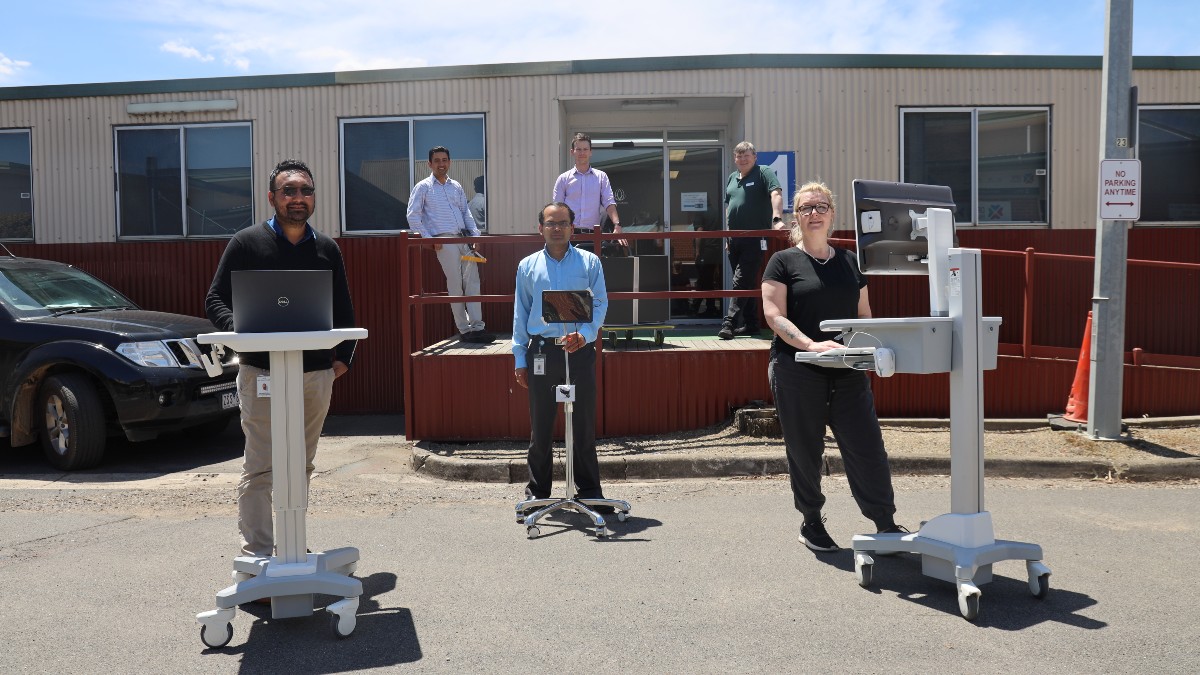
    Vikramjit Multani, ICT Infrastructure Manager, explained how the team has successfully collaborated with other ‘back-of-house’ departments to meet the tight deadlines and get systems up and running.

    “When COVID-19 came along, testing sites had to be quickly set up in Glenroy, Craigieburn, Northern Health and Meadow Heights. Some of these locations aren’t part of Northern Health, and an immediate response and action was needed from our team to set up all the infrastructure and connect them to our systems. As the whole outbreak went through the Hume region, we received a call at 4 pm that the testing sites need to be running from 9 am the following day,” he explained.

    “The team works in collaboration with Capital, Engineering and with the rest of our colleagues, who have stepped up to keep the frontline going. The team pick up tasks and get things done – and there is a great atmosphere in ICT. No complaining – just delivering fantastic results,” said Anthony Gust, Executive Director, Digital Health.

    The expansion of services outside Northern Health premises meant the team had to quickly work through the supply chain and logistics, leverage existing partnerships with suppliers and get new computers and equipment delivered in record time.

    “We have worked on setting up the Outbreak Clinics, La Trobe Clinic for Kids, and the PRACC Vaccination Hub, in partnership with Whittlesea Council. As physical distancing became mandatory, more computers were needed everywhere,” Vikramjit adds.

    Besides supporting testing and immunisation clinics, the team has worked on the IT infrastructure in the new COVID-19 wards, enabling virtual communication between staff and ensuring everything works like a well-oiled machine.

    “The clinicians are doing an amazing job, and we are here to support them. They are the ones who help us do our job, as we are working off their energy to deliver the best we can. The clinicians are going above and beyond, and we are assisting the best we can, so our community is looked after,” Vikramjit explained.

    While the COVID-related tasks had priority, the team worked in parallel to deliver major projects.

    “Work on the major organisational projects hasn’t stopped – we now have a new Data Centre, Follow ME desktops have been upgraded and around 1,400 new computers have been delivered so far. The team is also supporting the new car park development, new IPU tower, nurse communication and so many more initiatives,” Anthony added.

    “The ICT team is amazing and have gone above and beyond to be of service to Northern Health and the community, and I would like to personally thank them,” he concluded.

  • 30 Years of Ian Brand Residential Care: Prof Len Gray remembers

    30 Years of Ian Brand Residential Care: Prof Len Gray remembers

    Ian Brand Residential Care (IBRC) at Bundoora Centre marks 30 years on 24 November. We spoke to Professor Len Gray, who was the first Executive Director of what was then called Bundoora Extended Care Centre (BECC), on his recollections of his time there.

    Professor Gray currently serves as Director of the Centre for Health Services Research at the University of Queensland. Dr Ian Brand, former CEO of PANCH and who IBRC is named after, describes him as, “A first-class geriatrician who took to managing, as to the manner born.”

    How did you come to be involved in starting up BECC?  

    I was appointed to the role by the then Board of Directors. Dr Ian Brand was a BECC Board Member and CEO of PANCH at the time. PANCH managed some of the administrative functions in the early years.

    Tell us more about those early days? 

    When I was appointed, there were 40 acres of land and a site office. I supervised construction and commissioning of the hospital block, the Percy Cleland Wing, the Ian Brand Nursing Home, the community assessment facility and the psychogeriatric facilities.

    We started the service with myself, a social worker and a part time ‘secretary’ as the role was called in those days. Essentially, it was a construction site at that time: A meeting room, two offices and a kitchenette. We conducted home visits and provided a consultation service to the Austin and PANCH.

    From recollection, the hospital building was completed in 1984.

    The Aged Care Assessment Team (one of Australia’s first) commenced in 1984 and the Day Hospital opened in 1985. Hospital wards opened in 1986.

    BECC came to be known as an innovator – lots of pilot and incubator projects: Linkages program; Coordinated Care trial; etc. It was the first site for many state and national programs, including one of the first sites to co-locate geriatric and psychogeriatric services.

    It was also one of the first aged care centres to be computerised. We built our own software that ran on a 20 MB server. We thought that was massive.

    Dr Brand, says, “BECC was built on time and a little below budget.” What are your recollections of working with Dr Brand?

    This was true – Ian was very proud of this at a time when many budgets blew out. He brought system wide know-how, which blended well with our staff’s youthful exuberance and innovative passion. 

    What were some of the challenges you faced?

    Well, the usual – needing to stay within budget, trying to innovate with budgets and performance indicators that support the status quo. Blending the aspirations of state and federal programs on the one precinct, to the advantage of older people in the area.

    What were the highlights of your time there? 

    Developing so many new programs and seeing them replicated elsewhere, and/or adopted as policy.

    Although, by many standards, BECC (now Bundoora Centre) is a young enterprise, it has made important contributions to program development and service design in Australia. Congratulations to all who have contributed over the years!!

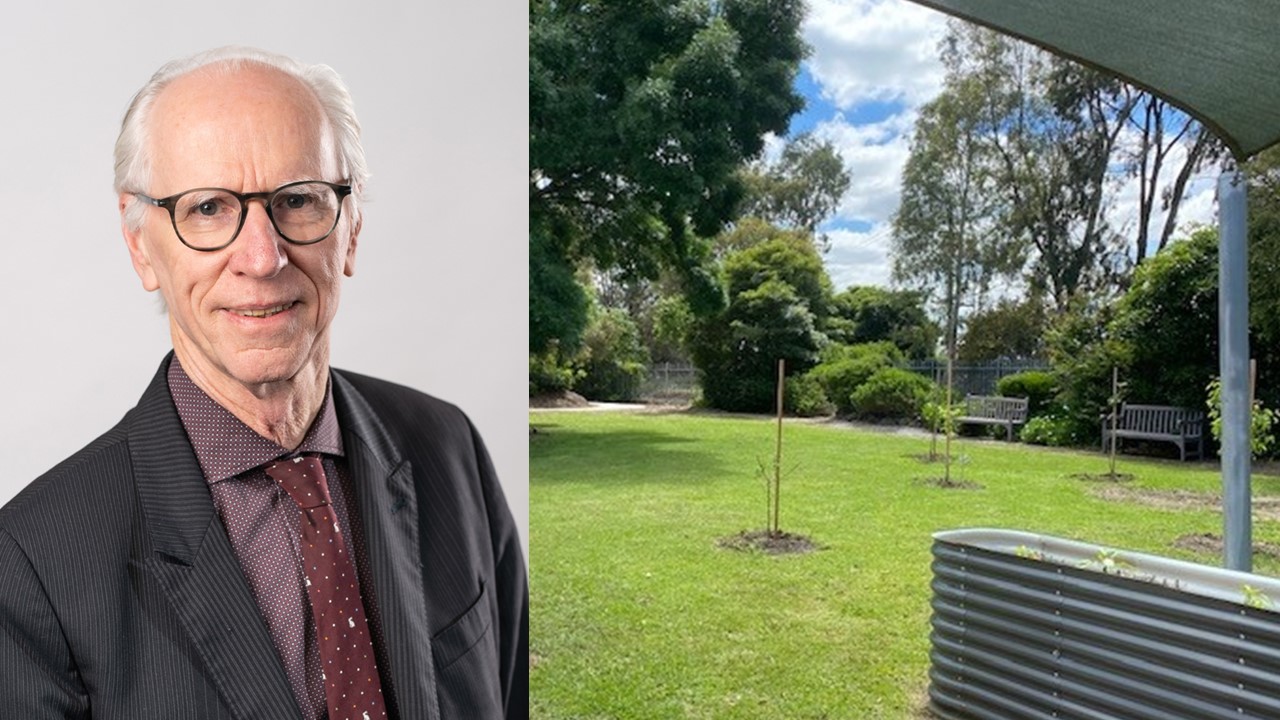
    Featured image shows Professor Len Gray and the grounds of Ian Brand Residential Care.

  • A/Prof Natalie Hannan wins National Health Medical Research Council Ideas Grant

    A/Prof Natalie Hannan wins National Health Medical Research Council Ideas Grant

    A/Prof Natalie Hannan was awarded a National Health Medical Research Council Ideas Grant for the 2021 round (2022 funding) as Chief Investigator A. This proposal was supported by Associate Investigator A/Prof Lisa Hui.

    Lisa and Natalie lead the NCHER Biobank at Northern Hospital Epping, where part of this work will be carried out. Natalie has been funded for her project, ‘Improving the pipeline for translation of therapies for serious complications of pregnancy’.

    Says Natalie, “Preeclampsia and fetal growth restriction are deadly complications of pregnancy, without current therapies for either. Development of treatments is seriously limited and pregnant women are excluded from drug trials, due to concerns for both mother and baby.”

    “We have developed a dedicated pipeline for drug discovery for pregnancy; we will thoroughly test promising drug candidates and advanced delivery strategies. This proposal paves the way for much needed development of therapies for pregnant women,” she adds.

    Says Lisa, “I am one of the two Associate Investigators; the other is Ms Sally Beard, a scientist who is also an honorary Northern Health researcher, who helped set up the Obstetrics and Gynaecology research, NCHER lab and the Biobank.”

    “It is a small team of only two Chief Investigators – A/Prof Hannan and Dr Binder, and two Associate Investigators – a really amazing result to get funded!”

    Prof Peter Brooks AM, Research Lead – Northern Health, had this to say, “‘I am delighted to see the research that has been led by Natalie Hannan and Lisa Hui receive important recognition and funding through an NHMRC Ideas Grant in the latest round.”

    “The success rate for these grants was less than 10 per cent and it is a great testament to these researchers who have established the NCHER Reproductive Biobank over the past two years, that their efforts have been nationally recognised. It also demonstrates the foresight of our Chief Executive, Siva Sivarajah, who has supported the creation and ongoing support for an important part of the project,” he says.

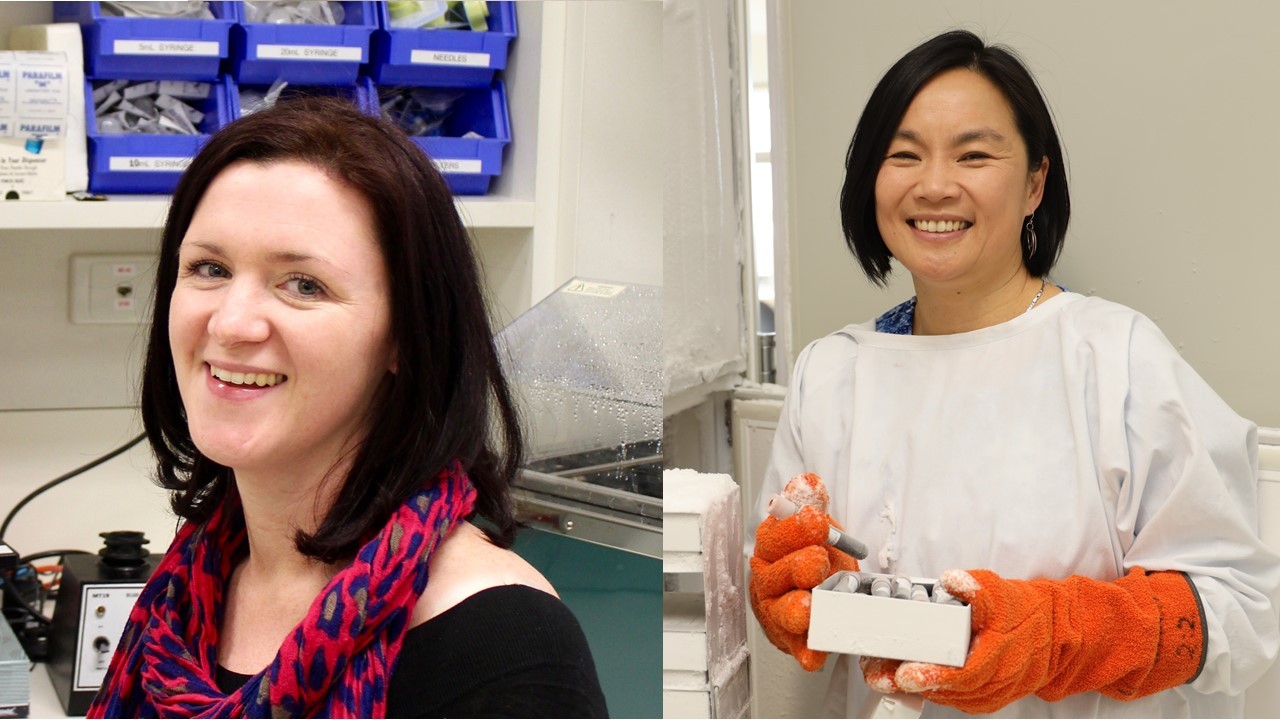
    Featured image shows A/Prof Natalie Hannan and A/Prof Lisa Hui

  • Northern Health Foundation: Shout a Coffee to Healthcare Workers

    Northern Health Foundation: Shout a Coffee to Healthcare Workers

    ‘Shout A Coffee to Healthcare Workers’ is an initiative by Northern Health Foundation for the community to show their gratitude for staff who are working tirelessly to keep our community safe. This initiative complements Northern Health focus on wellbeing by encouraging a little time out.

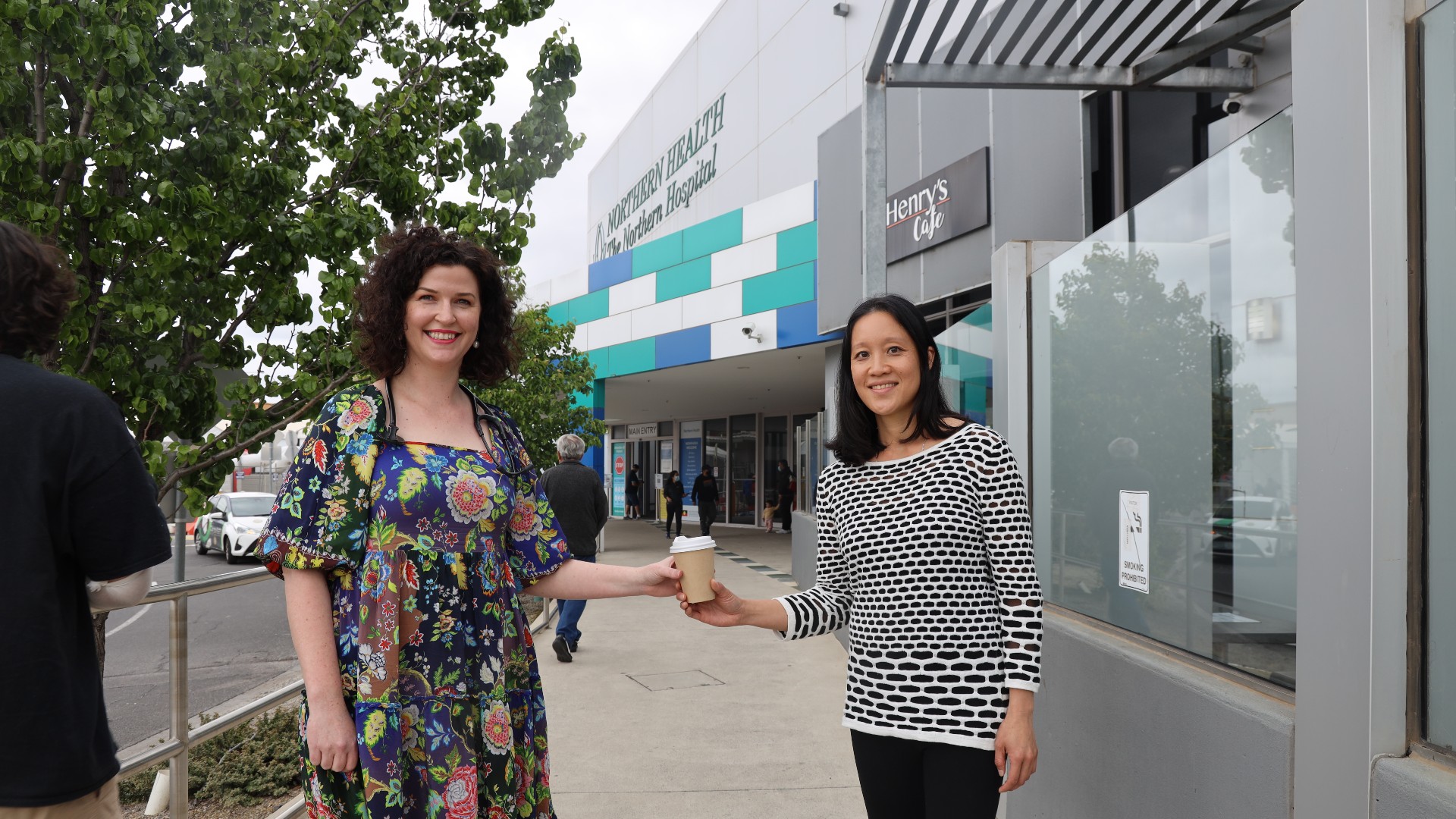
    The campaign which runs till the end of the month, got an extra boost when Northern Health Foundation, Board member Tricia Lee, paid a special visit to Northern Hospital Epping to shout 1,000 coffees for frontline medical staff.

    The Riverlee Foundation has a longstanding relationship with Northern Health Foundation. Over the years, Riverlee have funded important medical equipment for Northern Health, and most recently, a three-year PhD scholarship.

    The Lee family is passionate about giving back to the community and always willing to support a good cause.

    “We are very grateful for the hard work of all healthcare workers in Victoria. They are working so hard to keep us safe. We wanted to do something to show our appreciation. When we came across this campaign, we thought it was the perfect way to connect directly with the staff at Northern Health and to show we care,” says Tricia.

    Nurse Unit Manager, Rhiannon Cooper, is extremely grateful for the recognition saying, “Being in full PPE for up to 12 hours a day is extremely exhausting. However, it’s nice to see the community recognises all our hard work and effort by getting behind the ‘shout a coffee’ campaign and supporting all health care worker across Northern Health campuses.”

    Pina Di Donato, Director, Northern Health Foundation, said, “We thank Riverlee Foundation for their continued support of Northern Health, its staff and community.”

    If you would like to support the Northern Health Foundation, ‘Shout a Coffee’ campaign, please click here: https://support.nhfoundation.org.au/2021-shout-a-coffee-campaign

    Featured in the picture above are Katharine See, Head of Respiratory Medicine, and Tricia Lee, Board member of Riverlee and Northern Health Foundation

  • The library comes to you

    The library comes to you

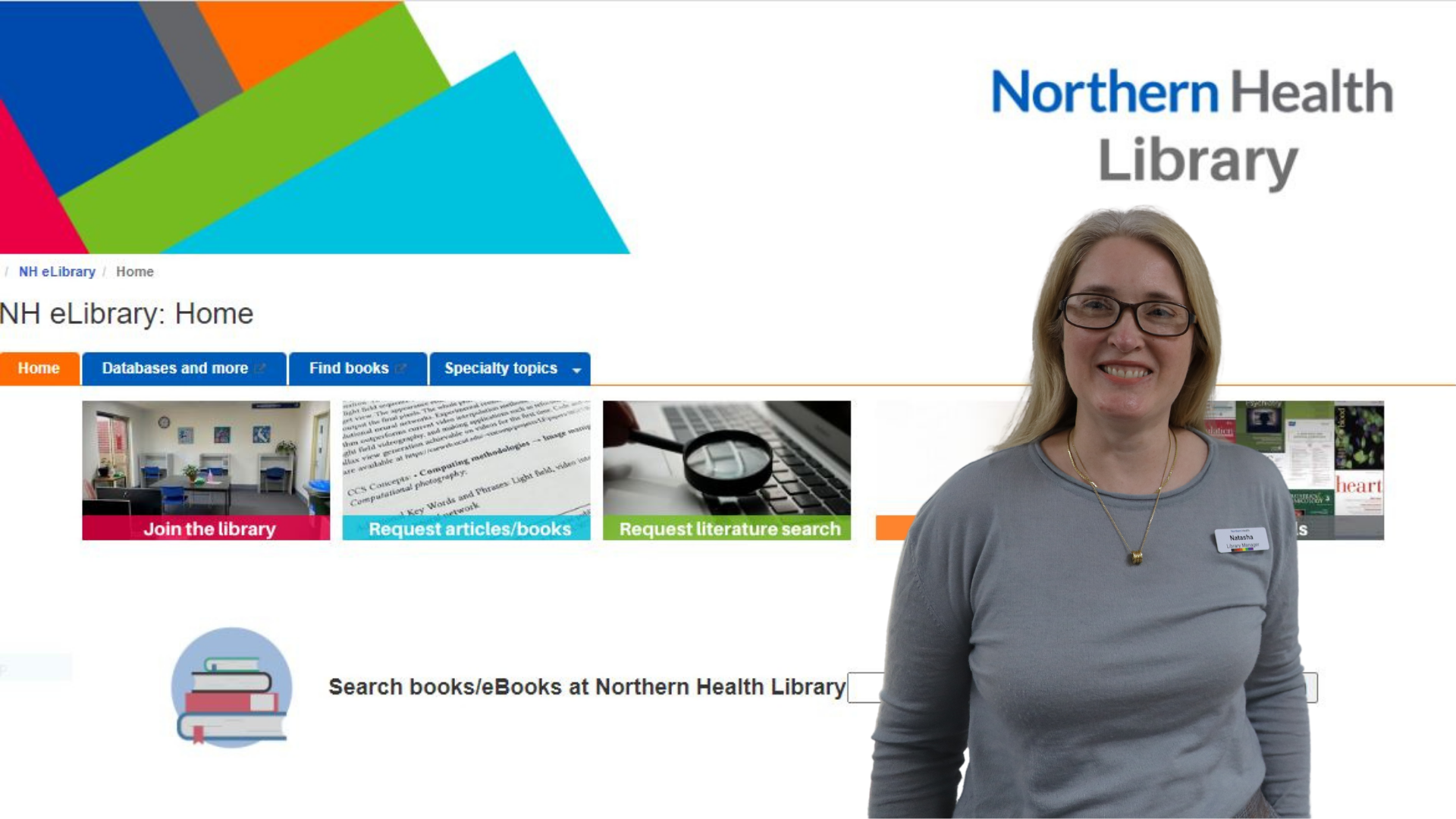
    A new online library service for all Northern Health staff and students has been launched, bringing the library to staff regardless of where they are located.

    The service provides access to a range of evidence-based resources such as medical literature, databases, education tools, eJournals, access to books and eBooks and point of care decision support tools such as UpToDate.

    The eLibrary can be used to submit requests for article sourcing by library staff or access expert search capabilities by requesting a literature search.

    “Both of these valued services help Northern Health staff and students stay up to date with the latest evidence-based thinking and research, which supports excellent patient care and safety,” said Natasha Bradley, Library Manager.

    The service can be accessed via the Library intranet page – the main image activates the eLibrary site. For those working remotely, click here for access. Please note, you will need to be a library member to access library resources from home. Join here.

    The site works on desktops, tablets, computers and smartphones.

    Staff and students can access quality resources to support their day to day work with patients or to conduct their own resource using reliable sources. Finally, staff and students can explore specialty topics like COVID-19, Nursing and Midwifery and HRO – Quality and Safety via the new eLibrary. Anyone interested in developing content for a specialty area should contact Natasha directly.

    “I’m delighted to launch this enhanced online offering of library services and resources to staff and students. We are looking forward to expanding our online information and resources over the next few months. It’s an exciting time for the library.”

    Watch this space for further improvements to eLibrary services and information search.

    Featured image: Natasha Bradley, Library Manager

  • Bicultural workers in the Community Monitoring Program

    Bicultural workers in the Community Monitoring Program

    During the COVID-19 pandemic in Melbourne, we have seen very high rates of COVID-19 amongst first-generation migrants in Melbourne’s north, with over 10 per cent of the 15,000 COVID-19 positive people registered in Northern Health’s support programs identifying as speaking Arabic, Assyrian or Chaldean as their primary language.

    In response, Northern Health’s COVID Positive Pathway program recently recruited a team of bicultural workers to help us better engage with Arabic, Assyrian and Chaldean speakers isolating at home.

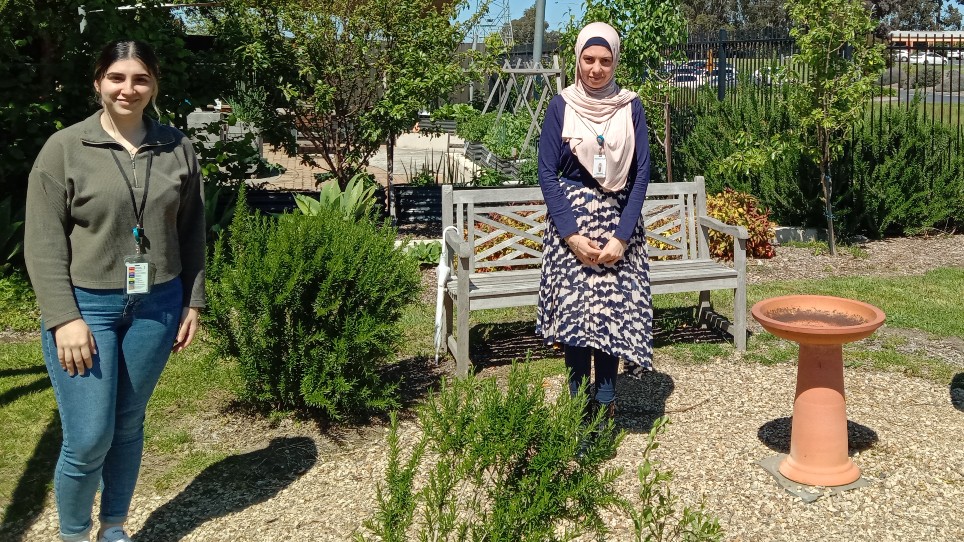
    Flona Yousif and Hala Mehdi were seconded from the Research office at the start of September to work in the service, and Lena Toumayan joined from the Hospital Without Walls program. When asked why they have joined the workforce, Flona says that they both wanted “to ensure all communities are provided with the equal healthcare opportunities and to ensure they find a sense of belonging within Northern Health.”

    Hala, who left Iraq with her family in 2003 after the war, and spent four and a half years in Jordan before resettling in Australia, knows more than most what it is like to build a new life in Australia. She says that “working alongside Northern Health’s COVID-19 Monitoring Program has given me a great sense of meaning and value, knowing that I am able to contribute positively towards helping my community.”

    Flona’s parents immigrated to Australia from Iraq before she was born, leaving all they held close to their hearts behind in hopes for a better future for the family they envisioned of building together.

    Flona says that being born here, but raised among a family and community so rich in its own culture, has meant that she has noticed the gaps between the two and has often acted as bridge between them. She says that has helped her better understand the struggles the community faces – “being part of the Chaldean/Assyrian community myself, I am aware of the limited support that is provided to these individuals in their respective languages. When I was given the opportunity to work as a bicultural worker for Northern Health’s COVID-19 Monitoring Program, I found great joy to able to voice the needs and struggles of these individuals, to not only help them receive the best quality of care but also ensure their wellbeing is prioritised here at Northern Health.”

    When asked how they think the community might feel about these new roles, Hala and Flona report that the “community has voiced its appreciation for the support, informative information and generous aid that has been provided by the team.”

    The rest of the 12-person team were recruited from the northern community, including overseas-trained doctors, pharmacists and a lawyer, university students and people working in allied health roles.

    Isra’a Al-Jumaily, a GP who qualified in Iraq and worked with ‘Doctors Without Borders’ and ‘Iraqi Red Crescent’ in Jordan, explained her approach to the role.

    “If you listen to the patient, you can understand how they are thinking about their symptoms. I know the way people communicate in our culture and what health care they had. I help them to stay calm so they can give me accurate information,” she said.

    Fatemeh Sayahi, an asylum seeker who is working in the oximetry team, explains one monitoring call that stands out for her.

    “I was calling a family who had not filled out the online symptoms survey. When I asked if they need help, they said yes because it was too hard to understand and too many questions. We started the call in English but the dad and mum were both struggling so I asked what language they wanted to speak. He said Arabic, she said Persian and both were happy when I could talk fluently with them.”

    “The community have felt a greater sense of belonging and comfort knowing that Northern Health is committed to providing them with the best care possible in their own languages,” Hala added.

    If you would like to learn more about bicultural workers and how they might be able to assist in your unit, work area or program, please contact Rebecca Jessup on rebecca.jessup@nh.org.au or Janet Pelly on janet.pelly@nh.org.au.

    Featured image (left to right): Flona Yousif, Hala Mehdi and Lena Toumayan

  • Q&A with Dr Faye Zaibak, Director, Research Operations

    Q&A with Dr Faye Zaibak, Director, Research Operations

    In this week’s ‘Q & A’, we chat with Dr Faye Zaibak, Director, Research Operations, who has been in this post for just over two months.

    What’s your coffee order?

    Tea, no milk or sugar. I am really loving my ginger tea at the moment.

    Tell us about your time so far at Northern Health?

    I am blessed to have such a hardworking and dedicated team. I have not met most of the team or researchers in person, as they are seconded to COVID-19 response, which presents a challenge to the continuation of our essential service. Everyone is willing to help the office, and I am grateful to each and every one of them. I see such great research potential at the Northern. I hope to continue all the great work achieved to date, and work with the team to ensure Northern receives the recognition it deserves.

    What does a typical day look like for you?

    There is a great deal of legislation and regulations that we must follow to ensure we work with integrity and are safe, compliant and ethical. The Research Office is the engine that keeps research moving. One of the big projects we are working on is accreditation with the National Clinical Trials Governance Framework. The tasks in my day vary significantly, all tasks have the following goal; to make research accessible to our patients and easier for our researchers. I believe passionately that it is only via high quality research that we can truly make an impact on the lives of our patients. We have a very big challenge ahead of us as a team, to move the office into a role that develops and supports research projects, so researchers and the organisation can realise their potential, and efficient and timely ethics and governance approval is seen as just one of the many rewards for our efforts.

    How has COVID-19 impacted your work?

    Seventy per cent of my team are seconded to COVID-19 response and those left behind in the office are going above and beyond to facilitate research. I am very proud of all the team, working for the greater good for the benefit of the hospital and our patients. Research across the sector has been significantly impacted by COVID-19. Project recruitment has decreased, some projects have had to be put on hold or adapt to virtual protocols, project approval time has been delayed and training opportunities put on hold. If COVID-19 has shown us anything, it is the value of quality research and the impact that great research can have on saving lives. Most importantly, we have learnt that the Northern has an important role to play in advocating and supporting our community’s access to the latest research and that the Northern has the talent and commitment to achieve this goal.

    What was your career before Northern Health?

    I started my career as a researcher working at the University of Melbourne, the Murdoch Children’s Research Institute and the Cord Blood Bank. My supervisor, the late Panos Ioannou, was part of the team that cloned and sequenced the human genome. It was such an exciting time to be a researcher. Inspired, I established my own research program directly after completing my PhD, under the mentorship of Professor Williamson. We were the first in Australia to successfully culture cord blood stem cell lines, that are still used today. I had caught the research bug well and truly. I believe research is an important pillar of a successful academic and medical facility, an opportunity for talented staff to make a difference in the lives of our community.

    Moving to research management was a natural progression for me as I could better serve to facilitate research. I have worked in Universities, Hospitals and in Medical Research Institutes in roles including as manager of biosafety, ethics, grants, research performance and infrastructure; as Acting Director of Research; and General Manager of Research. In such a highly regulated environment, the research office plays an important role in facilitating and supporting research. I feel honoured to be back at my local hospital. There is so much more we can do to support research to the benefit of our community. I am excited about working with the team at Northern to ensure we are engaged learners and inspired researchers.

    What would people be most surprised to know about you?

    On Saturday, I hosted a Harry Potter themed dinner. The front yard was all decked out for Halloween too, we did not give out treats this year, but put on a spectacular show for the local children. I love entertaining and theming up social events with family and friends. Christmas is particularly special in my household, and of course the house is all decked out to spread the festive cheer.

    What do you like to do in your free time?

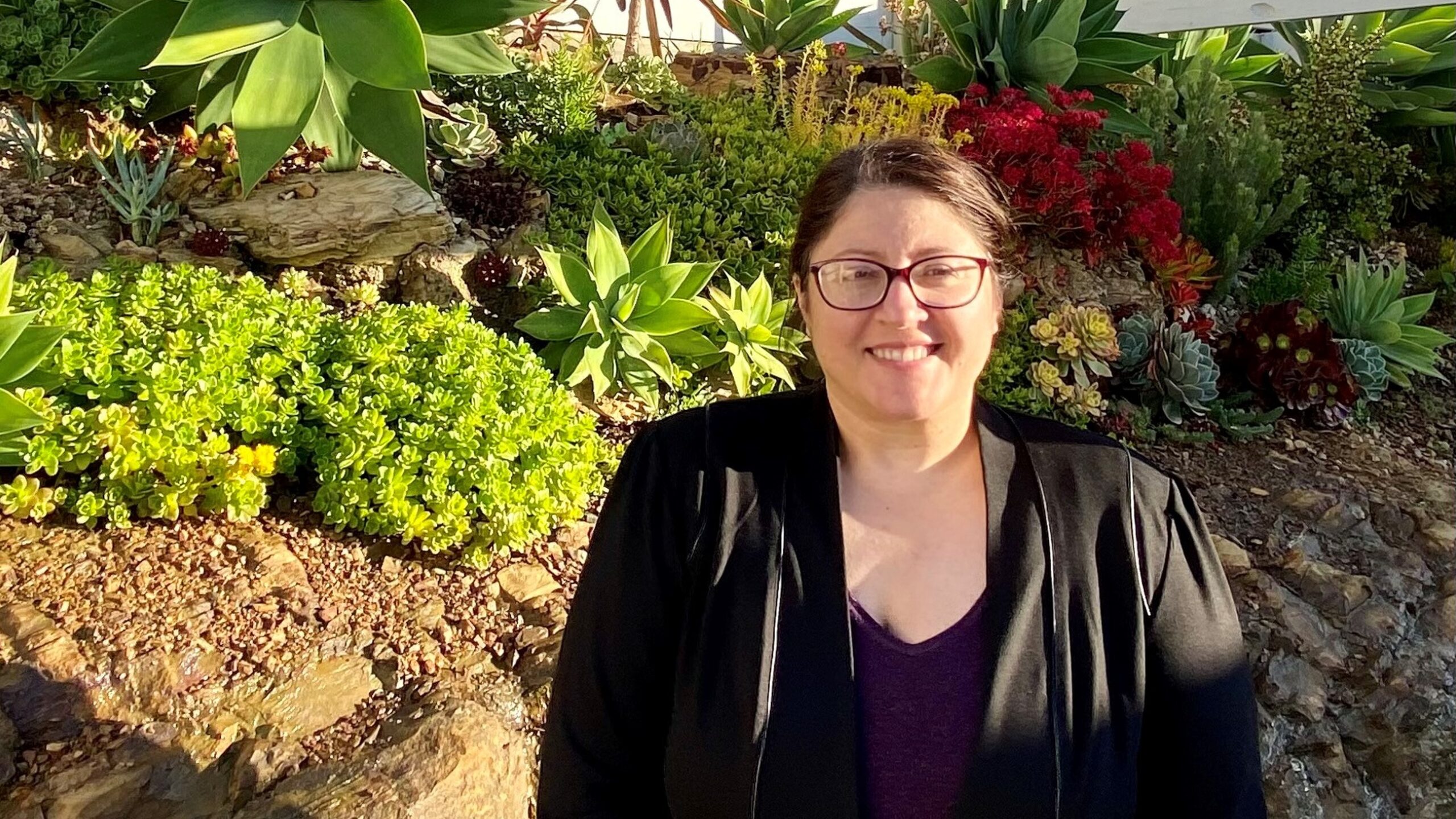
    I love nature. I have built a 13 metre succulent wall in my backyard with over 100 species. Not a day goes by that I am not amazed by the wonder of nature. Every day there is some new bloom to admire.

    If you could describe Northern Health in one sentence, what would it be?

    Committed to serving and supporting the community.