• Bringing research into practice

    Bringing research into practice

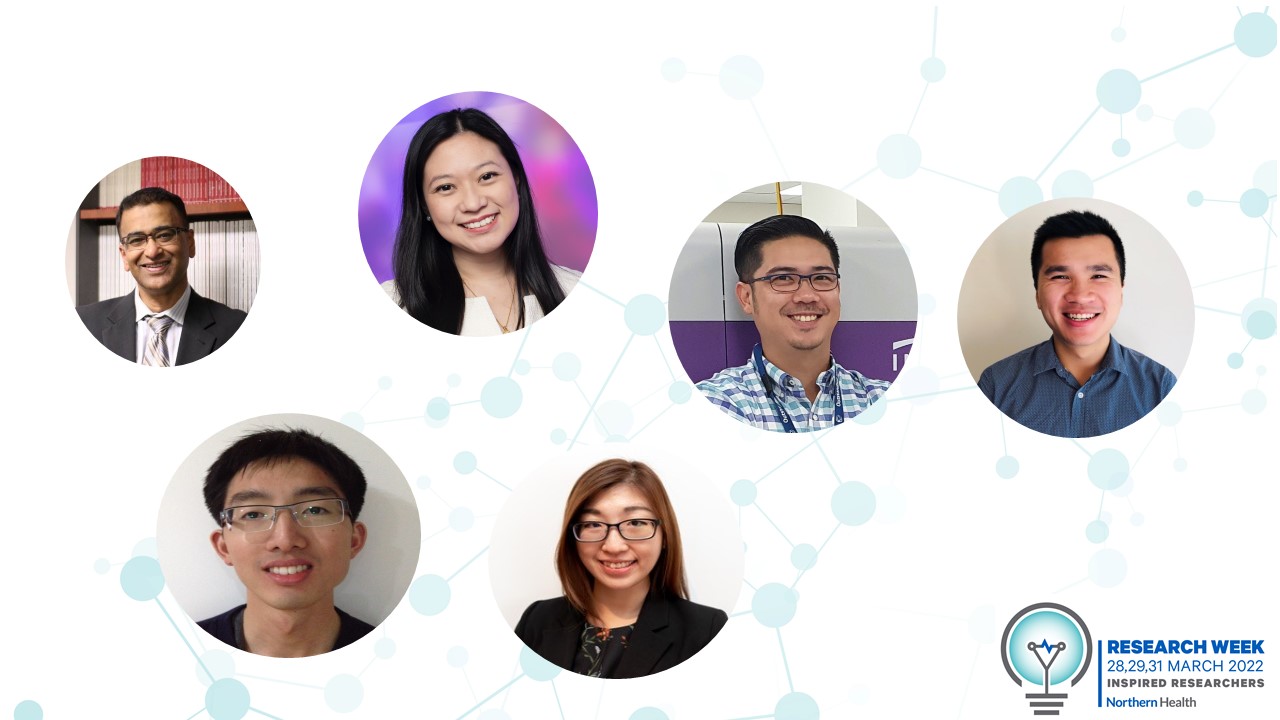
    Research Week at Northern Health annually showcases a range of local and innovative research projects and presentations from research leaders around the world.

    One of the objectives of Research Week, says Faye Zaibak, Director of Research Operations, is to showcase our home grown talent and show how “Northern Health is meeting our community needs and bringing research into practice.” See our story here.

    A good example of this, is the webinar ‘Thrombosis & Cancer – What is new?’ on 29 March at 10 am, organised by Northern Health Diagnostic and Cancer Services. Click here for the flyer.

    The webinar, hosted by A/Prof Prahlad Ho, Divisional Director, Diagnostic & Outpatient Services and Cancer Services, will address common clinical dilemmas, including optimisation of Venous Thromboembolism (VTE) care and evaluate new models for managing out of hospital cardiac arrests.

    With the exception of Prof Harshal Nandurkar, Head of the Australian Centre for Blood Diseases, Director of Clinical Haematology at Alfred Health and Director of the Alfred Cancer Program, on the subject of ‘Designing a novel treatment for post cardiac arrest syndrome’, all the other speakers at the webinar are ‘home grown’.

    They include Mr Niki Lee, Senior Haematology, Coagulation and Blood Bank Scientist, Dr Brandon Lui (BPT 1 trainee and researcher), Dr Kay Weng Choy, Chemical Pathologist, Dr Chong Chyn Chua, Head of Malignant Haematology, Head of Acute Leukaemia/MDS and Haematology Clinical Trials Lead and Dr Belinda Lee, Head of Cancer Clinical Trials, Cancer Services Research Lead, and Consultant Medical Oncologist.

    Research Week 2022 celebrates our inspired researchers. Click here for more details and the complete program.

    Interestingly, COVID-19 features in only one presentation (‘Overall haemostatic potential identifies greater severity of COVID-19 infection’ by Mr Lee), with the majority looking beyond the pandemic at topics that took a back seat to COVID-19.

    “What it points to, is that research, despite all the challenges of COVID-19, has been progressing on many fronts, here at Northern Health,” says Prahlad.

    “It underlines the importance of collaboration and partnership – especially with our northern community.”

    Collaboration is also the theme of the last presenter at the webinar, Dr Belinda Lee. The PURPLE translational registry was established by Dr Lee in 2016 with the aim of increased collaboration between centres and accelerating translational research in pancreatic cancer. To date, over 43 cancer centres have joined the PURPLE pancreatic cancer network. Belinda will discuss how we can build a sustainable ecosystem in pancreatic cancer research with examples from the PURPLE registry.

    “There is a growing urgency to address pancreatic cancer which has seen a 60 per cent acceleration in incidence rates in Australia since 2002. Globally it is predicted to become the second lead cause of cancer related death. These statistics are also impacting our own community here at the Northern,” says Belinda.

    “With this in mind our trials unit will soon be opening two new pancreatic cancer trials in addition to the work we are already doing to improve outcomes,” she adds.

    Could it be Northern Health researchers that help provide the answers?

  • Targeting rehab patients

    Targeting rehab patients

    A program targeting more intensive rehabilitation for patients is being trialled at Northern Hospital Epping.

    The Targeted Acute Rehabilitation Program (TARP) aims to provide targeted and more intensive rehabilitation in the acute setting for patients flagged for GEM or rehab, with the hope of discharging patients directly home and avoiding a subacute admission. The program is also expected to help reduce subacute waitlists.

    TARP initially ran as a trial at Northern Hospital Epping in 2018 for 20 weeks. Now, the program will run again as a longer trial until February 2023, with hope for it to become a permanent fixture at Northern Health.

    James Walker, Physiotherapist and Project Lead, said the 2018 trial was favourably received by patients and staff.

    “About 44 per cent of patients were discharged directly home and there was a low readmission rate,” he said.

    “It also reduced our subacute waitlist significantly, there was significant functional improvements and there was a positive evaluation from participants and staff.”

    “We hope to demonstrate a similar effectives across a longer trial period over the coming year. After February 2023, if we can demonstrate an effective program, we will look to advocate for it to become permanent.”

    The key patients targeted in the program must be medically stable, able to tolerate a higher intensity of therapy and are flagged for subacute but have the potential to discharge home if seen more often.

    To become involved in the program, patients needs to be referred and also have multidisciplinary goals.

    “We have seen anything from strokes to hip fractures to UTI’s, as long as they are medical stable and will benefit from increased therapy,” James said.

    “We will accept referrals from neuro, medical, surgical, orthopaedic ward allied health team members who have initially assessed patients on the ward and determined their suitability for our program.”

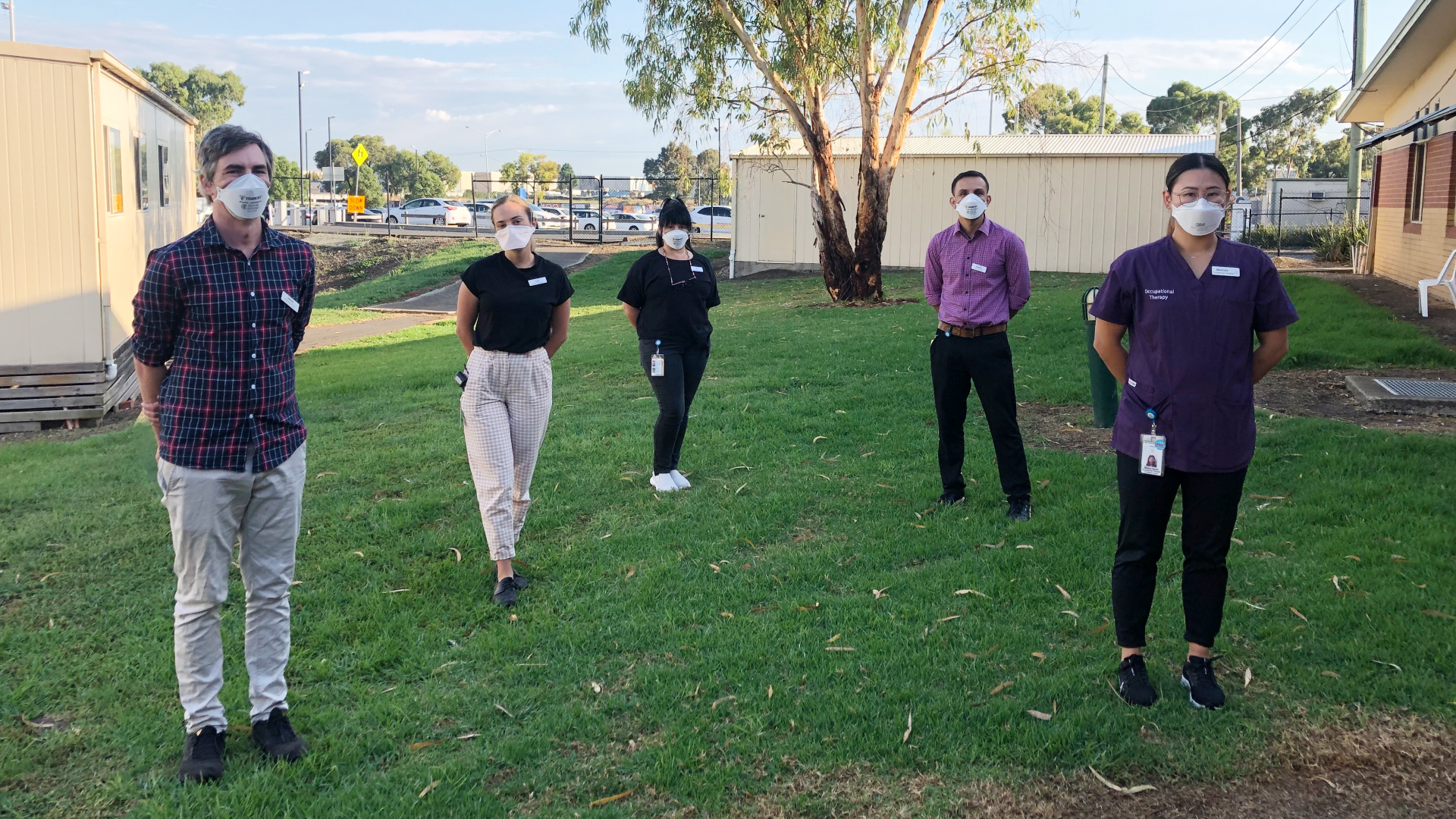
    The program is offered to patients Monday to Friday, with a roving team consisting of Julia Layer, Physiotherapist, Janet Stavely, Allied Health Assistant, Belinda Huynh, Occupational Therapist, Subash Adhikari, Social Worker and James Walker, Physiotherapist and Project Lead.

    Featured image: TARP team members

  • From theatre to ICU: Nursing secondment

    From theatre to ICU: Nursing secondment

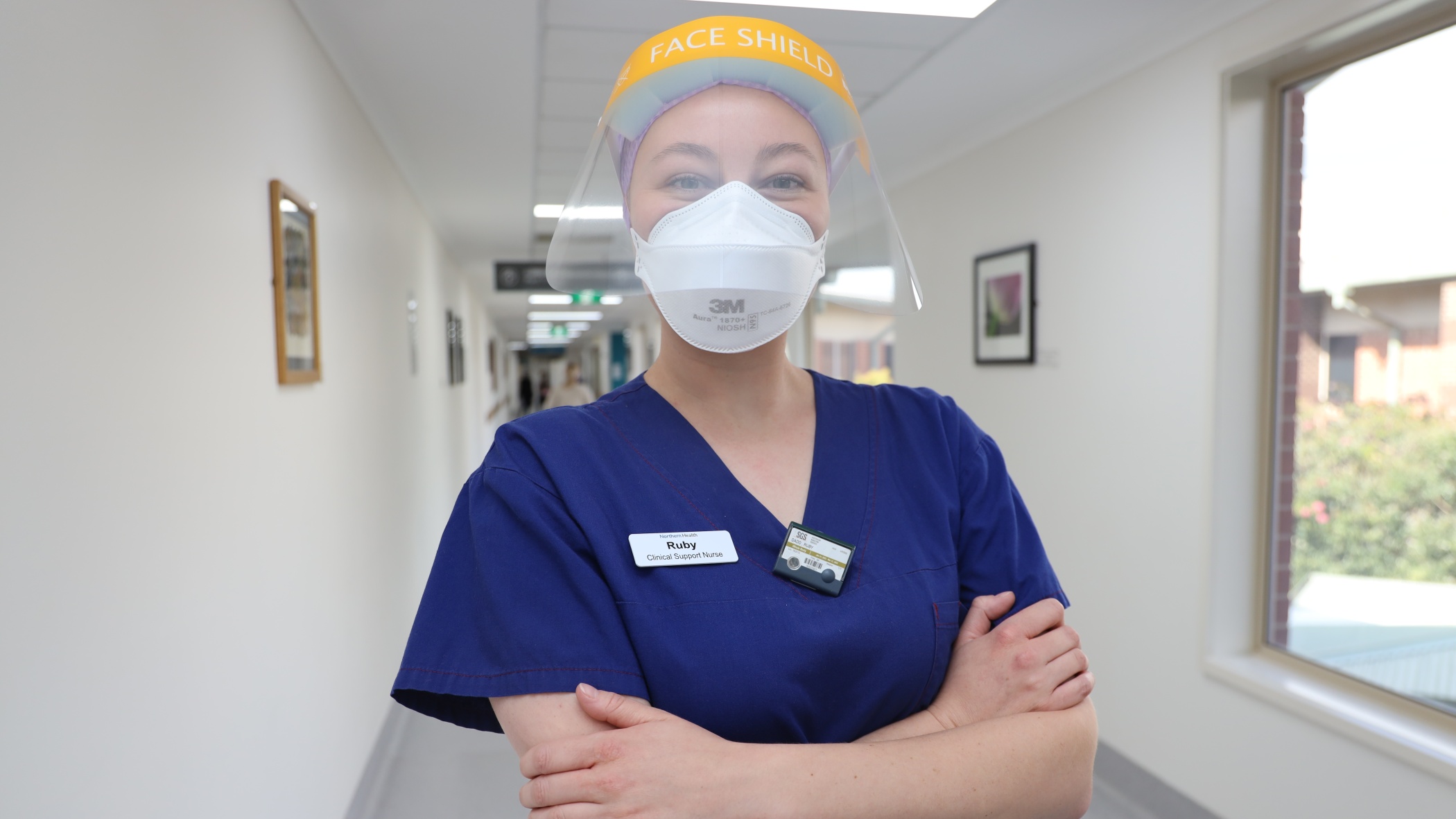
    When the second wave of COVID-19 took hold in Victoria in late 2020, theatre nurse, Ruby Dadd, pivoted to work in our ICU temporarily to assist her colleagues amid increasing cases. Ruby says she was initially anxious, however, thought it would be an amazing learning opportunity, and would allow her to obtain a new set of clinical skills.

    When another wave hit in late 2021, Ruby was happy to return once again to our ICU and play her part in caring for critically ill COVID-19 patients.

    We recently spoke with Ruby to find out how she made the most out of her secondment. Ruby was also recently featured in the Australian Nursing & Midwifery Journal – read her story here. 

    How long have you been a theatre nurse for?

    I have been a theatre nurse for five years, having completed a Postgraduate Certificate in clinical nursing, specialising in anaesthetics. Prior to my secondment to ICU, I  was working at Northern Hospital’s general operating theatres as a Clinical Nurse Specialist and Clinical Support Nurse, specialising in both anaesthetics and recovery nursing.

    Did you have to undertake any additional training to work in ICU?

    In 2020, I completed the SURGE High Dependency and Critical Care online rapid upskilling courses. When first starting my redeployment into ICU, I had supernumery shifts with Critical Care Registered Nurses (CCRNs) who demonstrated how to structure a shift in ICU and went over some of the clinical skills that would be used frequently.

    Once starting to take patients independently, a model was set up by ICU so that there were a few CCRNs floating each shift as resources for the redeployed staff, providing some extra support when completing tasks or faced with new situations.

    Take us through a typical day working in ICU on the frontline amid the COVID-19 pandemic.

    I am caring for ICU patients independently, often looking after COVID-19 positive patients. These patients require varying levels of advanced life support, many of which are on some form of invasive ventilation, often intubated or with a tracheostomy. Some patients are requiring full ventilator assistance, while others we are assisting to wean off a ventilator so they can go on to breathe independently again when recovering from COVID-19. This involves constant assessment and treatment of a patient’s sedation and haemodynamics, often titrating numerous infusions and oxygen levels to accomplish safe target ranges for each individual.

    Throughout each shift, I am working closely with the intensivists and ICU registrars to continuously re-evaluate and manage critically ill patients through a variety of tests, procedures and assessments.

    COVID-19 has changed the way in which we function as nurses, from the full PPE required during treatment of patients in high-risk zones, daily self-swabs, social distancing and the exhaustion that comes with all of these factors. Communication has become more arduous with masks and face visors preventing the exchange of a smile or the ability to read a person’s lips, while plastic gowns can make working shifts very uncomfortable and tiring. Reduction in the numbers allowed in tea rooms means that catching up with colleagues, getting to debrief or provide another co-worker some support has become difficult. I am grateful to be surrounded by some amazing nurses who reach out through other methods to check-in, give encouragement and offer support.

    What synergies and differences have you discovered between the operating theatre and ICU? 

    We do care for ICU patients in theatre, and provide care for them immediately post-operatively in the recovery room. We also frequently assist with intubations and are around ventilators, as well as assist with the insertion of invasive devices such as arterial and central venous lines. However, in theatre, the nurse does not have the sole responsibility for the management of these devices, as an anaesthetic nurse is working alongside and assisting an anaesthetist throughout a case, and patients are extubated prior to coming out to the Post Anaesthesia Care Unit (PACU) nurse. On the other hand, an ICU nurse is required to manage a patient who remains intubated, and regularly access invasive devices, throughout a shift. There is a lot more autonomy for the ICU nurse, and more responsibility placed on them in regards to ensuring a patient is being ventilated safely and appropriately.

    I am grateful that some of the ICU nurses were so kind and understanding about how overwhelming it is to start out in a completely new environment. They made me feel like I could reach out for support during my shifts if needed.

    What have you learned most about yourself from this experience so far, both professionally and personally?

    I think, throughout my redeployment, I have learned not to doubt myself. It is completely normal to feel anxious when faced with change and unknown circumstances, and I have proven to myself that I have the resilience to deal with difficult situations, adapt and take on a huge change. Professionally, I have learnt that I have the capacity to apply myself and my clinical knowledge and challenge myself to develop the skills required to work effectively in a highly critical clinical environment.

    I am proud of myself for having played a significant part in the fight against COVID-19, supporting my hard-working colleagues and helping numerous patients to recover from life-threatening situations.

    What advice would you give an early career nurse about the benefits of secondment?

    Secondment is a really great way to experience a clinical area that is new to you and is a fantastic learning opportunity. It allows you to gain valuable skills that will carry over into other areas of nursing and can be applied to your chosen area. In particular, with a secondment into ICU, there are so many amazing learning opportunities to be taken back to your area of nursing, such as managing clinical deterioration and being involved in the use, insertion and management of a variety of invasive lines and airway devices. It is also a fantastic way to establish hospital-wide connections which may assist with your career progression.

    How do you hope to use the skills and development you have gained from this secondment to shape your next chapter in nursing in the operating theatre?

    I have a much greater understanding of ventilator settings, which I will be able to relate to cases in the operating room and hope to pass on a more in-depth level of knowledge about mechanical ventilation to the future anaesthetic nurses of Northern Health through my Clinical Support Nurse role. I also hope to be able to identify and deal with clinical deterioration more efficiently, and utilise all of the clinical knowledge and skills I have gained, to provide optimum care for my patients while in the anaesthetic or recovery nurse role.

    Although overwhelming and exhausting at times, I have enjoyed the experience and am grateful to have gained a multitude of skills that I will carry with me for the entirety of my nursing career.


  • National Advance Care Planning Week

    National Advance Care Planning Week

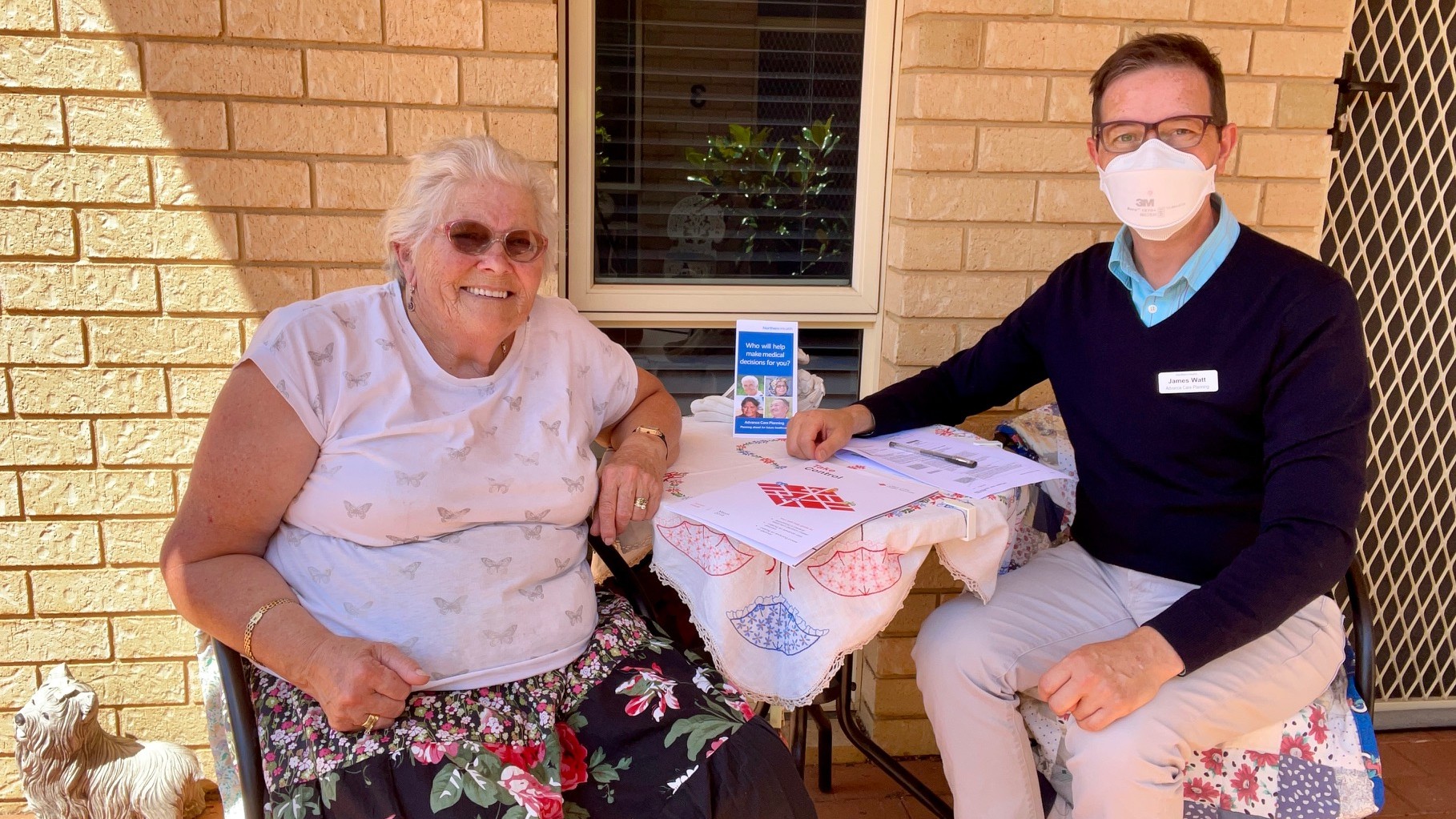
    This week is National Advance Care Planning Week (21-27 March). To mark the occasion, James Watt, the Program Manager for Advance Care Planning at Northern Health, spoke with one of his patients, Else Tombs, to find out her reasons for writing an Advance Care Directive.

    Else is a strong voice for the benefits of Advance Care Planning. Her experiences, including 42 years working as a nurse, provided strong motivation to ensure her values and healthcare preferences are honoured, if a time comes when she isn’t able to speak for herself.

    James first met Else at her home with her granddaughter in May 2021 and assisted her with the process of Advance Care Planning. This included thinking and talking about her future healthcare preferences, writing an Advance Care Directive and appointing a Medical Treatment Decision Maker.

    Else says she first made the decision when her sister was given only six weeks to live.

    “My sister and I were close. She didn’t want to prolong her life and refused some of the treatments. I also saw what happened to my husband when he died. He was suffering and he would have wanted to go sooner. Watching that was terrible. I wouldn’t let them do that to him now – I would have said to let him go with dignity.”

    “We had someone come and talk to us at my seniors group about Advance Care Planning. I asked my niece to help me fill in the forms.”

    Then, about five years later, she contacted James to help her update her documents.

    Else says despite being reminded of her sister and husband, she felt better once she had completed the plan, “It had to be done,” she says.

    Else has this advice to those considering Advance Care Planning, “You have to have a plan if you want your wishes known.”

    “National Advance Care Planning Week is the perfect time to start a conversation with loved ones about what’s important to you,” adds James.

    “Not everyone will want to write an Advance Care Directive but I believe it’s important we share our values and preferences with our loved ones, so they are well equipped to make healthcare decisions for us in the future if we are unable to do so ourselves.”

    If you’d like to learn how to have more effective Advance Care Planning conversations with your own family and with your patients, visit the Northern Health Advance Care Planning intranet pages for further information and staff education opportunities.

    Featured image: Else Tombs with James Watt

  • Harmony Week: Everyone belongs

    Harmony Week: Everyone belongs

    Harmony Week celebrates Australia’s diverse multiculturalism, and recognises inclusiveness, respect and belonging for all Australians, regardless of cultural or linguistic background.

    Harmony Week is celebrated during the week that incorporates 21 March – Harmony Day – which is the United Nations International Day for Elimination of Racial Discrimination.

    Nearly half of all Australians were born overseas, or have at least one parent who was. Since 1945, 7.5 million people have migrated to Australia, with each culture and tradition enriching our nation.

    Here at Northern Health, our patients are born in 223 countries and speak 109 different languages.

    Our Transcultural and Language Services (TALS) team currently have 40 in-house interpreters covering 18 languages – Arabic, Assyrian, Chaldean, Turkish, Italian, Greek, Macedonian, Vietnamese, Mandarin, Cantonese, Persian, Nepali, Croatian, Serbian, Bosnian, Hindi, Punjabi and Urdu.

    Arabic is the most requested language by patients and staff for our TALS interpreters, with 12 interpreters on hand.

    Our TALS team tell us what Harmony Day means to them.

    “We live in happiness, we don’t accept discrimination,” said Dilven Oghanna, Assyrian Interpreter.

    “Everyone lives in an equal and peaceful society,” said Myla Nguyen, Vietnamese Interpreter.

    “Harmony Day means that all people belong and no one should be left out for whatever reason,” said Jessica Forbes, Student Admin.

    “Let’s celebrate the multicultural day together,” said Kire Stankovski, Macedonian Interpreter.

    “On Harmony Day, we celebrate the diverse culture of Australia,” said Sally Yu, Mandarin and Cantonese Interpreter.

    “Let’s celebrate our cultural diversity,” said Stefania Zen, TALS Manager and Italian Interpreter.

    To get involved in Harmony Week celebrations, Australians are encouraged to wear something orange to show their support for cultural diversity and an inclusive Australia.

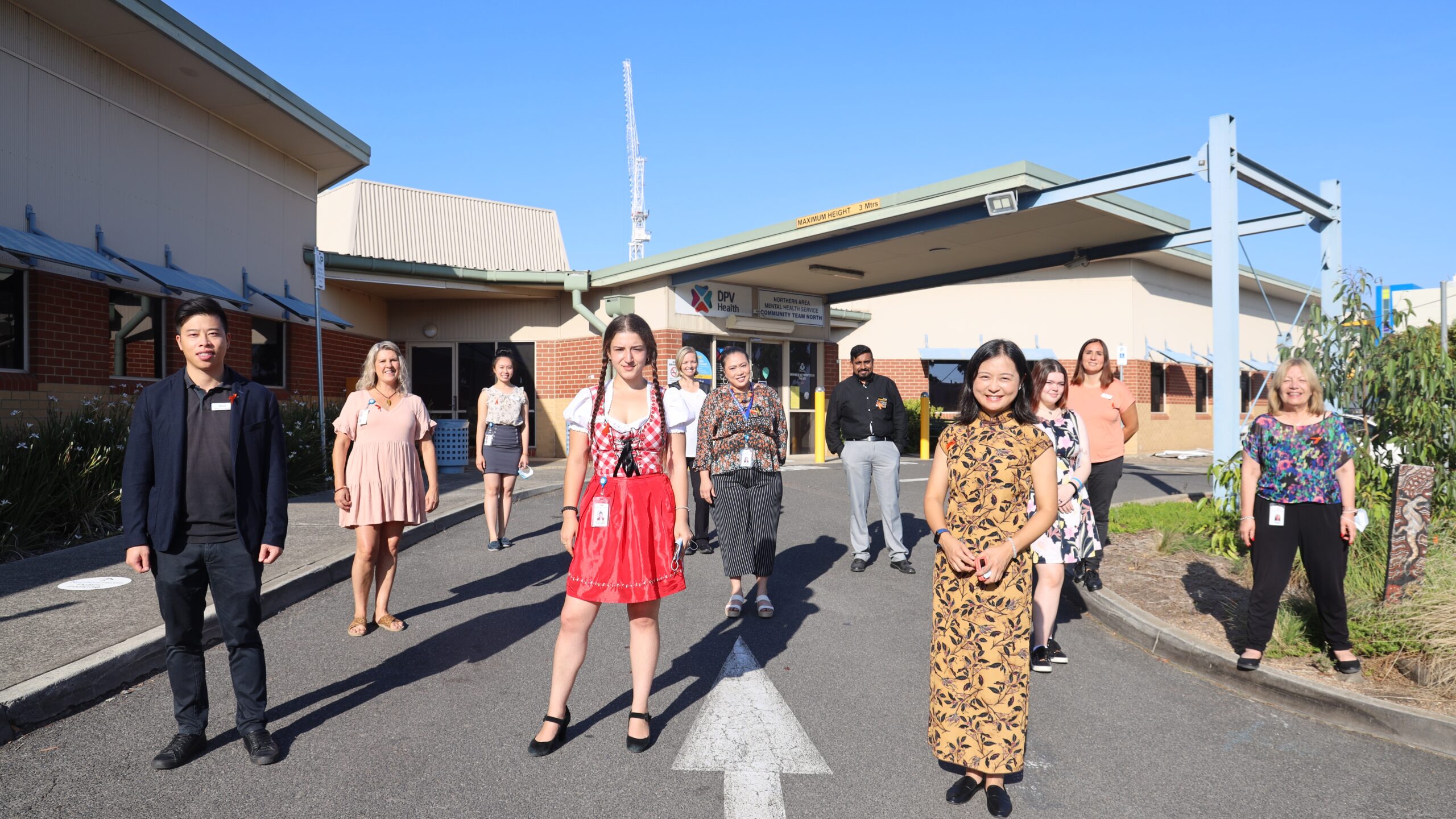
    Featured image: TALS team celebrating Harmony Day

  • Big Idea: Simulating together for safety

    Big Idea: Simulating together for safety

    Another innovative ‘Big Idea’ 2021 is becoming a reality, and will change the way we train together.

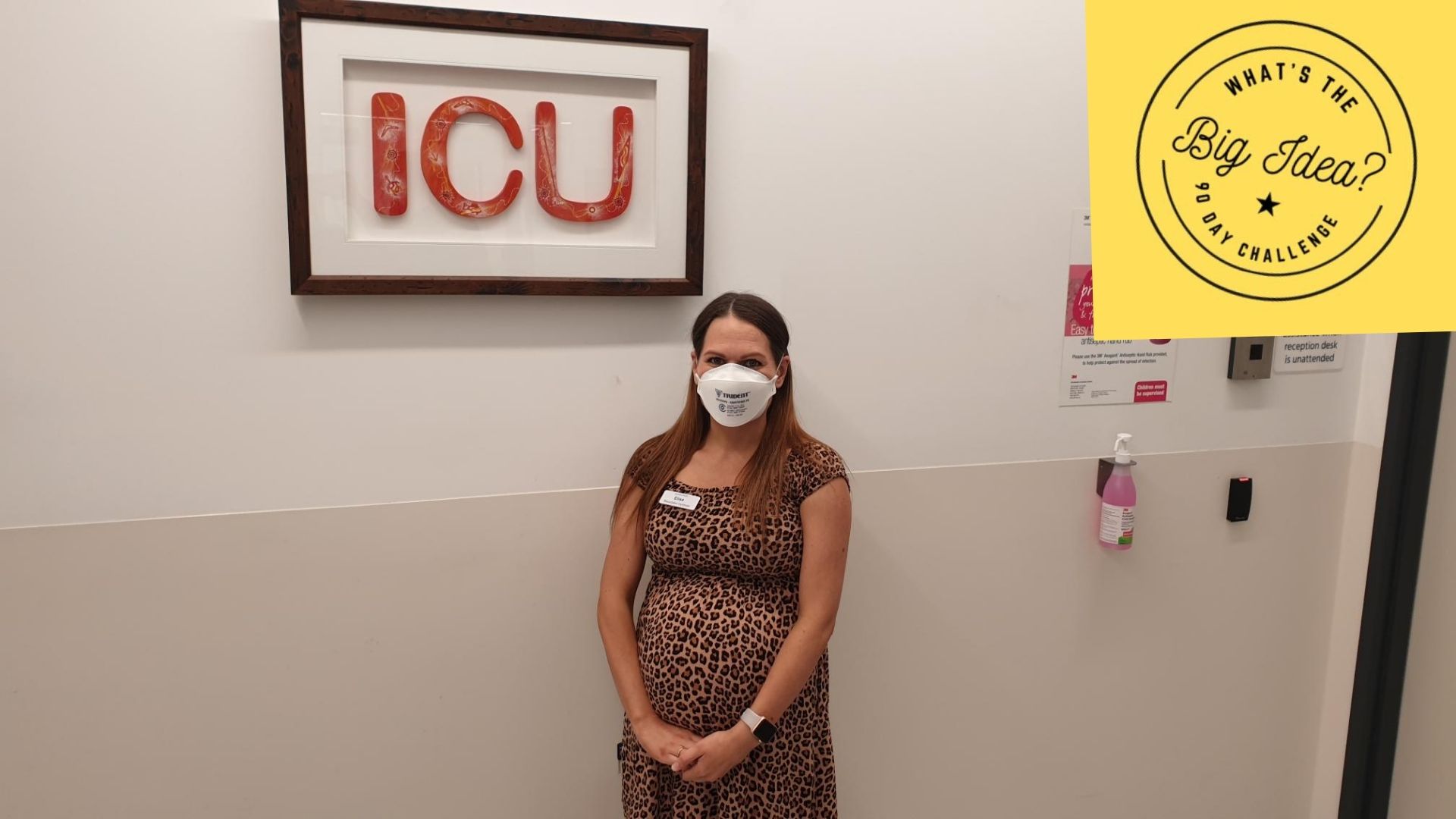
    Elise Sutton, Resuscitation and Clinical Deterioration Coordinator, said it’s all about training as a multi-disciplinary team on basic and advanced life support.

    “Often, when we train staff, we train them in silos – medical train together, nursing together and similar. Or we train according to skill level,” she explains.

    While the usual training sessions are for separate disciplines, practice and day to day work is actually different – as allied health, nursing, medical, basic and advanced life support all work together with a patient. Research has also shown that when staff train together, they work better as a team.

    The Simulating Together for Safety idea is based on Elise’s experience with in-situ simulations and other resuscitation training.

    “I’ve realised how good it is to work and practise as a team. Overcoming barriers through debrief has been beneficial to teams, as it also empowers everyone to have a voice. All of that has inspired me to pitch an idea and come up with multi-disciplinary study days focusing on team training,” she explains.

    “This study day is about bringing teams together through simulation – it will be run in the Simulation Center at NCHER. We will film the team at the start, before any training, then the team will go into skills stations, and a few simulation practises, with the final simulation also recorded.”

    At the end of the simulation, an external person will review the recordings of both sessions, not knowing which one is the first or last, with the aim to show the progression within the team and overall improvement.

    The Simulating Together for Safety idea was pitched during the 2021 Big Idea call out, and due to its face-to-face delivery, it had to be temporarily put on hold. However, with the eased restrictions, Elise is looking forward to the first training day in May.

    “While we waited to resume face-to-face sessions, we gained ethics approval to record and review the sessions so we can put it into a research paper to show the progression of the team between the first and the last session. We’ve also been successful in obtaining a Clinical Nurse Educator position at 0.2 EFT, and we are in the process of advertising and recruiting,” she explains.

    “People are very eager to come back to training together in person.”

    Elise encourages staff to come to the first simulation session.

    “There will be several simulations in one study day and we need 12 candidates to run the session. Keep an eye out for the Clinical Nurse Educator role and the study day – both will be advertised soon. If you are interested, get your registration in. The registration forms will be put on the Education Intranet page or on the Clinical Deterioration and Resuscitation learning hub, hoping to run the first session in May,” she adds.

    Elise is planning for these simulations to become part of ongoing staff training.

    Simulation day structure

    Do you have a ‘Big Idea’ you would like to turn into reality? Submissions for ‘Big Idea’ 2022 are open! We encourage all staff to submit their ideas via Ideascale. ‘Big Idea’ 2022 submission deadline has been extended and will now close on Sunday, 27 March.

  • National Close the Gap Day: Transforming Power

    National Close the Gap Day: Transforming Power

    The incidence of cervical cancer in Aboriginal and Torres Strait Islander Women is more than twice that of non-indigenous women.  Mortality is nearly four times the non-indigenous rate. Participation in Breast Screen programs is half that for non-indigenous women.*

    National Close the Gap Day is observed on the third Thursday of March and advocates for health equity of Australia’s indigenous people and educating the public about the health issues and barriers to well-being faced by them.

    The Close the Gap campaign is aimed at improving the health outcomes of Aboriginal and Torres Strait Islander people, whose life expectancy is 10–17 years lower than that of non-indigenous Australians. In addition to access to healthcare, other factors including poverty, education, and employment have an impact on the well-being of indigenous groups.

    The 13th annual Close the Gap Campaign report, “Transforming Power; Voices for Generational Change” produced by the Lowitja Institute, focusses on Aboriginal and Torres Strait Islander-led transformation, highlights the work of Aboriginal and Torres Strait Islander organisations and communities. This will be launched  at 11.30 am today. Attendance is free, however you need to register below (click on the image).

    In our Northern Health Innovate Reconciliation Action Plan, some of the feedback from the Aboriginal community relating to Closing the Gap, were requests to improve access to services and health promotion.

    In response, Northern Health Narrun Wilip-giin (Aboriginal Support Unit) in 2019 partnered with Djirra to deliver five Aboriginal women’s health and wellbeing workshop programs, made possible by a grant from Tobin Brothers Foundation.

    Karen Bryant, Senior Aboriginal Liaison Officer said, “The workshops allowed for Aboriginal women to listen to speakers, in a culturally safe space, on topics relating to women from 18 years to Elders”.

    The workshops were held from December 2020 to September 2021 with a total of 58 participants.  Topics included how to access services such as cervical, breast, and bowel screening.

    Participants overwhelmingly reported that they found the topics “informative and important to their needs.”  78 per cent of respondents reported that the program speakers encouraged them to reach out and make one or more health checks.

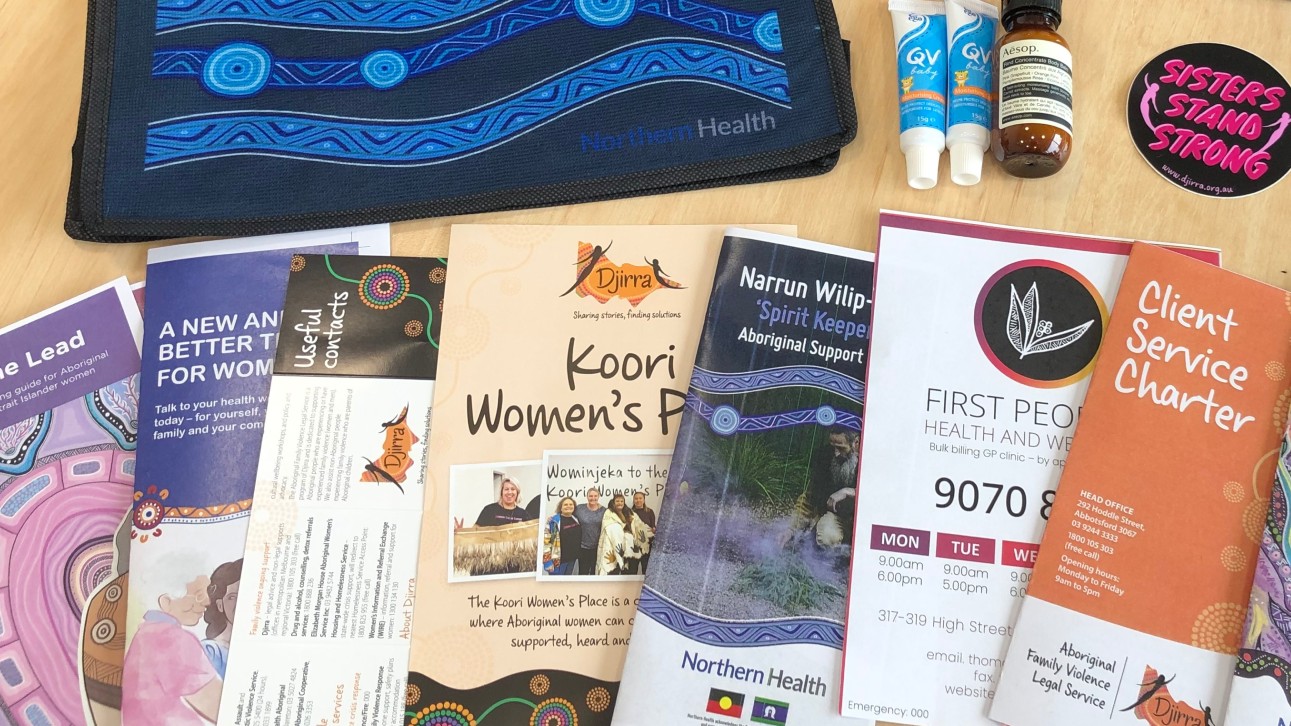
    Participants also received a Narrun Wilip-giin ‘Dilly bag’ with health information on the topics discussed.

    Given the constraints of COVID-19, the sessions transitioned from face to face to an online program. This brought about several positive unanticipated outcomes, including extending our reach beyond the Northern Health catchment, opening up registrations for women from across all of Melbourne.

    The other positive outcome was the collaborative partnership with Djirra to co-design and deliver the workshop program.

    ‘Djirra’ is the Woiwurrung word (Woiwurrung is the traditional language of the Wurundjeri people) for the reed used by Wurundjeri women for basket weaving. The work Djirra does is predominantly designed by and for Aboriginal women and offers practical support to all Aboriginal women and particularly to Aboriginal people who are currently experiencing family violence or have in the past.

    Antoinette Braybrook, the CEO of Djirra, said, “Djirra is delighted to partner with Northern Health to deliver culturally safe workshops, designed for and by Aboriginal women. These workshops are critical to improving health outcomes and providing support for our women to live strong in culture and identity.”

    For more information on Close the Gap, click here.

    Featured image shows Narrun Wilip-giin ‘Dilly bag’ with health information, provided to participants at the workshops.

    *(BSV data June 2017).


  • Documenting patient height and weight in the EMR

    Documenting patient height and weight in the EMR

    Did you know…

    We currently document a patient’s weight multiple times in a range of different places during their admission. However, when the EMR goes live next year, measured weight will be documented just once and can be viewed centrally by all clinicians treating the patient.

    The EMR team recently completed close to 65 workshops for staff. The team is extremely grateful for the close involvement of all our Subject Matter Experts and Accountable Leaders, without whom the workshops would not be possible.

    You may be wondering what actually happens in one of these EMR workshops and, while each workshop is very different, we will take you through a recent one which validated workflows and design decisions regarding height and weight documentation in the EMR.

    Each workshop is different, ranging from introducing order sets, discharge workflows, documentation, to validating complex medications on the EMR system.

    Before the session, our EMR analysts consulted widely with our clinicians from different disciplines and specialties to understand Northern Health’s current state. They then designed the workflow and functionalities in a test environment of the EMR (known as a ‘domain’).

    In this particular workshop, there were representatives from nursing, medical, allied health and pharmacy, with workflow requested to be signed off by our nursing Accountable Leaders, Deborah Zilm and Lucia Bento.

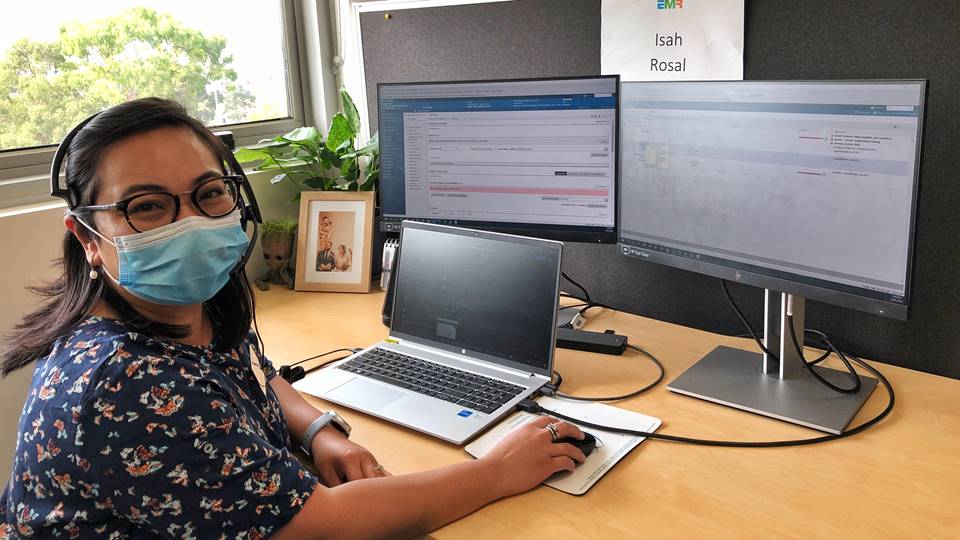
    The session started with Isah Rosal, EMR Clinical Documentation Analyst, documenting in the EMR as a nurse by using CareCompass, which is a nursing worklist.

    From the CareCompass, clinicians can easily see information relating to the patient, their care team, length of stay and activities with tasks for nurses to address. Isah went on to demonstrate how the patient’s measured weight will be documented, which will be displayed in a highly visible blue banner bar at the top of the screen.

    Isah demonstrating EMR PowerChart to workshop participants
    Clinicians will be able to view their patient’s information on the blue banner bar when they document in PowerChart

    Clinicians will also be able to view past documented weights from the patient’s previous visits (known as encounters) when navigating the blue banner bar.

    During the session, Jessica Hart, EMR Medications Lead, logged in as a doctor to demonstrate the medical workflow of placing a medication order for the same test patient. With our patients’ best interest in mind, if doctors try to place a weight-based medication for paediatric patients without a documented weight, a dosage calculator, as well as alerts, may pop up to notify our clinicians.

    The session ended with Isah, from the nursing perspective, to confirm the automatic rule that will task the nurses to re-weigh the patient every seven days (from admission). Weight changes will be automatically updated in the blue banner bar.

    The workflow was validated by the Accountable Leaders. Deborah Zilm, Accreditation Officer (Chair of Standard 6) commented she “loves that nurses will only need to document weight and height in one place in the EMR.”