• Pleural Medicine Unit hosts two-day workshop

    Pleural Medicine Unit hosts two-day workshop

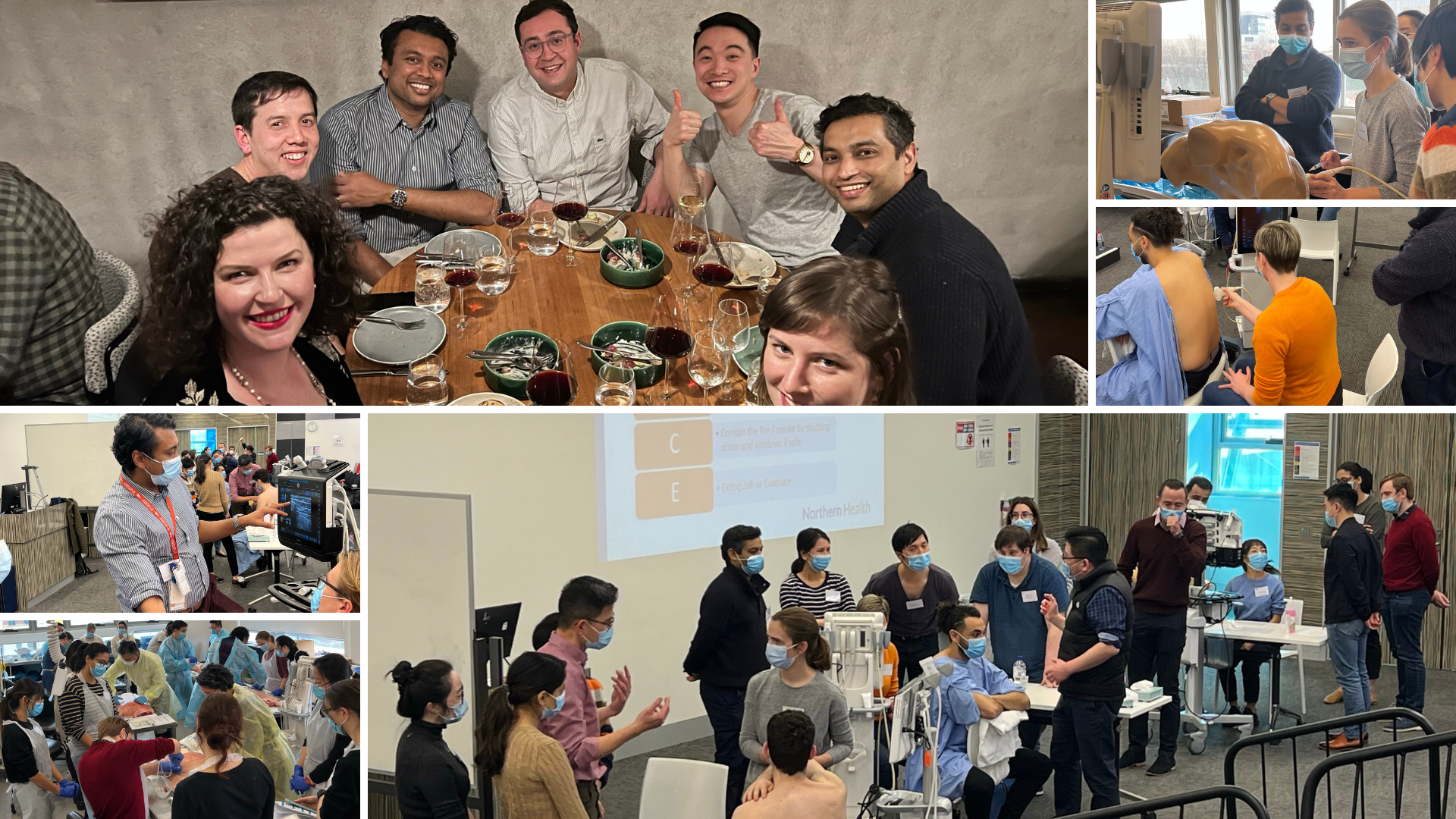
    The Northern Health Pleural Medicine Unit recently hosted a successful two-day workshop focusing on pleural disease and thoracic ultrasound.

    Pleural medicine is now widely recognised as a sub-speciality of respiratory medicine, the body of evidence is both large and compelling. Despite the advances in quantity and quality of pleural research, clinic inertia remains, leading to a delay in the translation of research into everyday clinical practice.

    “The Pleural Medicine Unit at Northern Health is leading the way in Victoria and has an international presence that contributes both to research and improved patient outcomes for patients with pleural disease,” said Dr Katharine See, Head of Respiratory Medicine.

    “To assist in creating awareness and supporting the translation of pleural research into practice, we developed the ‘Pleural Disease and Thoracic Ultrasound Workshop’. This two-day workshop aimed to increase knowledge and confidence of emerging clinicians, with the use of thoracic ultrasound in assessing and performing pleural procedures for patients with pleural diseases, explained Dr Sanjeevan Muruganandan.

    “The course provided participants with an interactive and practical learning environment in which they were guided by a diverse and dynamic teaching team from different specialities including respiratory, emergency medicine, thoracic surgery and interventional radiology,” Sanjeevan said.

    The feedback received from participants was overwhelmingly positive.

    “We have already seen meaningful change in practice at multiple external centres as a result of the course. Feedback has highlighted the gap in knowledge and translational delay in implementing evidence into care, across other centres. It is evident that Northern Health has the potential to impact care across the state,” Sanjeevan said.

    The Pleural Medicine Unit is incredibly passionate about providing high quality person-centred evidence-based care for patients with pleural diseases.

    “We believe sharing knowledge, developing skills and confidence of next generation clinicians is key to ensuring the ongoing transformation of care for patients with pleural diseases,” said Kirstin Tirant, Pleural Clinical Nurse Consultant.

    With this in mind, the Pleural Medicine Unit aims to provide this unique learning opportunity to healthcare professionals around the country bi-annually.

    “The Pleural Medicine Unit at Northern Health is leading the way in the provision of expert, safe, evidenced-based and timely care to patients with pleural diseases. It is an innovative, world class service providing person-centred care that ensures the optimisation of quality of life for all its patients. These workshops will ensure the clinicians of the future have the tools to ensure the continuation and improvement of such care into the future for all patients of the northern community and beyond,” Katharine said.
  • Northern Health Foundation’s Corporate Breakfast

    Northern Health Foundation’s Corporate Breakfast

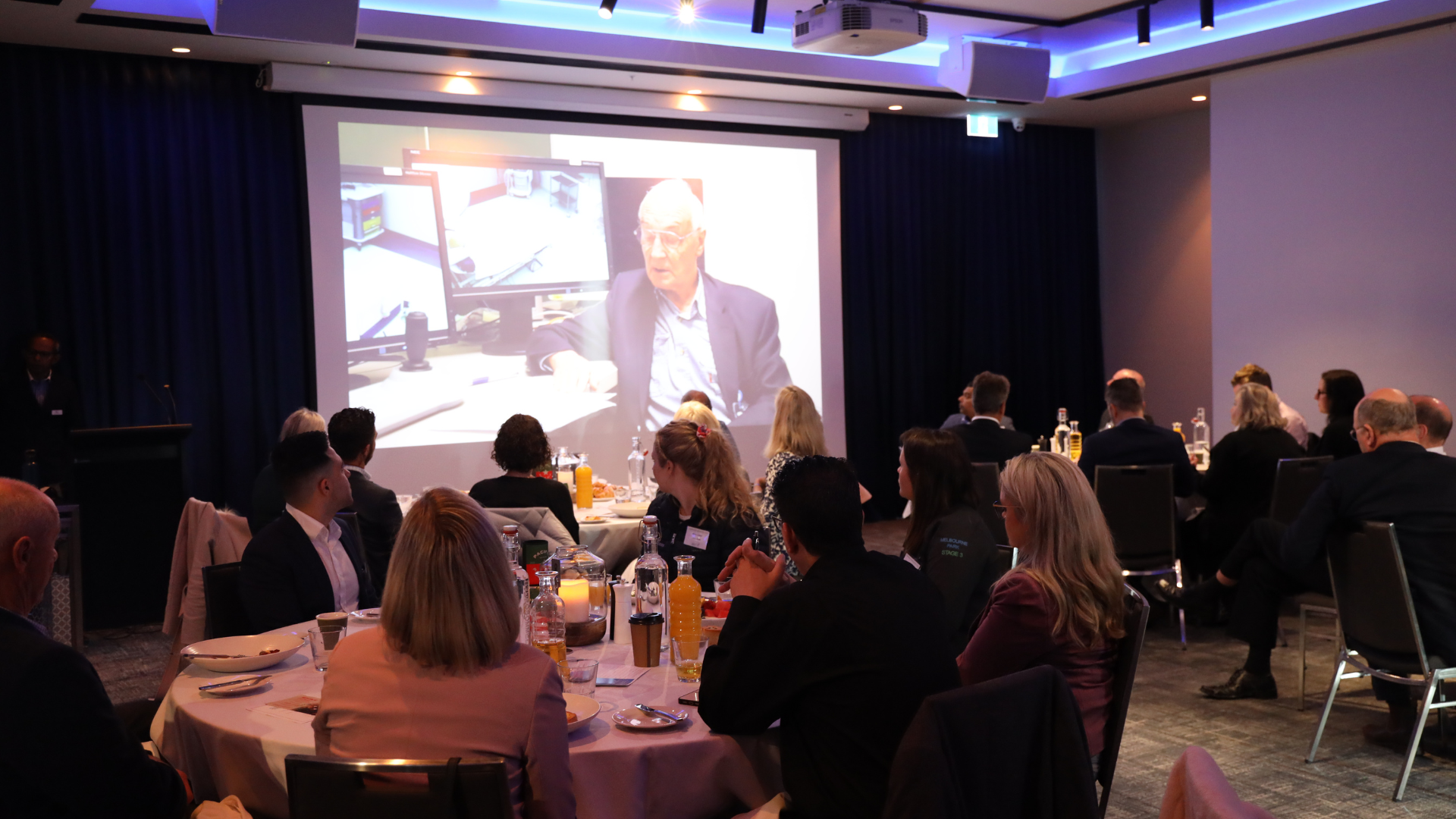
    On Friday, 14 October, Northern Health had the pleasure of hosting its first face-to-face Corporate Breakfast since 2020, as part of Research Week.

    The day started early with the team preparing to welcome local business and community leaders to the event, with several guests’ speakers set to highlight current research projects at Northern Health.

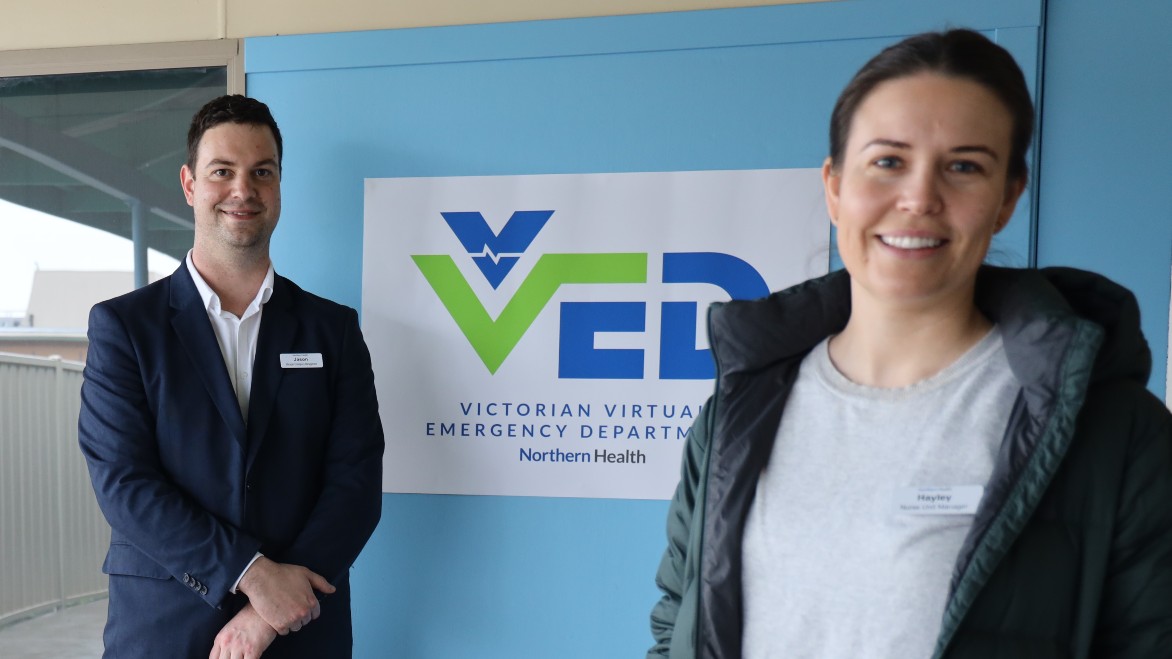
    Dr Loren Sher, Director, Victorian Virtual Emergency Department (VVED), spoke on the new and innovative ways Northern Health is making a difference to care for patients in our community. The VVED launched earlier this year to the wider public, allowing our nurses and doctors to connect with patients who have non-life-threatening emergencies. Currently, the VVED is receiving up to 300 calls a day, with the service expecting to expand in the future as our northern population grows.

    “We’ve been doing a lot of work in the Hume region for example, after recognising that there are patients within that region that have limited access to the level of expertise that we perhaps have in metro,” Loren said.

    “We are now able to provide that expertise using digital technology, which is absolutely brilliant. The fact that it’s coming out of Northern also shows that we are very much an innovative and adaptable hospital.”

    Pina Di Donato, Executive Director Public Affairs and Foundation, was thrilled by yet another successful event, saying, “It was great to have members of the Northern Health community in the same room, from across health care disciplines and across different sectors of industry. These events are a wonderful opportunity to exchange ideas and to plant seeds for the future. It was a privilege to showcase the wonderful work being undertaken by Northern Health staff to our guests.”

    Chris Turner, Northern Health Foundation Board Member, proudly reaffirmed the Foundation’s commitment to supporting Northern Health through the funding of research, training and the purchase of medical equipment.

    “I would like to extend my sincere thanks to all supporters of Northern Health Foundation, and for the wonderful turnout of business, and community leaders. Northern Health has been doing some fantastic work, and we were thrilled to be able to share some of these ideas with our guests. Dr Loren Sher gave us a very informative insight into the VVED, and the important part research has played from its inception,” Chris said.

    A special thanks to Mantra Epping for providing their wonderful venue, and Ramsay Health Care for sponsoring this event. Many thanks to the team and volunteers involved in the planning of this event.

    The Foundation looks forward to its continued support of Northern Health as it works towards its vision of a healthier community for every person, every day.


    Dr Loren Sher, Director Victorian Virtual Emergency Department (VVED)

    Stella Gibbon, Volunteer Northern Health

    Kerry Lannu, Business Development Manager, Ramsay Health Care

  • Celebrating Emergency Nurses

    Celebrating Emergency Nurses

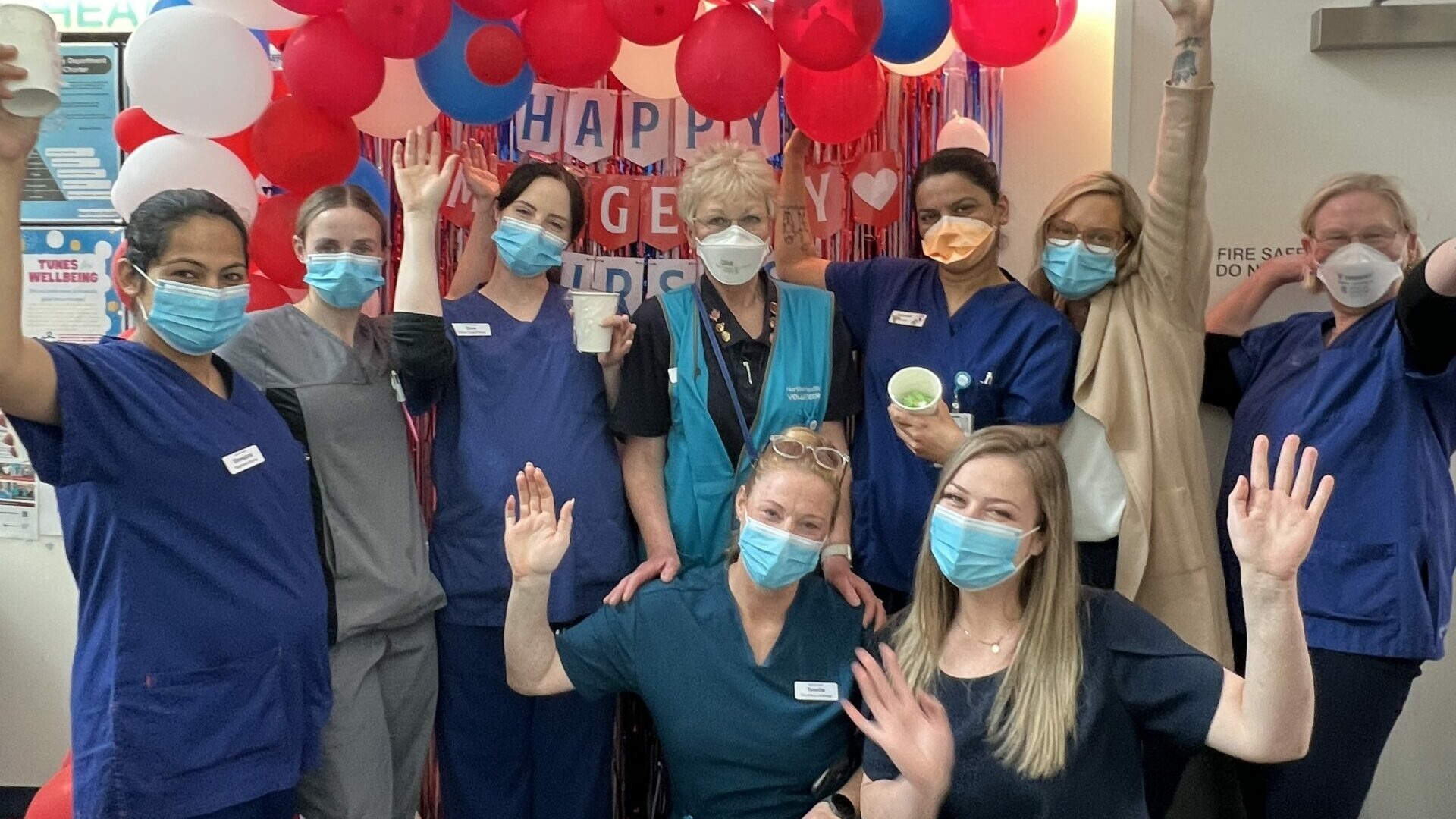
    This week, we celebrated Emergency Nurses Week, as a way to recognise all of our Emergency Nurses and the tremendous work they do to care for our patients and local community.

    As part of this week, on Wednesday, 12 October, we celebrated International Emergency Nurses Day. Established by the Emergency Nurses Association in the 1970’s, and observed globally, Emergency Nurses Day is a day to say thank you, and recognise the extraordinary commitment, hard work, and tireless efforts our emergency nurses give each day.

    Throughout the week, our emergency nurses have been celebrating together, with Stella Gibbons, Northern Health Volunteer, surprising the department with her famous cupcakes.

    Jamie Lee Hamer, Clinical Nurse Unit Manager Emergency Department, said, “Celebrating ED nurses day is very important to me. It means we are able to truly recognise the continuous hard work every single nurse in the department puts in – day in and day out.”

    Agnieska Kuciel, Acting Director, Operations – Emergency Services, also highlighted their efforts to plan lots of ways to show their appreciation to their staff, and make a positive difference in the workplace.

    “I am very proud of all the nurses in the Emergency Department. They are an amazing team who always look out for each other, with genuine support and care, especially in times of high acuity. This week allows us to acknowledge their daily commitment to our department, our patients, and each other.”

    Northern Health’s Emergency Department is the busiest in Victoria, with hundreds of patients triaged every day. This makes our nurses some of the hardest working in the state. Our nurses are professionally trained to handle difficult cases and to think quickly on their feet, providing the best possible care to our patients.

    Tenielle Holland, Clinical Nurse Unit Manager, highlighted the importance of our nurses, saying, “Emergency Nurses are a unique group who are supportive, caring, determined, passionate and understanding. It means working in a team environment, sometimes stressful, always fast-paced which requires an advanced skill-set. Being an Emergency Nurse means caring for the most vulnerable, sickest people, and supporting them and their families.”

    Among many other activities, including a visit from a therapy dog, afternoon tea and coffee cards, the nurses have still been extremely busy treating patients. Julia Beckman, ED Nurse Unit Manager, said, “Emergency nursing is a challenging, yet rewarding career – you are at the person’s side in their most vulnerable state, and offer support to families in a crisis situation. It is truly an honour to be able to offer that support, and you can proudly say you make a difference in peoples lives.”

    As our population in the north grows, so do we. That’s why Northern Health is continually finding new and innovative ways to care for our community.

    The Victorian Virtual Emergency Department (VVED) was introduced earlier this year, where you can connect with our nurses and doctors to receive medical advice. Our sickest of patients are brought into our Emergency Department, and cared for by our nurses.

    Lora Davies, Divisional Director Nursing, Emergency Services, said, “This week is about recognising the emergency nurse community’s remarkable strength, resilience, intelligence, and compassion. During the tough times Northern Health ED nurses have faced, they have continued to work as a team and deliver care to our community. They are a family, and pride themselves on working with our Northern Health values; safe, kind and together.”

    Thank you to all our ED nurses. We hope you have enjoyed the activities this week as a way to recognise your ongoing dedication to our community.


  • Shocktober – Restart a Heart Day

    Shocktober – Restart a Heart Day

    Restart a Heart Day, held on Sunday, 16 October, is part of Shocktober – a month-long campaign to highlight, raise awareness, and educate the community about learning Cardiopulmonary Resuscitation (CPR) and how to use an Automated External Defibrillator (AED).

    Thousands of Victorians suffer an out-of-hospital cardiac arrest every year.

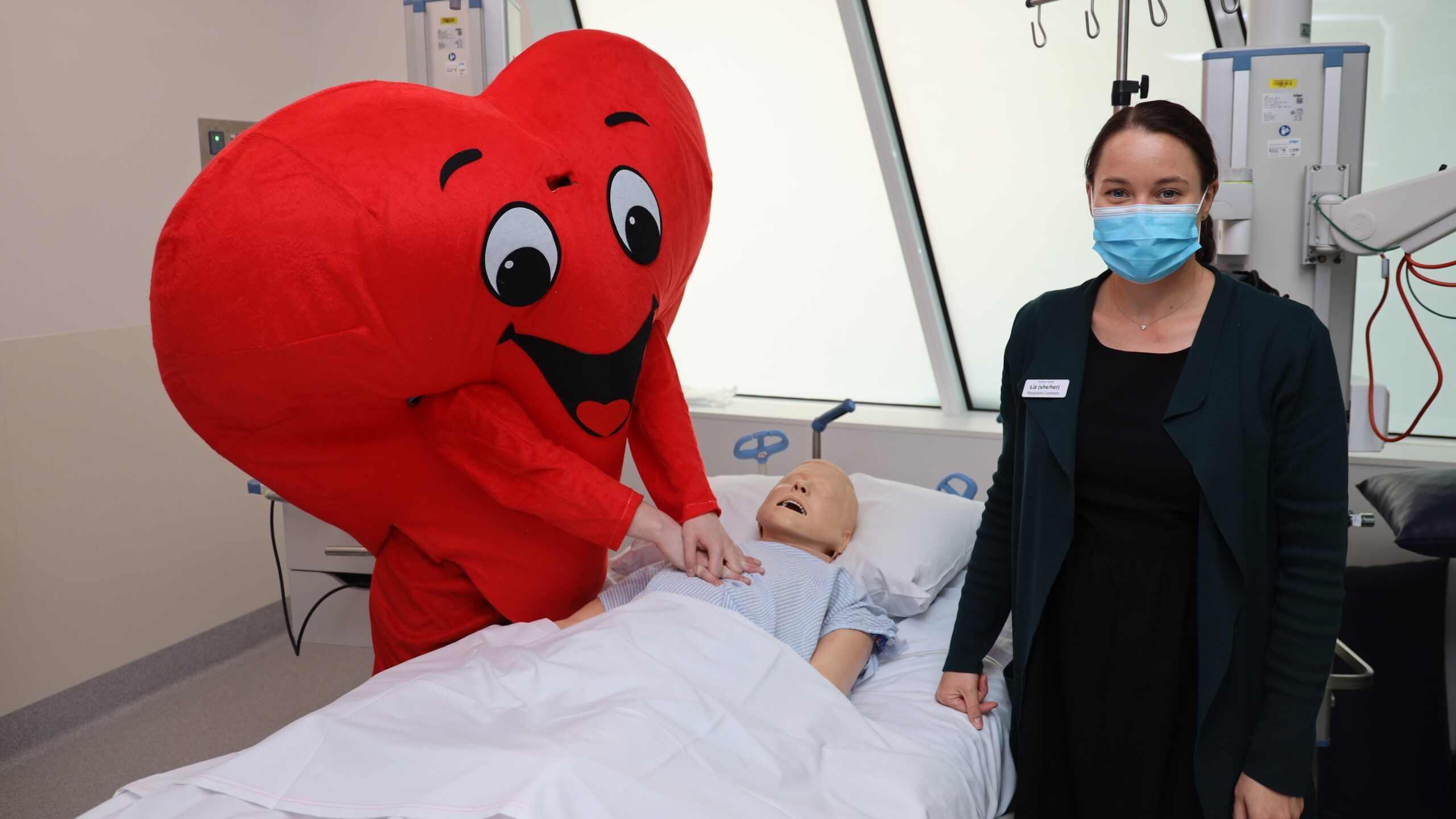
    Liz Ward, Acting Clinical Deterioration and Resuscitation Coordinator, said when cardiac arrest occurs, immediate action is critical.

    “Every day, around 19 Victorians have a cardiac arrest, with only one in 10 people surviving,” she said.

    “Together, we can improve cardiac arrest survival rates by knowing how to perform CPR and use an AED. CPR is the technique used to pump oxygenated blood around the body by pushing on the chest. Effectively, CPR does the job of the heart.”

    “When performing CPR, you are pumping oxygenated blood through the body to the brain and other body organs. It is essential to maintain this blood flow until the paramedics arrive and take over.”

    Cardiac arrest can happen to anyone, at anytime, anywhere. To ‘restart a heart’, Liz says there are three steps involved – call, push, shock.

    Call Triple Zero if someone is unconscious and not breathing normally. The call taker will guide you through how to start CPR,” Liz said.

    Push – start CPR. To perform CPR, kneel up straight with your knees next to the person’s chest. Put the heel of your hand in the middle of the chest, at the nipple line. Then place your other hand on top and lock your fingers. Lean over the chest with your arms straight and elbows locked. Push on the chest, hard and fast. This is vital to provide circulating blood to the brain – anyone can perform CPR.”

    Shock – connect a defibrillator (if available). An AED should be used if available. This checks the heart rhythm and will guide you through delivering a shock to restore the normal rhythm.”

    If cardiac arrest happens onsite at Northern Health, staff need to call a Code Blue via 2222 and the Code Blue Response Team will attend.

    There are a number of accredited first aid courses available to anyone who would like to learn how to provide CPR. There are also a number of resources on the Ambulance Victoria website, with instructional videos to guide through the steps of CPR.

    “Try not to let fear get in the way of performing CPR. Remember the three steps – call, push and shock. Any CPR is better than no CPR,” said Liz.

    On Friday, 14 October, there will be CPR education and activities, including a cardiac arrest simulation, for staff and visitors who are onsite at Northern Hospital Epping. The event will be held in the Northern Hospital Epping main foyer from 9.30 am – 3 pm.

     Featured image: Loren Tong, Simulation Clinical Nurse Educator wearing the heart suit, with Liz Ward, Acting Clinical Deterioration and Resuscitation Coordinator.

  • Northern Health tackles Epidemic Thunderstorm Asthma (ETSA) season

    Northern Health tackles Epidemic Thunderstorm Asthma (ETSA) season

    Spring is in the air, and so is pollen and thunderstorms. The warmer weather and longer days can also trigger asthma and hay fever allergies. These symptoms include an itchy and runny nose, sneezing, coughing, wheezing and/or chest tightness. Some of these symptoms can become very severe, very quickly, and may require urgent medical assistance.

    As we enter the Epidemic Thunderstorm Asthma (ETSA) season from October through to December, Northern Health is taking a proactive approach to ensuring we have the right systems and processes in place to manage an ESTA event.

    Jason Amos, Emergency Management reminds staff that, the Code Brown – External Emergency procedure and the Code Brown Subplan – Thunderstorm Asthma procedure are available on prompt to ensure appropriate response to Code Brown/Thunderstorms Asthma events.

    “This is a timely reminder for staff to ensure they are aware of our emergency plans for such events,” said Jason.

    On 21 November 2016, the state of Victoria witnessed the largest ETSA event ever recorded worldwide, an event that was unprecedented in size, severity and impact. Thousands of people developed breathing difficulties within a short period of time, and for many of them it was their first asthma attack.

    ETSA is caused by uncommon combination of high grass pollen levels and a certain type of thunderstorm. There is no universal definition of ETSA event as such, but this includes large numbers of people with sudden onset asthma in temporal and spatial relation to the storm, and large geographical areas affecting multiple health services, with a resultant strain on health and emergency systems.

    Epidemiologists recommend that people with current, past or undiagnosed asthma, and those with seasonal allergic rhinitis, have a current asthma action plan to follow (updated by their GP). They should also learn asthma first aid, stay out of storms from October through to December. Further advice during an ESTA event is to stay inside and close your doors and windows and, if you have your air conditioner on, turn it to recirculate.

    It is also important for everyone in the community to be able to recognise the symptoms of someone having an asthma attack and to know the four steps of asthma first aid:

    Step 1: Sit person suffering the attack upright

    Step 2: Shake the blue/grey reliever puffer and give them four separate puffs using a spacer if available

    Step 3: Wait four minutes and give four more puffs if the person cannot breathe normally

    Step 4: Call an ambulance if they still cannot breathe normally and keep giving reliever puffs as above until an ambulance arrives.

    Hayley Grey, Nurse Unit Manager (NUM) VVED, added, “if you are experiencing mild to moderate symptoms of asthma, or are unsure of the severity of what you’re experiencing, please contact the Victorian Virtual Emergency Department at https://www.vved.org.au/ for further assistance or visit your GP. It’s essential that we keep our Ambulances and Emergency Departments available for those that are critically ill.

    You can access daily forecasts for ETSA events here.


  • Weigh in on Malnutrition Week

    Weigh in on Malnutrition Week

    This week is Malnutrition Week ANZ – an opportunity for health services to increase focus on malnutrition identification and management.

    The theme for this year’s Malnutrition Week is, ‘Be a nutrition champion’.

    Nadia Obeid, Senior Dietitian, said nurses, doctors, allied health staff, and food service professionals, all play a key role in championing nutrition and improving the quality of life of the patients they care for.

    “Helping professionals and staff to upskill in identifying malnutrition risk is invaluable,” she said.

    Malnutrition occurs when a person does not consume enough energy and/or protein for their body’s needs. Malnutrition can also happen to anyone, regardless of usual body size.

    “Malnourished patients tend to stay longer in hospital, are more likely to be readmitted, and can cost two to three times more to treat,” Nadia said.

    To help prevent malnutrition, Nadia says clinicians should refer patients to a dietitian when there is unintentional weight loss and reduced appetite and food intake.

    Every Northern Health inpatient is also required to be weighed and screened for malnutrition within 24 hours of admission to hospital. Further re-screening is also required weekly thereafter.

    “We are constantly undertaking quality work to prevent and reduce malnutrition amongst our patients. Most recently, Northern Health nurses were surveyed on what strategies they think would help improve weighing and malnutrition screening of inpatients. The most popular strategy was to have a dedicated Weighing and Malnutrition Re-Screening Day across all Northern Health inpatient wards,” Nadia said.

    “A dedicated Weighing and Malnutrition Re-Screening Day strategy will commence the weekend of 15 October, with Saturday being the day for wards to aim to weigh all inpatients, and re-screen for malnutrition, with the aim to have everyone completed by the end of the weekend.”

    “This Saturday, start your day with a weigh. Become a nutrition champion and improve the quality of life for those you are caring for.”

    For more information on the dedicated Weighing and Malnutrition Re-Screening Day, visit the Intranet.

    There is also a Malnutrition Quiz to test your knowledge on the topic. Click here to enter the quiz for your chance to win some prizes!

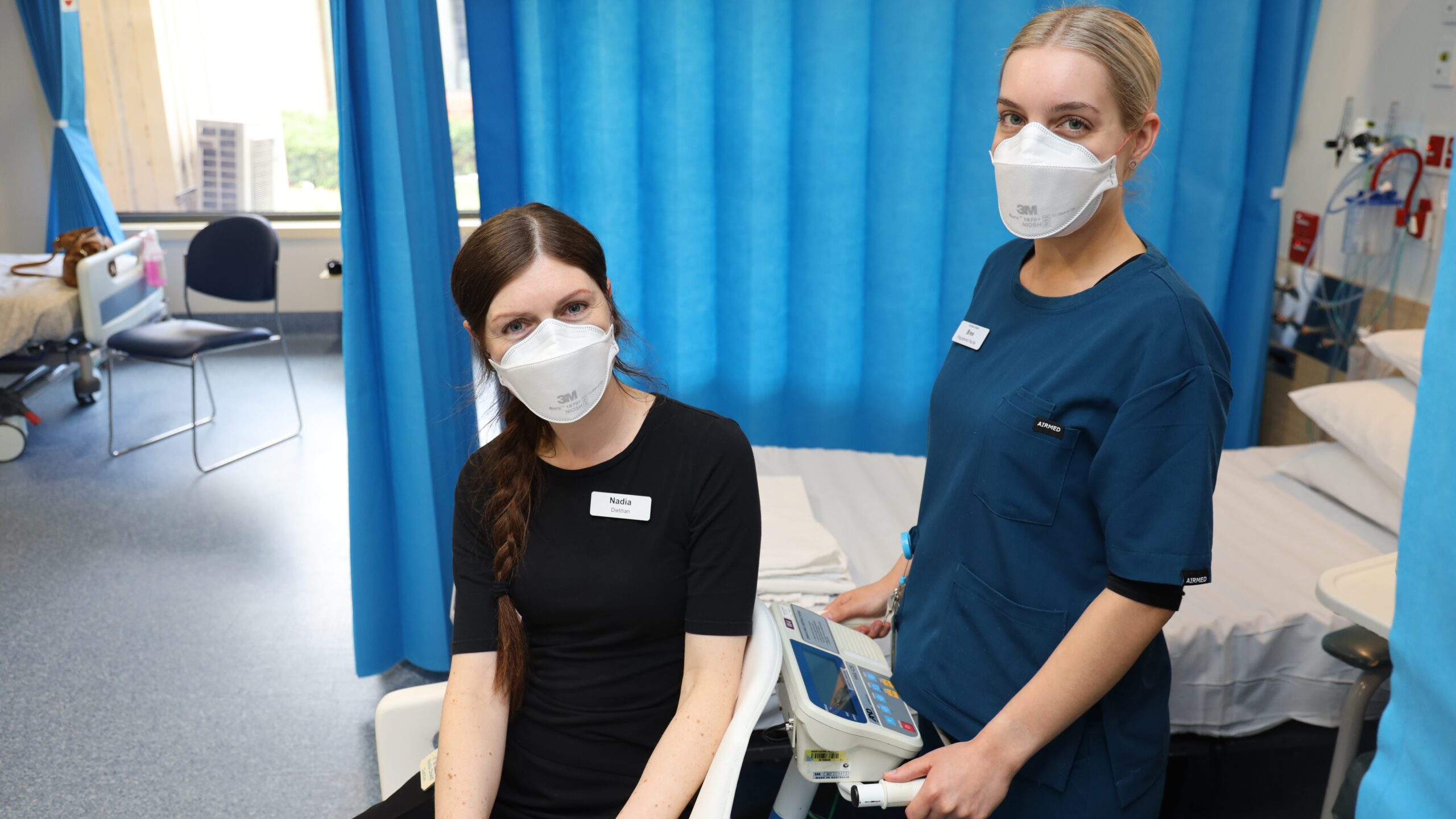
    Featured image: Nadia Obeid, Senior Dietitian and Bree DeGabrielle, Registered Nurse.

  • Research Week 2022: Research in extraordinary times

    Research Week 2022: Research in extraordinary times

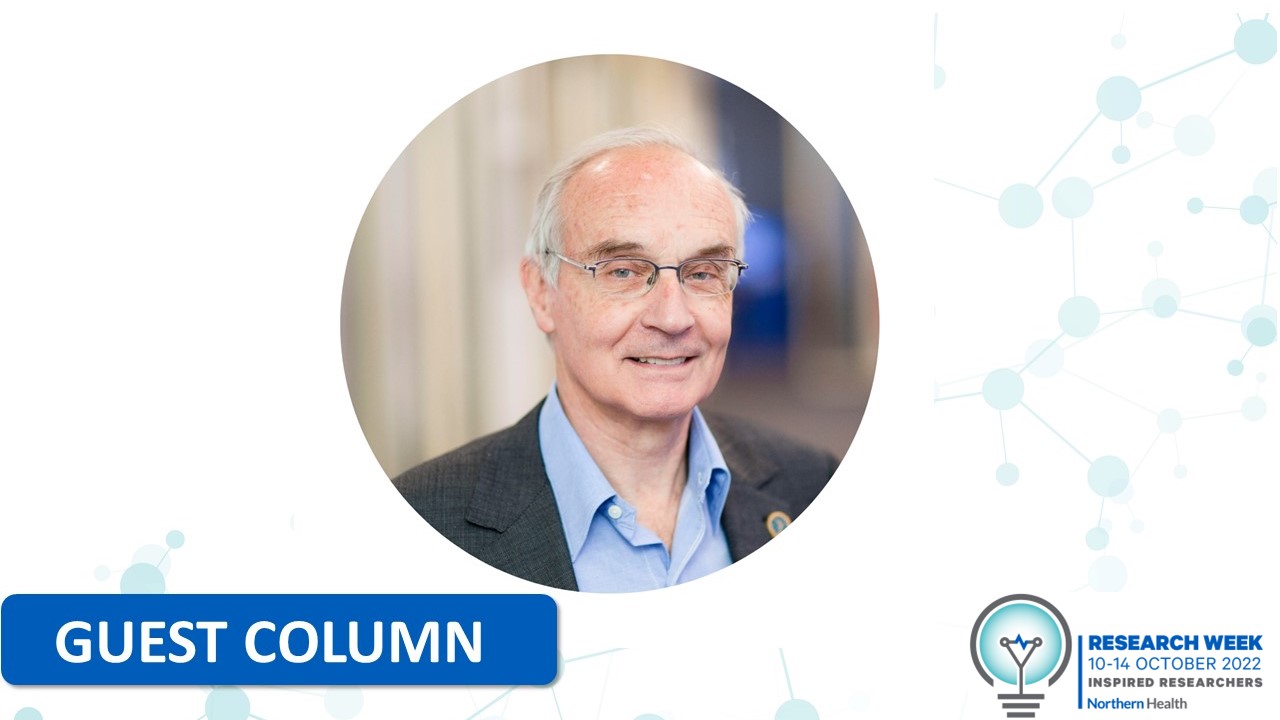
    This week is Research Week, when we celebrate our many inspired researchers at Northern Health. As Professor Peter Brooks, Research Lead, says in our story today, “What is amazing is the dedication of all our staff who continue to deliver those three ‘Pillars’ of a health system – quality care, education of patients and staff and, of course, research, in these extraordinary times.”

    This week, we celebrate Research Week in its traditional ‘October’ time slot. Yet another reminder that we are getting back to some sort of normality, yet still very much aware that COVID-19 remains with us. What is amazing is the dedication of all our staff who continue to deliver the three ‘Pillars’ of a health system – quality care, education of patients and staff and, of course, research in these extraordinary times.

    Our keynote speaker to open Research Week was Professor Zoe Wainer, Deputy Secretary for Public Health, Victorian Department of Health. She spoke about ‘Value-Based Health Care’, a topic so relevant to our emerging post-COVID-19 situation as its values have helped chart our course through these last few years, and demonstrated the role the public health system has played in delivering quality patient care. This has been shown clearly in many of the responses to the pandemic, such as Hospital in the Home, the Staying Well Program and the Victorian Virtual Emergency Department. Health is not just about hospitals – it is about a healthy and supportive community. That is what COVID-19 has taught us.

    Prior to COVID-19, Northern Health embraced the concept of ‘Virtual Health’, with telemedicine and other digital solutions focusing on community care. This helped to assist us when the pandemic began.

    We continue to develop relationships with the National Health and Medical Research Council Centre for Research Excellence in Digital Technology to Transform Chronic Disease Outcomes. We  have also generated a number of Medical Research Future Fund (MRFF) grants now awaiting announcement. Though not all these grants may be successful, working together in teams on the submission of a grant is a very potent learning experience, and just makes future submissions a little easier. It also strengthens the relationship between hospital researchers and our academic partners.

    We were pleased with the number of high-quality papers submitted for Research Week, covering clinical trials and literature reviews, as well as our COVID-19 research. Studies investigating some of the challenges faced by our workforce, as well as presentation of new models of service delivery, demonstrate how the pandemic has created new opportunities for workplace reform.

    Given it is only six months since the last Research Week (due to the postponement of Research Week 2021), our list of honours and grants is a little smaller, but of great quality. 

    • Congratulations to Associate Professor Lisa Hui who, together with Professor Natalie Hannan and Professor Stephen Tong, were each awarded a 2023 Dame Kate Campbell Fellowship by the University of Melbourne.
    • Eleanor Johnson was awarded a prestigious Health Services Research Fellowship again by Melbourne University (MACH). These Fellowships provide some salary support for emerging researchers in partner hospitals, and are highly sought after.
    • Associate Professor Joe Rotella secured funding for his project – Emerging Drugs Network of Australia VIC Research Nurse Funding, for a total value of $22,000. This will facilitate the employment of a research nurse at Northern Health for a 24-month period commencing in August 2022.
    • Funding for Allied Health Research was received by Associate Professor Adam Semciw from the Transport Accident Commission (TAC) Value-based Healthcare Grant to the value of $149,000. His project is, ‘Co-Design, implementation and evaluation of an innovative digital care pathway for patients presenting to the Emergency Department with Back Pain.’
    • RCPA Quality Assurance Programs Research Grant of $30,000 to develop a quality assurance program for plasma copeptin from the RCPA Foundation to Kay Weng Choy and his team from Northern Pathology Victoria.

    These are some of the research highlights over the last six months. They reflect the growing research portfolio Northern Health now embraces. We look forward to this growing more rapidly in the future.

    It is particularly pleasing to see that research activity is vibrant in all disciplines, with many of the projects being multidisciplinary, positioning us for a bright future.


    Peter Brooks AM

    RESEARCH LEAD NORTHERN HEALTH

  • Make your mental health a priority

    Make your mental health a priority

    Today is World Mental Health Day – a day to make mental health and wellbeing a global priority for all.

    There’s no doubt that the last two years have been tough, challenging, and at times, taken a toll on people’s mental health and wellbeing.

    “The last couple of years have been incredibly testing for our community, and in particular, our workforce – the frontline workers who have cared for the safety of others throughout a period of immense stress, distress and uncertainty,” said Renee Camilleri, Wellbeing Partner, People and Culture.

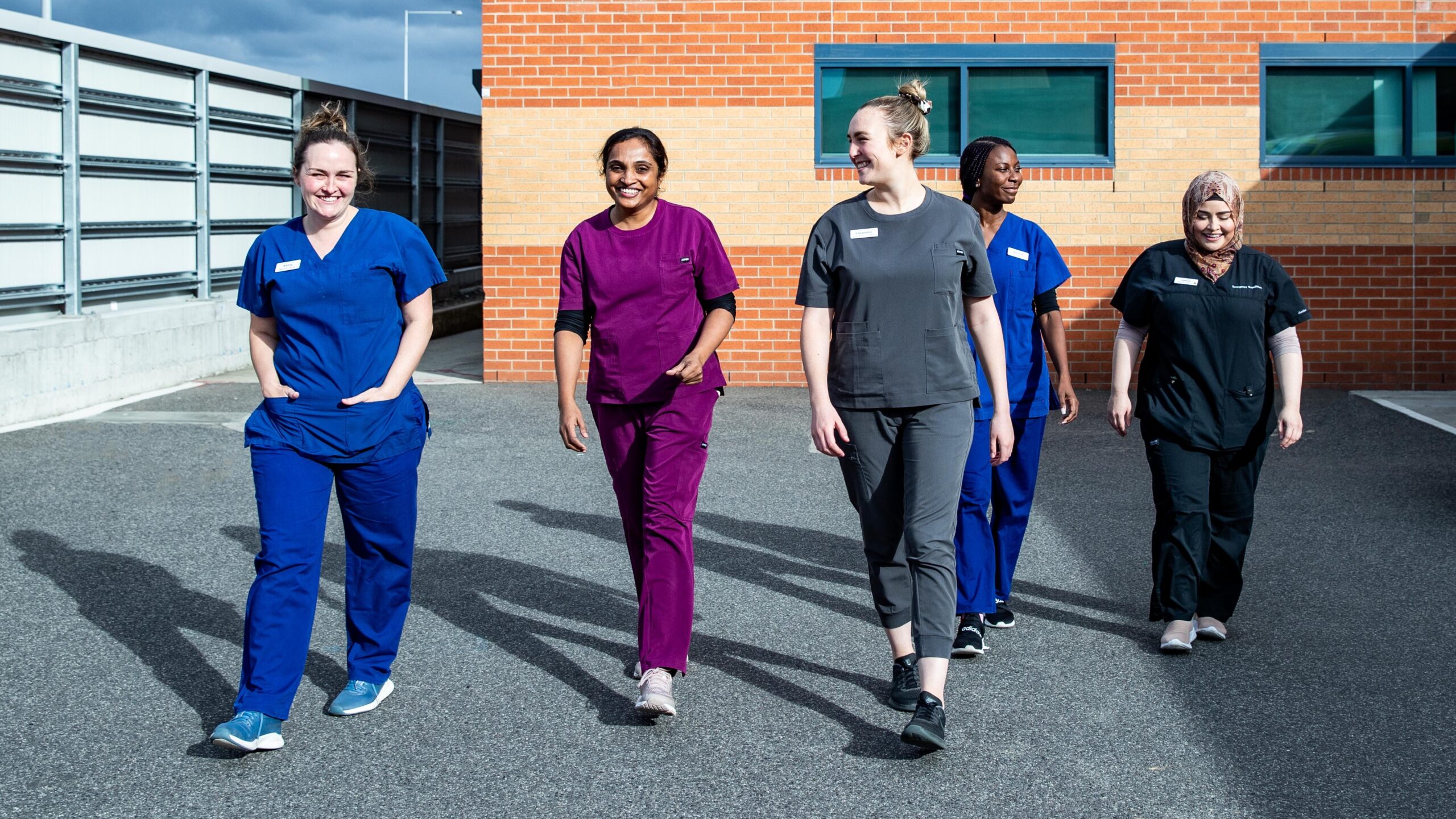
    The theme for World Mental Health Day 2022 is to make mental health and wellbeing a global priority for all. In line with this sentiment, Northern Health acknowledges it is important now, more than ever, that we create a psychologically safe work environment for our staff and celebrate days such as World Mental Health Day to raise awareness and promote the importance of speaking up when our plates are full.

    To look after their mental health, staff are encouraged to practice self-awareness, look at their daily habits and prioritise their own self-care.

    “These can be simple, manageable acts to implement in your daily routing – going for a walk, cooking your favourite meal or having coffee with a friend. Looking out for, and recognising, signs and symptoms when you don’t feel yourself is a protective factor that can be strengthened overtime, and in turn, can create a greater awareness for how the people in our lives our also coping,” Renee said.

    Belinda Scott, Executive Director, Mental Health, said, “Practicing self-awareness encourages you to look at your daily habits and how you can prioritise your own self-care. Asking yourself questions like, ‘How did I speak to myself today?’, ‘What can I do today for my own wellbeing?’ and actively reflecting on what it is that brings you joy.”

    “It is important to normalise conversations around mental health and reduce the stigma in reaching out for help. Promoting protective factors and encouraging a workplace that understands life’s challenges and how it can affect our performance, and how we show up to work.”

    “We know our people and their families have been significantly impacted by global events including conflicts and wars, public health emergencies, and social and economic inequalities. In addition to our day-to-day work, our mental health can be impacted by what is happening in our world and we hold that in our minds as we celebrate this day.”

    October also marks Mental Health Awareness Month. Here at Northern Health, we kicked off the month with an initiative organised by the Black Dog Institute called One Foot Forward, that encourages us to walk for mental health. A Northern Health team has been set up so staff can join and record their kilometres walked during October. More information can be found here.

    At 12 noon today, the Black Dog Institute hosted a webinar on common mental health support options, and spoke about how individuals can effectively communicate these resources in their workplace. The Black Dog Instititue also has many resources for the month, and we encourage you to visit their site here.

    As always, we encourage staff to look after themselves and each other, and to reach out to our services if you require one-on-one support. Northern Health’s Employee Assistance Program (EAP) is available to you and your family – it’s a free and confidential service that offers professional support for work-related or personal issues.

    Visit the Intranet for wellbeing offerings and programs available to staff.